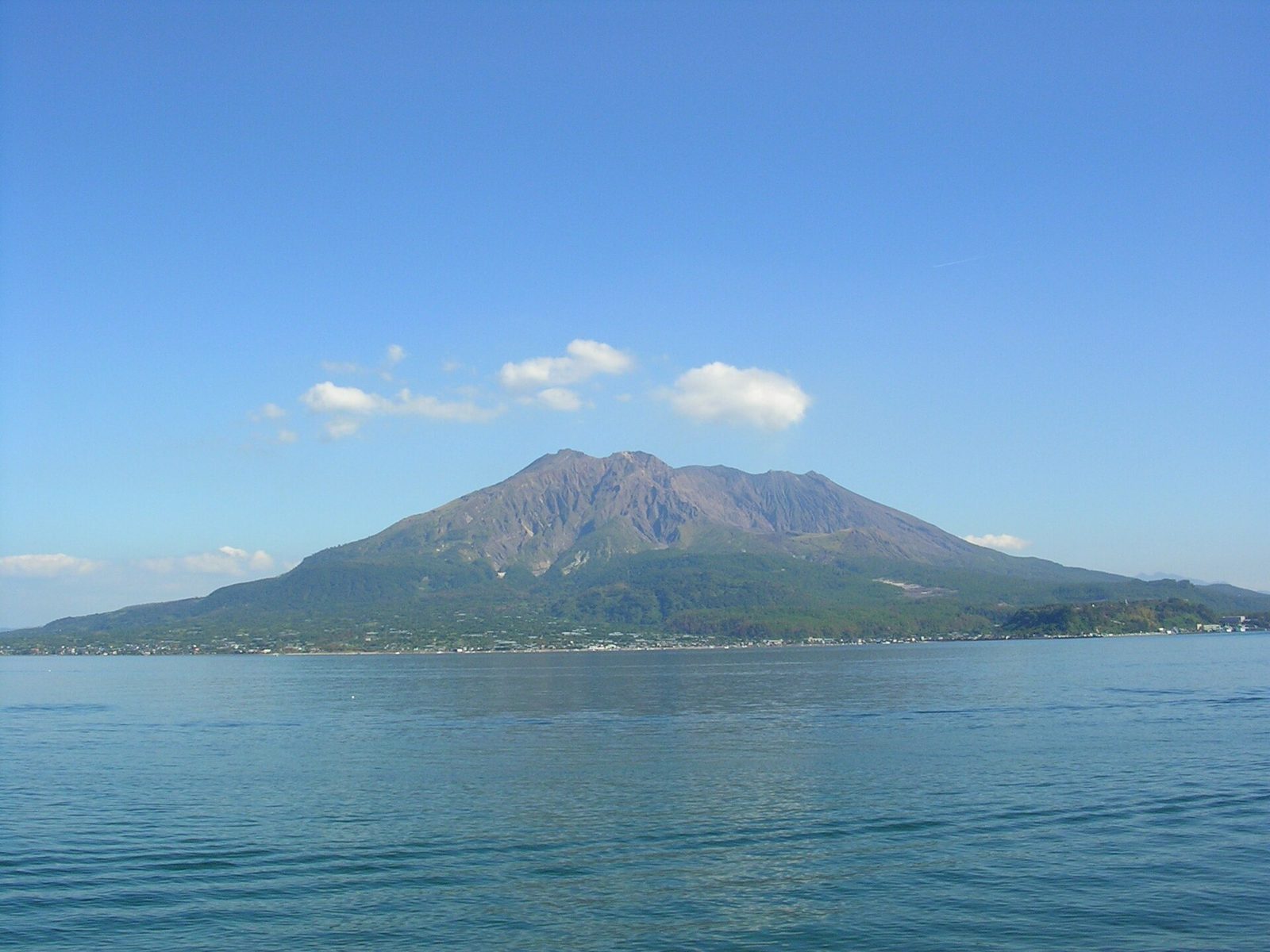
31.6° N
Kagoshima
Kagoshima, Japan
A port town facing the active volcano Sakurajima across Kinko Bay, and the seat of the Shimadzu lords. Satsuma kiriko glass and Satsuma ware, regional cooking and coffee in Tenmonkan, sweets on the Iso coast, and chocolate and coffee beans in Arata, as the editors’ picks. In November, Sengan-en holds its chrysanthemum festival.
Kagoshima, on film
6 sights and 12 places, each checked open in 2026, in 44 seconds.
Found somewhere you like? The map and the list below have the address, hours and official site.
Tap for sound
What to eat in Kagoshima
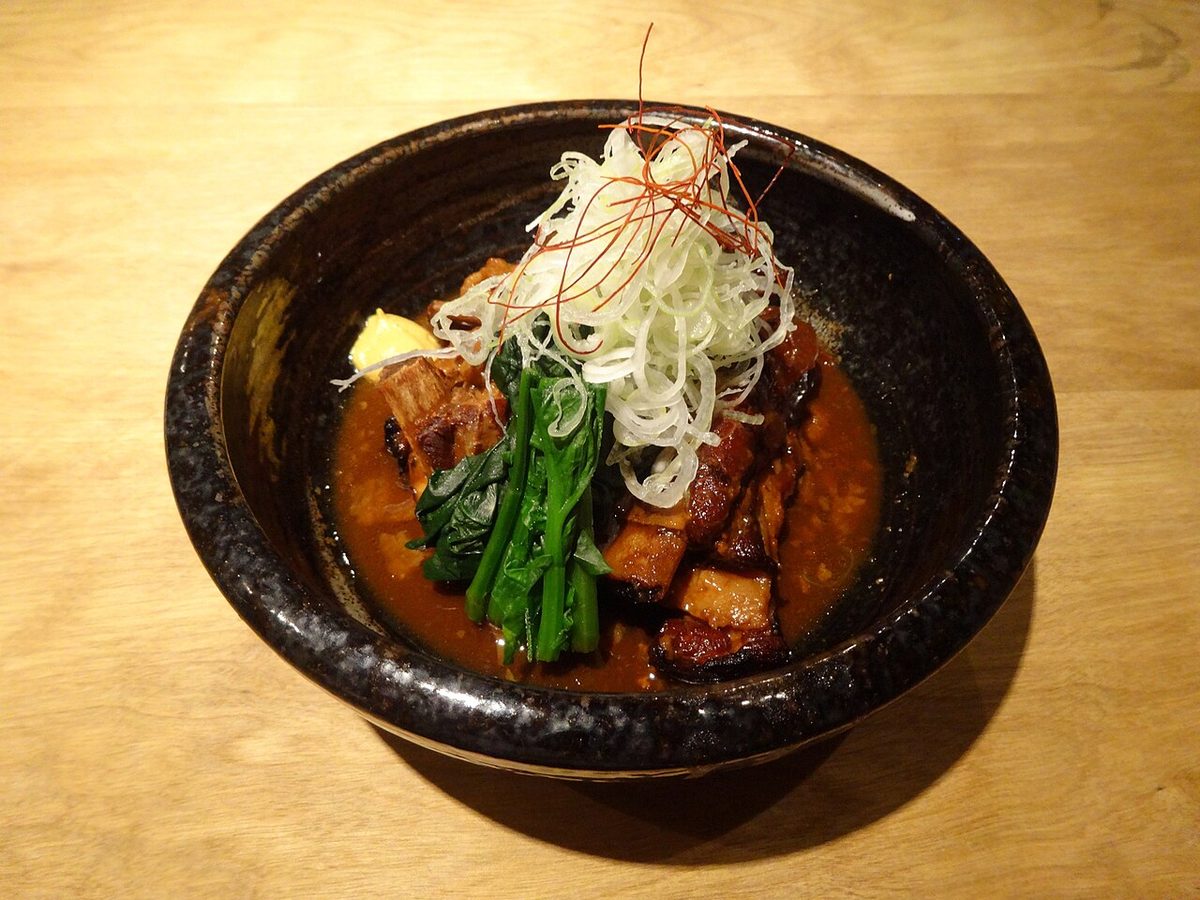
Photo: 聖石大戦ぶぅぶぅ / CC BY-SA 4.0 (Wikimedia Commons) Kagoshima Kurobuta (Berkshire black pork)
かごしま黒豚
Kagoshima Kurobuta is purebred Berkshire black pork raised in Kagoshima on feed containing local sweet potatoes, yielding fine-grained meat and clean-tasting fat. Pigs were brought from the Ryukyu Kingdom to Satsuma around the early seventeenth century and later crossbred with British Berkshires in the Meiji era while utilizing the region's sweet potato crop.
Eaten year-round in Tenmonkan and Chuo restaurants as thinly sliced shabu-shabu or thick-cut tonkatsu set meals.
Where to eat it
- Kumasotei ↓
- Kurobuta Ryori AdimoriWebsiteMap
- Tonkatsu KawakyuWebsiteMap
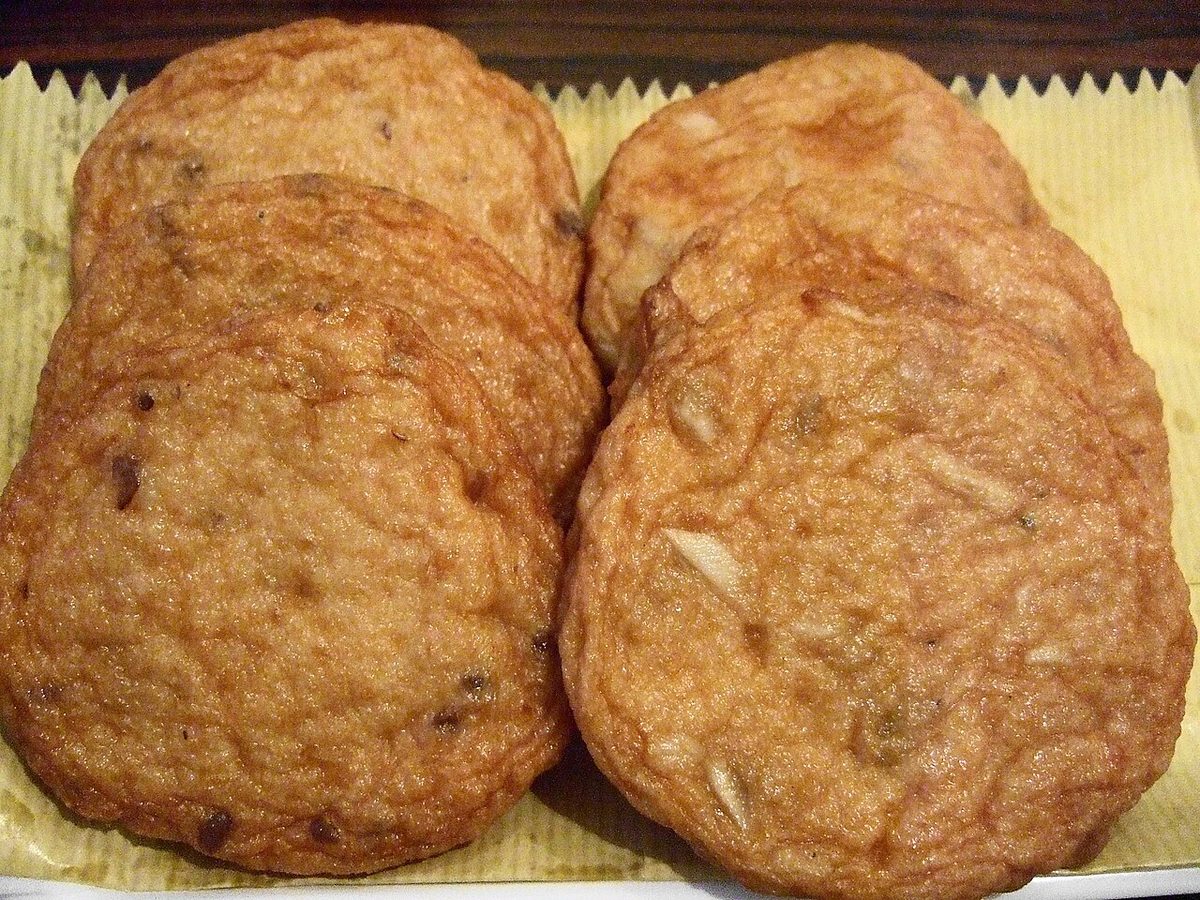
Photo: Sakurai Midori / CC BY 2.5 (Wikimedia Commons) Satsuma-age (fried fish cake)
さつま揚げ
Satsuma-age are deep-fried cakes of ground white-fish paste seasoned with local sweet sake and sugar, often mixed with vegetables such as burdock, onion, or sweet potato. Known locally as tsukeage, the dish developed after fried fish paste called chikiagi arrived in Satsuma from the Ryukyu Kingdom during the Edo period.
Eaten warm as a snack or served as a side dish with ginger soy sauce or wasabi soy sauce alongside shochu.
Where to eat it
- Kumasotei ↓
- Tokunagaya HontenWebsiteMap
- SatsumajiWebsiteMap
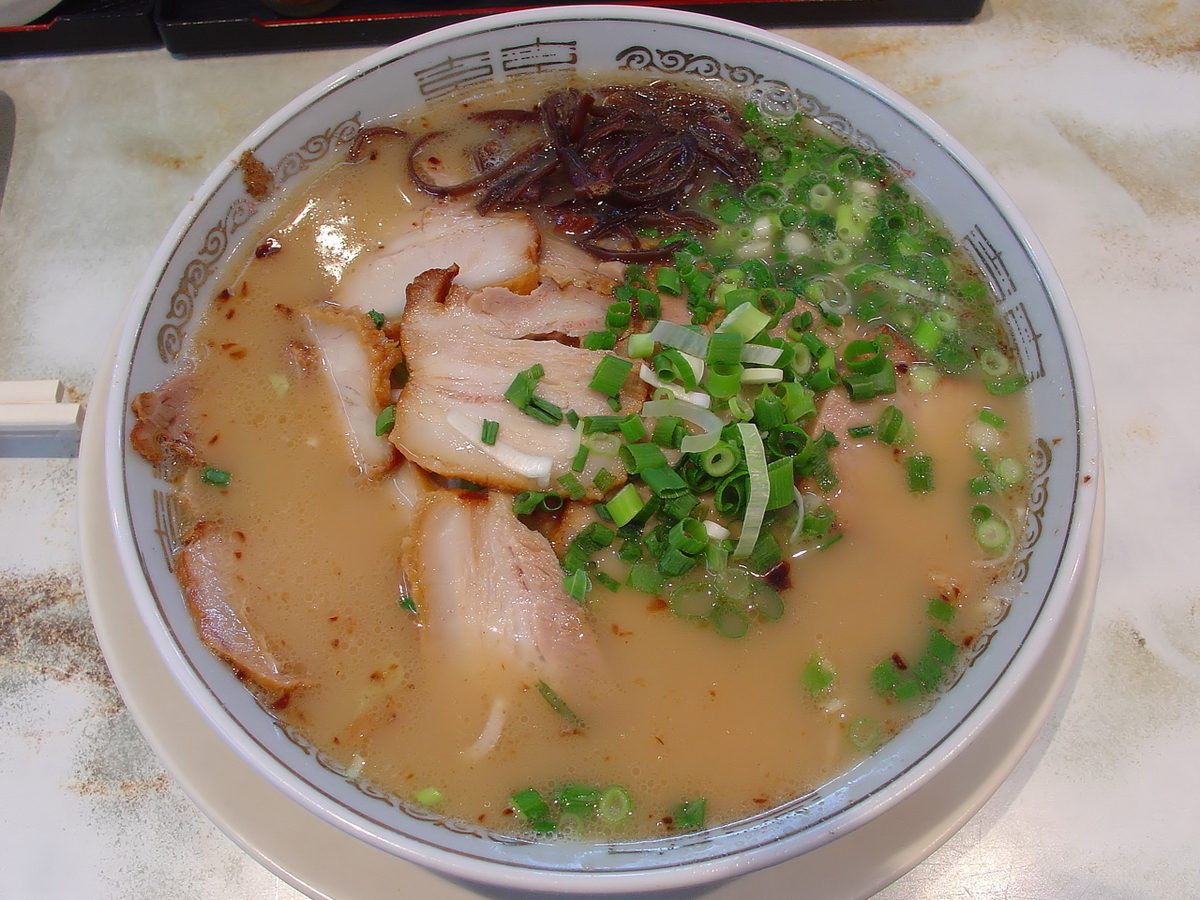
Photo: JKT-c / CC BY 3.0 (Wikimedia Commons) Kagoshima Ramen
鹿児島ラーメン
Kagoshima Ramen is a regional noodle soup built on a mild, cloudy broth simmered from pork bones, chicken bones, and vegetables, paired with pale, low-alkaline noodles and toppings such as cabbage and chashu pork. Pioneered in Kagoshima City after World War II by shops like Noboruya (1947) and Komurasaki (1950), it developed independently of Fukuoka's Kurume-style tonkotsu tradition alongside the region's pork-eating culture.
Eaten from lunch through late night at counter shops, where a small dish of pickled daikon radish is served while the bowl is prepared.
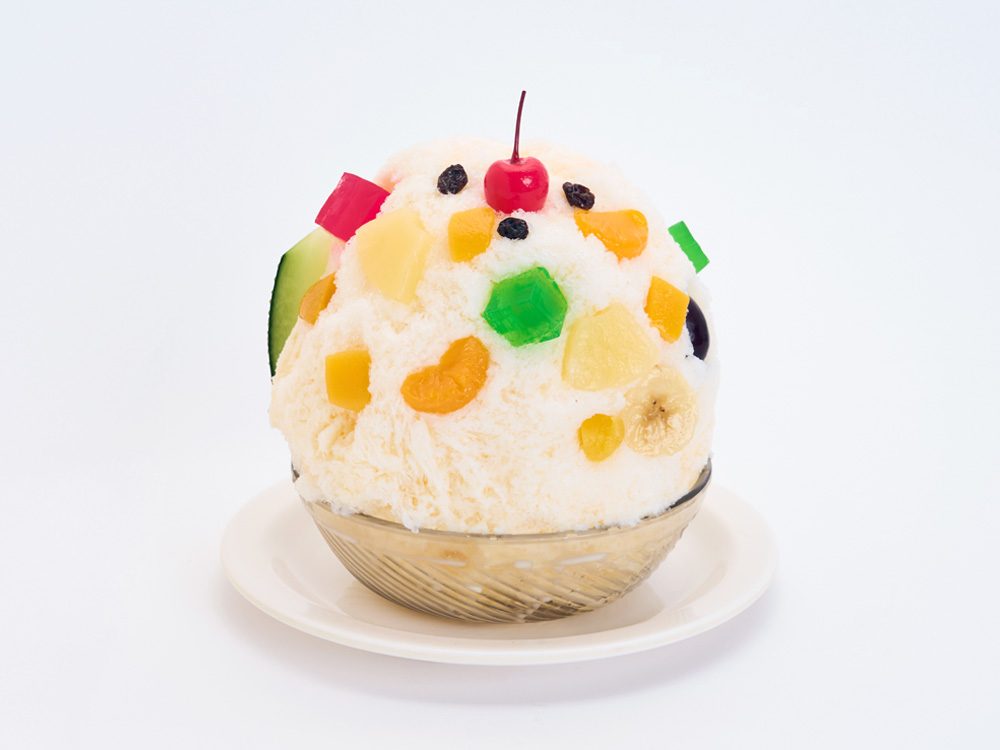
Photo: Tenmonkan Mujyaki (official site) Shirokuma (shaved ice with condensed milk and fruit)
白熊
Shirokuma is a bowl of finely shaved ice drizzled with house-made condensed milk and topped with fruit, sweet white beans, raisins, and agar cubes. It was created in 1947 by Takeshi Kubo, founder of Tenmonkan Mujyaki in Kagoshima's Tenmonkan arcade, and named after a polar bear because the toppings resembled a bear's face from above.
Eaten seated at cafes or as a handheld cup while walking the Tenmonkan arcade, year-round and especially in summer.
The LATITUDE editors’ 12 picks in Kagoshima
Our editors verified that these places were open (checked 2026-11-19). Check the official site for hours and closing days before visiting. Sponsored listings are marked.
Save places to your trip list and revisit them in this browser. No account needed.
Editors’ picks on the map — or build your own route
Tap a mark to see the place; squares are museums and sights (landmarks). Use “Build your own route” to make a walk of your own.
Loading the map
Map data © OpenStreetMap contributors
Browse by category
1 / 14
Tenmonkan & Shiroyama
Kumasotei
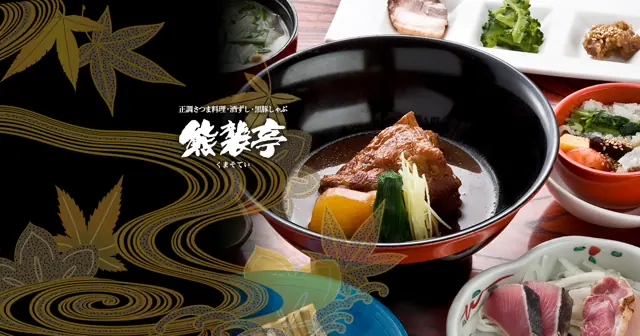
Photo: the shop’s official page 熊襲亭
A restaurant of Satsuma cooking in Tenmonkan: tonkotsu stewed pork ribs, satsuma-age, kibinago sashimi and sake-sushi. Open for lunch and dinner, closed only over the new year. There is a counter on the ground floor.
11:30–14:00 (last order 13:30), 17:30–22:00 (last order 21:00) · Closed: Dec 31 & Jan 1checked Nov 2026
Why the editors chose itTenmonkan spot for Satsuma dishes like tonkotsu ribs, kibinago sashimi and sake-sushi, with counter seats.
Meizancho (Meizanbori)
Meizanbori Umeya
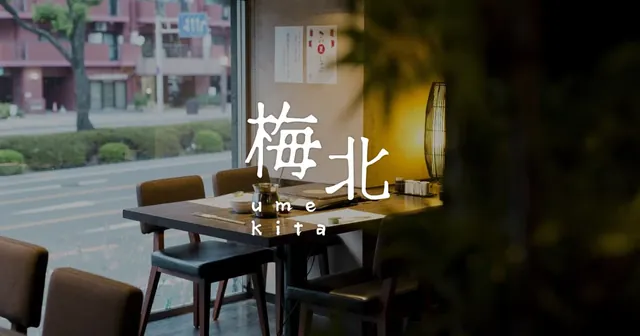
Photo: the shop’s official page 名山堀梅屋
An oden and natural wine shop in a wooden row-house in Meizanbori, pouring bottles sourced from Niban-doori Saketen in Hokkaido. Meals begin with a cup of makombu, bonito and mackerel dashi, followed by oden finished with olive oil, served in vessels by Kagoshima potters beneath Satsuma washi lighting by Keiko Haraguchi.
Why the editors chose itIn a Meizanbori wooden row-house, olive-oil-finished oden paired with Hokkaido-sourced natural wine.
Tenmonkan
BISTRO MEIKUMA
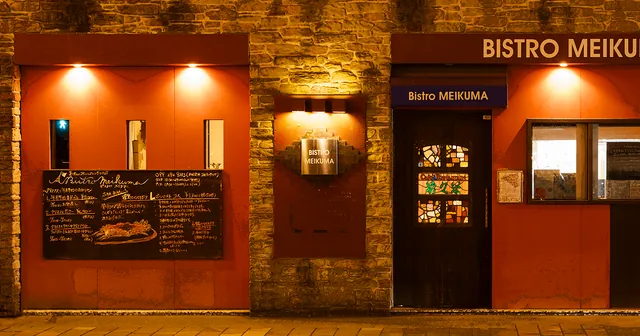
Photo: the shop’s official page BISTRO MEIKUMA(ビストロ メイクマ)
A French bistro in Tenmonkan run by a husband and wife, led by an owner-chef who trained at a one-star restaurant in France. About eight sauces and condiments—including sauces adapted from his ryotei-cook father's recipes—are made from scratch, served alongside six-hour carrot potage and dishes of Kirishima-aged Hinamori pork.
Why the editors chose itA Tenmonkan bistro making eight house sauces, six-hour carrot potage and Kirishima-aged Hinamori pork.
Tenmonkan & Shiroyama
Akaya Coffee
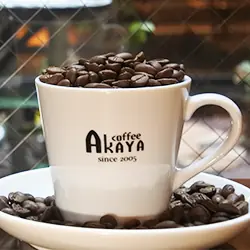
Photo: the shop’s official page AKAYA COFFEE
Irregular closing days
A coffee shop in front of the Yamakataya department store, open since 2005. It has roasted its own beans since 2014, and every straight coffee is single origin. There is a courtyard and a loft seating area upstairs. Opens at nine on weekdays and ten on weekends and holidays. Days off vary.
Weekdays 9:00–18:30, weekends & holidays 10:00–18:30 · Closed: Irregularchecked Nov 2026
Why the editors chose itAcross from Yamakataya, serving house-roasted single-origin coffees in a courtyard or upstairs loft.
Kami-no-sono-cho
Susumuya Tea Store
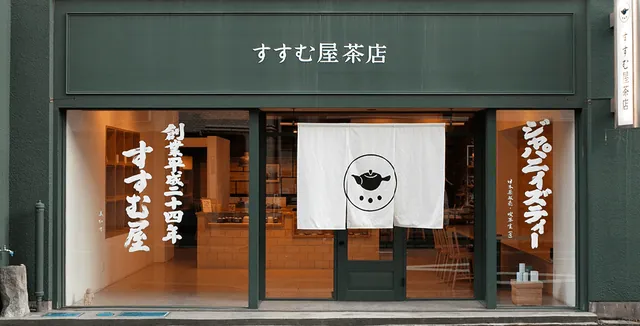
Photo: the shop’s official page すすむ屋茶店
A Japanese tea specialist and tearoom opened in Uenosonocho in 2012, growing out of a Taisho-era tea wholesaler. All of its Chiran and Kirishima teas—finished with two-stage sorting and light roasting—are available to taste, alongside the original Susumuya Chagu teaware line developed with designer Masanori Oji.
Why the editors chose itTaste every lightly roasted Chiran and Kirishima tea here, and browse teaware designed with Masanori Oji.
Arata
Mikoya134
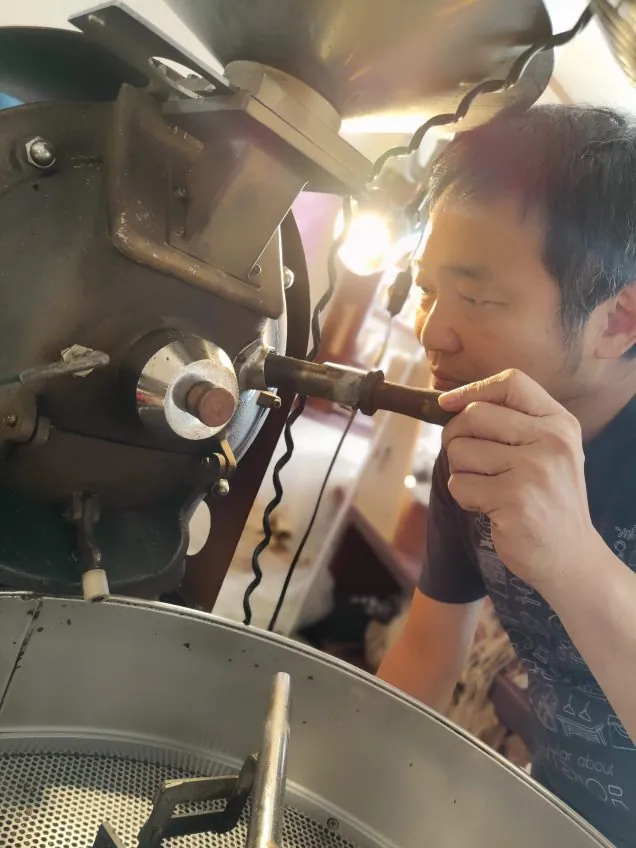
Photo: the shop’s official page 珈琲豆専門店 mikoya134
A coffee bean shop in Shimo-Arata that roasts aged beans. Takeaway has hand-drip coffee, lattes and affogato. Open 10:00 to 18:00 Wednesday to Saturday and 12:00 to 18:00 on Sundays and holidays. Closed on Mondays and Tuesdays.
Wed–Sat 10:00–18:00, Sun & holidays 12:00–18:00 · Closed: Mondays & Tuesdayschecked Nov 2026
Why the editors chose itRoasting aged coffee beans in Shimo-Arata, with hand-drip coffee, lattes and affogato for takeaway.
Iso
Jyanbo Mochi Hirataya
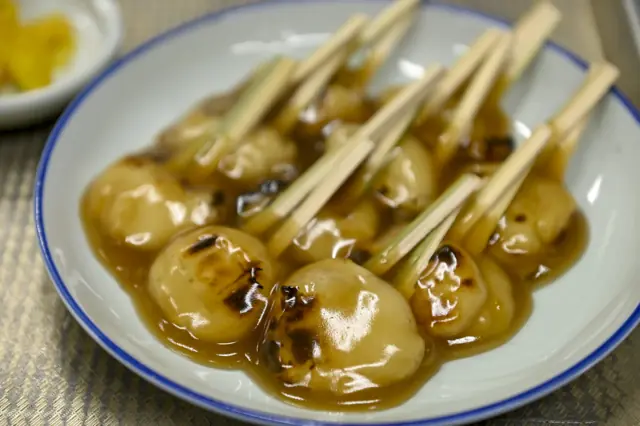
Photo: the shop’s official page ぢゃんぼ餅 平田屋
A shop for jyanbo mochi, grilled rice cakes on two skewers, on the Iso coast with a view of Sakurajima and Kinko Bay. Open 9:30 to 17:00, closed on Thursdays. Seats up to 100, on tatami and at tables.
9:30–17:00 (last order 16:30, until sold out) · Closed: Thursdayschecked Nov 2026
Why the editors chose itA seaside Iso spot facing Sakurajima and Kinko Bay, serving jyanbo mochi on tatami or at tables.
Meizan
FUKU+RE
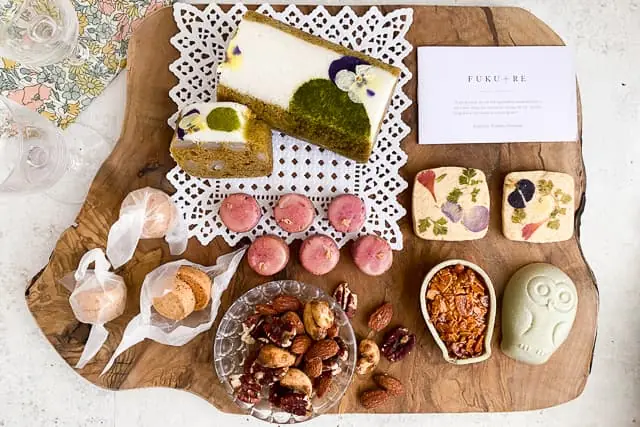
Photo: the shop’s official page A takeaway-only sweets shop on the ground floor of a building in Meizan-cho. It makes fukure-gashi, the steamed cake of Kagoshima. Open 11:00 to 17:00, closed Sunday to Tuesday. Cashless payment only.
Wed–Sat 11:00–17:00 · Closed: Sundays, Mondays, Tuesdays
Why the editors chose itA Meizan-cho takeaway-only specialist steaming fukure-gashi, Kagoshima's traditional steamed cake.
Arata
tsutsumu
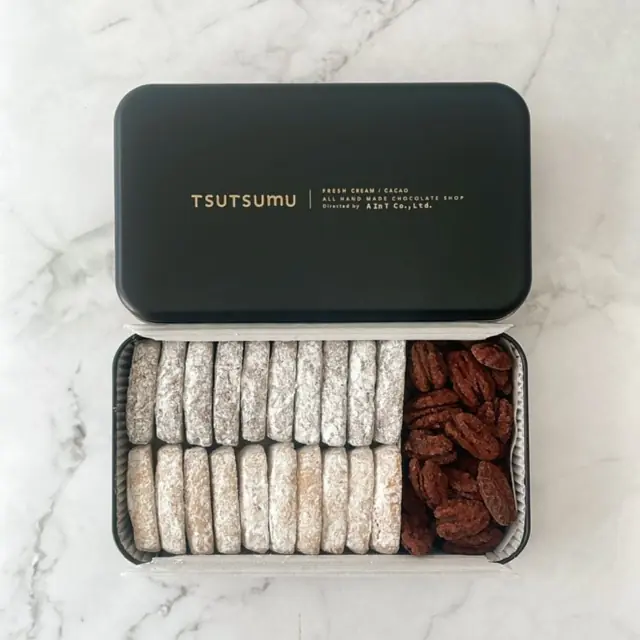
Photo: the shop’s official page A chocolate confectioner in Arata, opened in 2023. Its cake is Chocolat Soie and its sablé is Sablé Plume. Orders can be shipped, or picked up at the shop.
Why the editors chose itAn Arata chocolatier opened in 2023 for Chocolat Soie cake and Sablé Plume, with shop pickup.
Made in Kagoshima
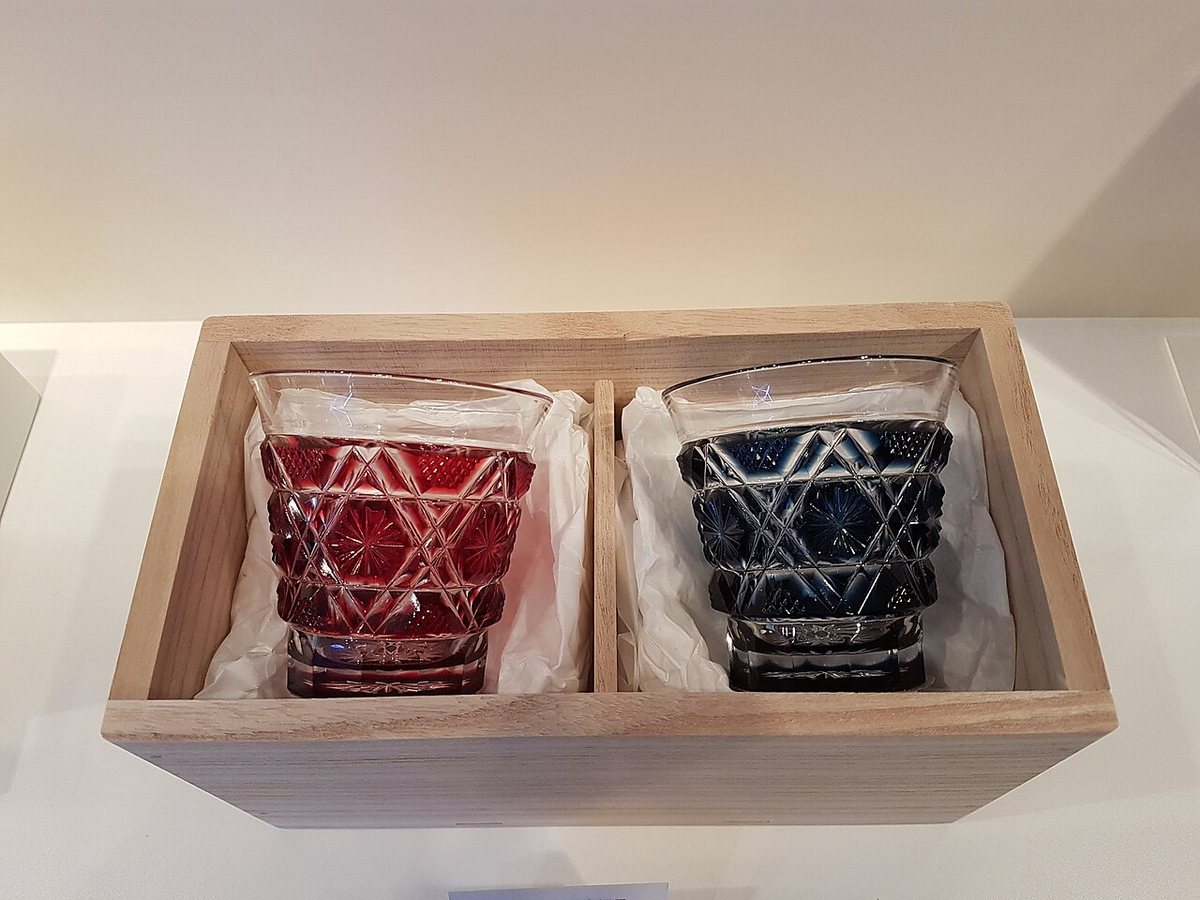
Satsuma kiriko is cut glass made by the Shimadzu domain at the end of the Edo period; it soon died out and was revived, after more than a hundred years, in the same place beside Sengan-en. The crystal glass is cut by hand, and the cutting gives the colour its soft gradation, called bokashi. At the glassworks next to Sengan-en you can watch the blowing, cutting and polishing for free.
Pair of red and indigo Satsuma Kiriko cut glass tumblers in a wooden box·Photo: Dime Gontar from Kiev, Ukraine / CC BY 2.0 (Wikimedia Commons)
Iso
Shimadzu Satsuma Kiriko Gallery Shop, Iso Kogeikan
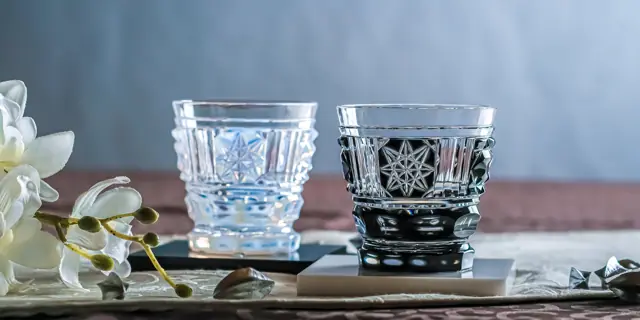
Photo: the shop’s official page 島津薩摩切子ギャラリーショップ 磯工芸館
The gallery shop of Shimadzu Satsuma Kiriko, next to Sengan-en, in a Western-style building registered as a national tangible cultural property. Open nine to five, every day of the year.
Daily 9:00–17:00 · Closed: None (open daily)
Why the editors chose itBrowse and buy Shimadzu Satsuma Kiriko cut glass inside a registered cultural-property Western hall.
Made in Kagoshima
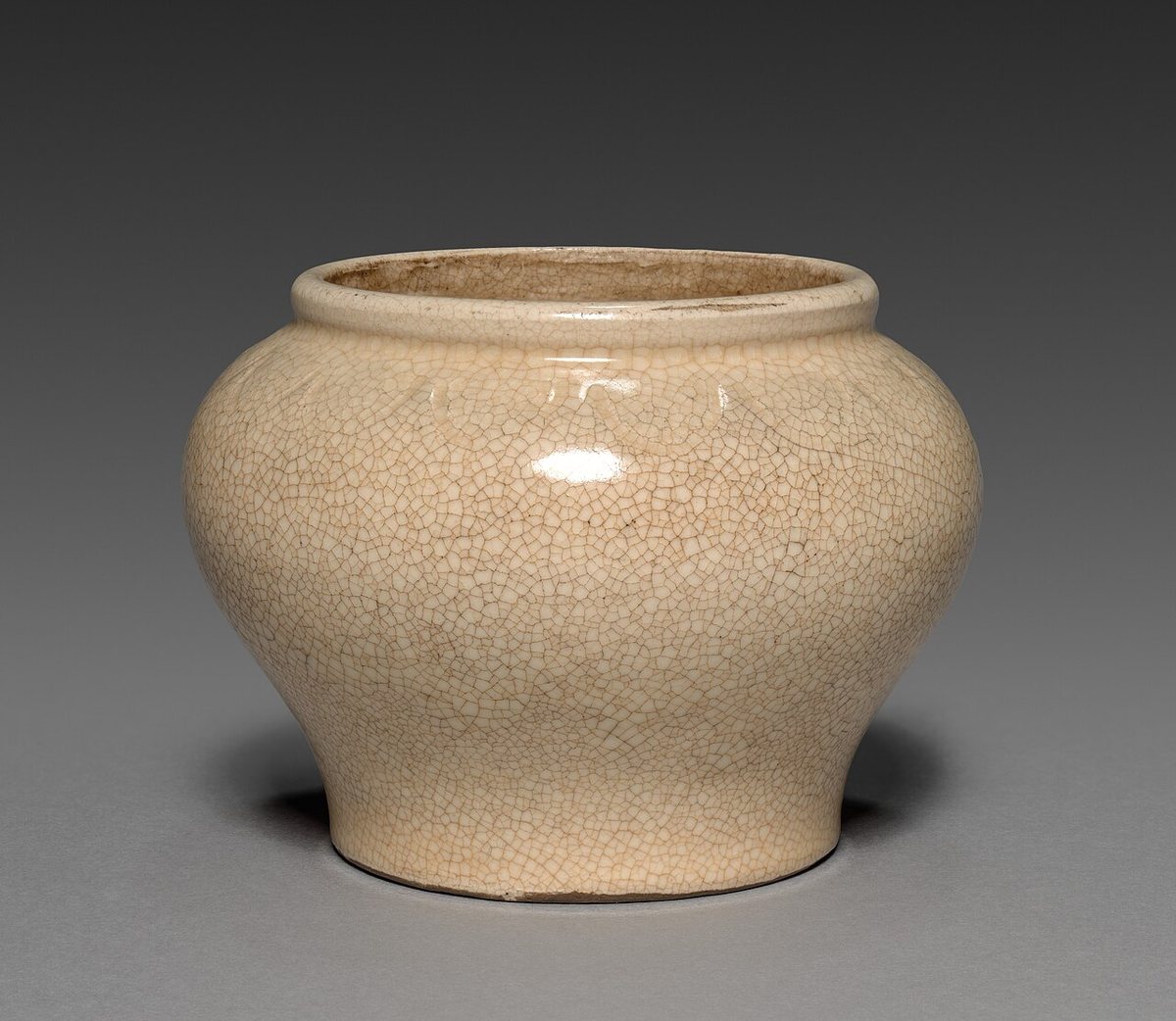
Satsuma ware is said to have begun when the lord Shimazu Yoshihiro brought potters back from Korea in the 1590s, and it is a nationally designated traditional craft. White Satsuma, which grew out of the lord's own kilns, has an ivory surface with a fine crackle. Black Satsuma, glossy and plain, was made as everyday ware.
Ivory crackle-glazed Shiro-Satsuma stoneware jar·Photo: Cleveland Museum of Art / CC0 (Wikimedia Commons)
Tenmonkan & Shiroyama
Tsurumaru Kissashitsu
鶴丸喫茶室
A tea room on the ground floor of Reimeikan, on the Tsurumaru Castle grounds. Tea and coffee come in white and black Satsuma ware from the Chin Jukan kiln, and the cups are on sale. Closed on Mondays and the 25th. It was renamed in September 2026, from CHIN JUKAN POTTERY Kissashitsu.
Why the editors chose itA Reimeikan tea room serving tea and coffee in Chin Jukan Satsuma ware that is also for sale.
Tenmonkan & Shiroyama
Kiraku
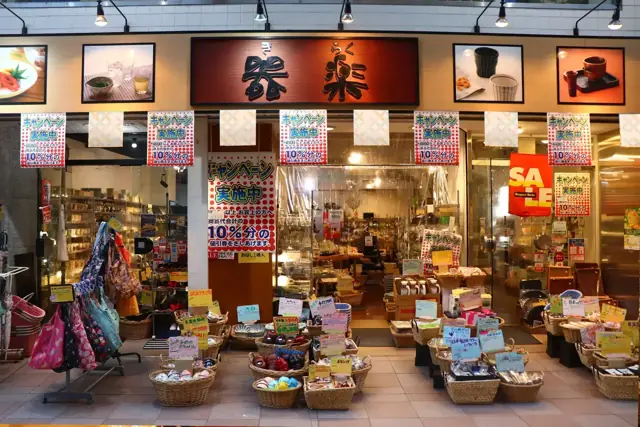
Photo: the shop’s official page 器楽
A shop for tableware and kitchen goods in Tenmonkan: Hasami-yaki and other ceramics, glass, lacquerware, chopstick rests. Outlet and imperfect pieces too. Open 10:30 to 18:00, closed only on New Year's Day.
10:30–18:00 · Closed: Jan 1 only (open all other days)checked Nov 2026
Why the editors chose itA Tenmonkan tableware shop stocking Hasami ceramics, glass and lacquerware, including outlet pieces.
Sights in Kagoshima
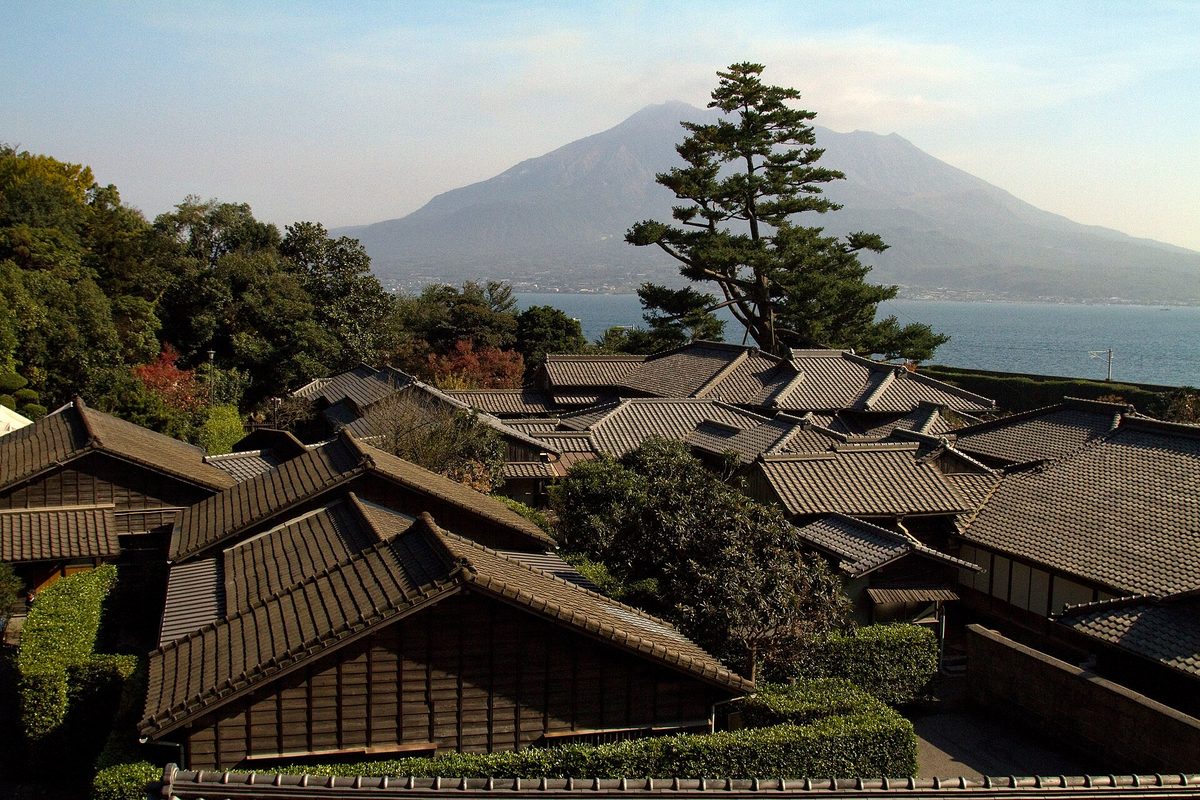
Photo: Kimon Berlin / CC BY-SA 2.0 (Wikimedia Commons) The garden of a Shimadzu villa built by Shimadzu Mitsuhisa in 1658.
Open nine to five, every day. The chrysanthemum festival runs through 30 November. Car parks can fill on weekends and holidays, and the garden asks visitors to use public transport.
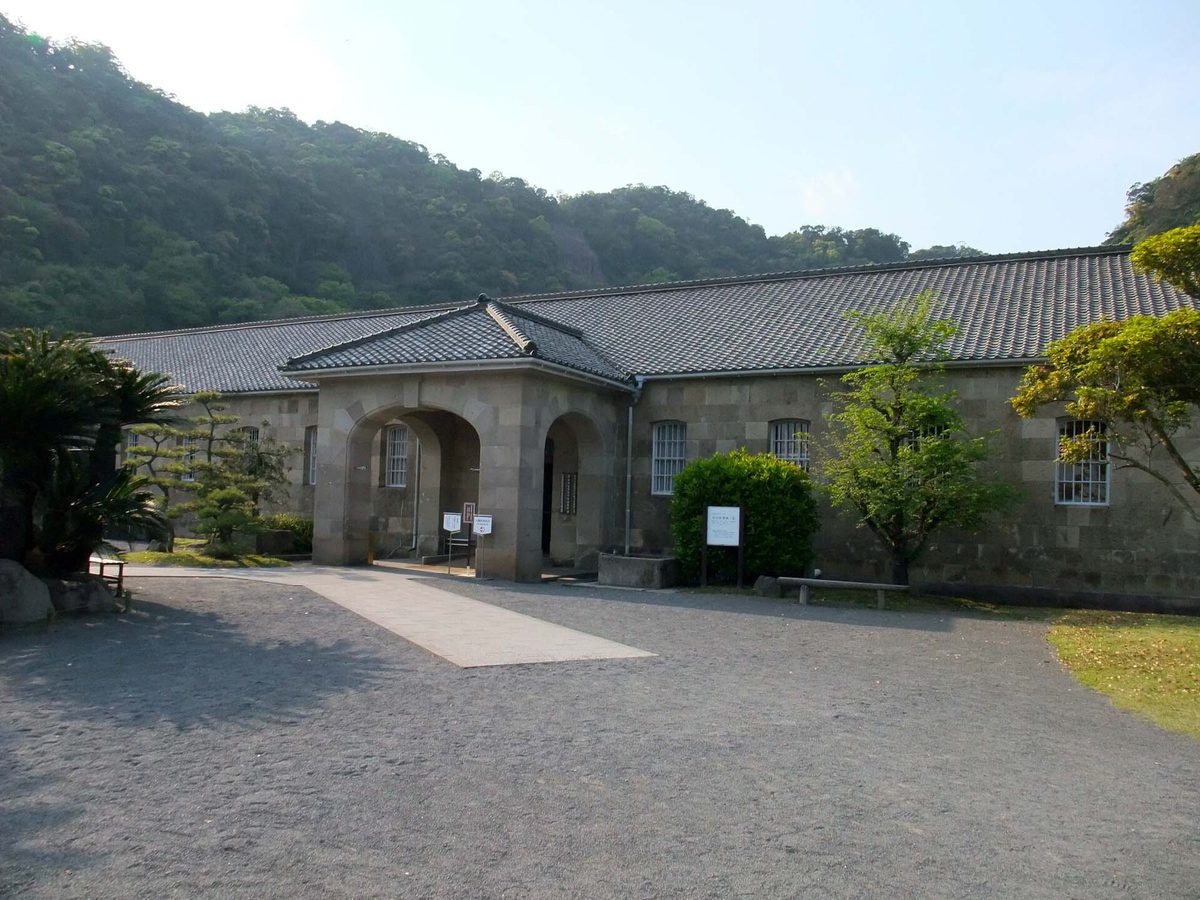
Photo: Yanajin / CC BY-SA 3.0 (Wikimedia Commons) A museum of the Shimadzu family's history and the culture of southern Kyushu.
Open 9:00 to 17:00. Closed on the first Sunday of March. A joint ticket with Sengan-en is sold.
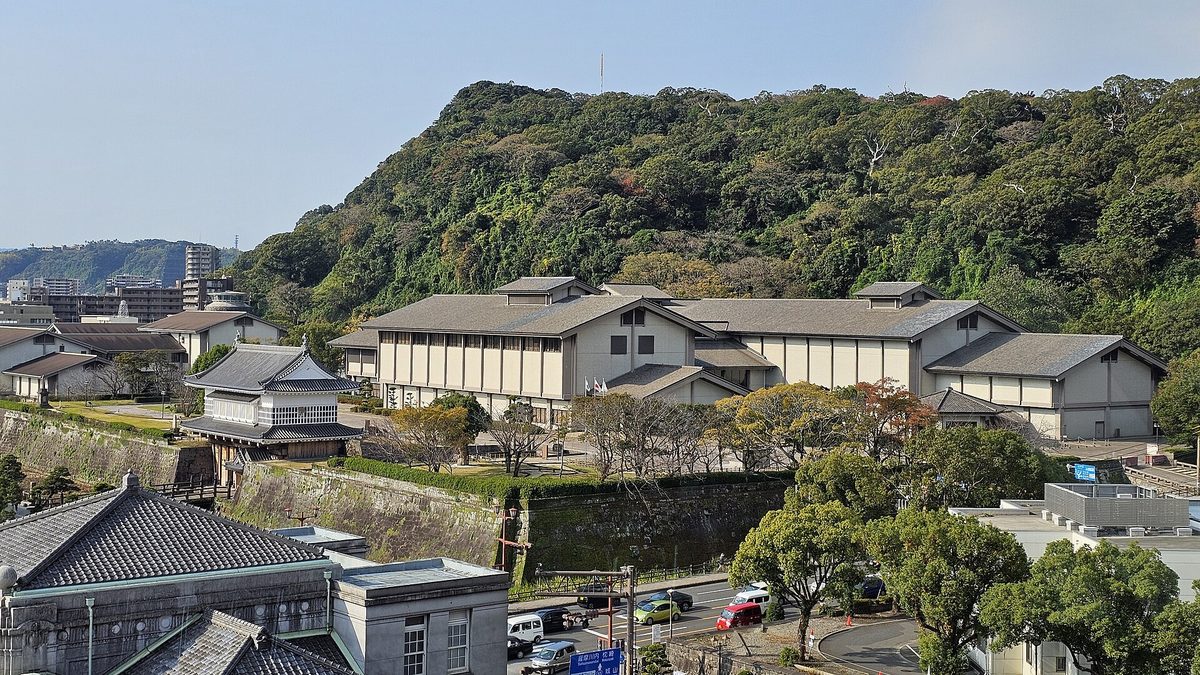
Photo: Sanjo / CC BY-SA 4.0 (Wikimedia Commons) Reimeikan, Kagoshima Prefectural Center for Historical Material
The prefecture's museum of history and art, on the site of Kagoshima (Tsurumaru) Castle.
Open 9:00 to 18:00 (last entry 17:30). Closed every Monday except 23 November, and on 24 and 25 November. The exhibition on the twelfth Chin Jukan and Naeshirogawa runs until 29 November. From 1 December to 26 April 2027 the second floor of the permanent exhibition is closed.
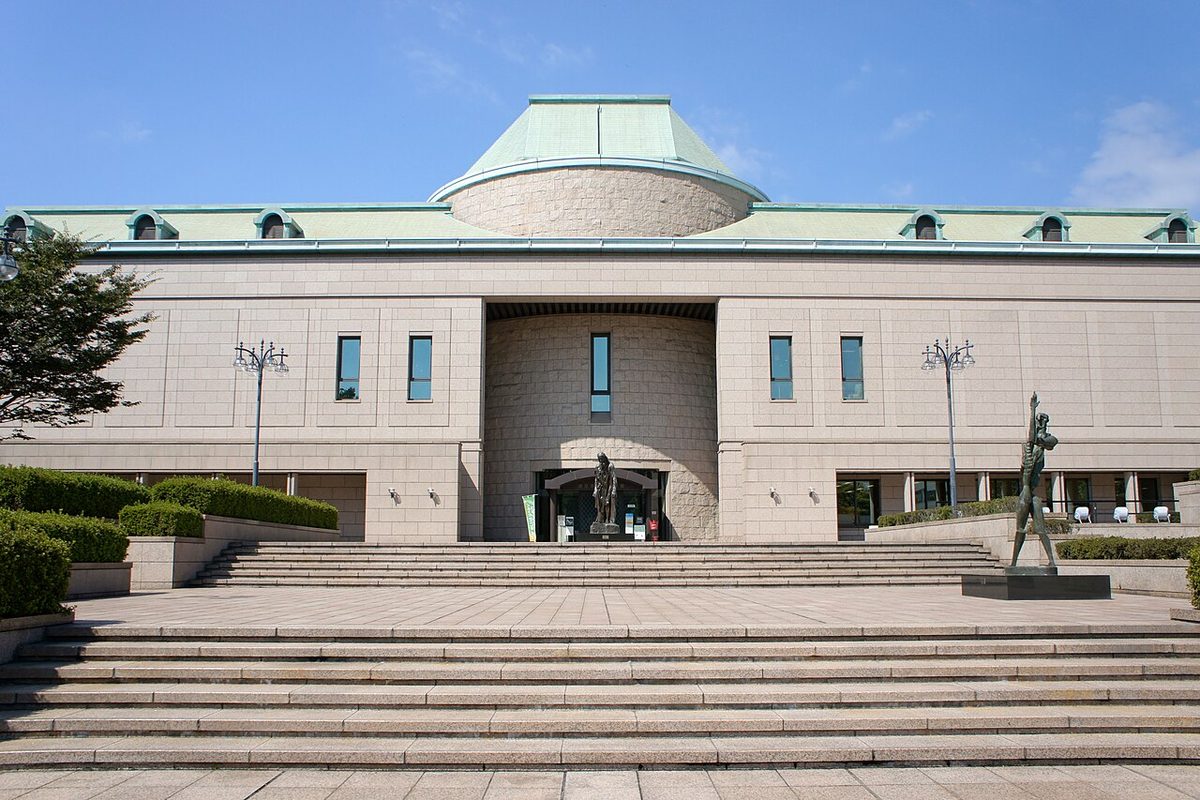
Photo: 663highland / CC BY 2.5 (Wikimedia Commons) The city art museum.
Open 9:30 to 18:00 (last entry 17:30). Closed on Mondays (the next weekday if a holiday) and from 29 December to 1 January. The Saul Leiter special exhibition runs until 15 November.
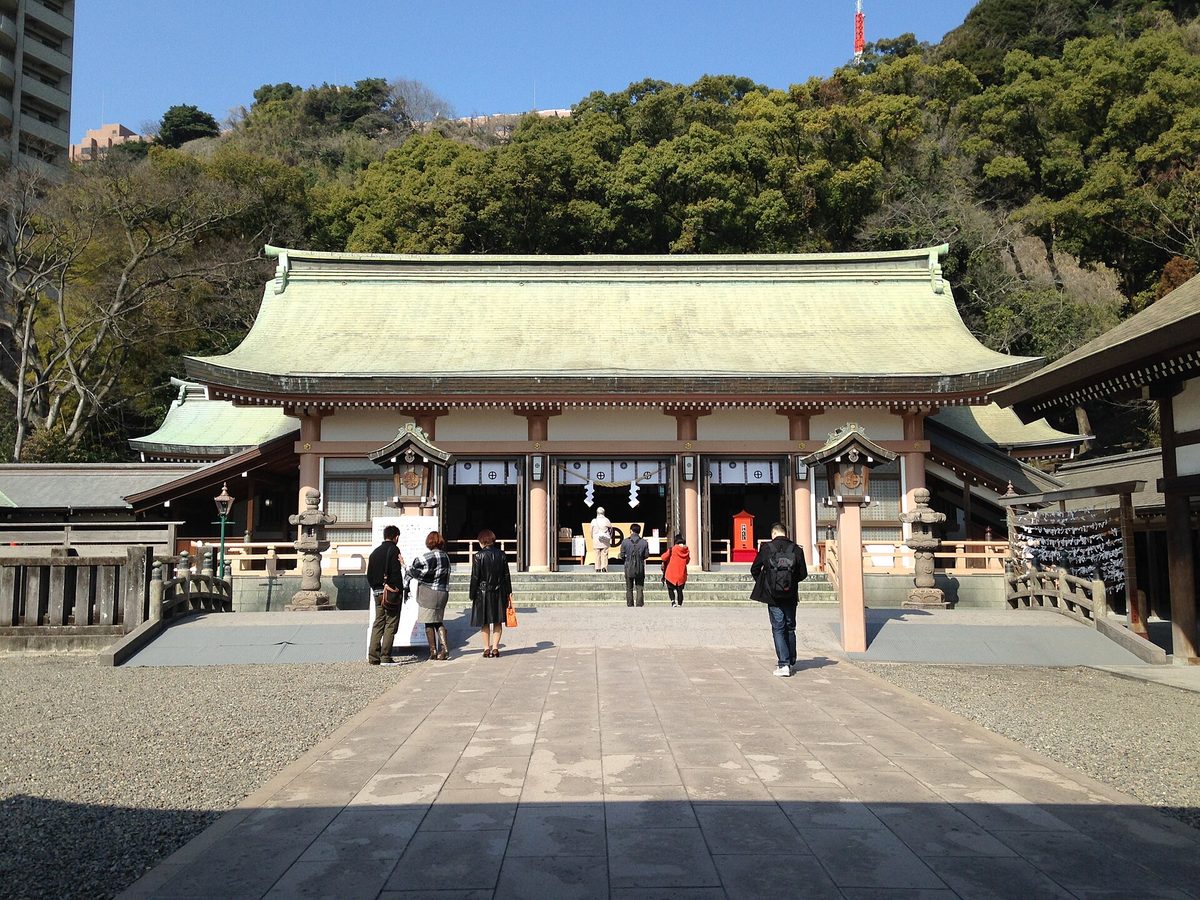
Photo: そらみみ / CC BY-SA 3.0 (Wikimedia Commons) A shrine to Shimadzu Nariakira, the lord of Satsuma who pushed the Shuseikan industrial projects.
The office is open 9:00 to 16:30, every day. The museum in the precinct (free) reopened on 1 November after renovation.
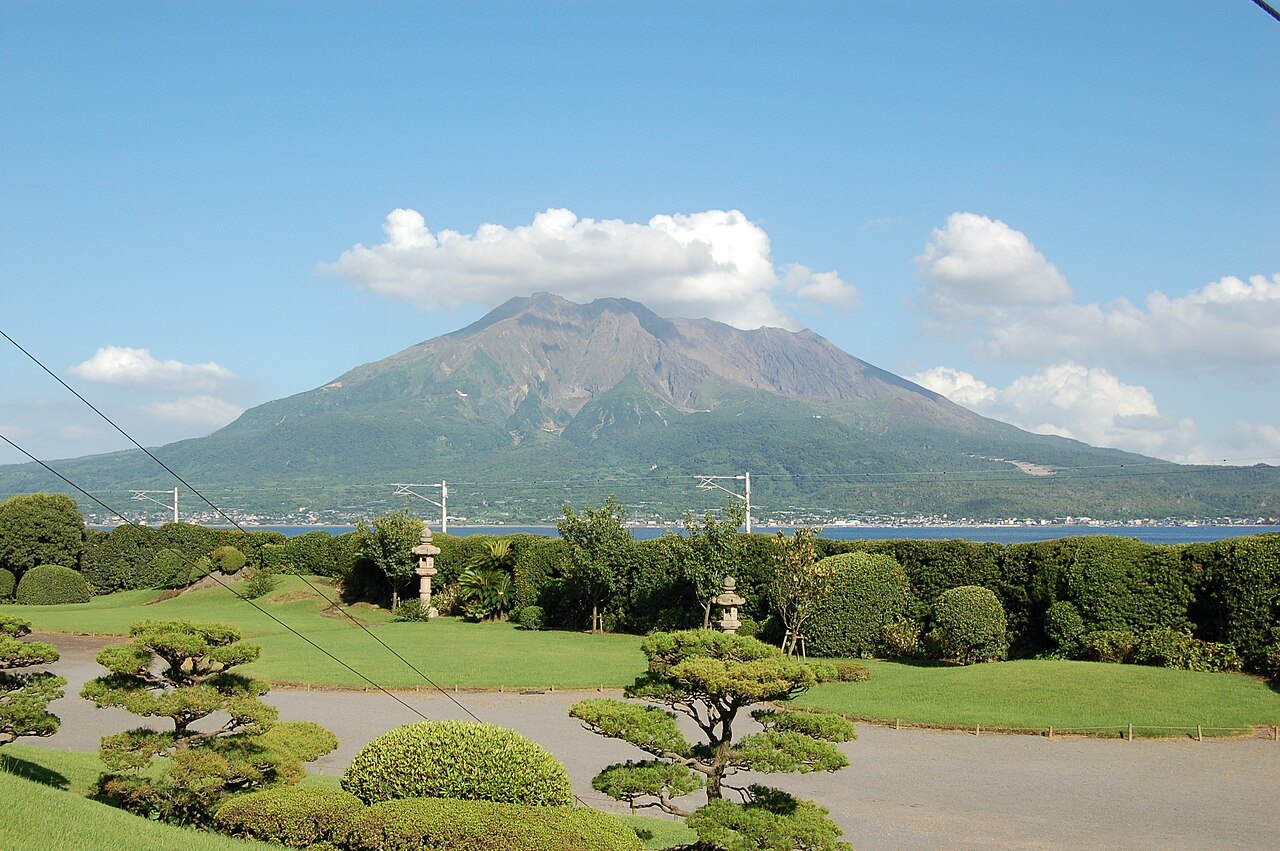
Photo: Hiroaki Kikuchi / CC BY-SA 4.0 (Wikimedia Commons) A garden of the Shimadzu clan villa with Sakurajima as borrowed scenery.
These are local landmarks. Each was checked to be open on its official site (checked 2026-11-17). Please confirm hours before you go.
Beyond Kagoshima
 Kagoshima City · 4 km
Sakurajima →
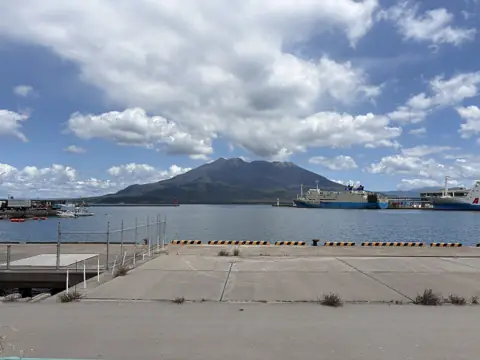
Located in Kagoshima Bay, this island continues to be volcanically active, serving as a rare spot where you can observe powerful eruptions up close.

Distances are straight-line from the town centre. Each page has how to get there and a suggested day.
Questions people ask
- Where can I eat Kagoshima's local dishes?
Kagoshima Kurobuta (Berkshire black pork): Kumasotei (Tenmonkan & Shiroyama)
Satsuma-age (fried fish cake): Kumasotei (Tenmonkan & Shiroyama)
- Where can I see or buy Satsuma Kiriko Cut Glass, Satsuma Ware, Craft in Kagoshima?
Satsuma Kiriko Cut Glass: Shimadzu Satsuma Kiriko Gallery Shop, Iso Kogeikan (Iso)
Satsuma Ware: Tsurumaru Kissashitsu (Tenmonkan & Shiroyama)
Craft: Kiraku (Tenmonkan & Shiroyama)
- What can I visit on foot around Tenmonkan & Shiroyama?
Cafés: Akaya Coffee
Food: Kumasotei
Satsuma Ware: Tsurumaru Kissashitsu
Craft: Kiraku
Every place was checked to be open in November 2026. Hours can change, so please check the official site before you go.
If you like Kagoshima
- Kumamoto
Kumamoto, Japan
For example, Kiraku here, and Kurashi no Utsuwa Tsukimachi in Kumamoto.
- Karatsu
Saga, Japan
For example, Kiraku here, and Yukikogama in Karatsu.
- Kamakura
Kanagawa, Japan
For example, Kiraku here, and Kamakurabori Kaikan (Shop Guri & Cafe Guri) in Kamakura.
Chosen by how close the towns and their places are in what they make and serve.