36.7° N
Nagano
Nagano, Japan
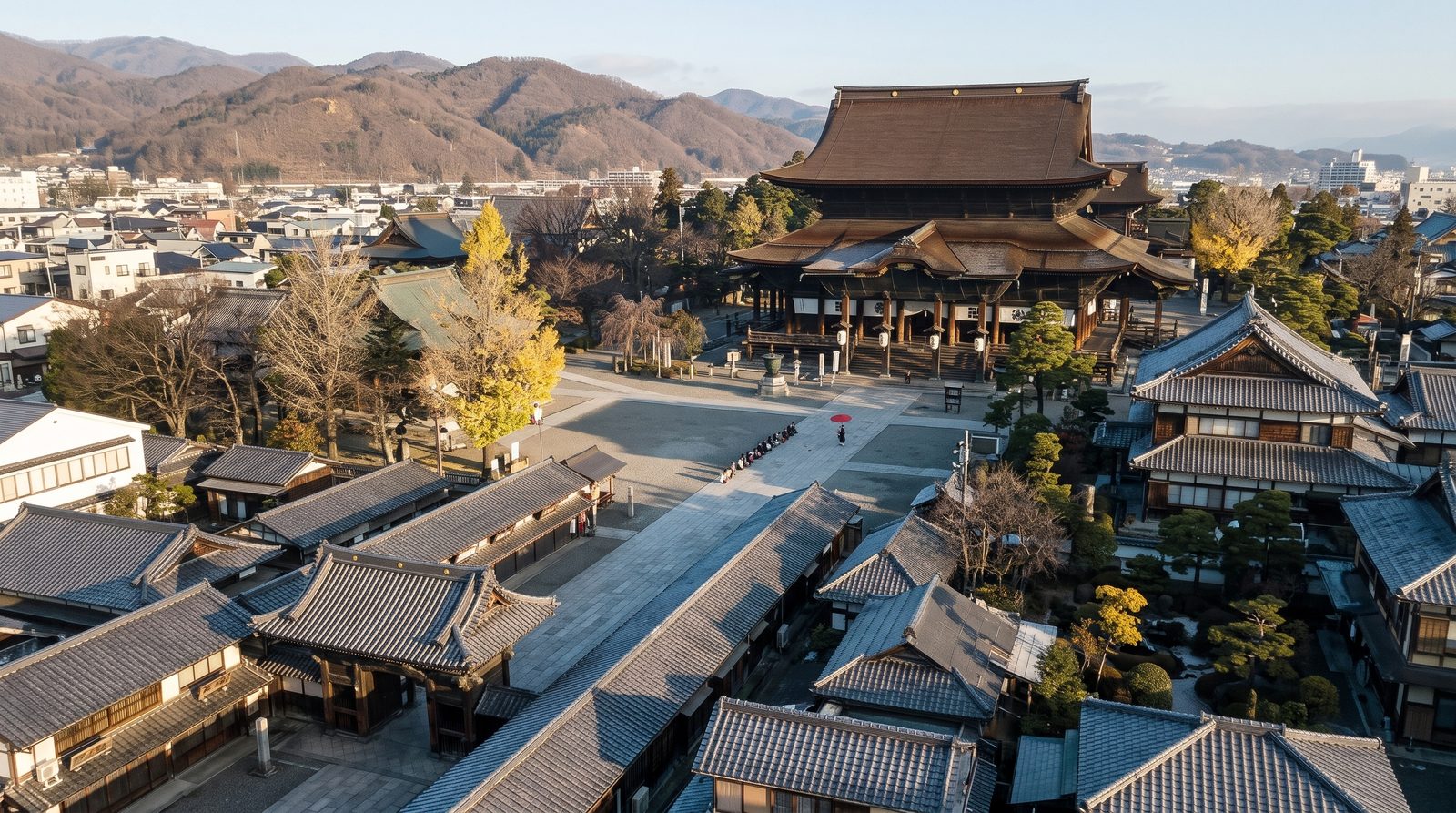
A temple town on the gentle slope leading up to Zenkoji, in the north of Nagano Prefecture. Along the stone-paved approach and the side lanes of Daimon, travellers find oyaki dumplings, hand-cut soba and shichimi spice, together with craft shops, coffee and sweets as the air turns cold toward winter: the editors’ picks.
Nagano, on film
5 sights and 15 places, each checked open in 2026, in 47 seconds.
Found somewhere you like? The map and the list below have the address, hours and official site.
Tap for sound
What to eat in Nagano
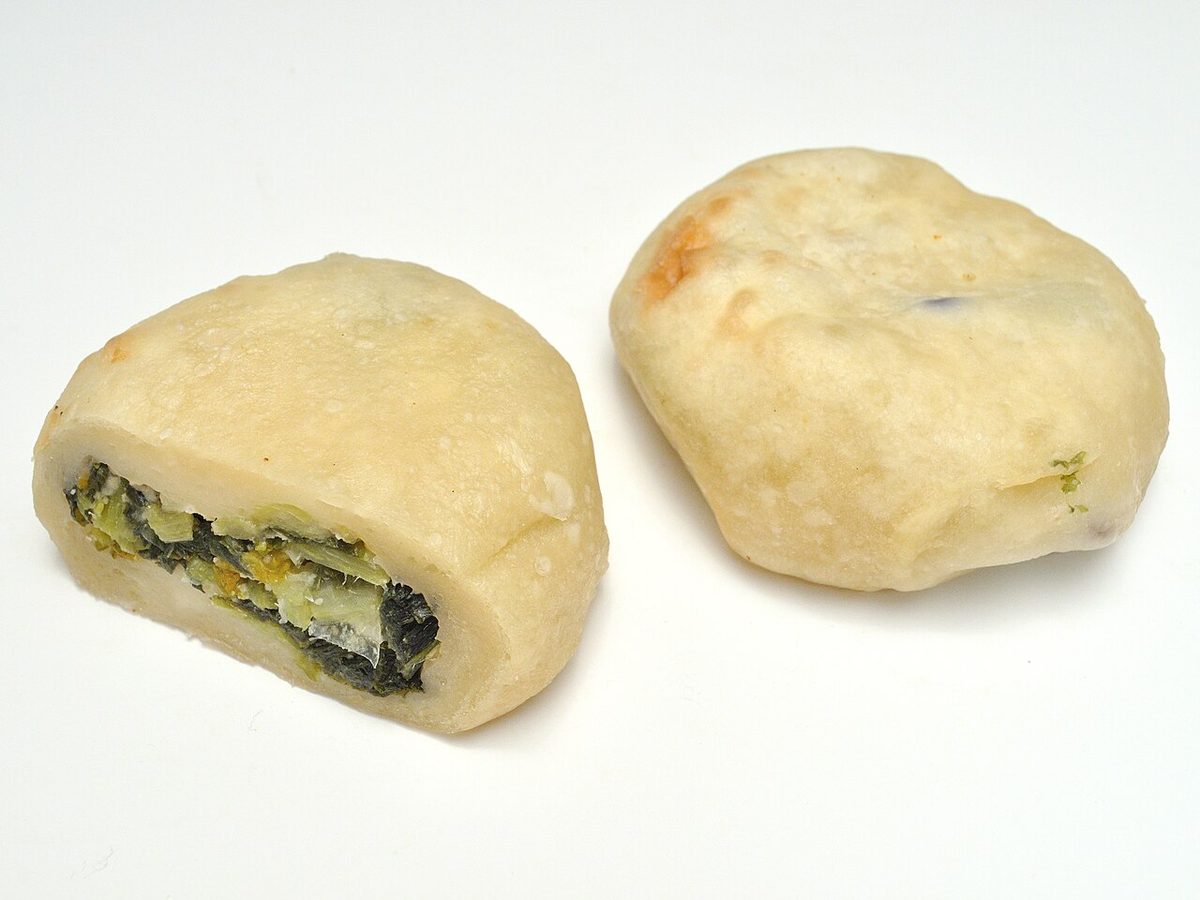
Photo: Ocdp / CC0 (Wikimedia Commons) Oyaki (stuffed dumplings)
おやき
Round dumplings made from wheat or buckwheat dough stuffed with seasoned vegetables, pickles, or sweet bean paste, then steamed, baked, or griddled. In mountainous northern Nagano, where rice was historically scarce, wheat and buckwheat dumplings developed as a staple food and remain a fixture along Zenkoji's temple approach.
Eaten warm as a snack while walking the temple approach, filled with nozawana greens, miso eggplant, kabocha, or sweet red bean.
Where to eat it
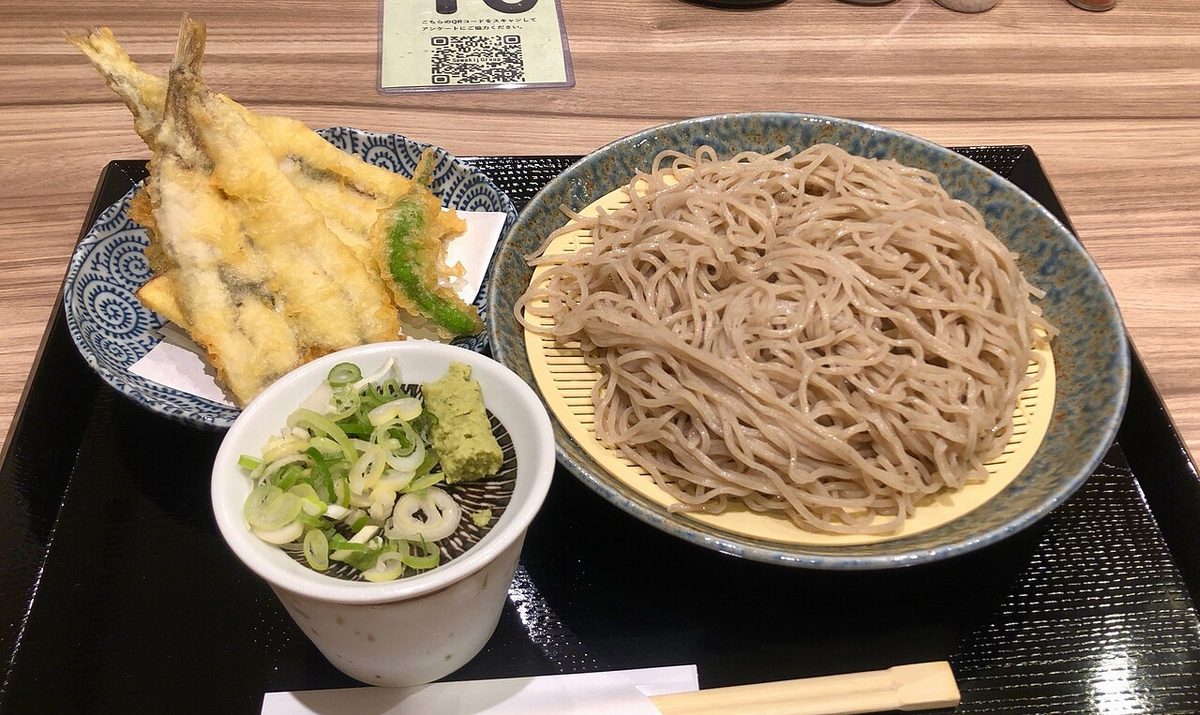
Photo: KKPCW / CC BY-SA 4.0 (Wikimedia Commons) Shinshu soba (buckwheat noodles)
信州そば
Buckwheat noodles made from grain grown in Nagano's cool highlands, where volcanic soil, wide day-to-night temperature swings, and mountain water shape the flour's aroma. Around Zenkoji, monzen soba houses have served pilgrims along the temple approach for centuries.
Ordered chilled on a bamboo tray (zaru soba) with dipping sauce—or warm in broth—with newly harvested shinsoba arriving from late October to November.
Where to eat it
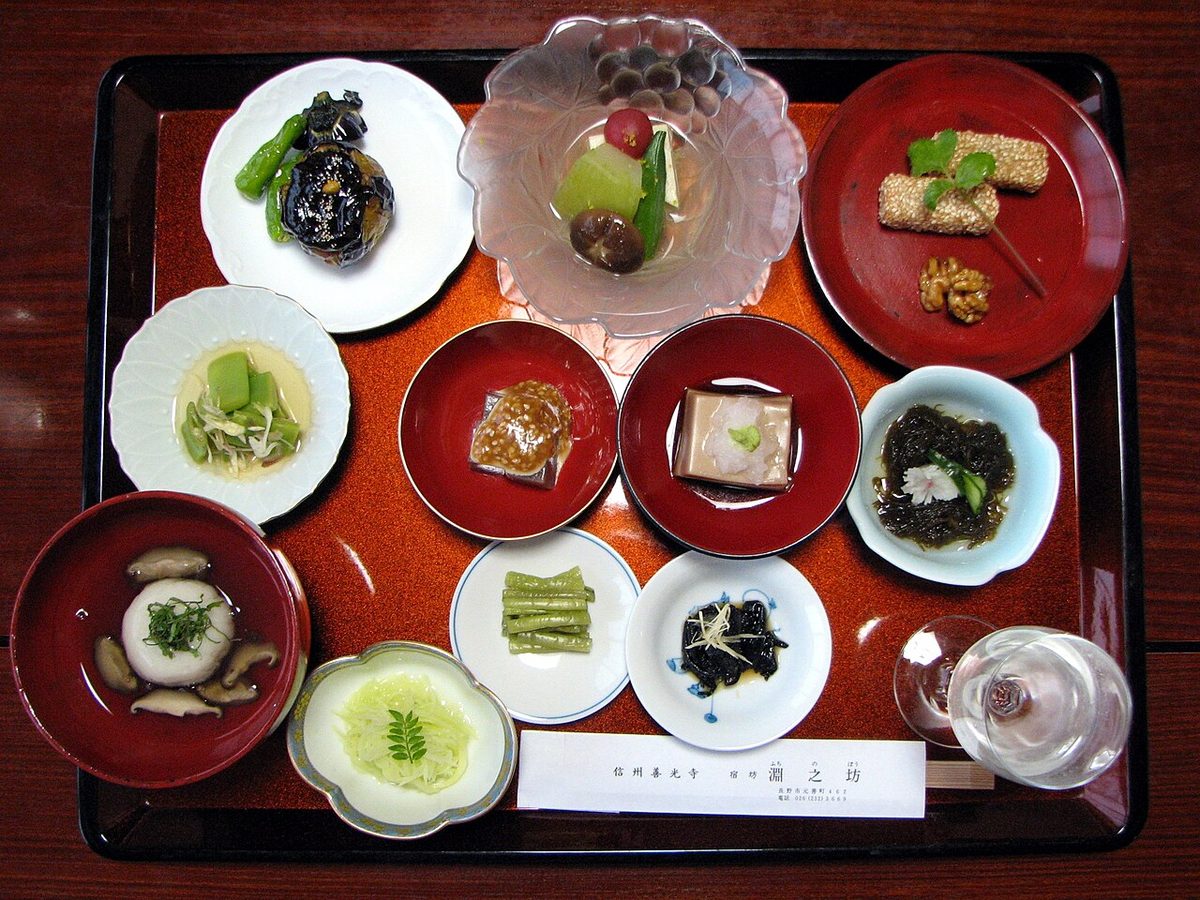
Photo: Unknown / CC BY-SA 3.0 (Wikimedia Commons) Shojin ryori (Buddhist vegetarian temple cuisine)
精進料理
Plant-based Buddhist temple cuisine made without meat or fish, built around sesame tofu, mountain vegetables, walnuts, mushrooms, and seasonal Shinshu produce. Zenkoji is lined with 39 shukubo (temple lodgings) that continue this pilgrimage dining tradition for overnight guests and day visitors.
Served as multi-course meals by advance reservation at Zenkoji shukubo lodgings, typically at lunch (from around 11:30) or with an overnight stay.

Photo: Go! NAGANO 長野県公式観光サイト (Nagano Tourism Organization) (official site) Gyunyu-pan (Nagano milk bread)
牛乳パン
Thick, soft white bread filled with sweet milk cream, sold in retro illustrated bags at local bakeries. Developed in Nagano Prefecture in the 1950s and shared through the prefectural bakers' association, it remains a long-standing neighbourhood bakery staple in Nagano City.
Bought in the morning or early afternoon at neighbourhood bakeries before loaves sell out, eaten as a snack or light meal.
Where to eat it
- エビスパンMap
The LATITUDE editors’ 15 picks in Nagano
Our editors verified that these places were open (checked 2026-11-15). Check the official site for hours and closing days before visiting. Sponsored listings are marked.
Save places to your trip list and revisit them in this browser. No account needed.
Editors’ picks on the map — or build your own route
Tap a mark to see the place; squares are museums and sights (landmarks). Use “Build your own route” to make a walk of your own.
Loading the map
Map data © OpenStreetMap contributors
Browse by category
1 / 17
Daimon
Yawataya Isogoro, Main Shop
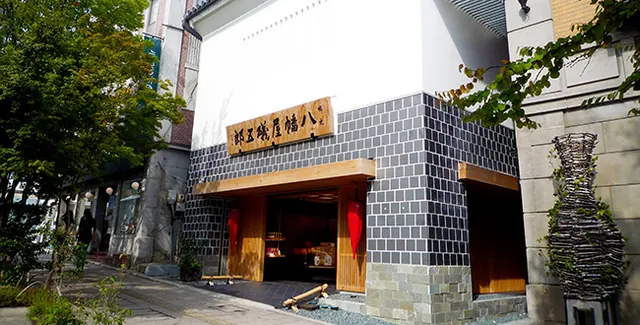
Photo: the shop’s official page 根元 八幡屋礒五郎 本店
The main shop of the shichimi spice maker founded at Zenkoji in 1736 and at Daimon-cho since 1952. Alongside the classic tins, it custom-blends seven-spice mixes from around forty ingredients on the spot. Open daily 9:00–18:30.
9:00-18:30 · Closed: Open daily (no regular closing days)
Why the editors chose itThe 1736 main shop where seven-spice shichimi is custom-blended from around forty ingredients.
Nagano Station / Shinden-cho
veil
veil おやつとごはん
A second-floor kitchen and bakehouse in Shinden-cho making weekly bentos with Shinshu rice and seasonal vegetables alongside puddings and baked sweets. Open for morning plates on weekends and holidays; bento pickup until 18:00.
Why the editors chose itVisit for weekend morning plates or pick up Shinshu-rice bentos until 18:00.
Higashinomon / Nishinomon
Shinkoji Cafe
新小路カフェ
A backstreet café in Higashi-machi’s Shinkoji courtyard serving homestyle lunches with garden vegetables and house-made miso, waffles and winter apple pie, alongside local pottery. Open 10:00–17:00 (lunch 11:30–14:00), closed Mondays and Tuesdays.
10:00-17:00 (Lunch 11:30-14:00; last order 16:30) · Closed: Mondays and Tuesdays
Why the editors chose itA backstreet café for garden-vegetable lunches with house miso, winter apple pie, and local pottery.
Daimon
Morino Coffee Kumori Tokidoki Hare
森乃珈琲店 曇り時々晴れ 本店
A house-roasted coffee shop in Patio Daimon, pouring hand-drip coffee from beans roasted on site alongside handmade waffles and curry. Reopened in November 2026 on weekends and holidays only, 11:00–16:00.
Why the editors chose itOpen on weekends and holidays only, pouring coffee roasted on site inside a Patio Daimon storehouse.
Gondo
R-DEPOT
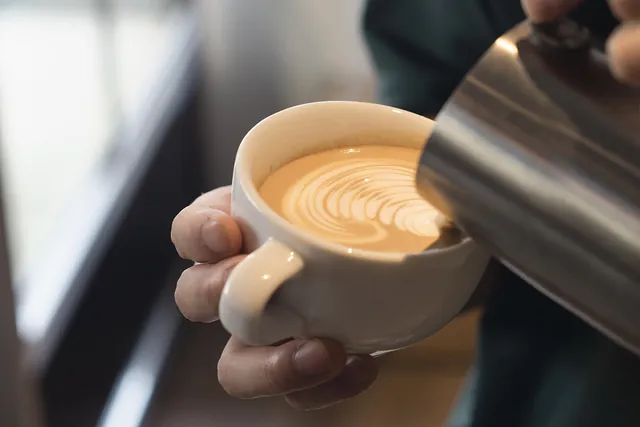
Photo: the shop’s official page A reuse hub in a former NTT telegraph building west of Gondo. On the ground floor, a shop of salvaged tableware, furniture and old timber sits beside the R-COFFEE stand. Café 7:30–16:00, shop 10:00–16:00; closed Mondays.
Cafe 7:30-16:00; Shop 10:00-16:00 · Closed: Mondays
Why the editors chose itHoused in a former telegraph office, with an antique shop and a café open from 7:30.
Higashinomon / Nishinomon
Fujita Kuemon Shoten
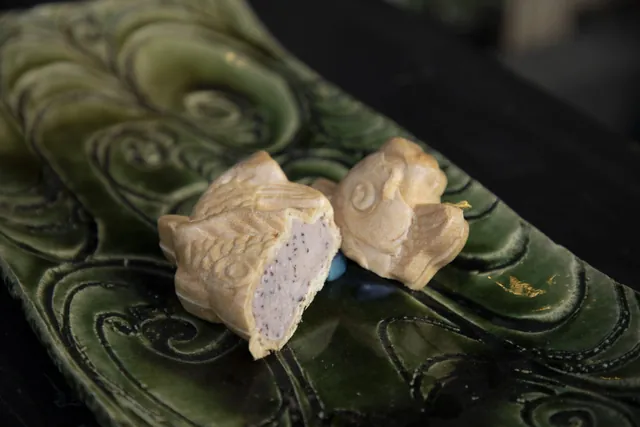
Photo: the shop’s official page 藤田九衛門商店
An early-morning shop in Higashinomon baking koi-yaki, carp-shaped cakes of thin Nagano-wheat batter filled with house-simmered hana-mame bean paste, with around ten kinds of matcha inside. From 6:30 (7:00 Dec–Mar) until sold out; irregular holidays, mostly Wednesdays.
6:30 until sold out (7:00 until sold out from December through March) · Closed: Irregular holidays (generally Wednesdays)
Why the editors chose itOpen from 6:30 a.m. for carp-shaped koi-yaki with house-made bean paste and ten kinds of matcha.
Daimon
Patisserie HEIGORO, Main Shop

Photo: the shop’s official page パティスリー HEIGORO 本店
A patisserie in Daimon run by the historic Fujiya Gohonjin (founded 1648), selling Basque cheesecake, butter cake and baked sweets. Retail only for now, with its café suspended. Open 10:00–17:00, closed Wednesdays and Thursdays.
10:00-17:00 (patisserie retail only; cafe seating currently suspended) · Closed: Wednesdays and Thursdays
Why the editors chose itPick up Basque cheesecake or baked sweets made by the historic 1648 Fujiya Gohonjin.
Daimon
Wagashi Mamekoyomi
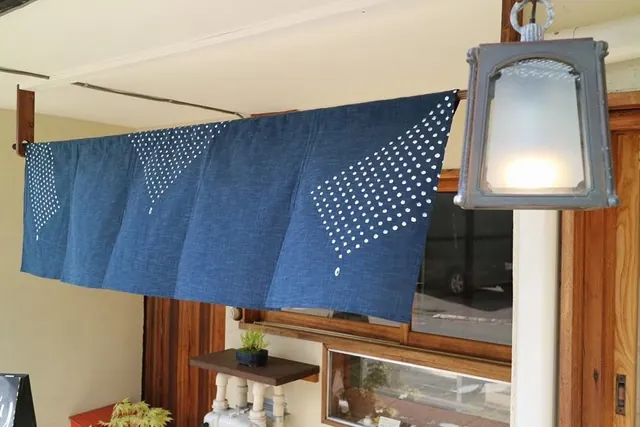
Photo: the shop’s official page 和菓子 豆暦
A small wagashi shop on Nishi-machi, one lane west of Omotesando, making seasonal namagashi, branded dorayaki and dry sweets by hand, with warabimochi on weekends. Open 9:00–17:00, closed Tuesdays and Wednesdays.
Why the editors chose itStep one lane off Omotesando for handmade branded dorayaki and weekend-only warabimochi.
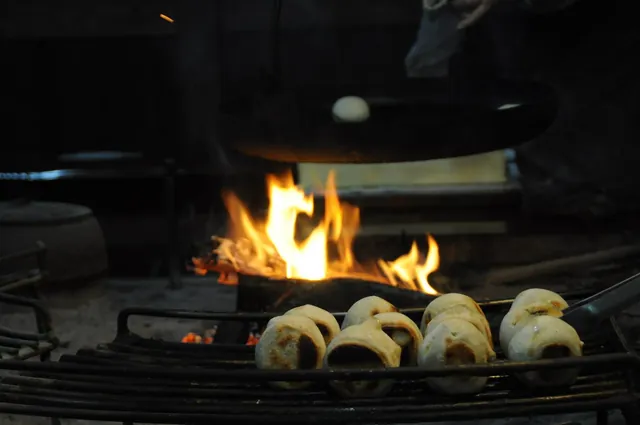
Made in Nagano
Oyaki are wheat-dough dumplings filled with nozawana greens, dried daikon, sweet azuki beans or seasonal vegetables, then steamed or baked. Along Nakamise and in Daimon, shops still shape them by hand and toast them over a charcoal irori hearth or griddle.
Shinshu Oyaki at Ogawanosho, Daimon·Photo: Ogawanosho, Daimon (official site)
Nakamise / Omotesando
Maruhachi Takiya
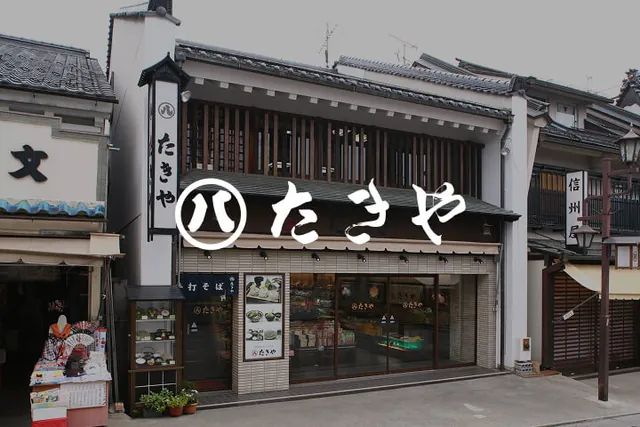
Photo: the shop’s official page 丸八たきや
A shop on Zenkoji’s Nakamise approach, founded in 1918. Downstairs it bakes handmade oyaki filled with local vegetables at the storefront; upstairs it serves hand-cut ni-hachi soba. Open daily, shop 9:00–17:00 and soba 10:30–15:00.
Shop 9:00-17:00; Soba dining 10:30-15:00 (closes when sold out) · Closed: Open daily (no regular closing days)
Why the editors chose itOn Zenkoji's Nakamise since 1918, baking vegetable oyaki downstairs and serving hand-cut soba upstairs.
Daimon
Ogawanosho, Daimon
Photo: the shop’s official page 小川の庄 大門店
The Daimon outpost of Ogawa Village’s Jomon Oyaki, inside a storehouse of Patio Daimon. Thin domestic-wheat dumplings stuffed with nozawana or azuki, either steamed or toasted over a charcoal irori hearth. Open 9:00–17:00 (hearth 10:00–15:00), closed Wednesdays.
9:00-17:00 (Irori hearth 10:00-15:00; weekday oyaki-making experience from 13:00, one group only) · Closed: Wednesdays (open on national holidays, closed the following day)
Why the editors chose itInside a Patio Daimon storehouse, serving Jomon oyaki either steamed or toasted over a charcoal hearth.
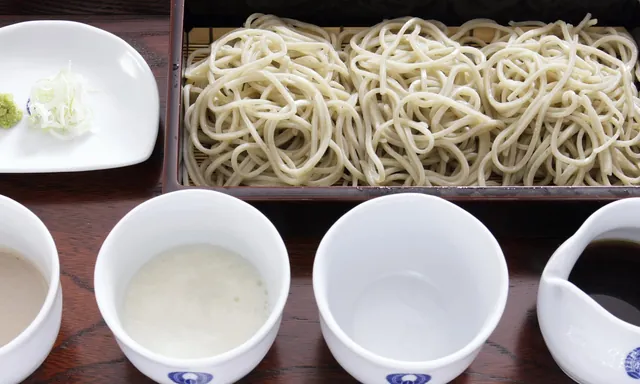
Made in Nagano
Buckwheat grown in the cool, mist-prone highlands of northern Shinshu is stone-milled and cut by hand in the temple town below Zenkoji. Around Daimon, old houses serve styles ranging from all-buckwheat juwari soba to eleven-part toichi soba.
Shinshu Soba at Fujikian·Photo: Fujikian (official site)
Daimon
Fujikian
Photo: the shop’s official page 門前そば処 藤木庵
A soba house on Zenkoji Omotesando, founded in 1827. It stone-mills Kurohime kirishita buckwheat on site for toichi soba—ten parts buckwheat to one part wheat. Open 11:00–15:00, closed Tuesdays, Thursdays and irregular days; no table reservations.
11:00-15:00 (last order 14:30) · Closed: Tuesdays, Thursdays, and irregular holidays (except national holidays and peak seasons)
Why the editors chose itFounded in 1827, stone-milling Kurohime buckwheat on site for ten-to-one toichi soba.
Daimon
Juwari Soba Daizen
十割そば 大善
A 100-percent buckwheat juwari soba house in Daimon, made with Shinshu buckwheat and spring water from Mount Togakushi, paired with wheat-free tamari sauce aged in jars. Open 10:30–15:00 until sold out; closed Wednesdays; walk-in only.
10:30-15:00 (closes once soba sells out) · Closed: Wednesdays (except Golden Week and Year-End/New Year)
Why the editors chose it100% Shinshu buckwheat soba made with Togakushi spring water and jar-aged, wheat-free tamari sauce.
Daimon
geshi shop & gallery
夏至(geshi)shop & gallery
A shop and gallery opened in 2002 upstairs in a Patio Daimon storehouse, carrying contemporary ceramics, woodwork, lacquer, glass and clothing alongside regular exhibitions. Open 11:00–18:00, closed Tuesdays and Wednesdays (Tuesdays only during shows).
11:00-18:00 · Closed: Tuesdays and Wednesdays (Tuesdays only during exhibitions; irregular closures announced in News)
Why the editors chose itHead upstairs in a Patio Daimon storehouse to see contemporary craft and rotating exhibitions.
Daimon
Takei Kogei
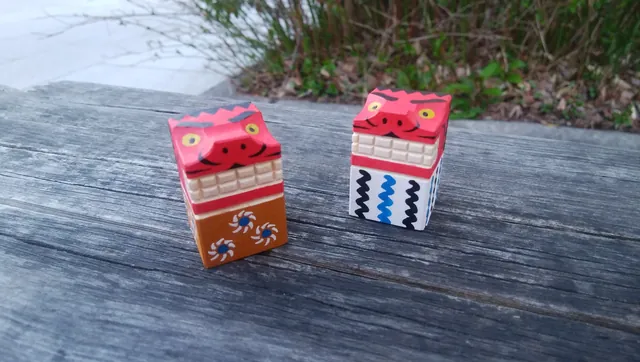
Photo: the shop’s official page 武井工芸店
A folk-craft shop on Zenkoji Omotesando, founded in 1893. It stocks Shinshu Nomin-Bijutsu woodcarvings and regional handwork, with a relocated Taisho-era storehouse gallery in the back. Open 9:00–18:00.
Why the editors chose itFounded in 1893, pairing Shinshu folk woodcarvings with a relocated Taisho-era storehouse gallery.
Higashinomon / Nishinomon
Roger
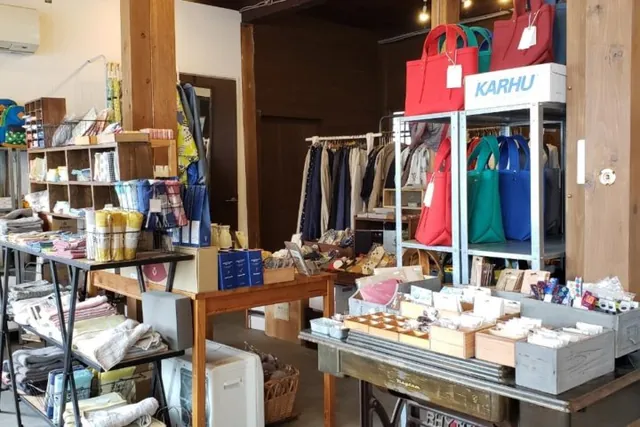
Photo: the shop’s official page Roger(ロジェ)
A lifestyle shop on a quiet lane in Kami-Nishinomon, west of Zenkoji, stocking small household pieces and seasonal goods from Europe and beyond. Open 10:00–16:00, irregular closing days.
10:00-16:00
Why the editors chose itSet on a quiet lane west of Zenkoji for European and Japanese household goods.
Sights in Nagano
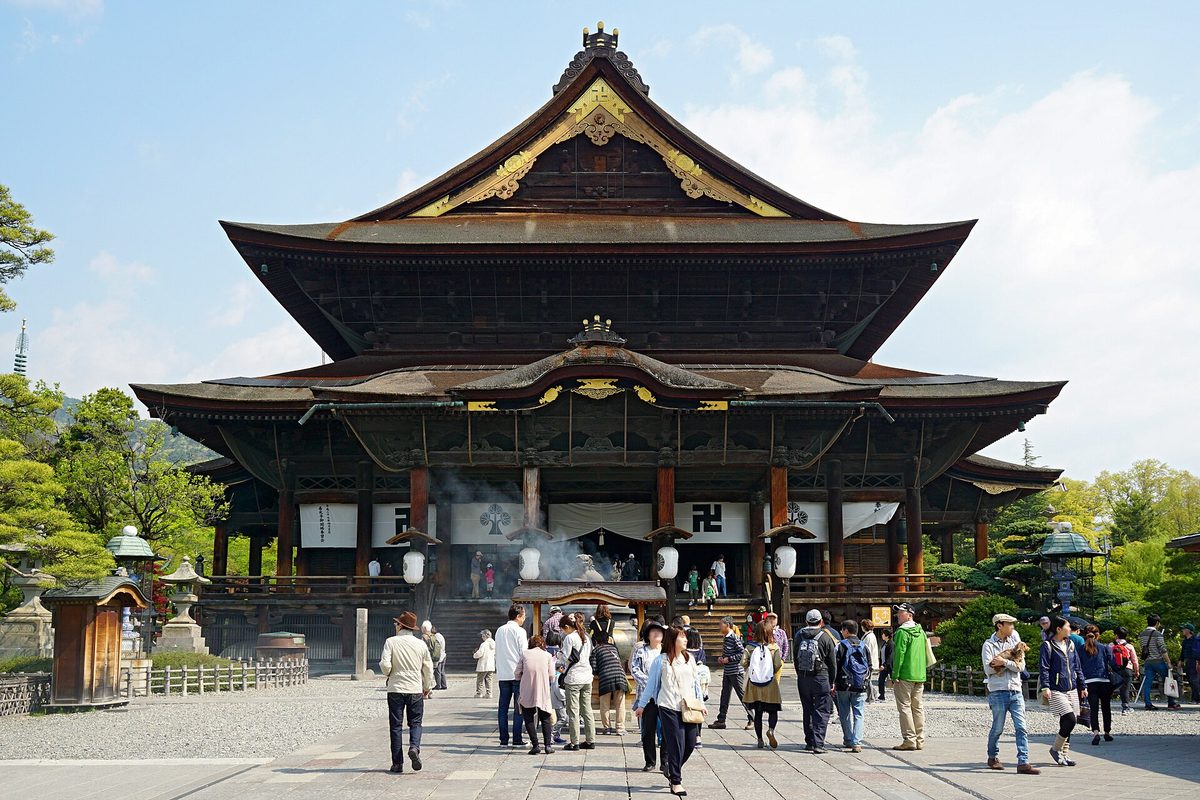
Photo: 663highland / CC BY 2.5 (Wikimedia Commons) A non-denominational temple founded nearly 1,400 years ago.
Closing time for the inner sanctuary changes by season: 16:15 in March and November, 16:00 from December to February (16:30 April to October).
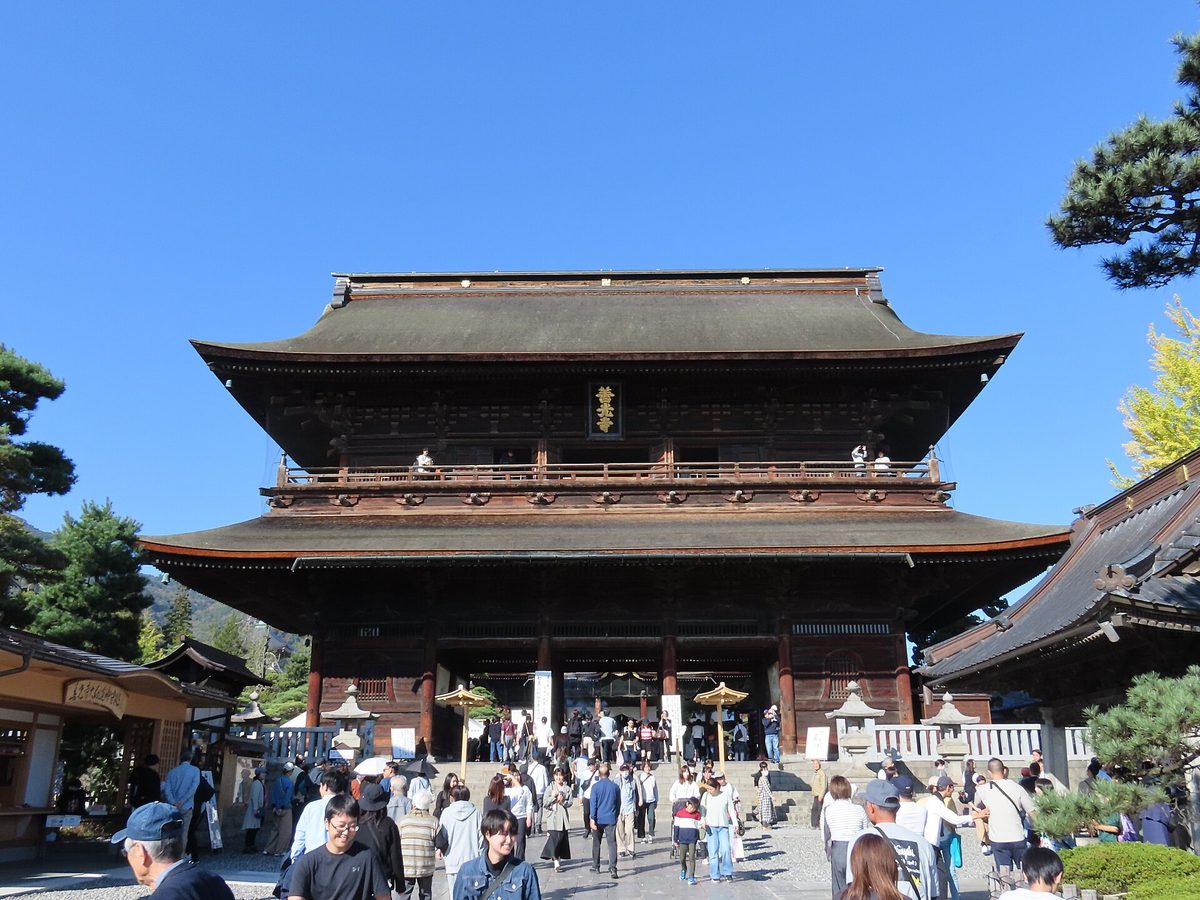
Photo: 快速踊り子 / CC BY-SA 4.0 (Wikimedia Commons) A two-story gate built in 1750 and designated an Important Cultural Property.
Upper-floor entry is 9:00–16:00 (until 13:00 on December 31). Children of elementary school age and under must be accompanied by an adult.
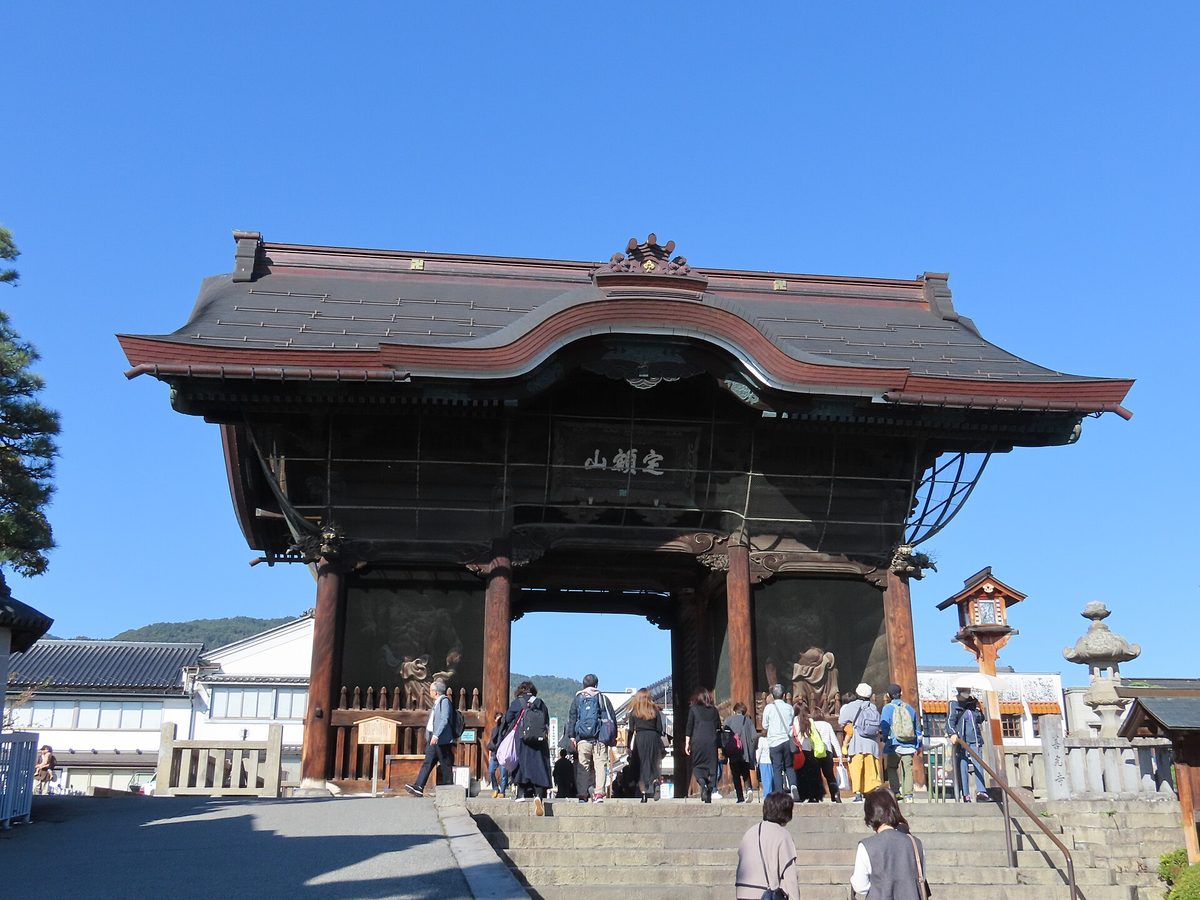
Photo: 快速踊り子 / CC BY-SA 4.0 (Wikimedia Commons) A keyaki-wood gate at the entrance to Nakamise Street, rebuilt in 1918 and a Registered Tangible Cultural Property.
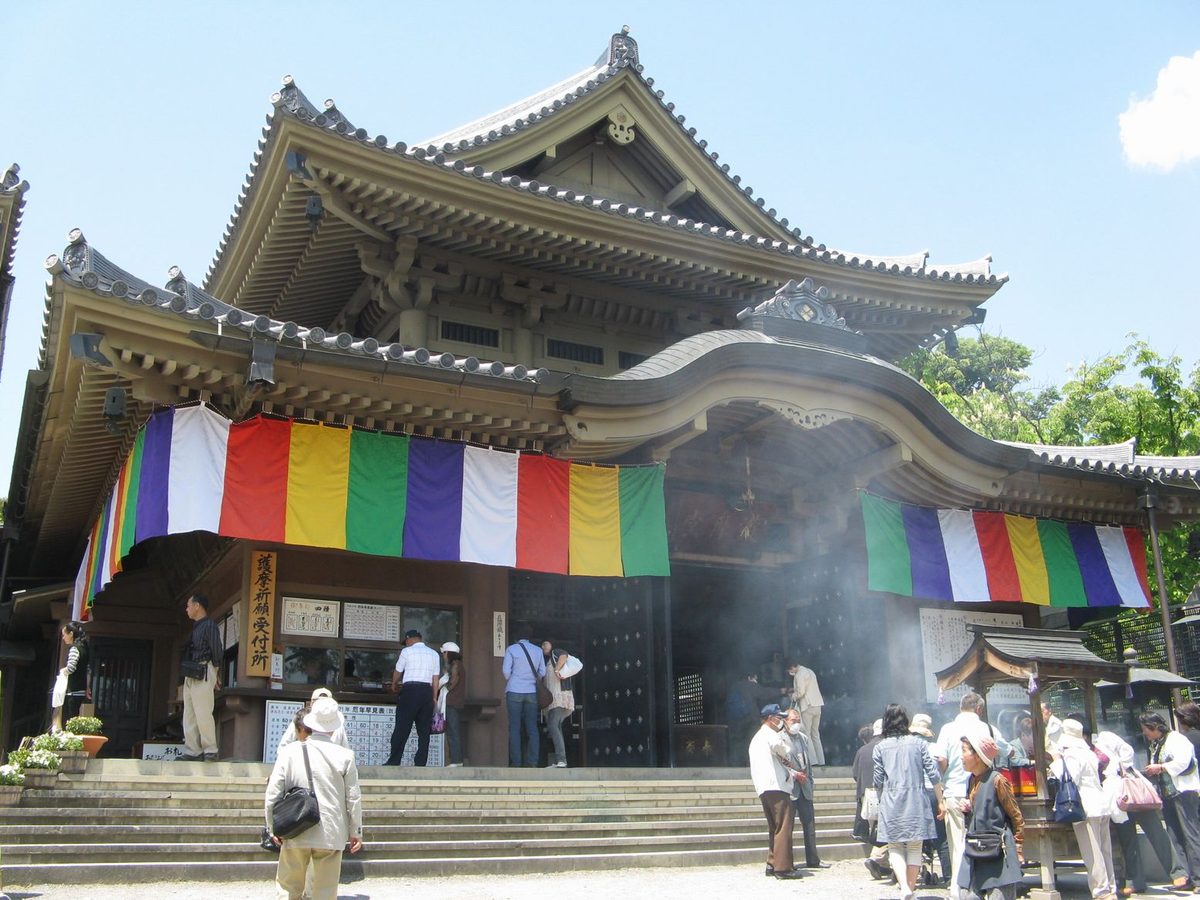
Photo: Bakkai / CC BY-SA 3.0 (Wikimedia Commons) The Tendai head temple just west of Zenkoji’s Sanmon Gate.
The temple office reception is open 8:30–14:30.
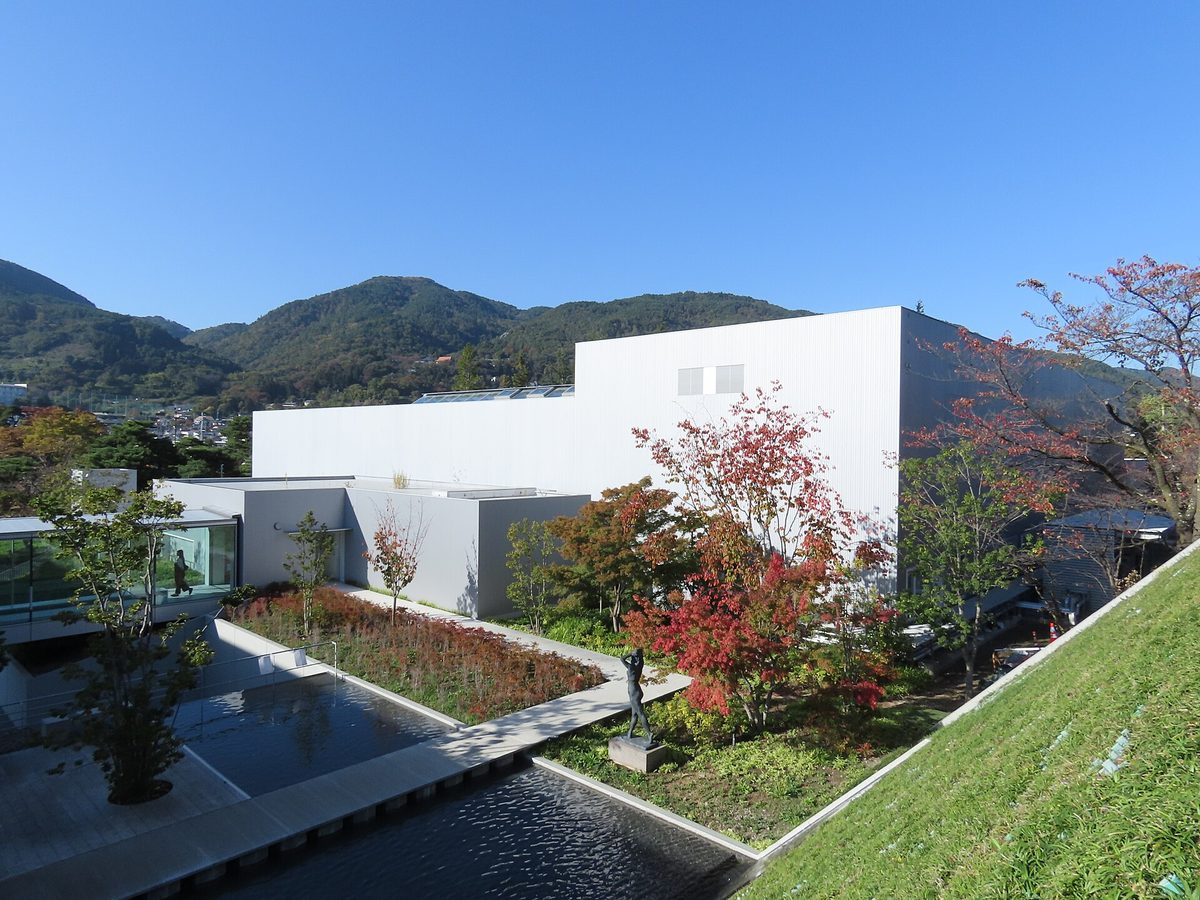
Photo: 快速踊り子 / CC BY-SA 4.0 (Wikimedia Commons) Nagano Prefectural Art Museum / Higashiyama Kaii Gallery
An art museum inside Joyama Park just east of Zenkoji, pairing exhibitions and a collection tied to Nagano with the adjacent Higashiyama Kaii Gallery, which holds over 980 works by the nihonga painter.
Open 9:00–17:00 (last gallery entry 16:30); closed Wednesdays (or the next weekday if a holiday) and Dec 28–Jan 3. The outdoor Fog Sculpture enters winter suspension from November 24.
These are local landmarks. Each was checked to be open on its official site (checked 2026-11-17). Please confirm hours before you go.
Beyond Nagano
1 / 2
 湯田中・渋温泉 · 26 km
Jigokudani Monkey Park →
A rare park worldwide where you can observe wild Japanese macaques bathing in hot springs.
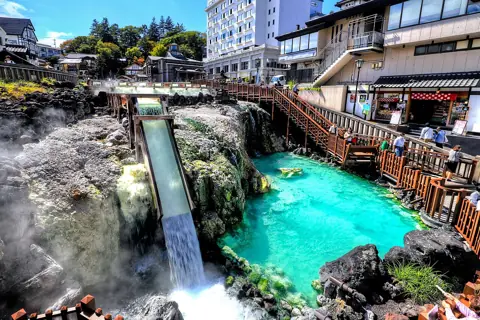 Kusatsu Town · 37 km
Kusatsu Onsen Yubatake →
The Yubatake, the symbol of Kusatsu Onsen, flows with over 4,000 liters of hot spring water per minute, which is cooled through wooden conduits before being delivered to each ryokan.
Distances are straight-line from the town centre. Each page has how to get there and a suggested day.
Questions people ask
- Where can I eat Nagano's local dishes?
Oyaki (stuffed dumplings): Maruhachi Takiya (Nakamise / Omotesando), Ogawanosho, Daimon (Daimon)
Shinshu soba (buckwheat noodles): Fujikian (Daimon), Juwari Soba Daizen (Daimon)
- Where can I see or buy Craft in Nagano?
Craft: geshi shop & gallery (Daimon), Takei Kogei (Daimon), Roger (Higashinomon / Nishinomon)
- Which places in Nagano open by 9 in the morning?
Fujita Kuemon Shoten (Higashinomon / Nishinomon, 6:30 until sold out (7:00 until sold out from December through March))
R-DEPOT (Gondo, Cafe 7:30-16:00; Shop 10:00-16:00)
Yawataya Isogoro, Main Shop (Daimon, 9:00-18:30)
- What can I visit on foot around Daimon?
Shinshu Oyaki: Ogawanosho, Daimon
Shinshu Soba: Fujikian, Juwari Soba Daizen
Food: Yawataya Isogoro, Main Shop
Sweets: Patisserie HEIGORO, Main Shop, Wagashi Mamekoyomi
Craft: geshi shop & gallery, Takei Kogei
Cafés: Morino Coffee Kumori Tokidoki Hare
Every place was checked to be open in November 2026. Hours can change, so please check the official site before you go.
If you like Nagano
- Nichinan
Miyazaki, Japan
For example, Fujikian here, and Kyoya Shuzo in Nichinan.
- Matsumoto
Nagano, Japan
For example, Fujikian here, and Metoba Soba in Matsumoto.
- Nikko
Tochigi, Japan
For example, Maruhachi Takiya here, and Yoshimiya in Nikko.
Chosen by how close the towns and their places are in what they make and serve.


