
35.5° N
Tottori
Tottori, Japan
A former castle town between the Sea of Japan and the Chugoku mountains, known for its coastal sand dunes. Mingei pottery and tofu chikuwa, with Matsuba crab in winter.
What to eat in Tottori
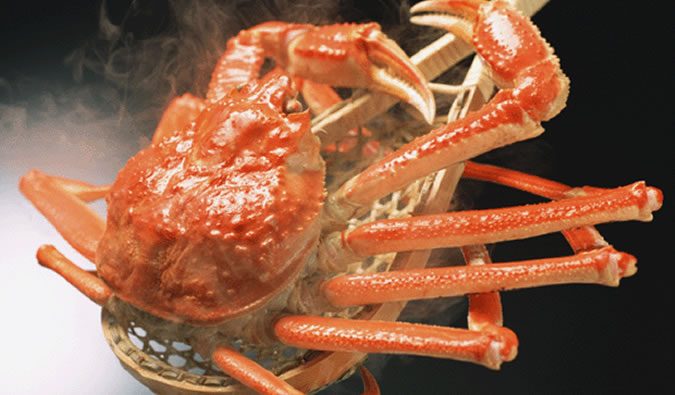
Photo: 花のれんオンラインストア (春歌秋灯 川端店 / 花のれん) (official site) Matsuba-gani (Tottori snow crab)
松葉がに
Matsuba-gani is the San'in name for adult male snow crabs caught in the cold waters of the Sea of Japan. Ports in Tottori City such as Karo and Ajiro are major landing centres, and winter crab fishing is central to the city's food culture.
Eaten from November to March boiled, grilled over charcoal, raw as sashimi, or in kanisuki hotpot finished with rice porridge.(Nov–Mar)
Where to eat it
- Shunka Shuto, Kawabata ↓
- Oshokujidokoro WakabayashiWebsiteMap
- Gochiya Gurattye HontenWebsiteMap
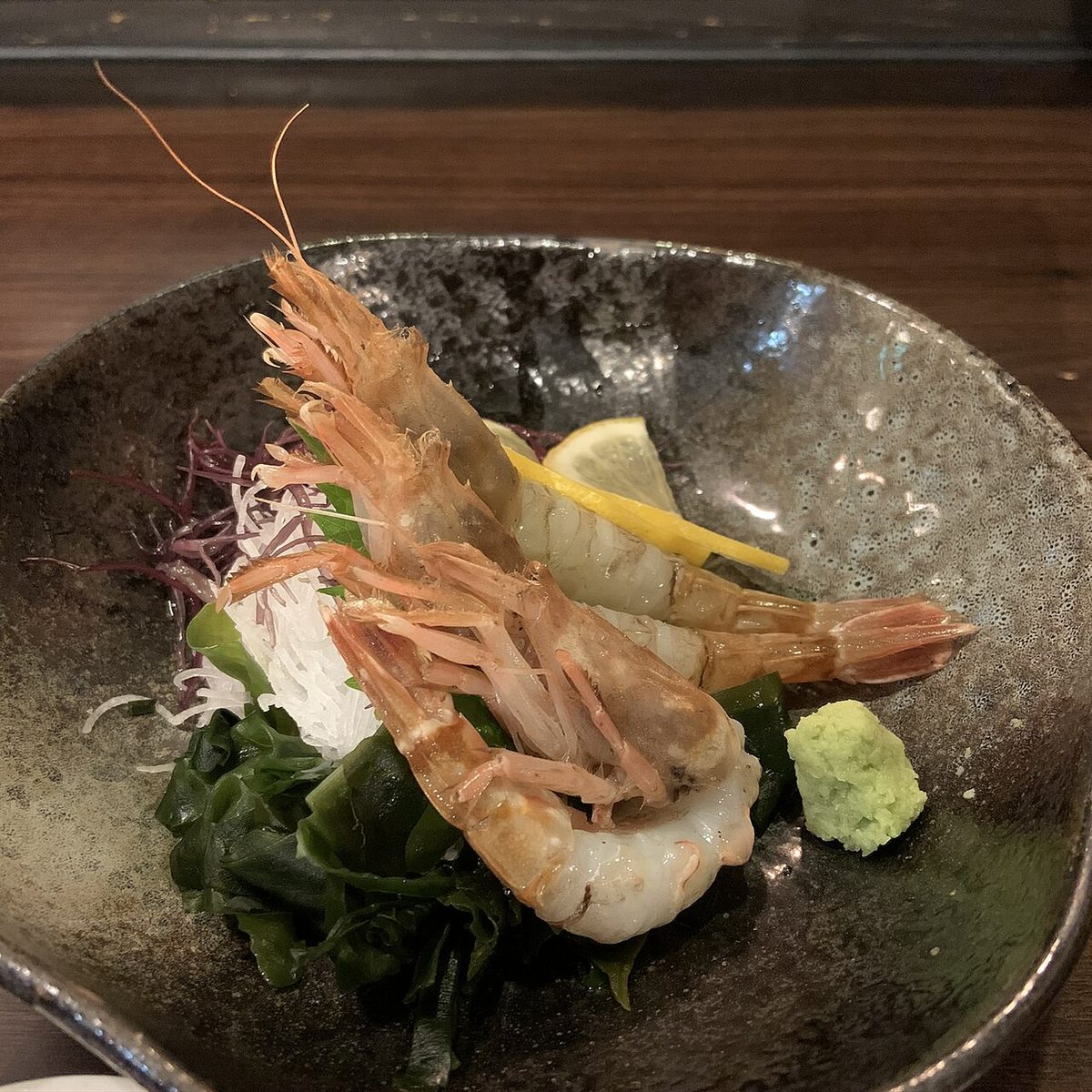
Photo: ウィキ太郎(Wiki Taro) / Public domain (Wikimedia Commons) Mosa-ebi (local deep-water shrimp)
モサエビ
Mosa-ebi is the San'in name for kurozako-ebi, a deep-water shrimp caught by bottom trawlers off the Tottori coast. Because it darkens and loses freshness quickly after landing, very little leaves the prefecture and it is eaten near the ports.
Eaten from September to May raw as sashimi or sushi for its sweet flesh, as well as tempura, salt-grilled, or in pasta.(Sep–May)
Where to eat it
- Shunka Shuto, Kawabata ↓
- cafe restaurant SUKATTO ↓
- Gochiya Gurattye HontenWebsiteMap
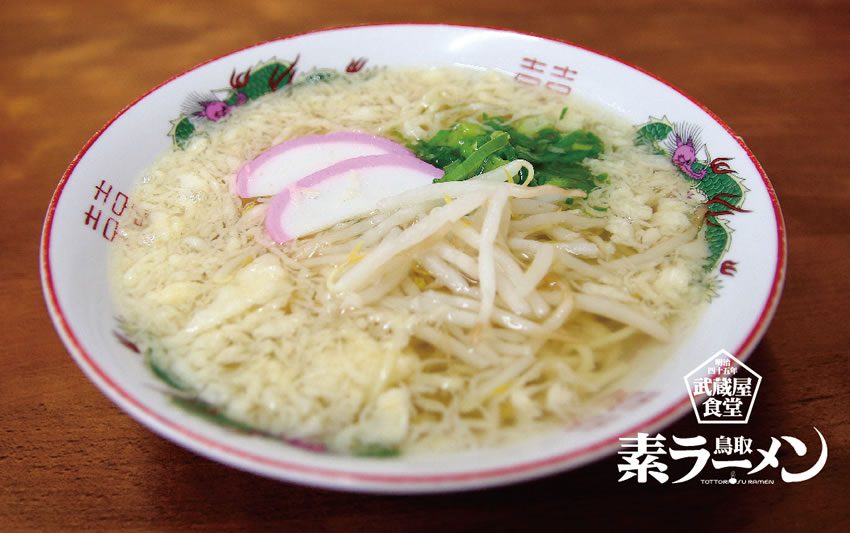
Photo: 武蔵屋食堂 (Musashiya Shokudo) (official site) Su-ramen (dashi-broth ramen)
素ラーメン
Su-ramen is a bowl of Chinese-style wheat noodles served in a clear Japanese udon broth of kelp and dried bonito, topped with bean sprouts, scallions, kamaboko, and tempura crumbs. It was created around 1955 at Musashiya Shokudo in Tottori City as an affordable noodle dish for students and local diners.
Eaten year-round at casual diners for lunch or dinner, often seasoned with black pepper or a splash of Worcestershire sauce.
Where to eat it
- Musashiya Shokudo ↓
- Nihonkai ShokudoWebsiteMap
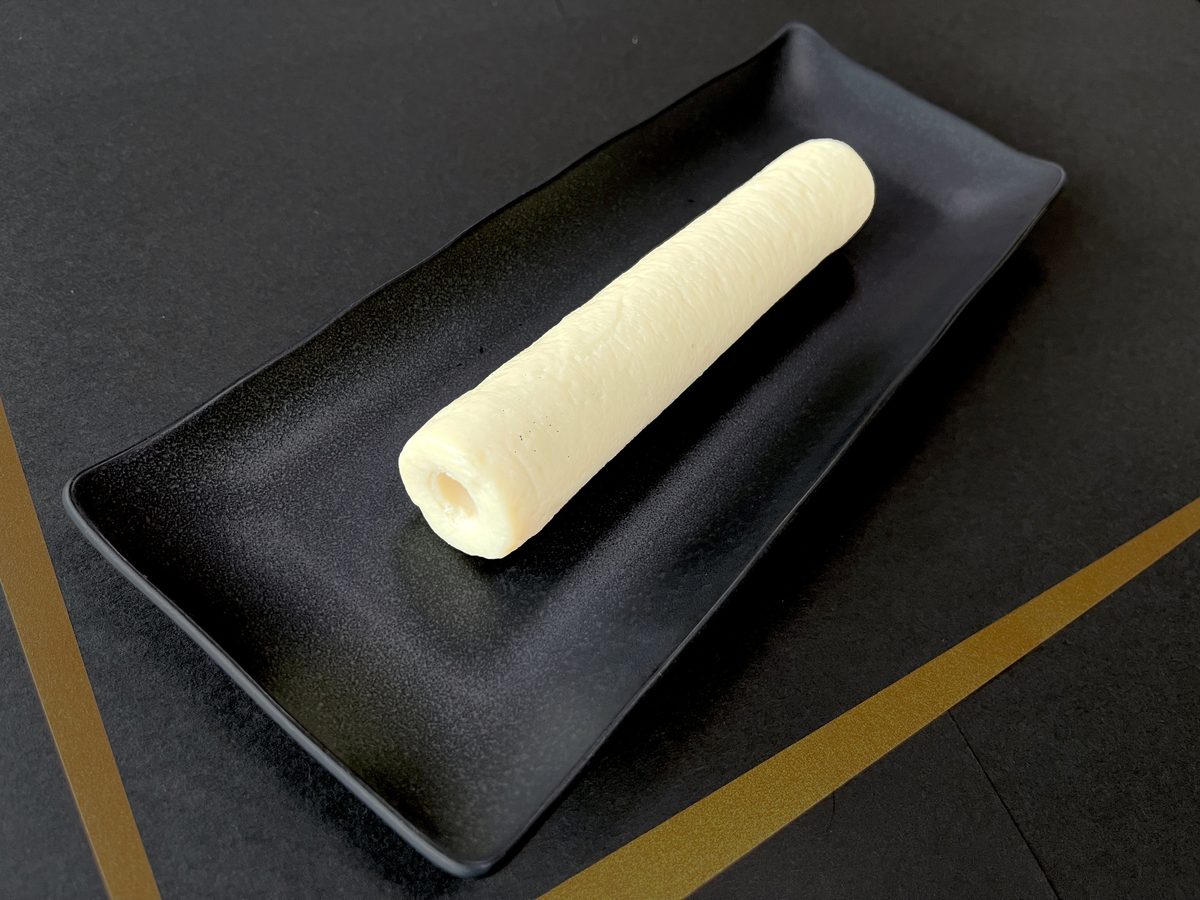
Photo: 前田商店カンパニー (リバードフードダイバーシティ株式会社) (official site) Tofu Chikuwa (tofu and fish cake)
とうふちくわ
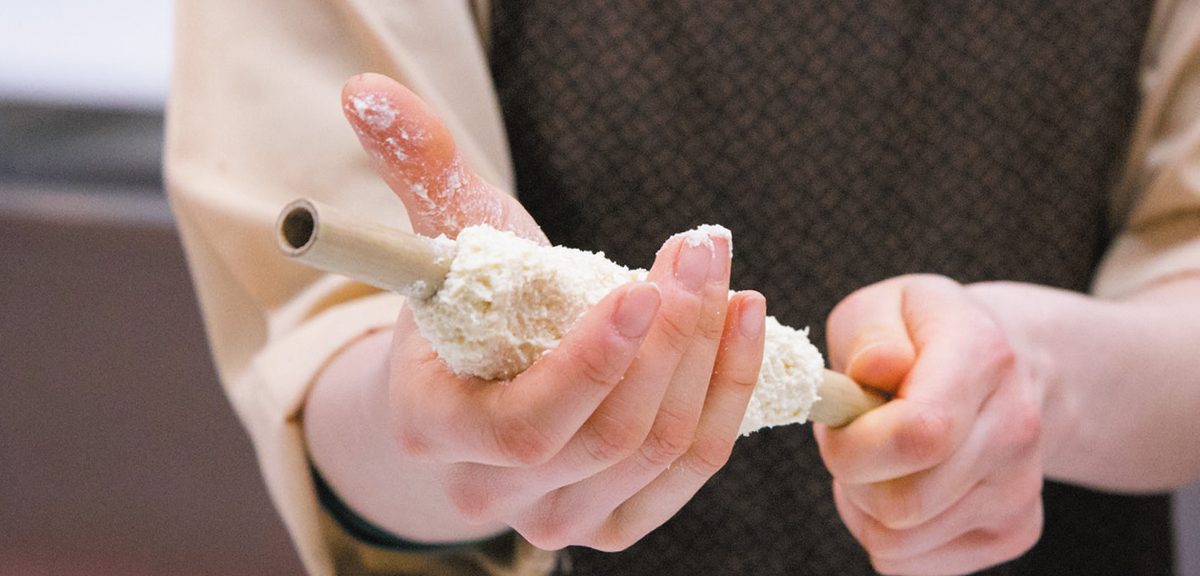
Tofu chikuwa is a steamed cylindrical cake made by kneading roughly 70 percent firm tofu with 30 percent white fish surimi. It originated in eastern Tottori during the Edo period as a frugal alternative to pure fish cake and remains an everyday staple in Tottori City.
Sliced and eaten year-round plain or with ginger-soy or wasabi-soy sauce, either steamed white or lightly browned.
Where to eat it
The LATITUDE editors’ 21 picks in Tottori
Our editors verified that these places were open (checked 2026-11-13). Check the official site for hours and closing days before visiting. Sponsored listings are marked.
Save places to your trip list and revisit them in this browser. No account needed.
Editors’ picks on the map — or build your own route
Tap a mark to see the place; squares are museums and sights (landmarks). Use “Build your own route” to make a walk of your own.
Loading the map
Map data © OpenStreetMap contributors
Follow Rin's route — watch the day in Tottori, then walk it
See the day first, then follow the same order on the map, and open it as walking directions in Google Maps. The film is at the top ↑
1 · The day, on the map
Loading the map
2 · Walk it
Open this walk in Google Maps ↗The dotted line shows the order, not the actual streets. The inn is not on the map. Map data © OpenStreetMap contributors
Rin's day, in order
1 / 7
109:15
The camels at the dune entrance
Past the camels by the entrance; at weekends they are there for photographs only.
209:40
The great slope of Umanose
Up the long landward slope, the boots sinking with every step.
310:21
The top of Umanose
On the ridge, the sea on one side; she empties the sand out of one boot.
412:30
The Sakyu lift
Back up to the dune centre on the sightseeing chairlift.
513:45
A cup in town, by the Mingei Museum
In town, a small cup glazed half green, half black.
Nearby editors’ picks: Tottori Takumi Kogeiten, Takumi Kappoten, Gallery Sora
616:58
The last light on Umanose
Back on the ridge for the last light; the wind draws ripples across the sand.
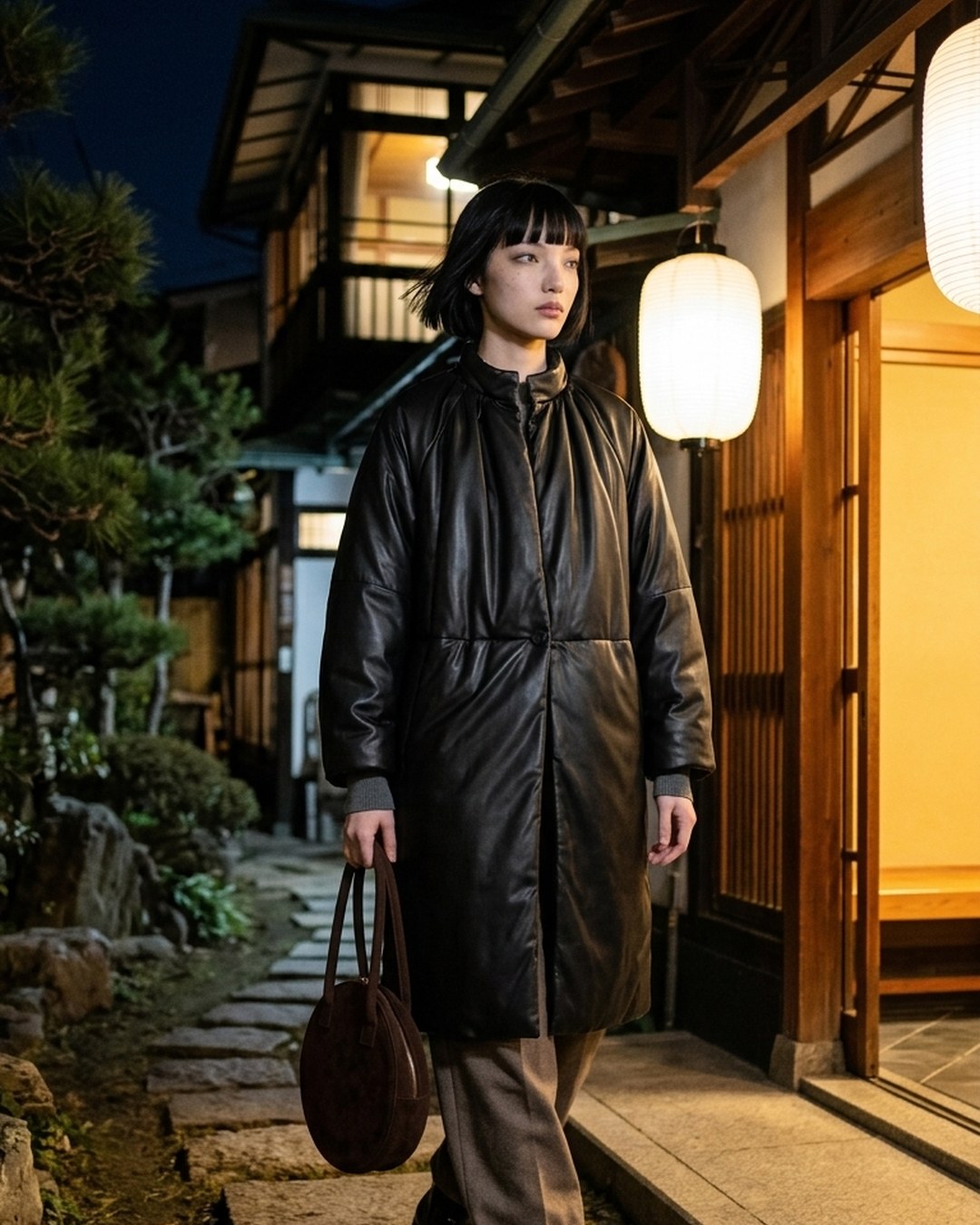
19:15
The inn
Boots by the step, a little sand still in one of them.
Browse by category
1 / 23
Shokunin-machi
Musashiya Shokudo
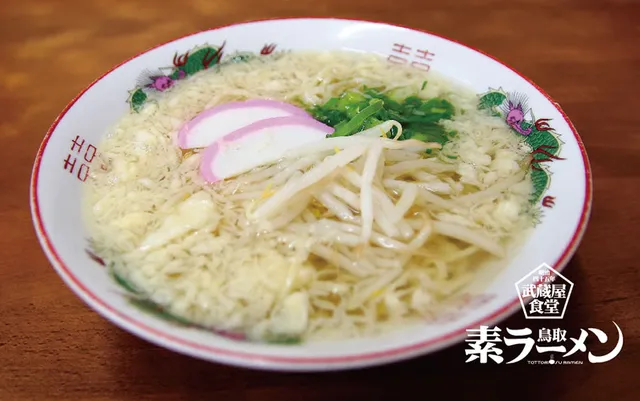
Photo: the shop’s official page 武蔵屋食堂
A diner founded in 1912, where su-ramen began. House-made noodles from Tottori wheat are served in a Japanese broth of bonito, kelp and other ingredients.
Why the editors chose itFounded in 1912 as the birthplace of su-ramen, serving house-made noodles in Japanese broth.
Sakae-machi
Takumi Kappoten
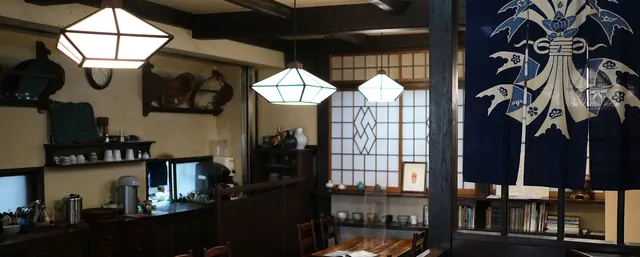
Photo: the shop’s official page たくみ割烹店
A restaurant opened in 1962, serving food with mingei craftwork in a space designed by Shoya Yoshida. Its speciality is susugi-nabe hot pot.
11:30–14:00, 17:00–21:00 (last order 20:00) · Closed: Wednesdayschecked Nov 2026
Why the editors chose itDine on signature susugi-nabe in a space designed by Shoya Yoshida using mingei craftwork.
Fukube-cho Yuyama
cafe restaurant SUKATTO
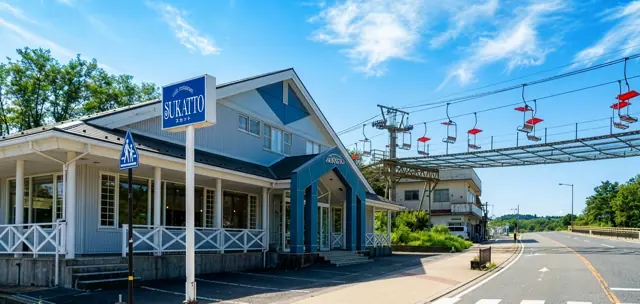
Photo: the shop’s official page Irregular closing days
A café restaurant near the sand-dune chairlift, serving Tottori beef curry and cream pasta with local mosa shrimp.
11:00–18:00 (last order 17:30) · Closed: Irregularchecked Nov 2026
Why the editors chose itBy the sand-dune chairlift, serving Tottori beef curry and local mosa shrimp cream pasta.
Kawabata
Shunka Shuto, Kawabata
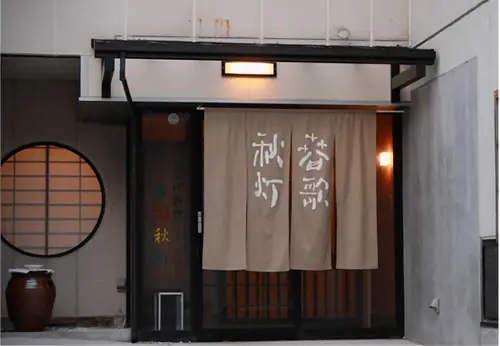
Photo: the shop’s official page 春歌秋灯 川端店
A Japanese restaurant sourcing seasonal fish from Ajiro and Natsudomari ports. Lunch sets, evening courses and individual dishes, with dashimaki omelettes cooked to order.
11:00–14:00, 17:00–22:00 (last order 21:00) · Closed: Mondays, Tuesdays, Wednesday lunch (irregular holidays)
Why the editors chose itServes seasonal fish from local ports and dashimaki cooked to order, for lunch or dinner.
Fukube-cho Yuyama
Takahama Cafe
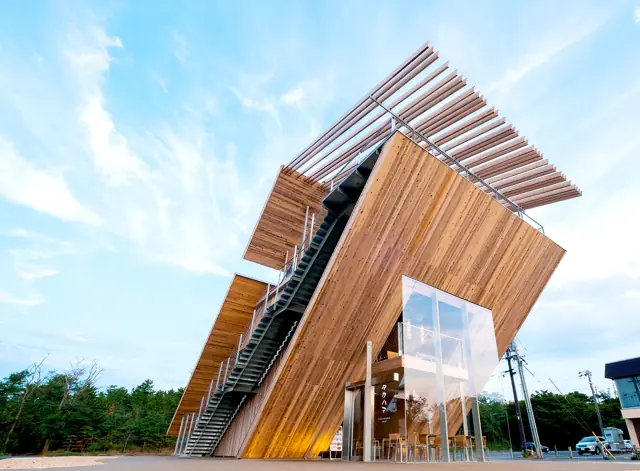
Photo: the shop’s official page タカハマカフェ
A café facing the Tottori Sand Dunes, designed by Kengo Kuma. Furniture uses Tottori cedar, and the paper lamps are finished with sand from the dunes.
10:00–17:00 (last order 16:30) · Closed: Open every daychecked Nov 2026
Why the editors chose itFacing the Tottori Sand Dunes in a Kengo Kuma building with cedar furniture and sand-finished lamps.
Suehiro-onsen-cho
Kissa Beniya
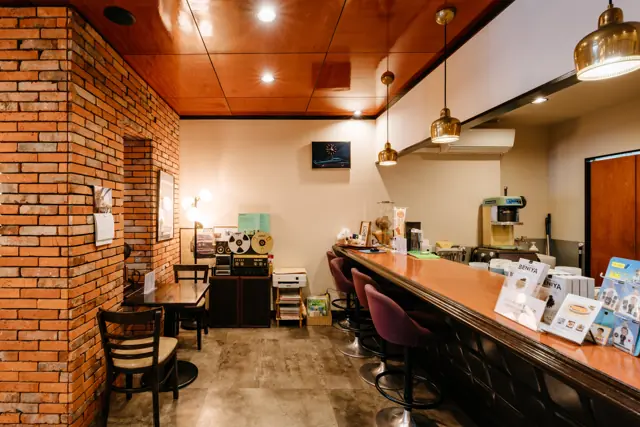
Photo: the shop’s official page 喫茶 ベニ屋
A café founded in 1948, known for its curry and summer Indian Milk shaved ice.
8:00–17:30 · Closed: Wednesdayschecked Nov 2026
Why the editors chose itA café since 1948, known for its signature curry and summer Indian Milk shaved ice.
Tenjin-cho
WEEKDAY COFFEE ROASTERS
A coffee roaster in Tenjin-cho, serving washed-bean coffee and espresso, with beans and drinks to take away.
Why the editors chose itA Tenjin-cho roaster offering washed-bean coffee, espresso and whole beans to take away.
Fukube-cho Yuyama
Totto PURIN
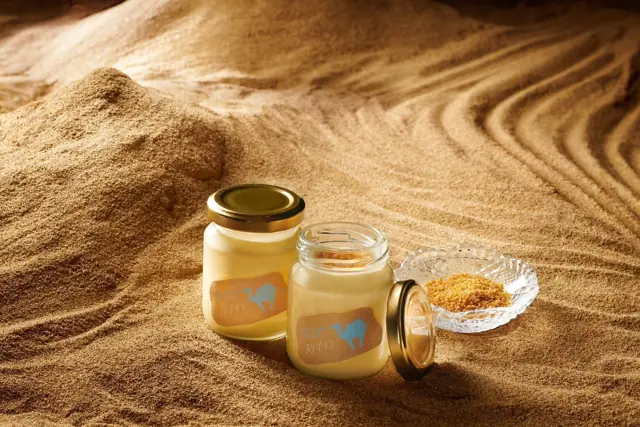
Photo: the shop’s official page A pudding shop by the Tottori Sand Dunes, making Suna Purin, firm custard pudding and seasonal flavours.
Weekdays 10:00–17:00, weekends & holidays 9:30–17:30 · Closed: Open every daychecked Nov 2026
Why the editors chose itA pudding specialist right beside the Tottori Sand Dunes making Suna Purin and firm custard.
Nikai-machi
Tottori Hougetsudou
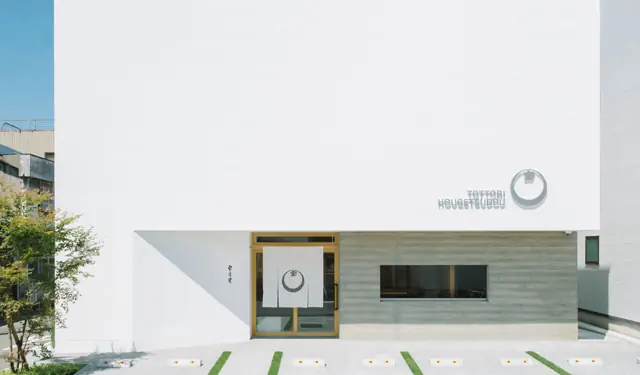
Photo: the shop’s official page 鳥取宝月堂
A wagashi shop in Nikai-machi, making ginger senbei, Suna no Oka cookies and MOCHI cube sweets.
Why the editors chose itA wagashi shop in Nikai-machi for ginger senbei, Suna no Oka cookies and MOCHI cube sweets.
Yoshikata
yonayona Bake
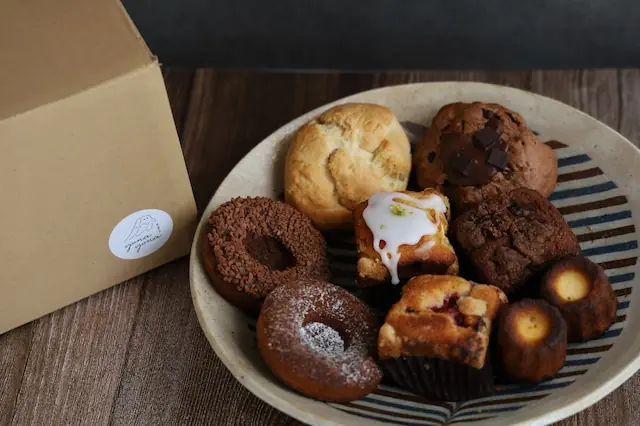
Photo: the shop’s official page yonayona焼き菓子店
A bake shop in Yoshikata, making Obake canelés, cookie tins, financiers and raisin-butter sandwiches.
Wed–Mon 11:00–18:00 · Closed: Tuesdays
Why the editors chose itA bake shop centred on Obake canelés, alongside cookie tins, financiers and raisin-butter sandwiches.
Made in Tottori
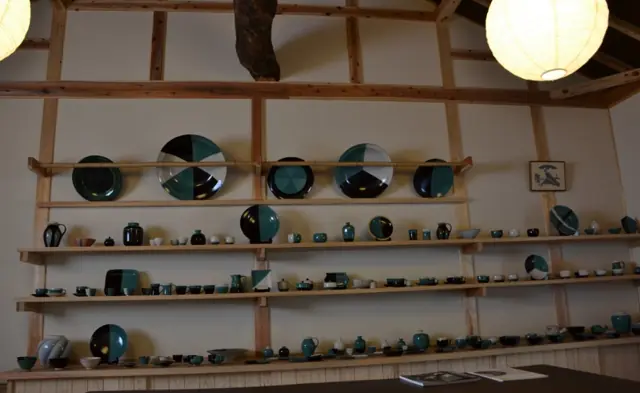
In 1931, the doctor Shoya Yoshida began a new mingei movement in Tottori. Local materials and traditional techniques were used to make pottery, furniture, textiles and other things for everyday life.
Inshu Nakai Kiln mingei pottery plates and vessels on shelves·Photo: Inshu Nakaigama (official site)
Sakae-machi
Tottori Takumi Kogeiten
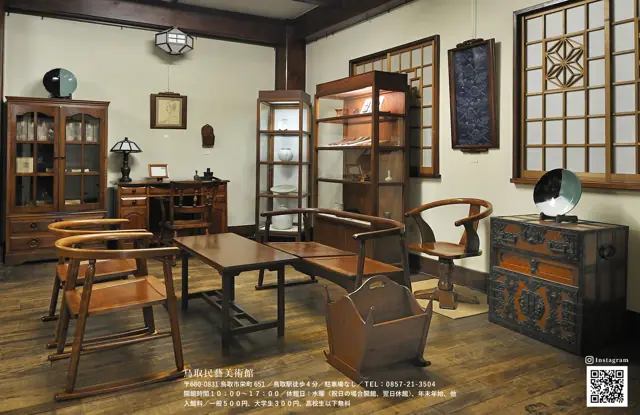
Photo: the shop’s official page 鳥取たくみ工芸店
A mingei shop founded in 1932, selling pottery, glass, woodwork and textiles from Tottori and across Japan.
10:00–18:00 · Closed: Wednesdays, New Yearchecked Nov 2026
Why the editors chose itFounded in 1932, this mingei shop gathers pottery, glass, woodwork and textiles from Tottori and beyond.
Kawahara-cho Nakai
Inshu Nakaigama
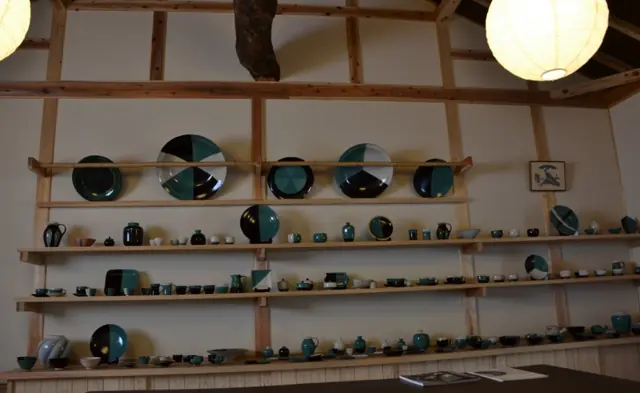
Photo: the shop’s official page 因州・中井窯
A kiln in Kawahara-cho Nakai, making pottery with local mountain clay and straw-ash glazes. There is a gallery beside the workshop.
Why the editors chose itChoose pottery made from local clay and straw-ash glazes in the gallery beside the workshop.
Made in Tottori
A local food of eastern Tottori, made from firm tofu and fish paste. The pale steamed rolls are sold alongside browned, grilled versions, and have long been eaten as a snack.
Hands shape tofu and fish paste around a bamboo rod.·Photo: Tofu Chikuwa no Sato Chimura (official site)
Motouo-machi
Karoya
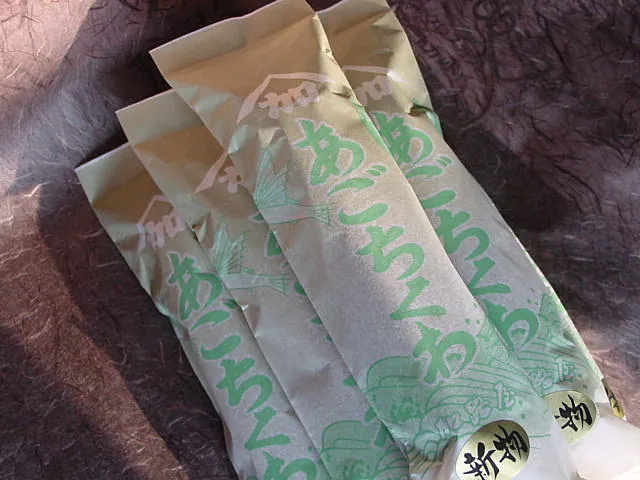
Photo: the shop’s official page 加路屋
A fish-cake maker in Motouo-machi, keeping machinery to a minimum to make tofu chikuwa and flying-fish chikuwa by hand.
Mon–Tue, Thu–Sat 10:00–16:00 · Closed: Wednesdays, Sundays
Why the editors chose itSomewhere to buy handmade tofu chikuwa and flying-fish chikuwa crafted with minimal machinery.
Sakae-machi
Gallery Sora
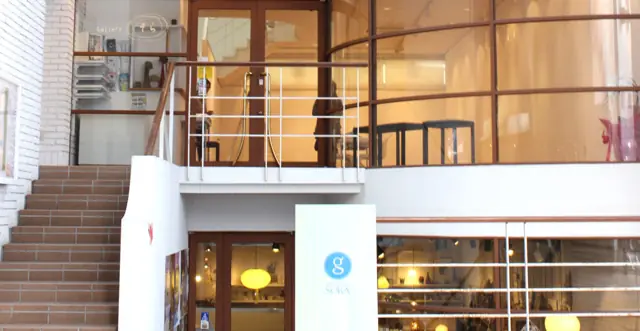
Photo: the shop’s official page Gallery そら
A gallery and craft shop on the Sun Road shopping street, showing and selling pottery, woodwork, glass and other handwork, mainly by younger Sanin makers.
Thu–Tue 11:00–17:00 (gallery shop SORA) · Closed: Irregular (closed New Year)
Why the editors chose itBrowse pottery, woodwork and glass mostly by younger Sanin makers at this Sun Road gallery.
Gyotoku
Am’s

Photo: the shop’s official page Am's
A shop in Gyotoku for clothing, food and the home, with furniture, everyday goods, Japanese tableware and tools, and pottery from Sanin kilns.
10:00–19:00 · Closed: Open every day (except Jan 1)checked Nov 2026
Why the editors chose itCompare Sanin kiln pottery alongside Japanese tableware, tools, furniture and everyday goods under one roof.
Moto-machi
Art Space Colorful
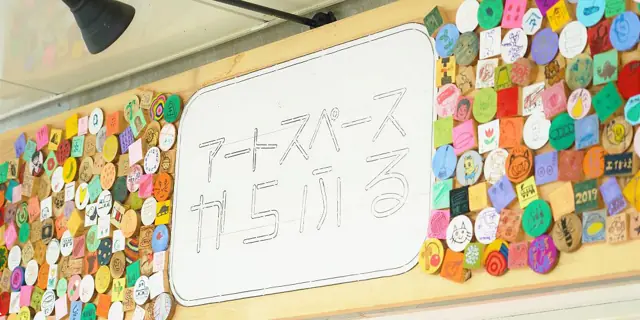
Photo: the shop’s official page アートスペースからふる
A shop of hand-printed tenugui, T-shirts and bags by local artists, with Tottori motifs such as pears and crabs.
Mon–Sat 9:00–17:00 · Closed: Sundays, public holidays, New Yearchecked Nov 2026
Why the editors chose itShop hand-printed tenugui, T-shirts and bags with local artists' Tottori pear and crab motifs.
Minami-machi
Fuuan (antique kimono)
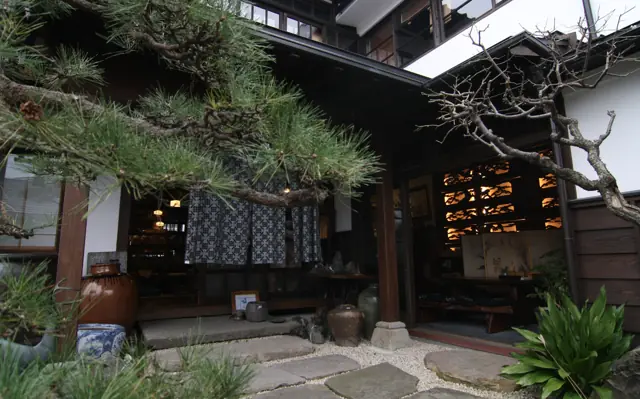
Photo: the shop’s official page 時代物専門店 風庵
A shop of old kimono, obi, kasuri cloth and remnants.
10:00–19:00 · Closed: Tuesdays and Wednesdayschecked Nov 2026
Why the editors chose itA specialist shop for finding old kimono, obi, kasuri cloth and vintage kimono remnants.
Kawabata
taone
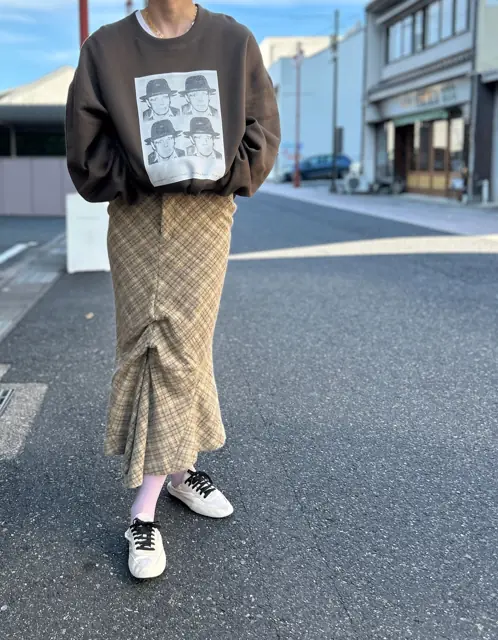
Photo: the shop’s official page A women's select shop in Kawabata, mostly small Japanese designer labels.
Fri–Wed 11:00–17:00 · Closed: Thursdays
Why the editors chose itA women's select shop in Kawabata focusing on small independent Japanese designer labels.
Kawara-machi
tetoteto
てとてと
A vintage shop near Tottori Station where two shops share one roof, choosing European and well-made vintage.
Why the editors chose itNear Tottori Station, two vintage shops share one roof with European and distinctively made pieces.
Shin
Glass works negy
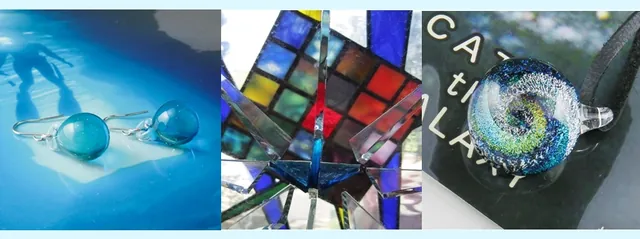
Photo: the shop’s official page A workshop and shop making glass earrings and beads in "Tottori Blue", the colour of the sea at Uradome, and in glass after Tottori's night sky.
10:00–19:00
Why the editors chose itA workshop-shop crafting earrings and beads in Uradome-sea Tottori Blue and night-sky glass.
Saiwai-cho
NONBODY
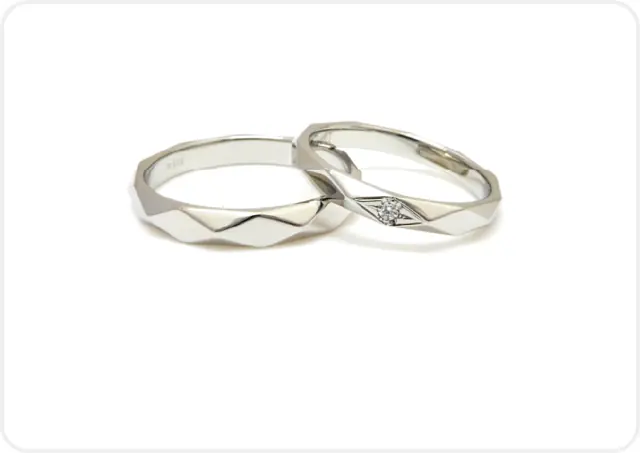
Photo: the shop’s official page A jewellery shop of over twenty years with a workshop inside, making and repairing gold, platinum and silver pieces to order.
11:00–19:00 · Closed: Thursdays (except public holidays and New Year)checked Nov 2026
Why the editors chose itAn over-20-year-old shop with an in-house workshop for custom gold, platinum and silver work.
Sights in Tottori
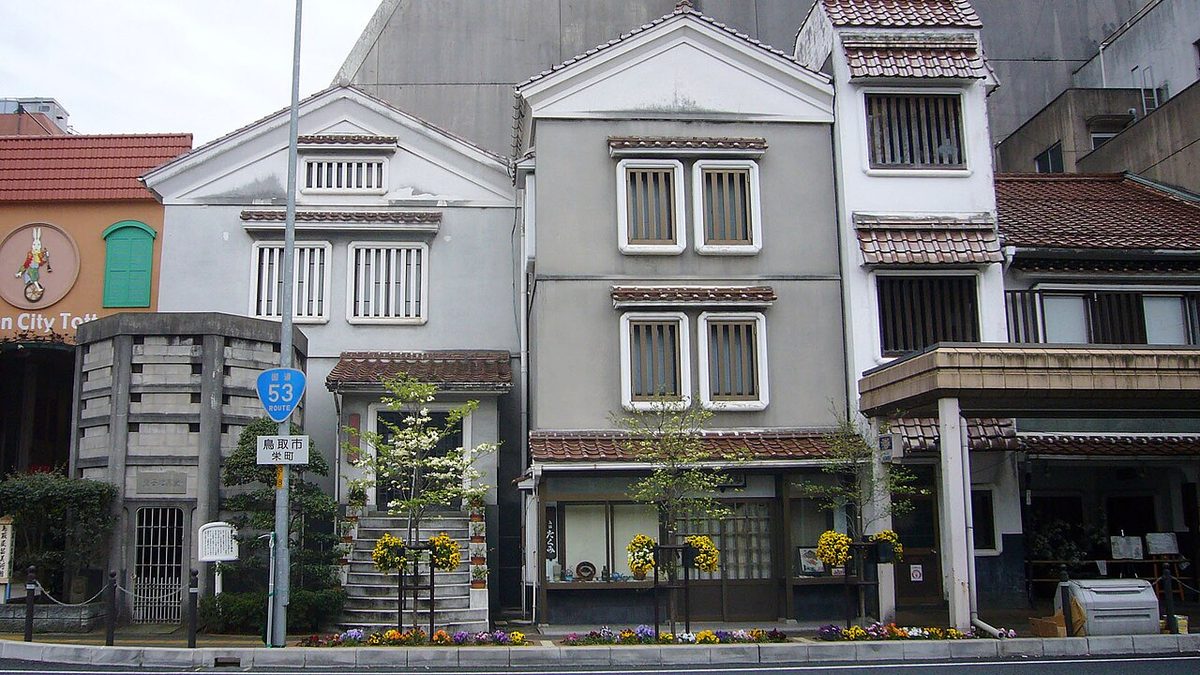
Photo: 663highland / CC BY 2.5 (Wikimedia Commons) A folk-craft museum founded in 1949 by the doctor Shoya Yoshida.
Open 10 am to 5 pm. Closed Wednesdays, or the following day if Wednesday is a holiday, over New Year and for exhibition changes.
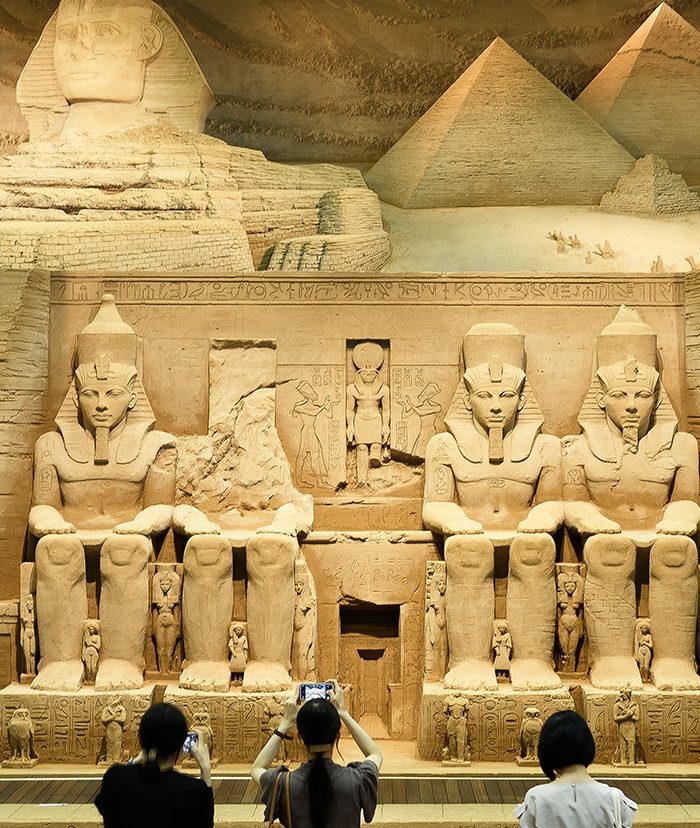
Photo: official site A museum of sculpture made from sand.
The seventeenth exhibition, on Spain, runs until 3 January 2027. Open daily during the exhibition, 9 am to 6 pm, with last entry at 5:30 pm.
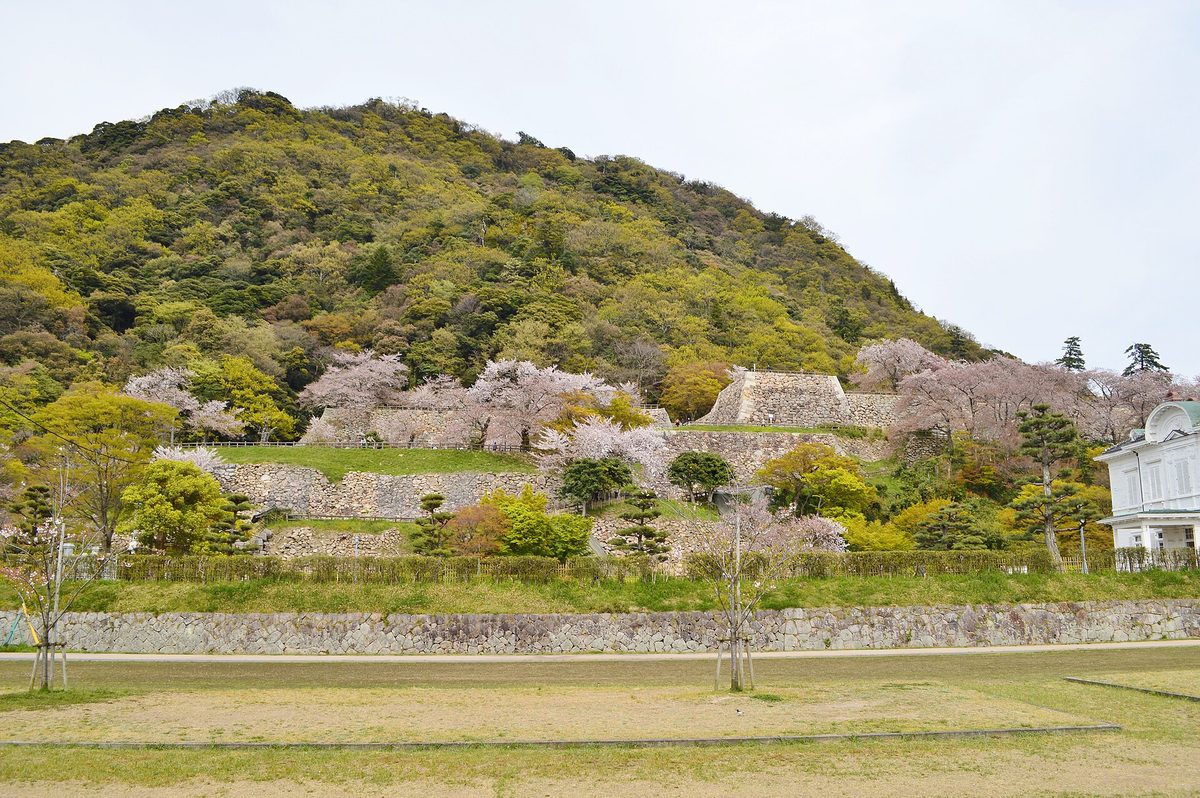
Photo: Saigen Jiro / CC0 (Wikimedia Commons) Castle ruins extending from the summit to the foot of Mount Kyusho, with stone walls and the keep platform remaining.
Nearby Jinpukaku is closed for conservation work, with its exterior covered since late September 2025. Horyuin Garden and Hosennan remain open.
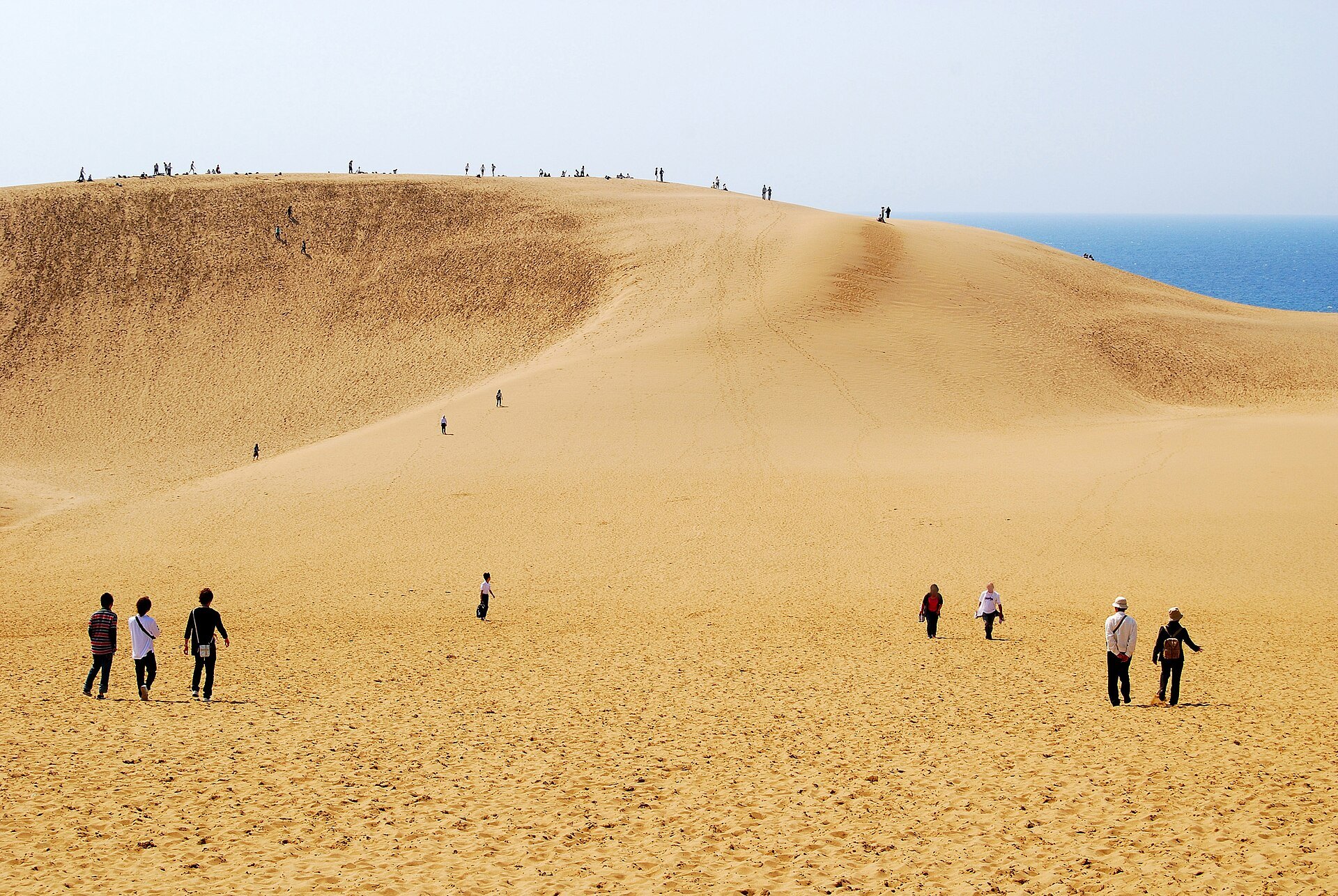
Photo: Hashi photo / CC BY-SA 3.0 (Wikimedia Commons) One of Japan's largest coastal sand dunes, known for its beautiful wind ripples and spectacular views.
These are local landmarks. Each was checked to be open on its official site (checked 2026-11-17). Please confirm hours before you go.
Questions people ask
- Where can I eat Tottori's local dishes?
Matsuba-gani (Tottori snow crab): Shunka Shuto, Kawabata (Kawabata)
Mosa-ebi (local deep-water shrimp): Shunka Shuto, Kawabata (Kawabata), cafe restaurant SUKATTO (Fukube-cho Yuyama)
Su-ramen (dashi-broth ramen): Musashiya Shokudo (Shokunin-machi)
Tofu Chikuwa (tofu and fish cake): Karoya (Motouo-machi), Takumi Kappoten (Sakae-machi)
- Where can I see or buy Tottori Mingei Folk Craft & Pottery, Craft in Tottori?
Tottori Mingei Folk Craft & Pottery: Tottori Takumi Kogeiten (Sakae-machi), Inshu Nakaigama (Kawahara-cho Nakai)
Craft: Gallery Sora (Sakae-machi), Am’s (Gyotoku)
Every place was checked to be open in November 2026. Hours can change, so please check the official site before you go.
If you like Tottori
- Kushiro
Hokkaido, Japan
For example, Tottori Takumi Kogeiten here, and send in Kushiro.
- Tajimi
Gifu, Japan
For example, Inshu Nakaigama here, and Kobei-gama in Tajimi.
- Takamatsu
Kagawa, Japan
For example, Inshu Nakaigama here, and Mamehana (Kigata Kobo Ichihara) in Takamatsu.
Chosen by how close the towns and their places are in what they make and serve.


