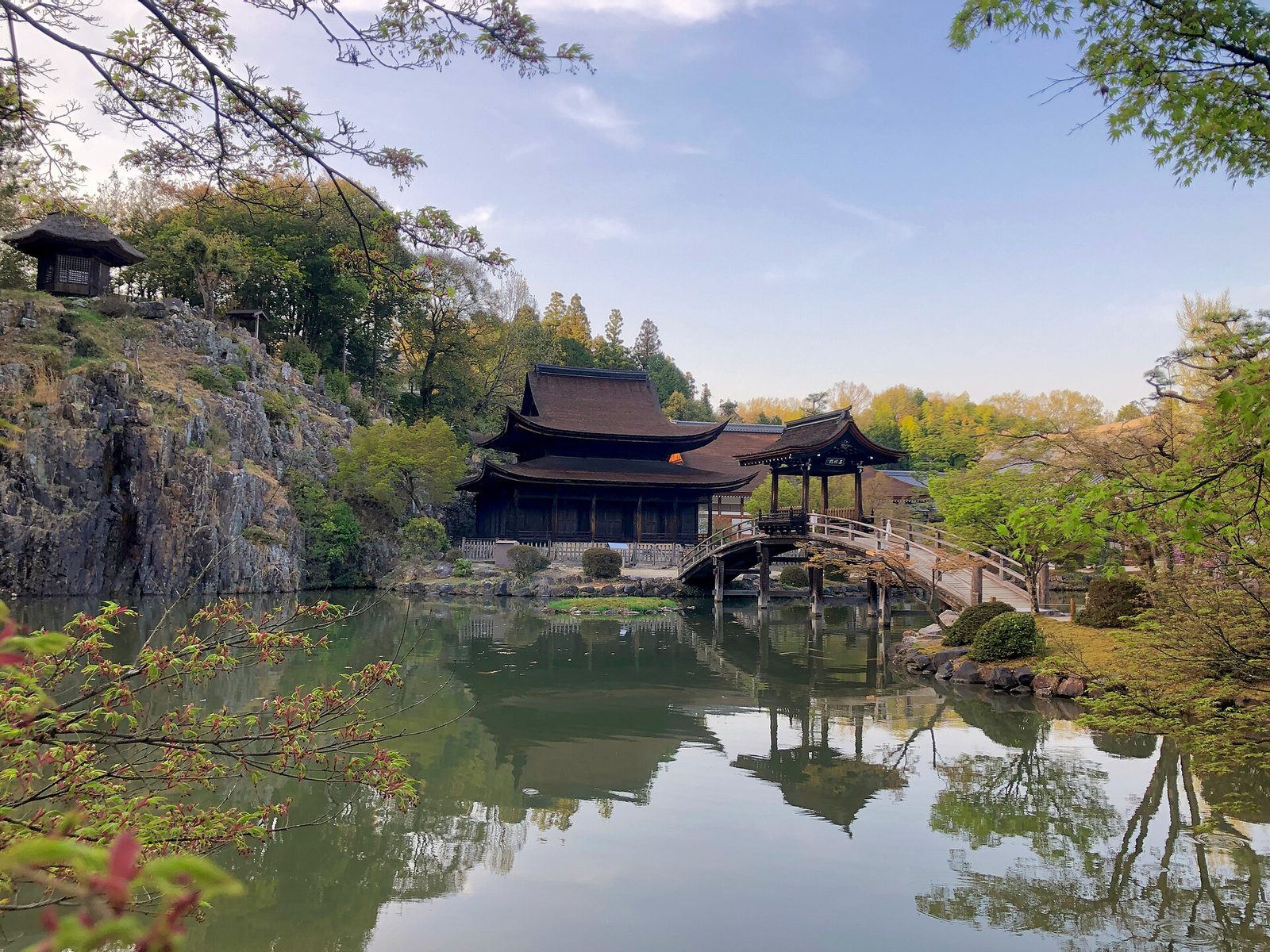
35.3° N
Tajimi
Gifu, Japan
A Mino ware town in a basin along the Toki River in southeastern Gifu. Kilns and galleries in Ichinokura and Kokeizan, mosaic-tile and craft shops along Honmachi Oribe Street and in Kasahara, then coffee and sweets: the editors’ picks.
Tajimi, on film
5 sights and 15 places, each checked open in 2026, in 51 seconds.
Found somewhere you like? The map and the list below have the address, hours and official site.
Tap for sound
What to eat in Tajimi
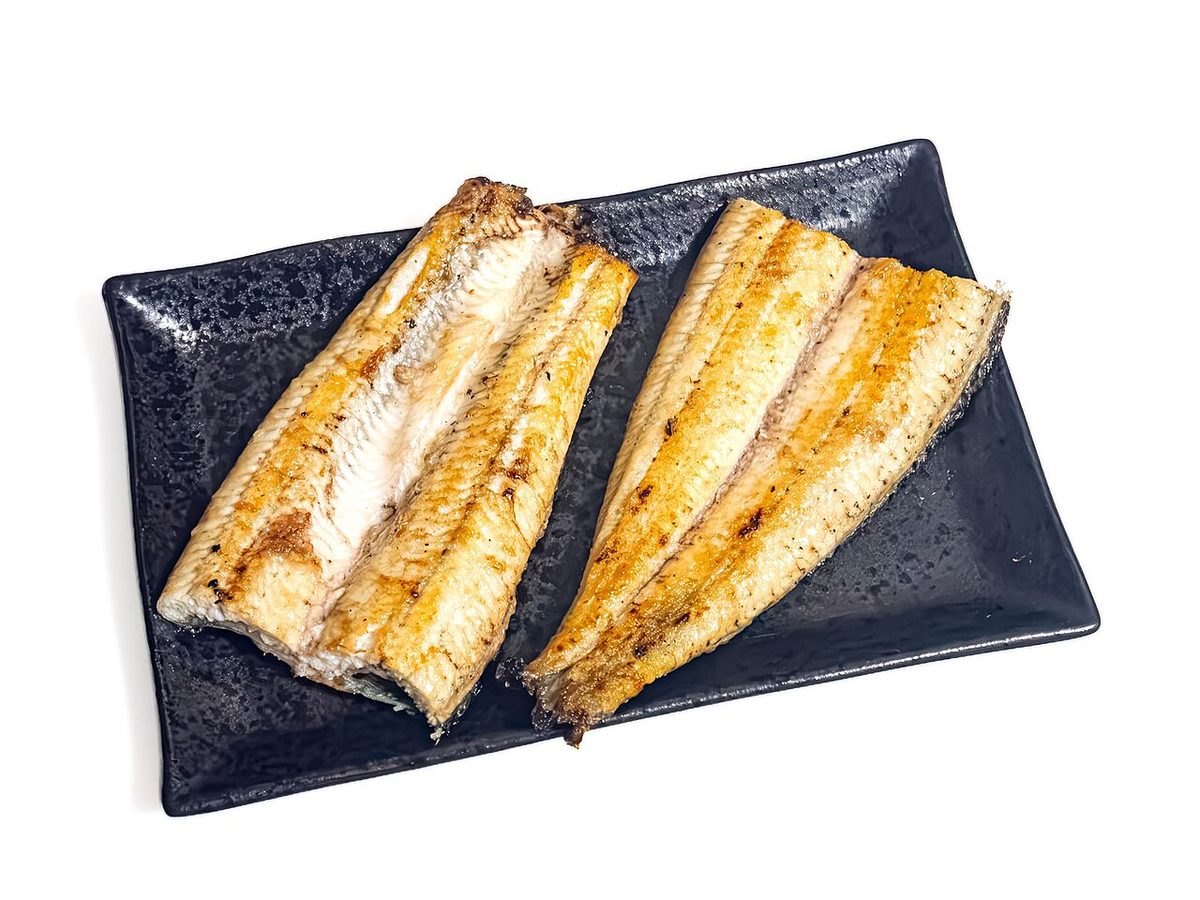
Photo: くろふね / CC BY 4.0 (Wikimedia Commons) Unagi (charcoal-grilled eel)
うなぎ
Freshwater eel split open and grilled directly over charcoal without steaming first, giving crisp skin and rich, savory flesh. Tajimi's pottery merchants and kiln workers historically ate it for stamina against both kiln heat and the city's fierce summer temperatures.
Most locals order it in a rice bowl (unadon) glazed with sweet soy tare and served with liver soup.
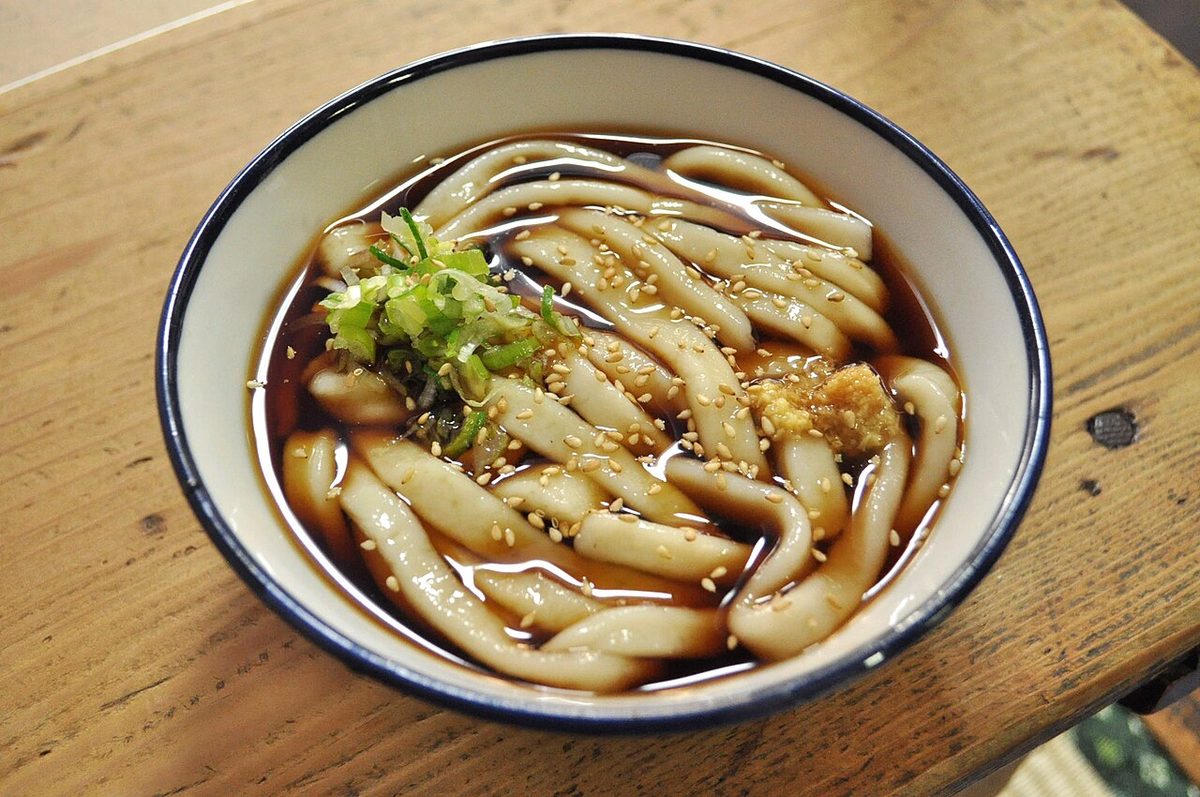
Photo: Ocdp / CC0 (Wikimedia Commons) Koro Udon (cold udon in savory broth)
ころうどん
Thick, chewy udon noodles served cold in a dark, fragrant broth made from bonito dashi and tamari soy sauce. Said to have originated at Tajimi's Shinanoya, the chilled dish became a local staple across the Tono region during hot summers.
Eaten cold year-round topped simply with scallions, grated ginger, and sesame, often paired at Shinanoya with a bowl of shina soba.
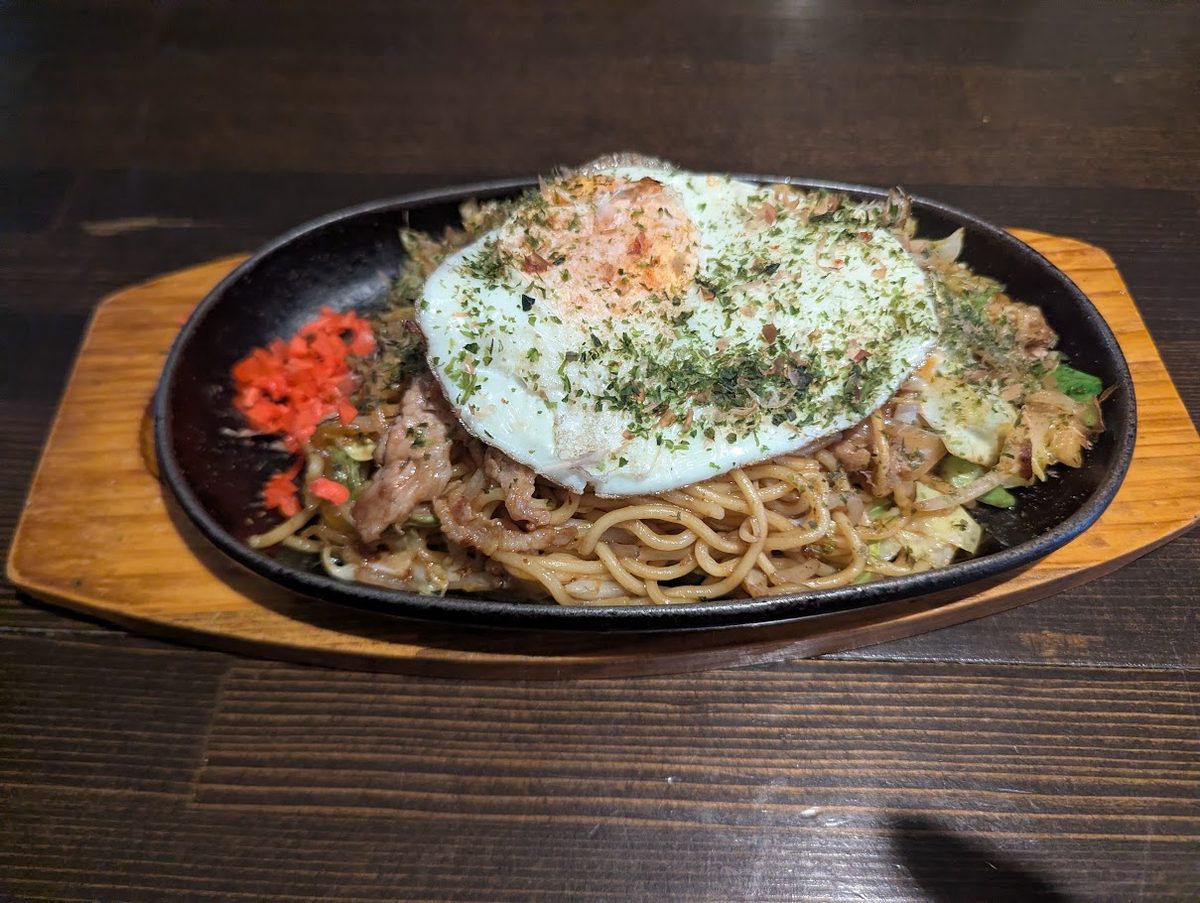
Photo: 大野 一将 / CC0 (Wikimedia Commons) Tajimiso Yakisoba (spicy miso fried noodles)
たじみそ焼きそば
Stir-fried noodles glazed in a sweet-and-spicy fermented miso sauce and topped with a soft-cooked fried egg. Created in 2010 for Tajimi's 70th-anniversary local food contest, the round egg yolk represents the bright sun over Japan's famously hot pottery town.
Break the runny yolk over the hot miso noodles to mellow the heat, or order it as a set meal with rice and miso soup.
The LATITUDE editors’ 15 picks in Tajimi
Our editors verified that these places were open (checked 2026-11-19). Check the official site for hours and closing days before visiting. Sponsored listings are marked.
Save places to your trip list and revisit them in this browser. No account needed.
Editors’ picks on the map — or build your own route
Tap a mark to see the place; squares are museums and sights (landmarks). Use “Build your own route” to make a walk of your own.
Loading the map
Map data © OpenStreetMap contributors
Browse by category
1 / 16
Nagase & Tajimi Station
Higashimino
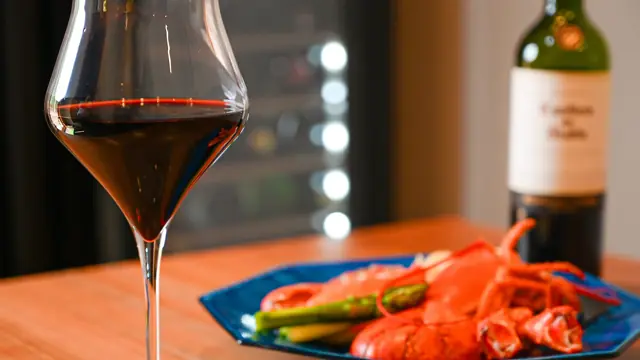
Photo: the shop’s official page 東美濃
A Japanese restaurant three minutes on foot from JR Tajimi Station: Sobaya Higashimino for hand-cut ni-hachi soba and tempura at lunch (11:00–14:00), and reservation-only omakase seafood and tempura at night. Closed Thursdays.
11:00–14:00 (last order), 17:30–20:00 (last entry) · Closed: Thursdays (plus summer & winter holidays)
Why the editors chose itServing hand-cut ni-hachi soba and tempura by day, then reservation-only omakase courses at night.
Takara-cho
Men-ya Rago
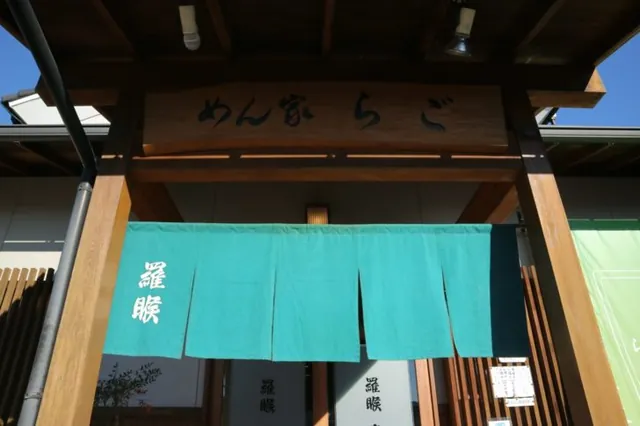
Photo: the shop’s official page めん家 らご
A beloved soba and udon noodle shop in Tajimi. They focus on high-quality noodles and offer delivery.
Why the editors chose itA Tajimi soba and udon shop focused on craft noodles, with delivery also available.
Honmachi Oribe Street
COTORA COFFEE
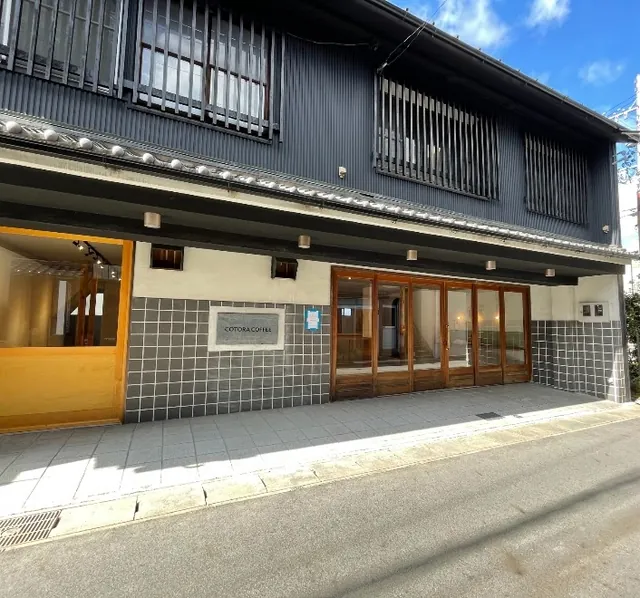
Photo: the shop’s official page A specialty coffee café opened in March 2023 on Hirokoji, serving traceable farm-specific beans along with morning and lunch sets. Open 9:00–18:00; closed Mondays, the last Tuesday, and the 2nd or 3rd Tuesday.
9:00–18:00 (last order 17:30) · Closed: Mondays, 2nd or 3rd Tuesday, and last Tuesday
Why the editors chose itA Hirokoji café serving traceable, farm-specific specialty coffee alongside morning and lunch sets.
Kokeizan
Coffee Kobo Mameya

Photo: the shop’s official page 珈琲工房 豆家
A coffee roaster and café in Kokeizan-cho roasting 30 varieties of beans from around the world, with Mameya Café serving morning sets and homemade cakes. Open 8:00–18:30; closed Wednesdays.
Thu–Tue 8:00–18:30 · Closed: Wednesdays
Why the editors chose itRoasting 30 global coffee varieties in-house, with an attached café for morning sets and cakes.
Tajimi
Yuuki Coffee
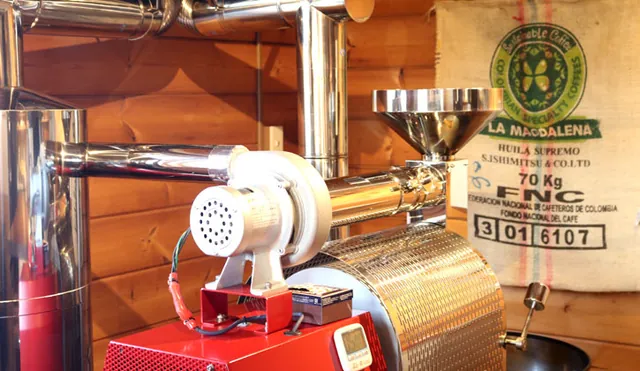
Photo: the shop’s official page 優貴珈琲工房
A specialty coffee roastery rooted in the local community, dedicated to house-roasted beans. They also sell beans and provide wholesale.
Why the editors chose itA community-rooted specialty coffee shop dedicated to house-roasting and selling its own beans.
Honmachi Oribe Street
Umezono Kashiho
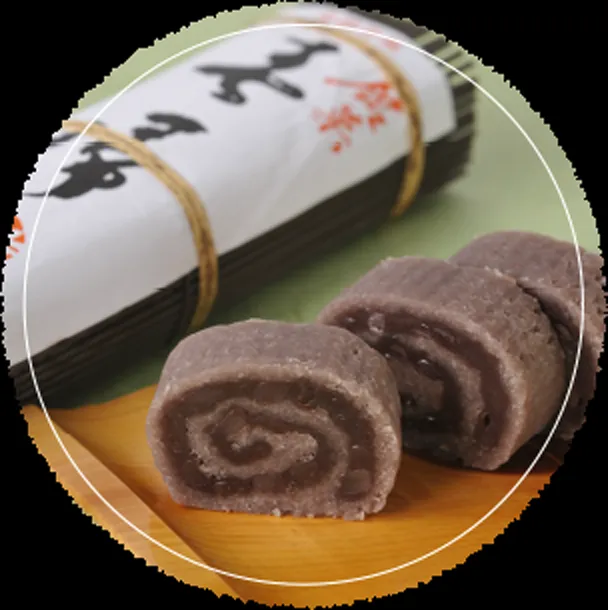
Photo: the shop’s official page 梅園菓子舗
A wagashi shop founded in 1916, known for dorayaki filled with Hokkaido azuki bean paste simmered for three days, chestnut and butter. Open 9:00–18:00; closed Wednesdays and 1st/3rd Thursdays. Cash only.
9:00–18:00 · Closed: Wednesdays, 1st & 3rd Thursdays
Why the editors chose itA 1916 wagashi shop famed for dorayaki filled with three-day Hokkaido azuki, chestnut, and butter.
Kasahara
Toshoken
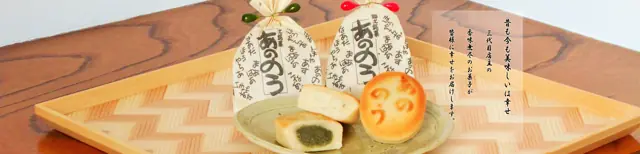
Photo: the shop’s official page 御菓子司 陶勝軒
A wagashi shop founded in 1929, three minutes on foot from the Tajimi Mosaic Tile Museum, making its signature Anonou and Edible Mosaic Tile sweets. Open 9:00–18:00; closed Tuesdays and Wednesdays.
9:00–18:00 · Closed: Tuesdays & Wednesdayschecked Nov 2026
Why the editors chose itA 1929 wagashi shop near the Mosaic Tile Museum making Edible Mosaic Tile sweets.
Kokeizan
Pain Boutique Pieds Nus
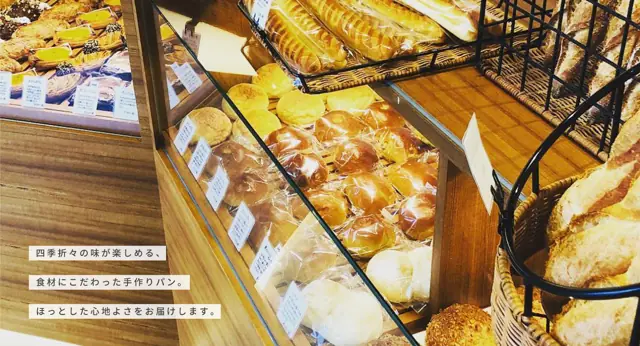
Photo: the shop’s official page パンブティック ピエニュ
A small bakery in Sumiyoshi-cho whose name means 'barefoot' in French, baking unadorned, wheat-forward loaves and breads. Open 9:30–18:30 until sold out; closed Tuesdays and Wednesdays.
9:30–18:30 (until sold out) · Closed: Tuesdays & Wednesdayschecked Nov 2026
Why the editors chose itA small bakery named 'barefoot' in French, dedicated to unadorned, wheat-forward loaves and breads.
Made in Tajimi
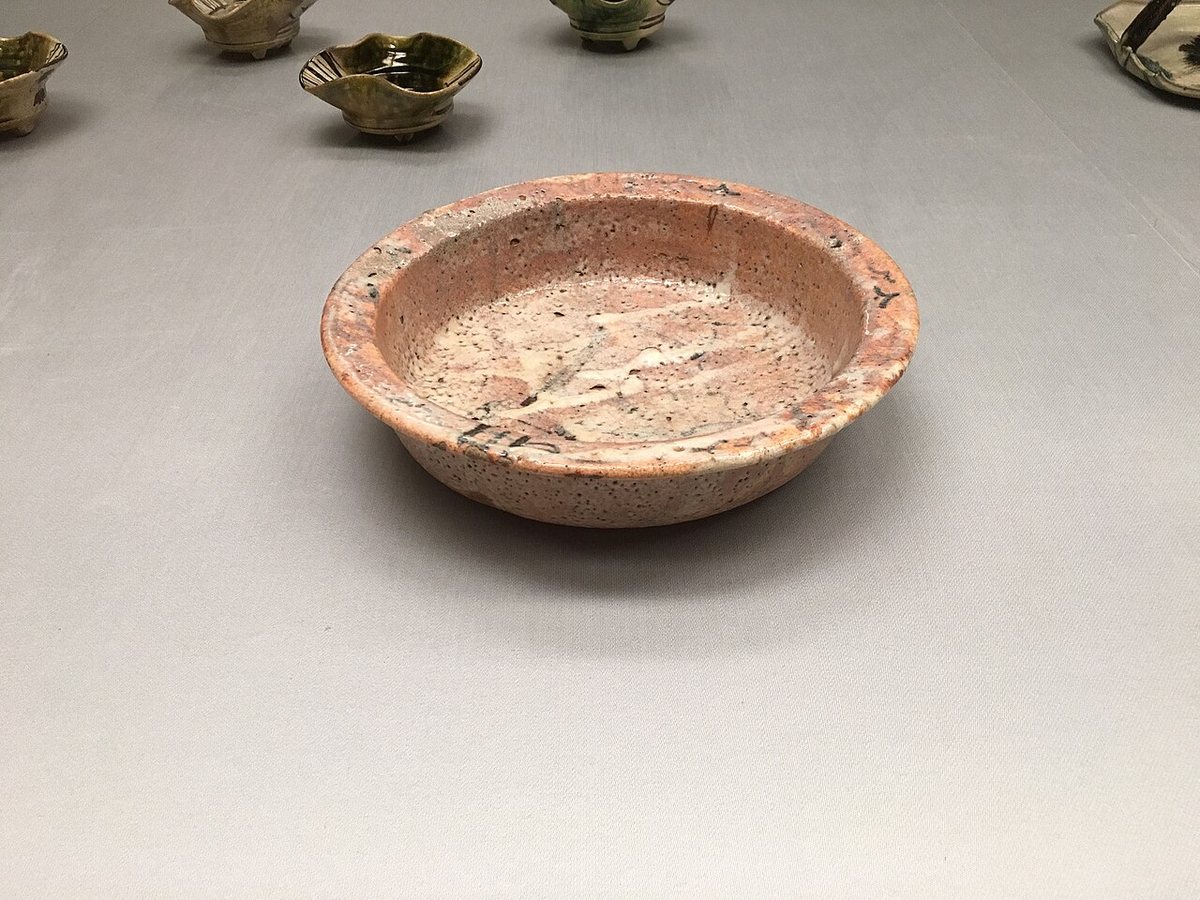
Tajimi is one of the centres of Mino ware, where kilns in areas such as Ichinokura still make Oribe, Shino and overglaze tableware by hand. Alongside historic kilns like Kobei-gama, founded in 1804, contemporary ceramic studios and Kasahara mosaic-tile workshops continue to work here.
A shallow Beni Shino style Mino ware stoneware bowl·Photo: Gryffindor / CC0 (Wikimedia Commons)
Kokeizan
3RD CERAMICS

Photo: the shop’s official page A ceramic maker team started in Tajimi in 2014, working between solo studio potters and large factories to make black-clay plates, teapots, bread plates and vases. Studio visits require prior contact via their web form.
Why the editors chose itA Tajimi ceramic team crafting black-clay plates and teapots, with studio visits by prior contact.
Nagase & Tajimi Station
Zohogama
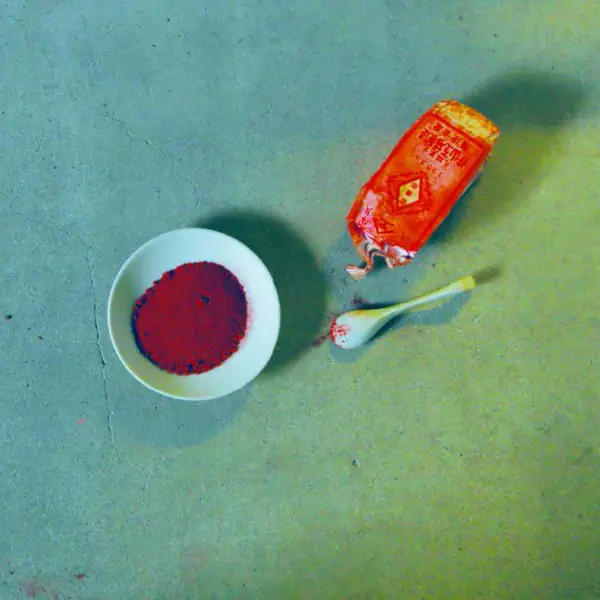
Photo: the shop’s official page 蔵珍窯
A Mino ware kiln in Taihei-cho making hand-painted red-overglaze and blue-and-white tableware using rare Momiji-jirushi bengala pigment. Its shop Tsubakian opens 10:00–17:00 and Kissaten zoho 10:00–16:00; closed Wednesdays and Sundays.
10:00–17:00 (cafe 10:00–16:00, last order 15:30) · Closed: Wednesdays & Sundayschecked Nov 2026
Why the editors chose itA Mino kiln hand-painting red-overglaze tableware with rare bengala pigment, with a shop and café.
Ichinokura
Kobei-gama

Photo: the shop’s official page 幸兵衛窯
A kiln in Ichinokura founded in 1804, carrying on the Persian lusterware revived by Living National Treasure Kato Takuo alongside wood-fired Shino, Oribe and Kiseto wares. Grounds include galleries and an archive museum; shopping only is free.
Weekdays & 1st/3rd Sat 9:00–17:00, Sun, holidays & 2nd/4th Sat 10:00–17:00 · Closed: Year-end and New Year's holidays, summer vacation, and other company holidays
Why the editors chose itAn 1804 kiln displaying revived Persian lusterware alongside wood-fired Shino, Oribe, and Kiseto ceramics.
Kasahara
Sazendo
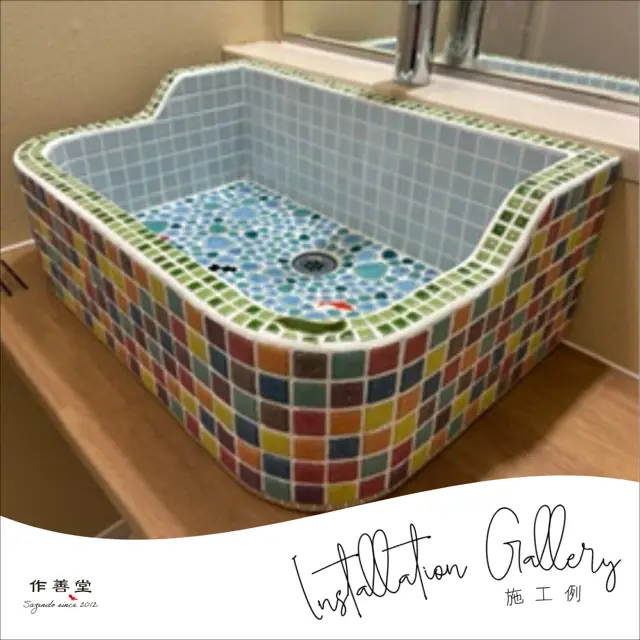
Photo: the shop’s official page 作善堂
A mosaic-tile sink studio and direct tile shop in Kasahara, reopened together in April 2025. Craft tiles can be bought on site and tile sinks viewed; custom orders require a reservation.
Weekdays 10:00–12:00, 13:30–16:00 · Closed: Saturdays, Sundays, national holidays, Golden Week, Obon, Year-end/New Year
Why the editors chose itA Kasahara workshop and shop where visitors can view mosaic-tile sinks and buy craft tiles.
Honmachi Oribe Street
THE GROUND MINO

Photo: the shop’s official page A ceramics complex in the middle of Honmachi Oribe Street dedicated to expressing clay, bringing together shops, galleries, studios, a lab and restaurants.
Thu–Tue 10:00–18:00 · Closed: Wednesdays and irregular holidays
Why the editors chose itA ceramics complex on Honmachi Oribe Street uniting clay shops, galleries, studios, and dining.
Honmachi Oribe Street
Glass Studio Tutti

Photo: the shop’s official page ガラス工房Tutti
A glass studio founded in 2019 inside KoyaKoya on Honmachi Oribe Street, carving custom and named glassware by sandblasting. Open 10:00–16:00, closed Wednesdays.
10:00–16:00 · Closed: Wednesdayschecked Nov 2026
Why the editors chose itAn Oribe Street glass studio carving custom and named tableware using sandblasting techniques.
Kokeizan
Galerie Momogusa
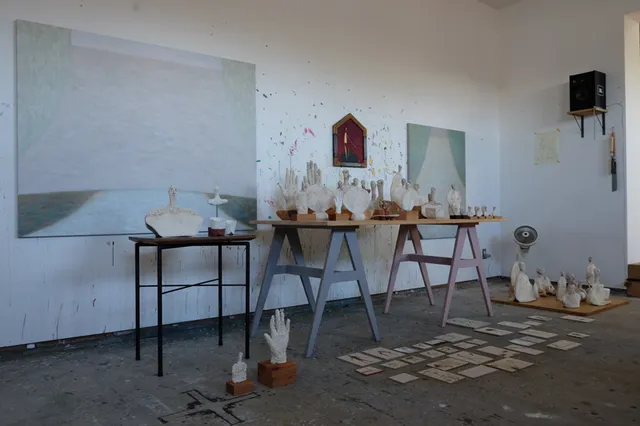
Photo: the shop’s official page ギャルリ百草
A gallery of everyday craft in Toei-cho holding permanent displays and solo exhibitions, with the attached restaurant OYA. Open 11:00–18:00; closed between exhibitions.
Closed: Irregular holidays (closed between exhibitions; e.g. Nov 24–27, 2026)
Why the editors chose itA gallery of everyday craft pairing solo exhibitions and permanent displays with restaurant OYA.
Sights in Tajimi
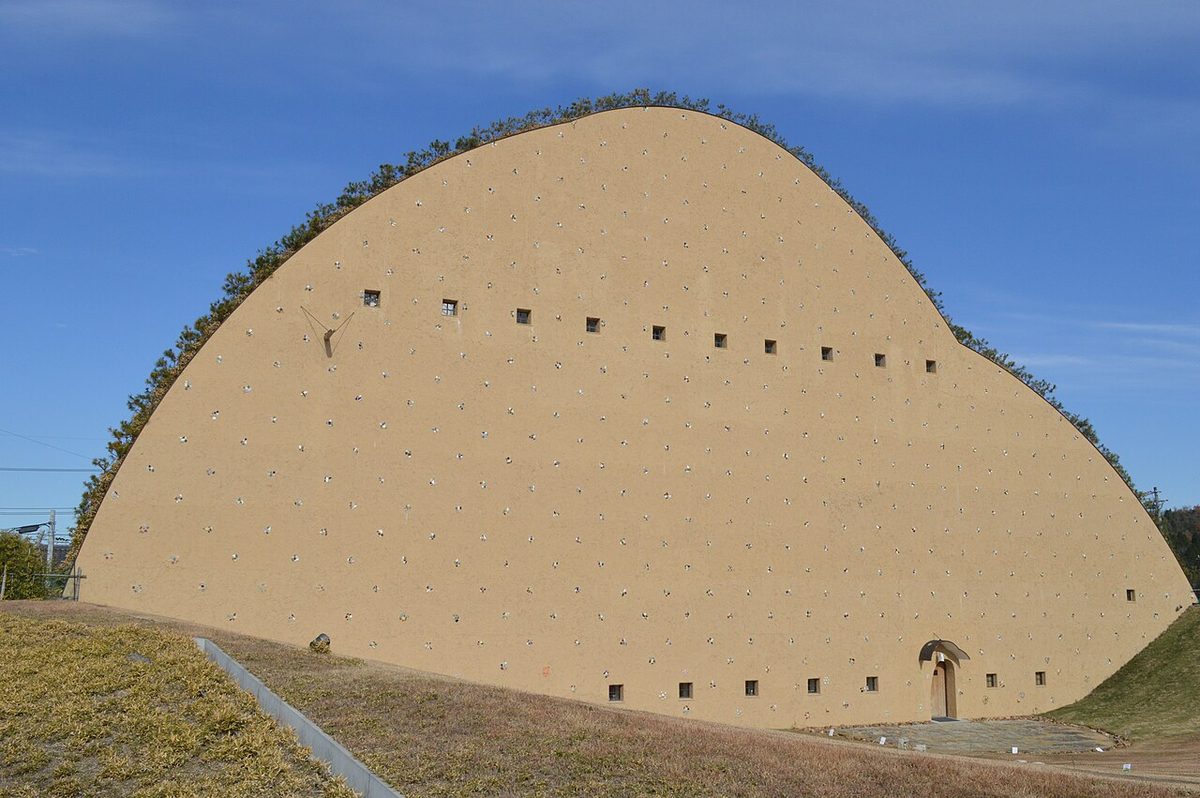
Photo: Asturio Cantabrio / CC BY-SA 4.0 (Wikimedia Commons) A municipal tile museum in Kasahara, a centre of glazed porcelain mosaic tiles, in a clay-hill building designed by Fujimori Terunobu.
In November, open on Monday the 23rd (holiday) and closed Tuesday the 24th. Closed for the year-end holidays from 28 December to 4 January.
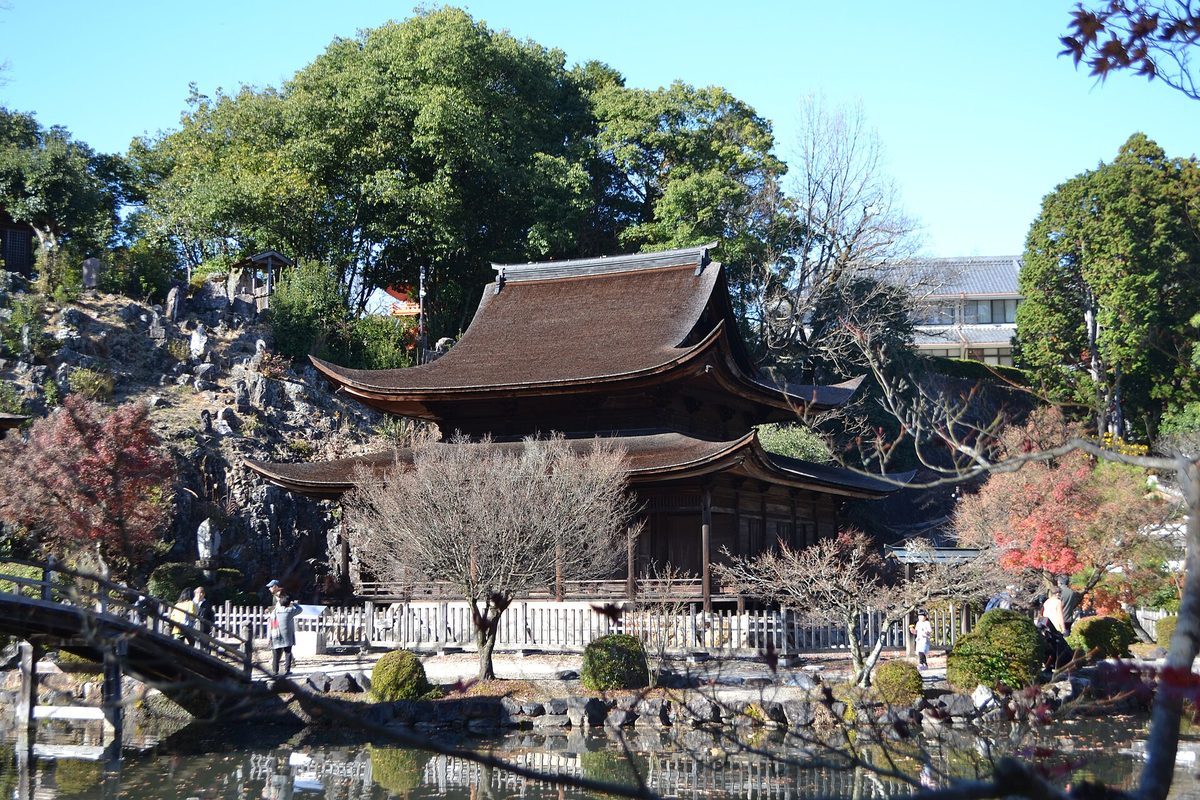
Photo: 先従隗始 / CC0 (Wikimedia Commons) A Rinzai Zen temple founded by Muso Soseki in 1313.
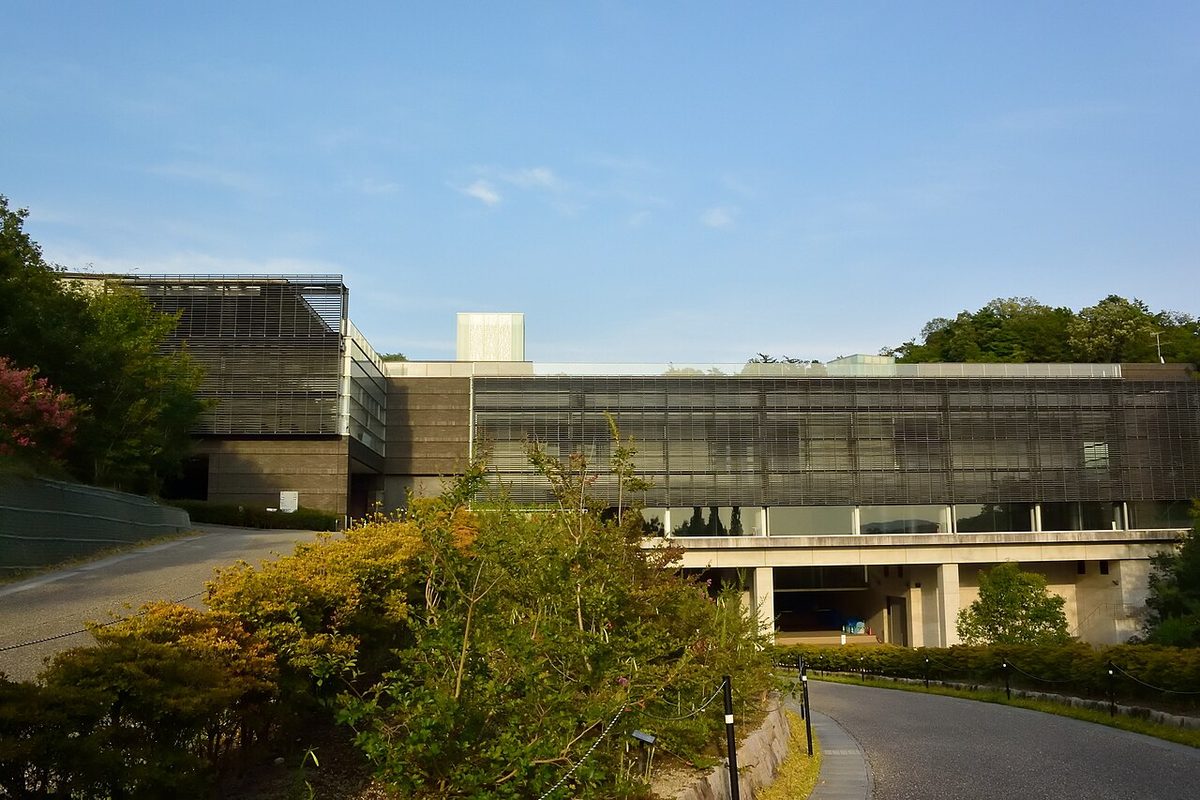
Photo: コヲダ / CC BY-SA 4.0 (Wikimedia Commons) Museum of Modern Ceramic Art, Gifu
The prefectural museum of modern and contemporary ceramics inside Ceramic Park MINO, designed by Isozaki Arata.
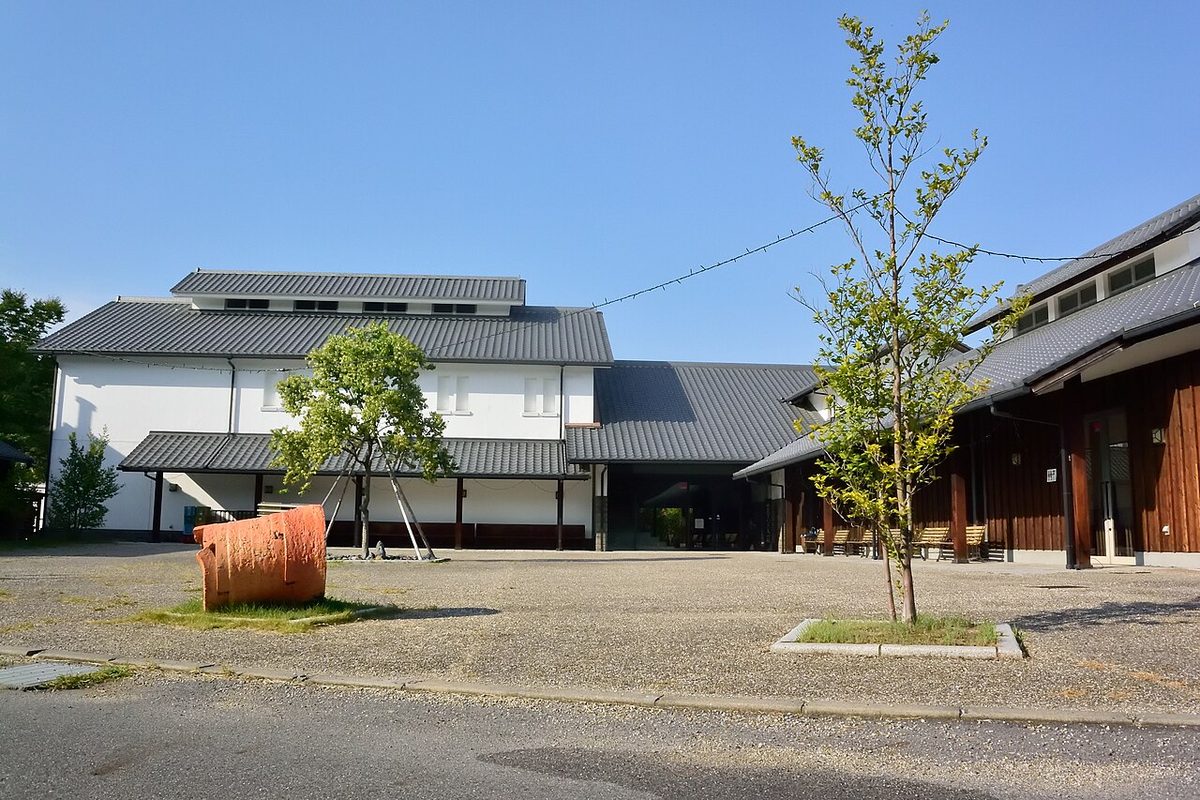
Photo: コヲダ / CC BY-SA 4.0 (Wikimedia Commons) Ichinokura Sakazuki Art Museum
A museum of sake cups in the pottery village of Ichinokura, with Gallery Sora and a mosaic-tile craft corner inside.
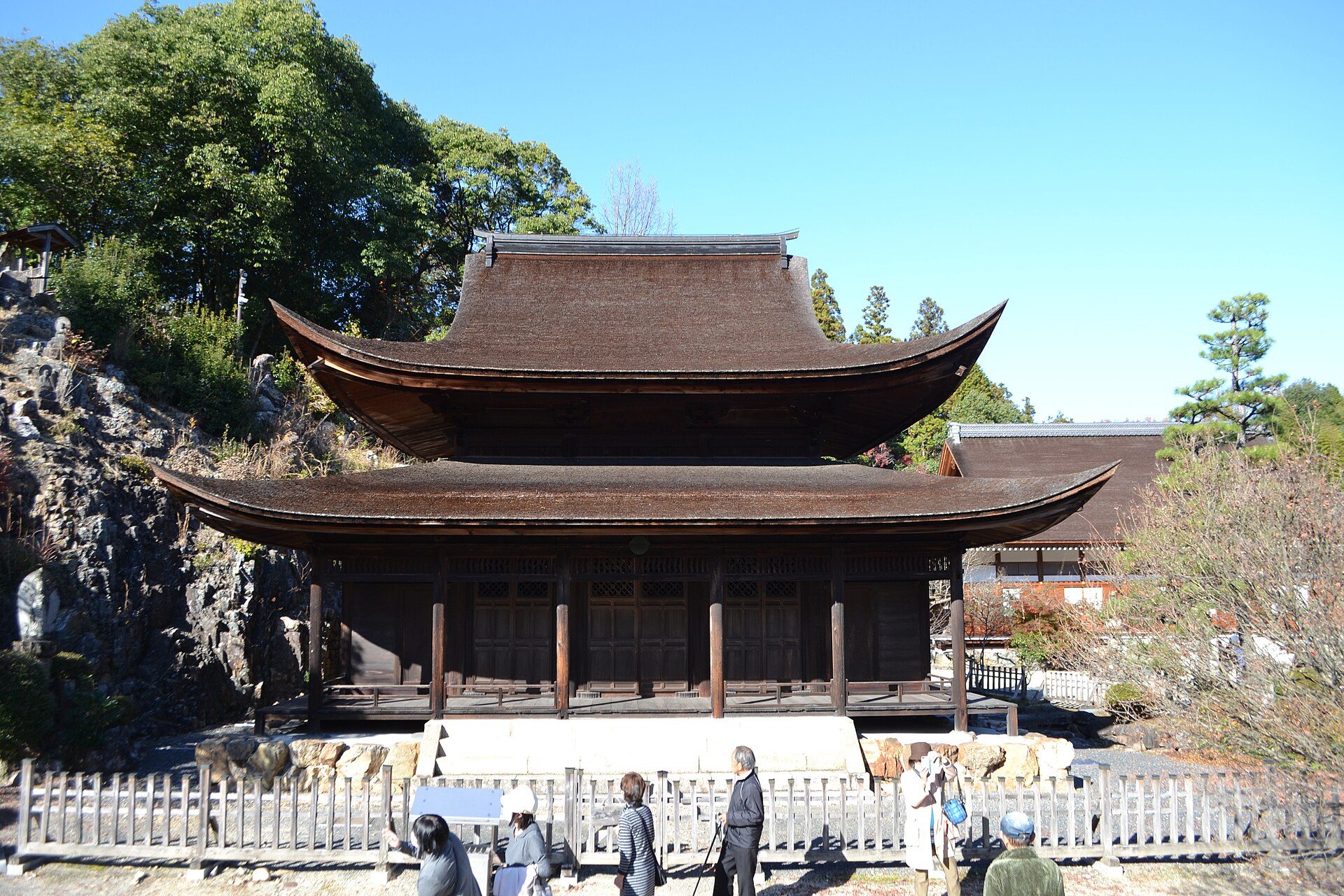
Photo: 先従隗始 / CC0 (Wikimedia Commons) A 14th-century Zen temple in Tajimi featuring two National Treasure halls, a nationally designated pond garden, and a 700-year-old ginkgo tree.
These are local landmarks. Each was checked to be open on its official site (checked 2026-11-14). Please confirm hours before you go.
Beyond Tajimi
1 / 3
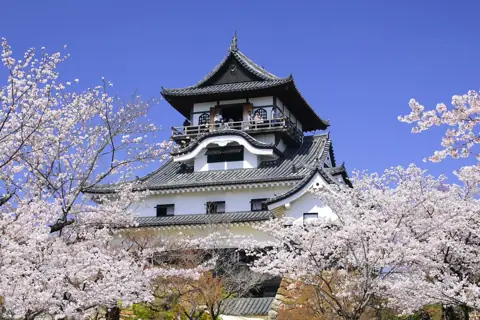 犬山市 · 18 km
Inuyama Castle →
Inuyama Castle is a national treasure with the oldest surviving donjon in Japan, built in the Muromachi period.
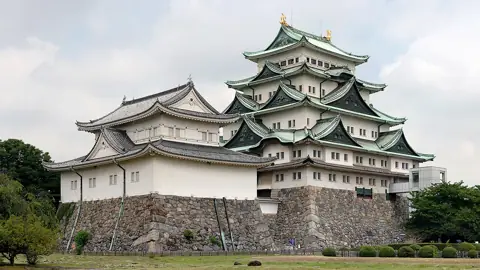 Nagoya · 27 km
Nagoya Castle →
A symbol of Nagoya, built by Tokugawa Ieyasu.
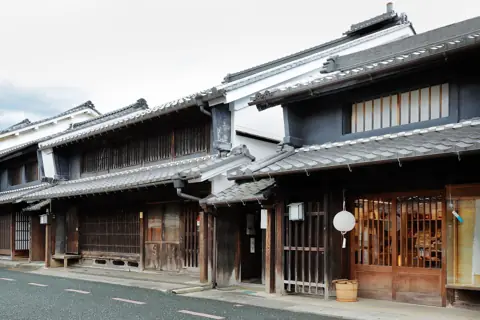 Mino · 32 km
Mino Udatsu Old Town & Oyada Shrine →
An Edo-era paper-merchant street lined with raised 'udatsu' fire-walls paired with Oyada Shrine's valley of 3,000 wild maples.


Distances are straight-line from the town centre. Each page has how to get there and a suggested day.
Questions people ask
- Where can I see or buy Mino ware ceramics, Craft in Tajimi?
Mino ware ceramics: 3RD CERAMICS (Kokeizan), Zohogama (Nagase & Tajimi Station), Kobei-gama (Ichinokura), Sazendo (Kasahara)
Craft: THE GROUND MINO (Honmachi Oribe Street), Glass Studio Tutti (Honmachi Oribe Street), Galerie Momogusa (Kokeizan)
- Which places in Tajimi open by 9 in the morning?
Coffee Kobo Mameya (Kokeizan, Thu–Tue 8:00–18:30)
Umezono Kashiho (Honmachi Oribe Street, 9:00–18:00)
Toshoken (Kasahara, 9:00–18:00)
COTORA COFFEE (Honmachi Oribe Street, 9:00–18:00 (last order 17:30))
- What can I visit on foot around Kokeizan?
Mino ware ceramics: 3RD CERAMICS
Craft: Galerie Momogusa
Sweets: Pain Boutique Pieds Nus
Cafés: Coffee Kobo Mameya
Every place was checked to be open in November 2026. Hours can change, so please check the official site before you go.
If you like Tajimi
- Hakone
Kanagawa, Japan
For example, Glass Studio Tutti here, and Hakone Craft House / Komamonoya Hakone in Hakone.
- Tottori
Tottori, Japan
For example, Kobei-gama here, and Inshu Nakaigama in Tottori.
- Izumo
Shimane, Japan
For example, Glass Studio Tutti here, and Glass Studio Izumo in Izumo.
Chosen by how close the towns and their places are in what they make and serve.