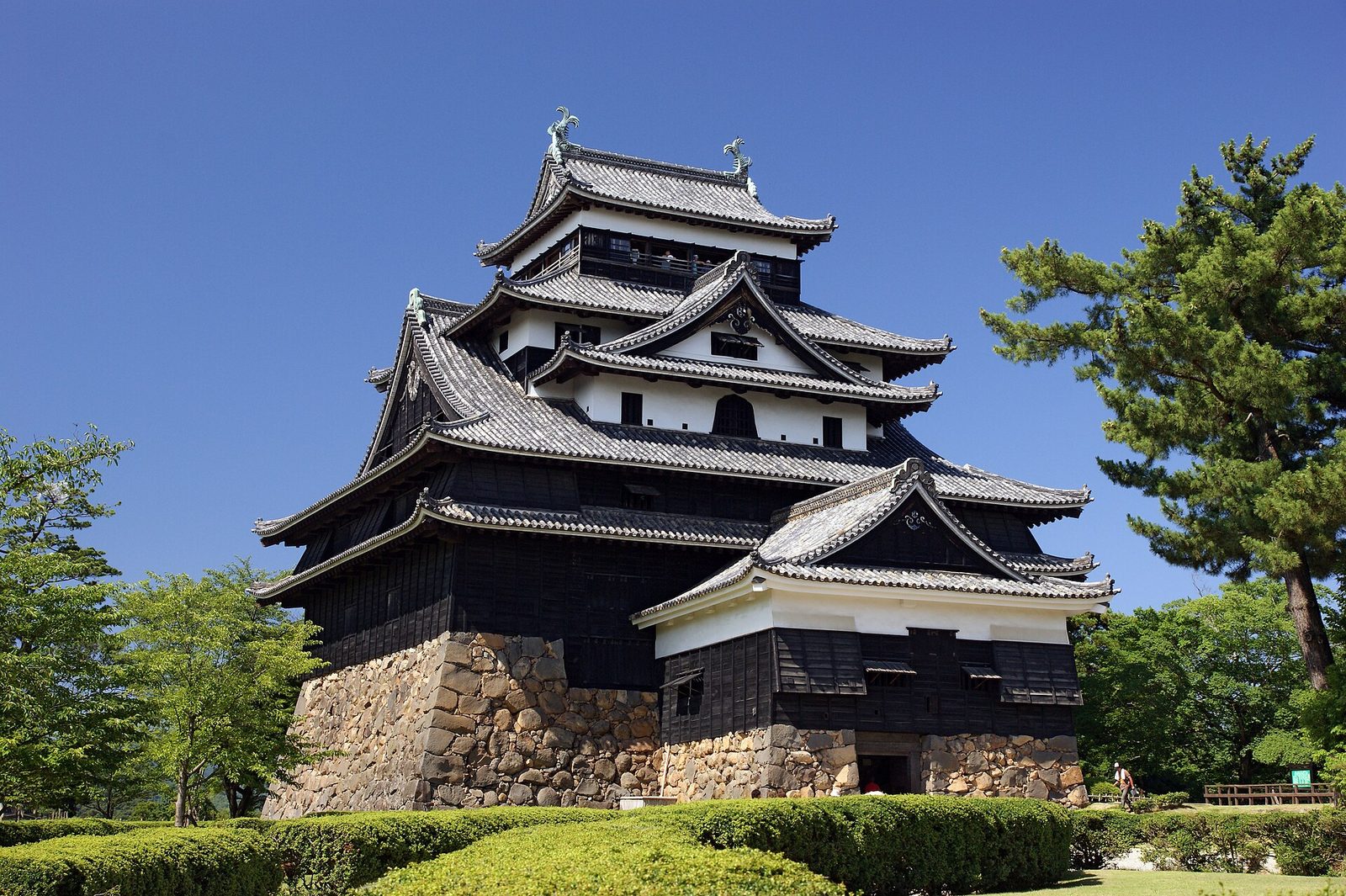
35.5° N
Matsue
Shimane, Japan
A castle town between Lake Shinji and the Ohashi River, where the Horikawa moat runs beneath old pines and kotatsu boats glide in winter. Folk-craft pottery kilns, Lord Fumai’s wagashi and tea, and coffee and Izumo soba from the castle quarter out to Tamatsukuri Onsen: the editors’ picks.
Matsue, on film
7 sights and 18 places, each checked open in 2026, in 51 seconds.
Found somewhere you like? The map and the list below have the address, hours and official site.
Tap for sound
Travel journal / Rin / November
Heads down under the bridge
One November day in Matsue, from a small boat on the castle moat to a tatami room at Tamatsukuri Onsen.
Travel film
Travel notes
The Horikawa boats go all the way round the moat of Matsue Castle, about 3.7 km in some 50 minutes. You take your shoes off to get in. At four very low bridges the boatman lowers the roof, and everyone on board bends right down until you come out the other side. From mid-October to the end of February they run every day from 9:00 to 16:00, except in bad weather.
On the south shore of Lake Shinji, Fujina ware has been made since the late Edo period. Its yellow glaze, first used in 1780, is made with Kimachi stone from the area.
At Tamatsukuri Onsen the hot spring water runs day and night at the Yu-yakushi square by the Tamayu River, and anyone can scoop some up for free. The name comes from the beads: from around the 4th century, blue agate from nearby Mt Kasen was carved here into magatama and sent all over Japan.
- Weather
- Matsue in November averages about 16.5°C by day and 8°C at night, with around 120 mm of rain over the month (1991–2020). On 15 November the sun rises at 6:43 and sets at 17:02, so the hot spring street at Tamatsukuri is already in blue light by five.
- What she wore
- A black chunky cable-knit jacket, buttoned and belted all day, over an oversized white shirt with its small pointed collar and cuffs showing; wide indigo pleated jeans, sheer black tights and black leather ballet loafers, with a small dark brown croc-embossed top-handle bag. You take your shoes off for the boat and at the inn.
- Earlier or later
- In October it is about 22°C by day; a knit and a light jacket are enough. In December it is about 11°C by day and 4°C at night, and snow is possible on the Sea of Japan side; add a coat, a scarf and gloves.
Map data © OpenStreetMap contributors
What to eat in Matsue
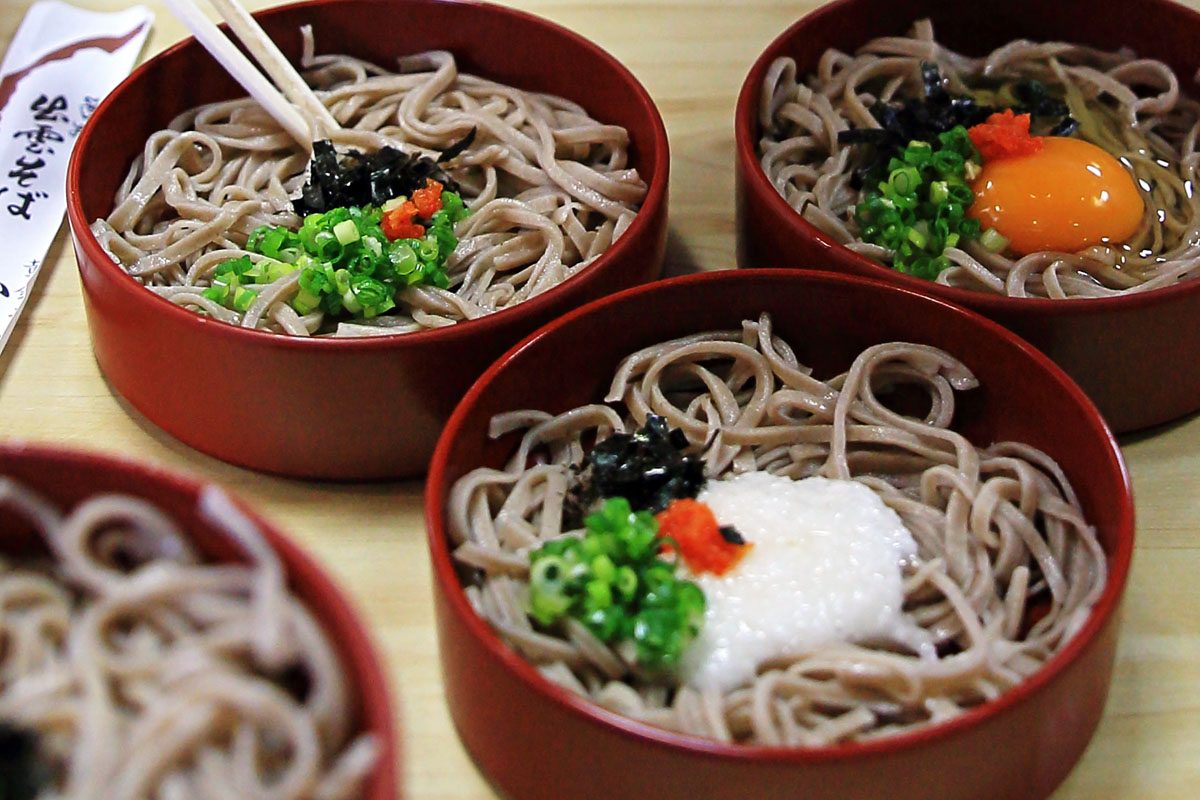
Photo: Aiko99ann / CC BY-SA 3.0 (Wikimedia Commons) Izumo Soba (whole-buckwheat noodles)
出雲そば
Dark, aromatic buckwheat noodles made by milling whole buckwheat grains together with their hulls. Soba craft took root in Matsue's castle town in 1638 when Lord Matsudaira Naomasa relocated from Matsumoto in Shinshu with soba makers in tow.
Eaten cold from stacked round lacquered trays (warigo) with toppings and broth poured directly on, or hot straight from the pot in its cooking water (kamaage).
Where to eat it
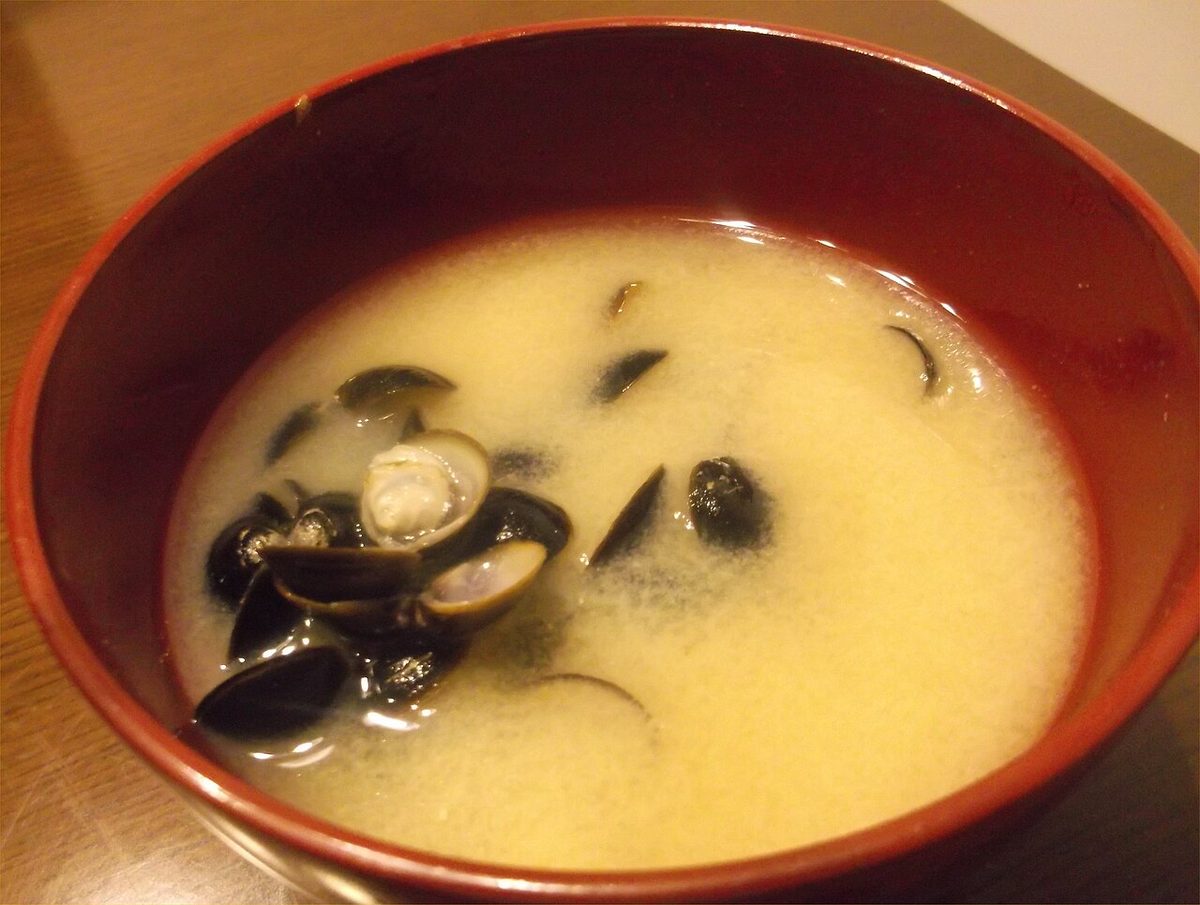
Photo: Kentin / CC BY-SA 4.0 (Wikimedia Commons) Lake Shinji Shijimi (brackish-water clams)
宍道湖しじみ
Large, meaty yamato-shijimi clams harvested from brackish Lake Shinji, where freshwater from the Hii River mixes with seawater entering through the Ohashi River. Lake Shinji produces Japan's largest yamato-shijimi catch, and morning hand-raking boats on the lake are a daily sight in Matsue.
Most commonly eaten in shijimi-jiru miso soup, steamed in sake (sakamushi), or steamed over rice as shijimi-meshi.
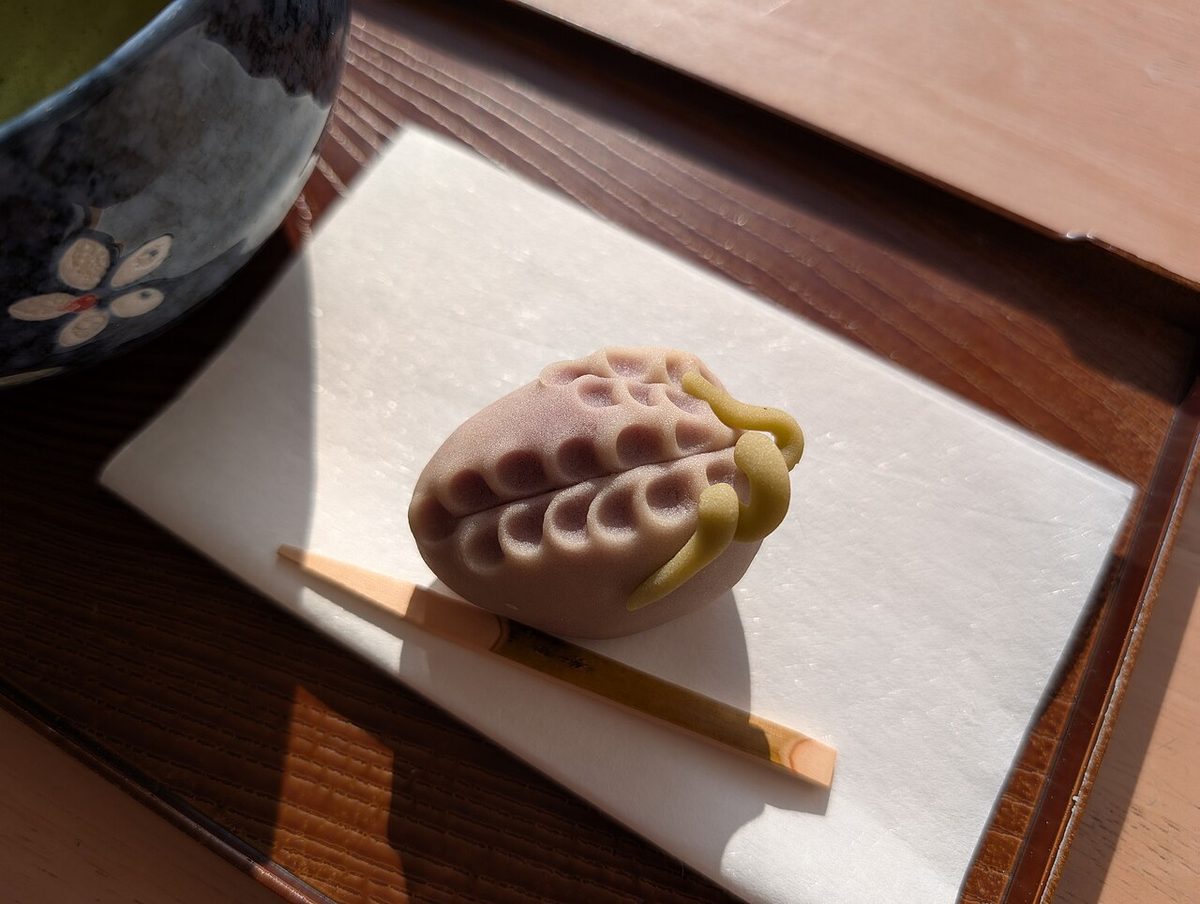
Photo: Andy Li / CC0 (Wikimedia Commons) Matsue Wagashi (Japanese tea sweets)
松江の和菓子
Traditional Japanese confections including Wakakusa (soft gyuhi dusted with pale green toasted rice flour), Yamakawa (pressed red-and-white rakugan), and seasonal nerikiri. Under 7th feudal lord Matsudaira Harusato (Fumai), a tea-ceremony master, Matsue grew alongside Kyoto and Kanazawa into one of Japan's three major wagashi cities.
Paired with whisked matcha at wagashi shop tearooms and museum cafés, where seasonal sweets rotate roughly every two weeks.
Where to eat it
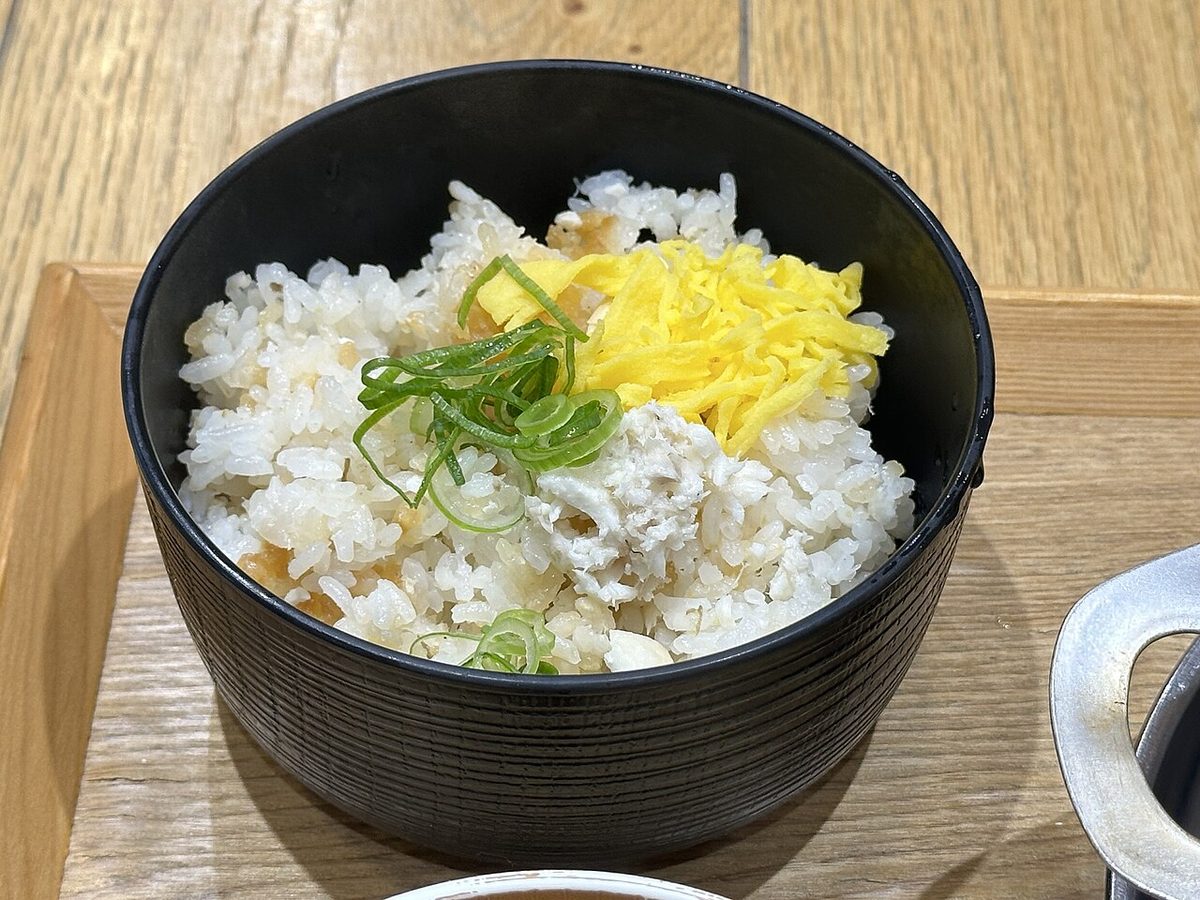
Photo: ノボホショコロトソ / CC BY 4.0 (Wikimedia Commons) Matsue Taimeshi (sea bream rice with dashi)
鯛めし
Steamed, finely flaked sea bream served over rice with sieved boiled egg yolk and white, grated daikon, spring onion, wasabi, and nori, then finished with hot bonito-and-soy dashi poured over like ochazuke. It was devised by Minami-kan's first head chef, Nishimura Tsunetaro, in the Meiji era from accounts of Lord Matsudaira Fumai's fondness for broth-over-rice.
Diners spoon the flaked sea bream, egg, and condiments onto their own bowl of rice and pour hot dashi over at the table, typically ordered as a lunch or dinner gozen set.
The LATITUDE editors’ 18 picks in Matsue
Our editors verified that these places were open (checked 2026-11-15). Check the official site for hours and closing days before visiting. Sponsored listings are marked.
Save places to your trip list and revisit them in this browser. No account needed.
Editors’ picks on the map — or build your own route
Tap a mark to see the place; squares are museums and sights (landmarks). Use “Build your own route” to make a walk of your own.
Loading the map
Map data © OpenStreetMap contributors
Browse by category
1 / 20
Castle & Shiomi Nawate
Kamiyo Soba
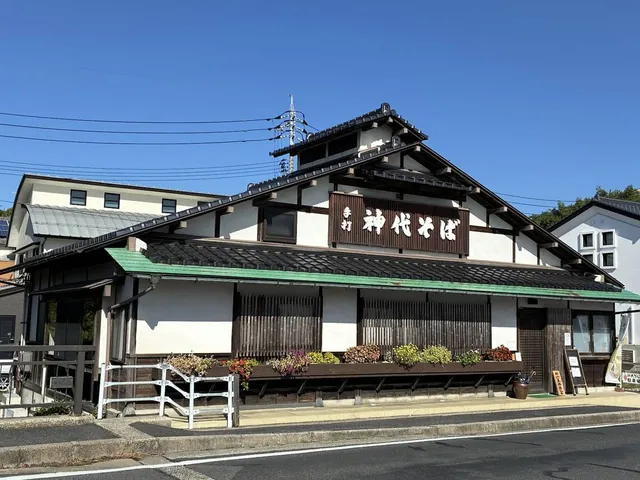
Photo: the shop’s official page 神代そば
An Izumo soba shop north of Matsue Castle in Okudani-cho, marking 73 years in 2026. Its grey-green 100% buckwheat noodles, milled three times on three stone mills in-house, are served without wasabi so the aroma stays clear. 11:00–14:00 (or until sold out), closed Wednesdays.
Thu–Tue 11:00–14:00 (until soba runs out) · Closed: Wednesdays (also closes when soba runs out)
Why the editors chose itServing 100% buckwheat Izumo soba milled three times in-house, without wasabi so the aroma stays clear.
Castle & Shiomi Nawate
Yakumoan
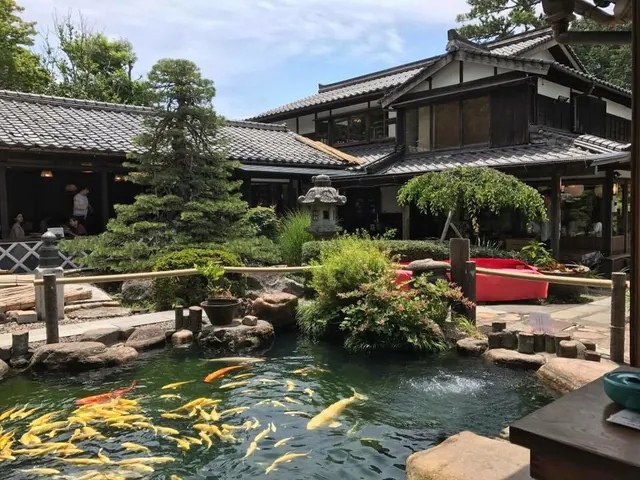
Photo: the shop’s official page 出雲そば処 八雲庵
An Izumo soba house in a former samurai residence on Shiomi Nawate, looking onto a 450-year-old black pine garden and serving dark hand-cut warigo soba and hot duck nanban soba. 10:30–13:30 (or until sold out), closed Thursdays.
Fri–Wed 10:30–13:30 (until soba runs out) · Closed: Thursdays
Why the editors chose itHand-cut Izumo soba served in a former samurai residence overlooking a 450-year-old black pine garden.
Kyomise & Ohashi River
Kawakyo
松江の味 郷土料理 川京
A 15-seat counter-only regional restaurant in Suetsugu-honmachi serving Lake Shinji clams, San’in seafood such as seared eel and paper-baked sea bass, and local sake. 18:00–22:30, closed Sundays (cash only, phone booking required).
松江市末次本町65, 690-0843, Matsue
Google MapsWhy the editors chose itA 15-seat counter-only restaurant requiring phone booking for Lake Shinji clams, sea bass and local sake.
Castle & Shiomi Nawate
LITTLE COURT COFFEE
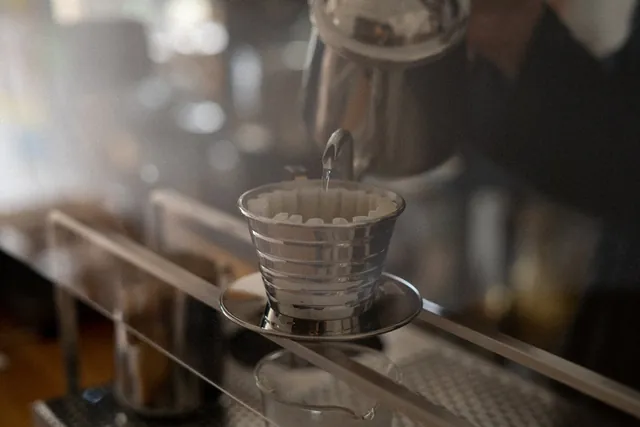
Photo: the shop’s official page A coffee roaster in Katahara-machi near the Matsue Castle moat, with single-origin beans from light to dark roasts and drip bags. Weekdays 10:00–18:00, weekends and holidays 10:00–17:00, closed Tuesdays.
Weekdays 10:00–18:00, Sat–Sun & holidays 10:00–17:00 · Closed: Tuesdays
Why the editors chose itA roaster near the Matsue Castle moat offering single-origin beans and drip bags from light to dark.
Lake Shinji & Station
IMAGINE.COFFEE, Isemiya
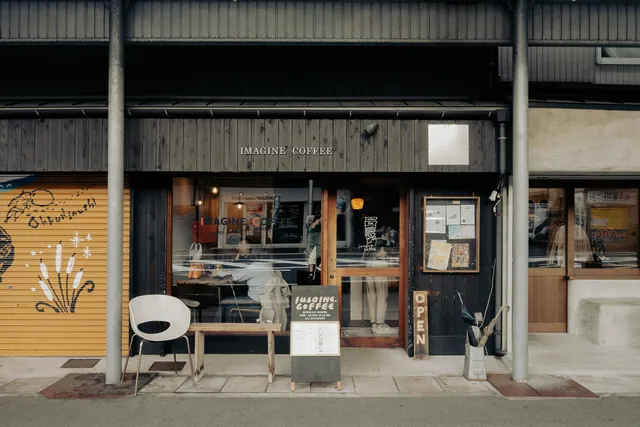
Photo: the shop’s official page IMAGINE.COFFEE 伊勢宮店
A specialty coffee roaster in Isemiya-cho north of Matsue Station, roasting with an eye to the Mingei tradition and pairing pour-overs with house-made gluten-free bakes. 9:00–23:30 (L.O. 23:00), open daily.
Daily 9:00–23:30 (LO 23:00) · Closed: No regular closing days
Why the editors chose itOpen daily until 23:30 near Matsue Station for late-night specialty coffee and gluten-free bakes.
Tamatsukuri Onsen & Fujina
mame café
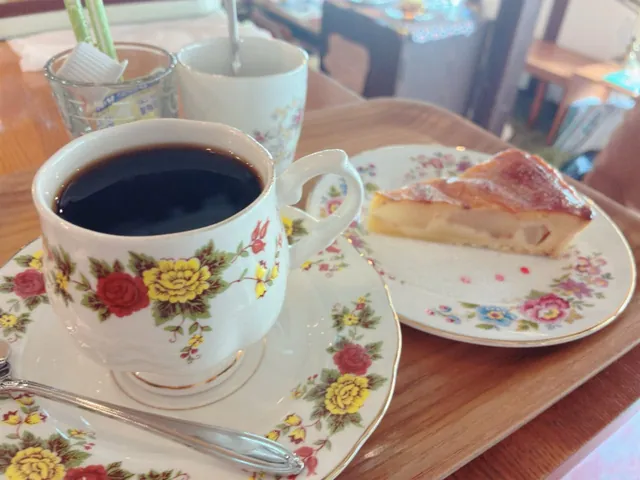
Photo: the shop’s official page A café on the second floor of Tamatsukuri Art Box in Tamatsukuri Onsen, serving original drinks, light meals and sweets in a calm, woodsy room. 10:00–17:00, closed Thursdays and irregular days.
Why the editors chose itUpstairs in Tamatsukuri Art Box in the hot-spring quarter, serving original drinks, light meals and sweets.
Castle & Shiomi Nawate
Kamedayama Kissashitsu
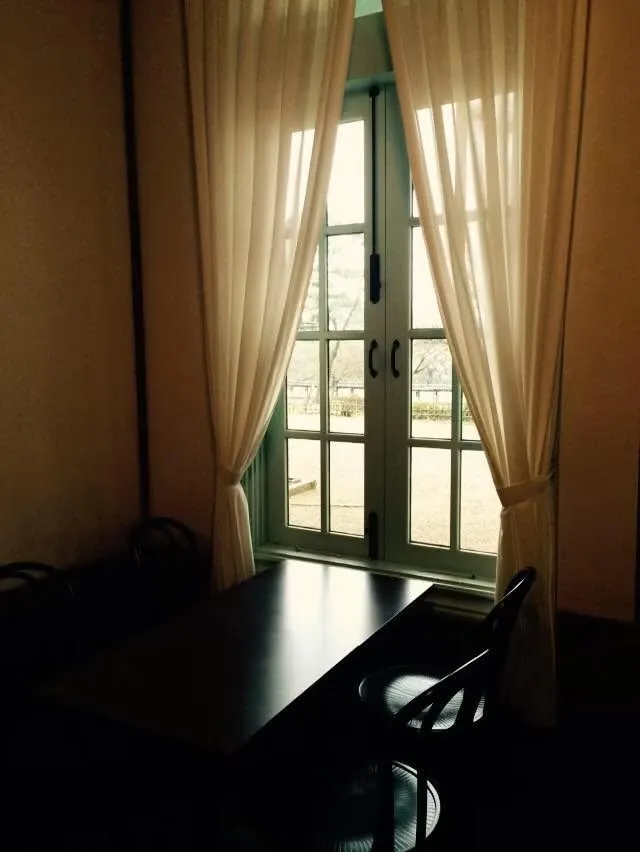
Photo: the shop’s official page 亀田山喫茶室
A café on the ground floor of Kounkaku, a 1903 Western-style pavilion on Matsue Castle’s Ninomaru grounds, serving seasonal fruit tarts, cakes, light meals and coffee. Weekdays 9:00–16:00, weekends and holidays 9:00–17:00 (L.O. 16:30), closed Wednesdays.
Why the editors chose itInside Kounkaku, a 1903 Western-style pavilion on Matsue Castle grounds, serving local-fruit tarts and coffee.
Castle & Shiomi Nawate
Pâtisserie J. KOWARI
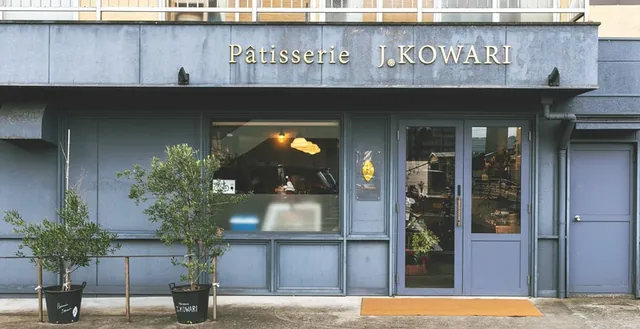
Photo: the shop’s official page A patisserie and chocolaterie opened in Nakahara-machi in 2016 by a couple trained in Tokyo and France, with gâteaux, chocolates, confitures and an eight-seat café corner. 9:30–18:00, irregular holidays.
9:30–18:00 · Closed: Irregular
Why the editors chose itGâteaux, chocolates and confitures by a Tokyo- and France-trained couple, with an eight-seat café corner.
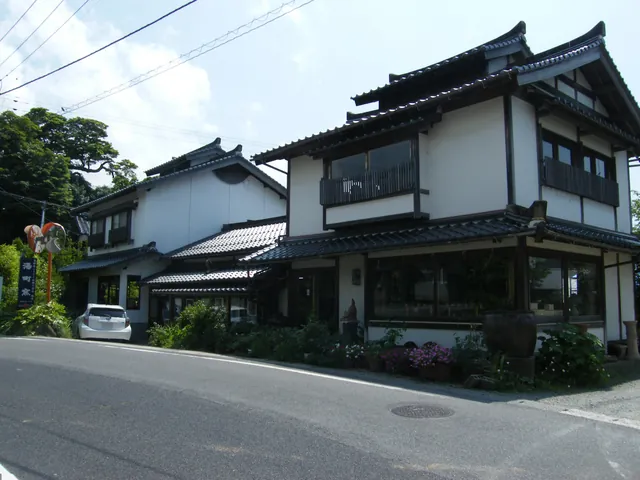
Made in Matsue
Matsue sits at the centre of San’in folk-craft pottery, where kilns along Lake Shinji and in the Tamayu valley fire warm yellow-glazed Fujina ware and everyday Sodeshi ware. Guided by the Mingei movement and figures such as Bernard Leach, potters here still shape tableware by hand.
Mingei & Kiln Pottery at Yumachi Pottery·Photo: Yumachi Pottery (official site)
Tamatsukuri Onsen & Fujina
Yumachi Pottery
Photo: the shop’s official page 湯町窯
A folk-craft kiln beside Tamatsukuri-Onsen Station, glazing everyday tableware in local stone glazes such as yellow and namako-yu, alongside slipware shaped under Bernard Leach’s influence and its signature egg bakers. Closed Obon and New Year.
Weekdays 8:00–17:00, Sat–Sun & holidays 9:00–17:00 · Closed: Obon, New Year
Why the editors chose itA folk-craft kiln by Tamatsukuri-Onsen Station famous for yellow local-stone glazes and direct-fire egg bakers.
Lake Shinji & Station
Sodeshi Pottery
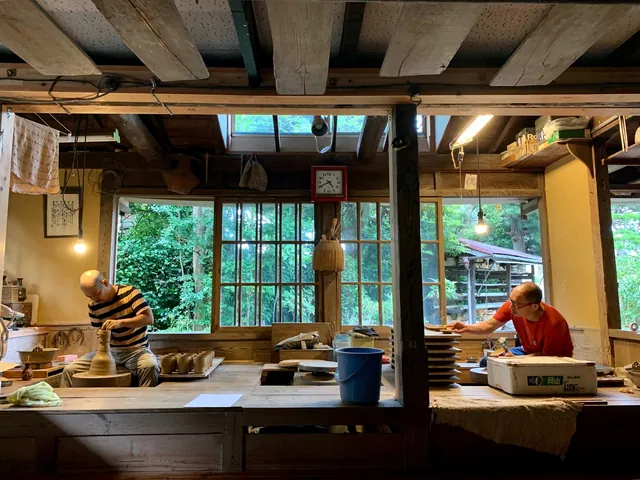
Photo: the shop’s official page 袖師窯
A kiln along Lake Shinji founded in 1877, where fifth-generation potter Tomohiko Ono and his workshop shape everyday bowls, plates and cups from local clay and glazes, with a second-floor showroom above the studio. Closed Sundays and irregular days.
Why the editors chose itA Lake Shinji kiln opened in 1877 whose second-floor showroom sits right above the working studio.
Tamatsukuri Onsen & Fujina
Fujina-yaki Unzen-gama
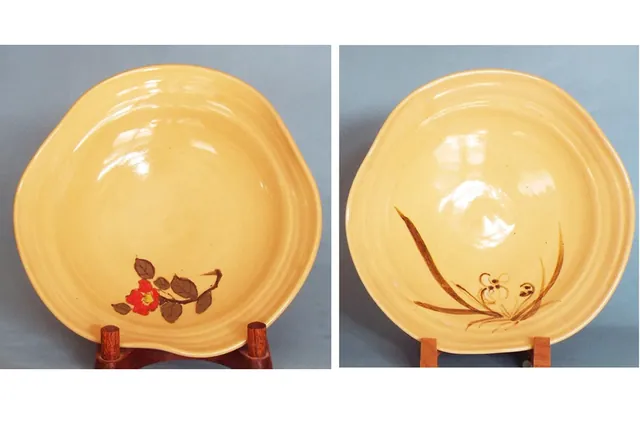
Photo: the shop’s official page 布志名焼 雲善窯
A Fujina-ware kiln opened in 1756 as the official kiln of the Matsue domain, firing tea ware alongside yellow-glazed sweets dishes, coffee cups and everyday tableware. Irregular holidays (sometimes closed Mondays).
Daily 8:00–18:00 · Closed: Irregular
Why the editors chose itOpened in 1756 as the Matsue domain's official kiln, firing both tea ware and yellow-glazed everyday cups.
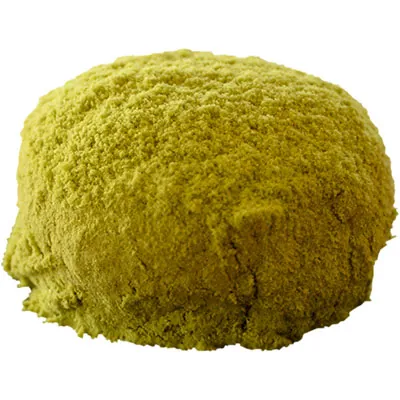
Made in Matsue
Shaped by Matsue lord and tea master Matsudaira Fumai, Matsue is counted alongside Kyoto and Kanazawa among Japan’s three great confectionery towns. Old-established wagashi makers and tearooms still make seasonal sweets to go with whisked matcha.
Lord Fumai's Wagashi & Tea at Kissa Kiharu·Photo: Kissa Kiharu (official site)
Castle & Shiomi Nawate
Kissa Kiharu
Photo: the shop’s official page 喫茶きはる
A tearoom in the free-admission zone of the Matsue History Museum looking out on a Japanese garden, serving matcha and wagashi such as limited-quantity warabimochi and kanoko. Closed Mondays (or the following weekday if a holiday) and over New Year.
Weekdays 10:00–17:00 (LO 16:30), Sat–Sun & holidays 9:30–17:00 (LO 16:30) · Closed: Mondays (or next weekday if holiday)
Why the editors chose itA tearoom in Matsue History Museum's free zone serving matcha and wagashi overlooking a Japanese garden.
Kyomise & Ohashi River
Saiundo
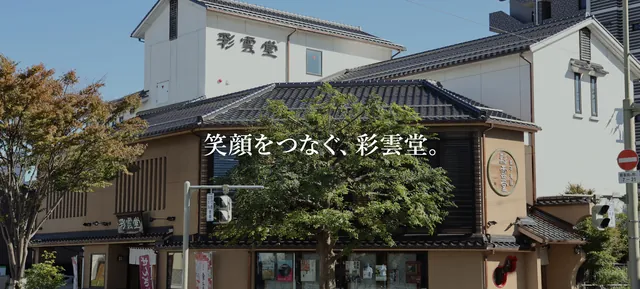
Photo: the shop’s official page 彩雲堂 本店
A wagashi house founded in 1874, known for Wakakusa, soft gyuhi dusted with pale green kanbaiko. The main shop has a tearoom serving seasonal namagashi with matcha. Irregular holidays; shorter hours in January.
Daily 9:00–18:00 · Closed: Irregular (open daily for the rest of the year)
Why the editors chose itFounded in 1874 and famed for Wakakusa, with a main-shop tearoom serving seasonal namagashi and matcha.
Lake Shinji & Station
SENCHASOU Japanese TEA café & dine
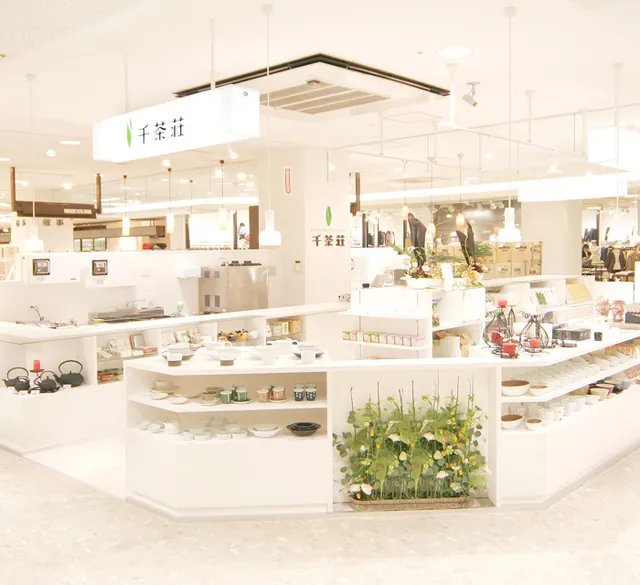
Photo: the shop’s official page A Japanese tea café opened in May 2026 by tea merchant Senchaso on the second floor of Matsue City Hall, facing Lake Shinji. Whisked-to-order matcha drinks, sweets and light lunches. Irregular holidays.
Why the editors chose itOn Matsue City Hall's second floor facing Lake Shinji, serving whisked-to-order matcha by tea merchant Senchaso.
Lake Shinji & Station
Furyudo, Teramachi
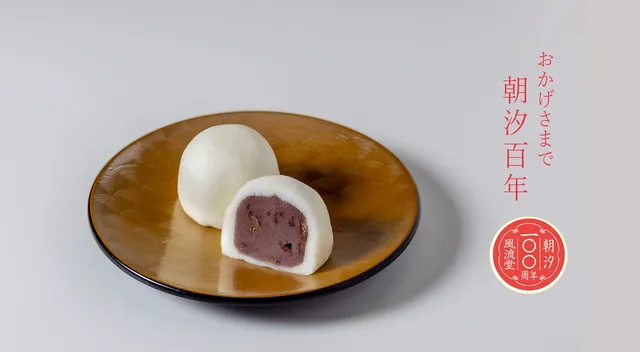
Photo: the shop’s official page 風流堂 寺町本店
A wagashi house founded in 1890, known for pressed Yamakawa and smooth-bean Asashio manju. The Teramachi shop houses the tearoom Gofuan for matcha and sweets. Closed Jan 1 (Gofuan closes mid-December to early January).
Thu–Tue 9:00–18:00 · Closed: Wednesdays, Jan 1
Why the editors chose itAn 1890 wagashi house known for Yamakawa and Asashio, with its Gofuan tearoom inside the main shop.
Kyomise & Ohashi River
objects
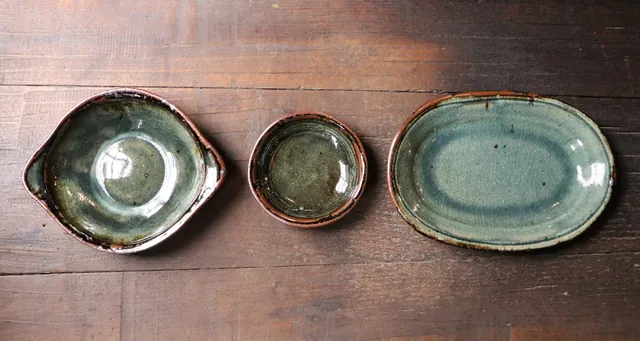
Photo: the shop’s official page A craft shop along the Ohashi River in Higashi-honmachi handling new and old ceramics, glass, woodwork and textiles, with monthly exhibitions and an annex in Tenjin-machi. Open days (11:00–18:00) are posted monthly on its site.
11:00–18:00 (open on scheduled days) · Closed: Irregular (Nov: open 1–3, 7–10, 13–17, 20–24, 27–30)
Why the editors chose itAn Ohashi River craft shop curating old and new ceramics, glass, woodwork and textiles with monthly shows.
Castle & Shiomi Nawate
Shima-Shima Shimane
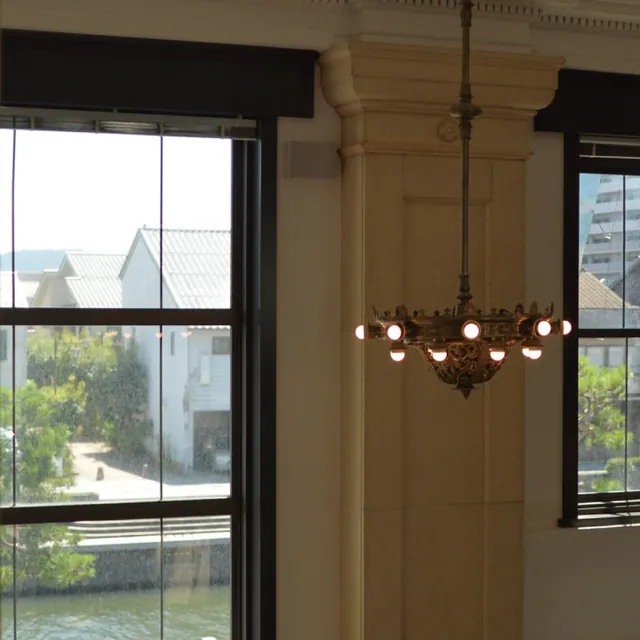
Photo: the shop’s official page シマシマしまね カラコロ店
A shop run by NPO Kurashi Atelier on the first floor of the 1938 former Bank of Japan Matsue branch in Karakoro Studio, carrying Shimane pottery, everyday goods, local teas and foods, with occasional bread and wagashi days. Closed Thursdays and the fourth Wednesday.
Weekdays 11:00–17:00, Sat–Sun & holidays 10:00–18:00 · Closed: Thursdays and 4th Wednesday of the month
Why the editors chose itHoused in the 1938 former Bank of Japan branch, gathering Shimane pottery, teas and local foods.
Kyomise & Ohashi River
Yakumonuri Yamamoto
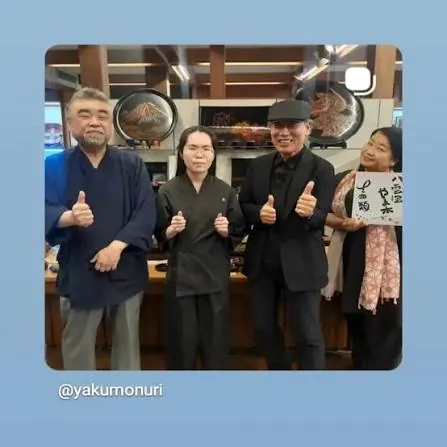
Photo: the shop’s official page 八雲塗やま本
A Yakumo-nuri lacquerware shop and workshop founded in 1890, carrying pieces whose painted motifs brighten as the lacquer turns clearer with age, alongside everyday items. 10:00–19:00, closed Jan 1–3.
Daily 10:00–19:00 · Closed: Jan 1–3
Why the editors chose itA workshop-backed Yakumo-nuri lacquerware house since 1890 whose painted motifs brighten as the lacquer ages.
Sights in Matsue
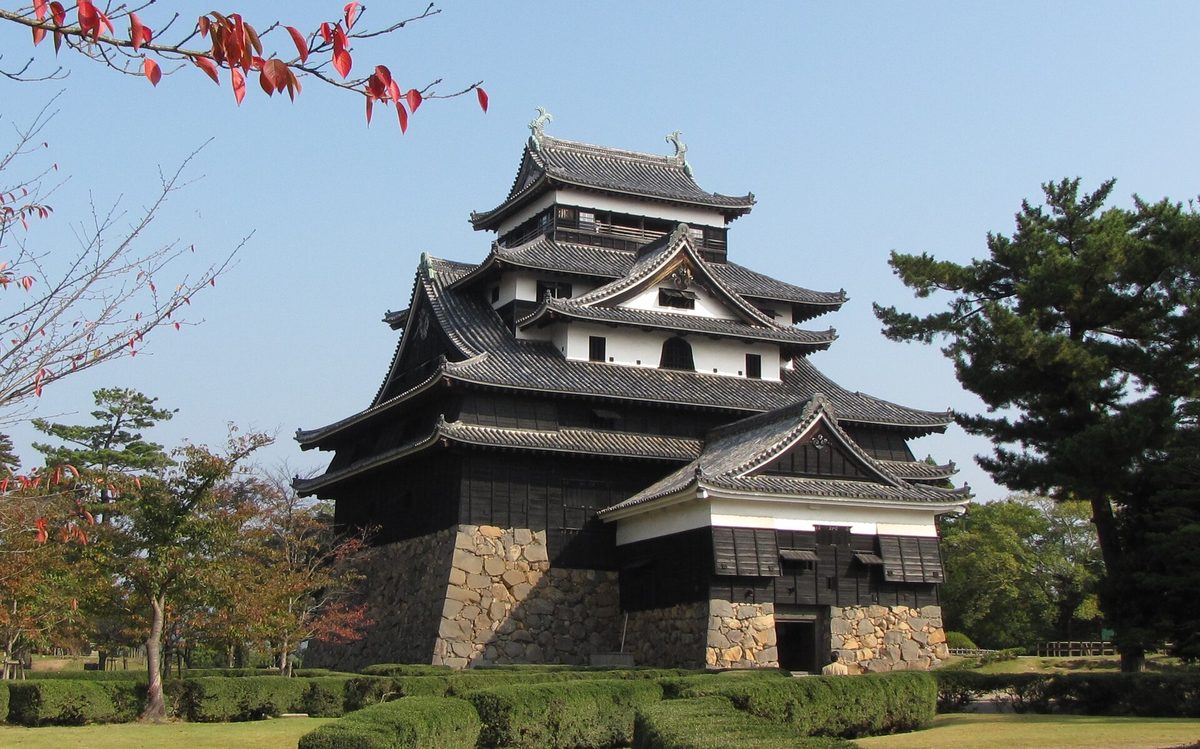
Photo: Yoshio Kohara / CC BY 3.0 (Wikimedia Commons) One of Japan’s twelve surviving original castle keeps, designated a National Treasure.
The path between Kitanomon and Mizunotemon gates has been closed since October 2026 for stone-wall safety work.
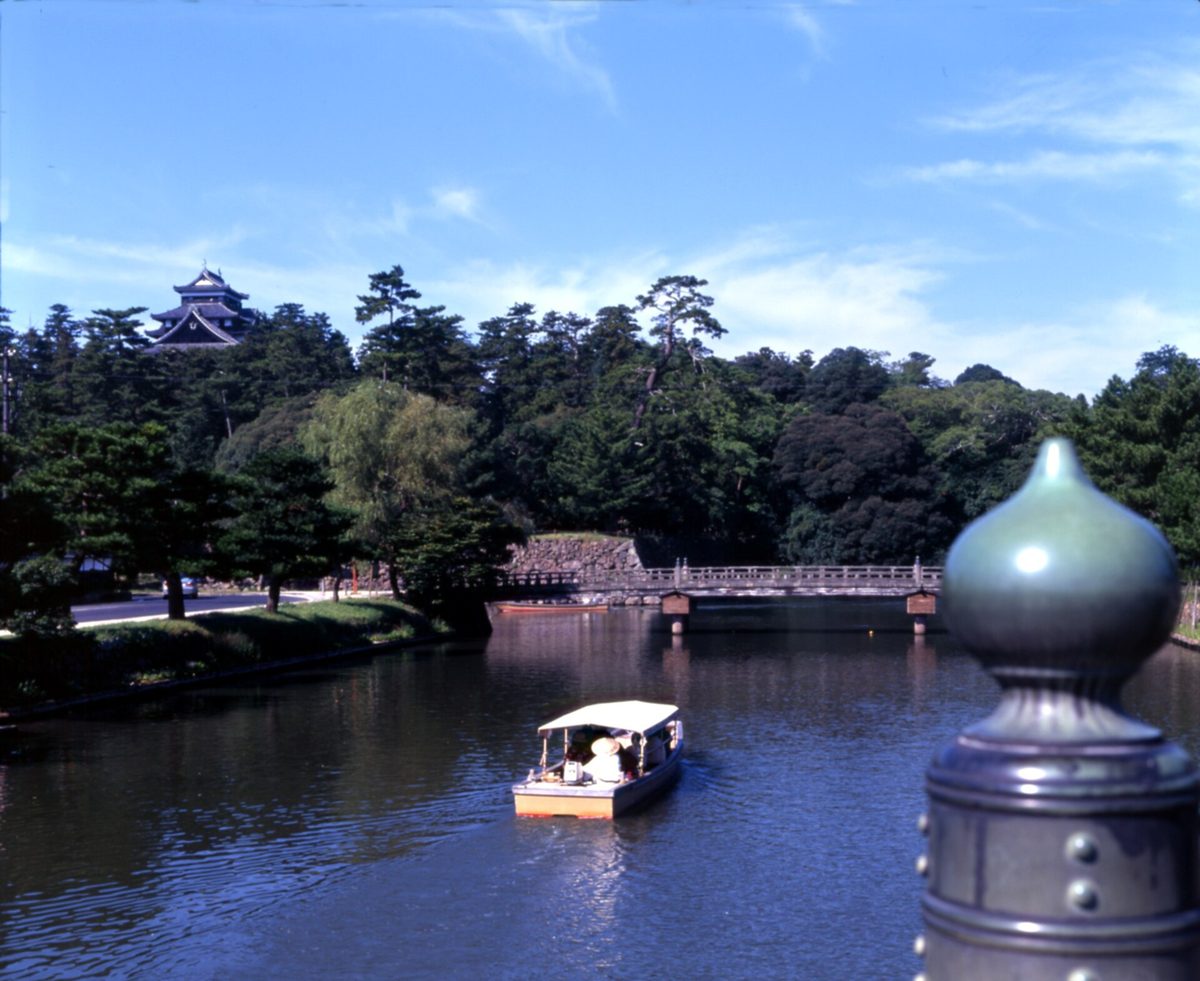
Photo: Mister99 / CC BY-SA 3.0 (Wikimedia Commons) Small covered boats following the moat around Matsue Castle under seventeen low bridges.
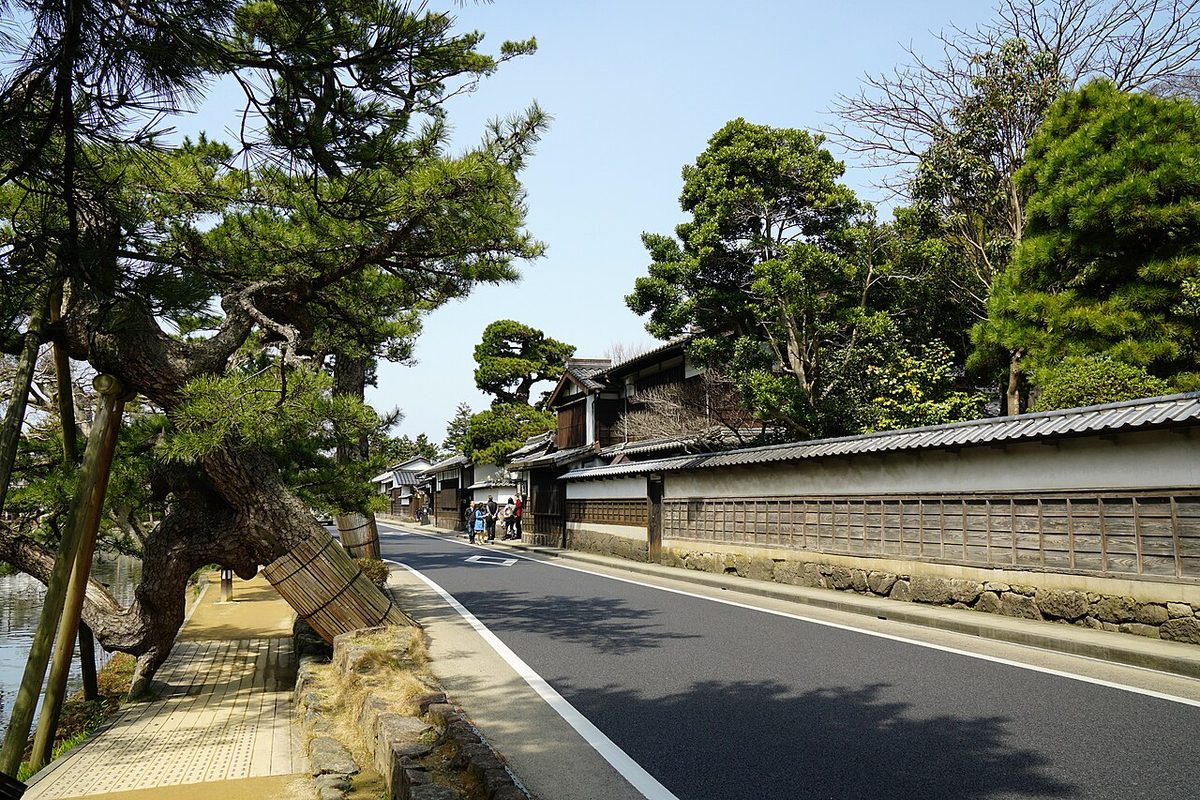
Photo: 663highland / CC BY 2.5 (Wikimedia Commons) A traditional preservation street of old pines and samurai-style residences along the northern moat of Matsue Castle, named after retainer Shiomi Kohei.
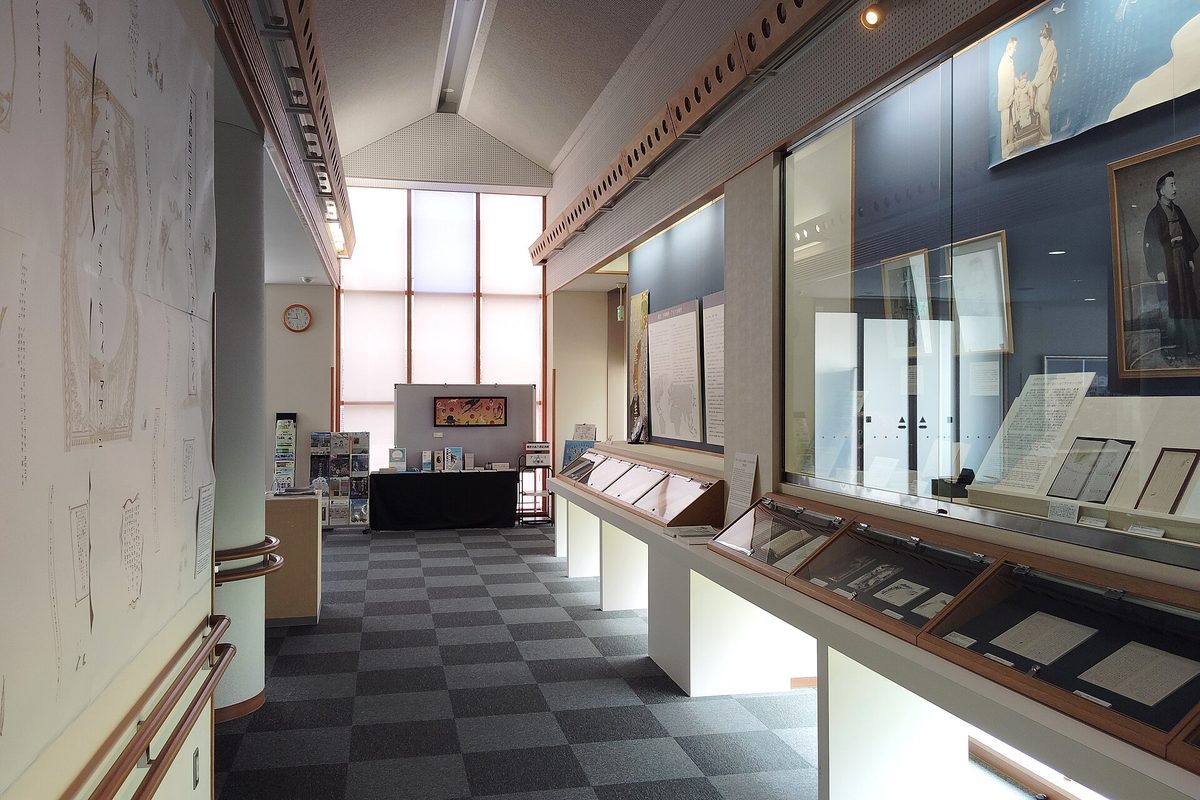
Photo: Asturio Cantabrio / CC BY-SA 4.0 (Wikimedia Commons) Lafcadio Hearn Memorial Museum
A museum near Shiomi Nawate dedicated to writer Lafcadio Hearn (Koizumi Yakumo), showing manuscripts and personal belongings.
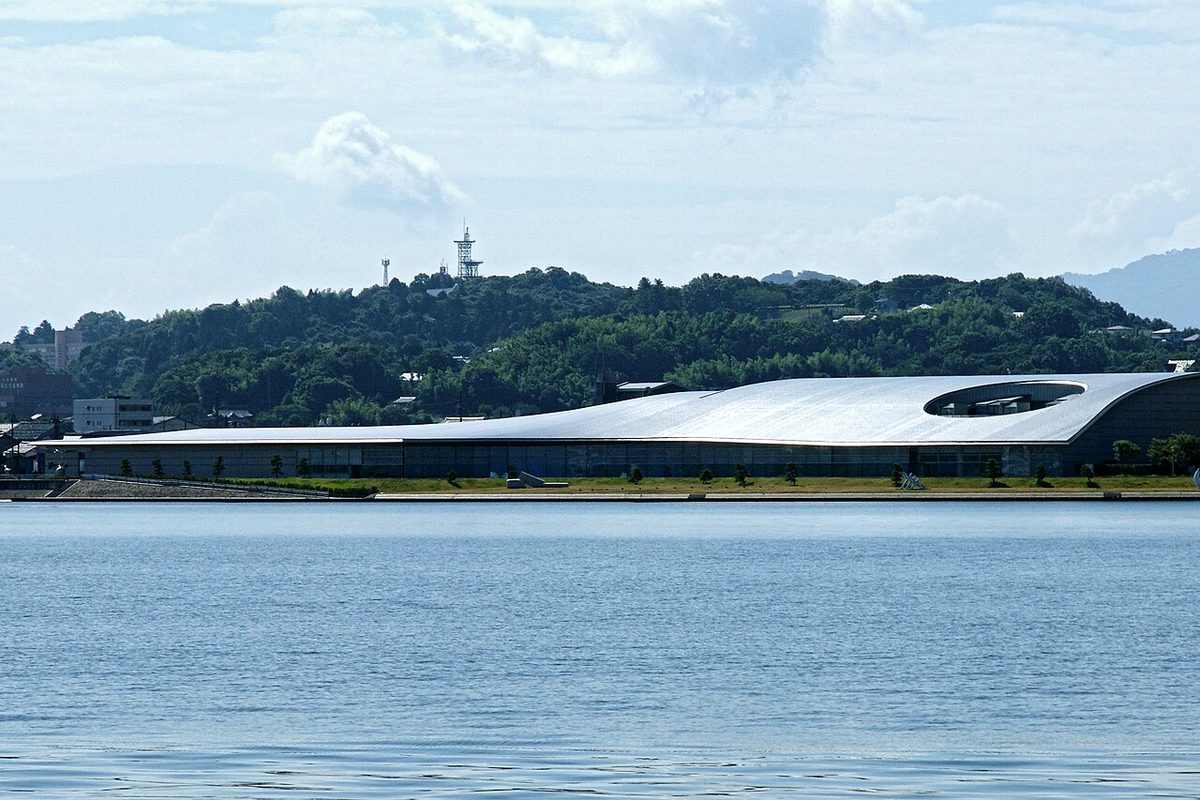
Photo: 663highland / CC BY 2.5 (Wikimedia Commons) A lakeside museum on Lake Shinji holding some 1,600 works by Katsushika Hokusai alongside regional ceramics such as Izumo ware.
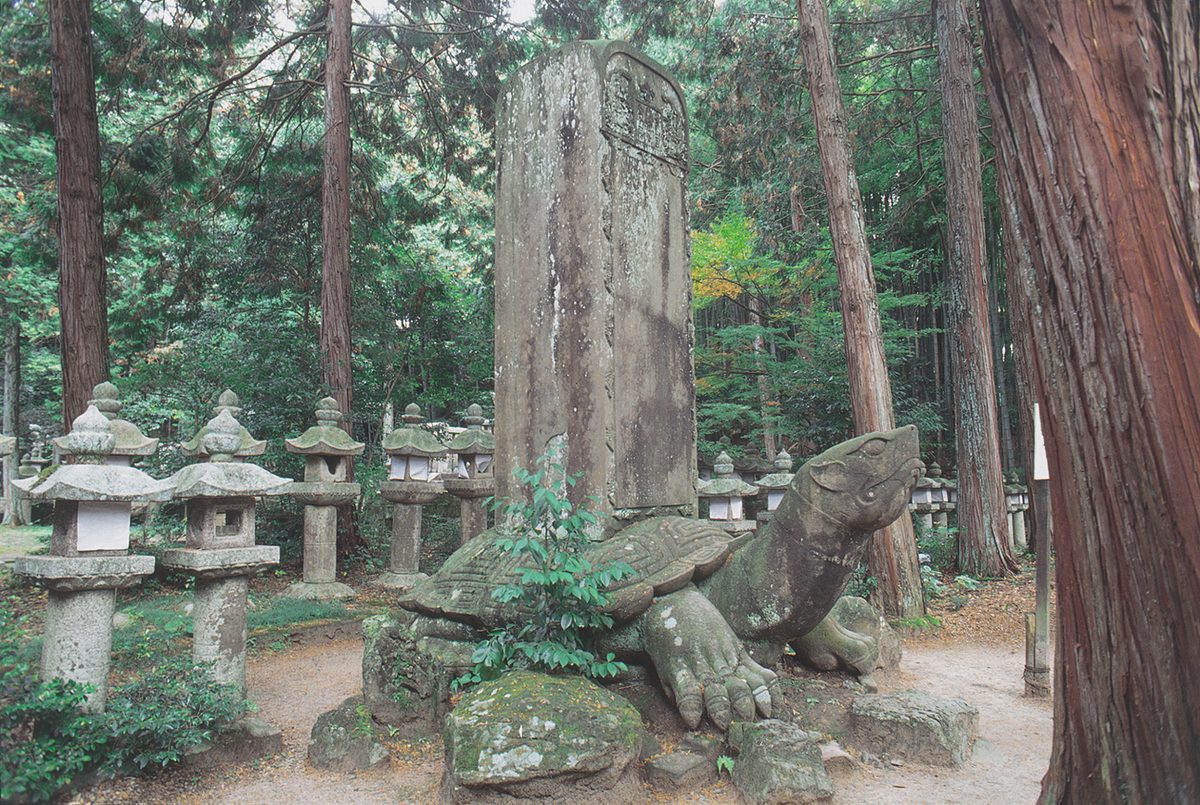
Photo: Mister99 / CC BY-SA 3.0 (Wikimedia Commons) The family temple of the Matsudaira lords of Matsue and a national historic site, with mossy mausoleums, a large stone tortoise and a garden.
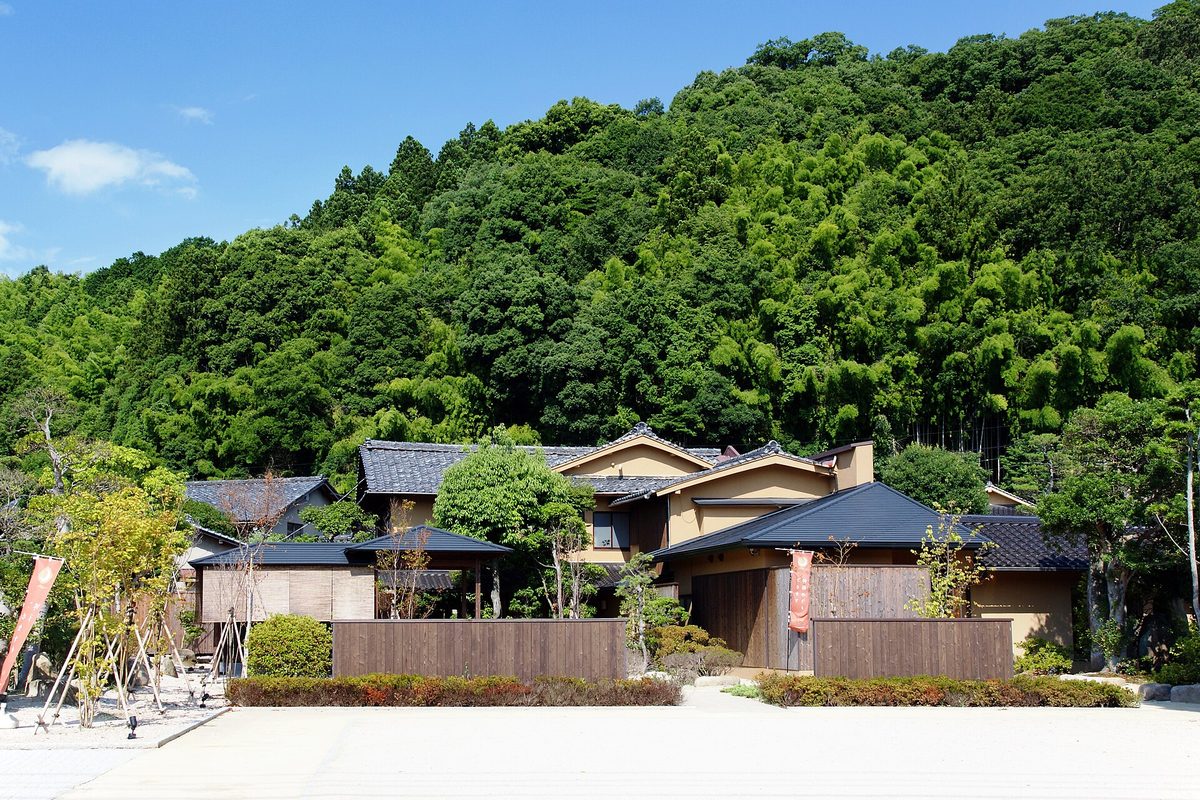
Photo: 663highland / CC BY 2.5 (Wikimedia Commons) A public day-use hot-spring bathhouse in the middle of Tamatsukuri Onsen, with indoor and open-air baths.
These are local landmarks. Each was checked to be open on its official site (checked 2026-11-17). Please confirm hours before you go.
Beyond Matsue
1 / 4
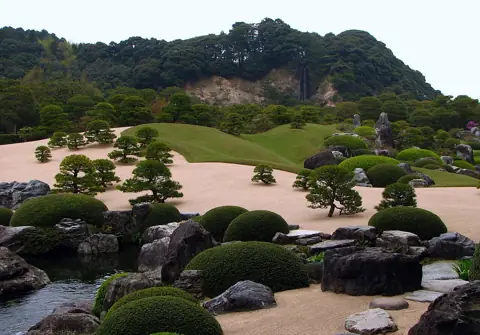 Yasugi · 16 km
Adachi Museum of Art →
An art museum famous for its world-class Japanese garden.
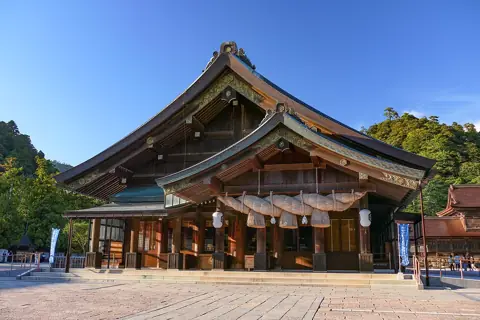 Izumo · 34 km
Izumo Taisha →
Izumo Taisha is one of Japan's oldest and most important shrines, known as a deity of matchmaking and dedicated to Okuninushi-no-Okami.
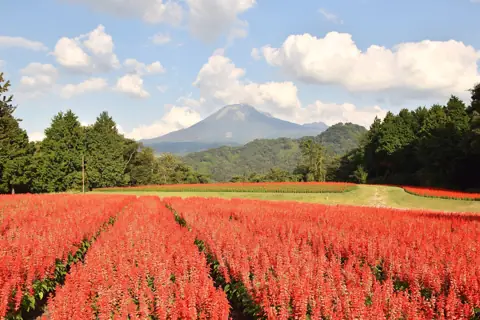 Yonago · 36 km
Tottori Hanakairo Flower Park →
One of Japan's largest flower parks, encircled by a 1-kilometer covered circular walkway framing Mt. Daisen in the distance.
 Izumo · 38 km
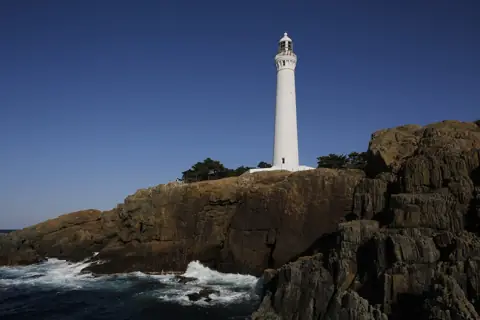
Izumo Hinomisaki Lighthouse →
Japan's tallest stone lighthouse (43.65 m) on the rugged Cape Hinomisaki cliffs, open for visitors to climb to the upper gallery overlooking the Sea of Japan.


Distances are straight-line from the town centre. Each page has how to get there and a suggested day.
Questions people ask
- Where can I eat Matsue's local dishes?
Izumo Soba (whole-buckwheat noodles): Kamiyo Soba (Castle & Shiomi Nawate), Yakumoan (Castle & Shiomi Nawate)
Lake Shinji Shijimi (brackish-water clams): Kawakyo (Kyomise & Ohashi River)
Matsue Wagashi (Japanese tea sweets): Kissa Kiharu (Castle & Shiomi Nawate), Saiundo (Kyomise & Ohashi River), Furyudo, Teramachi (Lake Shinji & Station)
- Where can I see or buy Mingei & Kiln Pottery, Lord Fumai's Wagashi & Tea, Craft in Matsue?
Mingei & Kiln Pottery: Yumachi Pottery (Tamatsukuri Onsen & Fujina), Sodeshi Pottery (Lake Shinji & Station), Fujina-yaki Unzen-gama (Tamatsukuri Onsen & Fujina)
Lord Fumai's Wagashi & Tea: SENCHASOU Japanese TEA café & dine (Lake Shinji & Station)
Craft: objects (Kyomise & Ohashi River), Shima-Shima Shimane (Castle & Shiomi Nawate), Yakumonuri Yamamoto (Kyomise & Ohashi River)
- What can I visit on foot around Castle & Shiomi Nawate?
Lord Fumai's Wagashi & Tea: Kissa Kiharu
Craft: Shima-Shima Shimane
Cafés: LITTLE COURT COFFEE
Sweets: Kamedayama Kissashitsu, Pâtisserie J. KOWARI
Food: Kamiyo Soba, Yakumoan
Every place was checked to be open in November 2026. Hours can change, so please check the official site before you go.
If you like Matsue
- Matsumoto
Nagano, Japan
- Uji
Kyoto, Japan
For example, Sodeshi Pottery here, and Asahiyaki shop & gallery in Uji.
- Kobe
Hyogo, Japan
For example, objects here, and TRUNK DESIGN in Kobe.
Chosen by how close the towns and their places are in what they make and serve.