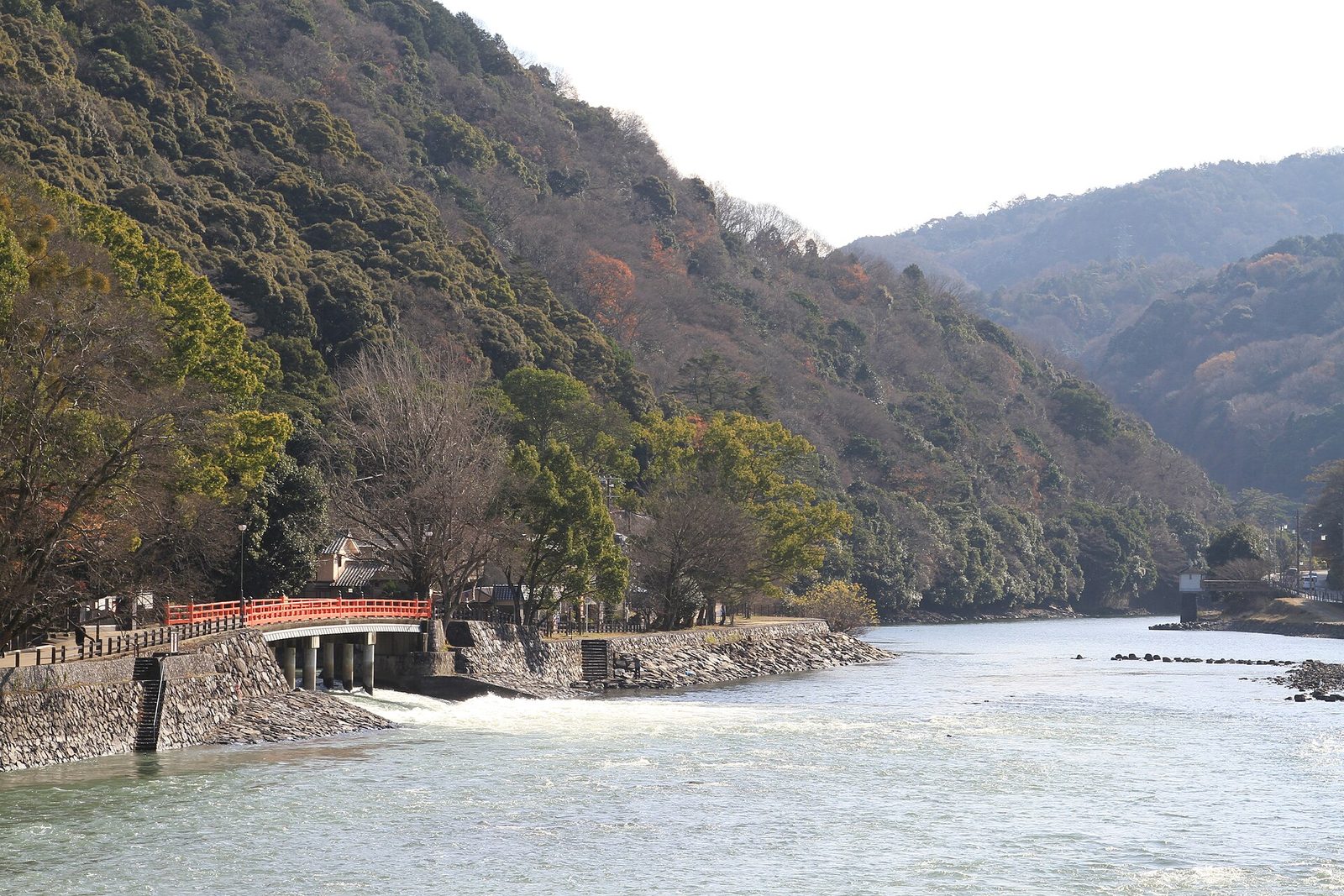
34.9° N
Uji
Kyoto, Japan
A town of tea gardens and old temples along the Uji River. Tea merchants and kumihimo makers near the river, pottery and woodwork in the valley of Sumiyama, and sweets, bread and coffee stretching out to Obaku and Ogura. the editors’ picks for November, when the autumn leaves turn.
Uji, on film
5 sights and 16 places, each checked open in 2026, in 51 seconds.
Found somewhere you like? The map and the list below have the address, hours and official site.
Tap for sound
What to eat in Uji
No photo yet
Cha-soba (green tea soba)
茶そば
Buckwheat noodles kneaded with stone-milled Uji matcha, giving them a deep green color and mild tea aroma. In Uji, Japan's historic green-tea center since the Kamakura period, teahouses and riverside eateries make cha-soba a signature local lunch.
Eaten cold on a bamboo tray with dipping sauce or hot in dashi broth, often in a set with tempura, herring, or eel.
Where to eat it
- Tsuen Tea ↓
- Sabo KunugiWebsiteMap
- Ryori Ryokan AisoWebsiteMap
No photo yet
Cha-dango (green tea rice dumplings)
茶だんご
Small chewy dumplings steamed from rice flour, sugar, and powdered Uji green tea, sold skewered or in boxes without red-bean filling. Developed in Uji in the Taisho era to showcase local matcha, they became a staple wagashi sold along Byodoin's approach and near Uji Bridge.
Eaten as a walking snack on bamboo skewers or seated with whisked matcha or sencha.
Where to eat it
- Notonojo Inafusa Yasukane ↓
- Tsuen Tea ↓
- Sohonke OchamanWebsiteMap
No photo yet
Uji matcha (whisked green tea)
宇治抹茶
Finely stone-milled powder made from shade-grown tencha leaves whisked with hot water in a ceramic tea bowl. Tea cultivation in Uji dates back roughly 800 years, where river mists and mild slopes shaped Japan's matcha and gyokuro production.
Served freshly whisked in a tea bowl alongside a seasonal wagashi sweet or cha-dango.
Where to eat it
- Tsuen Tea ↓
- Uji Municipal Teahouse TaihoanWebsiteMap
- Sabo KunugiWebsiteMap
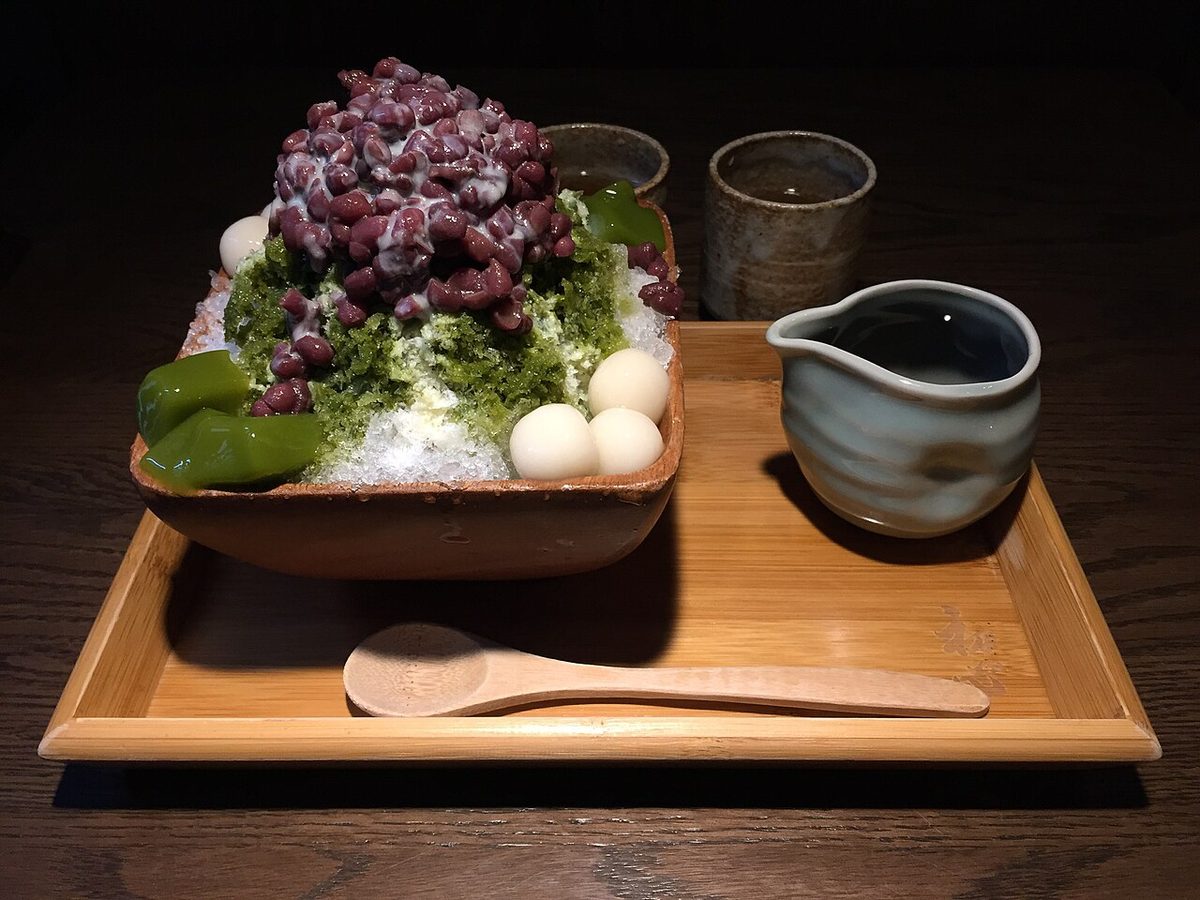
Photo: bryan... from Taipei, Taiwan / CC BY-SA 2.0 (Wikimedia Commons) Uji-kintoki (matcha shaved ice)
宇治金時
Shaved ice topped with Uji matcha syrup and sweet azuki red bean paste, named after Uji tea and Kintoki beans. Listed among Kyoto Prefecture's traditional regional sweets, it is served at teahouses and wagashi shops across Uji during the warm months.
Eaten in summer in teahouses, sometimes topped with shiratama rice dumplings or matcha ice cream.(Jun–Sep)
Where to eat it
- Tsuen Tea ↓
- Sabo KunugiWebsiteMap
- Sohonke OchamanWebsiteMap
The LATITUDE editors’ 16 picks in Uji
Our editors verified that these places were open (checked 2026-11-19). Check the official site for hours and closing days before visiting. Sponsored listings are marked.
Save places to your trip list and revisit them in this browser. No account needed.
Editors’ picks on the map — or build your own route
Tap a mark to see the place; squares are museums and sights (landmarks). Use “Build your own route” to make a walk of your own.
Loading the map
Map data © OpenStreetMap contributors
Browse by category
1 / 18
Uji & Myoraku
Antica Pizzeria L'ASINELLO

Photo: the shop’s official page Irregular closing days
A pizzeria certified by the Associazione Verace Pizza Napoletana inside Osakaya Market in Myoraku, baking seven-flour dough in an eight-ton stone oven. Open for lunch and dinner; days off vary.
11:30–15:00 (last order 14:30), 17:30–21:00 (last order 20:30) · Closed: Irregularchecked Nov 2026
Why the editors chose itA certified pizzeria inside Osakaya Market baking seven-flour dough in an eight-ton stone oven.
Uji & Myoraku
LovA
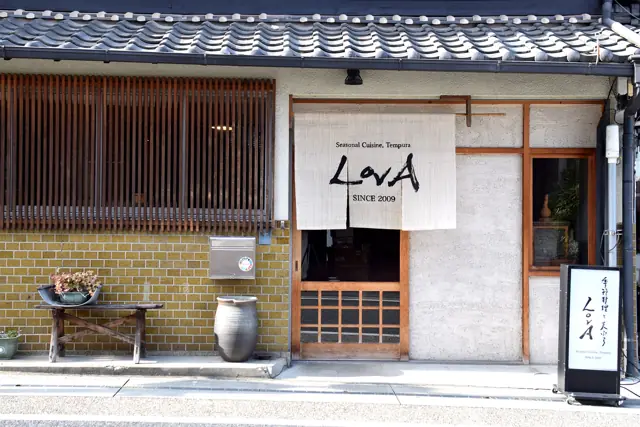
Photo: the shop’s official page 季節料理と天ぷら LovA
A seasonal tempura and simmered-dish restaurant in a renovated old house near JR Uji Station, cooking with Rishiri kelp and tuna-flake broth. Lunch, dinner and takeaway deli; closed Tuesdays.
11:15–14:00 (last order) · Closed: Tuesdays (Saturdays during events)
Why the editors chose itA renovated kominka near JR Uji Station cooking with Rishiri kelp broth, with takeaway deli too.
Uji
Tatsumiya
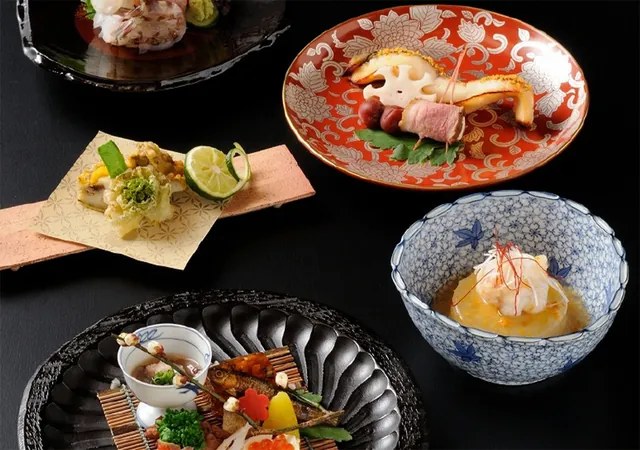
Photo: the shop’s official page 京料理 辰巳屋
Founded around 1840 as a tea merchant, this restaurant has been serving traditional Uji cuisine since 1913. It is especially famous for its signature matcha-infused dishes that capture the unique flavors of the region.
Why the editors chose itDine on signature matcha cuisine at an Uji institution founded as a tea merchant in 1840.
Uji & Myoraku
OUTSTANDING COFFEE ROASTER
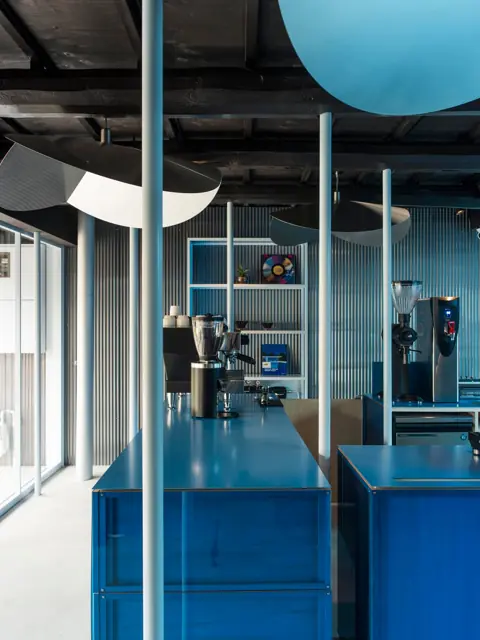
Photo: the shop’s official page A specialty coffee roastery and stand in a converted late-Meiji townhouse near Byodoin, grown out of Okada Coffee (founded 1974). Beans are hand-sorted after roasting and brewed to order. Closed Tuesdays.
Weekdays 10:00–16:30, weekends & holidays 10:00–17:00 · Closed: Tuesdayschecked Nov 2026
Why the editors chose itDrink specialty coffee brewed to order from hand-sorted beans inside a converted late-Meiji townhouse.
Ogura & Shinmei
Yokoyama Coffee

Photo: the shop’s official page よこやま珈琲
A home-roasting coffee shop in residential Ogura since 1986, roasting only what is needed each day and pouring paper-drip cups into a collection of over a hundred cups. Open 7 am to 7 pm, closed Mondays.
Tue–Sun 07:00–19:00 · Closed: Mondays
Why the editors chose itOpen from 7 am for an early cup, serving daily-roasted paper-drip coffee in over a hundred cups.
Obaku & Kohata
MONATIC COFFEE
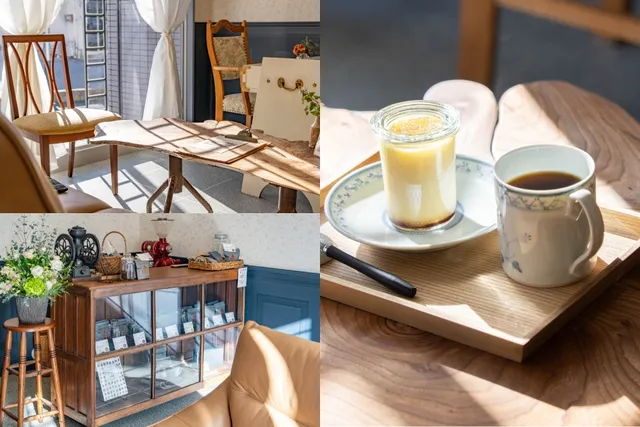
Photo: the shop’s official page A small specialty coffee roaster and café in residential Kohata where pets are welcome inside. Closed on weekdays, with weekend hours varying by week.
Weekends 9:00–15:30 (last order 15:30, closes around 16:00) · Closed: Weekdays (irregular holidays)
Why the editors chose itChoose this small specialty coffee roaster and café when you want to bring pets inside.
Uji & Myoraku
AMATISTA Coffee
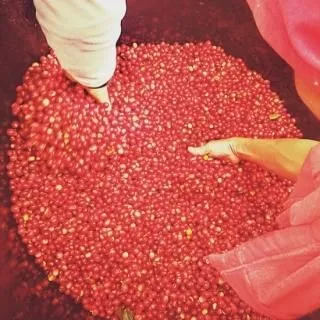
Photo: the shop’s official page A coffee bean shop in Myoraku that imports beans directly from Colombia, stocking single-origin coffees, blends and cacao. Open 10 am to 7 pm, closed Mondays.
Why the editors chose itA specialist shop to seek out single-origin beans, blends and cacao imported directly from Colombia.
Obaku & Kohata
Tamaki-tei
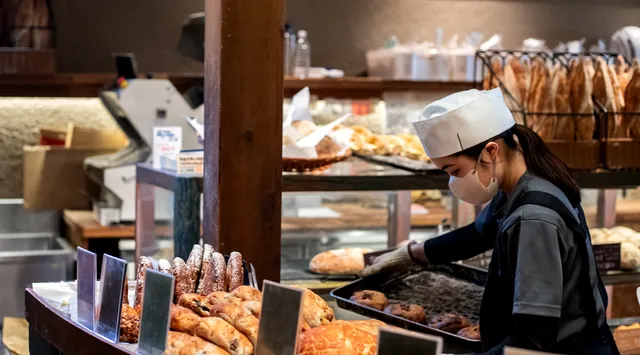
Photo: the shop’s official page たま木亭
A bakery near Obaku Station that refuses branches and mail order, baking baguettes and ciabatta at this single shop. Open 8 am to 6:45 pm, closed Monday to Wednesday.
8:00–18:45 · Closed: Mondays, Tuesdays, and Wednesdayschecked Nov 2026
Why the editors chose itRefusing branches and mail order, this bakery bakes baguettes and ciabatta at this single shop.
Higashi-Uji & Todo
Chez Hagata
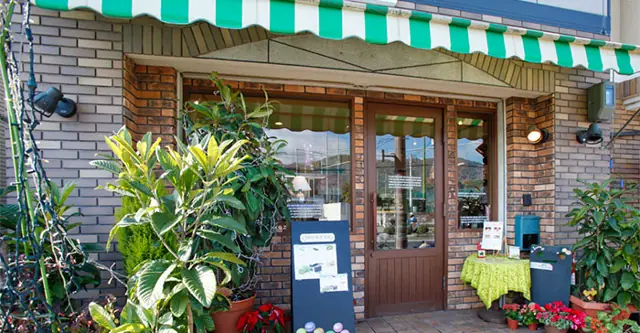
Photo: the shop’s official page シェ・アガタ
A small patisserie near Mimurodo Station known for its Uji matcha terrine made with matcha and white chocolate, alongside cheesecakes and tiramisu. Open Friday to Monday, 10 am to 5 pm.
10:00–17:00 · Closed: Tuesdays, Wednesdays, and Thursdayschecked Nov 2026
Why the editors chose itA small patisserie near Mimurodo Station known for its freshly ground matcha and white-chocolate terrine.
Uji & Myoraku
Notonojo Inafusa Yasukane
能登椽 稲房安兼
A wagashi shop on the approach to Byodoin since 1717. Its cha-dango are steamed from stone-milled rice flour, sugar and matcha, alongside monaka and seasonal sweets. Open 9 am to 5 pm, closed Thursdays and the third Wednesday.
Why the editors chose itA 1717 wagashi shop on Byodoin's approach making cha-dango from stone-milled rice flour, sugar and matcha.
Made in Uji
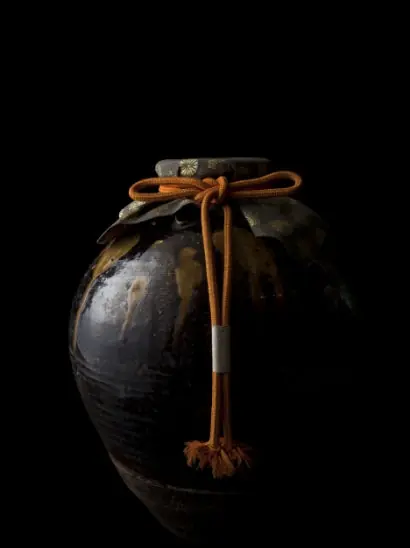
Uji's matcha and gyokuro are made from shaded-grown leaves, steamed right after picking and ground on stone mills. Of the seven tea gardens named by the Ashikaga shoguns in the Muromachi period, Okunoyama still survives and is tended by Horii Shichimeien.
Traditional ceramic tea storage jar at Tsuen Tea in Uji·Photo: Tsuen Tea (official site)
Higashi-Uji & Todo
Tsuen Tea
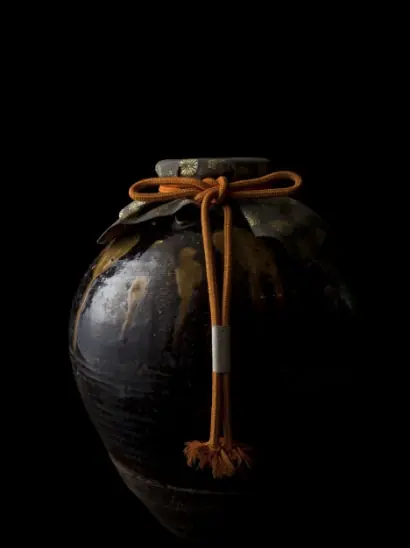
Photo: the shop’s official page 通圓
A tea merchant and teahouse at the east end of Uji Bridge, founded in 1160 in a building from 1672. The teahouse serves matcha, tea soba and tea dango overlooking the river. Open 10:30 am to 5:30 pm (teahouse last order 4 pm).
10:30–17:30 (last order 16:00) · Closed: Open every daychecked Nov 2026
Why the editors chose itA tea merchant since 1160 in a 1672 building by Uji Bridge, serving matcha and tea soba.
Uji & Myoraku
Horii Shichimeien
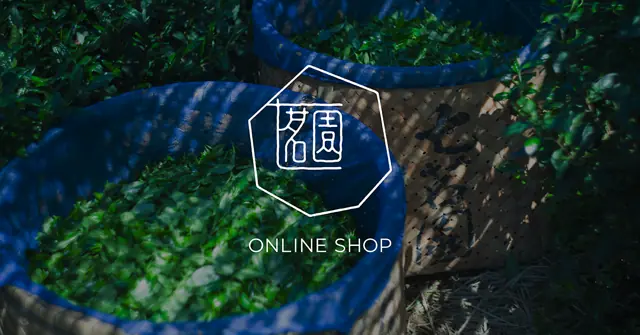
Photo: the shop’s official page 堀井七茗園
A Uji tea house since 1879 that tends Okunoyama, the last surviving Muromachi-era Shichimeien garden, and stone-mills first-flush tea. Shop open weekdays 10 am to 4:30 pm (closed 12 pm to 1:30 pm, and weekends/holidays).
10:00–16:30 (closed 12:00–13:30 for lunch) · Closed: Saturdays, Sundays, and public holidayschecked Nov 2026
Why the editors chose itAn 1879 house tending Uji's last Muromachi-era tea garden, stone-milling first-flush tea for weekday sale.
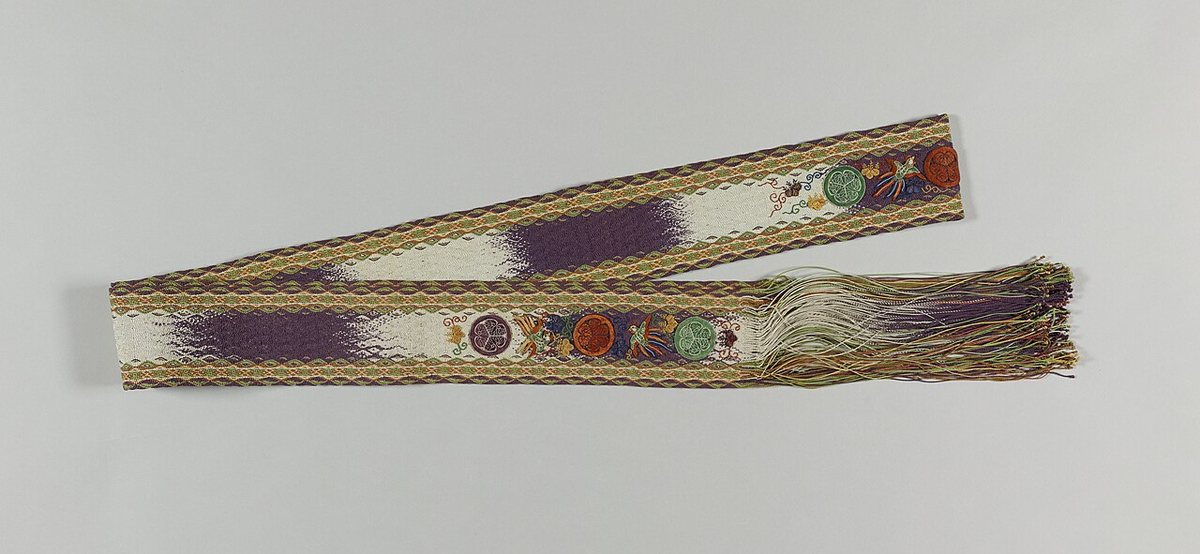
Made in Uji
A traditional Kyoto braided cord craft, carried from yarn dyeing through braiding and finishing. In Uji, Showen Kumihimo, founded in 1948, braids cords both by hand on wooden stands and on braiding machines for kimono obijime, small accessories, and ties for tea caddies.
A traditional braided silk kumihimo cord·Photo: 東京国立博物館 / CC BY 4.0 (Wikimedia Commons)
Uji & Myoraku
Showen Kumihimo, Uji
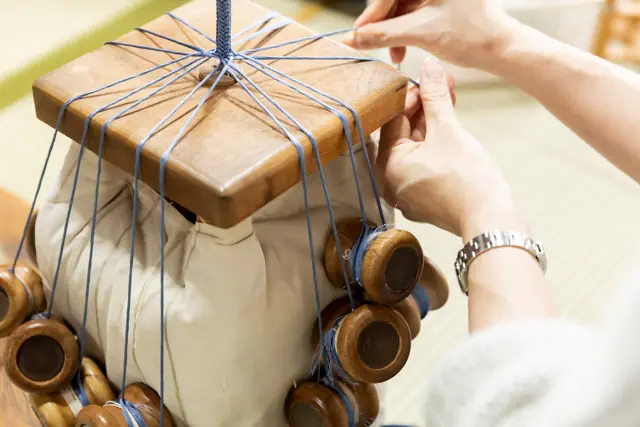
Photo: the shop’s official page 昇苑くみひも 宇治本店
The Uji flagship of a Kyo-kumihimo maker founded in 1948, in a townhouse over a century old. It produces hand- and machine-braided obijime, tea-caddy cords and small goods. Open daily 10 am to 5 pm (seasonal breaks).
10:00–17:00 · Closed: Open every day (summer & winter holidays)
Why the editors chose itIn a century-old townhouse, choose obijime and tea-caddy cords made by a 1948 Kyo-kumihimo workshop.
Higashi-Uji & Todo
Asahiyaki shop & gallery
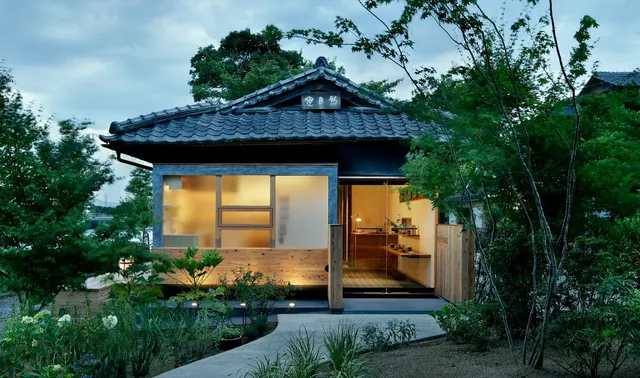
Photo: the shop’s official page 朝日焼 shop & gallery
The shop and gallery of Asahiyaki, a tea-pottery kiln active for about 400 years across the Uji River from Byodoin, showing works by Matsubayashi Hosai XVI and kiln pieces. Open 10 am to 5 pm, closed Mondays and the last Tuesday.
10:00–17:00 · Closed: Mondays (following day if public holiday) and last Tuesday of each month
Why the editors chose itAcross from Byodoin, this 400-year-old tea-pottery kiln shows works by Matsubayashi Hosai XVI.
Sumiyama
Ryuhougama
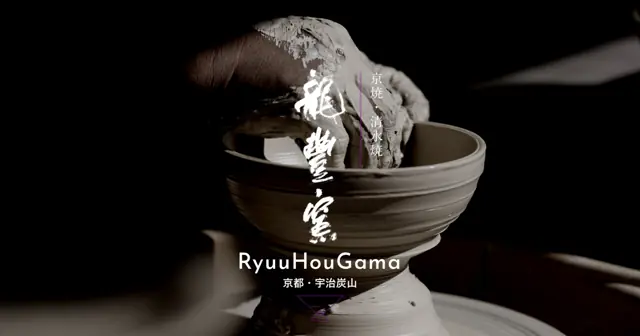
Photo: the shop’s official page 龍豊窯
Irregular closing days
A Kyo-yaki and Kiyomizu-yaki kiln in the mountain pottery village of Sumiyama, making finely potted, hand-painted tea utensils and tableware. Pottery workshops by reservation; no public transit reaches the valley.
10:00–17:00 · Closed: Irregularchecked Nov 2026
Why the editors chose itA mountain Kyo-yaki kiln beyond public transit, making fine tea utensils with reservation-only workshops.
Sumiyama
Kyoto Sumiyama Asakura Mokkou
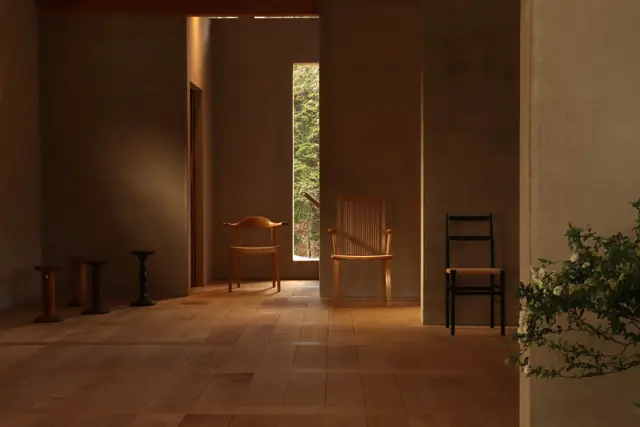
Photo: the shop’s official page 京都炭山朝倉木工
A solid-wood furniture and small woodware workshop and showroom in Sumiyama, making chairs, tables and wiped-lacquer pieces. Open weekdays 10 am to 4 pm; weekends and holidays by reservation.
Weekdays 10:00–16:00 (weekends & holidays by appointment)
Why the editors chose itA Sumiyama workshop-showroom for solid-wood furniture and wiped-lacquer woodware, open by appointment on weekends.
Sights in Uji
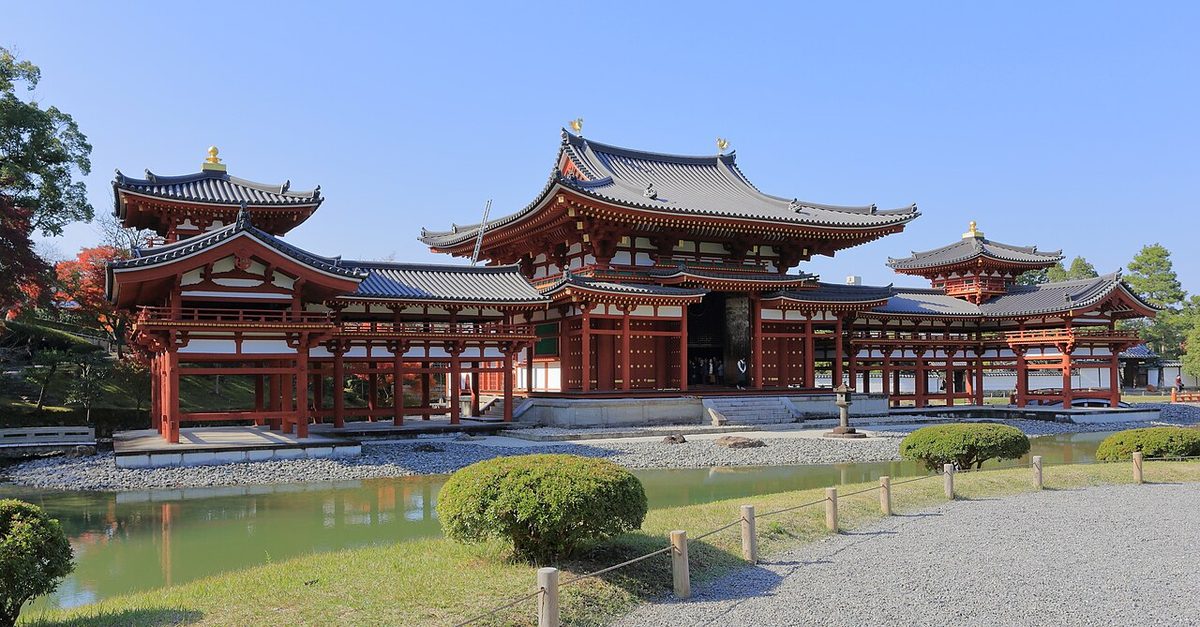
Photo: Martin Falbisoner / CC BY-SA 4.0 (Wikimedia Commons) Founded in 1052 when Fujiwara no Yorimichi turned his father Michinaga's villa into a temple, with the Phoenix Hall (Amida Hall) completed in 1053 on an island in Aji Pond.
The Kannondo Hall is closed for repairs. Inside the Hoshokan Museum, the Tobira-e room is closed weekdays through November 27, 2026 (open weekends and holidays), and the Relics section is closed November 13 to December 6. Phoenix Hall interior tours are capped at 35 per group; autumn night openings are suspended in 2026. Garden 8:45 am–5:30 pm, museum 9 am–5 pm, open daily.
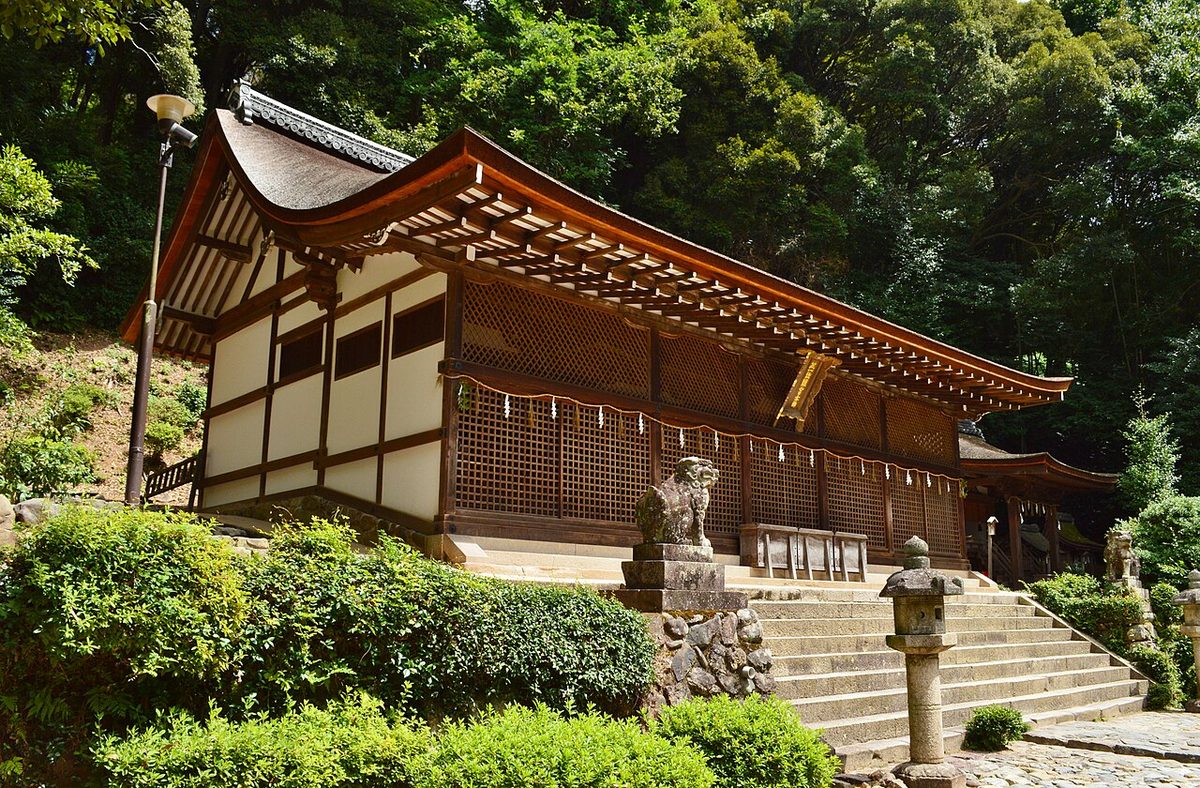
Photo: Saigen Jiro / CC0 (Wikimedia Commons) A shrine at the foot of Mount Asahi on the east bank of the Uji River, dedicated to Uji no Wakiiratsuko and Emperors Ojin and Nintoku.
The office for amulets and goshuin opens at 9 am; cash only.
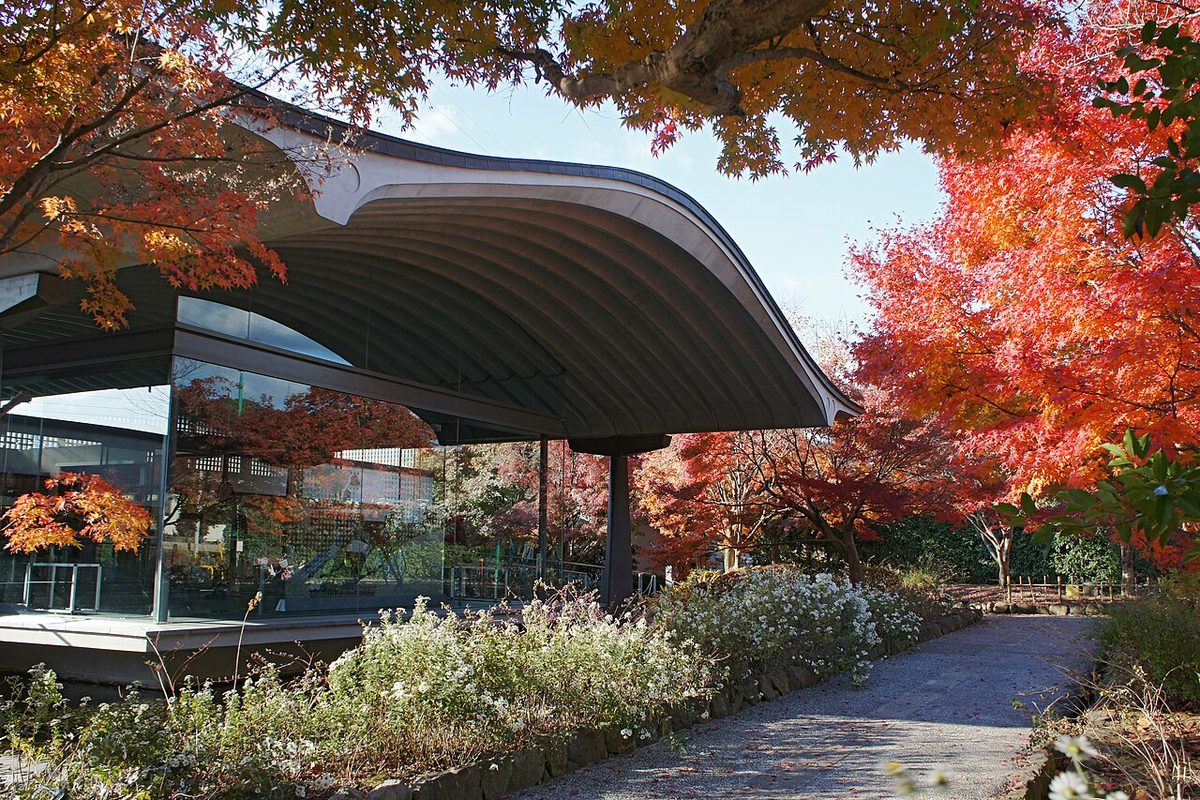
Photo: 663highland / CC BY 2.5 (Wikimedia Commons) A municipal museum on The Tale of Genji and Heian court life, with galleries on Hikaru Genji, the final ten Uji chapters, short films and interactive exhibits.
Open 9 am to 5 pm (last entry 4:30 pm). Closed Mondays (or the following day if a holiday) and over New Year.
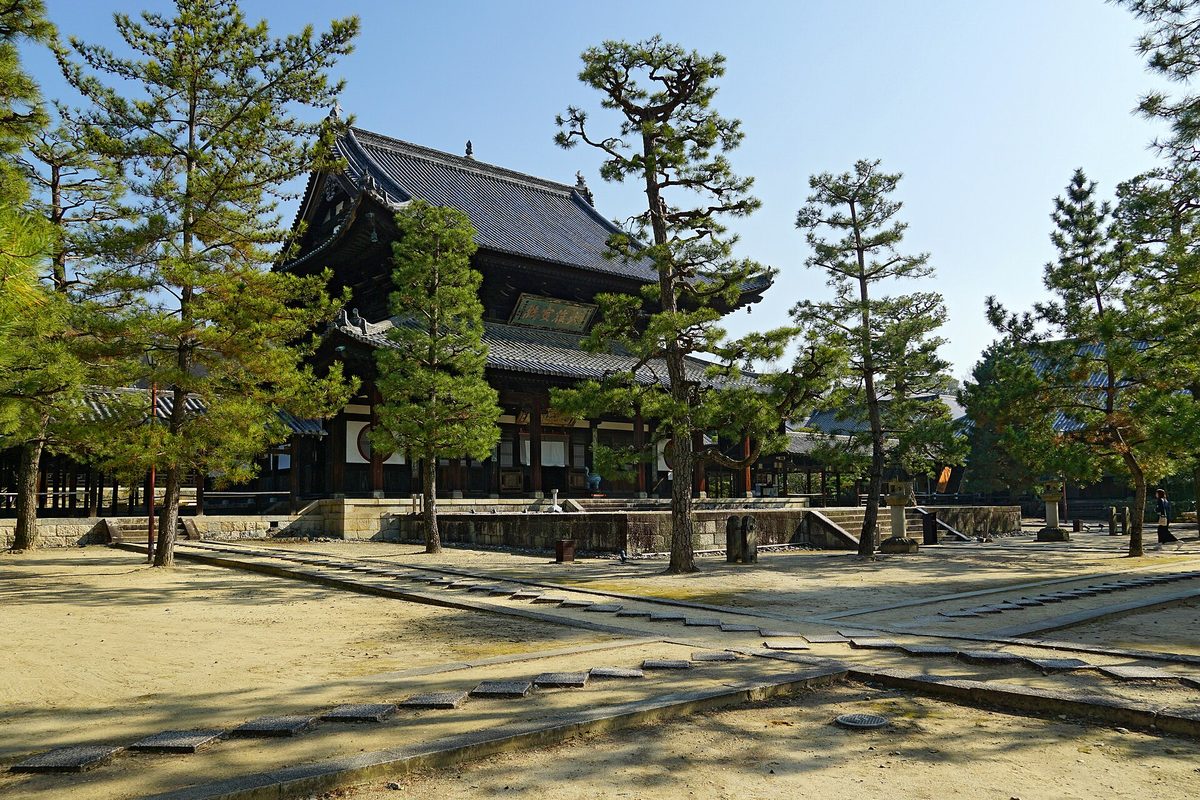
Photo: 663highland / CC BY-SA 4.0 (Wikimedia Commons) The head temple of the Obaku Zen school, founded in 1661 by the Chinese monk Ingen Ryuki, preserving Zen temple buildings in late-Ming Chinese style.
Open 9 am to 5 pm (last entry 4:30 pm). Special night openings run from October 10, 2026 to February 21, 2027.
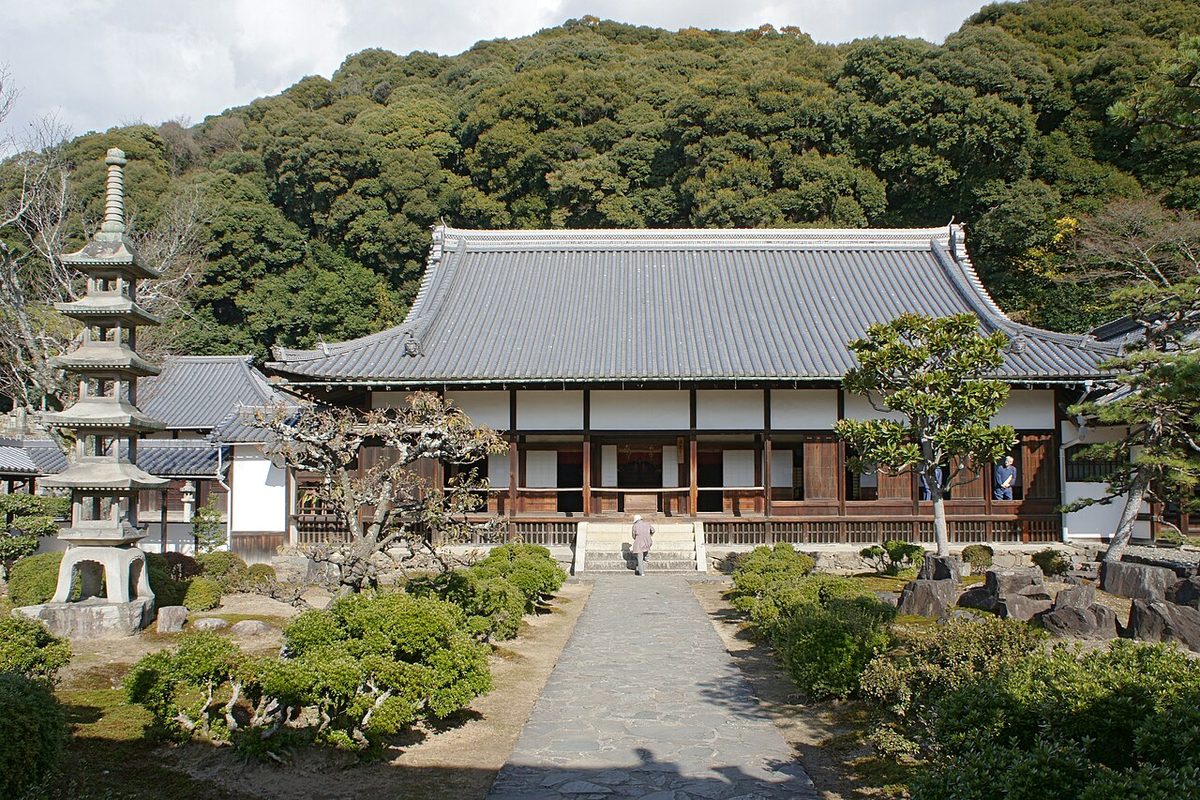
Photo: 663highland / CC BY 2.5 (Wikimedia Commons) The oldest Soto Zen training monastery in Japan, founded by Dogen in 1233 in Fushimi and rebuilt in Uji in 1648 by Nagai Naomasa, lord of Yodo Castle, between Mount Buttoku and Mount Asahi.
Reception 10 am to 4 pm (entry may be restricted during temple events).
These are local landmarks. Each was checked to be open on its official site (checked 2026-11-12). Please confirm hours before you go.
Beyond Uji
1 / 11
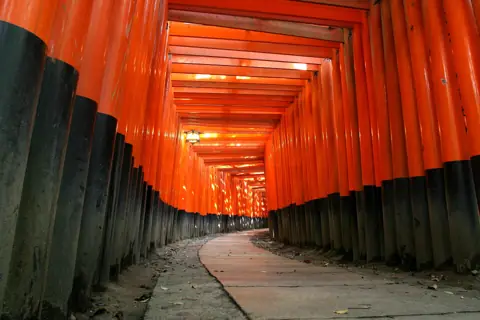 Kyoto · 9 km
Fushimi Inari-taisha →
Fushimi Inari-taisha is the head shrine of the Inari shrines, with about 30,000 shrines nationwide.
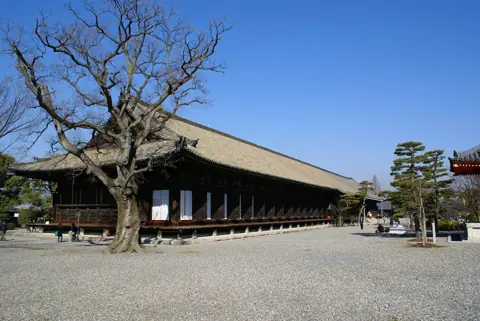 Kyoto · 11 km
Sanjusangendo Temple →
A historic temple famous for its long hall containing 1,001 statues of Kannon, the goddess of mercy.
 Uji · 11 km
Shoju-in →
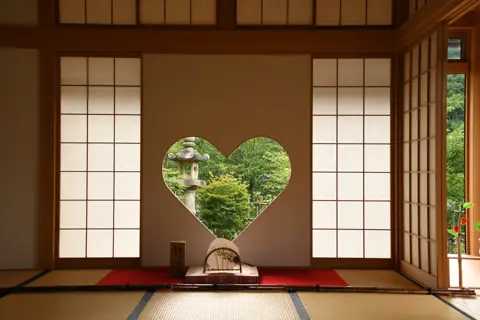
A quiet temple in the tea hills of Ujitawara famous for its heart-shaped inome window and 160 painted ceiling panels in the guest hall.
 Kyoto · 12 km
Kiyomizu-dera →
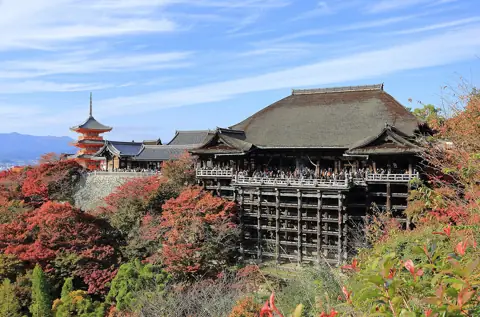
Walk up Kiyomizu-zaka to the Nio-mon gate for the main approach to Kiyomizu-dera. A second entrance is at the top of Chawan-zaka. Our day trip from Kyoto Station pairs the temple’s wooden stage with the gardens at Kodai-ji and lunch in Gion.
 Kyoto · 13 km
Nanzen-ji Temple →
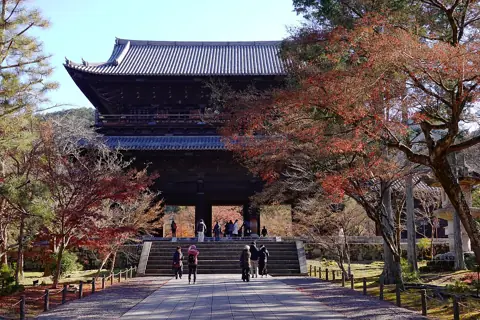
A prominent Zen temple known for its massive Sanmon gate and tranquil rock gardens.
 Nagaokakyo · 14 km
Yanagidani Kannon Yokoku-ji →
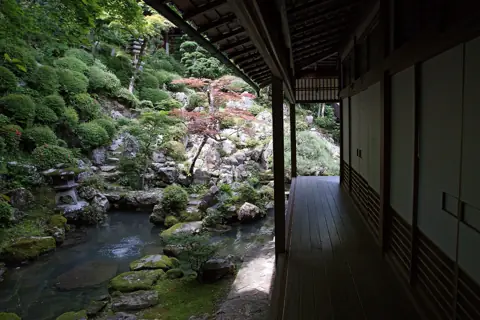
An ancient mountain temple in Nagaokakyo famed for eye-healing prayers and celebrated as the birthplace of seasonal flower-filled chozuya basins (hana-chozu).
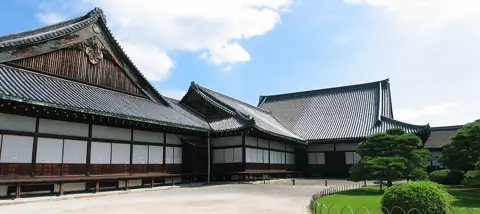 Kyoto · 14 km
Nijo-jo Castle →
A UNESCO World Heritage castle built by Tokugawa Ieyasu that witnessed the beginning and end of the Edo period.
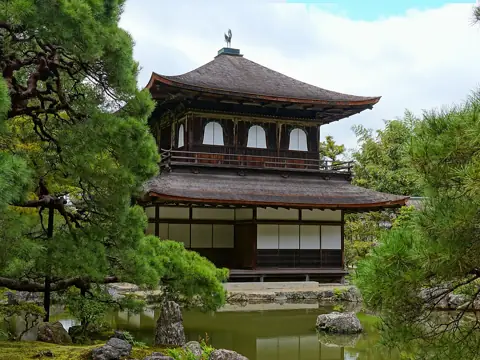 Kyoto · 15 km
Ginkaku-ji (Silver Pavilion) →
A villa built by Ashikaga Yoshimasa that represents Higashiyama culture, featuring a garden that embodies the wabi-sabi spirit.
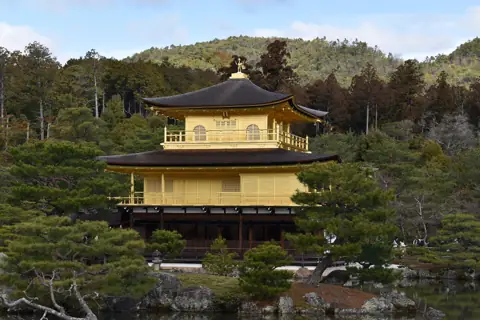 Kyoto · 18 km
Kinkaku-ji (Golden Pavilion) →
Built as a villa for the third Ashikaga shogun, Yoshimitsu, this temple is world-famous for its gold-leaf-covered Shariden (reliquary hall).
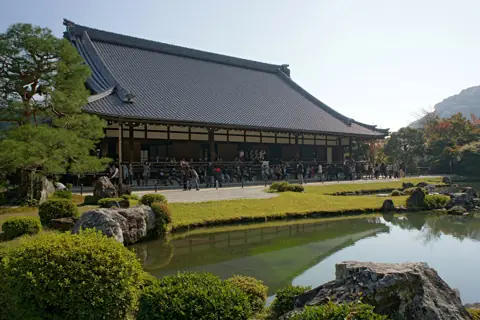 Kyoto · 18 km
Tenryu-ji Temple & Arashiyama Bamboo Grove →
A UNESCO World Heritage site and head temple of the Rinzai school, featuring the beautiful Sogenchi Pond Garden in harmony with the nature of Arashiyama.
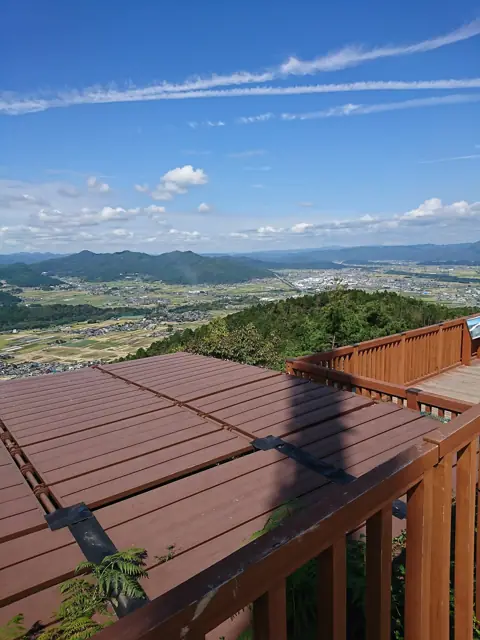 Kameoka · 25 km
Kameoka Mist Terrace →
A free hilltop observation deck on Mt. Ryugao in Kameoka overlooking the thick Tanba-giri sea of morning mist that fills the Kameoka Basin.


Distances are straight-line from the town centre. Each page has how to get there and a suggested day.
Questions people ask
- Where can I eat Uji's local dishes?
Cha-soba (green tea soba): Tsuen Tea (Higashi-Uji & Todo)
Cha-dango (green tea rice dumplings): Notonojo Inafusa Yasukane (Uji & Myoraku), Tsuen Tea (Higashi-Uji & Todo)
Uji matcha (whisked green tea): Tsuen Tea (Higashi-Uji & Todo)
Uji-kintoki (matcha shaved ice): Tsuen Tea (Higashi-Uji & Todo)
- Where can I see or buy Uji tea cultivation and processing, Braided silk cord making, Craft in Uji?
Uji tea cultivation and processing: Horii Shichimeien (Uji & Myoraku)
Braided silk cord making: Showen Kumihimo, Uji (Uji & Myoraku)
Craft: Asahiyaki shop & gallery (Higashi-Uji & Todo), Ryuhougama (Sumiyama), Kyoto Sumiyama Asakura Mokkou (Sumiyama)
- Which places in Uji open by 9 in the morning?
Yokoyama Coffee (Ogura & Shinmei, Tue–Sun 07:00–19:00)
Tamaki-tei (Obaku & Kohata, 8:00–18:45)
MONATIC COFFEE (Obaku & Kohata, Weekends 9:00–15:30 (last order 15:30, closes around 16:00))
- What can I visit on foot around Uji & Myoraku?
Uji tea cultivation and processing: Horii Shichimeien
Braided silk cord making: Showen Kumihimo, Uji
Sweets: Notonojo Inafusa Yasukane
Food: Antica Pizzeria L'ASINELLO, LovA
Cafés: OUTSTANDING COFFEE ROASTER, AMATISTA Coffee
Every place was checked to be open in November 2026. Hours can change, so please check the official site before you go.
If you like Uji
- Shizuoka
Shizuoka, Japan
For example, Kyoto Sumiyama Asakura Mokkou here, and Shimizu Kasuga Pottery Studio in Shizuoka.
- Matsue
Shimane, Japan
For example, Asahiyaki shop & gallery here, and Sodeshi Pottery in Matsue.
- Yamaga
Kumamoto, Japan
For example, Ryuhougama here, and Kajiyagama in Yamaga.
Chosen by how close the towns and their places are in what they make and serve.