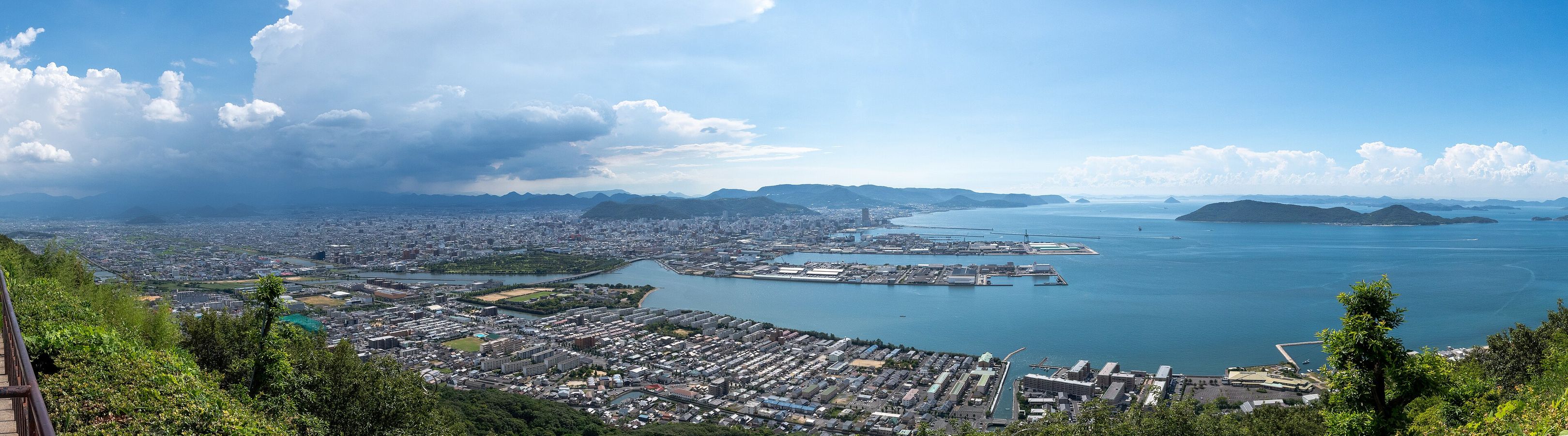
34.3° N
Takamatsu
Kagawa, Japan
A castle town on the Seto Inland Sea, where Takamatsu Castle draws seawater into its moats and Ritsurin Garden lies below Mount Shiun. Wasanbon studios and craft shops, with quiche and parfaits around the Marugamemachi arcade and Kitahama Alley, as the editors’ picks. The leaves at Ritsurin begin to turn in November.
Takamatsu, on film
4 sights and 9 places, each checked open in 2026, in 36 seconds.
Found somewhere you like? The map and the list below have the address, hours and official site.
Tap for sound
What to eat in Takamatsu
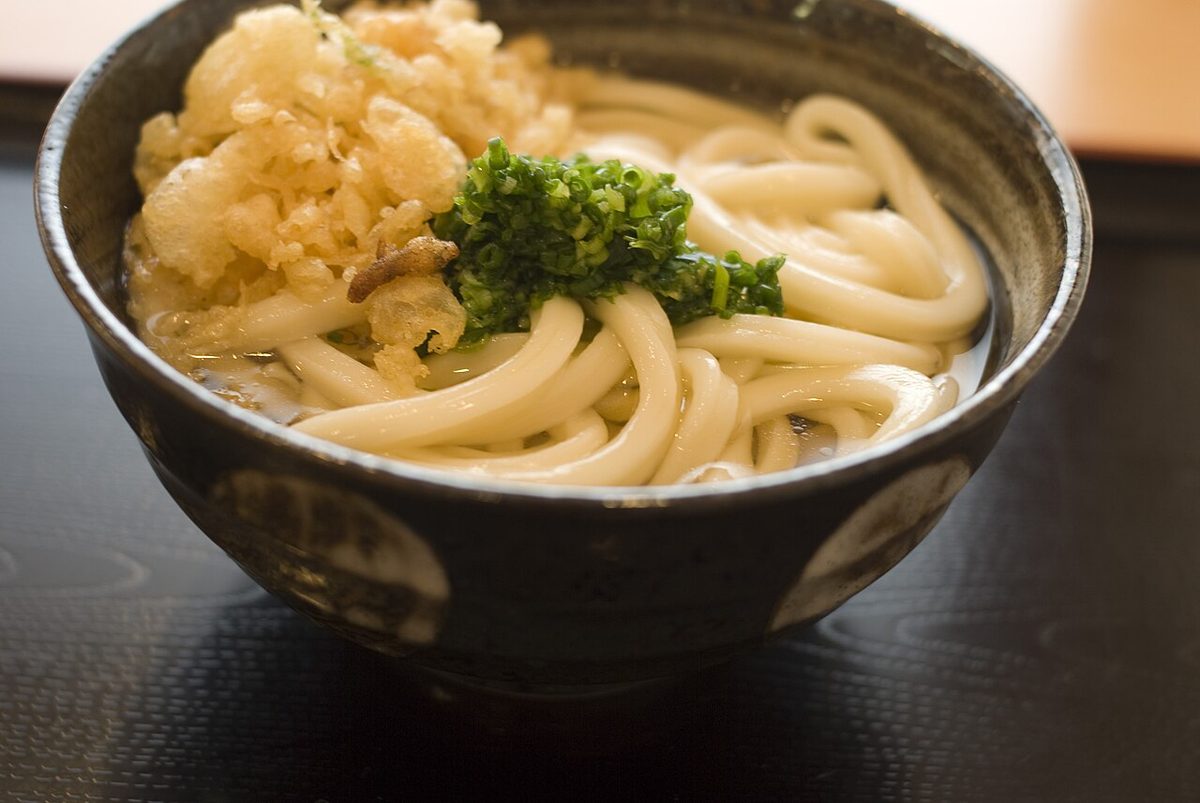
Photo: open-arms / CC BY 2.0 (Wikimedia Commons) Sanuki udon (firm Kagawa wheat noodles)
讃岐うどん
Sanuki udon are thick, firm wheat noodles served in clear broth made from dried iriko anchovies or topped directly with concentrated soy sauce and raw egg. Kagawa's dry climate suited wheat cultivation, and the region supplied wheat, Setouchi salt, Shodoshima soy sauce, and iriko, making udon shops common from the Edo period onward.
Locals eat it from early morning through midday at self-service shops, warming noodles in a basket and adding broth, green onions, and tempura, or late at night as curry udon.
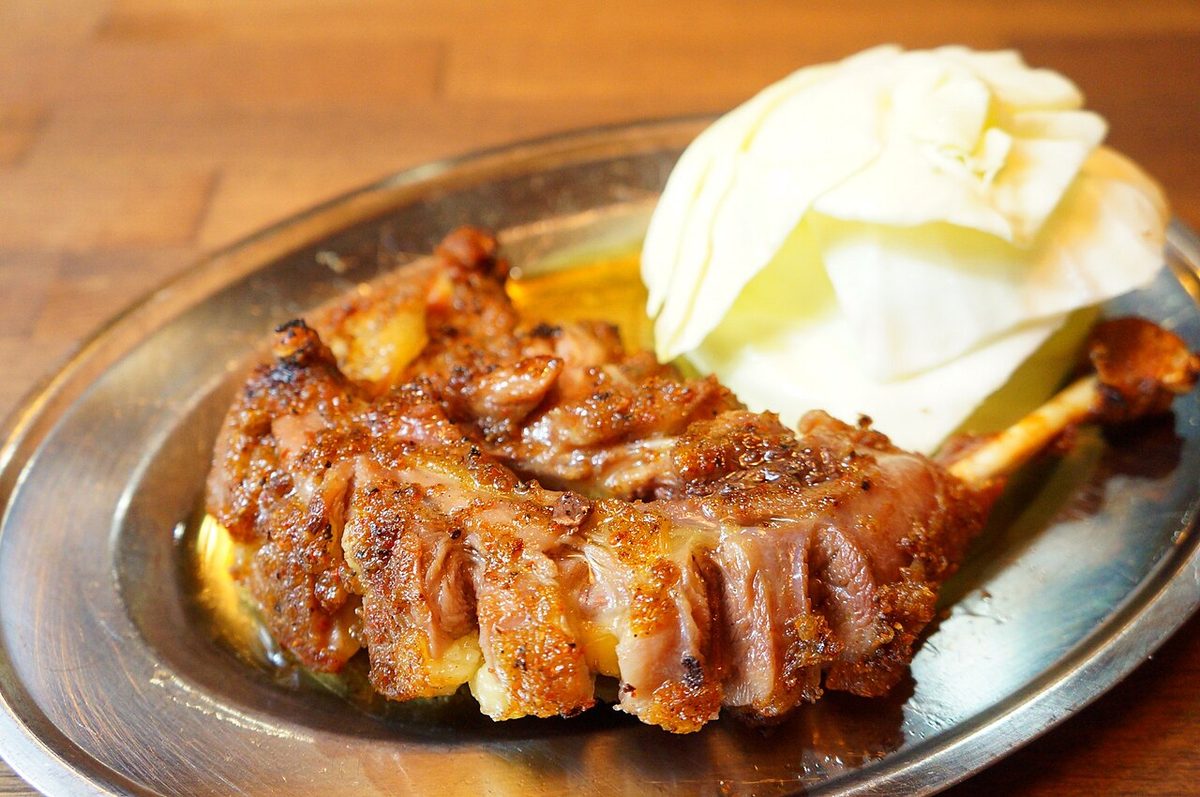
Photo: Yurie Matsunaga / CC BY-SA 4.0 (Wikimedia Commons) Honetsuki-dori (spiced roast bone-in chicken leg)
骨付鳥
Honetsuki-dori is a whole bone-in chicken leg seasoned with garlic, salt, and black pepper and oven-roasted until the skin is crisp, offered as firm, savoury oya-dori or tender, juicy hina-dori. Created in neighbouring Marugame in 1953, it spread across Kagawa and became a staple evening dish in downtown Takamatsu.
Ordered at dinner with cabbage and rice balls or torimeshi, which diners dip into the spiced chicken fat left on the plate.
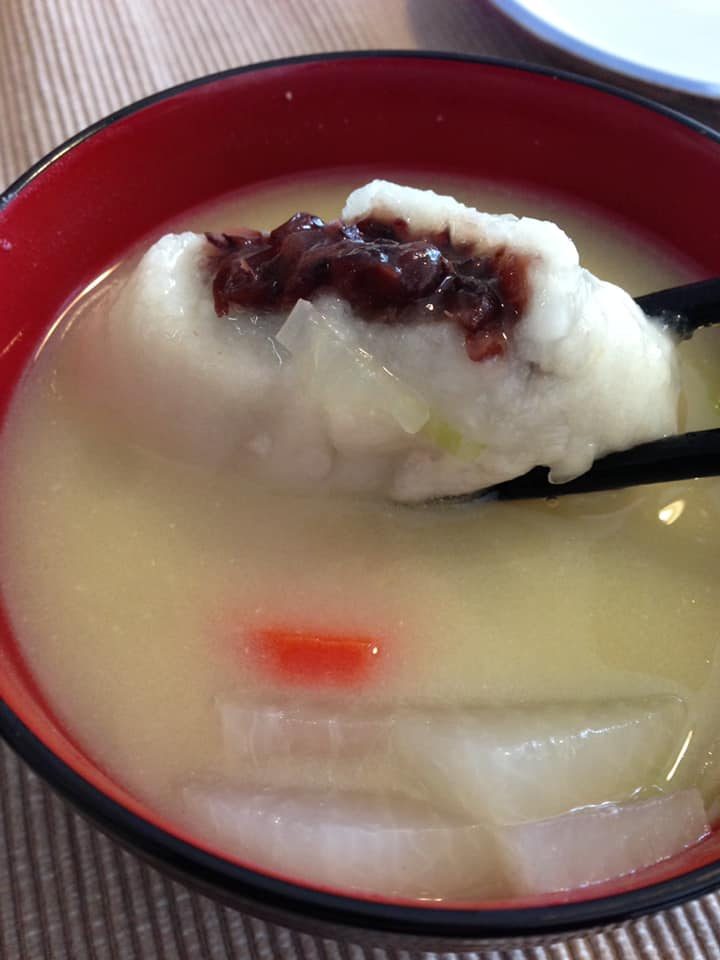
Photo: Xanthippespert / CC BY-SA 4.0 (Wikimedia Commons) Anmochi zoni (white miso soup with sweet bean-paste mochi)
あん餅雑煮
Anmochi zoni is a white miso and iriko-dashi soup containing sliced daikon and carrot alongside a round rice cake filled with sweet red bean paste. It developed from Edo-period Sanuki's sugarcane industry, when refined sugar was an expensive local product that ordinary households saved for New Year's.
Traditionally eaten at New Year, though Takamatsu sweet shops serve it year-round alongside shoyu-mame beans.
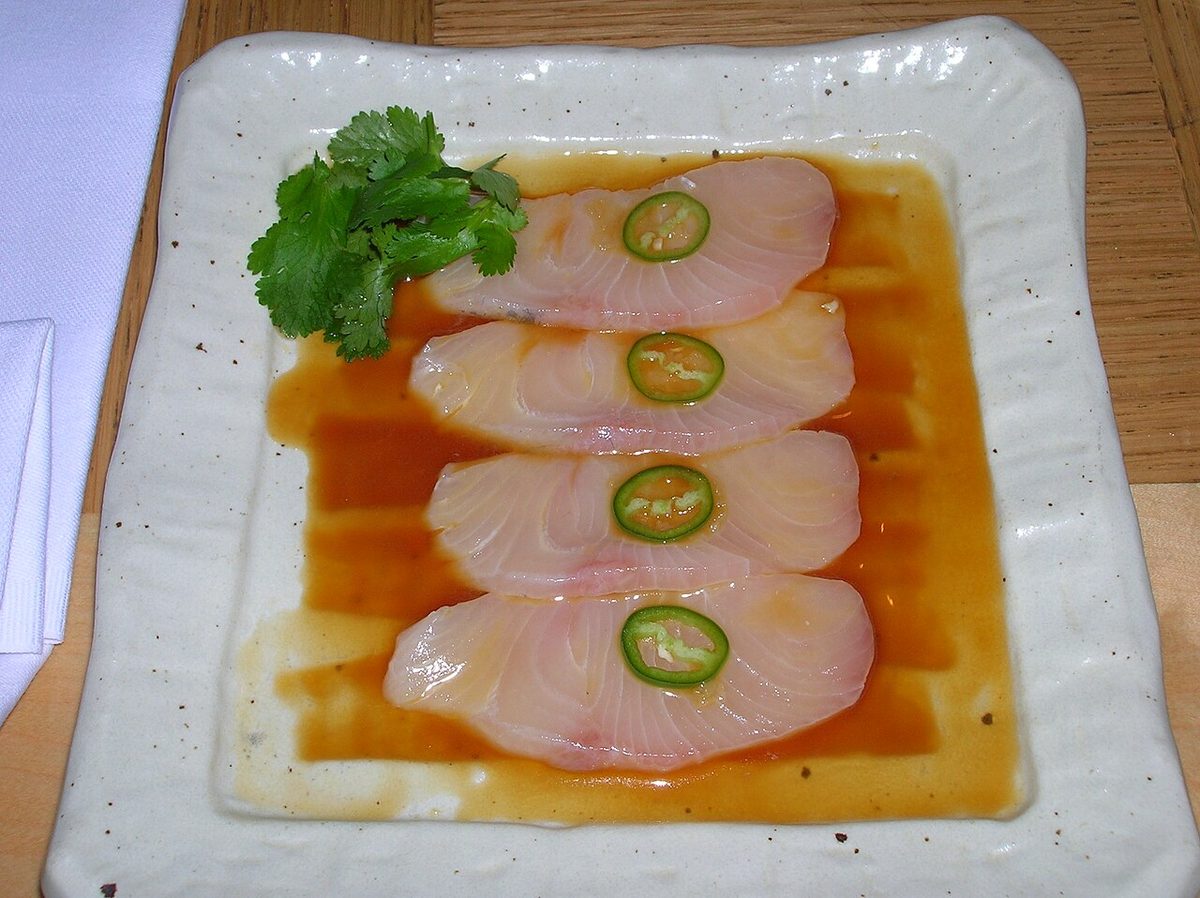
Photo: Tzahy Lerner / CC BY-SA 3.0 (Wikimedia Commons) Olive hamachi (olive-leaf-fed yellowtail)
オリーブハマチ
Olive hamachi is farmed yellowtail raised on feed mixed with dried, powdered leaves from Kagawa's olive groves, giving the fish a clean finish and firm flesh that resists discolouration. Kagawa pioneered yellowtail aquaculture in 1928 and olive cultivation on Shodoshima in 1908, bringing both local industries together in this seasonal catch.
Available from mid-September to mid-January and eaten as sashimi, sushi, or marinated zuke-don rice bowls.(Sep–Jan)
The LATITUDE editors’ 9 picks in Takamatsu
Our editors verified that these places were open (checked 2026-11-19). Check the official site for hours and closing days before visiting. Sponsored listings are marked.
Save places to your trip list and revisit them in this browser. No account needed.
Editors’ picks on the map — or build your own route
Tap a mark to see the place; squares are museums and sights (landmarks). Use “Build your own route” to make a walk of your own.
Loading the map
Map data © OpenStreetMap contributors
Browse by category
1 / 10
Kitahama Alley
206 TSU MA MU
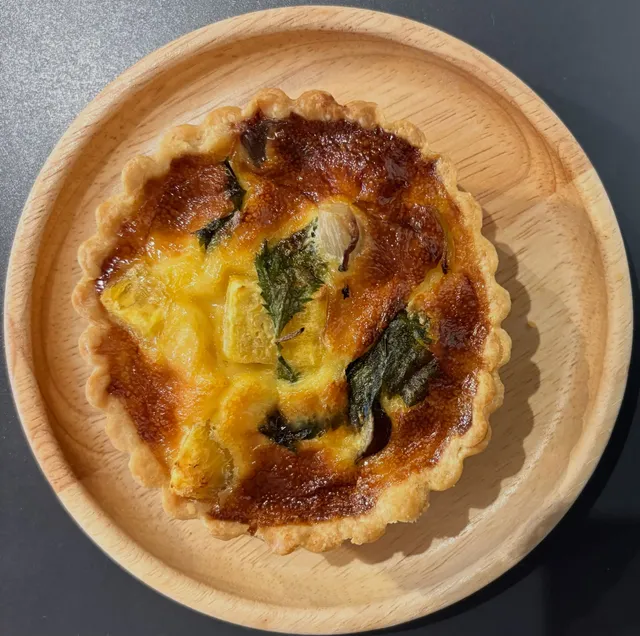
Photo: the shop’s official page A quiche specialist in Kitahama Alley. It opens around 11 once the quiches are baked and closes around 4:30 when they run out. Closed Monday and Tuesday; open days are posted on Instagram.
Approx. 11:00–16:30 (until sold out) · Closed: Mondays & Tuesdays
Why the editors chose itA Kitahama Alley quiche specialist that opens once baked and closes when sold out.
Chuocho
CORSICA COFFEE DEVELOPMENT
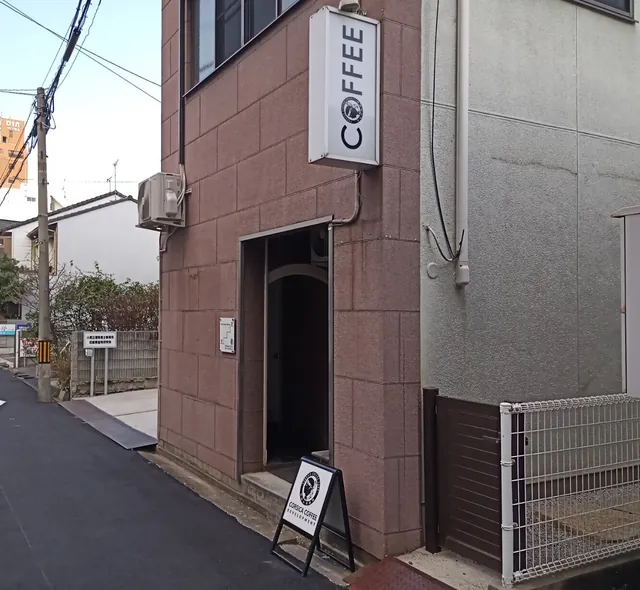
Photo: the shop’s official page A single-origin specialty coffee roastery established in 2011. It is known for its light-roast technique that emphasizes fruit-like sweetness.
Why the editors chose itA single-origin roastery since 2011 known for light roasts that draw out fruit-like sweetness.
Kotobukicho
Okashidokoro Minatoya
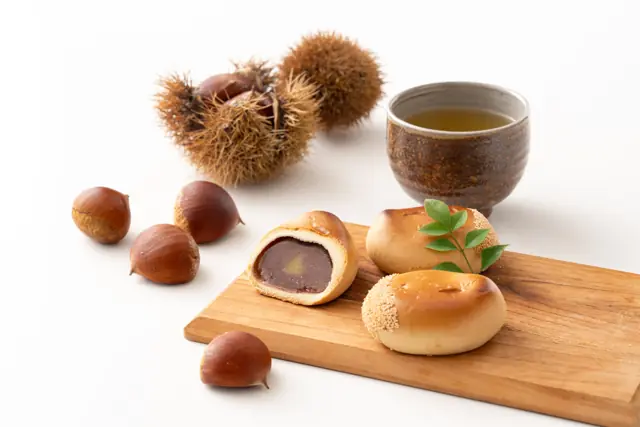
Photo: the shop’s official page 御菓子処 湊屋
A wagashi shop in Kotobukicho since 1953. It still sells Ritsurin no Kuri, a chestnut sweet named after Ritsurin Garden, in its original form. There is a café too. Open 9 to 6; closed on Wednesdays.
9:00–18:00 · Closed: Wednesdays (closed Thursday if public holiday)checked Nov 2026
Why the editors chose itA 1953 wagashi shop still making its original Ritsurin chestnut sweet, with a café inside.
Kawaramachi
Sanbiki no Kobuta
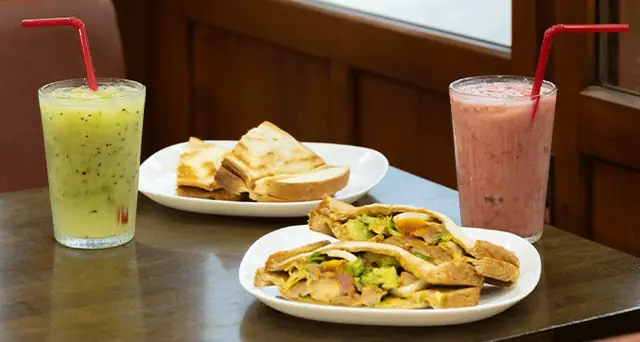
Photo: the shop’s official page 三びきの子ぶた
A café and fruit parlour two minutes on foot from Kawaramachi Station, begun as a greengrocer in 1948. Parfaits, cakes, sandwiches and hot sandwiches in over ten kinds. Open 11 to 7; closed on Tuesdays and Wednesdays.
11:00–19:00 · Closed: Tuesdays & Wednesdayschecked Nov 2026
Why the editors chose itBegun as a greengrocer in 1948, serving parfaits, cakes, and over ten hot sandwiches.
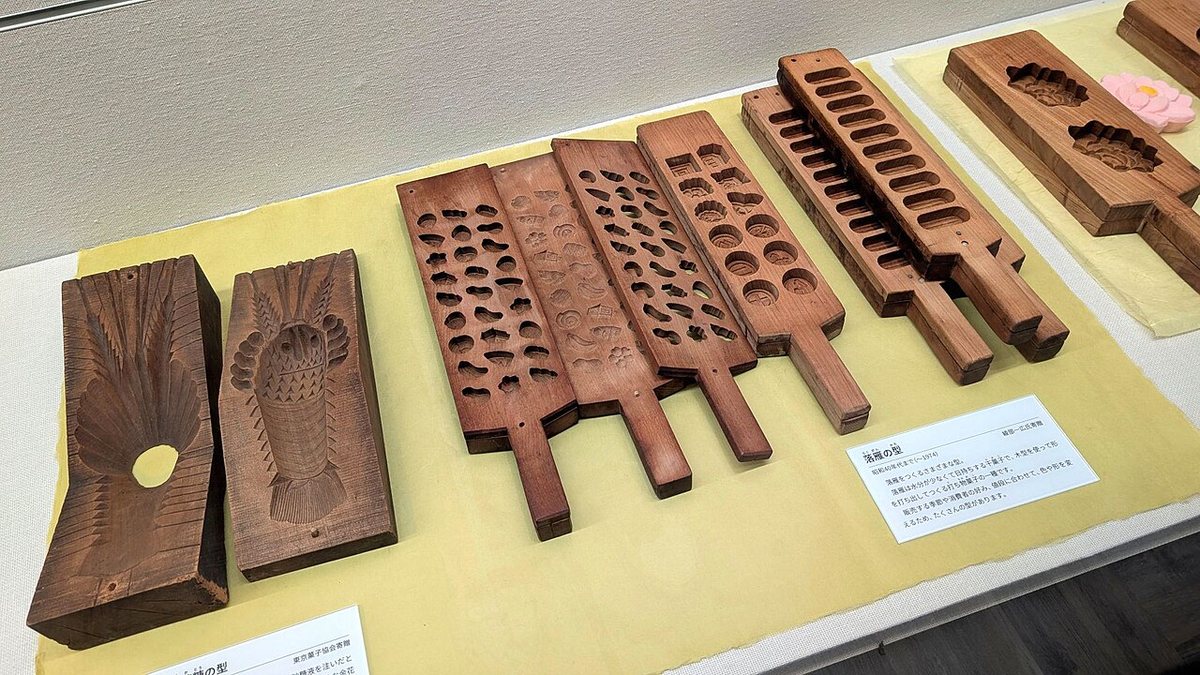
Made in Takamatsu
Wasanbon is a sugar made from a rare slender sugarcane called hosokibi. Takamatsu studios press it into hand-carved wooden molds and turn out dry sweets. Confectionery molds date from the Edo period and carry the seasons, flowers and birds. Mold carvers have dwindled; Mamehana's site says Yoshihiro Ichihara is the only one left in Shikoku.
Carved wooden molds for pressing wasanbon sugar sweets·Photo: Souka Kinmei / CC BY 4.0 (Wikimedia Commons)
Ritsurin
Mamehana (Kigata Kobo Ichihara)
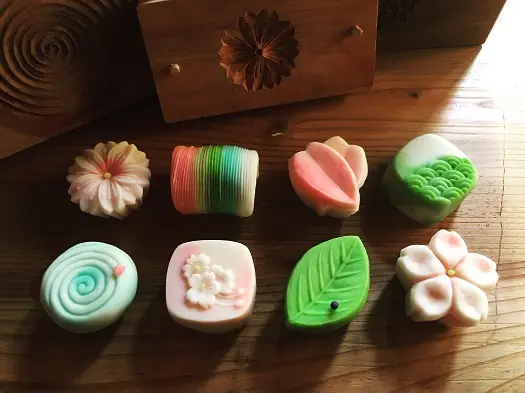
Photo: the shop’s official page 木型工房 市原・豆花
A workshop room where you make wasanbon sweets and nerikiri with wooden confectionery molds, started by Ayumi Uehara in 2009. By reservation; closed on Thursdays.
10:00–17:00 · Closed: Thursdayschecked Nov 2026
Why the editors chose itA reservation-only studio where visitors press wasanbon sweets and nerikiri using traditional wooden molds.
Ritsurin
Hiyori Wasanbon
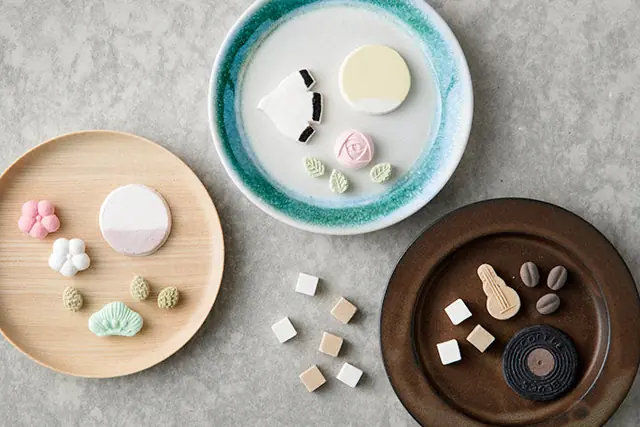
Photo: the shop’s official page HIYORI WASANBON 日和制作所
A studio making dry sweets from hand-carved wooden molds and handmade wasanbon sugar. In front of the Ritsurin Garden entrance it runs a tea stand and a shop with a gallery, open 11 to 5; days off are posted on Instagram.
11:00–17:00 · Closed: Open every day (irregular closures via Instagram)checked Nov 2026
Why the editors chose itRight before Ritsurin Garden, offering tea and dry sweets shaped with hand-carved wooden molds.
Kitahama Alley
kitahama blue stories
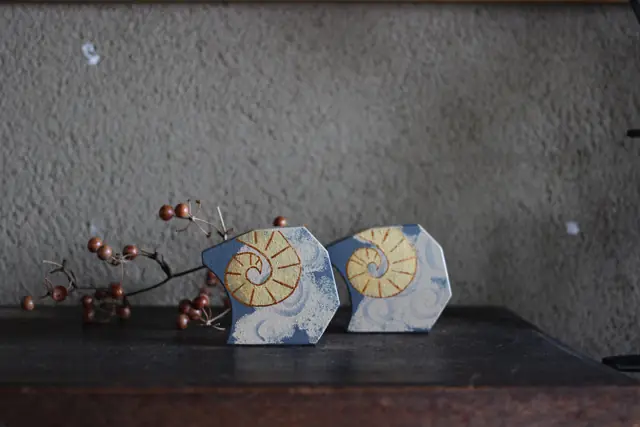
Photo: the shop’s official page A gallery shop in Kitahama Alley with vessels, glass, lacquer, woodwork, leather and cloth by makers from Kagawa and the Seto Inland Sea, and regular exhibitions. Open 11 to 6, closed on Tuesdays. A move to Mure is planned for spring 2027.
11:00–18:00 · Closed: Tuesdayschecked Nov 2026
Why the editors chose itA Kitahama Alley gallery shop gathering vessels, glass, lacquer, and woodwork by Setouchi makers.
Marugamemachi
Machi no Schule 963
Photo: the shop’s official page まちのシューレ963
A shop on the second floor of the Marugamemachi Sanbangai East Building showing tableware and lacquerware by makers, with a changing programme of exhibitions and a café. Open 11 to 7; closed on the third Monday.
Shop 11:00–19:00, Cafe Mon–Thu 11:30–18:00 (last order 17:30), Fri–Sun 11:30–20:30 (last order 19:30) · Closed: 3rd Monday (alternate day if public holiday)
Why the editors chose itA second-floor Marugamemachi shop showing makers' ceramics and lacquerware, with changing exhibitions and a café.
Matsufukucho, Takamatsu
Rie Glass Garden

Photo: the shop’s official page Glassmaker Rie Sugiyama creates Aji Stone Glass and Olive Glass reflecting the Seto Inland Sea scenery.
Why the editors chose itGlassmaker Rie Sugiyama crafts Setouchi-inspired pieces using local Aji stone and olive ash.
Sights in Takamatsu
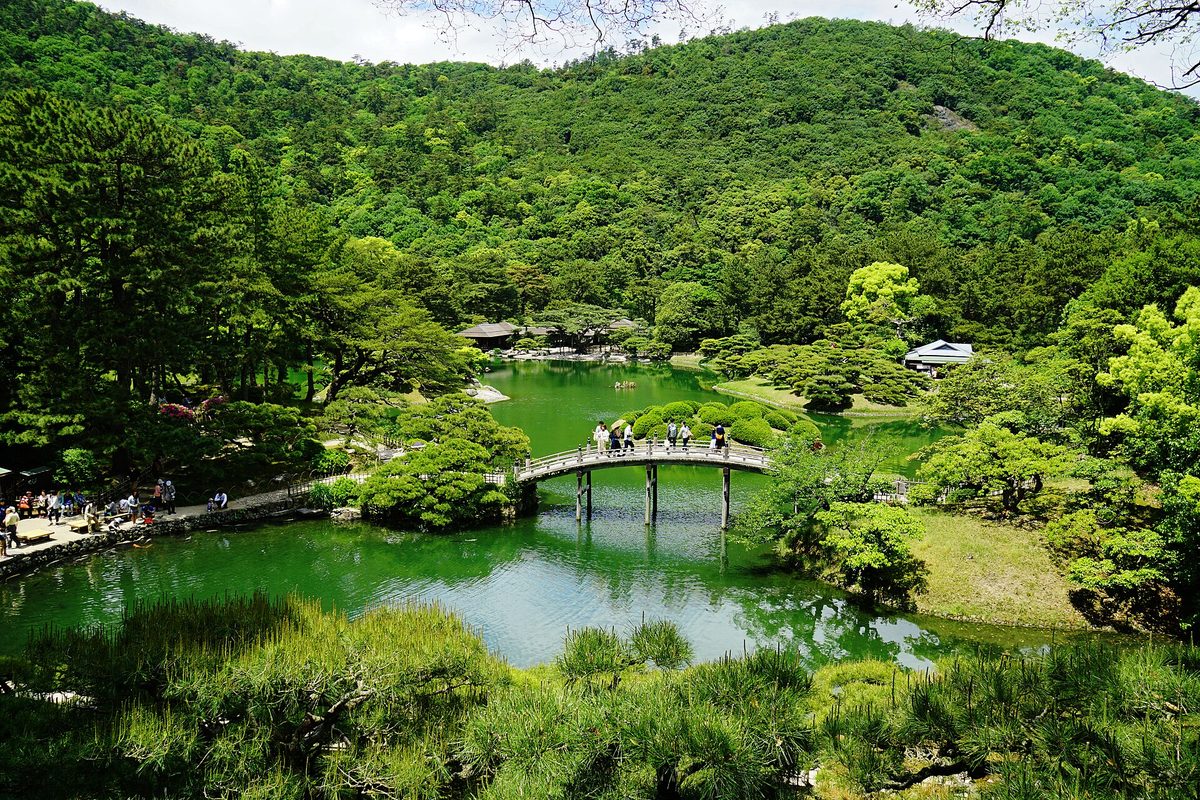
Photo: 663highland / CC BY 2.5 (Wikimedia Commons) A daimyo garden that was a villa of the Matsudaira lords of Takamatsu.
Open every day. In November, 6:30 am to 5 pm. There are no lights in the garden, and it is dark 30 minutes after sunset.
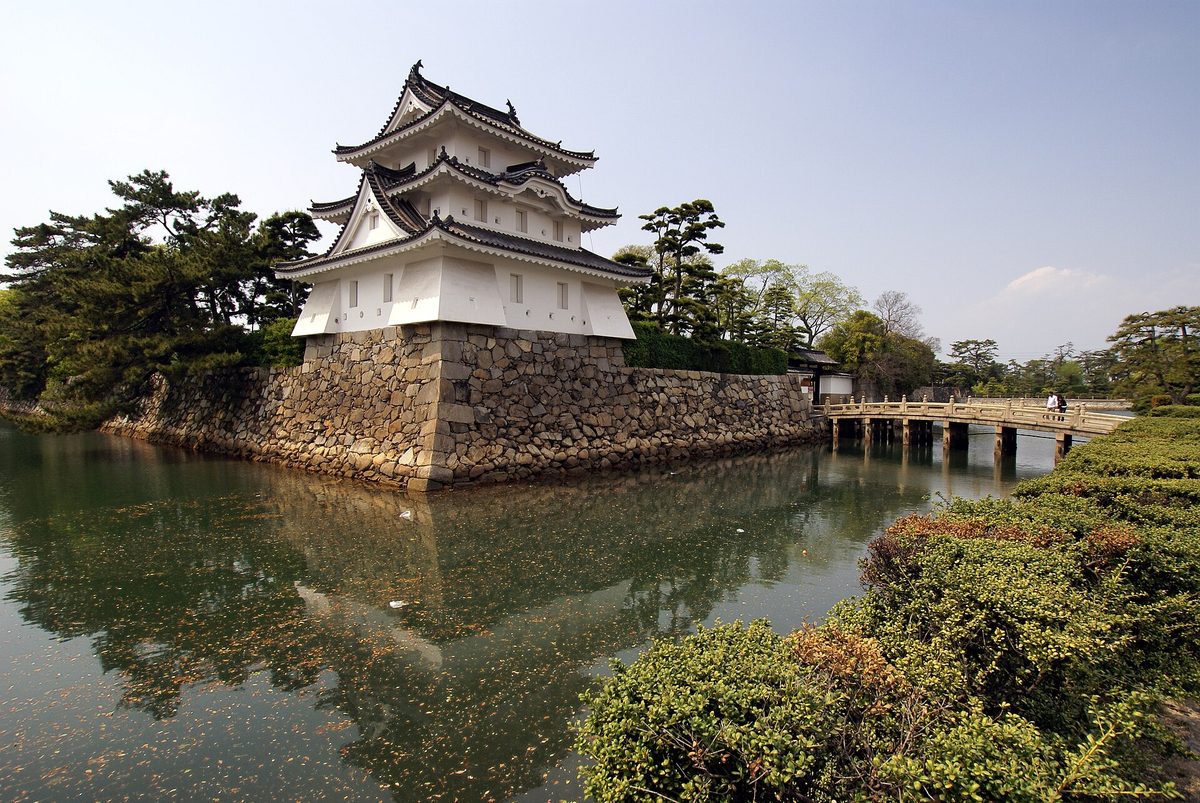
Photo: 663highland / CC BY 2.5 (Wikimedia Commons) Tamamo Park (Takamatsu Castle Ruins)
The site of a sea castle built by Ikoma Chikamasa in 1588, with seawater drawn into every moat.
Closed 29 to 31 December. In November the west gate is open 6:30 am to 5 pm and the east gate 8:30 am to 5 pm.
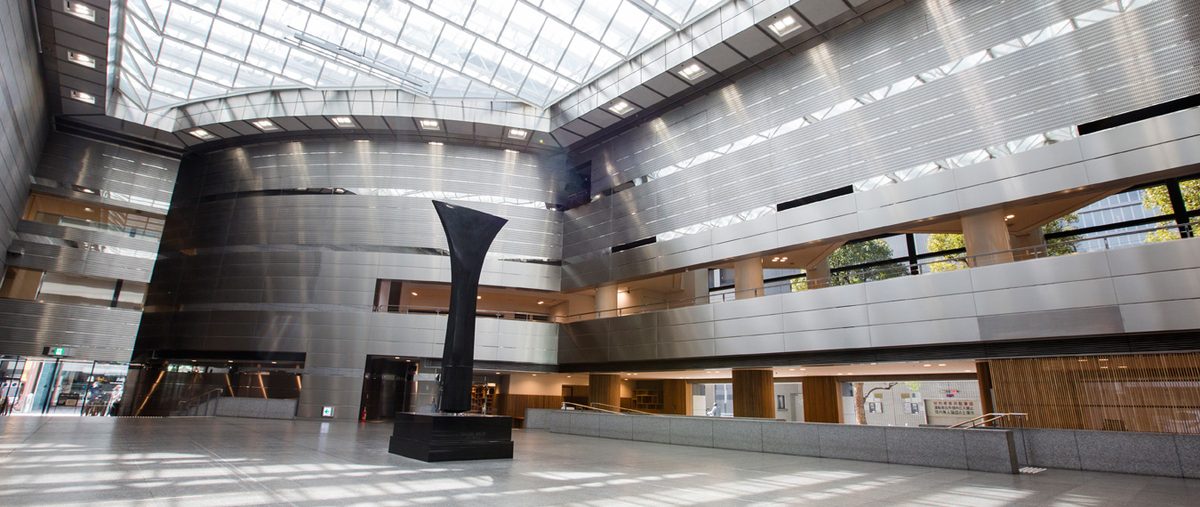
Photo: official site The municipal art museum of Takamatsu in Konyamachi, holding collection shows and special exhibitions.
Closed on Mondays (the next weekday if a holiday). Open 9:30 am to 5 pm. The special exhibition Ugoku! (Moving) runs to 29 November, and is open until 7 pm on Fridays and Saturdays during it.
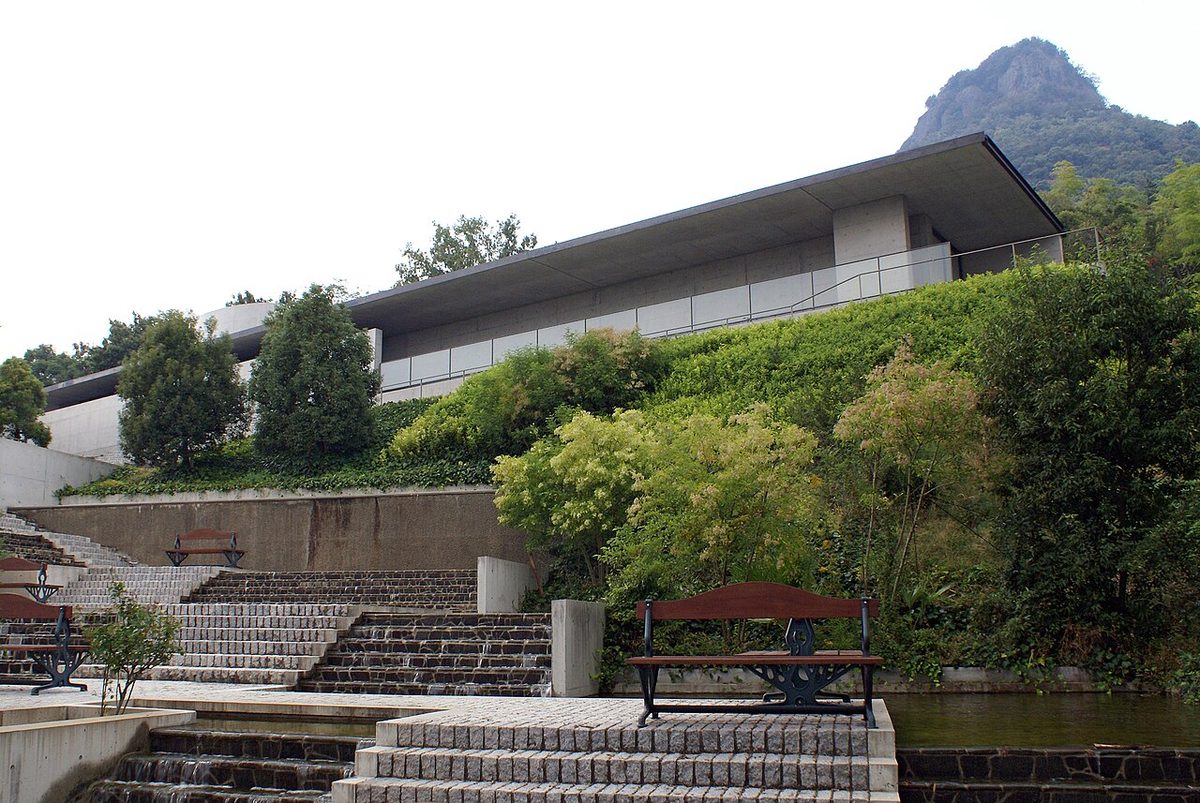
Photo: 663highland / CC BY 2.5 (Wikimedia Commons) An open-air museum at the foot of Yashima, with 33 buildings moved from the four prefectures of Shikoku: houses, rice stores and a soy sauce brewery from the Edo to Taisho periods.
Closed on Tuesdays (the next day if a holiday). Open 9:30 am to 5 pm; last entry 4:30 pm.
These are local landmarks. Each was checked to be open on its official site (checked 2026-11-17). Please confirm hours before you go.
Beyond Takamatsu
1 / 4
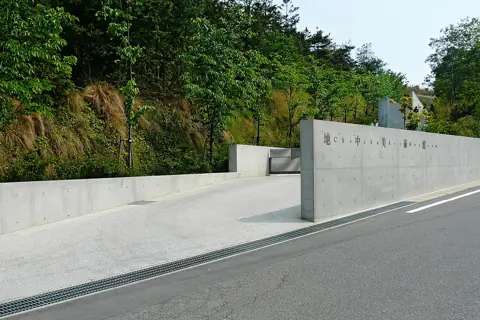 Naoshima · 13 km
Chichu Art Museum →
An art museum designed by Tadao Ando, with most of the structure built underground to harmonize with the nature of the Seto Inland Sea.
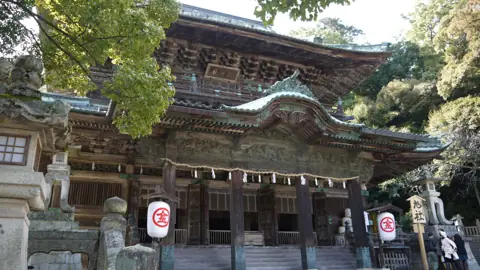 Kotohira · 28 km
Kotohira-gu Shrine →
A historic shrine known as the guardian god of the sea, located on the mountainside of Mt. Zozu.
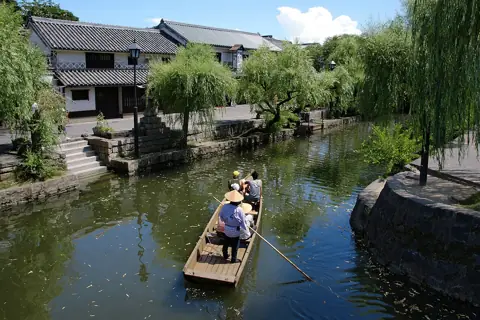 Kurashiki · 38 km
Kurashiki Bikan Historical Quarter →
In this area of Okayama, traditional white-walled merchant houses and storehouses from the Edo period line the canal, perfect for strolling through history.
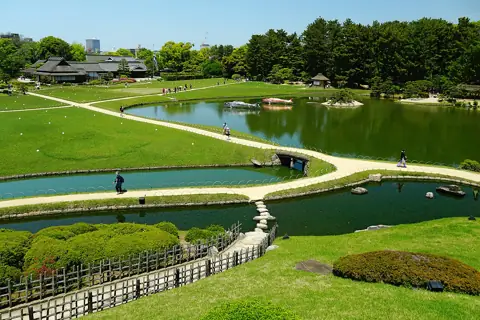 Okayama · 38 km
Okayama Korakuen Garden →
Okayama Korakuen Garden is one of the leading daimyo gardens representing the Edo period.


Distances are straight-line from the town centre. Each page has how to get there and a suggested day.
Questions people ask
- Where can I see or buy Sanuki Wasanbon sugar & wooden molds, Craft in Takamatsu?
Sanuki Wasanbon sugar & wooden molds: Mamehana (Kigata Kobo Ichihara) (Ritsurin), Hiyori Wasanbon (Ritsurin)
Craft: kitahama blue stories (Kitahama Alley), Machi no Schule 963 (Marugamemachi), Rie Glass Garden (Matsufukucho, Takamatsu)
Every place was checked to be open in November 2026. Hours can change, so please check the official site before you go.
If you like Takamatsu
- Odawara
Kanagawa, Japan
For example, kitahama blue stories here, and Utsuwa Nanohana in Odawara.
- Naha
Okinawa, Japan
For example, kitahama blue stories here, and Kakuman Lacquerware in Naha.
- Tottori
Tottori, Japan
For example, Mamehana (Kigata Kobo Ichihara) here, and Inshu Nakaigama in Tottori.
Chosen by how close the towns and their places are in what they make and serve.