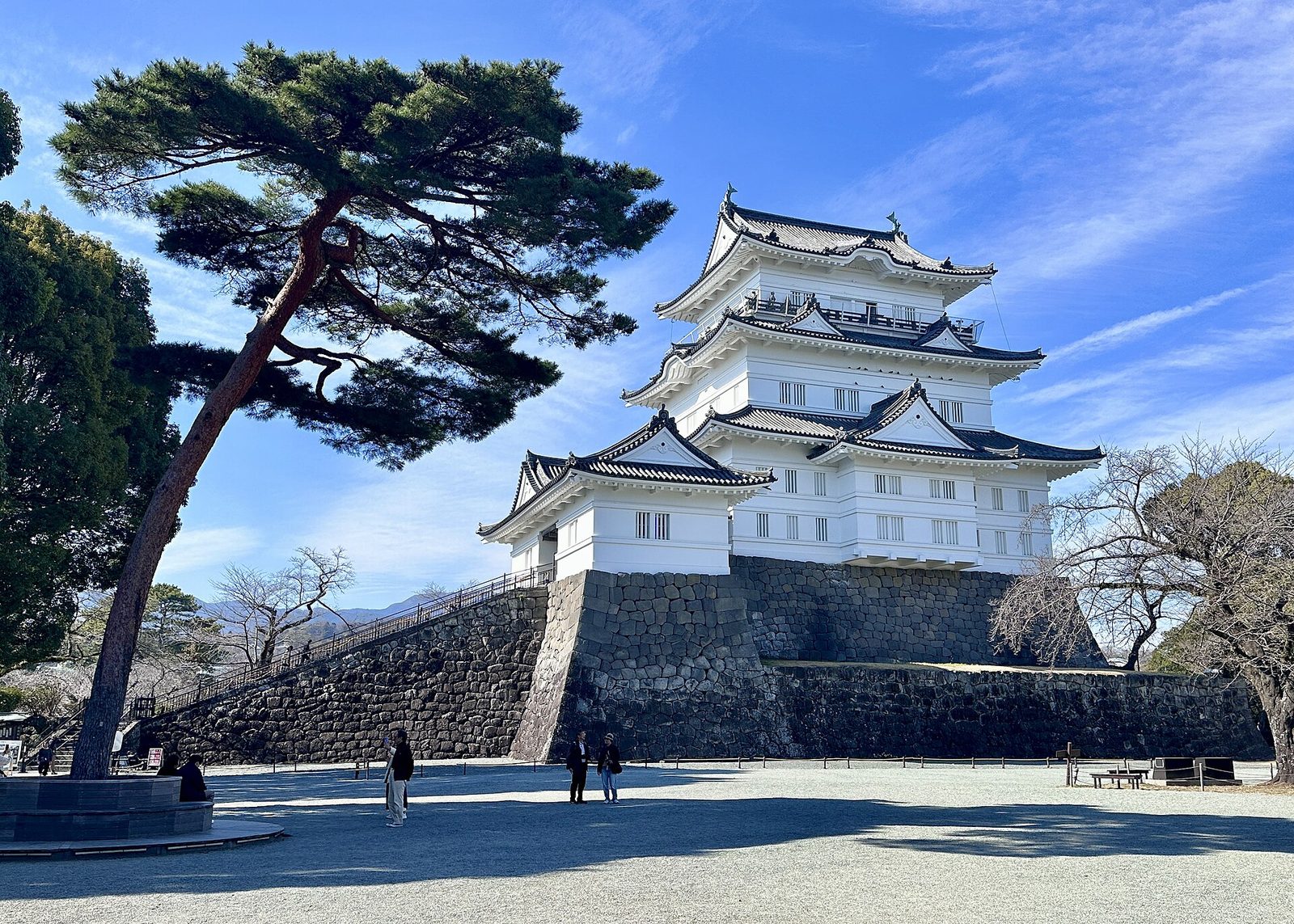
35.3° N
Odawara
Kanagawa, Japan
A castle town of the Hojo lords on Sagami Bay, later a post town on the Tokaido. Wooden bowls and yosegi marquetry, harbour fish, sweets and coffee: the editors’ picks. Spring brings cherry blossom to the castle park.
Odawara, on film
3 sights and 16 places, each checked open in 2026, in 45 seconds.
Found somewhere you like? The map and the list below have the address, hours and official site.
Tap for sound
What to eat in Odawara
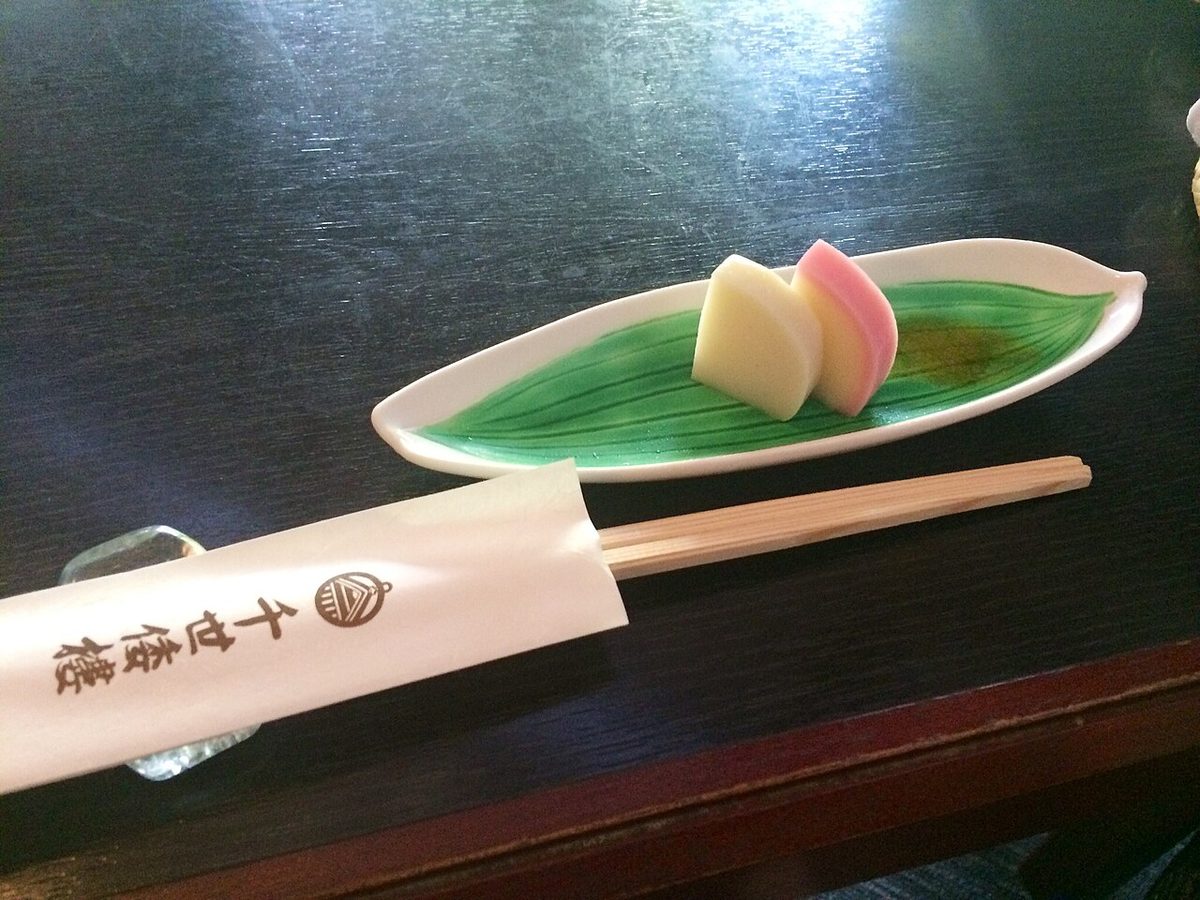
Photo: 小田原 (Odawara) / CC BY-SA 4.0 (Wikimedia Commons) Odawara kamaboko (steamed fish cake)
小田原かまぼこ
Odawara kamaboko is a firm, bouncy steamed fish cake shaped on a small wooden board, made primarily from white-fleshed croaker (guchi). The craft developed along the old Tokaido post road in the Edo period, using fish from Sagami Bay and mineral-rich groundwater from the Hakone and Tanzawa mountains.
Eat sliced cold as itawasa with soy sauce and wasabi, or warm off the skewer as fried fish-cake fritters along Kamaboko-dori.
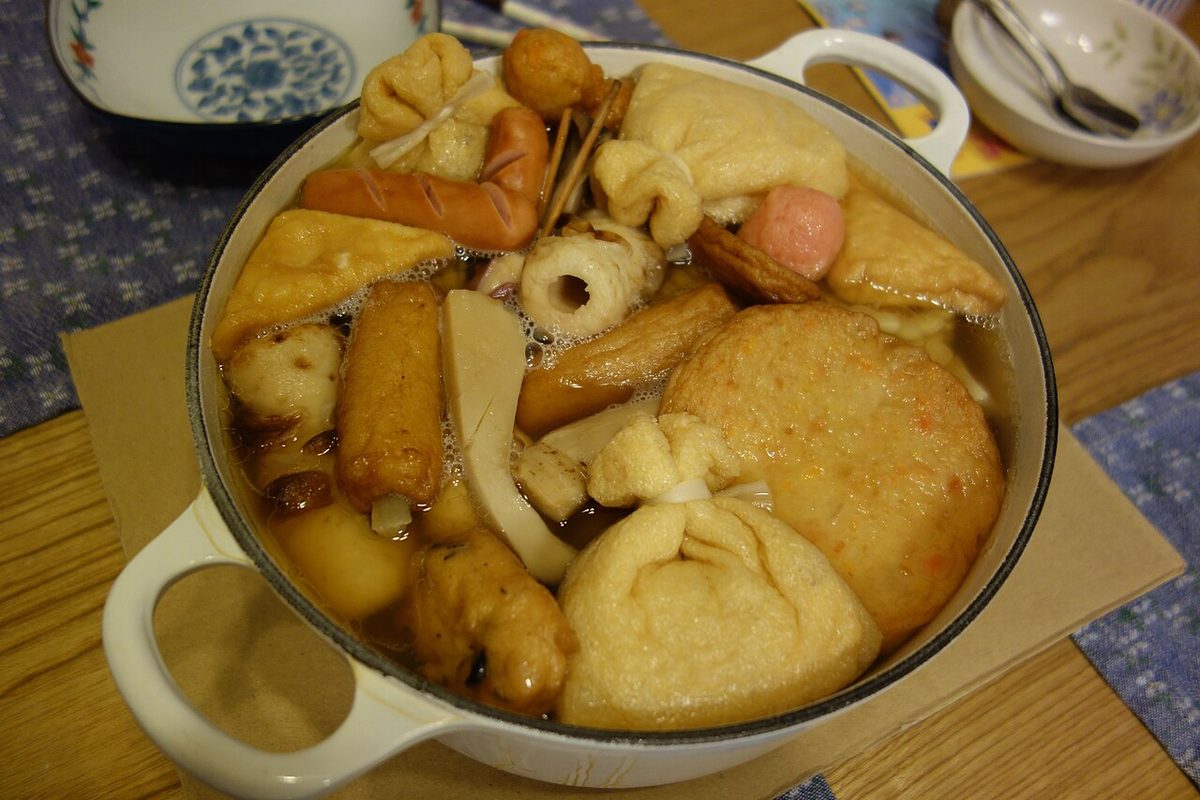
Photo: pelican / CC BY-SA 2.0 (Wikimedia Commons) Odawara oden (simmered fish-cake hot pot)
小田原おでん
Odawara oden is a regional simmered pot dish made with fish-paste cakes and dumplings contributed by Odawara's local kamaboko makers, poached in a light bonito and kelp broth. Instead of standard mustard alone, it is paired with ume miso made from Odawara's local plums.
Order selected pieces at the counter or as a lunch set over tea-steeped rice, dabbing each piece with plum miso.
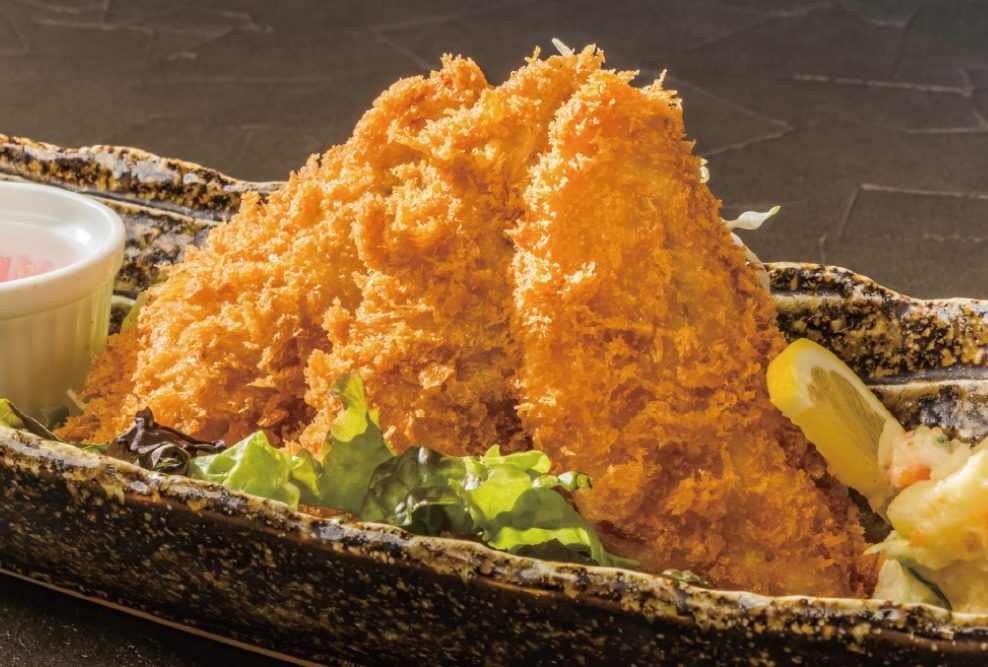
Photo: わらべ菜魚洞 (Warabe Saigyodo) (official site) Odawara aji (Sagami Bay horse mackerel)
小田原のアジ
Resident horse mackerel (netsuki-aji) caught off Odawara's rocky Sagami Bay coast grow plump on abundant plankton and have been designated the city's official fish. Odawara is widely credited as the birthplace of aji-no-tataki (chopped horse mackerel sashimi) and is a centre for thick-cut aji-fry.
Eaten at lunch near Hayakawa Fishing Port or Odawara Station as rare or crispy panko-breaded aji-fry, sashimi, or tataki set meals.(Apr–Jun)
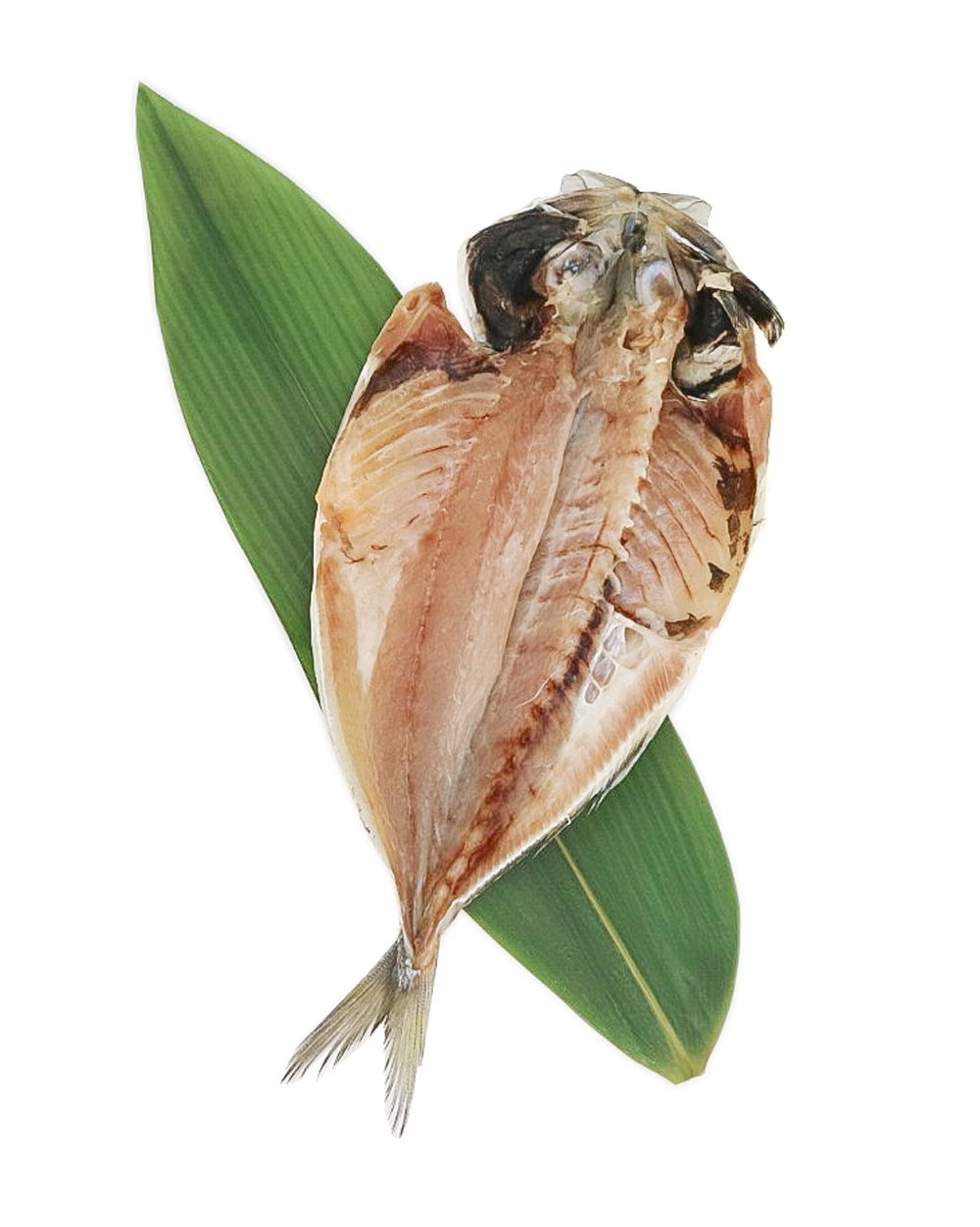
Photo: 干物専門店 早瀬のひもの (Himono Stand Hayase / Hayase no Himono) (official site) Odawara himono (sun-dried fish)
小田原の干物
Odawara himono is split, lightly salted fish such as horse mackerel, barracuda, and alfonsino, dried to keep the flesh plump rather than stiff. The preservation method grew in Edo-period Odawara when coastal fishermen processed surplus catches from Sagami Bay in the sea breeze and mountain groundwater.
Grilled over charcoal or a broiler and eaten hot with steamed rice and miso soup as a set meal or bento.
The LATITUDE editors’ 16 picks in Odawara
Our editors verified that these places were open (checked 2026-11-19). Check the official site for hours and closing days before visiting. Sponsored listings are marked.
Save places to your trip list and revisit them in this browser. No account needed.
Editors’ picks on the map — or build your own route
Tap a mark to see the place; squares are museums and sights (landmarks). Use “Build your own route” to make a walk of your own.
Loading the map
Map data © OpenStreetMap contributors
Browse by category
1 / 18
Hayakawa
Il Mare
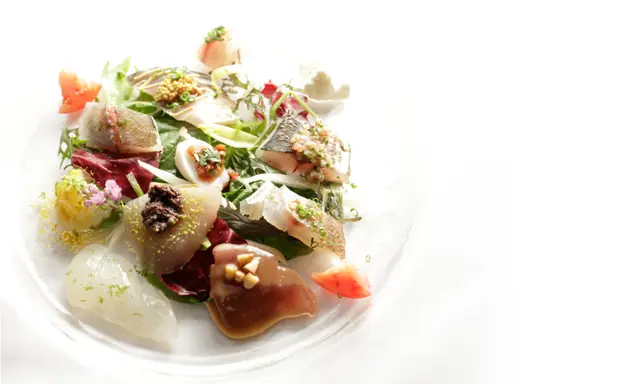
Photo: the shop’s official page イルマーレ
An Italian restaurant overlooking Odawara Fishing Port. Its daily set courses use fish bought at the morning auction and ingredients from partner farms.
Tue–Sat 12:00–15:00 (last order 14:00), 17:30–22:00 (last order 20:30); Sun 12:00–15:00 (last order 14:00), 17:30–22:00 (last order 19:00) · Closed: Mondays (open on public holidays, closed the following day)
Why the editors chose itOverlooks Odawara Fishing Port, serving a daily chef's course built around fish from the morning auction.
Sakaecho
Sobadokoro Hashimoto
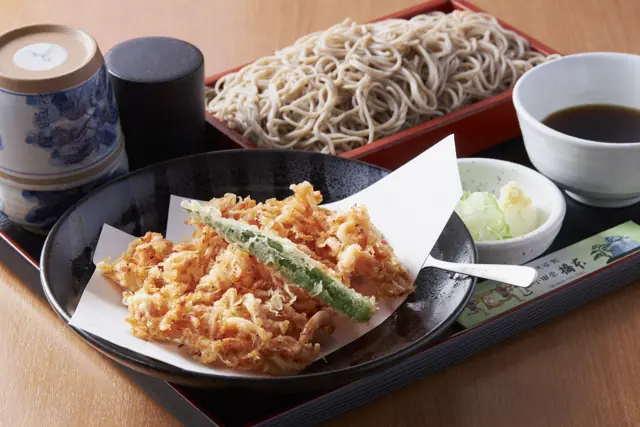
Photo: the shop’s official page そば処 橋本
A soba shop founded in 1848. Its nihachi noodles use buckwheat from Moshiri in Hokkaido, served with a dipping broth of aged kaeshi and bonito.
11:00–17:00 · Closed: New Year's Daychecked Nov 2026
Why the editors chose itOpen since 1848, serving nihachi soba made from Hokkaido's Moshiri buckwheat with aged dipping broth.
Sakaecho
French Shokudo iTToku
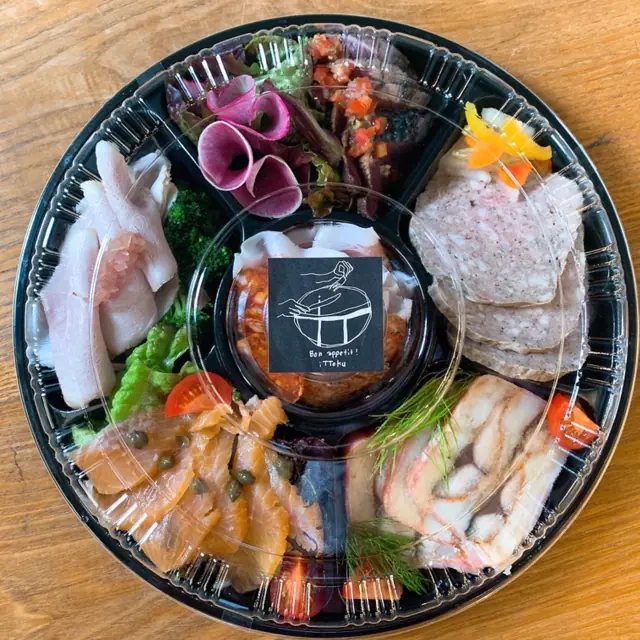
Photo: the shop’s official page フレンチ食堂 iTToku
A French restaurant in Sakaecho run by the former head chef of Fujiya Hotel’s Fusion Dining F. Lunch pairs a choice of starter and main with soup and house-made bread.
11:30–14:00 (last order 13:00), 18:00–22:00 (last order 21:00) · Closed: Sundays (irregularly open), Mondays, and Tuesdays
Why the editors chose itRun by a former Fujiya Hotel head chef, with lunch offering a chosen starter, main and house-made bread.
Itabashi
TEA FACTORY Joshunen
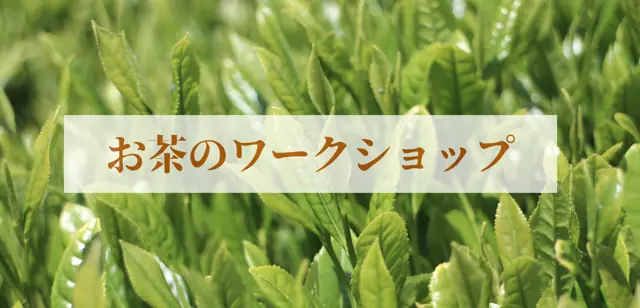
Photo: the shop’s official page TEA FACTORY 如春園
A tea factory and café in the former Shimoda tofu workshop. It makes Koyurugi black tea from leaves grown around Odawara, and serves South Indian spice curry at lunch.
11:30–17:00 (lunch 11:30–14:00, café 14:00–17:00) · Closed: Sundays and Mondays (irregular during first and second tea harvest seasons)
Why the editors chose itInside a former tofu workshop, pair locally grown Koyurugi black tea with South Indian spice curry at lunch.
Minamicho
Anbos Coffee Roaster
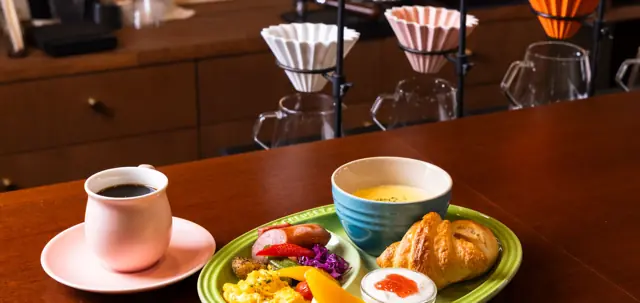
Photo: the shop’s official page A coffee roaster in Minamicho, serving hand-drip coffee and selling beans. Takeaway is available.
Mon, Thu–Sat 9:00–18:00, Sun 8:00–18:00 · Closed: Tuesdays and Wednesdays
Why the editors chose itRoasts its own beans for hand-drip coffee, with takeaway cups and whole beans ready to go.
Sakaecho
RANCH
A second-floor coffee shop in Sakaecho. Morning service runs from 8 to 10 am.
Why the editors chose itServing a morning menu from 8 to 10 am — an early stop in Sakaecho to start the day.
Odawara
nico cafe
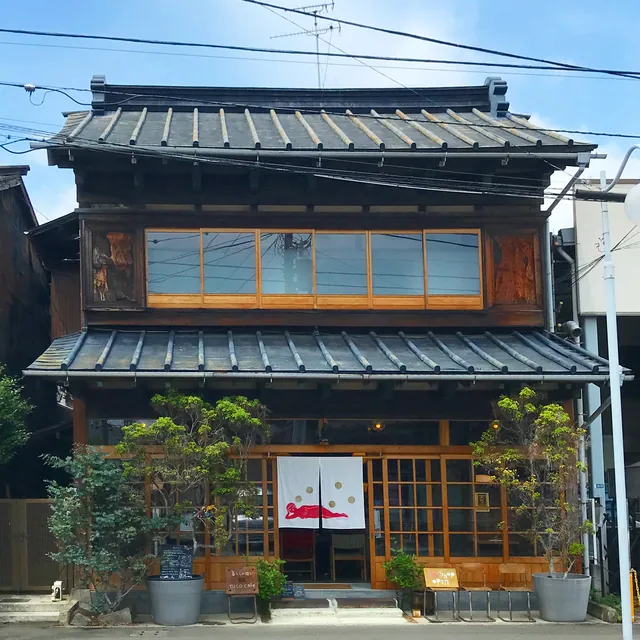
Photo: the shop’s official page A tranquil cafe renovated from a 100-year-old traditional house. Known for its wholesome side-dish plates and crispy fried chicken.
Why the editors chose itDine inside a renovated 100-year-old timber house serving wholesome side-dish plates and fried chicken.
Honcho
Iseya
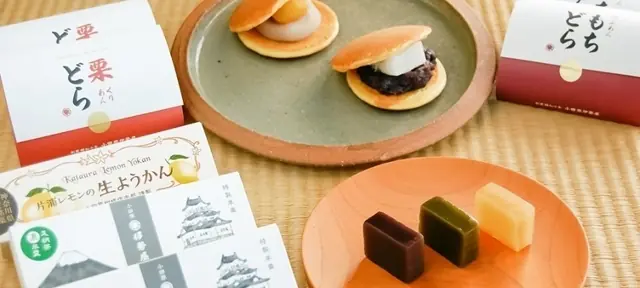
Photo: the shop’s official page 伊勢屋
A wagashi shop in Honcho, founded in 1935. It makes mame-daifuku, yokan and inari sushi.
9:00–16:30 (until sold out) · Closed: Thursdayschecked Nov 2026
Why the editors chose itOpen since 1935 in Honcho, making classic mame-daifuku and yokan alongside savory inari sushi.
Honcho
Ryugudo
龍宮堂
A handmade gelato shop by the sea in Honcho, using fruit from around Odawara.
Why the editors chose itA seaside shop in Honcho churning handmade gelato from fruit grown around Odawara.
Minamicho
Patisserie HINNA
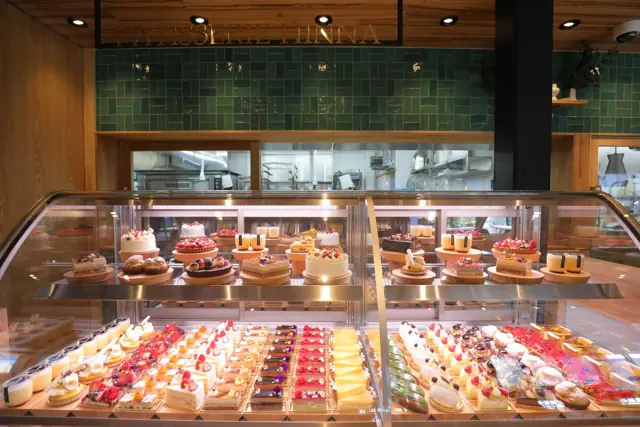
Photo: the shop’s official page パティスリー HINNA
A patisserie at Hakoneguchi Garage, making cakes and baked sweets with Odawara citrus and seasonal ingredients from other regions.
10:00–17:00 (eat-in 10:00–11:00, 14:00–17:00)
Why the editors chose itA Hakoneguchi Garage patisserie turning Odawara citrus and seasonal produce into cakes and baked sweets.
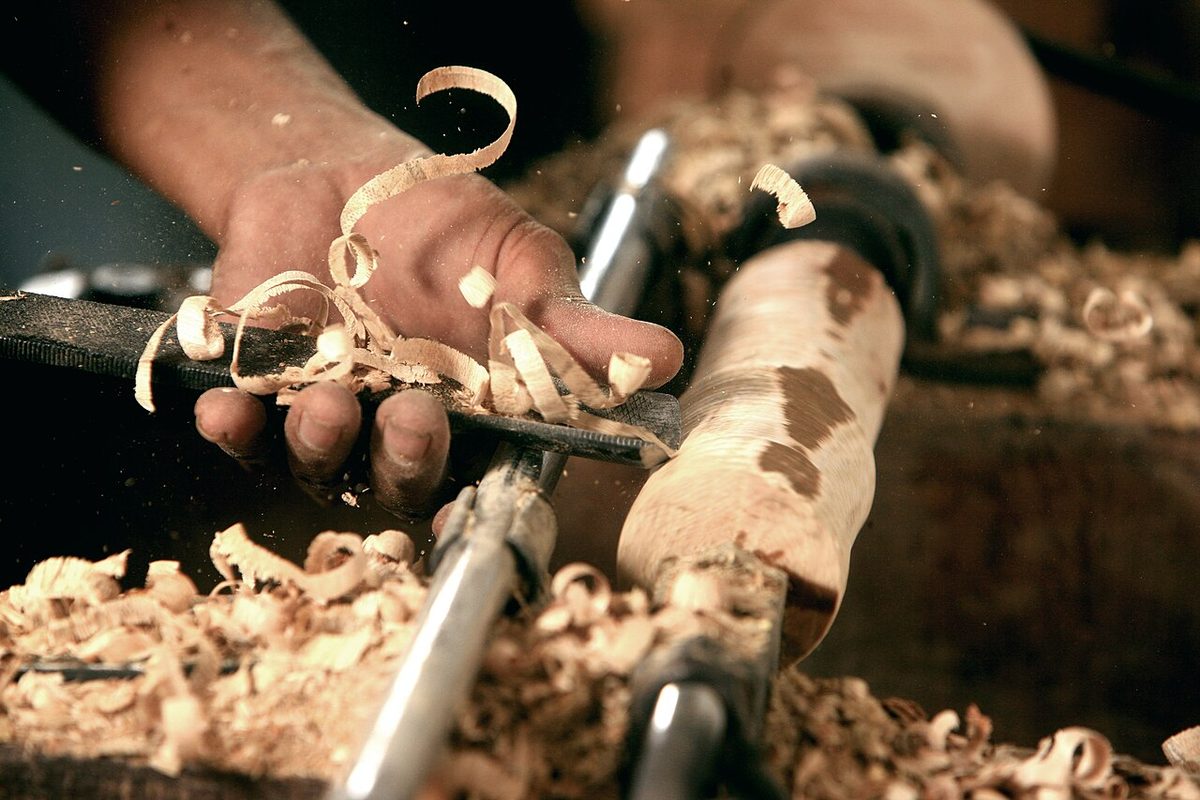
Made in Odawara
Odawara lacquerware begins with wood turned on a lathe, then finished in urushi. Suri-urushi and kijiro finishes show the grain of woods such as zelkova. Workshops still make bowls, trays and plates for daily use.
Odawara Lacquerware & Woodturning·Photo: Bertrand from Paris, France / CC BY 2.0 (Wikimedia Commons)
Itabashi
Okawa Woodwork
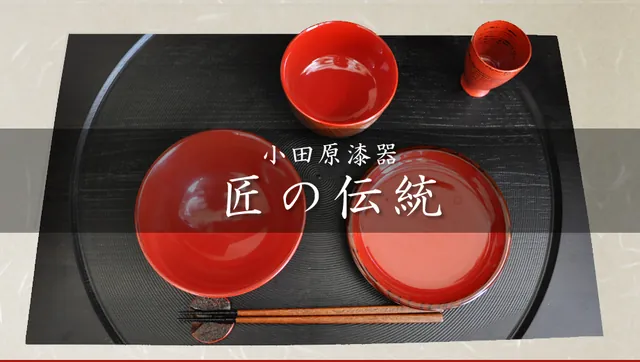
Photo: the shop’s official page 大川木工所
An Odawara lacquerware workshop using suri-urushi and kijiro finishes that show the wood grain. It makes and sells bowls and trays, and offers lacquer-polishing workshops.
9:00–18:00
Why the editors chose itChoose grain-showing Odawara lacquerware at the workshop itself, or join a lacquer-polishing session.
Itabashi
Mokunosuke
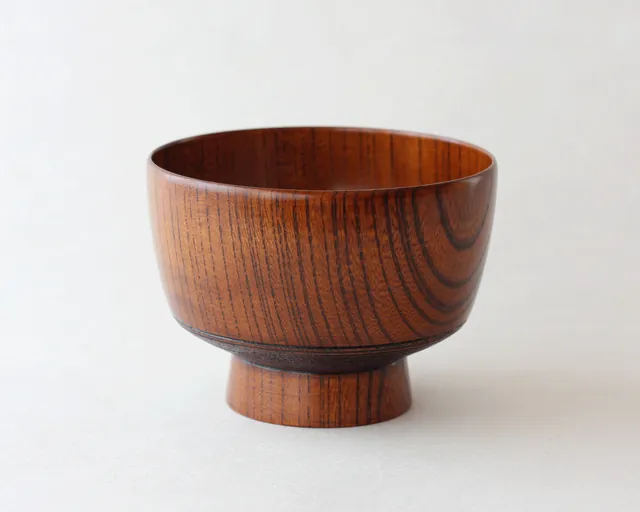
Photo: the shop’s official page もくのすけ
A small woodturning and lacquer studio in Hakone-Itabashi. It seasons green zelkova, turns and lacquers it to make bowls, plates and lunch boxes.
Why the editors chose itA small studio handling everything from seasoning green zelkova to turning and lacquering bowls and bento boxes.
Made in Odawara
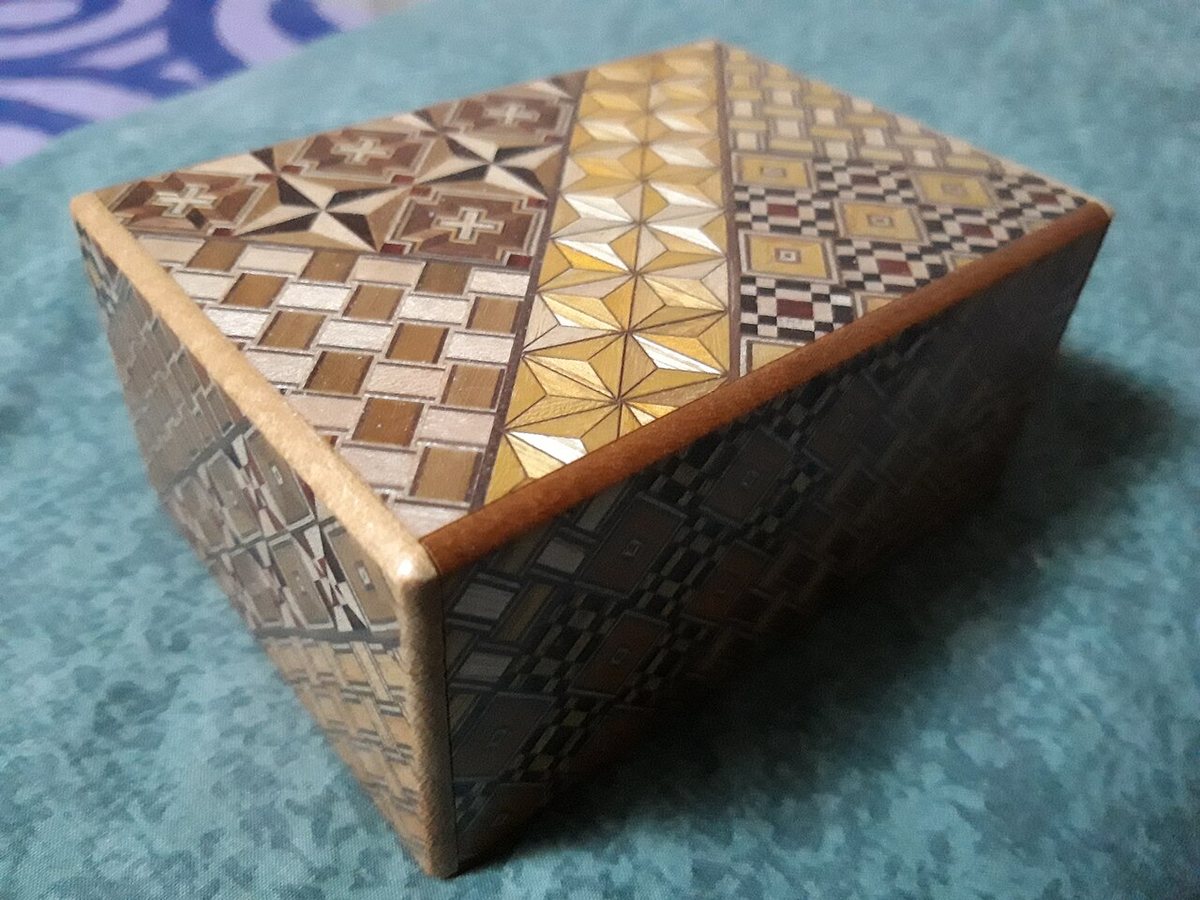
Hakone yosegi marquetry combines woods of different colours into geometric patterns. In Hayakawa, Tsuyuki makes boxes and trays with traditional patterns as well as newer designs, including monochrome pieces.
A closed Yosegi-zaiku wood marquetry puzzle box·Photo: Eugene Alvin Villar (seav) / CC BY-SA 4.0 (Wikimedia Commons)
Hayakawa
Tsuyuki Woodwork
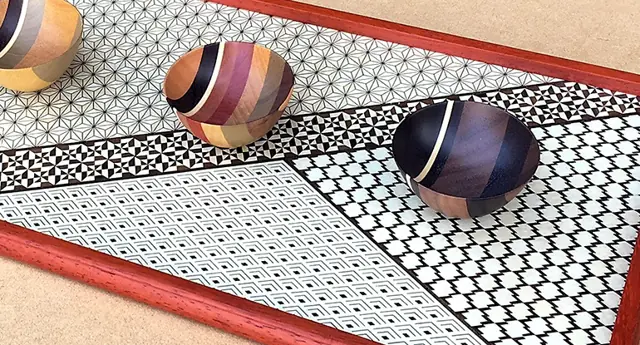
Photo: the shop’s official page 露木木工所
A maker of Hakone yosegi wood marquetry in Hayakawa. Its Yosegi Gallery Tsuyuki sells marquetry tableware and small pieces.
9:00–17:00 · Closed: Sundays, public holidays, and 2nd Saturdays
Why the editors chose itChoose Hakone yosegi marquetry bowls and small pieces straight from the maker's own gallery.
Minamicho
Utsuwa Nanohana
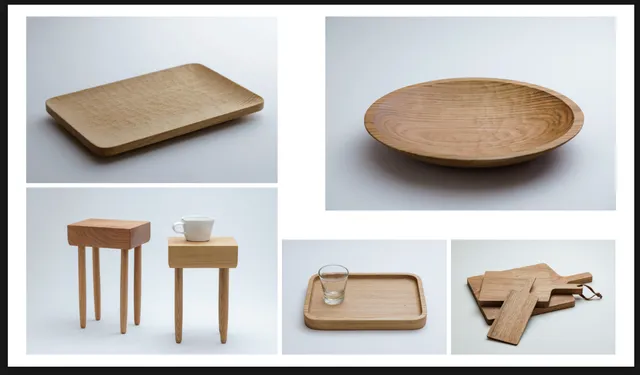
Photo: the shop’s official page うつわ菜の花
A gallery for vessels in Minamicho, with exhibitions of ceramics, glass and wooden tableware. Open only during exhibitions.
11:00–18:00 (open only during exhibitions)
Why the editors chose itThis Minamicho gallery opens only during exhibitions, making it worth timing a trip around a show.
Sakaecho
Nanohana Kurashi no Doguten
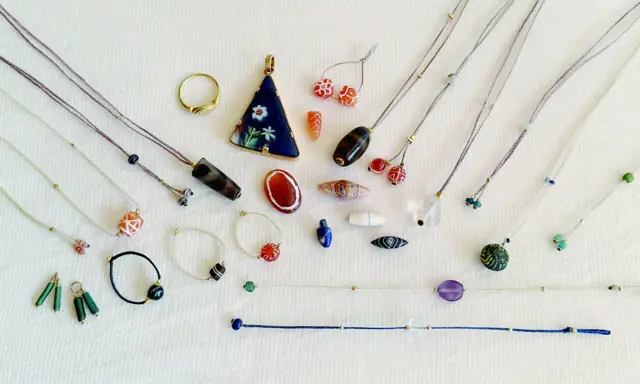
Photo: the shop’s official page 菜の花 暮らしの道具店
A shop for tableware and everyday things in the HaRuNe Odawara underground arcade. It also holds shows of ceramics, glass and textiles by makers.
10:00–20:00
Why the editors chose itFind makers' ceramics, glass, textiles and curated shows right inside the HaRuNe Odawara underground arcade.
Nakamachi
Kashiwagi Bijutsu Imono Kenkyusho
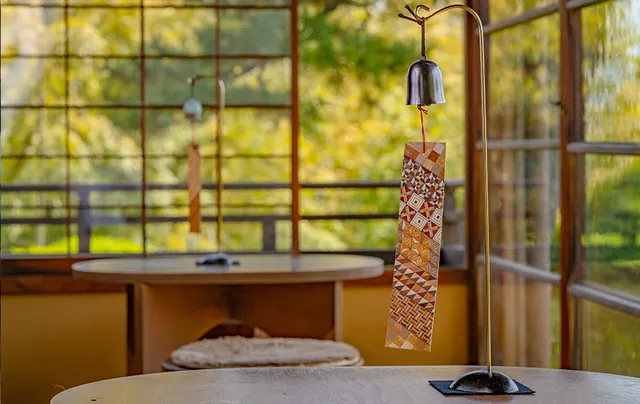
Photo: the shop’s official page 柏木美術鋳物研究所
A metal casting studio carrying on the tradition of Odawara casting from the Muromachi period. It primarily manufactures bells and gongs, selling them directly at the workshop store.
Why the editors chose itCarrying on Muromachi-era Odawara metal casting, selling wind chimes and bells straight from the workshop store.
Sights in Odawara
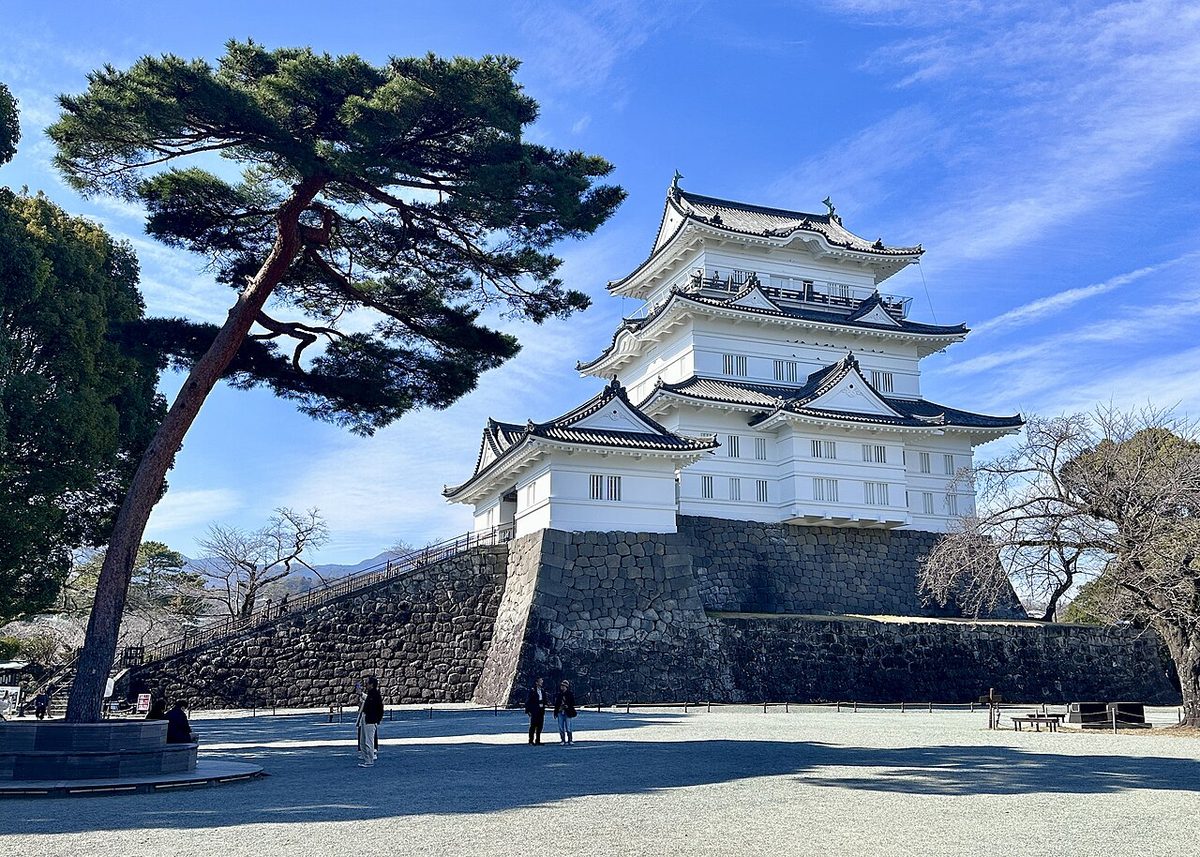
Photo: Akonnchiroll / CC BY 4.0 (Wikimedia Commons) The castle of the Hojo lords in the Sengoku period.
The keep opens 9 am to 5 pm, last entry 4:30 pm. Closed the second Wednesday in December and December 31–January 1. The children’s amusement park is closed until further notice.
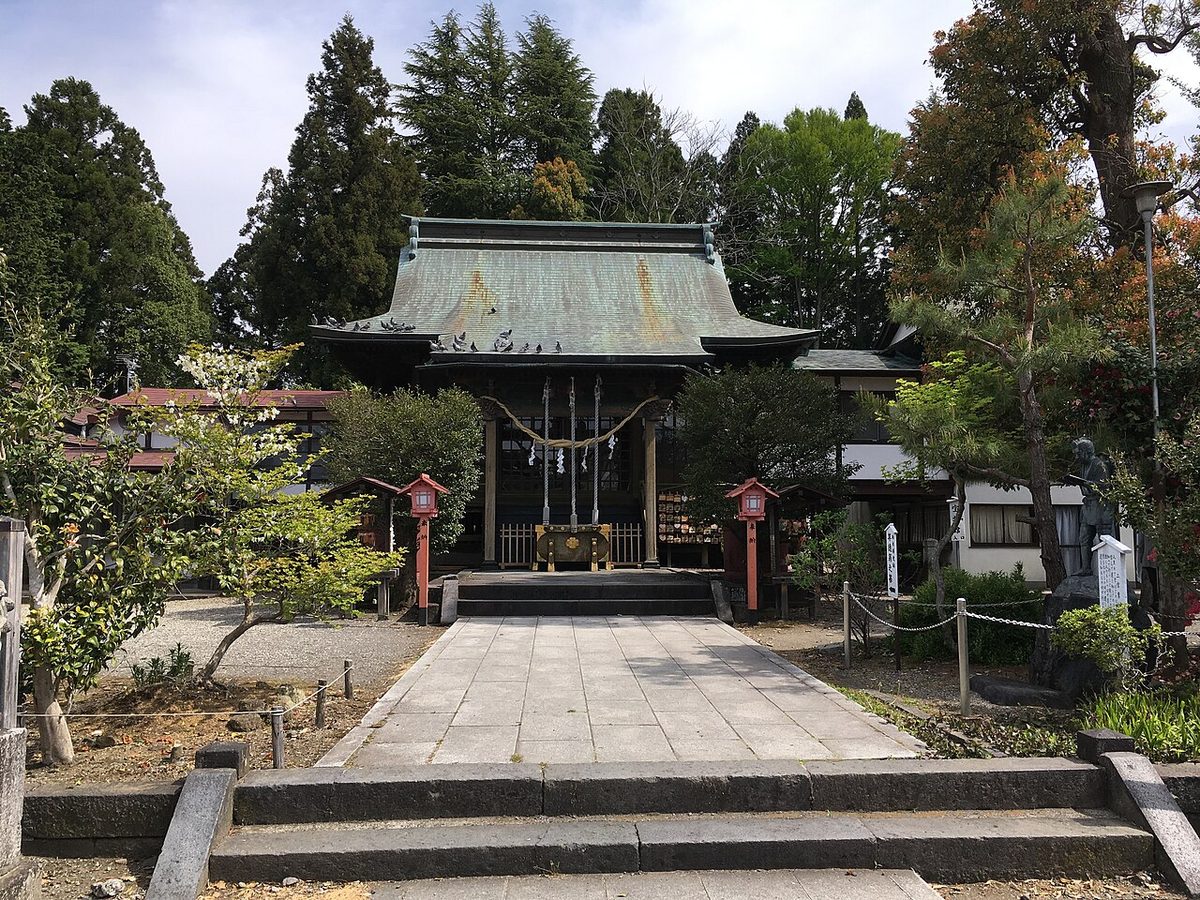
Photo: Towacoco / CC BY-SA 4.0 (Wikimedia Commons) A shrine to Ninomiya Sontoku within Odawara Castle Park, founded in 1894.
The grounds open 6 am to 5 pm from November through March. No visits at night.
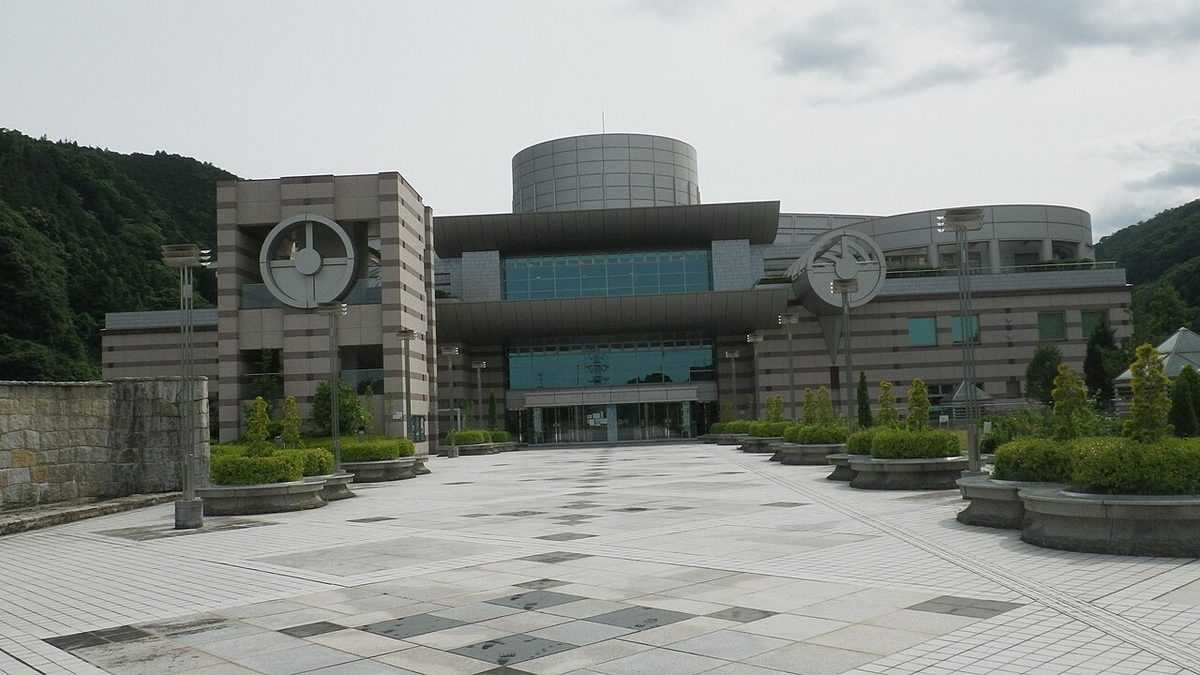
Photo: KENPEI / CC BY-SA 4.0 (Wikimedia Commons) Kanagawa Prefectural Museum of Natural History
A natural history museum tracing 4.6 billion years of Earth’s history and the diversity of life, with specimens ranging from dinosaurs and meteorites to insects.
Screenings in the Seisa Museum Theater are suspended because of equipment trouble. Some taxidermy specimens in the permanent exhibition’s “Back to the Sea” section are also off display for conservation. Check the official calendar for closing days.
These are local landmarks. Each was checked to be open on its official site (checked 2026-11-12). Please confirm hours before you go.
Beyond Odawara
1 / 8
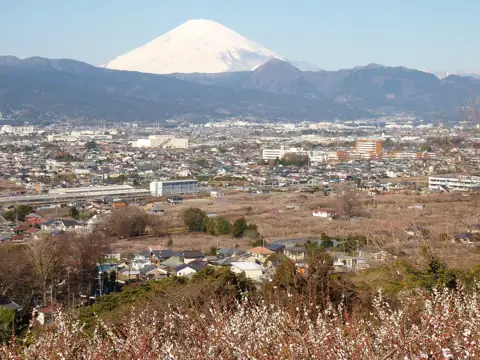 Odawara · 6 km
Soga Plum Grove →
An agricultural orchard district in northern Odawara with around 35,000 white plum trees framing views of snow-capped Mt. Fuji.
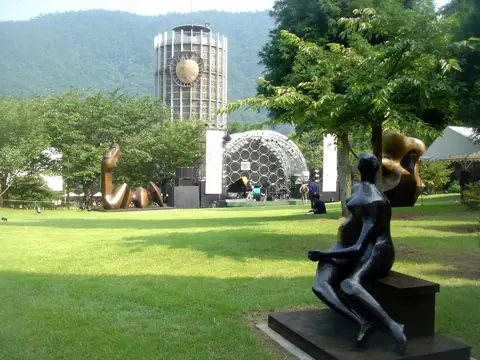 Hakone-machi · 9 km
The Hakone Open-Air Museum →
Set within the nature of Hakone, this outdoor museum displays masterpieces of modern sculpture integrated with the landscape, allowing for a relaxing art experience.
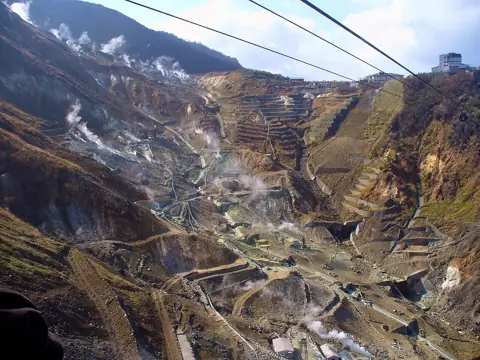 Hakone · 12 km
Owakudani →
A scenic spot representing Hakone, where volcanic plumes rise due to volcanic activity.
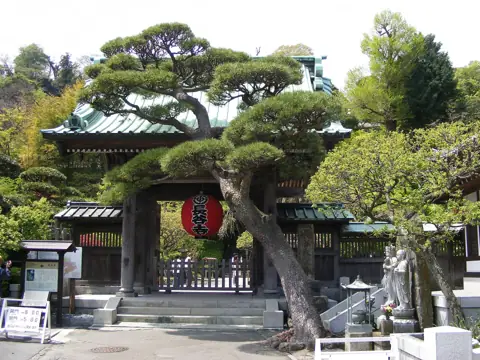 Kamakura · 35 km
Hasedera →
Famous for its flowers throughout the seasons, especially the hydrangeas during the rainy season.
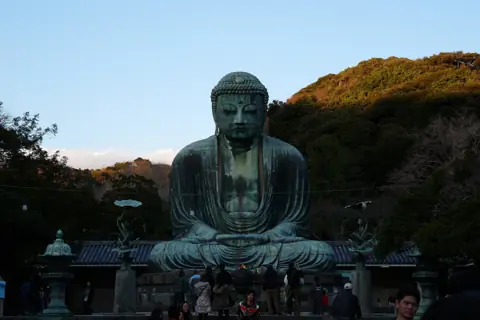 Kamakura · 35 km
Kotoku-in (Kamakura Great Buddha) →
A Jodo-shu temple known for the Great Buddha of Kamakura.
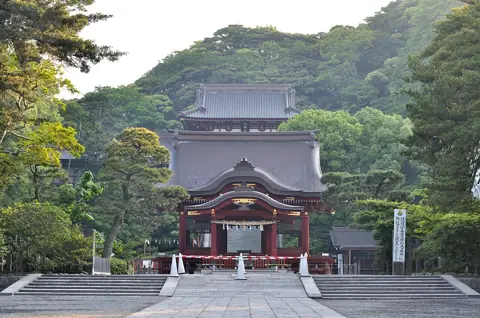 Kamakura · 37 km
Tsurugaoka Hachimangu →
A symbol of Kamakura that developed alongside the samurai society, its vast grounds serve as a spiritual center that reflects the history of the city.
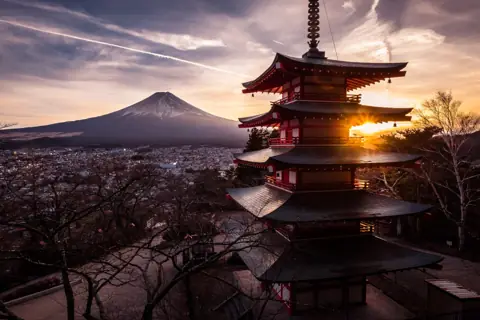 Fujiyoshida · 42 km
Arakurayama Sengen Park →
A park known for its breathtaking view of Mount Fuji and the five-storied pagoda.
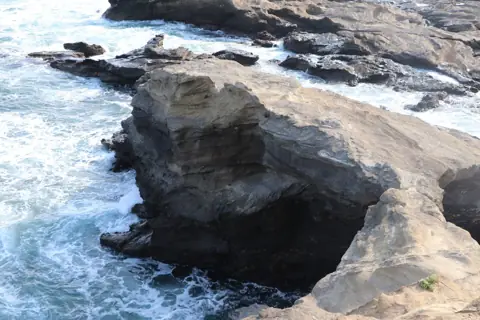 Miura · 44 km
Jogashima Island & Umanose Domon Sea Arch →
A coastal island at the southern tip of the Miura Peninsula featuring a natural wave-carved sea arch, two lighthouses, and dramatic sea cliffs.


Distances are straight-line from the town centre. Each page has how to get there and a suggested day.
Questions people ask
- Where can I see or buy Odawara Lacquerware & Woodturning, Yosegi-zaiku Wood Marquetry, Craft in Odawara?
Odawara Lacquerware & Woodturning: Okawa Woodwork (Itabashi), Mokunosuke (Itabashi)
Yosegi-zaiku Wood Marquetry: Tsuyuki Woodwork (Hayakawa)
Craft: Utsuwa Nanohana (Minamicho), Nanohana Kurashi no Doguten (Sakaecho), Kashiwagi Bijutsu Imono Kenkyusho (Nakamachi)
- Which places in Odawara open by 9 in the morning?
Anbos Coffee Roaster (Minamicho, Mon, Thu–Sat 9:00–18:00, Sun 8:00–18:00)
Iseya (Honcho, 9:00–16:30 (until sold out))
- What can I visit on foot around Sakaecho?
Craft: Nanohana Kurashi no Doguten
Cafés: RANCH
Food: Sobadokoro Hashimoto, French Shokudo iTToku
Every place was checked to be open in November 2026. Hours can change, so please check the official site before you go.
If you like Odawara
- Takamatsu
Kagawa, Japan
For example, Utsuwa Nanohana here, and kitahama blue stories in Takamatsu.
- Naha
Okinawa, Japan
For example, Okawa Woodwork here, and Kakuman Lacquerware in Naha.
- Kamakura
Kanagawa, Japan
For example, Utsuwa Nanohana here, and Natsutsubaki in Kamakura.
Chosen by how close the towns and their places are in what they make and serve.