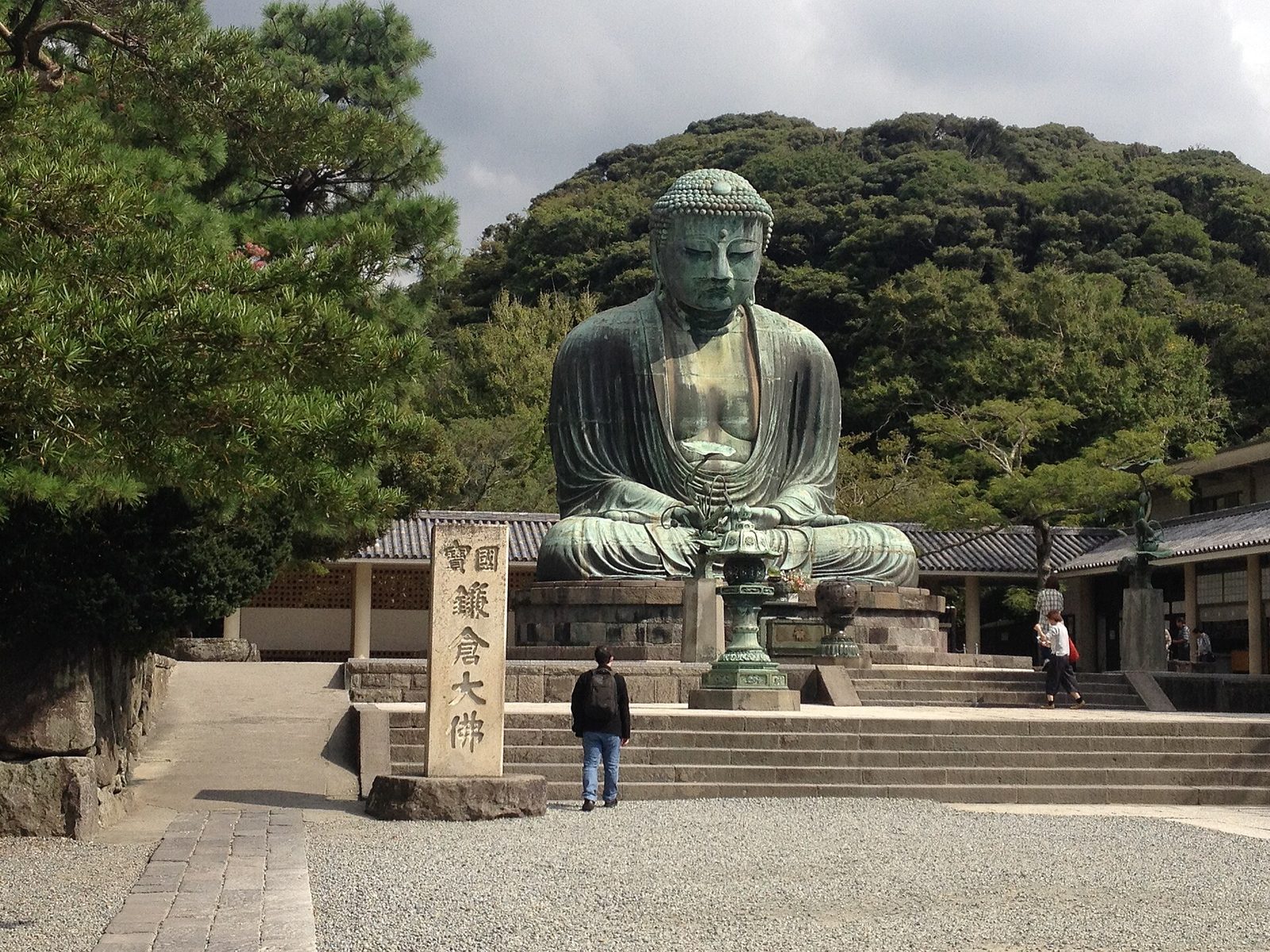
35.3° N
Kamakura
Kanagawa, Japan
A former shogunate capital boxed in by hills on three sides and facing Sagami Bay. Kamakura-bori lacquerware and Shonan shirasu, with craft shops, coffee, soba and sweets from Kita-Kamakura down through Komachi, Onari and Hase, as the editors’ picks. In late autumn the temple valleys turn colour, and the sea air clears.
Kamakura, on film
7 sights and 15 places, each checked open in 2026, in 49 seconds.
Found somewhere you like? The map and the list below have the address, hours and official site.
Tap for sound
What to eat in Kamakura
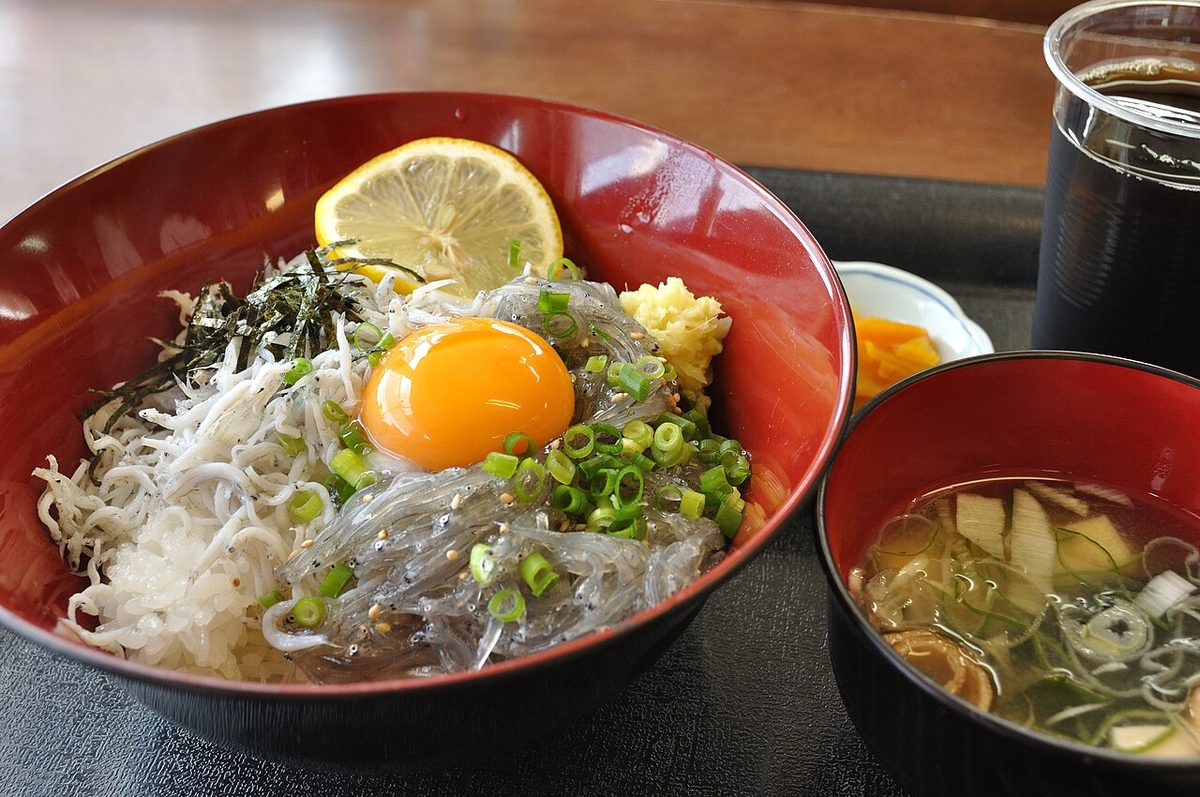
Photo: Ocdp / CC0 (Wikimedia Commons) Shirasu-don (whitebait rice bowl)
しらす丼
A rice bowl topped with tiny whitebait caught in Sagami Bay off the Shonan coast, served lightly boiled (kama-age) or raw (nama-shirasu). Because raw whitebait loses freshness within hours of landing, fishing ports like Koshigoe and diners across Kamakura are its natural home.
Eaten at lunch as a two-colour bowl (nishoku-don) of raw and boiled whitebait with grated ginger, green onions, and soy sauce.(Mar–Dec)
Where to eat it
- Kawahirako ↓
- Kamakura AkimotoWebsiteMap
- Shirasuya Koshigoe Fishing PortWebsiteMap
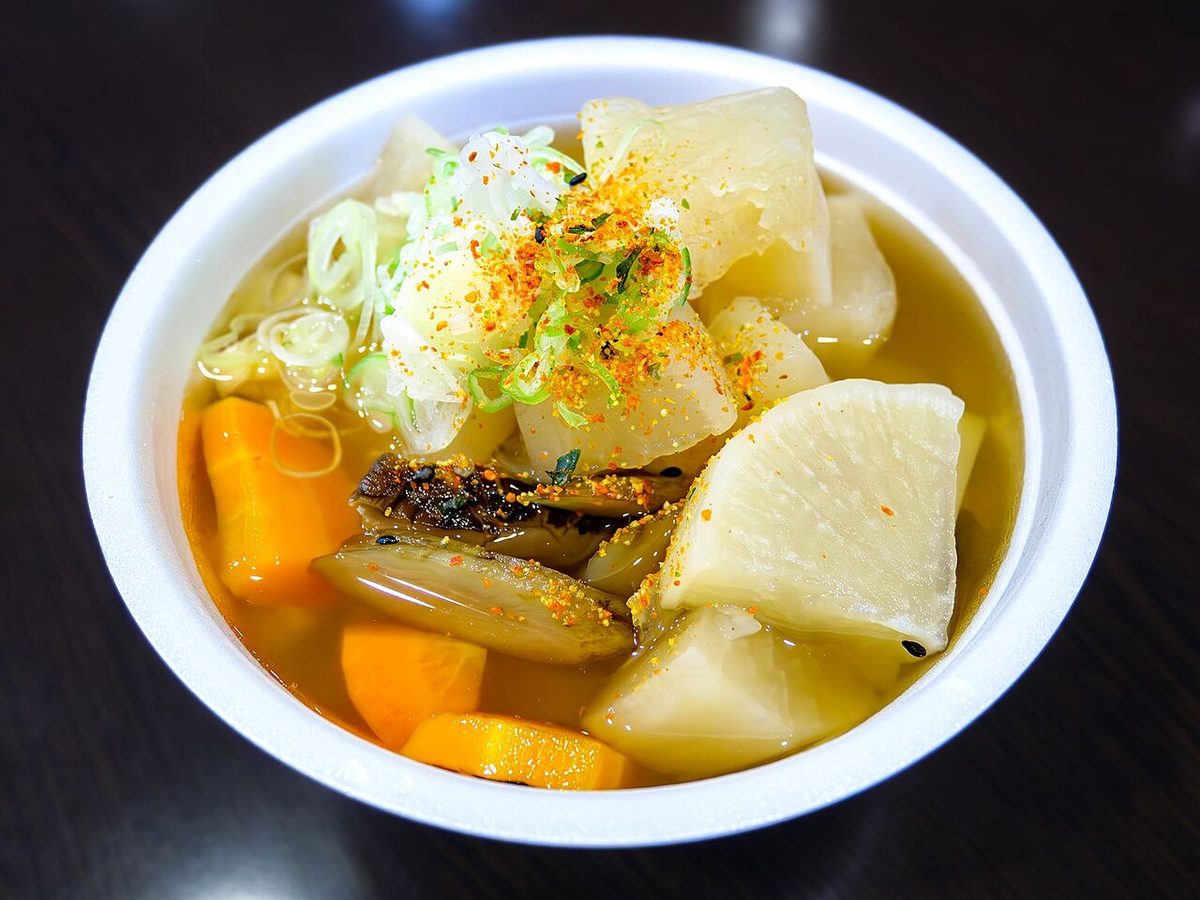
Photo: くろふね / CC BY 4.0 (Wikimedia Commons) Kenchinjiru (Kamakura Zen vegetable soup)
けんちん汁
A clear soy-seasoned soup of root vegetables, konnyaku, and hand-torn tofu stir-fried in sesame oil before simmering in kombu and shiitake broth. Said to have originated as 'Kencho-ji-jiru' at Kencho-ji Temple in Kita-Kamakura, it reflects Zen Buddhist shojin ryori cooking without meat or fish.
Eaten warm during temple walks around Kita-Kamakura with rice balls or over soba and udon noodles.
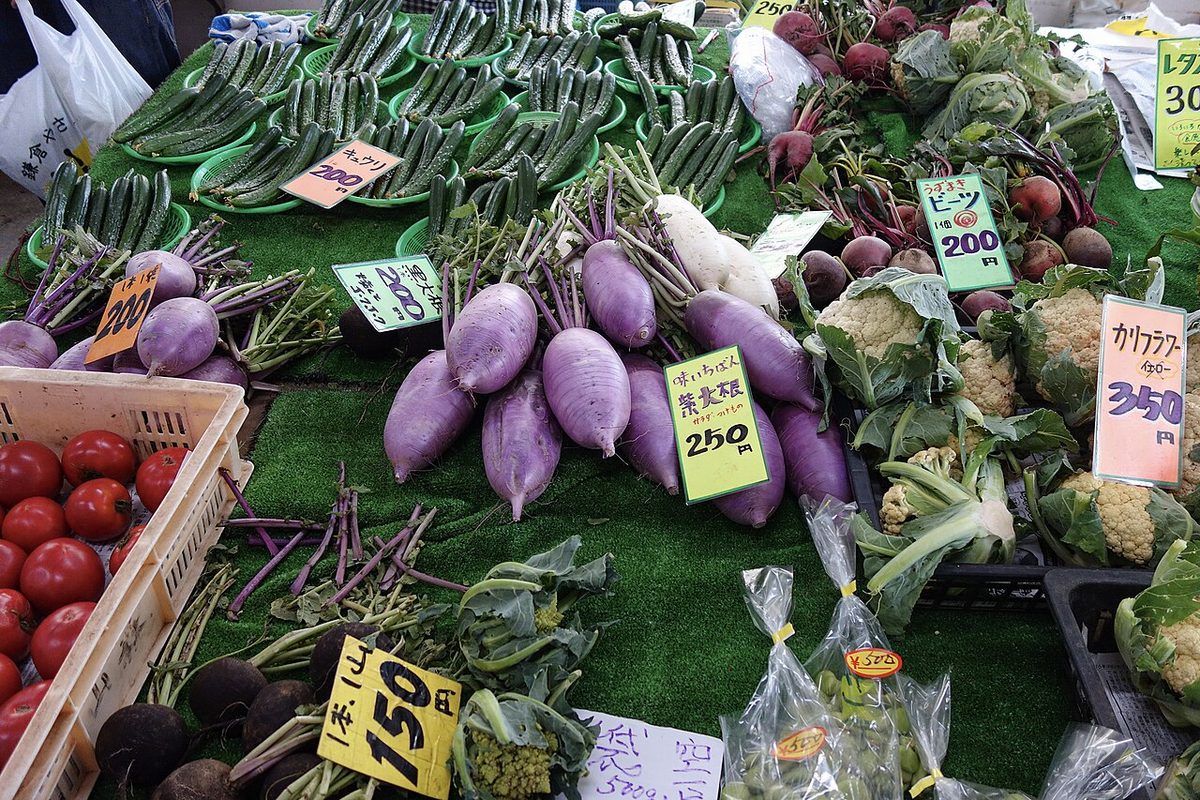
Photo: KQuhen / CC BY-SA 4.0 (Wikimedia Commons) Kamakura-yasai (Kamakura heirloom vegetables)
鎌倉野菜
Seasonal Japanese and European heirloom vegetables grown in small batches on farms around Kamakura. Sold directly by growers at the Kamakura City Farmers Market along Wakamiya Oji, they supply the city's washoku diners, tempura shops, and set-meal kitchens.
Eaten at lunch in seasonal set meals, tempura rice bowls, or lightly fried with salt.
Where to eat it
- Hachinoki Shinkan ↓
- Kamakura SunsoWebsiteMap
- Kamakura AkimotoWebsiteMap
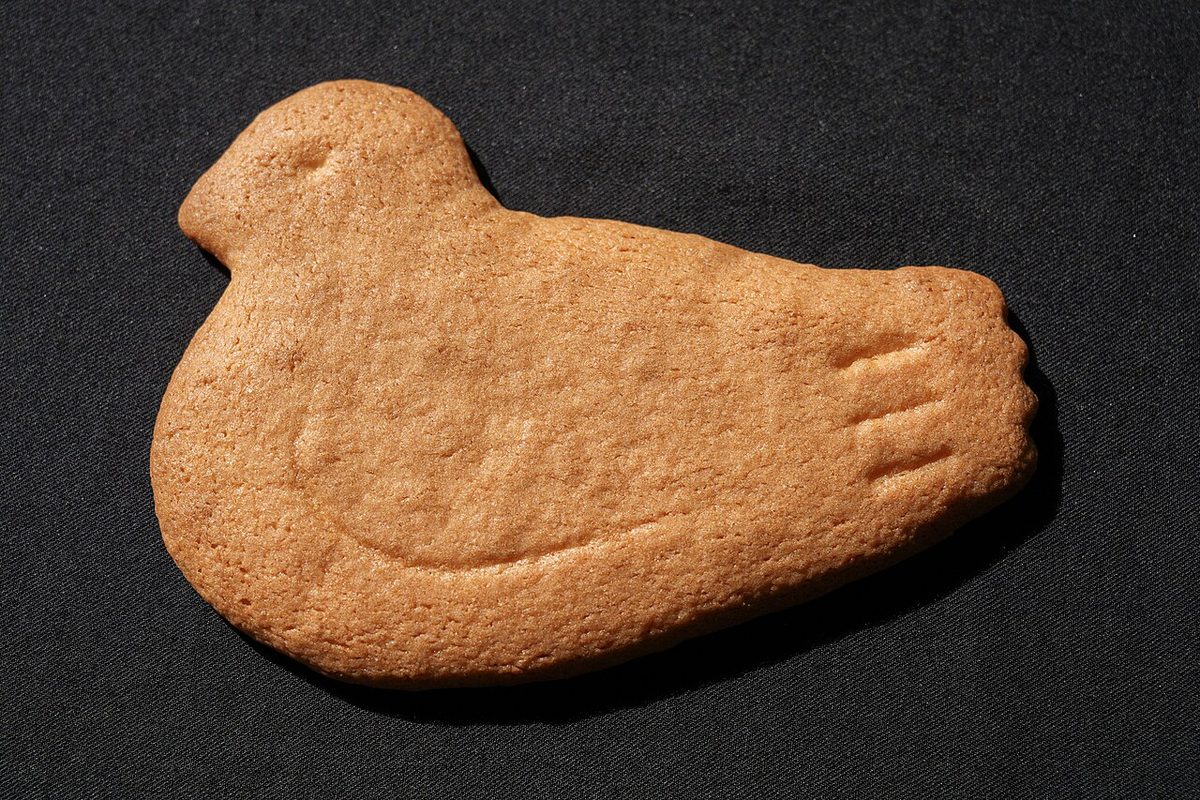
Photo: KQuhen / CC BY-SA 4.0 (Wikimedia Commons) Hato Sabure (dove-shaped butter cookie)
鳩サブレー
A crisp butter shortbread biscuit shaped like a dove. Created around 1897 by Kamakura confectioner Toshimaya, its shape draws on the doves at Tsurugaoka Hachimangu Shrine.
Bought in bags or tins at the Wakamiya Oji main store as a snack or Kamakura souvenir.
The LATITUDE editors’ 15 picks in Kamakura
Our editors verified that these places were open (checked 2026-11-19). Check the official site for hours and closing days before visiting. Sponsored listings are marked.
Save places to your trip list and revisit them in this browser. No account needed.
Editors’ picks on the map — or build your own route
Tap a mark to see the place; squares are museums and sights (landmarks). Use “Build your own route” to make a walk of your own.
Loading the map
Map data © OpenStreetMap contributors
Browse by category
1 / 17
Onari / Yuigahama
Kamakura Matsubara-an
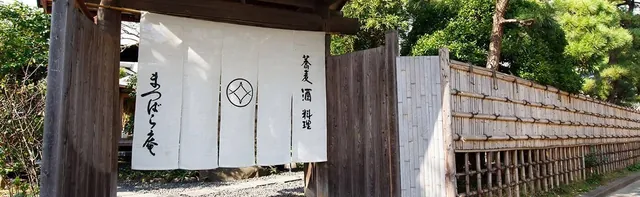
Photo: the shop’s official page 鎌倉 松原庵 本店
A soba restaurant in an early-Showa wooden house in Yuigahama, serving daily hand-cut nihachi soba, local fish and vegetable dishes, and duck hotpot in winter. Open daily 11:00–21:30 (last order 20:30).
Daily 11:00–21:30 (L.O. 20:30) · Closed: Open daily
Why the editors chose itAn early-Showa timber house in Yuigahama serving daily hand-cut nihachi soba and local dishes.
Kita-Kamakura
Hachinoki Shinkan
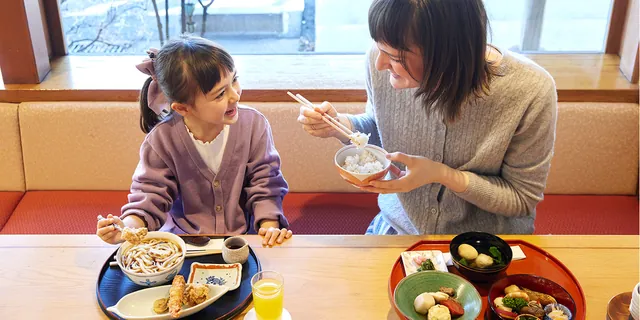
Photo: the shop’s official page 鉢の木 新館
A Japanese and kaiseki restaurant beside Tokei-ji and Jochi-ji in Kita-Kamakura, serving grilled-fish and seasonal set lunches with Sagami Bay seafood and Kamakura vegetables without a reservation. 11:30–13:30 LO and 17:00–20:00, closed Thursdays.
Fri–Wed 11:30–13:30 (L.O.), 17:00–20:00 (L.O. 18:00); 13:30–17:00 by enquiry · Closed: Thursdays (substitute holiday if public holiday)
Why the editors chose itBeside Kita-Kamakura's temples, offering grilled-fish and seasonal lunches without a reservation.
Komachi / Wakamiya Oji
Dankazura Kosuzu
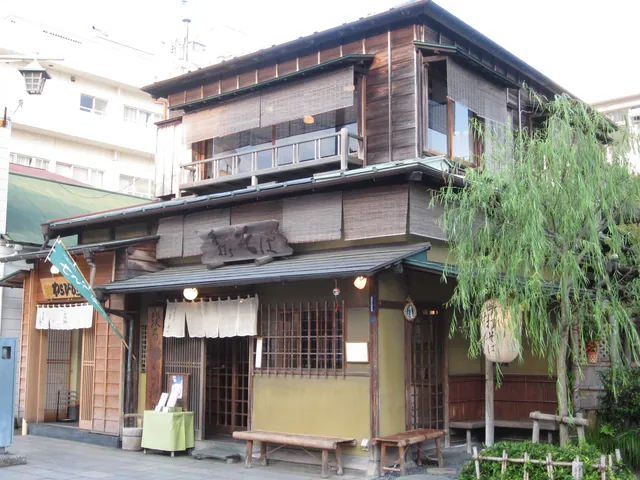
Photo: the shop’s official page 段葛 こ寿々
A hand-cut soba and warabimochi house in an early-Showa wooden townhouse facing Dankazura, cooking real bracken-starch warabimochi in copper pots with Hateruma brown-sugar syrup. Open 11:30–17:30 (LO 17:00), closed Mondays and Tuesdays.
Wed–Sun 11:30–17:30 (L.O. 17:00) · Closed: Mondays, Tuesdays (next day if public holiday)
Why the editors chose itFacing Dankazura in an early-Showa house, serving hand-cut soba and copper-pot warabimochi with Hateruma syrup.
Komachi / Wakamiya Oji
cafe vivement dimanche
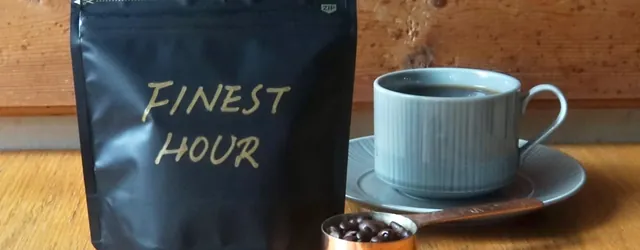
Photo: the shop’s official page カフェ・ヴィヴモン・ディモンシュ
A roaster-café off Komachi-dori serving house-roasted blends and Central American coffees alongside parfaits and light meals. Open 11:00–18:00 (last order 17:30), closed Wednesdays and Thursdays.
Why the editors chose itA roaster-café off Komachi-dori serving house-roasted Central American coffees alongside parfaits and meals.
Onari / Yuigahama
CHABAKKA TEA PARKS Kamakura
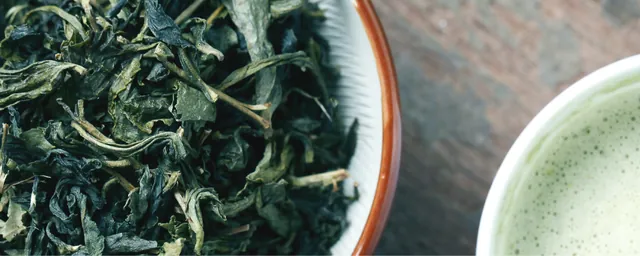
Photo: the shop’s official page CHABAKKA TEA PARKS 鎌倉店
A single-origin Japanese tea stand in Onarimachi brewing each cup to order by hand-drip, press, or nitrogen-infused cold draft tap. Open 11:00–18:00, closed Wednesdays.
11:00–18:00
Why the editors chose itA single-origin Japanese tea stand brewing each cup by hand-drip, press or nitrogen draft tap.
Onari / Yuigahama
THE GOOD GOODIES
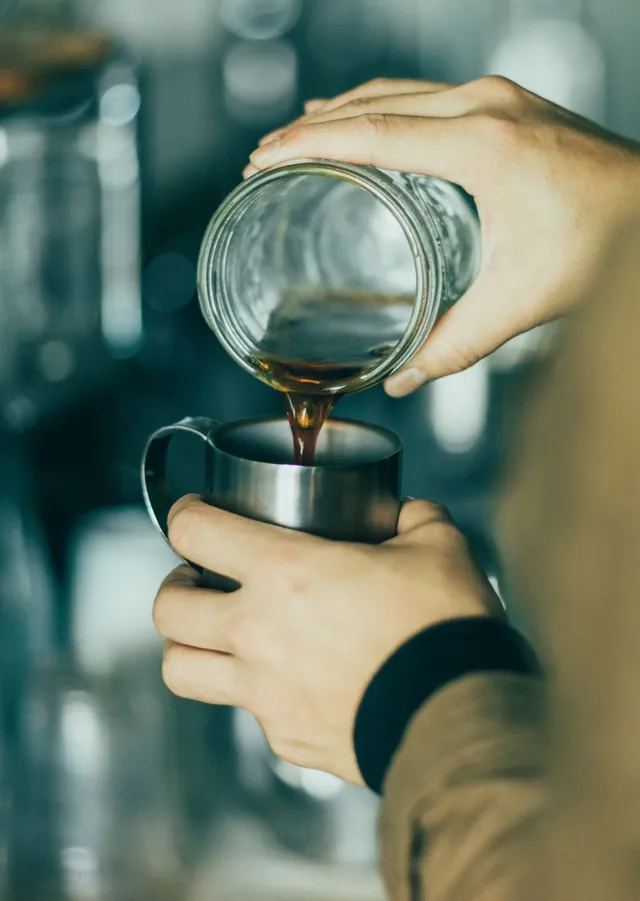
Photo: the shop’s official page A small roaster and coffee stand on Onari-dori open from 8:00, serving brewed coffee alongside house-roasted blends, single-origin beans and drip bags. Open until 18:00, closed Wednesdays.
Thu–Tue 8:00–18:00 · Closed: Wednesdays
Why the editors chose itOpen from 8:00 on Onari-dori, serving brewed coffee alongside house-roasted beans and drip bags.
Onari / Yuigahama
GELATERIA SANTi
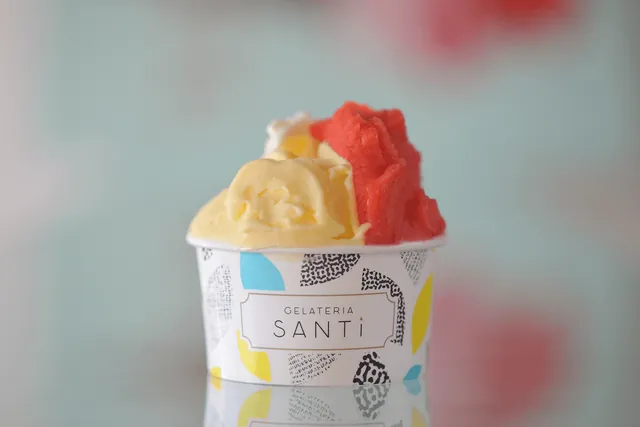
Photo: the shop’s official page A gelato shop in an alley off Onari-dori making flavours such as pistachio, rosemary honey, lemon cream and chocolate. From November to March open 12:00 to sunset, closed Mondays (Apr–Oct daily 11:00–18:00).
Tue–Sun 12:00–sunset (winter) · Closed: Mondays (winter)
Why the editors chose itAn alley gelato shop off Onari-dori making flavours like rosemary honey, pistachio and citrus.
Hase
Chikaramochiya
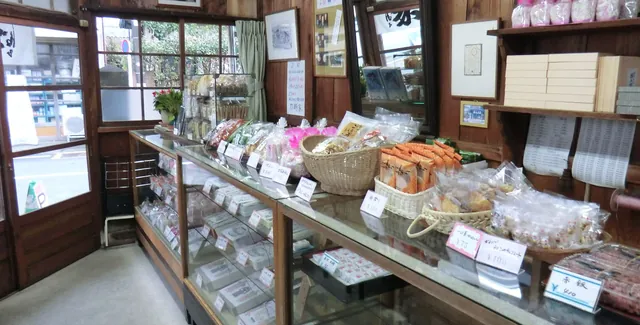
Photo: the shop’s official page 力餅家
A wagashi shop in Sakanoshita open for over three hundred years, selling additive-free handmade Gongoro Chikara-mochi (eaten the same day) and softer gyuhi-filled mochi. Open 9:00–18:00, closed Wednesdays and the third Tuesday.
9:00–18:00 · Closed: Wednesdays, 3rd Tuesday of the month
Why the editors chose itOpen over 300 years in Sakanoshita, making additive-free Gongoro Chikara-mochi by hand to eat the same day.
Ofuna
CALVA Ofuna Main Store
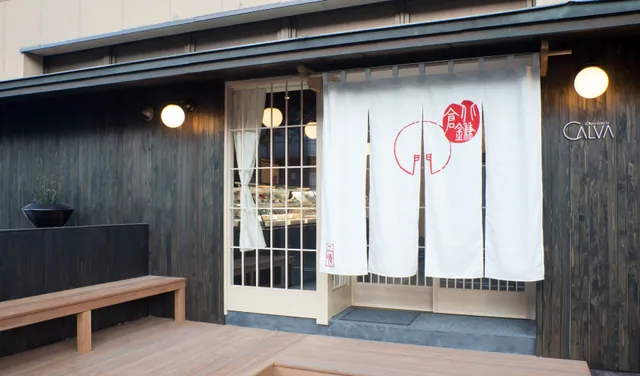
Photo: the shop’s official page CALVA 大船本店
Founded in 2009 by brothers Satoshi and Jiro Tanaka, this shop offers a signature blend of high-quality breads and innovative chocolates. Chef Jiro Tanaka is a world-renowned chocolatier who represented Japan at the World Chocolate Masters.
Why the editors chose itA bakery and chocolatier run by brothers, one a former World Chocolate Masters Japan representative.
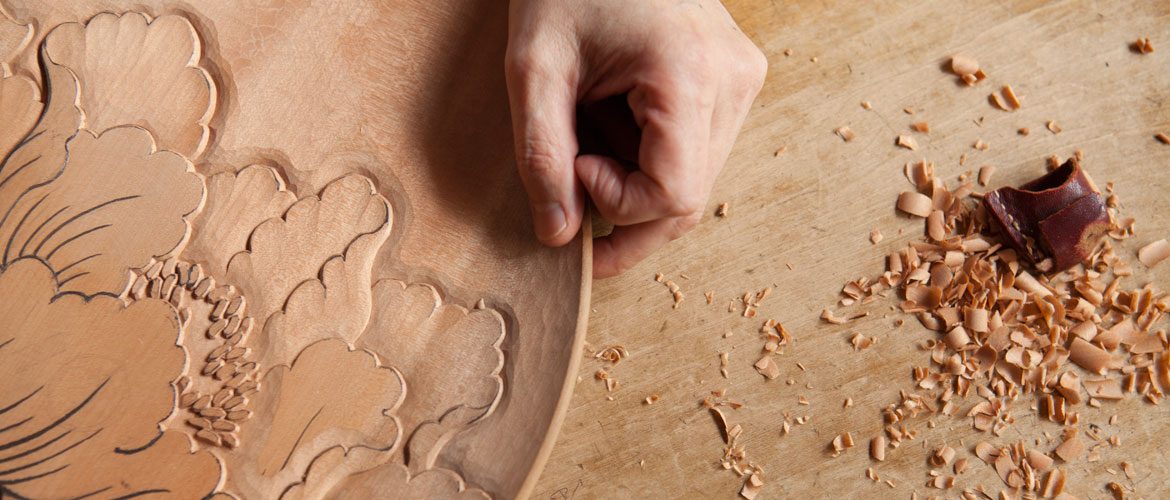
Made in Kamakura
Kamakura-bori began in the Kamakura period when Buddhist sculptors carved patterns into wood and layered them with natural lacquer, inspired by carved lacquerware brought from Song China with Zen Buddhism. It is a nationally designated traditional craft; katsura wood is commonly used for the base, and its sheen deepens as it is used.
A hand holds a wooden tray carved with peonies above a bench scattered with shavings.·Photo: Kamakurabori Kaikan (official site)
Komachi / Wakamiya Oji
Kamakurabori Kaikan (Shop Guri & Cafe Guri)
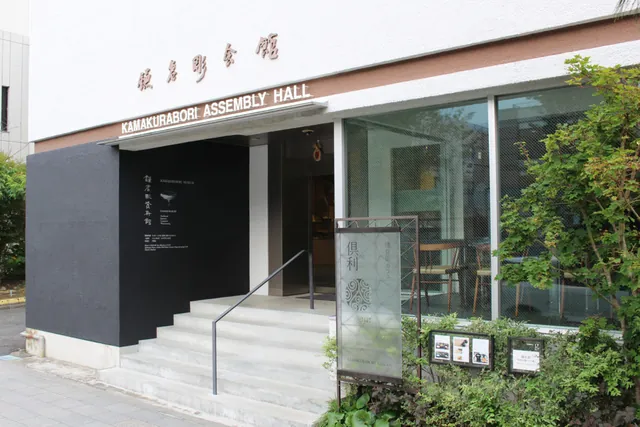
Photo: the shop’s official page 鎌倉彫会館(ショップ倶利・カフェ倶利)
The hall of the Kamakura-bori Cooperative. The ground-floor shop sells Kamakura-bori vessels and the café next door serves meals and sweets on them. Shop 9:30–17:00; café 11:00–17:00, closed Mondays (3F museum closed Mon–Tue).
Shop Guri 9:30–17:00, Cafe Guri 11:00–17:00 · Closed: Cafe Guri: Mondays (plus summer & New Year holidays); Shop Guri: summer & New Year holidays (Mondays also listed on /cafe/)
Why the editors chose itA Kamakura-bori hall where the café serves meals and sweets on the same lacquerware sold next door.
Komachi / Wakamiya Oji
Kamakurabori Hakkodo
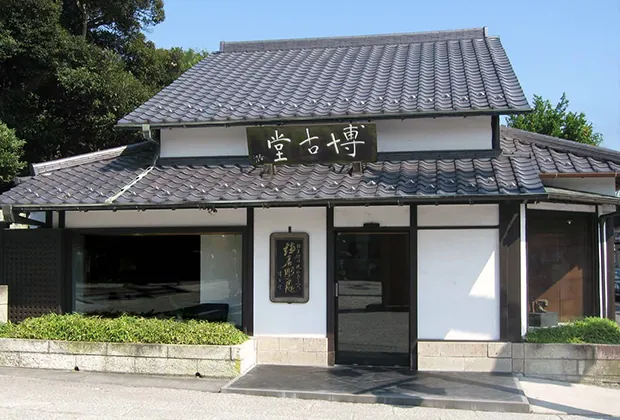
Photo: the shop’s official page 鎌倉彫 博古堂
A long-standing Kamakura-bori workshop and shop beside the third torii of Tsurugaoka Hachimangu, carried on by a family of Buddhist sculptors. They carve Hokkaido katsura wood and layer it with natural lacquer for trays, plates and small mirrors. Open 9:30–17:30 Nov–Feb (to 18:00 Mar–Oct), closed only over New Year.
Daily 9:30–17:30 (winter, Nov–Feb) · Closed: Open daily (closed New Year holidays)
Why the editors chose itA Buddhist-sculptor family's Kamakura-bori workshop carving katsura wood and layering natural lacquer.
Made in Kamakura
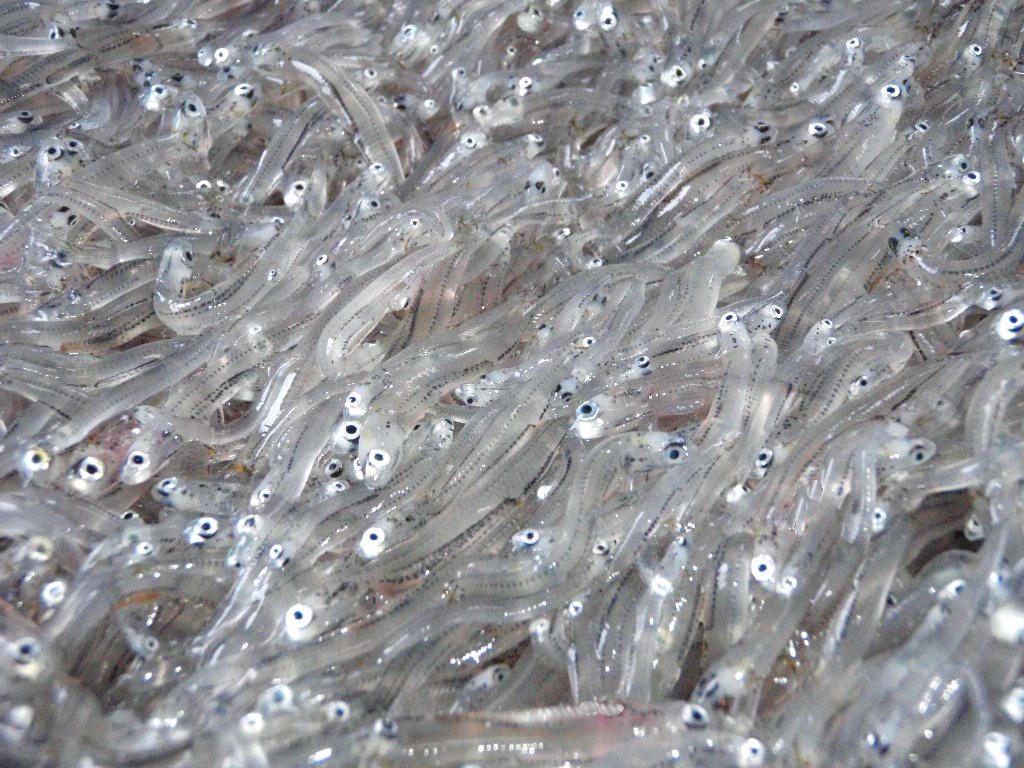
Shonan shirasu are young whitebait caught in Sagami Bay, served raw when fresh or simmered in salted water as fluffy kama-age shirasu. Fishing is closed every year from 1 January to 10 March to protect stocks, so shops serve boiled kama-age shirasu during that time.
A close view of a heap of translucent raw whitebait.·Photo: Shonan Shirasu Association (Kanagawa Shirasu Boat Seine Fishery Council) (official site)
Hase
Kawahirako
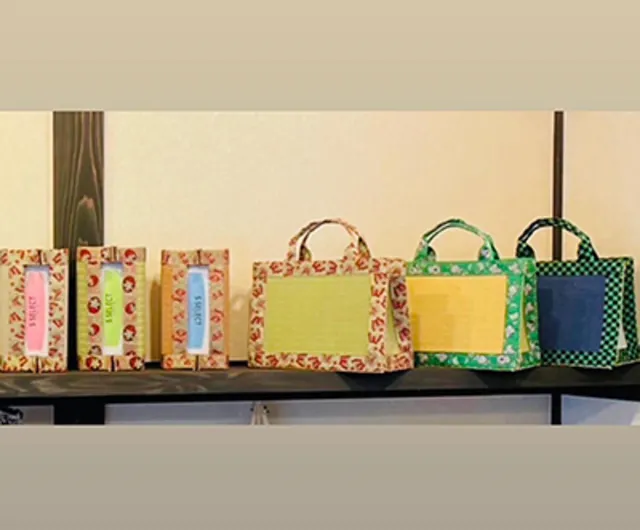
Photo: the shop’s official page かわひらこ
A shirasu-bowl diner opened in Hase in 2022, serving two-colour bowls of boiled kama-age and raw shirasu from Sagami Bay alongside marinated okizuke, akamoku seaweed and Sajima octopus.
Tue–Sun 11:00–16:00 · Closed: Mondays
Why the editors chose itA Hase diner serving two-colour bowls of Sagami Bay boiled and raw shirasu with Sajima octopus.
Onari / Yuigahama
Natsutsubaki
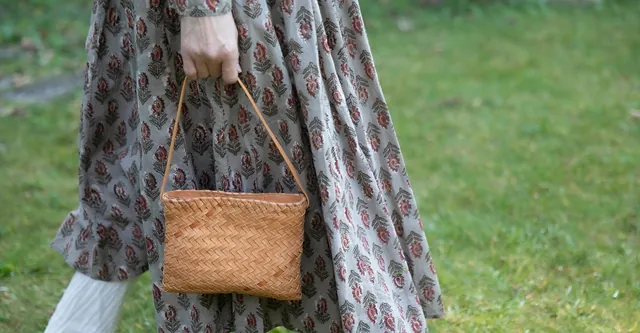
Photo: the shop’s official page 夏椿
A gallery and shop for vessels and everyday things in Sasuke, showing ceramics, woodwork, glass, cloth and bags by individual makers, with regular solo exhibitions. Open 11:00–17:00, closed Mondays and Tuesdays (open on public holidays, with substitute holidays).
Wed–Sun 11:00–17:00 · Closed: Mondays, Tuesdays (open on public holidays with substitute holiday)
Why the editors chose itA Sasuke gallery shop curating maker ceramics, woodwork, glass and textiles alongside regular exhibitions.
Hase
vuori
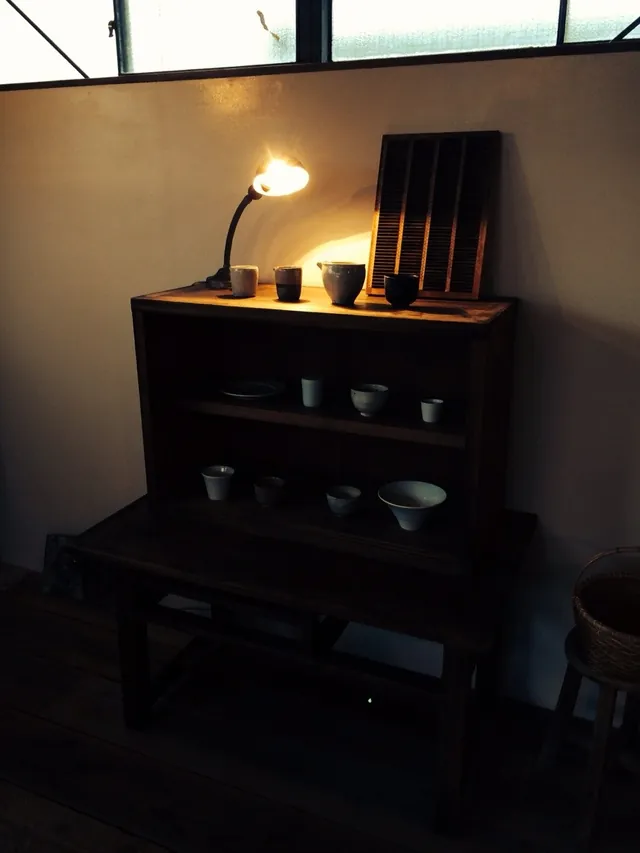
Photo: the shop’s official page A shop in Hase with a café downstairs and a room upstairs for makers' vessels, glass, antiques and old books. Open 12:00–18:00 (upstairs until 17:30, no entry under age eight), irregular holidays.
1F Cafe 12:00–18:00 (L.O. 17:30), 2F Shop 12:00–17:30 · Closed: Irregular holidays
Why the editors chose itA two-floor Hase space with a downstairs café and makers' vessels, antiques and old books upstairs.
Onari / Yuigahama
Moyai Kogei
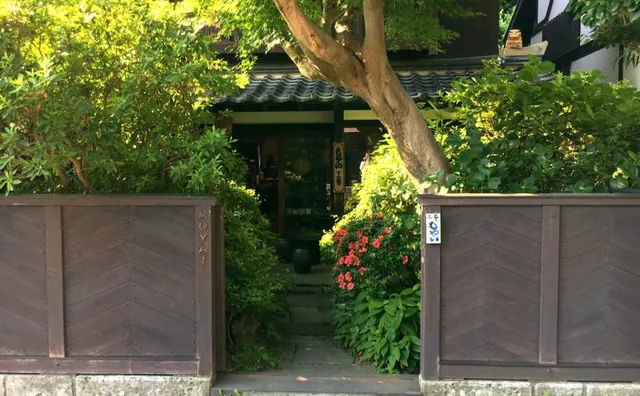
Photo: the shop’s official page もやい工藝
A mingei craft shop founded in 1972 past the tunnel in Sasuke, stocking pottery from Okinawa, Kyushu and Mashiko, blown glass, bamboo baskets and handwoven textiles. Open 10:00–17:00, closed Tuesdays (open on public holidays).
Wed–Mon 10:00–17:00 · Closed: Tuesdays (except public holidays)
Why the editors chose itA 1972 mingei shop in Sasuke stocking Okinawan, Kyushu and Mashiko pottery alongside baskets and cloth.
Sights in Kamakura
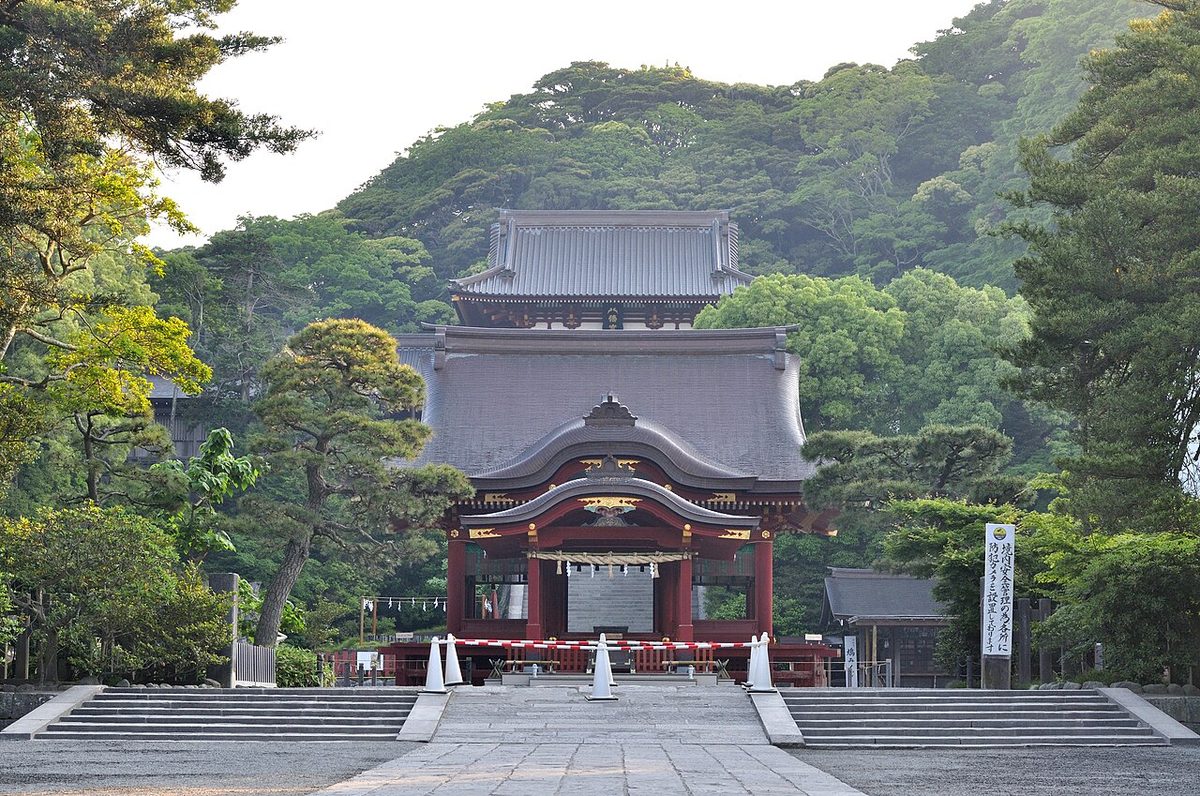
Photo: Ocdp / CC0 (Wikimedia Commons) Kamakura's central shrine, first enshrined near Yuigahama in 1063 and moved here by Minamoto no Yoritomo in 1180.
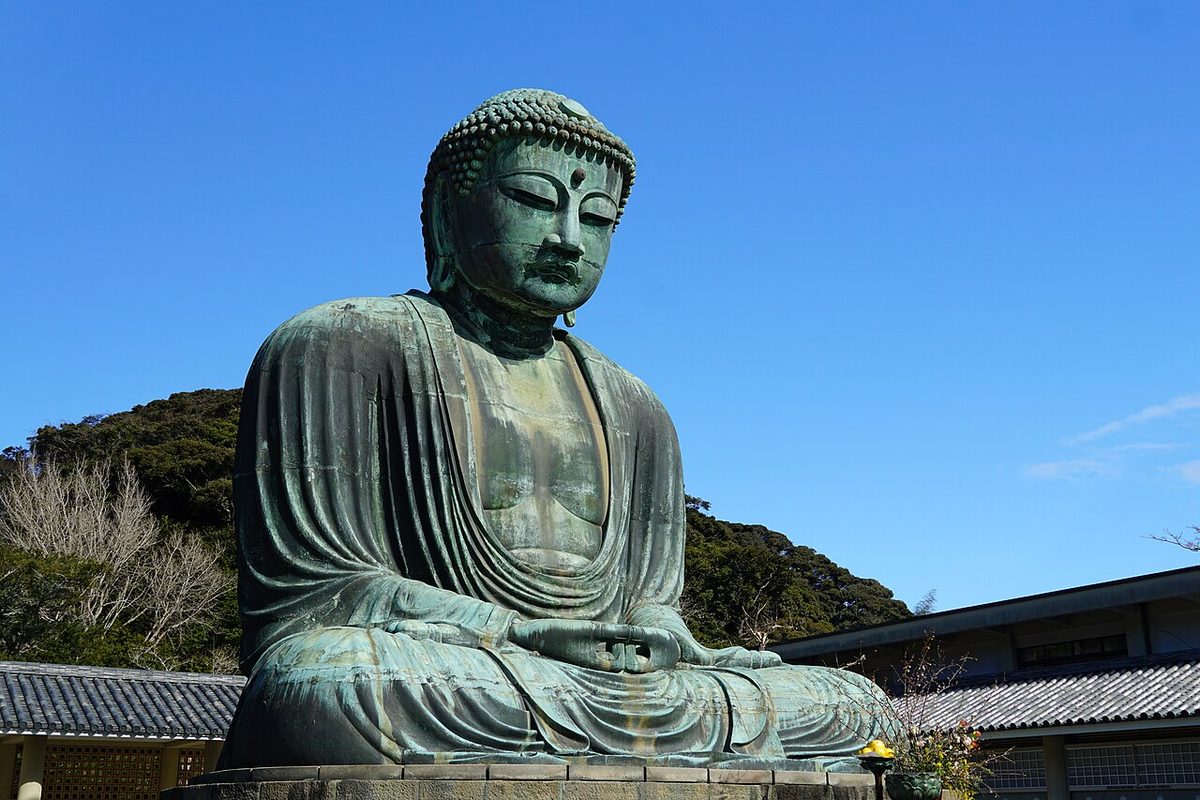
Photo: 663highland / CC BY-SA 4.0 (Wikimedia Commons) Kotoku-in (Great Buddha of Kamakura)
A temple in Hase housing the National Treasure bronze Amida Buddha cast from 1252, sitting in the open air after its wooden hall was lost to typhoons and a great earthquake.
The Kangetsudo hall has been dismantled and transferred, and viewing of its Kannon statue is suspended until reconstruction (planned around 2027).
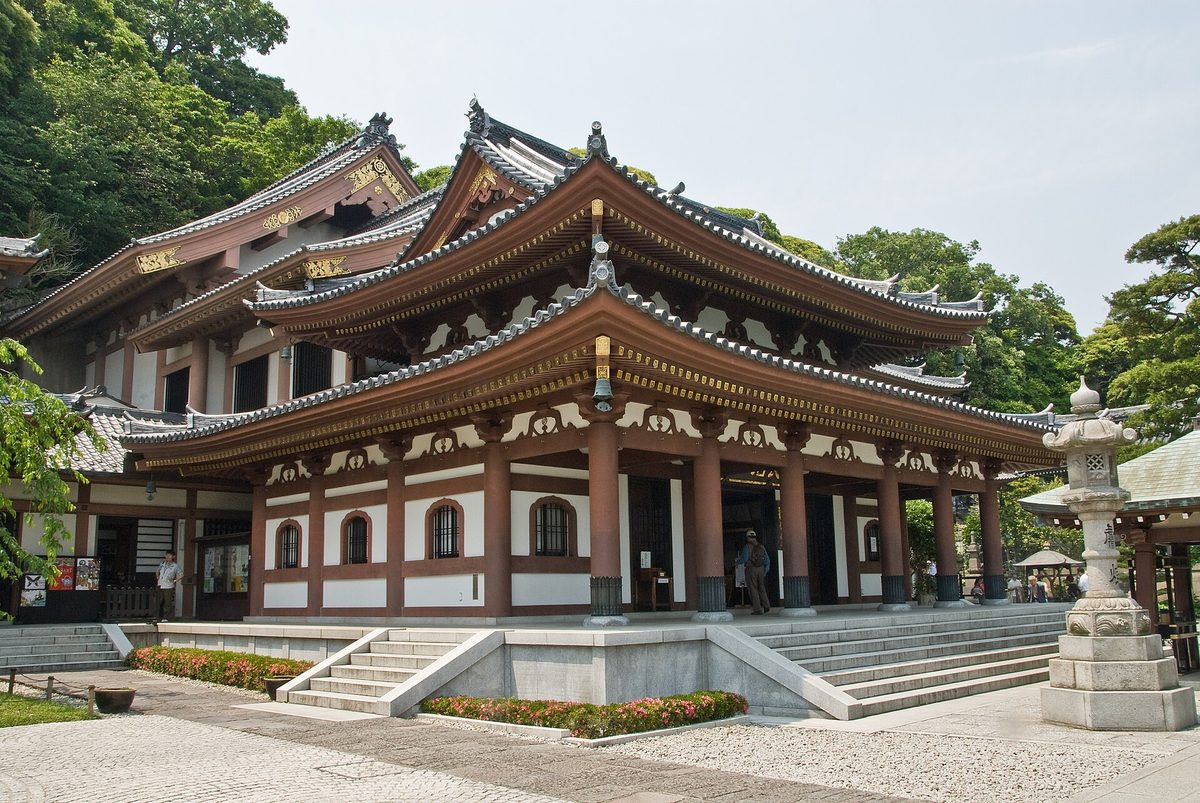
Photo: Urashimataro / Public domain (Wikimedia Commons) A hillside temple in Hase said to date from 736, housing a 9.18-metre wooden Eleven-Headed Kannon statue and gardens looking out over Sagami Bay.
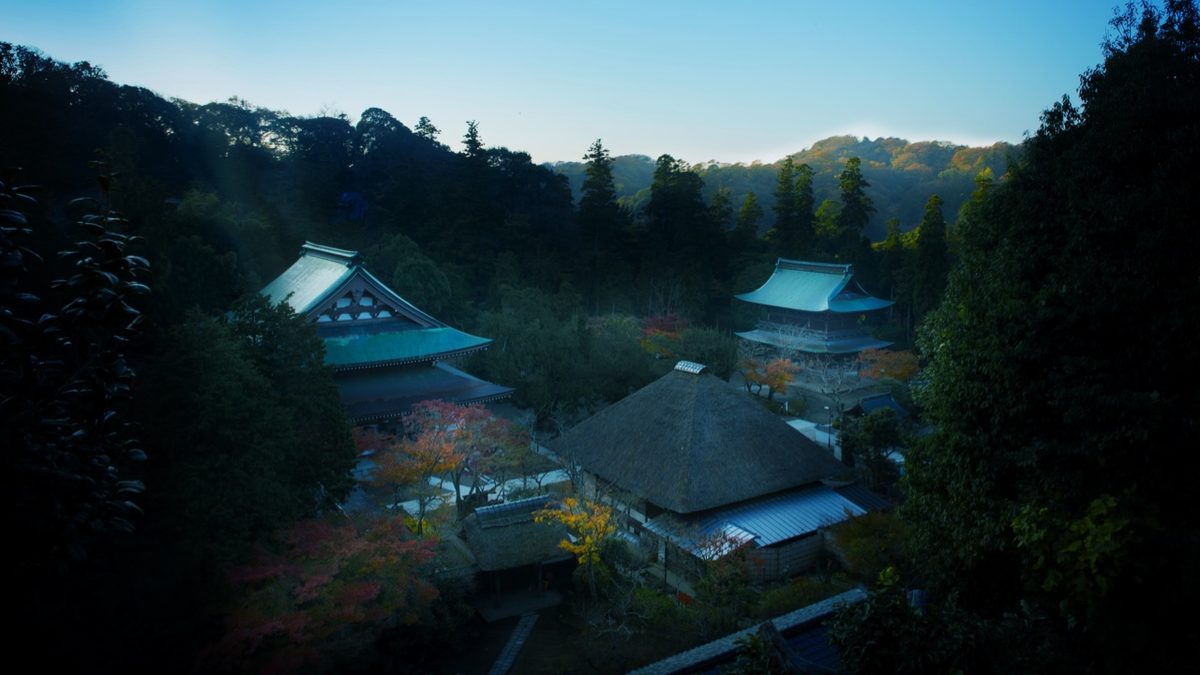
Photo: official site A head temple of the Rinzai Zen school founded in 1282 by Hojo Tokimune under the Chinese master Mugaku Sogen, its Sanmon gate, Buddha hall and abbot's quarters climbing a valley beside Kita-Kamakura Station.
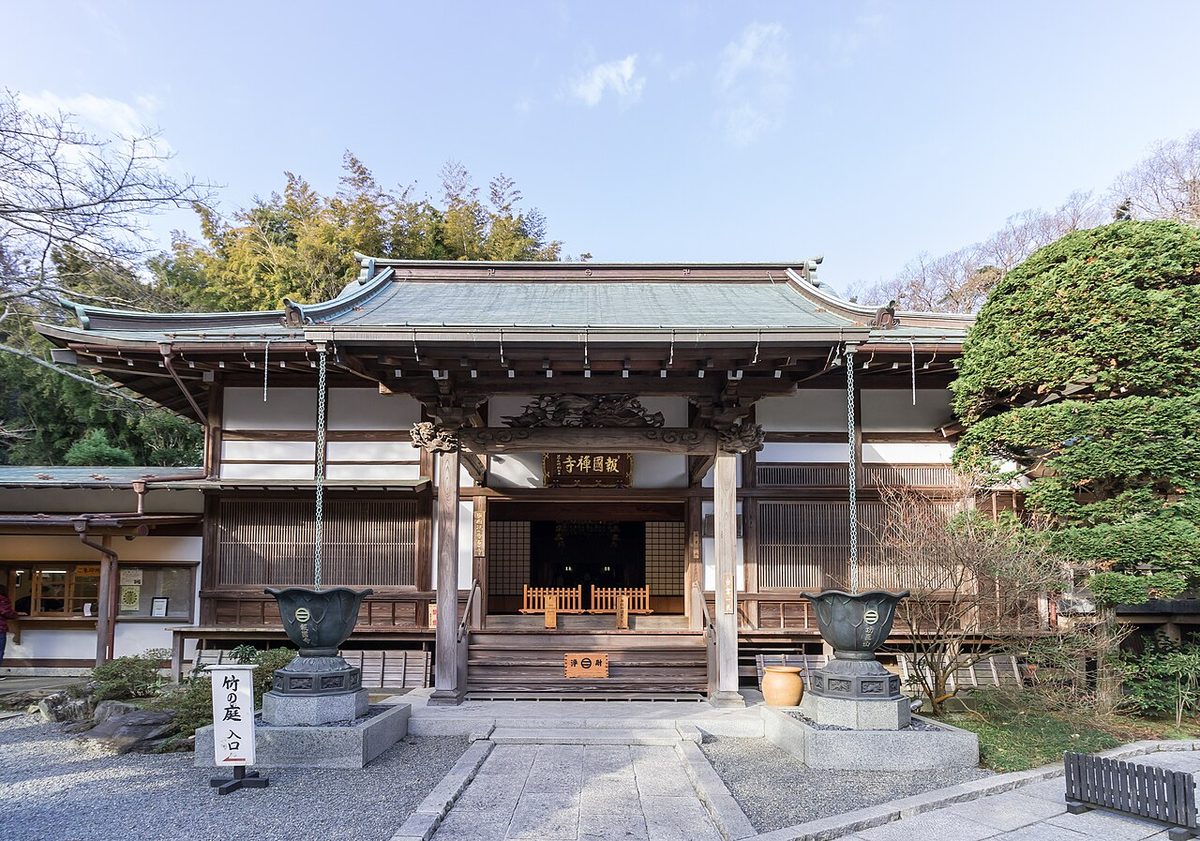
Photo: Kakidai / CC BY-SA 4.0 (Wikimedia Commons) A Rinzai Zen temple in Jomyoji known for a bamboo garden of roughly two thousand stalks behind the main hall, alongside a dry-landscape garden and moss-lined paths.
The Kyukoan matcha pavilion in the bamboo garden is scheduled to close for renovation from 18 January to mid-March 2027.
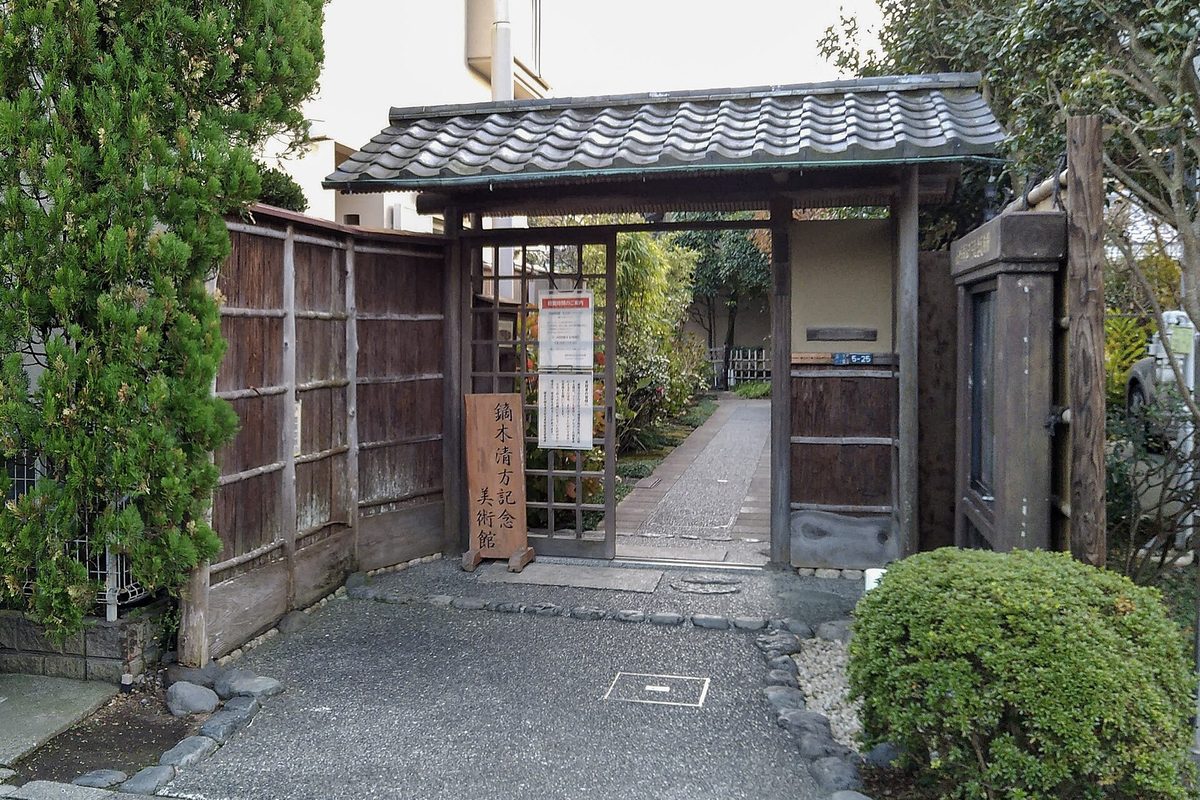
Photo: KQuhen / CC BY-SA 4.0 (Wikimedia Commons) Kamakura City Kaburaki Kiyokata Memorial Art Museum
A memorial museum on the Yukinoshita site where Nihonga painter Kaburaki Kiyokata lived from 1954 until his death, showing his paintings and materials in seasonal exhibitions.
Closed 30 November–3 December 2026 for exhibition changeover ahead of the winter exhibition opening 4 December.
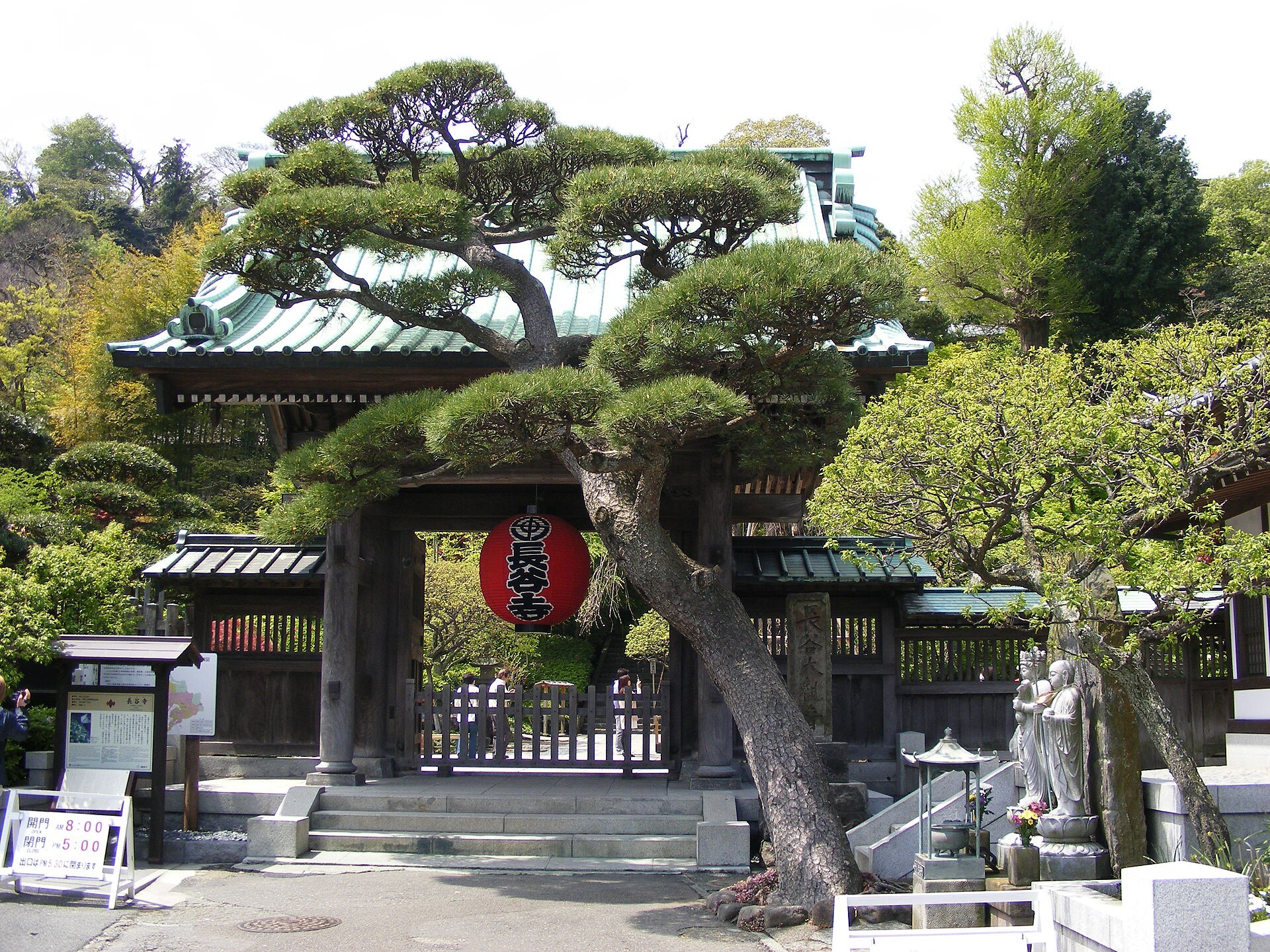
Photo: Țetcu Mircea Rareș at Romanian Wikipedia / CC BY 2.5 (Wikimedia Commons) Famous for its flowers throughout the seasons, especially the hydrangeas during the rainy season.
These are local landmarks. Each was checked to be open on its official site (checked 2026-11-17). Please confirm hours before you go.
Beyond Kamakura
1 / 8
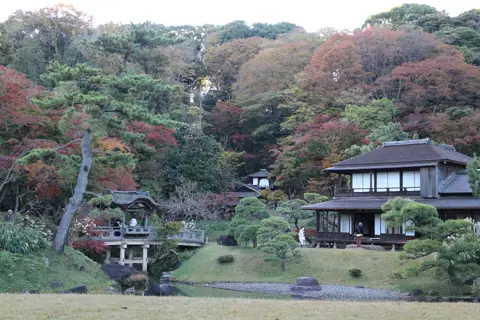 Yokohama · 15 km
Sankeien Garden →
A vast Japanese garden in Yokohama, featuring relocated historic buildings and offering scenic views throughout the seasons.
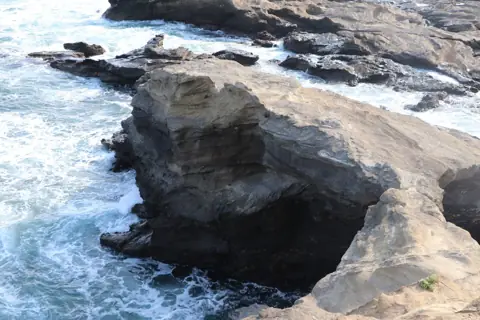 Miura · 22 km
Jogashima Island & Umanose Domon Sea Arch →
A coastal island at the southern tip of the Miura Peninsula featuring a natural wave-carved sea arch, two lighthouses, and dramatic sea cliffs.
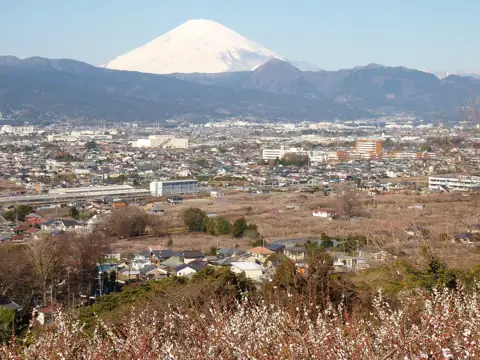 Odawara · 32 km
Soga Plum Grove →
An agricultural orchard district in northern Odawara with around 35,000 white plum trees framing views of snow-capped Mt. Fuji.
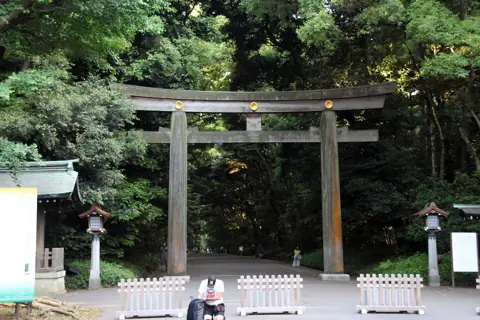 Tokyo · 41 km
Meiji Jingu →
Meiji Jingu is a shrine dedicated to Emperor Meiji and Empress Shoken, and is known for attracting the largest number of New Year's shrine visitors in Japan.
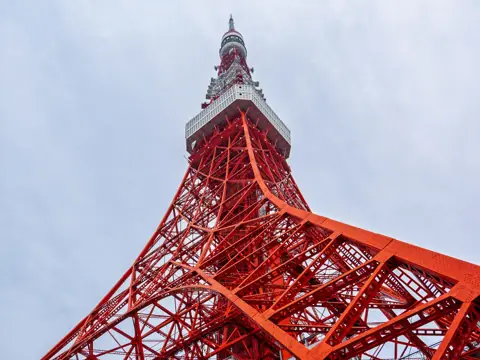 Minato · 42 km
Tokyo Tower →
Built in 1958, this 333-meter iron tower is famous for its observatory, which offers panoramic views of Tokyo, and its beautiful nighttime illumination.
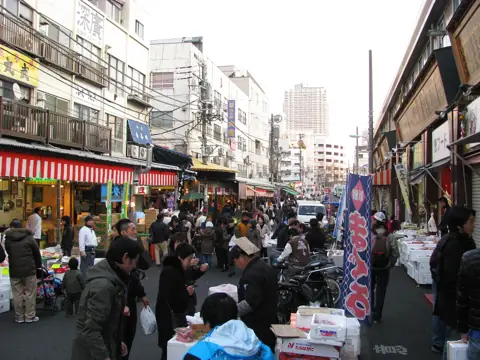 Tsukiji, Tokyo · 43 km
Tsukiji Outer Market →
Tsukiji Outer Market is a lively area where food professionals gather, known for its fresh seafood, ingredients, and souvenirs, making it a popular tourist destination.
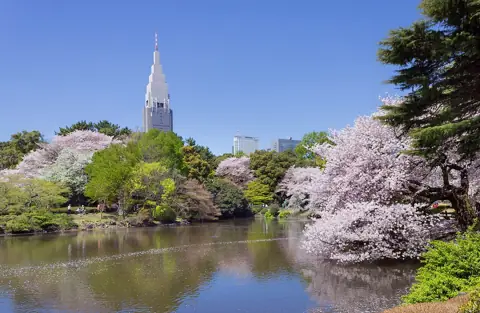 Shinjuku · 43 km
Shinjuku Gyoen National Garden →
A vast garden built on the site of the Naito family's residence from the Edo period.
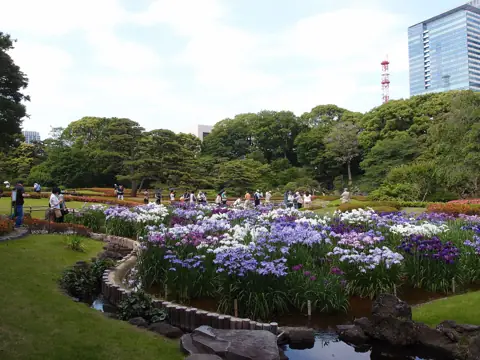 東京都 · 44 km
Imperial Palace East Garden →
A garden built on the ruins of the former Edo Castle's Honmaru, Ninomaru, and Sannomaru, where you can feel the history of the Imperial Family.


Distances are straight-line from the town centre. Each page has how to get there and a suggested day.
Questions people ask
- Where can I eat Kamakura's local dishes?
Shirasu-don (whitebait rice bowl): Kawahirako (Hase)
Kamakura-yasai (Kamakura heirloom vegetables): Hachinoki Shinkan (Kita-Kamakura)
- Where can I see or buy Kamakura-bori Lacquerware, Craft in Kamakura?
Kamakura-bori Lacquerware: Kamakurabori Kaikan (Shop Guri & Cafe Guri) (Komachi / Wakamiya Oji), Kamakurabori Hakkodo (Komachi / Wakamiya Oji)
Craft: Natsutsubaki (Onari / Yuigahama), vuori (Hase), Moyai Kogei (Onari / Yuigahama)
- Which places in Kamakura open by 9 in the morning?
THE GOOD GOODIES (Onari / Yuigahama, Thu–Tue 8:00–18:00)
Chikaramochiya (Hase, 9:00–18:00)
- What can I visit on foot around Onari / Yuigahama?
Craft: Natsutsubaki, Moyai Kogei
Cafés: CHABAKKA TEA PARKS Kamakura, THE GOOD GOODIES
Sweets: GELATERIA SANTi
Food: Kamakura Matsubara-an
Every place was checked to be open in November 2026. Hours can change, so please check the official site before you go.
If you like Kamakura
- Shizuoka
Shizuoka, Japan
For example, Moyai Kogei here, and Shimizu Kasuga Pottery Studio in Shizuoka.
- Odawara
Kanagawa, Japan
For example, Natsutsubaki here, and Utsuwa Nanohana in Odawara.
- Kurashiki
Okayama, Japan
For example, Natsutsubaki here, and Koubou Ikuko in Kurashiki.
Chosen by how close the towns and their places are in what they make and serve.