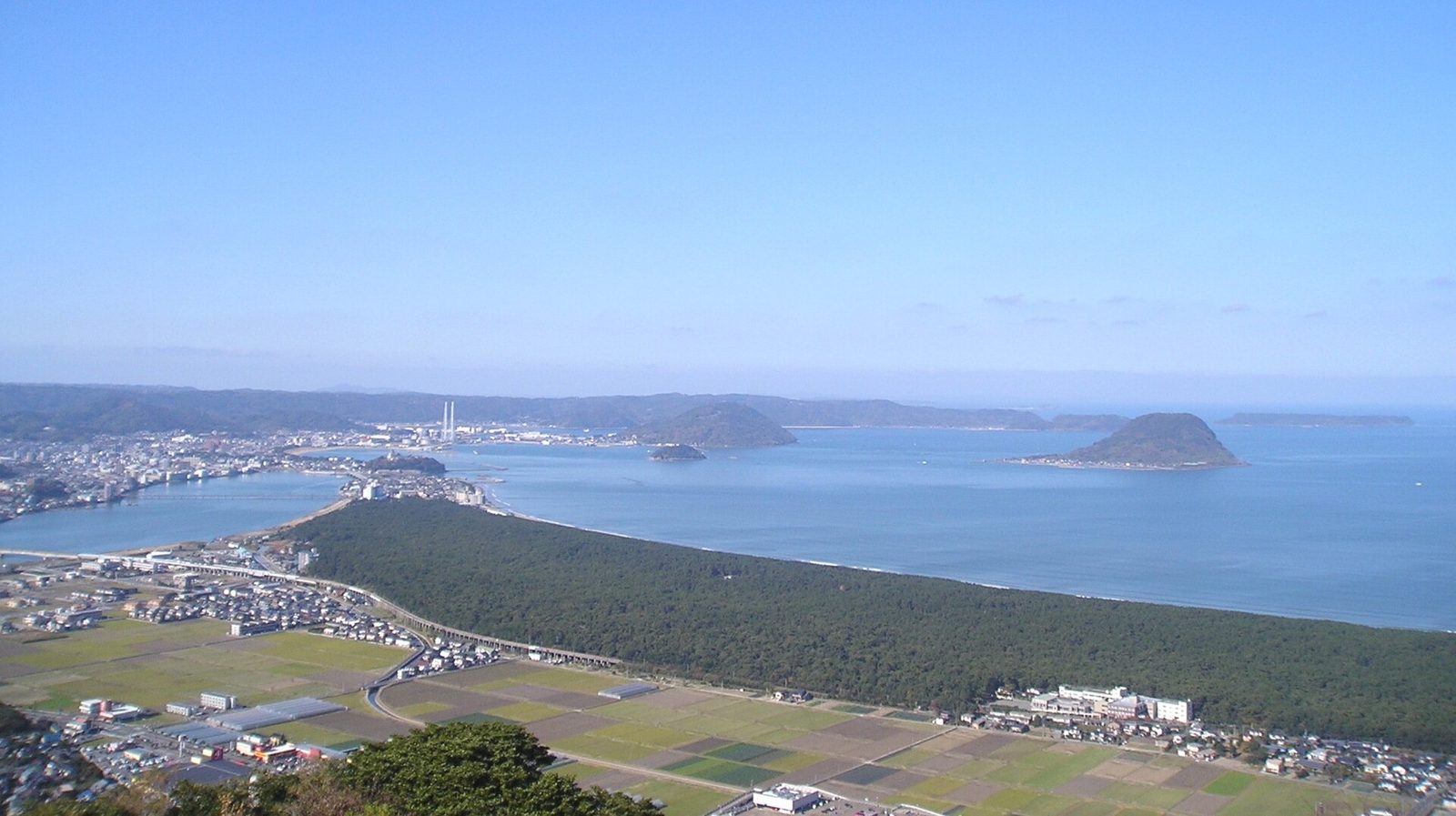
33.4° N
Karatsu
Saga, Japan
A castle town on the Genkai Sea in northwestern Saga. Karatsu-yaki kilns and tableware shops, cafés and tofu, as the editors’ picks. In November, the floats of Karatsu Kunchi pass through the old castle town.
Karatsu, on film
3 sights and 21 places, each checked open in 2026, in 39 seconds.
Found somewhere you like? The map and the list below have the address, hours and official site.
Tap for sound
What to eat in Karatsu
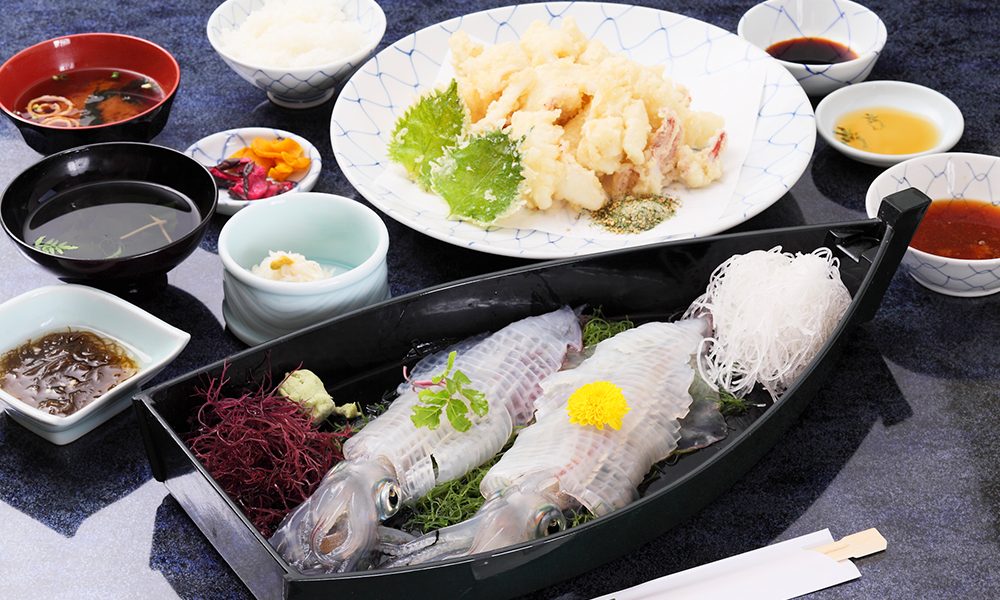
Photo: Kawataro Yobuko (official site) Yobuko squid (live squid sashimi)
呼子のイカ
Live squid caught in the Genkai Sea and sliced to order from restaurant seawater tanks into translucent sashimi, served with the remaining tentacles fried as tempura or grilled. Ikizukuri live-squid dining developed in Karatsu's Yobuko port in the late 1960s and 1970s using temperature-controlled holding tanks.
Ordered as a set meal or shared dish; eat the translucent sashimi first, then the tempura or grilled tentacles.
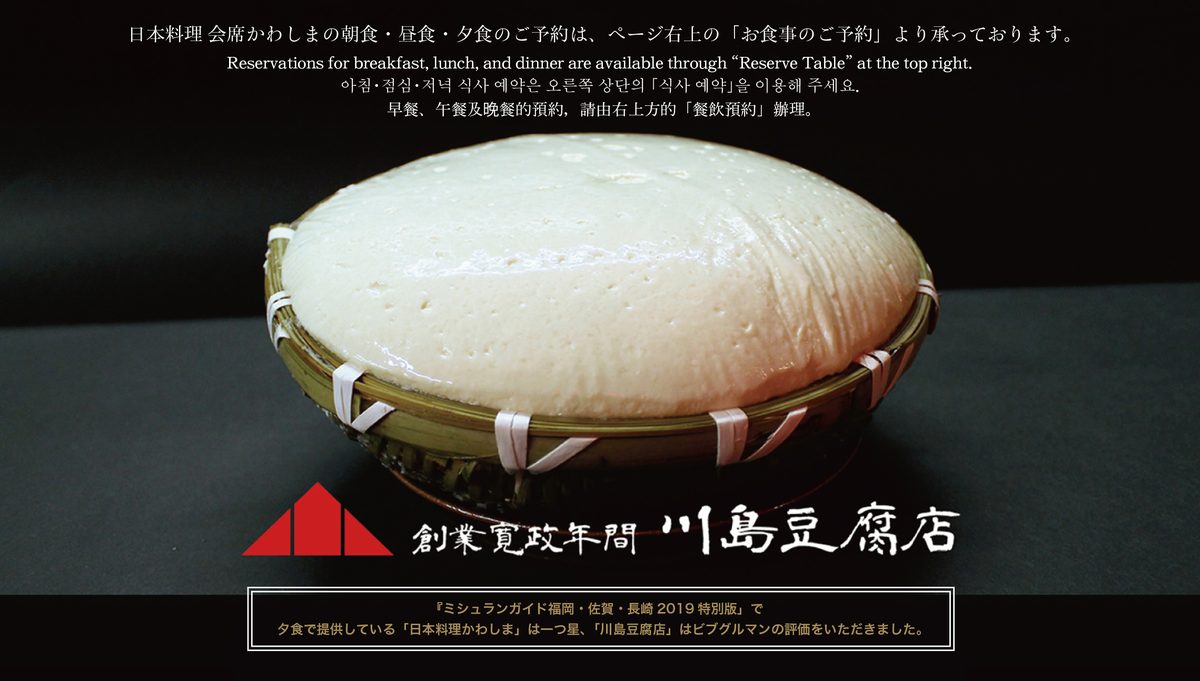
Photo: 川島豆腐店 (official site) Zaru-dofu (basket-drained tofu)
ざる豆腐
Soft, unpressed tofu scooped into a bamboo colander to drain naturally without soaking in cold water, preserving the sweetness of the soybeans. It was created in 1983 at Kawashima Tofu in Karatsu's Kyomachi, a shop founded in the Kansei era (1789–1801) that supplied tofu to Karatsu Castle.
Served warm at the 8-seat counter on Karatsu-yaki pottery as part of a reserved morning or lunch course, or eaten chilled or gently warmed with salt or soy sauce.
Where to eat it
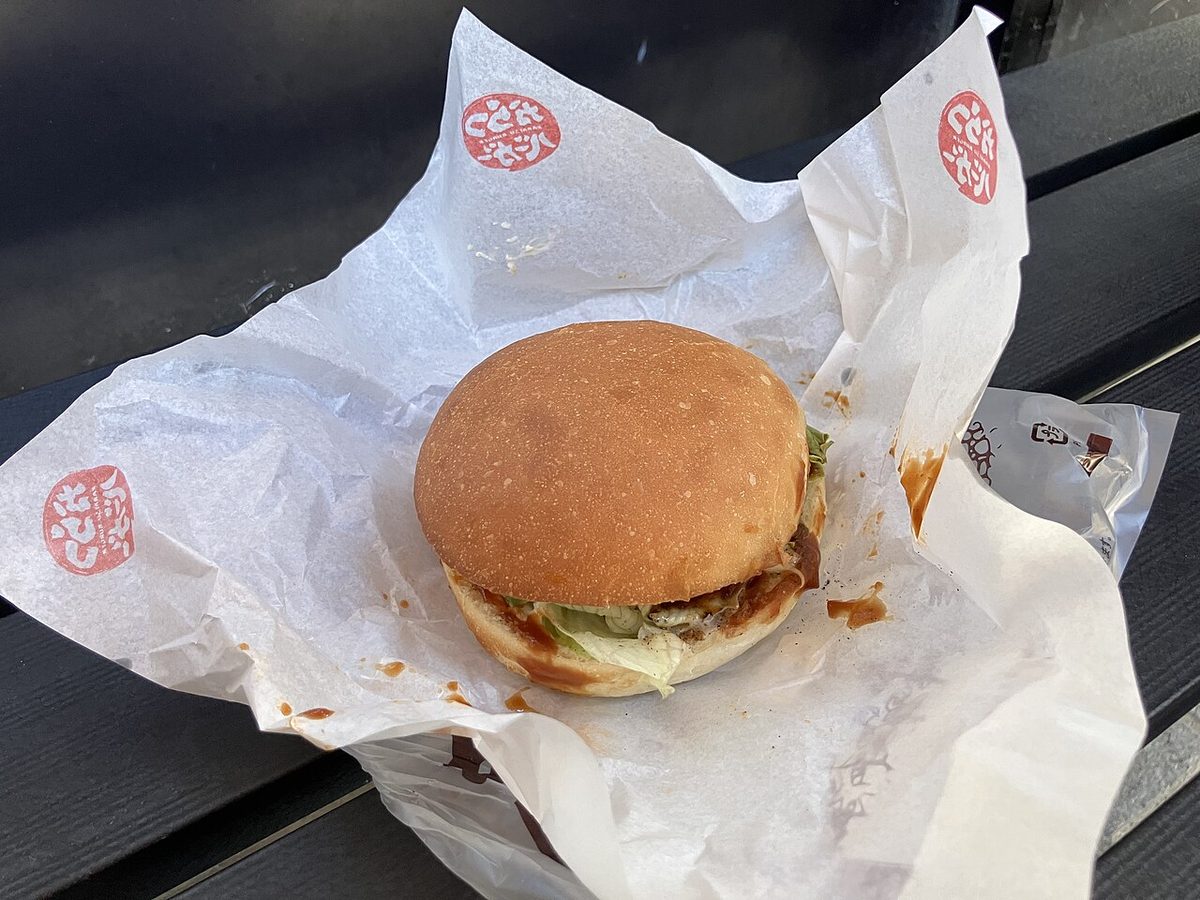
Photo: さえぼー / CC0 (Wikimedia Commons) Karatsu Burger
からつバーガー
A made-to-order local burger with toasted buns, a grilled patty, egg, cheese, ham, lettuce, and house demi-glace sauce. Founded in 1961 (Showa 36) inside Karatsu's Niji no Matsubara pine grove, it is sold from a retro red minibus.
Ordered at the counter window of the red bus in Niji no Matsubara and eaten hot outdoors among the pine trees, often as the Special Burger with coffee.
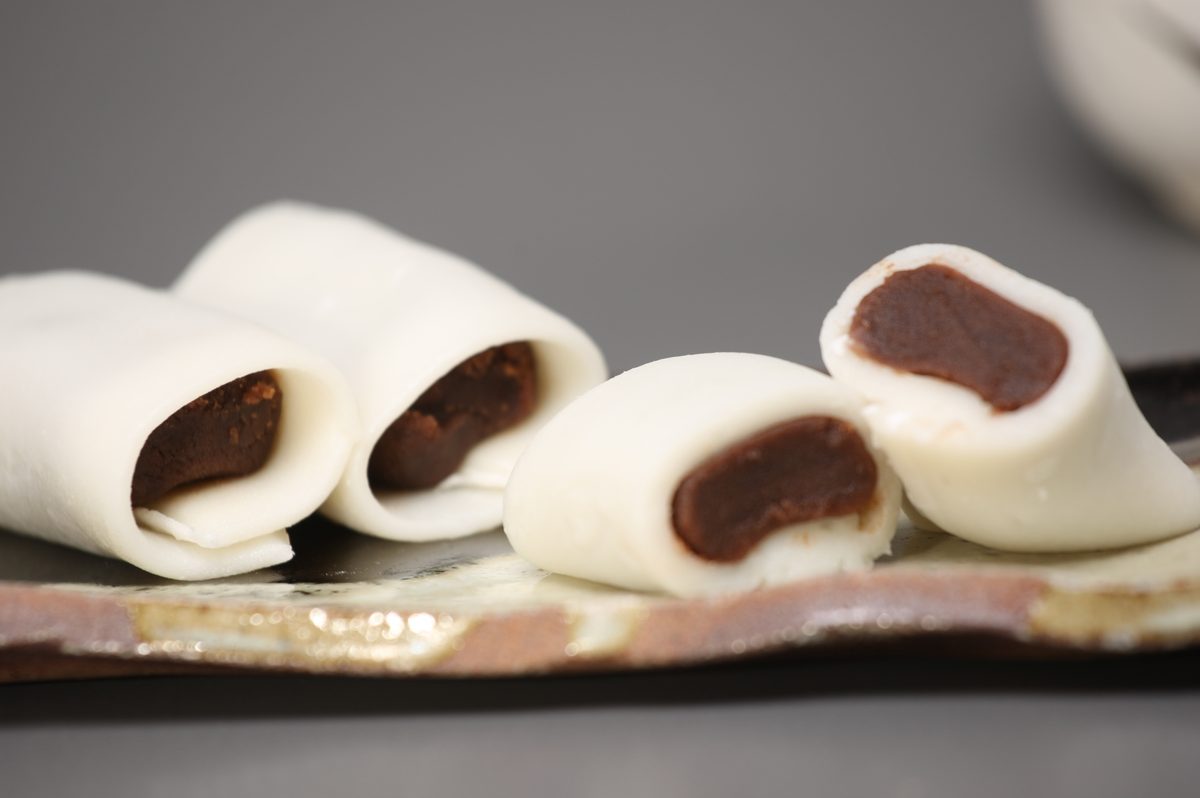
Photo: 元祖 伊藤けえらん (official site) Keeran (steamed rice-cake roll with bean paste)
けえらん
A traditional wagashi from Hamasaki in Karatsu made by wrapping azuki bean paste in thin steamed dough of Saga-grown non-glutinous rice. Local lore links its name to Toyotomi Hideyoshi, who reportedly vowed not to return (kaeran, dialectally keeran) until victorious after eating it at Suwa Shrine in Hamasaki.
Made without preservatives and eaten fresh on the day of purchase or the next day, as a snack or with tea.
Where to eat it
The LATITUDE editors’ 21 picks in Karatsu
Our editors verified that these places were open (checked 2026-11-12). Check the official site for hours and closing days before visiting. Sponsored listings are marked.
Save places to your trip list and revisit them in this browser. No account needed.
Editors’ picks on the map — or build your own route
Tap a mark to see the place; squares are museums and sights (landmarks). Use “Build your own route” to make a walk of your own.
Loading the map
Map data © OpenStreetMap contributors
Browse by category
1 / 22
Kyomachi
Kawashima Tofu
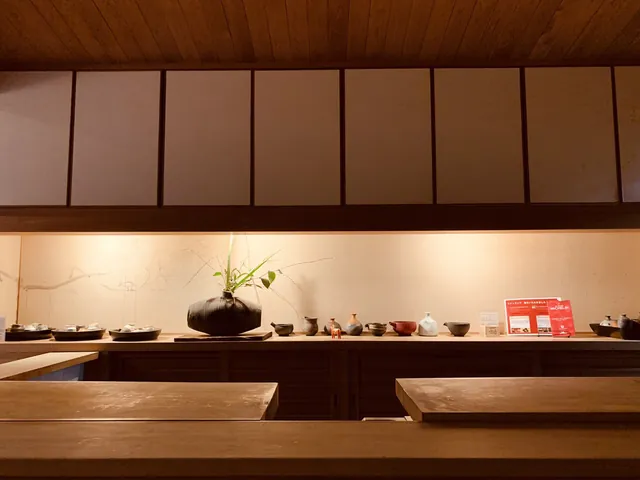
Photo: the shop’s official page 川島豆腐店
A tofu shop in Kyomachi founded in the Kansei era, 1789–1801. Its dining counter serves warm zaru-dofu and tofu dishes including thick fried tofu on Karatsu ware, by reservation.
Shop 8:00–around 17:00, Tofu dining 9:00–, Kaiseki 12:00– & 18:30– · Closed: Sundays
Why the editors chose itA Kansei-era tofu shop whose reservation counter serves warm zaru-dofu dishes on Karatsu ware.
Higashi-Jonai
QURIYA
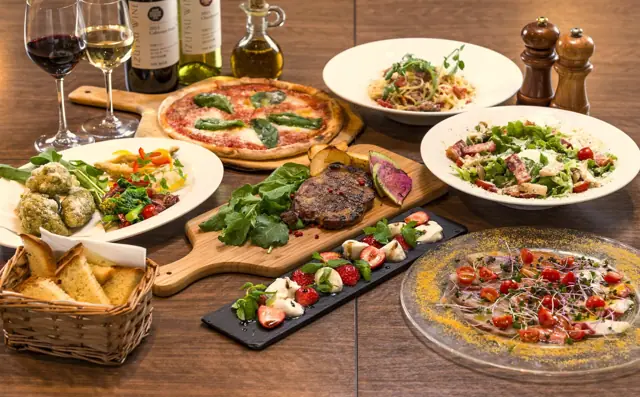
Photo: the shop’s official page QURIYA 厨
Irregular closing days
An Italian restaurant in Higashi-Jonai. Pasta, risotto and meat dishes using ingredients from sea and land, at lunch and dinner.
11:30–15:00 (last order 14:30), 17:00–22:00 (last order 21:30) · Closed: Irregularchecked Nov 2026
Why the editors chose itAn Italian kitchen in Higashi-Jonai cooking sea and mountain produce into pasta, risotto and meat dishes.
Haru
Restaurant Shima
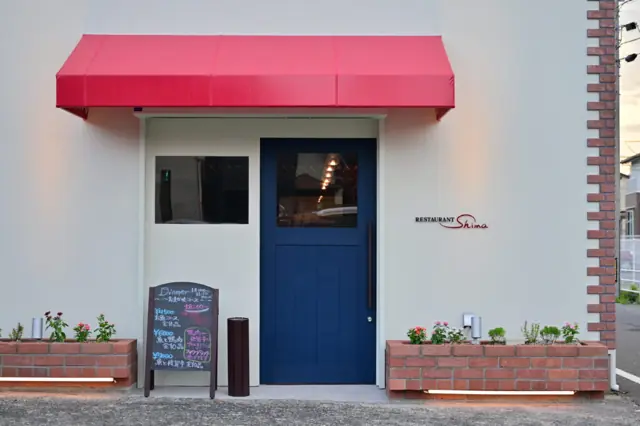
Photo: the shop’s official page レストラン シマ
A French restaurant in Haru using Karatsu ingredients. Lunch courses with a choice of starters and main dishes, and dinner courses.
11:30–14:30 (last order 13:00), 18:00–21:30 (last order 19:30) · Closed: Mondayschecked Nov 2026
Why the editors chose itA French kitchen in Haru cooking with Karatsu ingredients, offering selectable lunch courses and dinner.
Shinkomachi
Restaurant Présage
A restaurant in Shinkomachi open for lunch and dinner by reservation. Book at least two days ahead, for two or more people.
Why the editors chose itA Shinkomachi restaurant open by reservation only, for two or more guests booked two days ahead.
Higashi-Karatsu
Tea & Space Kikouan
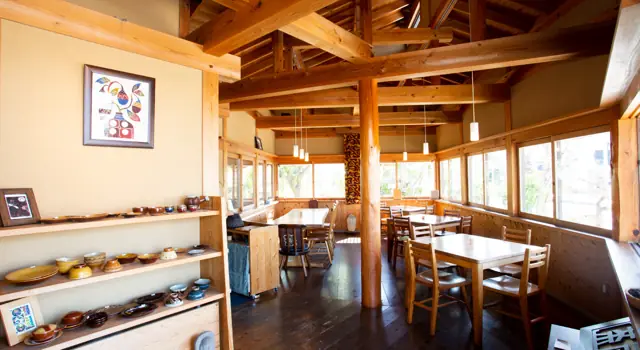
Photo: the shop’s official page Tea & Space 基幸庵
A tea room and folk-craft shop beside Maizuru Bridge in Higashi-Karatsu. Matcha and fresh wagashi in Karatsu ware, with seasonal sweets.
11:00–18:00 (last order 17:30) · Closed: Tuesdays, 4th Mondays
Why the editors chose itBrowse folk crafts beside Maizuru Bridge and have matcha and wagashi in Karatsu ware.
Hamatama-machi Hamasaki
Jack Coffeestand
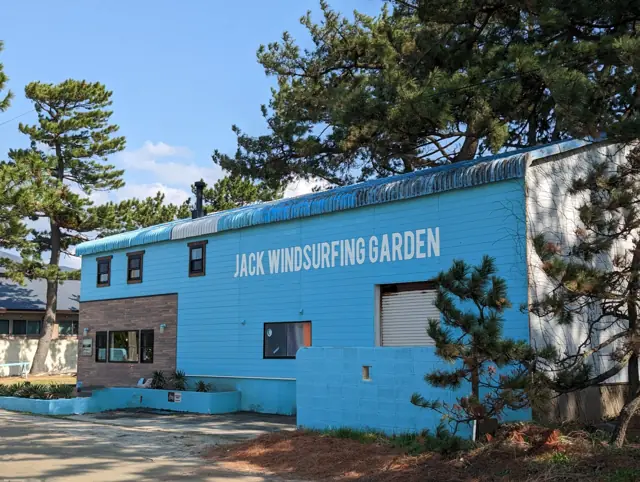
Photo: the shop’s official page Irregular closing days
A coffee stand alongside the windsurfing shop WIND JACK in Hamasaki. Coffee and muffins; closed on Thursdays and Fridays.
11:00–17:00 · Closed: Thursdays & Fridays (other irregular closures apply)checked Nov 2026
Why the editors chose itA coffee stand beside the windsurfing shop WIND JACK in Hamasaki for coffee and muffins.
Watada Honmura
cafe ortoyo
A café in Watada Honmura serving chiffon cakes and other baked sweets. The meal menu is still in preparation.
Why the editors chose itA Watada Honmura café focused on chiffon cakes and baked sweets.
Kumanoharamachi
Taneya Coffee
タネ屋珈琲店
A coffee shop in Kumanoharamachi that also sells roasted sweet potatoes. Takeaway is available.
Why the editors chose itA coffee shop in Kumanoharamachi that also sells roasted sweet potatoes, with takeaway available.
Hamatama-machi Hamasaki
Ganso Ito Keeran
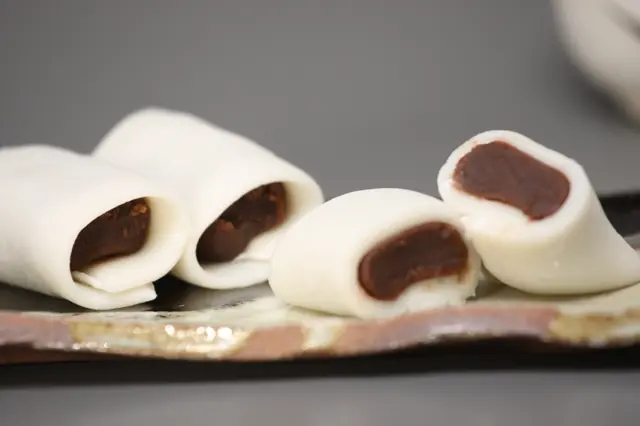
Photo: the shop’s official page 元祖 伊藤けえらん
A wagashi shop making keeran, a Hamasaki sweet. Steamed dough made from prefecture-grown rice is wrapped around bean paste, without preservatives.
8:30–20:00 (until sold out) · Closed: Open every daychecked Nov 2026
Why the editors chose itHome of Hamasaki's keeran sweet: steamed local rice dough around bean paste, with no preservatives.
Funamiyamachi
Viennoiserie Selfish
Viennoiserie selfish
A bakery in Funamiyamachi using Saga-grown wheat and eggs and milk from Karatsu.
Why the editors chose itA Funamiyamachi bakery making its bread and pastries with Saga wheat and Karatsu eggs and milk.
Higashi-Jonai
LAZY BIRD BAKERY
A bakery near Karatsu Castle in Higashi-Jonai. It closes when sold out; closed on Mondays and Thursdays.
Why the editors chose itA bakery right beside Karatsu Castle that closes as soon as loaves sell out.
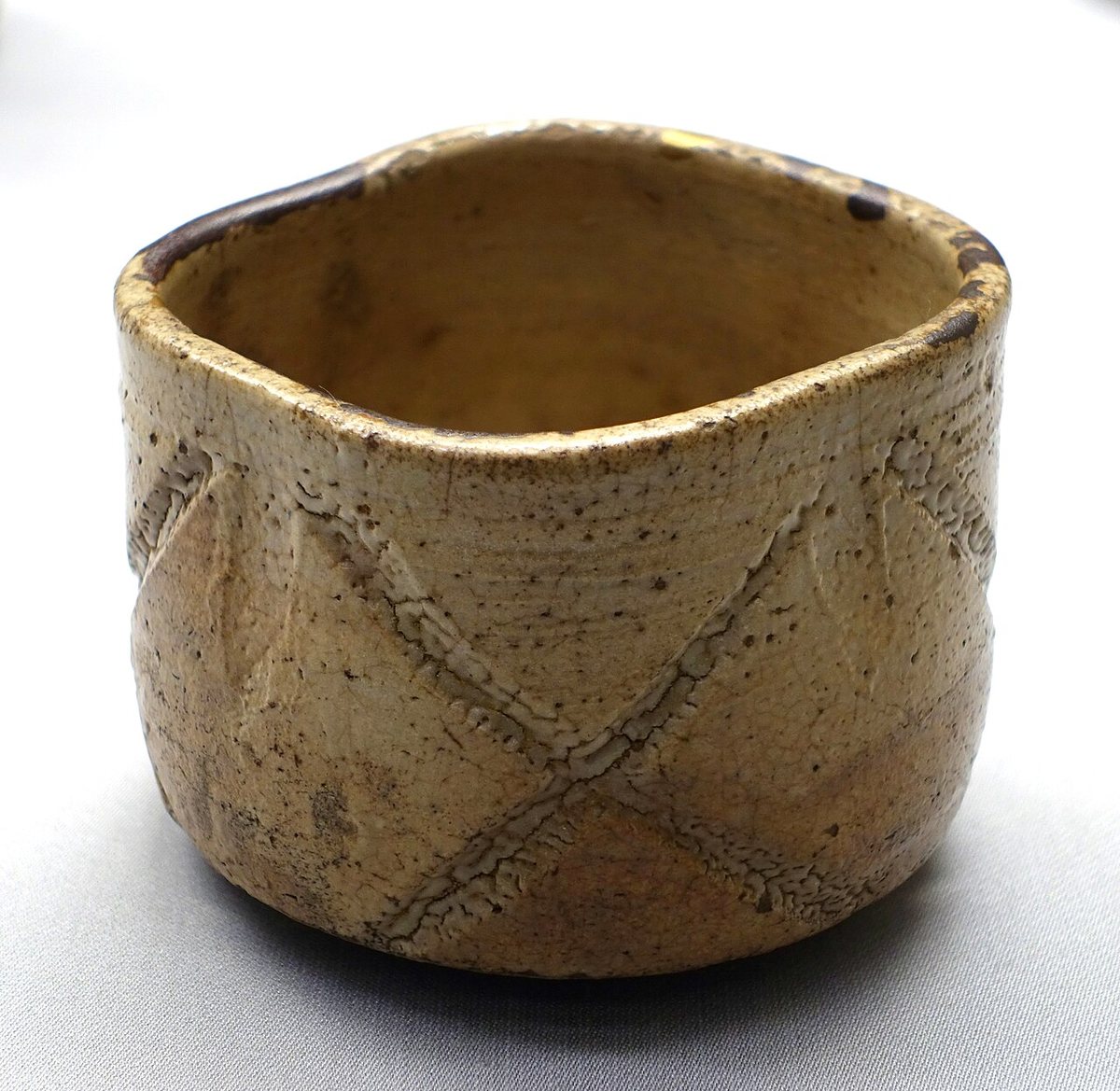
Made in Karatsu
Pottery begun in the late sixteenth century with techniques brought from the Korean peninsula. Tea ware and everyday plates and bowls are made with attention to the character of the clay and glazes.
Historic Hori-garatsu stoneware tea bowl 'Iwao'·Photo: Daderot / CC0 (Wikimedia Commons)
Mirukashi
Ryutagama
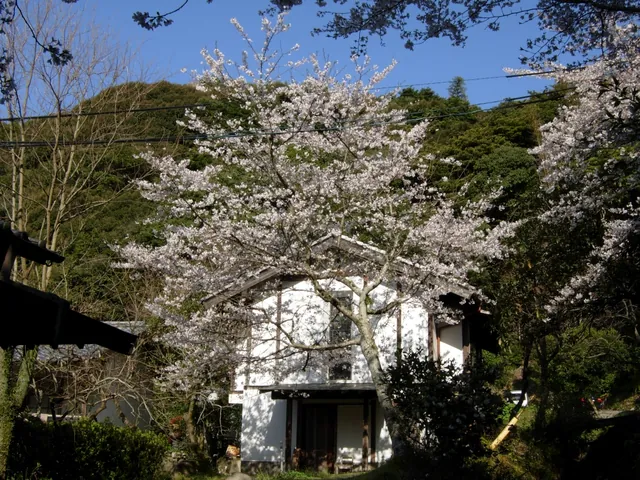
Photo: the shop’s official page 隆太窯
A kiln established by Takashi Nakazato in Mirukashi in 1974, where Taki and Kenta Nakazato also make pottery. Works are sold in the showroom.
10:00–17:00 · Closed: Wednesdays & Thursdayschecked Nov 2026
Why the editors chose itChoose pieces in the showroom of the kiln Takashi Nakazato built in 1974.
Kagami
Kyozangama
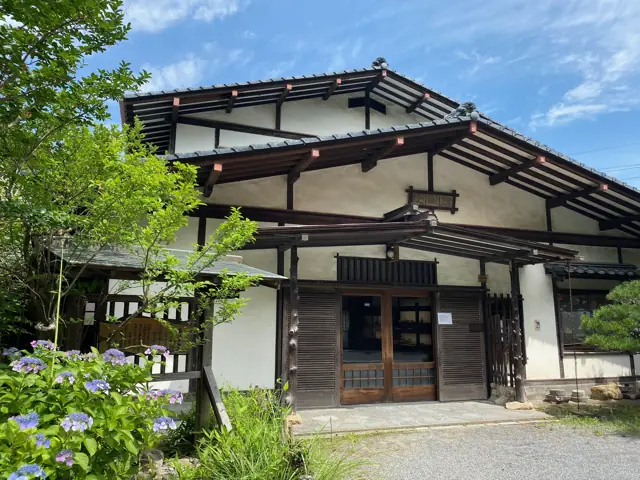
Photo: the shop’s official page 鏡山窯
Irregular closing days
A Karatsu-yaki kiln founded by Toya Inoue in 1969 at the foot of Mount Kagamiyama. Clay and glazes are prepared by hand and the pots are wood-fired; a gallery sells the work.
9:30–17:30 · Closed: Year-end/New Year (irregular closures apply)checked Nov 2026
Why the editors chose itA 1969 wood-fired Karatsu kiln making its own clay and glazes, with a direct gallery.
Hamatama-machi Yokotashimo
Kentarougama
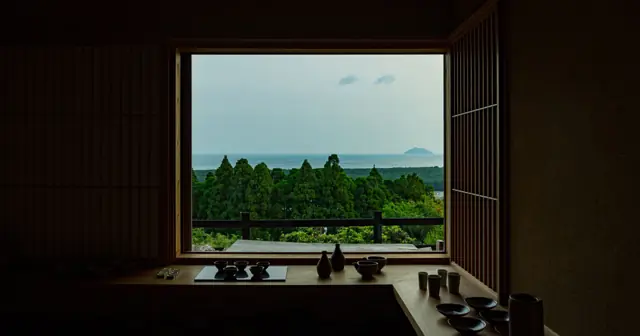
Photo: the shop’s official page 健太郎窯
A Karatsu-yaki kiln established by Kentarou Murayama in 2008 on Mount Kagamiyama. Clay and glazes are made from earth and stone gathered in the hills, for everyday tableware.
Why the editors chose itA Mount Kagamiyama kiln making everyday Karatsu tableware from locally gathered earth and stone.
Uki
Mitohgama
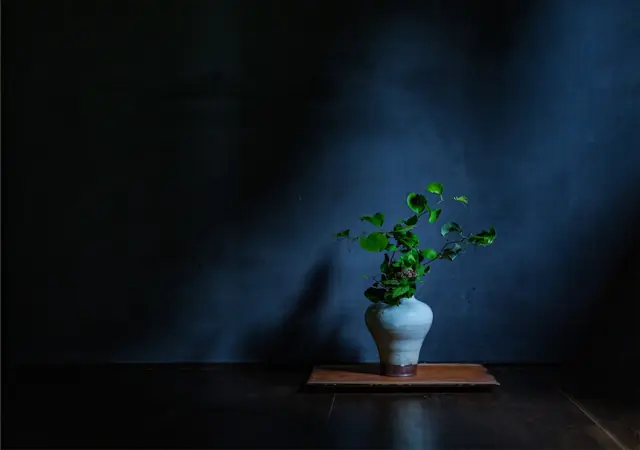
Photo: the shop’s official page 三藤窯
Rui Mitoh’s Karatsu-yaki kiln in Uki, established independently in 2009. She works from finding clay through to firing, using the effects of flame and ash in a climbing kiln.
Why the editors chose itRui Mitoh oversees clay gathering through climbing-kiln firing, letting flame and ash shape each piece.
Hamatama-machi Hirabaru
Sougenkama
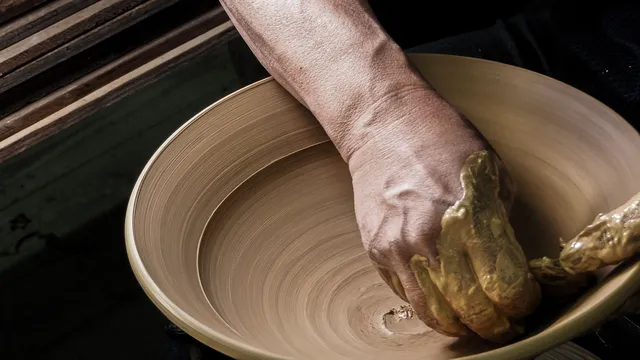
Photo: the shop’s official page 曹源窯
Naoki Kojima’s Karatsu-yaki kiln in Hirabaru, Hamatama. He gathers his own clay and glaze materials, firing in a climbing kiln or in gas and electric kilns according to the work.
Why the editors chose itNaoki Kojima gathers his own clay and glaze materials, matching each work to climbing, gas or electric kilns.
Hamatama-machi Higashiyamada
Yukikogama
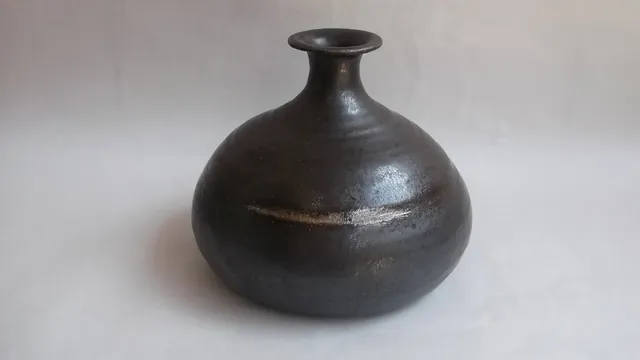
Photo: the shop’s official page 由起子窯
Yukiko Tsuchiya’s Karatsu-yaki kiln in Higashiyamada, Hamatama, making black-glazed Kuro-Garatsu tableware.
Why the editors chose itYukiko Tsuchiya's Hamatama kiln dedicated to black-glazed Kuro-Garatsu tableware.
Gofukumachi
Gallery Ichibankan
Photo: the shop’s official page ギャラリー一番館
A shop for Karatsu and Arita ware in Gofukumachi. Tableware on the ground floor, with a gallery upstairs for potters’ exhibitions.
10:00–18:00 · Closed: Jan 1 only (open all other days)checked Nov 2026
Why the editors chose itBrowse Karatsu and Arita tableware downstairs and potters' exhibitions upstairs in Gofukumachi.
Mirukashi
monohanako
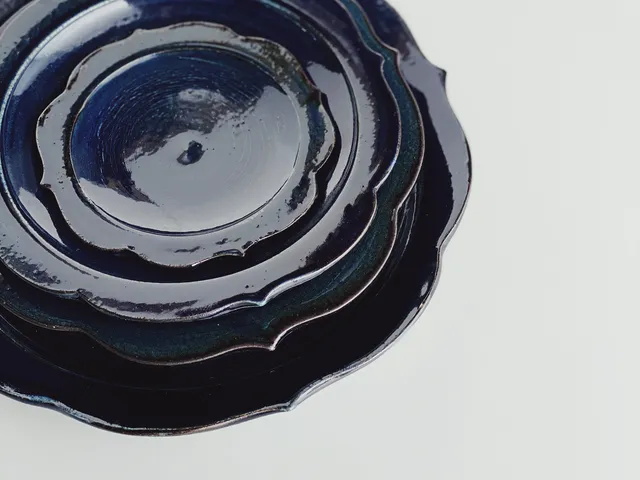
Photo: the shop’s official page The showroom of Hanako Nakazato, who works in Karatsu and Maine, USA. Plates and bowls in Mirukashi; opening days are posted on the official Instagram.
13:30–17:00 · Closed: Mondays & Tuesdays (irregular closures apply)
Why the editors chose itThe Mirukashi showroom for plates and bowls by Hanako Nakazato, working in Karatsu and Maine.
Choda
Murome Art Showroom
ムローメ アートショールーム
A studio and gallery in Choda holding exhibitions of fused glass and metalwork. No permanent display; it opens only during its spring and autumn shows.
Why the editors chose itOpen only for its spring and autumn exhibitions of fused glass and metalwork.
Oishimachi
caesura
古道具 caesura
An antique shop in Oishimachi serving coffee and beer. Opening dates and hours are posted on its official Instagram.
Why the editors chose itAn antique shop in Oishimachi where you can have coffee or beer among old objects.
Sights in Karatsu
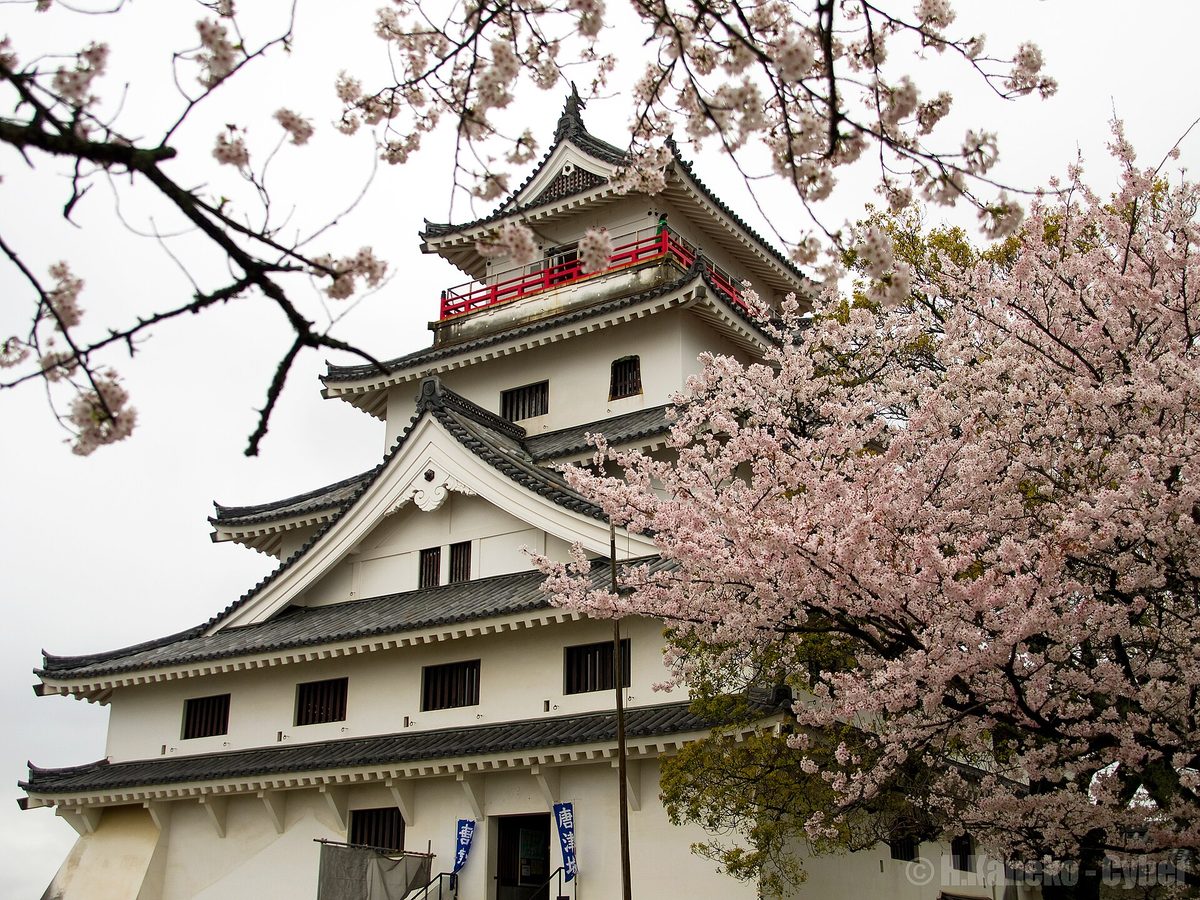
Photo: Hiroaki Kaneko / CC BY-SA 3.0 (Wikimedia Commons) The site of a castle built over seven years from 1602.
The keep opens 9:00–17:00, with last entry at 16:40. Closed 29–31 December.
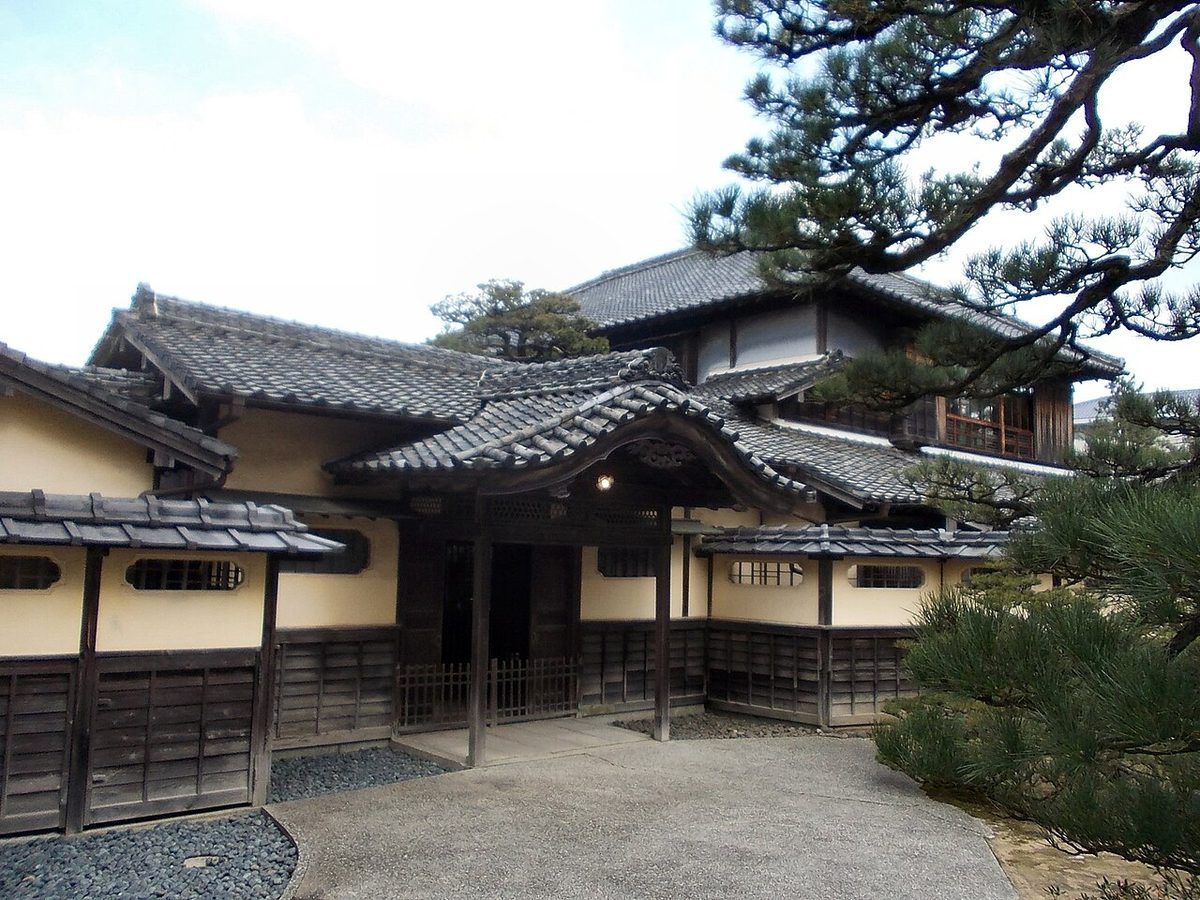
Photo: STA3816 / CC BY-SA 4.0 (Wikimedia Commons) The former home of coal-mine owner Koreyoshi Takatori, a national Important Cultural Property.
Open 9:30–17:00, last entry 16:30. Closed Mondays, or the following day when Monday is a holiday, and 29 December–3 January.
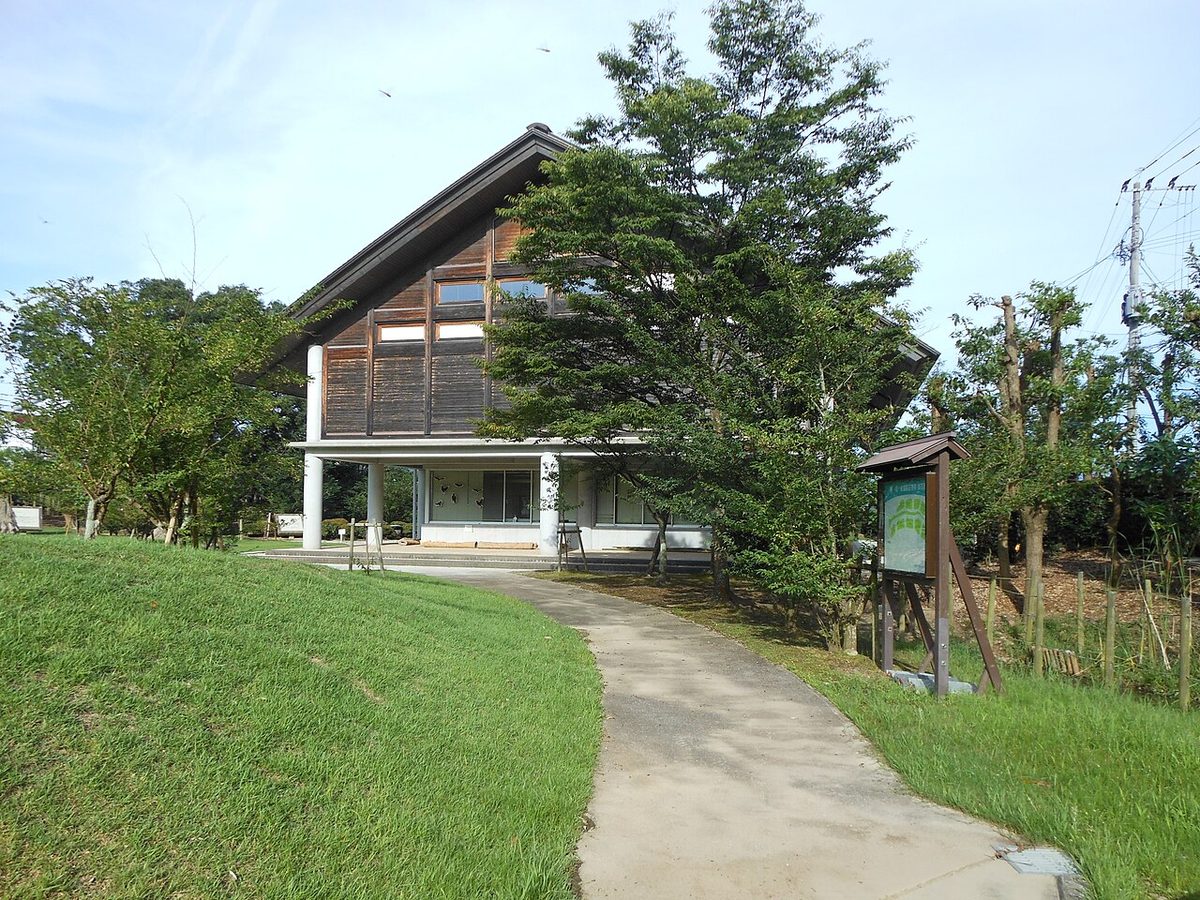
Photo: Pekachu / CC BY-SA 4.0 (Wikimedia Commons) A museum of finds from the Nabatake archaeological site, including carbonised rice and stone reaping knives.
Open 9:00–17:00, last entry 16:30. Closed Mondays, or the following day when Monday is a holiday, and 29 December–3 January.
These are local landmarks. Each was checked to be open on its official site (checked 2026-11-12). Please confirm hours before you go.
Beyond Karatsu
1 / 5
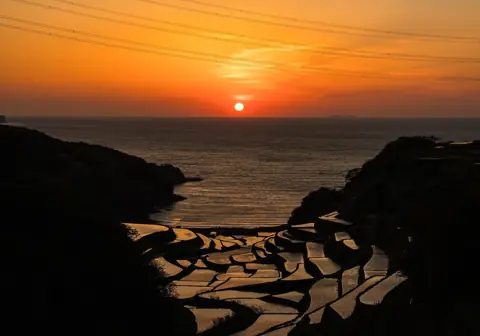 Karatsu · 12 km
Hamanoura Rice Terraces →
283 terraced rice paddies spanning 11.5 hectares climbing straight up from a Genkai Sea cove, designated one of Japan's Top 100 Rice Terraces.
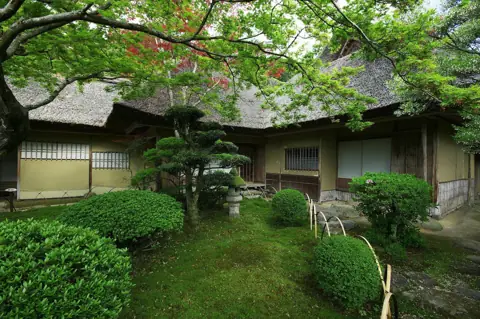 Kanzaki · 38 km
Kunenan →
A Meiji-era industrialist's villa and moss-and-maple garden designated a National Place of Scenic Beauty, opened to the public only for brief windows in spring and autumn.
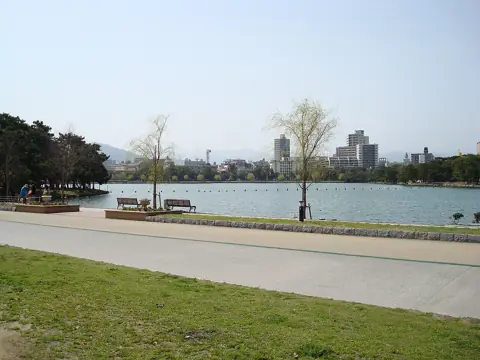 Fukuoka · 41 km
Ohori Park →
A large city park with a central pond, popular for walking and jogging.
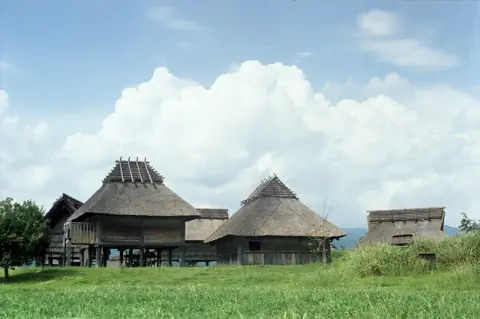 Kanzaki · 42 km
Yoshinogari Historical Park →
A national park preserving and displaying Yayoi period ruins, where you can experience reconstructed pit dwellings and elevated warehouses.
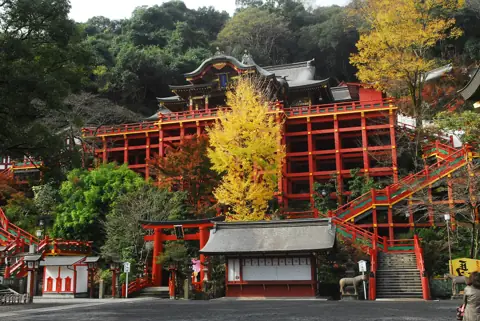 Kashima · 43 km
Yutoku Inari Shrine →
One of Japan's three great Inari shrines, it is visited by about 3 million people annually, with constant prayers for business prosperity and family fortune.


Distances are straight-line from the town centre. Each page has how to get there and a suggested day.
Questions people ask
- Where can I eat Karatsu's local dishes?
Zaru-dofu (basket-drained tofu): Kawashima Tofu (Kyomachi)
Keeran (steamed rice-cake roll with bean paste): Ganso Ito Keeran (Hamatama-machi Hamasaki)
- Where can I see or buy Karatsu ware (Karatsu-yaki), Craft in Karatsu?
Karatsu ware (Karatsu-yaki): Ryutagama (Mirukashi), Kyozangama (Kagami), Kentarougama (Hamatama-machi Yokotashimo), Mitohgama (Uki), Sougenkama (Hamatama-machi Hirabaru), Yukikogama (Hamatama-machi Higashiyamada)
Craft: Gallery Ichibankan (Gofukumachi), monohanako (Mirukashi), Murome Art Showroom (Choda), caesura (Oishimachi)
- Which places in Karatsu open by 9 in the morning?
Kawashima Tofu (Kyomachi, Shop 8:00–around 17:00, Tofu dining 9:00–, Kaiseki 12:00– & 18:30–)
Ganso Ito Keeran (Hamatama-machi Hamasaki, 8:30–20:00 (until sold out))
Every place was checked to be open in November 2026. Hours can change, so please check the official site before you go.
If you like Karatsu
- Kagoshima
Kagoshima, Japan
For example, Yukikogama here, and Kiraku in Kagoshima.
- Tambasasayama
Hyogo, Japan
For example, Yukikogama here, and Shozo Kiln in Tambasasayama.
- Tanabe
Wakayama, Japan
For example, monohanako here, and Nakamine Farm in Tanabe.
Chosen by how close the towns and their places are in what they make and serve.