33.7° N
Tanabe
Wakayama, Japan
A castle town on Tanabe Bay, at the western entrance to the Kumano Kodo. Kishu Binchotan kilns and Nanko-ume orchards in the foothills, nanba-yaki fishcake and sweets in the old town, and coffee along the mountain road, as the editors’ picks.
Tanabe, on film
4 sights and 11 places, each checked open in 2026, in 38 seconds.
Found somewhere you like? The map and the list below have the address, hours and official site.
Tap for sound
What to eat in Tanabe
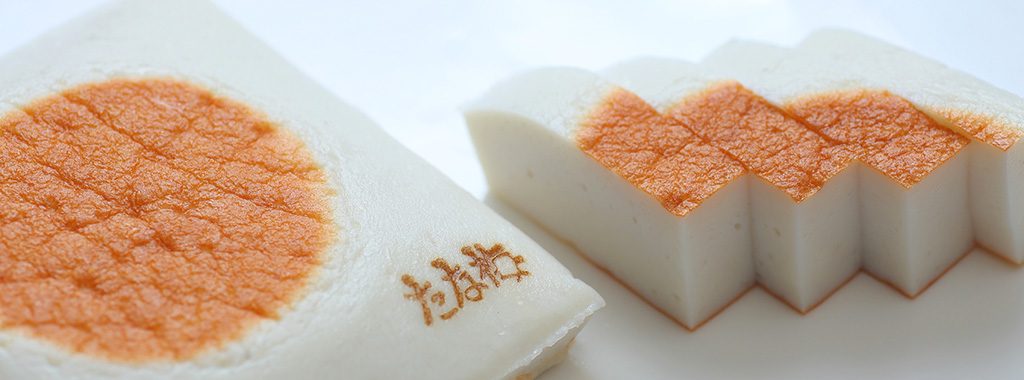
Photo: たな梅本店 (Tanaume Honten) (official site) Namba-yaki (baked fishcake)
なんば焼
A dense, boardless baked fishcake pressed into rectangular molds from fresh whitefish surimi such as eso and guchi and baked for about an hour to a browned top. Made in Tanabe's Fukuromachi neighborhood since the Edo period, it takes its name from a preparation said to have arrived via Nanban trade.
Sliced roughly 1 cm thick and eaten cold as-is or with wasabi soy sauce without reheating.
Where to eat it
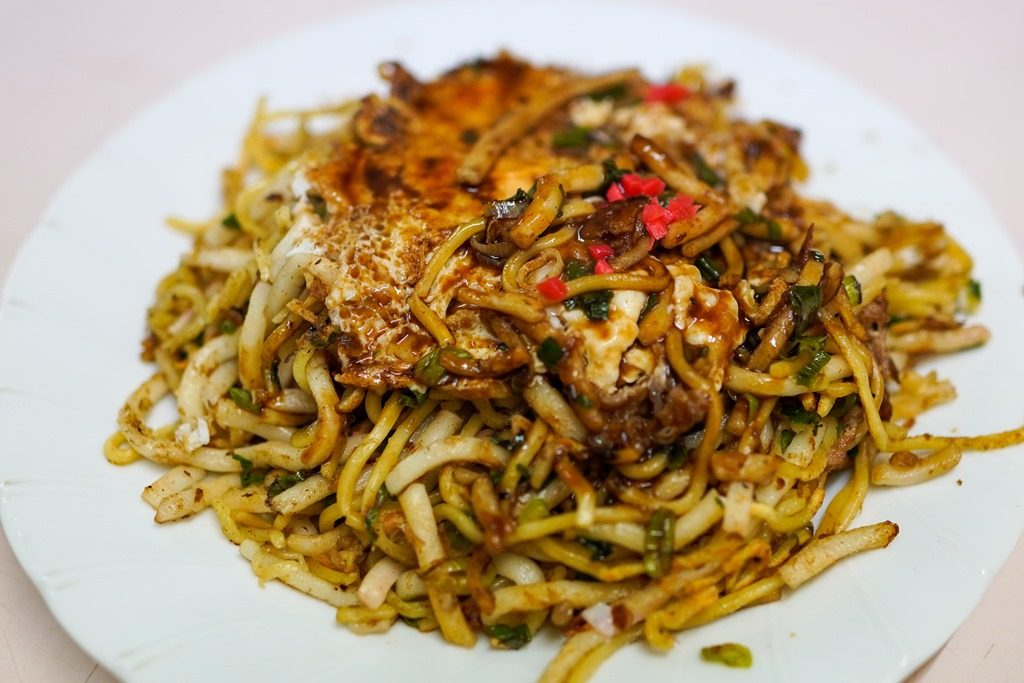
Photo: 田辺観光協会 (Tanabe Tourism Association) (official site) Egawa no Chanpon (griddled udon-and-soba noodles)
江川のちゃんぽん
A soupless griddle dish combining thick udon and Chinese yakisoba noodles stir-fried with cabbage and beef or pork and finished with savory sauce. It began around 1965 at okonomiyaki shops in Tanabe's Egawa fishing-port district when customers asked to mix the two noodles.
Ordered at small okonomiyaki counters and served on a plate with sweet sauce and pickled red ginger, or at local buffets.
Where to eat it
- Akizuno Garten Farmer's Restaurant Mikanbatake ↓
- Okonomiyaki HamachanWebsiteMap
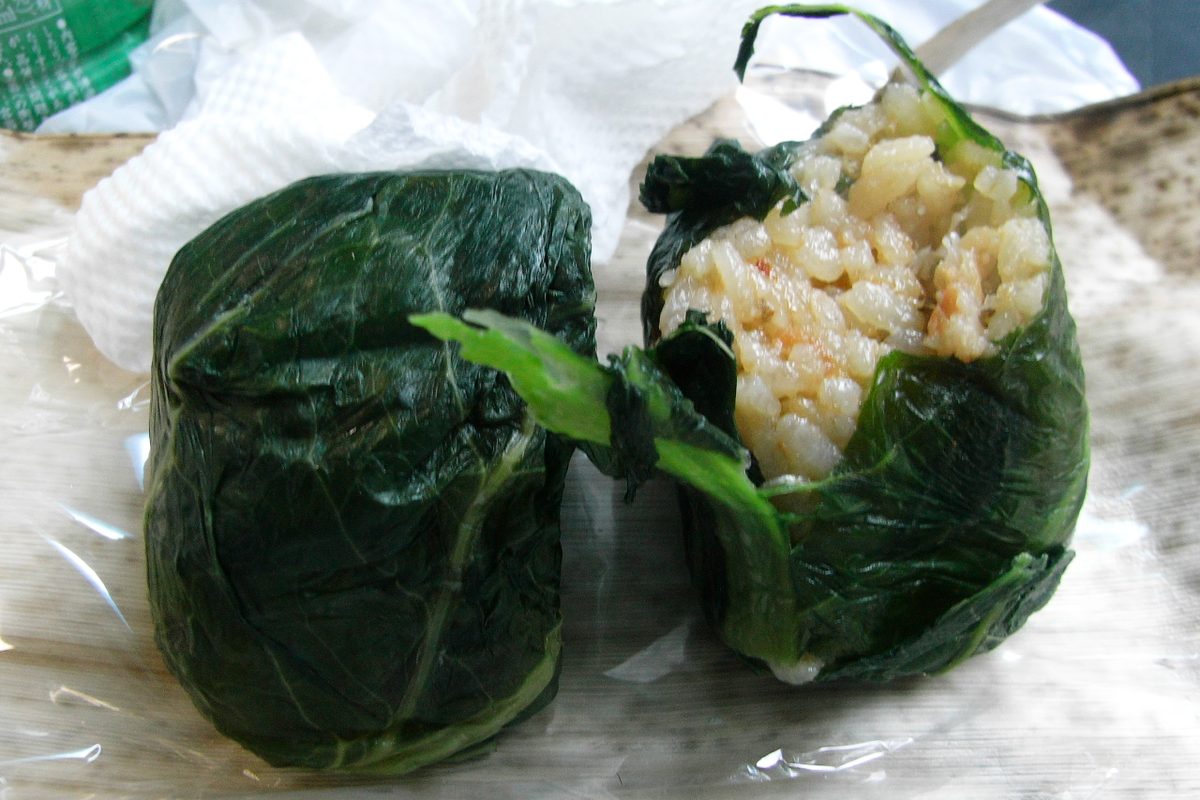
Photo: woinary from Osaka International Airport / CC BY-SA 2.0 (Wikimedia Commons) Mehari-zushi (mustard-leaf rice balls)
めはり寿司
Rice balls wrapped in salt-pickled takana mustard green leaves seasoned with soy sauce, often filled with chopped stems, bonito flakes, or dried young sardines. It spread across southern Wakayama and Kumano as a portable meal for mountain forestry workers and fishers, named for opening the eyes wide to bite into the large parcel.
Picked up in trail bento boxes before heading onto the Kumano Kodo or eaten in-house alongside noodles or miso soup.
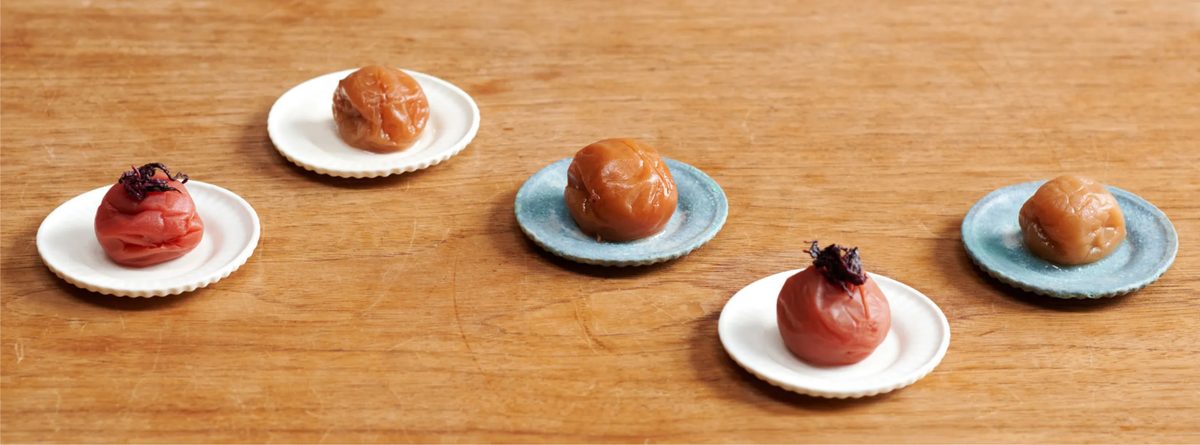
Photo: 株式会社中峰農園 (Nakamine Noen) (official site) Kishu Nanko Umeboshi (salt-pickled Nanko plums)
紀州南高梅の梅干し
Pickled ume made from Nanko-ume, a thin-skinned, thick-fleshed cultivar cured in sea salt and sun-dried, offered as tart shiroboshi or seasoned with red shiso or honey. Tanabe and neighboring Minabe produce over half of Japan's ume harvest along hillside orchards fostered in the Edo period by Tanabe Domain lord Naotsugu Ando and recognized in 2015 as a Globally Important Agricultural Heritage System.
Eaten with plain steamed rice, rice balls, or ochazuke, mixed into shiso-plum rice at local buffets, or sampled at orchard shops.
The LATITUDE editors’ 11 picks in Tanabe
Our editors verified that these places were open (checked 2026-11-12). Check the official site for hours and closing days before visiting. Sponsored listings are marked.
Save places to your trip list and revisit them in this browser. No account needed.
Editors’ picks on the map — or build your own route
Tap a mark to see the place; squares are museums and sights (landmarks). Use “Build your own route” to make a walk of your own.
Loading the map
Map data © OpenStreetMap contributors
Browse by category
1 / 14
Maro & Akizu Foothills
Akizuno Garten Farmer's Restaurant Mikanbatake
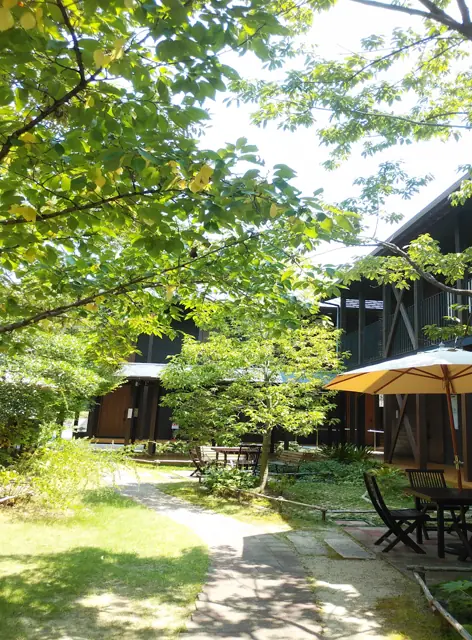
Photo: the shop’s official page 秋津野ガルテン 農家レストラン みかん畑
A farm restaurant in Akizuno Garten, a former wooden elementary schoolhouse in Kamiakizu, serving a buffet of around 30 home-cooked dishes made by local mothers.
Mon–Fri 11:30–14:00, Sat–Sun & holidays 11:00–14:00 (last entry 13:30) · Closed: Year-end and New Year holidays
Why the editors chose itEat a buffet of roughly thirty home-cooked dishes by local mothers inside a former wooden schoolhouse.
Nakahechi & Mountain Villages
Monpe to Kuwa
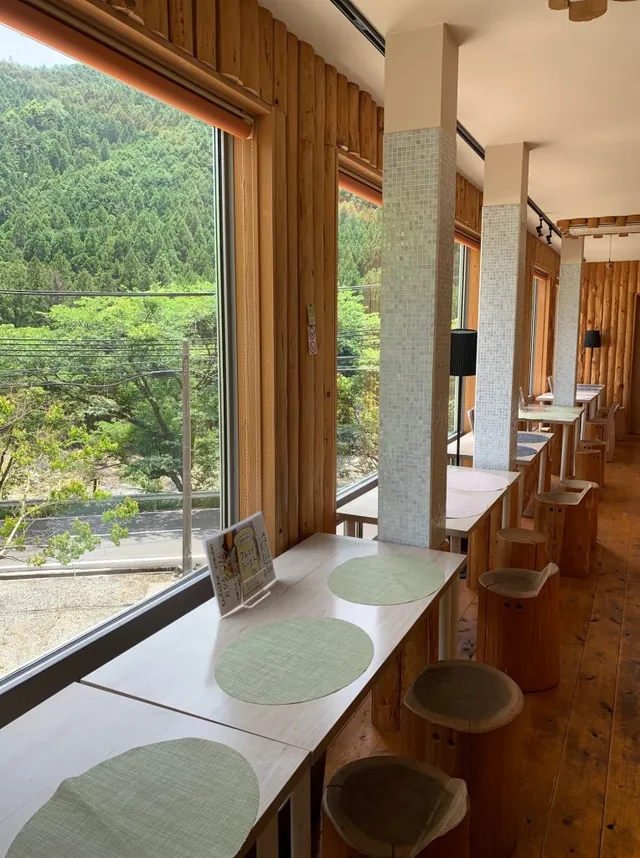
Photo: the shop’s official page もんぺとくわ
A natural-food café and farm stay along the Hidaka River in Ryujin, serving homegrown pesticide-free vegetable set meals, pita sandwiches and vegetable curry. Open 11 am to 5 pm (lunch until 2 pm), closed Mondays and Tuesdays (open on Monday holidays).
11:00–17:00 (lunch last order 14:00, cafe last order 16:00) · Closed: Mondays & Tuesdays (open on Monday public holidays)
Why the editors chose itA riverside farm stay and café serving set meals cooked from its own pesticide-free vegetables.
Castle Town & Kii-Tanabe
tanabe en+
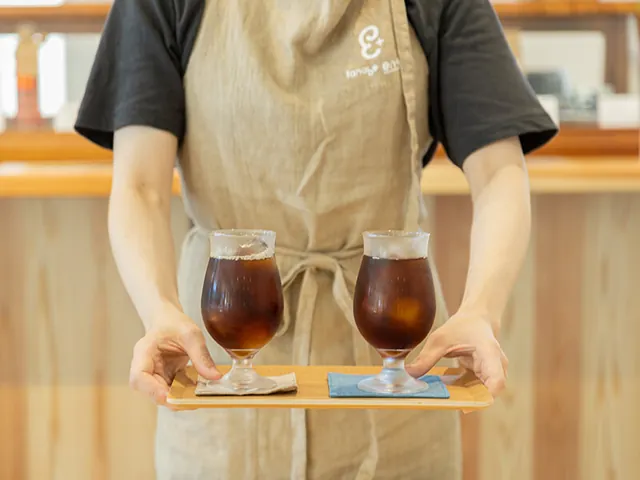
Photo: the shop’s official page A community hub in a Kishu-timber building opposite Kii-Tanabe Station. Its café serves locally roasted coffee and blended ice cream with Kinan fruit, while the shop stocks plum goods and Ryujin woodwork. Open 10 am to 7 pm daily (café last order 6 pm).
10:00–19:00 · Closed: Open every daychecked Nov 2026
Why the editors chose itOpposite Kii-Tanabe Station, this Kishu-timber hub pairs local coffee and fruit ice cream with regional crafts.
Nakahechi & Mountain Villages
CABELO
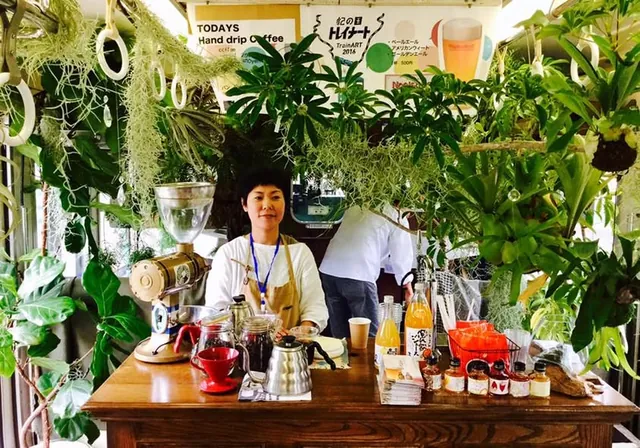
Photo: the shop’s official page A coffee-only roaster and stand open four days a week along the Kumano Kodo in Chikatsuyu, roasting seasonal beans such as Peru and Ethiopia in small batches.
Why the editors chose itA coffee-only roaster along the Kumano Kodo in Chikatsuyu brewing seasonal beans in small batches.
Castle Town & Kii-Tanabe
Suzuya
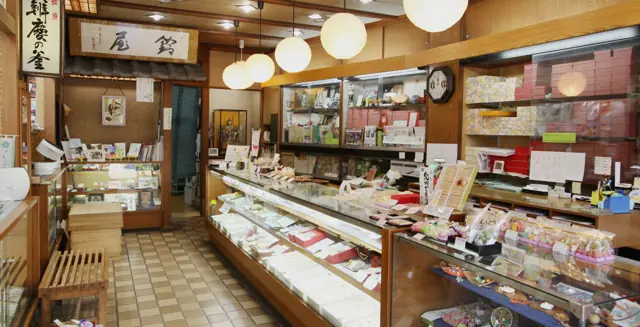
Photo: the shop’s official page 鈴屋
A confectionery founded in 1924. It makes the white-chocolate-coated Deluxe Cake with house jam inside special-recipe castella, alongside wagashi such as Yuzu Monaka. Open 8 am to 6 pm daily (10 am to 3 pm on New Year's Day).
8:00–18:00 (Jan 1 only: 10:00–15:00) · Closed: Open every day
Why the editors chose itFounded in 1924, this confectioner is the source for white-chocolate Deluxe Cake and Yuzu Monaka.
Castle Town & Kii-Tanabe
Shichifukudo
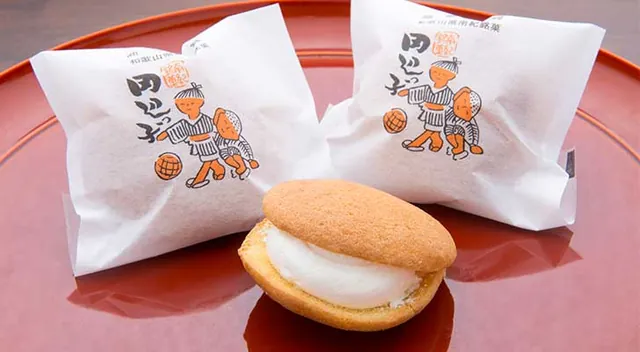
Photo: the shop’s official page 七福堂
A confectionery in Shinyashiki-machi operating for over 60 years, making its signature Tanabekko alongside sake manju and Shichifuku monaka. Open 7:30 am to 7 pm, closed on Sundays.
7:30–19:00 · Closed: Sundayschecked Nov 2026
Why the editors chose itOpen from 7:30 am, this 60-year-old confectioner sells signature Tanabekko alongside sake manju.
Made in Tanabe
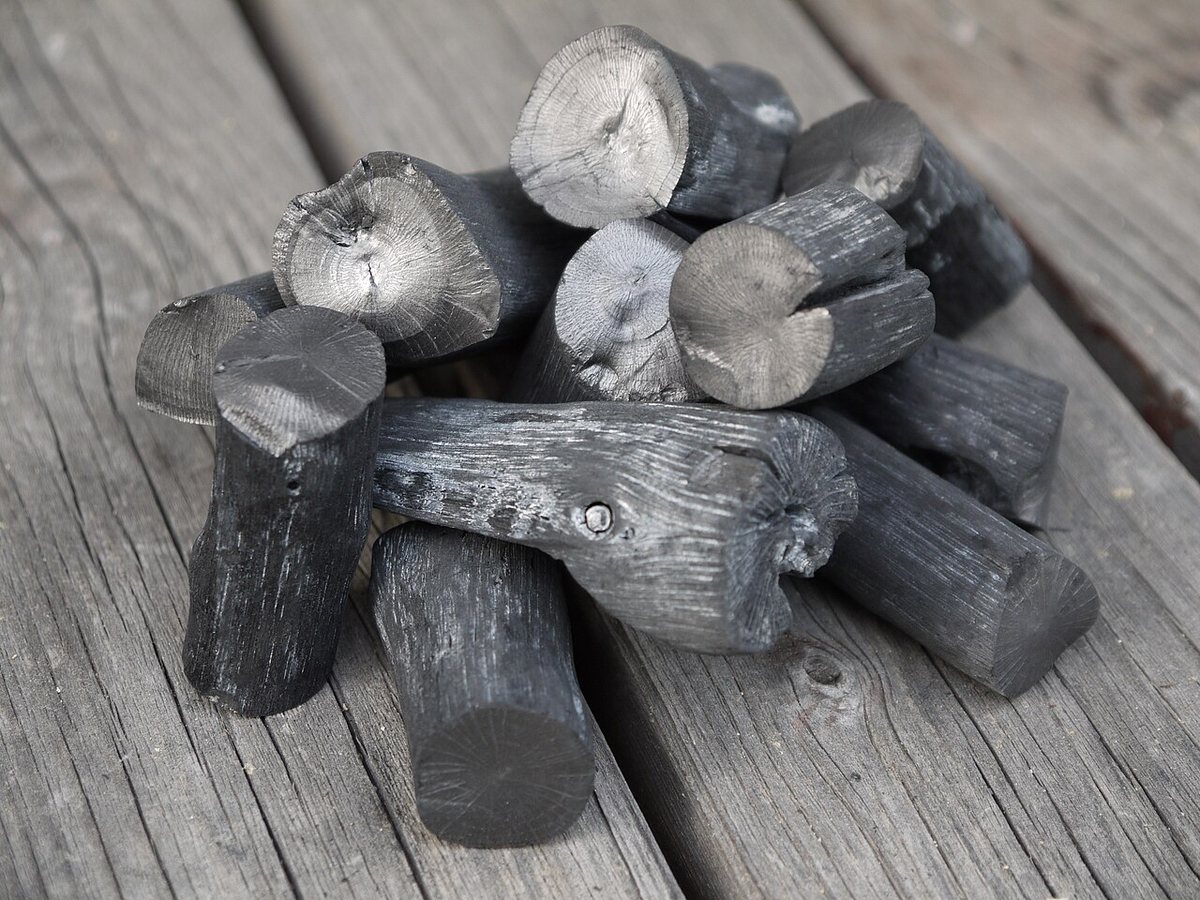
Kishu Binchotan is white charcoal fired from ubame oak in Tanabe's Akizugawa valley since the Edo period. Fired at high heat, it rings like metal when tapped and is used for grilling as well as purifying water.
Japanese Binchotan white charcoal made from ubame oak·Photo: STRONGlk7 / CC BY-SA 3.0 (Wikimedia Commons)
Maro & Akizu Foothills
Kishu Binchotan Memorial Park
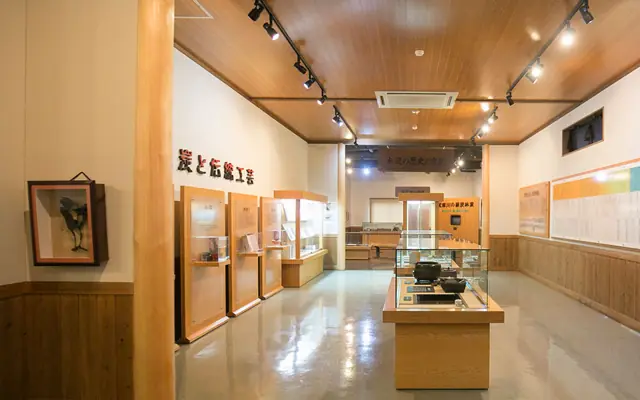
Photo: the shop’s official page 紀州備長炭記念公園
A roadside station in Akizugawa, the birthplace of Kishu Binchotan, with working kilns, a museum, charcoal sold by weight for water purification, wind-chime workshops and Binchotan coffee. Museum open 9 am to 5 pm (to 4 pm Dec–Mar), closed Wednesdays (or the next day if a holiday).
Apr–Nov 9:00–17:00, Dec–Mar 9:00–16:00 · Closed: Wednesdays (closed the next day if public holiday)
Why the editors chose itSee working kilns at Binchotan's birthplace, try wind-chime workshops, or pick up charcoal by weight.
Made in Tanabe
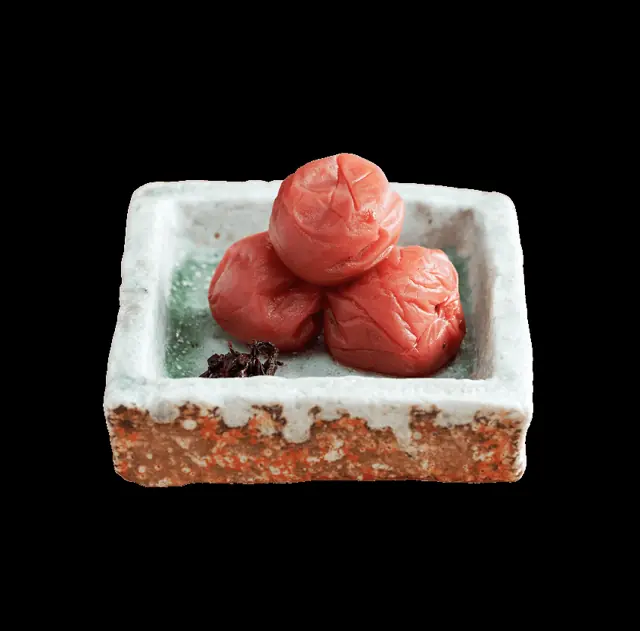
Tanabe's hillsides are the main growing area for thin-skinned Nanko-ume plums. Family orchards pick tree-ripened fruit, cure it in sea salt and sun-dry it on trays over summer.
Cured Kishu Nanko-ume plums in a ceramic dish at Nakamine Farm·Photo: Nakamine Farm (official site)
Maro & Akizu Foothills
Nakamine Farm
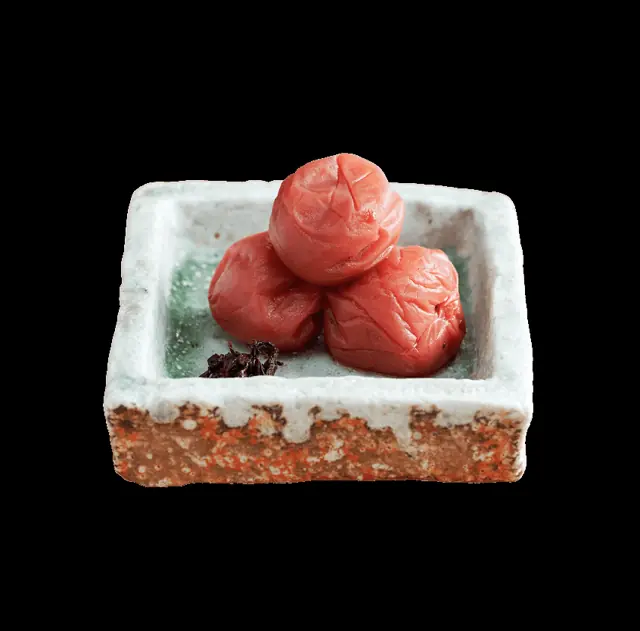
Photo: the shop’s official page 中峰農園
A plum orchard in Kamiakizu handling cultivation, pickling and sales in-house, making ten kinds of umeboshi including shiroboshi, honey and shiso plums. Open weekdays 9 am to 5 pm.
Mon–Fri 09:00–17:00 · Closed: Saturdays, Sundays, national holidays, year-end and New Year
Why the editors chose itAn orchard handling growing through pickling in-house, offering ten kinds of umeboshi to compare.
Tenjinzaki & Tanabe Bay
Michiue Farm
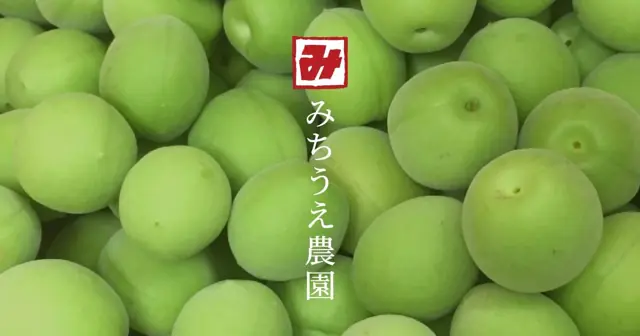
Photo: the shop’s official page みちうえ農園
A plum orchard in Kamihaya curing homegrown Nanko-ume in natural sea salt and sun-drying them on trays, offering shiroboshi, shiso and honey plums. Closed Sundays and public holidays.
Closed: Sundays & public holidays
Why the editors chose itAn orchard curing its own Nanko-ume in natural sea salt and sun-drying them on trays.
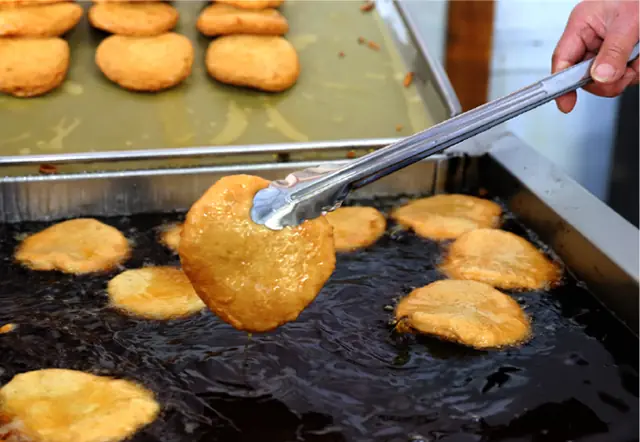
Made in Tanabe
Nanba-yaki is a square baked fishcake made in the old castle town of Tanabe since the Edo period. Local white fish such as lizardfish is ground and baked rather than steamed until springy and browned.
Cooking fishcake by hand at Tanaume Honten·Photo: Tanaume Honten (official site)
Castle Town & Kii-Tanabe
Tanaume Honten
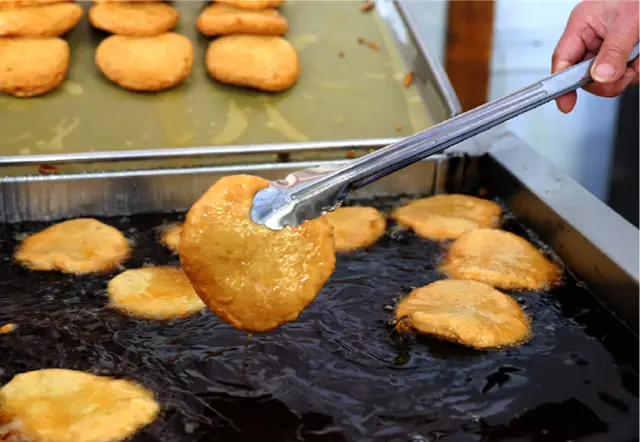
Photo: the shop’s official page たな梅本店
A fishcake maker in Fukuromachi founded in 1865, making Tanabe's traditional baked nanba-yaki and burdock-wrapped gobomaki. On weekday mornings, freshly fried hira-ten is sold only at the counter.
Why the editors chose itA fishcake maker since 1865 where weekday mornings bring counter-only freshly fried hira-ten.
Nakahechi & Mountain Villages
G.WORKS

Photo: the shop’s official page 木の椅子工房 G.WORKS
A chair workshop founded in Ryujin in 1997, inside Michi-no-Eki Mizunosato Hidakagawa Ryuyu, building solid Kishu cedar and hinoki rocking chairs and seating. Open 10 am to 5 pm, closed on Wednesdays (or the next day if a holiday).
Thu–Tue 10:00–17:00 · Closed: Wednesdays (open if national holiday, closed the following day)
Why the editors chose itInside a roadside station, a workshop crafting rocking chairs from solid Kishu cedar and hinoki.
Sights in Tanabe
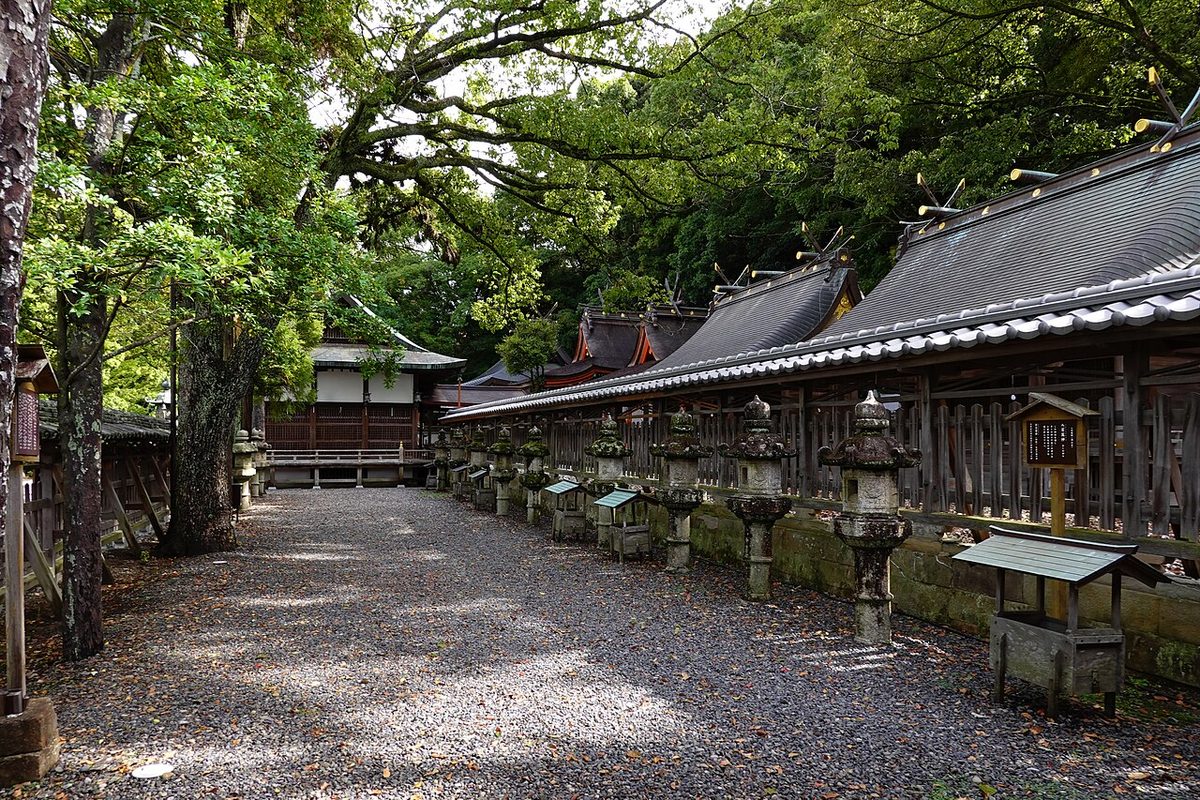
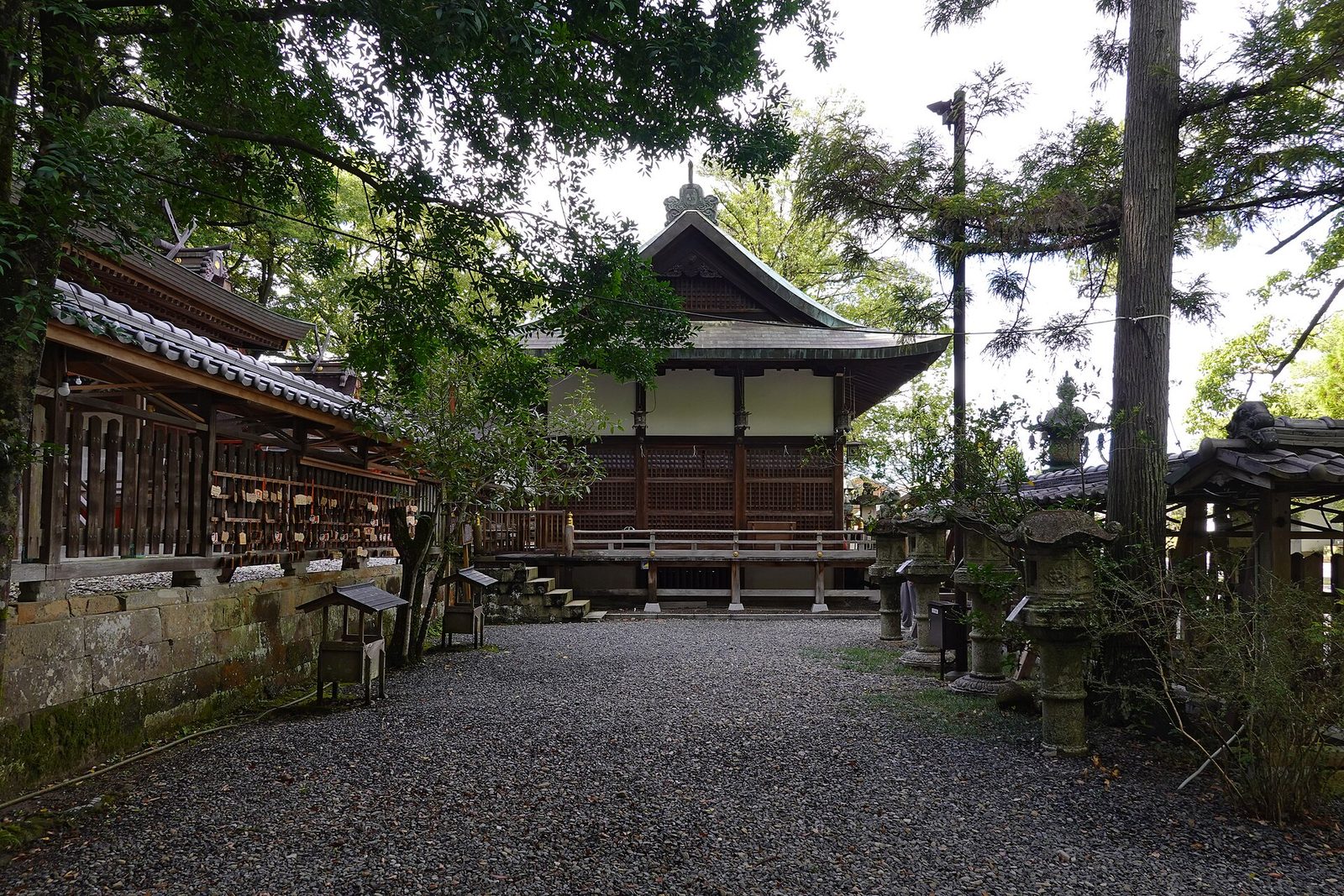
Photo: 663highland / CC BY-SA 4.0 (Wikimedia Commons) A shrine over 1,600 years old that served as a branch sanctuary of the Kumano Three Mountains.
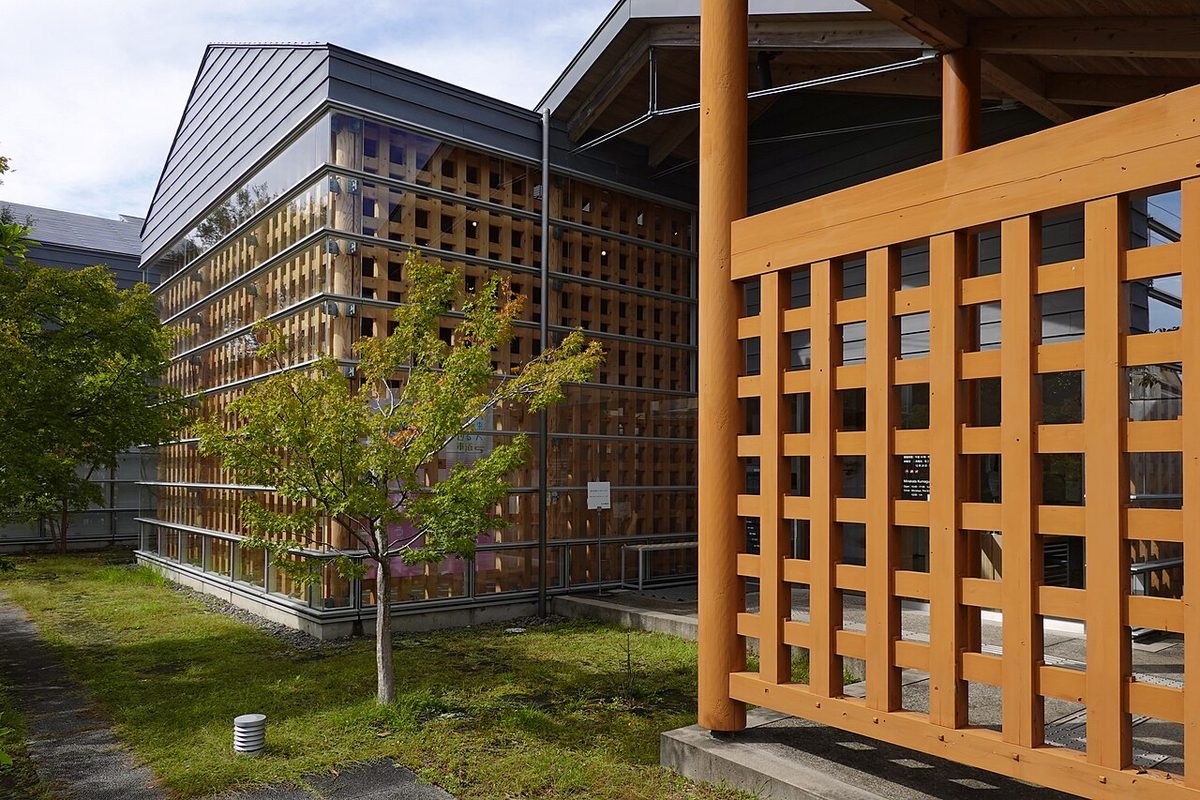
Photo: 663highland / CC BY-SA 4.0 (Wikimedia Commons) An archive beside the former residence of naturalist and folklorist Minakata Kumagusu, who lived his last 37 years in Tanabe, preserving and exhibiting over 25,000 books and specimens.
Open 10 am to 5 pm (last entry 4:30 pm). Closed Mondays, days after public holidays, and Dec 28–Jan 4 (open Tuesdays in FY2026 except days after holidays).
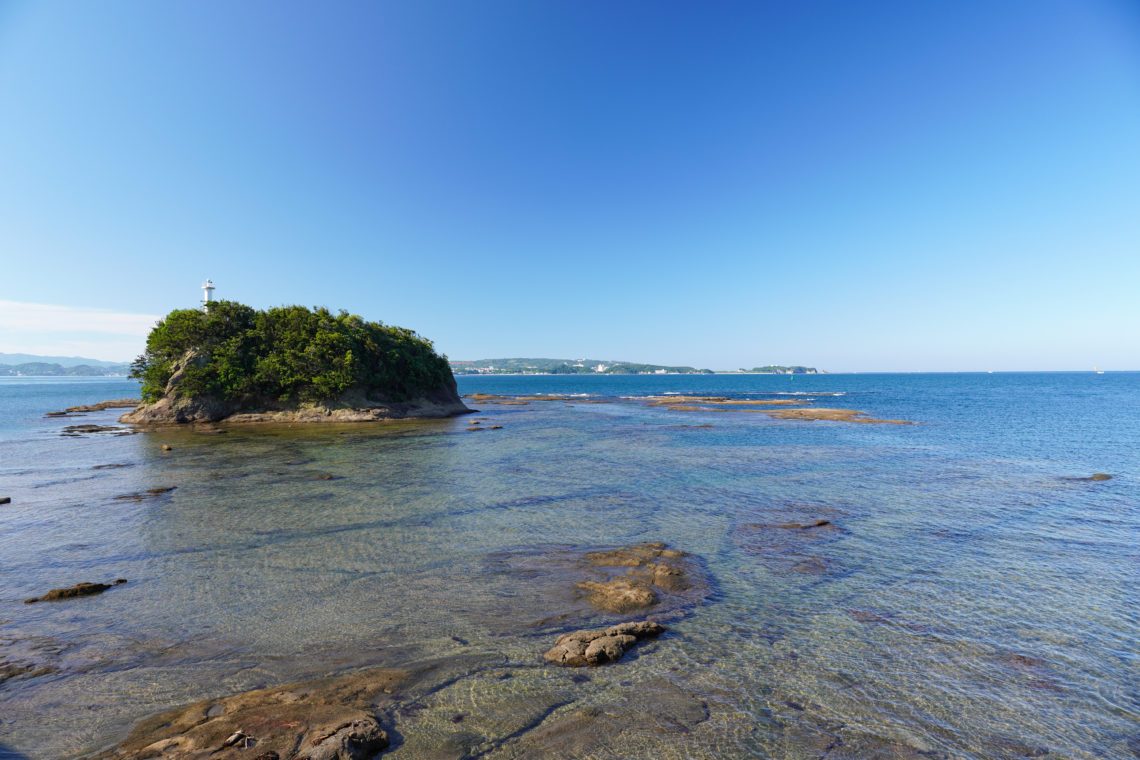
Photo: official site A headland jutting into the north side of Tanabe Bay, where wooded hills meet flat tidal reefs, protected since 1974 by Japan's pioneering National Trust conservation movement.
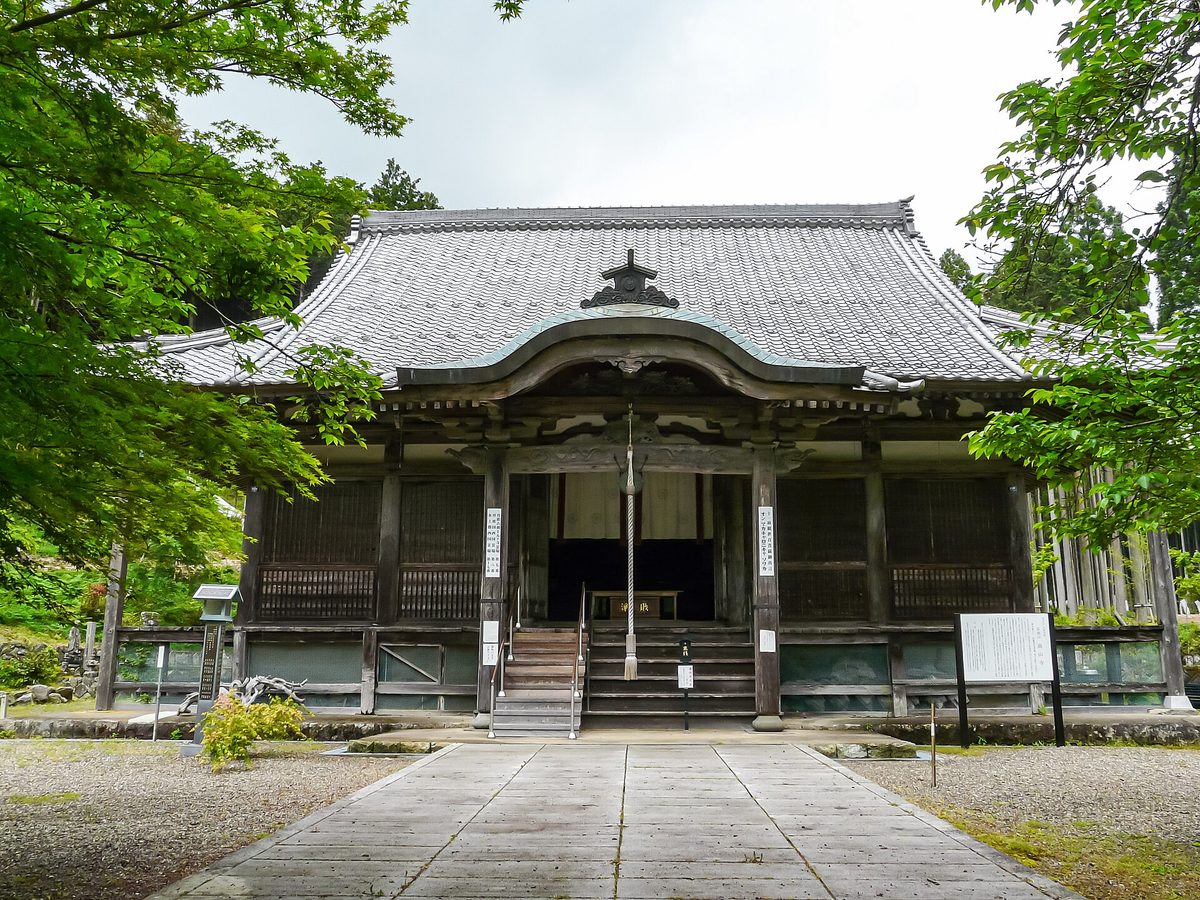
Photo: Naokijp / CC BY-SA 4.0 (Wikimedia Commons) An old temple on a hill overlooking Tanabe, locally called Kobo-san, with an Edo-period tahoto pagoda and a hillside cemetery holding the graves of Minakata Kumagusu and Morihei Ueshiba.
These are local landmarks. Each was checked to be open on its official site (checked 2026-11-12). Please confirm hours before you go.
Beyond Tanabe
1 / 3
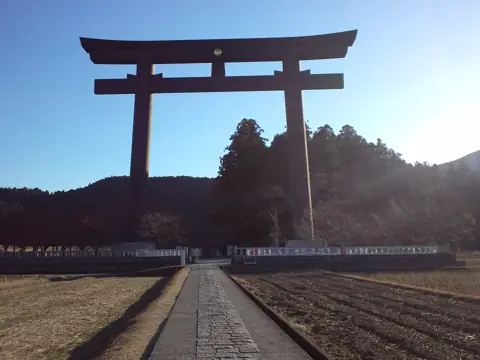 Tanabe · 38 km
Kumano Hongu Taisha →
The head shrine of over 3,000 Kumano shrines throughout Japan, one of the three grand shrines of Kumano.
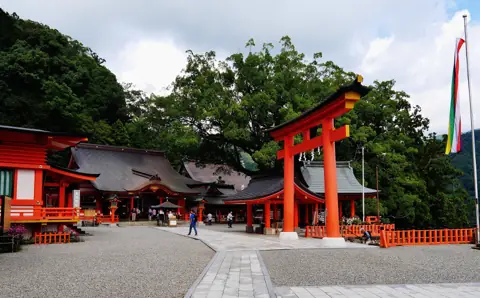 Nachikatsuura · 48 km
Kumano Nachi Taisha →
Located in the mountains of Wakayama, this shrine is a center of Kumano faith and is famous for its solemn scenery, harmonized with the nearby Nachi Falls.
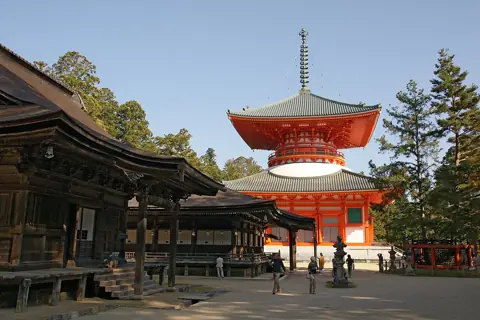 Koya · 57 km
Koyasan →
A sacred site of Shingon Esoteric Buddhism founded by Kobo Daishi Kukai.


Distances are straight-line from the town centre. Each page has how to get there and a suggested day.
Questions people ask
- Where can I eat Tanabe's local dishes?
Namba-yaki (baked fishcake): Tanaume Honten (Castle Town & Kii-Tanabe)
Egawa no Chanpon (griddled udon-and-soba noodles): Akizuno Garten Farmer's Restaurant Mikanbatake (Maro & Akizu Foothills)
Kishu Nanko Umeboshi (salt-pickled Nanko plums): Akizuno Garten Farmer's Restaurant Mikanbatake (Maro & Akizu Foothills), Nakamine Farm (Maro & Akizu Foothills), Michiue Farm (Tenjinzaki & Tanabe Bay)
- Where can I see or buy Kishu Binchotan white charcoal, Craft in Tanabe?
Kishu Binchotan white charcoal: Kishu Binchotan Memorial Park (Maro & Akizu Foothills)
Craft: G.WORKS (Nakahechi & Mountain Villages)
- Which places in Tanabe open by 9 in the morning?
Shichifukudo (Castle Town & Kii-Tanabe, 7:30–19:00)
Suzuya (Castle Town & Kii-Tanabe, 8:00–18:00 (Jan 1 only: 10:00–15:00))
- What can I visit on foot around Castle Town & Kii-Tanabe?
Sweets: Suzuya, Shichifukudo
Cafés: tanabe en+
Tanabe nanba-yaki baked fishcake: Tanaume Honten
Every place was checked to be open in November 2026. Hours can change, so please check the official site before you go.
If you like Tanabe
- Tambasasayama
Hyogo, Japan
For example, Tanaume Honten here, and Tansen Kiln in Tambasasayama.
- Karatsu
Saga, Japan
For example, Nakamine Farm here, and monohanako in Karatsu.
- Obihiro
Hokkaido, Japan
For example, Tanaume Honten here, and Harukoma Bakery in Obihiro.
Chosen by how close the towns and their places are in what they make and serve.