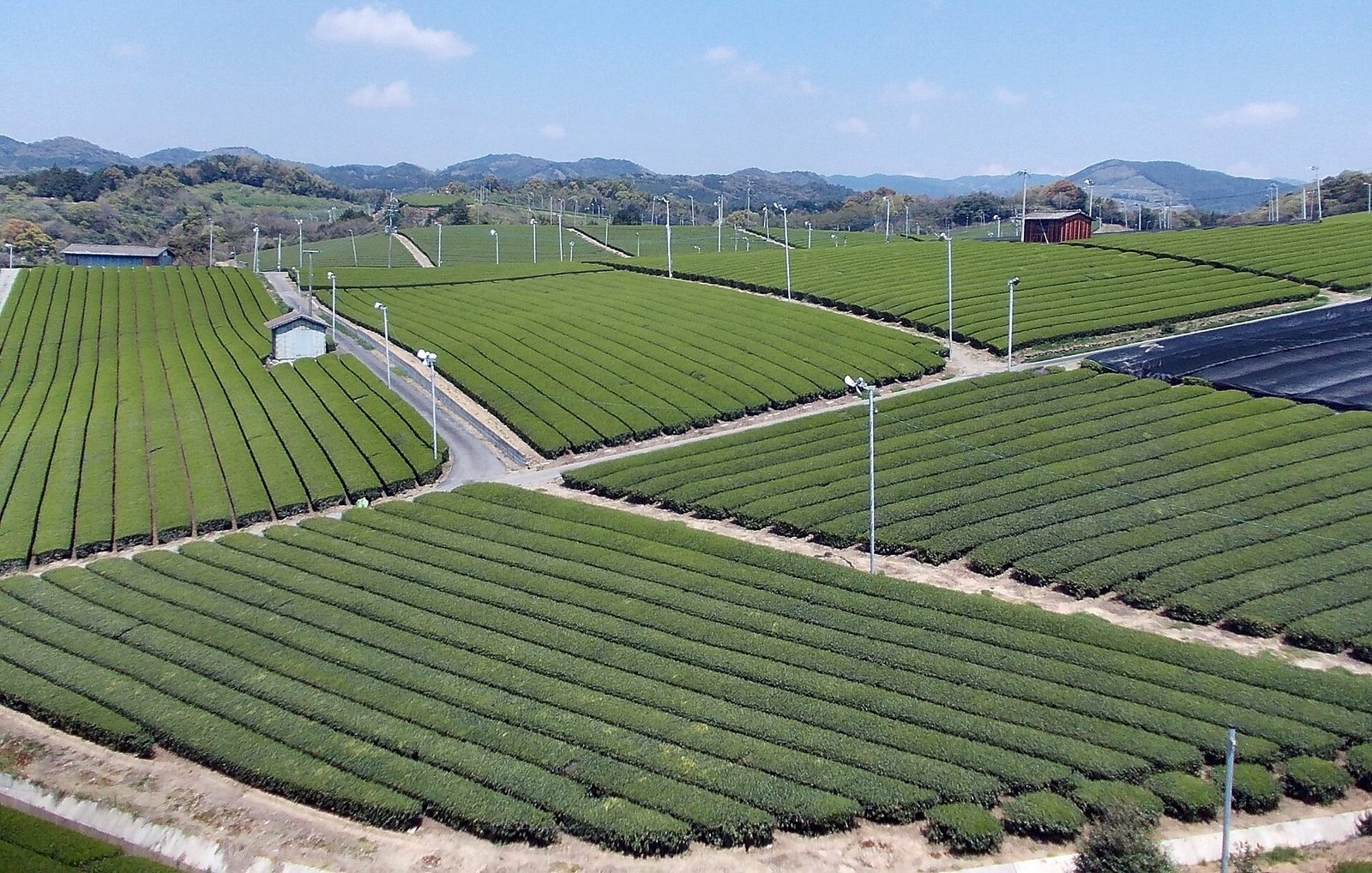
33.2° N
Yame
Fukuoka, Japan
A former castle and merchant town in southern Fukuoka, stretching from the Chikugo plain into the mountains along the Yabe River. Yame tea houses, lantern and Kurume Kasuri workshops, pottery kilns and quiet cafés, as the editors’ picks.
Yame, on film
4 sights and 12 places, each checked open in 2026, in 35 seconds.
Found somewhere you like? The map and the list below have the address, hours and official site.
Tap for sound
What to eat in Yame
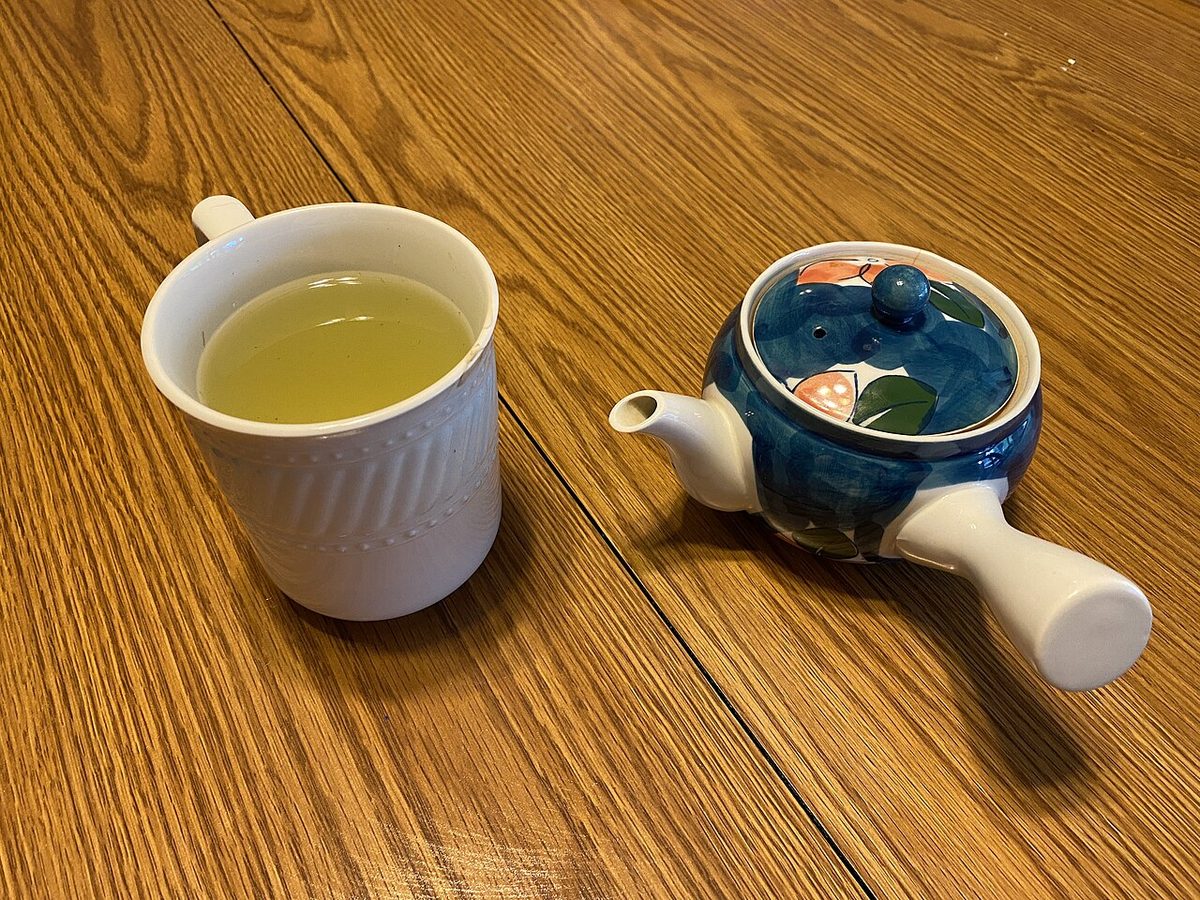
Photo: Washing Machine / CC0 (Wikimedia Commons) Yamecha & Shizuku-cha (Yame green tea & drop-brewed gyokuro)
八女茶(伝統本玉露・しずく茶)
Yamecha is green tea grown in the Yame basin, where straw-shaded, hand-picked traditional hon-gyokuro production began in Hoshino in 1904. Its signature local serving, shizuku-cha (or susuri-cha), steeps the leaves in a small amount of lukewarm water in a lidded cup to yield concentrated savory drops before the leaves are eaten.
Sip small, temperature-stepped infusions at a tea room, then drizzle the spent leaves with ponzu or vinegar soy sauce and eat them.
Where to eat it
- Yame Fukushima Okiya Ao to Neji ↓
- Cha no BunkakanWebsiteMap
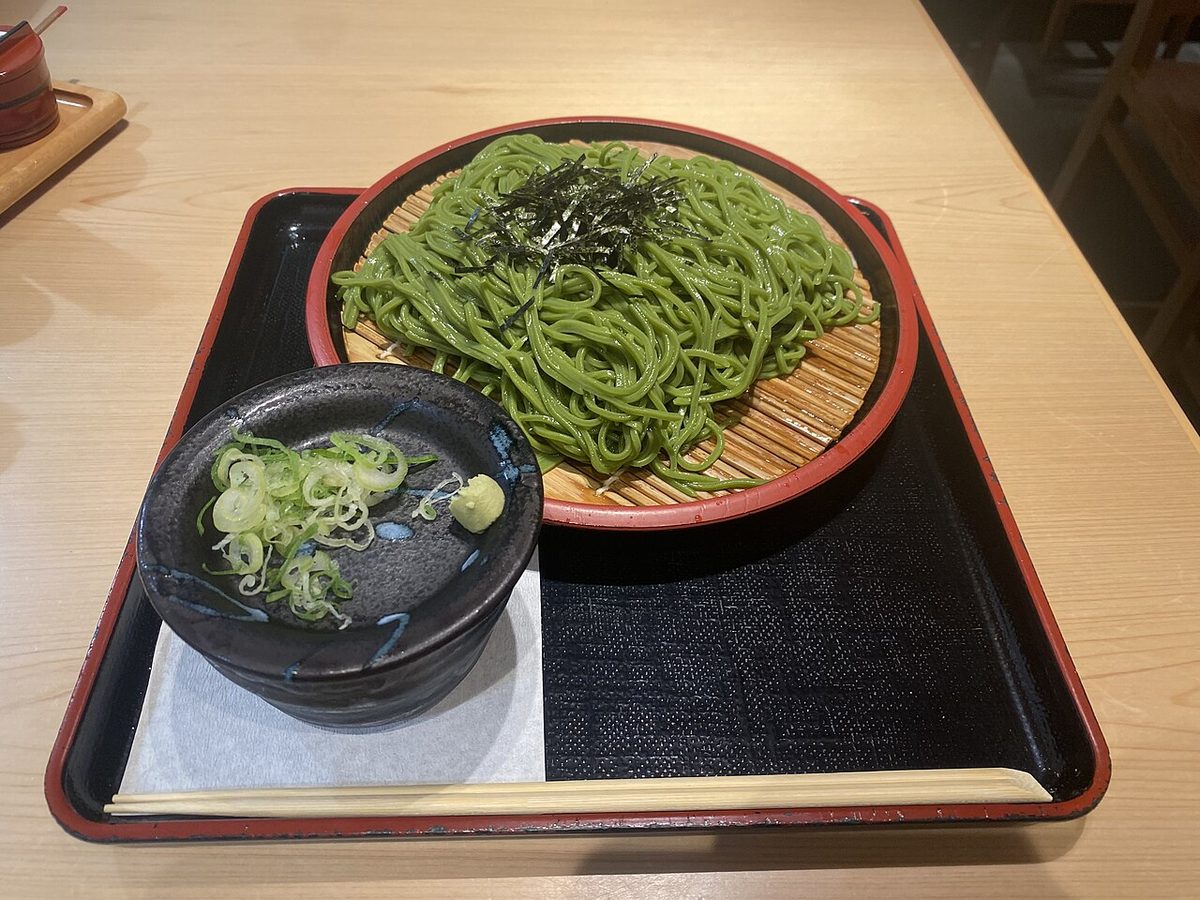
Photo: Immanuelle / CC BY 4.0 (Wikimedia Commons) Yame Cha-soba (Yame green-tea soba noodles)
八女茶そば
Cha-soba in Yame is made by kneading powdered Yame green tea or matcha into buckwheat-and-wheat noodle dough. It grew out of the city's tea industry and is served at tea-house restaurants, washoku dining rooms, and homes, where dried noodles are also pan-crisped in a local style.
Ordered cold with dipping sauce or hot in broth as part of a teishoku set meal at lunch.
No photo yet
Imo Manju (steamed whole-potato or taro dumplings)
いもまんじゅう
Imo manju is a savory-leaning rural dumpling of Okuyame and Yame made by wrapping a whole boiled potato or taro in thin wheat or mugwort dough and steaming it. Historically prepared as a filling snack between farm work in Yame's mountain villages, it is sold at local manju shops and roadside markets.
Eaten warm as a snack, or lightly toasted over a grill and dipped in soy sauce or yuzu kosho.
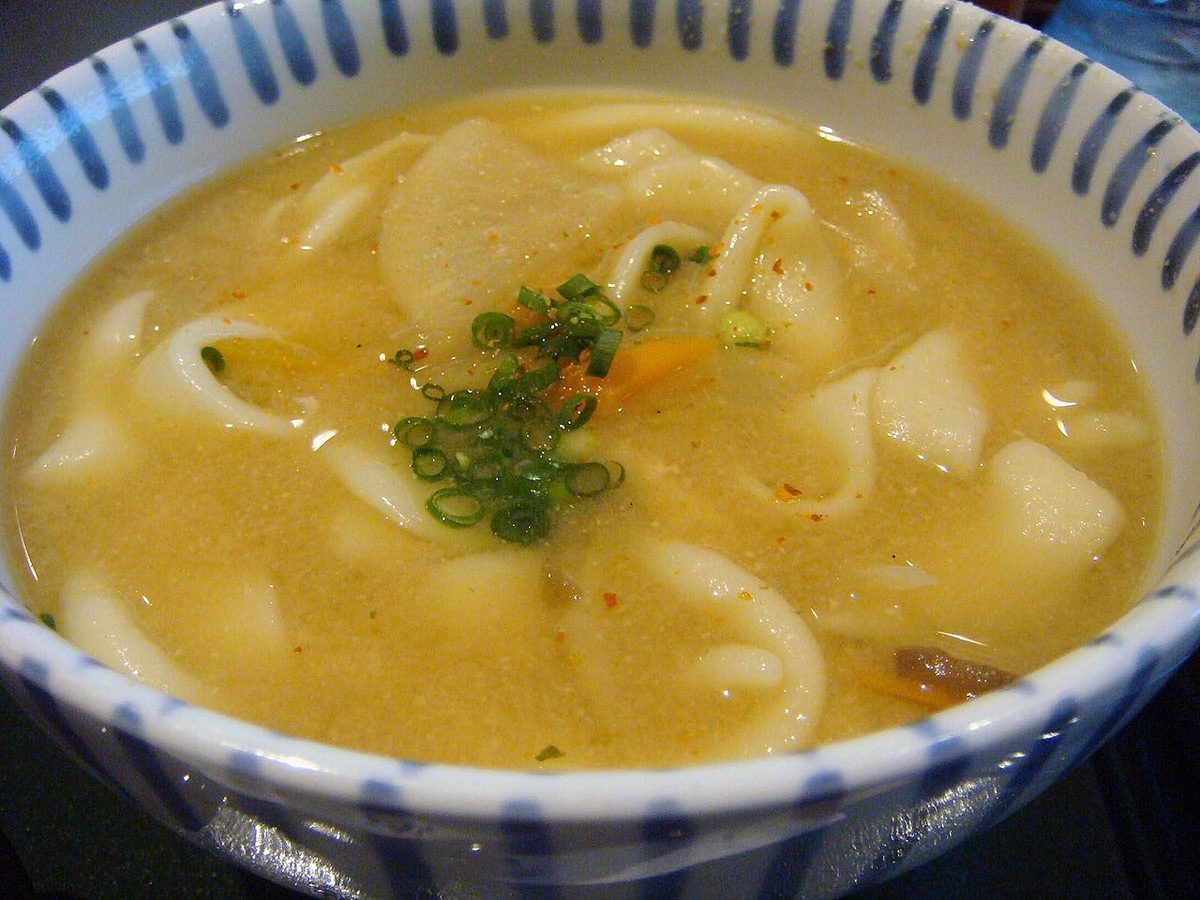
Photo: OitaKiseichu / CC BY-SA 3.0 (Wikimedia Commons) Dagojiru (wheat dumpling and vegetable soup)
だご汁
Dagojiru is a country-style miso soup made with flat, hand-torn wheat flour dumplings simmered with local root vegetables such as taro, burdock, and daikon. In Yame's mountain valleys such as Hoshino and Tachibana, households prepare it with handmade local miso and seasonal produce as a staple home-cooked meal.
Served hot in a bowl year-round, often paired with rice balls or kamado-cooked rice as a lunch set.
The LATITUDE editors’ 12 picks in Yame
Our editors verified that these places were open (checked 2026-11-19). Check the official site for hours and closing days before visiting. Sponsored listings are marked.
Save places to your trip list and revisit them in this browser. No account needed.
Editors’ picks on the map — or build your own route
Tap a mark to see the place; squares are museums and sights (landmarks). Use “Build your own route” to make a walk of your own.
Loading the map
Map data © OpenStreetMap contributors
Browse by category
1 / 15
Kurogi
cafe Hachinoshizuku
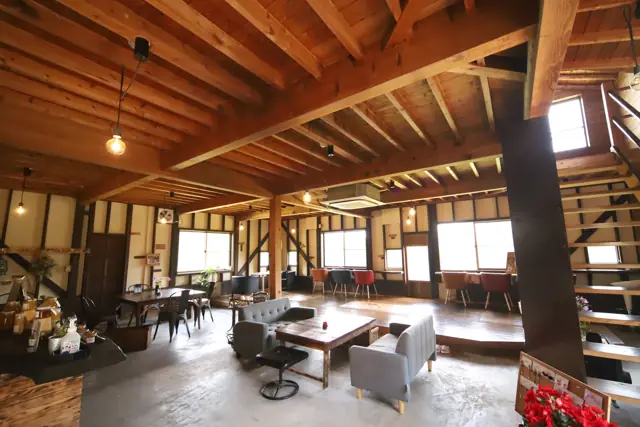
Photo: the shop’s official page 生はちみつ専門店 cafe蜂の雫
A hillside café in Kurogi run by a beekeeper, serving lunches of pesticide-free home-grown vegetables alongside raw-honey sweets and hand-drip coffee. Open 11 am to 4 pm, closed Mondays and Tuesdays.
11:00–16:00 · Closed: Mondays & Tuesdayschecked Nov 2026
Why the editors chose itA Kurogi hillside café run by a beekeeper, serving raw-honey sweets and home-grown vegetables.
Kawake
Kakurega Cafe Tomo
隠れ家cafe 友
A cafe that feels like a hideaway in the countryside. They serve handmade lunch plates and sweets.
Why the editors chose itA countryside café amid rural fields serving handmade lunch plates and sweets.
Yame Fukushima
Bacopa Coffee Roastery
A small-batch coffee roastery that relocated from Kanoya in Kagoshima to Honmachi in September 2026, operating in a shared second-floor space at Flower bldg 203. Open 10 am to 5 pm.
Why the editors chose itA small-batch roastery relocated from Kanoya, brewing inside a shared second-floor space in Honmachi.
Yame Fukushima
Coffee Montblanc
Coffee モンブラン
A small coffee shop opened in April 2026, carrying on the name of a 1972 kissaten, serving coffee, café latte and stick sweets. Open Thursdays, Saturdays and Sundays, 10 am to 5 pm.
Why the editors chose itOpen only Thursdays, Saturdays and Sundays, carrying on the name of a 1972 kissaten.
Yame-Baba
atelier & cafe kajitsu
atelier & cafe 果実
A cafe renovated from a former strawberry farmer's warehouse. They serve seasonal fruit parfaits and plate lunches.
Why the editors chose itHoused in a renovated strawberry farmer's warehouse, serving seasonal fruit parfaits and lunches.
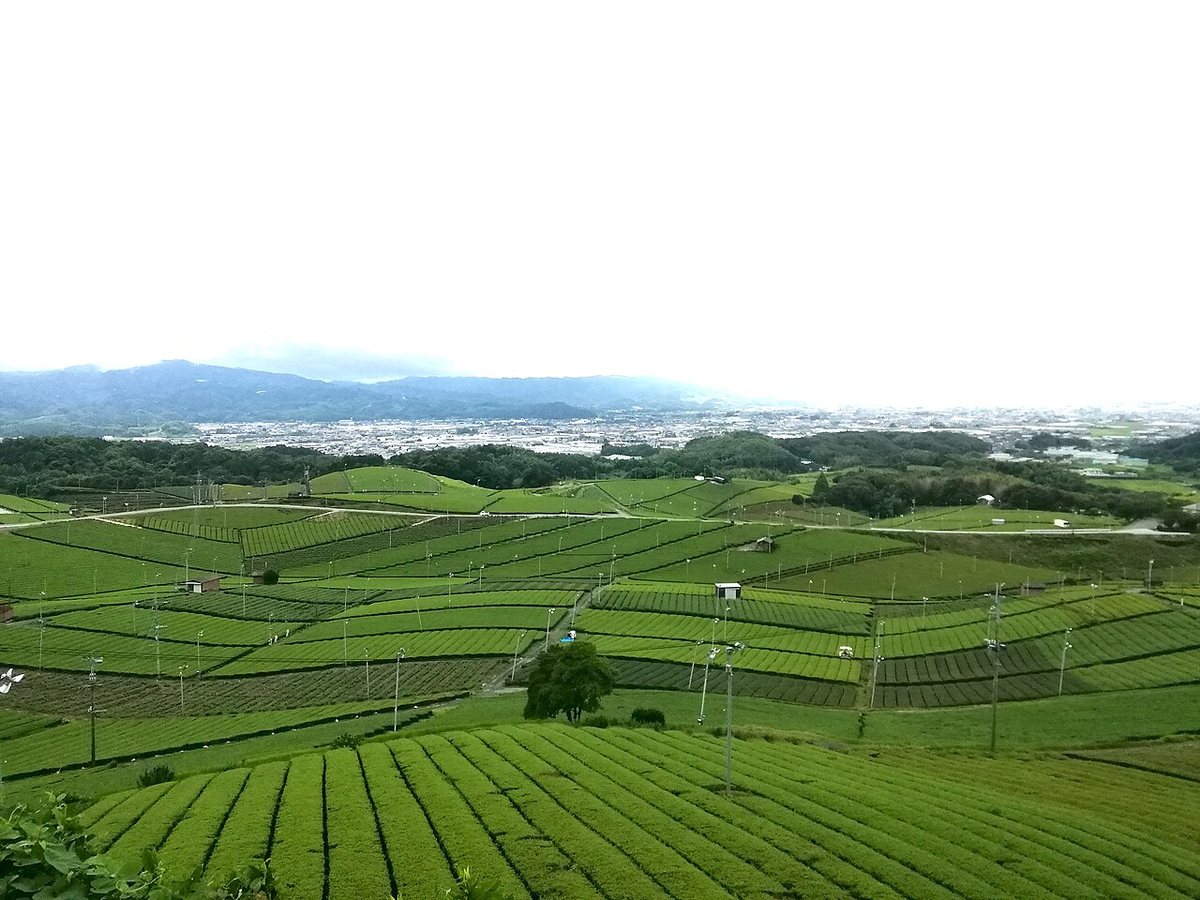
Made in Yame
Grown in the mountain valleys along the Yabe River, Yame tea—especially shaded gyokuro—is known for its deep sweetness and umami. In the old merchant quarter of Fukushima, tea houses still roast and blend leaves by hand.
Terraced green tea fields in Yame·Photo: ワールドピース / CC BY-SA 4.0 (Wikimedia Commons)
Yame Fukushima
Yabeya Konomi Honke
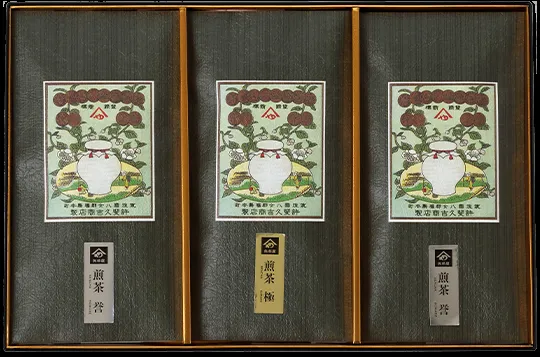
Photo: the shop’s official page 矢部屋許斐本家
A tea merchant house founded in the Hoei era (1704–1710s). In a city-designated cultural-property townhouse, it sells charcoal-roasted hoiro Yame tea and tea sweets. Open 9 am to 6 pm, closed Sundays.
9:00–18:00 · Closed: Sundays (summer & year-end holidays, irregular closures)
Why the editors chose itBuy charcoal-roasted hoiro Yame tea inside a cultural-property townhouse founded in the Hoei era.
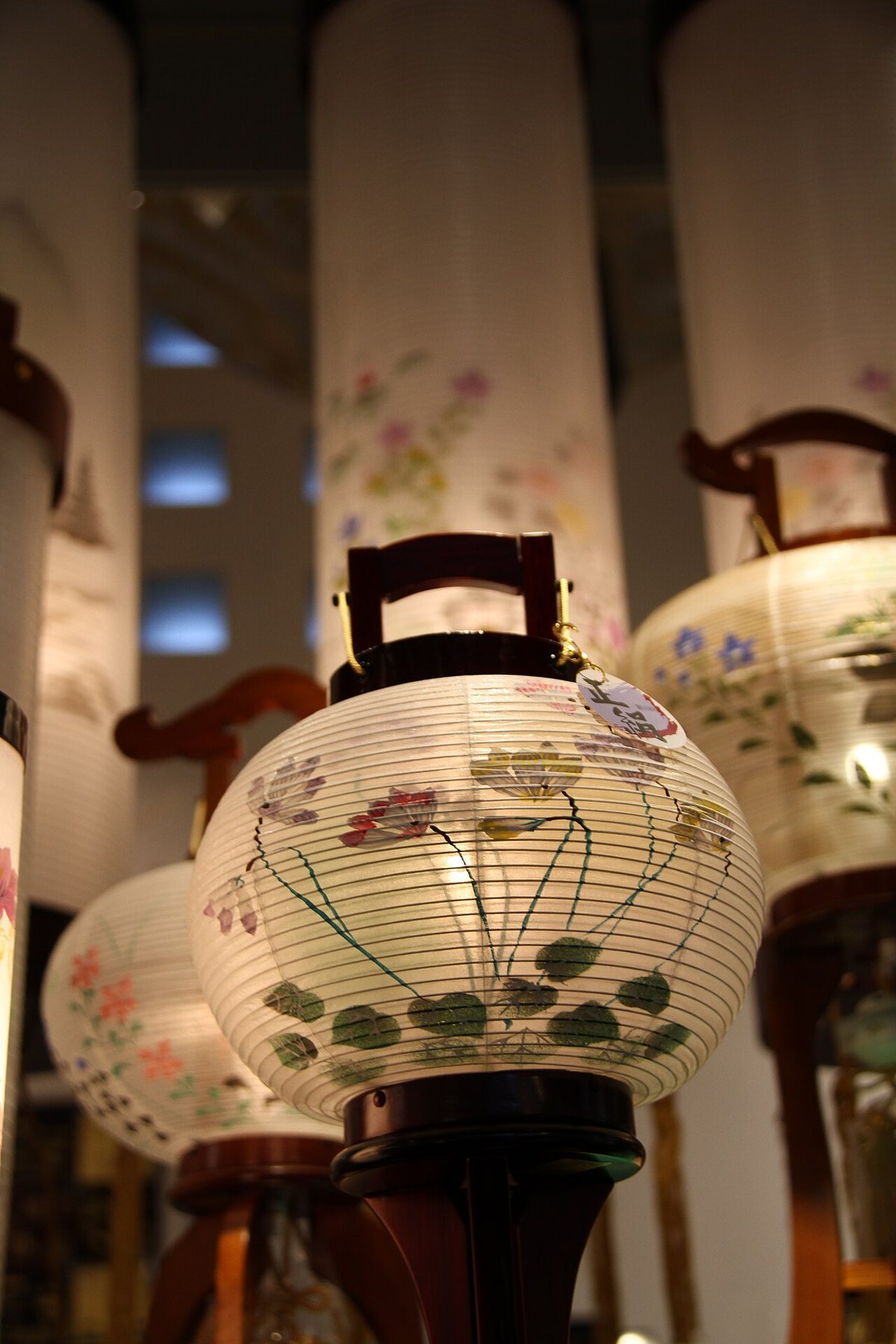
Made in Yame
Yame paper lanterns are a nationally designated traditional craft. Workshops here wind local bamboo into a fine spiral frame and cover it with handmade kozo washi, making both festival lanterns and modern lighting.
A softly lit hand-painted Yame paper lantern·Photo: 高山朱美 / CC BY-SA 4.0 (Wikimedia Commons)
Yame Fukushima
Ito Gonjiro Shoten
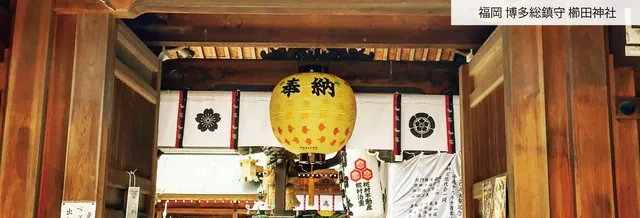
Photo: the shop’s official page 伊藤権次郎商店
A lantern workshop founded in 1815, making bamboo-and-washi lanterns by hand from shrine and festival pieces to home lighting. Open 9 am to 5:30 pm.
Why the editors chose itSee bamboo-and-washi lanterns handmade by a workshop operating since 1815.
Made in Yame
Woven on shuttle looms across Yame and neighboring Chikugo towns, ikat-dyed cotton kasuri has been used for everyday workwear. Local mills and shops still sell cloth by the metre alongside modern monpe trousers.
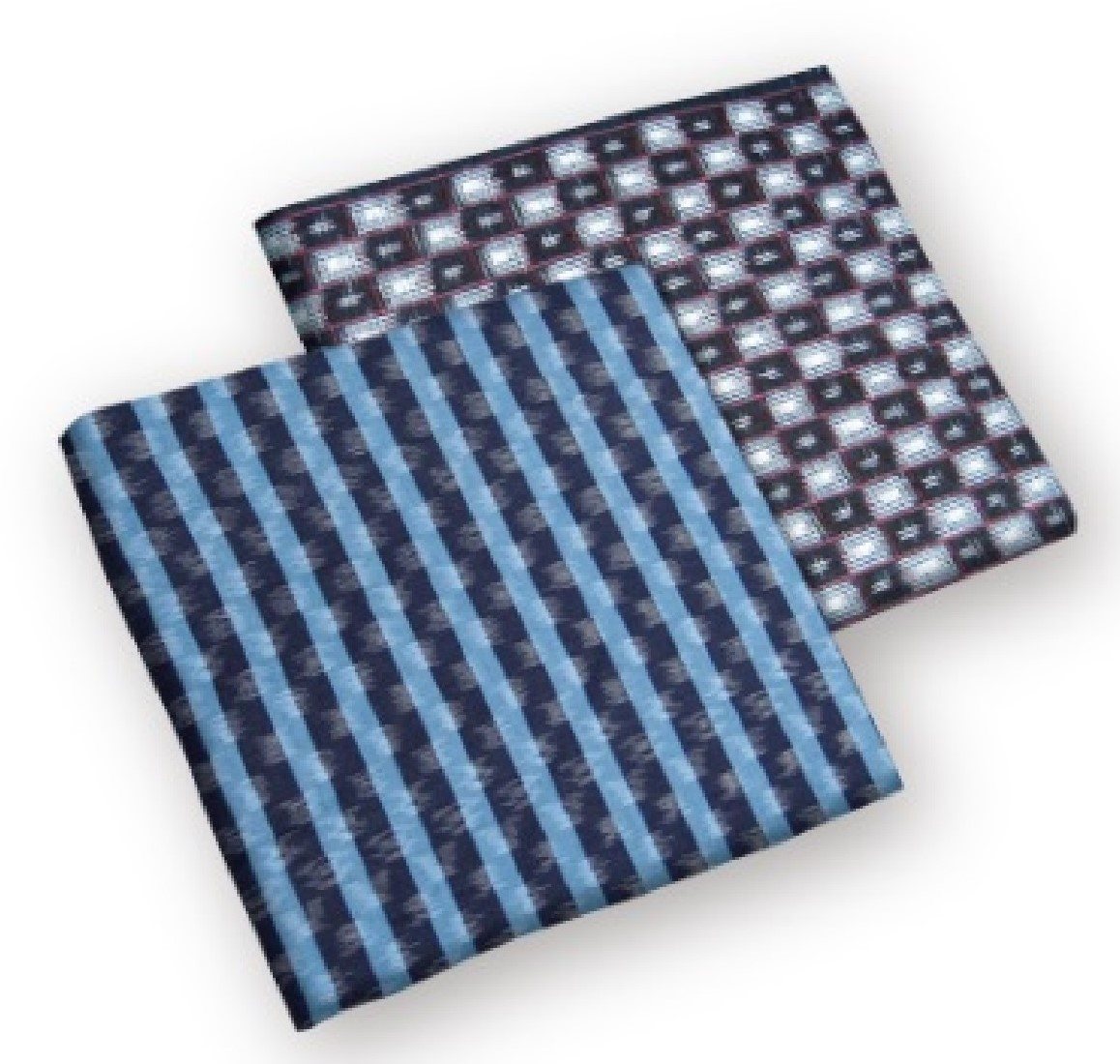
Two folded pieces of indigo Kurume Kasuri cotton cloth·Photo: Unknown authorUnknown author / Public domain (Wikimedia Commons)
Central Yame
Shimogawa Orimono
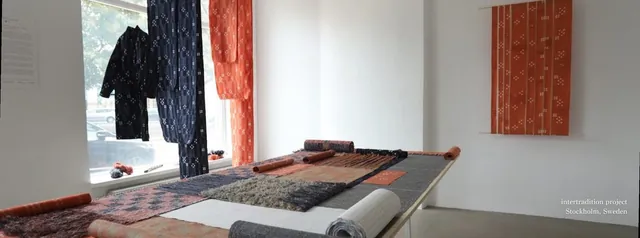
Photo: the shop’s official page 下川織物
A Kurume Kasuri weaving mill selling ikat-dyed cotton bolts by the metre alongside shirts, stoles and trousers.
Why the editors chose itBuy Kurume Kasuri cotton bolts by the single metre straight from the weaving mill.
Yame Fukushima
Unagi no Nedoko, Kyu-Terasaki Tei
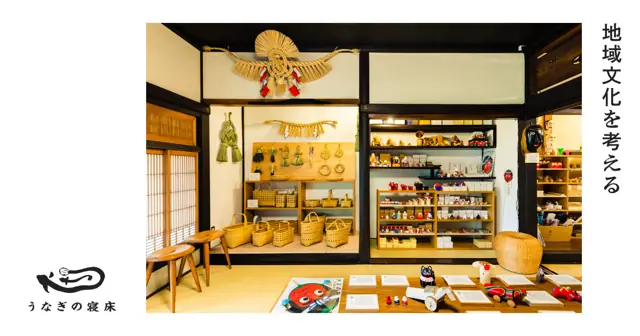
Photo: the shop’s official page うなぎの寝床 旧寺崎邸
The Yame flagship of regional craft house Unagi no Nedoko, in the former Terasaki residence, selling Kurume Kasuri monpe and Kyushu crafts. Open 11 am to 5 pm, closed Tuesdays and Wednesdays (open on public holidays).
11:00–17:00 · Closed: Tuesdays and Wednesdays (open on public holidays)checked Nov 2026
Why the editors chose itBrowse Kurume Kasuri monpe and crafts from across Kyushu inside the former Terasaki residence.
Tachibana
Onokoyaki no Sato
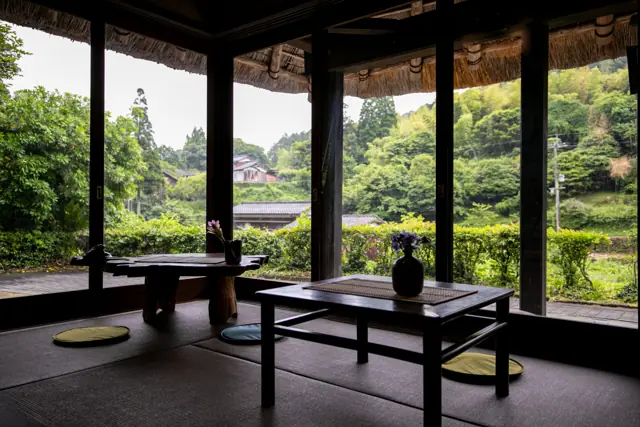
Photo: the shop’s official page 男ノ子焼の里
A kiln in Tachibana reviving Onokoyaki, said to date from 1598 when potters were invited from Korea, showing and selling thin-walled yakishime stoneware. Open 10 am to 4 pm, closed Tuesdays.
10:00–16:00 · Closed: Tuesdayschecked Nov 2026
Why the editors chose itChoose thin-walled yakishime stoneware straight from the kiln carrying on a 1598 tradition.
Hoshino
Koto Hoshinoyaki Tenjikan
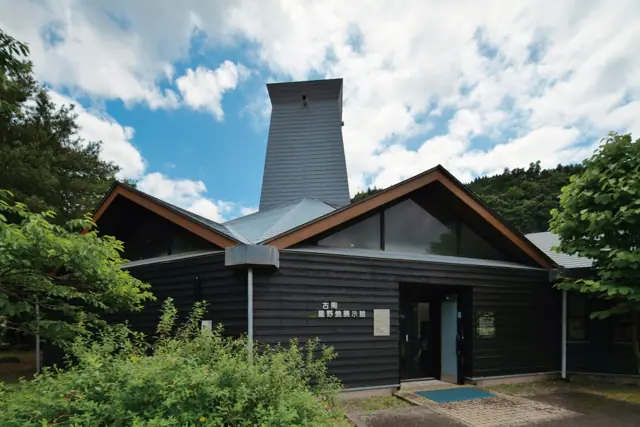
Photo: the shop’s official page 古陶星野焼展示館
An octagonal gallery with a star-shaped roof in Hoshino, showing Edo-period Hoshino-yaki and iron-glazed Yuhi-yaki alongside contemporary vessels from local kilns. Open 9 am to 5 pm, closed Tuesdays (Mondays and Tuesdays Dec–Feb).
9:00–17:00 · Closed: Mar–Nov: Tuesdays; Dec–Feb: Mondays & Tuesdays (open on public holidays); Dec 29–Jan 3
Why the editors chose itView Edo-period Hoshino-yaki and buy local kiln vessels inside an octagonal, star-roofed gallery.
Yame Fukushima
Yame Fukushima Okiya Ao to Neji
八女福島置屋 蒼とねじ
A Yame tea select shop and tea room in a century-old former okiya townhouse, opened in May 2026 by uniting Sarou Ao and Cha to Utsuwa Neji. Open 11 am to 5 pm, closed Tuesdays.
Why the editors chose itVisit a Yame tea room and vessel shop housed in a century-old former okiya townhouse.
Sights in Yame
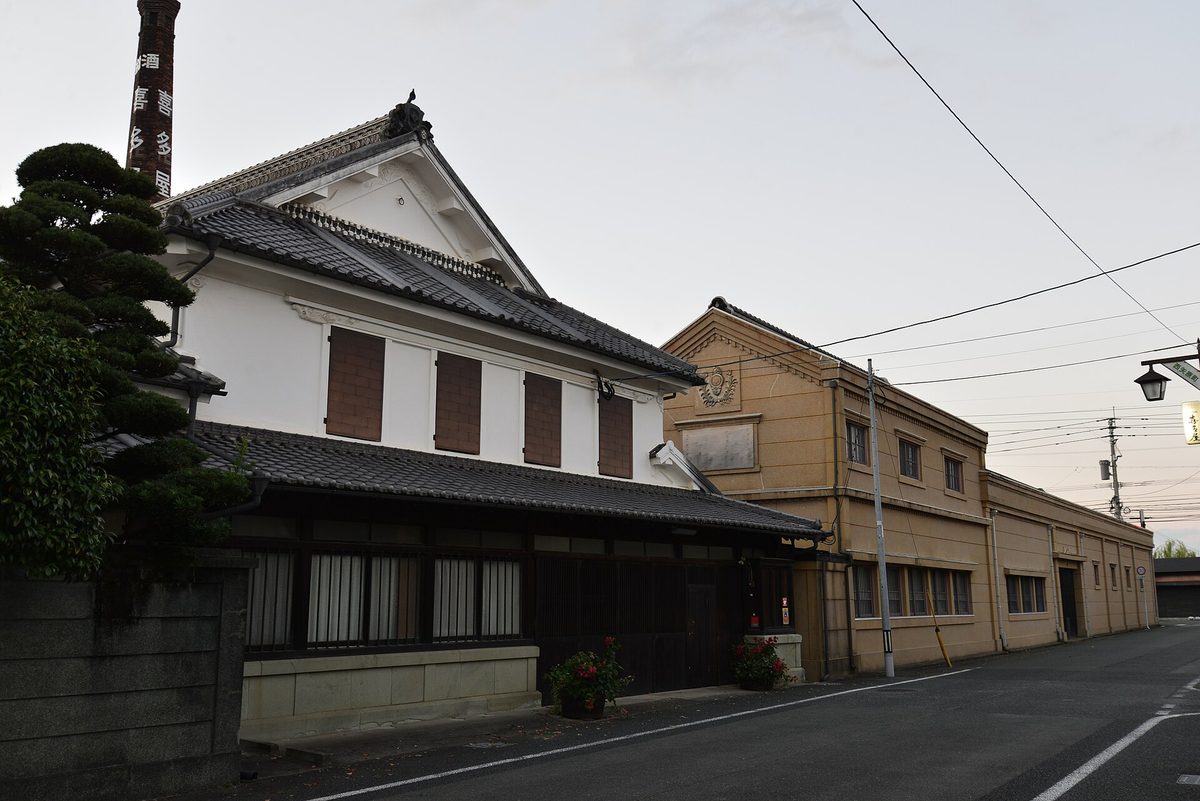
Photo: 皓月旗 / CC BY 4.0 (Wikimedia Commons) Yame Fukushima Preservation District
The historic merchant quarter of Yame Fukushima, lined with white-walled earthen storehouses, townhouses and craft workshops, designated a national preservation district for groups of traditional buildings.
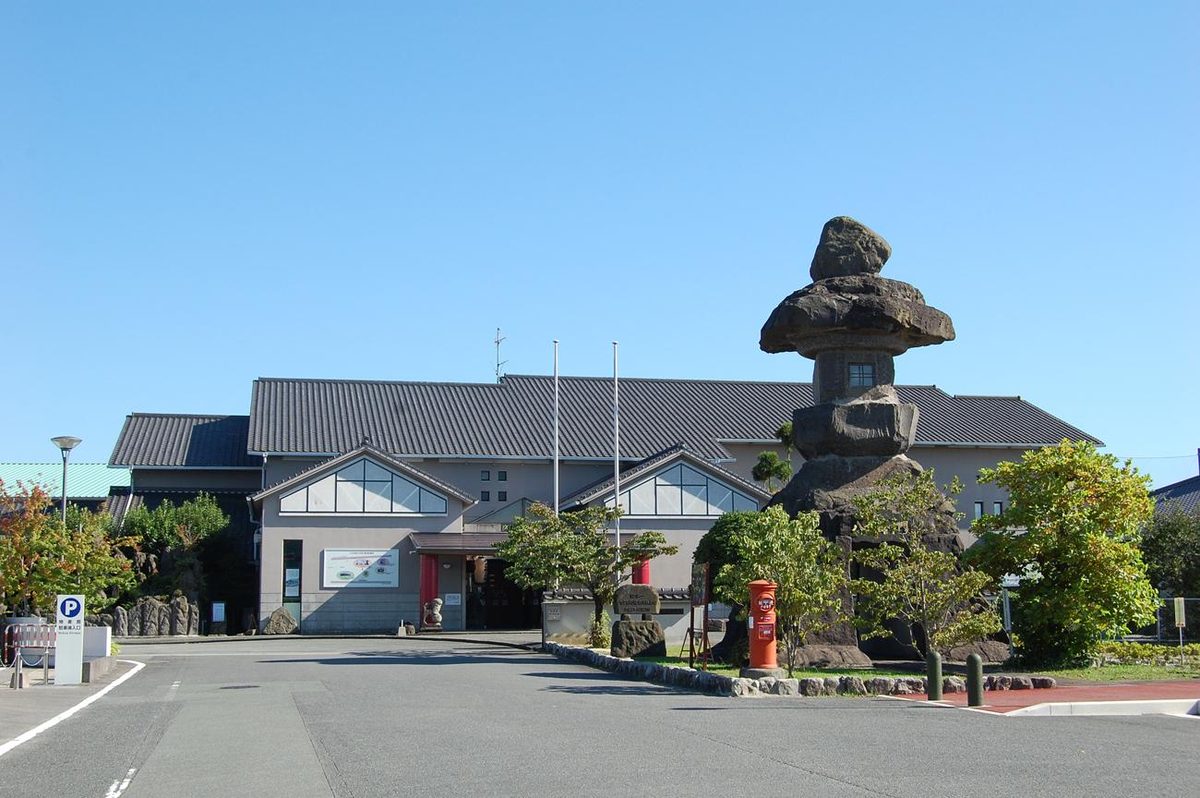
Photo: official site Yame Traditional Crafts Museum
A museum of Yame's traditional crafts—Buddhist altars, Yame lanterns, Kurume Kasuri and handmade washi—standing on the former Chikugo-Fukushima Station site, with craft demonstrations.
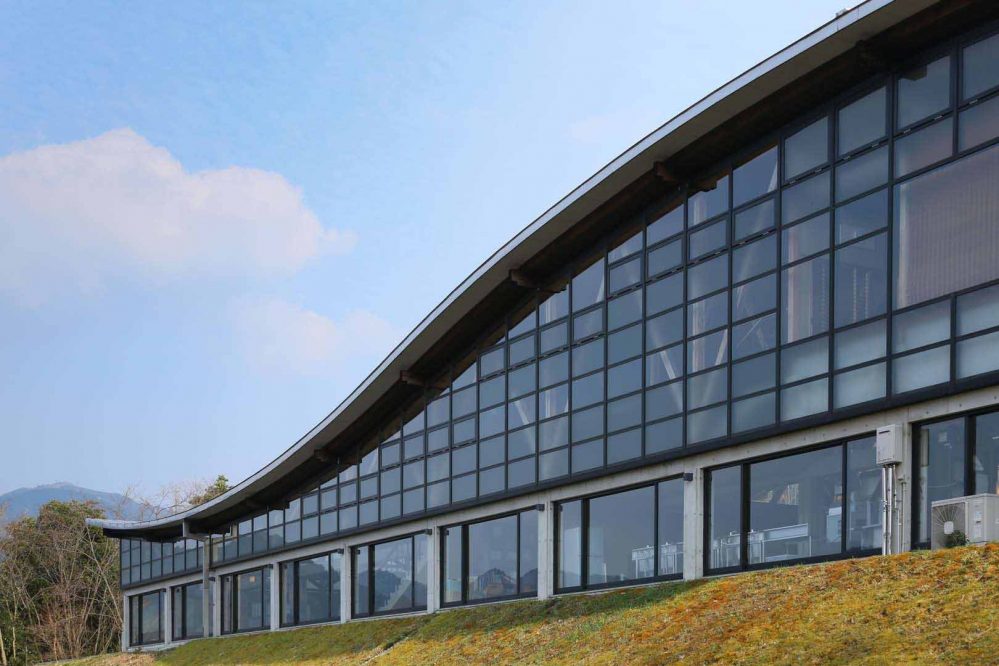
Photo: official site A tea museum in Hoshino Village dedicated to Yame tea and traditional gyokuro, with a tasting hall for shizuku-cha and matcha and a tea-soba dining room.
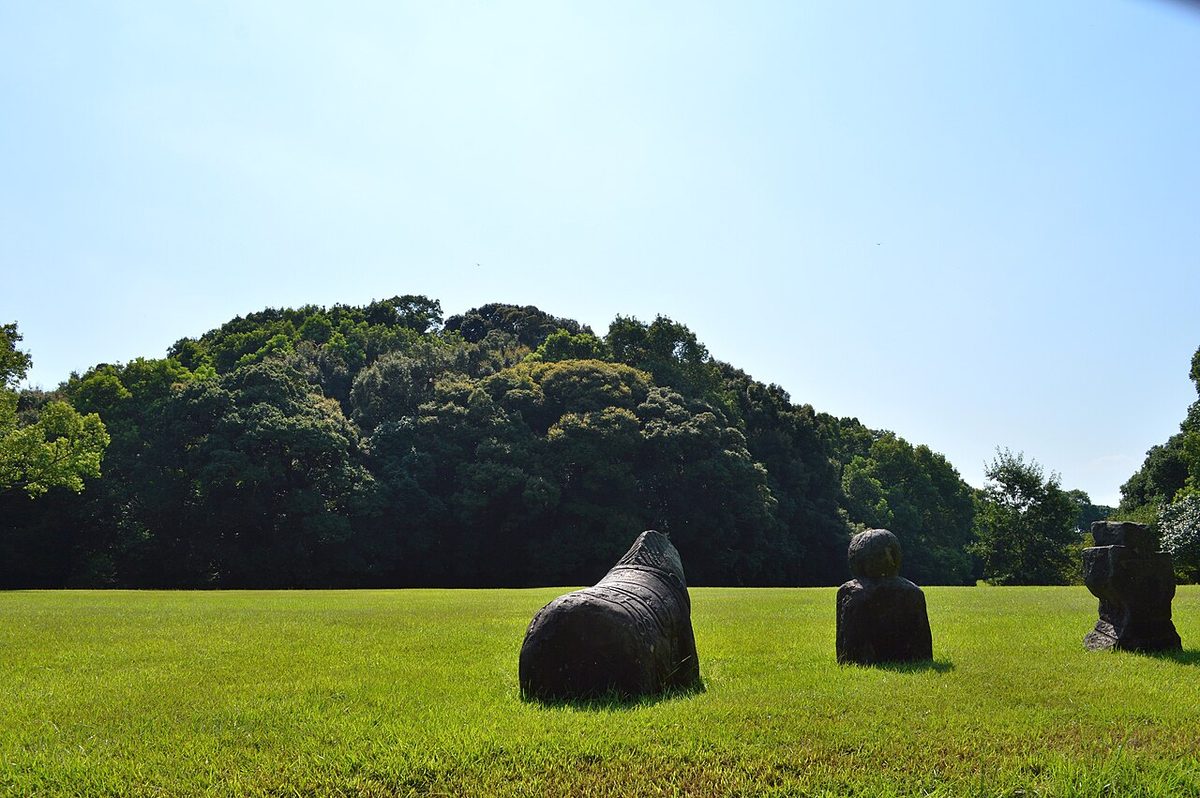
Photo: Saigen Jiro / CC0 (Wikimedia Commons) A sixth-century keyhole-shaped burial mound attributed to Chikushi-no-Kimi Iwai, about 135 metres long and among the largest in northern Kyushu, beside the Iwai no Sato museum.
These are local landmarks. Each was checked to be open on its official site (checked 2026-11-12). Please confirm hours before you go.
Beyond Yame
1 / 7
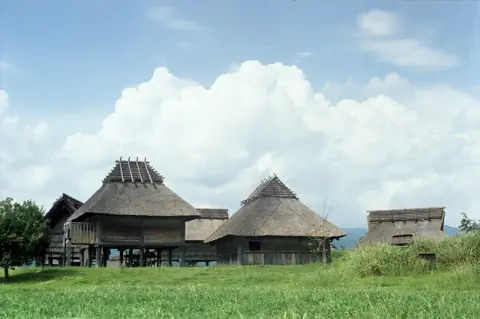 Kanzaki · 20 km
Yoshinogari Historical Park →
A national park preserving and displaying Yayoi period ruins, where you can experience reconstructed pit dwellings and elevated warehouses.
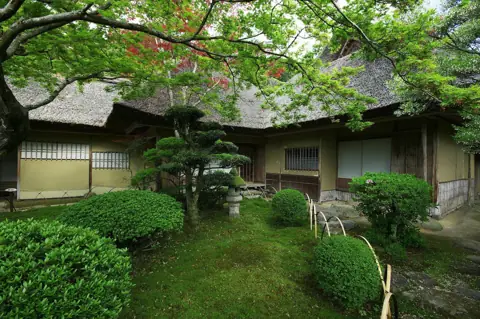 Kanzaki · 24 km
Kunenan →
A Meiji-era industrialist's villa and moss-and-maple garden designated a National Place of Scenic Beauty, opened to the public only for brief windows in spring and autumn.
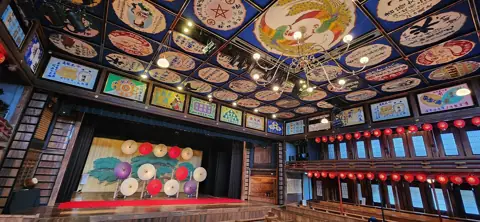 Yamaga · 25 km
Yachiyoza Theater →
A 1910 wooden kabuki playhouse designated an Important Cultural Property, preserving a hand-turned revolving stage, under-stage cellar, and painted ceiling advertisements.
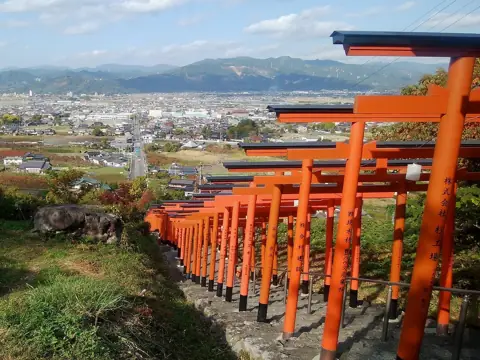 Ukiha · 25 km
Ukiha Inari Shrine →
A hillside shrine in Jogahana Park where over 90 vermilion torii gates climb roughly 300 stone steps overlooking the Chikugo Plain.
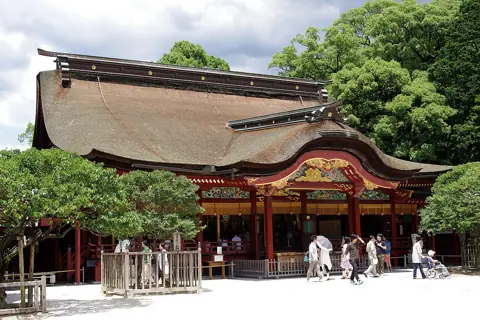 Dazaifu · 35 km
Dazaifu Tenmangu Shrine →
A historic shrine dedicated to Sugawara no Michizane, famous as the god of learning.
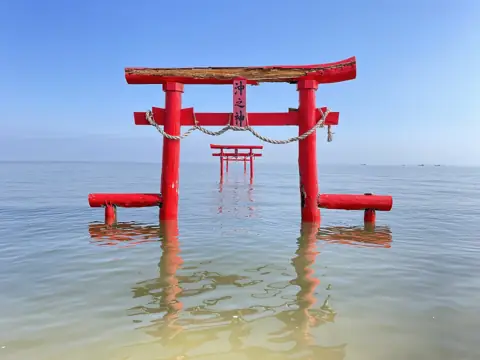 Tara · 41 km
Ouo Shrine Floating Torii Gates →
Three vermilion torii gates standing in the Ariake Sea shallows, submerged up to their crossbeams at high tide and walkable along a submerged road at low tide due to a 6-meter tidal range.
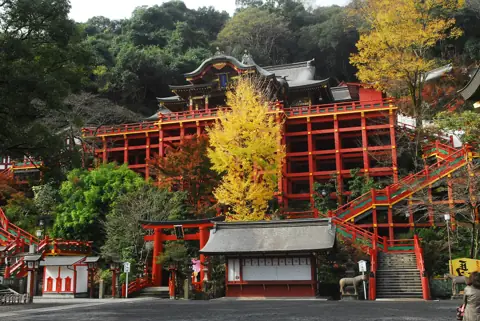 Kashima · 44 km
Yutoku Inari Shrine →
One of Japan's three great Inari shrines, it is visited by about 3 million people annually, with constant prayers for business prosperity and family fortune.


Distances are straight-line from the town centre. Each page has how to get there and a suggested day.
Questions people ask
- Where can I see or buy Yame Tea, Yame Paper Lanterns, Kurume Kasuri Indigo Textiles in Yame?
Yame Tea: Yabeya Konomi Honke (Yame Fukushima)
Yame Paper Lanterns: Ito Gonjiro Shoten (Yame Fukushima)
Kurume Kasuri Indigo Textiles: Shimogawa Orimono (Central Yame), Unagi no Nedoko, Kyu-Terasaki Tei (Yame Fukushima)
Craft: Onokoyaki no Sato (Tachibana), Koto Hoshinoyaki Tenjikan (Hoshino), Yame Fukushima Okiya Ao to Neji (Yame Fukushima)
- What can I visit on foot around Yame Fukushima?
Yame Tea: Yabeya Konomi Honke
Yame Paper Lanterns: Ito Gonjiro Shoten
Kurume Kasuri Indigo Textiles: Unagi no Nedoko, Kyu-Terasaki Tei
Craft: Yame Fukushima Okiya Ao to Neji
Cafés: Bacopa Coffee Roastery, Coffee Montblanc
Every place was checked to be open in November 2026. Hours can change, so please check the official site before you go.
If you like Yame
- Kyoto
Kyoto, Japan
For example, Shimogawa Orimono here, and Orinasukan Museum in Kyoto.
- Fukuoka
Fukuoka, Japan
For example, Yabeya Konomi Honke here, and Mitsuyasu Seikaen Chaho in Fukuoka.
- Yokohama
Kanagawa, Japan
For example, Koto Hoshinoyaki Tenjikan here, and altoyo in Yokohama.
Chosen by how close the towns and their places are in what they make and serve.