35.0° N
Kyoto
Kyoto, Japan
A historic capital known for its temples, gardens, and traditional crafts like Nishijin weaving and Kyo-yuzen. Independent shops in quiet districts offer artisanal sweets, coffee, and meals, perfect for exploring throughout the year.
What to eat in Kyoto
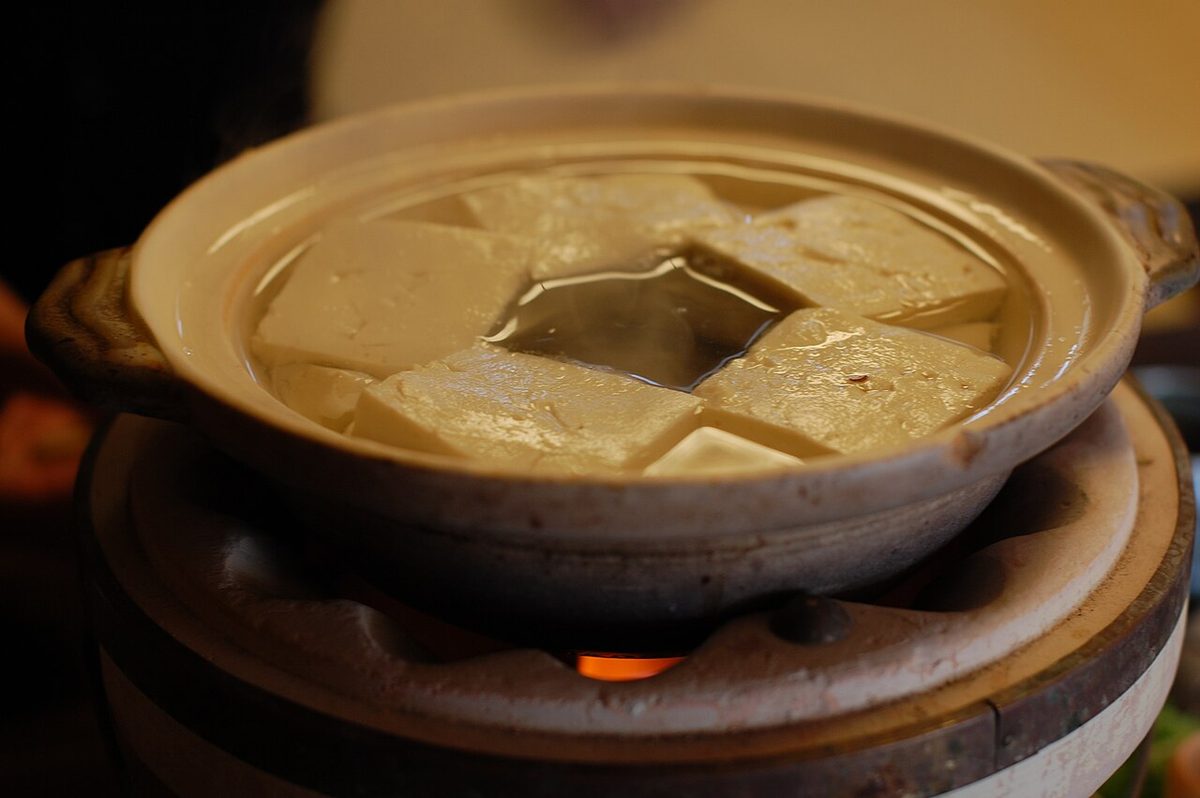
Photo: Flickr user cobacco(hiro kobashi) / CC BY 2.0 (Wikimedia Commons) Yudofu (Boiled Tofu)
湯豆腐
Tofu simmered in kelp broth, a specialty of Kyoto. It reflects the city's refined vegetarian Buddhist cuisine and utilizes its famous high-quality water.
Typically enjoyed as a set meal (yudofu-gozen) with various small dishes.(Oct–Mar)
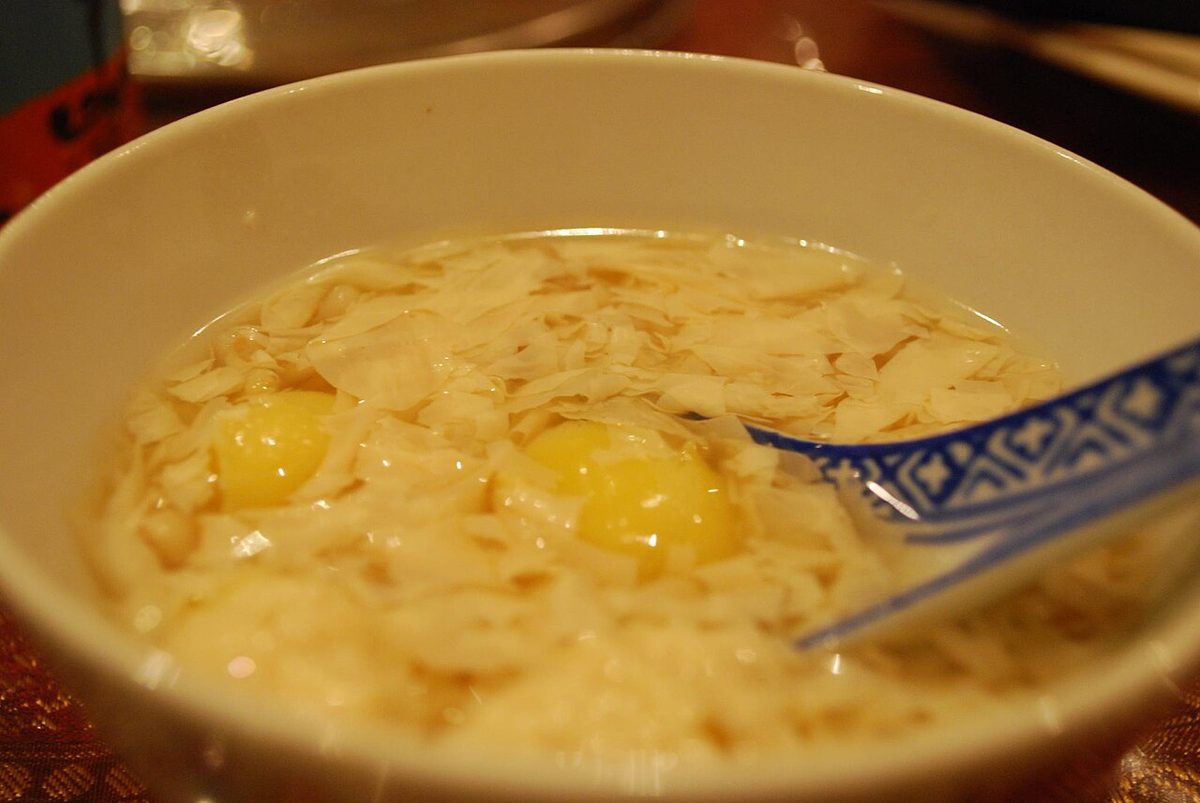
Photo: Alpha from Melbourne, Australia / CC BY-SA 2.0 (Wikimedia Commons) Yuba (Beancurd Skin)
湯葉
Yuba is the delicate skin that forms on soy milk when it's heated. In Kyoto, it is a refined delicacy, enjoyed in various textures from fresh and soft to dried and fried.
Often served as sashimi with soy sauce or in delicate soup dishes as part of a multi-course meal.(All year)
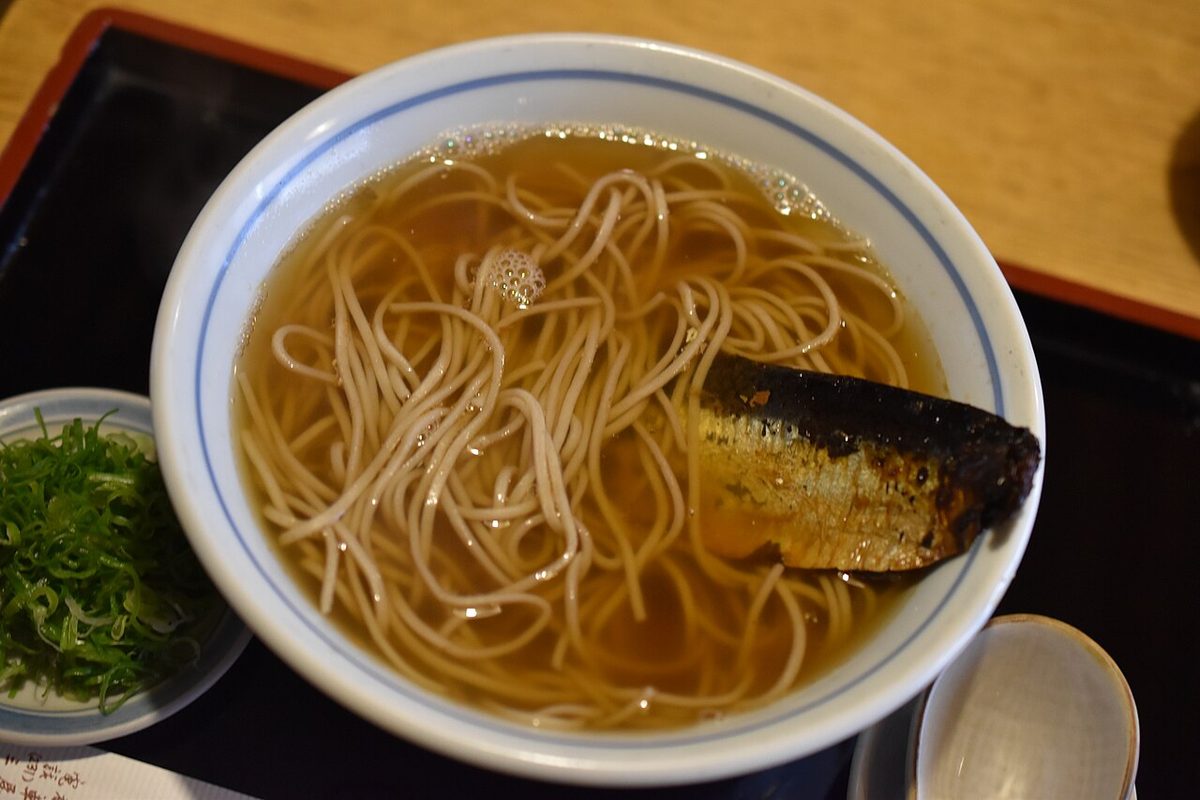
Photo: Fred Cherrygarden / CC BY-SA 4.0 (Wikimedia Commons) Soba (Buckwheat Noodles)
蕎麦
Kyoto has a long tradition of soba noodle making, often served in a refined dashi broth. Honke Owariya is one of Kyoto's oldest shops, famous for its high-quality soba served in a traditional atmosphere.
Served in various styles, including hot in broth or cold with a dipping sauce.(All year)
The LATITUDE editors’ 15 picks in Kyoto
Our editors verified that these places were open (checked 2026-11-19). Check the official site for hours and closing days before visiting. Sponsored listings are marked.
Save places to your trip list and revisit them in this browser. No account needed.
Editors’ picks on the map — or build your own route
Tap a mark to see the place; squares are museums and sights (landmarks). Use “Build your own route” to make a walk of your own.
Loading the map
Map data © OpenStreetMap contributors
Browse by category
1 / 16
Gion
Wabiya Korekido Gion Hanamikoji
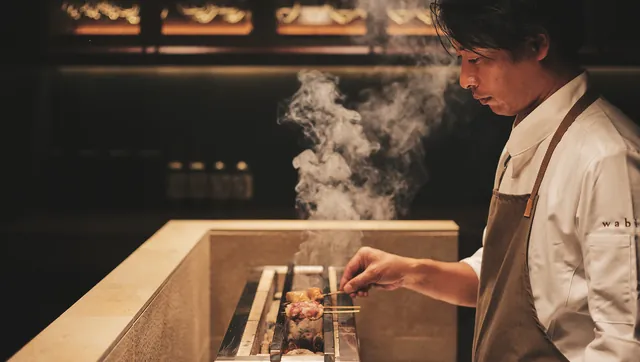
Photo: the shop’s official page 侘家古暦堂 祇園花見小路本店
A chicken specialty restaurant where you can enjoy charcoal-grilled chicken and the signature stone-grilled oyakodon.
Why the editors chose itA chicken specialty restaurant to visit for charcoal-grilled dishes and signature stone-grilled oyakodon.
Arashiyama
Bokura no Shokudo
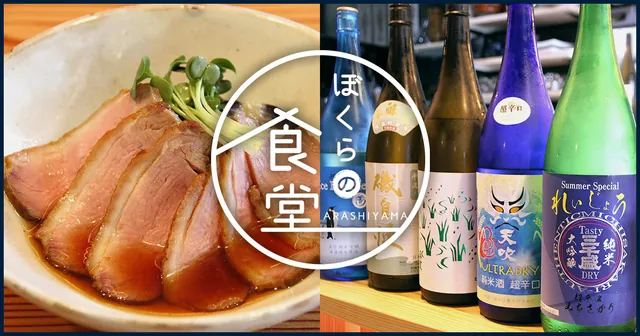
Photo: the shop’s official page ぼくらの食堂
A homey diner where you can enjoy local Kyoto vegetables, Kyoto duck, and a rich selection of sake.
Why the editors chose itA neighborhood diner pairing local Kyoto vegetables and Kyoto duck dishes with a wide sake list.
Nakagyo Ward
Nijo Koya
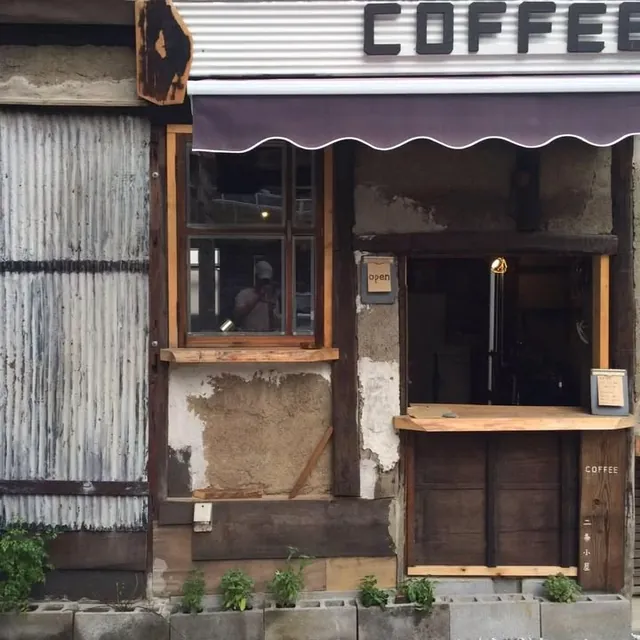
Photo: the shop’s official page 二条小屋
A micro-sized coffee stand in a DIY-renovated wooden shack near Nijo Castle. Known for hand-drip coffee, jazz records, and a secluded, atmospheric setting.
Why the editors chose itTucked down a lane near Nijo Castle in a DIY-renovated shack with hand-drip coffee and jazz records.
Nishijin
Shioyoshiken
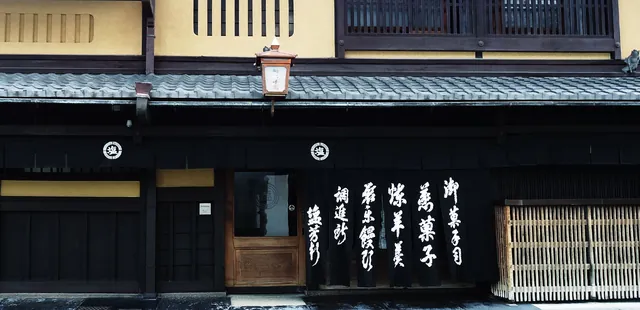
Photo: the shop’s official page 御菓子司 塩芳軒
A historic traditional confectionery shop known for its seasonal wagashi and delicate wasanbon sweets, crafting wagashi for over a hundred years.
Why the editors chose itA historic Kyoto confectioner of over a hundred years, chosen for seasonal wagashi and wasanbon sweets.
Higashiyama/Gion
Gion Anon Honten
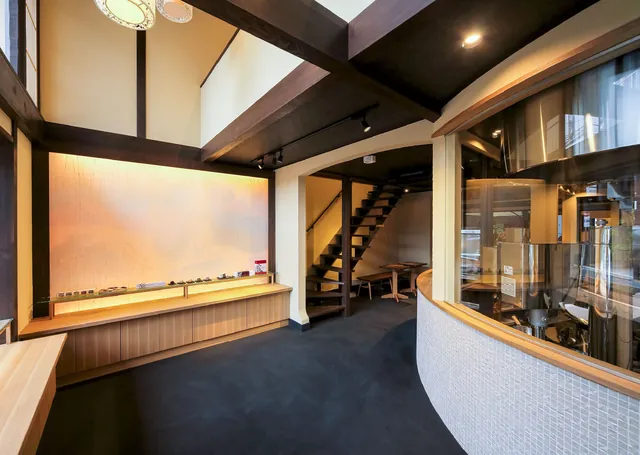
Photo: the shop’s official page 京都祇園あのん 本店
A shop combining traditional anko-making expertise with modern flair, specializing in DIY monaka wafers.
Why the editors chose itCome for Anpone, DIY monaka wafers pairing traditional anko craft with a modern twist.
Gion
Kagizen Yoshifusa
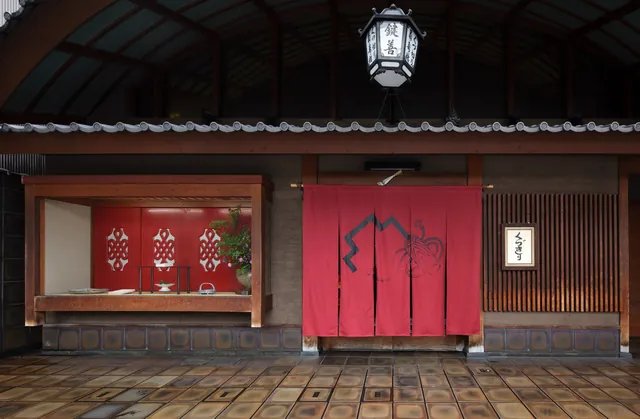
Photo: the shop’s official page 鍵善良房 四条本店
A Kyoto confectioner in Gion since the early eighteenth century. Its kuzukiri is made to order and served with black syrup in the quiet tearoom at the back.
9:00–18:00 · Closed: Mondays (the next day when Monday is a holiday)
Why the editors chose itA Gion confectioner since the early eighteenth century serving made-to-order kuzukiri in its rear tearoom.
Nishijin
Tsuruya Yoshinobu (main shop)
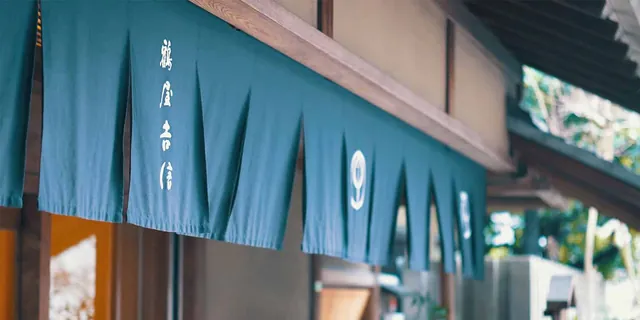
Photo: the shop’s official page 鶴屋吉信 本店
A Kyoto confectioner founded in 1803. At the counter of the Kayu-chaya upstairs, a craftsman finishes a seasonal namagashi in front of you.
Why the editors chose itFounded in 1803, with an upstairs counter where a craftsman finishes seasonal namagashi before you.
Kamigyo Ward
Tokiya
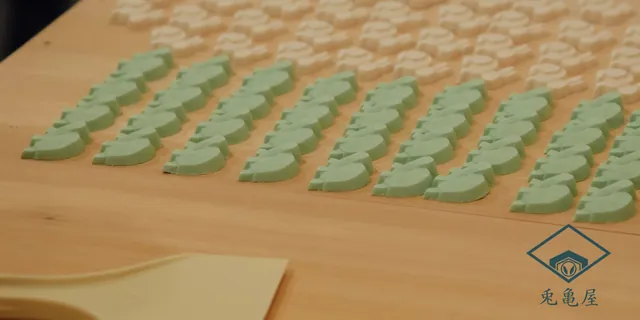
Photo: the shop’s official page 兎亀屋 (Tokiya)
Specializes in Jo-namagashi and O-higashi. The shop also offers wagashi-making classes and is dedicated to traditional hand-formed craftsmanship.
Why the editors chose itA specialist in traditional jo-namagashi and o-higashi that also runs hands-on wagashi-making classes.
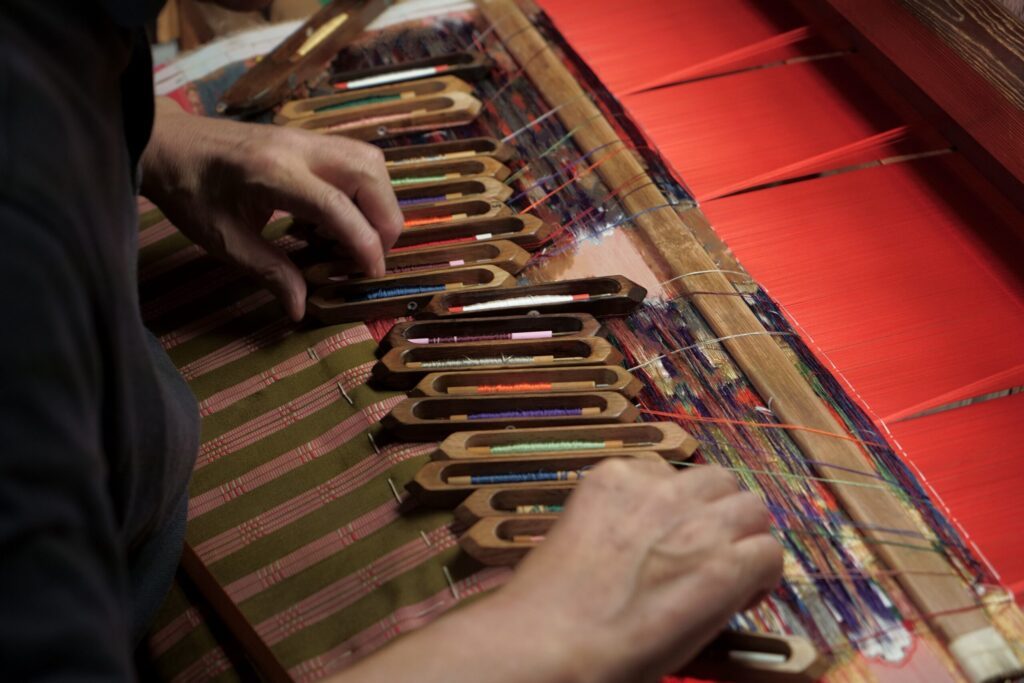
Made in Kyoto
Traditional techniques like Nishijin-ori weaving and Kyo-yuzen dyeing are preserved and reinterpreted by local makers.
A weaver's hands arrange wooden shuttles carrying colorful silk threads across a handloom.·Photo: Nishijin Okamoto (official site)
Nishijin
Orinasukan Museum
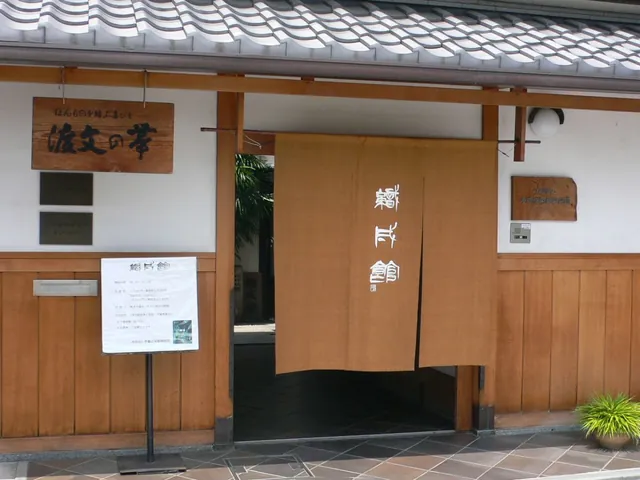
Photo: the shop’s official page 手織ミュージアム 織成舘
A museum and working studio preserving the art of Nishijin-ori weaving in a historic machiya.
Why the editors chose itA museum and working studio in a Kyoto machiya dedicated to Nishijin-ori weaving history and craft.
Nishijin
Nishijin Okamoto
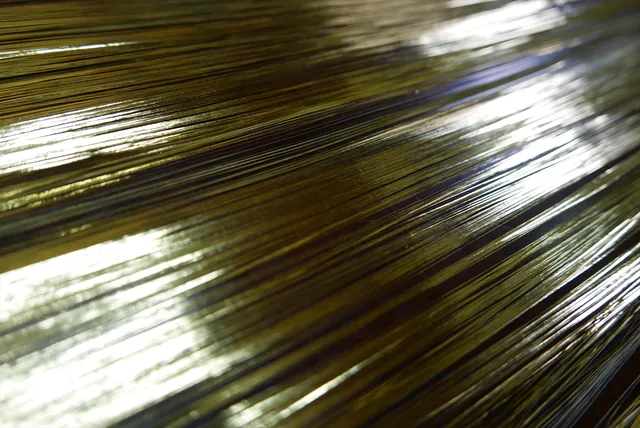
Photo: the shop’s official page 西陣岡本
A maker of high-end, bespoke Nishijin brocade textiles for traditional arts and modern design.
Why the editors chose itVisit a historic Nishijin weaver producing and selling traditional Nishijin gold-brocade textiles.
Higashiyama-ku
Shichimiya Honpo
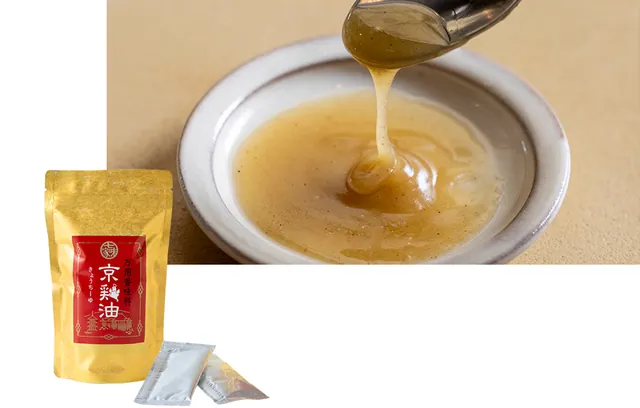
Photo: the shop’s official page 七味家本舗
A long-established specialist in spices located on the approach to Kiyomizu-dera Temple, dating back to the Meireki era. It is famous for its traditional Shichimi spice blends.
Why the editors chose itOn Kiyomizu-dera’s approach since the Meireki era, the stop for traditionally blended shichimi spices.
Nakagyo
Benrido
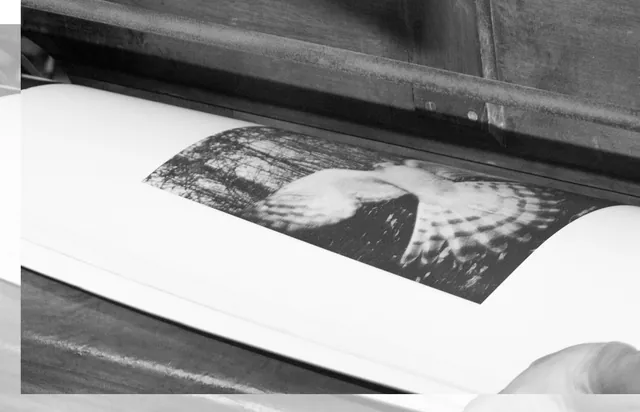
Photo: the shop’s official page 株式会社 便利堂
A long-established specialist in collotype printing, producing and selling high-quality art prints and postcards.
Why the editors chose itA long-standing specialist in traditional collotype printing, offering fine art prints and postcards.
Higashiyama
Kiyomizu-yaki Touan
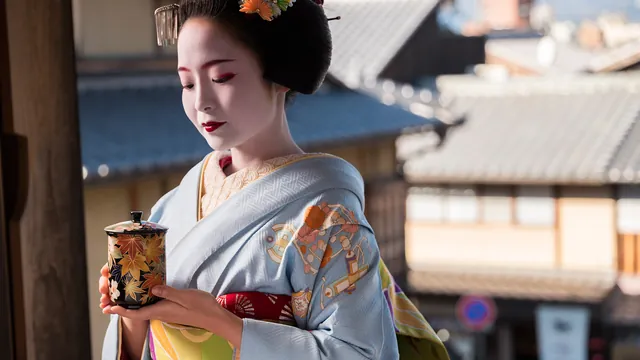
Photo: the shop’s official page 京焼・清水焼窯元 陶あん
A traditional Kiyomizu-yaki pottery producer, offering beautifully painted ceramics and pottery workshops.
Why the editors chose itA Kiyomizu-yaki kiln where you can browse painted ceramics and join a pottery workshop.
Higashiyama
Soryu-gama
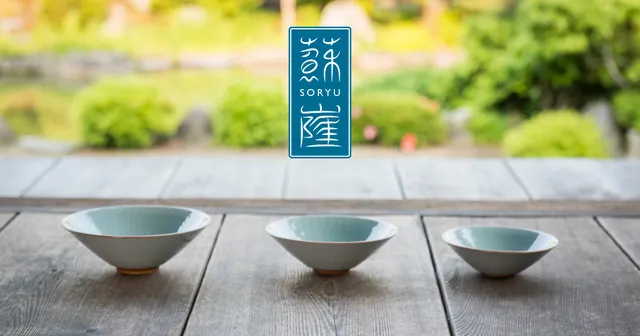
Photo: the shop’s official page 蘇嶐窯
A pottery studio and gallery run by a husband-and-wife duo practicing both Kiyomizu-yaki and Koishiwara-yaki techniques.
Why the editors chose itA husband-and-wife studio and gallery uniting Kyoto’s Kiyomizu-yaki with Fukuoka’s Koishiwara-yaki craft.
Nakagyo
Marumasu-Nishimuraya
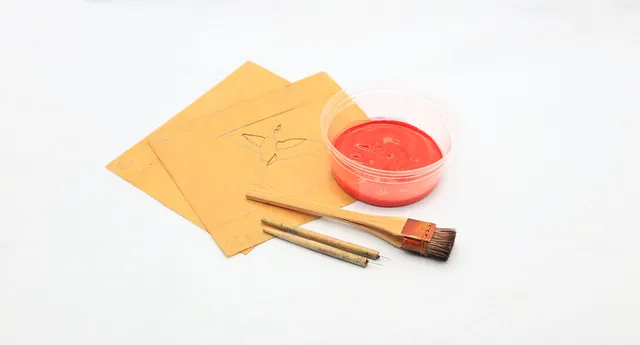
Photo: the shop’s official page 丸益西村屋
A historic Kyo-yuzen workshop founded in 1905, offering dyeing workshops and original Kyo-yuzen goods in a traditional Kyoto townhouse.
Why the editors chose itFounded in 1905, a Kyoto machiya workshop offering hands-on Kyo-yuzen dyeing and dyed goods.
Sights in Kyoto
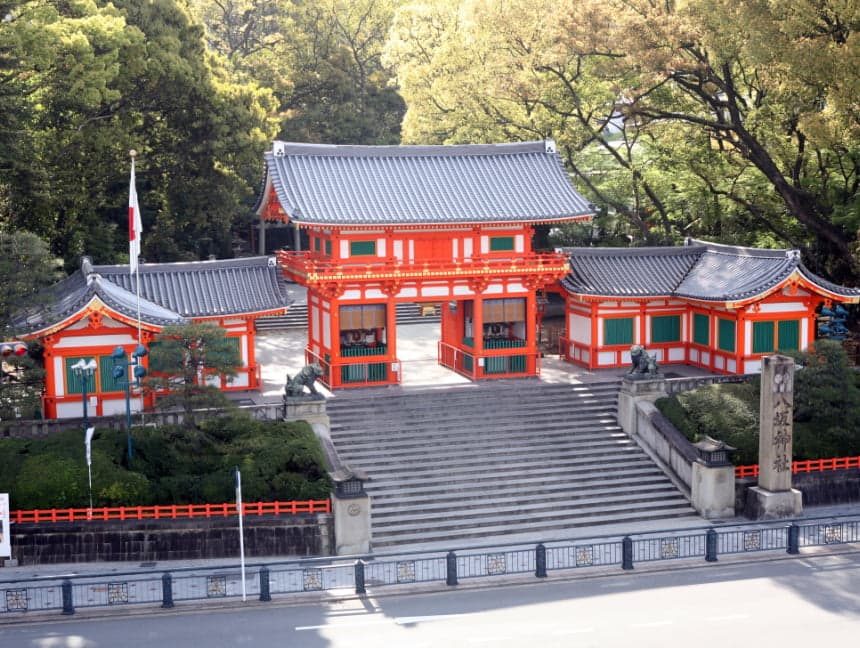
Photo: official site The head shrine of Gion shrines throughout Japan, known for the Gion Festival.
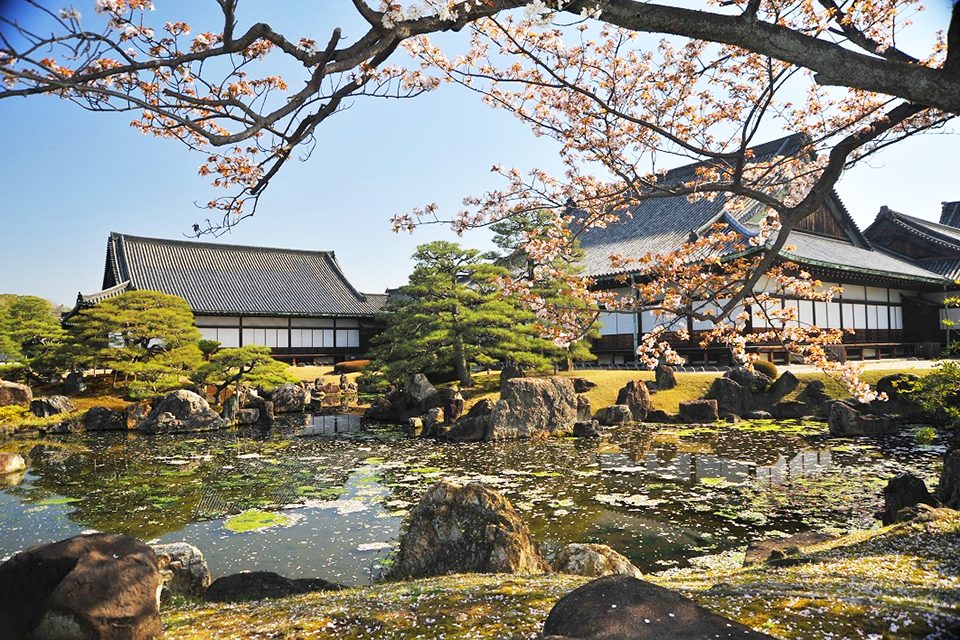
Photo: official site A UNESCO World Heritage site built by Tokugawa Ieyasu.
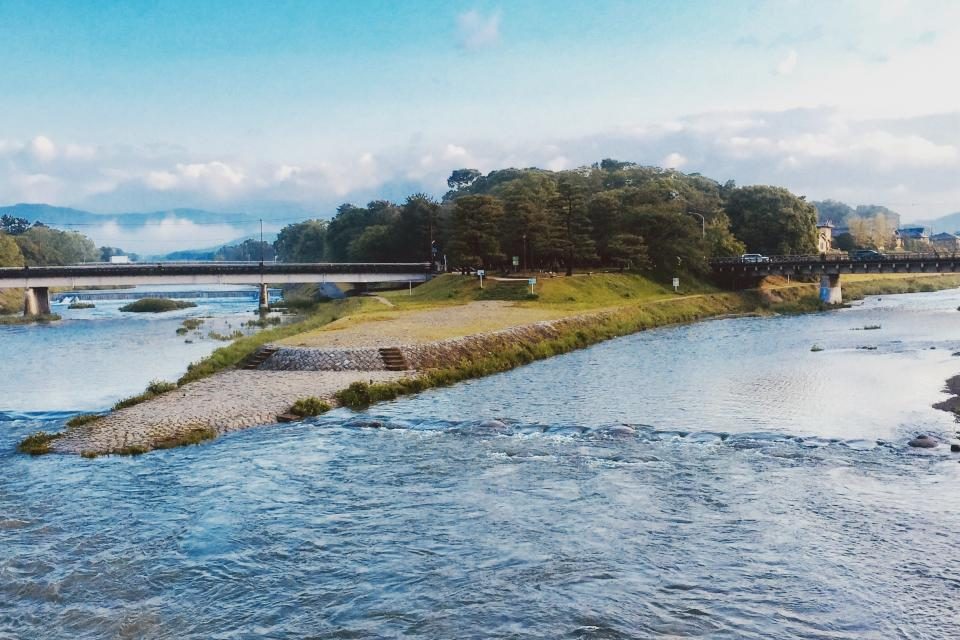
Photo: official site A river flowing north to south through Kyoto.
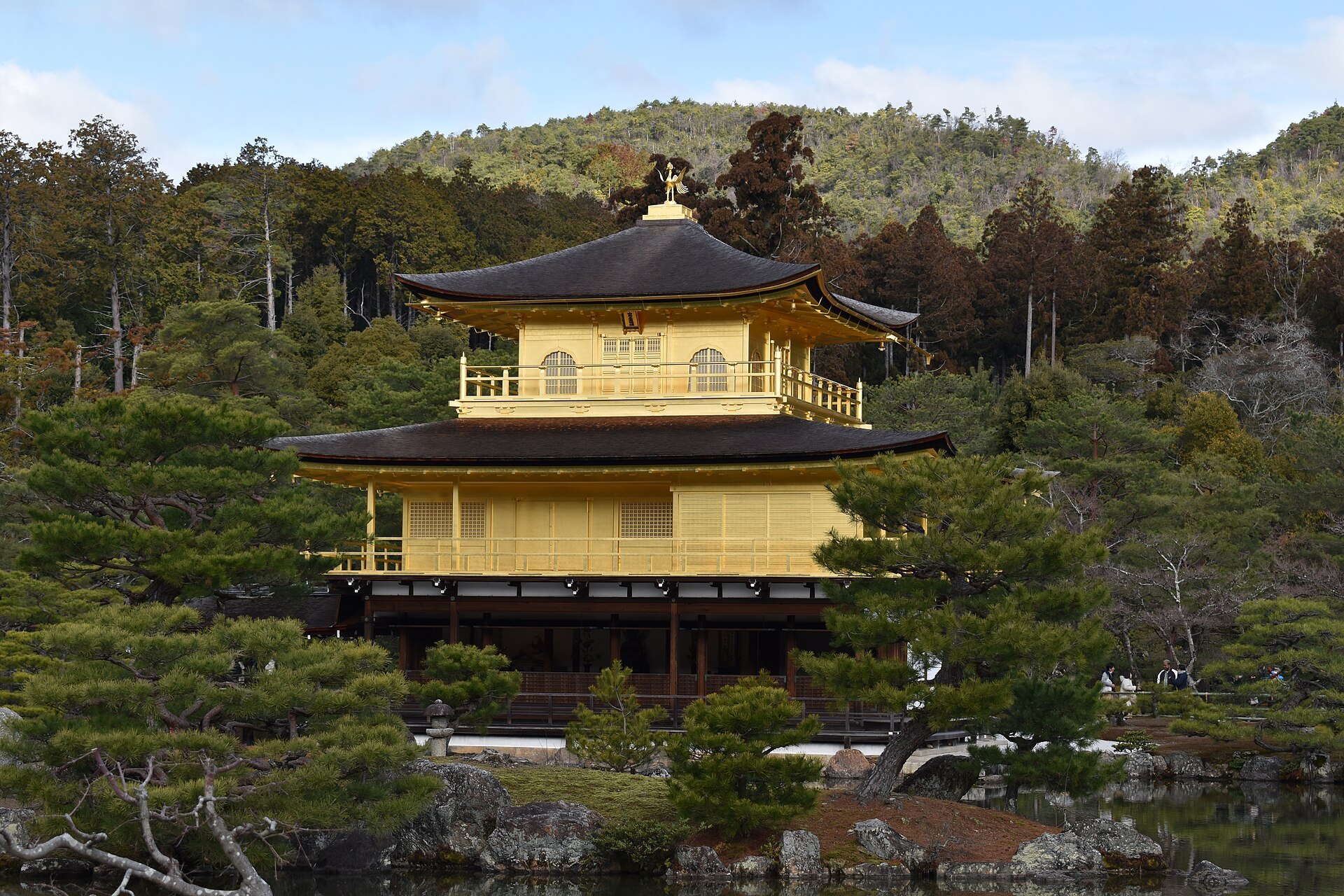
Photo: Nacaru / CC BY-SA 4.0 (Wikimedia Commons) Built as a villa for the third Ashikaga shogun, Yoshimitsu, this temple is world-famous for its gold-leaf-covered Shariden (reliquary hall).
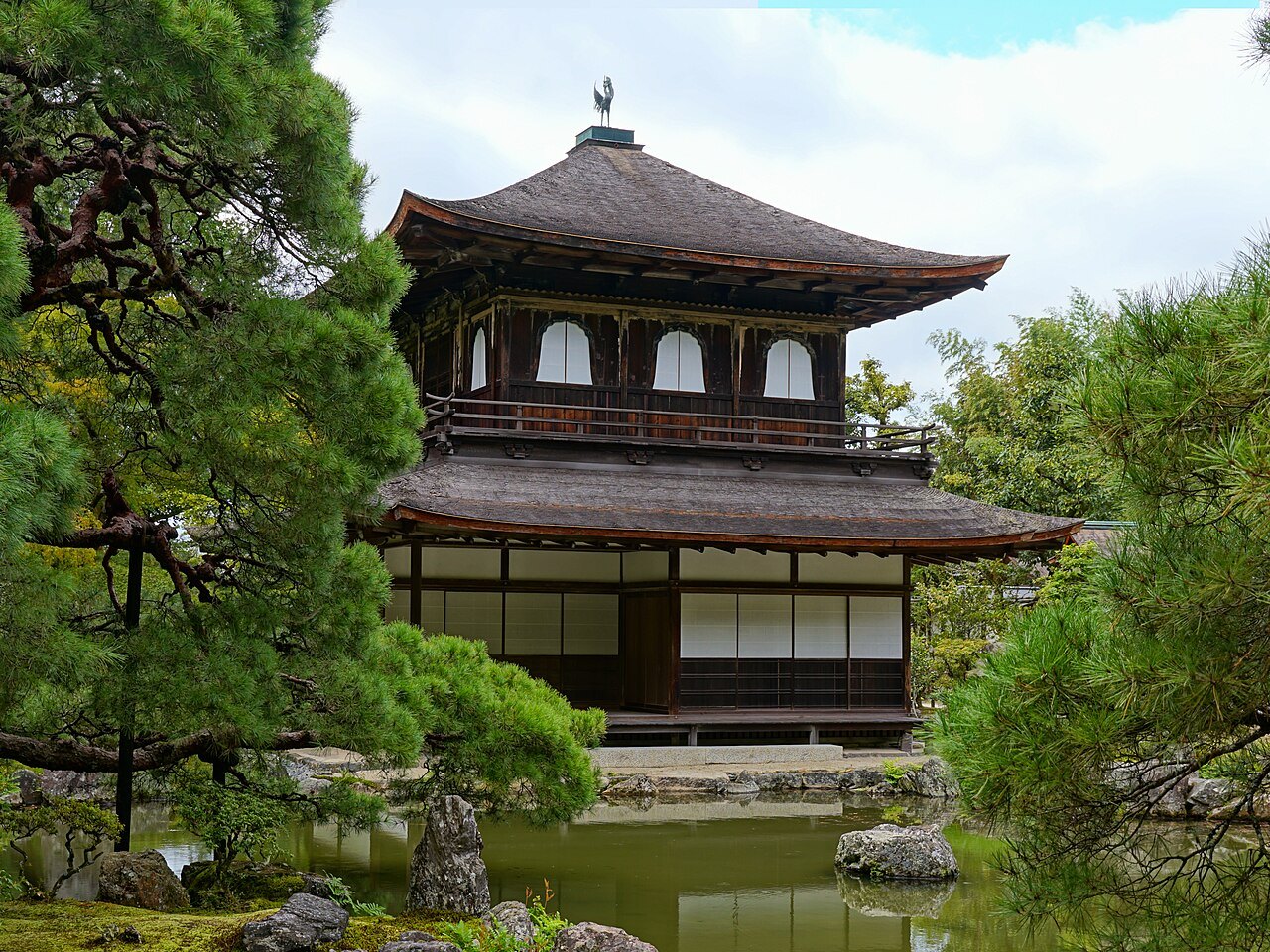
Photo: 掬茶 / CC BY-SA 4.0 (Wikimedia Commons) A villa built by Ashikaga Yoshimasa that represents Higashiyama culture, featuring a garden that embodies the wabi-sabi spirit.
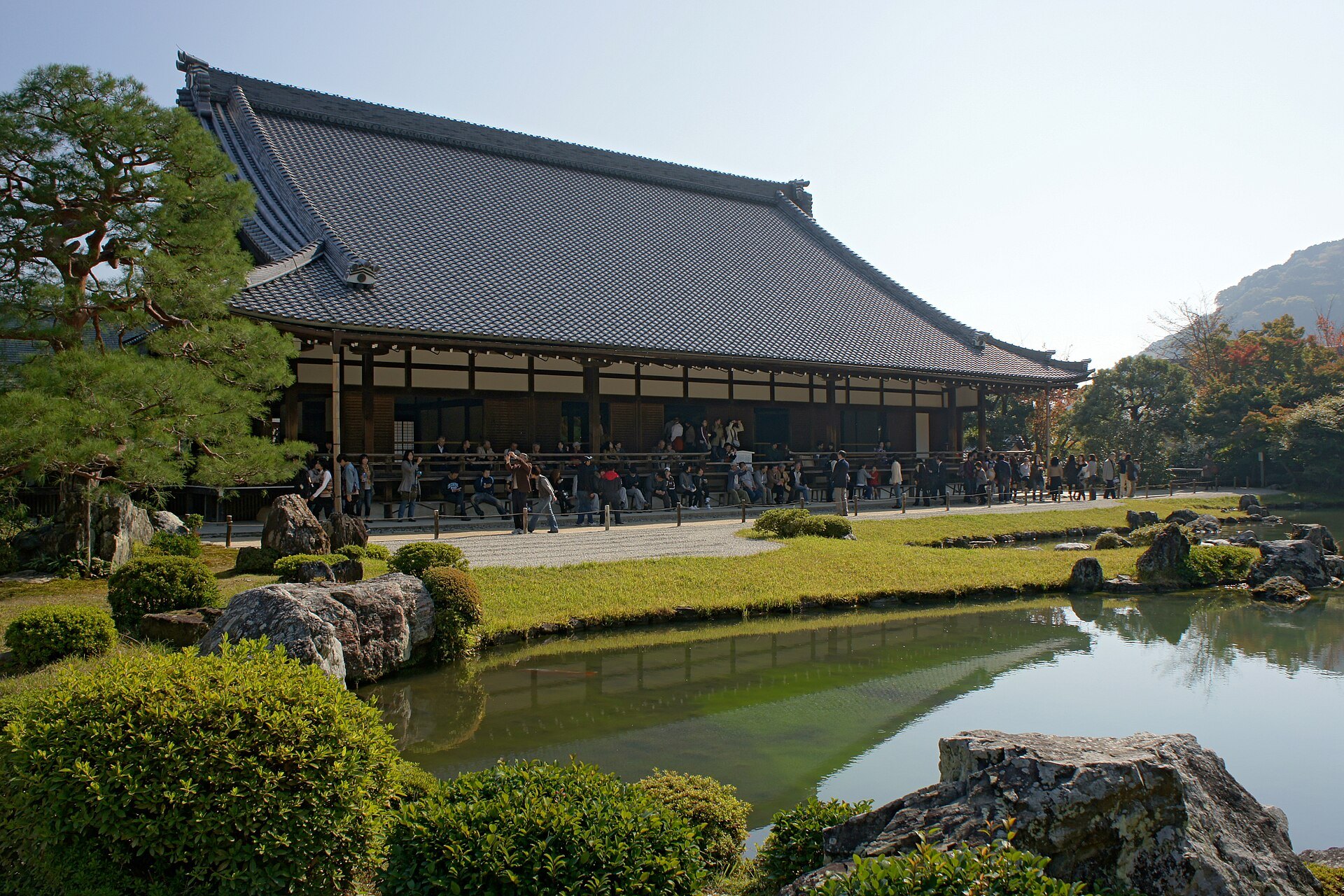
Photo: 663highland / CC BY 2.5 (Wikimedia Commons) Tenryu-ji Temple & Arashiyama Bamboo Grove
A UNESCO World Heritage site and head temple of the Rinzai school, featuring the beautiful Sogenchi Pond Garden in harmony with the nature of Arashiyama.
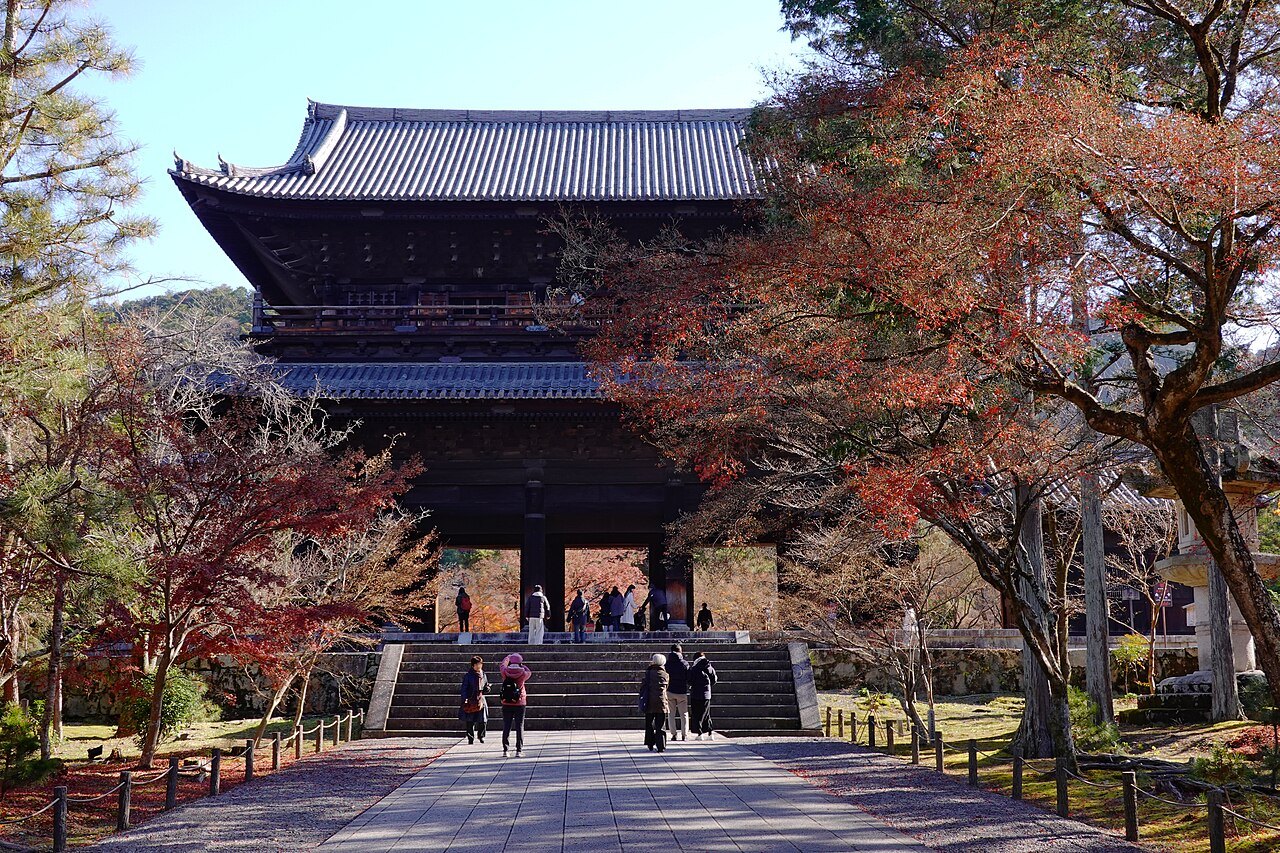
Photo: 663highland / CC BY-SA 4.0 (Wikimedia Commons) A prominent Zen temple known for its massive Sanmon gate and tranquil rock gardens.
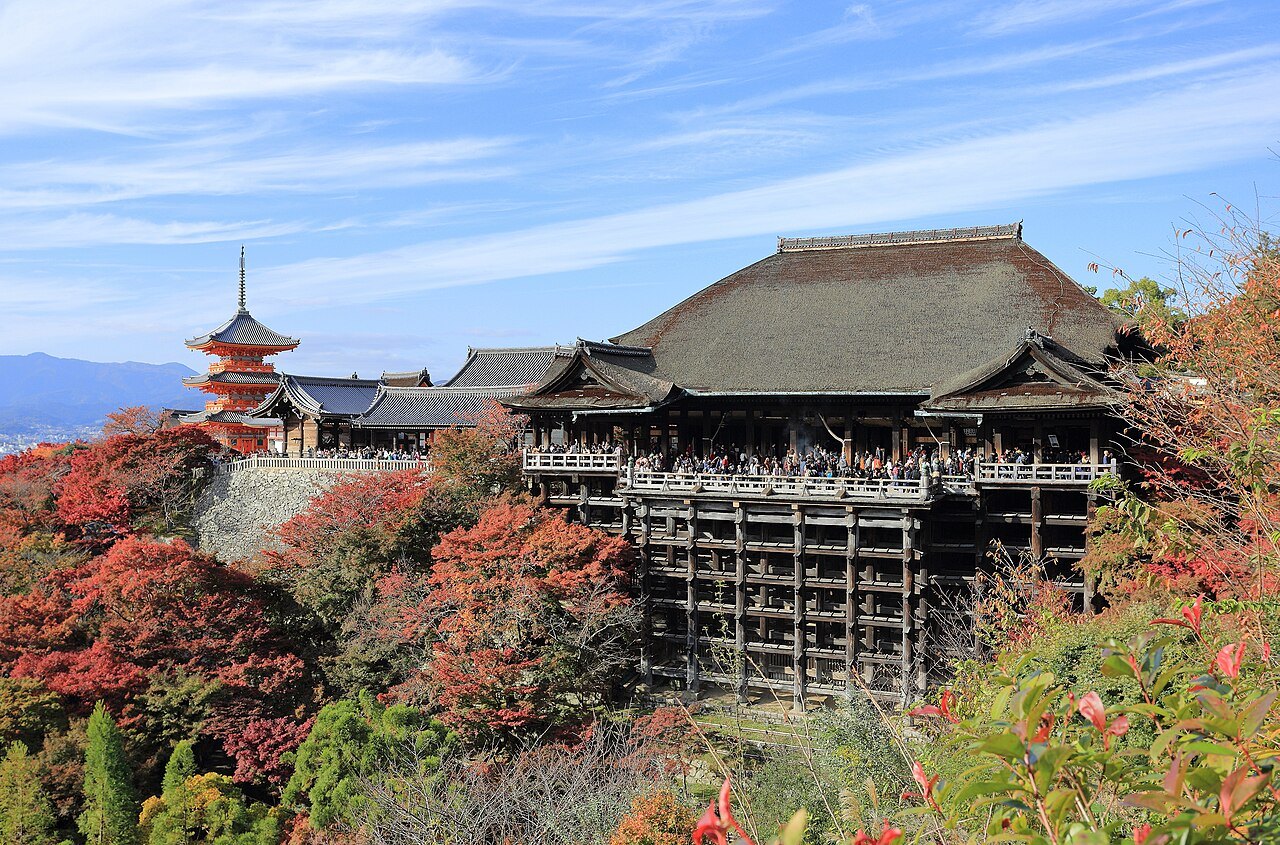
Photo: Martin Falbisoner / CC BY-SA 4.0 (Wikimedia Commons) Walk up Kiyomizu-zaka to the Nio-mon gate for the main approach to Kiyomizu-dera.
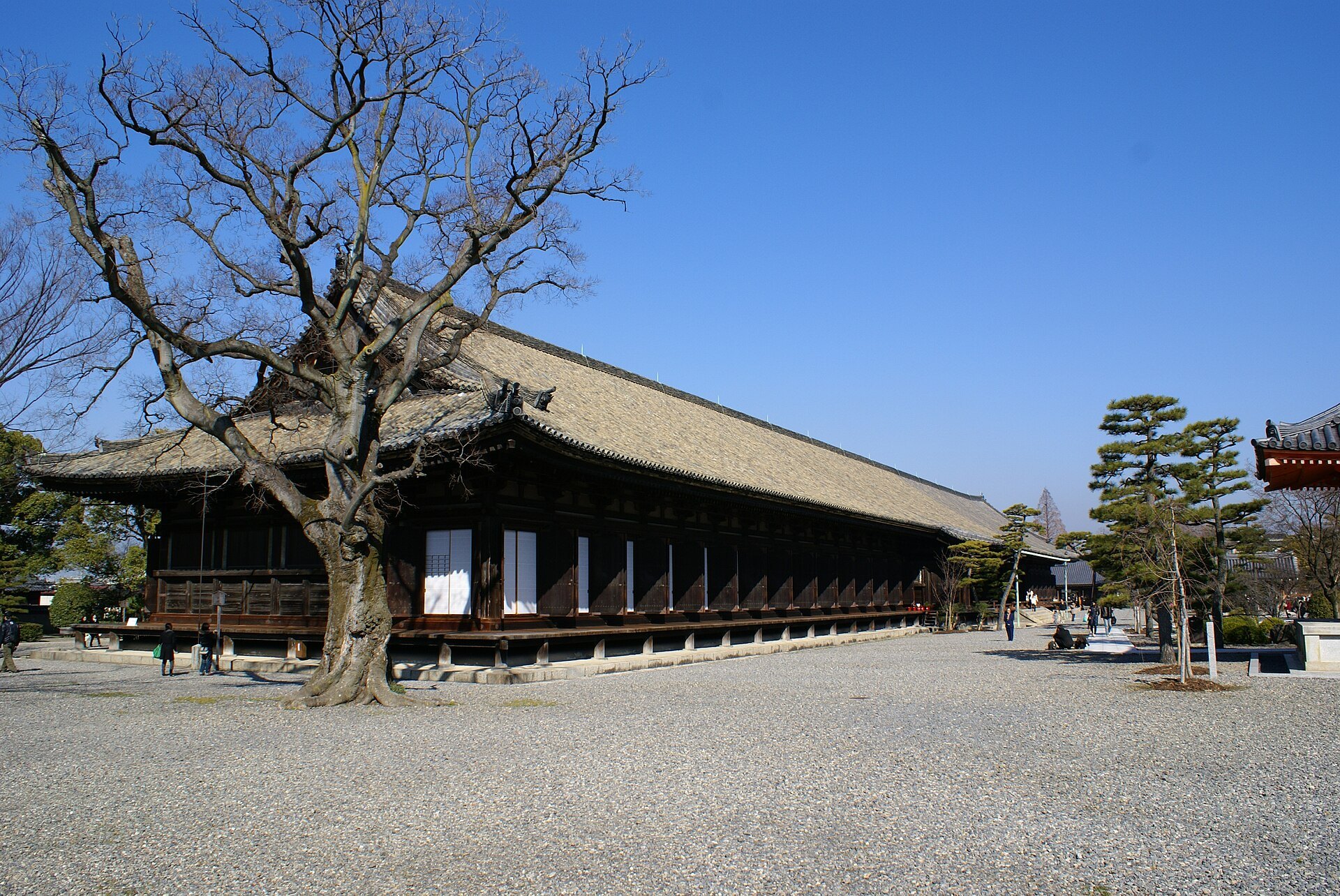
Photo: Eric Salard / CC BY-SA 2.0 (Wikimedia Commons) A historic temple famous for its long hall containing 1,001 statues of Kannon, the goddess of mercy.
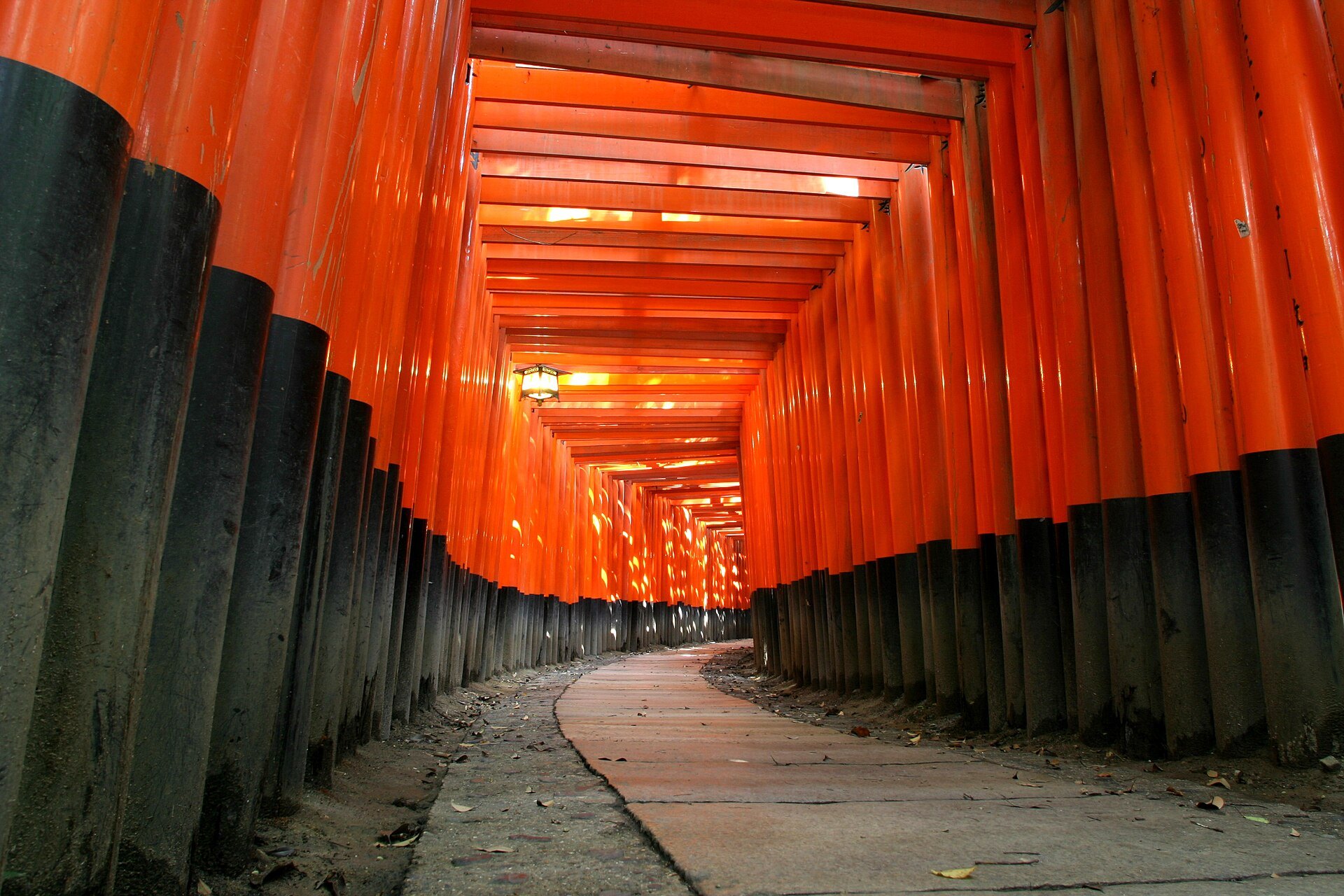
Photo: Paul Vlaar / CC BY-SA 3.0 (Wikimedia Commons) Fushimi Inari-taisha is the head shrine of the Inari shrines, with about 30,000 shrines nationwide.
These are local landmarks. Each was checked to be open on its official site (checked 2026-11-17). Please confirm hours before you go.
Beyond Kyoto
1 / 8
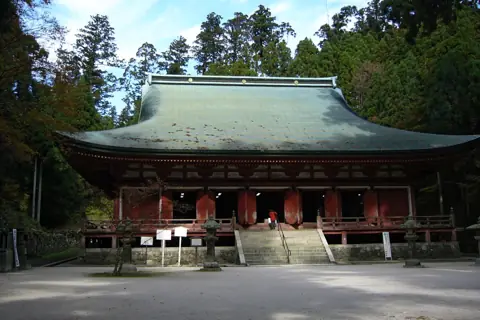 Otsu · 10 km
Enryaku-ji Temple →
Enryaku-ji Temple on Mt. Hiei is the head temple of the Tendai sect, with over 1200 years of history.
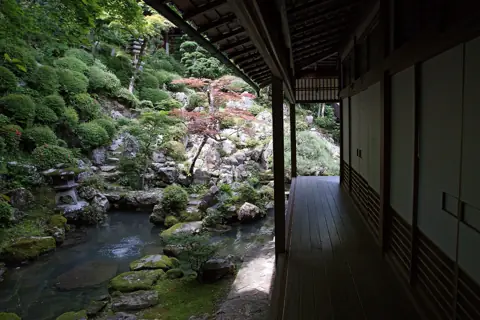 Nagaokakyo · 15 km
Yanagidani Kannon Yokoku-ji →
An ancient mountain temple in Nagaokakyo famed for eye-healing prayers and celebrated as the birthplace of seasonal flower-filled chozuya basins (hana-chozu).
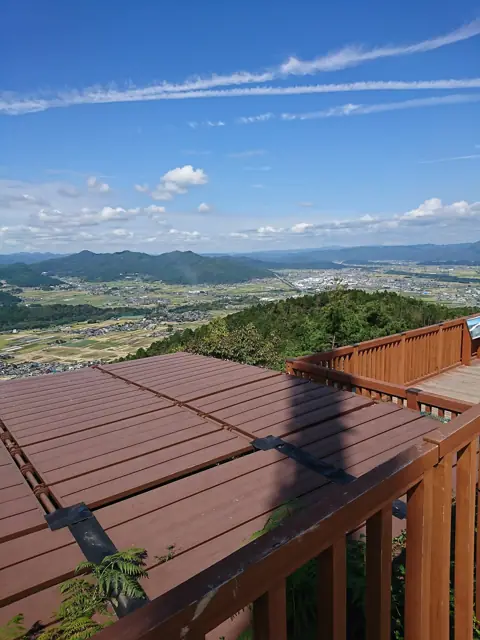 Kameoka · 19 km
Kameoka Mist Terrace →
A free hilltop observation deck on Mt. Ryugao in Kameoka overlooking the thick Tanba-giri sea of morning mist that fills the Kameoka Basin.
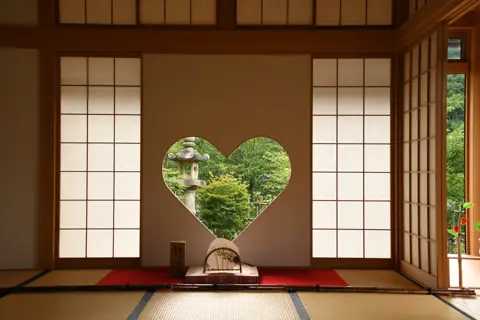 Uji · 23 km
Shoju-in →
A quiet temple in the tea hills of Ujitawara famous for its heart-shaped inome window and 160 painted ceiling panels in the guest hall.
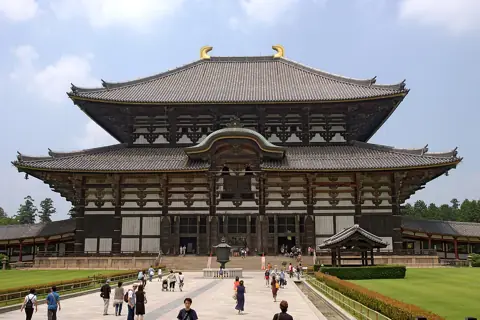 Nara · 36 km
Todaiji Temple →
A representative temple of Nara, home to the Great Buddha Hall, one of the world's largest wooden buildings.
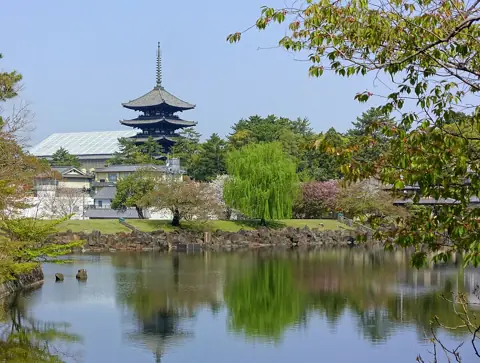 奈良市 · 37 km
Nara Park →
A vast park where deer roam freely and historical temples and shrines are dotted throughout the nature.
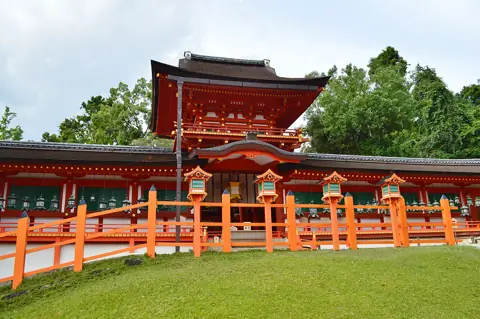 Nara · 37 km
Kasuga Taisha →
A historic shrine situated deep within Nara Park, registered as a World Heritage site.
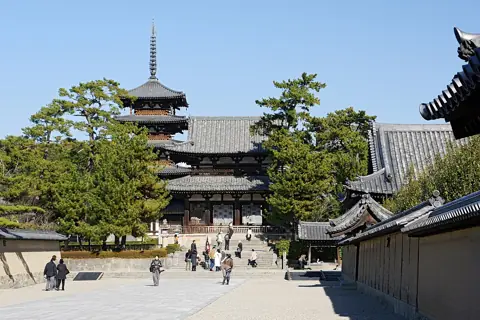 斑鳩町 · 44 km
Horyu-ji Temple →
A temple associated with Prince Shotoku, known as having the world's oldest wooden building complex.


Distances are straight-line from the town centre. Each page has how to get there and a suggested day.
Questions people ask
- Where can I see or buy Textiles and Dyeing, Craft in Kyoto?
Textiles and Dyeing: Orinasukan Museum (Nishijin), Nishijin Okamoto (Nishijin)
Craft: Benrido (Nakagyo), Kiyomizu-yaki Touan (Higashiyama), Soryu-gama (Higashiyama), Marumasu-Nishimuraya (Nakagyo)
- What can I visit on foot around Nishijin?
Sweets: Shioyoshiken, Tsuruya Yoshinobu (main shop)
Textiles and Dyeing: Orinasukan Museum, Nishijin Okamoto
Every place was checked to be open in November 2026. Hours can change, so please check the official site before you go.
If you like Kyoto
- Yame
Fukuoka, Japan
For example, Orinasukan Museum here, and Shimogawa Orimono in Yame.
- Fukuoka
Fukuoka, Japan
For example, Orinasukan Museum here, and Chikuzen Gallery in Fukuoka.
- Yokohama
Kanagawa, Japan
For example, Kiyomizu-yaki Touan here, and altoyo in Yokohama.
Chosen by how close the towns and their places are in what they make and serve.