33.6° N
Fukuoka
Fukuoka, Japan
A coastal city where traditional Hakata culture meets modern life. Known for its lively food stalls, historical temples, and vibrant atmosphere.
What to eat in Fukuoka
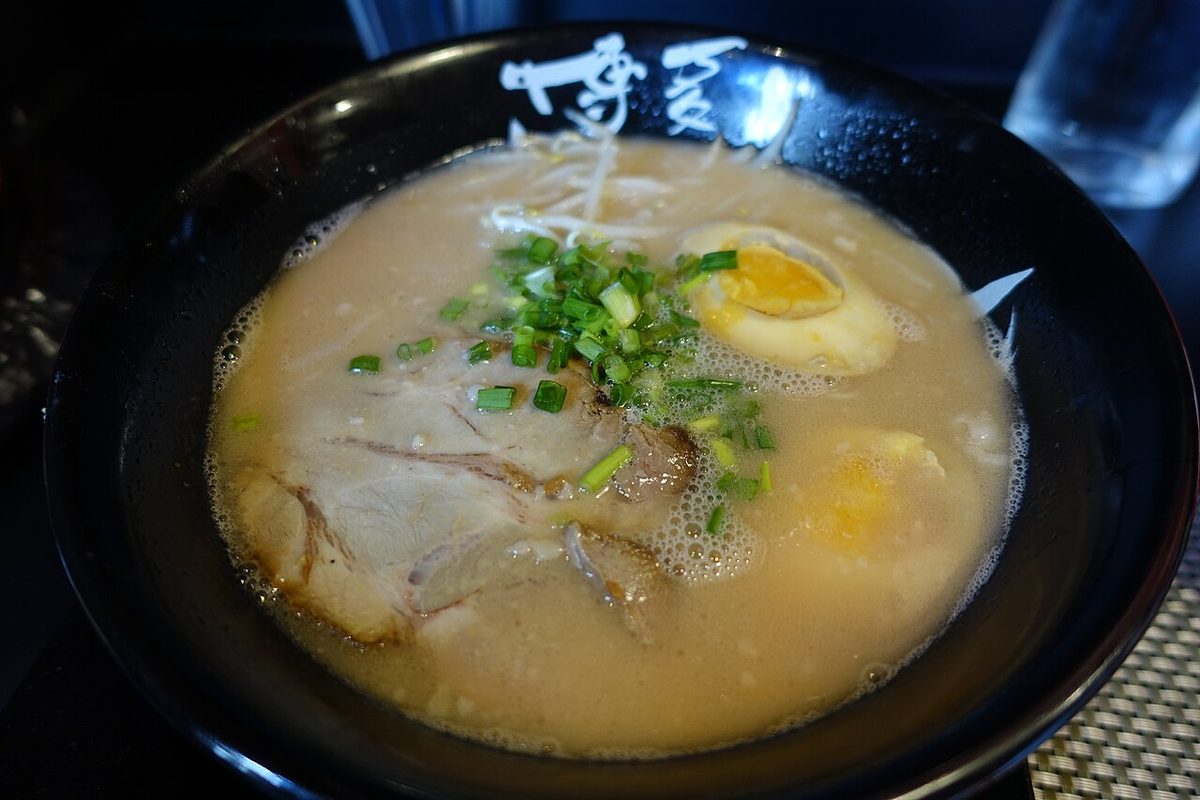
Photo: Guilhem Vellut from Paris, France / CC BY 2.0 (Wikimedia Commons) Hakata Ramen (Tonkotsu)
博多ラーメン
A rich, creamy pork bone broth soup served with thin, firm noodles. It is the signature dish of Fukuoka, originating from the bustling Yatai stalls of the Hakata district.
Usually eaten with optional toppings like pickled ginger, garlic, or sesame at the table.(All year)
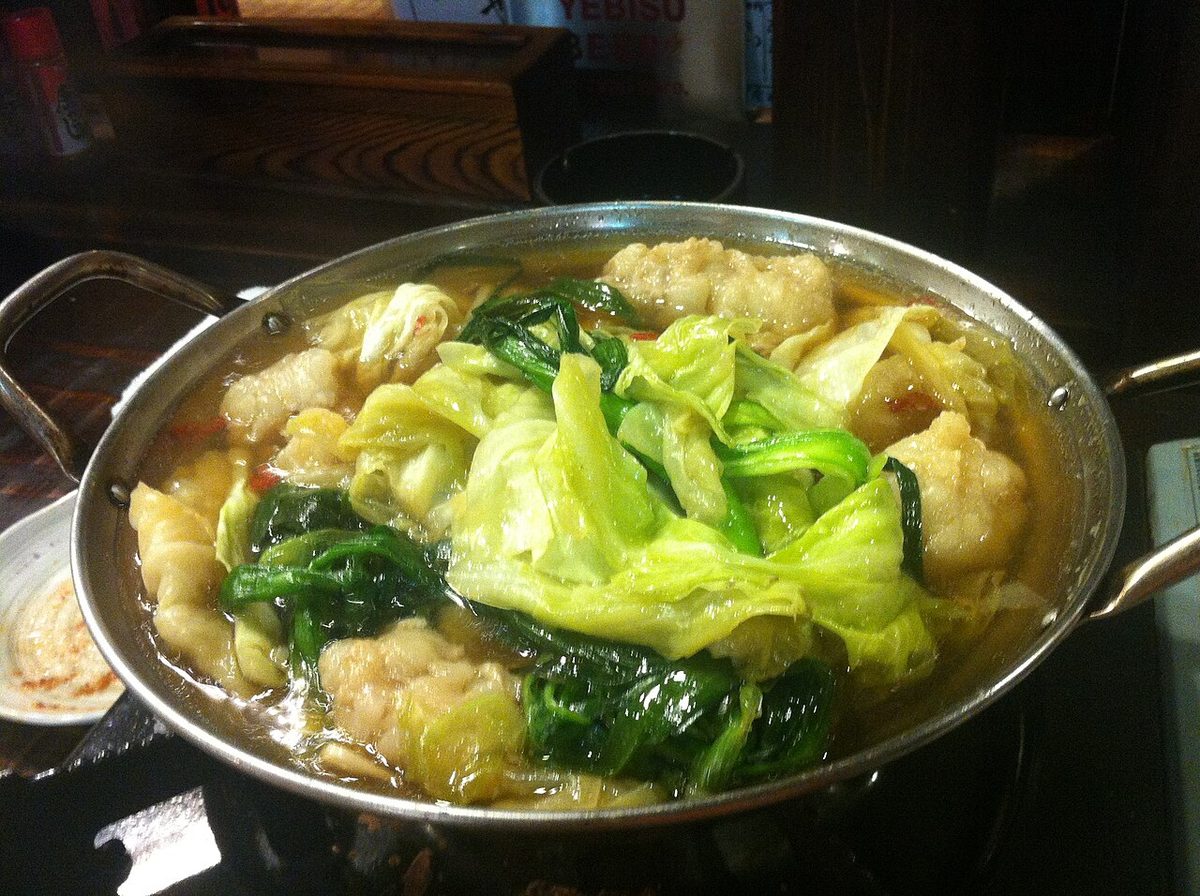
Photo: nesnad / CC BY 3.0 (Wikimedia Commons) Motsunabe (Beef Offal Hot Pot)
もつ鍋
A hearty, savory hot pot featuring beef offal simmered with cabbage, garlic, and chives in a miso or soy-based broth. It is a nutritious, warming dish that became popular in Fukuoka's post-war era.
Eaten as a main meal, often followed by adding champon noodles or rice to the remaining soup.(Autumn–Winter)
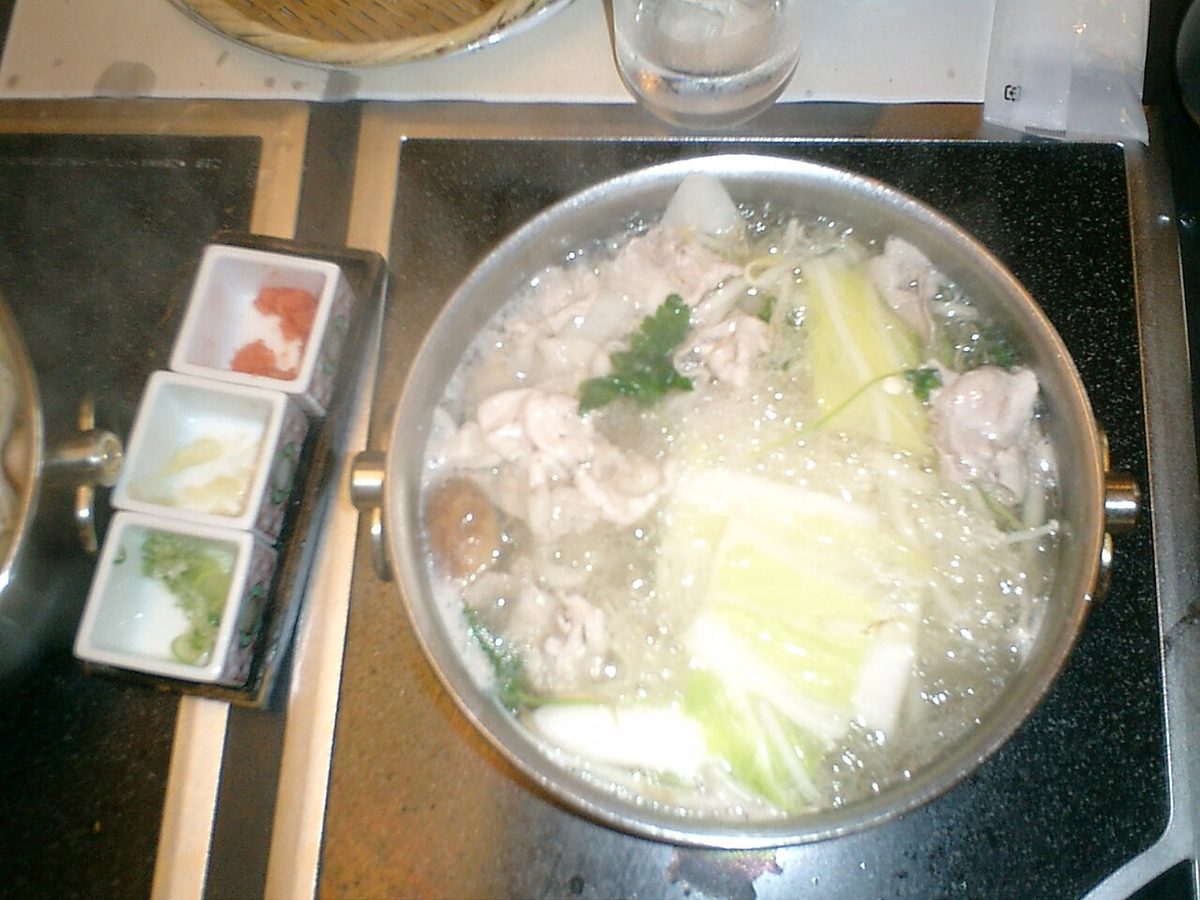
Photo: Diego Delso / CC BY-SA 4.0 (Wikimedia Commons) Mizutaki (Chicken Hot Pot)
水たき
A traditional chicken hot pot where chicken is simmered until the broth becomes rich, white, and creamy. It is typically served with house-made ponzu sauce, highlighting the natural flavor of the ingredients.
Eaten by first drinking a cup of the rich chicken broth, then enjoying the meat, vegetables, and finishing with rice or noodles.(Autumn–Winter)
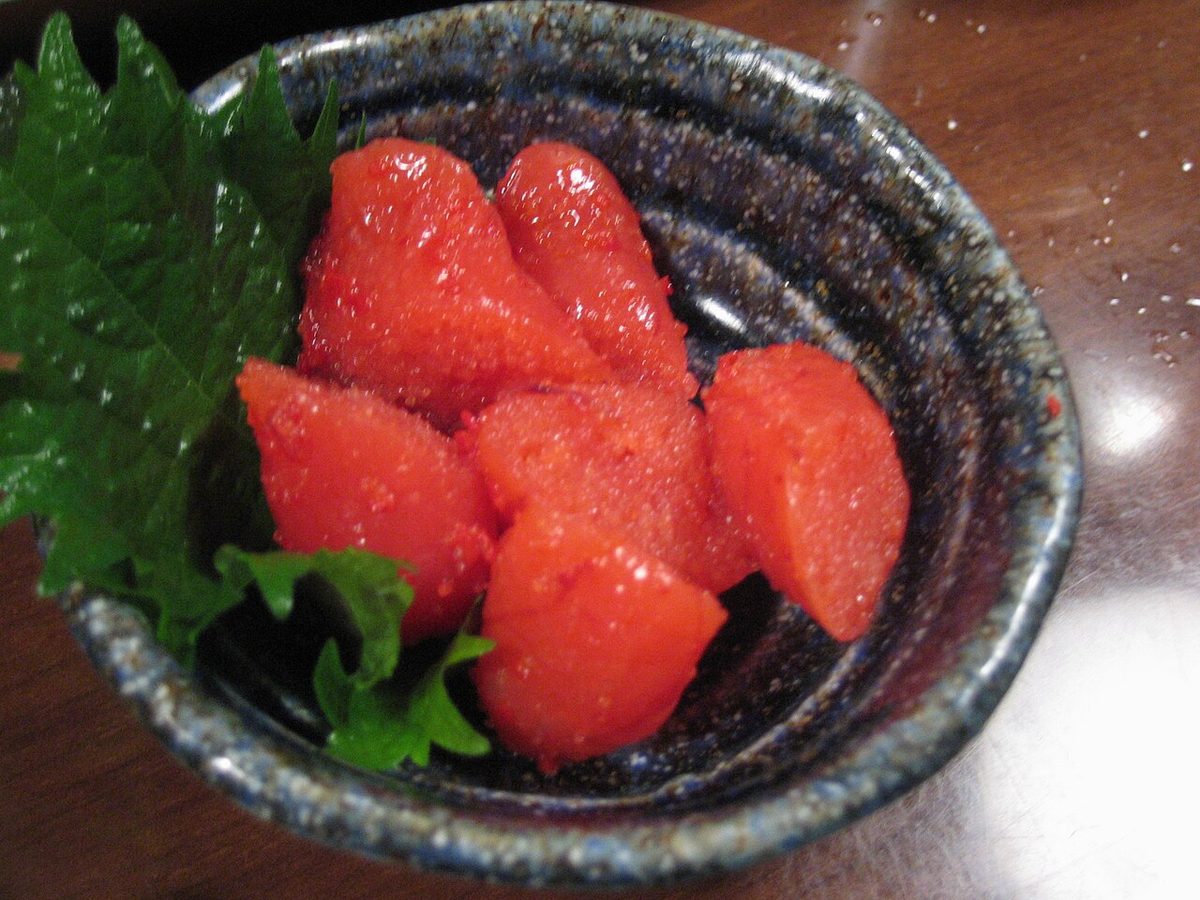
Photo: ayustety from Tokyo / CC BY-SA 2.0 (Wikimedia Commons) Mentai (Spicy Cod Roe)
明太子
Spicy marinated cod roe, which has become a specialty of Fukuoka. It is often served with rice or as a topping for various dishes.
Enjoyed simply with warm white rice, or used in pasta, rice balls, and other dishes.(All year)
The LATITUDE editors’ 17 picks in Fukuoka
Our editors verified that these places were open (checked 2026-11-19). Check the official site for hours and closing days before visiting. Sponsored listings are marked.
Save places to your trip list and revisit them in this browser. No account needed.
Editors’ picks on the map — or build your own route
Tap a mark to see the place; squares are museums and sights (landmarks). Use “Build your own route” to make a walk of your own.
Loading the map
Map data © OpenStreetMap contributors
Browse by category
1 / 18
Yakuin
Yakuin Saeki
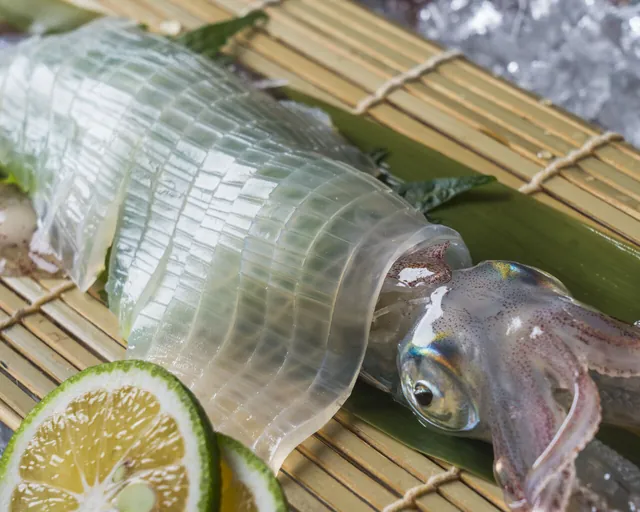
Photo: the shop’s official page 薬院 さえ木
A Japanese restaurant serving fresh sashimi prepared from a live tank, and seasonal dishes.
Why the editors chose itA stop for seasonal Japanese dishes and live-tank sashimi prepared fresh from the tank.
Daimyo
il Cortile
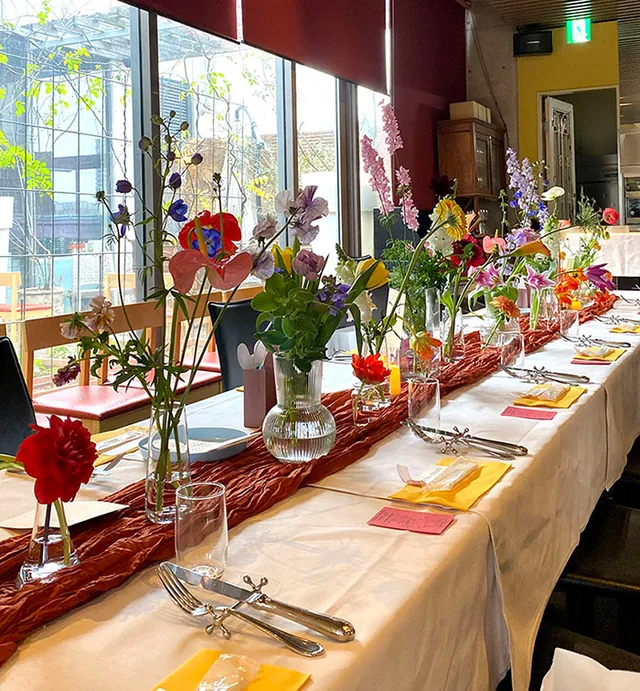
Photo: the shop’s official page il Cortile(イル・コルティーレ)
An open Italian restaurant with a courtyard motif, featuring seats with night views and a wine cellar.
Why the editors chose itAn open courtyard-style Italian restaurant with a wine cellar and tables overlooking the night view.
Daimyo
Chikae Saryo
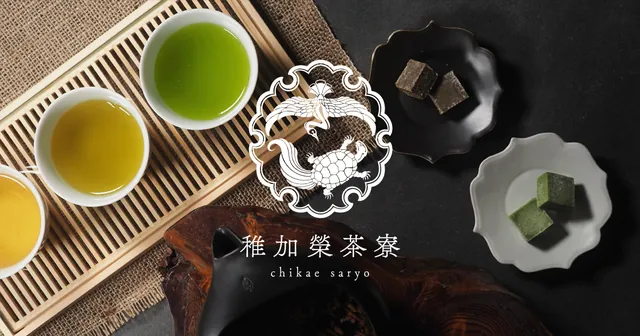
Photo: the shop’s official page 稚加榮茶寮
A cafe & marche managed by a long-established restaurant, offering dishes and sweets utilizing their culinary techniques.
Why the editors chose itA cafe and marche where a historic ryotei brings its craft to mentaiko dishes and sweets.
Watanabedori
Ristorante Fontana
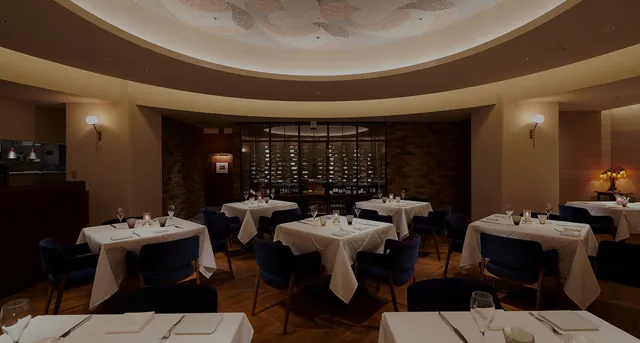
Photo: the shop’s official page リストランテ フォンタナ
A long-established Italian restaurant. Enjoy authentic course meals featuring seasonal ingredients.
Why the editors chose itA long-established Italian restaurant chosen for seasonal course meals.
Ropponmatsu
Fusuku Coffee

Photo: the shop’s official page フスクコーヒー (FusukuCoffee)
A specialty coffee roaster where you can enjoy carefully selected beans brewed with precision.
Why the editors chose itCome for a single cup of house-roasted, hand-dripped coffee brewed from carefully selected beans.
Shirogane
Manu Coffee
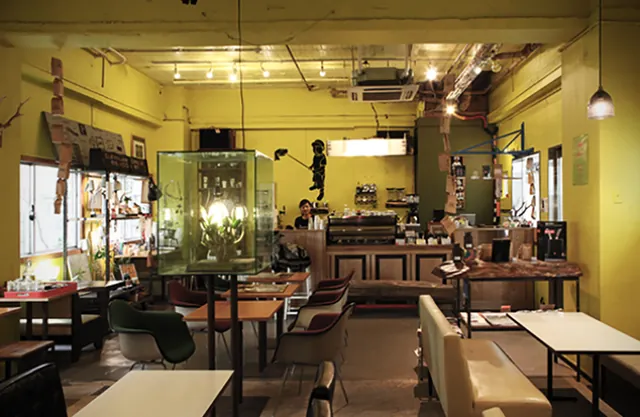
Photo: the shop’s official page マヌコーヒー (manu coffee)
A popular specialty coffee roaster with multiple locations in Fukuoka, known for its carefully roasted beans and contribution to local culture.
Why the editors chose itA Fukuoka-born coffee roaster known for carefully roasted beans and its ties to local culture.
Watanabedori
STEREO COFFEE
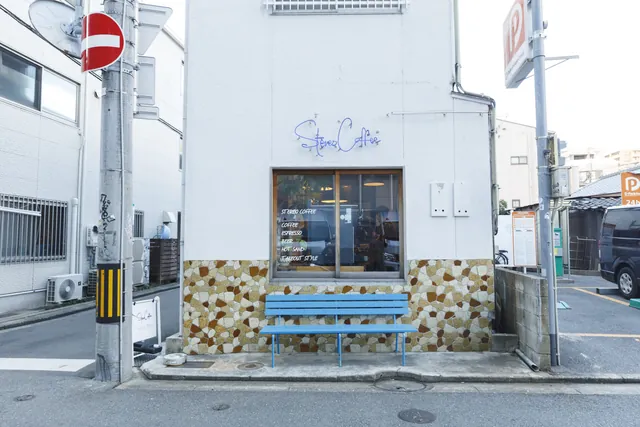
Photo: the shop’s official page A coffee stand with a concept of music and coffee, featuring a counter on the first floor and an event space.
Why the editors chose itA coffee stand pairing music and coffee around a first-floor counter and event space.
Chuo-ku Yakuin
France Kashi 16-ku
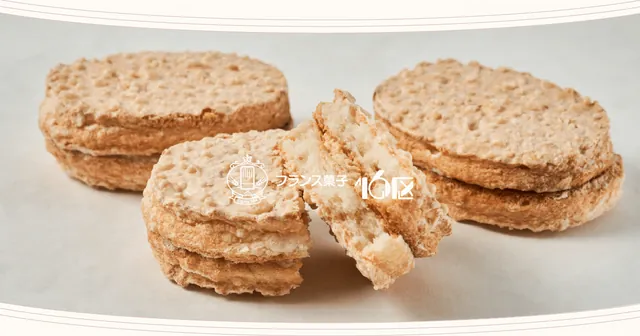
Photo: the shop’s official page フランス菓子16区
A French pâtisserie in Yakuin, Chuo-ku, known as the shop that invented the dacquoise. Led by founder and owner-chef Mishima Takao, a designated Contemporary Master Craftsman, it makes seasonal sweets and pastries focused on fresh ingredients.
Why the editors chose itKnown as the birthplace of the dacquoise, where a Master Craftsman makes seasonal pastries.
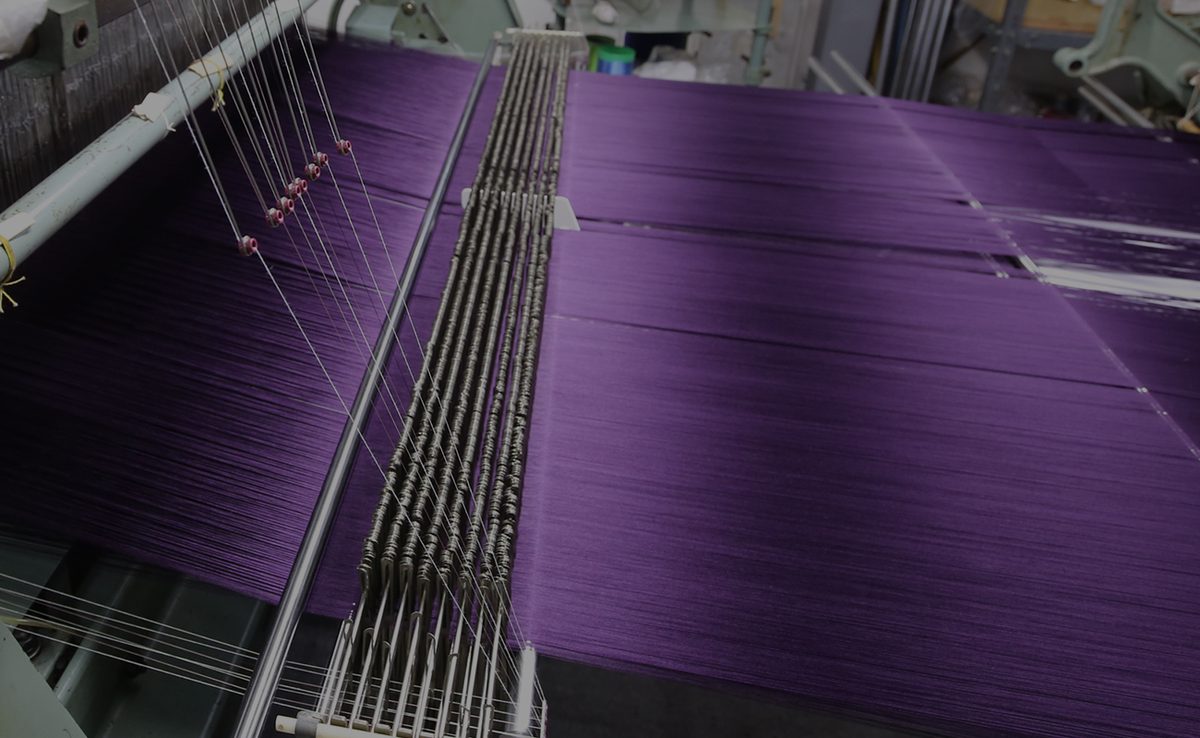
Made in Fukuoka
A traditional textile craft known for its geometric patterns and durability.
Closely spaced purple silk threads stretch through metal heddles on a loom.·Photo: Hakata-ori Kogei-kan (Sanui Orimono) (official site)
Odo
Hakata-ori Kogei-kan
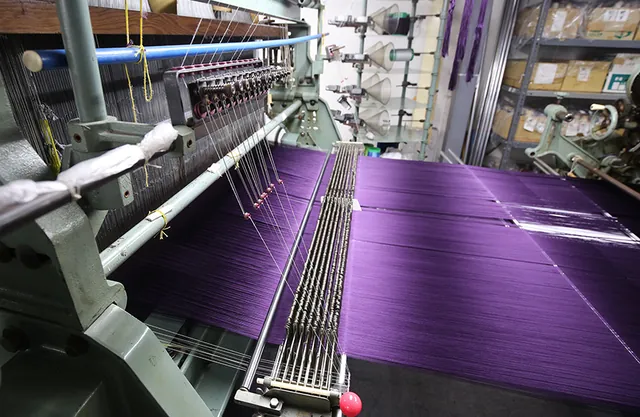
Photo: the shop’s official page 博多織工芸館
A dedicated facility to experience and learn about the traditional craft of Hakata-ori weaving.
Why the editors chose itVisit to see real Hakata-ori looms at work and experience the weaving craft's history.
Kiyokawa
Ningyo no Goto
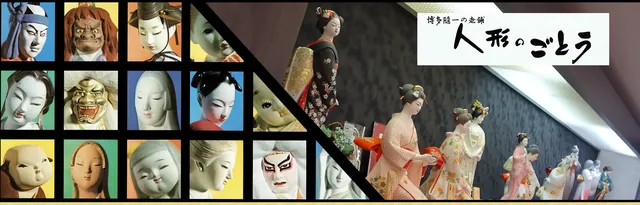
Photo: the shop’s official page 人形のごとう
A long-established specialty shop for Hakata dolls, featuring carefully selected works ranging from traditional to contemporary.
Why the editors chose itA long-established Hakata doll specialist where traditional and contemporary pieces stand side by side.
Nakagofukumachi, Hakata-ku
Mitsuyasu Seikaen Chaho
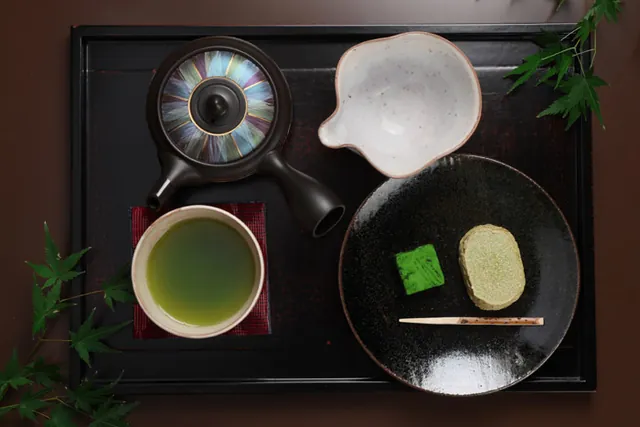
Photo: the shop’s official page 光安青霞園茶舗
A Japanese tea merchant founded in 1716 in Hakata's Nakagofukumachi and now run by 13th-generation owner Mitsuyasu Nobuyuki. Rather than keeping contract farms, the shop buys crude Yame tea leaves at auction to finish, roast, and blend each lot in-house, and operates the attached tearoom Chayu Seika.
Why the editors chose itFounded in 1716, this 13th-generation merchant roasts and blends Yame tea in-house for its attached tearoom.
Keyago, Minami-ku
Sanraku
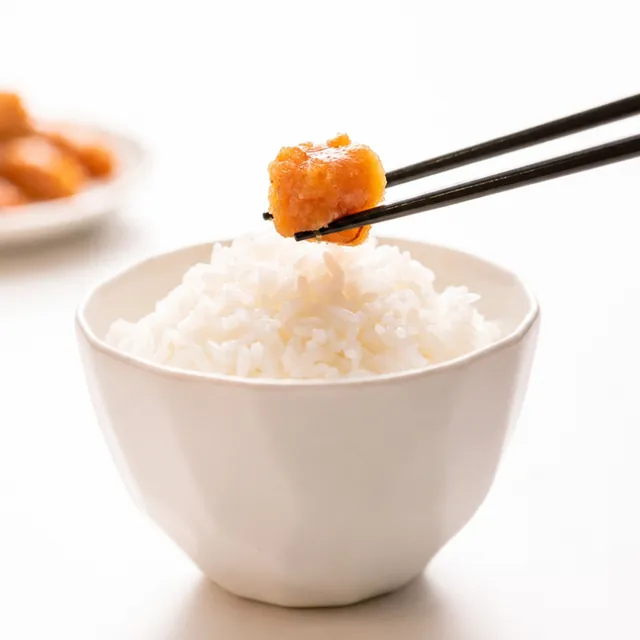
Photo: the shop’s official page 明太子のお店 三楽
An independent karashi-mentaiko specialist in Keyago, Minami-ku, operating a factory-attached direct shop that handles seasoning, curing, and sales in-house. Its lineup includes Kiwamentai, an additive-free roe cured in bonito and kelp dashi, and Tenpai, uncolored roe aged 96 hours in grilled flying-fish and kelp dashi.
Why the editors chose itBuy additive-free or 96-hour dashi-aged mentaiko straight from the factory's attached shop.
Yakuin
B・B・B POTTERS
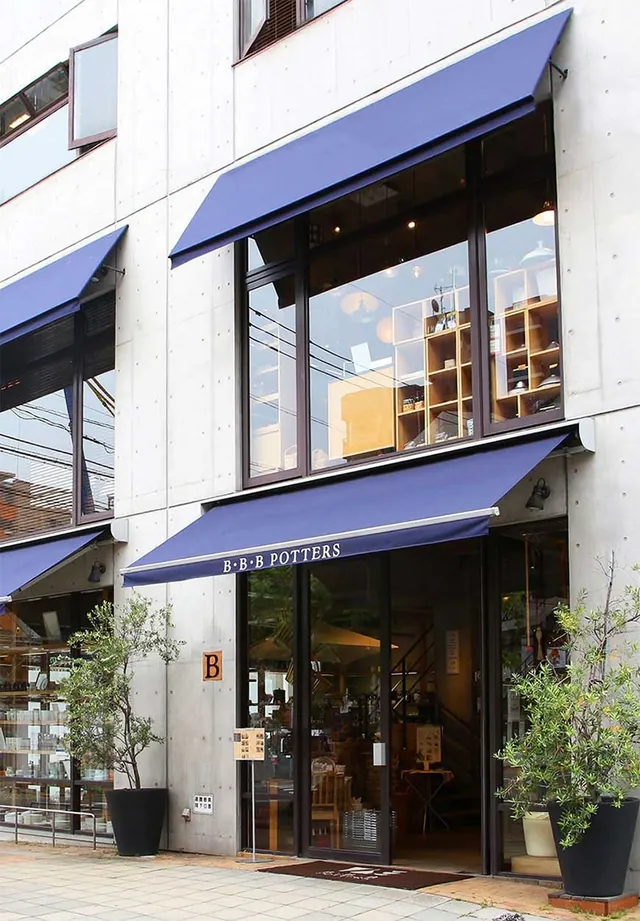
Photo: the shop’s official page A lifestyle shop focusing on kitchenware, tableware, and interior items, with an attached cafe.
Why the editors chose itBrowse kitchenware, tableware, and home goods under one roof with an attached cafe.
Hakata-Kawabata
Tokineri

Photo: the shop’s official page トキネリ
A shop handling lifestyle goods, tableware, and furniture incorporating traditional Japanese craftsmanship.
Why the editors chose itA shop gathering tableware, furniture, and daily goods rooted in traditional Japanese craftsmanship.
Shirogane
HIGHTIDE STORE FUKUOKA
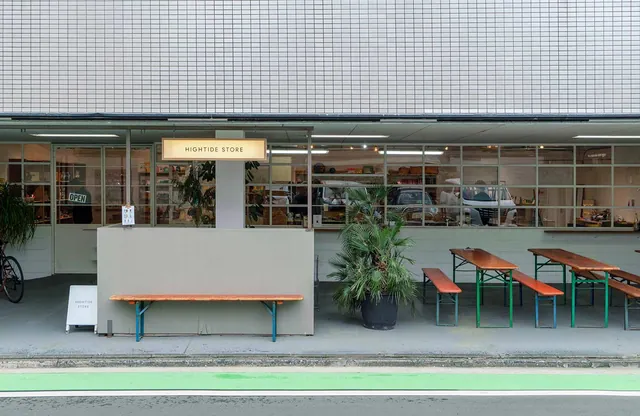
Photo: the shop’s official page A flagship store for a stationery and lifestyle brand, selling original stationery and other items.
Why the editors chose itThe brand's flagship store, stocked with original stationery and lifestyle goods.
Hakata
Chikuzen Gallery
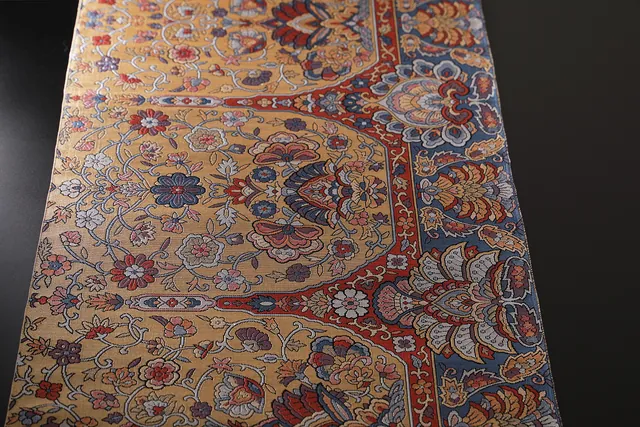
Photo: the shop’s official page 筑前ぎゃらりい
The direct gallery of the renowned Hakata-ori weaver Chikuzen Orimono. Displays obi belts and small items showcasing traditional techniques.
Why the editors chose itThe direct gallery of historic weaver Chikuzen Orimono, showcasing Hakata-ori obi and accessories.
Hakata-Kawabata
Textile Nagao
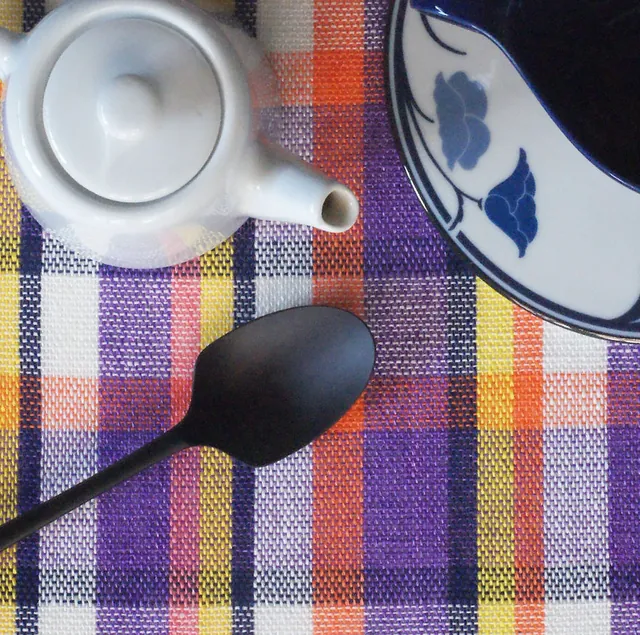
Photo: the shop’s official page テキスタイル長尾
A specialty shop for high-quality, handmade linen clothing inspired by a Scandinavian aesthetic.
Why the editors chose itA specialty shop for travelers seeking handmade linen clothing shaped by Scandinavian design.
Sights in Fukuoka
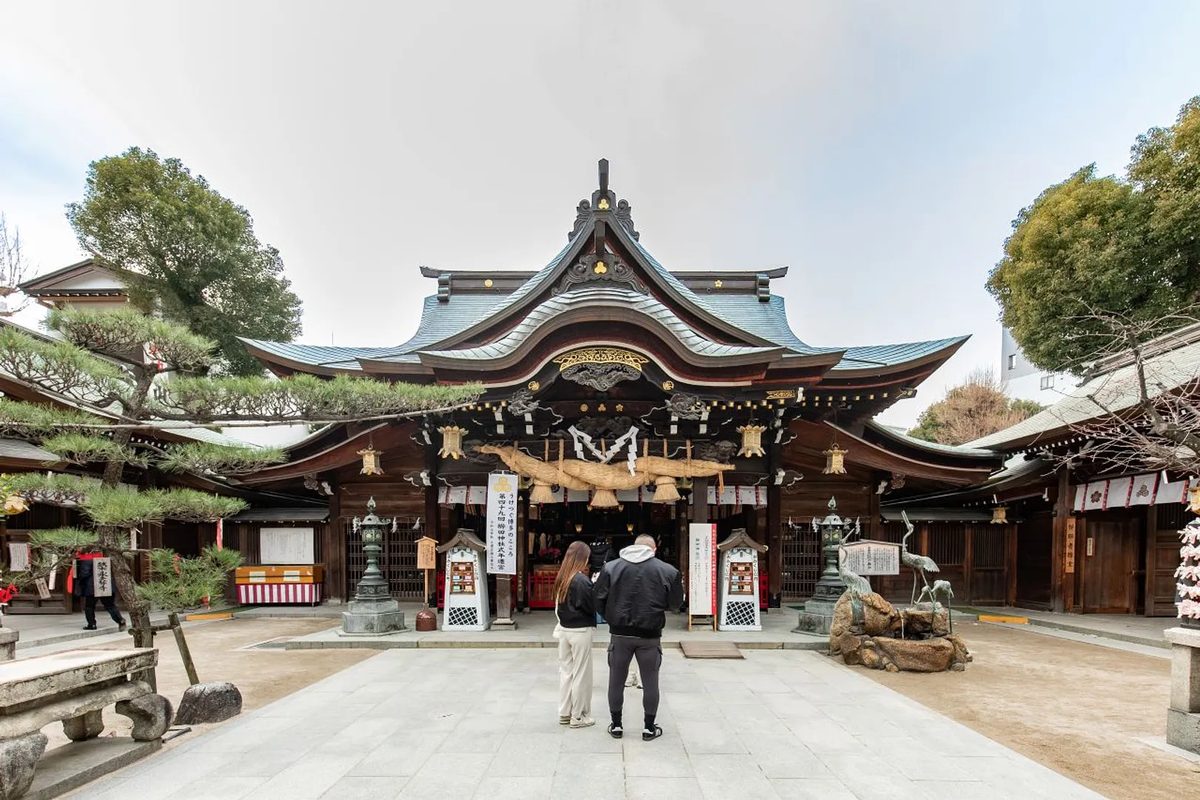
Photo: official site A revered shrine known as the guardian of Hakata.
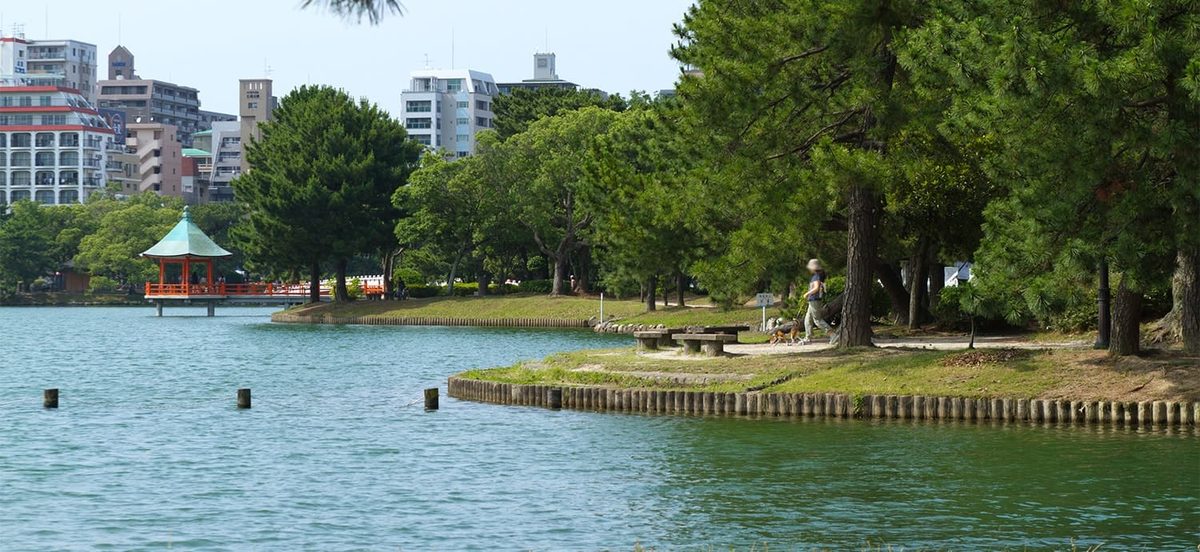
Photo: official site A public park utilizing the former moat of Fukuoka Castle, featuring a large pond and a Japanese garden.
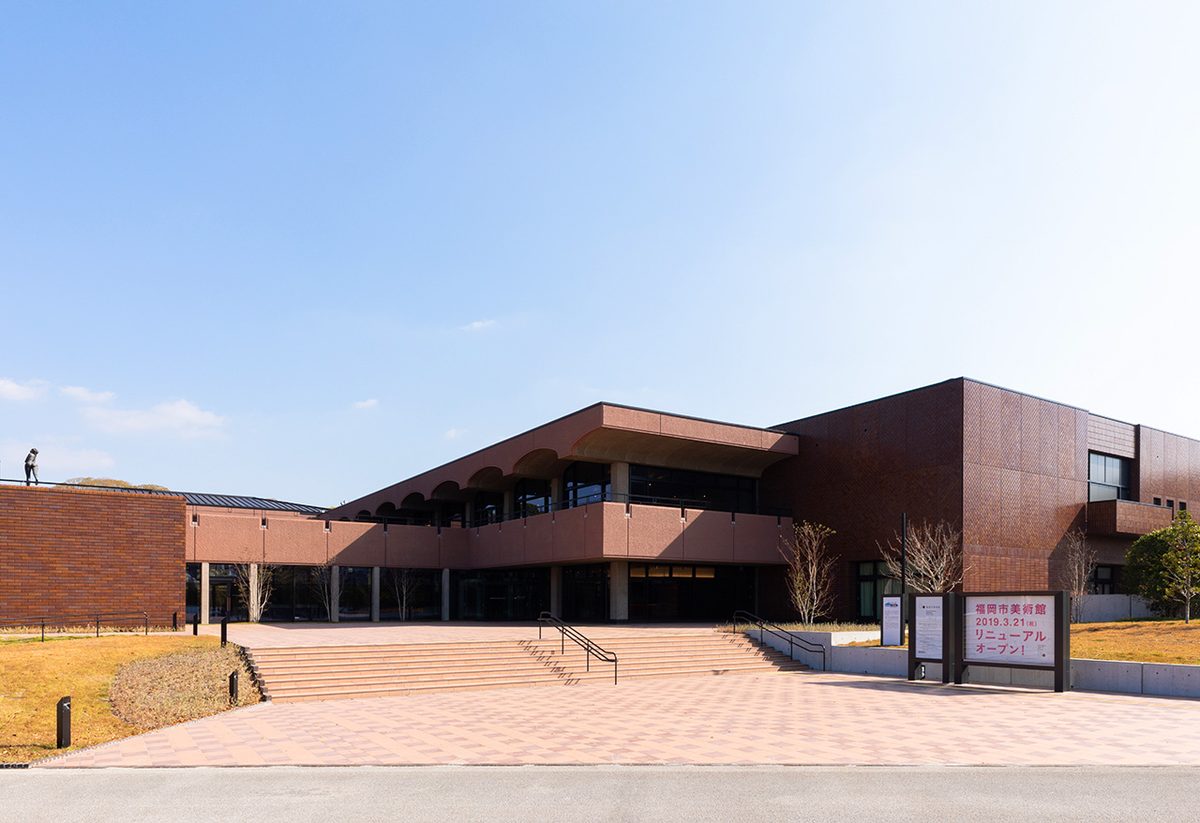
Photo: official site An art museum located within Ohori Park, housing a wide collection from ancient art to contemporary pieces.
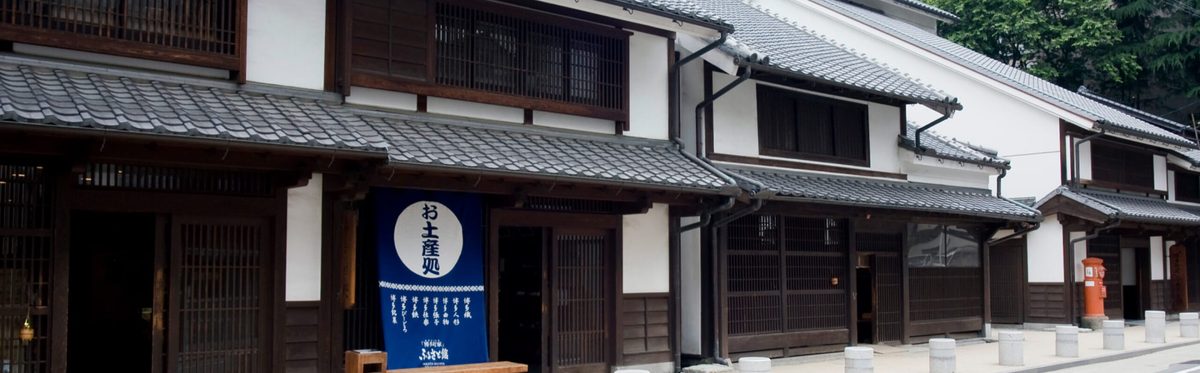
Photo: official site Hakata Machiya Furusato Museum
A museum showcasing relocated Machiya houses from the Meiji and Taisho eras in Hakata, featuring exhibitions on traditional crafts and hands-on experiences.
These are local landmarks. Each was checked to be open on its official site (checked 2026-11-17). Please confirm hours before you go.
Beyond Fukuoka
1 / 3
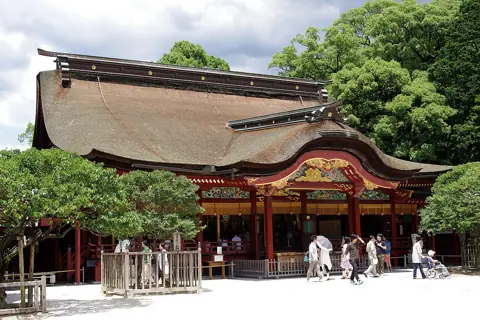 Dazaifu · 15 km
Dazaifu Tenmangu Shrine →
A historic shrine dedicated to Sugawara no Michizane, famous as the god of learning.
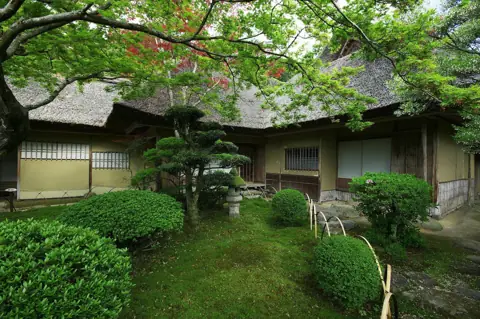 Kanzaki · 26 km
Kunenan →
A Meiji-era industrialist's villa and moss-and-maple garden designated a National Place of Scenic Beauty, opened to the public only for brief windows in spring and autumn.
 Kanzaki · 30 km
Yoshinogari Historical Park →
A national park preserving and displaying Yayoi period ruins, where you can experience reconstructed pit dwellings and elevated warehouses.


Distances are straight-line from the town centre. Each page has how to get there and a suggested day.
Questions people ask
- Where can I see or buy Hakata-ori Weaving, Hakata Dolls, Craft in Fukuoka?
Hakata-ori Weaving: Hakata-ori Kogei-kan (Odo)
Hakata Dolls: Ningyo no Goto (Kiyokawa)
Craft: B・B・B POTTERS (Yakuin), Tokineri (Hakata-Kawabata), HIGHTIDE STORE FUKUOKA (Shirogane), Chikuzen Gallery (Hakata)
Every place was checked to be open in November 2026. Hours can change, so please check the official site before you go.
If you like Fukuoka
- Morioka
Iwate, Japan
- Kyoto
Kyoto, Japan
For example, Chikuzen Gallery here, and Orinasukan Museum in Kyoto.
- Yame
Fukuoka, Japan
For example, Mitsuyasu Seikaen Chaho here, and Yabeya Konomi Honke in Yame.
Chosen by how close the towns and their places are in what they make and serve.