34.5° N
Uda
Nara, Japan
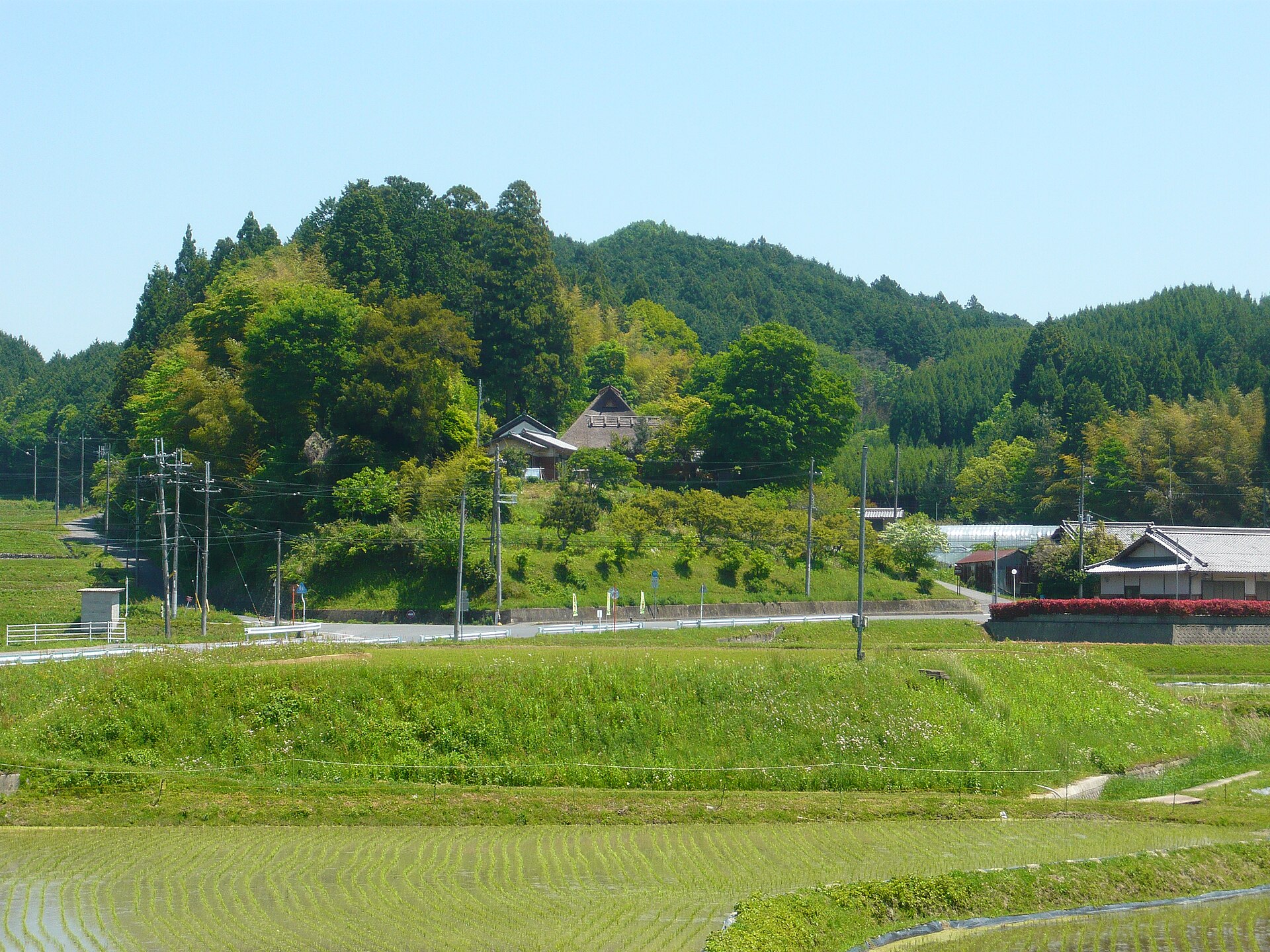
A town in a mountain basin in northeastern Nara, long known for medicinal herbs and Yoshino kudzu starch. Old kudzu and wagashi shops along the preserved merchant street of Uda-Matsuyama, and cafés in old houses across Ouda, Haibara and Muro: the editors’ picks.
Uda, on film
6 sights and 10 places, each checked open in 2026, in 38 seconds.
Found somewhere you like? The map and the list below have the address, hours and official site.
Tap for sound
What to eat in Uda
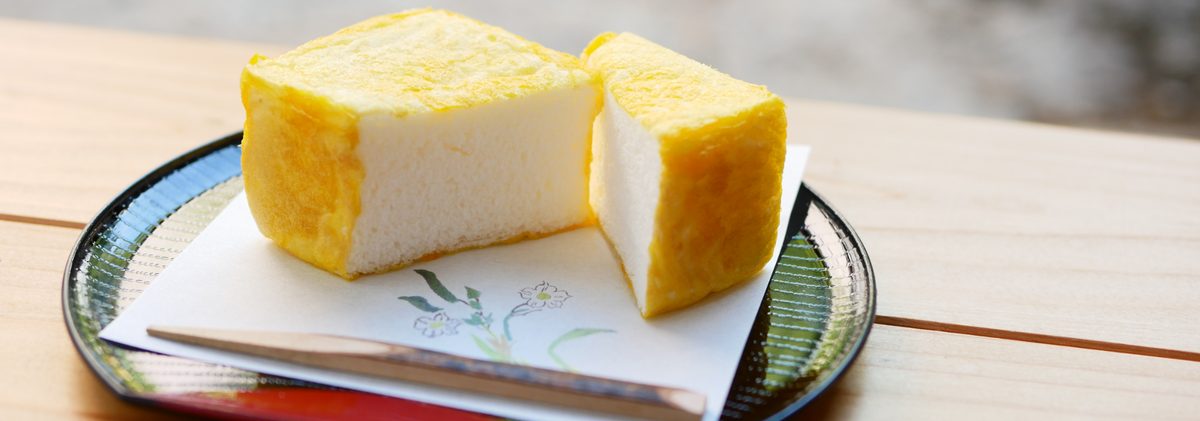
Photo: きみごろも本舗 松月堂 (official site) Kimigoromo (baked meringue and egg-yolk confection)
きみごろも
A light, square confection made by setting whipped egg-white meringue with agar, coating it in egg yolk, and lightly baking it. Invented in Ouda in 1902 by Matsutaro Horii of Shogetsudo, it remains a signature sweet of the Uda-Matsuyama district.
Sold in small packs and boxes to keep level and eat chilled within three days; mornings are best before shops sell out.
Where to eat it
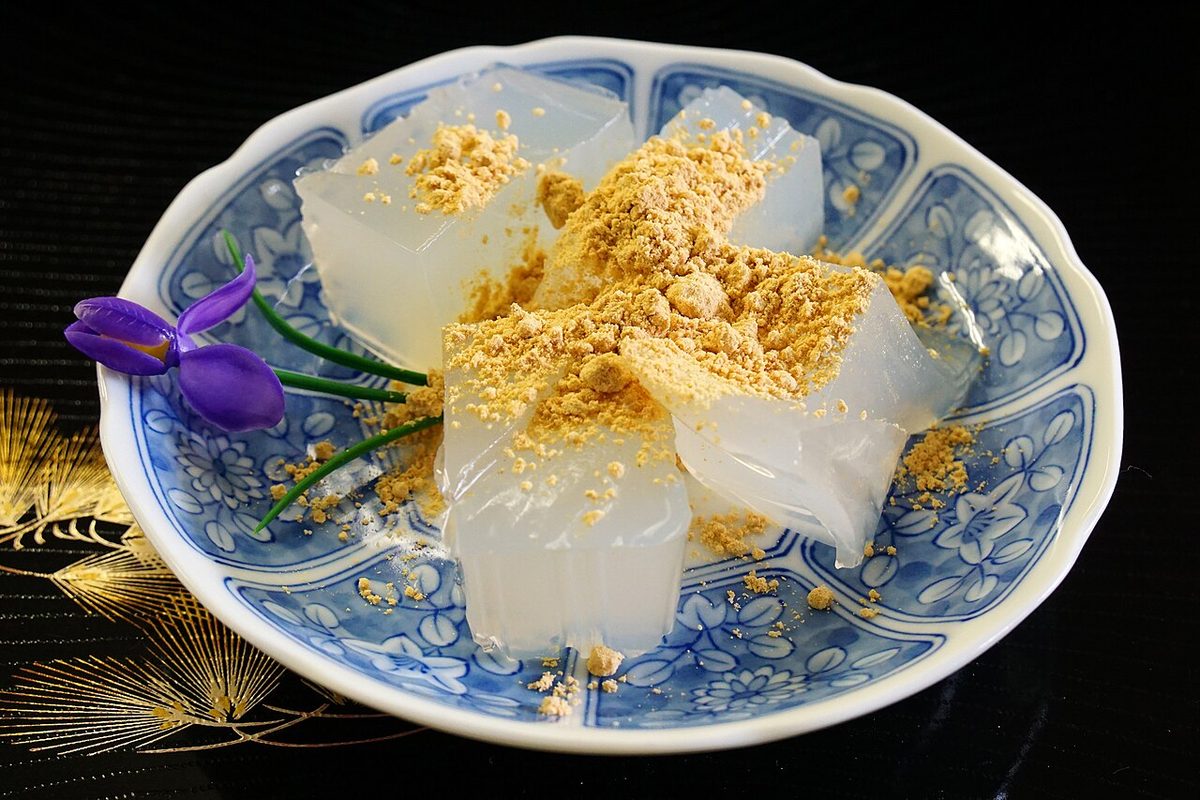
Photo: 663highland / CC BY 2.5 (Wikimedia Commons) Yoshino Hon-Kuzu Kuzukiri and Kuzumochi
吉野本葛の葛切り・葛餅
Translucent chilled noodles (kuzukiri) and elastic cubes (kuzumochi) made simply from pure kudzu-root starch and water cooked to order. Ouda in Uda has been a center of Yoshino hon-kuzu production for over 400 years, where makers like Morino Yoshino Kuzu Honpo refine the starch in cold winter groundwater using the traditional Yoshino-zarashi method.
Ordered fresh at a tea room, eating chilled kuzukiri with black-sugar syrup, kuzumochi with roasted soybean flour, or hot kuzuyu in winter.
Where to eat it
- Morino Yoshino Kuzu Honpo ↓
- Sabo Kuzumian (Morino Yoshino Kuzu Honpo Kuzu no Yakata)WebsiteMap
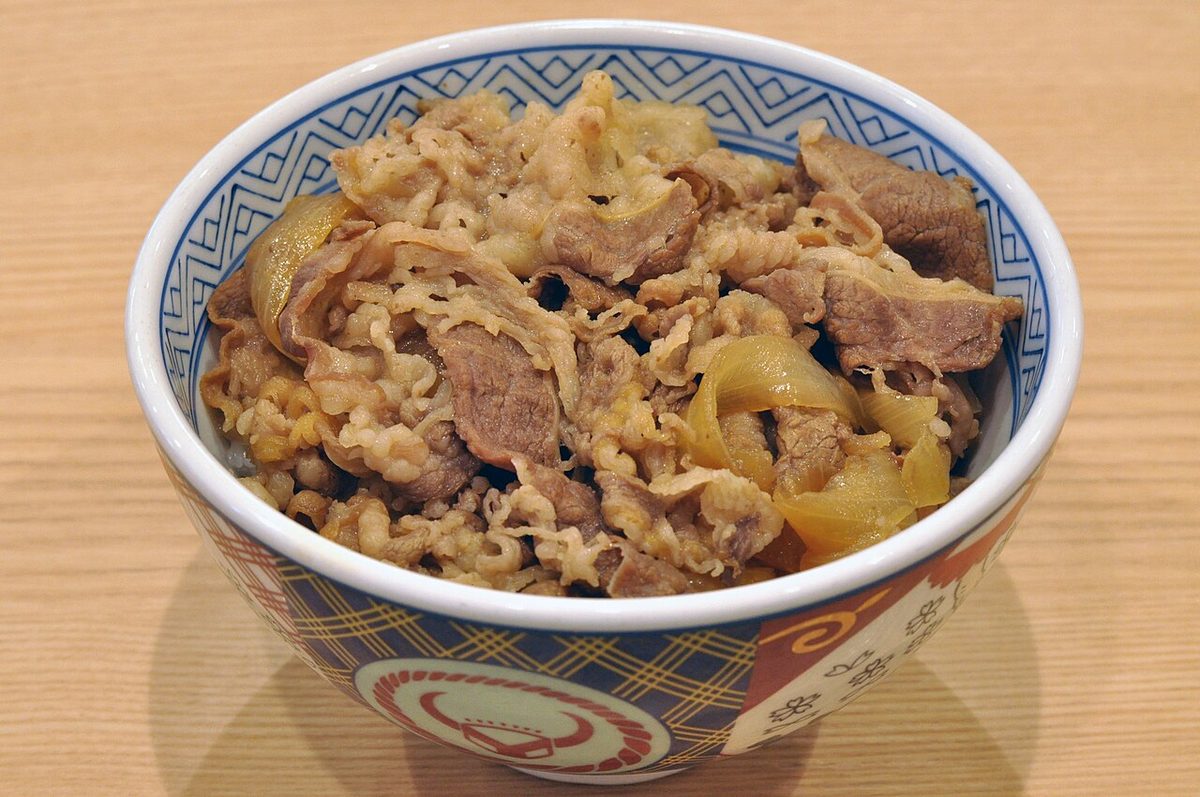
Photo: Ocdp / CC0 (Wikimedia Commons) Uda Beef (Uda-gyu and local Yamato wagyu)
宇陀牛・大和牛
Marbled black wagyu beef raised in Nara's cool upland basins, prepared locally as sukiyaki, shabu-shabu, steak, yakiniku, or slow-simmered beef bowls (gyudon). Uda has been a cattle-raising area since the Meiji and early Showa eras, when Uda-gyu gained national recognition alongside Tajima beef and fostered long-running beef restaurants in Ouda and Haibara.
Eaten at lunch or dinner as a beef-bowl set simmered with local soy sauce and kuzu starch, or as a multi-course sukiyaki or yakiniku meal.
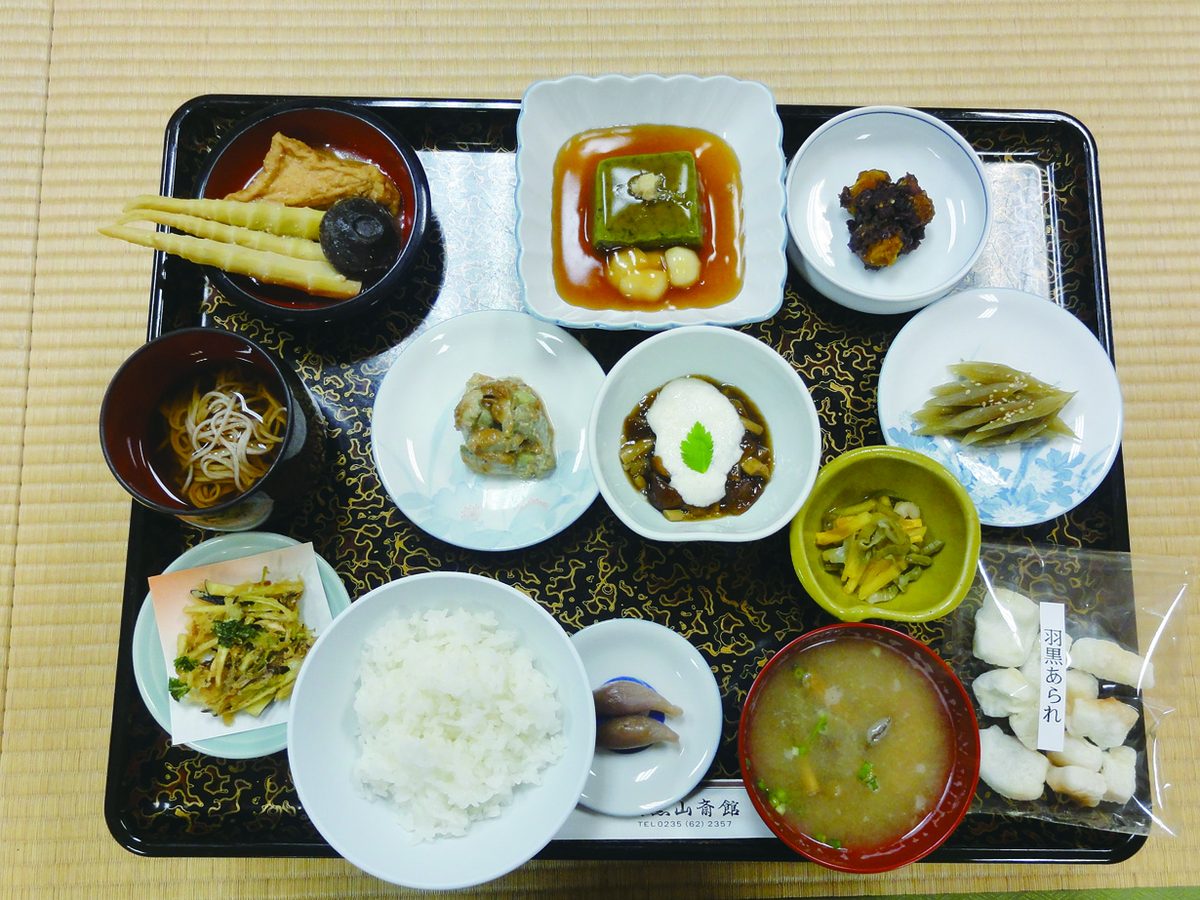
Photo: Mimissu / CC BY-SA 4.0 (Wikimedia Commons) Uda Medicinal Herb Cuisine (Yamato-toki dishes)
宇陀の薬草料理(大和当帰)
Lunches, temple courses, and herbal hot pots that use local medicinal herbs—especially aromatic Yamato-toki (Japanese angelica) leaves—alongside mountain vegetables and Yoshino kuzu. Recorded in the Nihon Shoki as the site of a royal herb hunt in 611 AD and home to the Edo-period Morino Old Herb Garden, Uda has long been known as a center of medicinal herbs.
Eaten as a casual cafe lunch with Yamato-toki and local vegetables, or booked ahead as a multi-course temple meal or herb hot pot.
Where to eat it
- Hilltico Cafe ↓
- Daigan-ji Yakuso RyoriWebsiteMap
- NanoneWebsiteMap
The LATITUDE editors’ 10 picks in Uda
Our editors verified that these places were open (checked 2026-11-14). Check the official site for hours and closing days before visiting. Sponsored listings are marked.
Save places to your trip list and revisit them in this browser. No account needed.
Editors’ picks on the map — or build your own route
Tap a mark to see the place; squares are museums and sights (landmarks). Use “Build your own route” to make a walk of your own.
Loading the map
Map data © OpenStreetMap contributors
Browse by category
1 / 11
Ouda
Hilltico Cafe
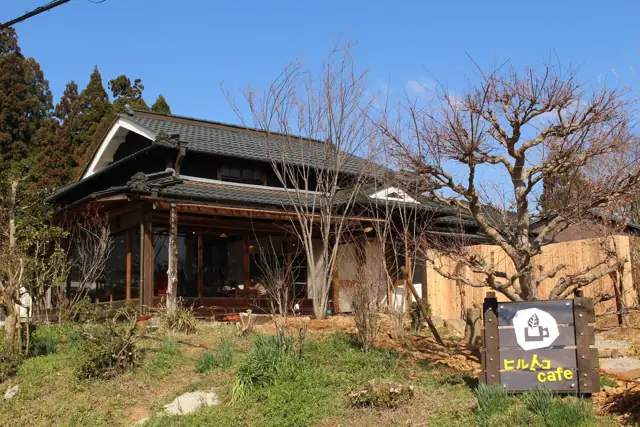
Photo: the shop’s official page ヒルトコカフェ
Irregular closing days
A café in a renovated kominka in Ouda-Nakajo, serving lunches, tea and desserts made with local herbs and fresh vegetables. Open 11:00–16:00; closed Wednesdays and irregular days.
11:00–16:00 · Closed: Wednesdays, irregularchecked Nov 2026
Why the editors chose itA renovated kominka café serving lunches, tea and desserts made with local herbs and fresh vegetables.
Haibara
Gohan Cafe SOU
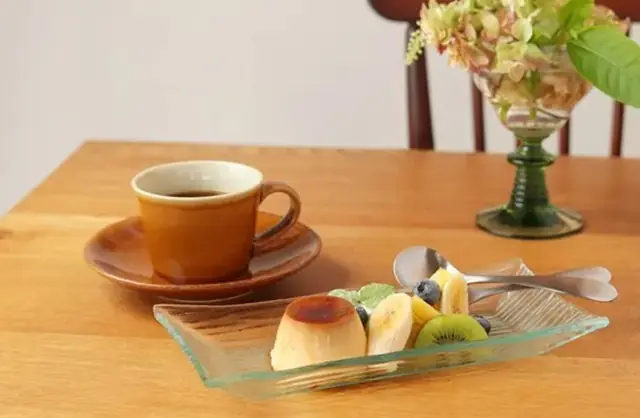
Photo: the shop’s official page ごはんcafe SOU
A café in Haibara serving lunches generous with vegetables sent directly from local farms, along with handmade sweets. Lunch 11:00–14:00, café 14:00–18:00 (last order 17:30); closed Wednesdays and occasional irregular days.
11:00–18:00 (lunch 11:00–14:00 L.O. 14:00, cafe 14:00–18:00 L.O. 17:30) · Closed: Wednesdays (irregular holidays)
Why the editors chose itA Haibara café serving handmade sweets and lunches generous with vegetables straight from local farms.
Haibara
Re:Coffee Roasters Haibara
Re:Coffee Roasters 榛原焙煎所
A specialty coffee roastery in Haibara in a building that incorporates a sake-brewery design. It carries no blends, offering hand-drip coffee and espresso drinks from around nine single-origin beans.
Why the editors chose itCarrying no blends, this roastery in a sake-brewery-inspired building pours around nine single-origin coffees.
Haibara
Machiya Bonsai Cafe Kotonoha
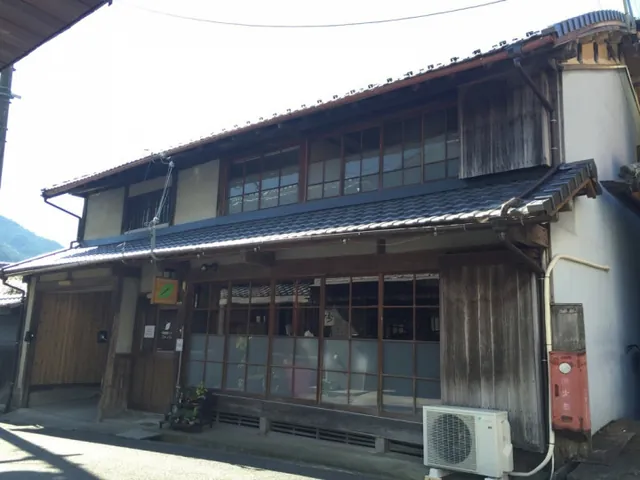
Photo: the shop’s official page 町家盆栽Cafe コトノハ
A renovated 70-year-old kominka café in Haibara serving local-ingredient lunches and sweets amid bonsai displays, with thick hotcakes after 14:00. Open 11:00–18:00 (last order 17:30); closed Mondays and the third Tuesday; cash only.
Tue–Sun 11:00–18:00 (LO 17:30) · Closed: Mondays & 3rd Tuesdays (following day if Mon is a holiday; irregular holidays)
Why the editors chose itA 70-year-old kominka café amid bonsai displays, serving local lunches and thick hotcakes after 14:00.
Ouda
Kimigoromo Honpo Shogetsudo
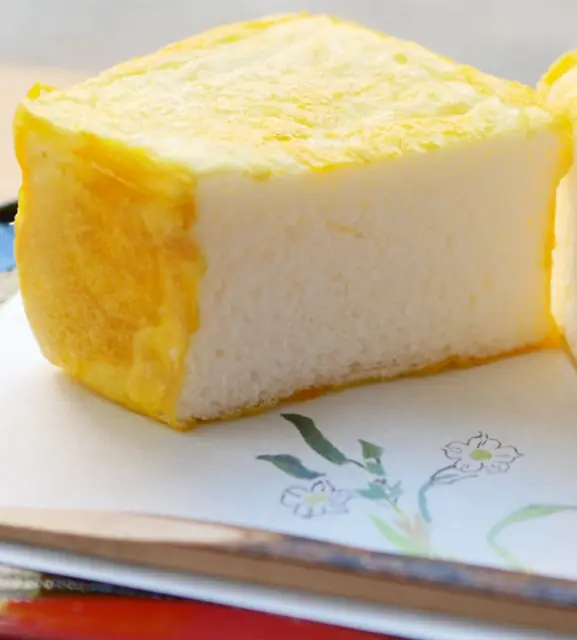
Photo: the shop’s official page きみごろも本舗 松月堂
A wagashi shop founded in 1902. Eggs from contracted farms are cracked just before use to make its signature kimigoromo, soft as light snow. Open 8:00–17:00 (until sold out); closed Wednesdays.
8:00–17:00 (until sold out) · Closed: Wednesdays, summer & New Year holidays
Why the editors chose itA 1902 wagashi shop cracking contracted farm eggs right before use for its signature kimigoromo.
Ouda
Cafe abc
カフェ abc
A white-walled kominka café in the Uda-Matsuyama preservation district serving handmade quiche and baked sweets. Open 11:30–17:00 (last order 16:00); closed Sundays, Mondays, Tuesdays and irregular days.
Why the editors chose itA white-walled kominka café in Uda-Matsuyama's historic district serving handmade quiche and baked sweets.
Muro
Kominka Cafe chou chou

Photo: the shop’s official page 古民家カフェ chou chou
A café in a 200-year-old kominka in Muro-Mukoji, with views over the satoyama hills from the second floor. Serves monthly changing handmade desserts with seasonal Nara fruit; open days are posted on its monthly calendar.
Fri–Sun & public holidays 12:00–17:00 (last order 16:30) · Closed: Mon–Thu (except public holidays)
Why the editors chose itOverlook satoyama hills from a 200-year-old kominka's second floor over monthly Nara-fruit desserts.

Made in Uda
Uda's severe winter cold and pure groundwater have sustained traditional kuzu starch refining in Uda-Matsuyama for over 450 years. Makers such as Morino Yoshino Kuzu Honpo refine the starch in winter using only groundwater and no additives.
Translucent kudzu-kiri noodles at Morino Yoshino Kuzu Honpo·Photo: Morino Yoshino Kuzu Honpo (official site)
Ouda
Morino Yoshino Kuzu Honpo

Photo: the shop’s official page 森野吉野葛本舗
A Yoshino hon-kuzu maker with over 450 years of history, refining kudzu starch in the cold of winter using only groundwater. The main shop is open daily, with Morino Old Herb Garden right behind it.
Closed: Open every day (main shop)
Why the editors chose itA 450-year-old kudzu maker refining starch with winter groundwater right beside Morino Old Herb Garden.
Ouda
Furudogu Yamanoha
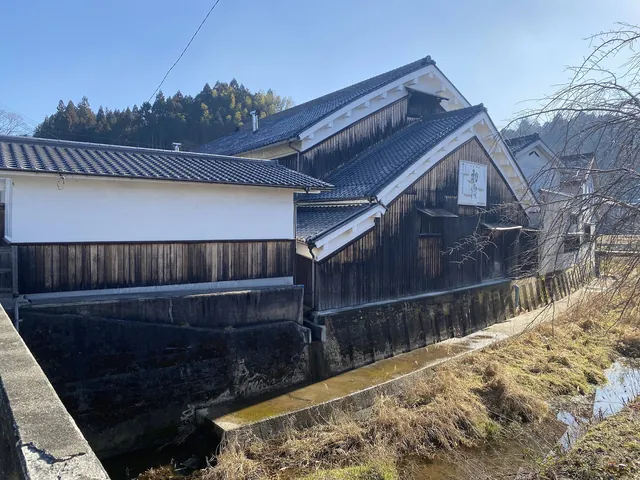
Photo: the shop’s official page 古道具 山ノ葉
An antique shop that moved from Soni to Uda-Matsuyama in April 2025, selling carefully restored furniture, tableware, pottery, glass, lighting and accessories. Open on irregular days.
Why the editors chose itRelocated from Soni in 2025, stocking restored antique furniture, tableware, pottery, glass and lighting.
Ouda
Tokobo Yu
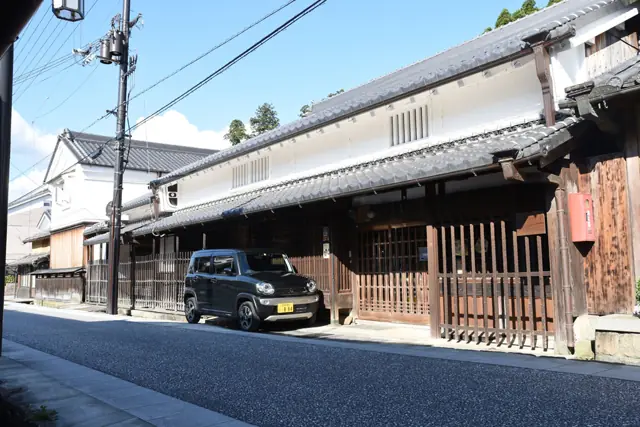
Photo: the shop’s official page 陶工房 釉
A ceramic studio and home in a 180-year-old machiya in the Uda-Matsuyama preservation district, next to Morino Old Herb Garden. It makes and permanently exhibits pierced ceramic lanterns.
Why the editors chose itA 180-year-old machiya studio permanently exhibiting pierced ceramic lanterns beside Morino Old Herb Garden.
Sights in Uda
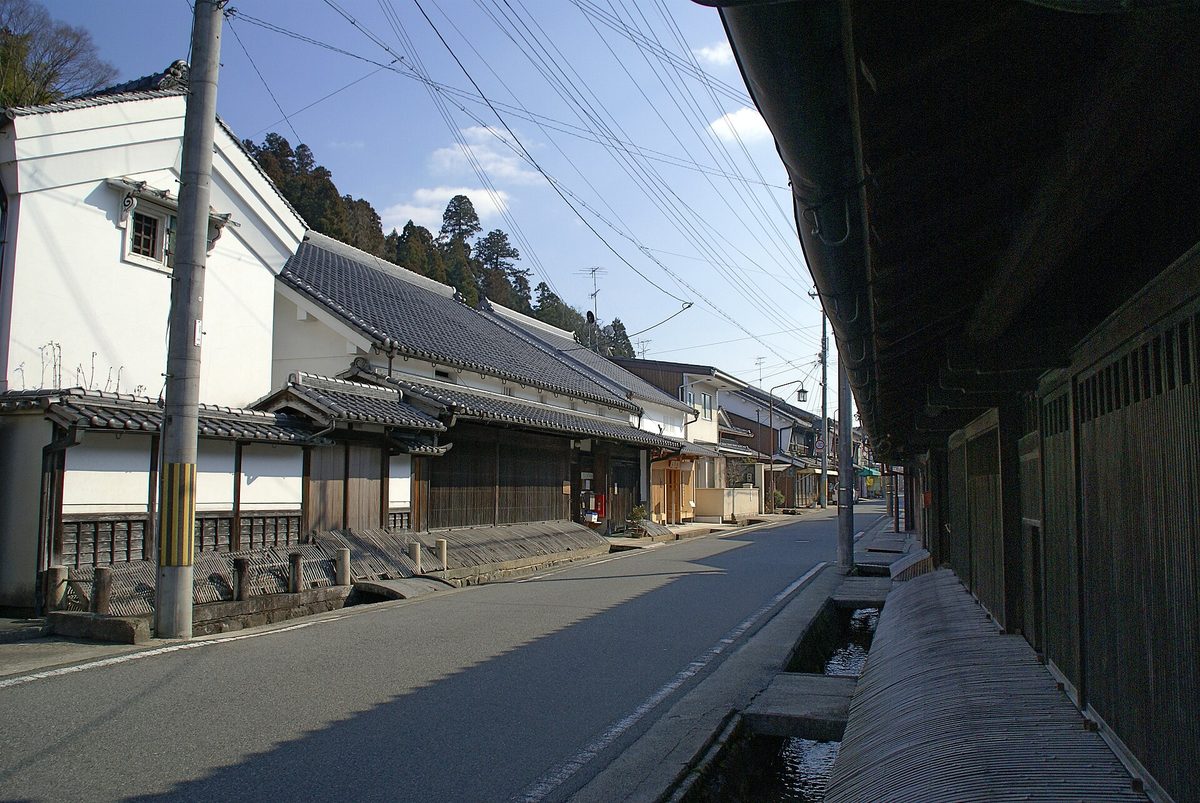
Photo: 663highland / CC BY 2.5 (Wikimedia Commons) Uda-Matsuyama Preservation District
A merchant quarter that began as a castle town in the Sengoku period, with townhouses from the Edo to early Showa eras lining a 600-metre street.
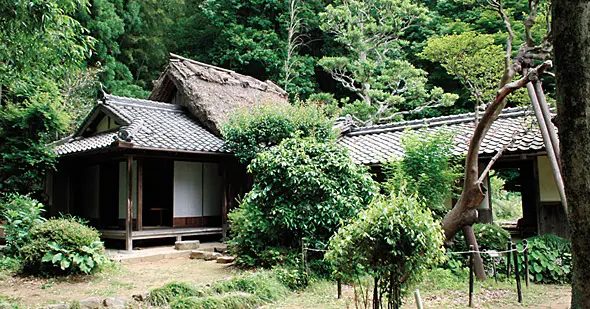
Photo: official site Japan's oldest surviving private medicinal herb garden, opened by the Morino family in 1729 and a national historic site.
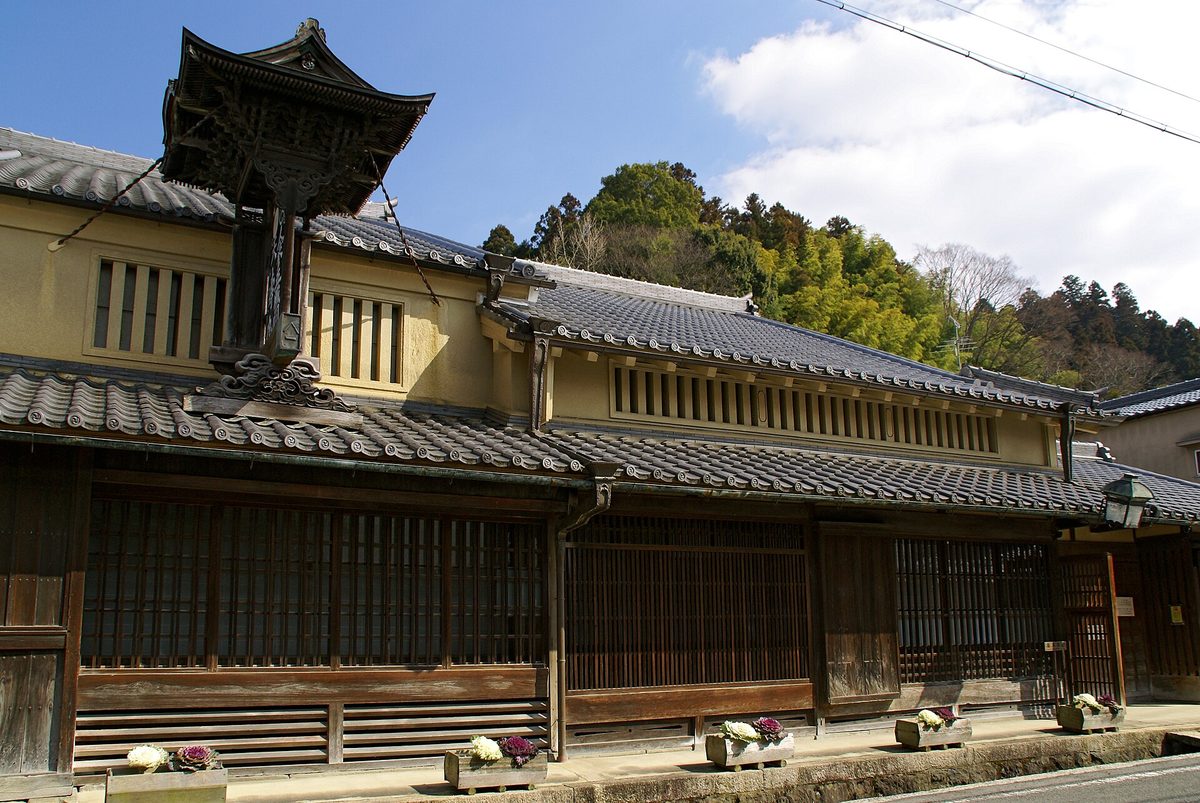
Photo: 663highland / CC BY 2.5 (Wikimedia Commons) Uda Ouda History and Culture Museum (Kusuri no Yakata)
A history and culture museum in a restored late-Edo medicine merchant's townhouse, the former Hosokawa residence.
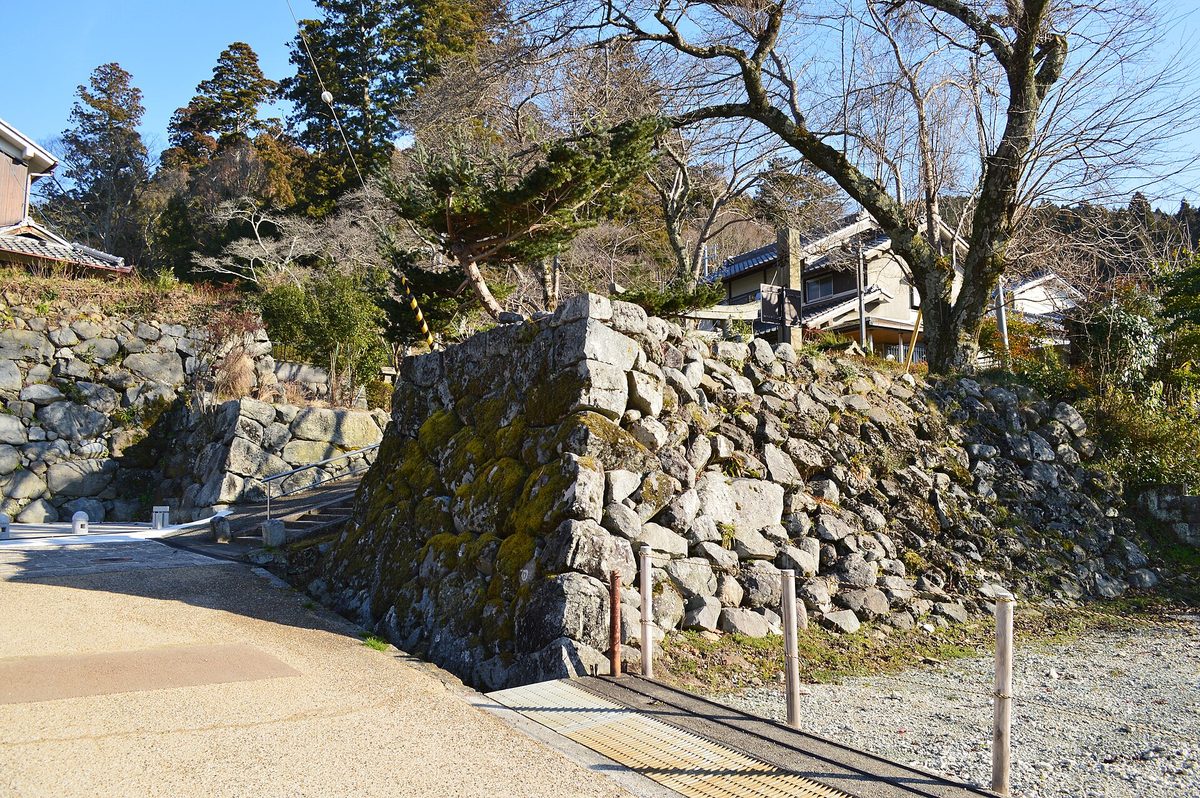
Photo: Saigen Jiro / CC0 (Wikimedia Commons) The ruins of a mountain castle first held by the Akiyama clan from the Nanboku-cho period and later by retainers of Toyotomi Hidenaga.
Restoration work and restricted areas are in place on the castle grounds; climb during daylight via the Kasuga Shrine or Akajari route.
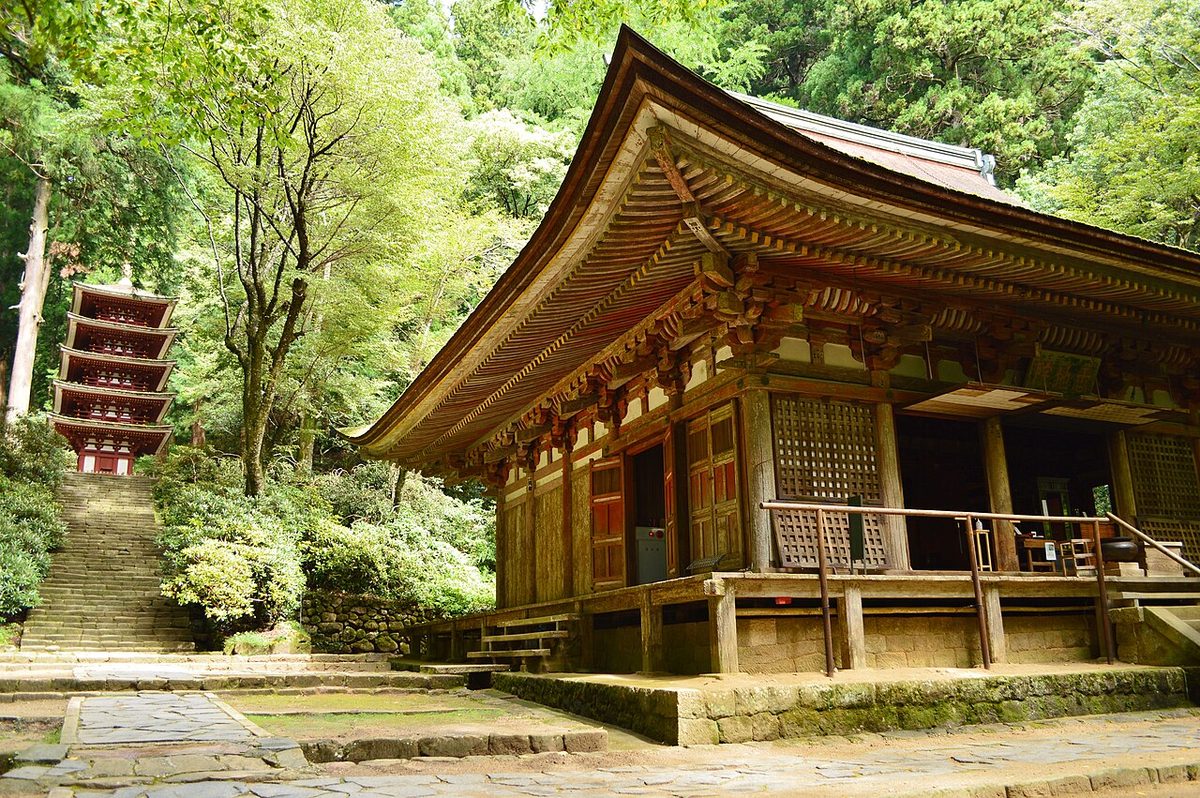
Photo: Saigen Jiro / CC0 (Wikimedia Commons) The head temple of the Shingon Muro-ji sect, founded in the late Nara period.
The five-story pagoda and Kondo hall are covered for roof re-thatching (scheduled through 2027) and cannot be viewed inside or out. The grounds, Hondo, Mirokudo and Okunoin remain open as usual, and the treasure hall is open free of charge.
An open-air hilltop art park in Uda designed by Israeli sculptor Dani Karavan, blending geometric concrete, spiral water basins, and mountain scenery.
These are local landmarks. Each was checked to be open on its official site (checked 2026-11-14). Please confirm hours before you go.
Beyond Uda
1 / 8
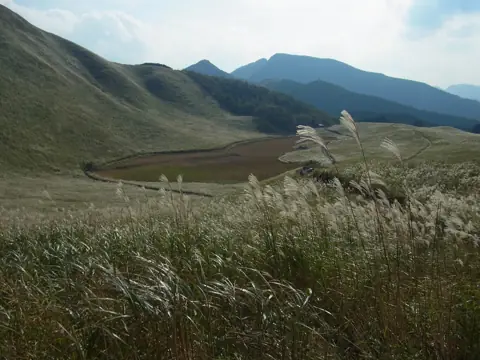 Uda · 22 km
Soni Highland →
A sweeping highland plateau at the foot of Mt. Kuroso covered in silver pampas grass that glows gold under autumn sunsets.
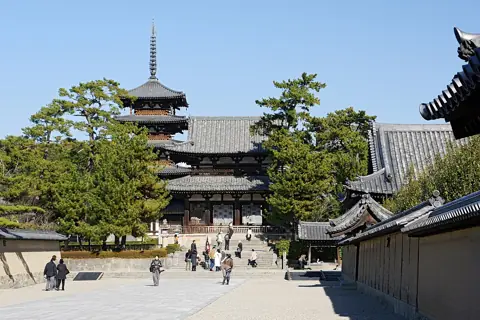 斑鳩町 · 23 km
Horyu-ji Temple →
A temple associated with Prince Shotoku, known as having the world's oldest wooden building complex.
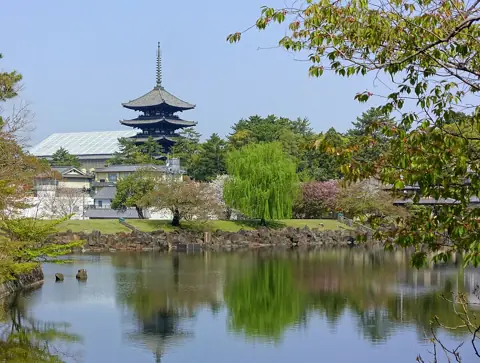 奈良市 · 24 km
Nara Park →
A vast park where deer roam freely and historical temples and shrines are dotted throughout the nature.
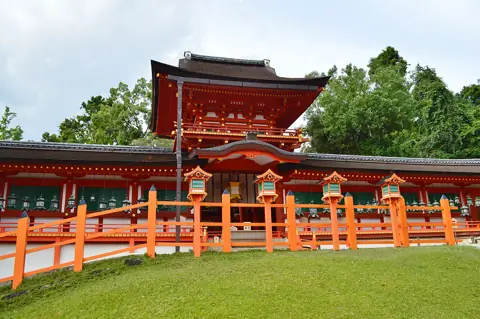 Nara · 24 km
Kasuga Taisha →
A historic shrine situated deep within Nara Park, registered as a World Heritage site.
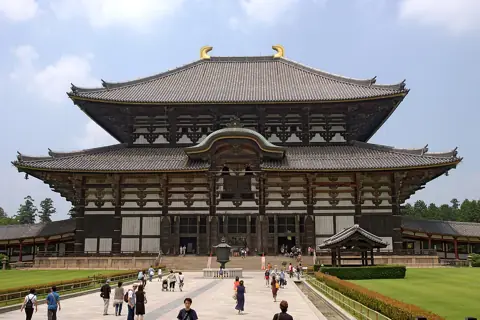 Nara · 25 km
Todaiji Temple →
A representative temple of Nara, home to the Great Buddha Hall, one of the world's largest wooden buildings.
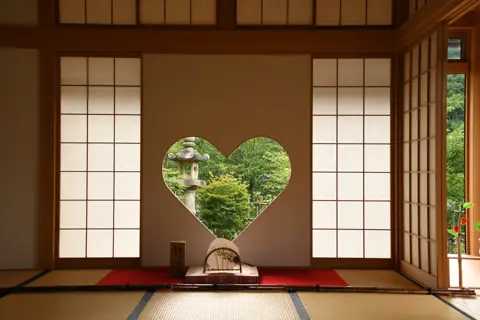 Uji · 41 km
Shoju-in →
A quiet temple in the tea hills of Ujitawara famous for its heart-shaped inome window and 160 painted ceiling panels in the guest hall.
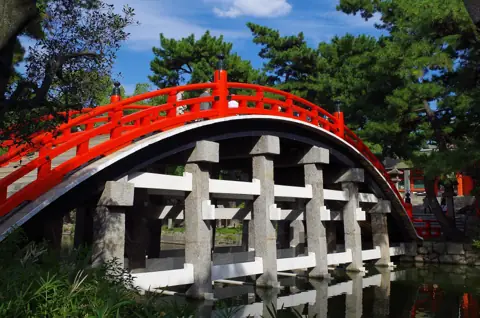 Osaka · 43 km
Sumiyoshi Taisha →
It is the head shrine of approximately 2,300 Sumiyoshi shrines nationwide.
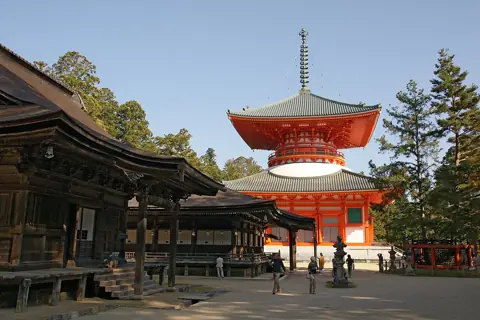 Koya · 43 km
Koyasan →
A sacred site of Shingon Esoteric Buddhism founded by Kobo Daishi Kukai.


Distances are straight-line from the town centre. Each page has how to get there and a suggested day.
Questions people ask
- Where can I eat Uda's local dishes?
Kimigoromo (baked meringue and egg-yolk confection): Kimigoromo Honpo Shogetsudo (Ouda)
Yoshino Hon-Kuzu Kuzukiri and Kuzumochi: Morino Yoshino Kuzu Honpo (Ouda)
Uda Medicinal Herb Cuisine (Yamato-toki dishes): Hilltico Cafe (Ouda)
- Where can I see or buy Craft in Uda?
Craft: Furudogu Yamanoha (Ouda), Tokobo Yu (Ouda)
- What can I visit on foot around Ouda?
Yoshino Kudzu Starch: Morino Yoshino Kuzu Honpo
Sweets: Kimigoromo Honpo Shogetsudo, Cafe abc
Food: Hilltico Cafe
Craft: Furudogu Yamanoha, Tokobo Yu
Every place was checked to be open in November 2026. Hours can change, so please check the official site before you go.
If you like Uda
- Karatsu
Saga, Japan
For example, Tokobo Yu here, and Yukikogama in Karatsu.
- Tanabe
Wakayama, Japan
For example, Morino Yoshino Kuzu Honpo here, and Kishu Binchotan Memorial Park in Tanabe.
- Shizuoka
Shizuoka, Japan
For example, Tokobo Yu here, and Sunpu no Kobo Takumishuku in Shizuoka.
Chosen by how close the towns and their places are in what they make and serve.