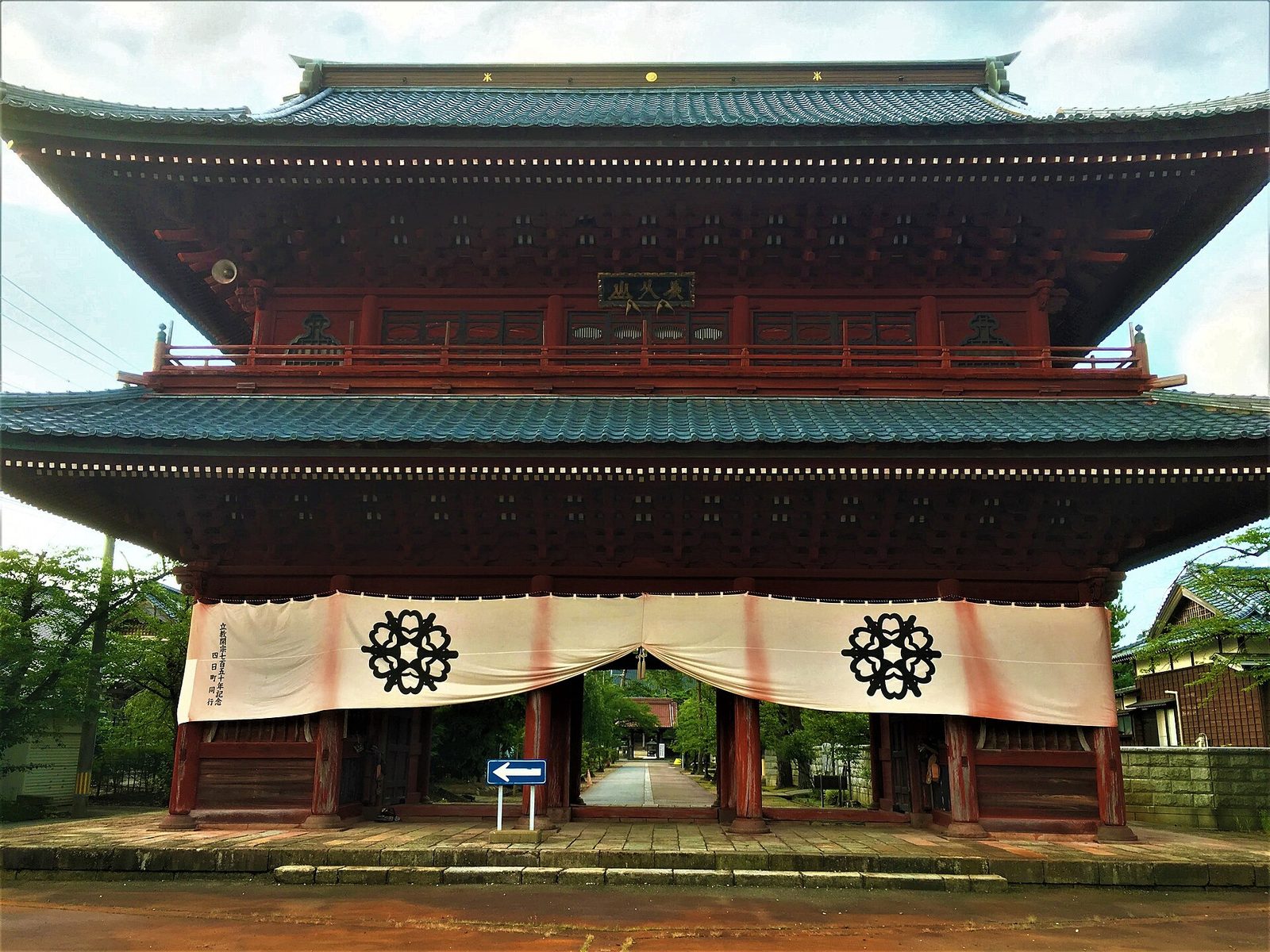
37.6° N
Tsubame-Sanjo
Niigata, Japan
Twin manufacturing towns on the Echigo Plain in Niigata, where winter brings heavy snow. Hammered copperware, hand-forged blades and woodcraft workshops, alongside sweets and a restaurant in a converted factory, as the editors’ picks.
Tsubame-Sanjo, on film
4 sights and 10 places, each checked open in 2026, in 40 seconds.
Found somewhere you like? The map and the list below have the address, hours and official site.
Tap for sound
What to eat in Tsubame-Sanjo
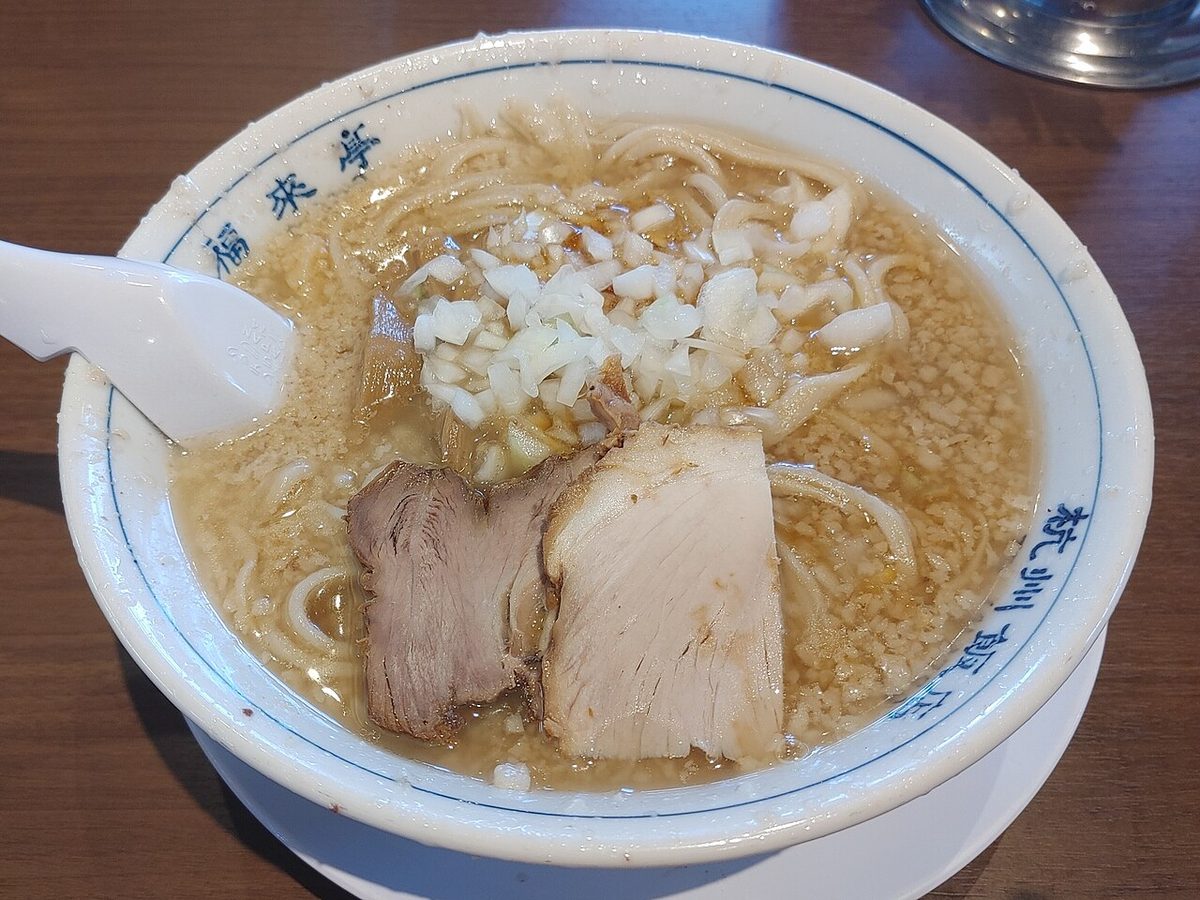
Photo: Yasayu94 / CC BY-SA 4.0 (Wikimedia Commons) Tsubame Se-abura Ramen (back-fat soy-sauce ramen)
燕背脂ラーメン
Thick, udon-like wheat noodles sit in a dark soy-sauce and dried-sardine broth covered with grated pork back fat and chopped raw onions. The style developed in Tsubame's metalworking district during the mid-twentieth century so deliveries to busy factory workers would stay hot and the noodles would not go soggy.
Ordered at local ramen shops or diners, often with extra back fat or a side of large pan-fried gyoza.
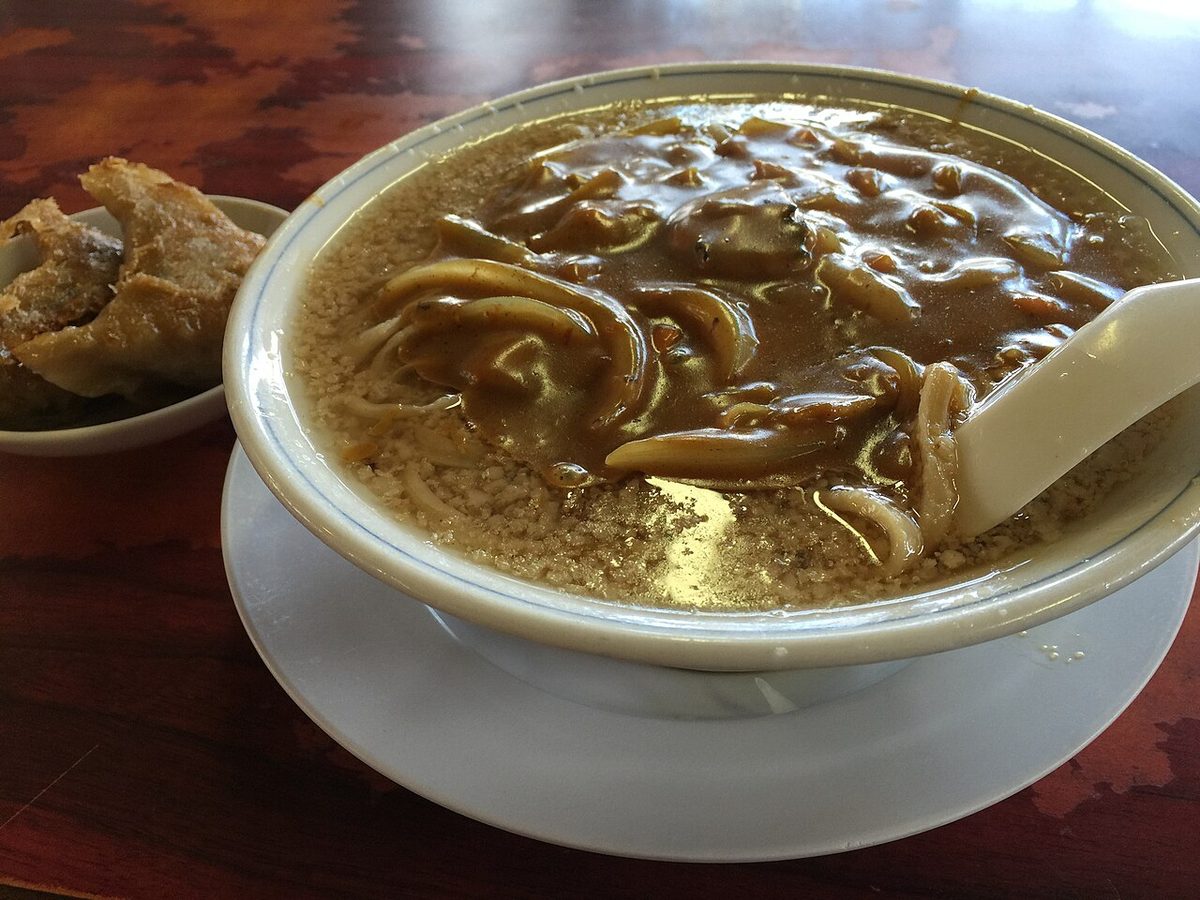
Photo: Tail furry / CC BY-SA 4.0 (Wikimedia Commons) Sanjo Curry Ramen
三条カレーラーメン
Ramen noodles are served either in a full curry-spiced broth or topped with thick curry sauce, with recipes varying from shop to shop. The dish dates back more than 80 years in Sanjo, where deliveries kept busy metalworkers and blacksmiths warm and fed.
Eaten at neighborhood diners and ramen shops, often ordered as a set with white rice to mix into the remaining curry broth.
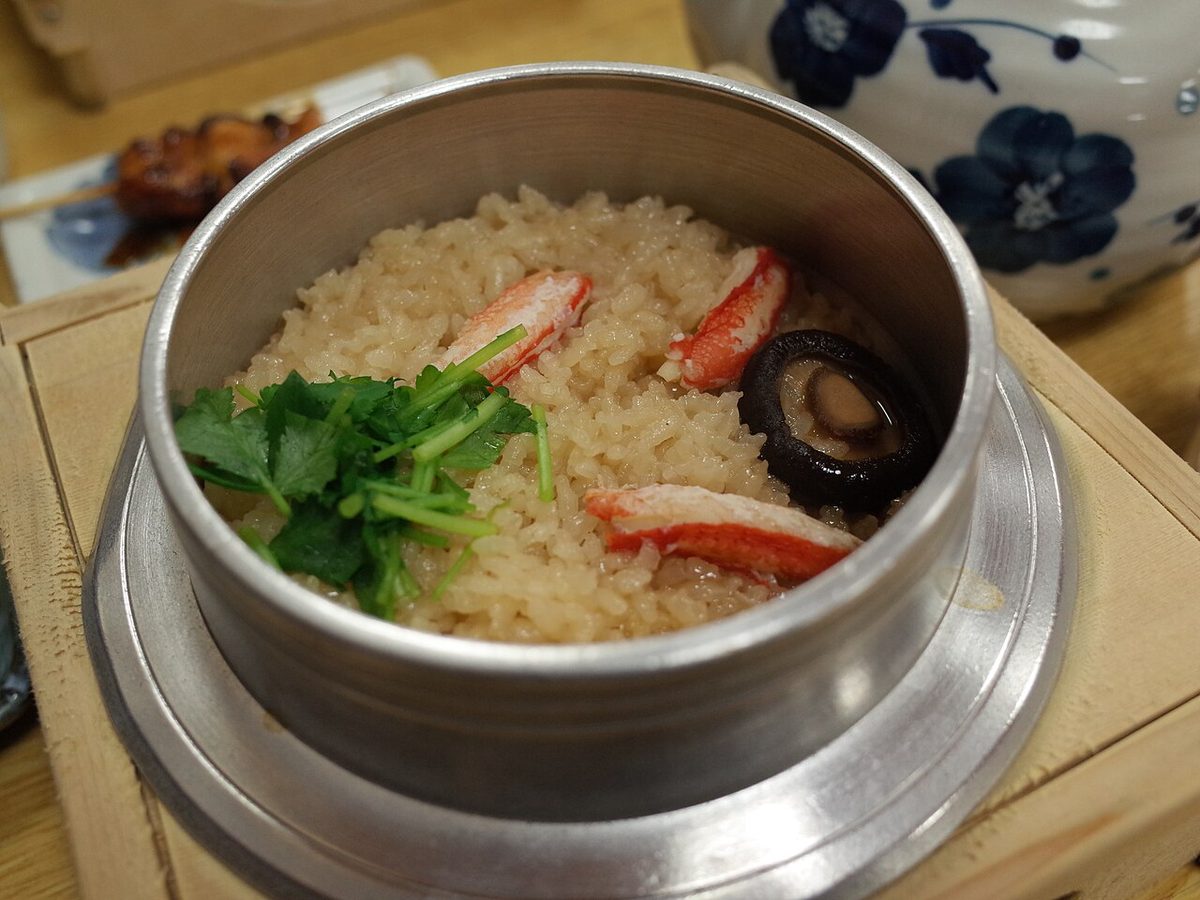
Photo: 極地狐 / CC BY 2.0 (Wikimedia Commons) Tsubame Kamameshi (iron-pot rice)
釜めし
Rice, dashi broth, and seasonal seafood, poultry, or vegetables are cooked to order in individual iron pots. Introduced in Tsubame in 1959, it became a staple meal for celebrating finished factory orders and was boxed to bring home to families.
Cooked fresh per order in about 20–40 minutes and served hot from the pot, often with mushroom soup, or packed as takeaway boxes.
No photo yet
Toriniku no Lemon-ae (lemon-glazed fried chicken)
とりにくのレモンあえ
Bite-sized pieces of fried chicken are tossed hot in a sweet-and-savory soy glaze flavored with lemon juice. Created in 1981 for school lunches in Tsubame's Yoshida district, it grew into a town dish sold at local diners, roadside stations, and butcher shops.
Ordered as a set meal with rice and miso soup, as a single side dish at ramen shops, or as takeout from local shops.
The LATITUDE editors’ 10 picks in Tsubame-Sanjo
Our editors verified that these places were open (checked 2026-11-12). Check the official site for hours and closing days before visiting. Sponsored listings are marked.
Save places to your trip list and revisit them in this browser. No account needed.
Editors’ picks on the map — or build your own route
Tap a mark to see the place; squares are museums and sights (landmarks). Use “Build your own route” to make a walk of your own.
Loading the map
Map data © OpenStreetMap contributors
Browse by category
1 / 13
Tsubame
VINTAGE HALL
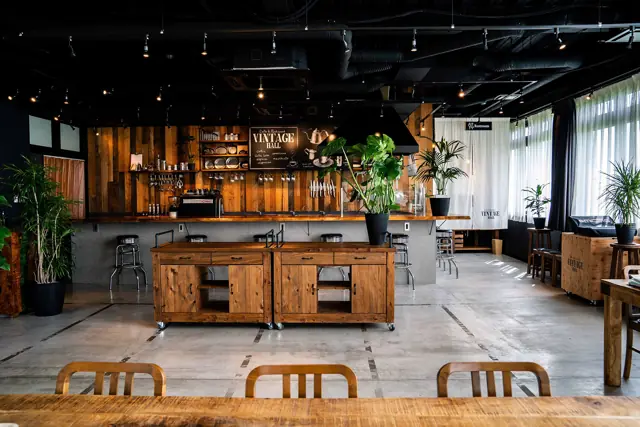
Photo: the shop’s official page A restaurant in Tsubame's factory district serving Italian-style dishes on Aoyoshi's VINTAGEINOX tableware, using pesticide-free vegetables grown on site, with views of Mount Yahiko and the fields. Open 11:30 am to 3 pm, closed Mondays.
Tue–Sun 11:30–15:00 · Closed: Mondayschecked Nov 2026
Why the editors chose itDine on pesticide-free farm Italian served on local VINTAGEINOX tableware overlooking Mount Yahiko.
Sanjo
Katsuboya

Photo: the shop’s official page 菓子処 かつぼ屋
A wagashi shop on Ichinokido shopping street in Sanjo, making seasonal fruit daifuku with strawberry, Shine Muscat or young peach, alongside yokan and monaka.
9:00–18:00 · Closed: Mondayschecked Nov 2026
Why the editors chose itA shopping-street wagashi shop making seasonal fruit daifuku with strawberry, Shine Muscat and young peach.
Sakae
Gelateria COCO

Photo: the shop’s official page A gelateria inside the Tadaimart farmers' market in Sanjo, known for the Mango Fromage Blanc that won Italy's Coppa d'Oro competition in 2025.
Why the editors chose itInside a farmers' market, serving the Mango Fromage Blanc that won Italy's 2025 competition.
Tsubame
ARSÉNE
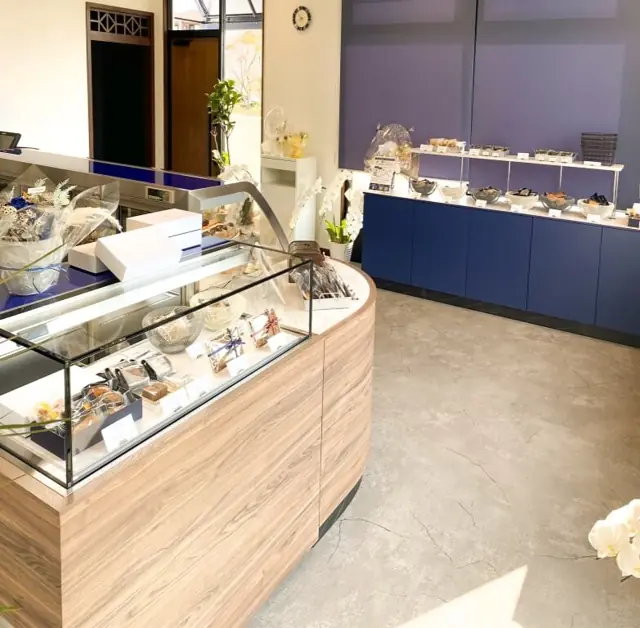
Photo: the shop’s official page A patisserie in Idomaki, Tsubame, making bonbon chocolates, nama-choco, butter sandwiches and seasonal fruit tarts, with shaved-ice desserts in summer. Opens at 11 am; closed Tuesdays and some Wednesdays.
Wed–Mon 11:00–18:30 · Closed: Tuesdays, irregular Wednesdays
Why the editors chose itA Tsubame patisserie offering bonbon chocolates, seasonal fruit tarts and summer shaved-ice desserts.
Made in Tsubame-Sanjo
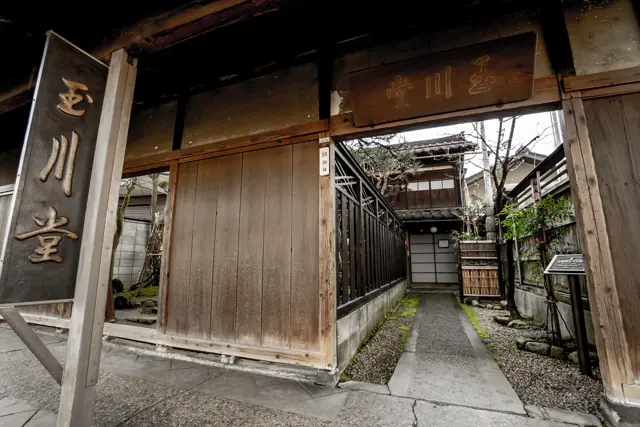
Tsubame workshops have hand-hammered vessels from single sheets of copper since the late Edo period, including Gyokusendo, founded in 1816. Today the town is also known for metal cutlery and tableware.
Historic wooden entrance of Gyokusendo copperware workshop·Photo: Gyokusendo (official site)
Tsubame
Gyokusendo
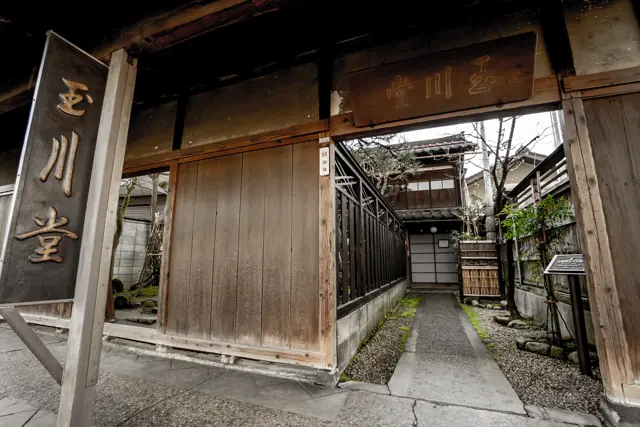
Photo: the shop’s official page 玉川堂
A hammered-copperware house founded in 1816, raising kettles, tea ware and sake vessels from single sheets of copper. Visitors can also watch the workshop at the Tsubame main shop. Open 8:30 am to 5:30 pm, closed Sundays and holidays.
8:30–17:30 · Closed: Sundays and public holidayschecked Nov 2026
Why the editors chose itFounded in 1816, this copperware house lets you watch artisans raise vessels from single copper sheets.
Made in Tsubame-Sanjo
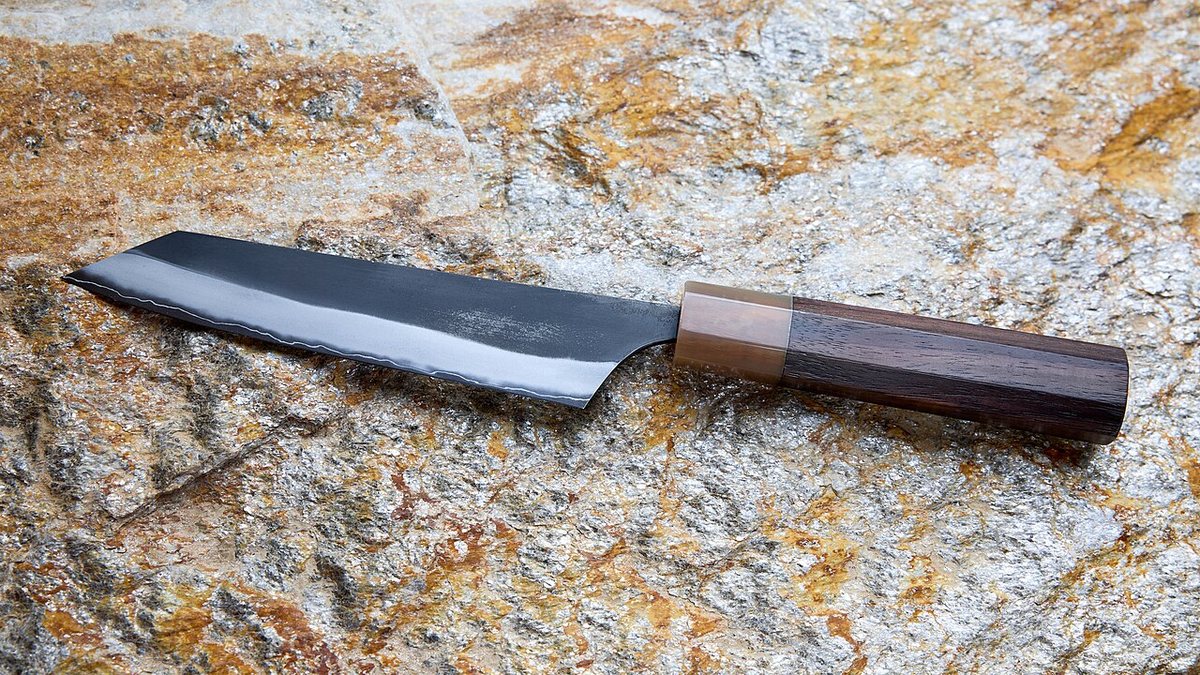
Sanjo has been a blacksmith town since the mid-17th century, growing from nail-making into knives and tools. Workshops such as Tadafusa and Suwada still forge kitchen knives and nipper-style clippers by hand.
A hand-forged Sanjo kiritsuke petty knife on stone·Photo: Frank Schulenburg / CC BY-SA 4.0 (Wikimedia Commons)
Sanjo
Hocho Kobo Tadafusa
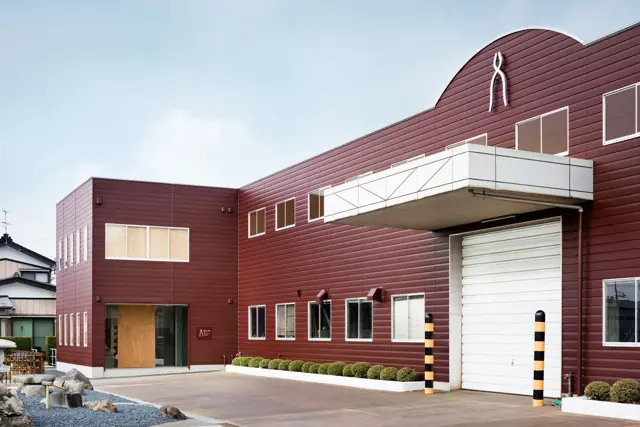
Photo: the shop’s official page 庖丁工房タダフサ
The factory shop of a blacksmith founded in 1948. It carries hand-forged knives with charred-chestnut handles, including its core trio, alongside cutting boards, and takes blades for re-sharpening.
Mon–Sat & public holidays 9:00–17:00 · Closed: Sundays (summer, New Year, and irregular holidays)
Why the editors chose itA 1948 blacksmith's factory shop selling hand-forged charred-chestnut-handle knives and taking blades for re-sharpening.
Sakae
SUWADA OPEN FACTORY

Photo: the shop’s official page The open factory of Suwada Seisakusho, founded in 1926. Visitors can watch craftsmen make nipper-style nail clippers and bonsai shears, with a shop and café on site.
10:00–17:30 · Closed: New Year (irregular holidays)checked Nov 2026
Why the editors chose itWatch artisans craft nipper-style nail clippers at this 1926 open factory with a shop and café.
Made in Tsubame-Sanjo
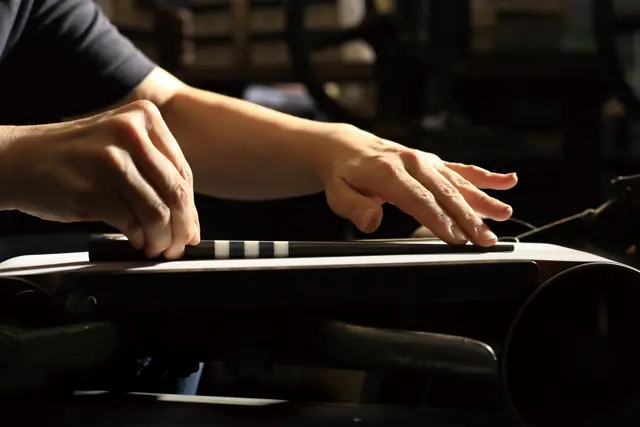
Drawing on temple and shrine woodcarving traditions, Sanjo craftsmen shape dense hardwoods into tableware. Marunao, founded in 1939 as a carving shop, turns ebony and rosewood into finely tapered chopsticks and spoons.
Artisan shaping hardwood chopsticks at Marunao·Photo: Marunao (official site)
Sakae
Marunao
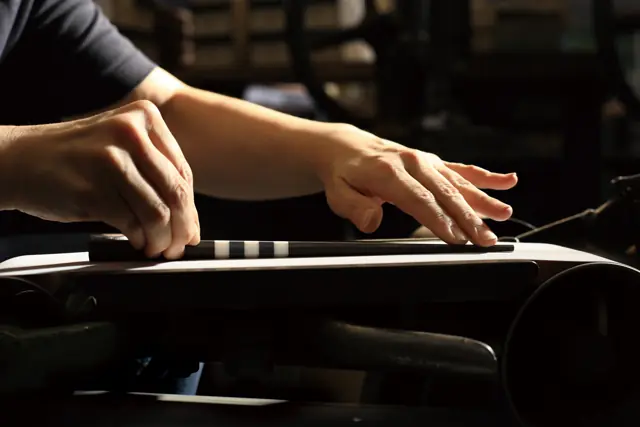
Photo: the shop’s official page マルナオ
The open factory and shop of a woodworker founded in 1939 for temple carving. Visitors can handle and choose chopsticks and spoons shaped from ebony and rosewood. Open 10 am to 7 pm, closed over the New Year.
Daily 10:00–19:00 · Closed: New Year holidays
Why the editors chose itHandle chopsticks carved from ebony and rosewood at this 1939 woodworker's open factory and shop.
Tsubame
FACTORY FRONT
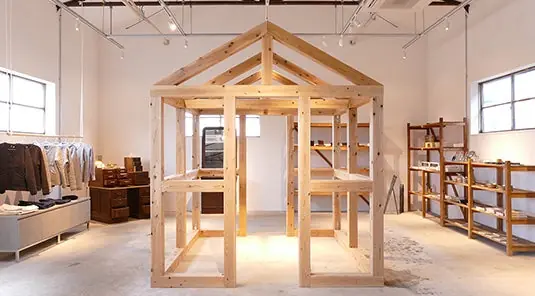
Photo: the shop’s official page A select shop in a renovated former factory in Tsubame, carrying metalware and everyday goods from Tsubame-Sanjo and across Japan, and hosting workshops.
Thu–Mon 11:00–18:00 · Closed: Tuesdays and Wednesdays
Why the editors chose itA renovated former factory selling Tsubame-Sanjo metalware and everyday goods alongside hands-on workshops.
Sanjo
REYOO
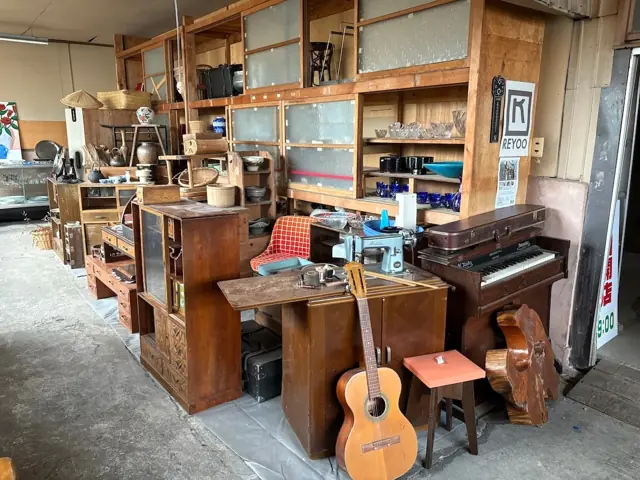
Photo: the shop’s official page 古物再生 REYOO
An antiques shop on the ground floor of the San-Me. complex in Sanjo, selling old tableware, household tools and furniture salvaged from vacant local houses. Open weekdays 10 am to 5 pm, closed weekends and holidays.
Mon–Fri 10:00–17:00 · Closed: Saturdays, Sundays, and public holidays (usually)
Why the editors chose itAn antiques shop selling tableware, household tools and furniture salvaged from vacant local houses.
Sights in Tsubame-Sanjo

Photo: Drph17 / CC BY 4.0 (Wikimedia Commons) Tsubame Industrial Materials Museum
A museum tracing Tsubame's metalworking history from Edo-period nail-making to Western cutlery and hammered copperware, with a hands-on studio attached.
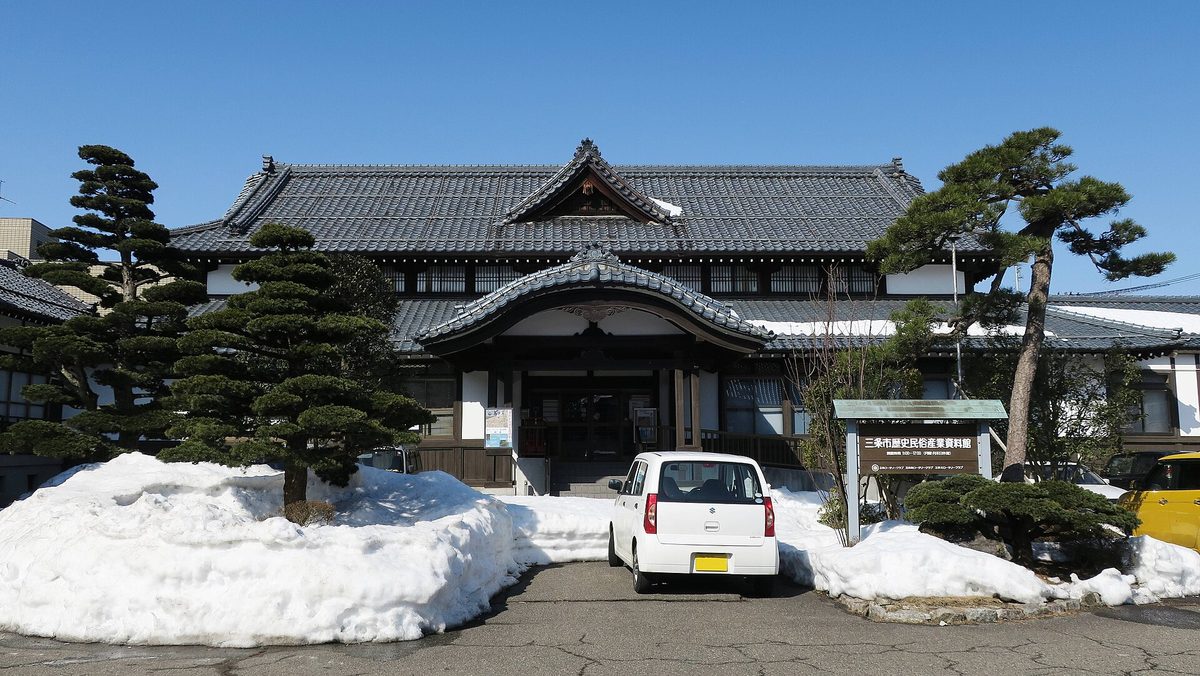
Photo: photo: Qurren (talk) Taken with Canon PowerShot G9 X / CC BY-SA 4.0 (Wikimedia Commons) Sanjo Historical and Folklore Industrial Museum
A museum housed in the 1935 former Butokuden hall, showing documents and folk tools from Sanjo's river trade and blacksmithing history.
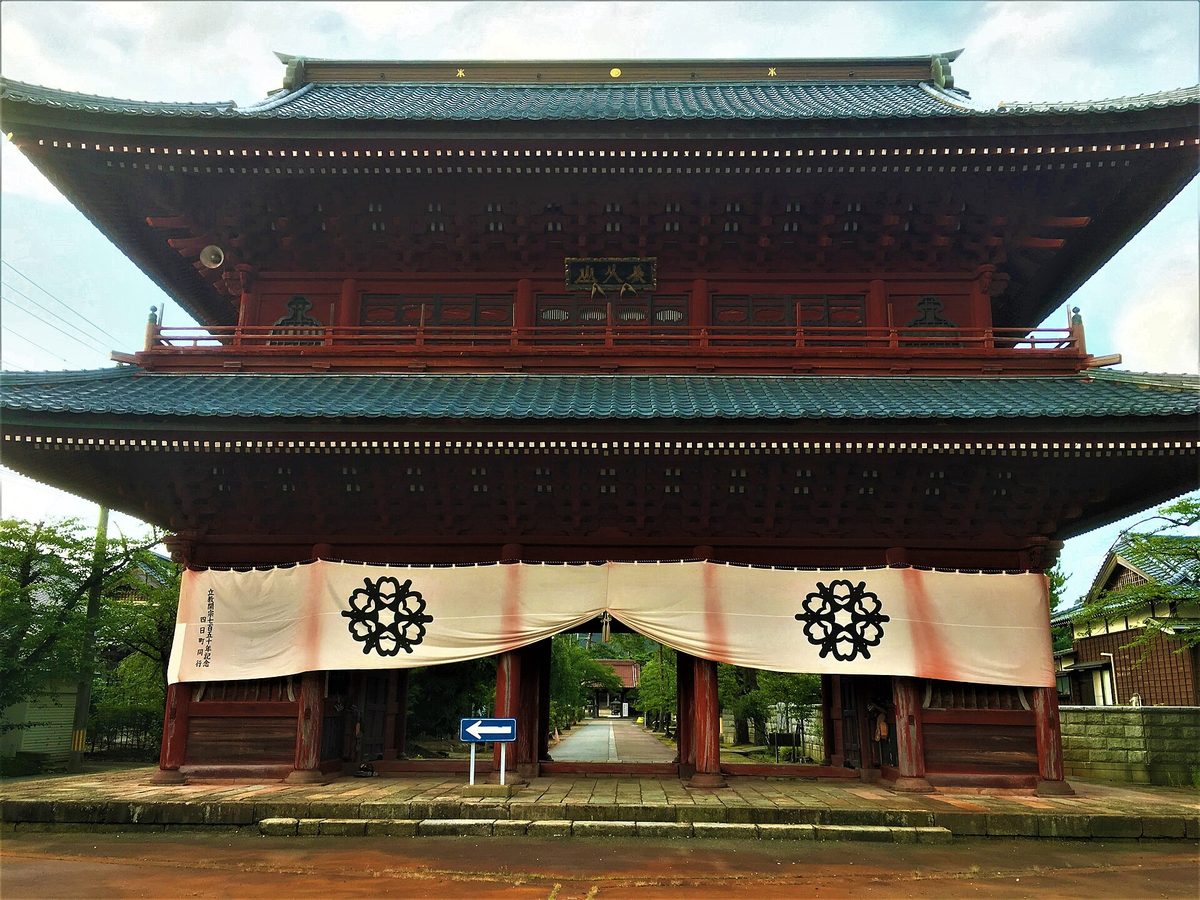
Photo: Nihongo1234 / CC BY-SA 4.0 (Wikimedia Commons) The head temple of the Hokke sect, founded in 1297 by Nichiin.
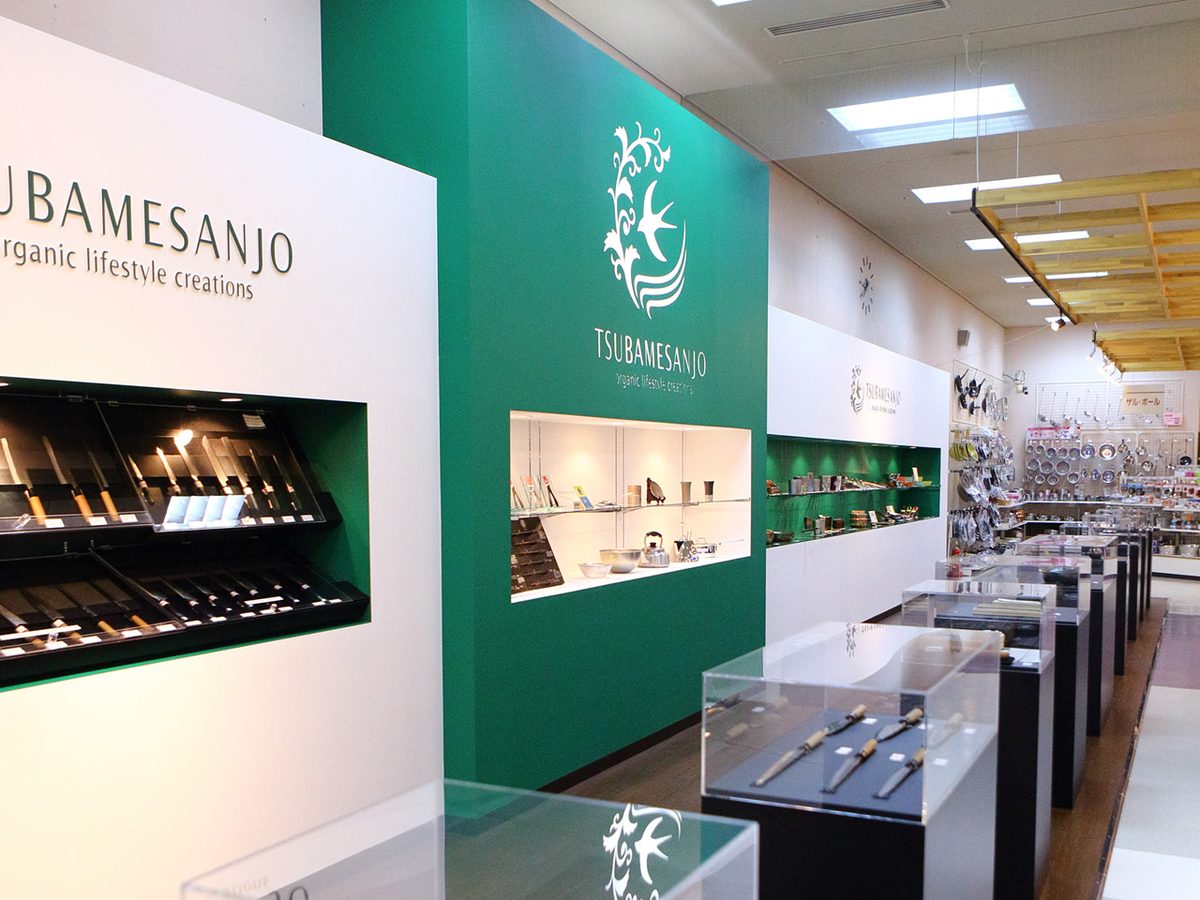
Photo: official site Tsubame-Sanjo Regional Industries Promotion Center
A regional exhibition and sales hall displaying around ten thousand items of Tsubame-Sanjo cutlery, knives and kitchenware.
These are local landmarks. Each was checked to be open on its official site (checked 2026-11-12). Please confirm hours before you go.
Beyond Tsubame-Sanjo
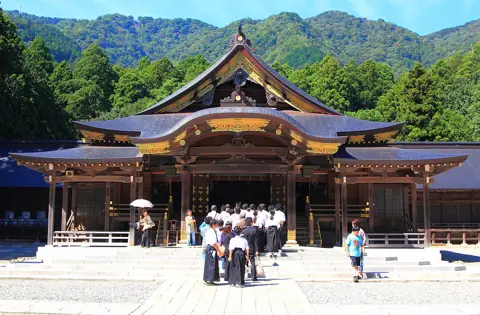 Yahiko Village · 15 km
Yahiko Shrine →
Located at the foot of Mt. Yahiko in Niigata, this historic shrine has long been worshipped for land development, offering a sacred atmosphere in its vast grounds.

Distances are straight-line from the town centre. Each page has how to get there and a suggested day.
Questions people ask
- Where can I see or buy Hammered copperware and metal tableware, Sanjo hand-forged blades and tools, Sanjo fine wood carving and tableware in Tsubame-Sanjo?
Hammered copperware and metal tableware: Gyokusendo (Tsubame)
Sanjo hand-forged blades and tools: Hocho Kobo Tadafusa (Sanjo), SUWADA OPEN FACTORY (Sakae)
Sanjo fine wood carving and tableware: Marunao (Sakae)
Craft: FACTORY FRONT (Tsubame), REYOO (Sanjo)
- What can I visit on foot around Tsubame?
Hammered copperware and metal tableware: Gyokusendo
Craft: FACTORY FRONT
Sweets: ARSÉNE
Food: VINTAGE HALL
Every place was checked to be open in November 2026. Hours can change, so please check the official site before you go.
If you like Tsubame-Sanjo
- Takayama
Gifu, Japan
For example, Gyokusendo here, and Takumikan in Takayama.
- Yamagata
Yamagata, Japan
For example, SUWADA OPEN FACTORY here, and Setofuji in Yamagata.
- Matsumoto
Nagano, Japan
Chosen by how close the towns and their places are in what they make and serve.