38.3° N
Yamagata
Yamagata, Japan
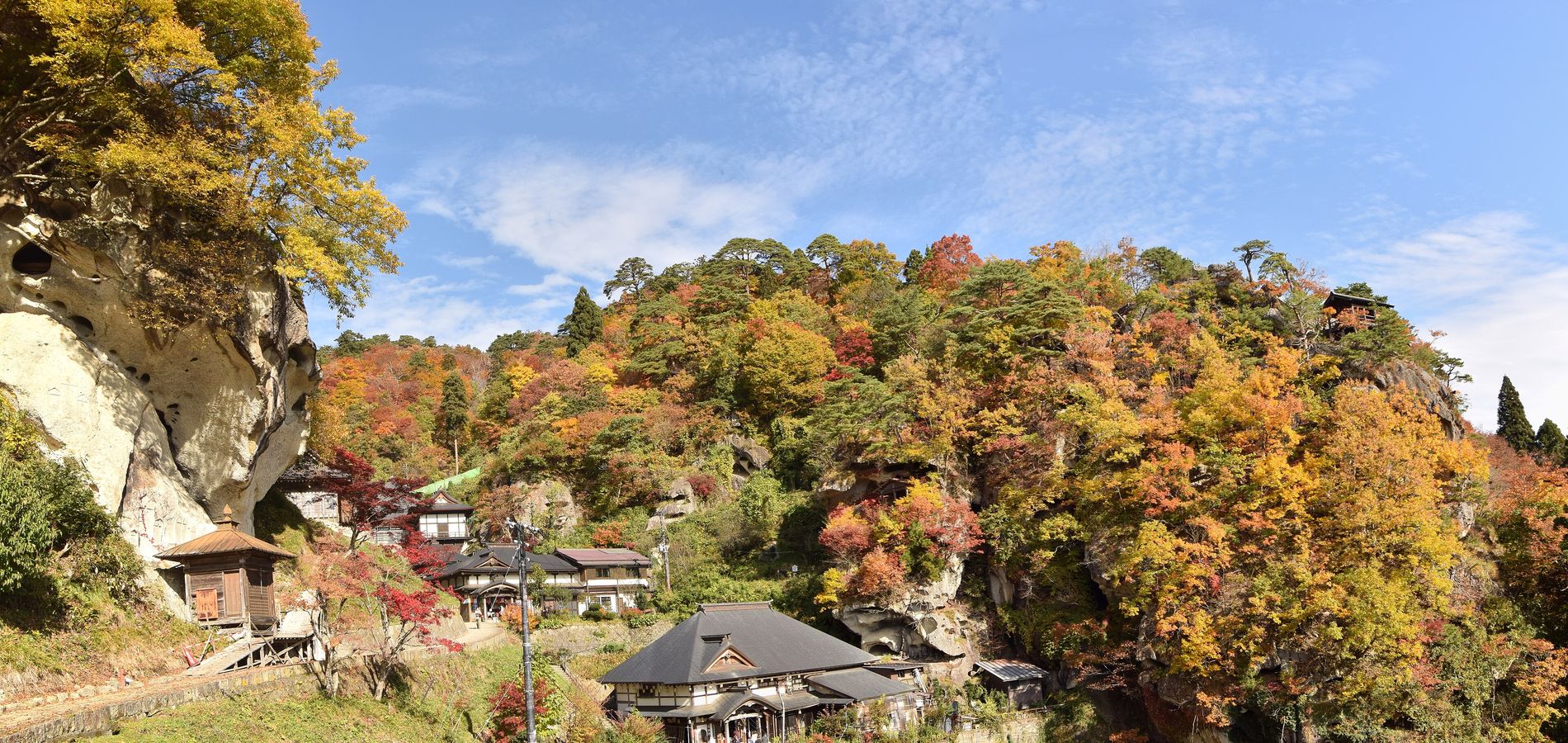
A former castle town in the Yamagata basin, with Hirashimizu pottery, soba and old confectioners. Autumn colour comes down from Zao to the city gardens; the editors’ picks take in kilns, tableware shops and coffee.
Yamagata, on film
3 sights and 15 places, each checked open in 2026, in 50 seconds.
Found somewhere you like? The map and the list below have the address, hours and official site.
Tap for sound
What to eat in Yamagata
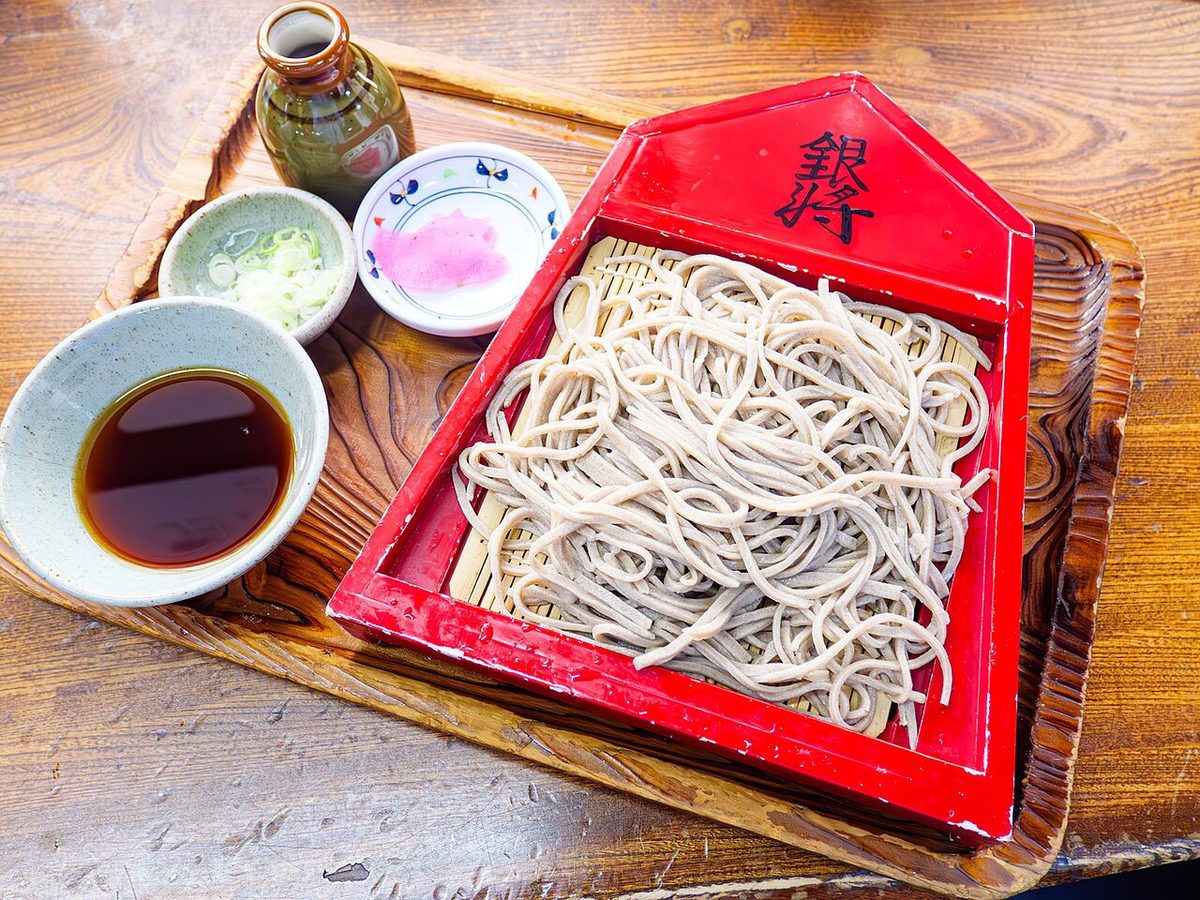
Photo: くろふね / CC BY 4.0 (Wikimedia Commons) Yamagata soba (buckwheat noodles)
山形そば
Yamagata soba consists of firm, aromatic buckwheat noodles often served chilled on shallow wooden boards (ita-soba) or as hand-cut toichi and pale sarashina noodles. The basin's sharp day-night temperature swings and mountain water made Yamagata a major buckwheat-growing area, where sharing large trays of soba grew out of communal post-harvest farm meals.
Eaten year-round at lunch or dinner, dipped in soy-based tsuyu and often paired with squid-tentacle tempura (gesoten).
Where to eat it
- Shojiya, Gotenzeki Nanokamachi ↓
- Shojiya HontenWebsiteMap
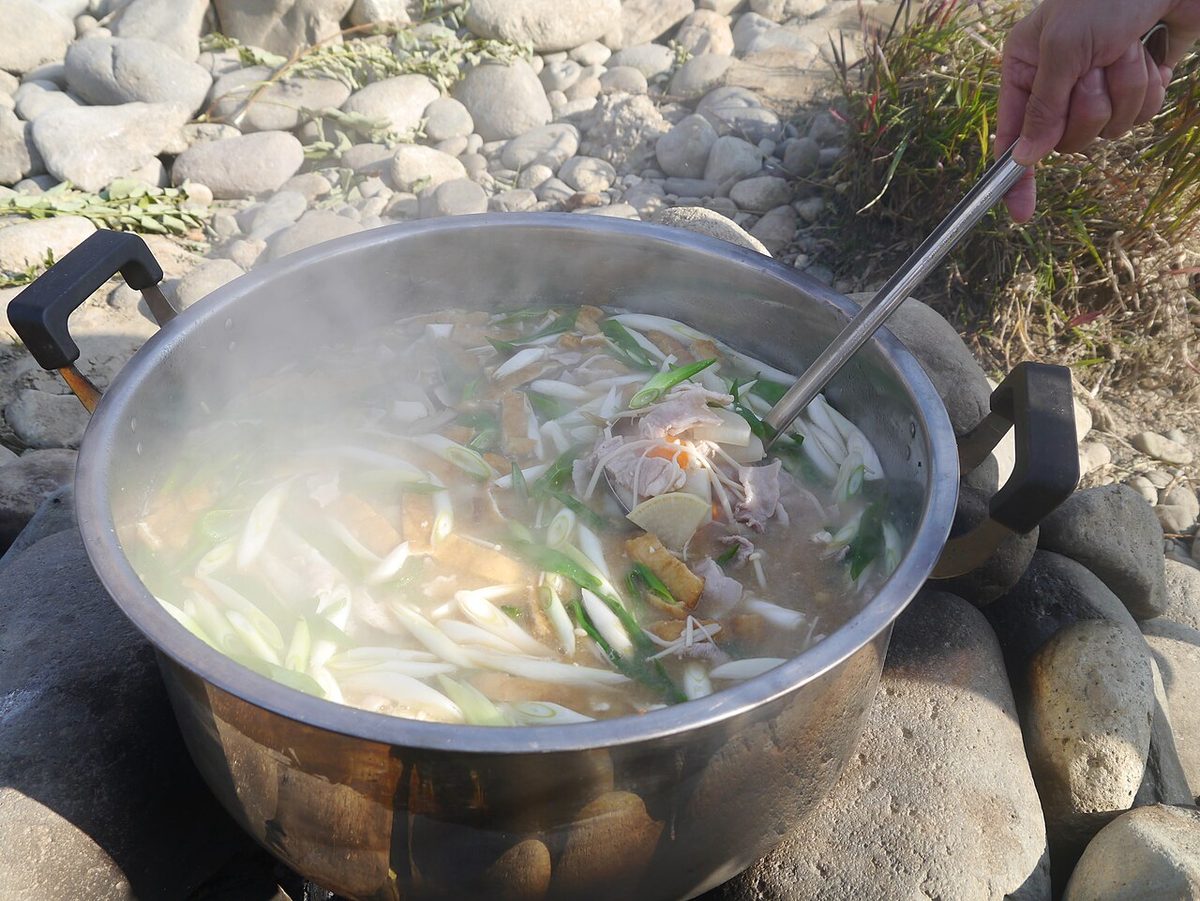
Photo: Mizu basyo / CC BY-SA 4.0 (Wikimedia Commons) Imoni (taro and beef stew)
芋煮
In Yamagata City and the inland Murayama region, imoni is a simmering stew of taro root, thinly sliced beef, hand-torn konnyaku, and scallions in a sweet-savory soy sauce broth. Its roots trace back to 17th-century riverboat crews along the Mogami River, and every autumn Yamagata residents gather along the Mamigasaki River for outdoor imonikai pot parties.
Traditionally cooked outdoors by rivers in September–October, and served year-round in iron pots at local izakaya and restaurants.(Sep–Nov)
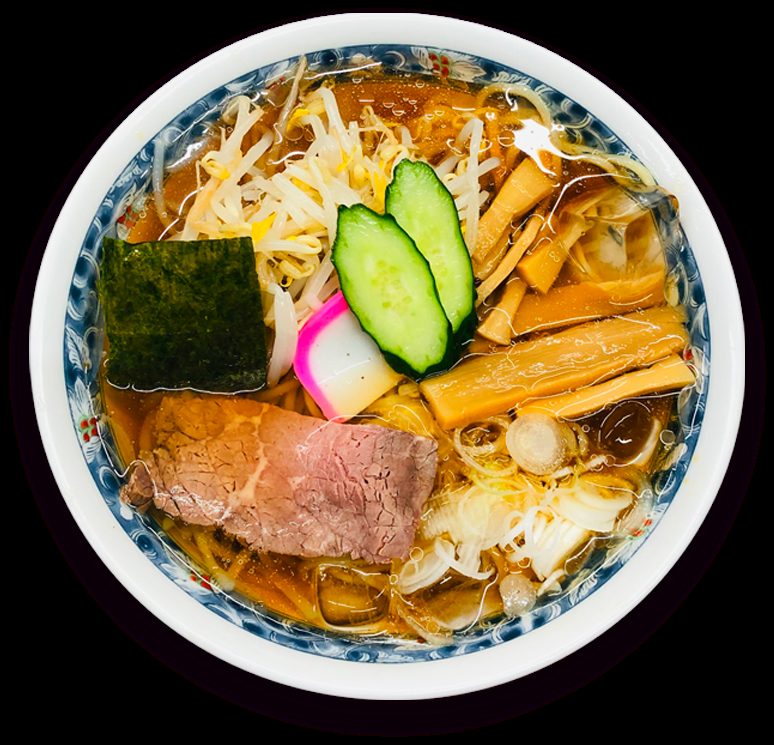
Photo: 栄屋本店 (official site) Hiyashi ramen (chilled ramen)
冷やしラーメン
Hiyashi ramen is a full-broth ramen served cold—unlike dressing-style hiyashi chuka—featuring springy noodles in a chilled soy-based soup topped with chashu, bamboo shoots, cucumber, and ice cubes. It originated in Yamagata City in 1952 at Sakaeya Honten, whose founder spent roughly a year formulating a bonito, kelp, and stock broth whose fats stay liquid when cold.
Ordered as a single bowl in summer and year-round at the originator shop, with ice cubes keeping the broth cold.
Where to eat it
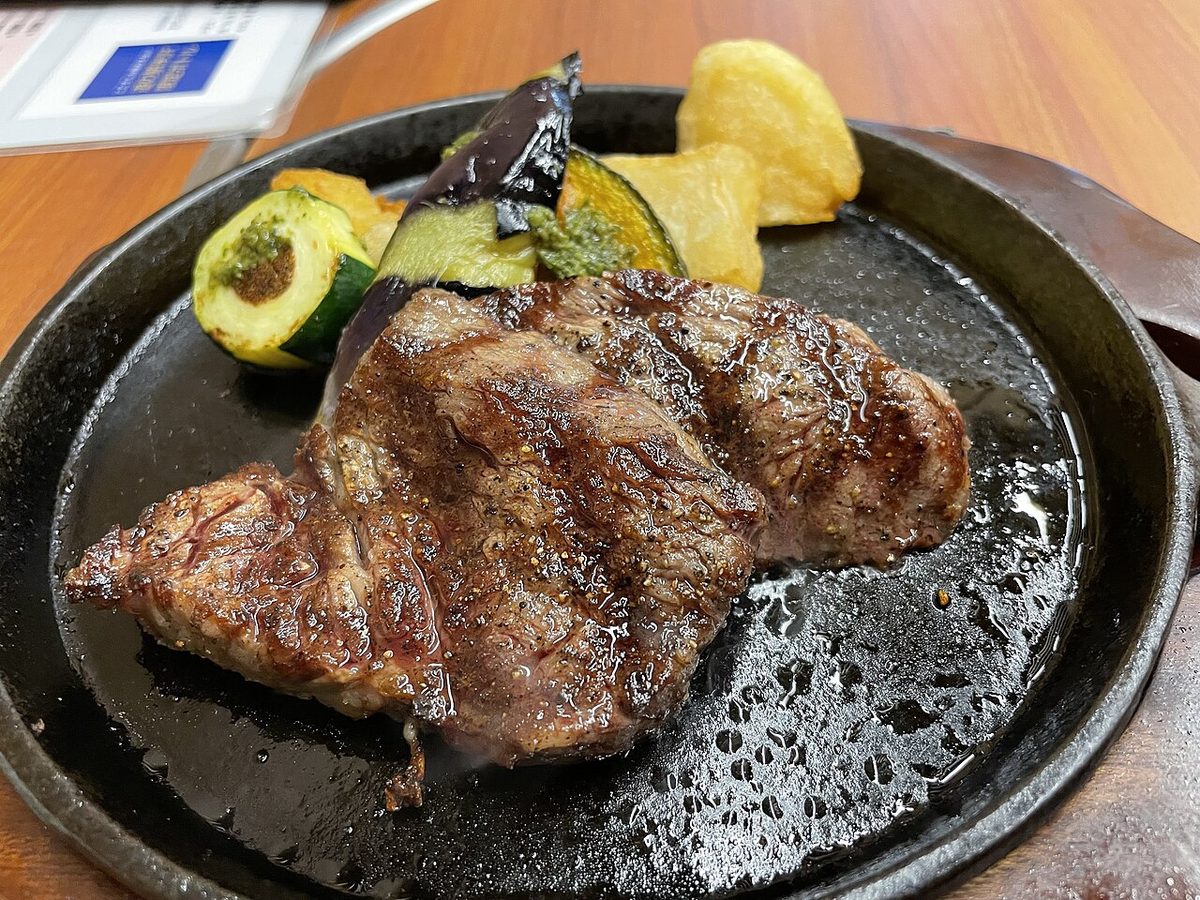
Photo: Totti / CC BY-SA 4.0 (Wikimedia Commons) Yamagata beef
山形牛
Yamagata beef is black-haired wagyu raised in Yamagata Prefecture, characterized by fine marbling and fat that melts at a low temperature. Unified as a regional brand in 1962 from cattle fattened across the prefecture's hot summers and snowy winters, it is served in central Yamagata City by century-old butcher-dining rooms such as Kanazawaya (founded 1893).
Served year-round for lunch or dinner as sukiyaki, shabu-shabu, individual gyunabe hot pots, or teppanyaki steak courses.
Where to eat it
- Kanazawaya Gyunikuten ↓
- Teppanyaki ChomusubiWebsiteMap
The LATITUDE editors’ 15 picks in Yamagata
Our editors verified that these places were open (checked 2026-11-12). Check the official site for hours and closing days before visiting. Sponsored listings are marked.
Save places to your trip list and revisit them in this browser. No account needed.
Editors’ picks on the map — or build your own route
Tap a mark to see the place; squares are museums and sights (landmarks). Use “Build your own route” to make a walk of your own.
Loading the map
Map data © OpenStreetMap contributors
Browse by category
1 / 16
Nanokamachi
Shojiya, Gotenzeki Nanokamachi
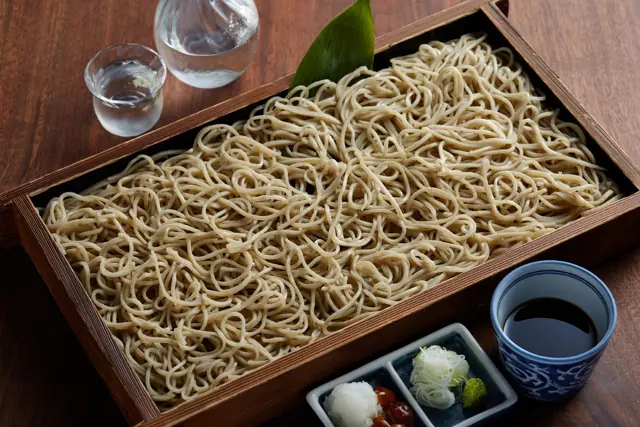
Photo: the shop’s official page そば処 庄司屋 御殿堰七日町店
Irregular closing days
A hand-cut soba shop at Nanokamachi Gotenzeki. House-milled Toichi soba and white sarashina soba, also served together on a wooden tray.
Weekdays 11:00–15:30 & 17:00–21:30, weekends & holidays 11:00–21:30 · Closed: Irregularchecked Nov 2026
Why the editors chose itOrder both house-milled Toichi and white sarashina soba served together on a wooden tray.
Honcho
Sakaeya Honten
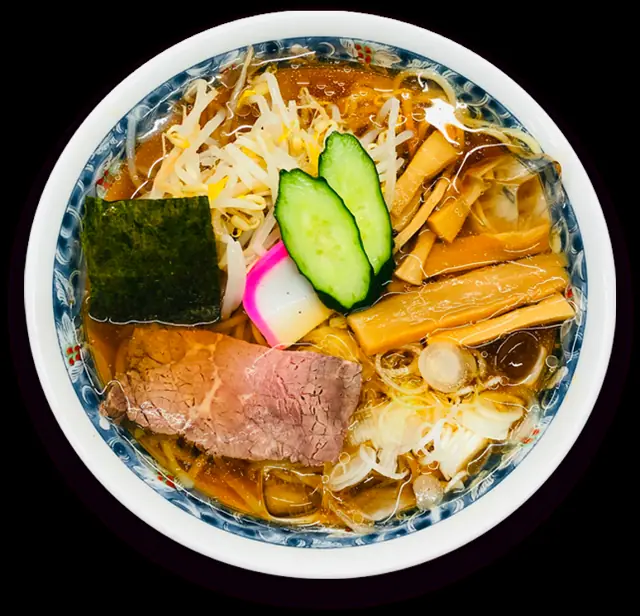
Photo: the shop’s official page 栄屋本店
A noodle shop founded in 1932, where chilled ramen was developed in 1952. Hot and cold noodles are both on the menu.
11:30–17:25 (last order) · Closed: Wednesdays (following day if public holiday; irregular in Jan & Aug)
Why the editors chose itThe 1932 noodle shop where chilled ramen was developed in 1952, serving hot and cold bowls.
Nanokamachi
Kanazawaya Gyunikuten
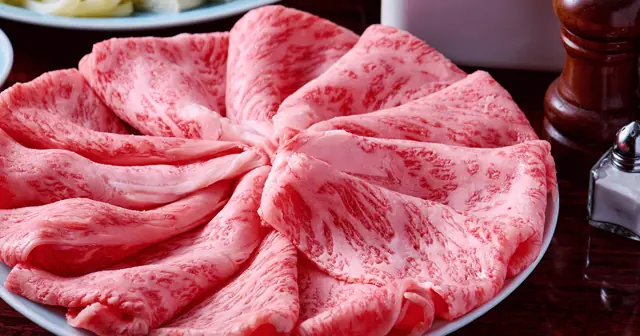
Photo: the shop’s official page 金澤屋牛肉店
A butcher and dining room founded in 1893. Yamagata beef sukiyaki and shabu-shabu, with individual gyunabe hot pots at weekday lunch.
11:30–14:00 (last order 13:30), 17:00–21:30 (last order 20:30) · Closed: Tuesdays (irregular holidays)checked Nov 2026
Why the editors chose itAn 1893 butcher and dining room serving individual Yamagata beef hot pots on weekday lunches.
Nanokamachi
Restaurant Pas Mal
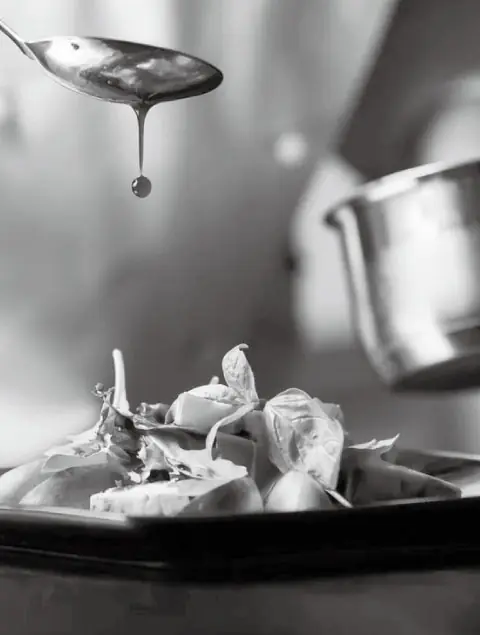
Photo: the shop’s official page RESTAURANT PAS MAL
A French restaurant using seasonal Yamagata ingredients. Lunch and dinner are courses, by reservation only.
12:00–15:00 (last order 13:00), 18:00–23:00 (last order 20:00) · Closed: Wednesdays and 2nd Tuesday of each month
Why the editors chose itA reservation-only French restaurant serving seasonal Yamagata ingredients in lunch and dinner courses.
Hatagomachi
gu/ra
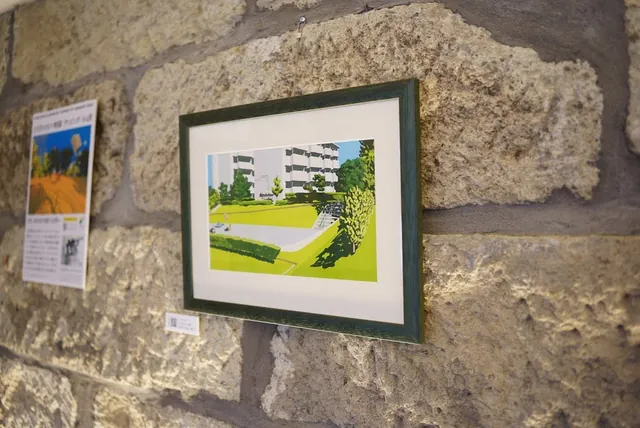
Photo: the shop’s official page An Italian restaurant in Hatagomachi, serving lunch and dinner.
Why the editors chose itA Hatagomachi Italian restaurant open for both lunch and dinner.
Hatagomachi
Zao no Mori Baisen Kobo
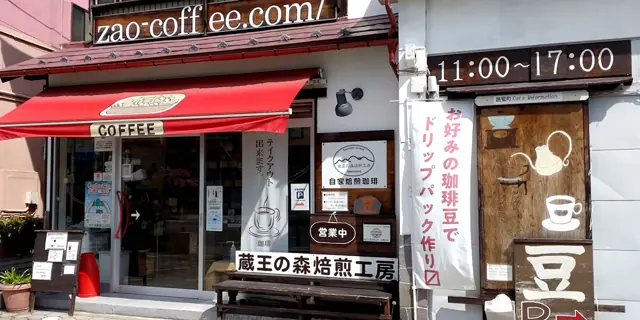
Photo: the shop’s official page 蔵王の森焙煎工房
A coffee roaster in Hatagomachi, selling house blends and single-origin beans, with a café.
Weekdays 11:00–17:00, weekends & holidays 10:00–17:00 · Closed: Mondays and Thursdayschecked Nov 2026
Why the editors chose itA Hatagomachi roaster selling house blends and single-origin beans alongside an in-house café.
Honcho
Day & Coffee, Honcho Nanokamachi
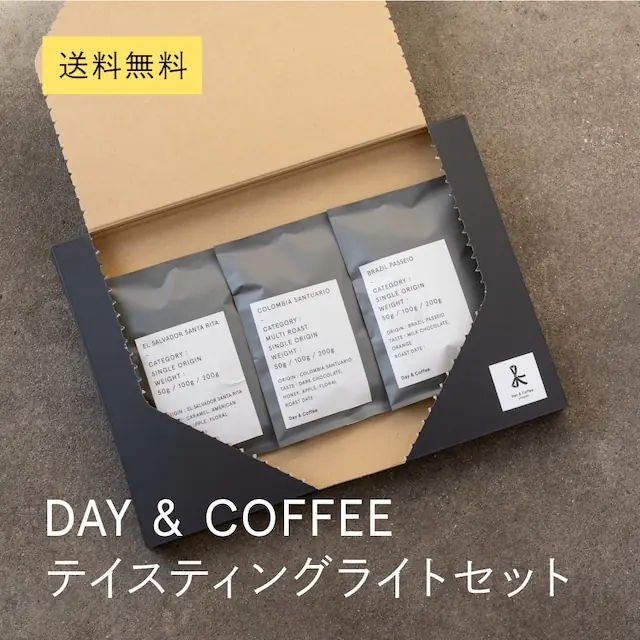
Photo: the shop’s official page Day & Coffee 本町七日町店
A specialty coffee shop in Honcho, serving house-roasted light to dark roasts, with waffles and other light food.
10:00–18:00 (last order 17:30) · Closed: Wednesdayschecked Nov 2026
Why the editors chose itDrink house-roasted specialty coffee from light to dark roasts alongside waffles and light bites.
Nanokamachi
JalanJalan Coffee & More
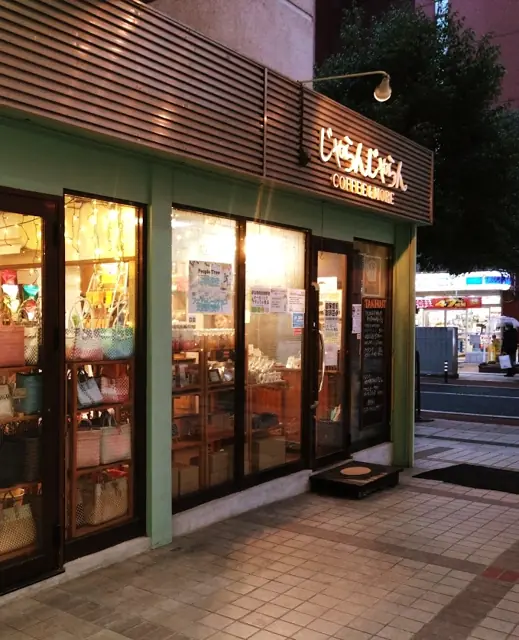
Photo: the shop’s official page A coffee roaster in Nanokamachi, selling beans in 100 g increments, organic food and goods from Asia.
10:00–18:00 · Closed: Thursdayschecked Nov 2026
Why the editors chose itBuy house-roasted coffee beans by the 100 g alongside organic food and Asian goods.
Honcho
Yamadaya
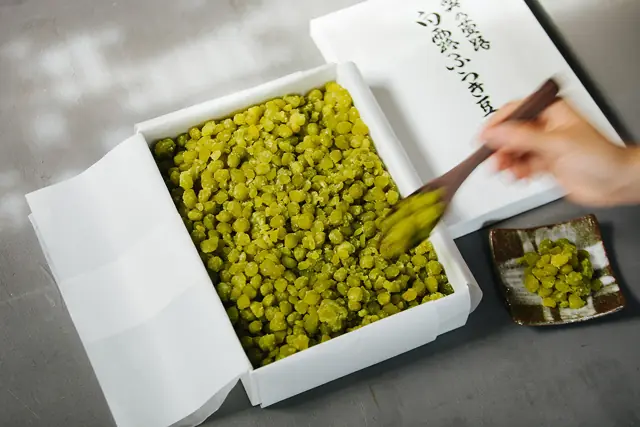
Photo: the shop’s official page 白露ふうき豆本舗 山田家
A confectioner in Honcho founded in 1931, making Shiratsuyu Fukimame, soft sweet beans.
Closed: Tuesdays
Why the editors chose itA Honcho confectioner since 1931, dedicated to making soft sweet Shiratsuyu Fukimame beans.
Hatagomachi
Eigyokudo
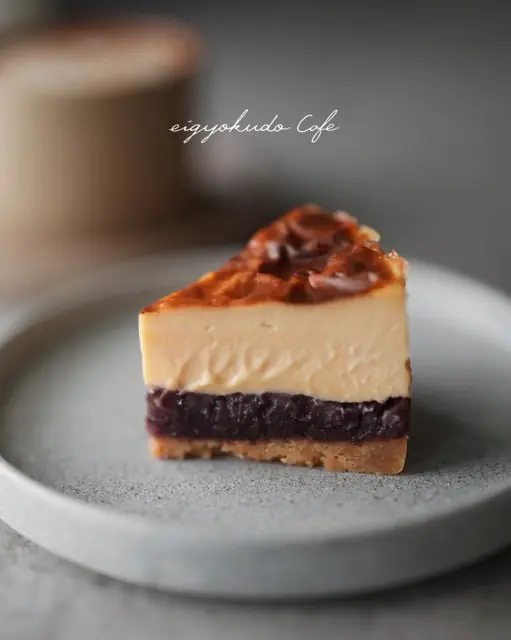
Photo: the shop’s official page 榮玉堂
A confectioner dating from the late Edo period, making dorayaki and cheesecakes including An Cheese with chunky bean paste.
Why the editors chose itA late-Edo confectioner making dorayaki alongside cheesecakes such as An Cheese with chunky bean paste.
Made in Yamagata
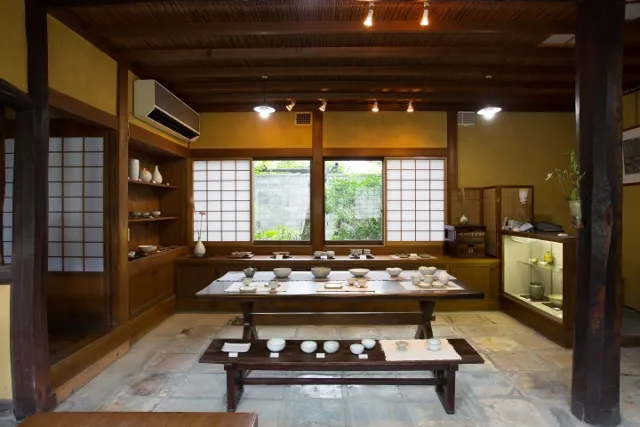
Hirashimizu pottery began in the early nineteenth century at the foot of Mount Chitose. The kilns use local clay containing iron, each developing its own glazes and everyday tableware.
Hirashimizu-yaki pottery displayed in Seiryu Kiln's gallery·Photo: Seiryu Kiln (official site)
Hirashimizu
Shichiemon Kiln
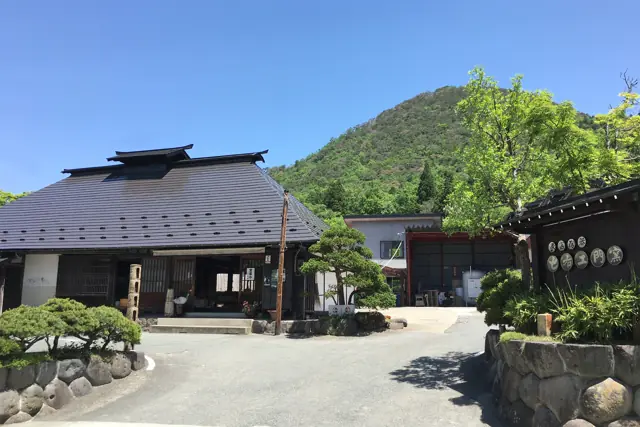
Photo: the shop’s official page 七右エ門窯
A Hirashimizu kiln using clay from Mount Chitose. Everyday tableware, with hand-building and pottery-painting workshops.
9:00–17:30 (pottery experience reception 9:00–15:00) · Closed: Mondays (open on public holidays spring–autumn, closed winter) and New Year
Why the editors chose itA Hirashimizu kiln using Mount Chitose clay, offering both tableware and pottery-painting workshops.
Hirashimizu
Seiryu Kiln
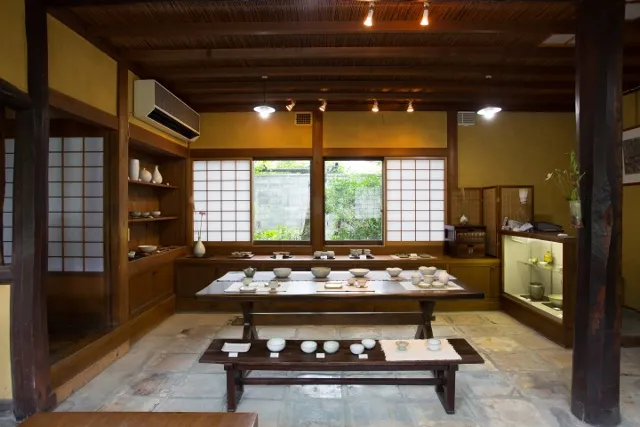
Photo: the shop’s official page 青龍窯
A Hirashimizu kiln founded in the Meiji era. Its white Zansetsu glaze brings out the iron in local clay; production of Nashi-seiji celadon is currently suspended.
9:00–18:00 · Closed: 2nd and 4th Tuesdays of each month
Why the editors chose itA Meiji-era Hirashimizu kiln making white Zansetsu glaze that highlights iron in the local clay.
Nanokamachi
Kono Yamamichi Wo Yukishi Hito Ari
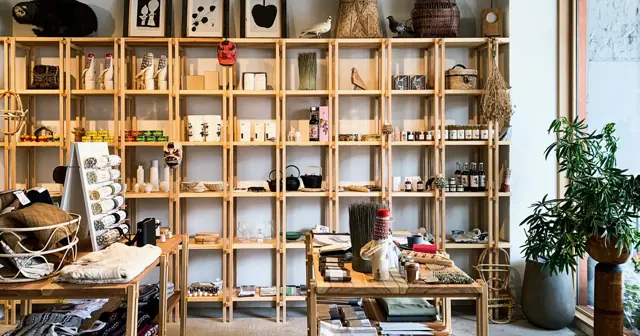
Photo: the shop’s official page この山道を行きし人あり
A shop on the second floor of the Tongari Building, with tableware, everyday goods, food and books, gathering handwork from Yamagata and elsewhere.
12:00–17:00
Why the editors chose itBrowse handwork, tableware, food and books from Yamagata and beyond on Tongari Building's second floor.
Honcho
ROOTS & Technique the REAL store
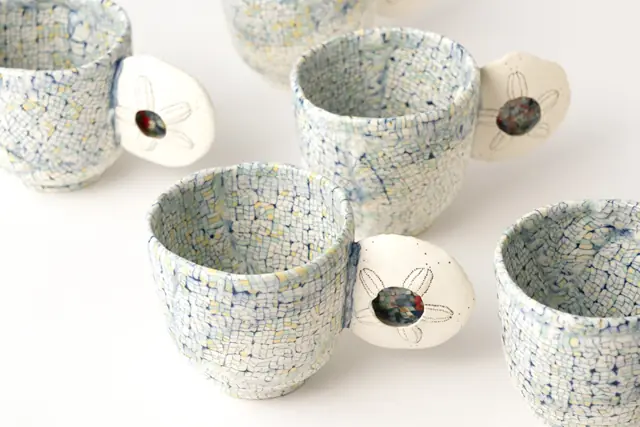
Photo: the shop’s official page A craft shop on the third floor of Q1, a converted 1927 school building. Craft pieces and regular exhibitions of individual makers.
11:00–18:00 · Closed: Mondays, Tuesdays, and Wednesdays (irregular holidays)checked Nov 2026
Why the editors chose itBrowse craft pieces and maker exhibitions inside Q1, a converted 1927 school building.
Suwamachi
Setofuji
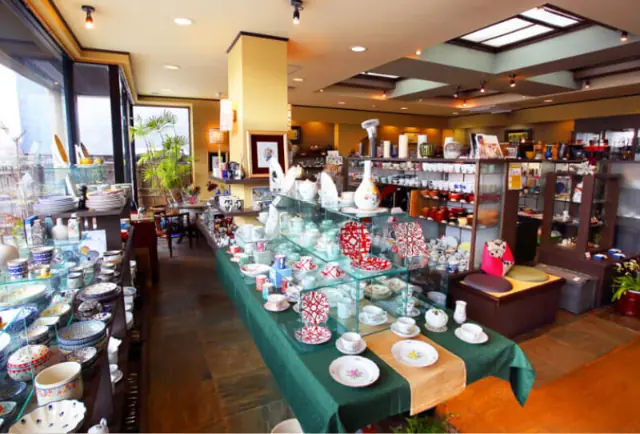
Photo: the shop’s official page せと藤
A tableware shop in Suwamachi, with pieces from Japan and abroad and BOND+, its own range by Yamagata makers.
Weekdays 10:00–17:00, weekends & holidays 10:00–18:00 · Closed: Tuesdayschecked Nov 2026
Why the editors chose itA Suwamachi tableware shop stocking BOND+, its own line created with Yamagata makers.
Sights in Yamagata
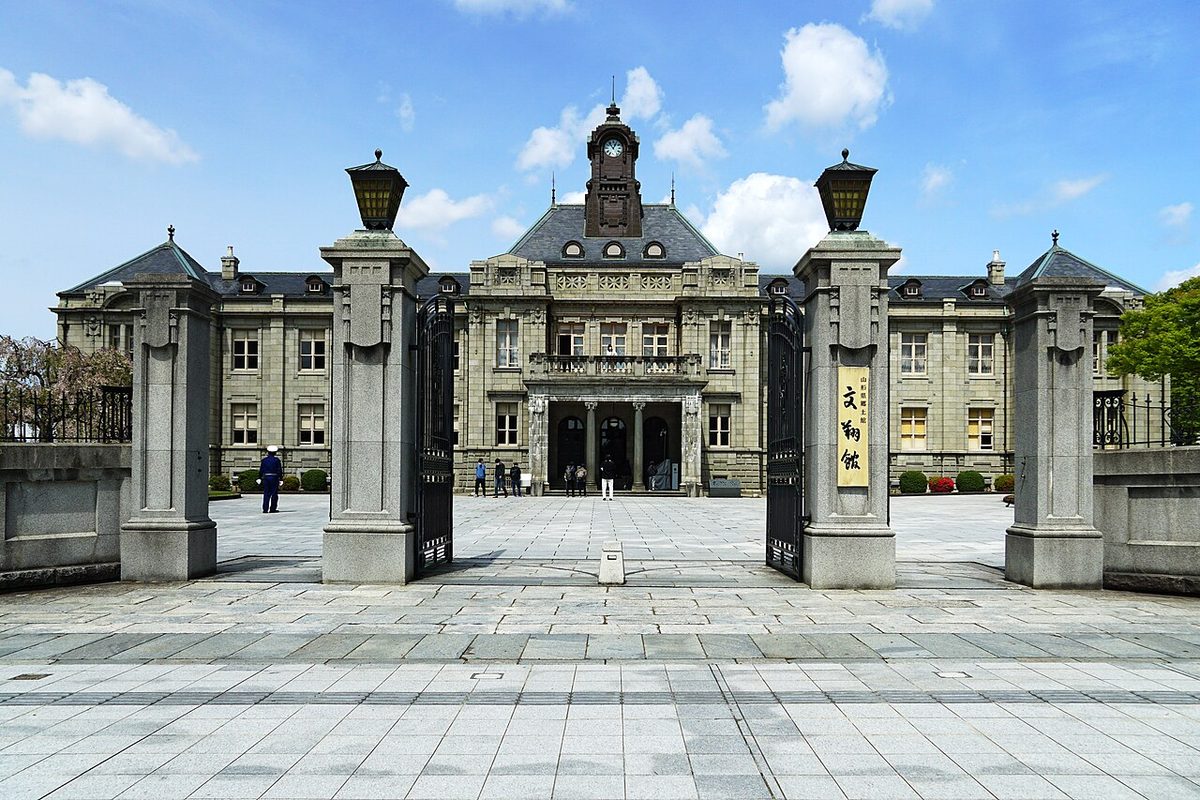
Photo: 663highland / CC BY-SA 4.0 (Wikimedia Commons) The former prefectural office and assembly buildings, completed in 1916, now open as a local history museum.
The building’s lift will be out of service for replacement work from 17 November 2026.
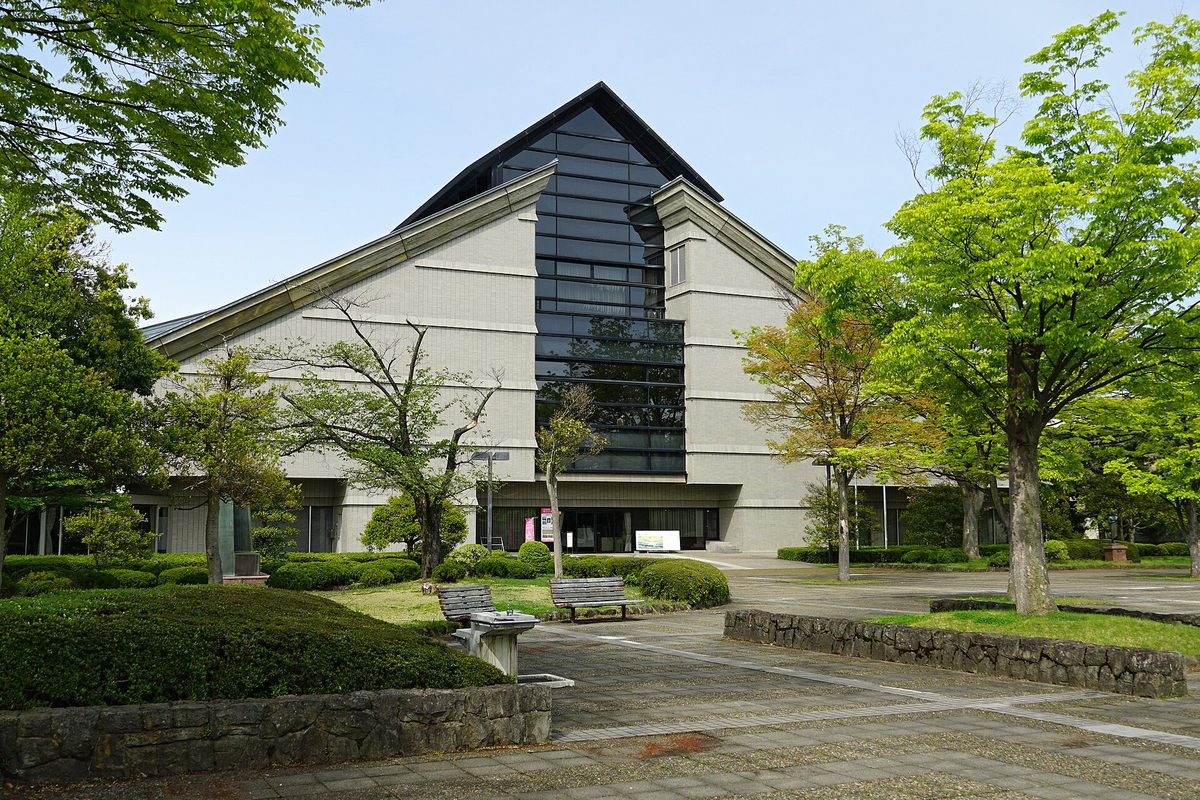
Photo: 663highland / CC BY-SA 4.0 (Wikimedia Commons) An art museum opened in 1964, showing art connected with Yamagata, Japanese and East Asian painting, and sculpture by Shinkai Taketaro and Takezo.
Display of the Yoshino Gypsum Collection here ended on 22 August 2026. Closed Mondays and during exhibition changes.
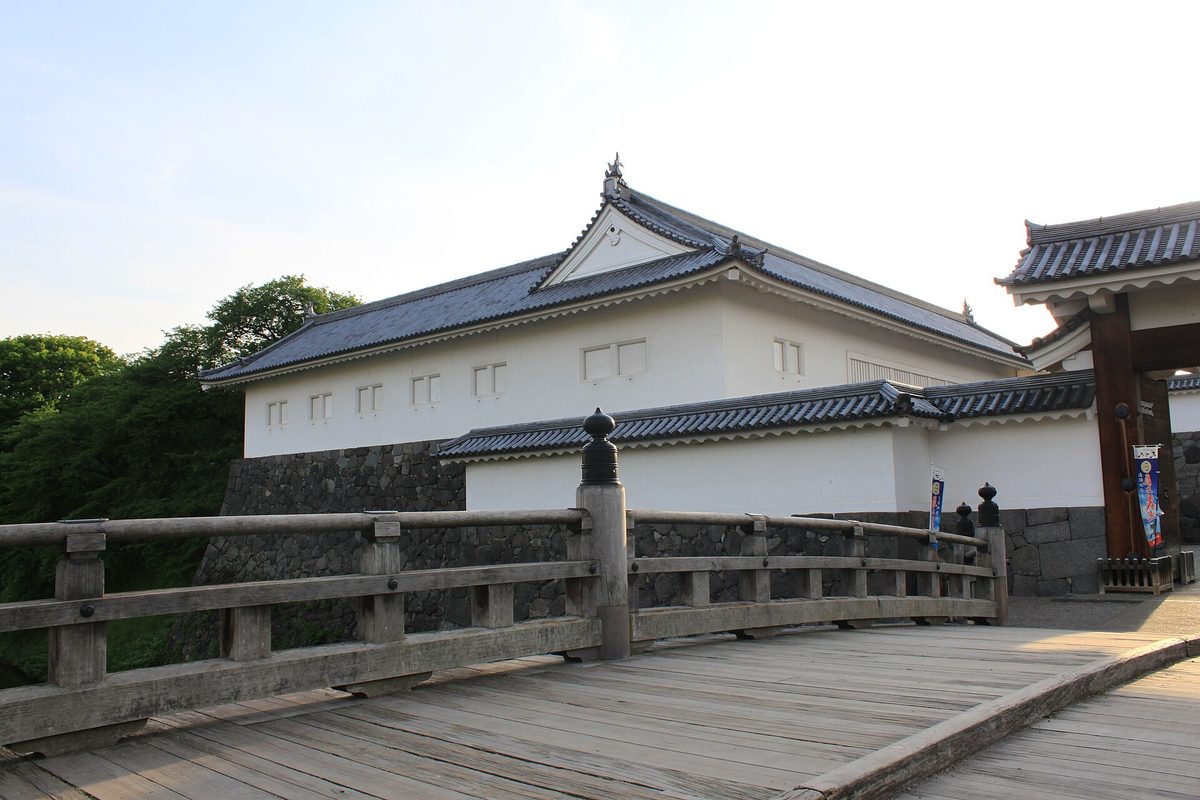
Photo: くろふね / CC BY 3.0 (Wikimedia Commons) Kajo Park (Yamagata Castle Ruins)
A national historic site and park on the inner enclosures of Yamagata Castle.
Routes to the prefectural gymnasium within the park changed on 21 July 2026 for excavation and improvement works.
These are local landmarks. Each was checked to be open on its official site (checked 2026-11-12). Please confirm hours before you go.
Beyond Yamagata
1 / 6
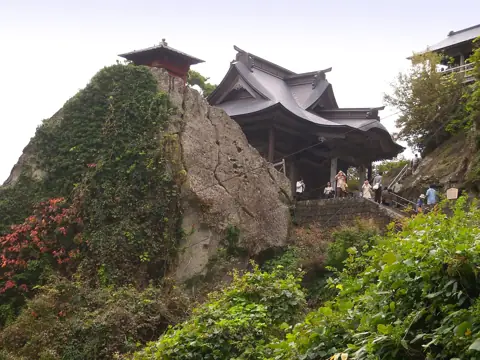 Yamagata · 11 km
Hojusan Risshakuji Temple (Yamadera) →
Founded by Jikaku Daishi Ennin in 860, this Tendai sect mountain temple features 1,015 stone steps and is a representative sacred mountain of the Tohoku region.
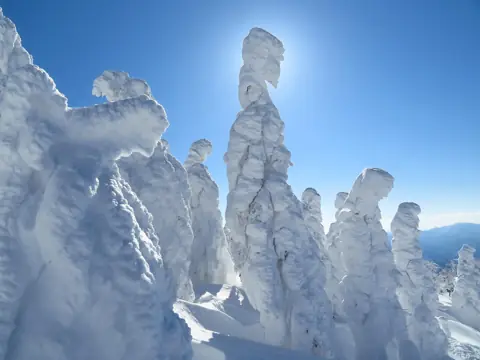 Zao Onsen · 11 km
Zao Ropeway Ice Trees →
Zao's 'ice trees' (juhyo) are a mystical natural phenomenon that appears in winter; you can observe them up close by taking the ropeway to the summit area.
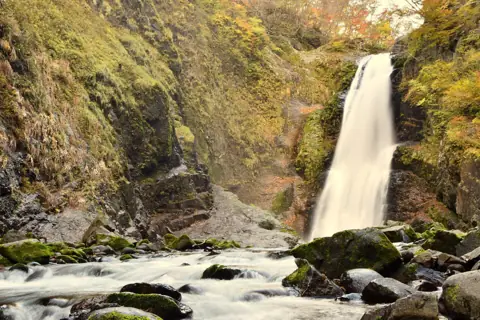 Sendai (Akiu Onsen) · 21 km
Akiu Otaki Falls →
A 55-meter-tall nationally designated scenic waterfall in western Sendai where snow-draped black cliffs and icicles frame the thundering plunge in midwinter.
- Kawasaki · 21 km
Aone Onsen →
A quiet historic Date-clan hot spring hamlet on the eastern slopes of Mt. Zao, buried in deep snow in winter and illuminated by roughly 300 handmade snow lanterns during the February Yukiakari night.
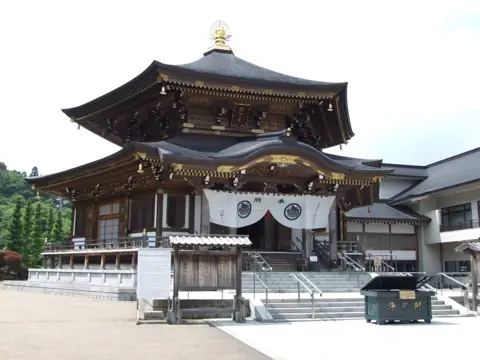 Sendai · 31 km
Jogi Nyorai Saihoji Temple →
A mountain temple west of Sendai tied to Heike clan legends, famous for its five-story pagoda and thick, crispy triangular fried tofu served hot at the gate.
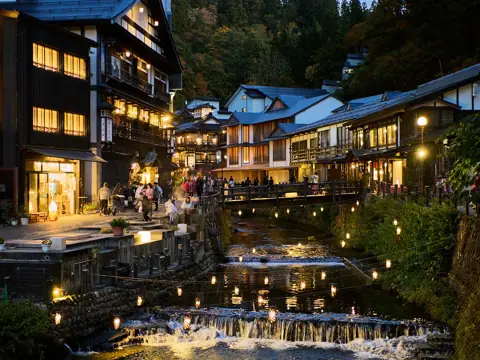 Obanazawa · 39 km
Ginzan Onsen →
This hot spring town in Yamagata features rows of Taisho-era wooden inns along the river, with gas lamps creating a magical atmosphere at night.


Distances are straight-line from the town centre. Each page has how to get there and a suggested day.
Questions people ask
- Where can I eat Yamagata's local dishes?
Yamagata soba (buckwheat noodles): Shojiya, Gotenzeki Nanokamachi (Nanokamachi)
Hiyashi ramen (chilled ramen): Sakaeya Honten (Honcho)
Yamagata beef: Kanazawaya Gyunikuten (Nanokamachi)
- Where can I see or buy Hirashimizu-yaki Pottery, Craft in Yamagata?
Hirashimizu-yaki Pottery: Shichiemon Kiln (Hirashimizu), Seiryu Kiln (Hirashimizu)
Craft: Kono Yamamichi Wo Yukishi Hito Ari (Nanokamachi), ROOTS & Technique the REAL store (Honcho), Setofuji (Suwamachi)
- What can I visit on foot around Nanokamachi?
Food: Shojiya, Gotenzeki Nanokamachi, Kanazawaya Gyunikuten, Restaurant Pas Mal
Cafés: JalanJalan Coffee & More
Craft: Kono Yamamichi Wo Yukishi Hito Ari
Every place was checked to be open in November 2026. Hours can change, so please check the official site before you go.
If you like Yamagata
- Yokohama
Kanagawa, Japan
For example, Kono Yamamichi Wo Yukishi Hito Ari here, and Daniel Motomachi in Yokohama.
- Arita
Saga, Japan
For example, Shichiemon Kiln here, and Shingama Seika in Arita.
- Shiogama
Miyagi, Japan
For example, Kono Yamamichi Wo Yukishi Hito Ari here, and Utsuwanosato Hirono, Shiogama in Shiogama.
Chosen by how close the towns and their places are in what they make and serve.