33.2° N
Arita
Saga, Japan
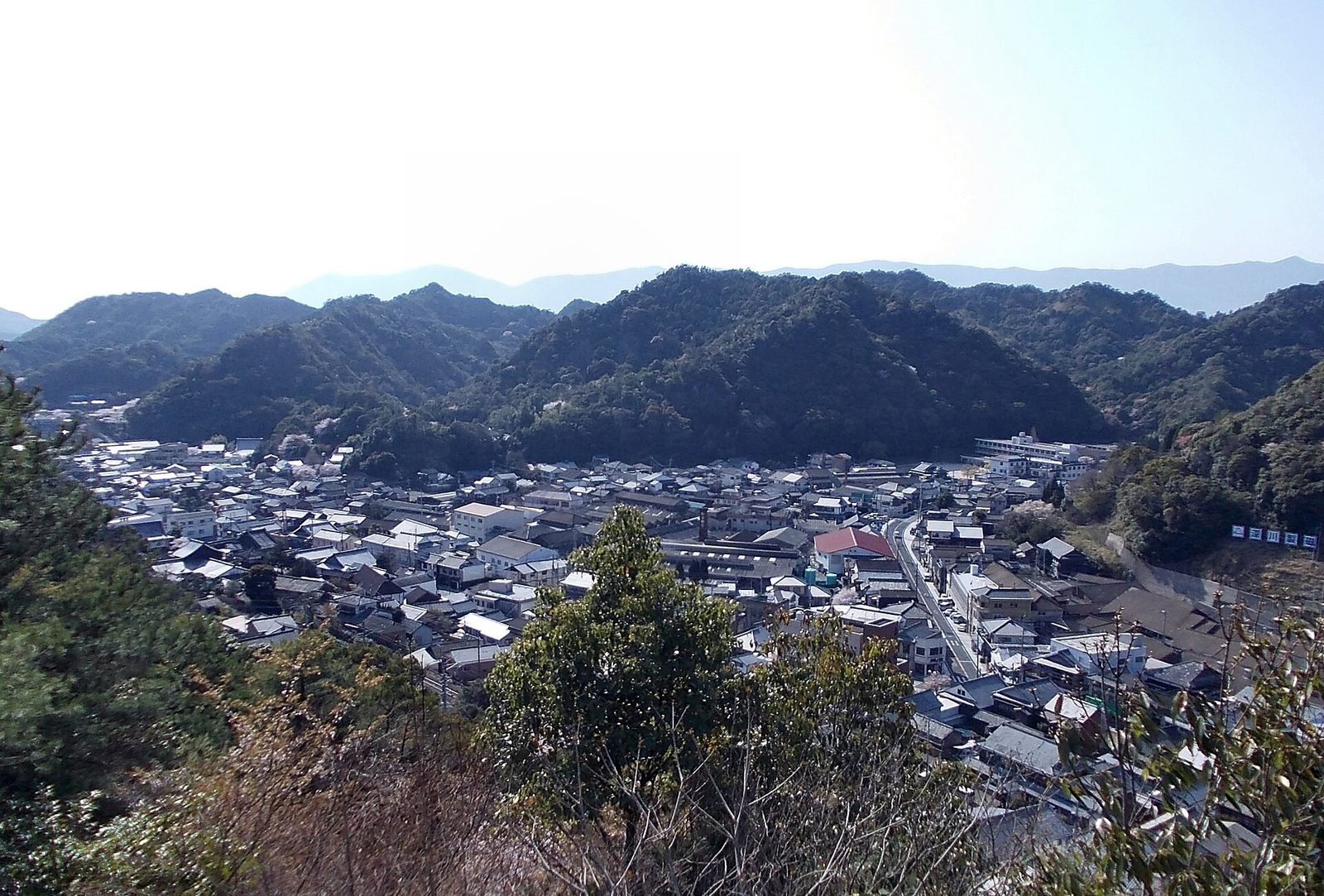
A porcelain town in the hills of western Saga, where Japanese porcelain began in the early seventeenth century. Family kilns and contemporary tableware shops along the Uchiyama valley and at Arita Sera, with coffee and local food between them: the editors’ picks.
What to eat in Arita
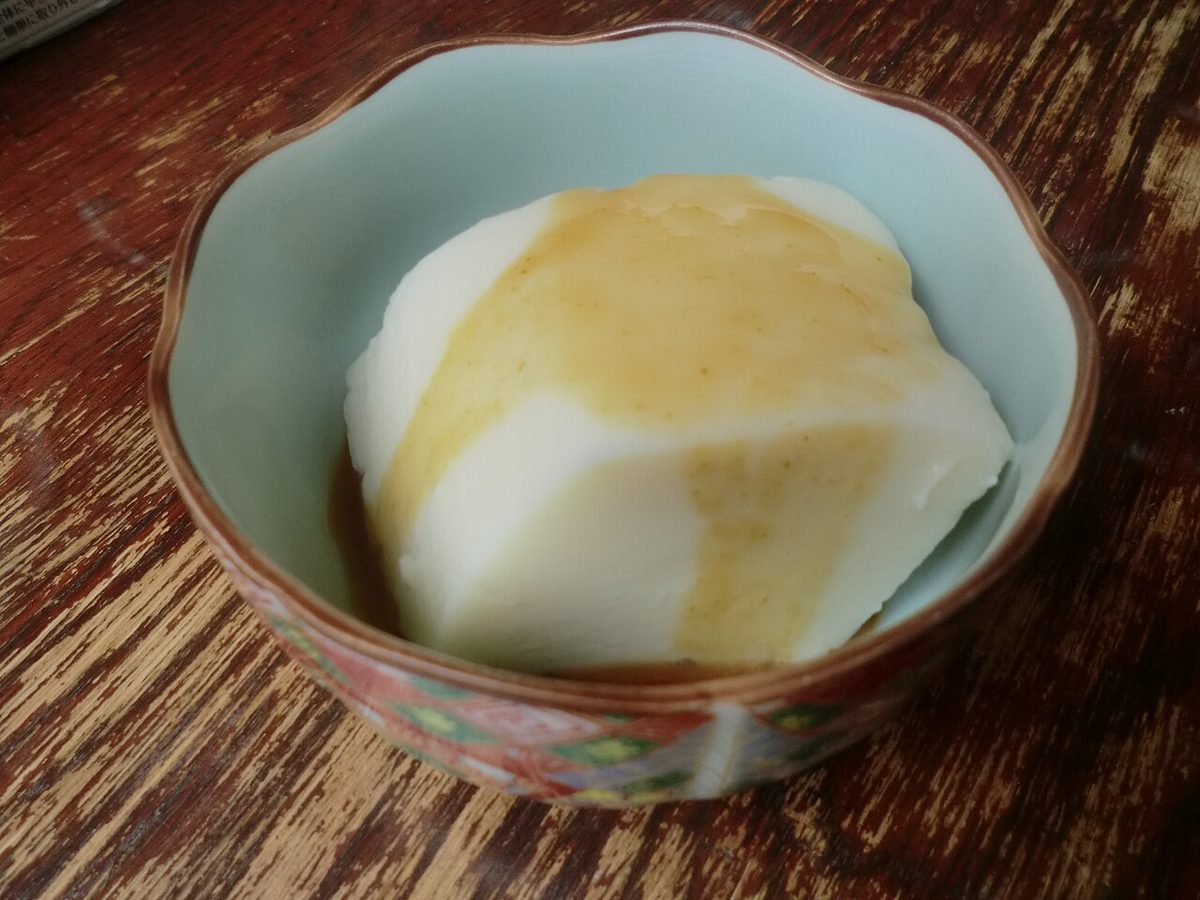
Photo: Nissy-KITAQ / CC BY-SA 3.0 (Wikimedia Commons) Godofu (soy-milk starch tofu)
ごどうふ
A tofu dish made by slowly kneading soy milk with kudzu or potato starch instead of bittern, giving it a smooth, springy texture. Local accounts trace its arrival in Arita to the early Showa era via Chinese residents in Nagasaki, and it has since become a staple of family meals and gatherings.
Eaten chilled with sweet-savory sesame soy sauce as a side or set meal, or topped with black sugar syrup and roasted soy flour as a dessert.
Where to eat it
- Gallery Arita ↓
- ARITA PORCELAIN LAB CafeWebsiteMap
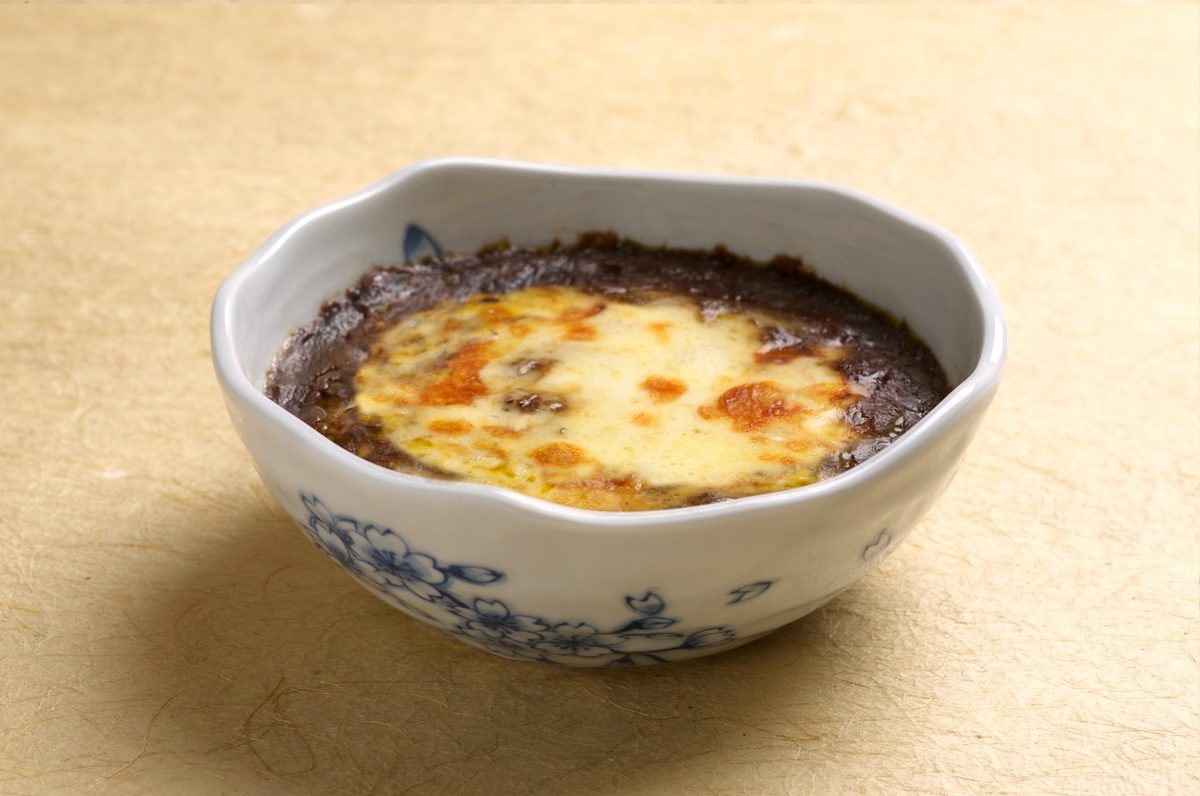
Photo: Saga Prefectural Tourism Federation (Asobo Saga) (official site) Arita-yaki Curry (baked curry in Arita porcelain)
有田焼カレー
A baked curry made with 28 spices, Saga wagyu beef, Saga rice, and melted cheese inside a reusable Arita porcelain bowl. Created in Arita as a local station bento, it won first place in JR Kyushu's Kyushu Ekiben Ranking and is sold at JR Arita Station.
Eaten warm on site in the station shop's eat-in area or taken away as an ekiben, with the porcelain bowl kept afterward.
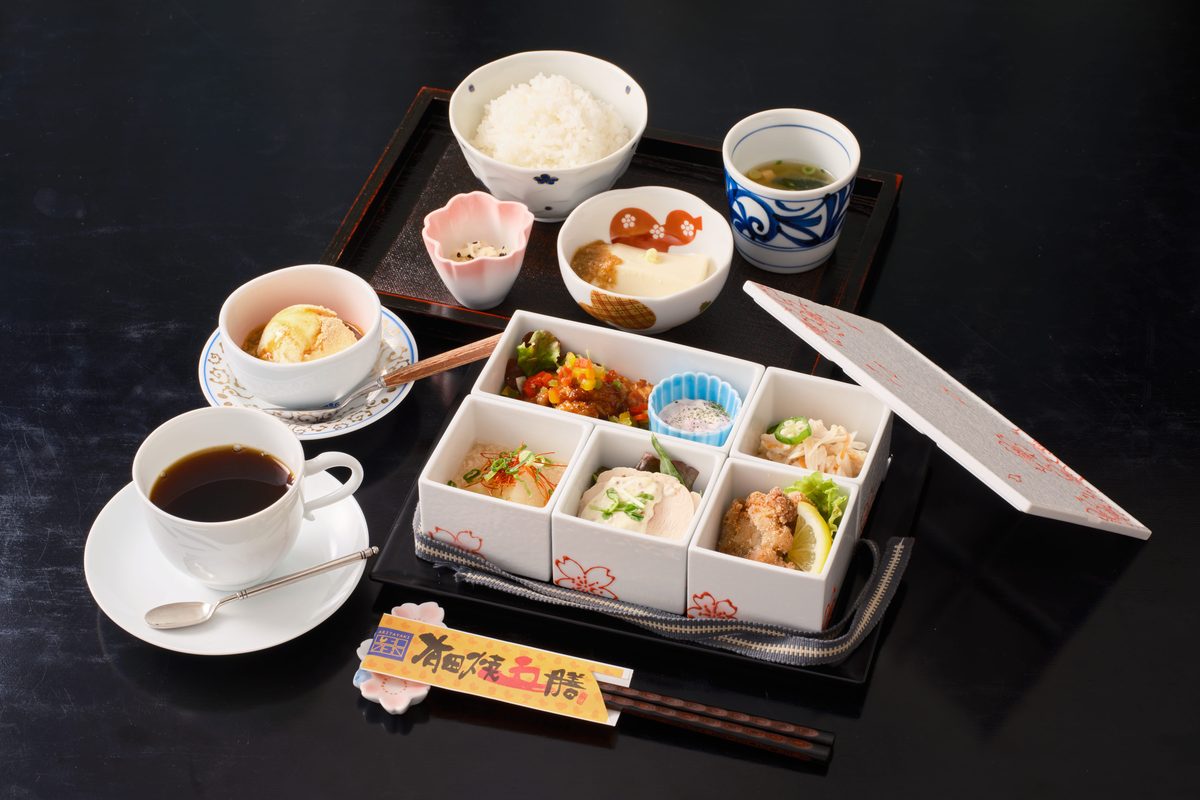
Photo: Gallery Arita (official site) Arita-yaki Gozen (five-dish Aritadori chicken box)
有田焼五膳
A multi-dish set meal built around locally raised Aritadori chicken prepared five ways—grilled, vinegared, simmered, steamed, and fried—in a lidded Arita porcelain box. Launched in 2011 by Arita kilns and restaurants, each set also pairs local rice and godofu with regional vegetables.
Ordered at participating restaurants for lunch as a complete set with rice, godofu, soup, pickles, dessert, and a drink, with advance booking recommended.
Where to eat it
- Gallery Arita ↓
- KameizushiWebsiteMap
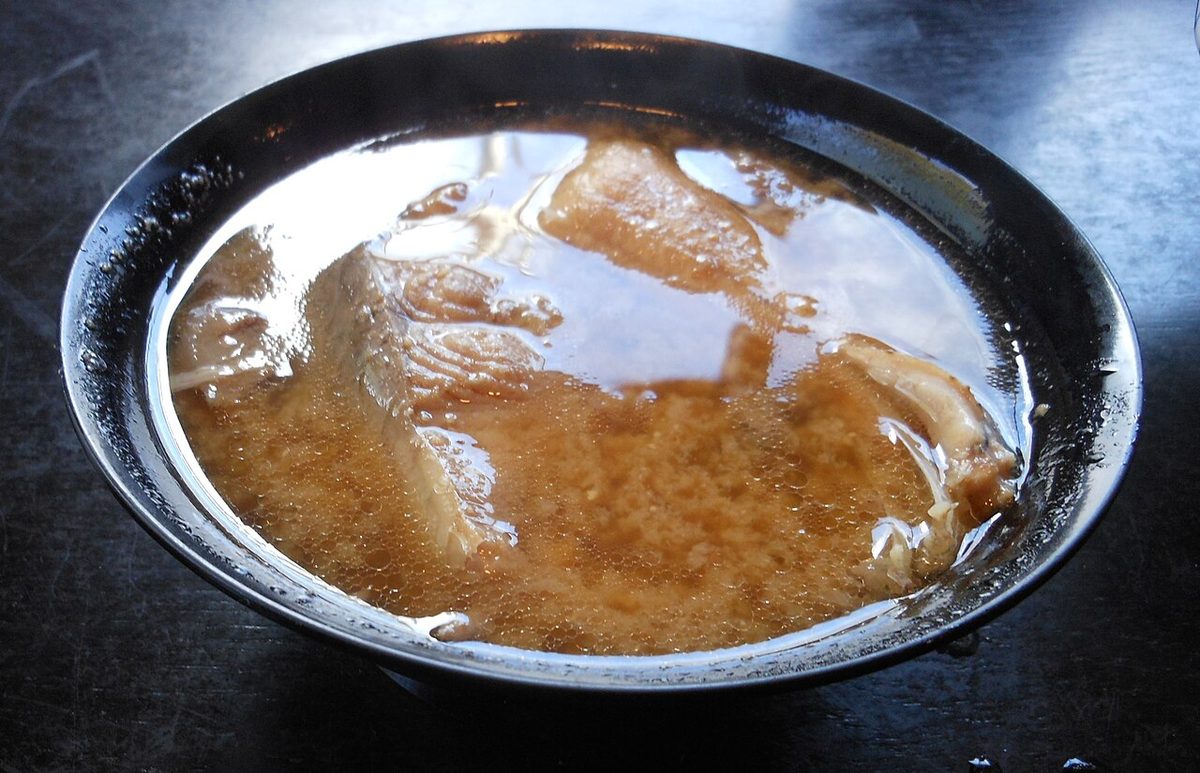
Photo: Miyuki Meinaka / CC BY-SA 4.0 (Wikimedia Commons) Koi-ryori (spring-water carp dishes)
鯉料理
River-fish cuisine centered on chilled carp sashimi (koi no arai) and carp miso stew (koikoku) served on Arita porcelain. In Arita's Ryumon Gorge, carp are purged in cold spring water from Ryumon-no-Shimizu, one of Japan's 100 Selected Waters, before preparation at longstanding hillside restaurants.
Served in private rooms as course meals or set lunches, with chilled carp sashimi dipped in vinegar-miso nuta alongside hot koikoku stew.
Where to eat it
- Ryusenso ↓
- RyusuiteiWebsiteMap
The LATITUDE editors’ 16 picks in Arita
Our editors verified that these places were open (checked 2026-11-12). Check the official site for hours and closing days before visiting. Sponsored listings are marked.
Save places to your trip list and revisit them in this browser. No account needed.
Editors’ picks on the map — or build your own route
Tap a mark to see the place; squares are museums and sights (landmarks). Use “Build your own route” to make a walk of your own.
Loading the map
Map data © OpenStreetMap contributors
Browse by category
1 / 17
Honmachi & Arita Station
Gallery Arita
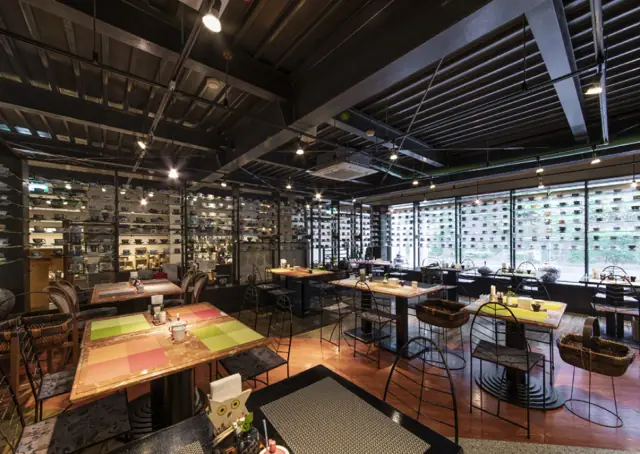
Photo: the shop’s official page ギャラリー有田
Irregular closing days
A dining room and porcelain shop in Honmachi lined with over 2,500 Arita coffee cups. Serves local set meals and godofu sweets. Open 11:00–17:00, irregular holidays.
11:00–17:00 · Closed: Irregularchecked Nov 2026
Why the editors chose itDine on local set meals and godofu sweets surrounded by over 2,500 Arita porcelain coffee cups.
Kurashuku & Hiroseyama
Ryusenso
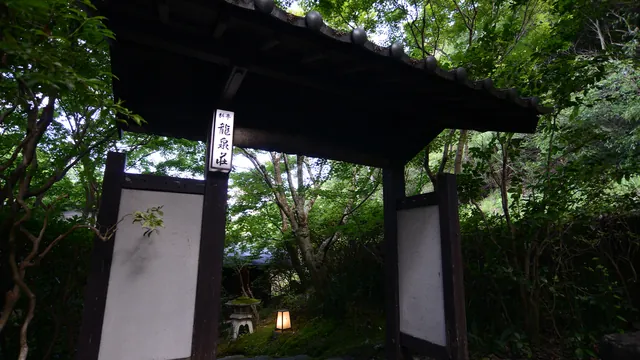
Photo: the shop’s official page 龍泉荘
A longstanding restaurant at the foot of Ryumon Gorge serving spring-water carp dishes and eel on Arita porcelain, with an annex café for house-roasted coffee and natural-yeast bread.
11:00–15:30 (LO 14:30), 17:00–21:00 (LO 19:30) · Closed: Thursdays + 1–2 irregular days/month
Why the editors chose itAt Ryumon Gorge's foot, serving spring-water carp and eel on Arita porcelain plus an annex café.
Akasaka & Arita Sera
arita huis
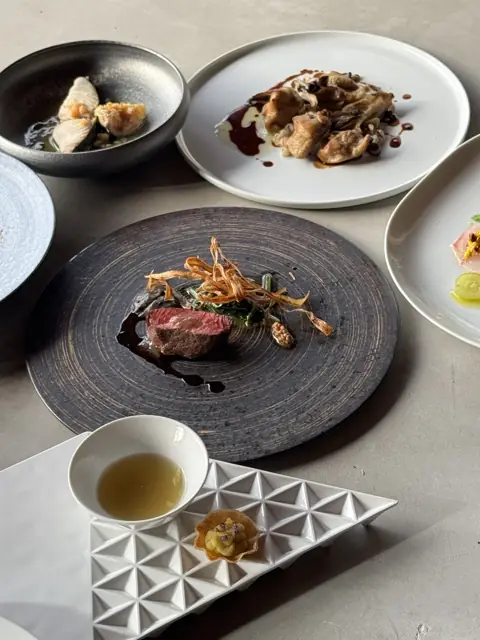
Photo: the shop’s official page A hotel and restaurant inside Arita Sera serving seasonal local dishes on Arita porcelain for lunch and dinner.
Thu–Mon Lunch 11:00–14:00 (LO), Dinner 17:30–21:00 (reservation req.) · Closed: Tuesdays & Wednesdays (open on holidays, closed next day)
Why the editors chose itA hotel and restaurant inside Arita Sera serving seasonal local dishes on Arita porcelain.
Kurashuku & Hiroseyama
Yamato Isshin-an Setsugetsuka
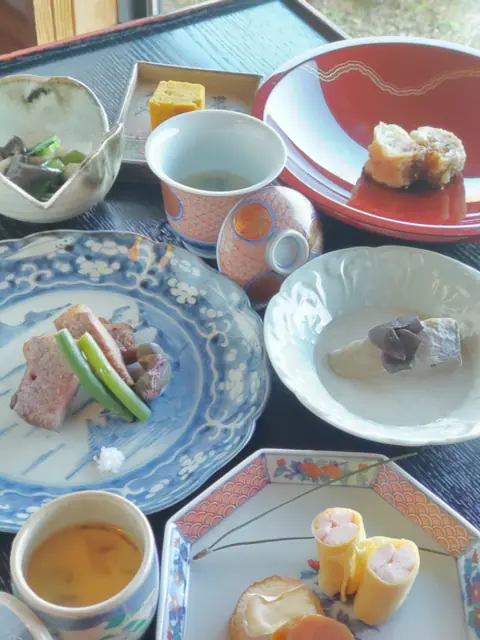
Photo: the shop’s official page 大和一心庵 雪月花
Irregular closing days
A hillside Japanese restaurant moved to western Arita in 2015, serving hand-cut 100% buckwheat soba made with well water, seasonal vegetables, and binchotan-grilled dishes.
12:00–14:30, 18:00–21:30 · Closed: Irregularchecked Nov 2026
Why the editors chose itIn western Arita's hills, serving hand-cut 100% buckwheat soba made with 100-meter well water and binchotan dishes.
Uchiyama
Kissa Hama (Shujian)
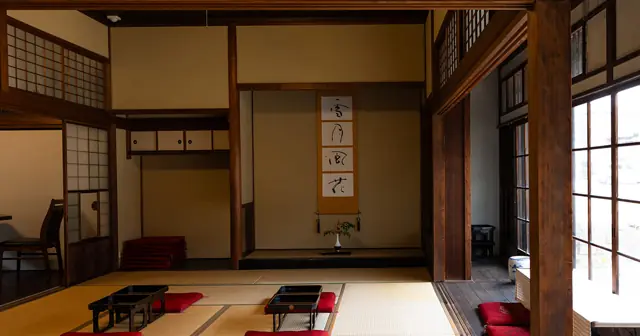
Photo: the shop’s official page 喫茶Hama 小路庵
A café inside a registered tangible cultural property along a kiln-brick tonbai alley. Serves coffee, sweets, and seasonal steamed lunches on Arita porcelain. Open 9:00–17:00.
11:00–16:00 (last order 15:30) · Closed: Sundays, Mondayschecked Nov 2026
Why the editors chose itA café in a registered cultural property down a tonbai alley serving coffee and steamed lunches on Arita porcelain.
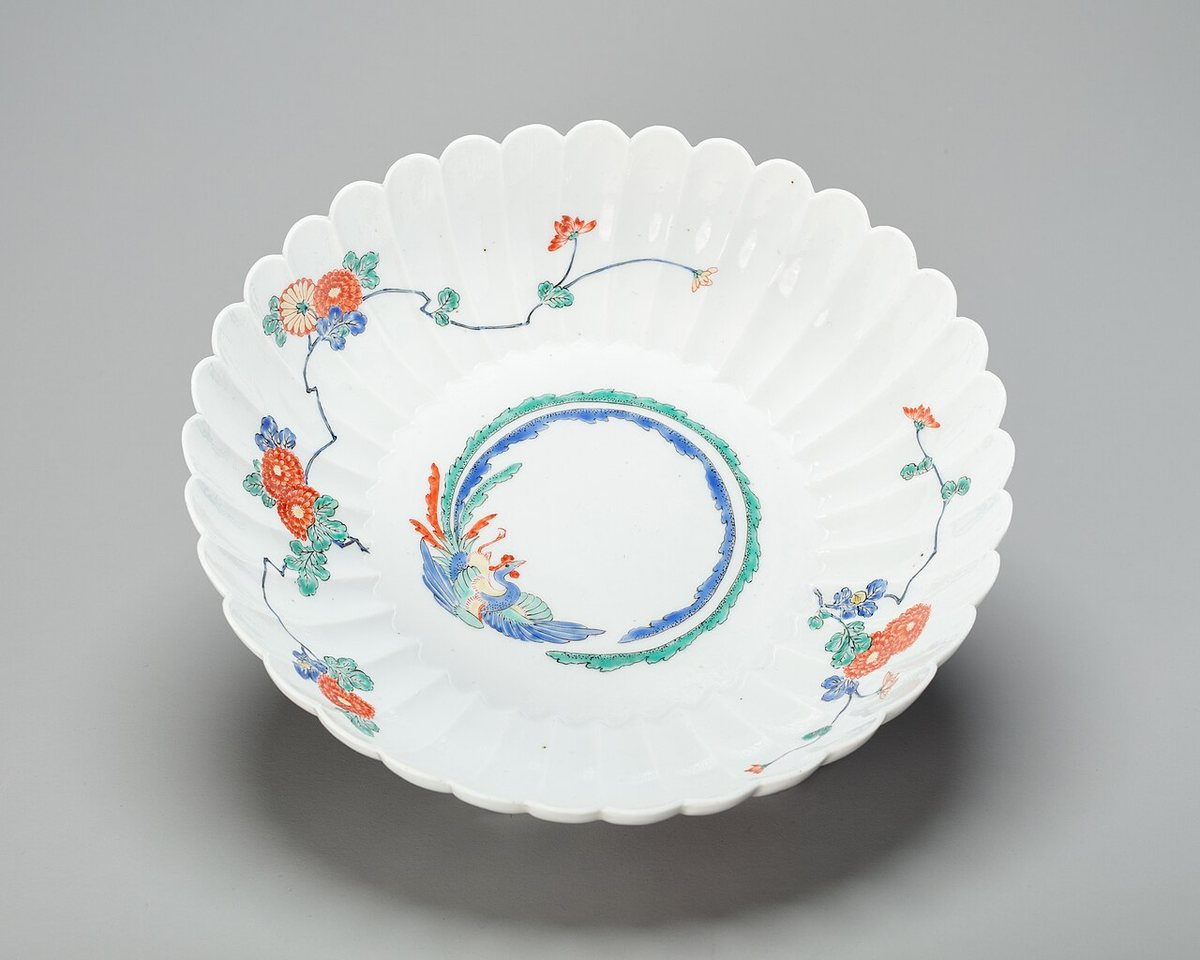
Made in Arita
Porcelain production in Japan began in Arita in the early seventeenth century, after pottery stone was found at Izumiyama. Kilns still work along the valley, making everything from hand-painted sometsuke and overglaze enamels to thin everyday tableware.
Arita ware Kakiemon floral-shaped porcelain bowl·Photo: Unknown authorUnknown author / CC0 (Wikimedia Commons)
Uchiyama
Imamura Seito Machiya (JICON)
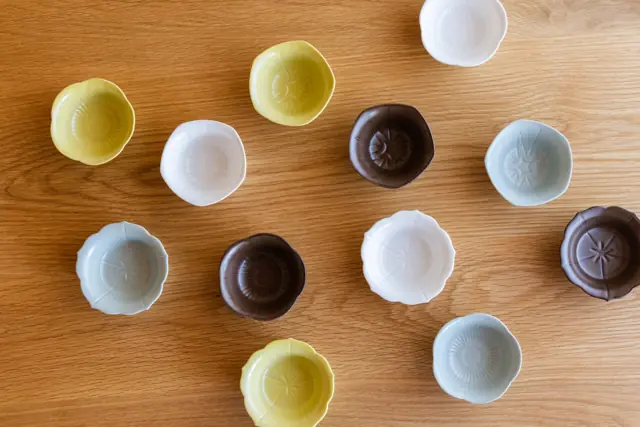
Photo: the shop’s official page 今村製陶 町屋
The direct shop of Imamura Seito, makers of the JICON porcelain line. Everyday vessels in unbleached off-white porcelain made from Amakusa pottery stone.
Why the editors chose itImamura Seito's direct shop displaying its JICON line of everyday off-white porcelain made from Amakusa stone.
Akasaka & Arita Sera
Yamahei Kiln
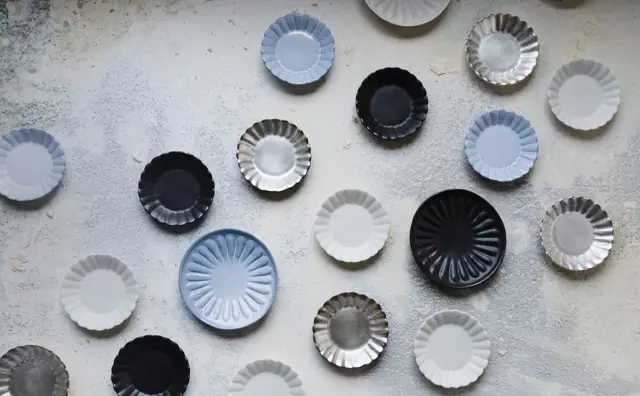
Photo: the shop’s official page やま平窯
A porcelain kiln and direct shop in Kuwakoba. Known for its ultra-thin, translucent Egg Shell series alongside bubble-glazed and wood-grain vessels.
Mon–Fri 10:00–12:00, 13:00–17:00; Sat–Sun & holidays 10:00–17:00 · Closed: 1st & 3rd Sundays
Why the editors chose itA kiln shop known for its translucent, paper-thin Egg Shell porcelain alongside bubble-glazed and wood-grain vessels.
Akasaka & Arita Sera
Kouyougama
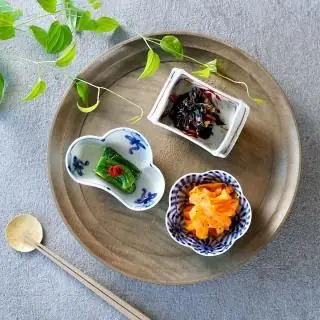
Photo: the shop’s official page 皓洋窯
A kiln and showroom in Kuwakoba for everyday hand-painted sometsuke dishes. The shop is open weekdays 10:00 to 16:00 (closed 12:00–13:00).
Why the editors chose itA Kuwakoba kiln showroom stocked with everyday Arita tableware decorated with hand-painted cobalt sometsuke.
Uchiyama
Iro-Nabeshima Imaemon Kiln
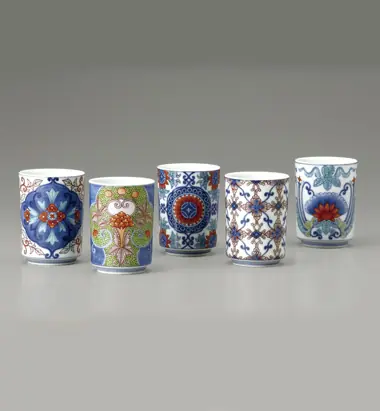
Photo: the shop’s official page 色鍋島 今右衛門窯
The Akaemachi kiln and showroom of the fourteenth-generation Imaizumi Imaemon, preserving Edo-period Iro-Nabeshima overglaze enamels and sumihajiki ink-resist work.
Daily 9:00–17:00 · Closed: 1st Sunday, Dec 29–Jan 6, Aug 15–16
Why the editors chose itThe fourteenth-generation Imaemon kiln showing and selling Edo-lineage Iro-Nabeshima enamels and sumihajiki ink-resist work.
Honmachi & Arita Station
Gen-emon Kiln
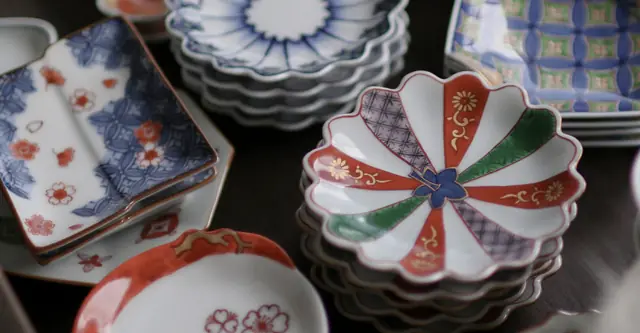
Photo: the shop’s official page 源右衛門窯
A porcelain kiln founded in 1753 with a showroom in Maruo. All pieces are painted by hand without transfer printing in the Ko-Imari tradition.
Weekdays 8:00–17:00, weekends & holidays 9:00–17:00 · Closed: Dec 31 & Jan 1checked Nov 2026
Why the editors chose itA 1753 porcelain kiln whose Maruo showroom displays Ko-Imari ware painted entirely by hand without transfers.
Honmachi & Arita Station
Shingama Seika
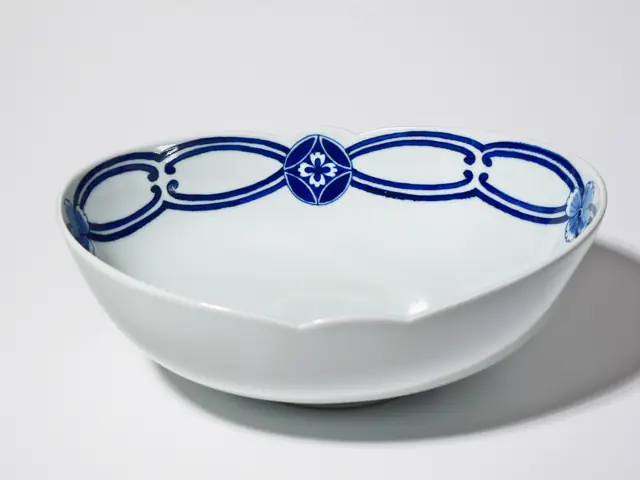
Photo: the shop’s official page しん窯 青花
A porcelain kiln founded in 1830 with an open workshop and showroom, known for its hand-painted cobalt sometsuke Seika tableware.
Sat–Sun & holidays 13:00–17:00
Why the editors chose itAn 1830 kiln offering workshop tours alongside its showroom of hand-painted cobalt Seika tableware.
Honmachi & Arita Station
Kouraku Kiln
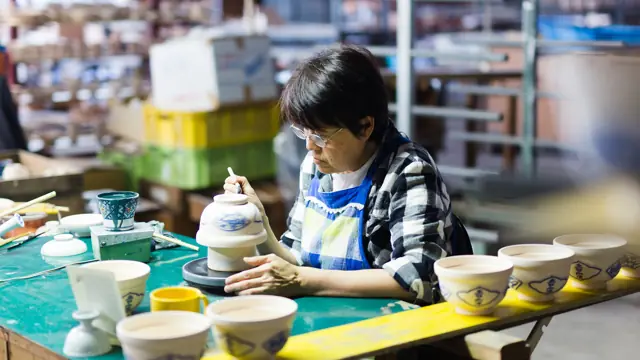
Photo: the shop’s official page 幸楽窯
An 1865 porcelain kiln in Maruo making auspicious sea-bream and crane-and-tortoise tableware, alongside factory tours and warehouse treasure hunting.
Daily 10:00–12:00, 13:00–16:00 · Closed: Dec 27–Jan 6 (New Year holiday)
Why the editors chose itAn 1865 kiln in Maruo offering factory tours and warehouse treasure hunting alongside auspicious tableware.
Akasaka & Arita Sera
KIHARA ARITA
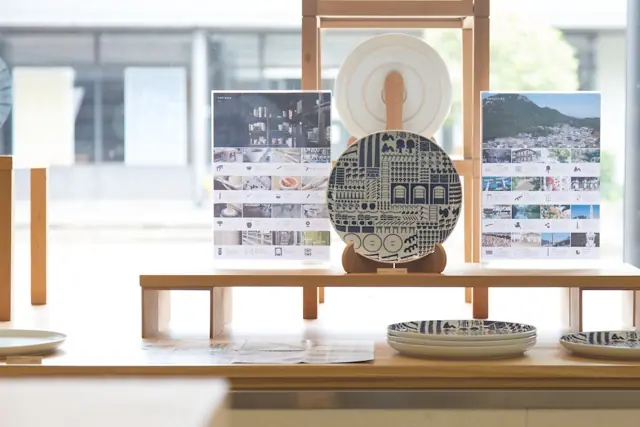
Photo: the shop’s official page KIHARA ARITA本店
Flagship store of Arita and Hasami porcelain producer KIHARA inside Arita Sera, with everyday tableware adapting traditional motifs.
Daily 9:30–17:00 · Closed: New Year’s Day (Jan 1)
Why the editors chose itArita Sera flagship of producer KIHARA, adapting traditional motifs into everyday Arita and Hasami tableware.
Uchiyama
Tojiki Shop Rando
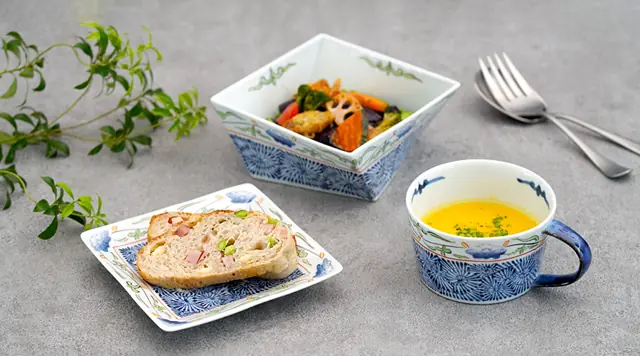
Photo: the shop’s official page 陶磁器ショップ 藍土
A tableware shop on Koba street near Tozan Shrine, curating everyday Arita and Hizen porcelain from local kilns.
10:00–18:00
Why the editors chose itNear Tozan Shrine, a tableware shop curating everyday Arita and Hizen porcelain sorted by kiln.
Uchiyama
Gallery Baek Pasun
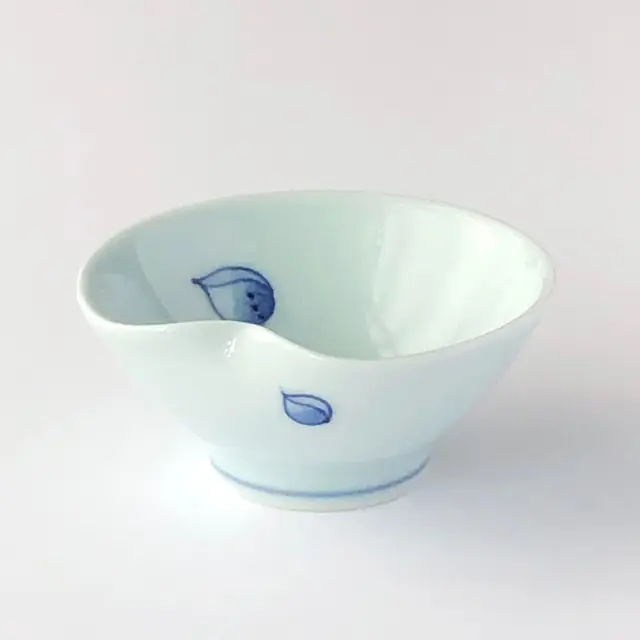
Photo: the shop’s official page ギャラリー ペクパソン
A ceramics gallery in Iwayagawachi opened in 2016 in honor of Baek Pasun, showing vessels by Japanese and Korean women potters.
Why the editors chose itOpened in 2016 in honor of Baek Pasun, showing vessels by Japanese and Korean women potters.
Akasaka & Arita Sera
Shobido Honten Arita Sera
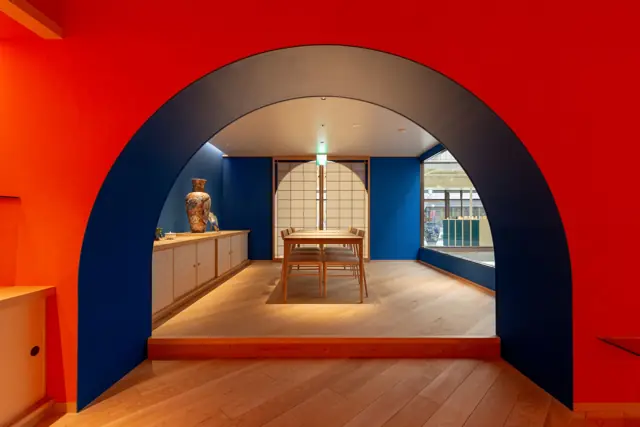
Photo: the shop’s official page 賞美堂本店 アリタセラ店
Direct shop of Arita porcelain house Shobido Honten inside Arita Sera, featuring its Kisen tableware line drawing on Ko-Imari motifs.
10:00–17:00 · Closed: Open every day (except New Year)checked Nov 2026
Why the editors chose itInside Arita Sera, the direct shop for Kisen tableware drawing on traditional Ko-Imari motifs.
Sights in Arita
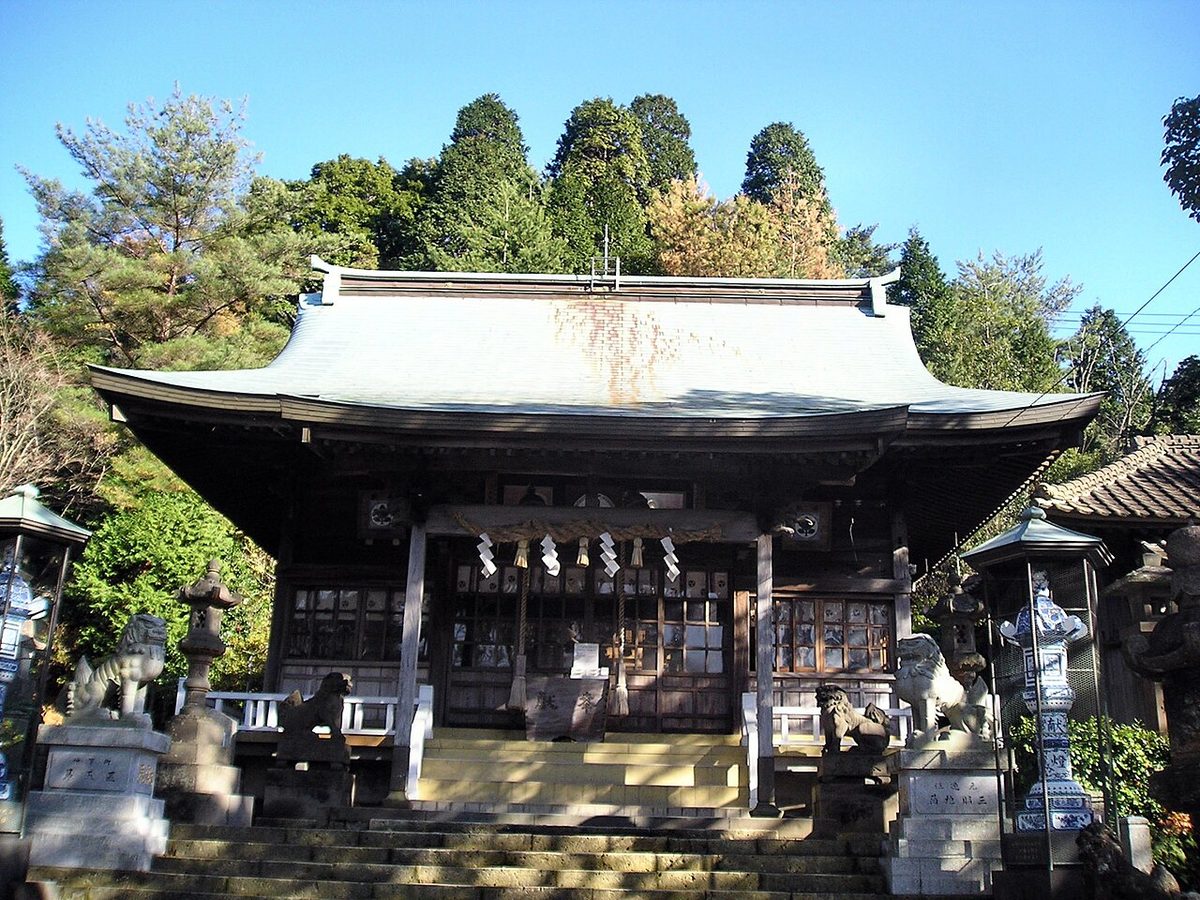
Photo: STA3816 / CC BY-SA 3.0 (Wikimedia Commons) A shrine to the deities of porcelain, said to date from around 1658, with a porcelain torii gate, porcelain guardian dogs, and a monument to Yi Sam-pyeong.
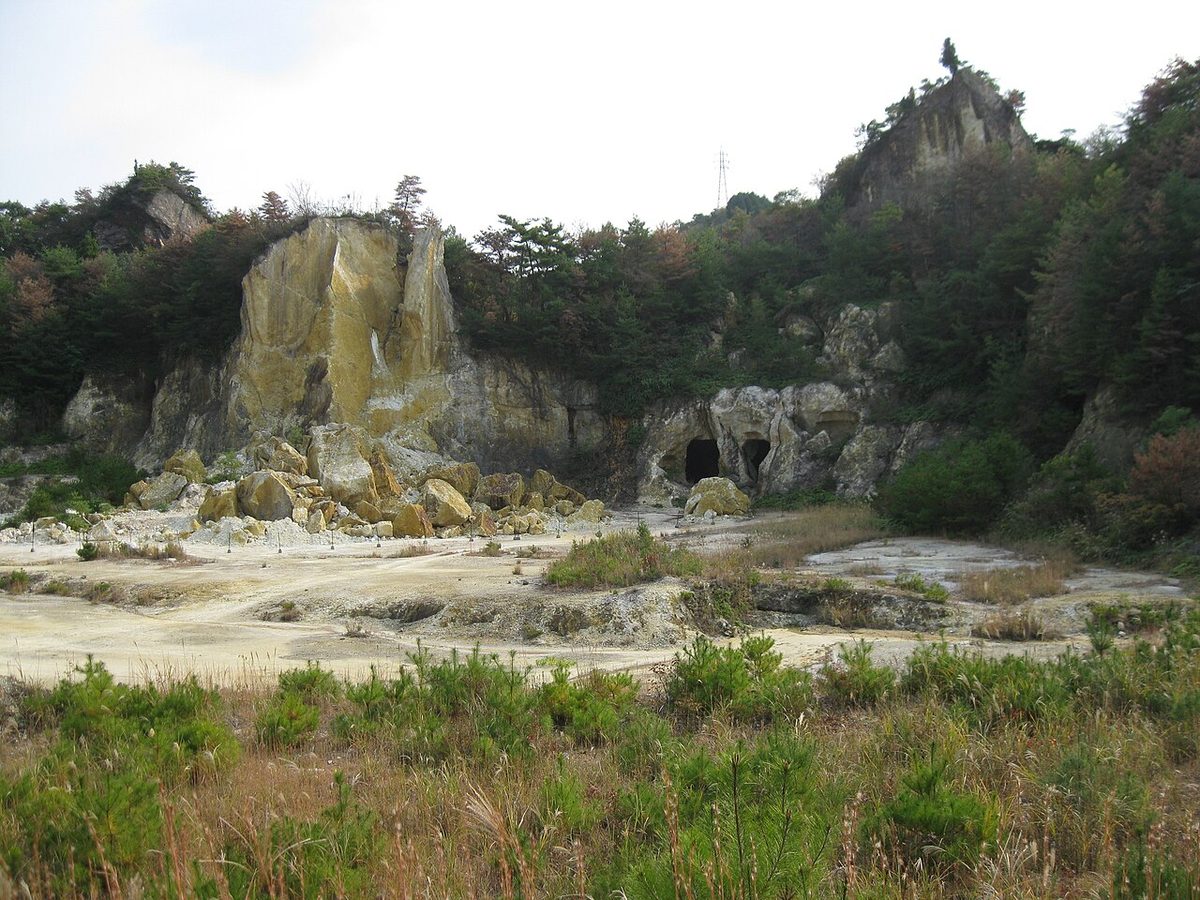
Photo: Bytemarks / CC BY 2.0 (Wikimedia Commons) The quarry where Yi Sam-pyeong and his companions found pottery stone in the early seventeenth century, beginning porcelain making in Japan.
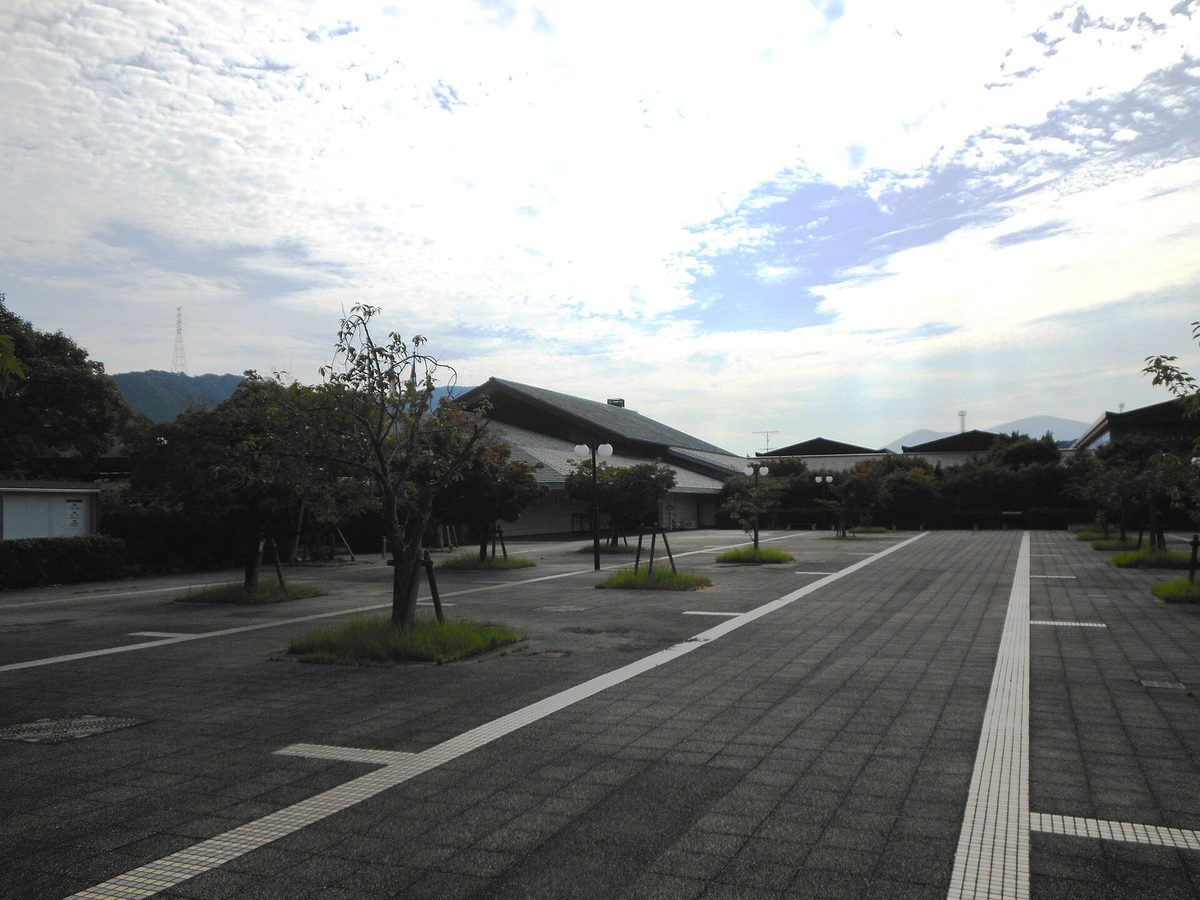
Photo: Pekachu / CC BY-SA 4.0 (Wikimedia Commons) A prefectural museum of Kyushu ceramics and historic Arita porcelain.
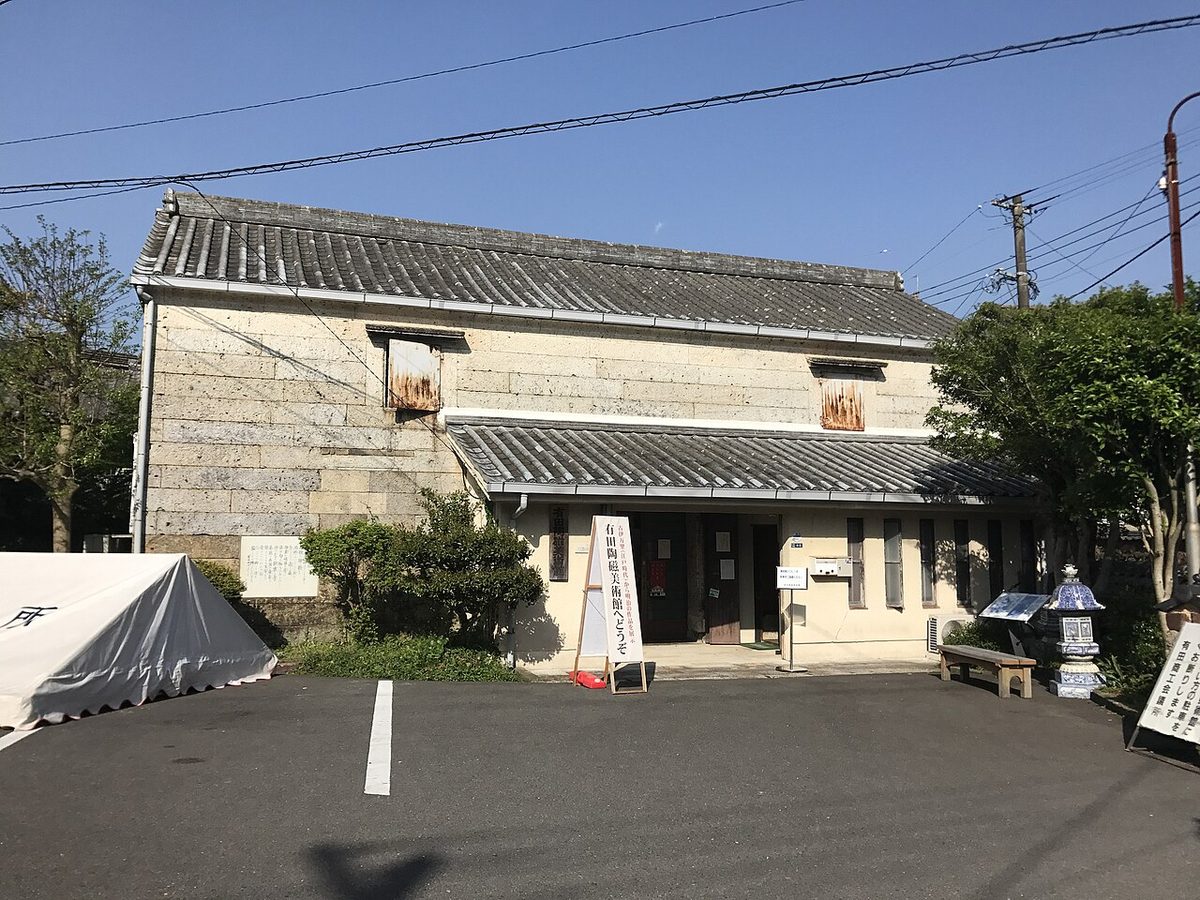
Photo: そらみみ / CC BY-SA 4.0 (Wikimedia Commons) A small ceramics museum housed in an 1874 porcelain warehouse, showing Meiji-era Arita ware and prefectural cultural properties.
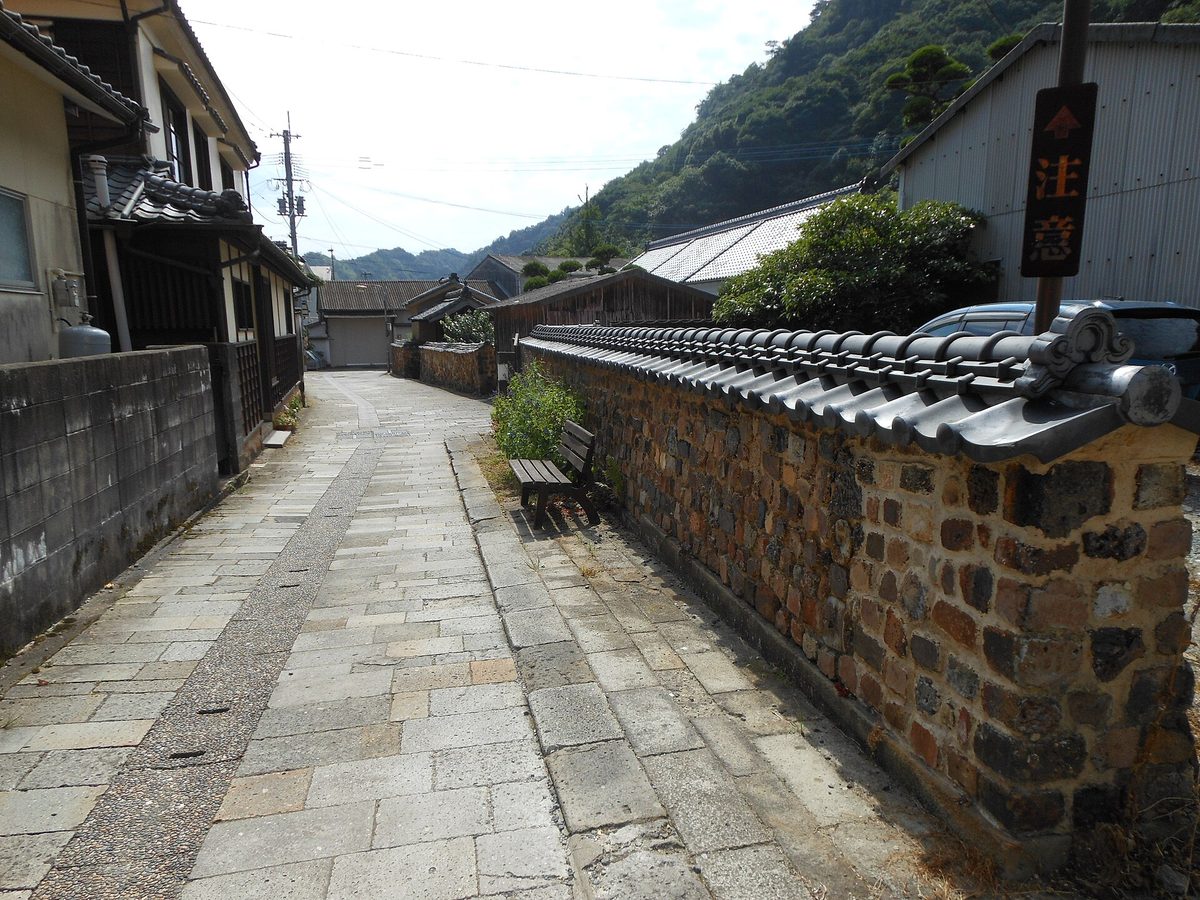
Photo: Pekachu / CC BY-SA 4.0 (Wikimedia Commons) Backstreets lined with tonbai walls built from salvaged kiln bricks, kiln furniture, and red clay, running between the Izumiyama ginkgo and the Arita Ceramic Museum.
These are local landmarks. Each was checked to be open on its official site (checked 2026-11-12). Please confirm hours before you go.
Beyond Arita
1 / 4
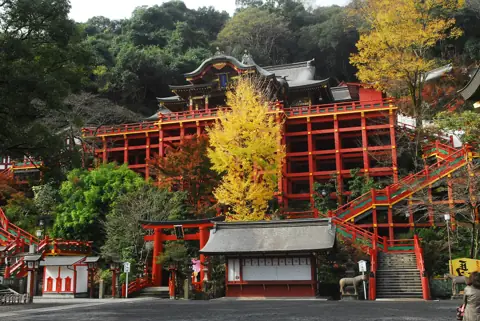 Kashima · 24 km
Yutoku Inari Shrine →
One of Japan's three great Inari shrines, it is visited by about 3 million people annually, with constant prayers for business prosperity and family fortune.
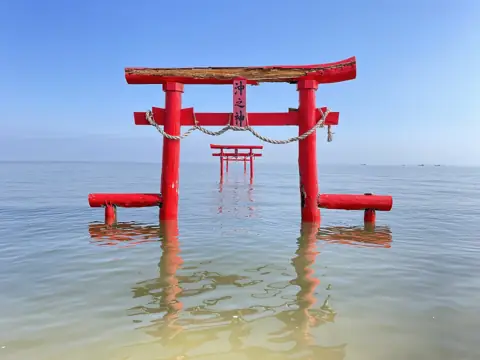 Tara · 32 km
Ouo Shrine Floating Torii Gates →
Three vermilion torii gates standing in the Ariake Sea shallows, submerged up to their crossbeams at high tide and walkable along a submerged road at low tide due to a 6-meter tidal range.
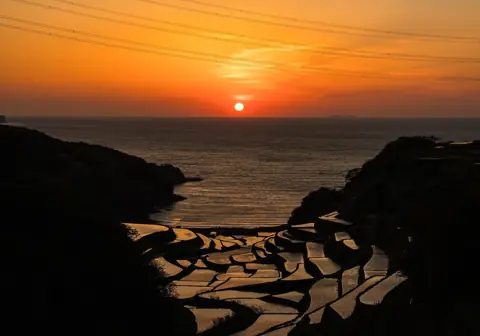 Karatsu · 34 km
Hamanoura Rice Terraces →
283 terraced rice paddies spanning 11.5 hectares climbing straight up from a Genkai Sea cove, designated one of Japan's Top 100 Rice Terraces.
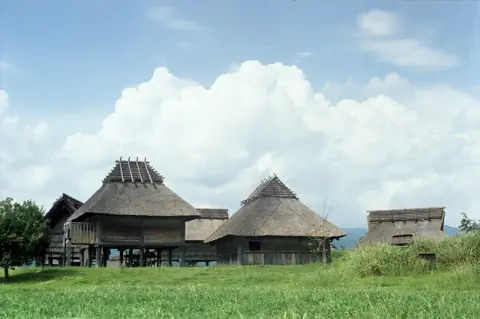 Kanzaki · 49 km
Yoshinogari Historical Park →
A national park preserving and displaying Yayoi period ruins, where you can experience reconstructed pit dwellings and elevated warehouses.


Distances are straight-line from the town centre. Each page has how to get there and a suggested day.
Questions people ask
- Where can I eat Arita's local dishes?
Godofu (soy-milk starch tofu): Gallery Arita (Honmachi & Arita Station)
Arita-yaki Gozen (five-dish Aritadori chicken box): Gallery Arita (Honmachi & Arita Station)
Koi-ryori (spring-water carp dishes): Ryusenso (Kurashuku & Hiroseyama)
- Where can I see or buy Arita Porcelain (Arita-yaki), Craft in Arita?
Arita Porcelain (Arita-yaki): Imamura Seito Machiya (JICON) (Uchiyama), Yamahei Kiln (Akasaka & Arita Sera), Kouyougama (Akasaka & Arita Sera), Iro-Nabeshima Imaemon Kiln (Uchiyama), Gen-emon Kiln (Honmachi & Arita Station), Shingama Seika (Honmachi & Arita Station), Kouraku Kiln (Honmachi & Arita Station)
Craft: KIHARA ARITA (Akasaka & Arita Sera), Tojiki Shop Rando (Uchiyama), Gallery Baek Pasun (Uchiyama), Shobido Honten Arita Sera (Akasaka & Arita Sera)
- What can I visit on foot around Uchiyama?
Arita Porcelain (Arita-yaki): Imamura Seito Machiya (JICON), Iro-Nabeshima Imaemon Kiln
Cafés: Kissa Hama (Shujian)
Craft: Tojiki Shop Rando, Gallery Baek Pasun
Every place was checked to be open in November 2026. Hours can change, so please check the official site before you go.
If you like Arita
- Yamagata
Yamagata, Japan
For example, Shingama Seika here, and Shichiemon Kiln in Yamagata.
- Karatsu
Saga, Japan
For example, Yamahei Kiln here, and Yukikogama in Karatsu.
- Kasama
Ibaraki, Japan
For example, Kouyougama here, and Kouzangama in Kasama.
Chosen by how close the towns and their places are in what they make and serve.