36.1° N
Takayama
Gifu, Japan
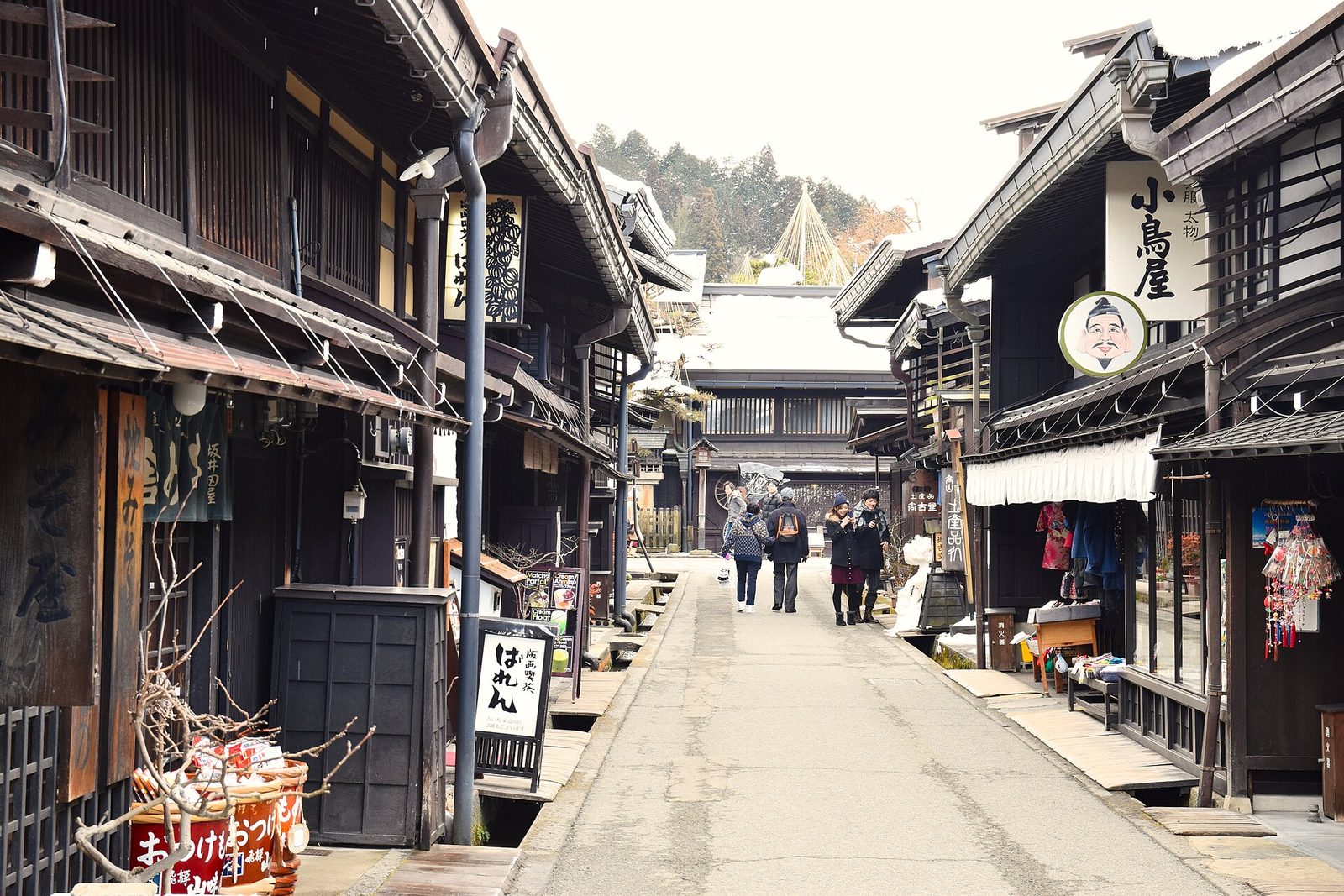
A town in the Hida mountains on the Miyagawa river. Shunkei lacquer and solid-wood furniture, the sake brewers of the old merchant streets, then coffee, bread and soba: the editors’ picks.
What to eat in Takayama
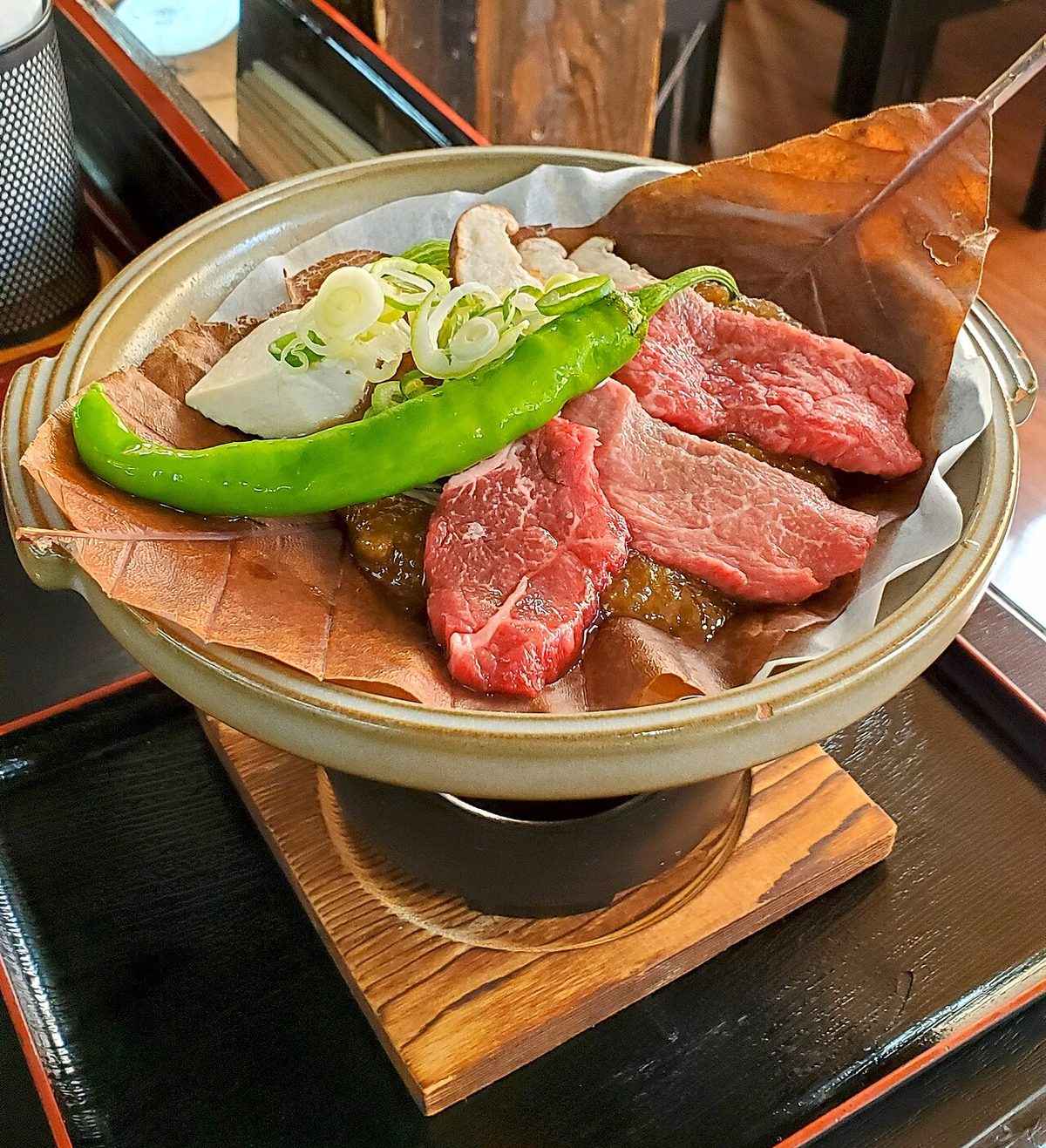
Photo: Gofukuji / CC0 (Wikimedia Commons) Hida-gyu (Hida beef)
飛騨牛
Finely marbled Japanese black wagyu certified from cattle raised for at least 14 months in Gifu Prefecture and graded A or B with meat quality 3 to 5. High-altitude Takayama in the Hida region provides cold winters, mountain spring water, and a breeding lineage traced to the bull Yasufuku-go introduced in 1981.
Eaten year-round as tabletop charcoal yakiniku, steak, shabu-shabu, sukiyaki, or street-side seared nigiri and skewers.
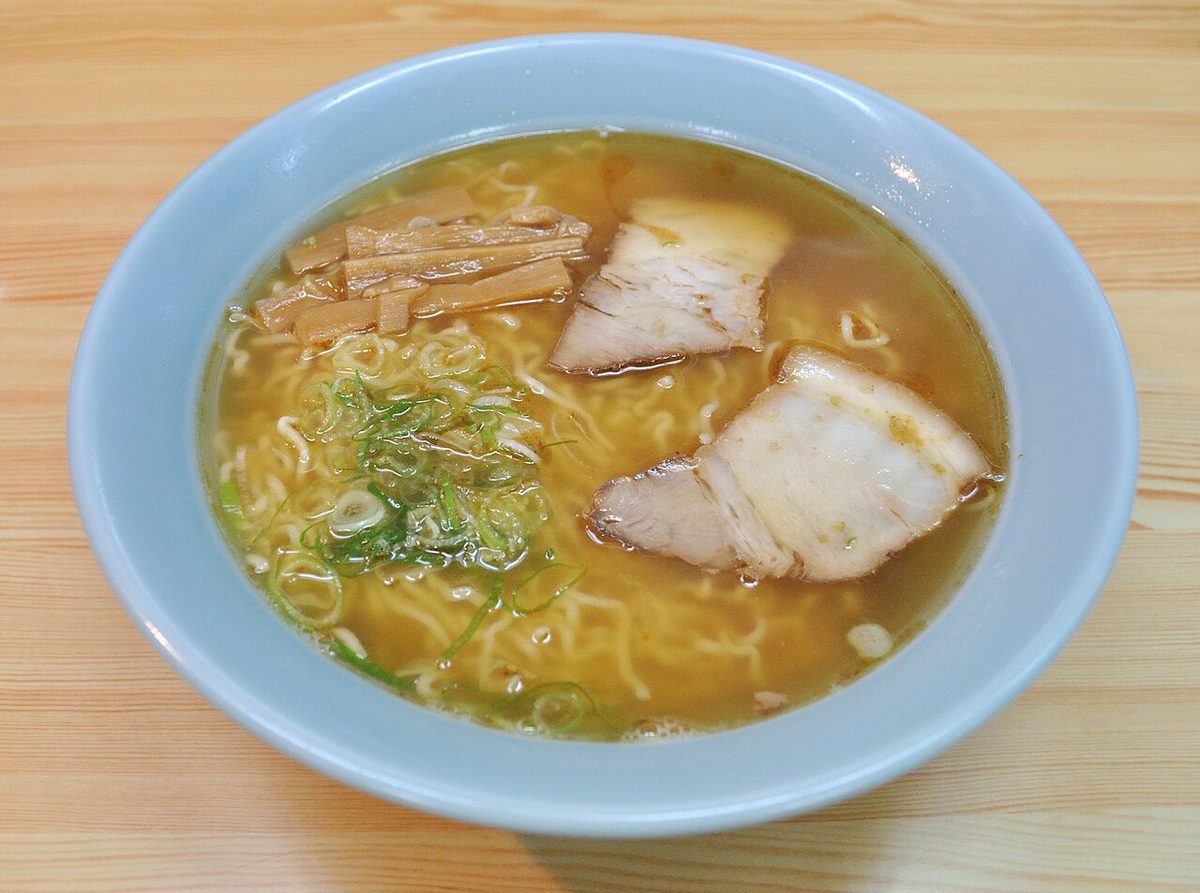
Photo: Ocdp / CC0 (Wikimedia Commons) Takayama Ramen (soy-sauce noodles)
高山ラーメン
Thin curly noodles in a light soy-sauce broth, known locally as chuka soba and traditionally prepared by simmering the tare seasoning and stock together in a single pot. The style grew out of late-1930s yatai food stalls in Takayama's cold winters, where combining broth and seasoning saved space and time.
Eaten year-round at lunch or late at night after drinking, topped simply with chashu pork, bamboo shoots, and chopped green onion.
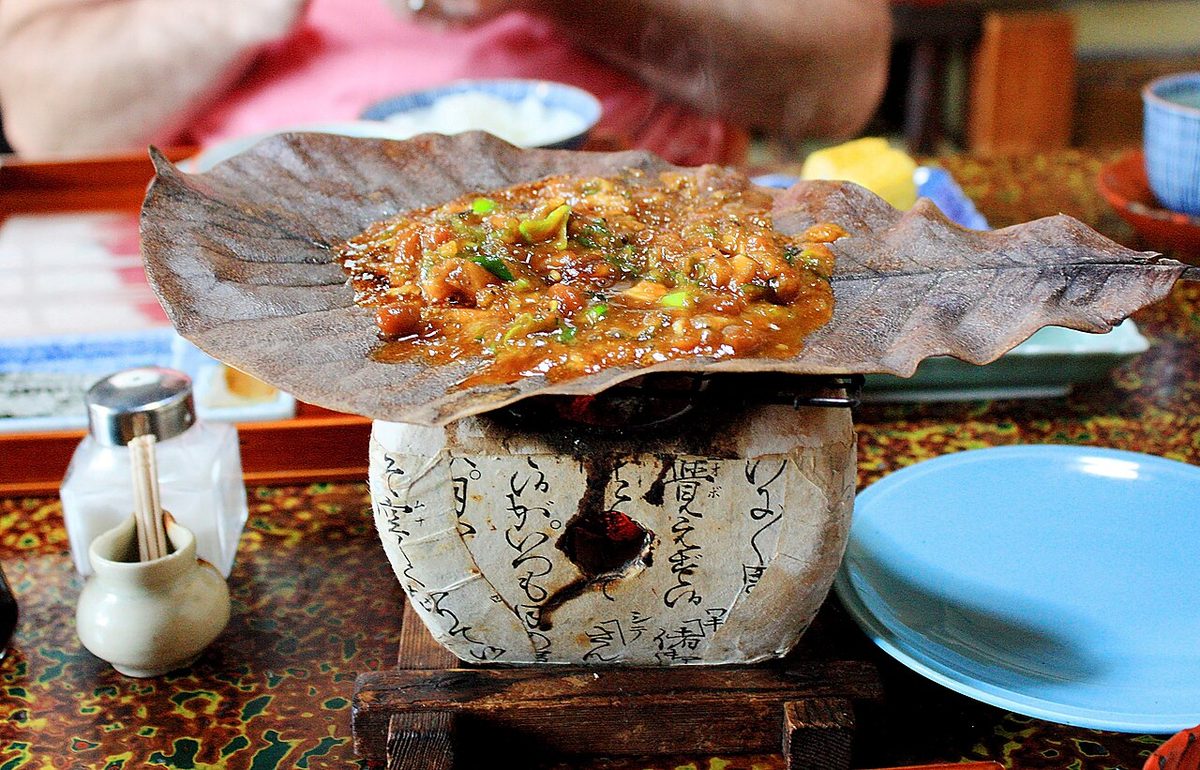
Photo: Andrea Schaffer from Sydney, Australia / CC BY 2.0 (Wikimedia Commons) Hoba Miso (miso grilled on magnolia leaf)
朴葉みそ
Local miso mixed with green onions and shiitake mushrooms, grilled on a dried magnolia leaf over a small tabletop brazier. It originated in the Hida mountains around Takayama as a practical way for forest workers and households to warm frozen miso and pickles over the hearth in winter.
Eaten sizzling off the leaf with steamed white rice or sake, often topped with sliced Hida beef or mushrooms.
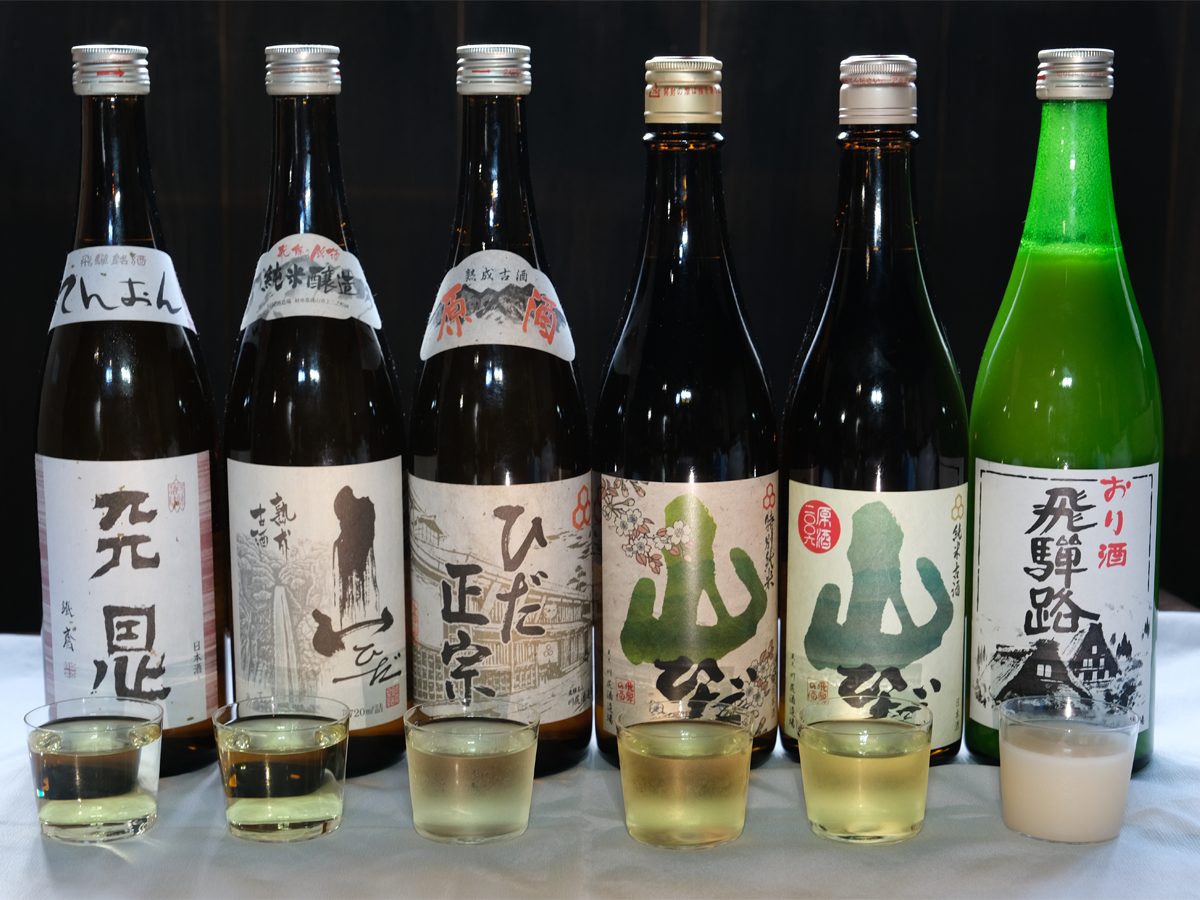
Photo: 川尻酒造場 (Kawashiri Brewery) (official site) Hida Sake (local sake)
飛騨の地酒
Crisp, balanced sake brewed across historic breweries clustered in Takayama's Sanmachi district, where cedar-branch sugidama balls hang above the eaves. Cold winter temperatures, soft mountain groundwater from the Miyagawa river basin, and locally grown Hidahomare brewing rice have sustained sake making here since the Edo period.
Sampled by strolling between Sanmachi breweries for counter tastings or coin-operated flights, served chilled or gently warmed.
The LATITUDE editors’ 17 picks in Takayama
Our editors verified that these places were open (checked 2026-11-11). Check the official site for hours and closing days before visiting. Sponsored listings are marked.
Save places to your trip list and revisit them in this browser. No account needed.
Editors’ picks on the map — or build your own route
Tap a mark to see the place; squares are museums and sights (landmarks). Use “Build your own route” to make a walk of your own.
Loading the map
Map data © OpenStreetMap contributors
Browse by category
1 / 19
West of the Station
Zarusoba Seto
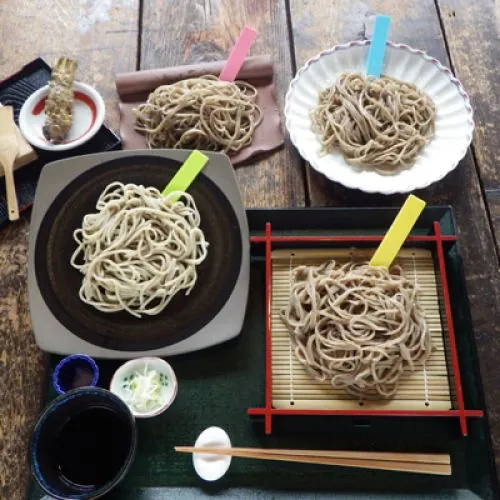
Photo: the shop’s official page ざる蕎麦・せと
A soba house on Route 41. From about fifteen kinds of buckwheat a year, four are served each day. 11:00–16:00, closed Wednesdays.
11:00–16:00 (last order 15:30) · Closed: Wednesdayschecked Nov 2026
Why the editors chose itFour daily soba varieties made from fifteen annual buckwheats make this ideal for comparing styles.
Fuyuto
pizzeria SERICO
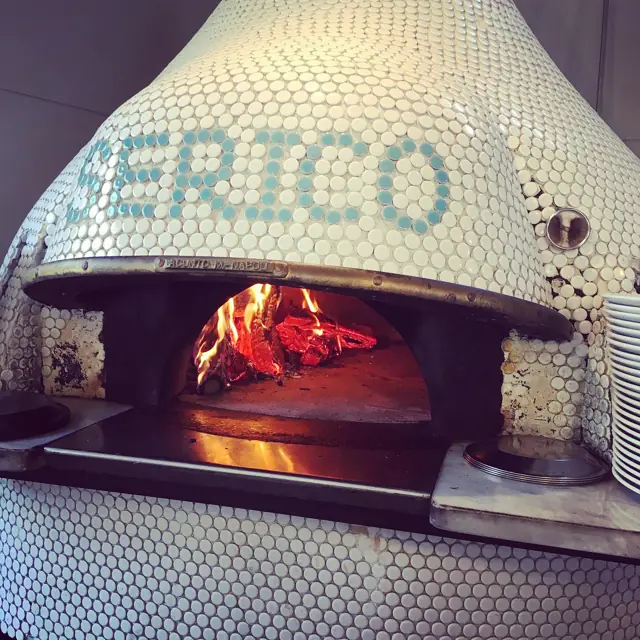
Photo: the shop’s official page A pizzeria in Fuyuto-cho: pizza from a wood-fired oven brought from Italy, and dishes with local vegetables. Closed Mondays.
11:00–13:30, 17:30–21:30 (last order 21:00) · Closed: Mondayschecked Nov 2026
Why the editors chose itA stop for local vegetable dishes and pizzas baked in a wood-fired oven from Italy.
East of the Station
Logica docco
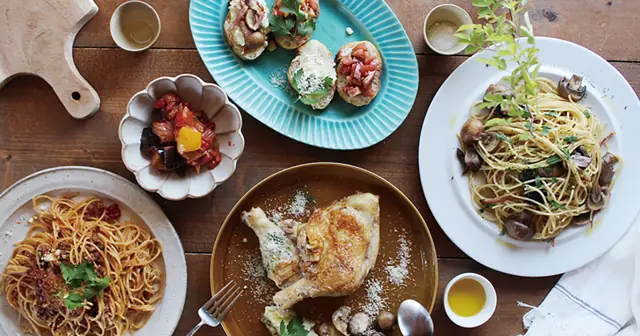
Photo: the shop’s official page パスタとお酒 Logica docco
A small pasta and wine place in Yurakucho: fresh pasta at lunch, drinks and Italian dishes at night, with a counter. Closed Thursdays and Sundays.
Why the editors chose itA small counter spot for fresh pasta at lunch and Italian dishes with drinks at night.
East of the Station
Yamazaru Coffee
山猿珈琲焙煎所
A coffee stand in Hanasato-machi that roasts its own beans, with five or six single origins at any time.
Why the editors chose itA house-roasting coffee stand keeping five or six single-origin beans on hand at all times.
East of the Station
Jazz Kissa LAWNS
JAZZ喫茶 LAWNS
A jazz kissa in Hanaoka-machi, playing records through British Vitavox speakers, with hand-drip coffee and light food.
Why the editors chose itSettle in with hand-drip coffee and vinyl records played through British Vitavox speakers.
West of the Station
Panove
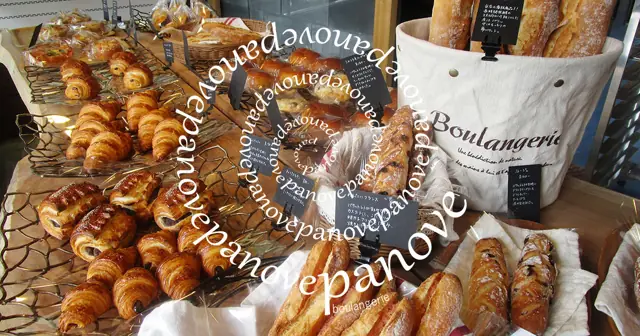
Photo: the shop’s official page Irregular closing days
A bakery in Okamoto-machi: bread, sandwiches, and in autumn an apple pie made with apples from Kuguno. Closed Sundays.
10:00–18:00 · Closed: Sundays, irregularchecked Nov 2026
Why the editors chose itA neighborhood bakery to seek out for sandwiches and autumn pies made with Kuguno apples.
West of the Station
TRAIN BLEU
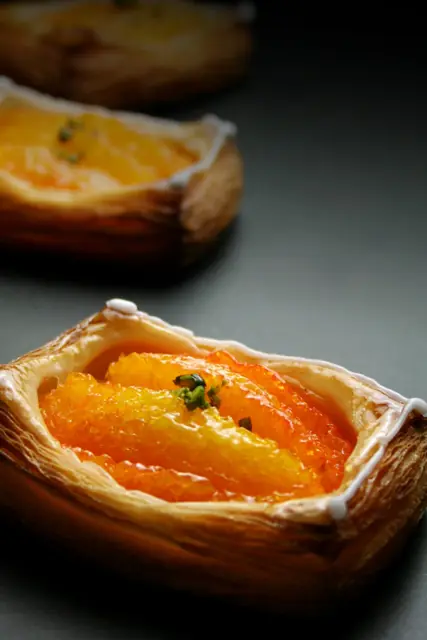
Photo: the shop’s official page A boulangerie opened in 1989. Its baker, Tadashi Naruse, led Japan to third place at the 2005 Coupe du Monde de la Boulangerie. It closes when the bread runs out.
10:00–16:30 (until sold out)
Why the editors chose itGo before sell-out for bread by a baker who led Japan to third place in 2005.
East of the Station
Tohoen
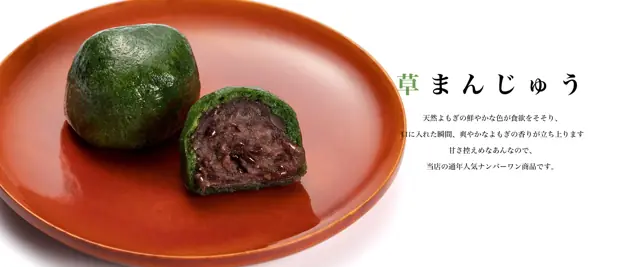
Photo: the shop’s official page 稲豊園
A wagashi shop since 1901. Kuriyose and chestnut kinton in autumn, and a cat-shaped manju. Closed Tuesdays.
9:00–18:00 · Closed: Tuesdayschecked Nov 2026
Why the editors chose itFounded in 1901, this confectioner draws travellers for autumn chestnut sweets and cat-shaped manju.
Made in Takayama
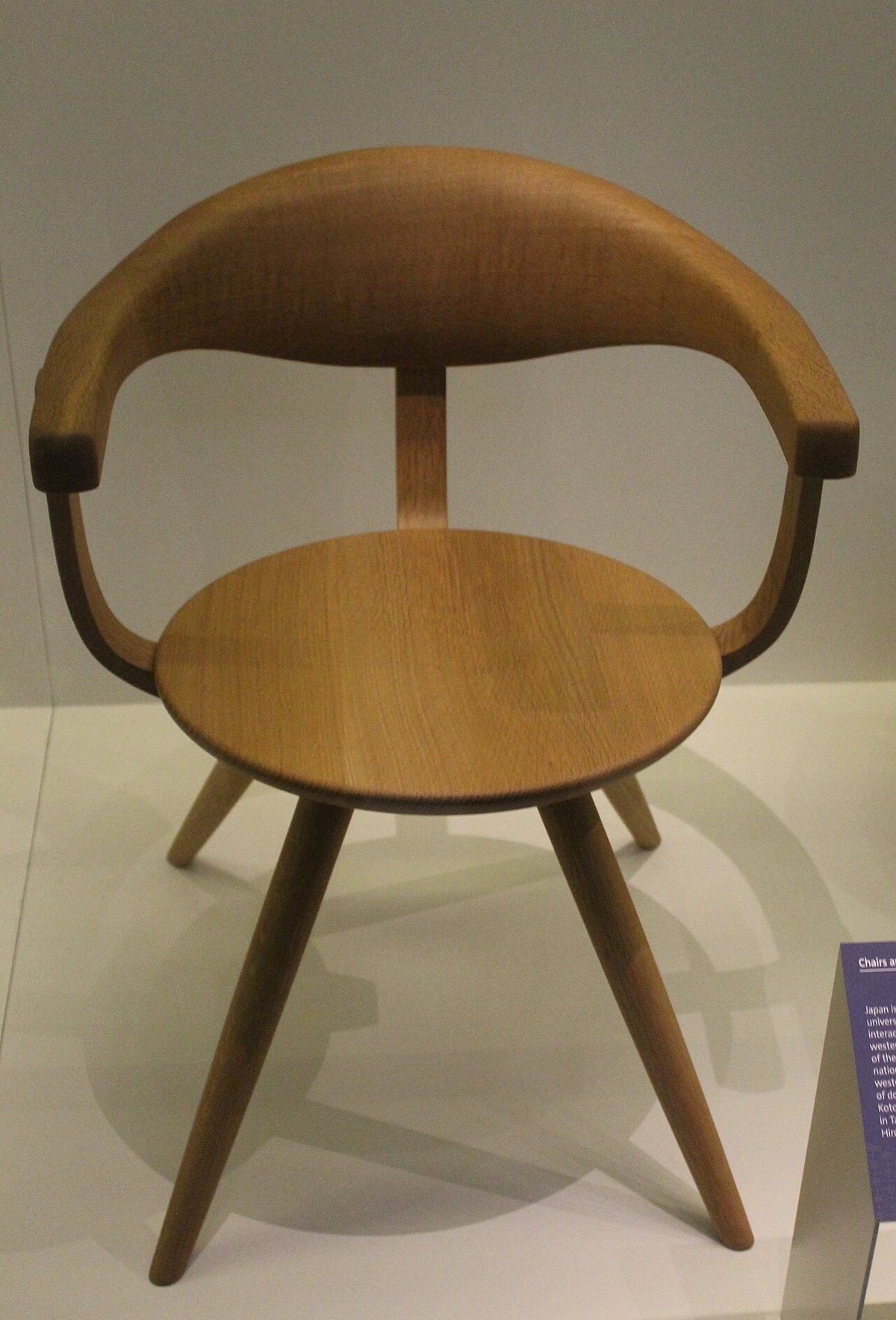
Hida Shunkei is a lacquerware brushed with clear amber urushi so the grain of the wood shows through; it is a nationally designated traditional craft. Furniture makers such as Nissin Mokko, founded in 1946, still make solid-wood chairs and tables in Takayama.
An oak armchair crafted by Hida Sangyo in Takayama·Photo: 14GTR / CC0 (Wikimedia Commons)
Sanmachi
Takumikan
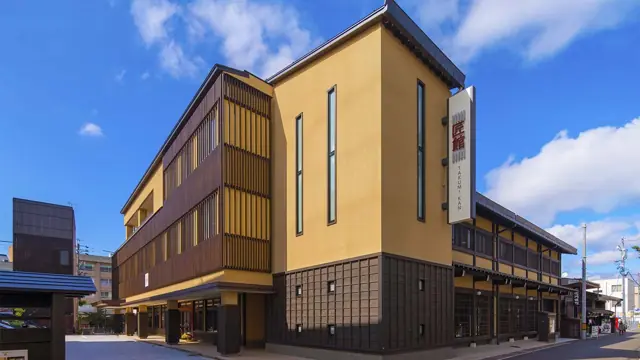
Photo: the shop’s official page 飛騨高山 匠館
A house of wood on the morning-market street by the Miyagawa: its own wooden tableware and small things downstairs, furniture by the maker Shirakawa upstairs. Closed Tuesdays.
9:00–17:00 · Closed: Tuesdays (subject to change)
Why the editors chose itBrowse own-brand woodenware downstairs and Shirakawa furniture upstairs along the morning-market street.
Oshinmachi
Yamada Shunkei
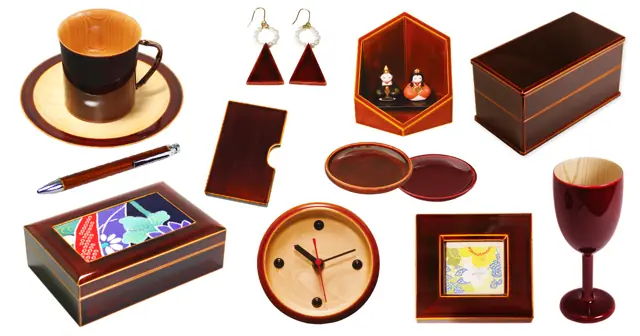
Photo: the shop’s official page 山田春慶店
A maker of Hida Shunkei lacquerware on the approach to Sakurayama Hachiman shrine, all brushed by hand: bento boxes and tiered boxes, and clocks and tumblers too. Closed Sundays.
10:00–17:00 (winter 10:00–16:30) · Closed: Sundays (plus irregular holidays)
Why the editors chose itFind hand-brushed Hida Shunkei lacquerware from bento boxes to clocks along the shrine approach.
Kiryucho
Nissin Mokko Takayama Gallery
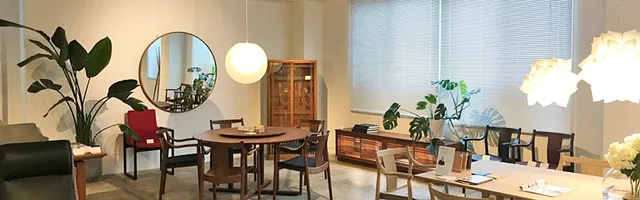
Photo: the shop’s official page 日進木工タカヤマギャラリー
The gallery of furniture maker Nissin Mokko, founded in 1946, on two floors of its head office. Closed on public holidays, and on Sundays from December to February.
9:30–17:00 · Closed: Public holidays, Obon, year-end/New Year (also Sundays in Dec–Feb)
Why the editors chose itInspect pieces by a furniture maker founded in 1946 across two floors of its head office.
Made in Takayama
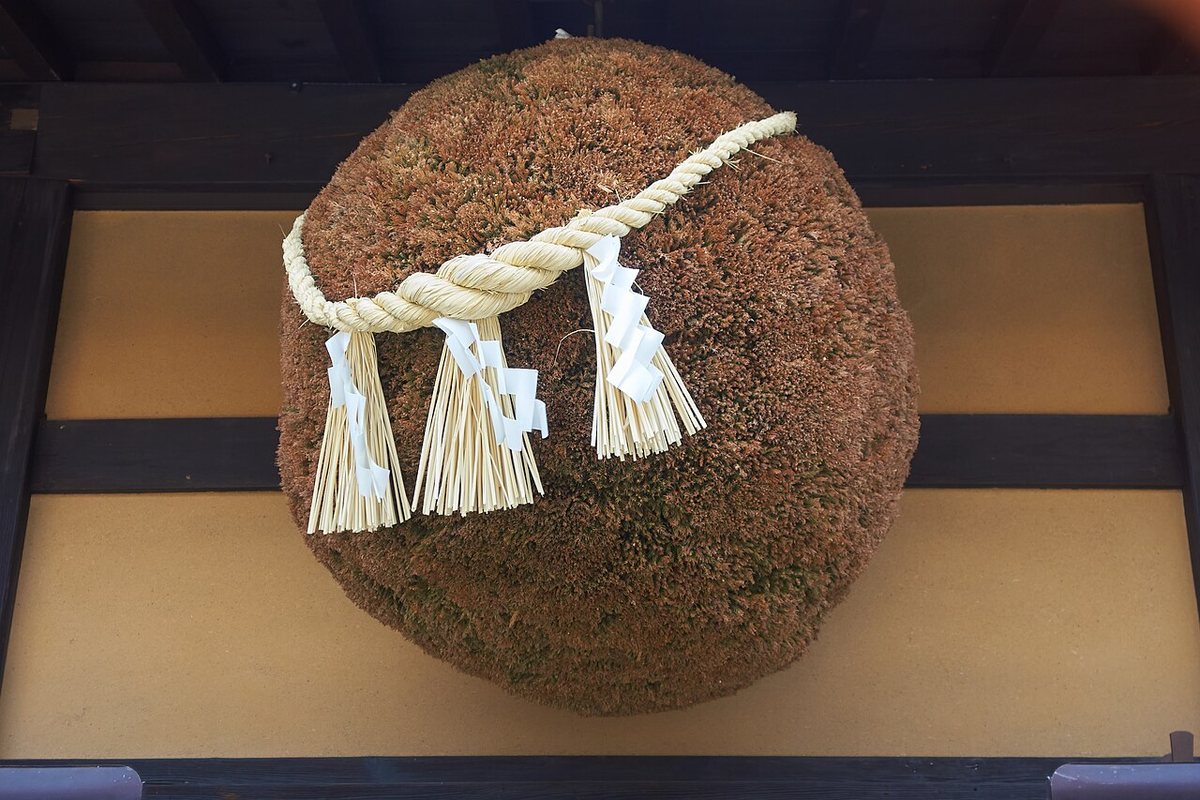
In the old merchant streets of Sanmachi, sake breweries founded between the late Edo period and the Meiji era still brew, marked by balls of cedar hung under the eaves. They use local Hidahomare rice and brew through the cold Hida winter.
A cedar-leaf sugidama ball hanging outside a Takayama sake brewery·Photo: Celuici / CC BY-SA 3.0 (Wikimedia Commons)
Sanmachi
Harada Sake Brewery
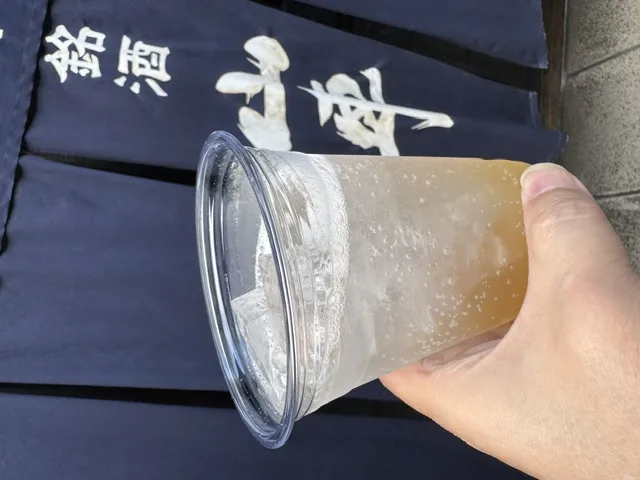
Photo: the shop’s official page 原田酒造場
A sake brewery on Kami-sannomachi, ten generations since the late Edo period. Its label, Sansya, is named after the floats of the Takayama festival.
9:00–18:00
Why the editors chose itA ten-generation brewery since late Edo, home to Sansya sake named for festival floats.
Sanmachi
Kawashiri Sake Brewery
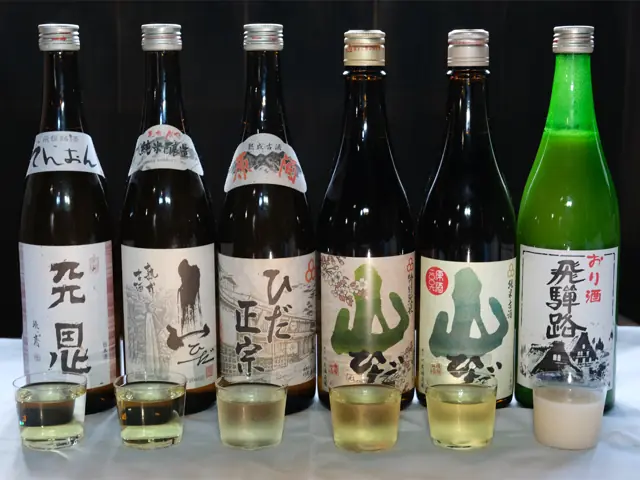
Photo: the shop’s official page 川尻酒造場
Irregular closing days
A brewery on Kami-ninomachi since 1839 that ages its sake for years, using only local Hidahomare rice. Paid tastings; no brewery tours.
9:00–17:00 · Closed: Jan 1, irregularchecked Nov 2026
Why the editors chose itSample aged sake brewed solely from local Hidahomare rice at a brewery founded in 1839.
Sanmachi
Hirata Sake Brewery
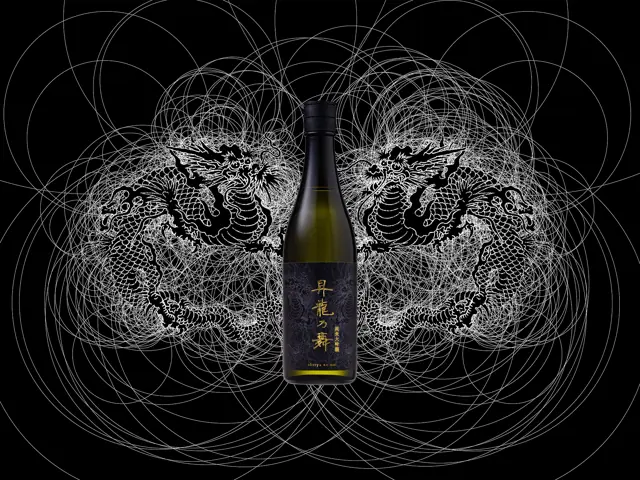
Photo: the shop’s official page 平田酒造場
A brewery on Kami-ninomachi since 1895, brewing with underground water of the Miyagawa and rice such as Hidahomare and Isehikari. It runs brewery tours.
Why the editors chose itJoin a brewery tour at this 1895 sake maker brewing with Miyagawa underground water.
West of the Station
kochi
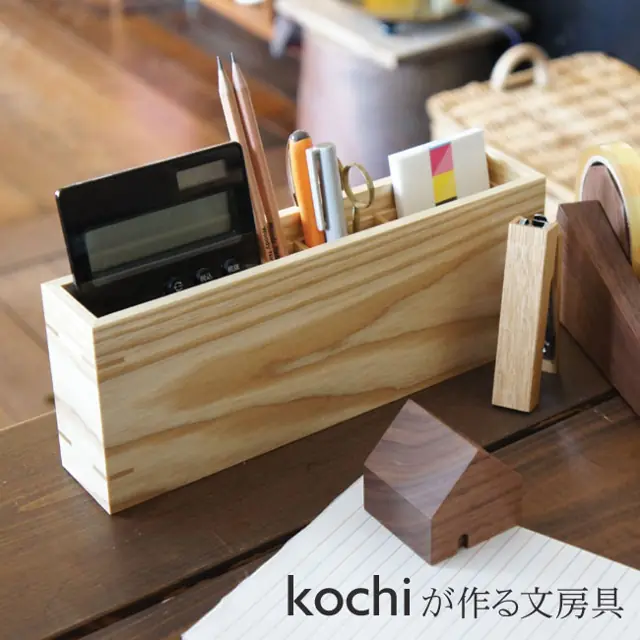
Photo: the shop’s official page クラフト雑貨 kochi
A shop run by a woodworking couple: their own wooden pieces, with ceramics and glass by other makers. Closed Thursdays, Fridays and the third Sunday.
11:00–17:00 · Closed: Thursdays, Fridays, and 3rd Sunday
Why the editors chose itA woodworking couple's shop pairing their own wooden pieces with makers' ceramics and glass.
Kokufu
Yawaiya
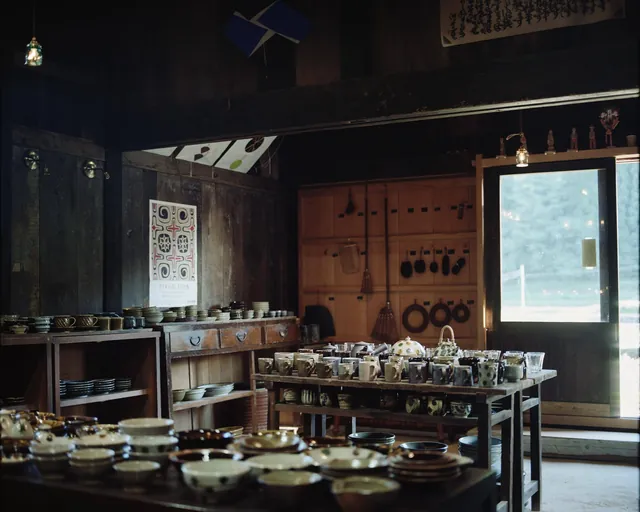
Photo: the shop’s official page やわい屋
A shop for mingei tableware in an old farmhouse moved to a mountain hamlet in Kokufu. 13:00–17:00, closed Thursdays. It also publishes a small essay series, Zakko.
13:00–17:00 · Closed: Thursdayschecked Nov 2026
Why the editors chose itA relocated mountain farmhouse offering mingei tableware alongside its own essay series, Zakko.
West of the Station
Koito Pottery

Photo: the shop’s official page 小糸焼窯元
A small family kiln making everyday tableware and tea ware by hand, glazed in irabo made from Hida red clay and wood ash. The shop is often closed.
Why the editors chose itA parent-and-child kiln hand-making irabo-glazed pottery from Hida clay; worth catching when open.
Sights in Takayama
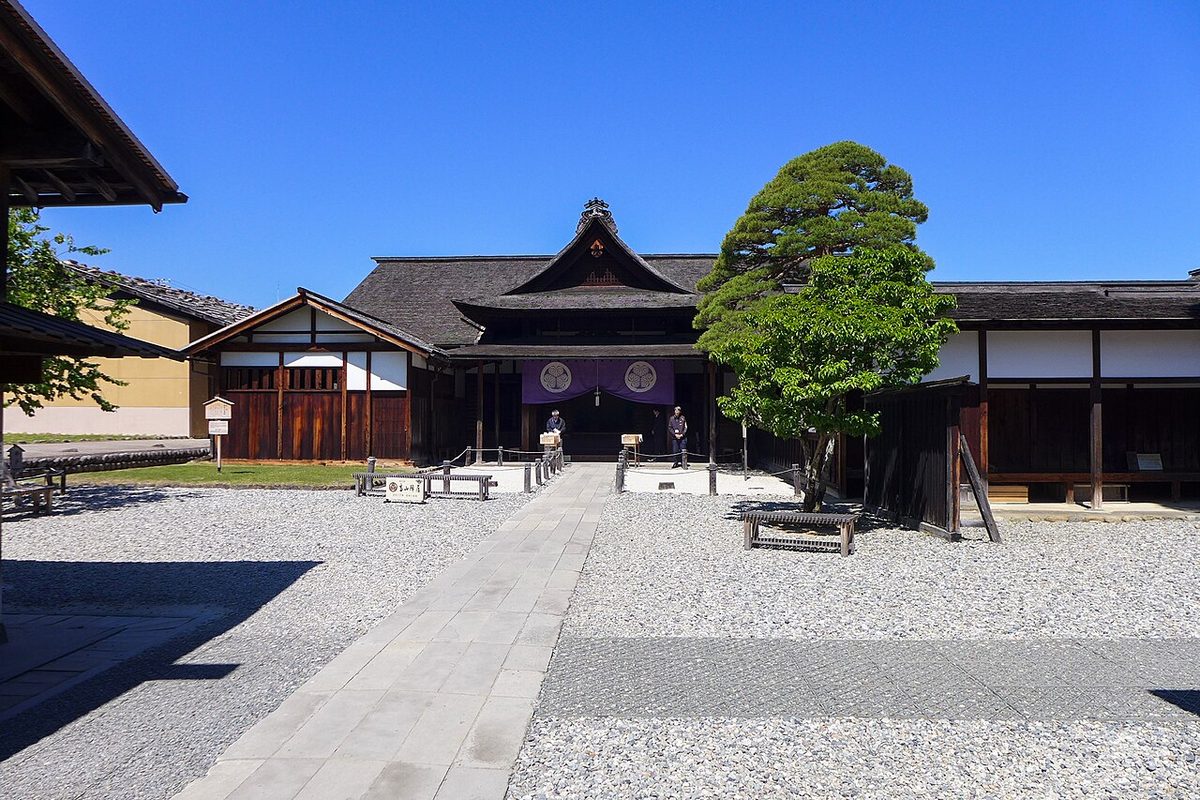
Photo: Wpcpey / CC BY 4.0 (Wikimedia Commons) The office from which the Edo shogunate governed Hida, a national historic site, and the only one of its kind whose main buildings survive.
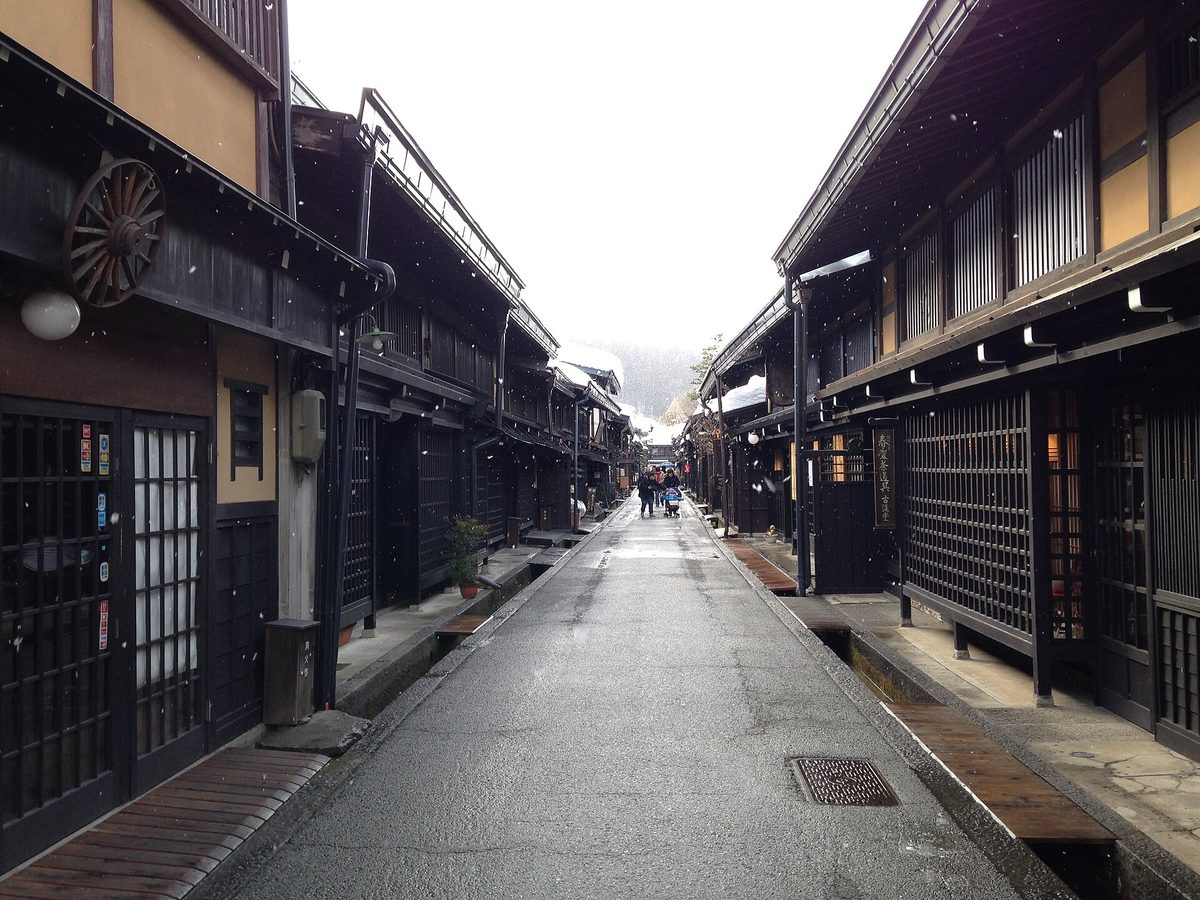
Photo: そらみみ / CC BY-SA 4.0 (Wikimedia Commons) The merchant quarter of the Edo-period castle town.
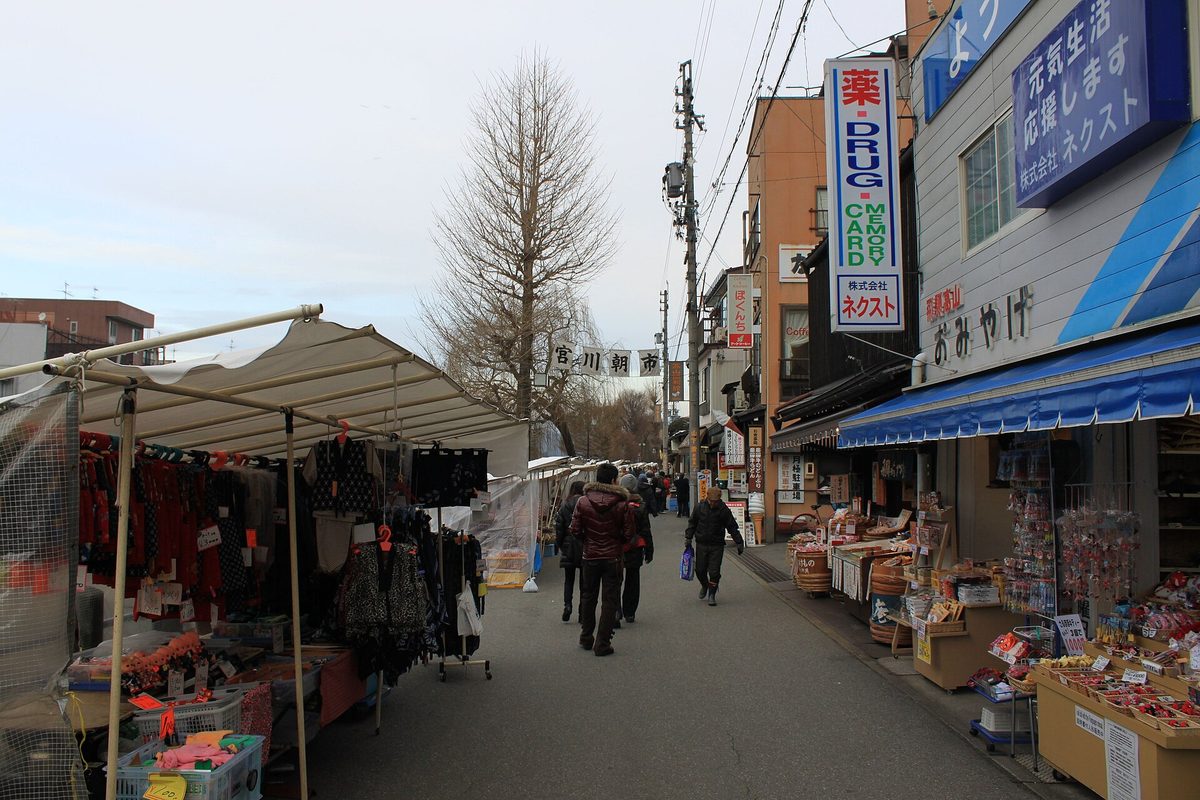
Photo: くろふね / CC BY 3.0 (Wikimedia Commons) A morning market of white tents along the Miyagawa: vegetables, pickles, folk crafts.
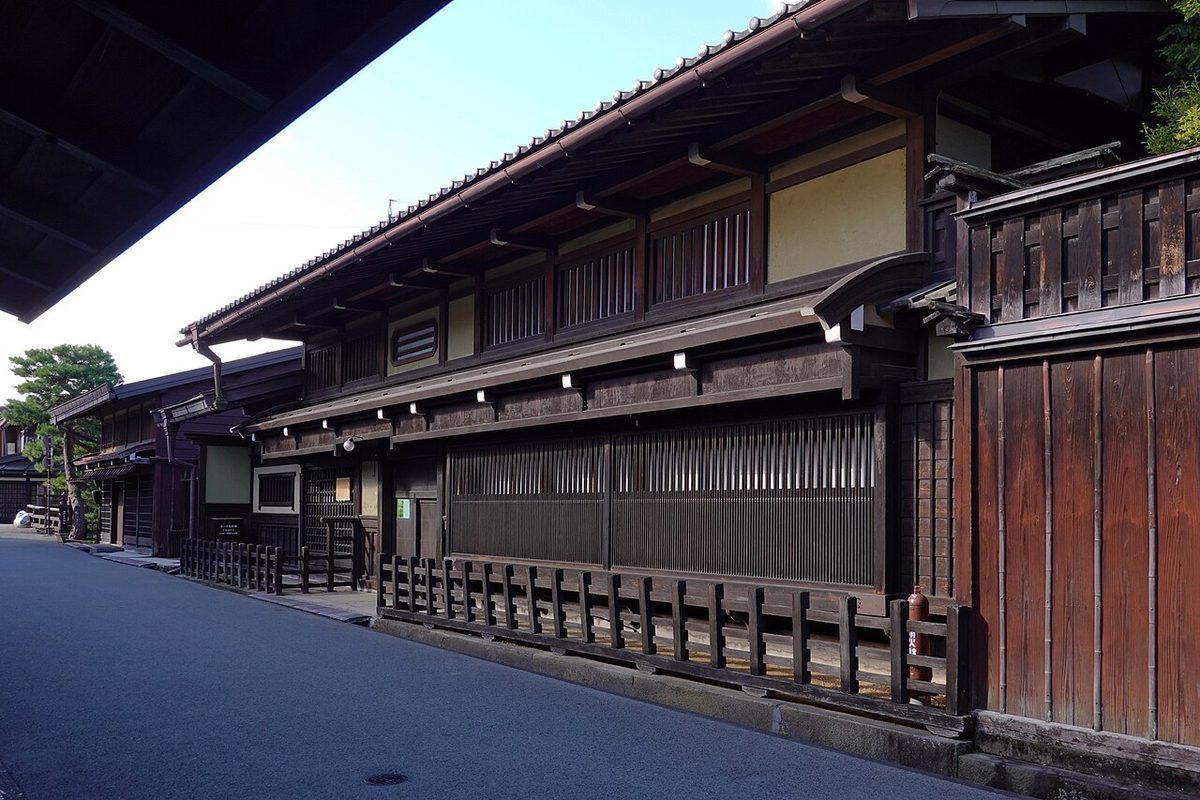
Photo: 663highland / CC BY-SA 4.0 (Wikimedia Commons) The townhouse of the Kusakabe, merchants to the Edo-era magistrate's office, rebuilt in 1879 and a national Important Cultural Property.
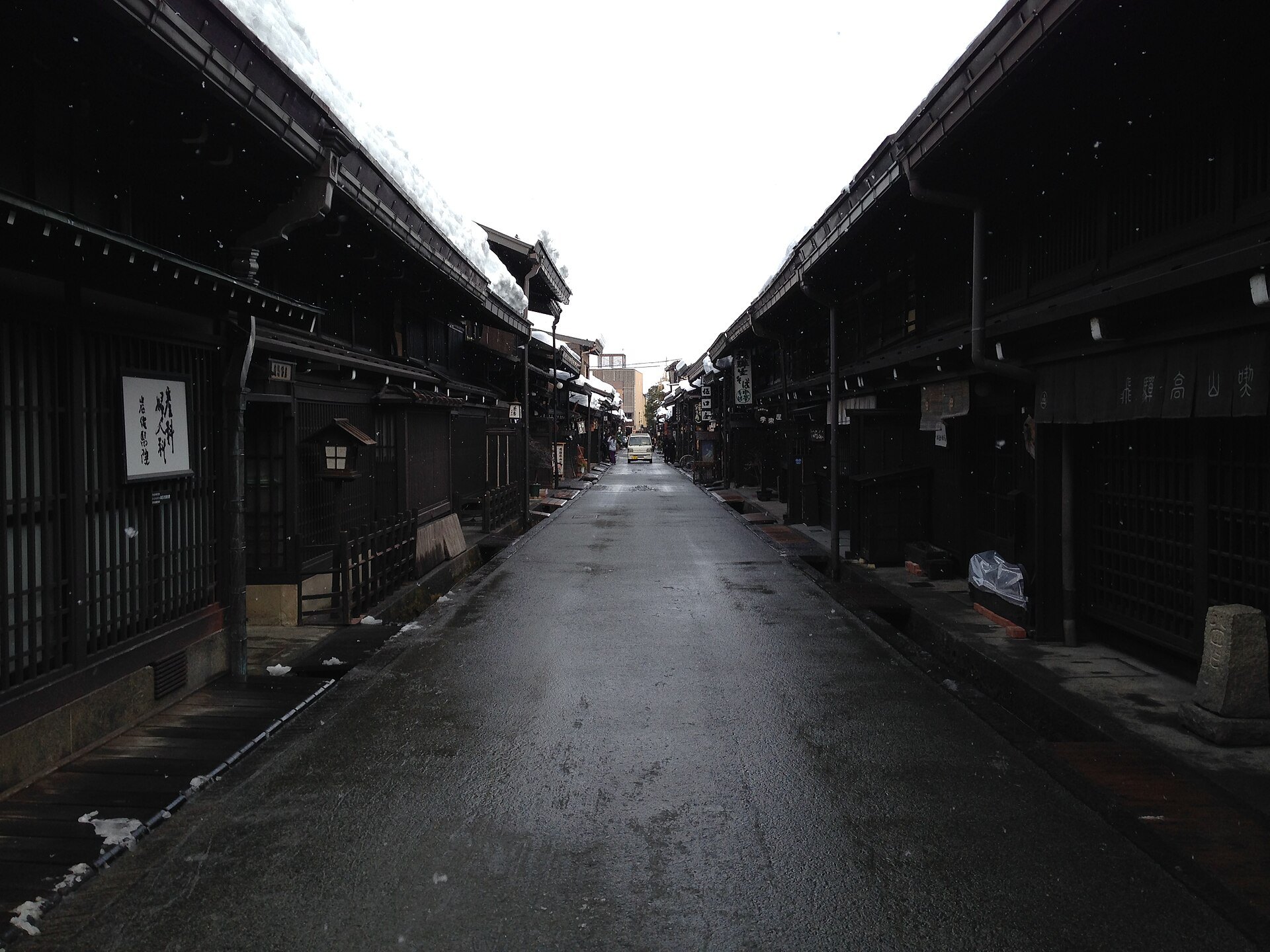
Photo: そらみみ / CC BY-SA 4.0 (Wikimedia Commons) The 'Old Town' in the heart of Takayama retains the traces of the former castle town, offering a charming atmosphere reminiscent of the Edo period.
These are local landmarks. Each was checked to be open on its official site (checked 2026-11-17). Please confirm hours before you go.
Beyond Takayama
1 / 2
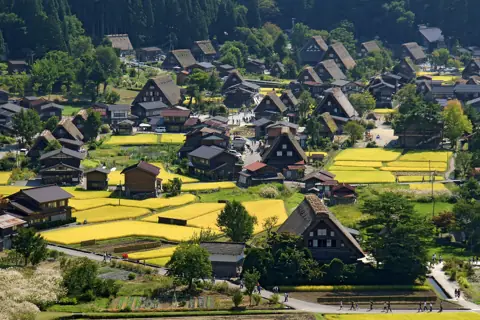 Shirakawa-mura · 34 km
Shirakawa-go →
Registered as a UNESCO World Heritage site, the 'Gassho-zukuri village' is a rare area where people's daily lives continue to this day.
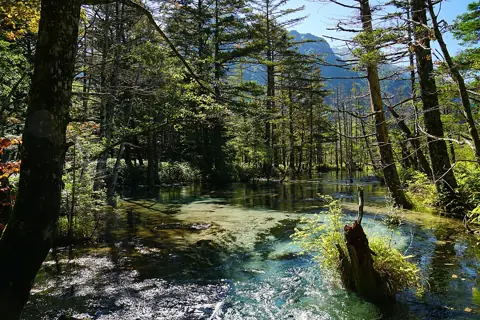 Matsumoto · 36 km
Kamikochi →
A famous mountain resort in Japan, offering beautiful scenery of the Azusa River and the Hotaka Mountain Range.


Distances are straight-line from the town centre. Each page has how to get there and a suggested day.
Questions people ask
- Where can I eat Takayama's local dishes?
Hida Sake (local sake): Harada Sake Brewery (Sanmachi), Kawashiri Sake Brewery (Sanmachi), Hirata Sake Brewery (Sanmachi)
- Where can I see or buy Hida woodwork and lacquer, Craft in Takayama?
Hida woodwork and lacquer: Takumikan (Sanmachi), Yamada Shunkei (Oshinmachi), Nissin Mokko Takayama Gallery (Kiryucho)
Craft: kochi (West of the Station), Yawaiya (Kokufu), Koito Pottery (West of the Station)
- What can I visit on foot around West of the Station?
Craft: kochi, Koito Pottery
Sweets: Panove, TRAIN BLEU
Food: Zarusoba Seto
Every place was checked to be open in November 2026. Hours can change, so please check the official site before you go.
If you like Takayama
- Kobe
Hyogo, Japan
For example, Harada Sake Brewery here, and Izumi Sake Brewery in Kobe.
- Hita
Oita, Japan
For example, Hirata Sake Brewery here, and Hara Jirozaemon Brewery in Hita.
- Yamaga
Kumamoto, Japan
For example, Kawashiri Sake Brewery here, and Chiyonosono Sake Brewery in Yamaga.
Chosen by how close the towns and their places are in what they make and serve.