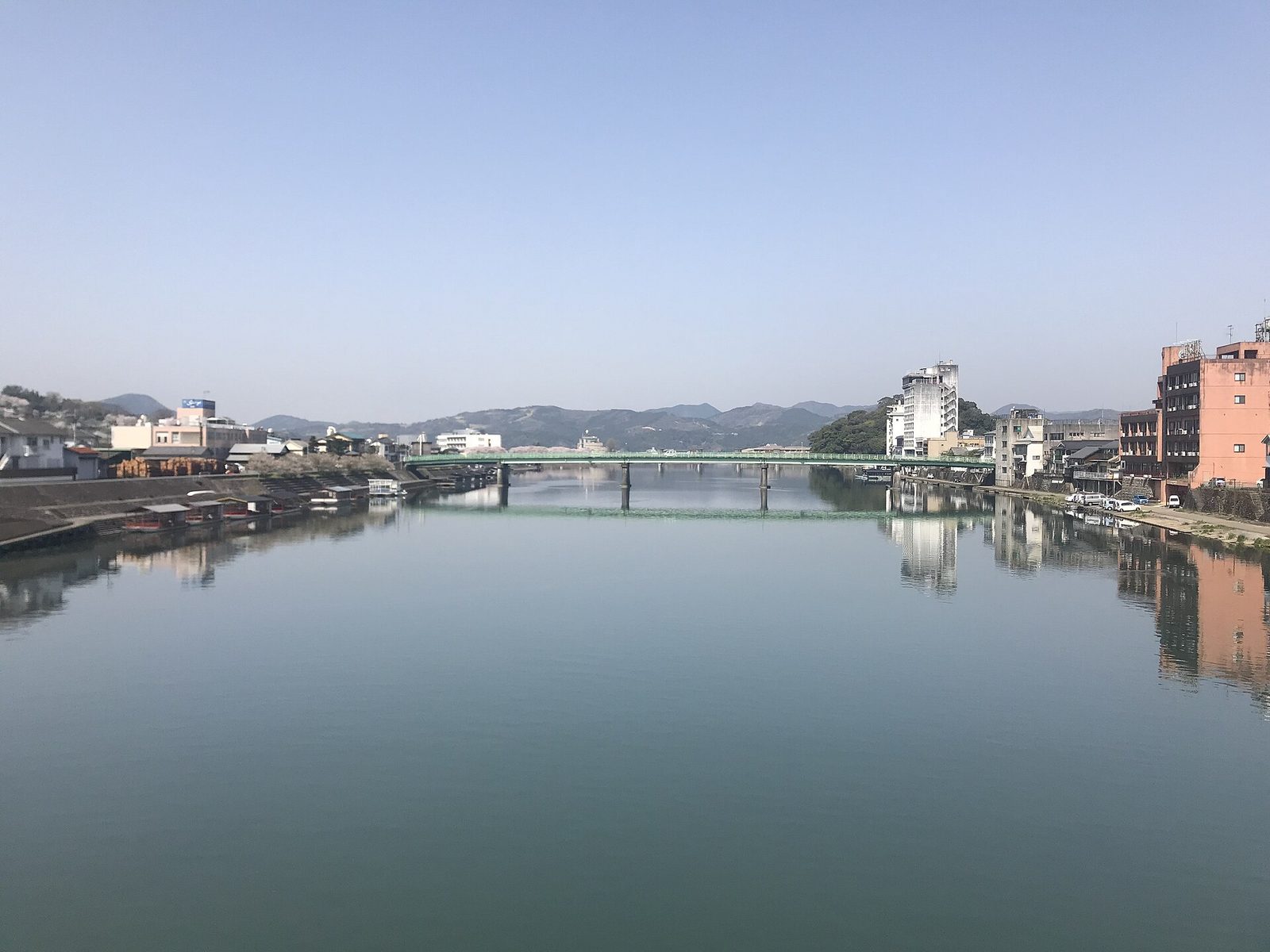
33.3° N
Hita
Oita, Japan
A basin town in northern Kyushu where three rivers meet, long prosperous as a shogunate territory. Onta ware kilns in the hills, cedar geta and woodenware, and eel, wagashi and coffee in Mamedamachi and Kuma: the editors’ picks.
Hita, on film
4 sights and 18 places, each checked open in 2026, in 34 seconds.
Found somewhere you like? The map and the list below have the address, hours and official site.
Tap for sound
What to eat in Hita
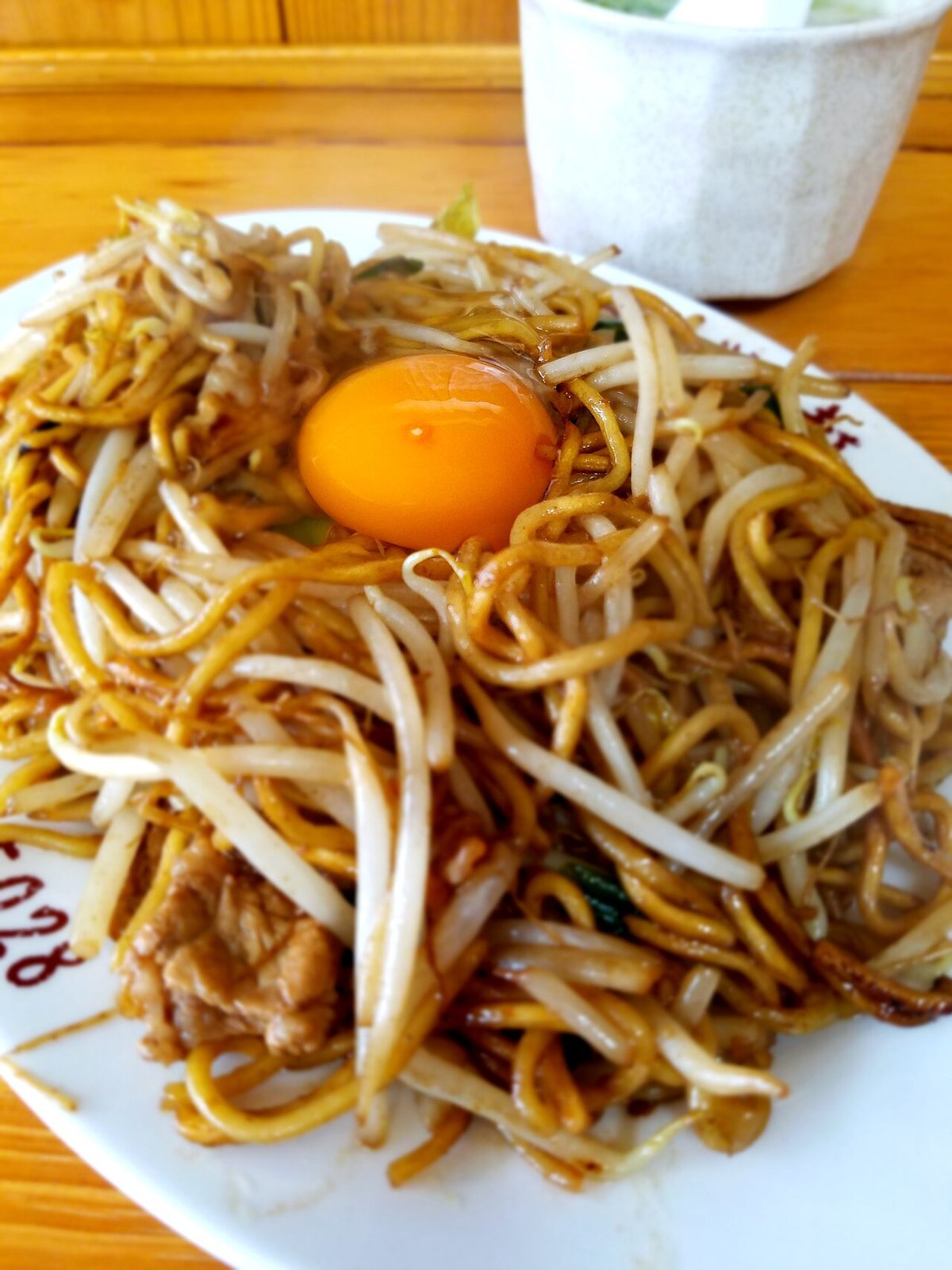
Photo: Hajime NAKANO / CC BY 2.0 (Wikimedia Commons) Hita yakisoba (griddle-crisped fried noodles)
日田やきそば
Boiled noodles are pressed onto an iron griddle until parts sear brown and crisp while the center stays chewy, then tossed with pork, green onions, and bean sprouts grown in Hita's groundwater. The style began in Hita in 1957 when Sofuren founder Yasuchika Sumi started grilling noodles rather than simply stir-frying them, and spread across local ramen and noodle shops.
Eaten year-round at noodle shops and ramen counters, often topped with pickled red ginger or raw egg and served alongside a light tonkotsu soup.
Where to eat it
- Mikuma Hanten ↓
- Sofuren SohontenWebsiteMap
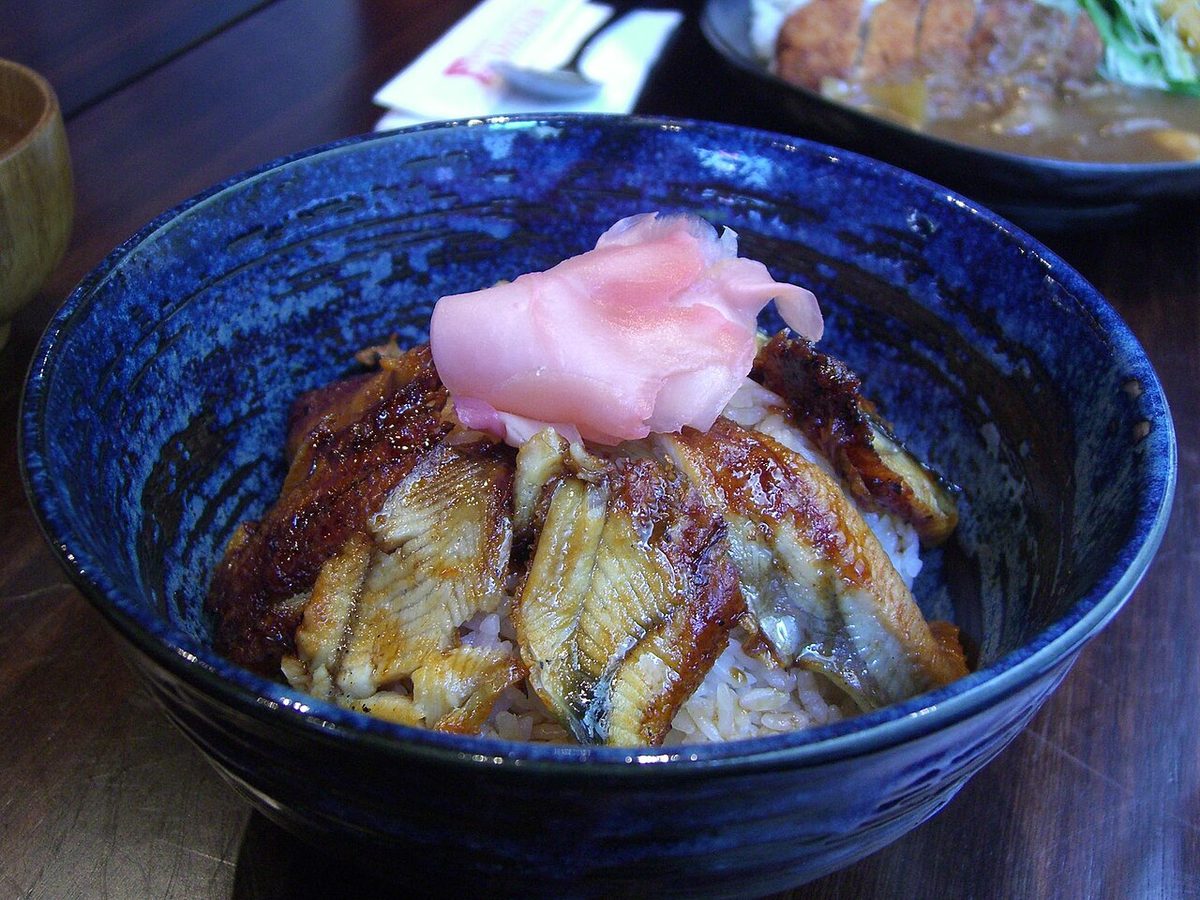
Photo: Alpha from Melbourne, Australia / CC BY-SA 2.0 (Wikimedia Commons) Hitamabushi (charcoal-grilled eel rice)
日田まぶし
Finely sliced domestic eel, grilled over high heat without steaming, is folded into Hita-grown Hinohikari rice and served in local Onta ware bowls. Created in Mamedamachi in 2001 as a local adaptation of Nagoya's hitsumabushi, it pairs river-town eel culture with Hita rice, water, and regional yuzu kosho.
Divided in the wooden tub into four portions: eaten plain, with scallions and wasabi, with yuzu kosho and grated daikon, and finally with dashi broth poured over as ochazuke.
Where to eat it
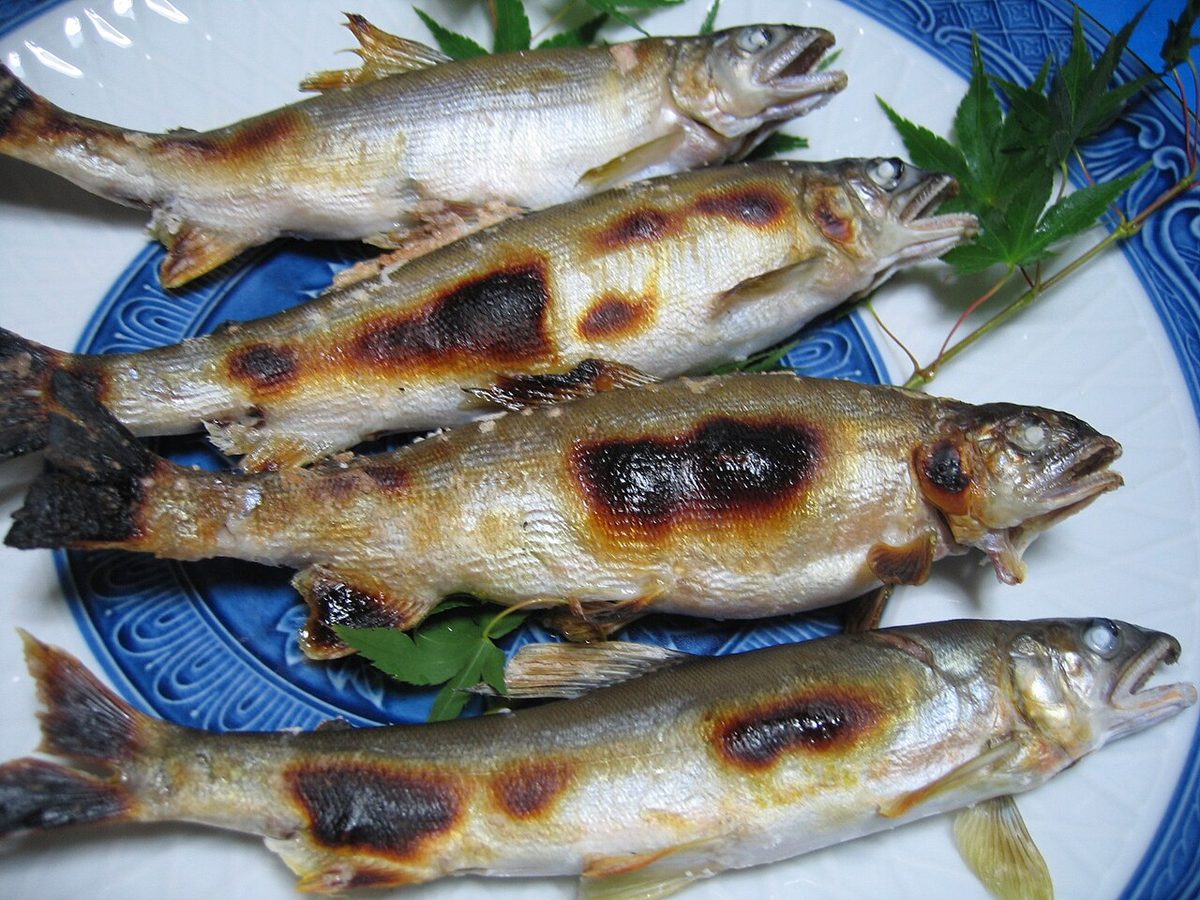
Photo: Pen-dako / CC BY-SA 3.0 (Wikimedia Commons) Ayu no shioyaki (salt-grilled river sweetfish)
鮎の塩焼き
Fresh sweetfish raised in the clear Mikuma River basin are salted and grilled whole over charcoal until the skin crisps and the flesh stays moist. Hita's river-fish culture stretches back to cormorant fishing (ukai) introduced on the Mikuma River around 1594 and traditional yana weir fishing along its banks.
Eaten whole off the bone from early summer to autumn at riverside yana restaurants, often in set meals with ayu sashimi (segoshi) and ayu rice.(Jun–Oct)
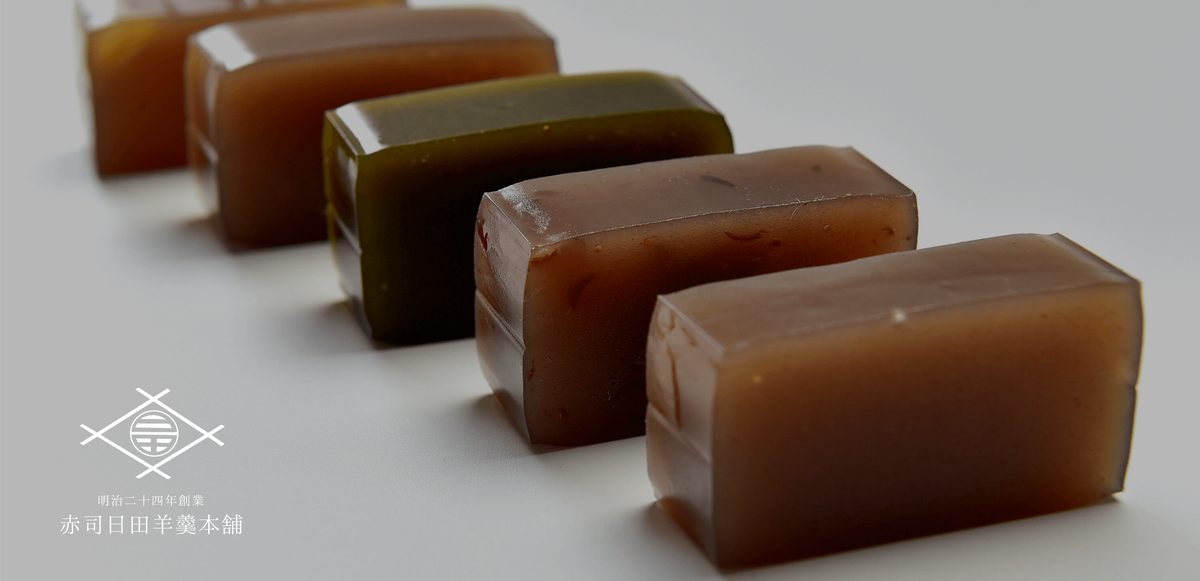
Photo: 赤司日田羊羹本舗 (official site) Hita yokan (crystallized red-bean jelly)
日田羊羹
Made from smooth azuki bean paste, sugar, agar, and Hita water, this unsealed slab yokan is wrapped in wood shavings so its surface gradually crystallizes into a crisp sugary crust over a soft interior. It was developed in Mamedamachi in 1891 by founder Mukiji Akashi when the Hita District Office asked for a confection to represent the town.
Sliced from the wood-wrapped slab to eat with green tea, either soft when fresh or a few days later after the sugar crust forms.
Where to eat it
The LATITUDE editors’ 18 picks in Hita
Our editors verified that these places were open (checked 2026-11-12). Check the official site for hours and closing days before visiting. Sponsored listings are marked.
Save places to your trip list and revisit them in this browser. No account needed.
Editors’ picks on the map — or build your own route
Tap a mark to see the place; squares are museums and sights (landmarks). Use “Build your own route” to make a walk of your own.
Loading the map
Map data © OpenStreetMap contributors
Browse by category
1 / 21
Mamedamachi
Hitamabushi Senya
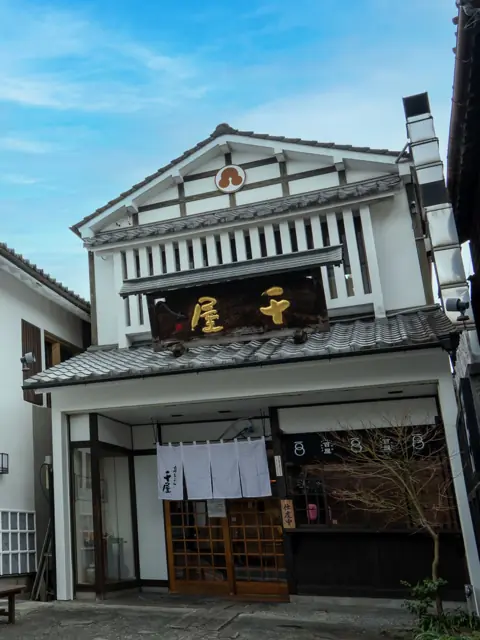
Photo: the shop’s official page 日田まぶし 千屋
Irregular closing days
A Hitamabushi house in Mamedamachi. Crisp charcoal-grilled domestic eel and Hita rice served in Onta ware, eaten four ways including with yuzu kosho and dashi broth.
10:30–16:30 (last order 15:30) · Closed: Irregularchecked Nov 2026
Why the editors chose itCharcoal-grilled unsteamed eel and Hita rice served in Onta ware to eat four different ways.
Mamedamachi
Kazetone
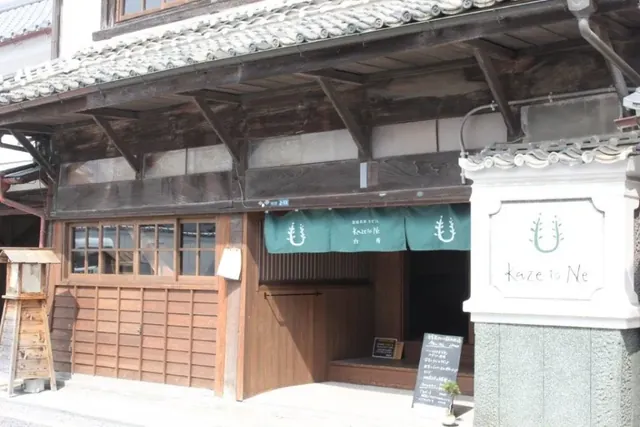
Photo: the shop’s official page 食感農園 風と根
A lunch restaurant in a renovated traditional house in Minatomachi near Mamedamachi, serving monthly menus made with homegrown seasonal vegetables.
Why the editors chose itA renovated traditional house serving monthly lunches built around homegrown seasonal vegetables.
Mamedamachi
BOWL
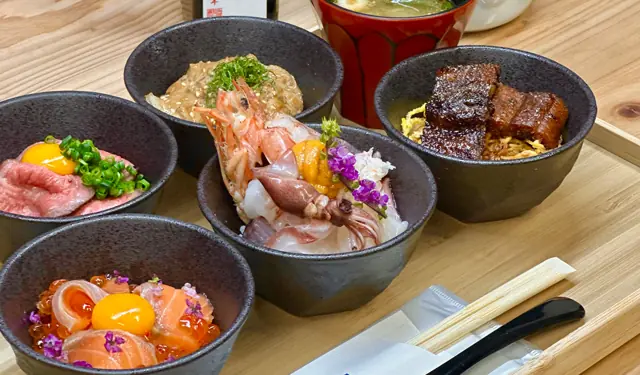
Photo: the shop’s official page A donburi restaurant in Mamedamachi opened by local washoku house Kisetsu Ryori Kamon. Built with Hita cedar interiors and tables, serving market seafood bowls and domestic wagyu beef bowls.
11:00–last order 15:30 (lunch last order 14:00) · Closed: Mondays (subject to change on public holidays), irregular
Why the editors chose itOpened by a local washoku house, serving market seafood and wagyu bowls at Hita cedar tables.
Kuma
Mikuma Hanten
みくま飯店
A Hita yakisoba shop in Kuma, serving noodles seared crisp on an iron griddle alongside a light tonkotsu soup.
Why the editors chose itHita yakisoba seared crisp on an iron griddle and served with a light tonkotsu soup.
Mamedamachi
Bistro Cafe Licht
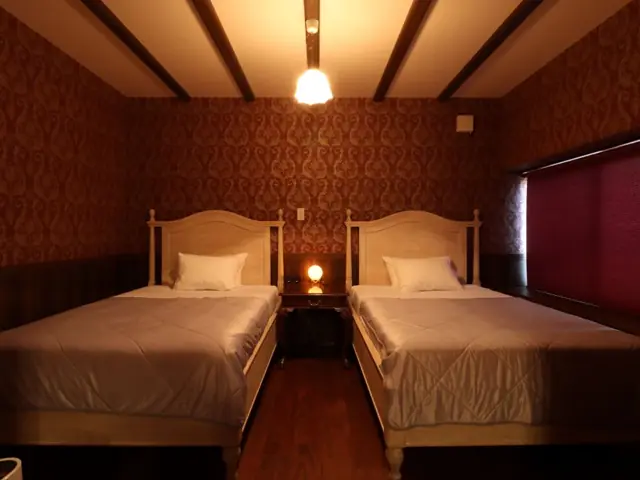
Photo: the shop’s official page The café of a small auberge in Mamedamachi, serving coffee, German organic tea, buckwheat galettes, quiche and pasta. Closed Mondays and Tuesdays.
Wed–Sun 11:00–14:00 · Closed: Tuesdays
Why the editors chose itAn auberge café in Mamedamachi serving buckwheat galettes alongside German organic tea.
Kuma
ONOGORO STYLE
A café in Ishiimachi just west of Kuma, serving ingredient-conscious lunches, sweets and acai bowls. Irregular closing days are posted on Instagram.
Why the editors chose itJust west of Kuma for ingredient-conscious lunches, sweets and acai bowls.
Okuhita
Okagesama Cafe Nicon
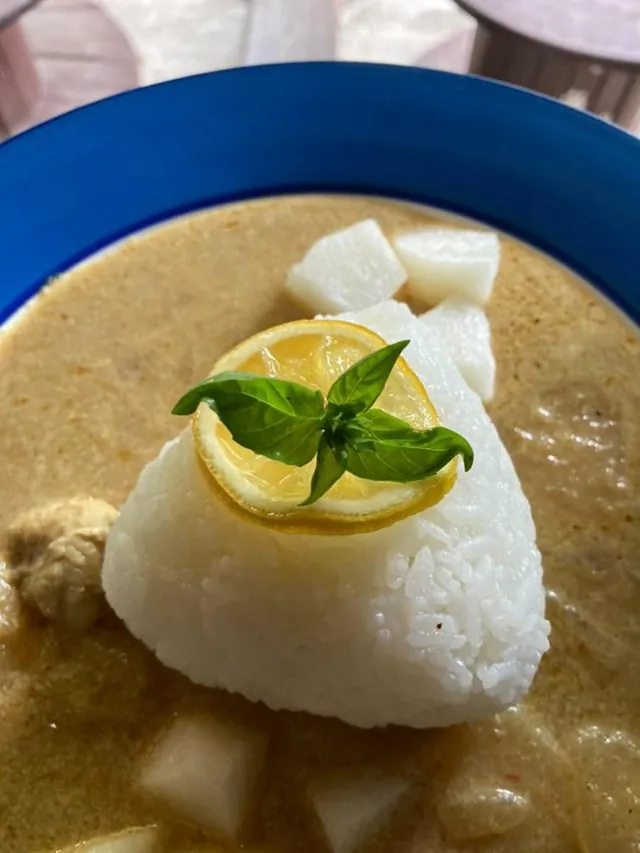
Photo: the shop’s official page おかげさまcafe にこん
A café in a century-old farmhouse in Amagase, Okuhita. Sit by the irori hearth or open veranda for coffee, clay-pot zenzai and earthenware-pot curry.
Why the editors chose itSit by an irori hearth or veranda in a century-old farmhouse for clay-pot zenzai and curry.
Mamedamachi
Akashi Hita Yokan Honpo
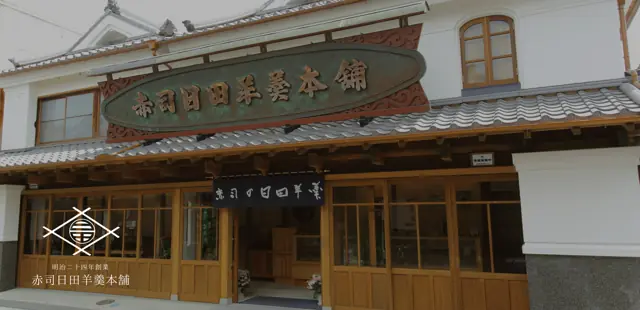
Photo: the shop’s official page 赤司日田羊羹本舗
A long-standing Hita yokan maker in Mamedamachi. Its traditional slab yokan develops a crisp sugar crust once sliced and rested, alongside seasonal coffee yokan.
9:00–16:00
Why the editors chose itTraditional slab yokan that forms a crisp sugar crust once sliced and rested.
Central Hita
Cake Shop SHO
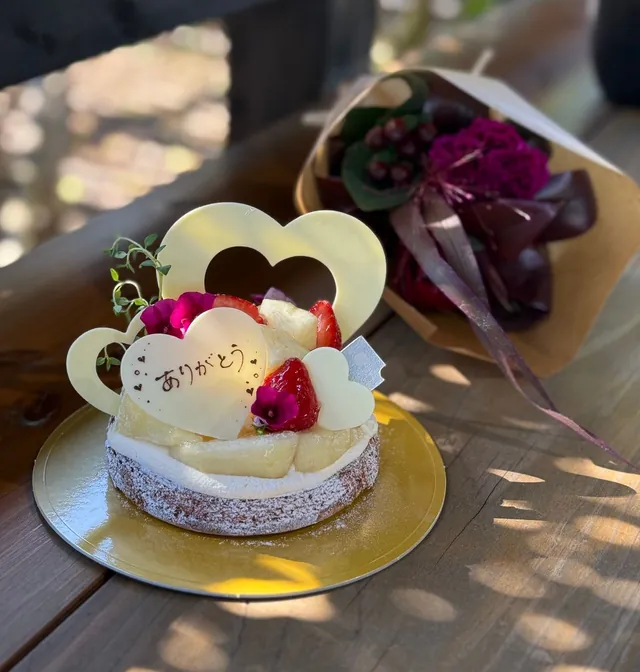
Photo: the shop’s official page A patisserie in Tashima near Ohara Hachimangu Shrine, selling seasonal whole cakes, cheesecakes and baked sweets.
日田市田島2-154-2
Google MapsWhy the editors chose itNear Ohara Hachimangu Shrine for seasonal whole cakes, cheesecakes, and baked sweets.
Central Hita
Hita Toraya
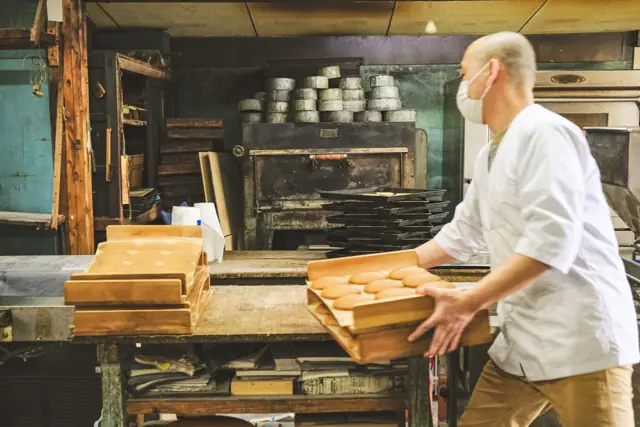
Photo: the shop’s official page 御菓子司 日田とらや
A wagashi shop in Nakahonmachi making moist honey-rich maruboro for over 60 years, alongside walnut-studded bean-paste tai monaka. Open 9 am to 6 pm; closed Sundays and Mondays.
9:00–18:00
Why the editors chose itMaking honey-rich maruboro for over 60 years alongside bean-paste tai monaka.
Kuma
Matsuura Shoodo
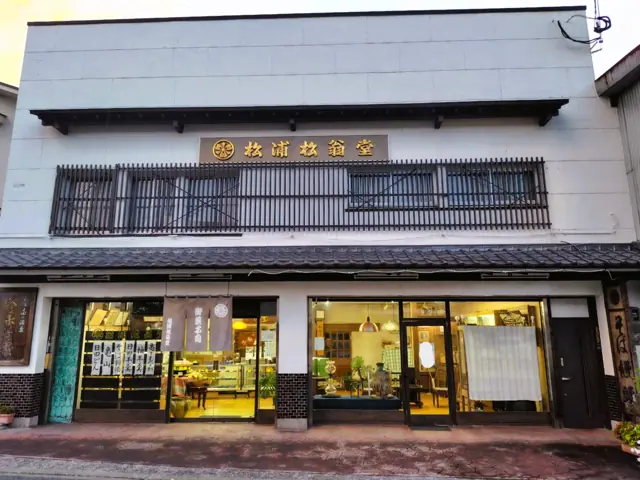
Photo: the shop’s official page 松浦松翁堂
A wagashi shop in Kuma founded in 1892, known for Kameyama, a baked sweet of dark bean paste coated with walnuts and peanuts.
Why the editors chose itFounded in 1892 and known for Kameyama, dark bean paste baked with walnuts and peanuts.
Made in Hita
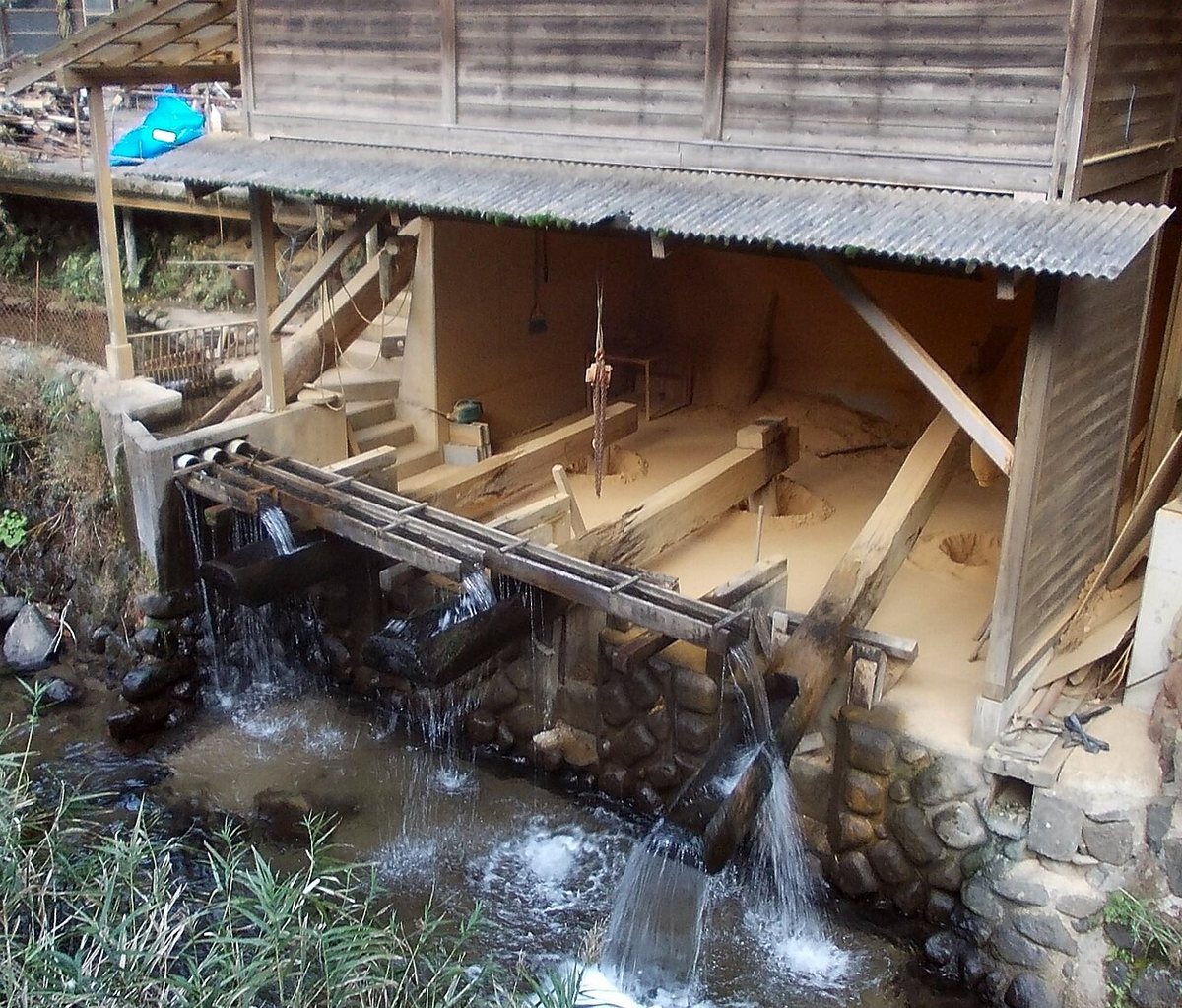
Folk stoneware made since 1705 in the mountain hamlet of Sarayama. Family kilns crush local clay with stream-driven wooden kara-usu pounders and fire their everyday vessels in communal climbing kilns.
Water-powered clay mills along the river in Onta pottery village·Photo: STA3816 / CC BY-SA 3.0 (Wikimedia Commons)
Onta (Sarayama)
Sakamoto Koji Kiln
坂本浩二窯
An Onta ware family kiln in Sarayama worked by Koji Sakamoto and his son Takuma, crushing clay with water-powered kara-usu and firing slip-decorated vessels in the climbing kiln.
Why the editors chose itAn Onta ware kiln using water-powered clay crushers and a climbing kiln for slip-decorated vessels.
Made in Hita
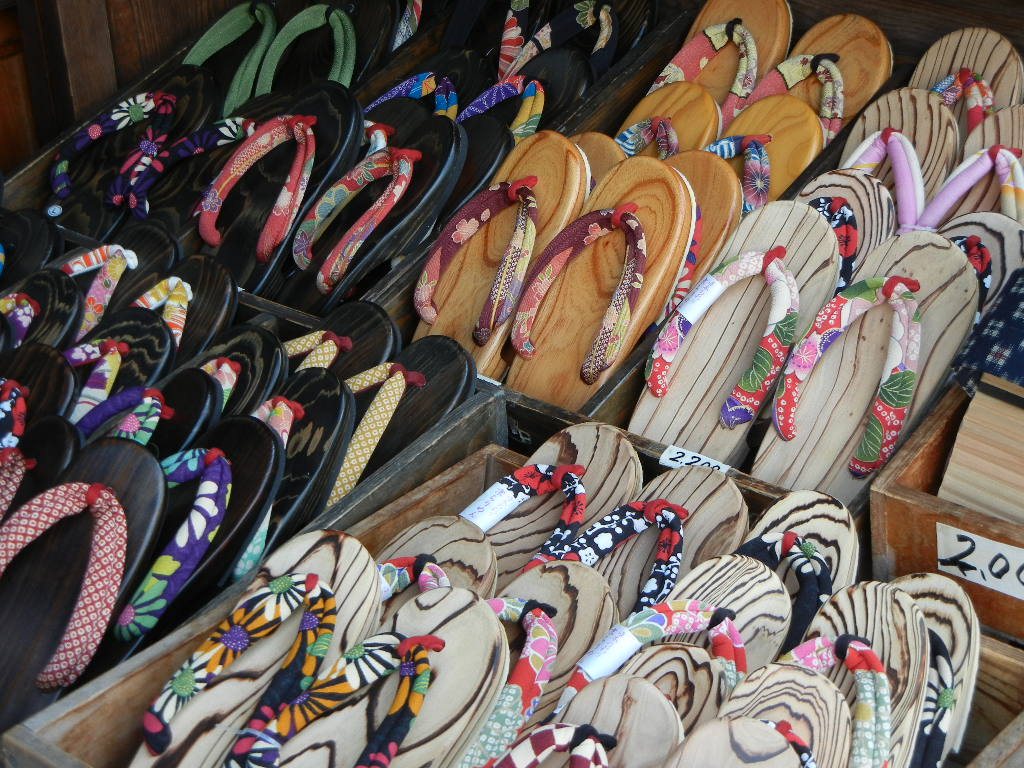
Hita is one of Japan's three major geta-making centres, known for lightweight, richly grained local cedar and cypress. Workshops here shape the timber into clogs, sandals and everyday woodenware.
Rows of traditional Hita cedar geta wooden sandals·Photo: NY066 / CC BY-SA 3.0 (Wikimedia Commons)
Central Hita
Uratsuka Kobo
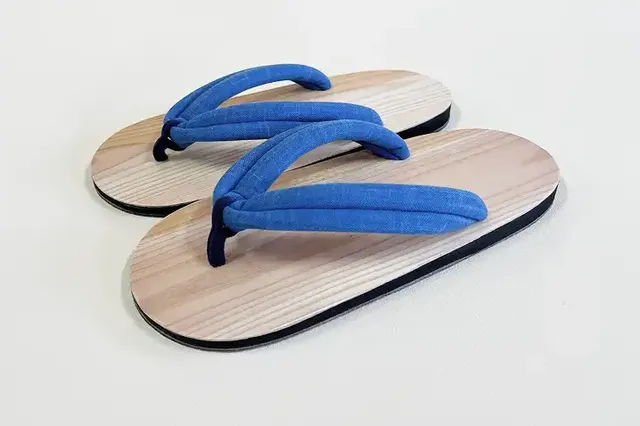
Photo: the shop’s official page うらつか工房
A family-run geta workshop in Fukiagemachi led by the second and third generations, handling every step from wood shaping to finishing, including hinoki clogs and layered Hita cedar indoor slippers.
Why the editors chose itSecond- and third-generation makers crafting hinoki clogs and five-layer Hita cedar indoor slippers from scratch.
Kuma
Nitto Mokkou
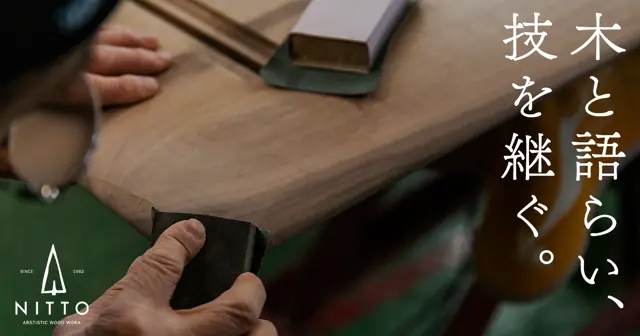
Photo: the shop’s official page 日東木工
A wooden furniture maker founded in 1962 in Tamagawa just west of Kuma, handling timber selection to finishing for custom tables, chairs and sofas.
Why the editors chose itA 1962 furniture maker handling every step from timber selection to hand-finishing custom pieces.
Made in Hita
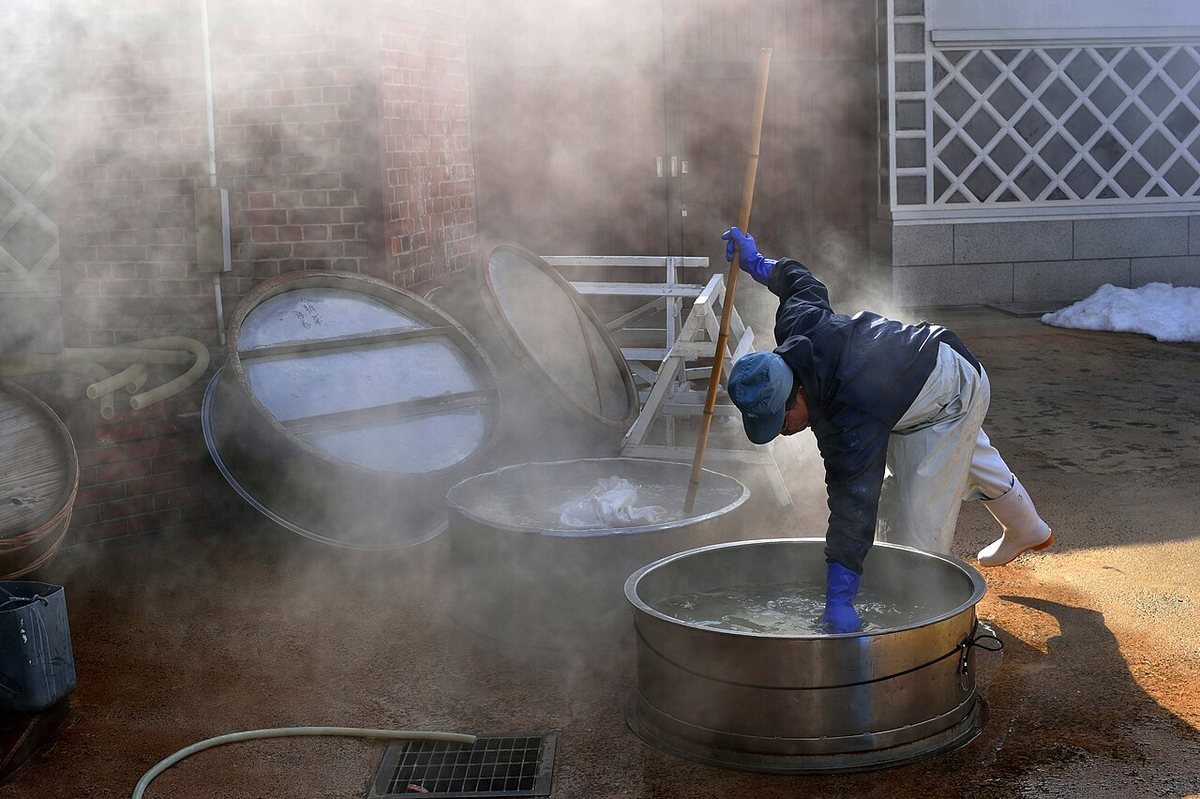
Pure groundwater from the surrounding mountains has sustained miso, soy sauce, sake and shochu makers in Hita since the Edo and Meiji eras.
Brewer tending steaming vats in a sake brewery·Photo: 東広島市 / CC BY-SA 4.0 (Wikimedia Commons)
Central Hita
Hara Jirozaemon Brewery
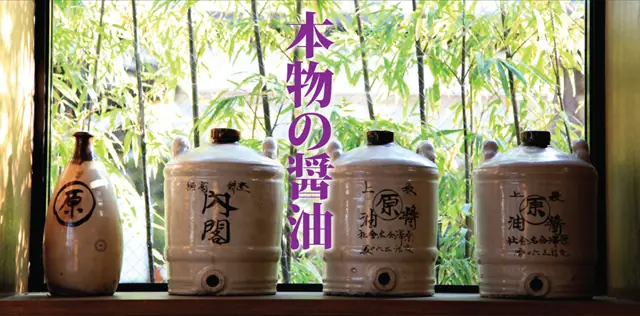
Photo: the shop’s official page 原次郎左衛門の味噌醤油蔵
A miso and soy sauce brewery in Nakahonmachi founded in 1899, brewing with Hita groundwater and also making ayu sweetfish garum and ramune.
9:00–17:00 (factory tour reception until 16:00) · Closed: Irregular Sundays (closed year-end & New Year)
Why the editors chose itBrewing with Hita groundwater since 1899, offering ayu sweetfish garum alongside miso and soy sauce.
Onta (Sarayama)
Onta-yaki Pottery Museum
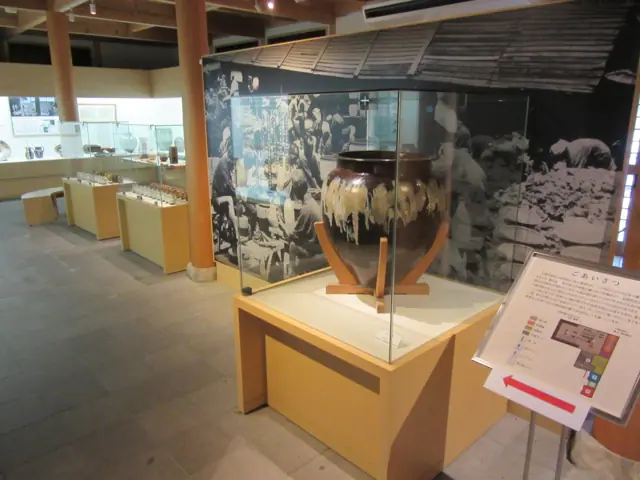
Photo: the shop’s official page 小鹿田焼陶芸館
A municipal exhibition gallery at the entrance to Sarayama, showing Onta ware from the Edo period to today. Open 9 am to 5 pm; closed Wednesdays and New Year.
9:00–17:00 · Closed: Wednesdays (following day if public holiday), year-end & New Yearchecked Nov 2026
Why the editors chose itSee Onta ware from the Edo period to today right at the entrance to Sarayama.
Miyoshi & Higashiarita
CREATIVE BASE FAB
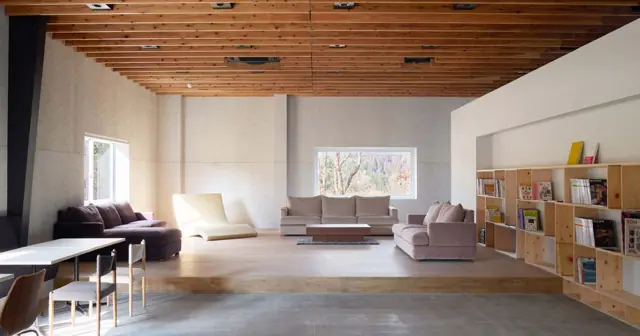
Photo: the shop’s official page A craft hub in a sofa maker's warehouse run by Best Living, with a sofa showroom, offcut shop, and select shop stocking Hita geta and Onta ware. Open 10 am to 5 pm.
10:00–17:00
Why the editors chose itA sofa maker's warehouse bringing together offcut materials, Hita geta, and Onta ware.
Okuhita
Wood Art Raku

Photo: the shop’s official page ウッドアート楽
Irregular closing days
A woodworking studio and shop in Oyama, Okuhita, shaping local timber and fine hardwoods into chopsticks, spoons, forks and wooden bowls.
9:00–17:00 · Closed: Irregularchecked Nov 2026
Why the editors chose itA woodworking studio turning local timber and fine hardwoods into chopsticks, cutlery and bowls.
Sights in Hita
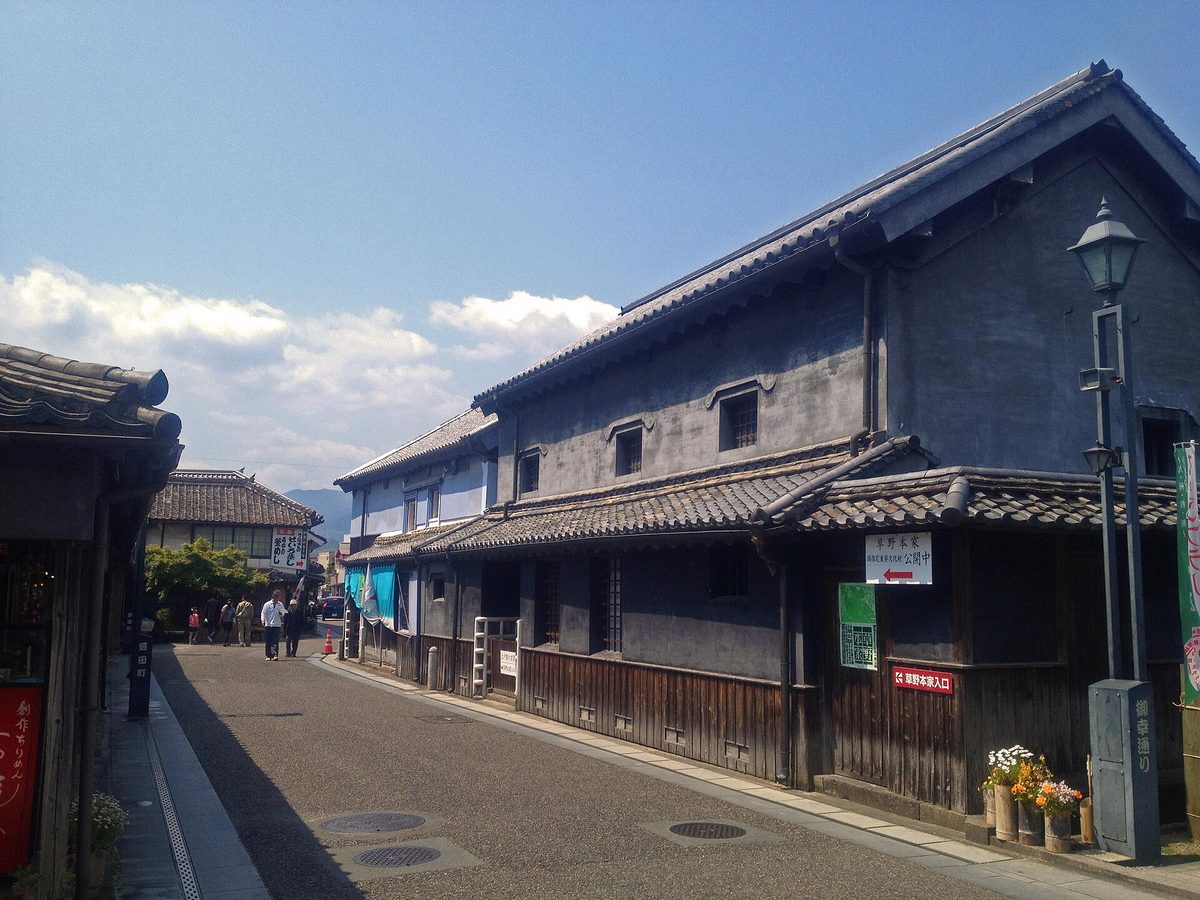
Photo: Mukai / CC BY-SA 3.0 (Wikimedia Commons) Mamedamachi Preservation District
The old merchant quarter of Mamedamachi, which prospered when Hita was shogunate territory.
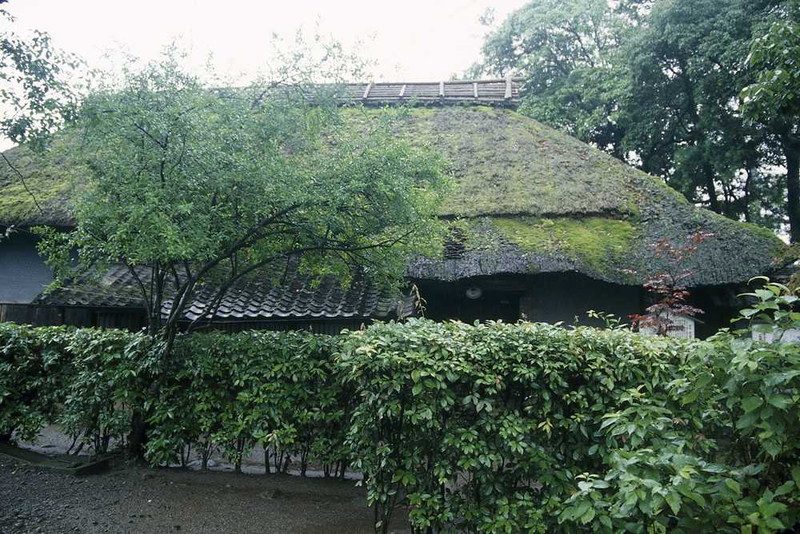
Photo: official site The site of a private academy founded in the late Edo period by Confucian scholar Hirose Tanso, designated a national historic site.
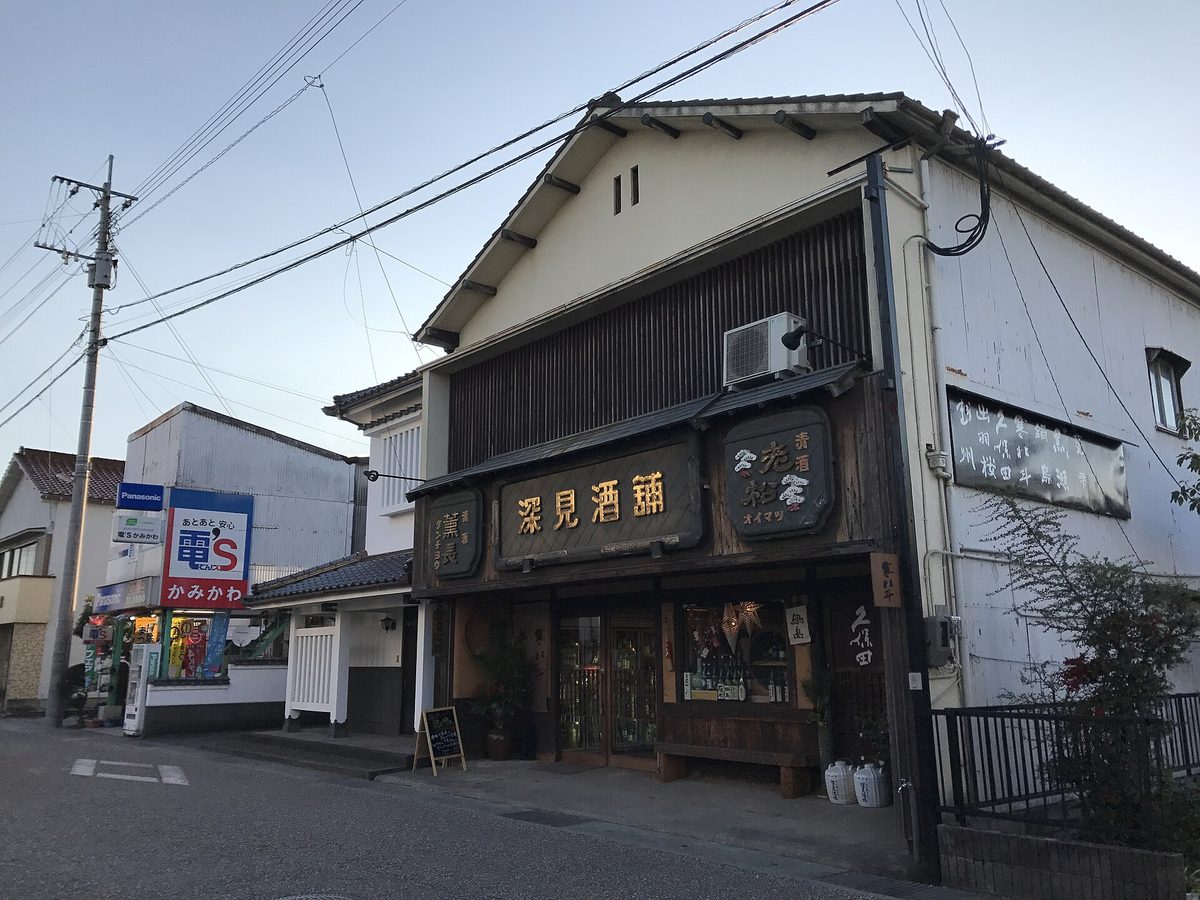
Photo: そらみみ / CC BY-SA 4.0 (Wikimedia Commons) The former residence and museum of the Hirose merchant family, birthplace of scholar Hirose Tanso and financier Hirose Kyubei, showing the main house and family collection.
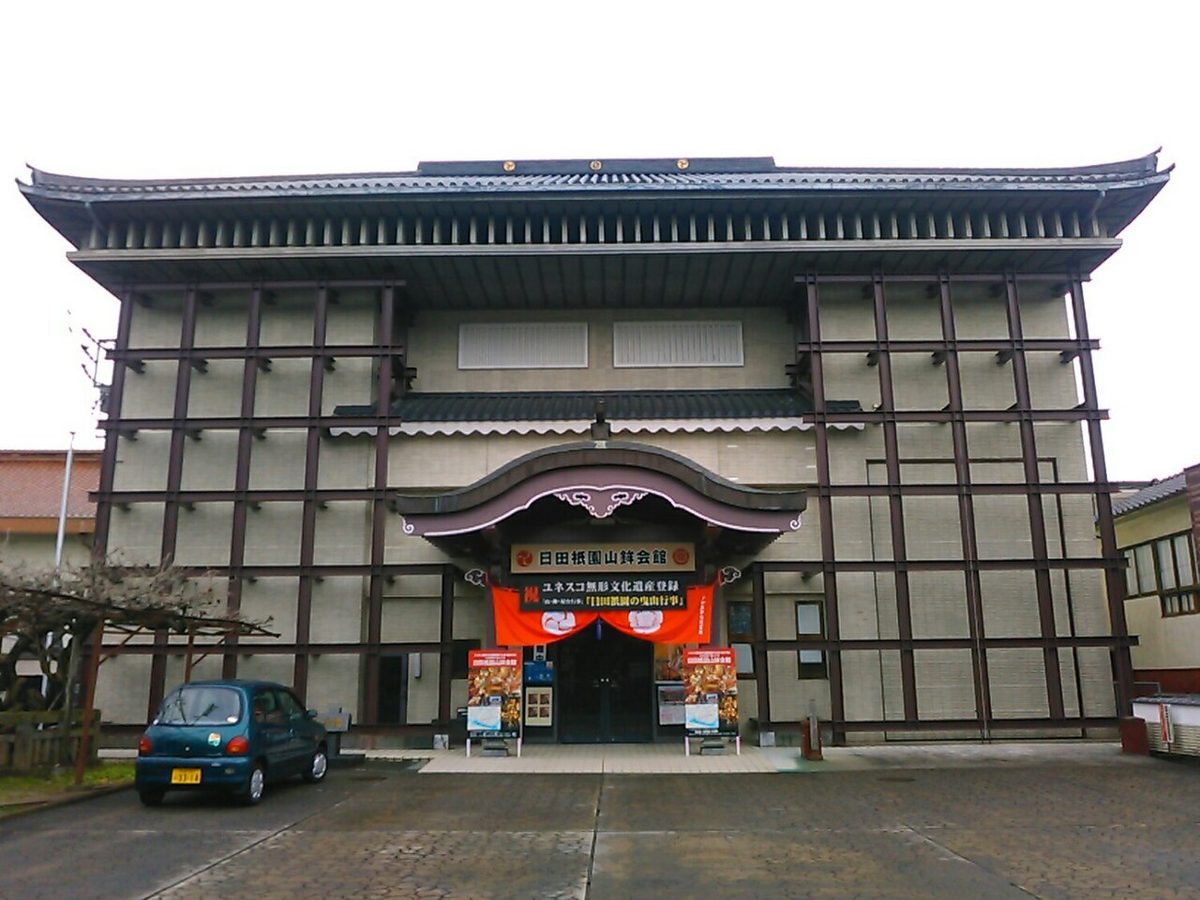
Photo: 水だらけのプール / CC0 (Wikimedia Commons) A museum displaying the festival floats and tapestries of the Hita Gion Yamahoko procession, a UNESCO Intangible Cultural Heritage.
Float displays are suspended from late June to late July for the Hita Gion festival.
These are local landmarks. Each was checked to be open on its official site (checked 2026-11-12). Please confirm hours before you go.
Beyond Hita
1 / 6
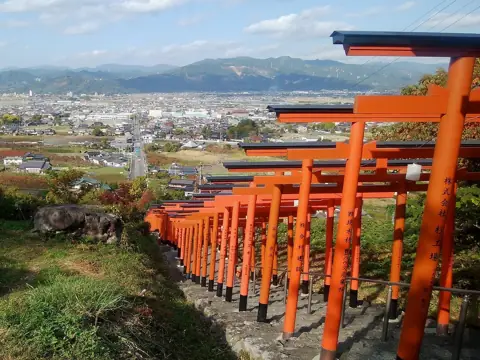 Ukiha · 13 km
Ukiha Inari Shrine →
A hillside shrine in Jogahana Park where over 90 vermilion torii gates climb roughly 300 stone steps overlooking the Chikugo Plain.
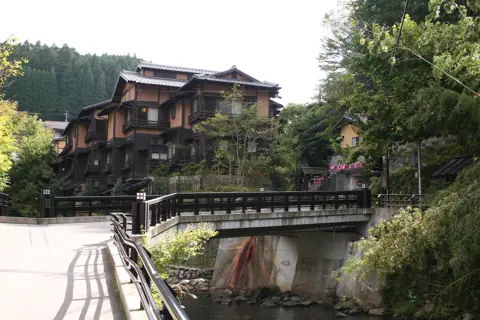 Minamioguni · 34 km
Kurokawa Onsen →
An onsen area surrounded by lush green mountains with 30 ryokans gathered together.
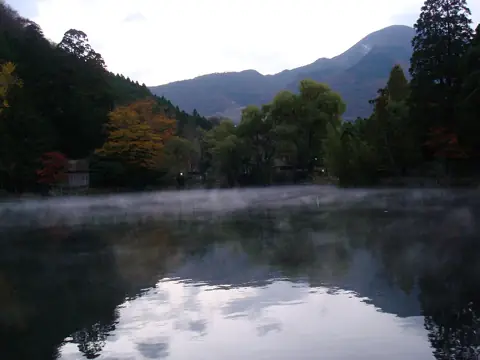 Yufuin · 41 km
Kinrin Lake →
Famous for the mystical sight of morning mist rising from the lake surface in autumn and winter, caused by hot spring water and fresh water gushing from the lake bed.
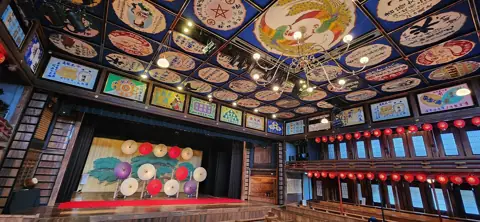 Yamaga · 41 km
Yachiyoza Theater →
A 1910 wooden kabuki playhouse designated an Important Cultural Property, preserving a hand-turned revolving stage, under-stage cellar, and painted ceiling advertisements.
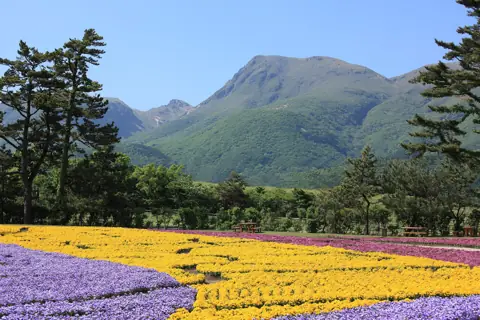 竹田市 · 42 km
Kuju Flower Park →
A flower park located in Aso-Kuju National Park, where you can enjoy seasonal flowers.
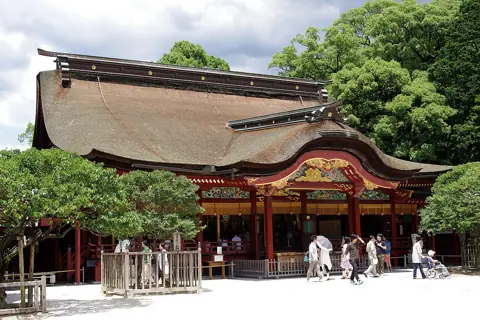 Dazaifu · 43 km
Dazaifu Tenmangu Shrine →
A historic shrine dedicated to Sugawara no Michizane, famous as the god of learning.


Distances are straight-line from the town centre. Each page has how to get there and a suggested day.
Questions people ask
- Where can I eat Hita's local dishes?
Hita yakisoba (griddle-crisped fried noodles): Mikuma Hanten (Kuma)
Hitamabushi (charcoal-grilled eel rice): Hitamabushi Senya (Mamedamachi)
Hita yokan (crystallized red-bean jelly): Akashi Hita Yokan Honpo (Mamedamachi)
- Where can I see or buy Onta ware pottery, Hita cedar geta and woodwork, Tenryo Hita spring-water brewing in Hita?
Onta ware pottery: Sakamoto Koji Kiln (Onta (Sarayama))
Hita cedar geta and woodwork: Uratsuka Kobo (Central Hita), Nitto Mokkou (Kuma)
Tenryo Hita spring-water brewing: Hara Jirozaemon Brewery (Central Hita)
Craft: Onta-yaki Pottery Museum (Onta (Sarayama)), CREATIVE BASE FAB (Miyoshi & Higashiarita), Wood Art Raku (Okuhita)
- Which places in Hita open by 9 in the morning?
Akashi Hita Yokan Honpo (Mamedamachi, 9:00–16:00)
Hita Toraya (Central Hita, 9:00–18:00)
- What can I visit on foot around Mamedamachi?
Food: Hitamabushi Senya, Kazetone, BOWL
Sweets: Akashi Hita Yokan Honpo
Cafés: Bistro Cafe Licht
Every place was checked to be open in November 2026. Hours can change, so please check the official site before you go.
If you like Hita
- Takayama
Gifu, Japan
For example, Hara Jirozaemon Brewery here, and Hirata Sake Brewery in Takayama.
- Naruto
Tokushima, Japan
For example, Sakamoto Koji Kiln here, and Otani-yaki Kiln Mori Toki in Naruto.
- Hagi
Yamaguchi, Japan
For example, Hara Jirozaemon Brewery here, and Iwasaki Shuzo in Hagi.
Chosen by how close the towns and their places are in what they make and serve.