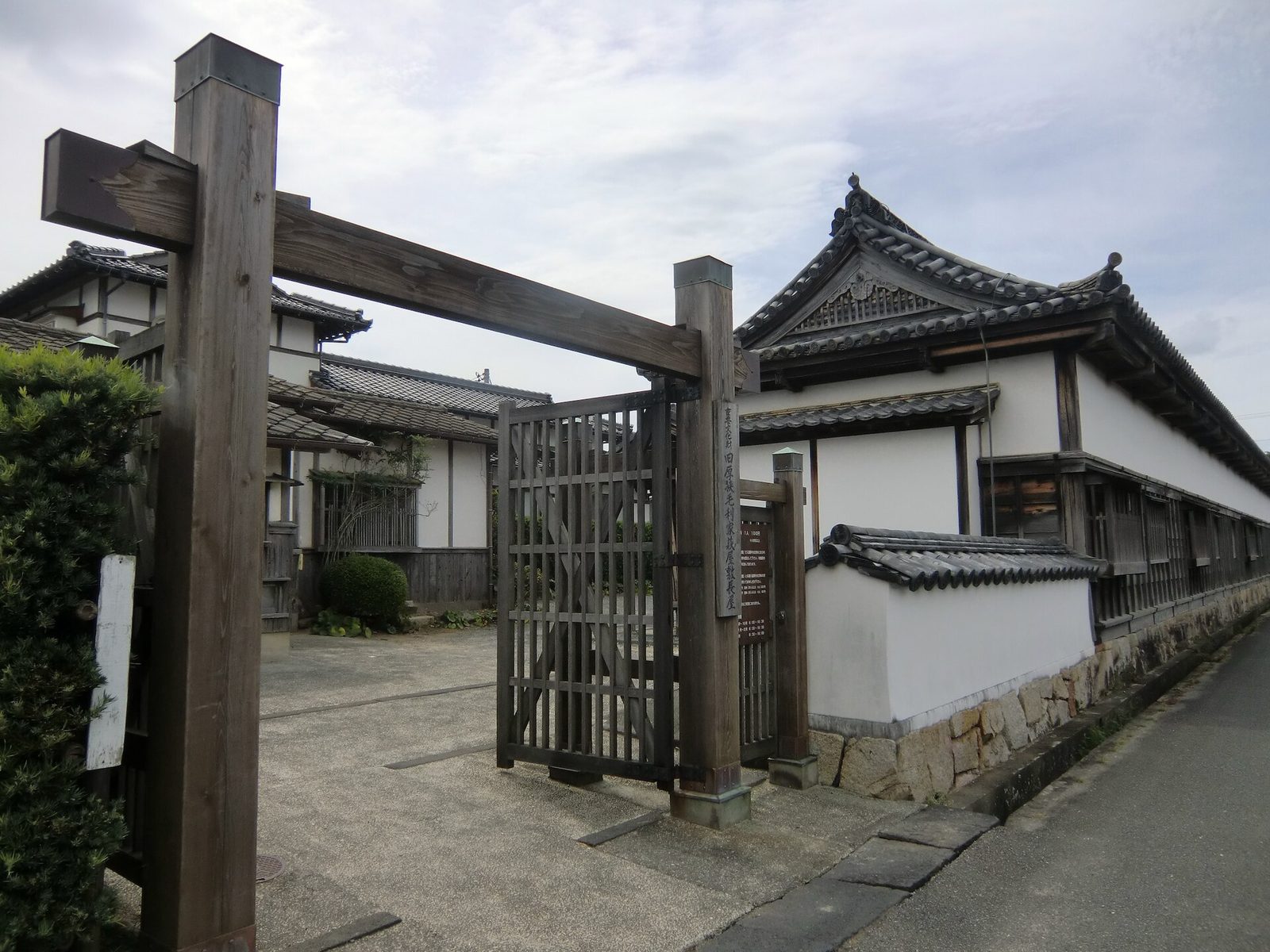
34.4° N
Hagi
Yamaguchi, Japan
A former castle town of the Mori lords on the Sea of Japan. Hagi-yaki kilns, yakinuki kamaboko makers, and sweets and coffee in the old castle town and the port quarter of Hamasaki, as the editors’ picks.
What to eat in Hagi
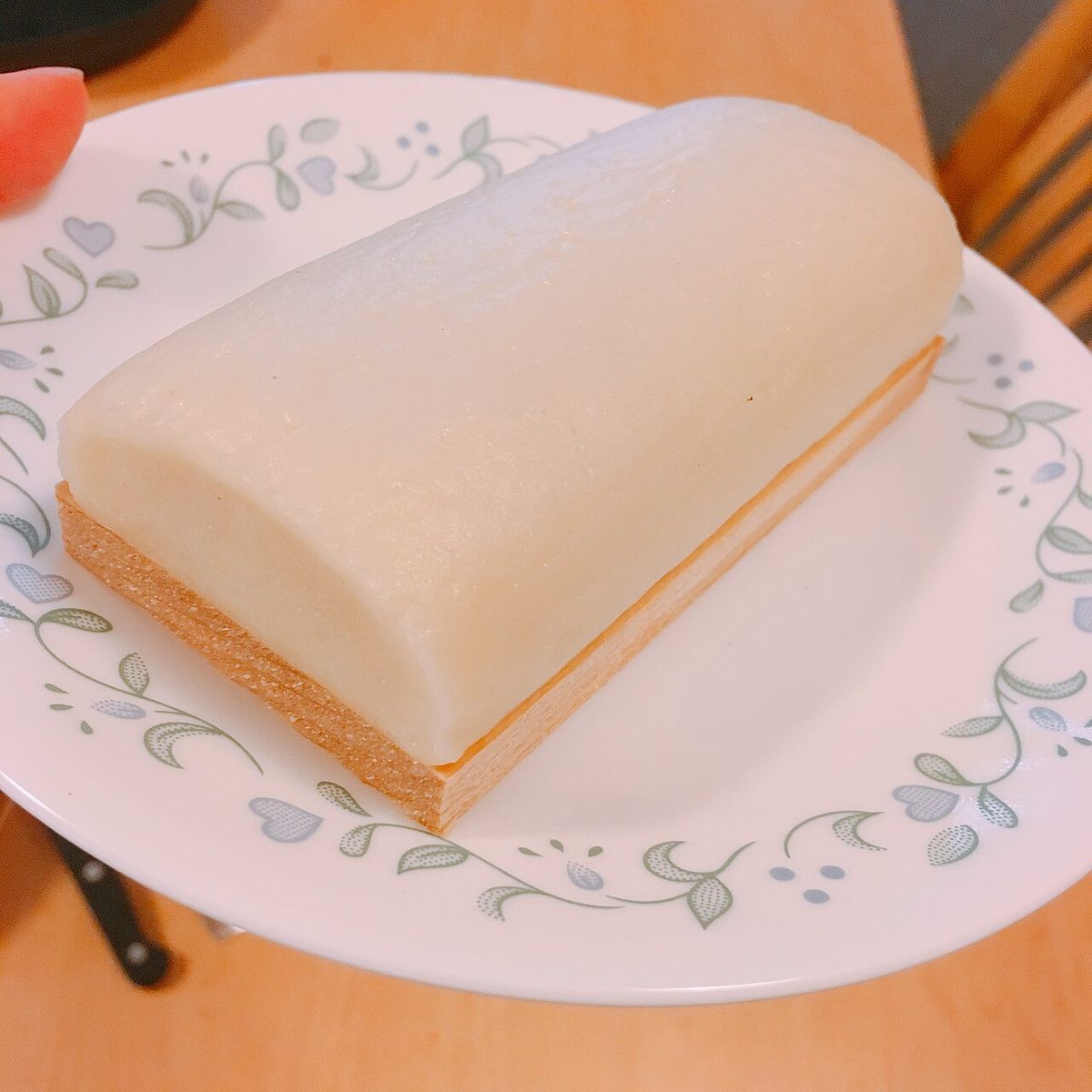
Photo: Groupone / CC BY-SA 4.0 (Wikimedia Commons) Yakinuki kamaboko (grilled fish cake)
焼き抜き蒲鉾
A firm, springy white fish cake made from fresh Sea of Japan lizardfish (eso) ground and cooked slowly from beneath the wooden board rather than steamed. Recorded in Hagi since the early Edo period, it was sent to the Tokugawa shogunate as a Choshu Domain specialty.
Bring it to room temperature, slice 1.2–1.5 cm thick, and eat it plain or with wasabi and soy sauce.
Where to eat it
- Miyoshi Kamaboko ↓
- 忠小兵衛蒲鉾本店Map
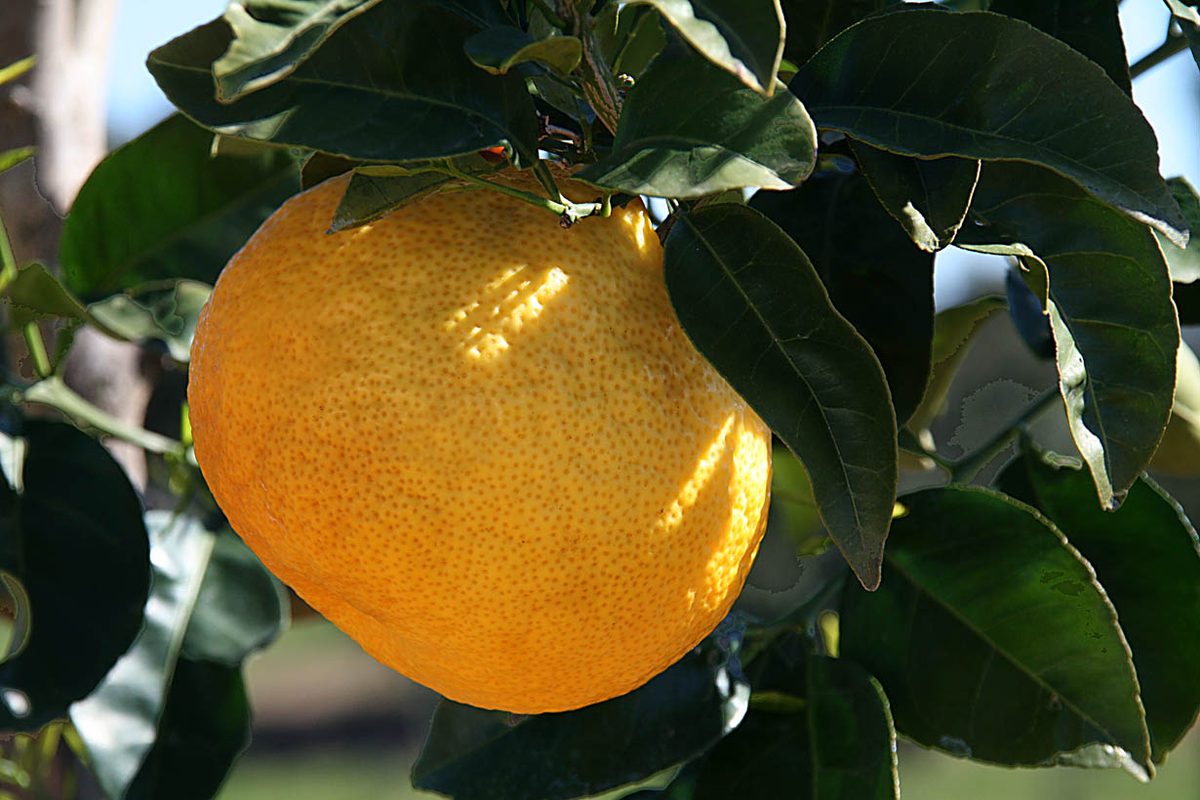
Photo: Jpbrigand2 / CC BY-SA 4.0 (Wikimedia Commons) Natsumikan (summer orange)
夏みかん
A tart yellow citrus grown behind the earthen walls of Hagi's former samurai quarter. After the Meiji Restoration, former samurai planted natsumikan across vacant residential plots from 1876 under Obata Takamasa's relief plan, turning the town into a citrus-growing center.
Harvested mainly in May, it is eaten year-round as marmalade, juice, or marutsuke—a whole candied peel filled with white yokan sliced into wedges to have with green tea.(Apr–Jun)
Where to eat it
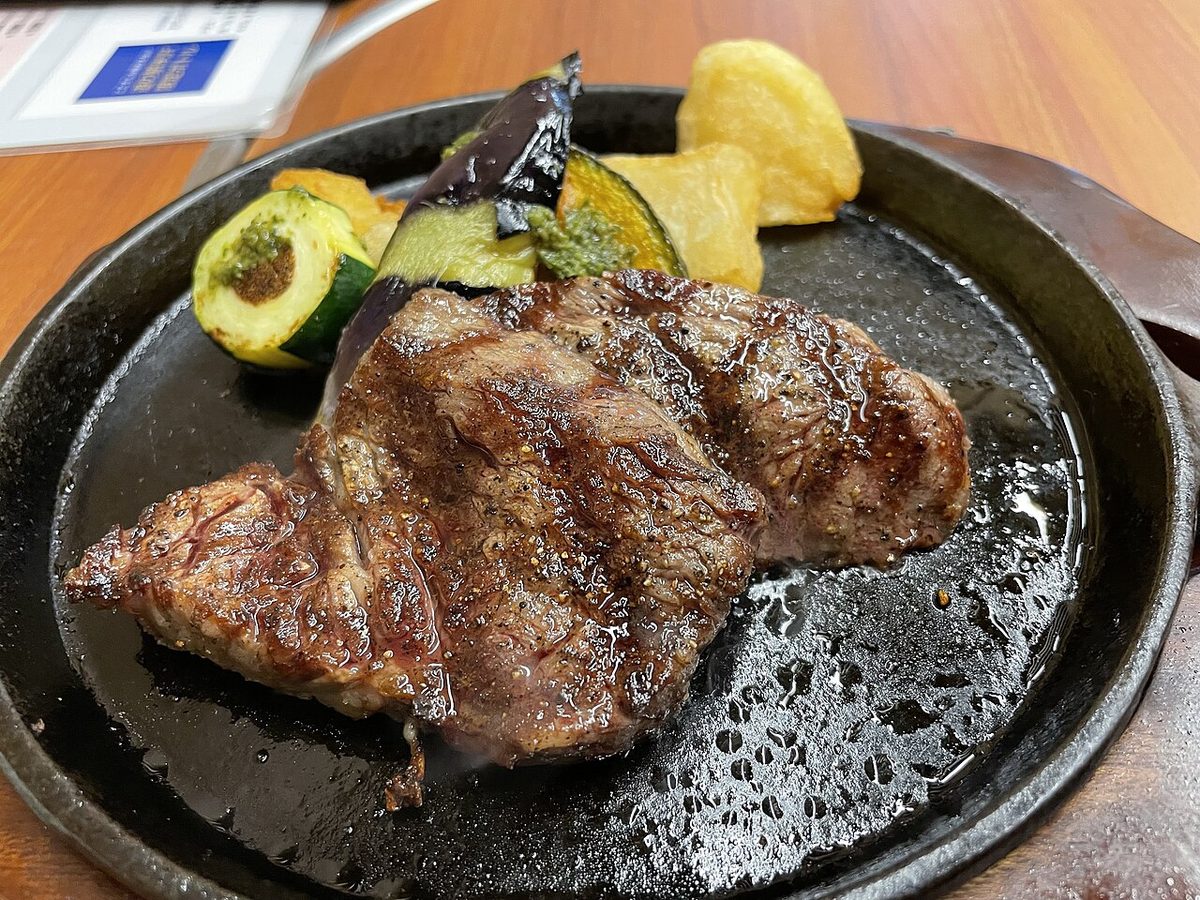
Photo: Totti / CC BY-SA 4.0 (Wikimedia Commons) Kenran-gyu (Hagi Kenran beef)
見蘭牛
A local beef breed created by crossing Holstein cattle with Mishima-ushi, a pure native Japanese cattle breed raised on Mishima Island off Hagi and designated a national Natural Monument. Developed in Hagi from 1973 by Midoriya and Nagoya University to preserve Mishima-ushi lineage, it has flavorful lean meat and fine marbling.
Eaten year-round as tabletop-grilled yakiniku and steak, or in hamburg steak sets, ceramic-plate grills, and takeout croquettes.
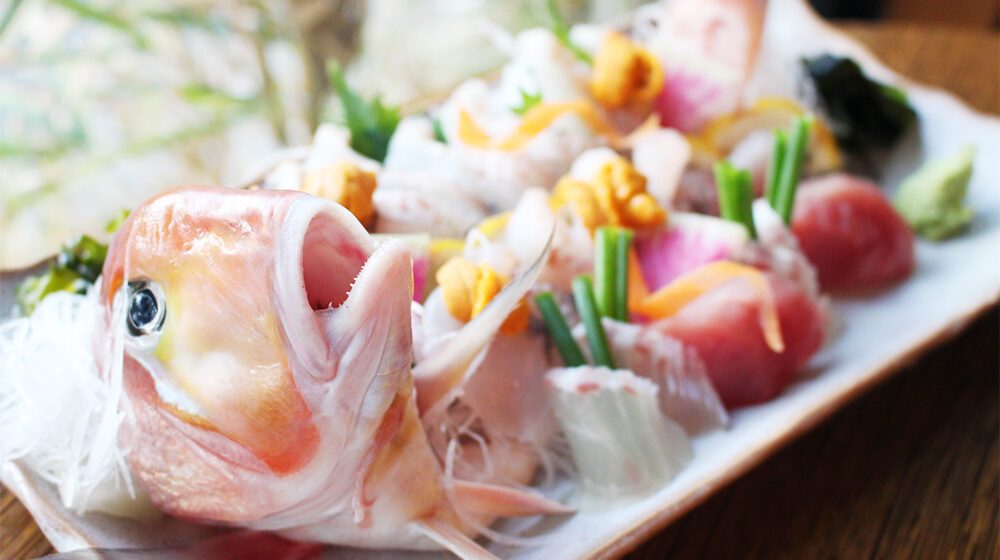
Photo: Kappo Chiyo (official site) Hagi amadai (sweet tilefish)
萩のあまだい
Pale-pink red tilefish caught one by one on longlines off Hagi and chilled in seawater tanks on board on day trips. Yamaguchi Prefecture leads Japan in tilefish landings, with Hagi accounting for about 70 percent of the catch.
Served year-round as sashimi, deep-fried or pan-seared with crispy scales, salt-grilled, or simmered in lunch set meals and kaiseki courses.
The LATITUDE editors’ 19 picks in Hagi
Our editors verified that these places were open (checked 2026-11-19). Check the official site for hours and closing days before visiting. Sponsored listings are marked.
Save places to your trip list and revisit them in this browser. No account needed.
Editors’ picks on the map — or build your own route
Tap a mark to see the place; squares are museums and sights (landmarks). Use “Build your own route” to make a walk of your own.
Loading the map
Map data © OpenStreetMap contributors
Browse by category
1 / 21
Jokamachi
Hotoritei
ホトリテイ
A café-restaurant in an old house in Minami-Katakawa, facing a dry-landscape garden. Lunch; days off vary.
Why the editors chose itA café-restaurant in an old Minami-Katakawa house serving lunch overlooking a dry-landscape garden.
Tamachi
en_PELORI
A burger counter on the corner of the Fudaba-mae crossing in Karahi-machi, opened in December 2025. Two small starters, then the burger. Opening days are posted on Instagram.
Why the editors chose itA counter-only burger spot opened in December 2025 serving two starters before the burger.
Tsubaki
Yamamoto Shokudo
山本食堂
A neighbourhood diner in Tsubaki: close to seventy dishes, with natural-farming rice and seasonings kept as additive-free as possible. Closed on Sundays and from 15:00 to 17:00.
Why the editors chose itA neighbourhood diner offering nearly seventy dishes cooked with natural-farming rice and additive-free seasonings.
Hamasaki-machi
RIKKI
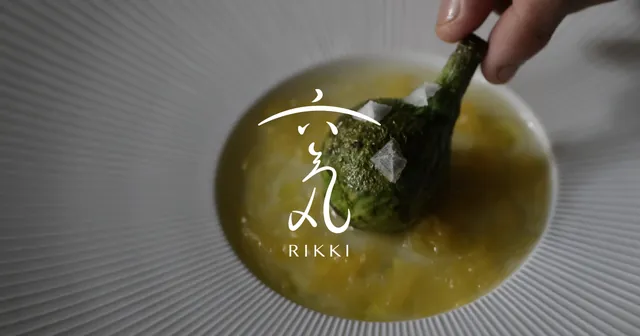
Photo: the shop’s official page 六気
A restaurant inside Kako 176, a restored 200-year-old seafood merchant townhouse in Hamasaki-machi, where Tokyo- and Lyon-trained chef Hiroshi Taniguchi serves French omakase courses made with local Hagi fish and vegetables he selects himself, using almost no butter or heavy cream. Reservation-only dinners on Fridays and Saturdays feature beef roasted over charcoal and wood for over two hours alongside desserts by a wagashi artisan; closed on Mondays and Tuesdays.
Why the editors chose itInside a 200-year-old townhouse, serving French omakase courses of Hagi seafood with almost no butter.
Hamasaki
Muraya Cafe
中村船具店 むらやカフェ
A café in a former ship chandler's in Hamasaki, still holding Meiji-era ship fittings. Usually open by day only; cash only.
Why the editors chose itA daytime café inside a former ship chandler's where Meiji-era marine fittings remain.
Hijiwara
Nagayamon Coffee Cafe Tikal
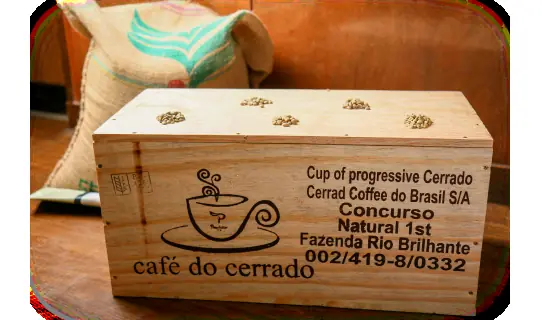
Photo: the shop’s official page 長屋門珈琲 カフェ・ティカル
A house-roasting coffee shop in Hijiwara, on the grounds of the Ogawa family nagayamon gate, a city cultural property. Twenty to thirty kinds of beans at any time. Closed on Mondays.
9:30–19:00 (Sun & public holidays until 18:00) · Closed: Mondays
Why the editors chose itA house roaster on the grounds of a historic nagayamon gate, stocking 20 to 30 beans.
Tamachi
café Jantique
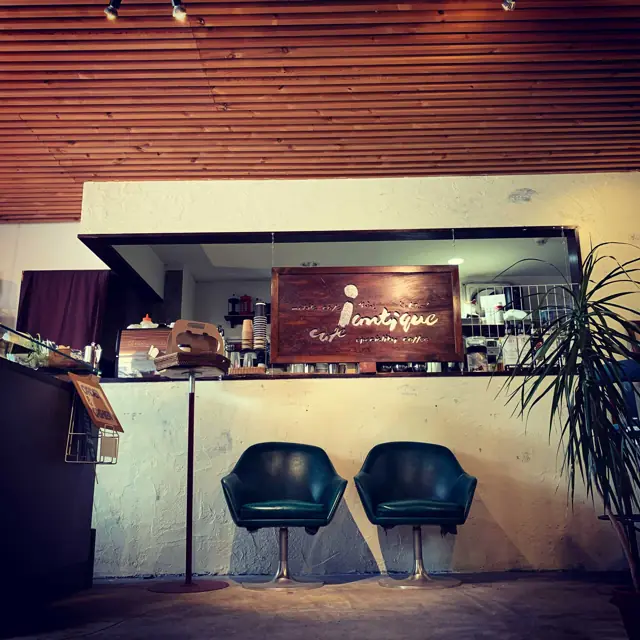
Photo: the shop’s official page A café beneath the cinema in Higashi-Tamachi, brewing specialty coffee by French press. The owner keeps three aims: a comfortable space, a relaxing moment, and a chance for new conversations. 13:00 to midnight; closed on Mondays.
13:00–24:00 · Closed: Mondayschecked Nov 2026
Why the editors chose itOpen until midnight beneath a cinema, brewing specialty coffee by French press.
Hamasaki
Kanmidokoro Anzu
甘味処あんず
A sweets house in a restored 1872 house in Hamasaki, with handmade dango. Days off vary and are posted on Instagram.
Why the editors chose itA sweets shop in a restored 1872 Hamasaki house serving handmade dango.
Jokamachi
Boulangerie Sumiyoshimaru
ブーランジェリー住吉丸
A Hagi bakery that took one top gold and four golds at the Curry Bread Grand Prix 2026. The top gold went to its crisp curry bread.
Why the editors chose itCome for the crisp curry bread that won top gold at the 2026 Curry Bread Grand Prix.
Jokamachi
Mitsukuni Honten
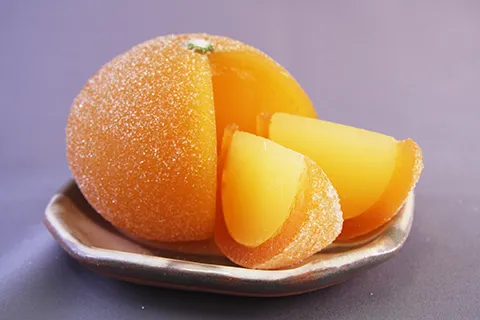
Photo: the shop’s official page 光國本店
A natsumikan confectioner in Kumagai-machi. Its natsumikan marutsuke, a whole candied peel filled with yokan, follows a method finished in 1880 and passed to one heir each generation. Closed on Tuesdays.
Mon–Sat 9:00–17:00, Sun 10:00–17:00 · Closed: Tuesdays (open during Golden Week and Obon)
Why the editors chose itMaker of Natsumikan Marutsuke—whole candied citrus peel filled with yokan—using an 1880 single-heir recipe.
Made in Hagi
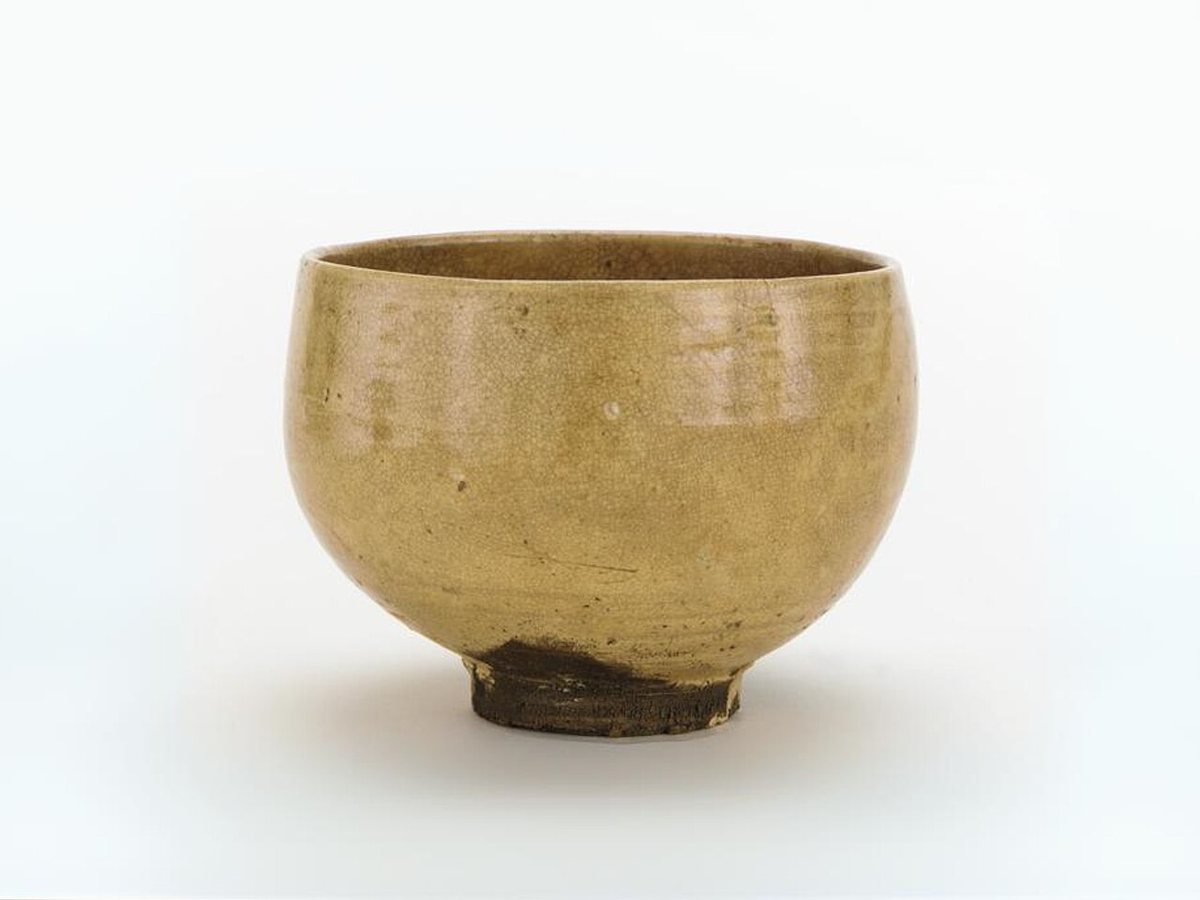
Hagi-yaki began with the kilns of the Mori domain about four hundred years ago and is a nationally designated traditional craft. The soft clay takes in tea and sake, so a piece changes colour and character as it is used.
Historic Hagi-yaki tea bowl with crackled cream glaze·Photo: AnonymousUnknown author / Public domain (Wikimedia Commons)
Chinto
Saka Koraizaemon Kiln
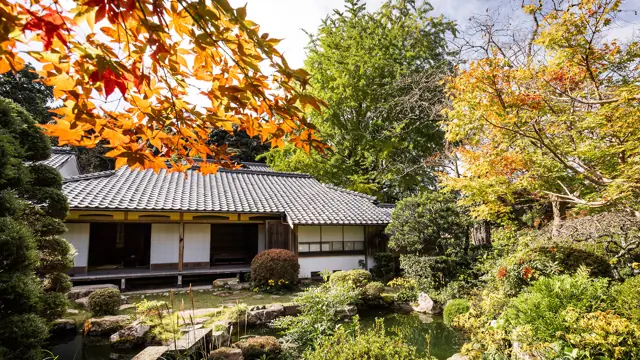
Photo: the shop’s official page 坂髙麗左衛門窯
A kiln that has kept the founding site of Hagi ware for four hundred years; Saka Koraizaemon XIV took the name in 2022. Visits by reservation only.
9:00–17:00 · Closed: Open every day (reservation required)
Why the editors chose itA kiln keeping Hagi ware's founding site for 400 years, open to visitors by reservation.
Chinto
Senryuzan
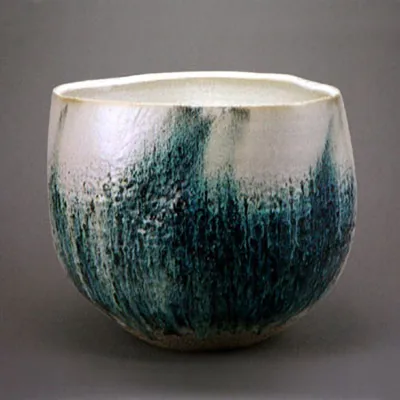
Photo: the shop’s official page 萩焼窯元 泉流山
A Hagi-yaki kiln founded in 1826, still firing a wood climbing kiln and throwing on kick wheels, with its own clay and glazes. The Yoshika Taibi Memorial museum is on the grounds. Closed on Wednesdays, except holidays.
Why the editors chose itAn 1826 kiln firing a wood climbing kiln and kick wheels, with an on-site memorial museum.
Chinto
Shokeian
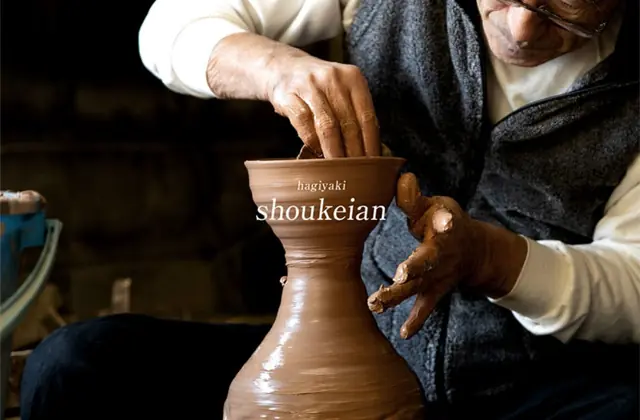
Photo: the shop’s official page 萩焼窯元 勝景庵
A Hagi-yaki kiln in Maeobata, Chinto, where a father and son dig their own clay for one-off tea bowls, sake cups and tableware. Closed on Sundays.
9:00–17:00 · Closed: Sundayschecked Nov 2026
Why the editors chose itA father-and-son Hagi kiln digging its own clay for one-off tea bowls, sake cups, and tableware.
Tsubaki
Ooyagama
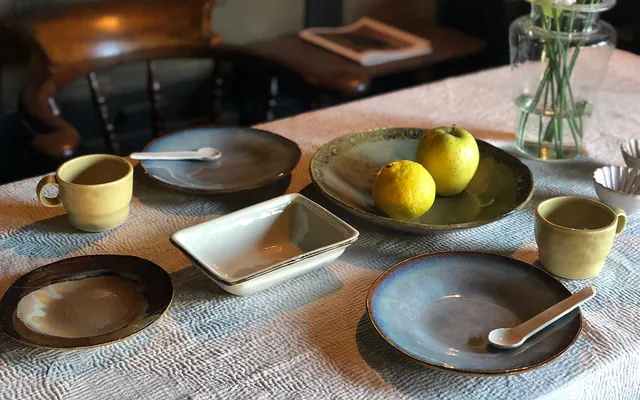
Photo: the shop’s official page 大屋窯
A Hagi-yaki kiln founded in 1969 at the foot of Mount Nichirin, south of Hagi, making pottery, porcelain and jewellery. Shop days are posted on its website.
Why the editors chose itA 1969 kiln at Mount Nichirin's foot making pottery, porcelain, and ceramic jewellery.
Made in Hagi
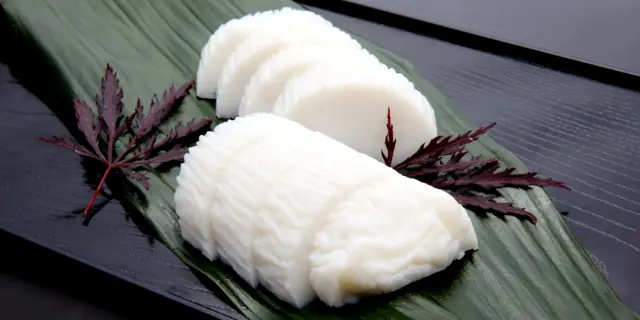
Hagi's yakinuki kamaboko is not steamed but roasted slowly from beneath its wooden board, mostly from lizardfish (eso). It comes out firmer and more fish-flavoured than steamed kamaboko.
Sliced yakinuki kamaboko fish cake at Miyoshi Kamaboko·Photo: Miyoshi Kamaboko (official site)
Hamasaki
Miyoshi Kamaboko
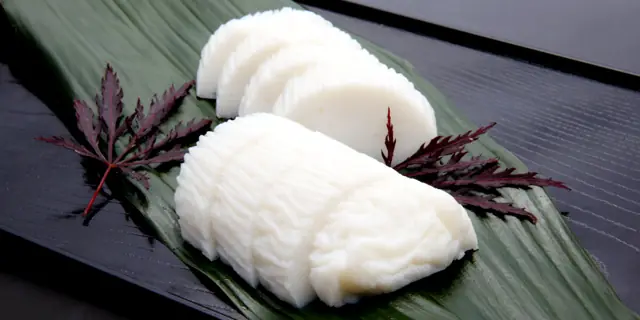
Photo: the shop’s official page 三好蒲鉾
A kamaboko maker in Hamasaki-shinmachi, grinding local lizardfish in a stone mortar for yakinuki and fried fish cakes. Its gobo-ten won the Yamaguchi Governor's Prize in 2026.
Why the editors chose itA kamaboko maker stone-grinding local lizardfish for yakinuki fish cakes and 2026 prize-winning gobo-ten.
Higashi-Tamachi (Tamachi Shopping Arcade)
Iwasaki Shuzo
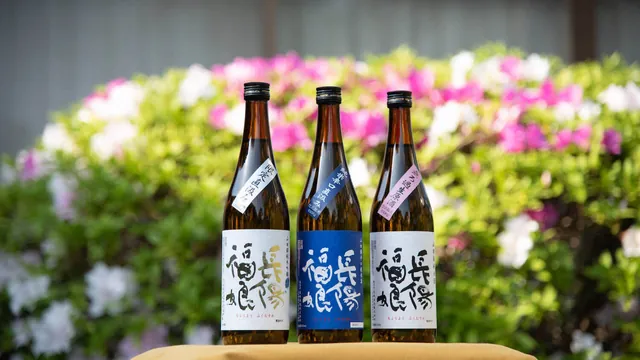
Photo: the shop’s official page 岩崎酒造株式会社
Founded in 1901 and now led by Kiichiro Iwasaki, this small sake brewery sits inside the Tamachi shopping arcade in Higashi-Tamachi. Brewing roughly 300 koku a year mainly through winter cold-brewing while supporting local sake-rice growers, it sells its Choyo Fukumusume junmai ginjo and junmai sake directly at its arcade storefront.
Why the editors chose itBuy small-batch Choyo Fukumusume (about 300 koku yearly) directly at this 1901 arcade brewery.
Hamasaki
Gallery JIBITA
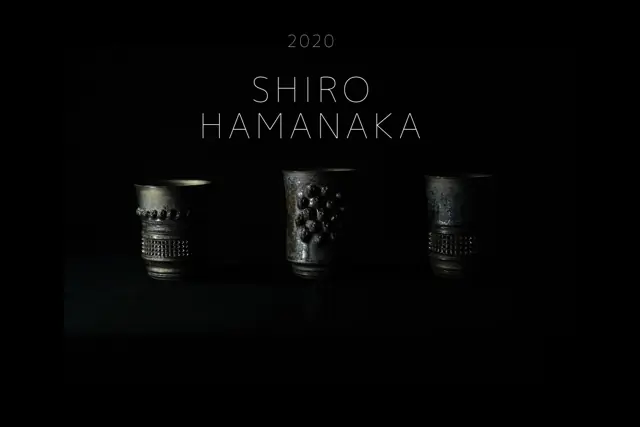
Photo: the shop’s official page A gallery for vessels in Higashi-Hamasaki, holding solo shows of ceramics, glass, lacquer and woodwork through the year.
10:00–17:00 · Closed: Fridays, 3rd Thu & Fri (subject to change), irregular holidays
Why the editors chose itA vessel gallery hosting frequent solo shows of ceramics, glass, lacquer, and woodwork makers.
From the shop
We gather vessels you’ll want to pick up and use at your table every day. Please come and see work by makers from Hagi and across Japan, starting with Hagi ware.
Chinto
Hagi Glass Studio
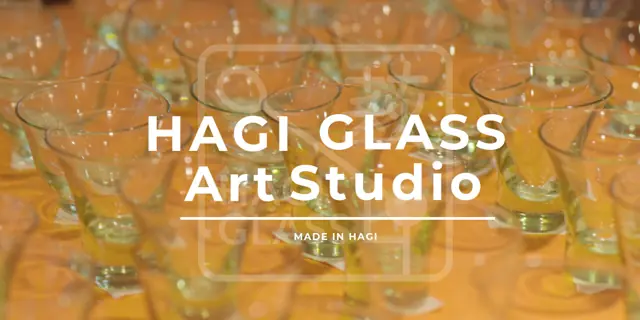
Photo: the shop’s official page 萩ガラス工房
A glass studio making glass from quartz basalt found only on Mount Kasayama: pale-green glass and Hagi kiriko. Open every day; workshops are booked by phone only.
9:00–16:30 · Closed: Open every daychecked Nov 2026
Why the editors chose itA studio crafting pale-green glass from Mount Kasayama quartz basalt, with phone-booked workshops.
Furuhagi-machi
Iwakawa Hataten
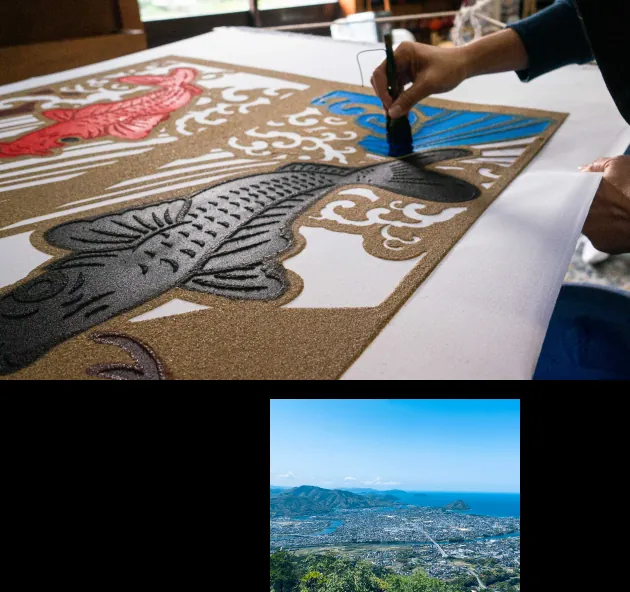
Photo: the shop’s official page 岩川旗店
A dyeing workshop in Furuhagimachi with over a century of history, led by Munekazu Iwakawa, making fishermen's big-catch flags, shrine banners and shop noren curtains one by one by hand. Growing out of flag-dyeing offcuts and misprints, it also sews baby swaddles, tenugui, bags and small everyday goods from its hand-dyed cloth.
Why the editors chose itA century-old flag dyer sewing swaddles, tenugui, and bags from its hand-dyed fabric offcuts.
Sights in Hagi
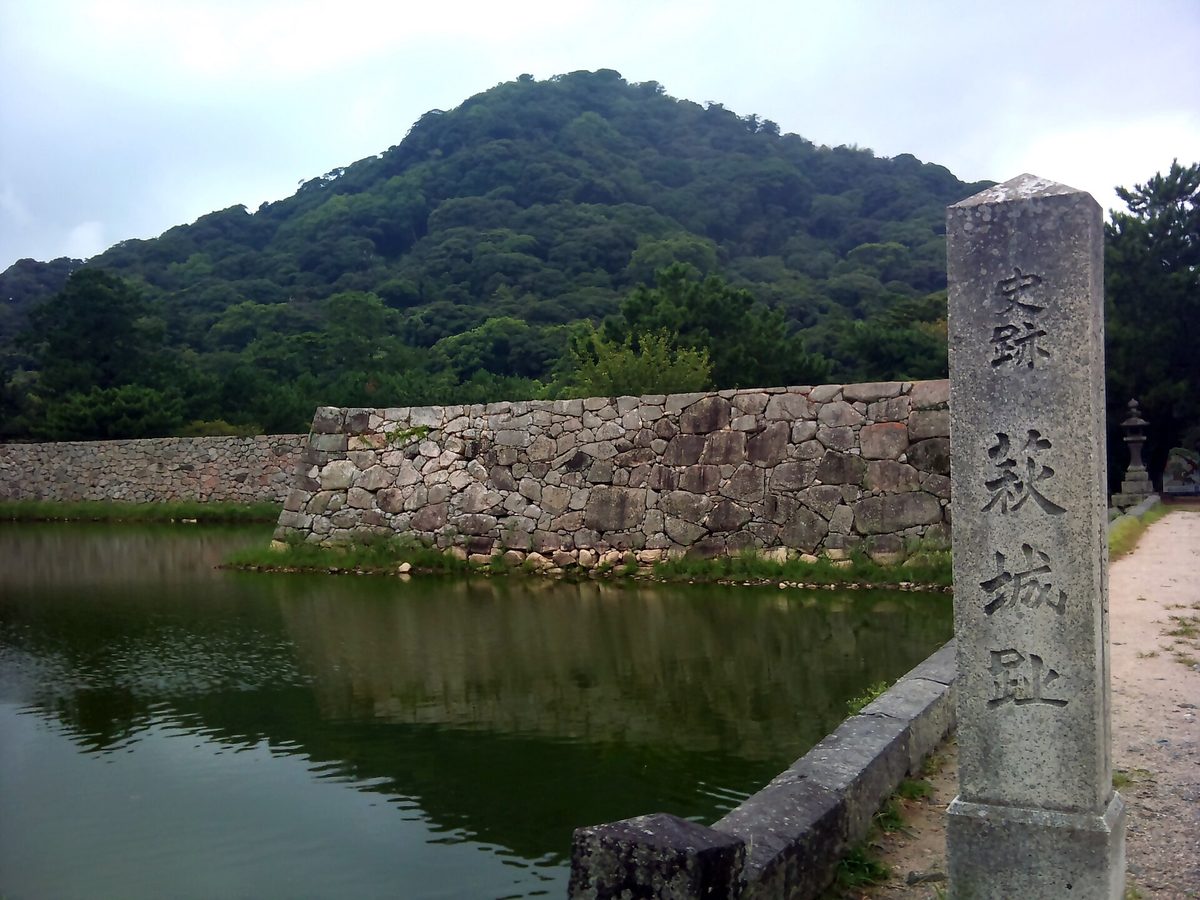
Photo: Kuru man from Japan / CC BY 2.0 (Wikimedia Commons) Hagi Castle Ruins (Shizuki Park)
The site of Hagi Castle, built by Mori Terumoto in 1604 at the foot of Mount Shizuki.
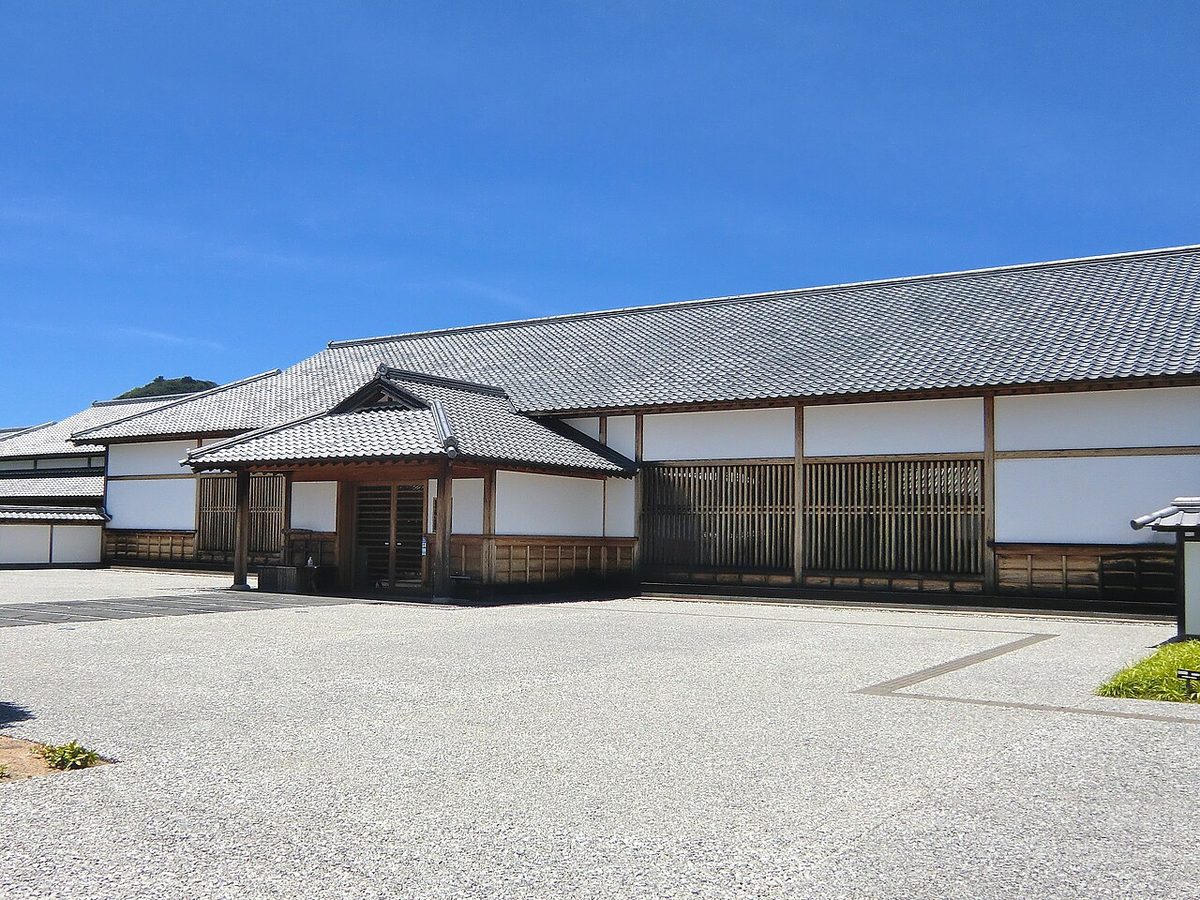
Photo: TT mk2 / CC BY-SA 3.0 (Wikimedia Commons) A museum of Hagi's nature, history and culture in Horiuchi, the castle's former outer enclosure, with a Takasugi Shinsaku room and displays on the castle town.
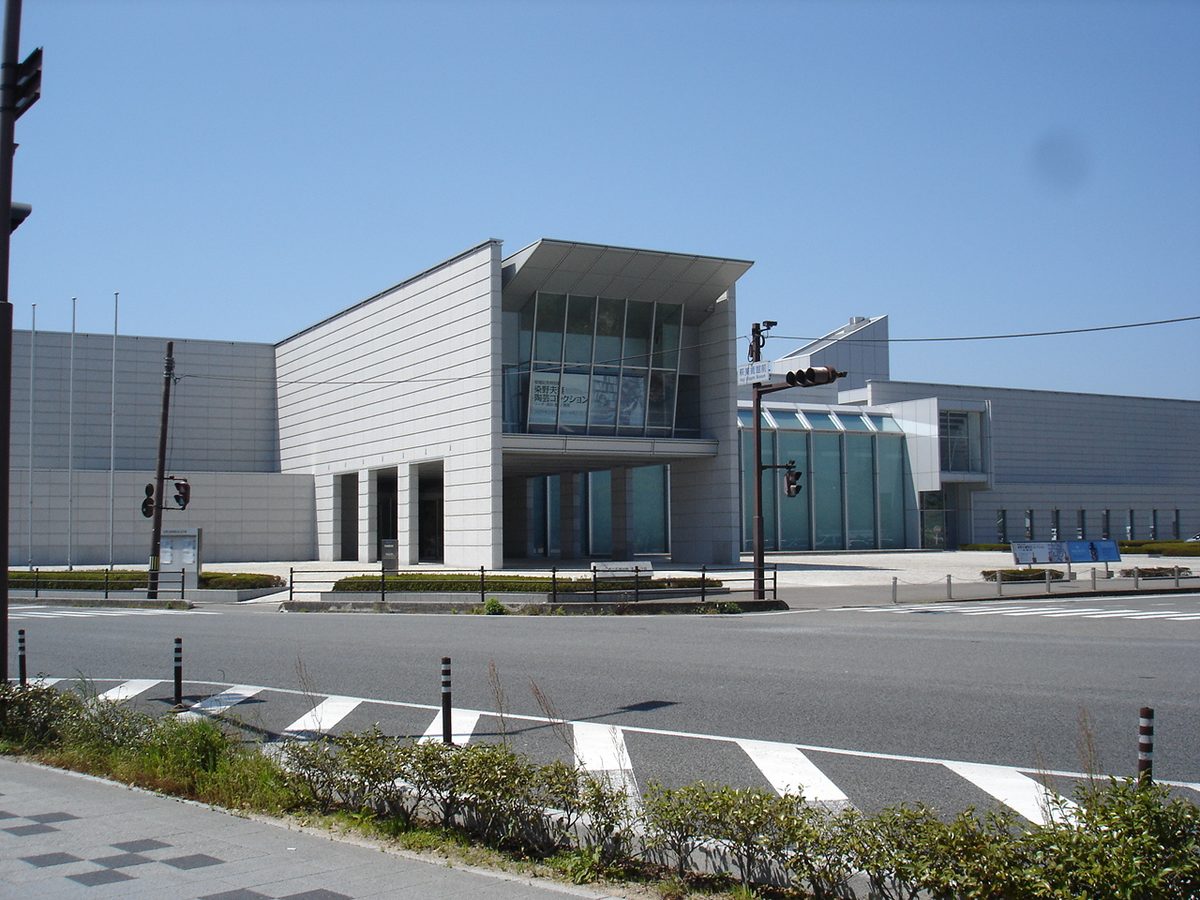
Photo: Wiki708 / CC BY 3.0 (Wikimedia Commons) A prefectural museum built on the collection of Hagi-born Uragami Toshiro: ukiyo-e prints, East Asian ceramics, and a ceramics wing for Hagi-yaki.
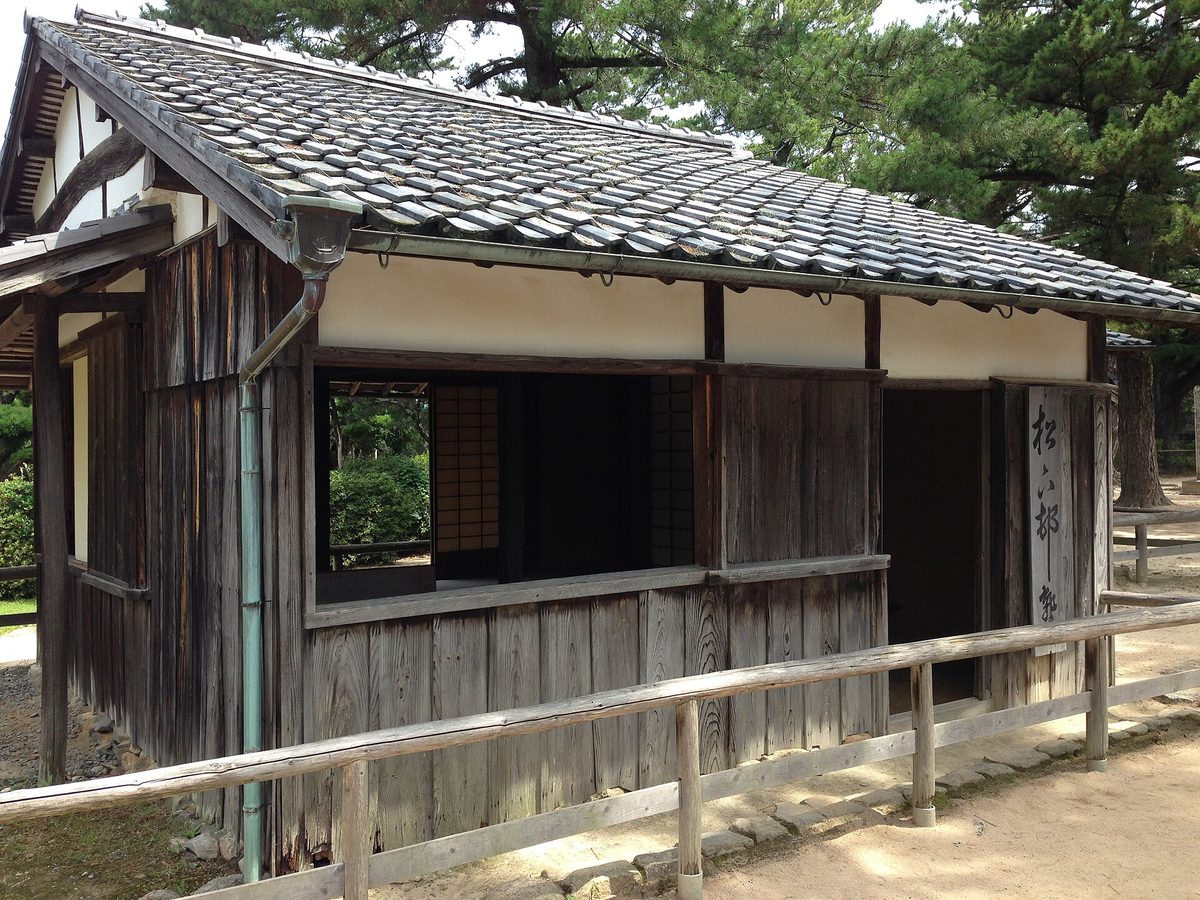
Photo: KOJI MISUMI / CC BY-SA 3.0 (Wikimedia Commons) The shrine to Yoshida Shoin.
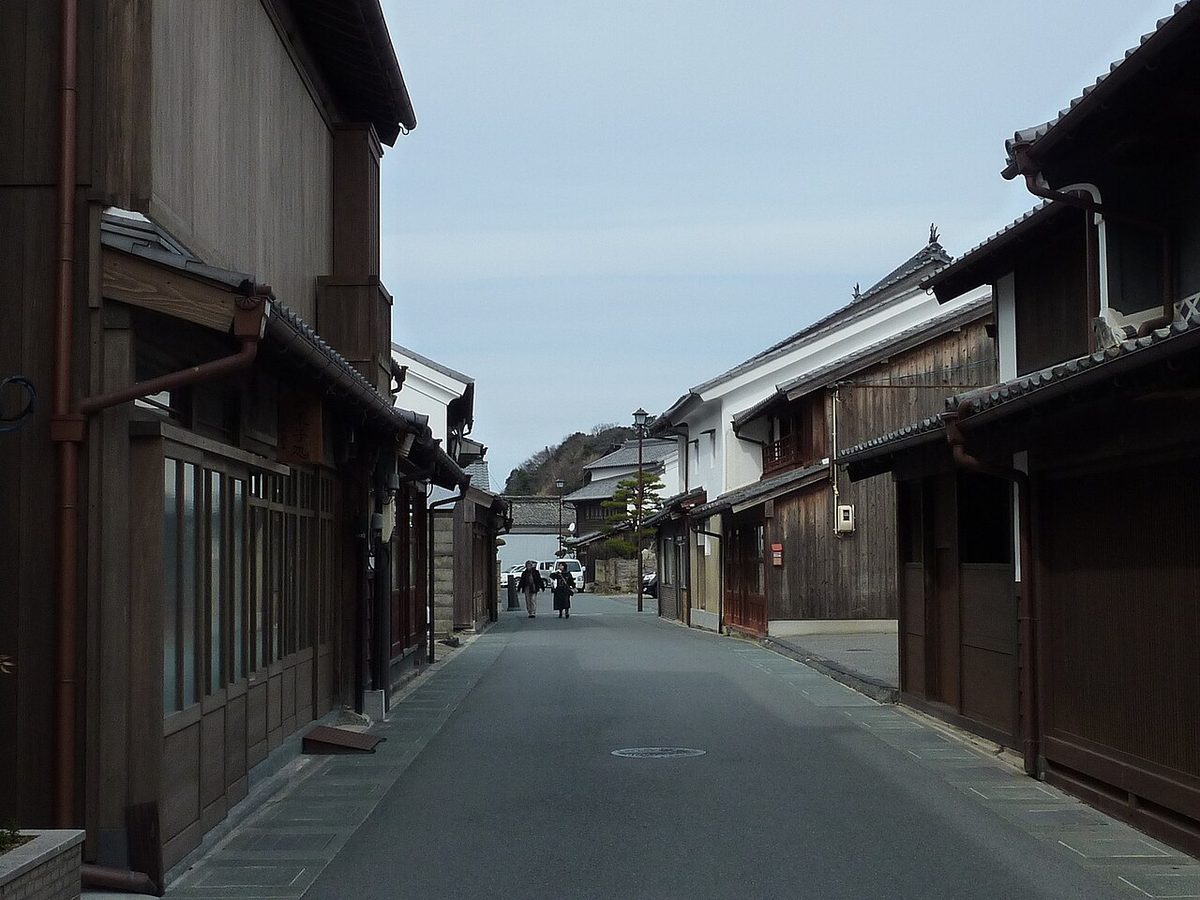
Photo: ja:User:Sanjo / CC BY-SA 3.0 (Wikimedia Commons) Hamasaki Preservation District
The port quarter of the castle town, with townhouses and storehouses from the Edo period to the early Showa era; a national preservation district for groups of traditional buildings since 2001.
These are local landmarks. Each was checked to be open on its official site (checked 2026-11-11). Please confirm hours before you go.
Beyond Hagi
1 / 2
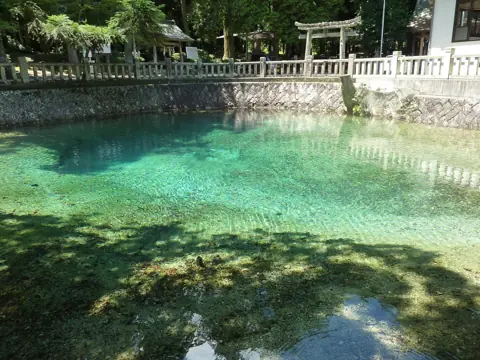 Mine · 23 km
Beppu Benten Pond →
A spring-fed shrine pond at the foot of Akiyoshidai Karst famous for its surreal, jewel-like cobalt-blue transparency.
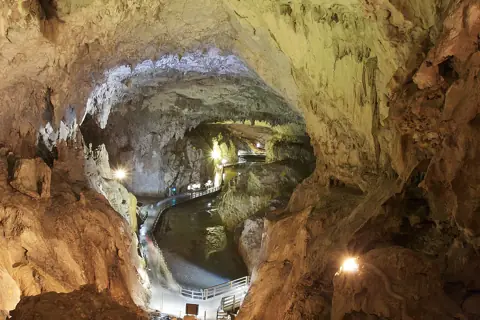 Mine City · 23 km
Akiyoshi-do Cave →
Akiyoshi-do is one of Japan's largest limestone caves, maintaining a constant temperature of about 17°C all year round for comfortable exploration.


Distances are straight-line from the town centre. Each page has how to get there and a suggested day.
Questions people ask
- Where can I eat Hagi's local dishes?
Yakinuki kamaboko (grilled fish cake): Miyoshi Kamaboko (Hamasaki)
Natsumikan (summer orange): Mitsukuni Honten (Jokamachi)
- Where can I see or buy Hagi-yaki pottery, Craft in Hagi?
Hagi-yaki pottery: Saka Koraizaemon Kiln (Chinto), Senryuzan (Chinto), Shokeian (Chinto), Ooyagama (Tsubaki)
Craft: Gallery JIBITA (Hamasaki), Hagi Glass Studio (Chinto), Iwakawa Hataten (Furuhagi-machi)
- What can I visit on foot around Hamasaki?
Craft: Gallery JIBITA
Sweets: Kanmidokoro Anzu
Cafés: Muraya Cafe
Yakinuki kamaboko fish cake: Miyoshi Kamaboko
Every place was checked to be open in November 2026. Hours can change, so please check the official site before you go.
If you like Hagi
- Takayama
Gifu, Japan
For example, Iwasaki Shuzo here, and Kawashiri Sake Brewery in Takayama.
- Ishigaki
Okinawa, Japan
For example, Iwasaki Shuzo here, and Ikehara Distillery in Ishigaki.
- Yamaga
Kumamoto, Japan
For example, Iwasaki Shuzo here, and Chiyonosono Sake Brewery in Yamaga.
Chosen by how close the towns and their places are in what they make and serve.