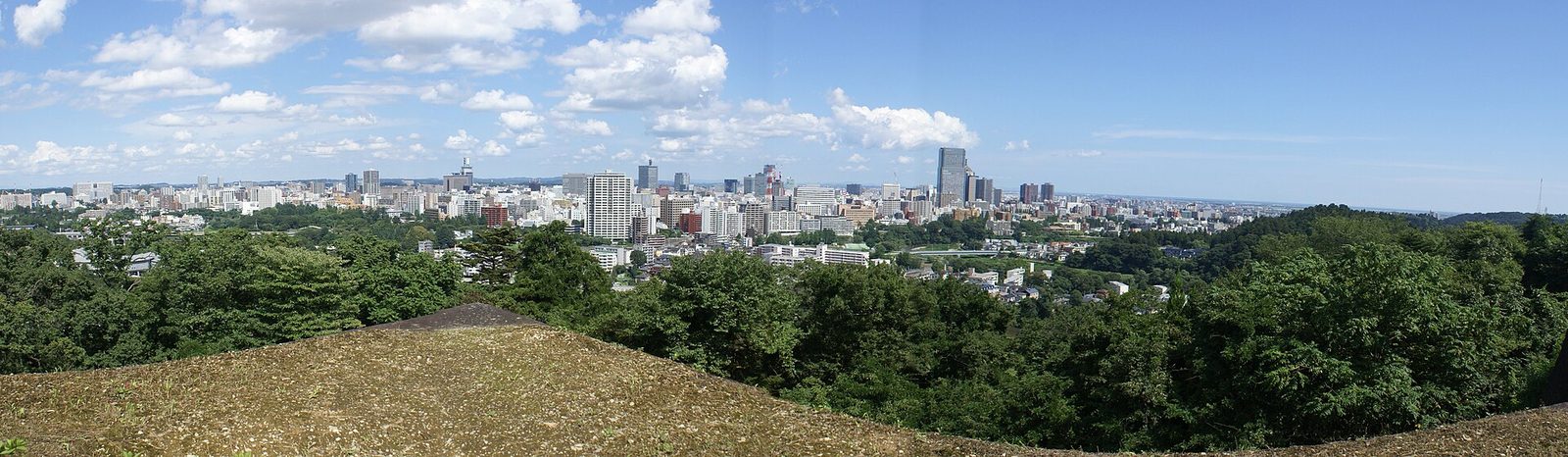
38.3° N
Sendai
Miyagi, Japan
The former castle town of the Date clan, set along the Hirose River below Mount Aoba and shaded by the zelkova trees of Jozenji-dori, which thin out in late autumn and winter. Tamamushi lacquer, kokeshi, charcoal-grilled beef tongue and zunda-mochi, with craft shops, oden and coffee from Ichibancho to the river: the editors’ picks.
Sendai, on film
6 sights and 15 places, each checked open in 2026, in 45 seconds.
Found somewhere you like? The map and the list below have the address, hours and official site.
Tap for sound
What to eat in Sendai
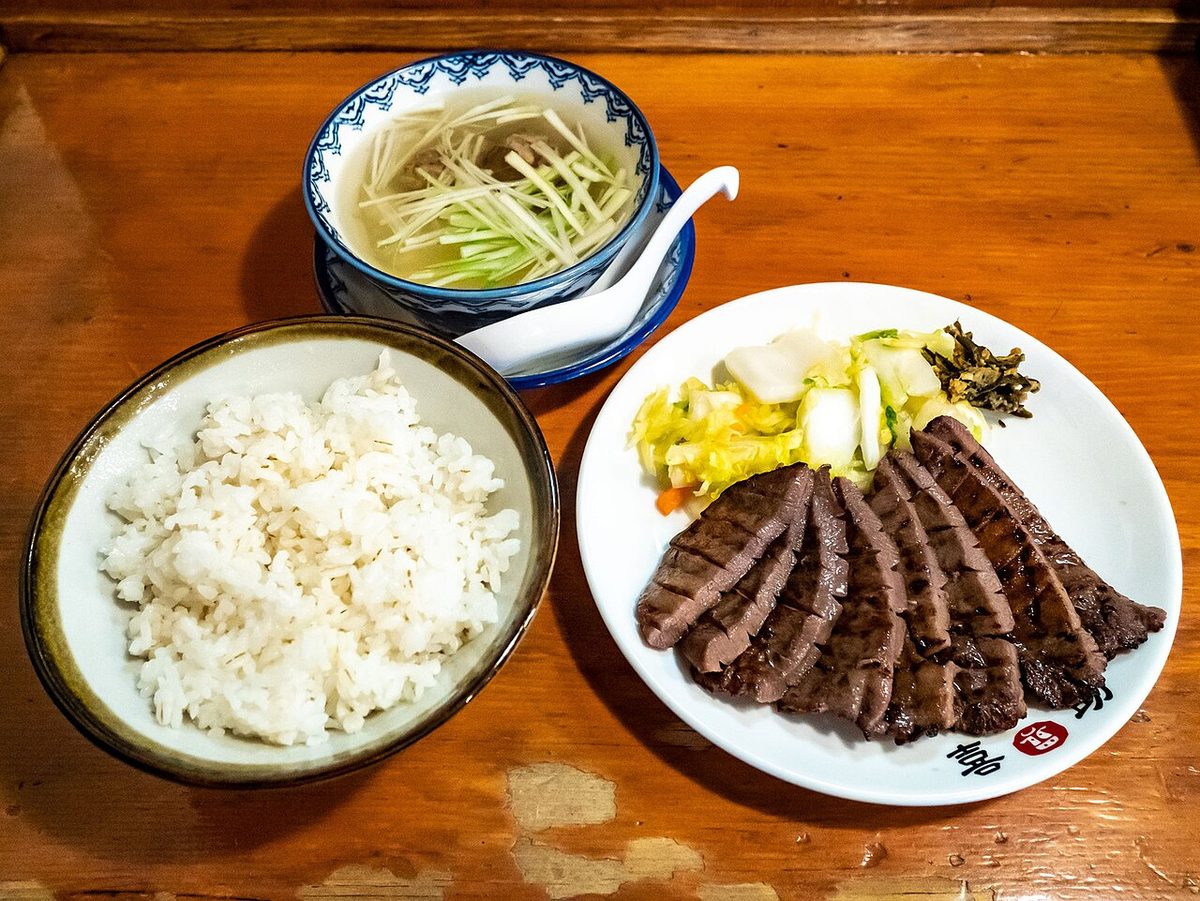
Photo: くろふね / CC BY 4.0 (Wikimedia Commons) Gyutan (grilled beef tongue)
牛たん
Thick-cut beef tongue is aged, seasoned with salt, and grilled quickly over charcoal on a wire rack. The dish originated in Sendai around 1948 when the city's first specialty shop opened, and roughly a hundred specialty restaurants now operate there.
Usually ordered as a set meal with barley rice, oxtail soup, salted pickles, and miso-pickled green chili.
Where to eat it
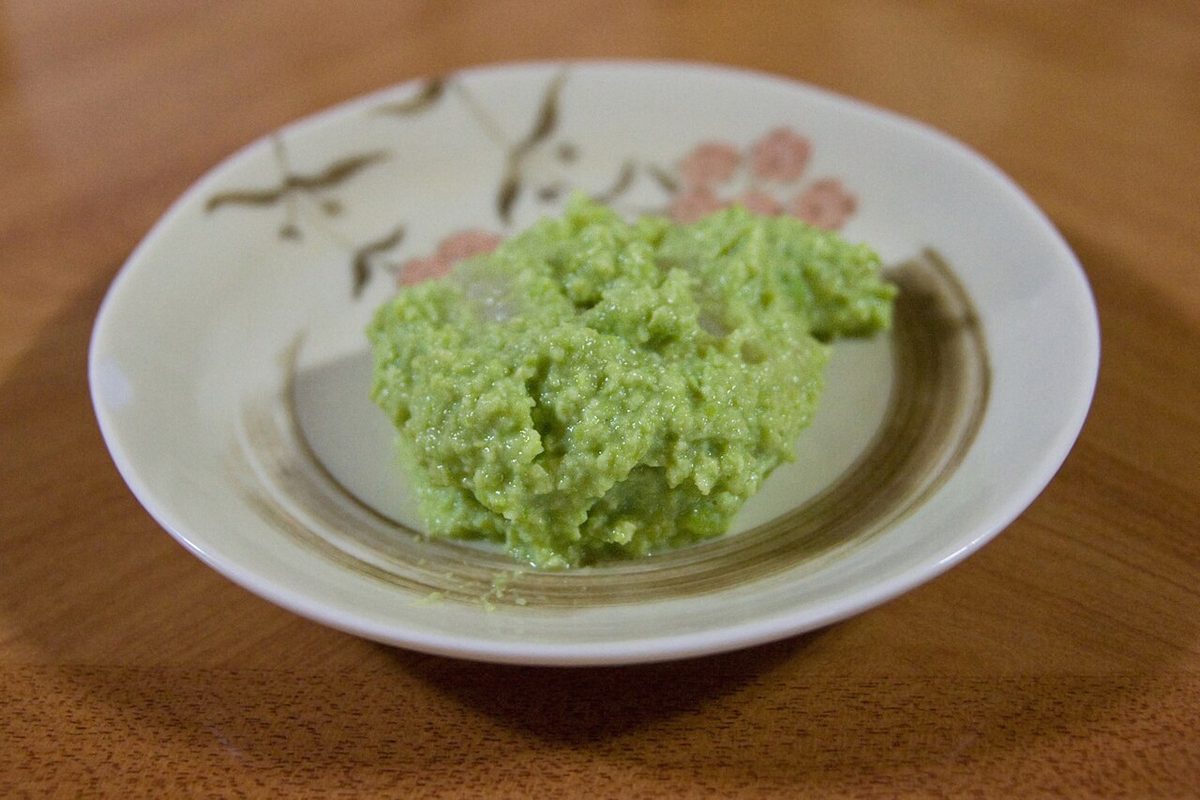
Photo: Σ64 / CC BY 4.0 (Wikimedia Commons) Zunda mochi (sweet edamame rice cakes)
ずんだ餅
Freshly pounded mochi rice cakes are coated in a green paste made by boiling and mashing edamame with sugar. Edamame has long been grown on the Sendai Plain, and locals have eaten zunda mochi as an Obon dish since the Sendai domain period.
Eaten fresh with tea at mochi shops and sweets parlors, often in three-colour sets with sesame and walnut.
Where to eat it
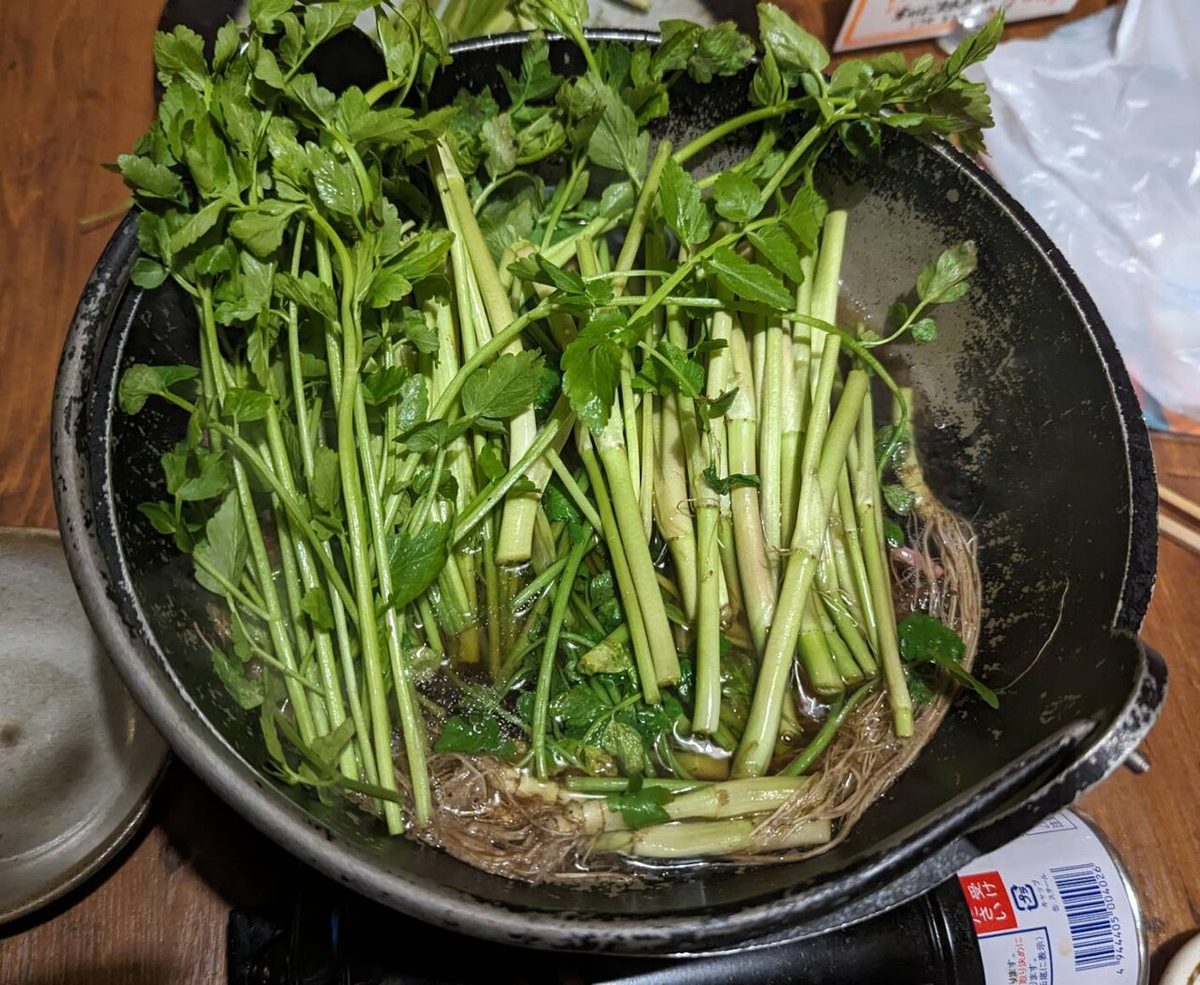
Photo: Hanabishi / CC0 (Wikimedia Commons) Sendai seri nabe (Japanese parsley hot pot)
仙台せり鍋
Whole Japanese parsley plants—roots, stems, and leaves—are simmered with chicken or duck in a soy-seasoned dashi broth. Miyagi ranks first in Japan in seri production, and winter Sendai seri from neighboring Natori is prized for its crisp, sweet roots.
Eaten in winter at izakayas and hot-pot houses, simmering the crisp roots before dipping the leaves and finishing the broth with soba.(Dec–Mar)
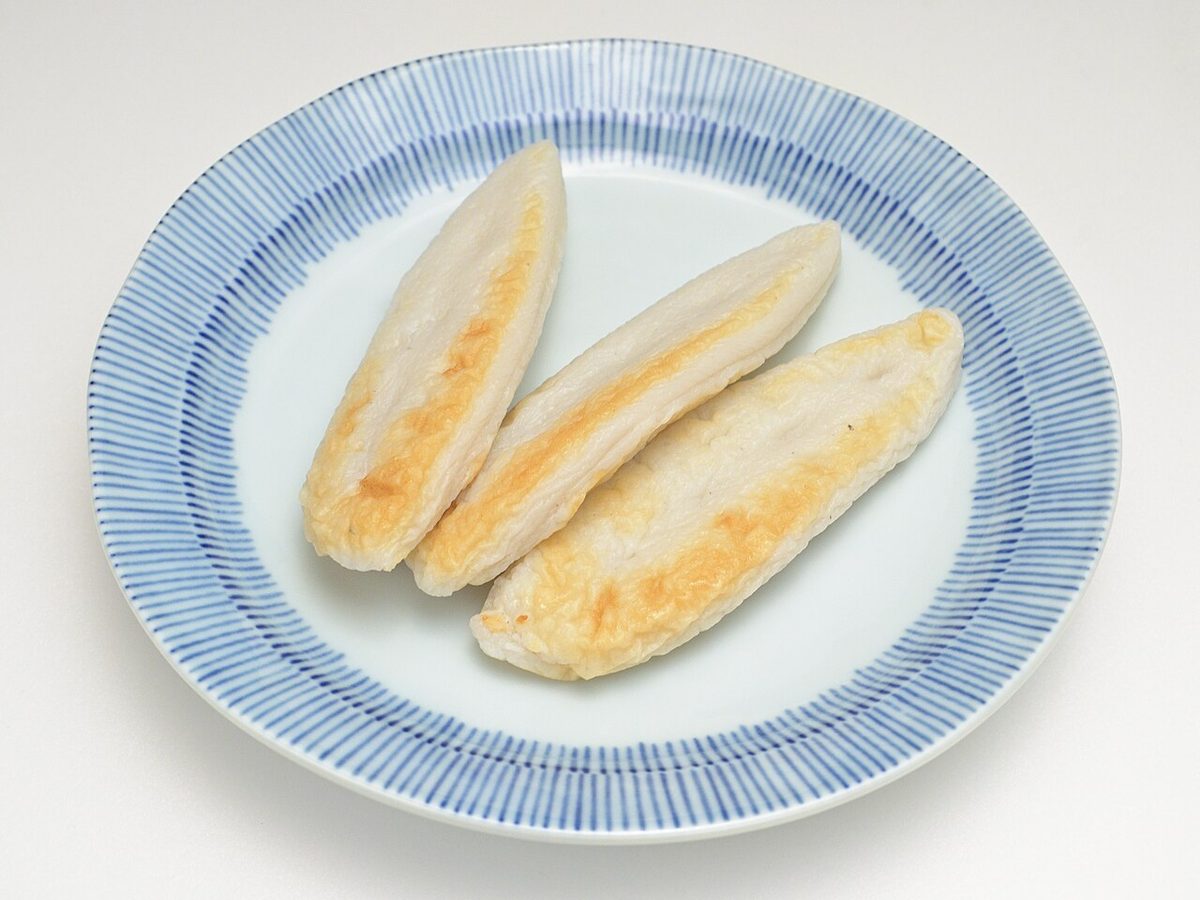
Photo: Ocdp / CC0 (Wikimedia Commons) Sasa kamaboko (bamboo-leaf fish cake)
笹かまぼこ
Grilled white-fish cakes are shaped like bamboo leaves and have a firm, springy bite. They began as a way for fishermen near Matsushima to preserve surplus flounder catches, and received the name sasa kamaboko in 1935 from the bamboo motif in the Date clan crest.
Eaten fresh on its own or with wasabi soy sauce, and also hand-grilled warm on skewers at specialty shops.
The LATITUDE editors’ 15 picks in Sendai
Our editors verified that these places were open (checked 2026-11-16). Check the official site for hours and closing days before visiting. Sponsored listings are marked.
Save places to your trip list and revisit them in this browser. No account needed.
Editors’ picks on the map — or build your own route
Tap a mark to see the place; squares are museums and sights (landmarks). Use “Build your own route” to make a walk of your own.
Loading the map
Map data © OpenStreetMap contributors
Browse by category
1 / 17
Kokubuncho
Oden Sankichi
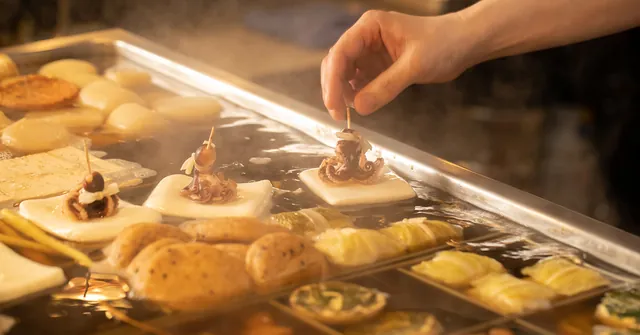
Photo: the shop’s official page おでん三吉
An oden house in Inari Koji alley that began as a stall in 1949, serving daikon simmered for ten hours, niradama egg and kanpyo-tied baby octopus. Open from 18:00; closed Sundays and holidays (and Mondays in summer).
Mon–Sat 18:00–23:00 (L.O. 22:20) · Closed: Sundays & public holidays (also Mondays in summer)
Why the editors chose itAn oden house started as a 1949 stall, serving daikon simmered for ten hours and niradama egg.
Station/Ichibancho
Genji
源氏
A 1950 wooden-counter tavern in Bunka Yokocho alley, where each glass of sake comes with a seasonal small dish and the fourth ends with miso soup or oden. Closed Sundays, Mondays and holidays.
仙台市青葉区一番町2-4-8 文化横丁
Google MapsWhy the editors chose itA 1950 counter tavern where each glass brings a seasonal dish, ending on the fourth with soup or oden.
Aobayama/Zuihoden
Restaurant Palinka
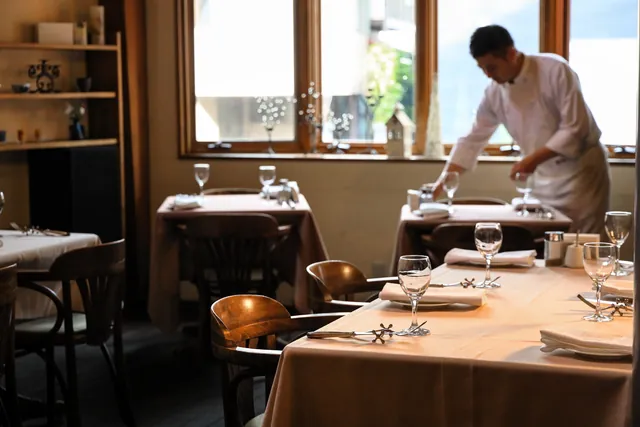
Photo: the shop’s official page レストランパリンカ
A standalone Italian restaurant at the entrance to the Zuihoden approach, serving courses of Miyagi seafood and Sendai beef in a room with stained glass and a grand piano. Closed Tuesdays; dinner mainly Thursday to Sunday.
Closed: Tuesdays
Why the editors chose itAt the Zuihoden approach, serving Miyagi seafood and Sendai beef courses in a stained-glass dining room.
Station/Ichibancho
Café Aoyama Bunko
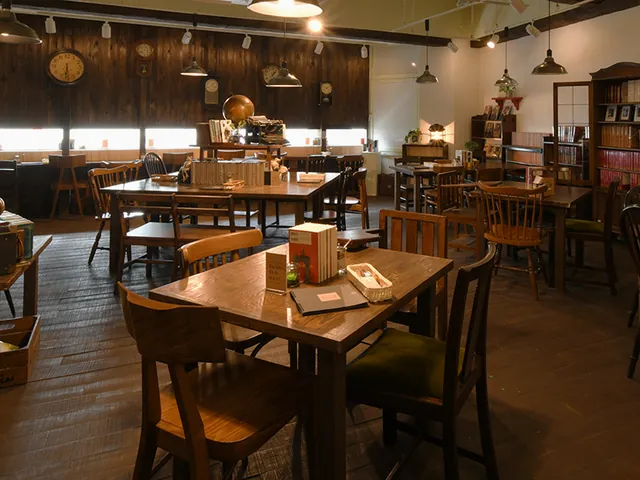
Photo: the shop’s official page Café青山文庫
A fifth-floor book café near Aoba-dori Station, lined with thousands of books and serving coffee, galettes and cream sodas. Open from 7:30, with morning toast sets until 11:00.
Mon–Sat 7:30–23:00, Sun & holidays 7:30–21:00
Why the editors chose itA fifth-floor book café opening at 7:30 for morning toast sets surrounded by thousands of books.
Aobayama/Zuihoden
Coffee Mamebou
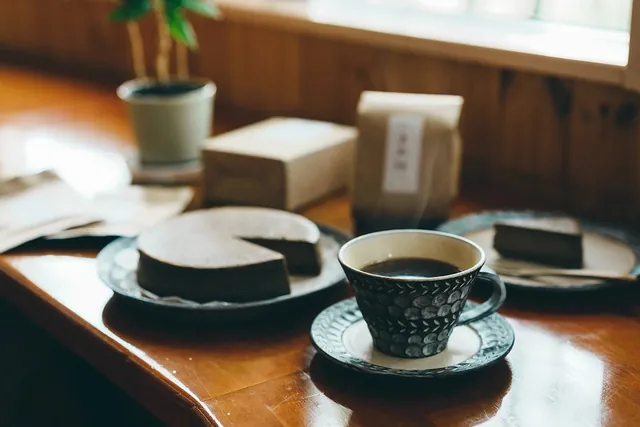
Photo: the shop’s official page 珈琲まめ坊
A house-roasting coffee shop opened in 2009 in Komegafukuro near the Hirose River, selling house and seasonal blends, single-origin beans and drip bags, with coffee to take out. Closed Thursdays except holidays.
12:00–19:00 · Closed: Thursdays (open on public holidays)
Why the editors chose itA roaster near the Hirose River offering seasonal blends, single-origin beans and takeaway coffee.
Jozenji-dori
9244
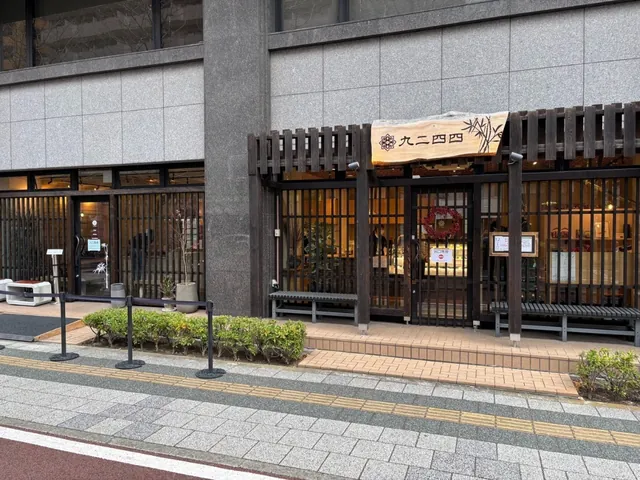
Photo: the shop’s official page 九二四四
A patisserie in Futsukamachi making fresh cakes and baked sweets with seasonal fruit and Japanese ingredients such as yuzu, hojicha and wasanbon sugar. Closed roughly one irregular day a week.
Why the editors chose itA patisserie crafting fresh cakes and bakes with seasonal fruit and Japanese notes like yuzu and hojicha.
Station/Ichibancho
Murakamiya Mochiten
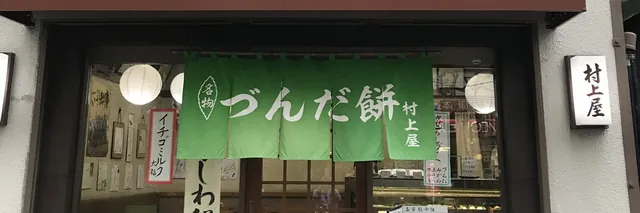
Photo: the shop’s official page 村上屋餅店
A mochi shop in Kitamemachi founded in 1877, known for hand-pounded rice cakes in three-colour sets of zunda edamame paste, black sesame and walnut. Open weekends only from November 2026; cash only.
Why the editors chose itFounded in 1877 and open weekends only, known for hand-pounded three-colour mochi with zunda, sesame and walnut.
Jozenji-dori
Kanmidokoro Hikoichi
甘味処 彦いち
A traditional sweets house opened in 1976 inside a former ryotei off Ichibancho 4-chome, making its own red-bean paste and syrups for anmitsu, zunda-mochi and oshiruko. Closed Mondays (or the next day if Monday is a holiday).
仙台市青葉区一番町4-5-41
Google MapsWhy the editors chose itA former ryotei townhouse serving house-made red-bean paste, syrups for anmitsu and zunda-mochi.
Made in Sendai
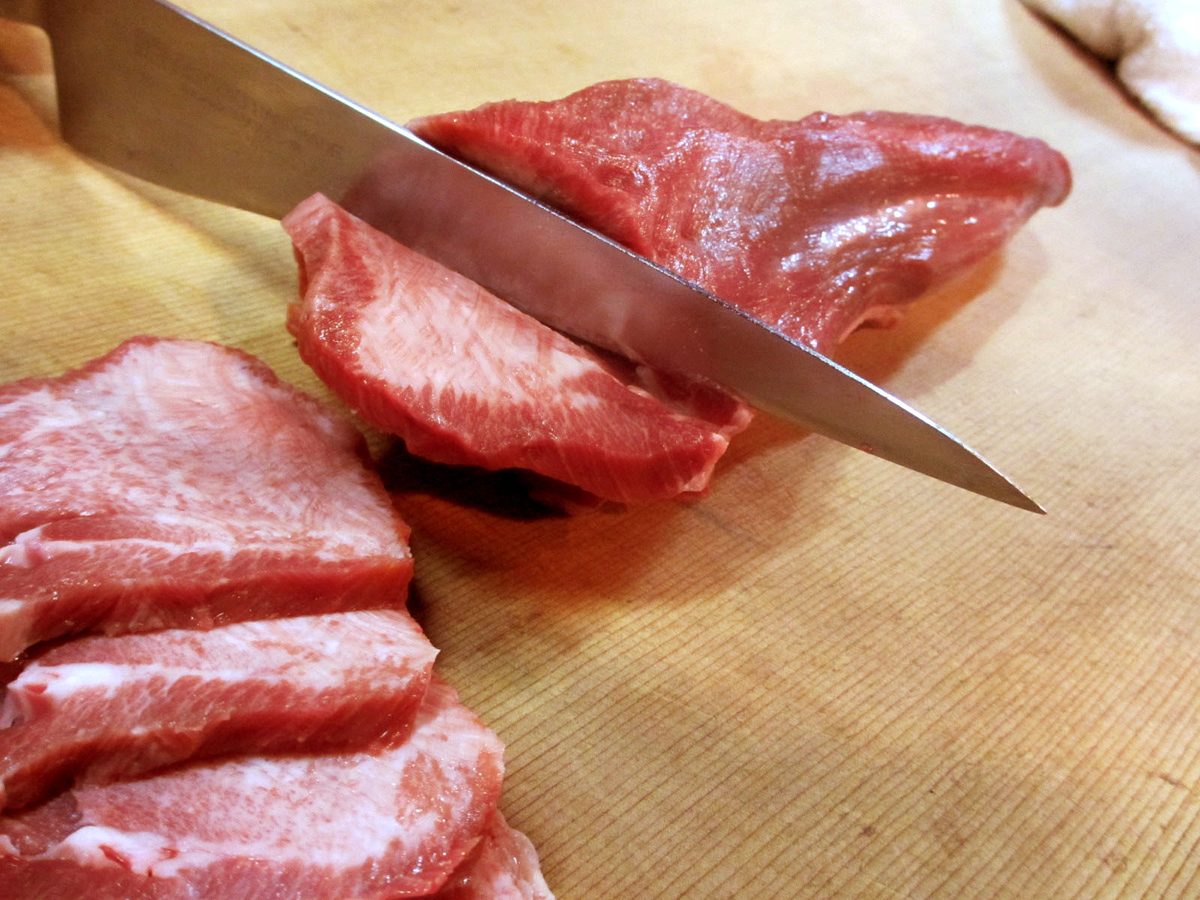
Sendai's beef-tongue dish began in 1948, when Keishiro Sano opened the first Tasuke shop in central Sendai. Thick cuts are hand-sliced, aged in salt and grilled over charcoal, then served with barley rice and oxtail soup.
A hand slices thick pieces of raw beef tongue on a wooden cutting board.·Photo: Tanyaki Ichiryu Honten (official site)
Kokubuncho
Tanyaki Ichiryu Honten
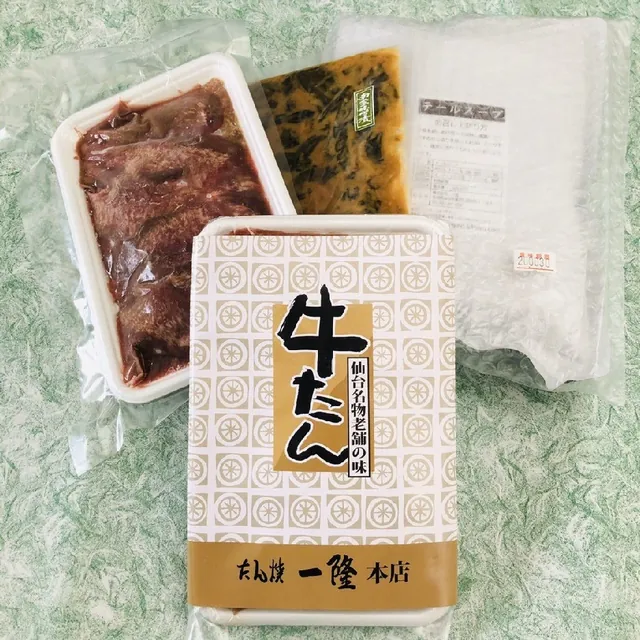
Photo: the shop’s official page たん焼 一隆 本店
A beef-tongue house opened in 1972 by a direct apprentice of the original Tasuke, preparing and salting every cut by hand until stock runs out. No reservations; closed Sundays and Wednesday and Friday evenings.
Mon, Tue, Thu, Sat 11:30–14:00 (L.O. 13:30), 18:00–20:00 (L.O. 19:30); Wed, Fri, holidays 11:30–14:00 (L.O. 13:30) · Closed: Sundays; Wed, Fri, and public holiday evenings
Why the editors chose itOpened in 1972 by an original Tasuke apprentice, hand-salting beef tongue until daily stock sells out.
Kokubuncho
Umami Tasuke
旨味太助
A Kokubuncho beef-tongue house in the lineage of Sendai's original Tasuke, grilling salt-seasoned cuts over charcoal to order and serving them as sets with barley rice and oxtail soup. Closed on Mondays.
仙台市青葉区国分町2-11-11
Google MapsWhy the editors chose itIn the lineage of Sendai's original Tasuke, grilling strictly salt-seasoned beef tongue over charcoal.
Made in Sendai
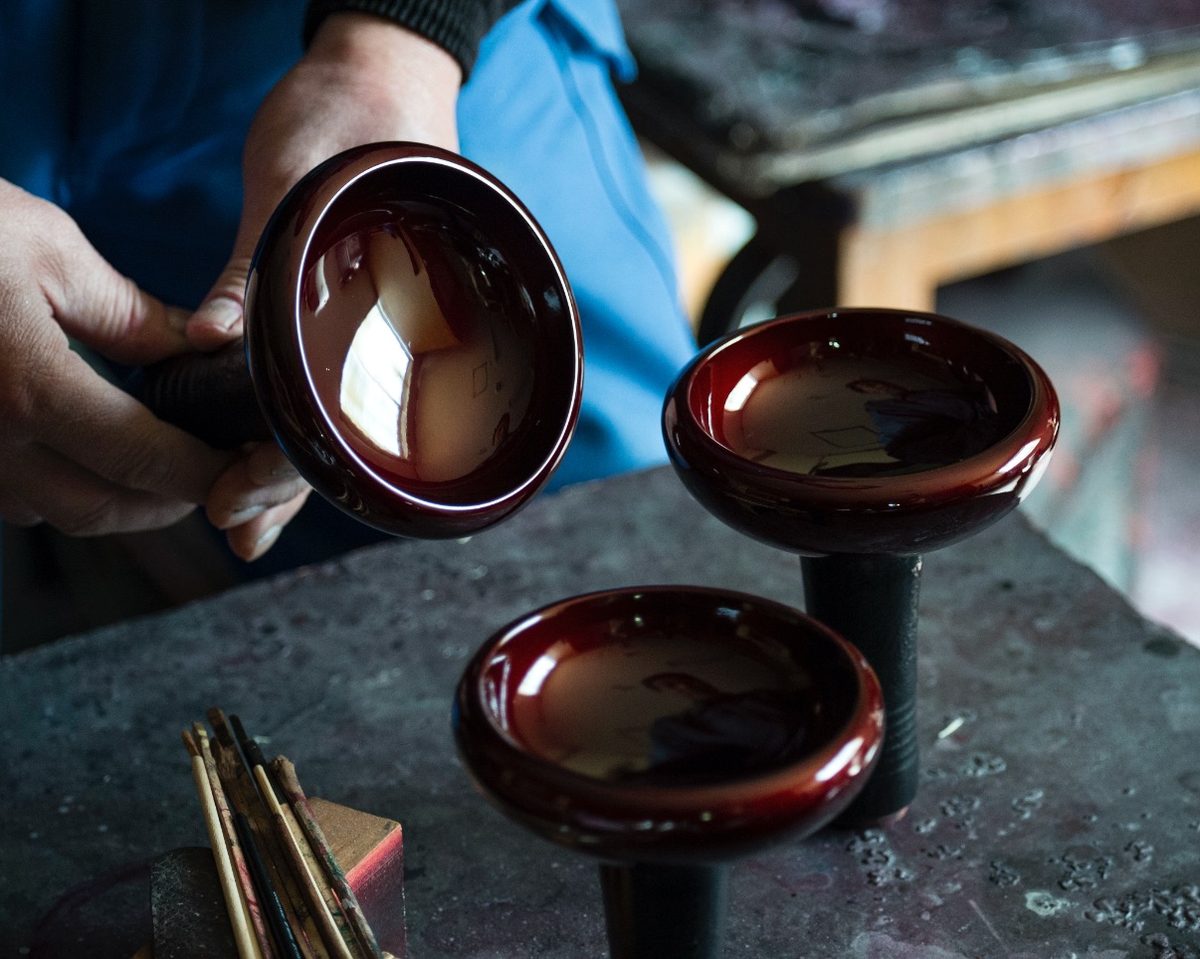
Tamamushi-nuri is a Sendai lacquer technique developed in 1932 at the national craft institute in the city, layering translucent dyed lacquer over silver powder for a sheen like a jewel beetle's wing. Alongside it, Miyagi and Tohoku's lathe-turned wooden kokeshi dolls are still sold by specialist shops in central Sendai.
An artisan's hands put the finishing touches on glossy red lacquer bowls.·Photo: Tohoku Kogei Tamamushi Lacquer Shop (official site)
Jozenji-dori
Tohoku Kogei Tamamushi Lacquer Shop
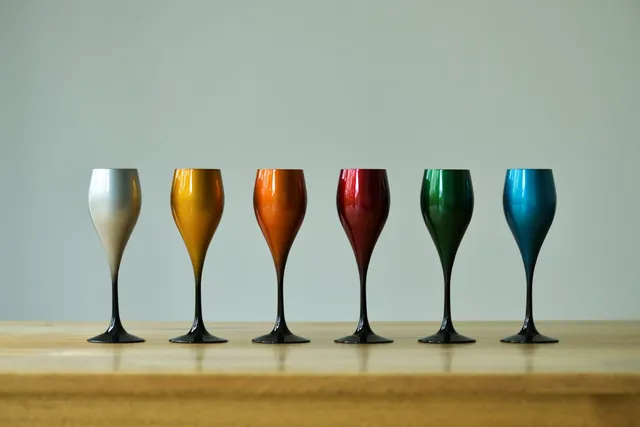
Photo: the shop’s official page 東北工芸製作所 玉虫塗ショップ 仙台
The showroom of Tohoku Kogei, established in 1933, carrying bowls, round trays and stationery in Tamamushi-nuri lacquer layered over silver powder. Closed Saturdays through Mondays and holidays; visits by reservation.
Tue–Fri 10:00–18:00 · Closed: Sat, Sun, Mon, public holidays
Why the editors chose itBy-appointment showroom of a 1933 maker, displaying Tamamushi lacquer bowls and stationery over silver powder.
Station/Ichibancho
Kokeshi no Shimanuki
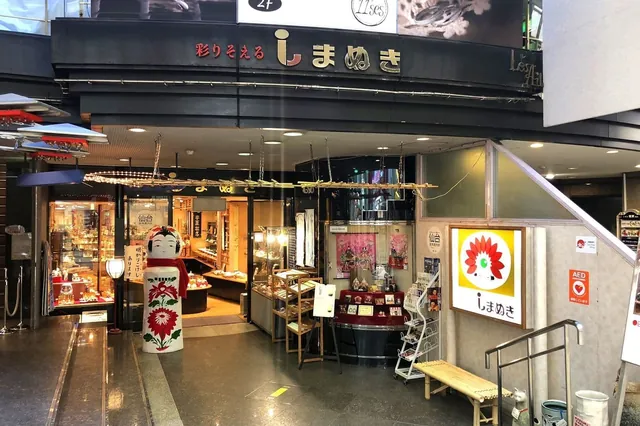
Photo: the shop’s official page こけしのしまぬき 本店
A shop for kokeshi and Tohoku crafts in the Ichibancho arcade, founded in 1892. Carries traditional kokeshi, Matsukawa daruma and Sendai glass, with kokeshi-painting sessions. Closed on the second Wednesday of each month.
10:30–19:00 · Closed: 2nd Wednesday of the month (except August), New Year's Day
Why the editors chose itAn 1892 Tohoku craft shop carrying traditional kokeshi and Sendai glass, with kokeshi-painting sessions.
Station/Ichibancho
Kogensha Sendai
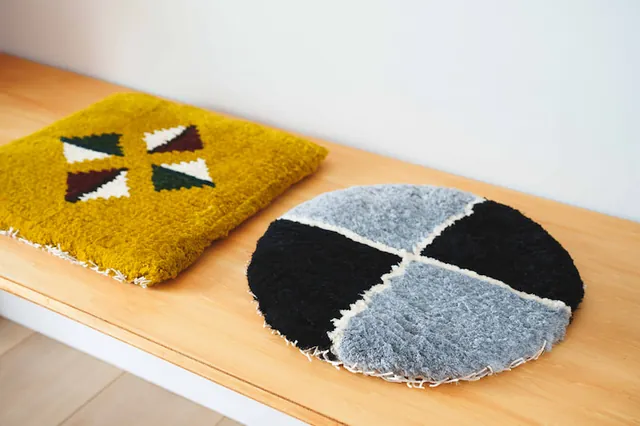
Photo: the shop’s official page 光原社 仙台店
The Sendai shop of Morioka's folk-craft house Kogensha, stocking everyday handwork: pottery, lacquer, handwoven cloth, baskets and folk toys. Closed on the 15th of each month unless it falls on a weekend or holiday.
10:00–18:00 · Closed: 15th of each month (open if Sat, Sun, or public holiday)
Why the editors chose itThe Sendai branch of Morioka's Kogensha, gathering pottery, lacquerware, handwoven cloth and folk toys.
Station/Ichibancho
galerie arbre
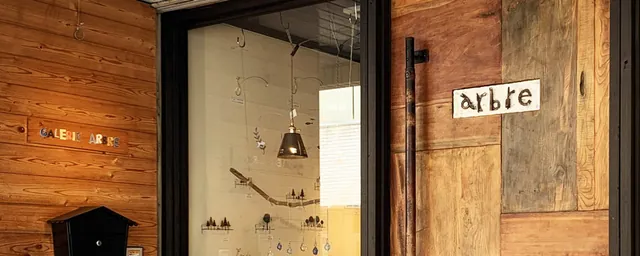
Photo: the shop’s official page A backstreet craft gallery in Ichibancho showing and selling ceramics, glass, woodwork and metalwork by contemporary makers, and taking in vessels for urushi kintsugi repair. Closed on Tuesdays.
Mon, Wed–Fri 11:00–18:00, Sat–Sun & holidays 11:00–17:00 · Closed: Tuesdays, year-end/New Year (Dec 29–Jan 3)
Why the editors chose itA backstreet gallery showing contemporary craft vessels and taking in pieces for urushi kintsugi repair.
Jozenji-dori
NAKAO Jozenji-dori
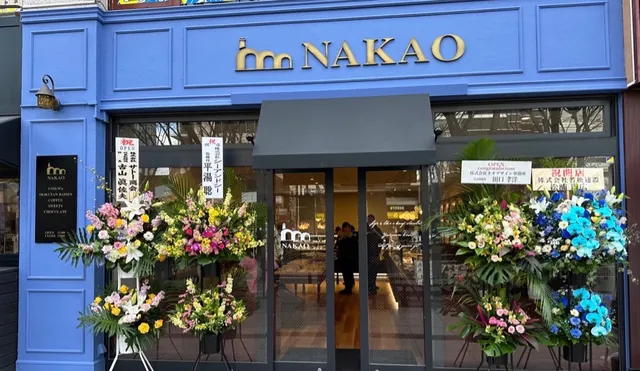
Photo: the shop’s official page NAKAO 定禅寺通り店
The Jozenji-dori shop of Miyagi-based NAKAO, with two floors of tableware, charcoal-roasted coffee, baked sweets and chocolate. Open 11:00 to 19:00; closed only over New Year.
Why the editors chose itTwo floors along Jozenji-dori pairing tableware with charcoal-roasted coffee, baked sweets and chocolate.
Sights in Sendai
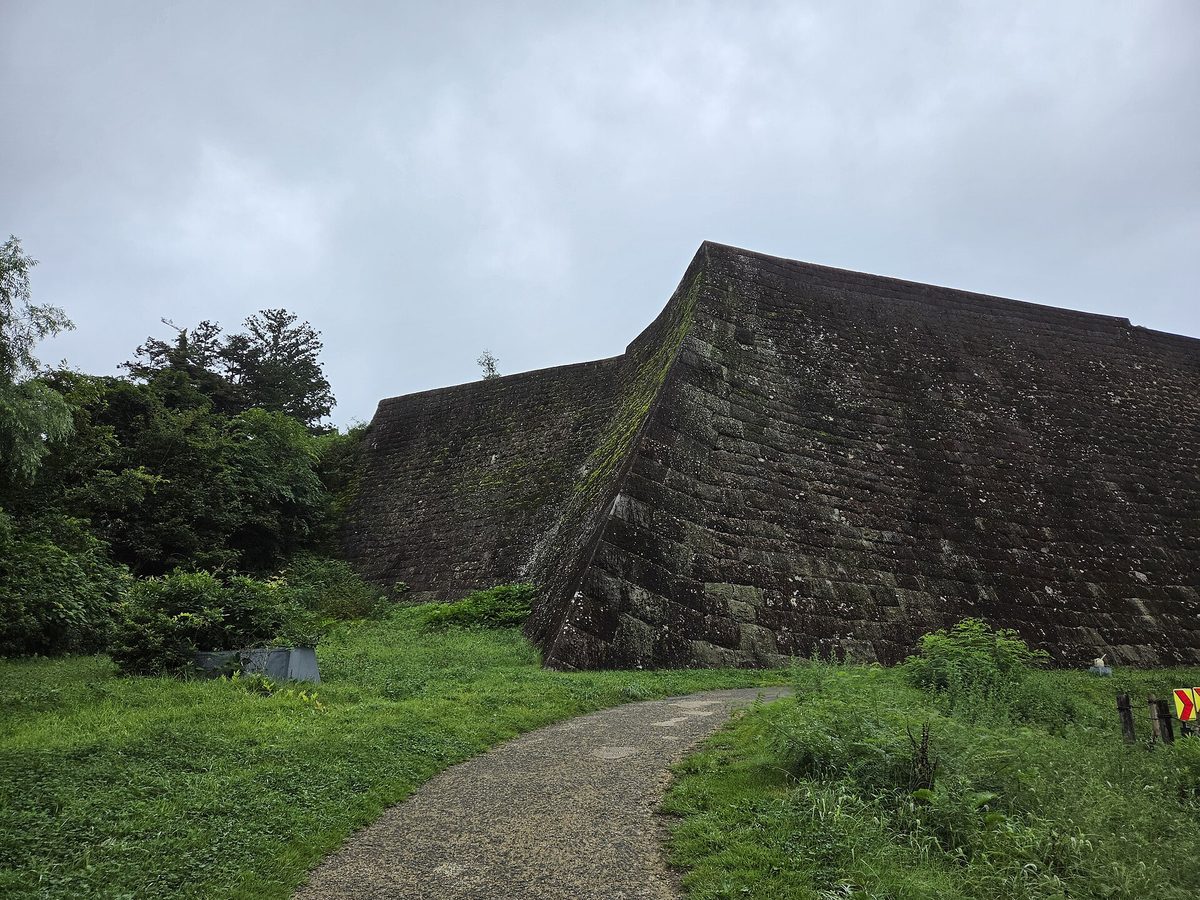
Photo: Raspico / CC0 (Wikimedia Commons) The hilltop ruins of Sendai Castle, built by Date Masamune on Mount Aoba and a national historic site.
The castle grounds are open freely every day. The Aoba Castle Museum is open 9 am to 4 pm from November to March (last entry 3:40 pm).
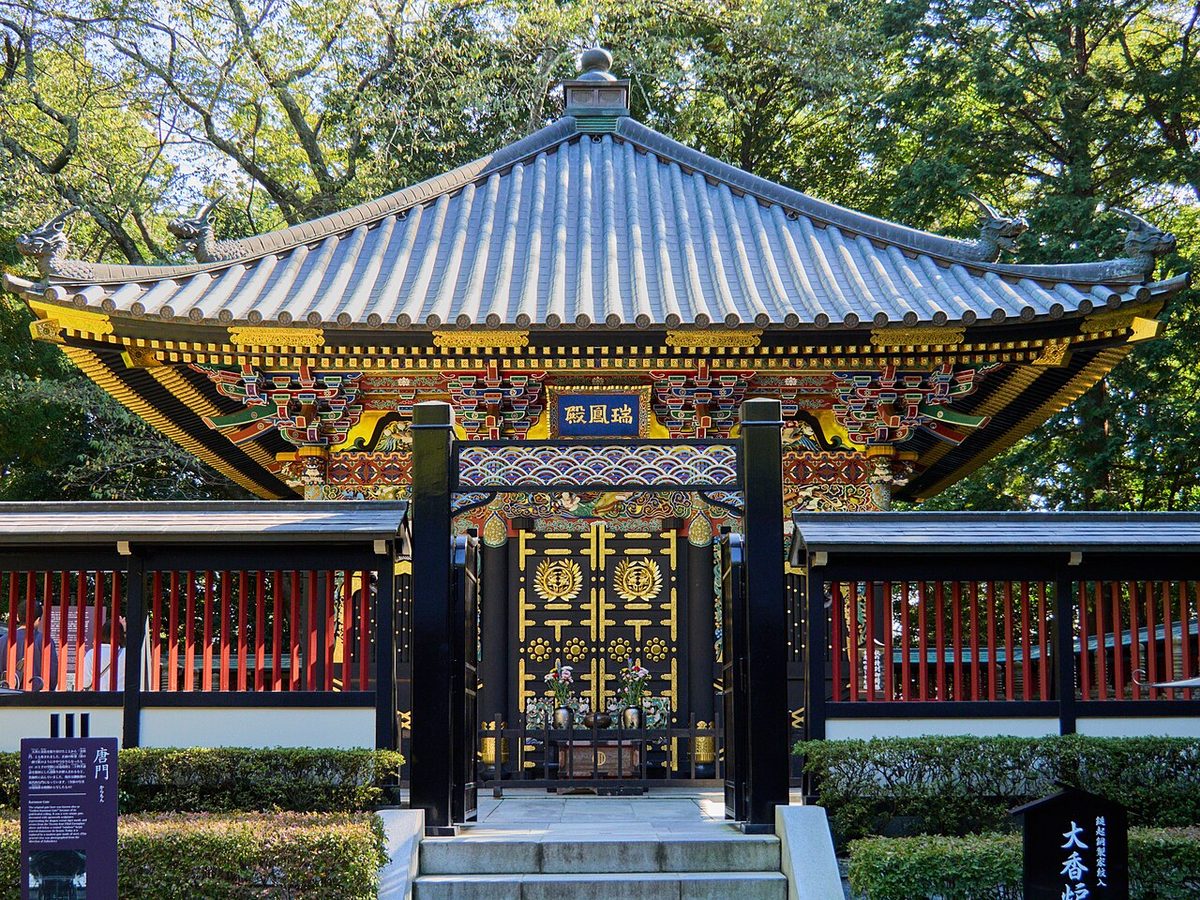
Photo: lumoplank / CC0 (Wikimedia Commons) The mausoleum of Date Masamune, originally built in 1637 and reconstructed in 1979 after wartime fire.
Open 9 am to 4:20 pm from December 1 to January 31 (last entry 4 pm), and until 4:50 pm from February to November. Closed December 31.
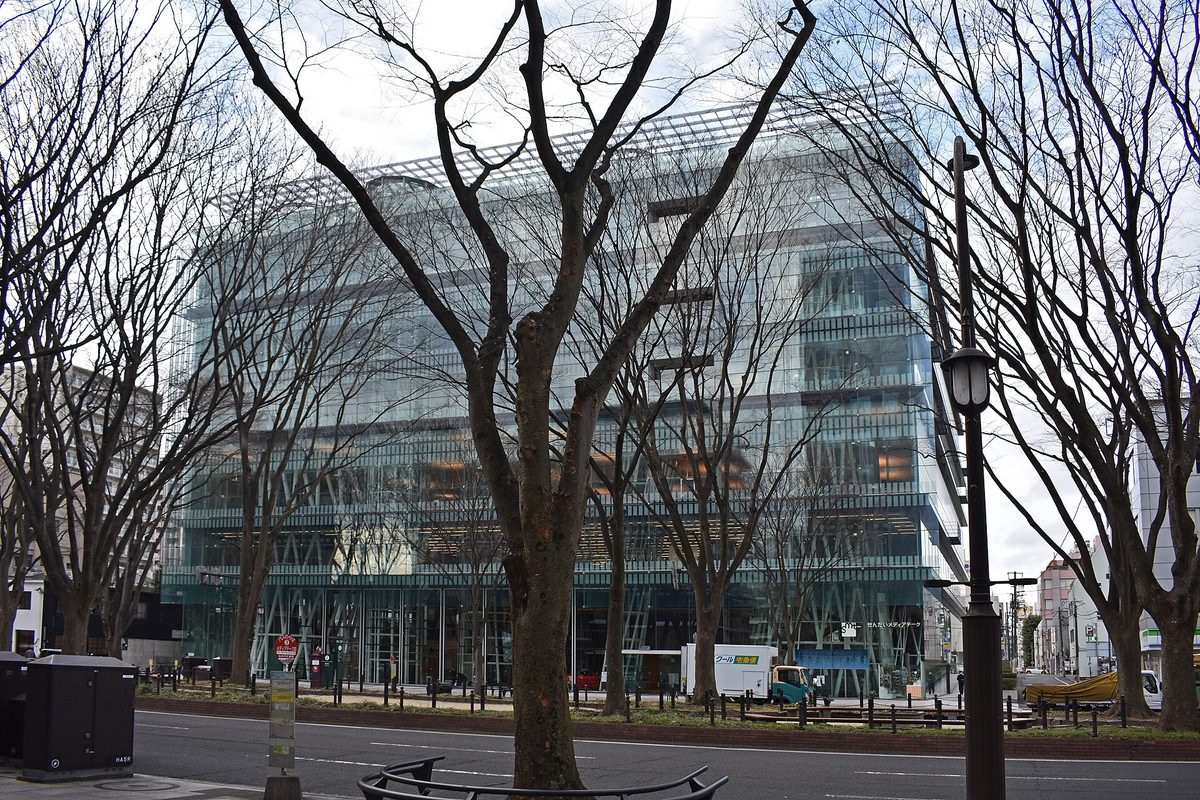
Photo: Ymblanter / CC BY-SA 4.0 (Wikimedia Commons) A glass-walled cultural building on Jozenji-dori designed by Toyo Ito and completed in 2000, supported by steel-lattice tubes and flat slabs.
Open 9 am to 10 pm (library 9:30 am to 8 pm, or 6 pm on weekends and holidays). Closed on the fourth Thursday of each month from January to November and December 29 to January 3.
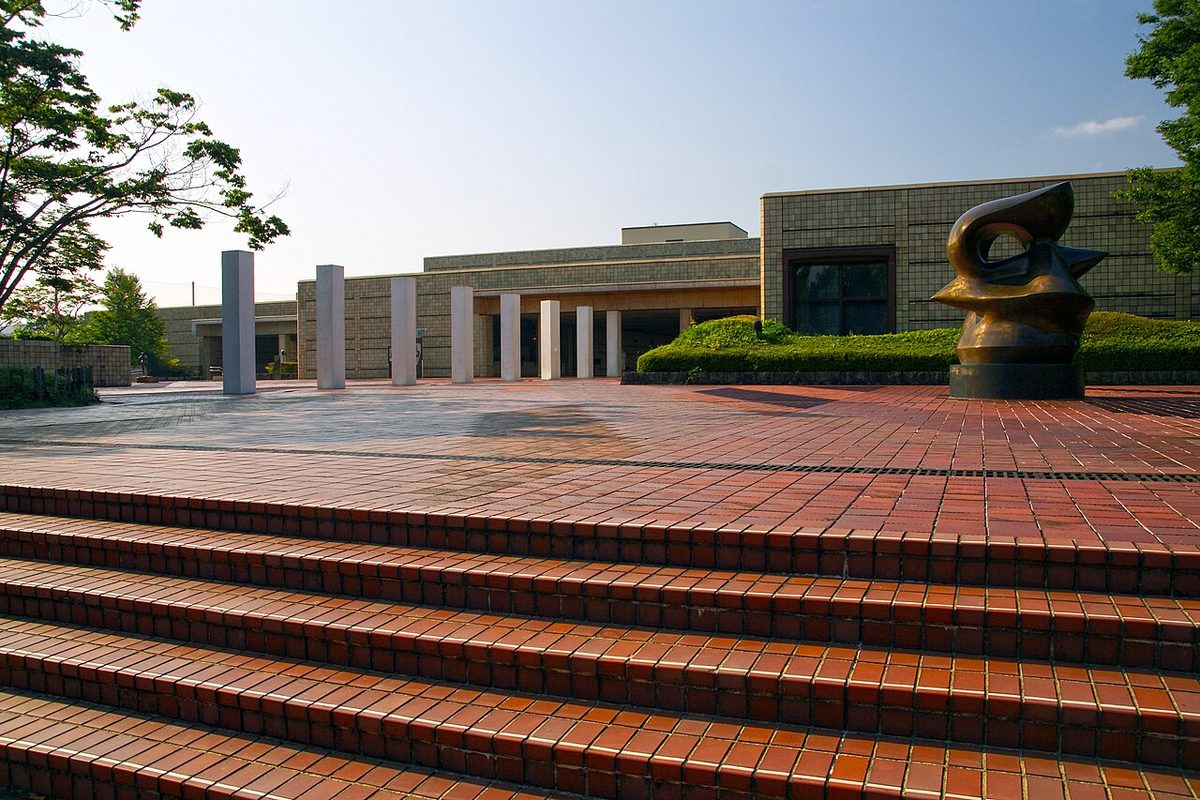
Photo: 663highland / CC BY 2.5 (Wikimedia Commons) The prefectural art museum opened in 1981 and reopened in June 2026 after major renovations.
Open 9:30 am to 5 pm (tickets until 4:30 pm). Closed Mondays (or the following weekday if a holiday) and December 26, 2026 to January 6, 2027.
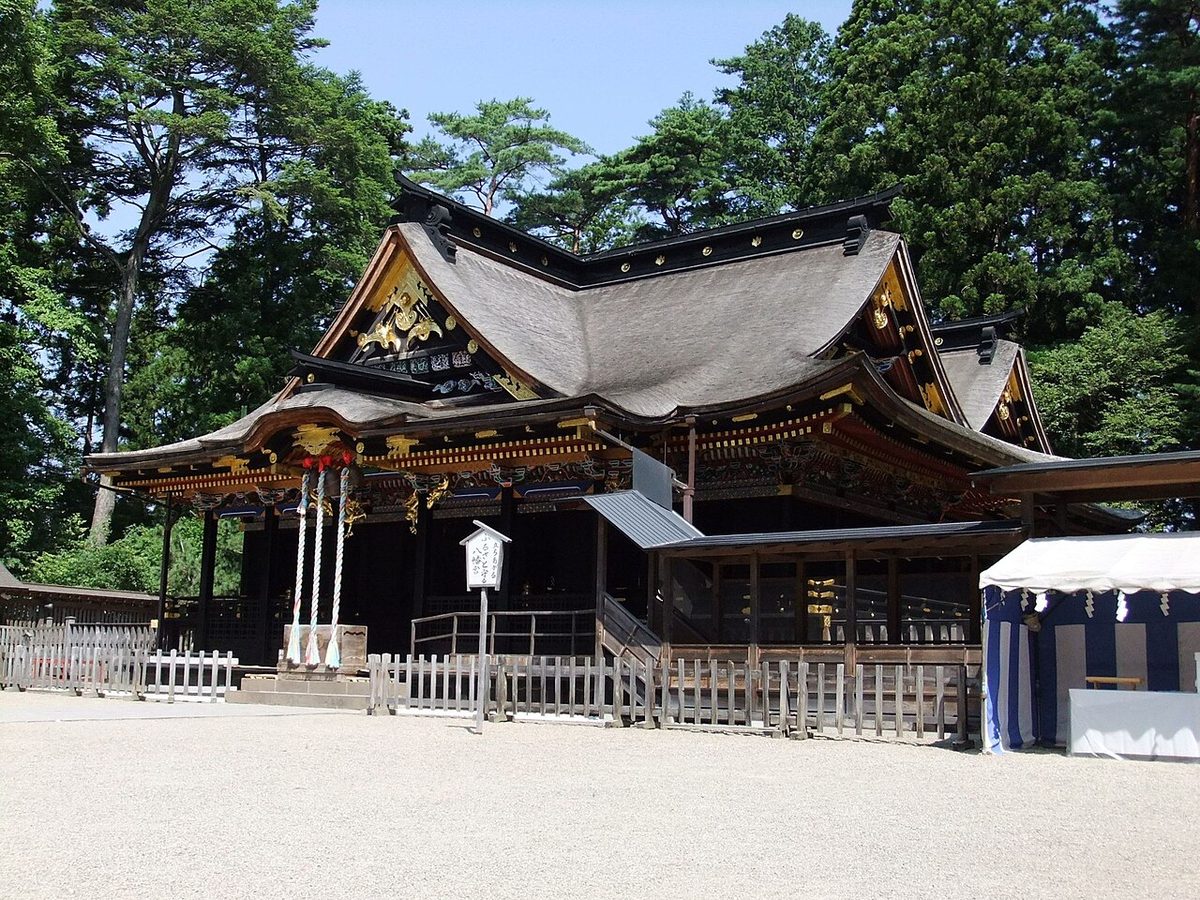
Photo: Tak1701d / CC BY-SA 3.0 (Wikimedia Commons) Sendai's tutelary shrine, built in 1607 on the orders of Date Masamune.
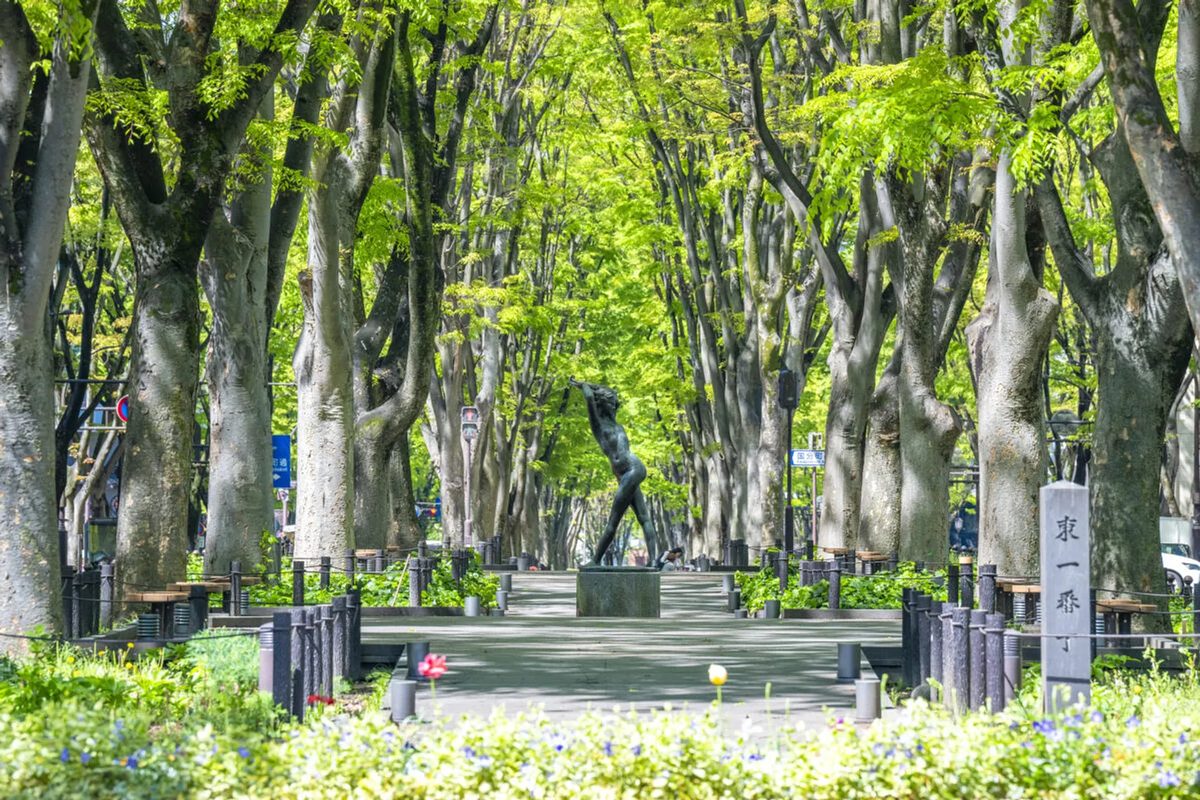
Photo: official site A zelkova-lined avenue in central Sendai.
These are local landmarks. Each was checked to be open on its official site (checked 2026-11-12). Please confirm hours before you go.
Beyond Sendai
1 / 7
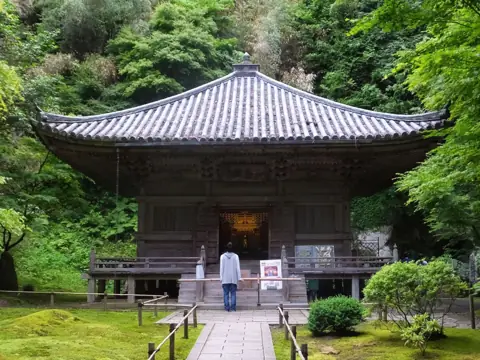 Matsushima · 20 km
Zuigan-ji Temple →
A temple associated with Lord Date Masamune.
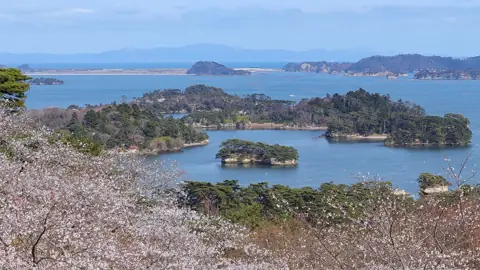 Matsushima · 20 km
Matsushima (One of the Three Views of Japan) →
Matsushima is a scenic spot with hundreds of small and large islands, known since ancient times as one of the Three Views of Japan.
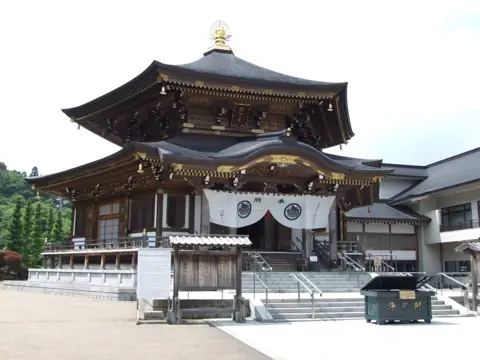 Sendai · 21 km
Jogi Nyorai Saihoji Temple →
A mountain temple west of Sendai tied to Heike clan legends, famous for its five-story pagoda and thick, crispy triangular fried tofu served hot at the gate.
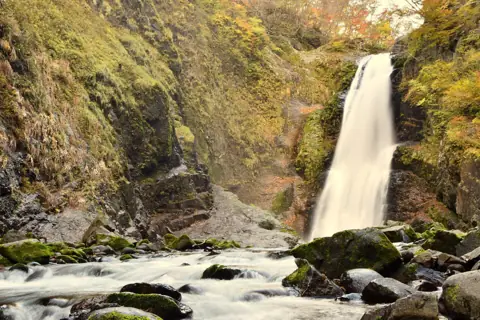 Sendai (Akiu Onsen) · 27 km
Akiu Otaki Falls →
A 55-meter-tall nationally designated scenic waterfall in western Sendai where snow-draped black cliffs and icicles frame the thundering plunge in midwinter.
- Kawasaki · 32 km
Aone Onsen →
A quiet historic Date-clan hot spring hamlet on the eastern slopes of Mt. Zao, buried in deep snow in winter and illuminated by roughly 300 handmade snow lanterns during the February Yukiakari night.
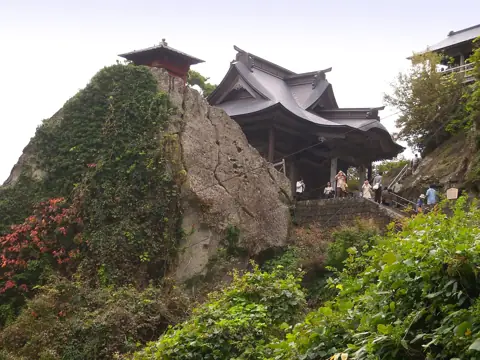 Yamagata · 39 km
Hojusan Risshakuji Temple (Yamadera) →
Founded by Jikaku Daishi Ennin in 860, this Tendai sect mountain temple features 1,015 stone steps and is a representative sacred mountain of the Tohoku region.
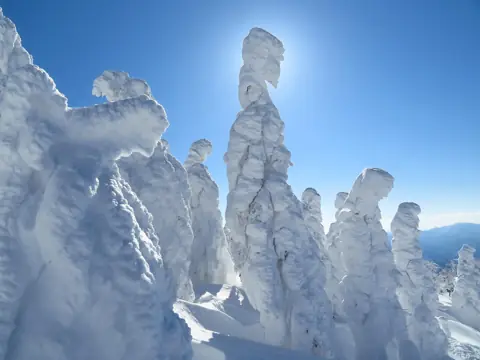 Zao Onsen · 43 km
Zao Ropeway Ice Trees →
Zao's 'ice trees' (juhyo) are a mystical natural phenomenon that appears in winter; you can observe them up close by taking the ropeway to the summit area.


Distances are straight-line from the town centre. Each page has how to get there and a suggested day.
Questions people ask
- Where can I eat Sendai's local dishes?
Gyutan (grilled beef tongue): Umami Tasuke (Kokubuncho), Tanyaki Ichiryu Honten (Kokubuncho)
Zunda mochi (sweet edamame rice cakes): Murakamiya Mochiten (Station/Ichibancho), Kanmidokoro Hikoichi (Jozenji-dori)
- Where can I see or buy Tamamushi Lacquer & Kokeshi, Craft in Sendai?
Tamamushi Lacquer & Kokeshi: Tohoku Kogei Tamamushi Lacquer Shop (Jozenji-dori), Kokeshi no Shimanuki (Station/Ichibancho)
Craft: Kogensha Sendai (Station/Ichibancho), galerie arbre (Station/Ichibancho), NAKAO Jozenji-dori (Jozenji-dori)
- What can I visit on foot around Station/Ichibancho?
Tamamushi Lacquer & Kokeshi: Kokeshi no Shimanuki
Craft: Kogensha Sendai, galerie arbre
Cafés: Café Aoyama Bunko
Sweets: Murakamiya Mochiten
Food: Genji
Every place was checked to be open in November 2026. Hours can change, so please check the official site before you go.
If you like Sendai
- Takamatsu
Kagawa, Japan
For example, galerie arbre here, and kitahama blue stories in Takamatsu.
- Matsumoto
Nagano, Japan
For example, Tohoku Kogei Tamamushi Lacquer Shop here, and Teshigoto Shokai Suguri in Matsumoto.
- Odawara
Kanagawa, Japan
For example, Kogensha Sendai here, and Mokunosuke in Odawara.
Chosen by how close the towns and their places are in what they make and serve.