34.4° N
Hiroshima
Hiroshima, Japan
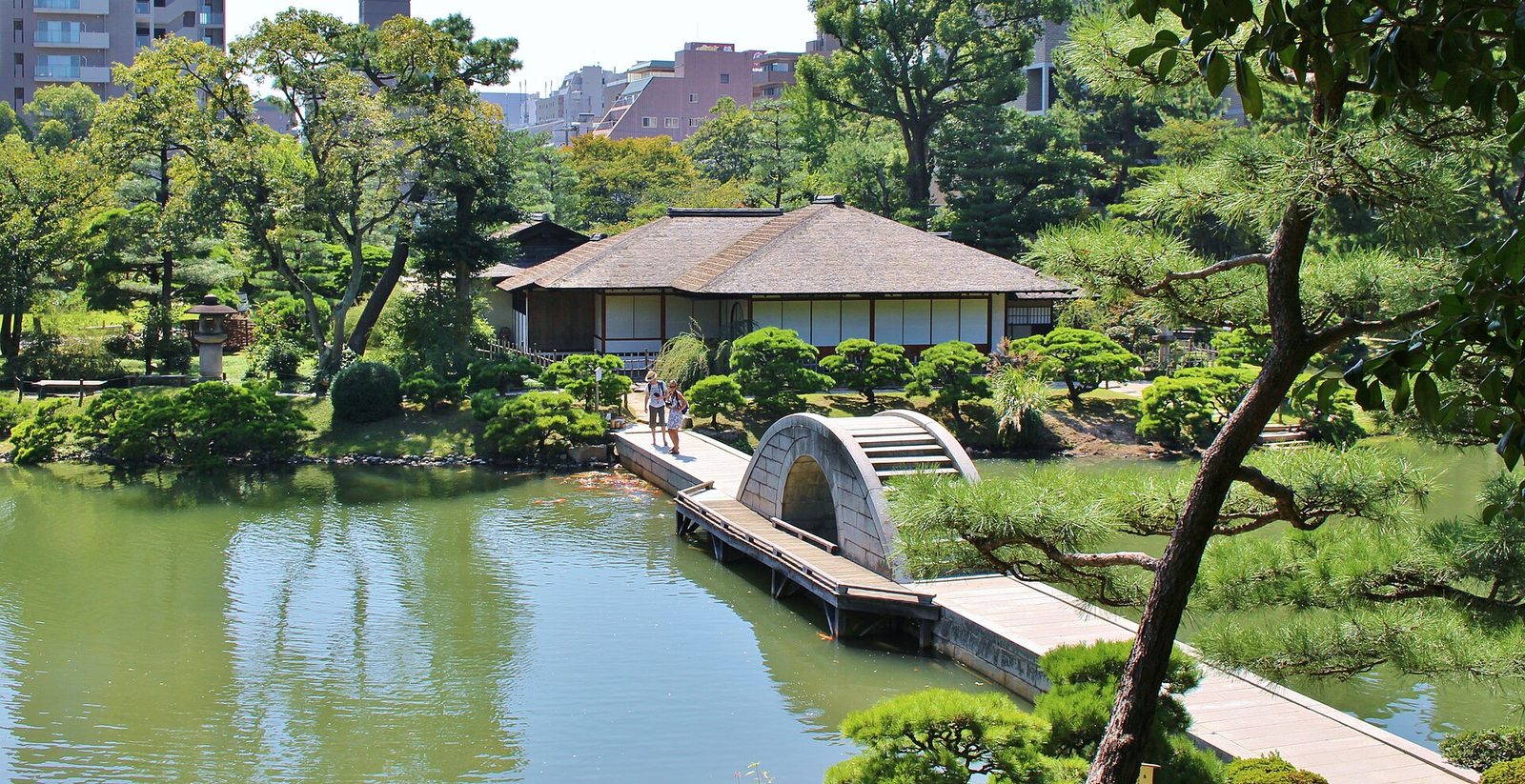
A delta city facing the Seto Inland Sea, where six branches of the Ota River flow to the bay. Iron-griddle okonomiyaki and winter oysters, the craft galleries and tea houses of the centre, and wooden scoops and momiji manju across the water on Miyajima, as the editors’ picks.
Hiroshima, on film
8 sights and 17 places, each checked open in 2026, in 51 seconds.
Found somewhere you like? The map and the list below have the address, hours and official site.
Tap for sound
What to eat in Hiroshima
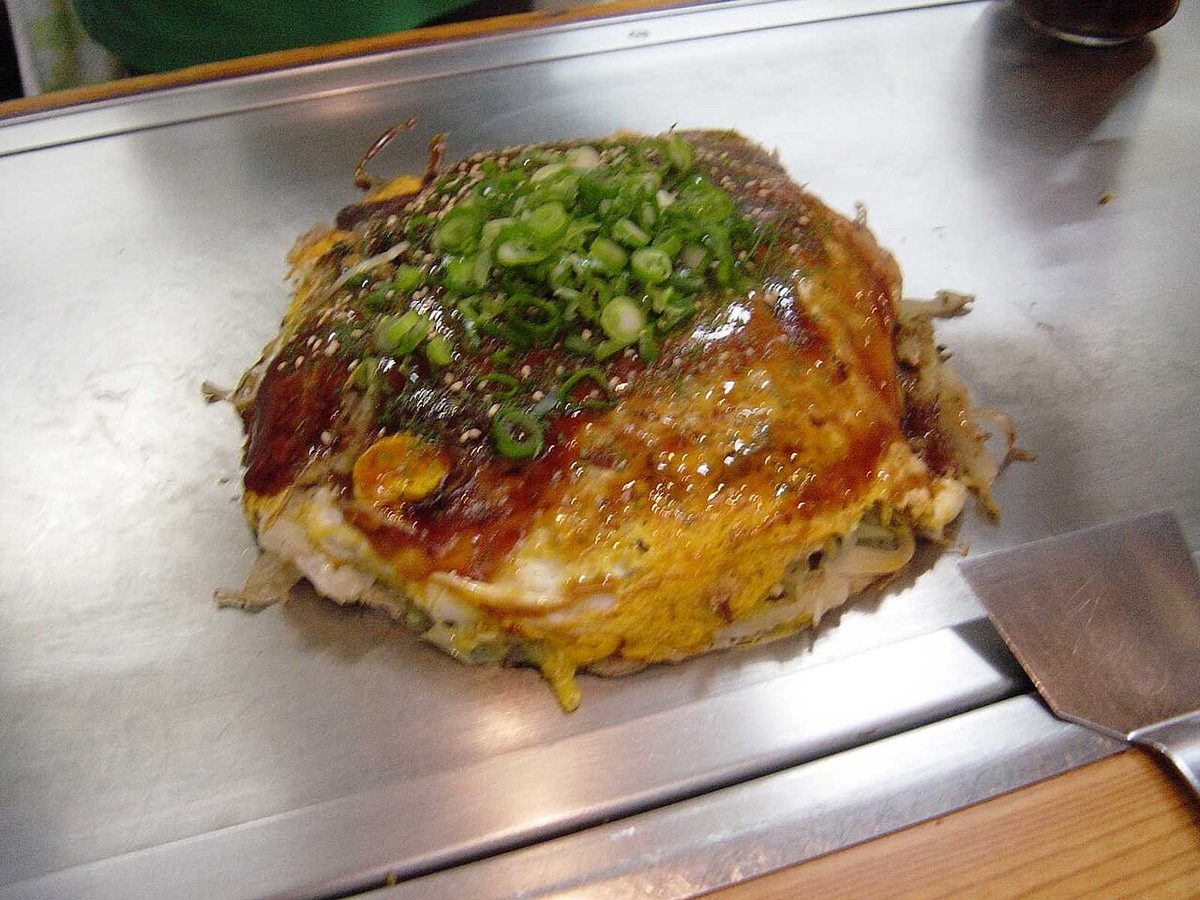
Photo: Washisama at Japanese Wikipedia / CC BY-SA 3.0 (Wikimedia Commons) Hiroshima okonomiyaki (layered savoury pancake)
広島お好み焼き
A thin wheat-flour crepe layered on an iron griddle with shredded cabbage, bean sprouts, pork belly, yakisoba or udon noodles, egg, and sweet-savory sauce. It developed in Hiroshima's post-war street stalls from aid wheat flour and inexpensive cabbage, with noodles and thick sauce added in the 1950s.
Eaten year-round straight from the counter griddle, cut into bite-sized squares with a small metal spatula (hera).
Where to eat it
- Okonomiyaki Nagataya ↓
- Okonomiyaki Reichan ↓
- Okonomiyaki Micchan Sohonten HatchoboriWebsiteMap
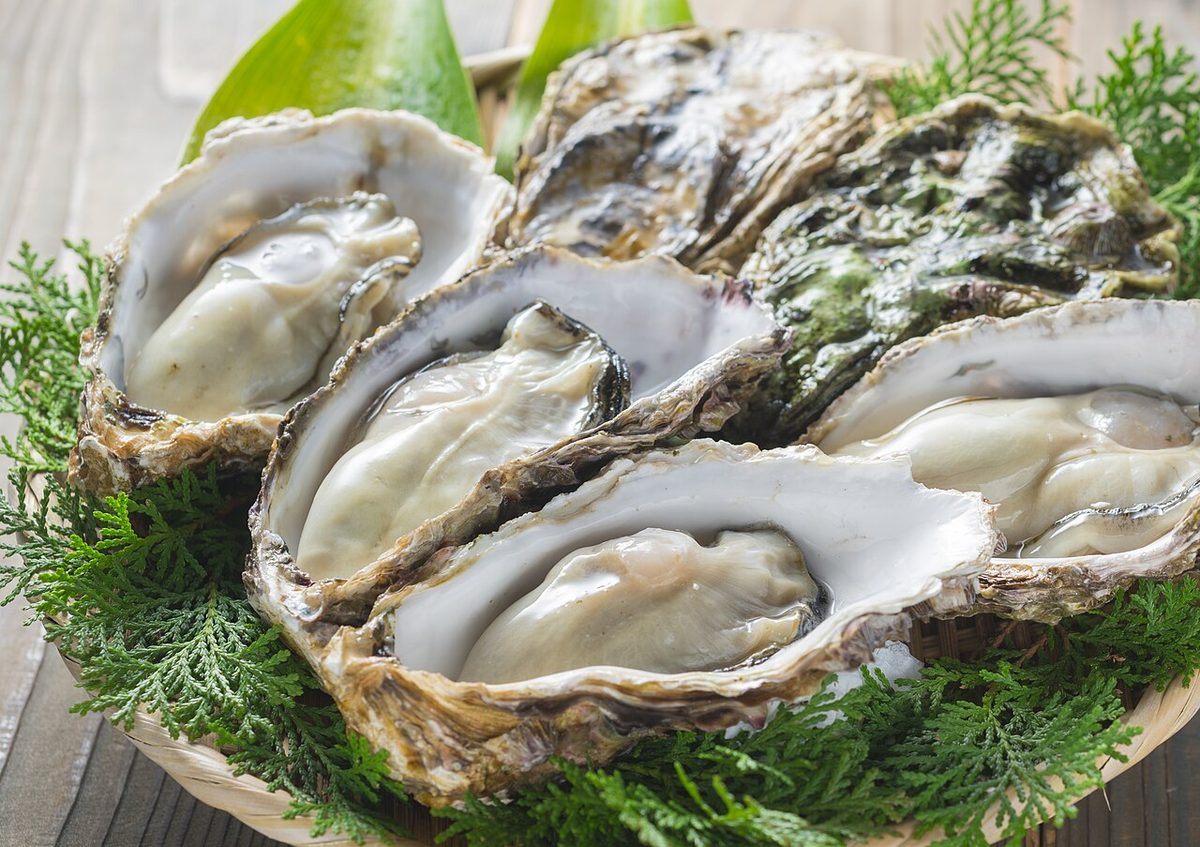
Photo: 東広島市 / CC BY-SA 4.0 (Wikimedia Commons) Hiroshima oysters
広島牡蠣
Pacific oysters farmed in the calm waters of Hiroshima Bay, where nutrient-rich river water from the Ota River meets the Seto Inland Sea. Oyster cultivation here began in the Muromachi and early Edo periods, and Hiroshima now accounts for roughly 60 percent of Japan's oyster harvest.
Plumpest from October to April, eaten grilled in the shell, raw with lemon, breaded and fried (kakifry), or simmered in miso hotpot (dotenabe).(Oct–Apr)
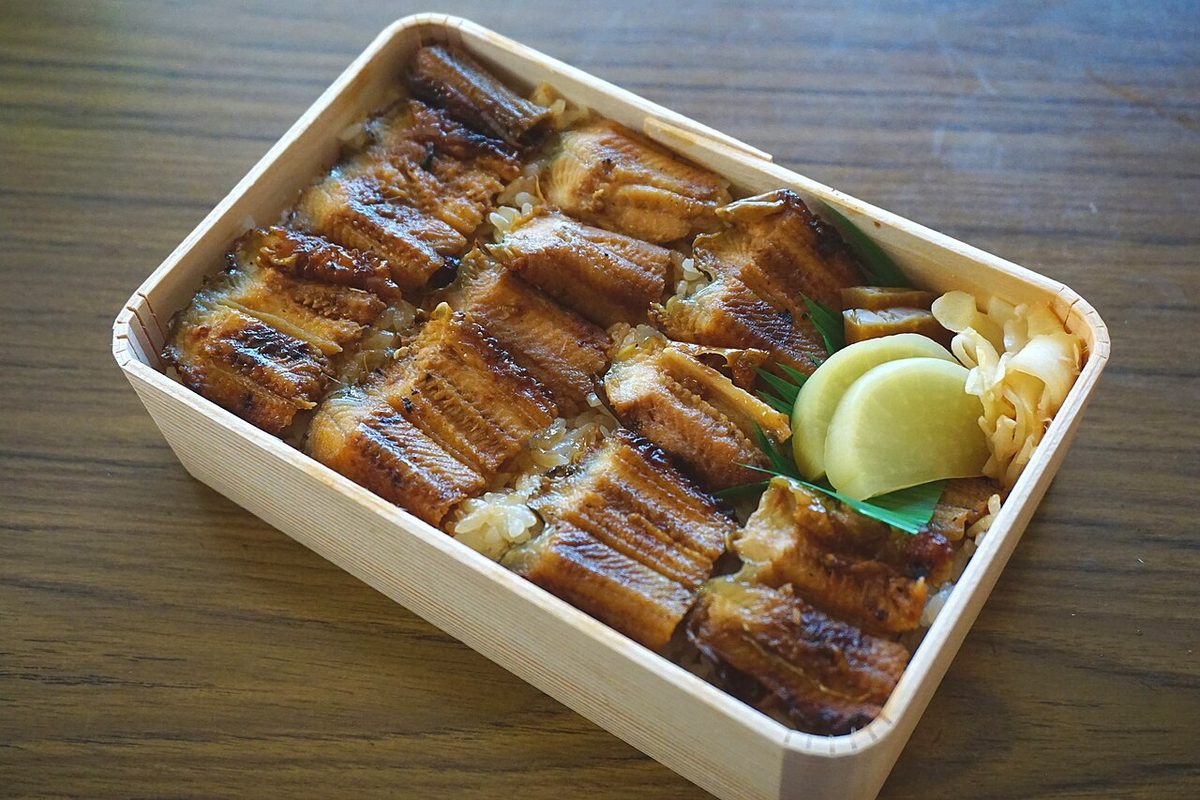
Photo: くろふね / CC BY-SA 4.0 (Wikimedia Commons) Anagomeshi (grilled conger eel over rice)
あなごめし
Saltwater conger eel grilled with a sweet-savory soy glaze and layered over rice cooked in broth made from the eel bones. Created in 1901 by Tanikichi Ueno as a boxed lunch for Miyajima Station, it developed from a local Seto Inland Sea conger-eel rice bowl into a specialty of Miyajima and Hiroshima.
Eaten year-round for lunch or early dinner as a hot bowl or steamed box with clear soup and pickles, or as a takeaway bento box.
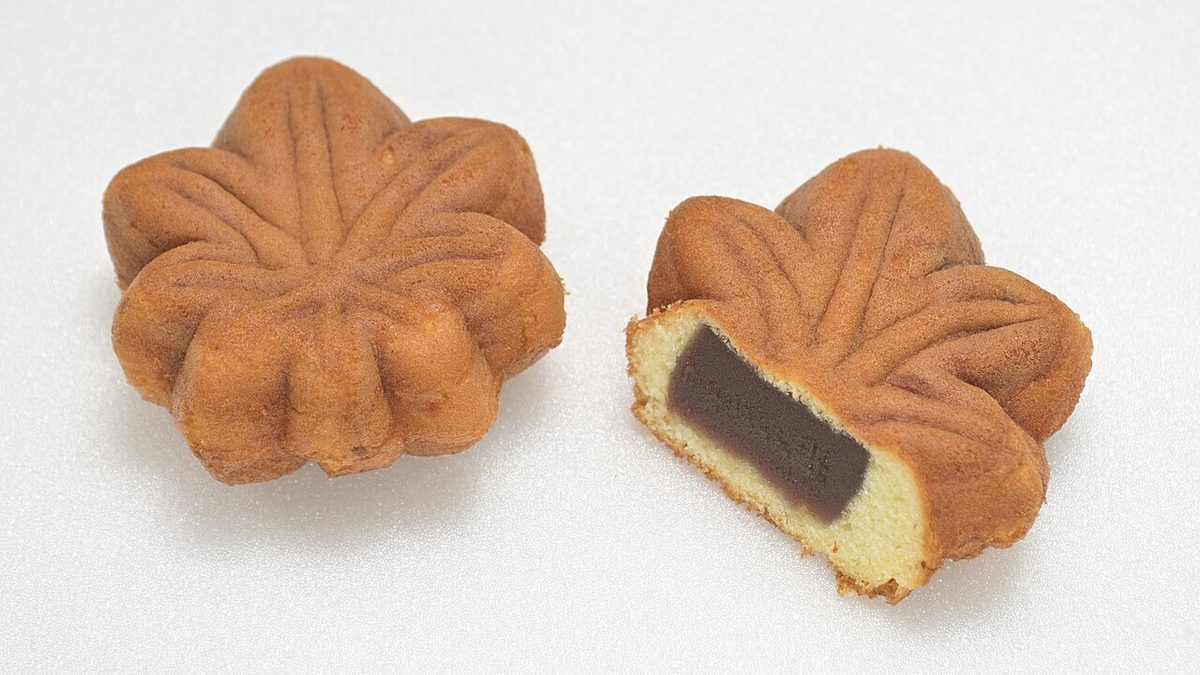
Photo: Ocdp / CC0 (Wikimedia Commons) Momiji manju (maple-leaf sponge cake)
もみじ饅頭
Small castella-like sponge cakes baked in maple-leaf molds and filled with sweet red bean paste, custard, or chocolate. Confectioner Tsunesuke Takatsu created the confection in 1906 near Miyajima's Momijidani Park, and it became the signature sweet of Miyajima and Hiroshima.
Eaten year-round as a snack or souvenir with green tea, either freshly baked, battered and deep-fried on a stick (age-momiji), or boxed to take home.
Where to eat it
- Miyajima Hakataya ↓
- Ganso Momiji Manju TakatsudoWebsiteMap
The LATITUDE editors’ 17 picks in Hiroshima
Our editors verified that these places were open (checked 2026-11-19). Check the official site for hours and closing days before visiting. Sponsored listings are marked.
Save places to your trip list and revisit them in this browser. No account needed.
Editors’ picks on the map — or build your own route
Tap a mark to see the place; squares are museums and sights (landmarks). Use “Build your own route” to make a walk of your own.
Loading the map
Map data © OpenStreetMap contributors
Browse by category
1 / 19
Hondori & Hatchobori
Koryoriya Nagayama
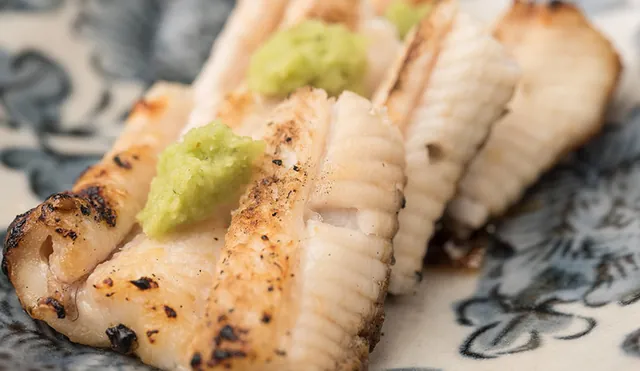
Photo: the shop’s official page 小料理屋 永山
A fifth-floor Japanese small-plates restaurant in Ebisucho serving seasonal vegetables and fresh fish such as live conger eel, with around ten sakes. Lunch Mon–Sat (10:00–14:30), breakfast on Saturdays only; closed Sundays.
Sat 7:30–10:00 (L.O. 9:30), Mon–Sat 10:00–14:30, Wed–Thu 18:00–22:00, Fri–Sat 18:00–23:00 · Closed: Sundays
Why the editors chose itA fifth-floor Japanese counter serving seasonal vegetables, live conger eel, and Saturday-only breakfast.
Higashi-Hakushima, Naka-ku
L'univers
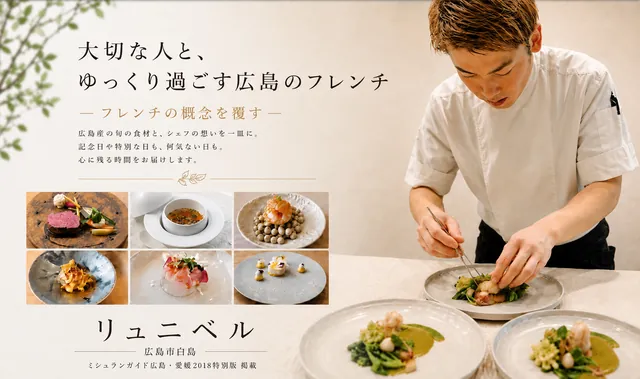
Photo: the shop’s official page リュニベル
A counter French restaurant in Higashi-Hakushima opened in 2016 by Nice-trained Hiroshima native Ryo Imai, serving at most two parties a day. Courses made with natural-farming vegetables from Higashi-Hiroshima's Hanaafu, Hiroshima Hiba beef and a ten-year continuously replenished jus are served on plates by local ceramicists Shizu Sasaki and Yusuke Wakasa at a counter lined with Maruni Hiroshima Armchairs (seatings at 12:00 and 18:00–20:00; closed Mondays and Tuesdays).
Why the editors chose itLimited to two parties a day for counter French featuring Hiroshima beef, local pottery and Maruni chairs.
Hondori & Hatchobori
BAGTOWN COFFEE
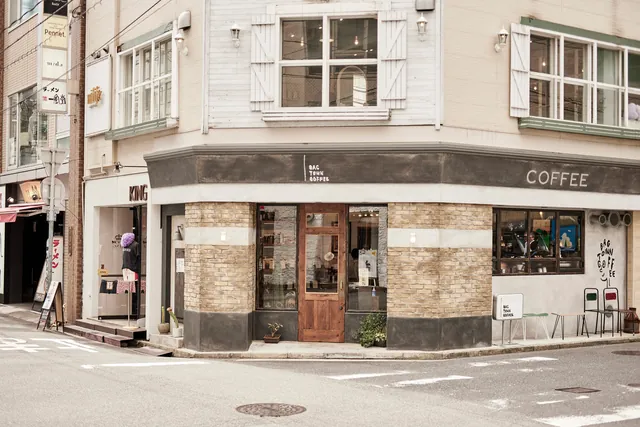
Photo: the shop’s official page A small roastery on a side street in Fukuromachi, roasting from light to dark and selling only beans and takeaway coffee (no seating). 11:00–19:00; irregular closing days.
Daily 11:00–19:00 · Closed: Irregular holidays
Why the editors chose itA no-seating roastery focused solely on beans from light to dark and takeaway coffee.
Hiroshima Station
TEA HOUSE KABUKIYA
TEA HOUSE KABUKIYA(傾㐂屋)
A seven-seat Japanese tea bar opened in January 2026 on the ground floor of an old wooden house ten minutes' walk from Hiroshima Station's Shinkansen exit. Sencha, Japanese black tea and hojicha from Sera, Yame and Shizuoka are served in first and second infusions. 11:00–20:00; closed Tuesdays and irregular days.
Why the editors chose itA seven-seat tea bar in an old wooden house pouring first and second infusions of regional teas.
Kogokita, Nishi-ku (Takasu)
MOUNT COFFEE
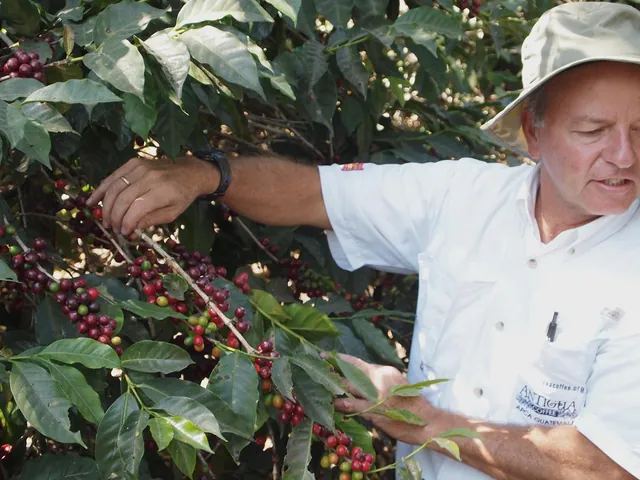
Photo: the shop’s official page A specialty coffee roastery on Takasu-dori shopping street in Nishi-ku led by Shohei Yamamoto, roasting single-origin beans and numbered daily blends from 3 to 9. An expanded space added in 2022 houses the book-and-coffee selection BOOKS YAMAMOTO and hosts events, alongside a nearby coffee stand inside the bike shop Grumpy (10:00–18:00; closed Sundays, Mondays and Tuesdays).
Why the editors chose itA roastery offering numbered blends 3 to 9 for different moments alongside its BOOKS YAMAMOTO space.
Hondori & Hatchobori
Miyoshino
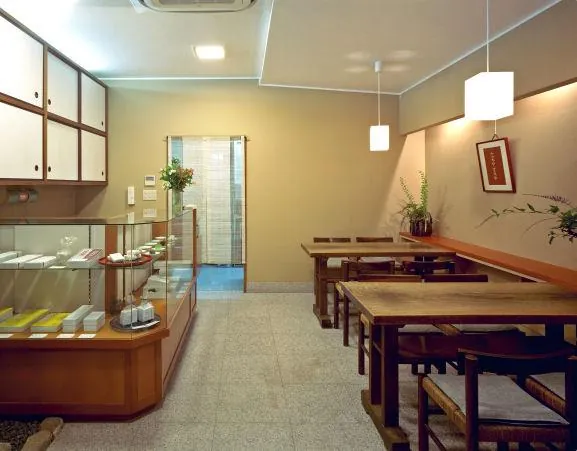
Photo: the shop’s official page 御菓子司 みよしの
A wagashi confectioner in Hatchobori founded in 1951, making seasonal fresh sweets and monaka, with an eight-seat tea corner inside. 10:00–18:00, closed Sundays; cash only.
Mon–Sat 10:00–18:00 · Closed: Sundays
Why the editors chose itA 1951 wagashi shop with an eight-seat tea corner for seasonal sweets and monaka (cash only).
Miyajima
Miyajima Hakataya
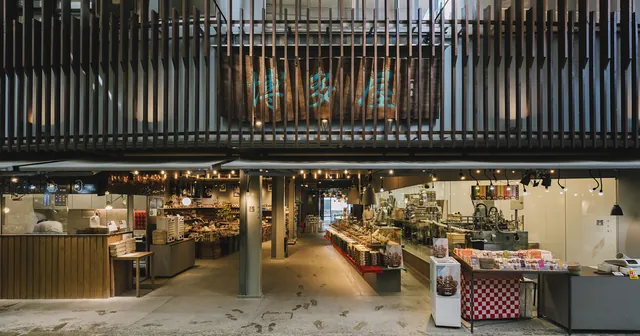
Photo: the shop’s official page 宮島 博多屋
A single-shop momiji manju maker on Omotesando street that began as a shamoji wholesaler in the early Meiji era. Castella batter and bean paste are baked in-house daily, with unwrapped hot 'Yakitate Now' cakes from about 9:30. 9:00–17:00, open every day.
Daily 9:00–17:00 · Closed: None (open all year round)
Why the editors chose itA single-shop momiji manju maker serving unwrapped cakes straight from the oven from about 9:30.
Kannon-machi, Nishi-ku
Église
Photo: the shop’s official page Église【お菓子と生命の水】
A specialty shop for chocolate, baked sweets and spirits in Kannon-machi led by Joji Sakamoto around the theme of European monastic traditions, with an eight-seat salon inside. Its signature Ganache with a Knife pairs Valrhona couverture with herbs, spices and local fruit—aged without emulsifiers, preservatives, artificial flavorings or colorings—and is shaved with a dedicated stainless knife (12:00–19:00, eat-in last order 18:30; closed Mondays).
Why the editors chose itAn eight-seat salon serving additive-free aged ganache shaved to order with a dedicated stainless knife.
Made in Hiroshima
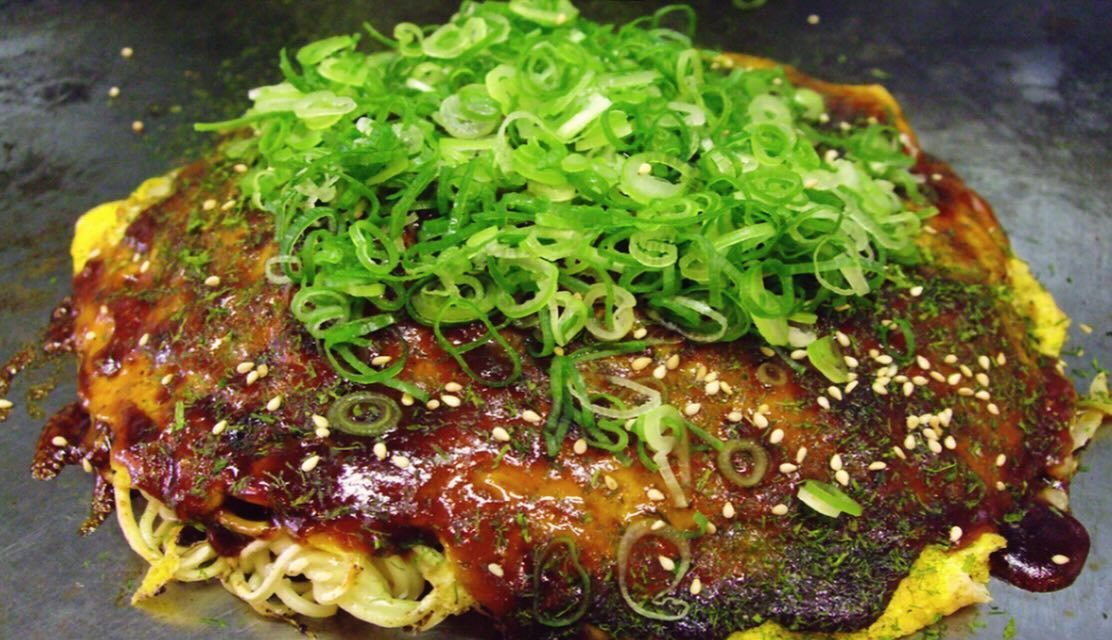
Unlike the mixed batter of Osaka, Hiroshima okonomiyaki is layered on the iron griddle: a thin crepe, piled with cabbage, bean sprouts, pork and egg, and finished with noodles and sweet-savoury sauce. It grew out of post-war food stalls and remains part of everyday neighbourhood eating.
A layered savory pancake with noodles, egg, sauce, and chopped scallions sits on a griddle.·Photo: Okonomiyaki Nagataya (@nagata_ya) (official site)
Peace Park
Okonomiyaki Nagataya
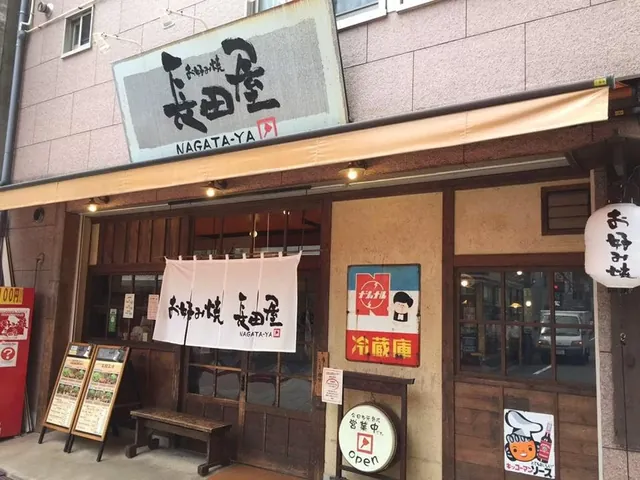
Photo: the shop’s official page お好み焼 長田屋
An okonomiyaki shop steps from the Atomic Bomb Dome, using fresh noodles from Isono and a house sauce made with Otafuku, with Hiroshima oysters on the menu too. 11:00–21:00 (last order 20:00); closed Tuesdays, Dec 24–25 and New Year; no reservations.
Wed–Mon 11:00–21:00 (L.O. 20:00) · Closed: Tuesdays, summer break, Dec 24–25, New Year holidays
Why the editors chose itSteps from the Atomic Bomb Dome for walk-in okonomiyaki made with fresh Isono noodles.
Hiroshima Station
Okonomiyaki Reichan
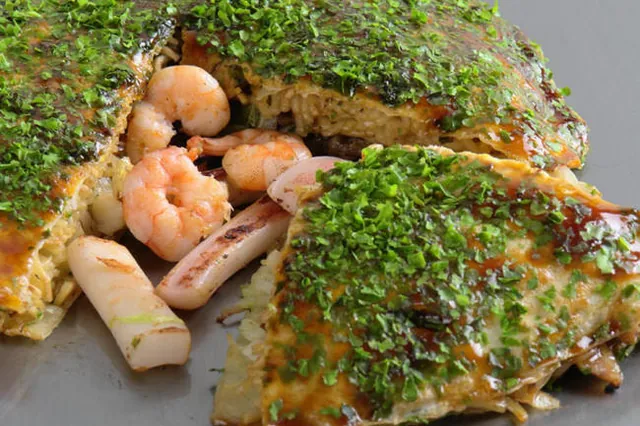
Photo: the shop’s official page お好み焼き 麗ちゃん
An okonomiyaki house founded in 1957, now on the first floor of Hiroshima Station's ekie. Dishes come with soba or udon, including a Special with fresh squid and shrimp, and winter-only Hiroshima oysters. 11:00–22:00 (food last order 21:15); no reservations.
Why the editors chose itFounded in 1957 and inside Hiroshima Station's ekie for walk-in okonomiyaki, with winter oysters.
Made in Hiroshima
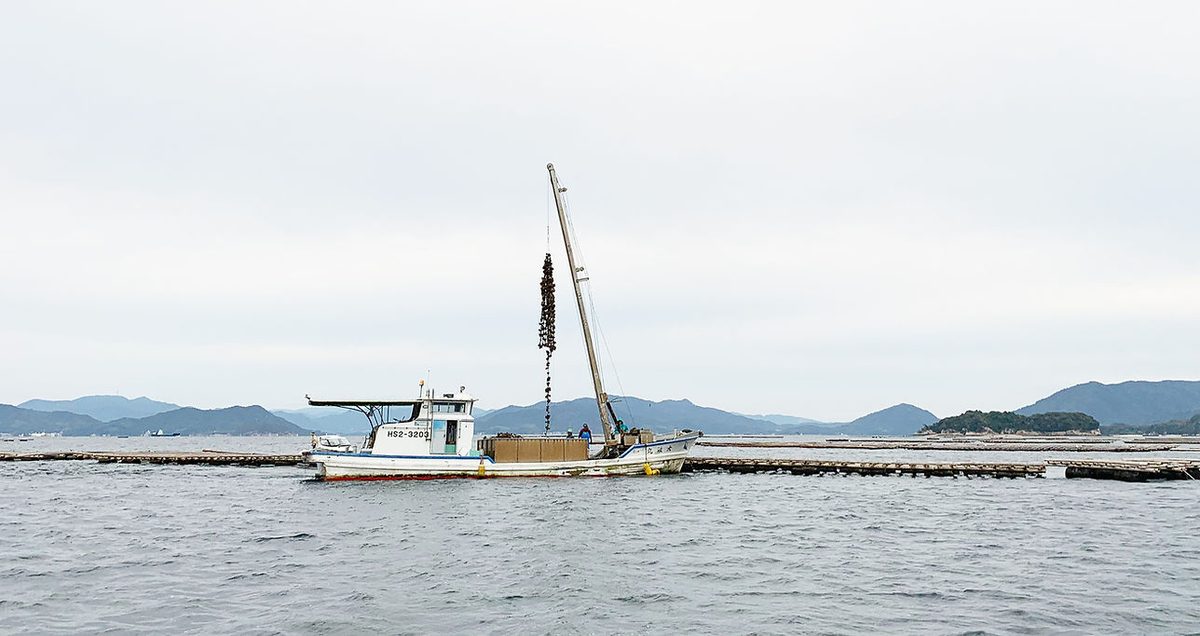
Hiroshima Prefecture is Japan's largest producer of farmed oysters, fed by mountain rivers flowing into the calm waters of Hiroshima Bay. Harvests run from autumn to spring, with the meat firmest and richest in winter from December to February.
A boat lifts a hanging string of oysters beside floating cultivation rafts.·Photo: Kakiya (official site)
Miyajima
Kakiya
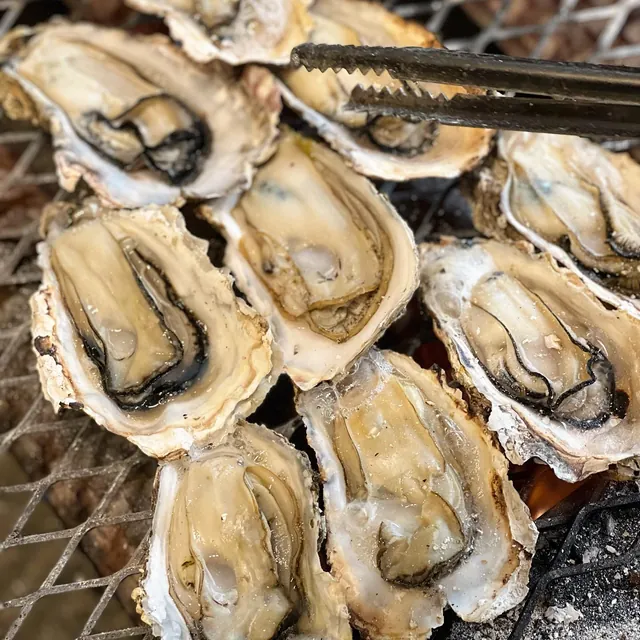
Photo: the shop’s official page 牡蠣屋
A restaurant on Miyajima's Omotesando street serving only oysters from nearby waters: fierce-heat grilled oysters, the Kakiya Set with fried oysters, oyster rice and oil-marinated oysters, and raw oysters until late March. 10:00–18:00 (closes when sold out); irregular days off.
Why the editors chose itA Miyajima restaurant serving only local oysters, with raw oysters on the menu until March.
Hondori & Hatchobori
Gallery Ichiyo
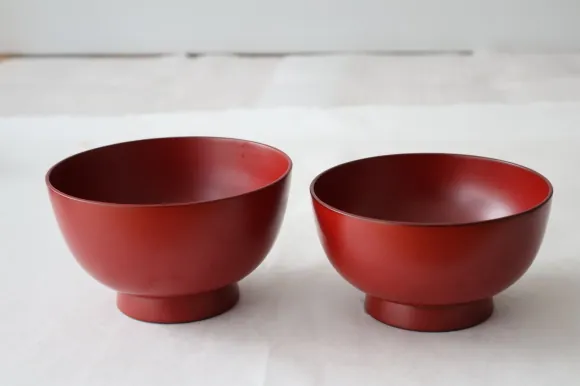
Photo: the shop’s official page ギャラリー一葉
A craft gallery near the Hiroshima YMCA in Hatchobori, showing everyday pottery, porcelain, glass and lacquerware, with solo and group exhibitions by contemporary makers. 11:00–18:00; closed Sundays, Mondays and holidays.
Why the editors chose itBrowse everyday pottery, glass and lacquerware by contemporary makers alongside solo exhibitions.
Honkawacho
READAN DEAT
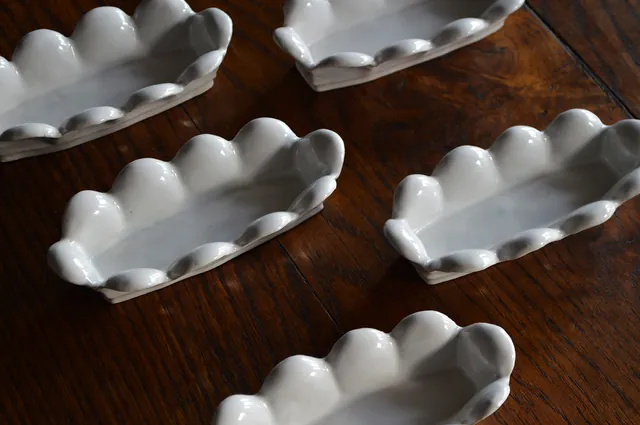
Photo: the shop’s official page An independent bookshop and gallery on the second floor of an old building in Honkawacho, a minute's walk from Honkawacho tram stop. Photography and art books alongside pottery from regional kilns and katazome dyed cloth. 11:00–18:00, closed Tuesdays.
Wed–Mon 11:00–18:00 · Closed: Tuesdays
Why the editors chose itAn old second-floor shop pairing art and photography books with regional pottery and dyed cloth.
Honkawacho
PIERLOKKI
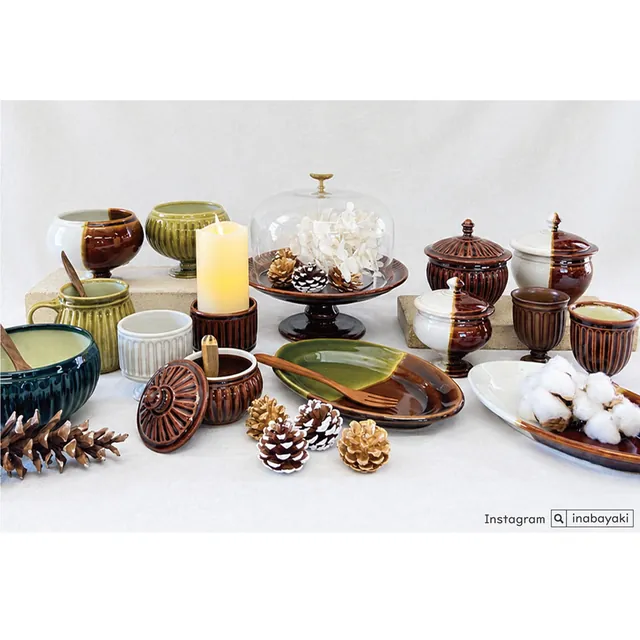
Photo: the shop’s official page 桟橋カモメ(PIERLOKKI)
A third-floor shop opposite Honkawacho tram stop pairing Japanese crafts with Nordic vintage pieces, holding regular solo shows of pottery, woodwork and glass. Closed Wednesdays; 11:00–17:00 in November 2026.
Thu–Tue 11:00–17:00 · Closed: Wednesdays
Why the editors chose itA third-floor gallery shop pairing contemporary Japanese crafts side by side with Nordic vintage pieces.
Miyajima
Shakushi no Ie
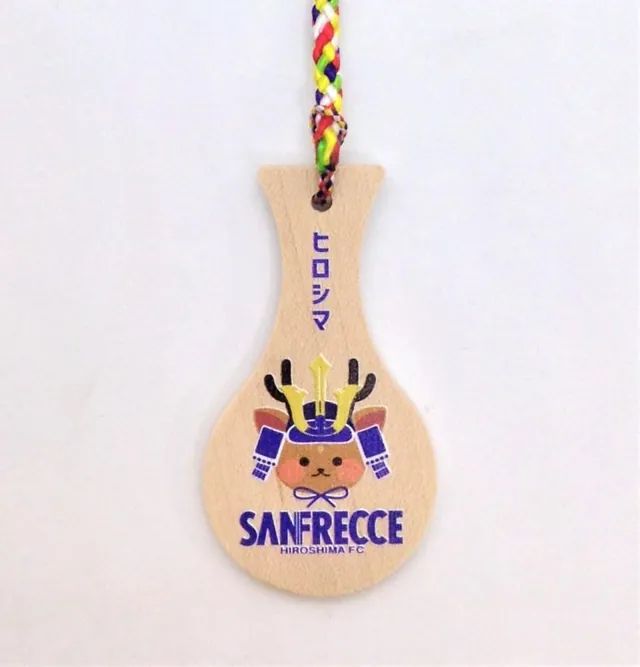
Photo: the shop’s official page 杓子の家
A specialty shop for wooden Miyajima rice scoops opened in 1979 as the retail shop of wholesaler Miyachu, stocking everyday unpainted scoops and keepsakes with hand-lettered calligraphy. 10:00–16:30, closed Wednesdays.
Thu–Tue 10:00–16:30 · Closed: Wednesdays
Why the editors chose itA Miyajima rice-scoop shop run by a wholesaler, offering everyday wooden scoops and hand-lettering.
Miyajima
Miyajima Traditional Crafts Hall
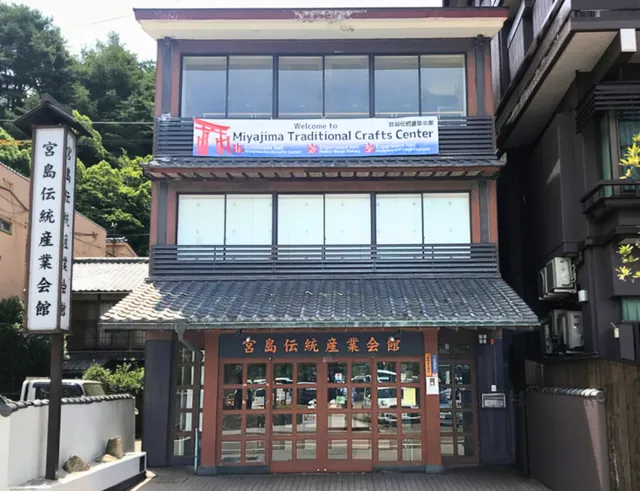
Photo: the shop’s official page 宮島伝統産業会館(みやじまん工房)
A crafts hall run by the Miyajima Woodwork Crafts Cooperative, displaying and selling Miyajima shamoji and Miyajima-bori woodcarvings, with advance-reservation workshops in scoop-making and carving. 8:30–17:00 (workshops 9:00–16:30); closed Mondays (next weekday if a holiday) and Dec 29–Jan 3.
Tue–Sun 8:30–17:00 · Closed: Mondays, Dec 29–Jan 3
Why the editors chose itA crafts cooperative hall selling Miyajima woodwork, with advance-booking workshops in scoop-making and carving.
Hiroshima Station
Kumano Brush Shop
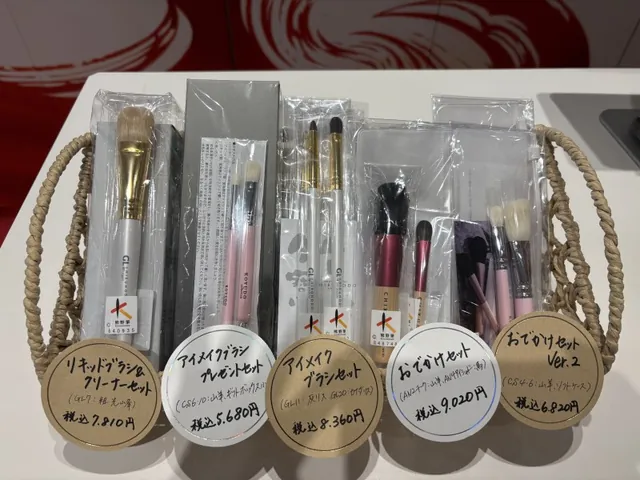
Photo: the shop’s official page 熊野筆ショップ
A Kumano brush shop on the second floor of Hiroshima Station's minamoa building. Calligraphy brushes by master artisans and handmade Kumano makeup brushes from makers such as Chikuhodo and SHAQUDA, to touch and try. 10:00–20:00.
Daily 10:00–20:00 · Closed: Irregular holidays (follows minamoa)
Why the editors chose itTouch and compare master calligraphy brushes and Kumano makeup brushes right inside Hiroshima Station.
Sights in Hiroshima
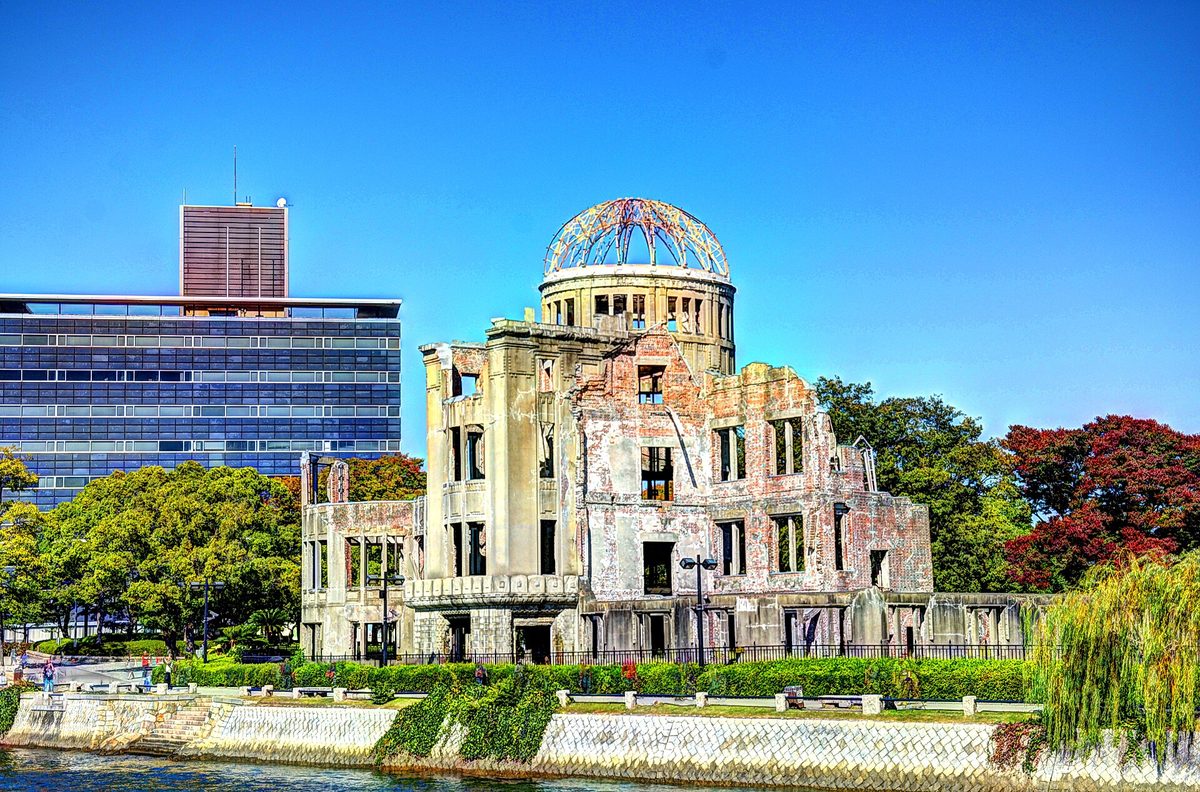
Photo: Narampanawe / CC BY-SA 4.0 (Wikimedia Commons) The preserved ruin of the 1915 Prefectural Products Exhibition Hall (later Industrial Promotion Hall) designed by Czech architect Jan Letzel on the Motoyasu River.
Night-time lighting and commemorative events mark 30 years as a World Heritage site from Dec 6, 2026 to Jan 31, 2027.
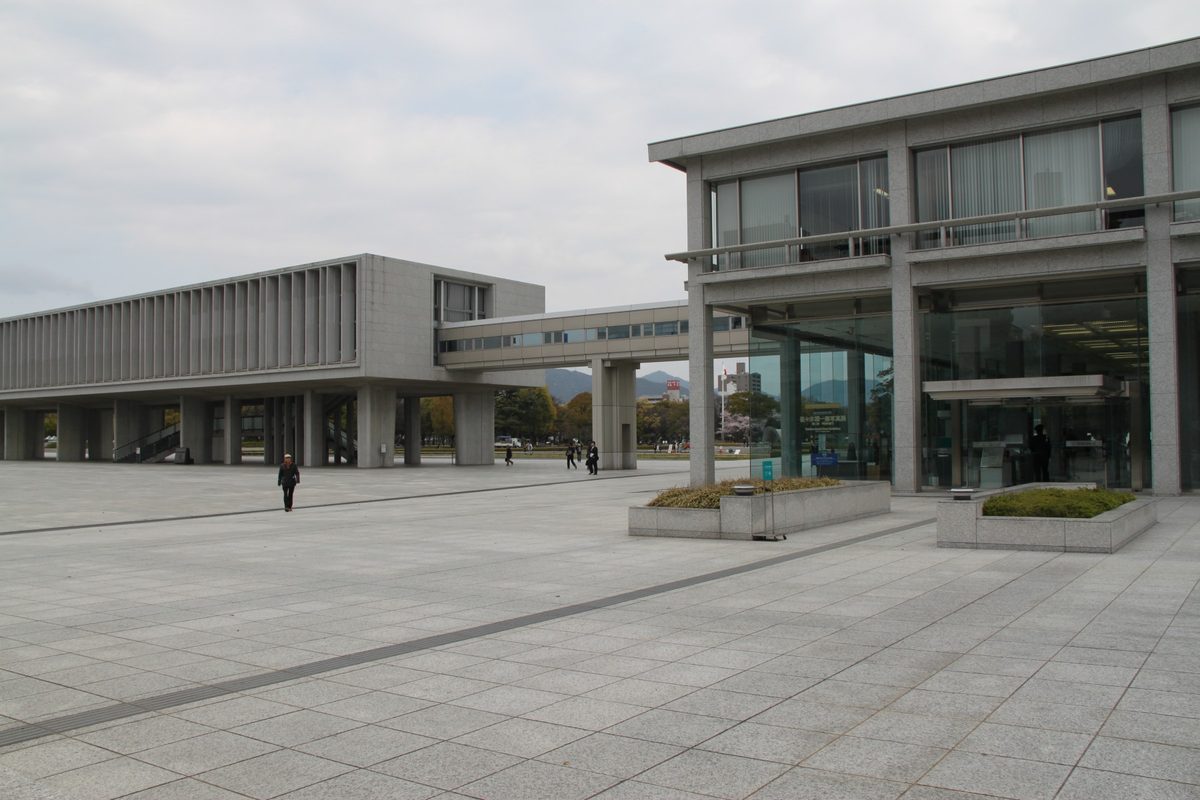
Photo: dres2222 / CC BY-SA 3.0 (Wikimedia Commons) Hiroshima Peace Memorial Museum
Kenzo Tange's modernist museum in Peace Memorial Park, presenting artifacts, personal belongings and testimonies of the atomic bombing.
Closed Dec 30–31, and temporarily closed Feb 15–20, 2027 for exhibition changes.
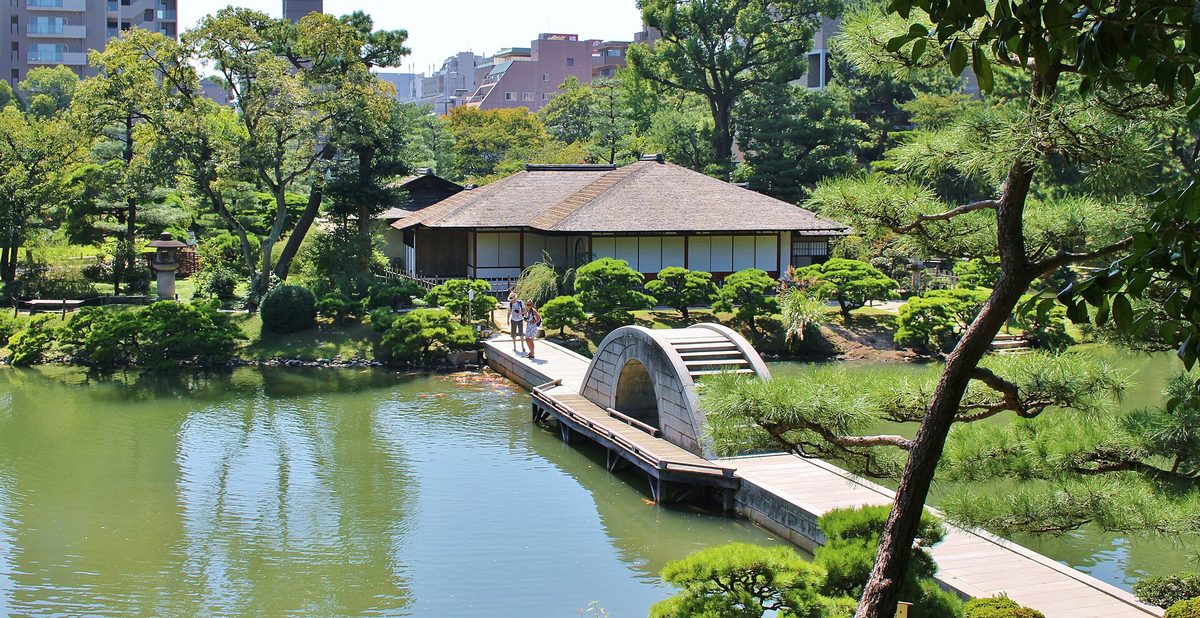
Photo: Yoshio Kohara / CC BY 3.0 (Wikimedia Commons) A daimyo strolling garden begun in 1620 for Hiroshima lord Asano Nagaakira and laid out by his tea-master retainer Ueda Soko.
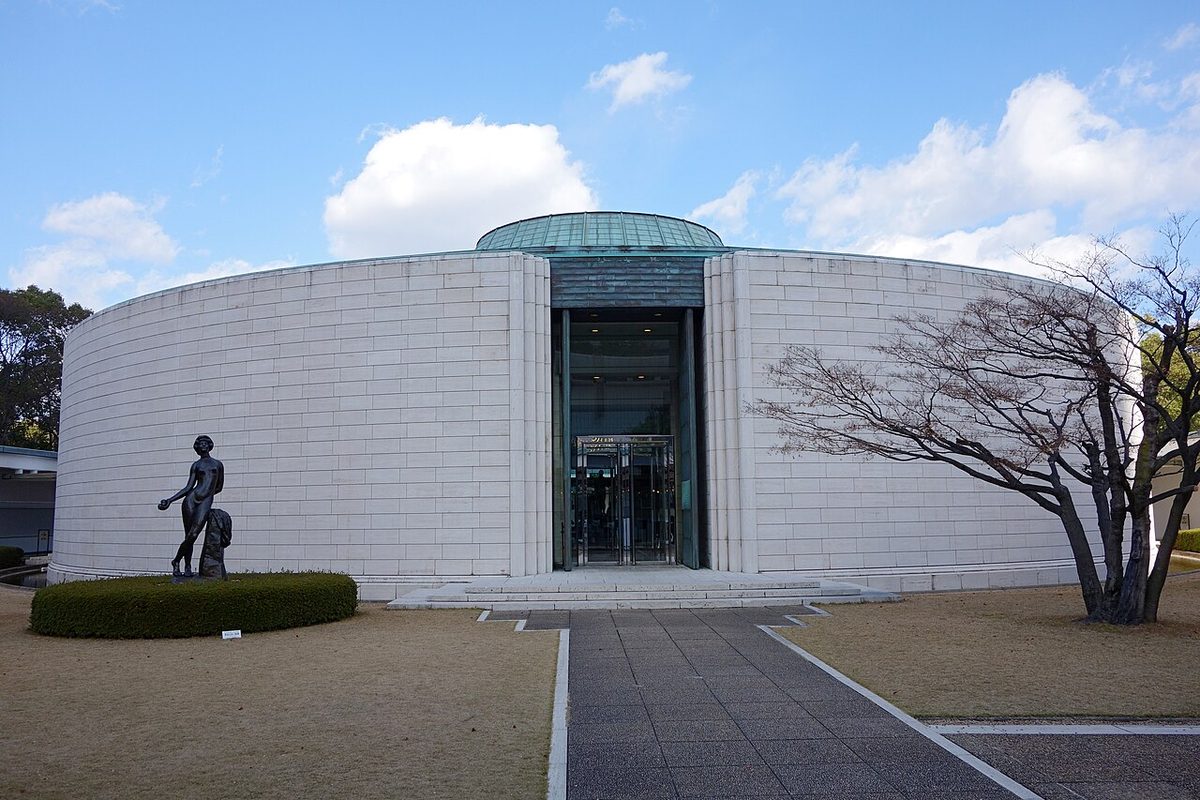
Photo: Oilstreet / CC BY 2.5 (Wikimedia Commons) A circular museum in Central Park holding modern French paintings led by the Impressionists alongside Japanese Western-style works and special exhibitions.
Scheduled to close for major renovation from Aug 1, 2027 to Nov 2, 2028.
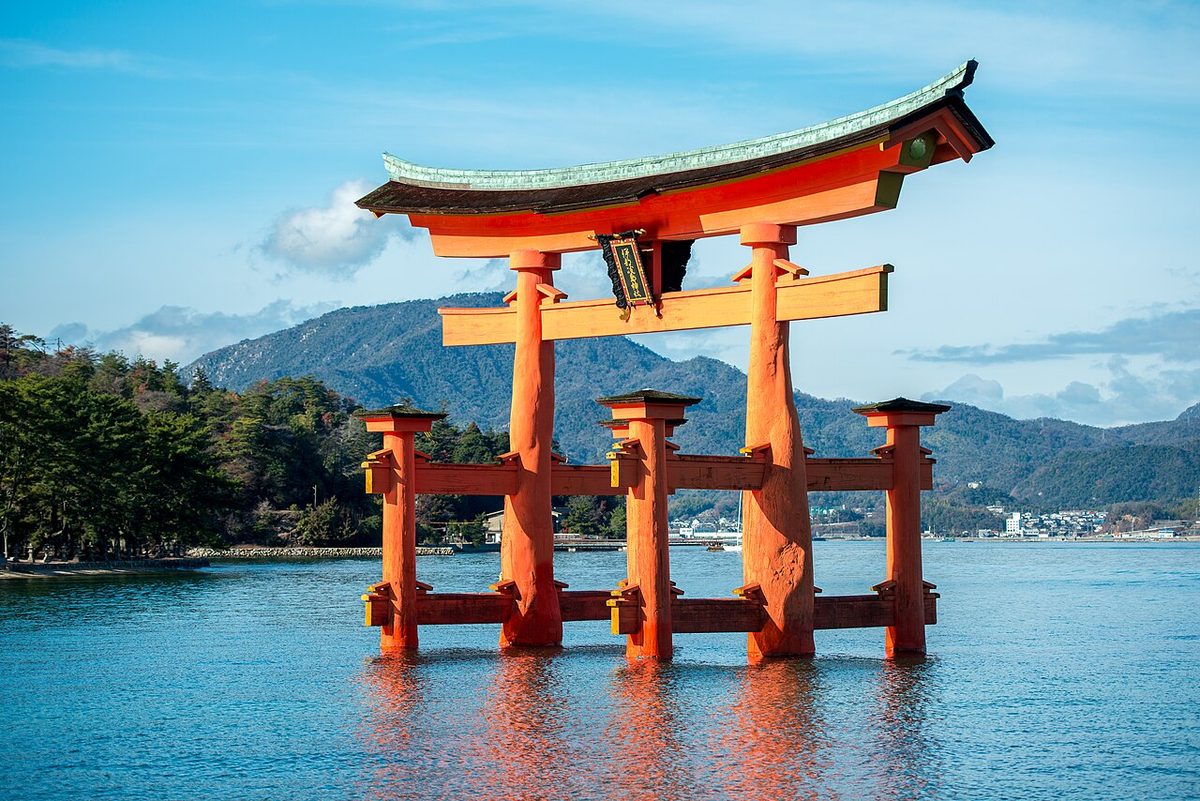
Photo: JordyMeow / CC BY-SA 3.0 (Wikimedia Commons) A World Heritage shrine founded in 593 and given its present form by Taira no Kiyomori, known for its tidal corridors and vermilion Otorii gate.
Structural reinforcement work on the East Corridor runs from January 2025 to November 2027.
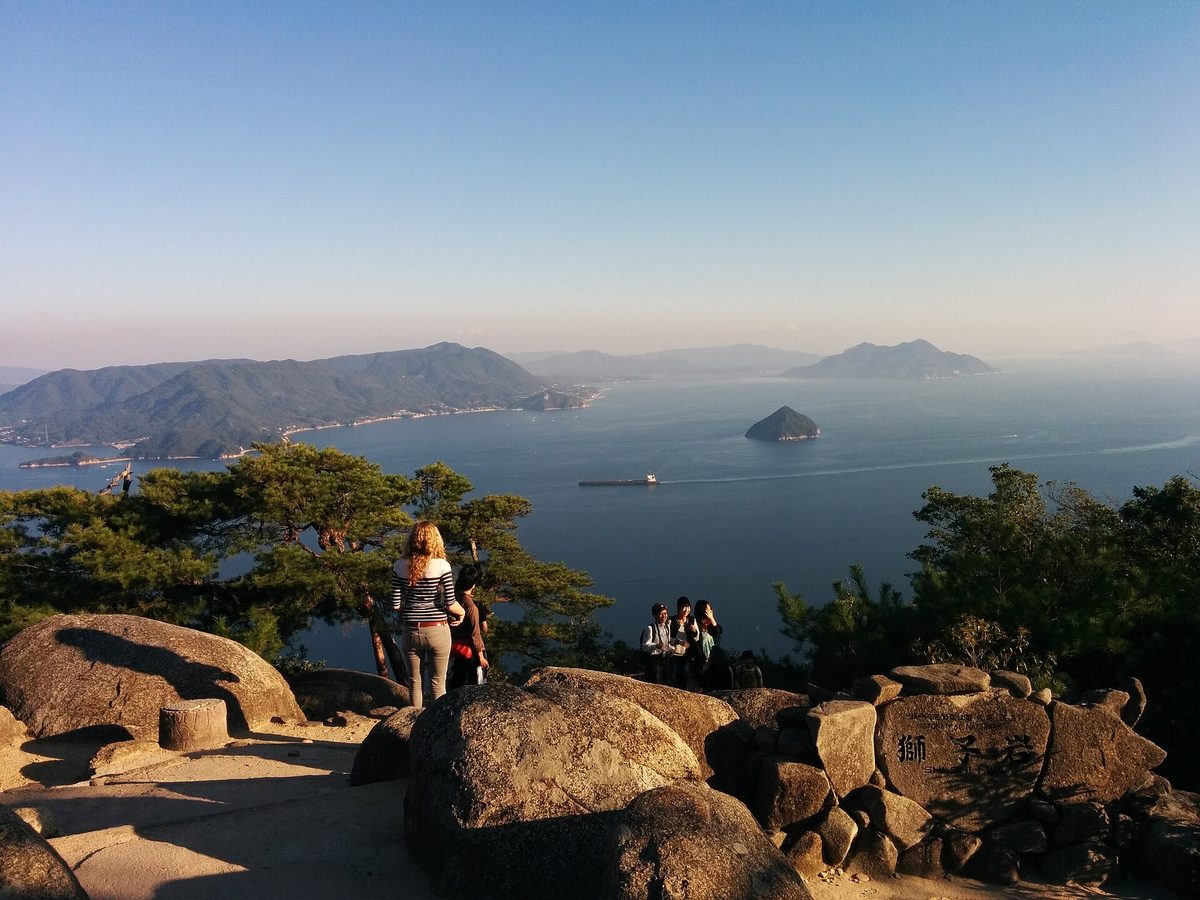
Photo: x768 / CC BY-SA 2.0 (Wikimedia Commons) Mount Misen (Miyajima Ropeway)
Miyajima's highest peak, reached via two aerial ropeways from Momijidani Park.
The free shuttle bus is currently suspended. Near the summit, the Misen Reikado hall burned down in May 2026 and reconstruction is under way.
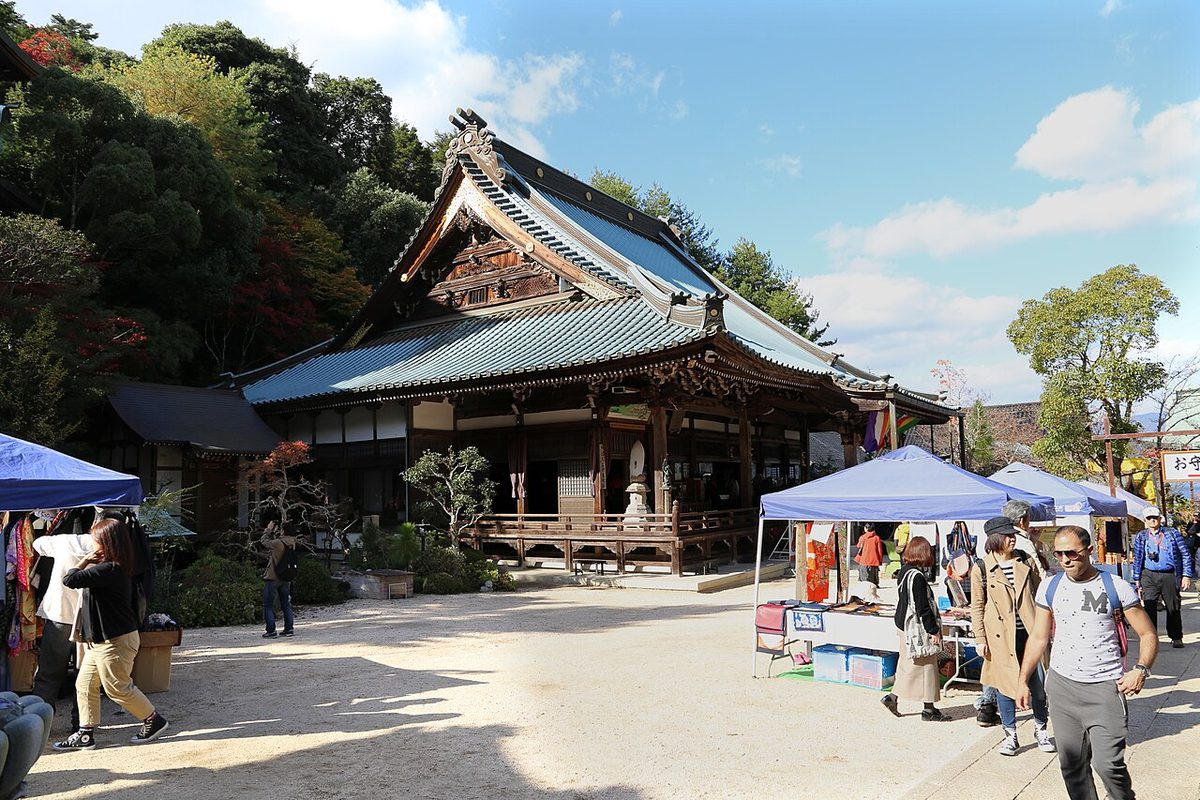
Photo: Sailko / CC BY 3.0 (Wikimedia Commons) The head temple of the Omuro Shingon sect at the foot of Mount Misen, tracing its founding to Kukai's ascetic practice on the mountain, with stone-step statues, prayer wheels and a dark underground passage.
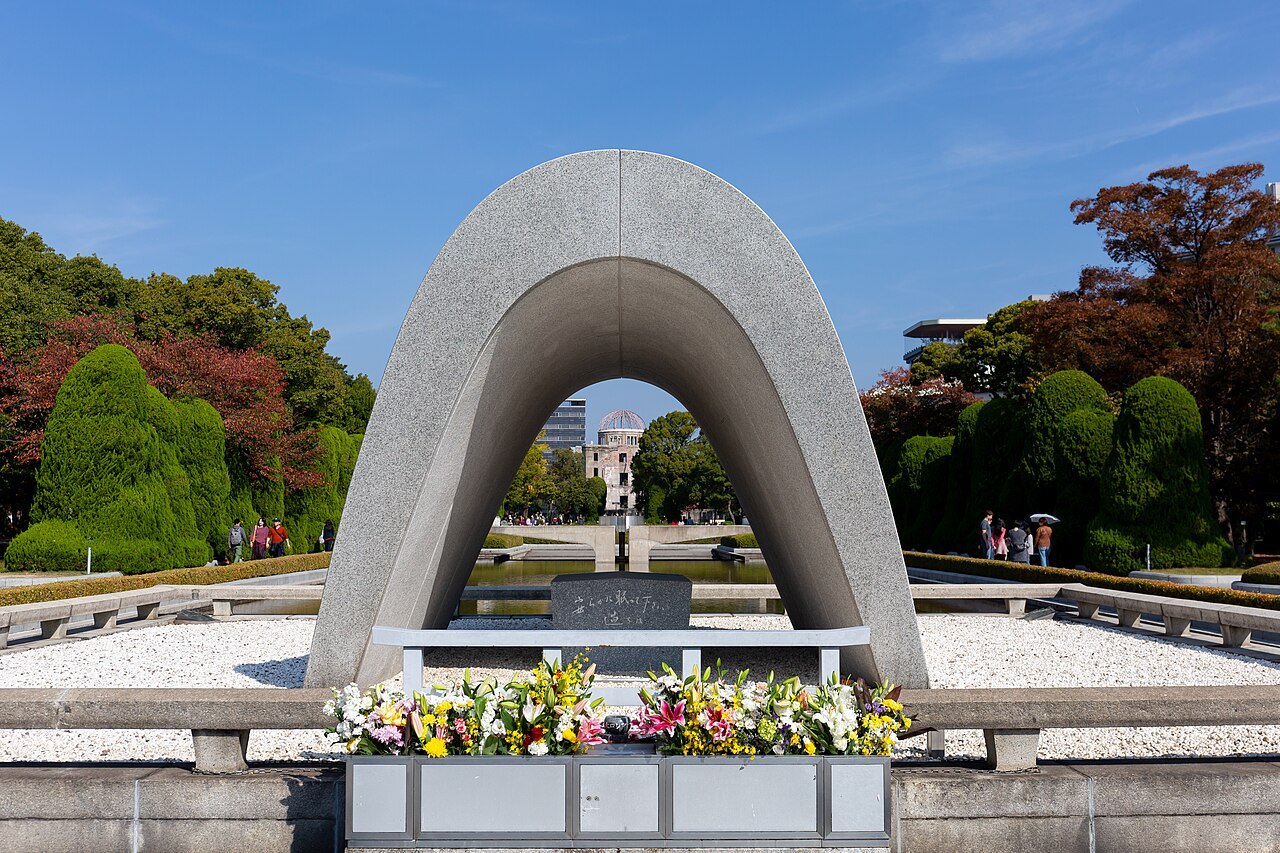
Photo: Balon Greyjoy / CC0 (Wikimedia Commons) A park dedicated to world peace, featuring the Atomic Bomb Victims Memorial Cenotaph and the Hiroshima Peace Memorial Museum.
These are local landmarks. Each was checked to be open on its official site (checked 2026-11-17). Please confirm hours before you go.
Beyond Hiroshima
1 / 3
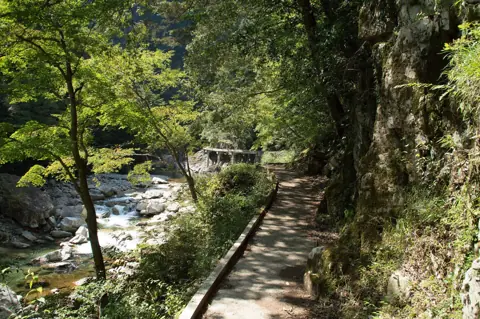 Akiota · 33 km
Sandankyo Gorge →
A 16-kilometer Special Place of Scenic Beauty in Hiroshima's northern mountains featuring emerald pools, cliffs, and a traditional ferry boat across Kurobuchi.
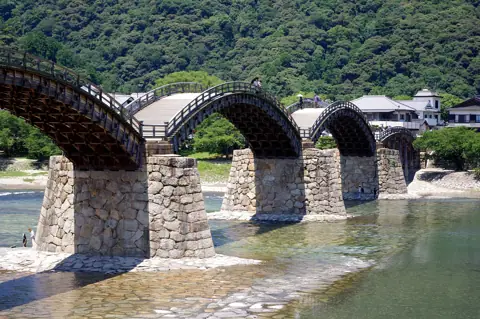 Iwakuni City · 37 km
Kintaikyo Bridge →
Kintaikyo Bridge is a beautiful wooden arch bridge and one of Japan's three most famous bridges.
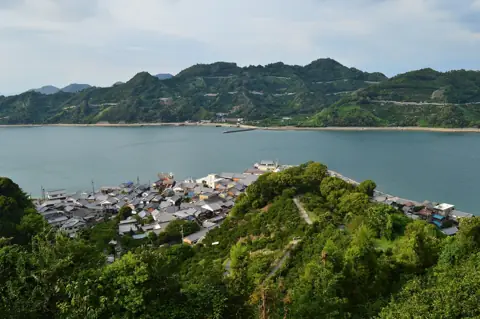 Kure · 44 km
Mitarai Historic Port Town →
An Edo-to-early-Showa tide-waiting port town on Osaki-Shimojima Island preserved as an Important Preservation District for Groups of Traditional Buildings.


Distances are straight-line from the town centre. Each page has how to get there and a suggested day.
Questions people ask
- Where can I eat Hiroshima's local dishes?
Hiroshima okonomiyaki (layered savoury pancake): Okonomiyaki Nagataya (Peace Park), Okonomiyaki Reichan (Hiroshima Station)
Hiroshima oysters: Kakiya (Miyajima)
Momiji manju (maple-leaf sponge cake): Miyajima Hakataya (Miyajima)
- Where can I see or buy Craft in Hiroshima?
Craft: Gallery Ichiyo (Hondori & Hatchobori), READAN DEAT (Honkawacho), PIERLOKKI (Honkawacho), Shakushi no Ie (Miyajima), Miyajima Traditional Crafts Hall (Miyajima), Kumano Brush Shop (Hiroshima Station)
- Which places in Hiroshima open by 9 in the morning?
Koryoriya Nagayama (Hondori & Hatchobori, Sat 7:30–10:00 (L.O. 9:30), Mon–Sat 10:00–14:30, Wed–Thu 18:00–22:00, Fri–Sat 18:00–23:00)
Miyajima Hakataya (Miyajima, Daily 9:00–17:00)
- What can I visit on foot around Hondori & Hatchobori?
Craft: Gallery Ichiyo
Cafés: BAGTOWN COFFEE
Sweets: Miyoshino
Food: Koryoriya Nagayama
Every place was checked to be open in November 2026. Hours can change, so please check the official site before you go.
If you like Hiroshima
- Hakone
Kanagawa, Japan
For example, Gallery Ichiyo here, and Hakone Craft House / Komamonoya Hakone in Hakone.
- Kamakura
Kanagawa, Japan
For example, Miyajima Traditional Crafts Hall here, and Moyai Kogei in Kamakura.
- Odawara
Kanagawa, Japan
For example, Gallery Ichiyo here, and Utsuwa Nanohana in Odawara.
Chosen by how close the towns and their places are in what they make and serve.