24.8° N
Miyakojima
Okinawa, Japan
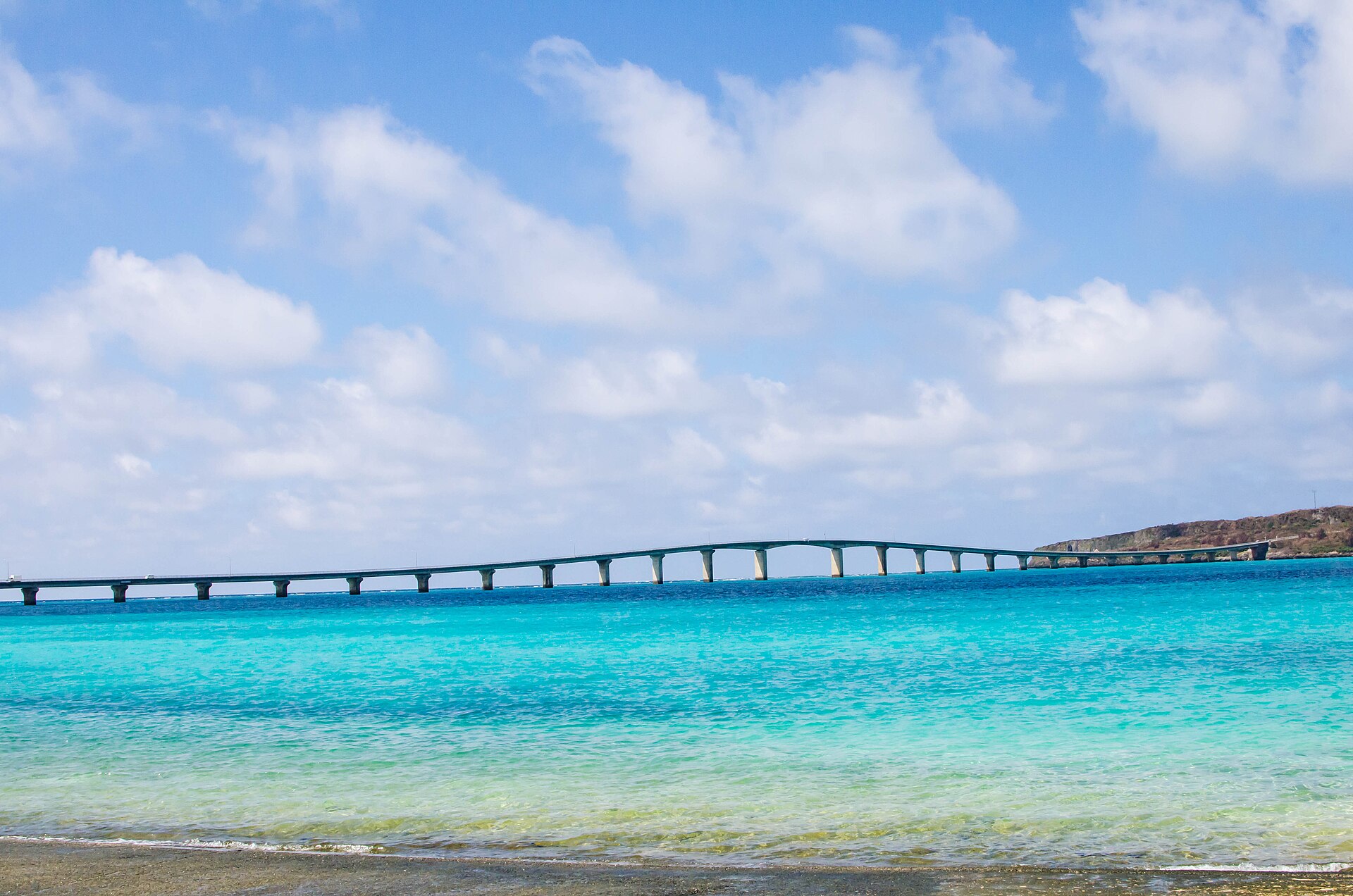
A low-lying island of raised coral reefs, linked by bridges to Irabu and Kurima. Warm year-round, with the rainy season in May and June and cooler breezes returning from October. Miyako jofu ramie weaving, sea salt, brown sugar, pottery, glass, and bowls of Miyako soba: the editors’ picks.
Miyakojima, on film
6 sights and 16 places, each checked open in 2026, in 48 seconds.
Found somewhere you like? The map and the list below have the address, hours and official site.
Tap for sound
What to eat in Miyakojima
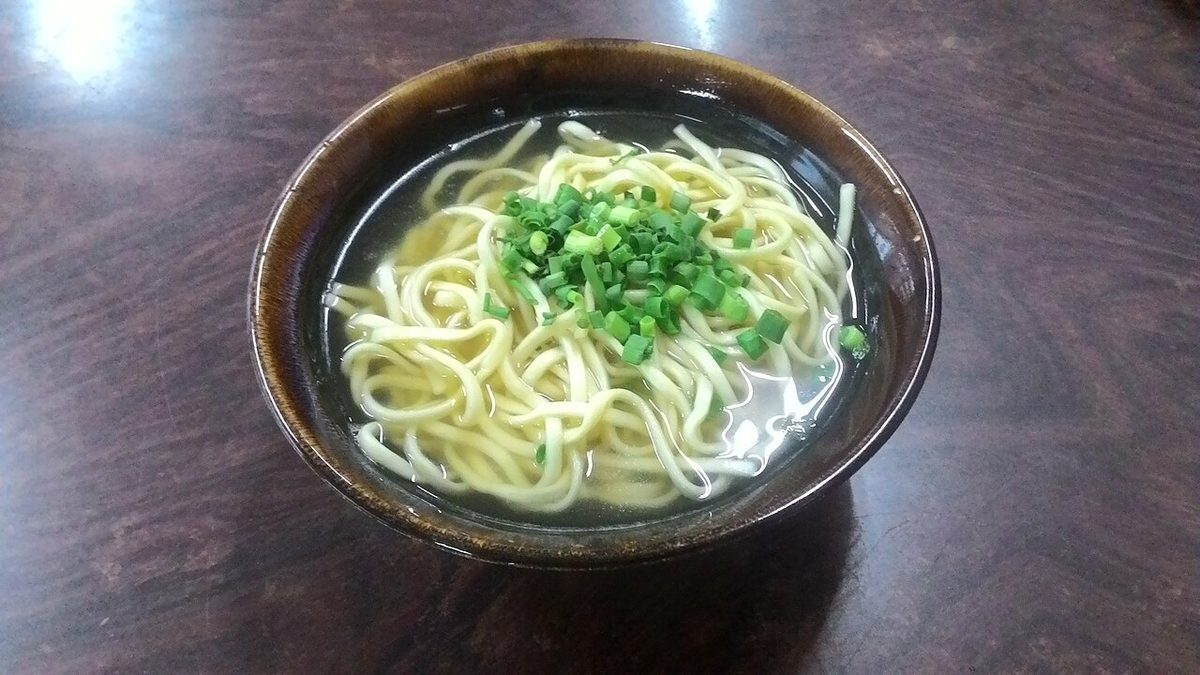
Photo: Tgokinawa / CC BY-SA 4.0 (Wikimedia Commons) Miyako soba (wheat noodles in pork-bonito broth)
宮古そば
Wheat-flour noodles served in a clear pork-bone and bonito broth, traditionally topped with stewed pork belly and kamaboko fish cake hidden beneath the noodles. Local noodle-making dates back to prewar Hirara diners such as Koja Sobaya (founded 1932), giving the island a straight-noodle style distinct from mainland Okinawa soba.
Eaten year-round at lunch counters and soba shops, often paired with jushi seasoned rice and seasoned midway with curry powder or koregusu chili awamori.
Where to eat it
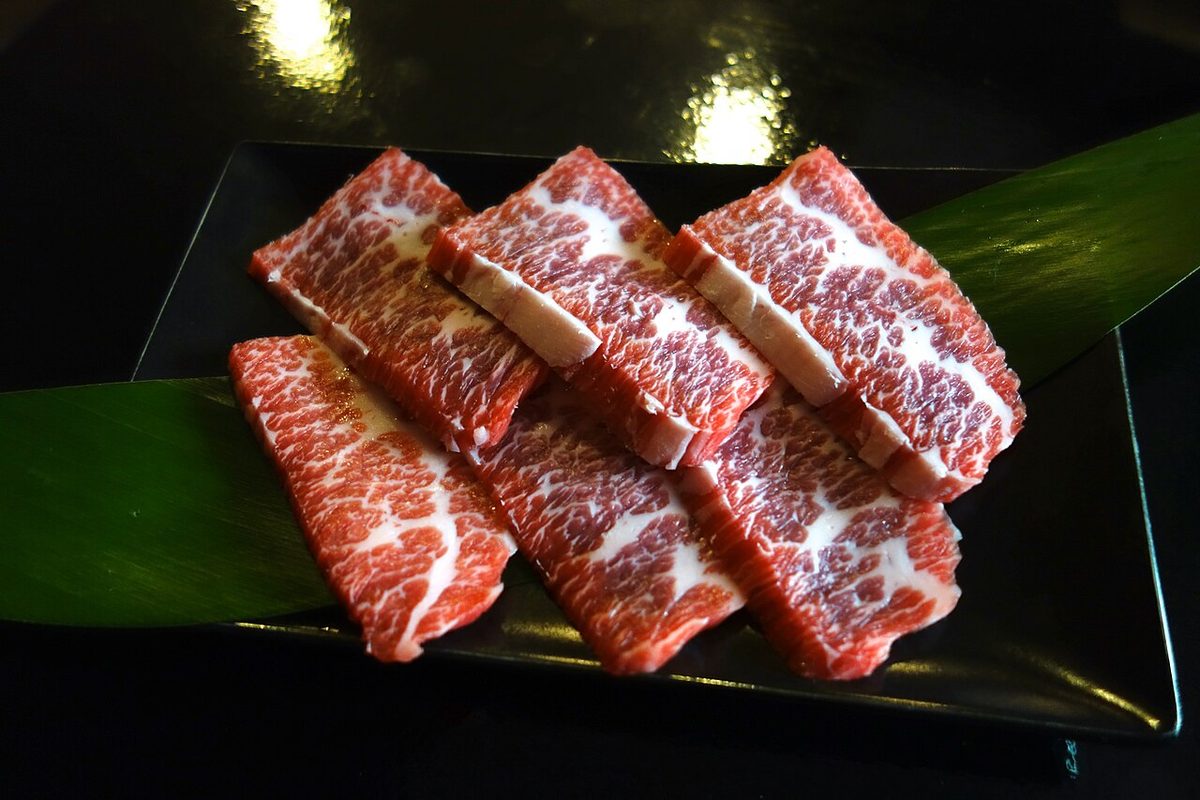
Photo: pelican from Tokyo, Japan / CC BY-SA 2.0 (Wikimedia Commons) Miyako beef (island-raised Wagyu)
宮古牛
Japanese Black Wagyu born and registered in the Miyako region (including Tarama) and fattened on the island for at least 15 months. Because most calves born locally are shipped off-island for raising, only around 200 cattle a year are finished in Miyakojima as Miyako beef.
Eaten year-round at teppanyaki counters with local Yukishio salt, at yakiniku grills, or in hamburger steaks and curries.
Where to eat it
- Blue Turtle ↓
- Rakuen no Kajitsu ↓
- Miyako Beef Teppanyaki Yukishio SteakWebsiteMap
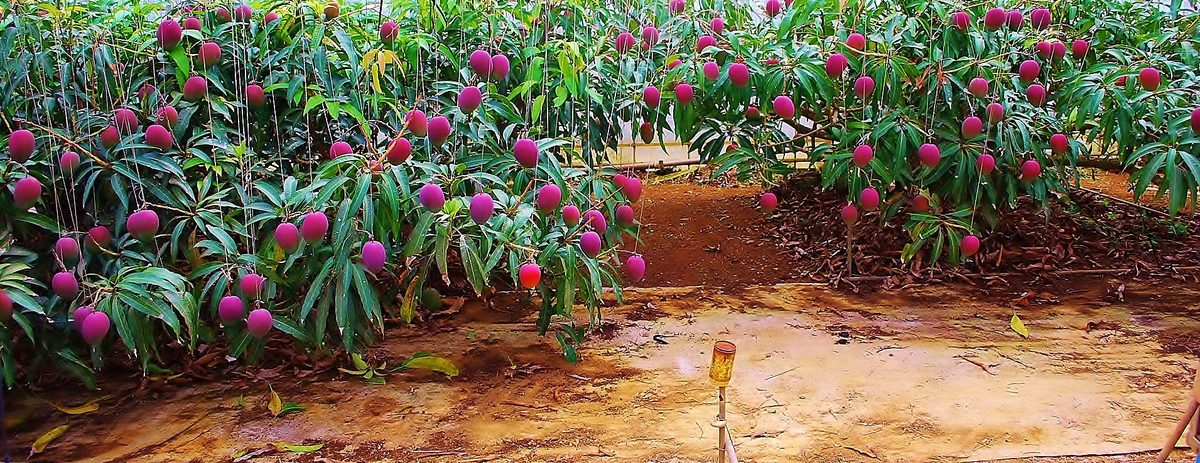
Photo: 農家れすとらん 楽園の果実 (official site) Miyako mango (ripe island mango)
宮古島マンゴー
Tree-ripened mangoes—chiefly the crimson Irwin variety—cultivated in greenhouses across Miyakojima, Okinawa Prefecture's largest mango-producing area. Long hours of subtropical sunshine and well-drained Ryukyu limestone soil produce sweet, aromatic fruit.
Fresh fruit peaks in summer (June–August), while farm parlours and gelaterias serve it year-round in parfaits, soft-serve, and gelato.(Jun–Aug)
Where to eat it
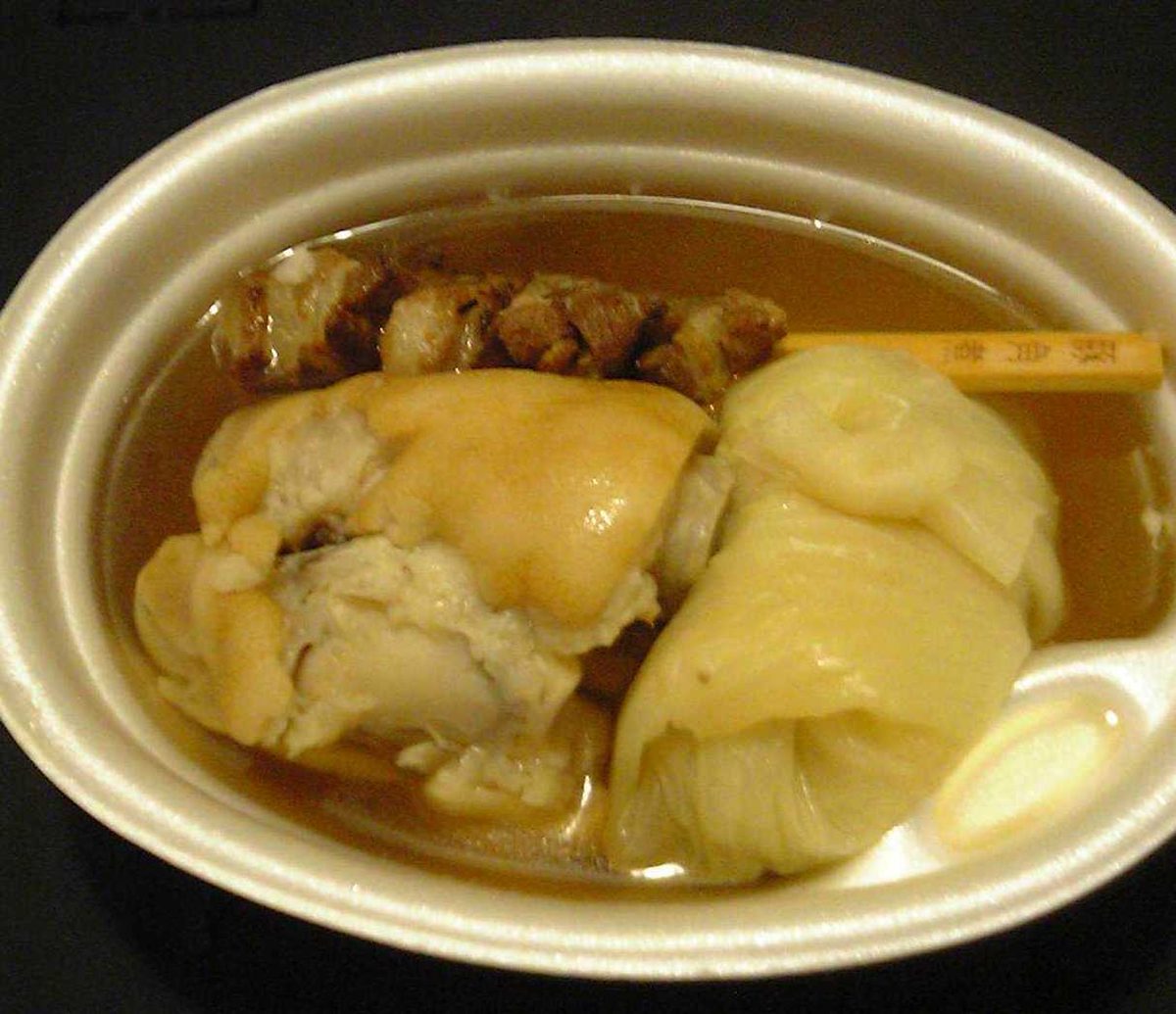
Photo: Original uploader; Hykw-a4 at ja.Wikipedia / CC BY-SA 3.0 (Wikimedia Commons) Shima oden (Okinawan pork-trotter stew)
島おでん
Okinawan-style oden simmered in a bonito-and-kelp broth enriched with slow-cooked pork trotters (tebichi), daikon, boiled egg, and fried island tofu. In Miyakojima's evening oden pubs—pioneered in 1957—fresh leafy greens are briefly blanched in the pot and placed on top.
Eaten year-round in the evening at oden pubs alongside awamori, ordered as a mixed platter and often followed by a late-night steak.
The LATITUDE editors’ 16 picks in Miyakojima
Our editors verified that these places were open (checked 2026-11-14). Check the official site for hours and closing days before visiting. Sponsored listings are marked.
Save places to your trip list and revisit them in this browser. No account needed.
Editors’ picks on the map — or build your own route
Tap a mark to see the place; squares are museums and sights (landmarks). Use “Build your own route” to make a walk of your own.
Loading the map
Map data © OpenStreetMap contributors
Browse by category
1 / 19
Hirara
Koja Sobaya
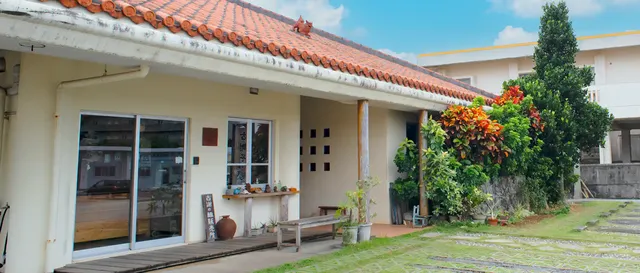
Photo: the shop’s official page 古謝そば屋
A Miyako soba restaurant founded in 1932, set in a red-tiled house with a garden. Serves Miyako soba made with noodles from its own Koja Seimensho factory, alongside jushi rice. Dining 11:00–16:00, closed Wednesdays; no reservations.
11:00–16:00
Why the editors chose itIn a 1932 red-tiled house with a garden, serving Miyako soba made with house-milled noodles.
Hirara
Minato Shokudo
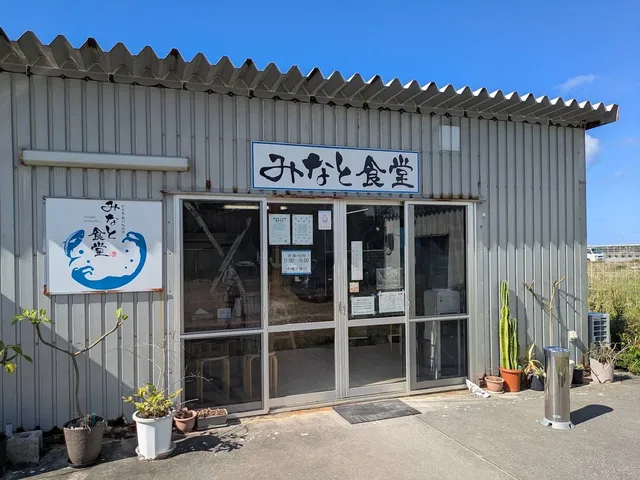
Photo: the shop’s official page みなと食堂
A twenty-four-seat diner beside Nikadori Fishing Port in Hirara. Known for Miyako soba with local asa seaweed in a clear bonito broth. Open 11:00–16:00, closed Wednesdays.
Why the editors chose itA 24-seat diner by the fishing port known for Miyako soba with local asa seaweed.
Shimoji
Rakuen no Kajitsu
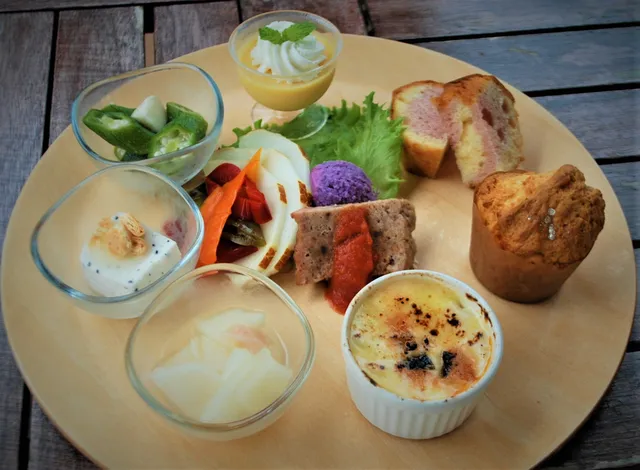
Photo: the shop’s official page 農家れすとらん 楽園の果実
A restaurant on Kurima Island run by an organic JAS-certified farm. Serves meals with local ingredients alongside desserts and gelato made with its own mangoes. Walk-in seating only.
Why the editors chose itRun by an organic JAS-certified farm on Kurima Island, serving local meals and home-grown mango desserts.
Irabu
Blue Turtle
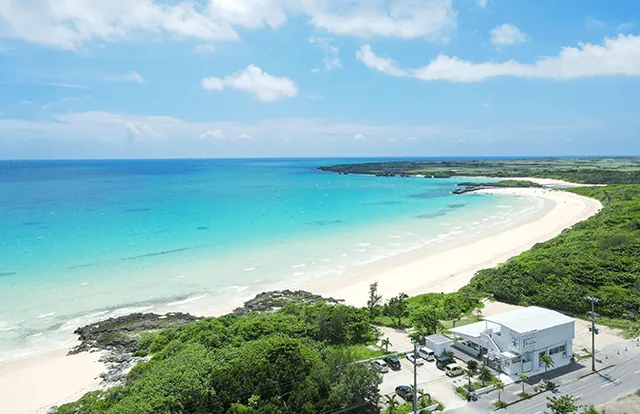
Photo: the shop’s official page A beachfront café-restaurant steps from Toguchi-no-Hama on Irabu Island. Serves Miyako beef hamburger-steak curry and steaks by day and becomes a bar at night, with complimentary house-made island-vegetable water. Open 11:00–22:00.
Why the editors chose itSteps from Toguchi-no-Hama beach, serving Miyako beef dishes by day and opening as a bar at night.
Hirara
Ningin Coffee
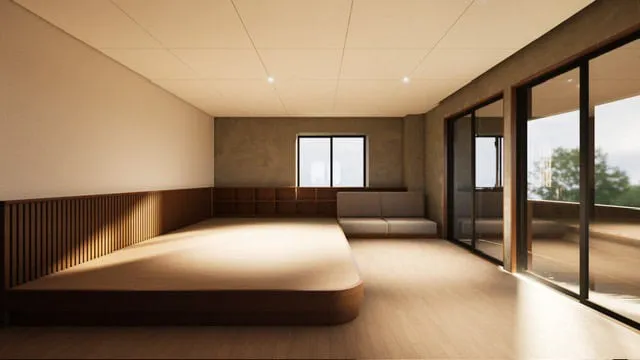
Photo: the shop’s official page ニンギン珈琲
A house-roasting coffee shop relocated to Kugai in Hirara, with the roastery and café on the ground floor and guest rooms upstairs. Serves coffee and buttered toast, and sells roasted beans.
Why the editors chose itA house-roasting café with guest rooms upstairs, serving coffee, buttered toast and roasted beans.
Irabu
Kuninaka Shoten

Photo: the shop’s official page 國仲商店
A café set on spacious grounds in Kuninaka on Irabu Island. Serves house-roasted coffee and handmade bread alongside brown-sugar lattes and coffee-cherry soda. Open 8:00–19:00 daily.
Mon–Sun 08:00–19:00 · Closed: None
Why the editors chose itSet on spacious grounds on Irabu Island, serving house-roasted coffee, handmade bread and brown-sugar lattes.
Gusukube
cafe nuis
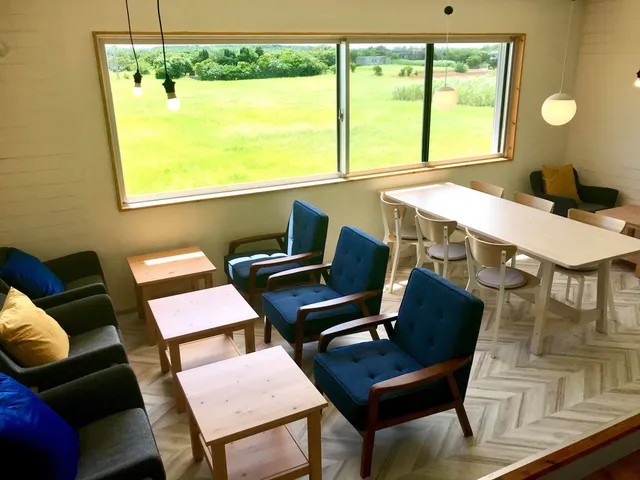
Photo: the shop’s official page cafe nius
A café in Gusukube with wide windows onto pastureland and sky. Serves breakfast, lunch, sweets made with local ingredients, and freshly ground coffee. Open 7:30–16:00, closed Thursdays and Fridays.
Sat–Wed 07:30–16:00 · Closed: Thursdays and Fridays
Why the editors chose itOpens at 7:30 a.m. with wide windows onto pastureland, serving breakfast with island ingredients.
Hirara
RICCO gelato
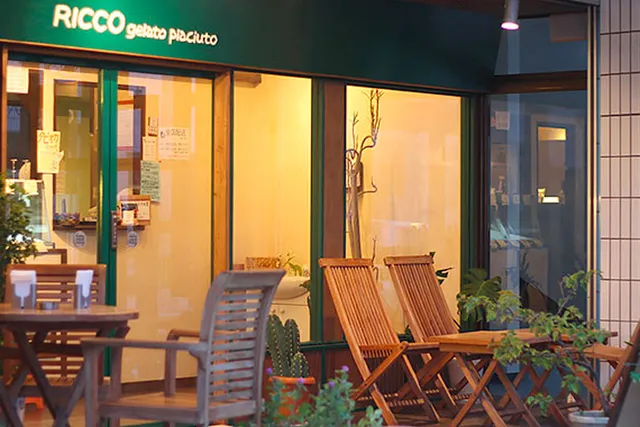
Photo: the shop’s official page An artisanal gelateria started in 2009 in Shimosato, Hirara, with over forty flavours using Miyakojima mango, purple yam, Ryukyu sansho herbs and awamori. Open 11:00–18:00, closed Tuesdays and Wednesdays.
Thu–Mon 11:00–18:00 · Closed: Tuesdays and Wednesdays
Why the editors chose itOver 40 handmade gelato flavours from Miyakojima mango and purple yam to Ryukyu sansho and awamori.
Hirara
Montedoll Honten
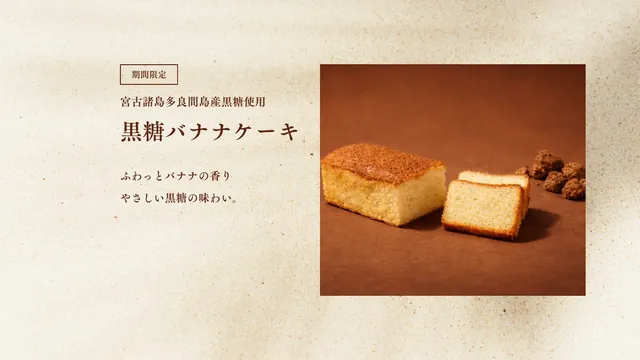
Photo: the shop’s official page モンテドール 本店
A confectioner in Nishizato, Hirara, known for banana cakes baked with ripe fruit and no margarine or flavourings. The main shop has eat-in seating and banana juice with a fifteen-minute shelf life. Open 9:00–19:00.
9:00–19:00
Why the editors chose itKnown for additive-free ripe banana cake, with eat-in banana juice lasting only fifteen minutes.
Ueno
Utopia Farm Miyakojima
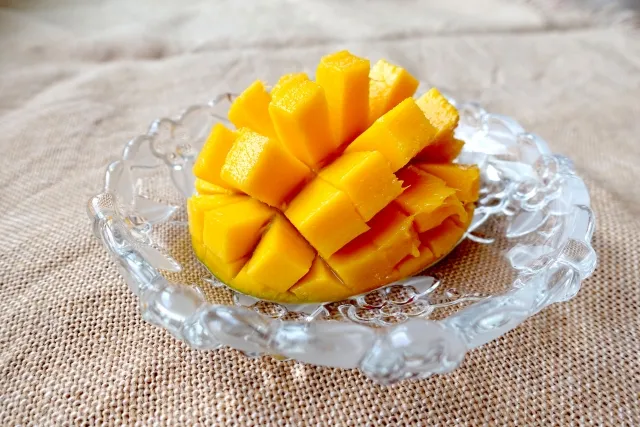
Photo: the shop’s official page ユートピアファーム宮古島
A fruit farm and on-site parlour in Ueno where around fifty varieties of bougainvillea bloom. Serves parfaits and soft-serve in house-made waffle cones with farm-grown mango and papaya. Open 10:00–17:00, closed Sundays.
Why the editors chose itA farm of 50 bougainvillea varieties whose parlour serves parfaits with home-grown mango and papaya.
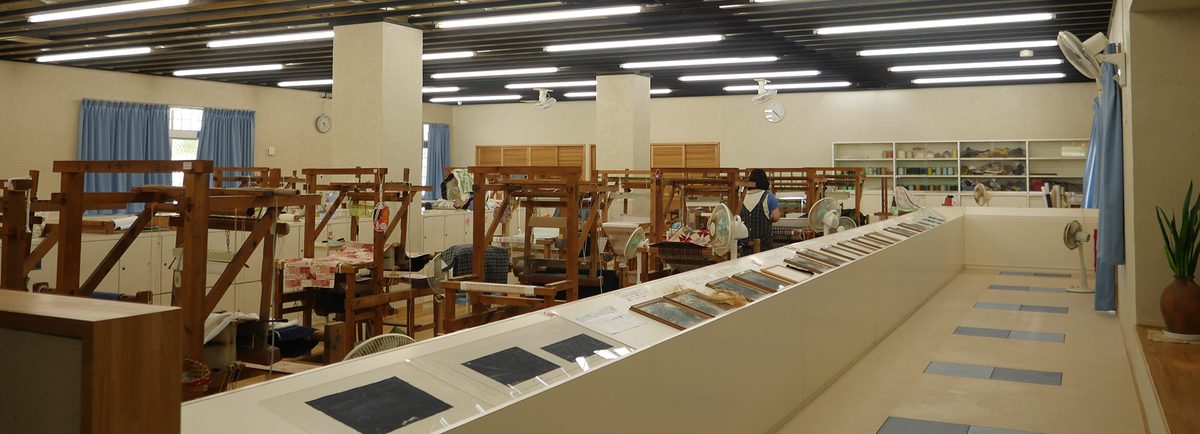
Made in Miyakojima
Miyako jofu is a fine ramie cloth woven on the island, designated a traditional craft and noted for its kasuri ikat tying, an Important Intangible Cultural Property. Wild ramie is hand-spun into thread, dyed with indigo, and woven by hand from start to finish.
A weaver beside several traditional wooden handlooms inside a workshop.·Photo: Miyakojima Traditional Craft Center (宮古島市伝統工芸品センター) (official site)
Ueno
Miyakojima Traditional Craft Center
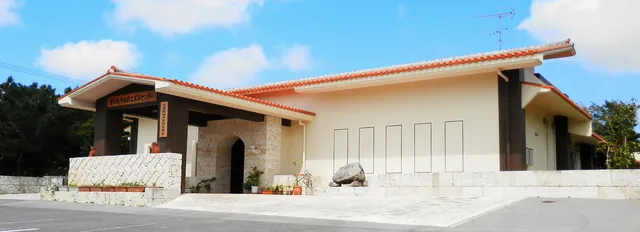
Photo: the shop’s official page 宮古島市伝統工芸品センター(宮古織物事業協同組合)
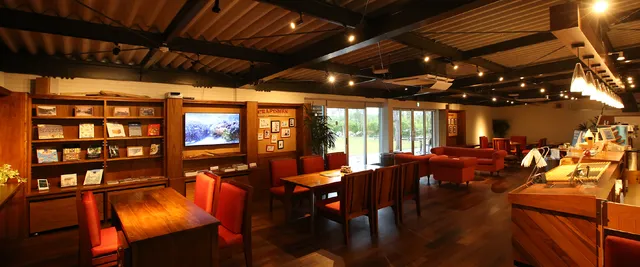
The centre of the Miyako Textile Cooperative in Nobaru, Ueno. Visitors can see the steps of Miyako jofu—from spinning ramie thread to ikat tying, dyeing and fulling—and browse textiles and small woven goods. Closes at 16:30 in winter.
Why the editors chose itThe textile cooperative's centre where visitors can see the full process of making Miyako jofu.
Made in Miyakojima
Miyakojima is built of porous Ryukyu limestone, with no rivers. Seawater filtered naturally underground through the coral rock is drawn up to make local sea salts such as Yukishio, flash-evaporated into a fine powder that keeps its minerals.
Miyako Island Sea Salt at Yukishio Museum·Photo: Yukishio Museum (official site)
Hirara
Yukishio Museum
Photo: the shop’s official page 雪塩ミュージアム
The Yukishio saltworks and free visitor museum near Ikema Bridge in Hirara. Shows how powdery Yukishio is made from seawater filtered through Ryukyu limestone and bagged, with a café serving Yukishio soft-serve. Open 9:00–17:00 (until 18:00, April to August).
Why the editors chose itA free saltworks museum showing how Yukishio is made from limestone-filtered seawater, plus a café.
Made in Miyakojima
Sugarcane is the main crop across Miyakojima's flat coral-limestone terraces. Its juice is boiled down into kokuto brown sugar and syrups used by local farms, syrup makers, and confectioners.
Miyako brown sugar syrups and sugarcane products·Photo: Alternative Farm Miyako (official site)
Shimoji
Alternative Farm Miyako
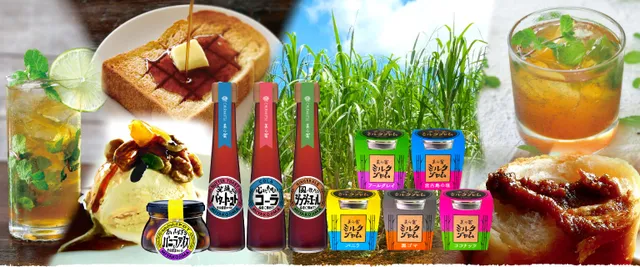
Photo: the shop’s official page オルタナティブファーム宮古
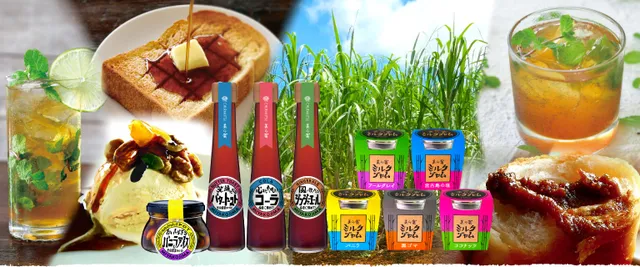
An organic farm in Shimoji growing sugarcane and island bananas without synthetic inputs. Boils its cane into Chura-mitsu brown-sugar syrup and milk jams, and runs year-round kokuto-making sessions by booking.
Why the editors chose itAn organic sugarcane farm making brown-sugar syrups and offering kokuto-making workshops by reservation.
Shimoji
Ryukyu Zakka Aosora
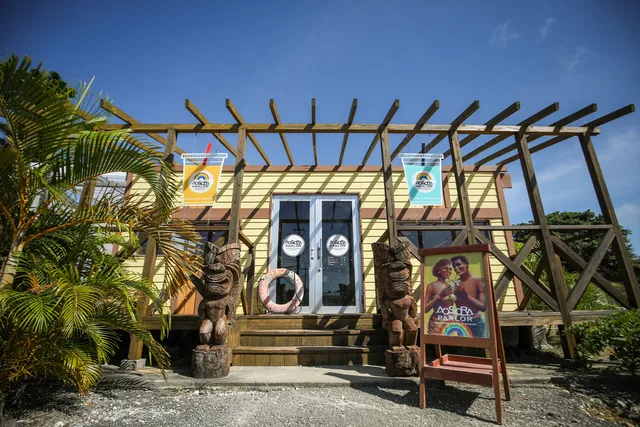
Photo: the shop’s official page 琉球ザッカ 青空
A small select shop on Kurima Island stocking everyday yachimun pottery, Ryukyu glass and bingata chosen by the owner from over forty Okinawan kilns and workshops. Open 10:00–17:00 (closed 12:00–13:00), irregular days off.
Why the editors chose itEveryday yachimun pottery, Ryukyu glass and bingata chosen by the owner from over 40 Okinawan workshops.
Shimoji
Kinjo Pottery
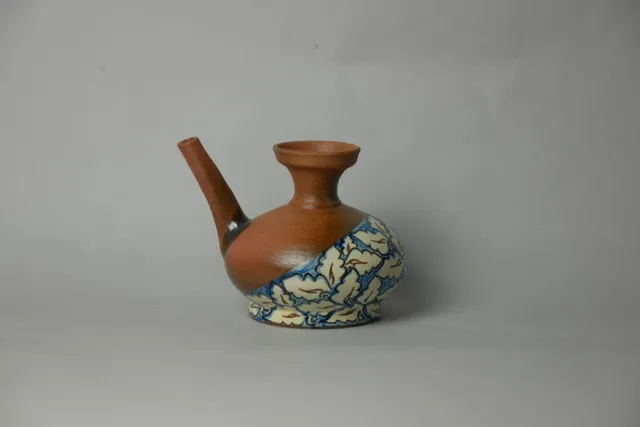
Photo: the shop’s official page 宮古島壺屋焼 金城陶芸
A Tsuboya-yaki pottery kiln opened in Kawamitsu, Shimoji, in 1985. Uses Okinawan red clay for unglazed yakishime shisa and vases, and slip-painted vessels carved with fish and peony motifs. Open 10:00–18:00, irregular days off.
Why the editors chose itA Tsuboya-yaki kiln since 1985 making red-clay shisa and everyday vessels carved with fish motifs.
Gusukube
glass studio luca
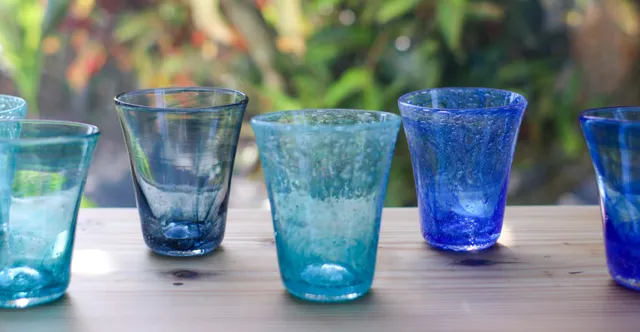
Photo: the shop’s official page 吹きガラス工房 琉花
A glassblowing studio among sugarcane fields in Gusukube. Its shop sells hand-blown Ryukyu glass inspired by the island's sea and sky, plus accessories remelted from studio glass offcuts. Open 9:00–15:00, closed Sundays and Mondays.
Why the editors chose itA glassblowing studio among sugarcane fields selling hand-blown Ryukyu glass and remelted offcut jewellery.
Sights in Miyakojima
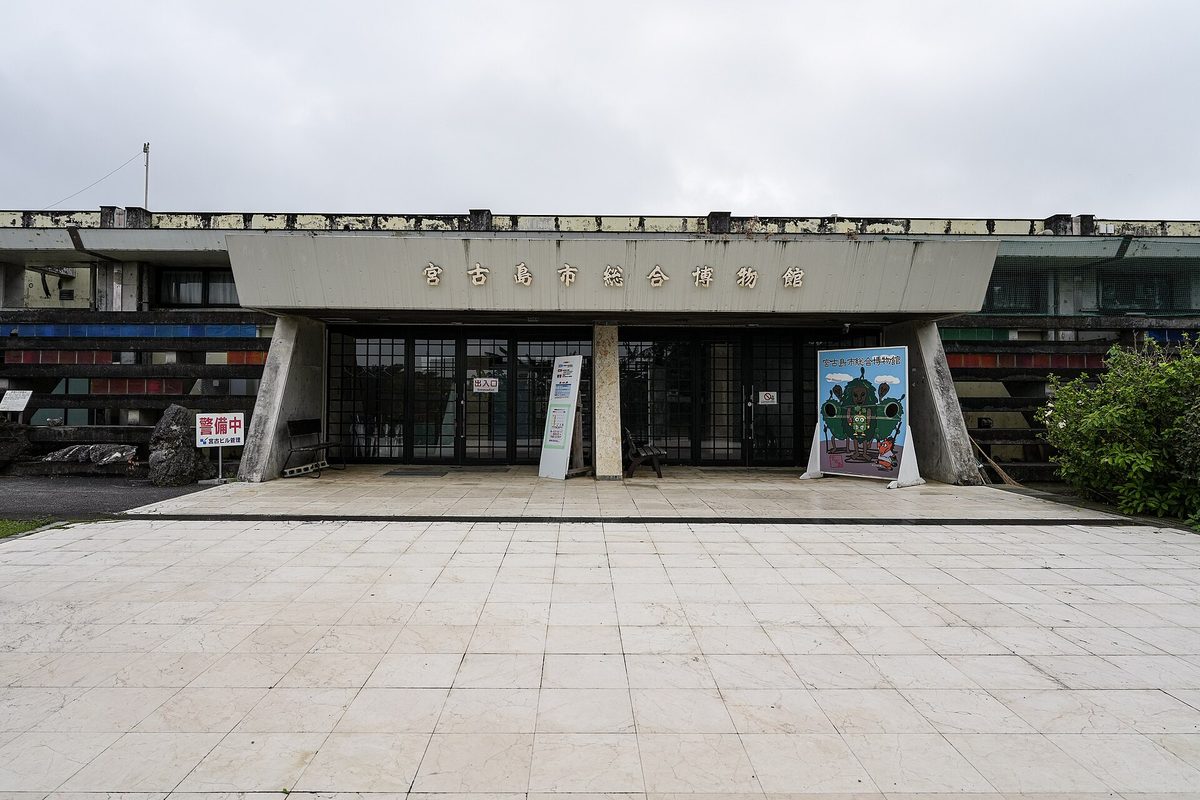
Photo: KQuhen / CC BY-SA 4.0 (Wikimedia Commons) The municipal museum presenting Miyako's history, folklore, art and natural science.
Open 9:00–16:30 (last entry 16:00). Closed Mondays (and Tuesdays when Monday is a holiday), national holidays, and Dec 29–Jan 3. Special showing of works by Yasuaki Hori runs Oct 31–Dec 20, 2026.
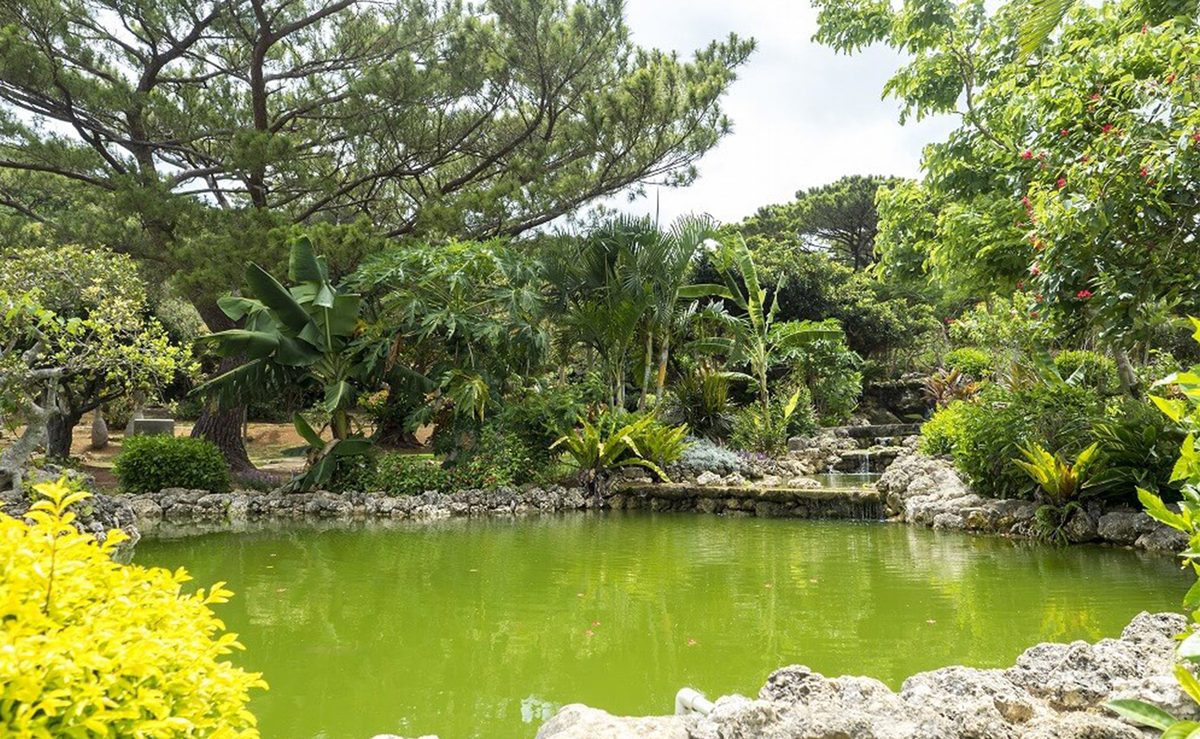
Photo: official site Miyakojima City Tropical Botanical Garden
A municipal botanical garden of about twelve hectares with subtropical trees and flowers.
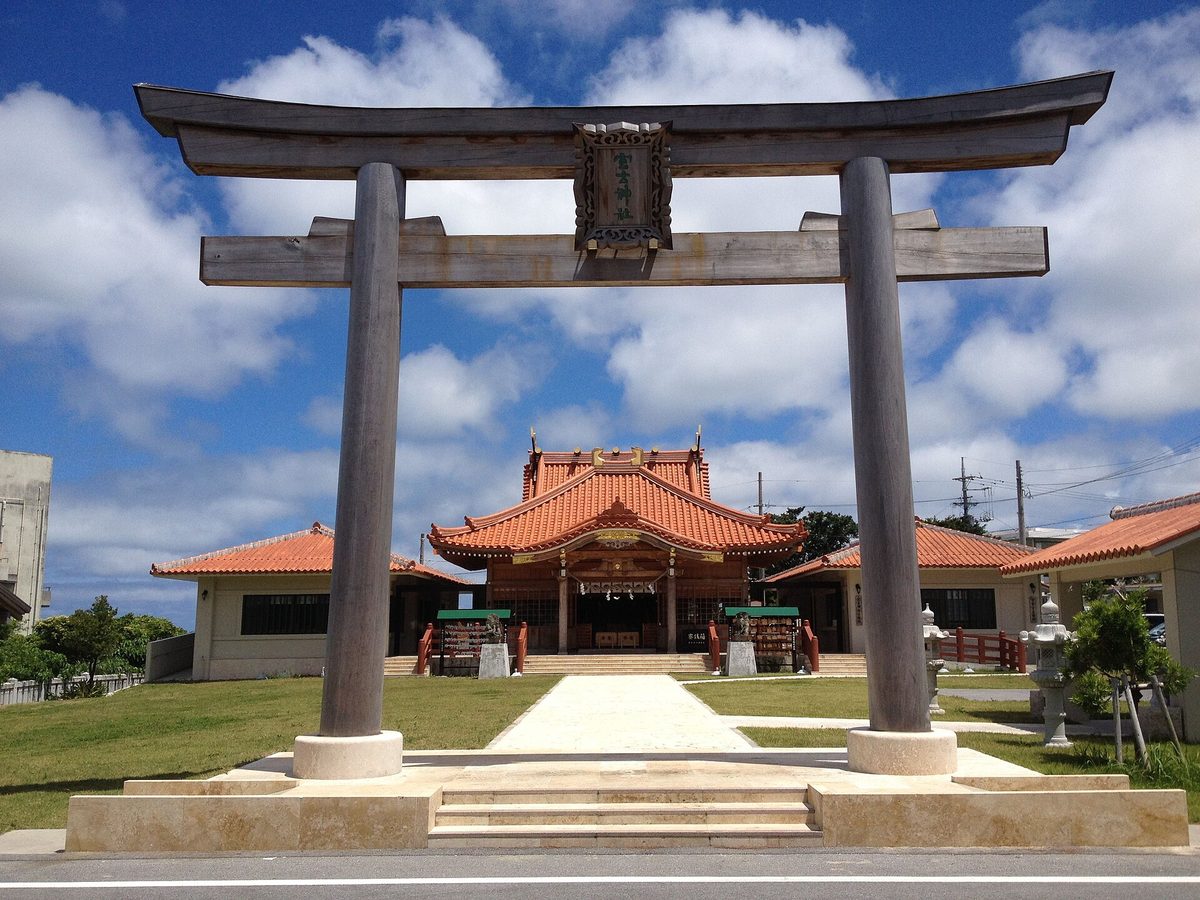
Photo: Tacara / CC BY-SA 3.0 (Wikimedia Commons) Founded in 1590, the southernmost shrine under the Association of Shinto Shrines.
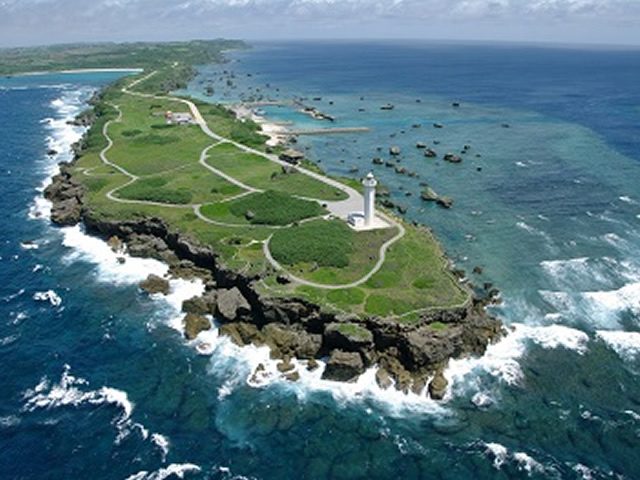
Photo: official site A white concrete lighthouse built in 1967 at the tip of Cape Higashi-Hennazaki, a national Place of Scenic Beauty.
Closed 12:00–13:00 for lunch break since March 2026. Open 9:30–12:00 and 13:00–16:30 Oct–Feb (until 17:00 on weekends and holidays Mar–Sep; last entry 15 minutes before close).
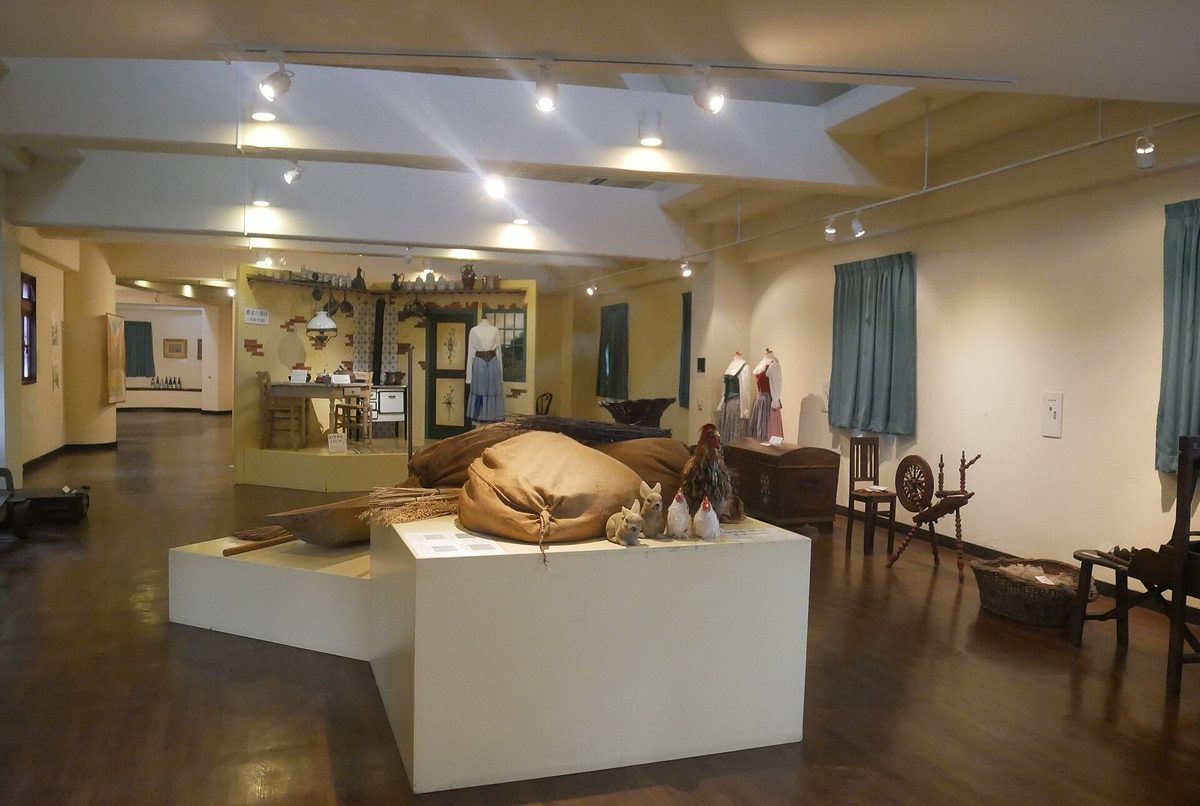
Photo: Nesnad / CC BY-SA 4.0 (Wikimedia Commons) Ueno German Culture Village (Hakuai Memorial Hall)
A cultural complex commemorating the 1873 rescue of a wrecked German merchant ship by Miyakojima islanders.
Hakuai Memorial Hall and Kinder House are closed Tuesdays and Thursdays (park grounds are free to walk).
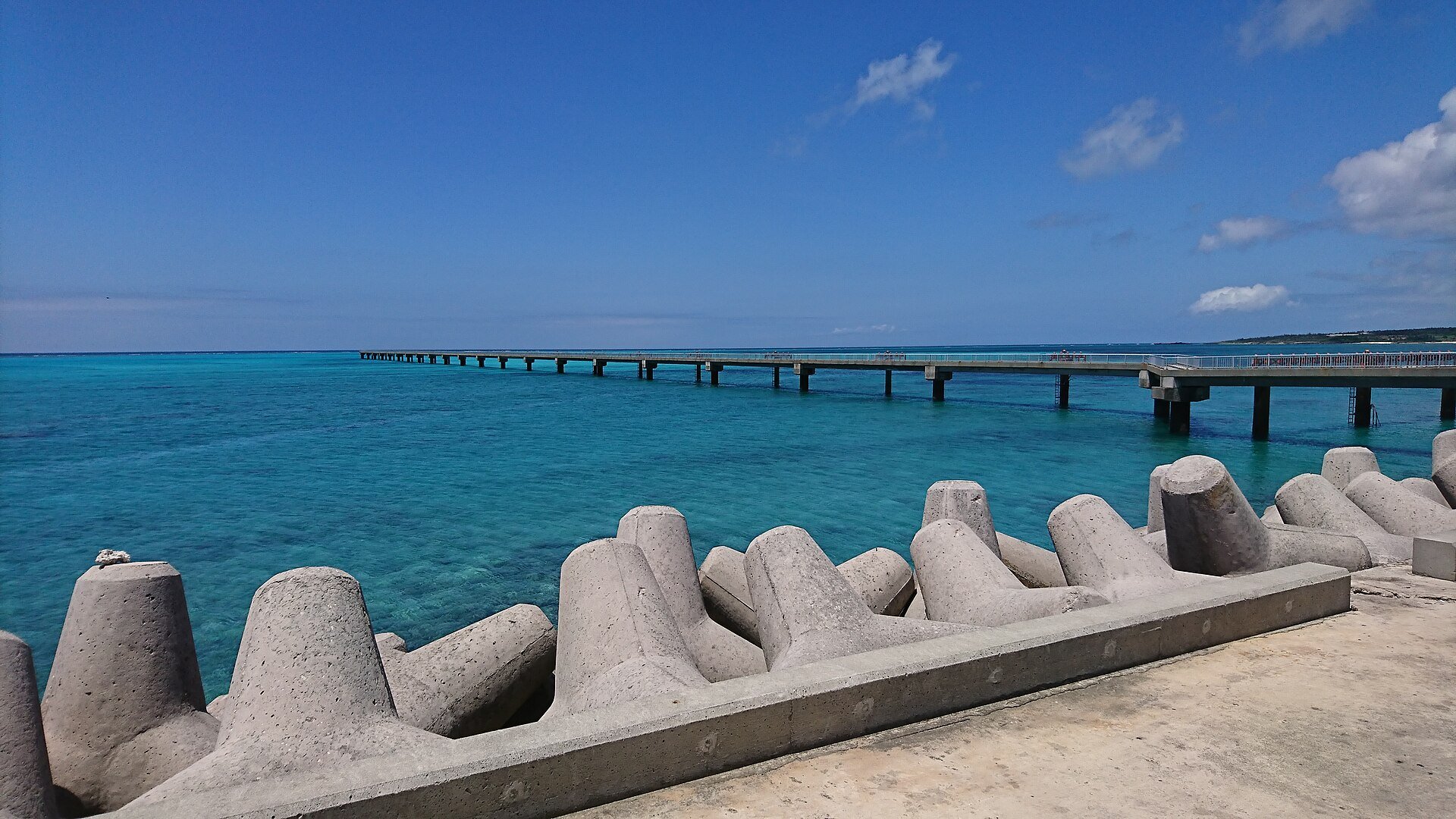
Photo: ブルーノ / CC BY-SA 4.0 (Wikimedia Commons) A scenic coastal walkway along the northern runway end of Shimojishima Airport where low tide reveals a bright sandbar in translucent Miyako-blue water.
These are local landmarks. Each was checked to be open on its official site (checked 2026-11-14). Please confirm hours before you go.
Beyond Miyakojima
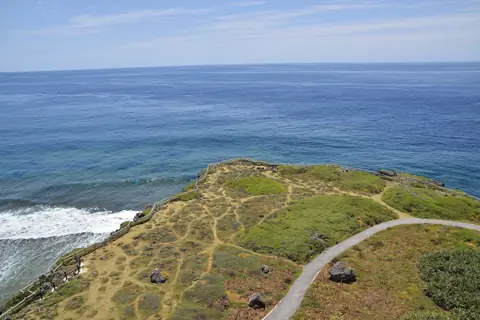 Miyakojima · 21 km
Cape Higashi-Hennazaki →
A nationally designated scenic 2-km-long narrow cape at the easternmost tip of Miyako Island, topped by the climbable Hennazaki Lighthouse.

Distances are straight-line from the town centre. Each page has how to get there and a suggested day.
Questions people ask
- Where can I eat Miyakojima's local dishes?
Miyako soba (wheat noodles in pork-bonito broth): Koja Sobaya (Hirara), Minato Shokudo (Hirara)
Miyako beef (island-raised Wagyu): Blue Turtle (Irabu), Rakuen no Kajitsu (Shimoji)
Miyako mango (ripe island mango): Rakuen no Kajitsu (Shimoji), Utopia Farm Miyakojima (Ueno), RICCO gelato (Hirara)
- Where can I see or buy Miyako Jofu Ramie Textile, Miyako Island Sea Salt, Miyako Sugarcane & Brown Sugar in Miyakojima?
Miyako Jofu Ramie Textile: Miyakojima Traditional Craft Center (Ueno)
Miyako Island Sea Salt: Yukishio Museum (Hirara)
Miyako Sugarcane & Brown Sugar: Alternative Farm Miyako (Shimoji)
Craft: Ryukyu Zakka Aosora (Shimoji), Kinjo Pottery (Shimoji), glass studio luca (Gusukube)
- Which places in Miyakojima open by 9 in the morning?
cafe nuis (Gusukube, Sat–Wed 07:30–16:00)
Kuninaka Shoten (Irabu, Mon–Sun 08:00–19:00)
Montedoll Honten (Hirara, 9:00–19:00)
- What can I visit on foot around Hirara?
Cafés: Ningin Coffee
Sweets: RICCO gelato, Montedoll Honten
Food: Koja Sobaya, Minato Shokudo
Miyako Island Sea Salt: Yukishio Museum
Every place was checked to be open in November 2026. Hours can change, so please check the official site before you go.
If you like Miyakojima
- Yomitan
Okinawa, Japan
For example, glass studio luca here, and Genka Genkichi Ryukyu Glass Studio in Yomitan.
- Ishigaki
Okinawa, Japan
For example, Ryukyu Zakka Aosora here, and Kayak Yaeyama Kobo in Ishigaki.
- Naha
Okinawa, Japan
For example, Kinjo Pottery here, and Kiyomasa Pottery / Tsuboya Kiln in Naha.
Chosen by how close the towns and their places are in what they make and serve.