35.1° N
Kawanehoncho
Shizuoka, Japan
A mountain town along the upper Oigawa River, known for Kawane tea and the Oigawa Railway. Tea farms, bentwood lunchboxes and cedar tea chests, then hillside cafes and local dining rooms: the editors’ picks.
Kawanehoncho, on film
5 sights and 10 places, each checked open in 2026, in 40 seconds.
Found somewhere you like? The map and the list below have the address, hours and official site.
Tap for sound
What to eat in Kawanehoncho
No photo yet
Kawanecha (Kawane green tea)
川根茶
Kawanecha is a mountain-grown green tea (mostly sencha, alongside local black tea) cultivated on steep slopes along the upper Oi River. River mist and sharp day-to-night temperature swings build its gentle aroma and umami, making tea the defining agricultural product of Kawanehoncho.
At local tea rooms, visitors steep leaves in a kyusu teapot at 60–70°C across multiple infusions, paired with tea yokan or seasonal sweets.
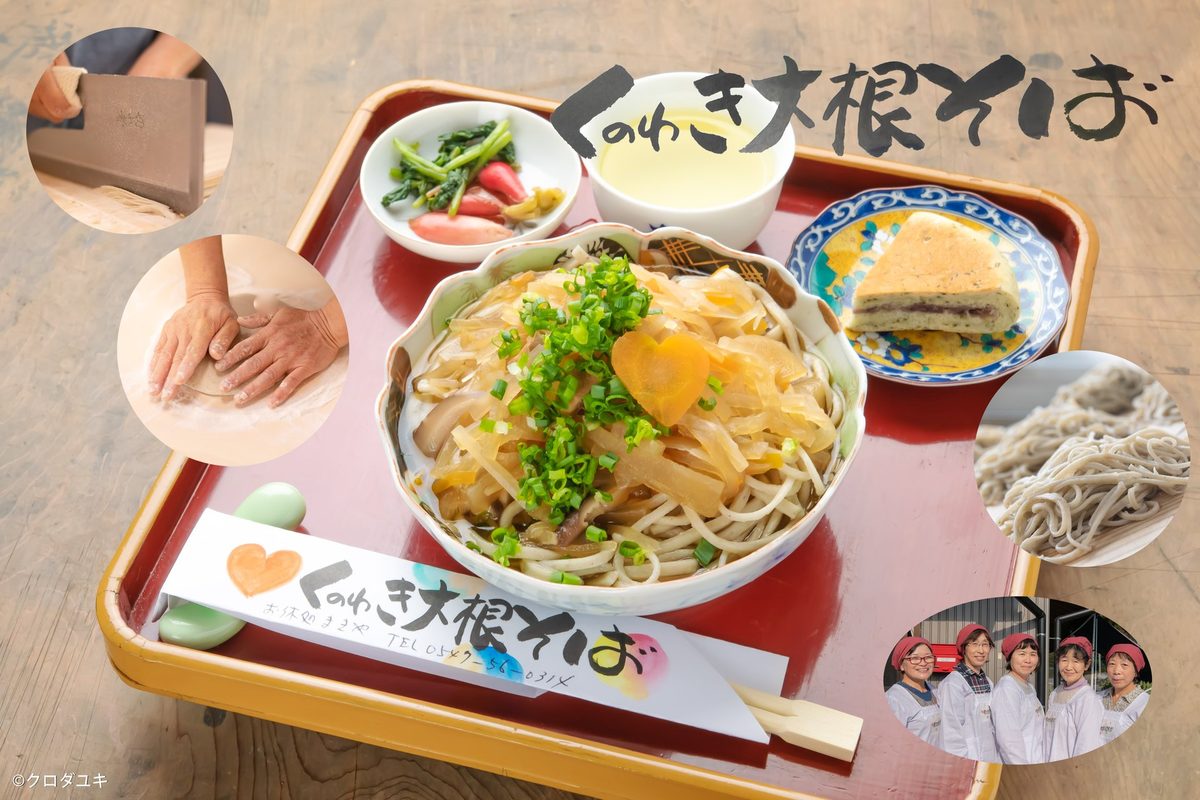
Photo: 恋がね茶屋 (official site) Daikon soba (buckwheat noodles with simmered daikon)
大根そば
Daikon soba is a local folk noodle dish of buckwheat noodles topped with a warm dashi broth simmered with finely shredded daikon radish, shiitake mushrooms, and chicken or carrots. Because steep mountain valleys left little flat land for rice paddies, households stretched precious homegrown soba flour with abundant daikon radish.
Served hot in bowls with plenty of simmered daikon in a mild broth meant to be drunk to the last drop, mostly on weekends by reservation.
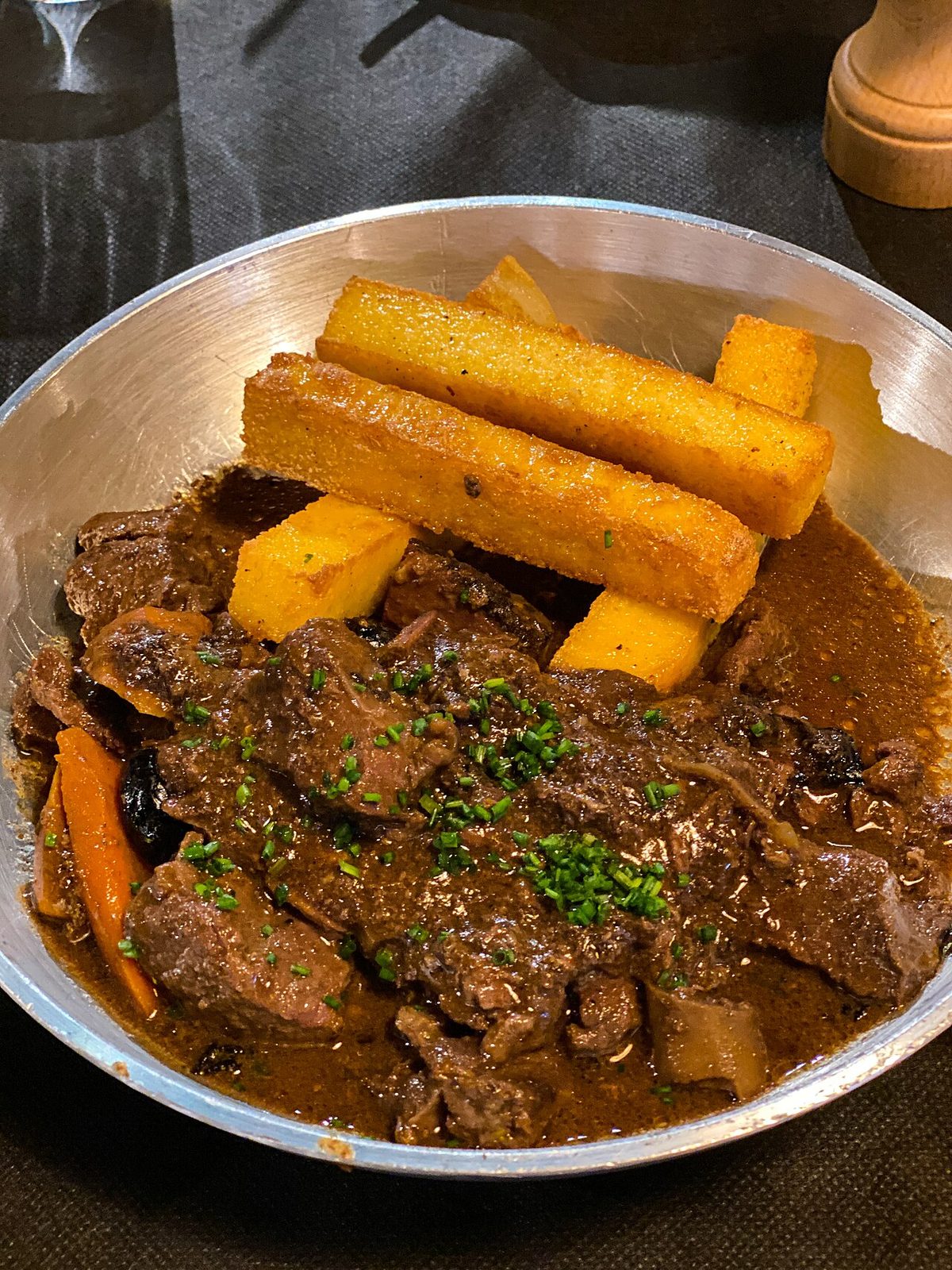
Photo: dronepicr / CC BY 2.0 (Wikimedia Commons) Kawane gibier (wild venison and boar)
川根ジビエ
Kawane gibier refers to local wild deer and boar hunted in the Southern Alps forests around Kawanehoncho and processed locally for lean, clean-tasting meat. Townsfolk and cafés turn the game into venison tempura over tea soba, deer char siu ramen, gibier gyoza, and slow-simmered curries.
Eaten year-round at lunch rooms and station-front cafés as deer tempura on tea soba, dumplings, or spiced game curry.
Where to eat it
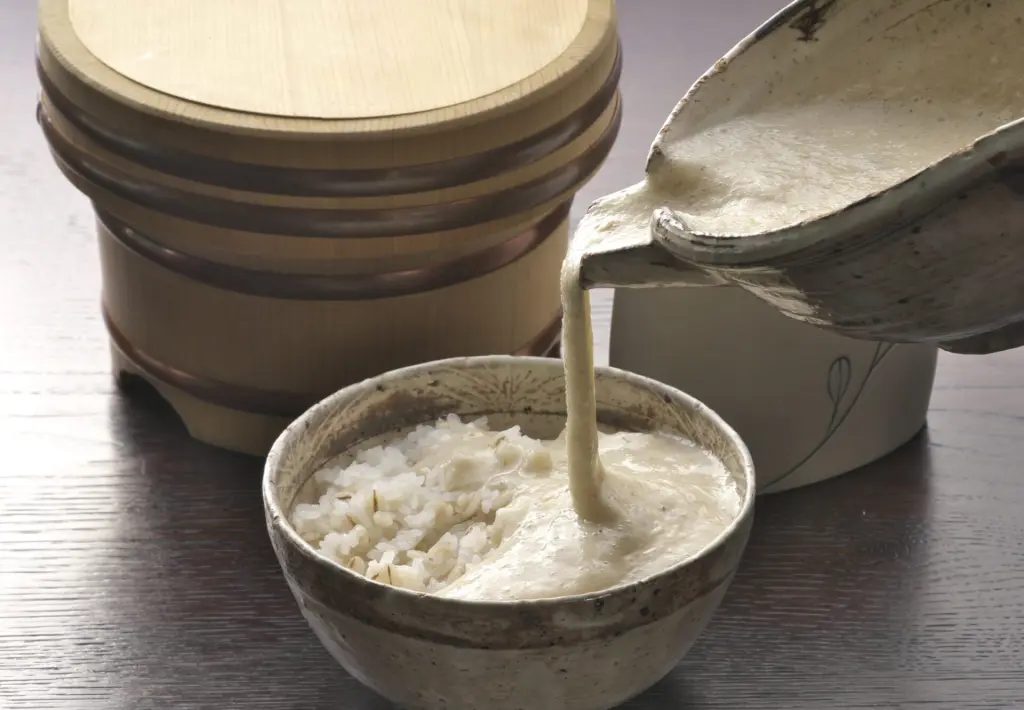
Photo: 中里の庄・和&ゲストハウスKAZU (official site) Jinenjo tororo-jiru (grated wild mountain yam soup)
自然薯とろろ汁
Jinenjo tororo-jiru is a thick, earthy soup made by grating sticky local wild mountain yam and thinning it with dashi broth. Harvested in Kawanehoncho's mountain soil, it is a prized autumn-to-winter crop across the Oi River valley and served in traditional set meals.
Freshly grated to order and ladled generously over mugimeshi (barley rice) or tea soba as a lunch set meal.(Nov–Feb)
Where to eat it
- Wasai Shokudo Akebono ↓
- Nakazato no Sho Nagomi & Guesthouse KAZUWebsiteMap
The LATITUDE editors’ 10 picks in Kawanehoncho
Our editors verified that these places were open (checked 2026-11-14). Check the official site for hours and closing days before visiting. Sponsored listings are marked.
Save places to your trip list and revisit them in this browser. No account needed.
Editors’ picks on the map — or build your own route
Tap a mark to see the place; squares are museums and sights (landmarks). Use “Build your own route” to make a walk of your own.
Loading the map
Map data © OpenStreetMap contributors
Browse by category
1 / 11
Senzu
Cafe Uemaru
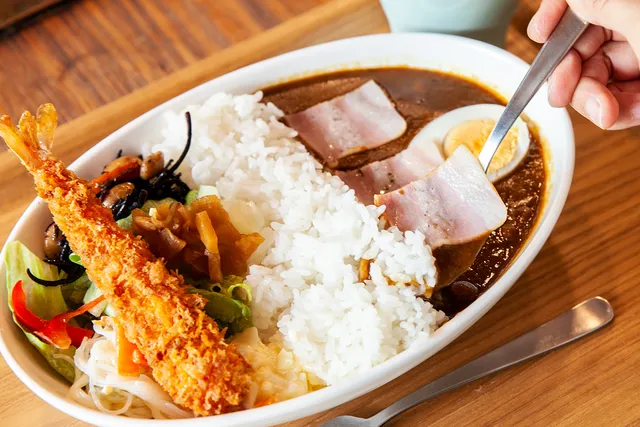
Photo: the shop’s official page cafe うえまる
A farmer-run café 20 seconds from Senzu Station, serving dam curries with local vegetables and gibier, plus blueberry and Kawane tea sweets, with allergy-friendly options. Closed Wednesdays; open 11:00–16:30.
11:00–16:30 (last order 16:00) · Closed: Wednesdayschecked Nov 2026
Why the editors chose itJust 20 seconds from Senzu Station, offering farmer-run gibier dam curry and allergy-friendly dishes.
Tokuyama
Shokudo Cafe amandon
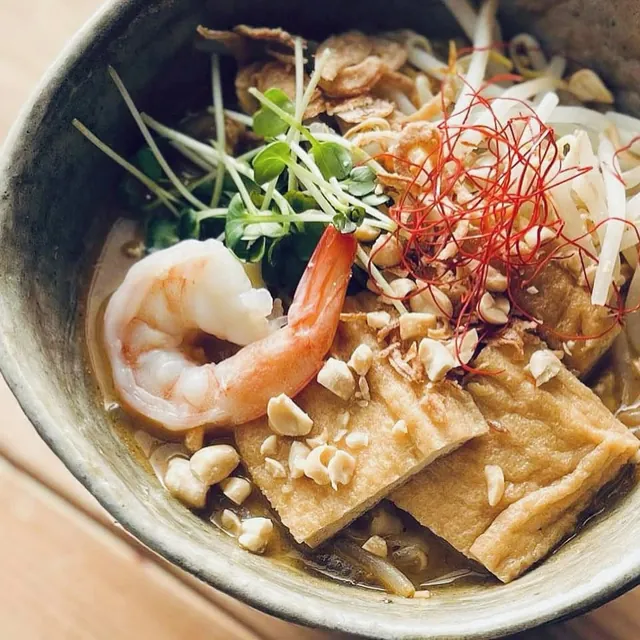
Photo: the shop’s official page 食堂カフェ amandon
A Showa-retro dining room and café near Suruga-Tokuyama Station, cooking with organic ingredients and offering vegetarian and vegan options. Open Saturday to Tuesday, 11:00–20:00.
Why the editors chose itA Showa-retro dining café near Suruga-Tokuyama Station offering organic meals with vegetarian and vegan options.
Kaminagao
Wasai Shokudo Akebono
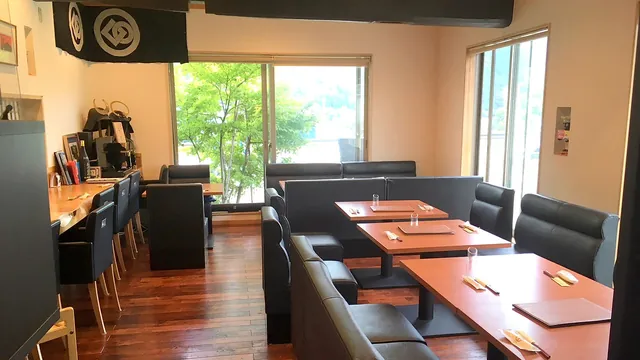
Photo: the shop’s official page 和彩食堂 あけぼの
A dining room in Kaminagao serving Kawane tororo yam soup, daikon ramen, local gibier gyoza, and tempura tea soba. Lunch 12:00–15:00; dinner by reservation; closed Tuesdays. One cook, so reservations have priority.
12:00–15:00 (last order 14:30), 17:30–20:00 (last order 19:00, dinner by reservation only) · Closed: Tuesdays (irregular closures apply)
Why the editors chose itA one-cook dining room prioritizing bookings for local tororo yam soup, gibier gyoza, and tea soba.
Okuizumi
rest & coffee Kojo Station Cafe
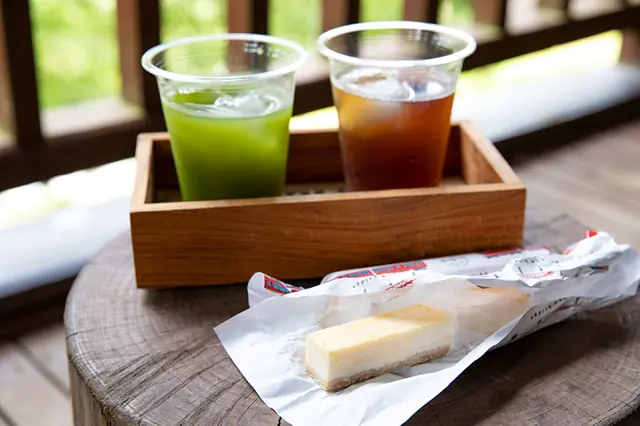
Photo: the shop’s official page rest & coffee 湖上駅カフェ
A café in the cottage above the platform at Okuoi Kojo Station, serving Nagashima Dam coffee, Kawane black tea, limited-portion Blue Lake curry, and Kawane matcha gateau chocolat. Open 11:00–16:00; closed in winter and bad weather.
11:00–16:00
Why the editors chose itAbove Okuoi Kojo Station's platform, a cottage café serving limited Blue Lake curry when weather allows.
Sumatakyo Onsen
SHOP & CAFE Seikou-Udoku
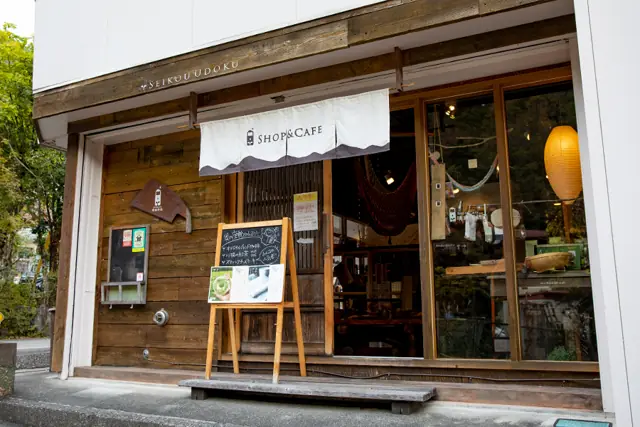
Photo: the shop’s official page SHOP & CAFE 晴耕雨読
A craft-goods shop and café in Sumatakyo Onsen selling hand-baked senbei and sundries, with a back café and upstairs tatami room serving organic Kawane matcha cheesecake, gateau chocolat, and coffee. Open 11:00 to dusk.
11:00–sunset
Why the editors chose itBrowse hand-baked senbei in Sumatakyo Onsen, then pause upstairs in a tatami room with Kawane matcha sweets.
Mizukawa
Foret Nakakawane Chameikan
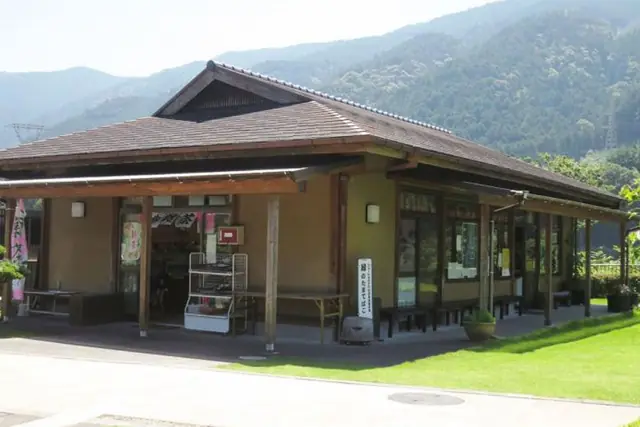
Photo: the shop’s official page フォーレなかかわね 茶茗舘
A Kawane tea cultural house and roadside station in Mizukawa, with a tatami tea room overlooking a Japanese garden for tea and local sweets, a souvenir shop, and a local history museum. Closed Wednesdays; open 10:00–16:30.
10:00–16:30 (last order 16:00) · Closed: Wednesdays, day after public holidays, Year-end/New Year
Why the editors chose itA tea cultural house and roadside station with a garden-view tatami tea room and local museum.
Made in Kawanehoncho
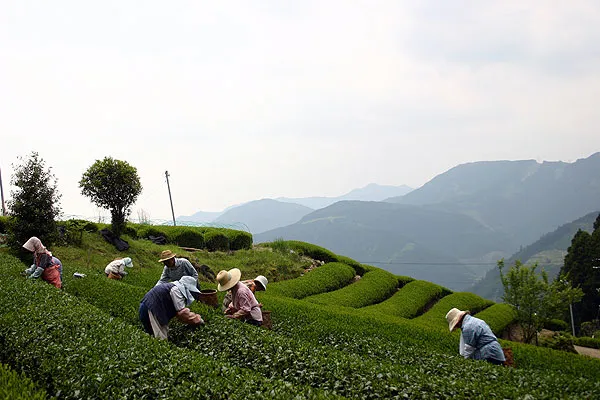
Grown on misty mountain slopes along the upper Oigawa River, Kawane tea has long been known for its aroma and clear flavour. Family-run estates still tend their own fields, steam and roll the leaves, and sell directly from the farm.
Hand-picking tea leaves on misty mountain slopes in Kawane·Photo: Tsuchiya Tea Farm (official site)
Motofujikawa
Yamakasho Tea Farm
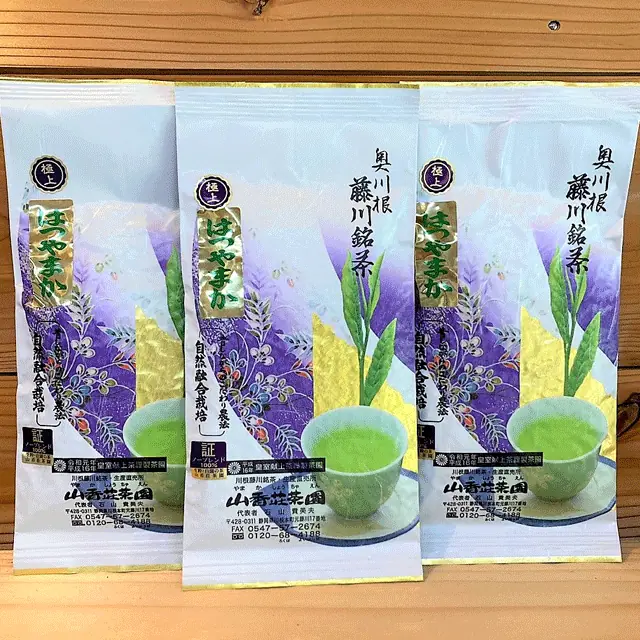
Photo: the shop’s official page 山香荘茶園
A family-run Kawane tea estate with a direct shop and an engawa café in the next-door old house, selling estate green and black teas and serving seasonal tea sets. Open 9:30–17:00.
9:30–17:00
Why the editors chose itA tea estate selling its own Kawane green and handmade black teas beside an old-house engawa café.
Mizukawa
Tsuchiya Tea Farm
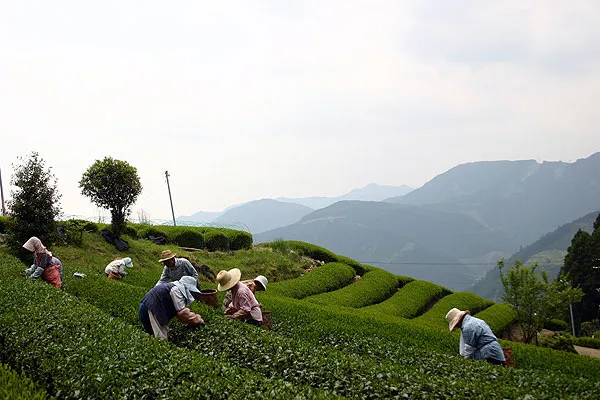
Photo: the shop’s official page つちや農園
A family-run Kawane tea farm at 600 meters in the Oroku-bo district, practicing traditional chagusaba farming and selling award-winning sencha and single-cultivar teas.
Why the editors chose itDirect sales of award-winning sencha and single-cultivar teas grown by chagusaba farming at 600 meters.
Kuwanoyama
Maeda Koubou
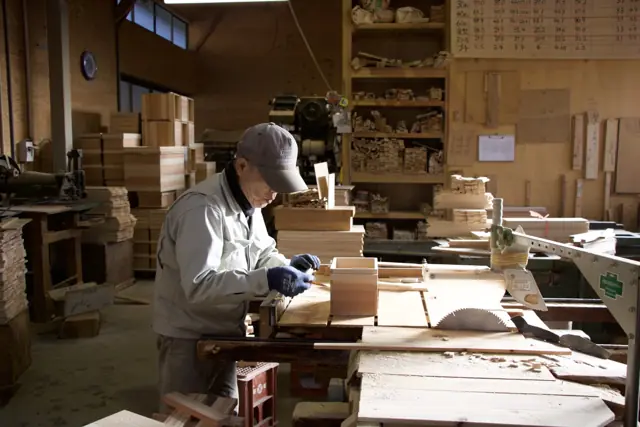
Photo: the shop’s official page 株式会社 前田工房
A tea-chest maker in Kawane for over a century, crafting unpainted cedar-and-tin chabako that keep out moisture and insects, alongside tabletop petit chabako and chabako stools.
Mon–Fri 10:00–17:00 · Closed: Saturdays, Sundays, and public holidays
Why the editors chose itOver a century of Kawane tea-chest making, from moisture-proof cedar-and-tin boxes to tabletop sizes.
Senzu
Oigawa Menpa Oiya
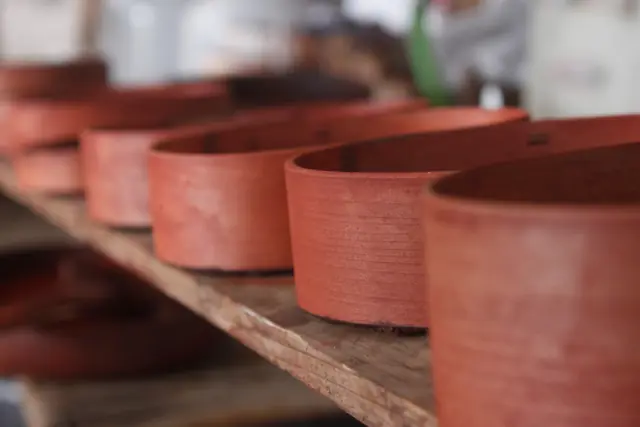
Photo: the shop’s official page 大井川めんぱ 大井屋
A workshop and shop in front of Senzu Station making Oigawa menpa bentwood lunchboxes stitched with cherry bark and finished with persimmon-tannin undercoat and urushi lacquer, also offering re-lacquering repairs. Closed Wednesdays and Thursdays.
Fri–Tue 9:00–17:00 · Closed: Wednesdays & Thursdays (closed even on public holidays)
Why the editors chose itA station-front workshop selling cherry-bark and urushi Oigawa menpa lunchboxes, with re-lacquering repairs.
Sights in Kawanehoncho
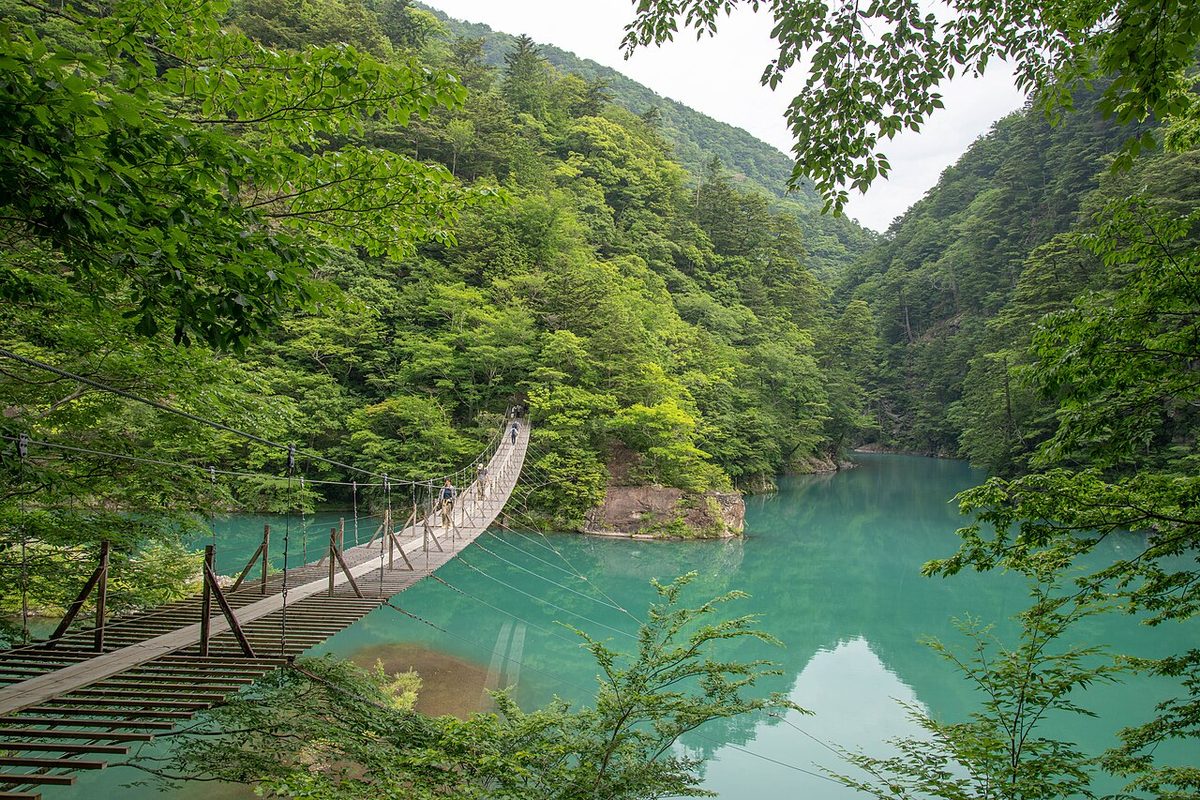
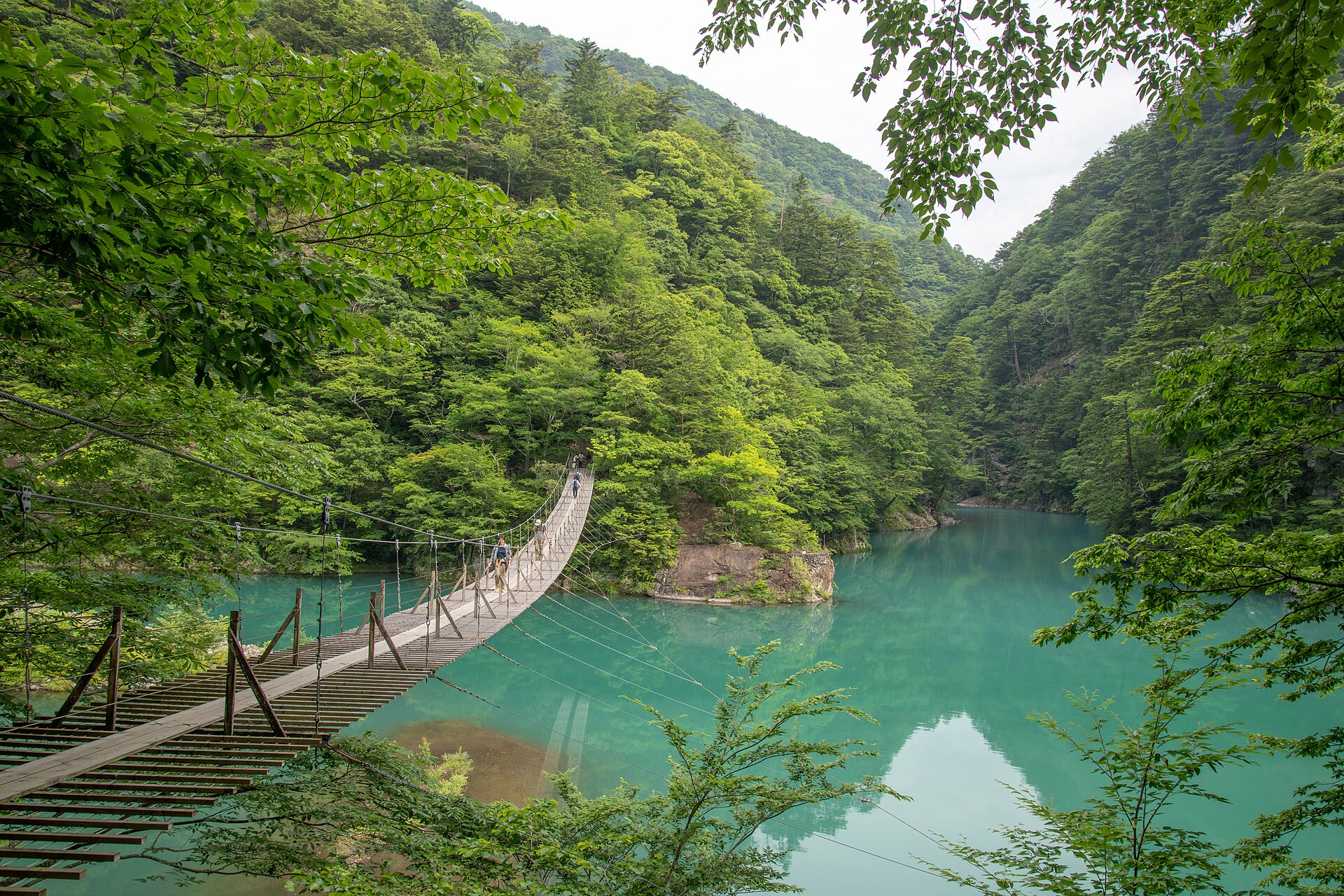
Photo: Tetsuji Sakakibara from Tokyo, Japan / CC BY-SA 2.0 (Wikimedia Commons) A suspension bridge over the Sumatakyo gorge, reached on foot along the promenade trail above the emerald-green reservoir.
Autumn promenade hours are 7:00–17:00 through Dec 6, with numbered tickets during peak hours on Nov 21–23.
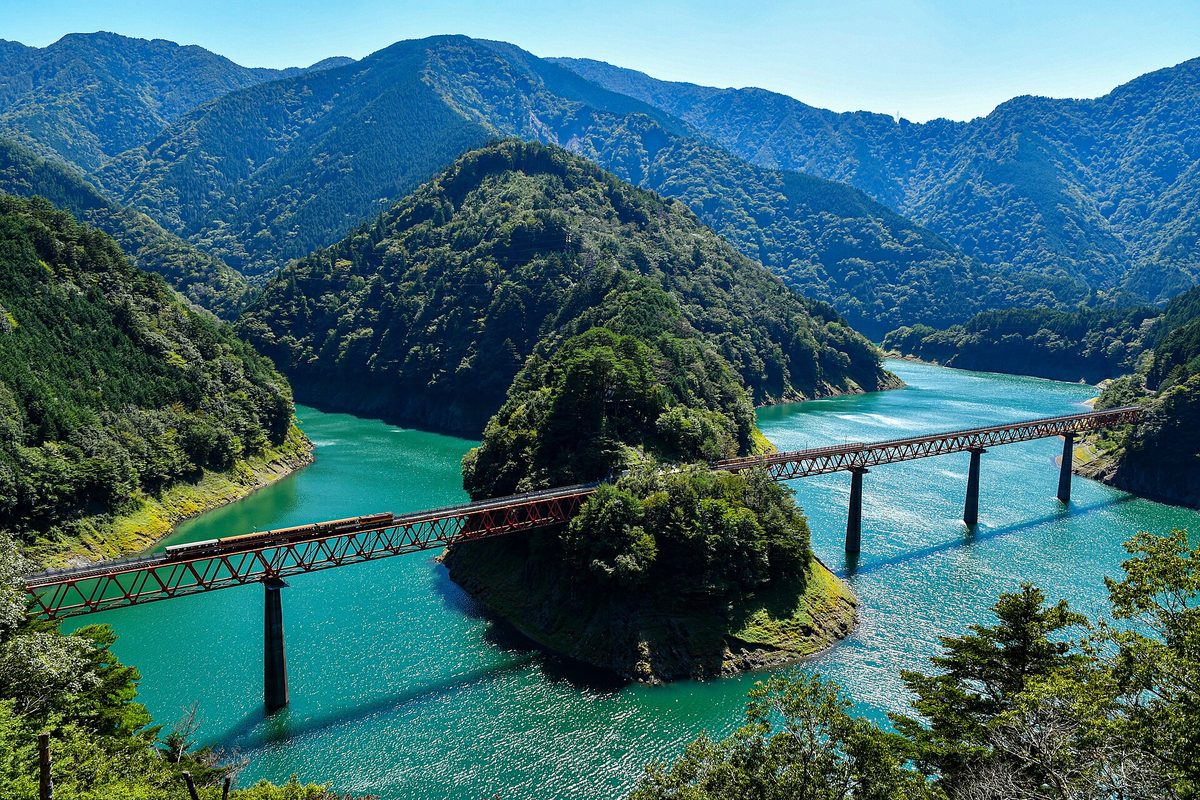
Photo: 9689tatsuya / CC BY 4.0 (Wikimedia Commons) A station on the Oigawa Railway Ikawa Line perched on a peninsula in Lake Sesso, reached by a footpath beside the red Okuoi Rainbow Bridge.
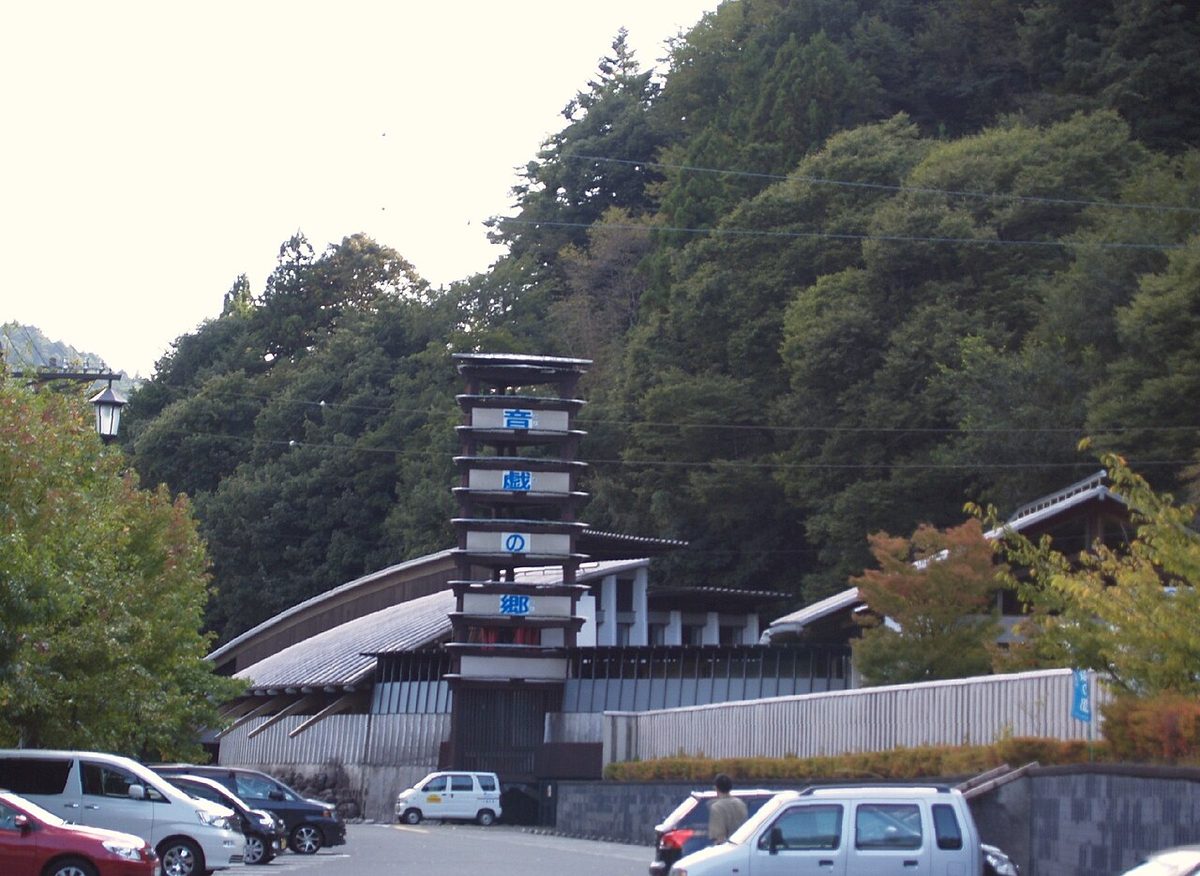
Photo: ja:user:Nyao148 / CC BY 3.0 (Wikimedia Commons) A sound-and-nature museum and roadside station beside Senzu Station, with stethoscope listening exhibits, a sound-instrument workshop, and a lounge overlooking the tracks.
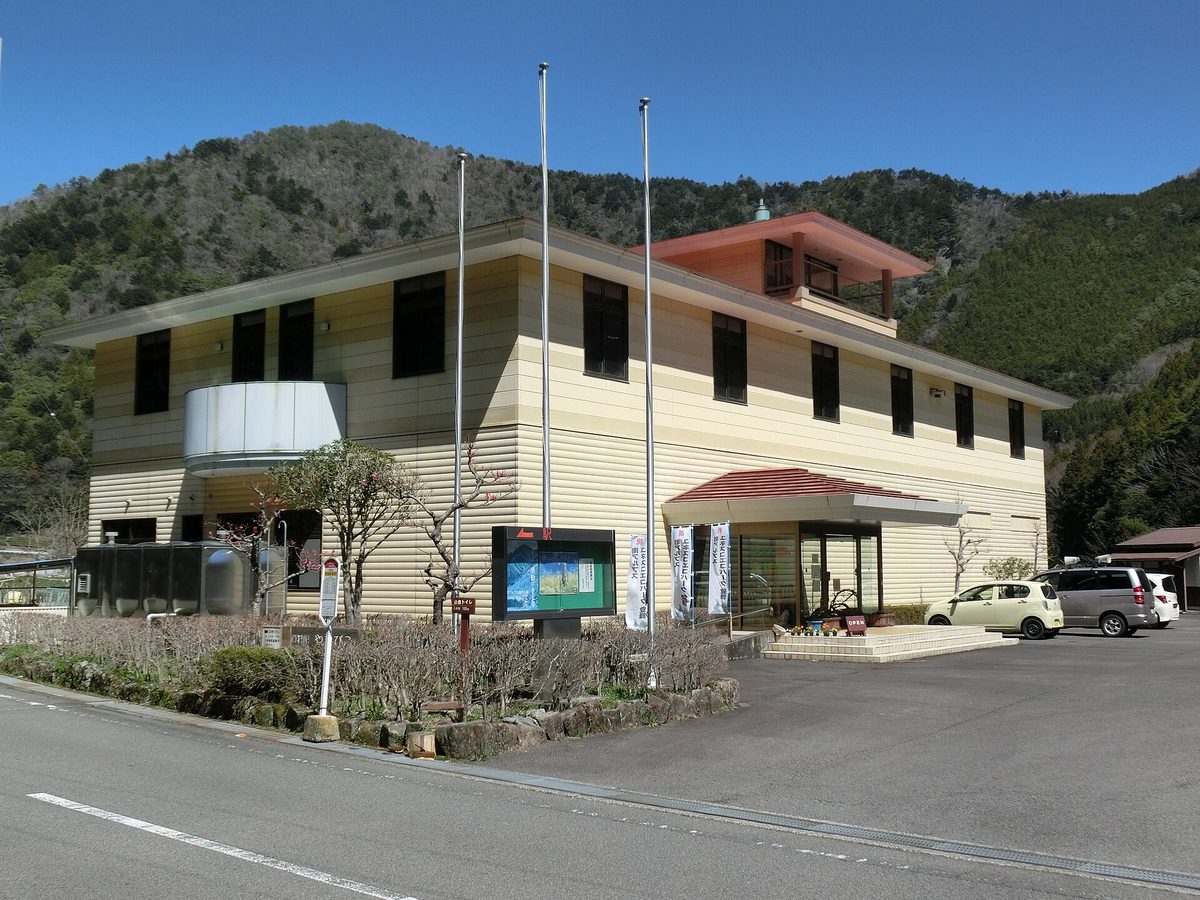
Photo: Abasaa / Public domain (Wikimedia Commons) A local museum on the nature of the Southern Alps and mountain life such as forestry, displaying plant and animal specimens collected before Nagashima Dam was built.
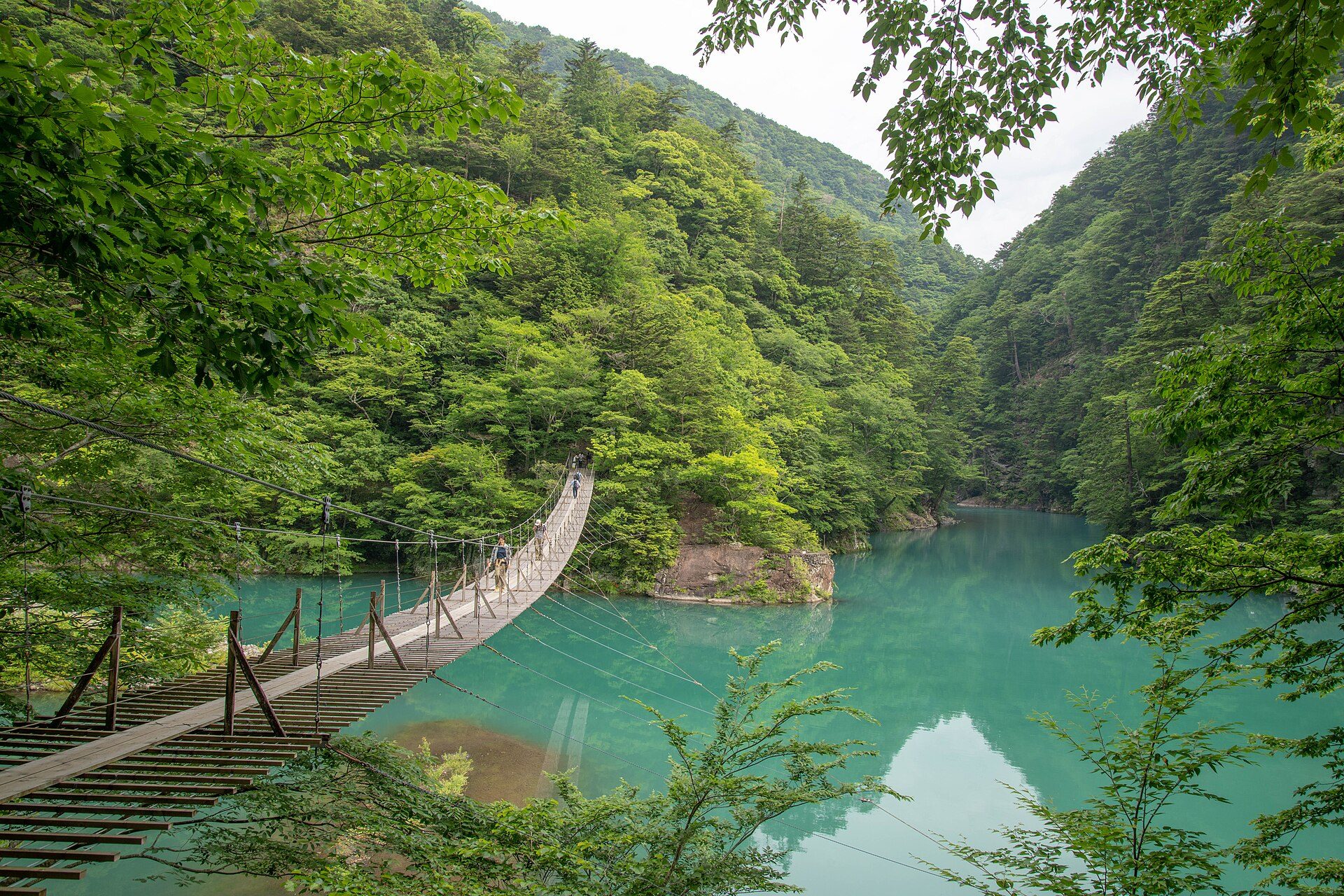
Photo: Tetsuji Sakakibara from Tokyo, Japan / CC BY-SA 2.0 (Wikimedia Commons) Sumatakyo Yume no Tsuribashi (Dream Suspension Bridge)
A 90-meter narrow wooden suspension bridge spanning milky emerald-green reservoir water deep in Sumatakyo Gorge.
These are local landmarks. Each was checked to be open on its official site (checked 2026-11-14). Please confirm hours before you go.
Beyond Kawanehoncho
1 / 3
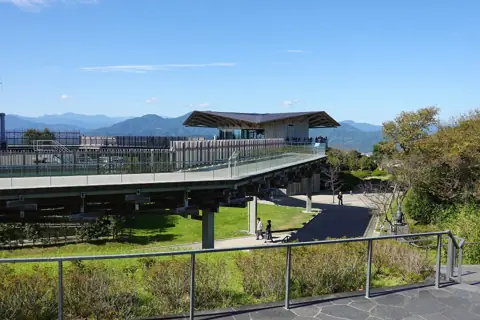 Shizuoka · 32 km
Nihondaira Yume Terrace →
An octagonal timber observation pavilion designed by Kengo Kuma on Mt. Nihondaira offering 360-degree views of Mt. Fuji and Suruga Bay.
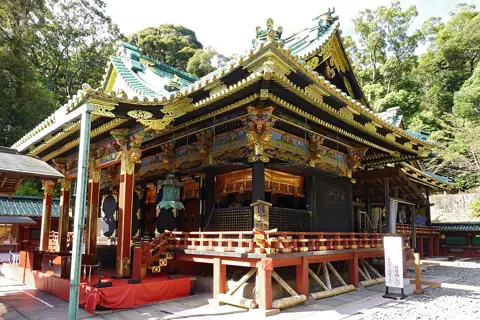 Shizuoka · 34 km
Kunozan Toshogu Shrine →
The first Toshogu shrine, dedicated to Tokugawa Ieyasu. A National Treasure with gorgeous decorations such as sculptures and architecture.
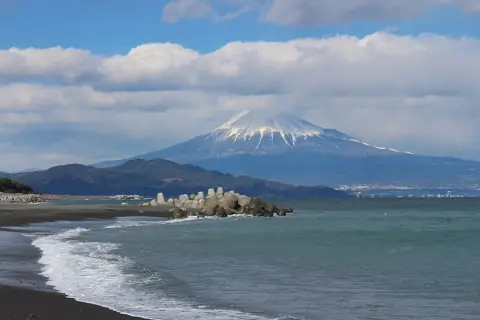 Shizuoka · 37 km
Miho no Matsubara →
Miho no Matsubara is a rare scenic spot where you can overlook the magnificent Mt. Fuji.


Distances are straight-line from the town centre. Each page has how to get there and a suggested day.
Questions people ask
- Where can I eat Kawanehoncho's local dishes?
Kawanecha (Kawane green tea): Foret Nakakawane Chameikan (Mizukawa), Yamakasho Tea Farm (Motofujikawa), Tsuchiya Tea Farm (Mizukawa)
Kawane gibier (wild venison and boar): Wasai Shokudo Akebono (Kaminagao), Cafe Uemaru (Senzu), Shokudo Cafe amandon (Tokuyama)
Jinenjo tororo-jiru (grated wild mountain yam soup): Wasai Shokudo Akebono (Kaminagao)
- Where can I see or buy Craft in Kawanehoncho?
Craft: Maeda Koubou (Kuwanoyama), Oigawa Menpa Oiya (Senzu)
Every place was checked to be open in November 2026. Hours can change, so please check the official site before you go.
If you like Kawanehoncho
- Kanazawa
Ishikawa, Japan
For example, Maeda Koubou here, and Kanazawa Choemon in Kanazawa.
- Odawara
Kanagawa, Japan
For example, Oigawa Menpa Oiya here, and Okawa Woodwork in Odawara.
- Matsue
Shimane, Japan
For example, Oigawa Menpa Oiya here, and objects in Matsue.
Chosen by how close the towns and their places are in what they make and serve.