39.6° N
Kakunodate
Akita, Japan
A castle town in inland Akita, laid out in 1620 with a samurai quarter, Uchimachi, and a merchant quarter, Tomachi. Cherry-bark kabazaiku craft, a miso and soy sauce brewer, Shiraiwa-yaki pottery, then chestnut sweets, pudding and coffee: the editors’ picks.
Kakunodate, on film
5 sights and 9 places, each checked open in 2026, in 38 seconds.
Found somewhere you like? The map and the list below have the address, hours and official site.
Tap for sound
What to eat in Kakunodate
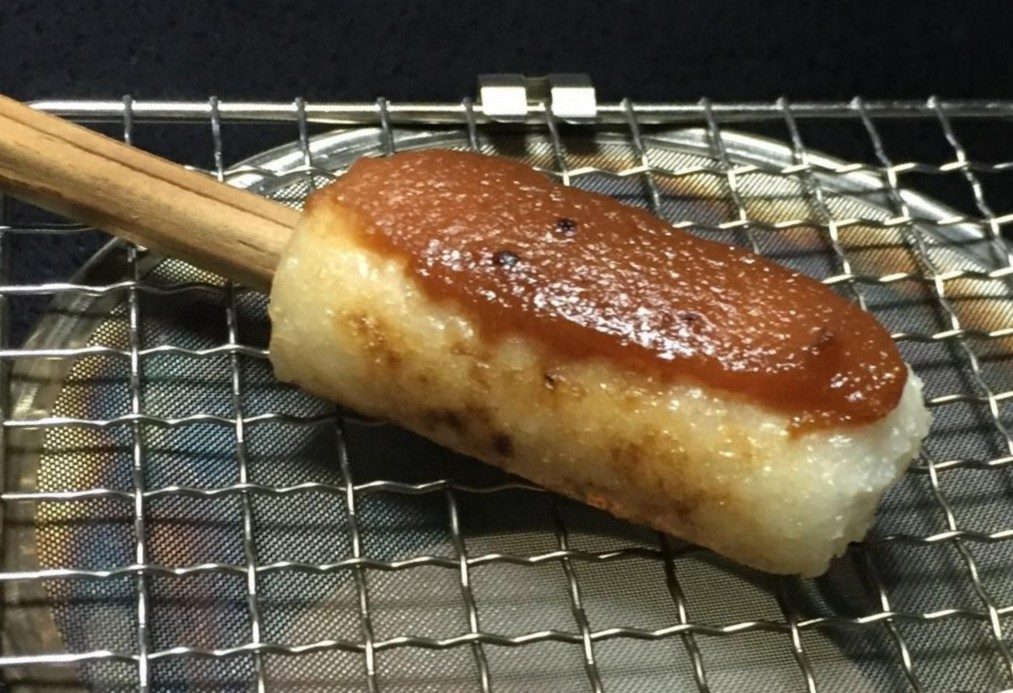
Photo: 食堂いなほ (official site) Okaribayaki (sansho-miso grilled meat and vegetables)
御狩場焼
Chicken or pork and seasonal vegetables grilled with a miso sauce flavored with sansho pepper. The dish comes from a hunting-field meal attributed to the Satake Hokke samurai family who ruled Kakunodate during the Edo period, and local restaurants revived it as a regional specialty.
Served sizzling on a hot plate or ceramic dish as a lunch set with rice and soup, or over rice as Okariba-manma.
Where to eat it
- Shokudo Inaho ↓
- Donabeya (Ando Jozo Kitaura Honten)WebsiteMap
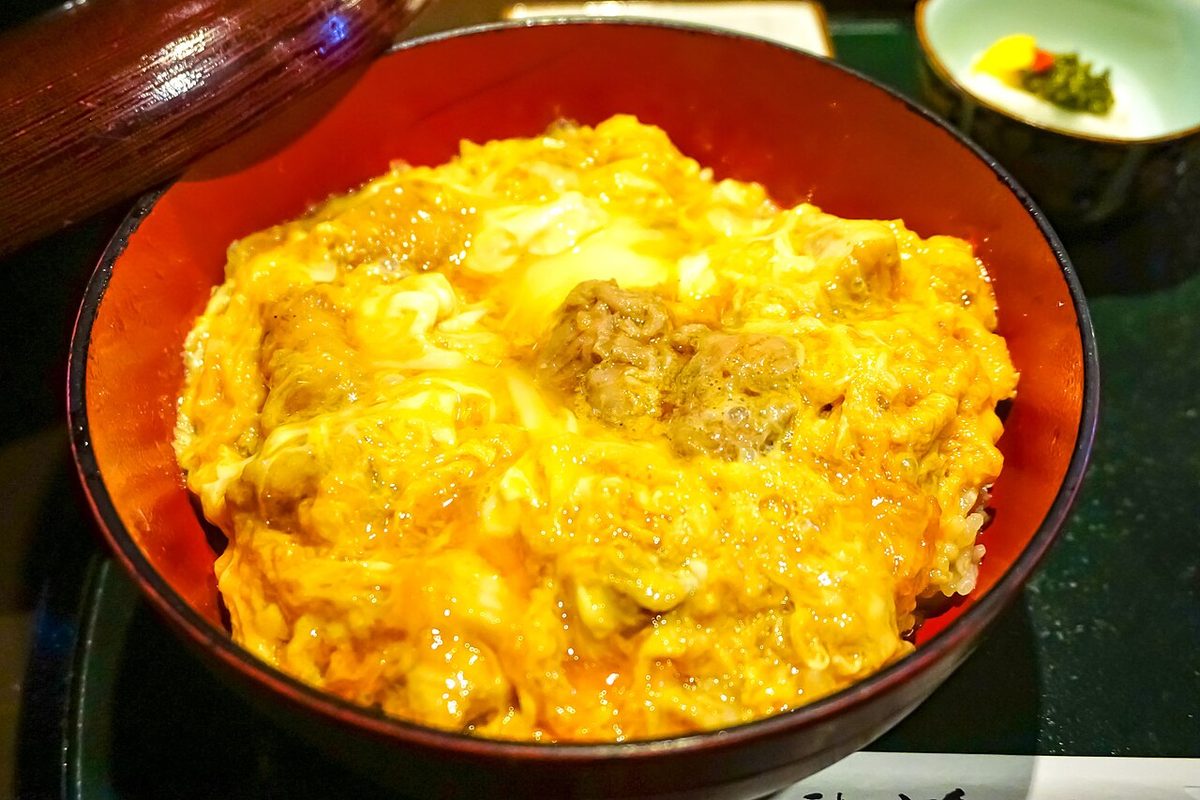
Photo: くろふね / CC BY-SA 4.0 (Wikimedia Commons) Hinai-jidori oyakodon (simmered chicken and egg rice bowl)
比内地鶏親子丼
A rice bowl topped with simmered Hinai-jidori chicken and lightly cooked egg in a sweet-and-savory dashi broth. Hinai-jidori is an Akita native chicken crossbreed known for its firm texture and rich flavor, and oyakodon made with it is a staple lunch along Kakunodate's samurai street.
Ordered for lunch at dining halls, often as a set with a small bowl of Inaniwa udon or smoked iburigakko pickles.
Where to eat it
- Shokujidokoro Sakura no Sato ↓
- Shokudo Inaho ↓
- Oshokujidokoro FukiyaWebsiteMap
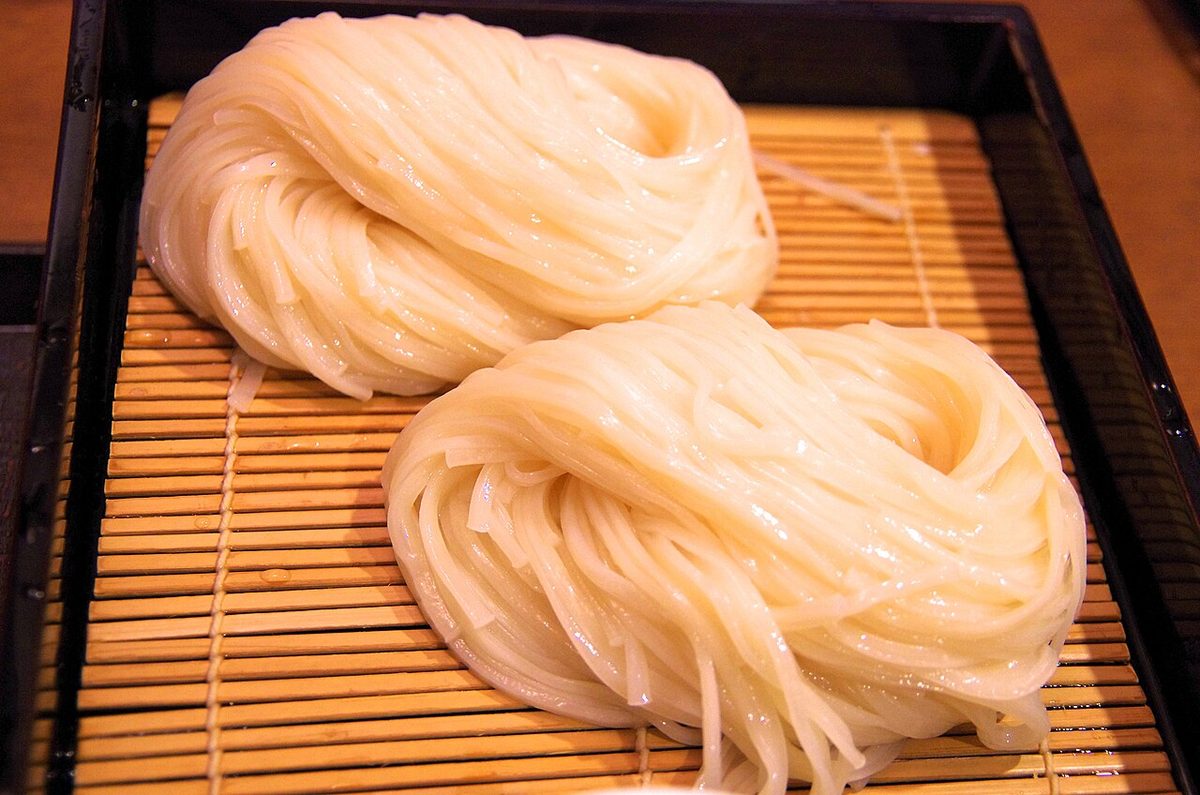
Photo: pelican from Tokyo, Japan / CC BY-SA 2.0 (Wikimedia Commons) Inaniwa udon (hand-stretched flat udon noodles)
稲庭うどん
Thin, flat dried udon noodles made by hand-kneading, twisting, and stretching dough made only from wheat flour, salt, and water. Originating in southern Akita's Inaniwa district in the Edo period as a tribute noodle for the Satake lords, it is served throughout Kakunodate's traditional dining rooms.
Eaten chilled with soy or sesame dipping sauces to highlight the smooth, firm texture, or warm in broth with wild mountain vegetables.
Where to eat it
- Shokujidokoro Sakura no Sato ↓
- Shokudo Inaho ↓
- Oshokujidokoro FukiyaWebsiteMap
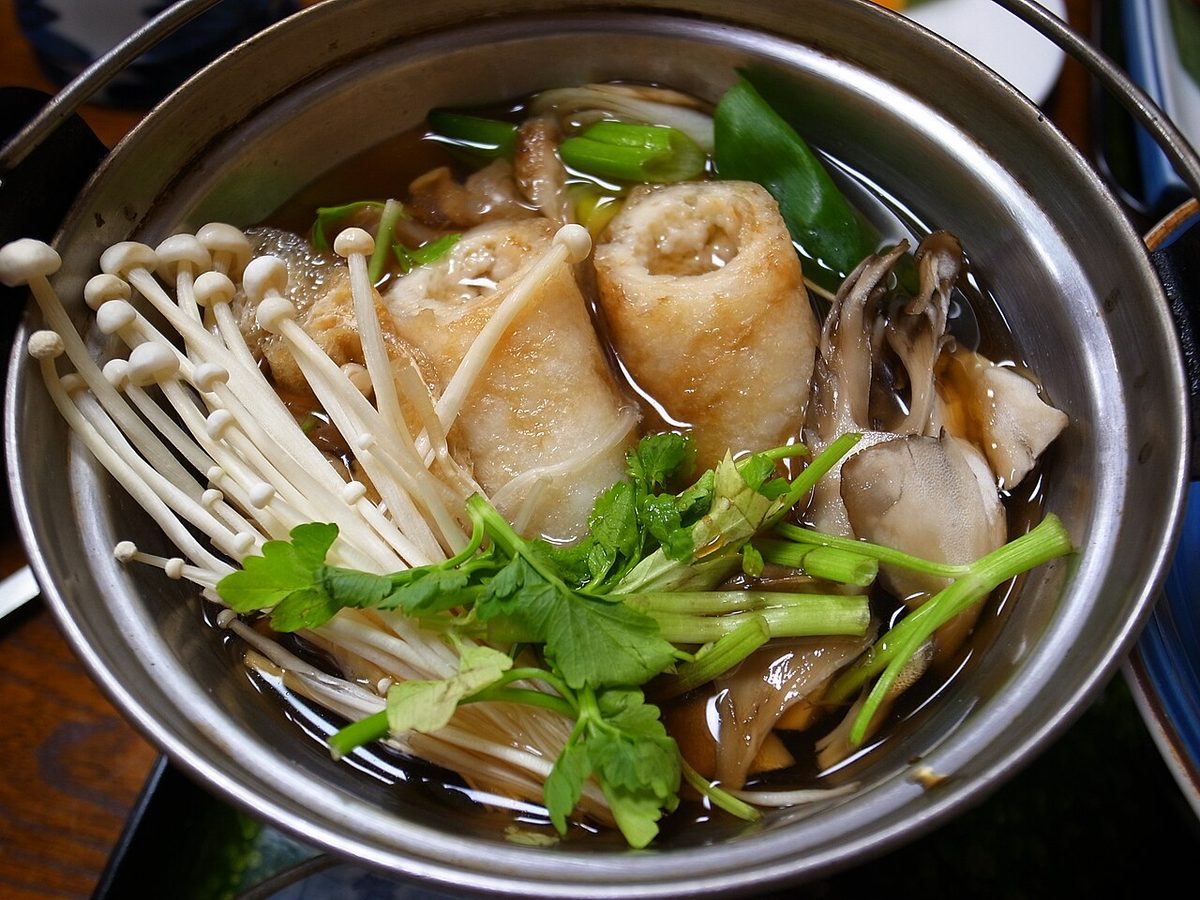
Photo: pelican from Tokyo, Japan / CC BY-SA 2.0 (Wikimedia Commons) Kiritanpo nabe (toasted rice hot pot)
きりたんぽ鍋
A hot pot of mashed Akita rice pressed onto cedar skewers, toasted over a hearth, cut into pieces, and simmered in Hinai-jidori chicken broth with burdock, maitake mushrooms, leeks, and seri water dropwort. Originally a portable meal for mountain workers and hunters in northern Akita, it became a staple cold-weather dish across Akita including Kakunodate.
Simmered at the table in a pot during the colder months from the autumn rice harvest, though some restaurants serve one-person portions year-round.(Oct–Mar)
Where to eat it
- Shokudo Inaho ↓
- Domanin KakunodateWebsiteMap
The LATITUDE editors’ 9 picks in Kakunodate
Our editors verified that these places were open (checked 2026-11-11). Check the official site for hours and closing days before visiting. Sponsored listings are marked.
Save places to your trip list and revisit them in this browser. No account needed.
Editors’ picks on the map — or build your own route
Tap a mark to see the place; squares are museums and sights (landmarks). Use “Build your own route” to make a walk of your own.
Loading the map
Map data © OpenStreetMap contributors
Browse by category
1 / 11
Tamachi
Shokudo Inaho
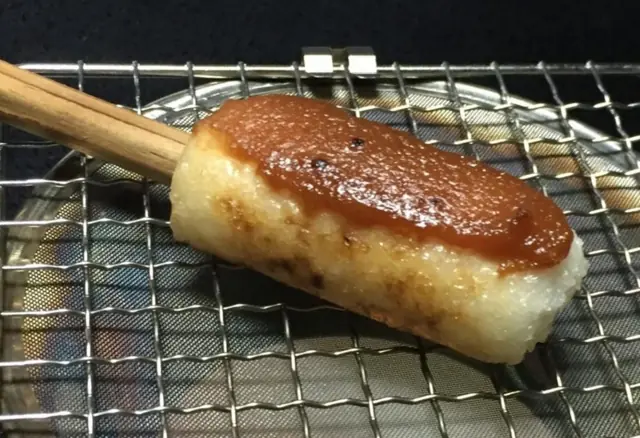
Photo: the shop’s official page 食堂いなほ
The dining room of the Ryotei Inaho. No reservation is needed and the menu is à la carte. It serves a set of Okaribayaki, a local dish handed down in the Satake Kita family as an outing meal, and Inaniwa udon. Closed on Thursdays; extra days off are posted on social media.
Closed: Thursdays (irregular closures apply)
Why the editors chose itRyotei Inaho's dining room serving local Okaribayaki and Inaniwa udon à la carte without a reservation.
Uchimachi
Shokujidokoro Sakura no Sato
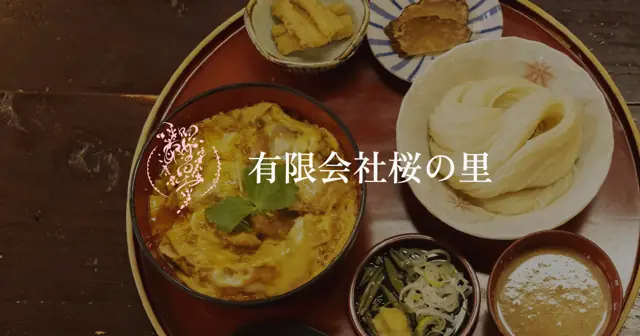
Photo: the shop’s official page お食事処 桜の里
A restaurant in an old house on the samurai street, known for Hinai-jidori oyakodon and Inaniwa udon. Open 10:00–15:30, with meals from 11:00 (last order 15:00). Days off vary and are posted in its news.
10:00–15:30 (dining from 11:00, last order 15:00) · Closed: Irregular
Why the editors chose itAn old timber house on the samurai street serving Hinai-jidori oyakodon and Inaniwa udon.
Tomachi
Uchoten Kissa
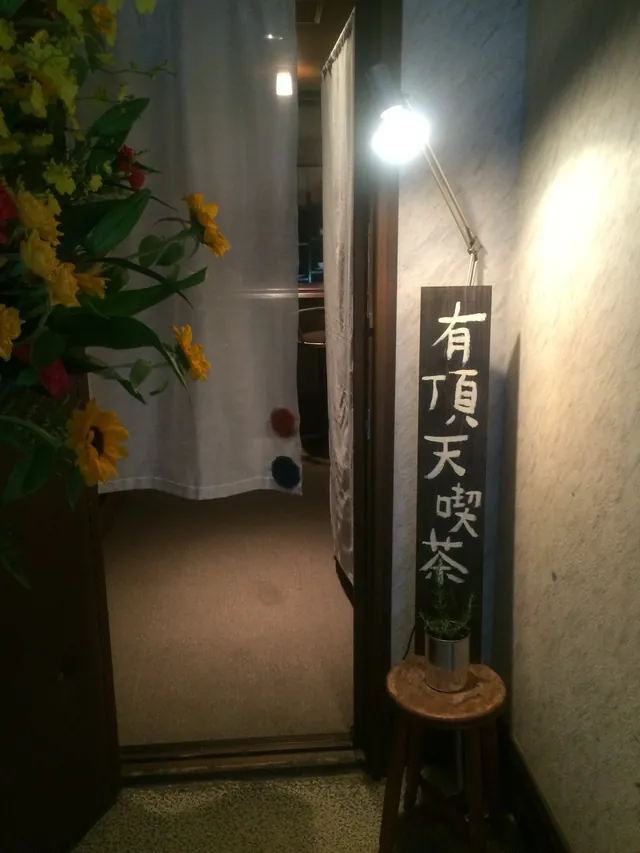
Photo: the shop’s official page 有頂天喫茶
A kissaten on the first floor of the Shinmachi Building in Kamishinmachi. It brews house-roasted coffee by flannel drip and serves Napolitan with 2.2 mm extra-thick noodles. The open days are posted on its site each month.
11:00–19:00 (Dec–Mar 11:00–18:00) · Closed: Thursdays & Fridays
Why the editors chose itA Kamishinmachi kissaten serving flannel-dripped house-roasted coffee and Napolitan with 2.2 mm extra-thick pasta.
Tomachi
RÉGAL RITZ
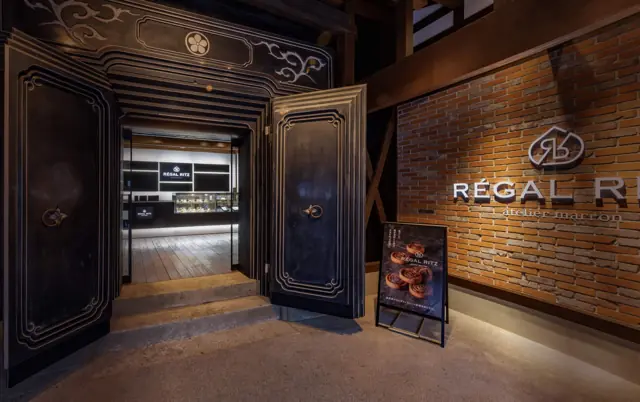
Photo: the shop’s official page A Mont Blanc specialist in Shimoshinmachi, making baked Mont Blanc, Mont Blanc pudding and soft serve from local Saimyoji chestnuts. The shop is a koji storehouse over 120 years old, taken over from a soy sauce and miso brewer. Open 10:00–17:00, closed only at the New Year.
10:00–17:00 · Closed: Year-end/New Year only (open all other days)checked Nov 2026
Why the editors chose itA 120-year-old koji storehouse turned Mont Blanc specialist using local Saimyoji chestnuts.
Tomachi
Akita Purin-tei
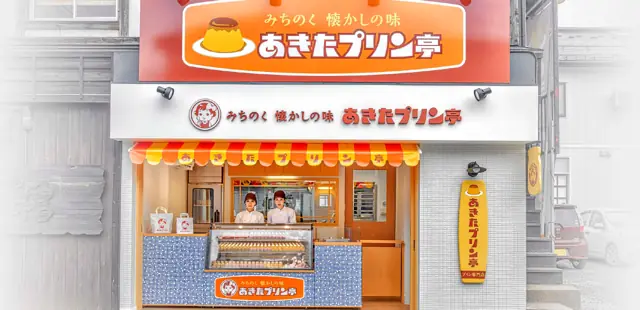
Photo: the shop’s official page みちのく懐かしの味 あきたプリン亭
A pudding specialist in Yokomachi, making its smooth pudding by hand in a workshop at the back, with Madagascar vanilla beans and domestic eggs and milk. A pumpkin pudding comes out in autumn. Open 10:00–17:00, closed only at the New Year.
10:00–17:00 · Closed: Year-end/New Year only (open all other days)checked Nov 2026
Why the editors chose itA Yokomachi pudding shop hand-making smooth puddings in-house with Madagascar vanilla and domestic dairy.
Made in Kakunodate
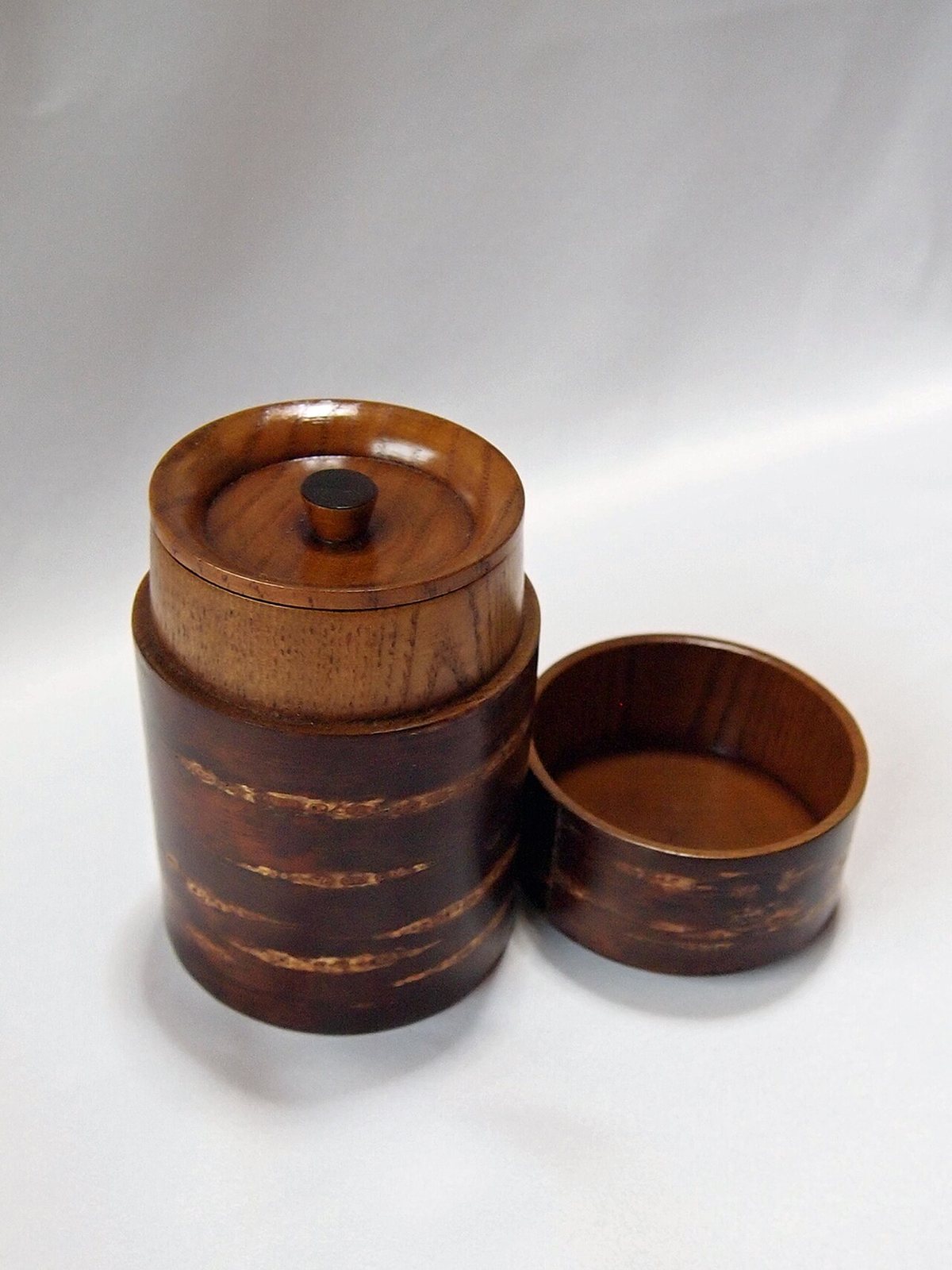
Kabazaiku is a designated traditional craft made from the bark of wild mountain cherry. The bark is stripped in August and September and dried for about two years. Tea caddies are the typical piece, and they gain a shine as hands touch them. The craft in Kakunodate has about 240 years of history.
Kabazaiku wild cherry-bark tea caddy·Photo: Kayopos / CC BY-SA 3.0 (Wikimedia Commons)
Tomachi
Fujiki Denshiro Shoten
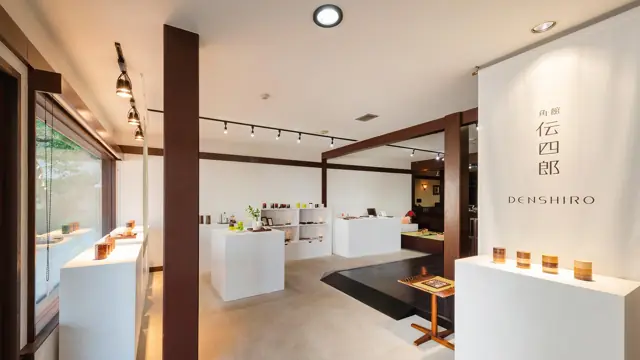
Photo: the shop’s official page 藤木伝四郎商店
A kabazaiku house in Shimoshinmachi, founded in 1851. Its main shop is a renovated storehouse from the end of the Edo period, selling tea caddies and tea ware made of wild cherry bark. Open 10:00–17:00, closed on Wednesdays.
10:00–17:00 · Closed: Wednesdayschecked Nov 2026
Why the editors chose itAn 1851 kabazaiku maker selling wild-cherry-bark tea caddies inside a renovated late-Edo storehouse.
Uchimachi
Kakunodate Kabazaiku Craft Center
仙北市立角館樺細工伝承館
A hall for kabazaiku near the samurai houses, where craftsmen demonstrate the work. The demonstration runs daily from April to November, 9:30–16:00, with a break from 12:00 to 13:00.
Daily 09:00–16:30 (winter: Dec–Mar; Apr–Nov 09:00–17:00) · Closed: Year-end and New Year holidays (Dec 28–Jan 4)
Why the editors chose itA kabazaiku exhibition hall near the samurai street with daily artisan demonstrations from April to November.
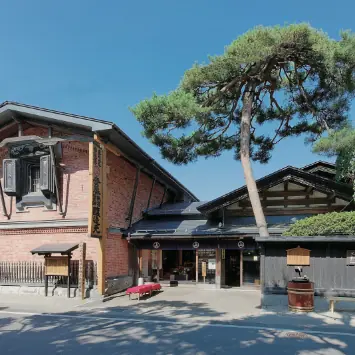
Made in Kakunodate
In Shimoshinmachi, in the merchant quarter, Ando Jozo has brewed since 1853. It makes additive-free, naturally fermented miso, soy sauce and pickles, and opens the brick storehouse parlor of its main shop, built in the middle of the Meiji era, to visitors.
Brick storehouse and main shop of Ando Jozo·Photo: Ando Jozo Honten (official site)
Tomachi
Ando Jozo Honten
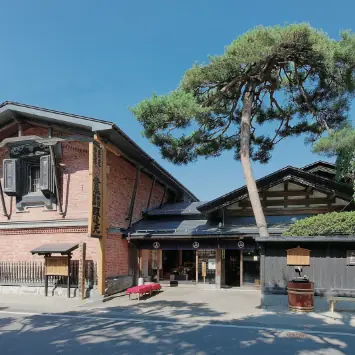
Photo: the shop’s official page 安藤醸造 本店
The main shop of a miso and soy sauce brewer in Shimoshinmachi, founded in 1853 and brewing without additives, naturally fermented. Its brick storehouse parlor from the middle of the Meiji era, a designated local cultural property, is free to see, and miso, soy sauce and pickles are set out to taste. Open 8:30–17:00.
8:30–17:00
Why the editors chose itAn 1853 brewer offering free entry to a Meiji brick storehouse and miso, soy and pickle tastings.
Shiraiwa
Wahee-gama (Shiraiwa-yaki)
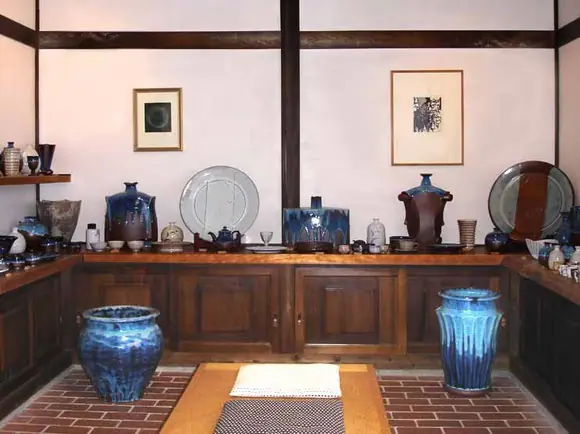
Photo: the shop’s official page 白岩焼和兵衛窯
The only kiln that carries on Shiraiwa-yaki, a ware handed down since the Edo period. A small kiln of three family members, it glazes with the ash of Akitakomachi rice husks for a blue namako glaze. Its gallery Hakkeiso is open 11:00–16:00, closed on Wednesdays (and some other days), and reservations come first.
11:00–16:00 (reservations prioritized) · Closed: Wednesdays (irregular holidays apply)
Why the editors chose itThe sole kiln keeping Edo-era Shiraiwa-yaki alive, glazed blue with Akitakomachi rice-husk ash; reserve ahead.
Sights in Kakunodate
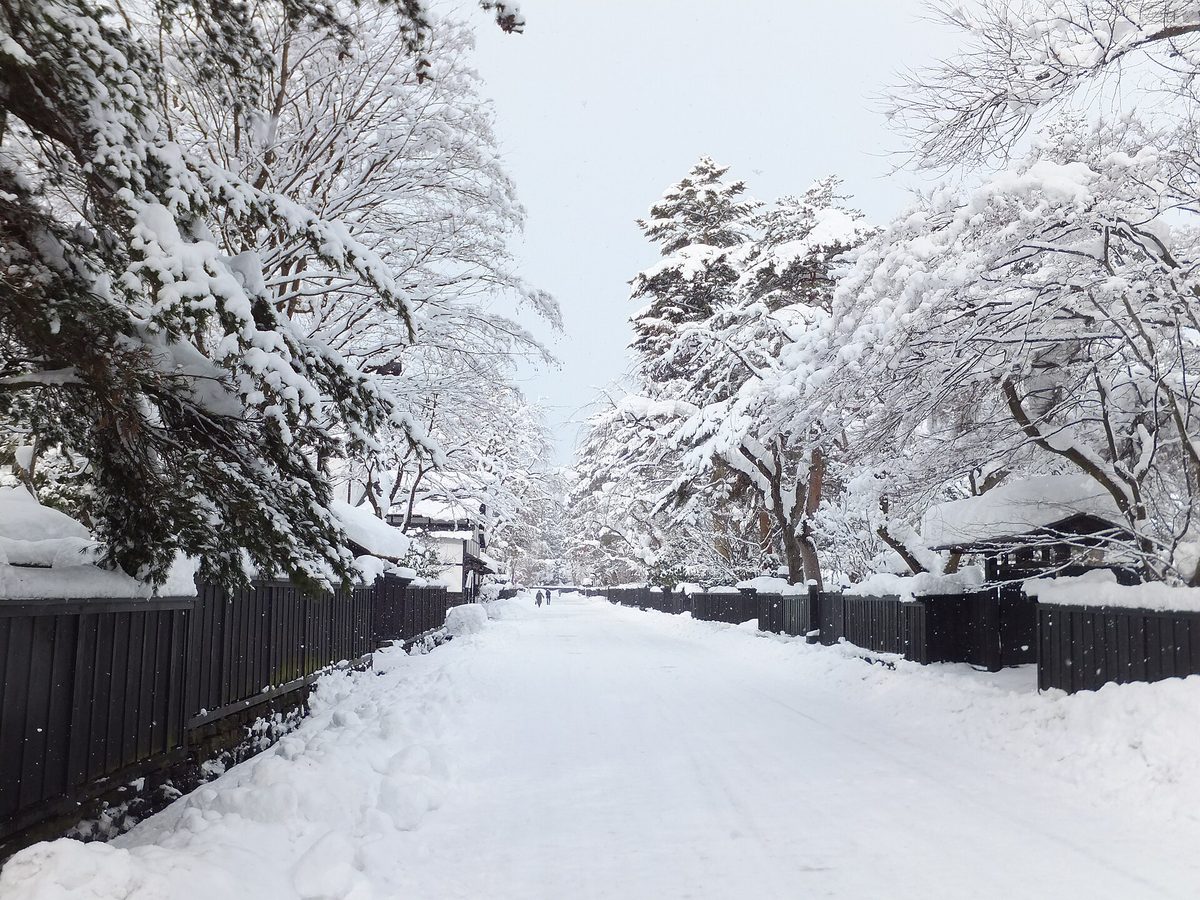
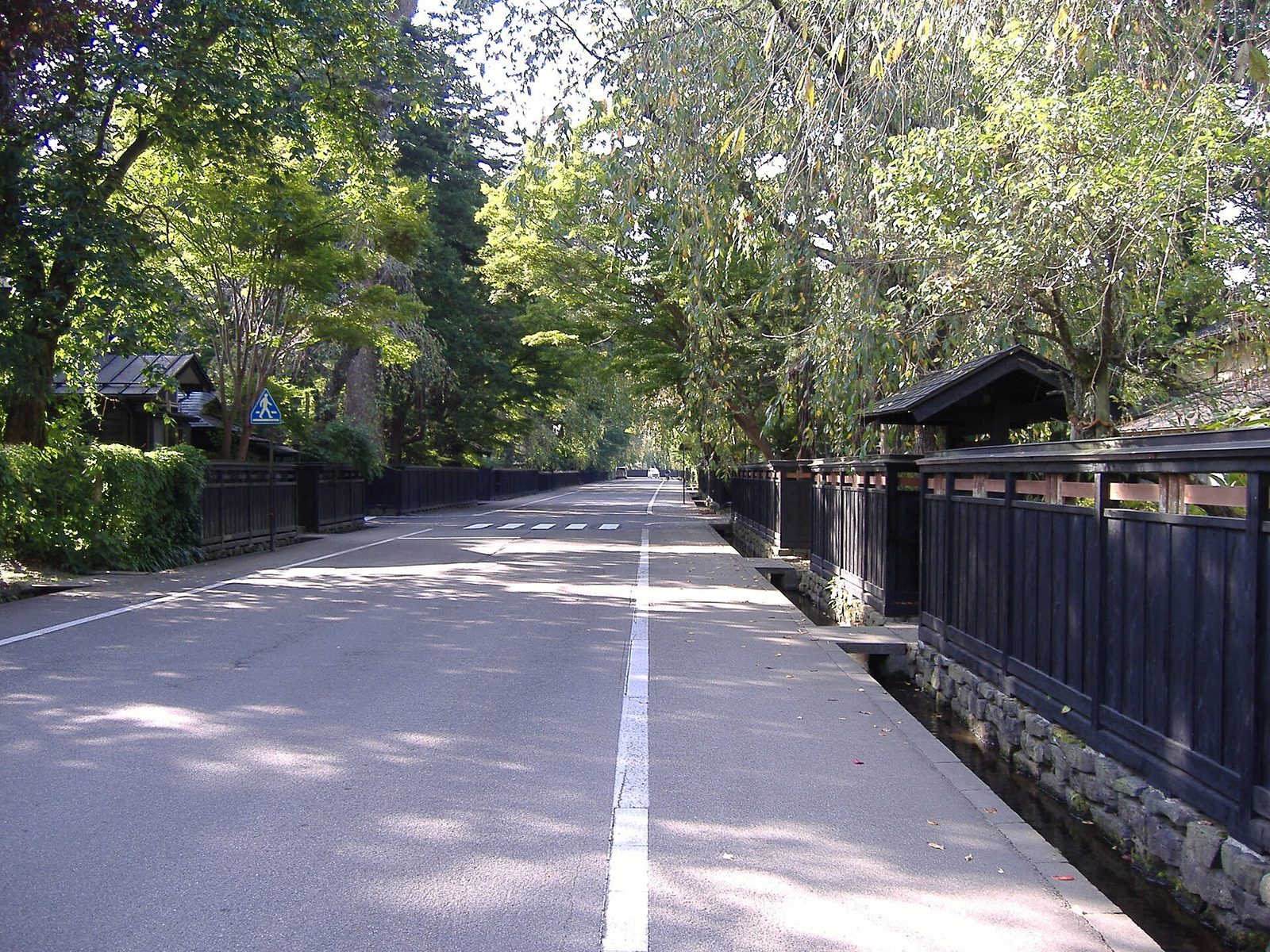
Photo: 掬茶 / CC BY-SA 3.0 (Wikimedia Commons) Kakunodate Samurai Houses Street
The Uchimachi quarter where samurai lived, in the castle town laid out by Ashina Yoshikatsu in 1620.
Each house opens on its own dates and days off. The city's guide lists Iwahashi house until 30 November and the former Matsumoto house until 10 November.
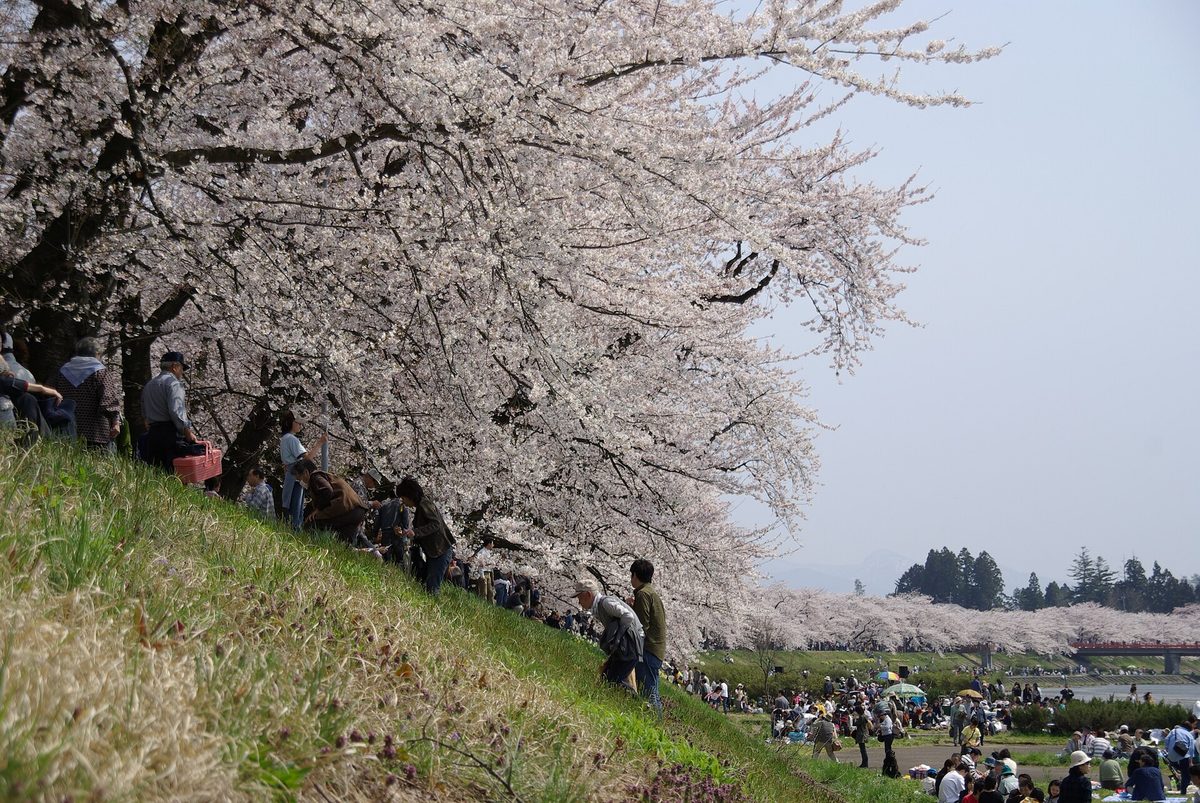
Photo: Koichi Shibata / CC BY-SA 3.0 (Wikimedia Commons) Hinokinai River Bank Cherry Trees
About 1,950 metres of Somei-yoshino cherry trees, 409 of them, line the left bank of the Hinokinai river.
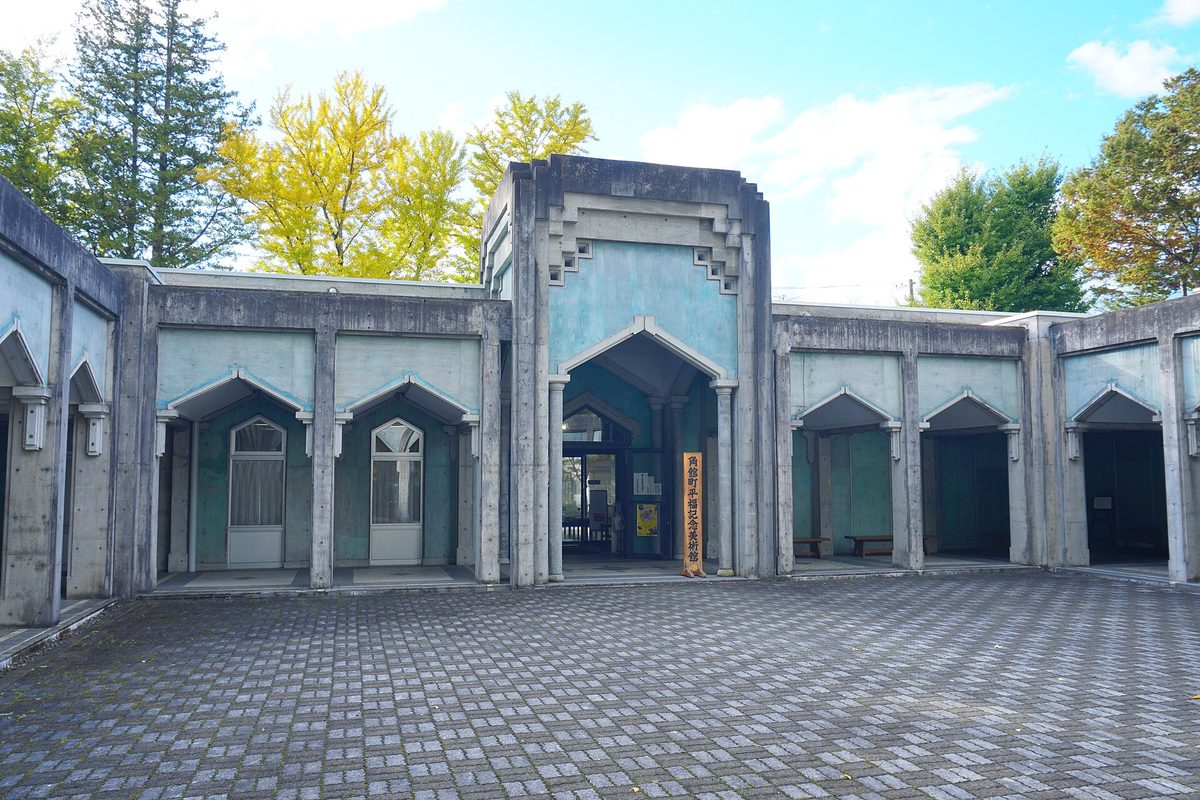
Photo: 掬茶 / CC BY-SA 4.0 (Wikimedia Commons) Kakunodate Hirafuku Memorial Art Museum
A city museum showing the work of the Nihonga painter Hirafuku Suian, born in Kakunodate, and of his son Hirafuku Hyakusui.
Closed on Mondays. Open 9:00–17:00 from April to November, last entry 30 minutes before closing. The Hirafuku Suian and Hyakusui exhibition runs from 1 October to 15 November.
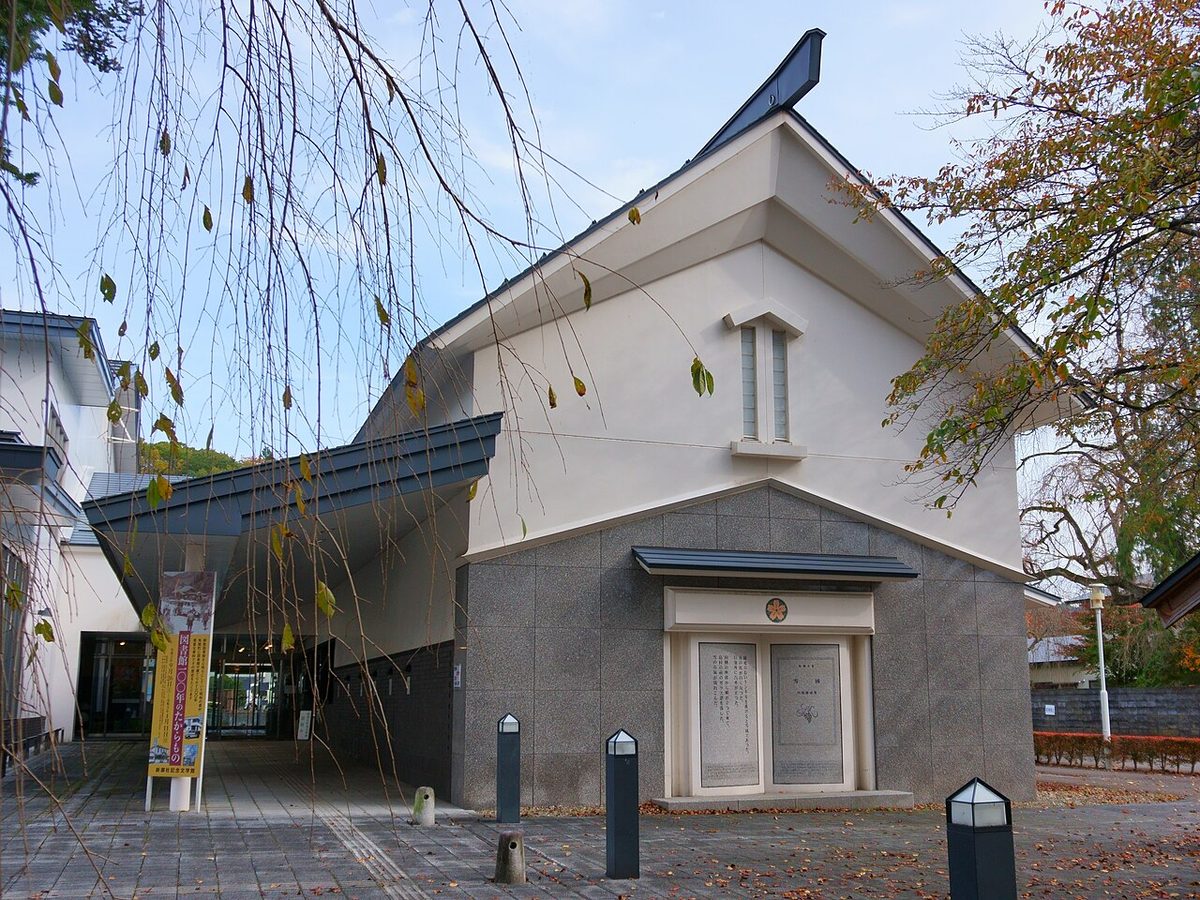
Photo: 掬茶 / CC BY-SA 4.0 (Wikimedia Commons) Shinchosha Memorial Literature Museum
A literature museum opened in 2000 in honour of Sato Giryo, the founder of the publisher Shinchosha, who came from Kakunodate.
Closed on Mondays. Open 9:00–17:00 from April to November, last entry 30 minutes before closing. The exhibition on the making and culture of the Kakunodate samurai houses runs from 10 October to 17 January 2027.
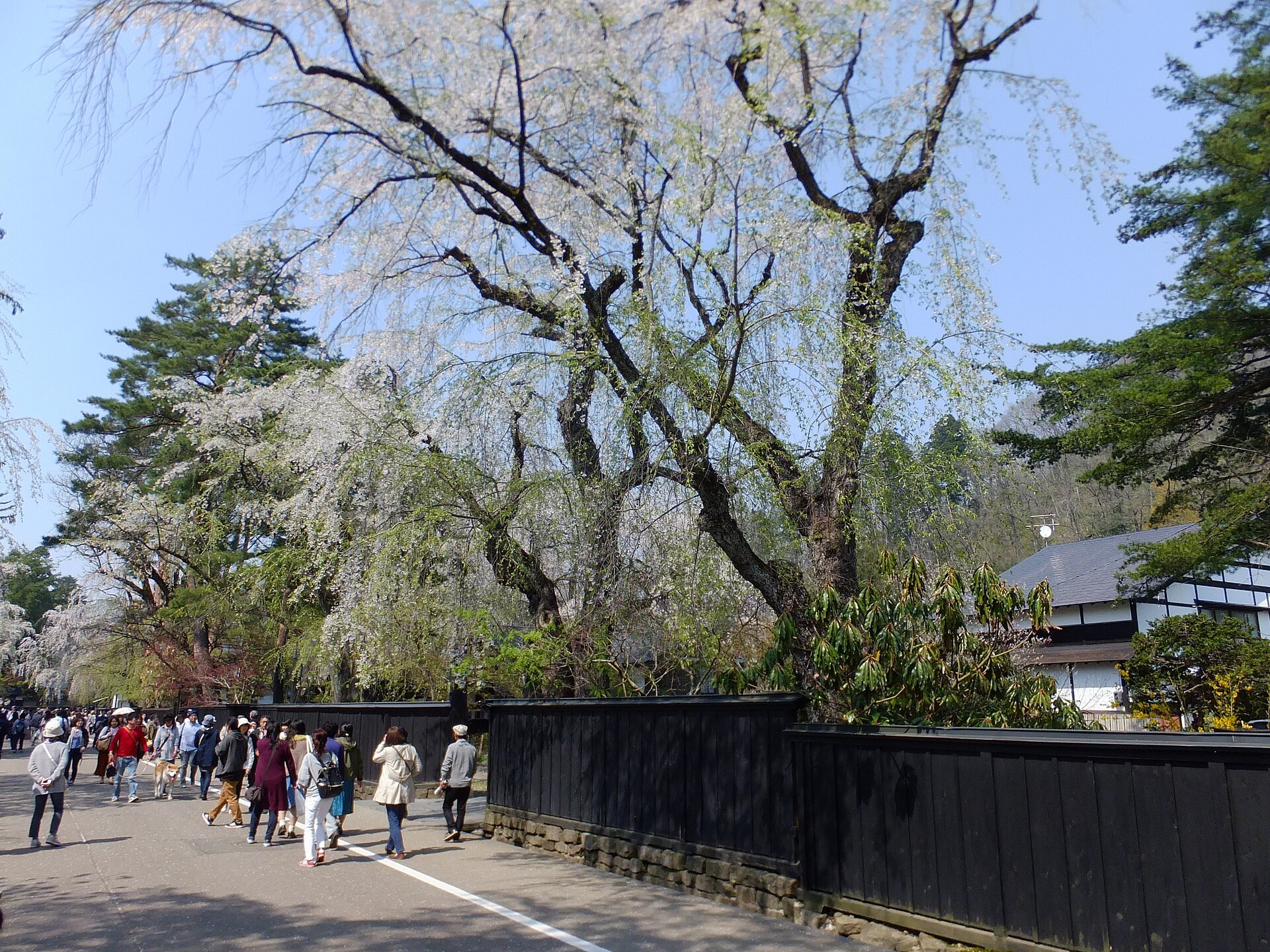
Photo: 掬茶 / CC BY-SA 4.0 (Wikimedia Commons) This street in Kakunodate, Akita, features well-preserved former high-ranking samurai residences, creating a charming scene, especially with cherry blossoms in spring.
These are local landmarks. Each was checked to be open on its official site (checked 2026-11-17). Please confirm hours before you go.
Beyond Kakunodate
1 / 3
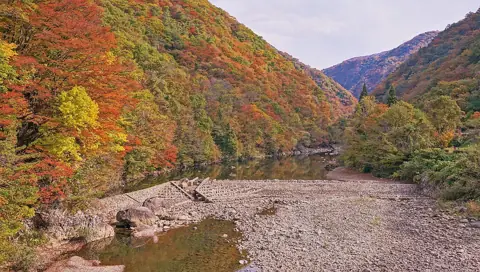 Kakunodate · 9 km
Dakigaeri Gorge →
A 10-kilometer gorge near Kakunodate where a vivid red suspension bridge crosses cobalt-blue Tama River rapids flanked by steep autumn-leaf cliffs.
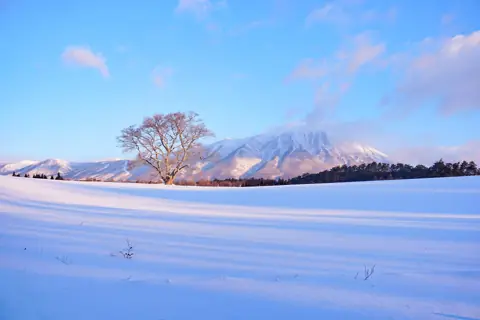 Morioka · 41 km
Koiwai Farm Winter Lights & Lone Cherry Tree →
A vast snow-covered dairy farm featuring the iconic lone cherry tree before snow-capped Mt. Iwate by day and the 'Night of the Milky Way Farm' winter light-up by night.
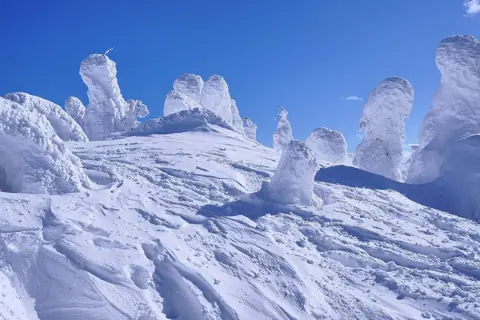 Kitaakita · 44 km
Mount Moriyoshi Ice Monsters →
One of Japan's three great juhyo (snow monster) fields, reached in 20 minutes by the Ani Gondola plus a 5-minute walk in free loaner snowshoes.


Distances are straight-line from the town centre. Each page has how to get there and a suggested day.
Questions people ask
- Where can I eat Kakunodate's local dishes?
Okaribayaki (sansho-miso grilled meat and vegetables): Shokudo Inaho (Tamachi)
Hinai-jidori oyakodon (simmered chicken and egg rice bowl): Shokujidokoro Sakura no Sato (Uchimachi), Shokudo Inaho (Tamachi)
Inaniwa udon (hand-stretched flat udon noodles): Shokujidokoro Sakura no Sato (Uchimachi), Shokudo Inaho (Tamachi)
Kiritanpo nabe (toasted rice hot pot): Shokudo Inaho (Tamachi)
- Where can I see or buy Kabazaiku (Wild Cherry-Bark Craft), Miso and Soy Sauce Brewing, Craft in Kakunodate?
Kabazaiku (Wild Cherry-Bark Craft): Fujiki Denshiro Shoten (Tomachi), Kakunodate Kabazaiku Craft Center (Uchimachi)
Miso and Soy Sauce Brewing: Ando Jozo Honten (Tomachi)
Craft: Wahee-gama (Shiraiwa-yaki) (Shiraiwa)
- What can I visit on foot around Tomachi?
Kabazaiku (Wild Cherry-Bark Craft): Fujiki Denshiro Shoten
Miso and Soy Sauce Brewing: Ando Jozo Honten
Cafés: Uchoten Kissa
Sweets: RÉGAL RITZ, Akita Purin-tei
Every place was checked to be open in November 2026. Hours can change, so please check the official site before you go.
If you like Kakunodate
- Mashiko
Tochigi, Japan
For example, Ando Jozo Honten here, and Tonoike Shuzoten in Mashiko.
- Kobe
Hyogo, Japan
For example, Fujiki Denshiro Shoten here, and Fukugido in Kobe.
- Takayama
Gifu, Japan
For example, Kakunodate Kabazaiku Craft Center here, and Takumikan in Takayama.
Chosen by how close the towns and their places are in what they make and serve.