36.6° N
Kanazawa
Ishikawa, Japan
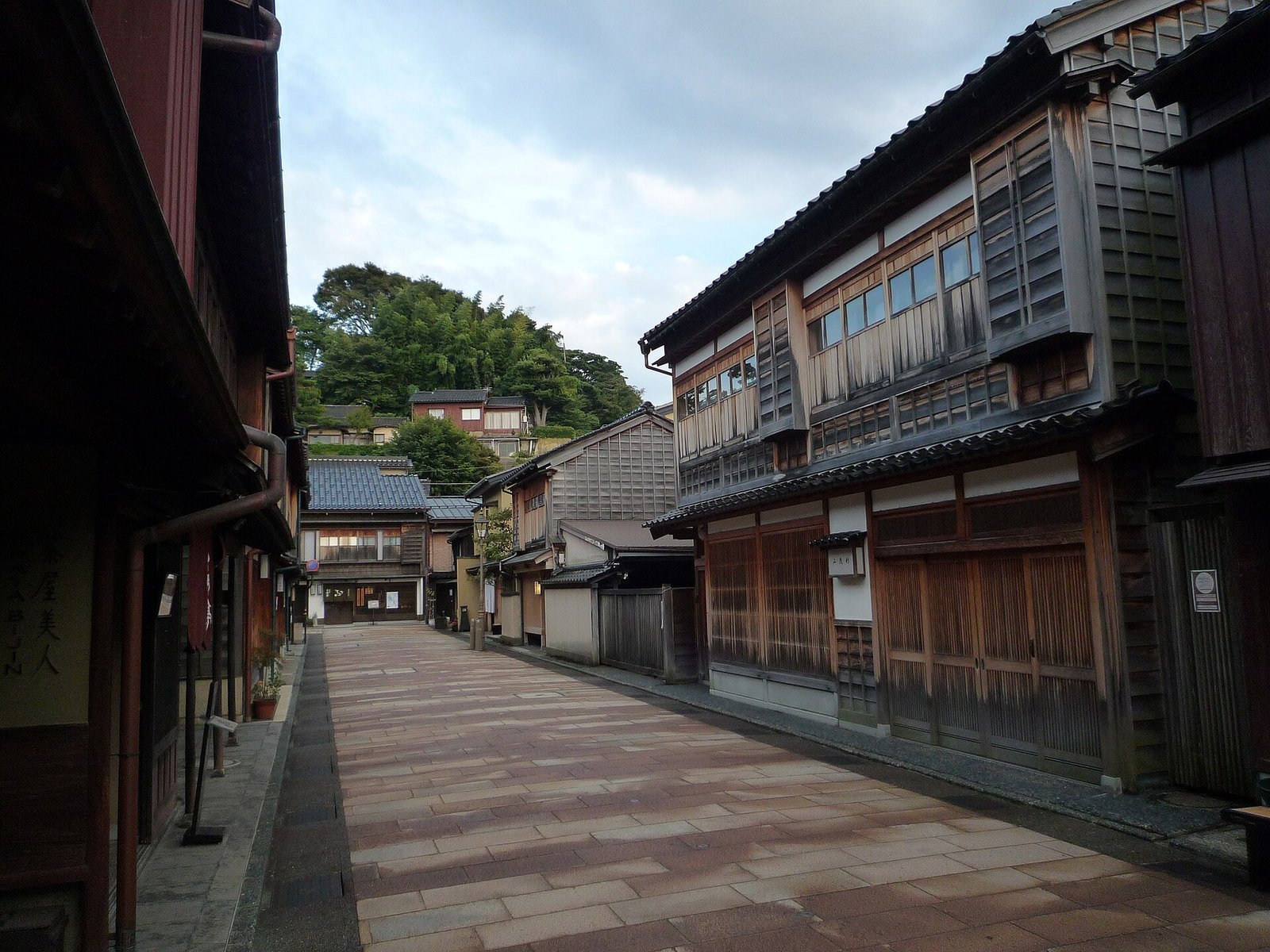
Rin spent one day here in November: the morning train, the market, a garden of still water, the teahouse lanes at dusk, and a night by the Asano river.
What to eat in Kanazawa
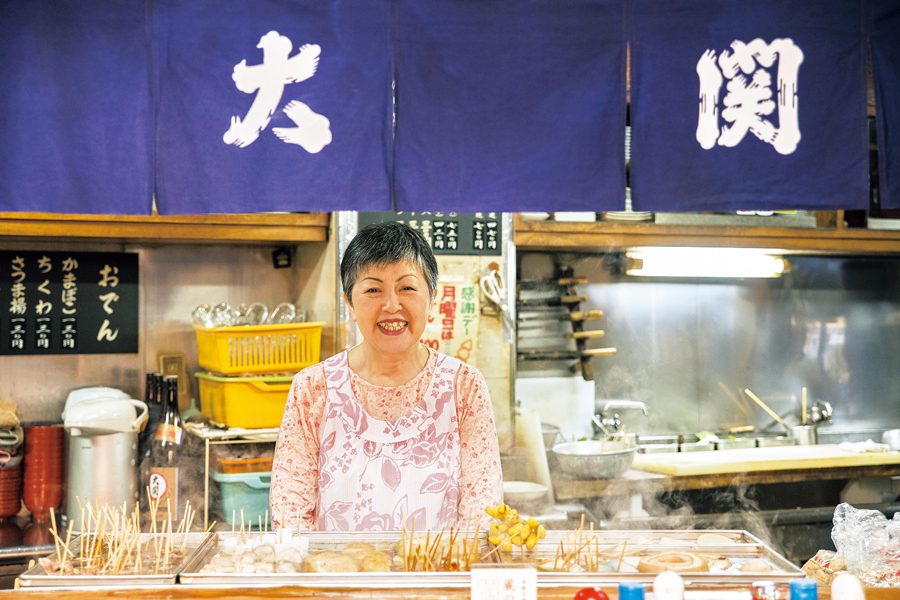
Photo: 大衆割烹 大関 (official site) Kanazawa oden (broth-simmered hotpot)
金沢おでん
Simmered ingredients—including wheel-shaped wheat gluten (kuruma-fu), sea whelk (bai-gai), and red-and-white akamaki fish cake—served in a dashi broth. Specialty oden counters in Kanazawa have served it year-round since the prewar Showa era, adding stuffed female snow crab shells (kani-men) in winter.
Eaten year-round at oden counters with sake, or as a market set meal; kani-men appears in November and December.
Where to eat it
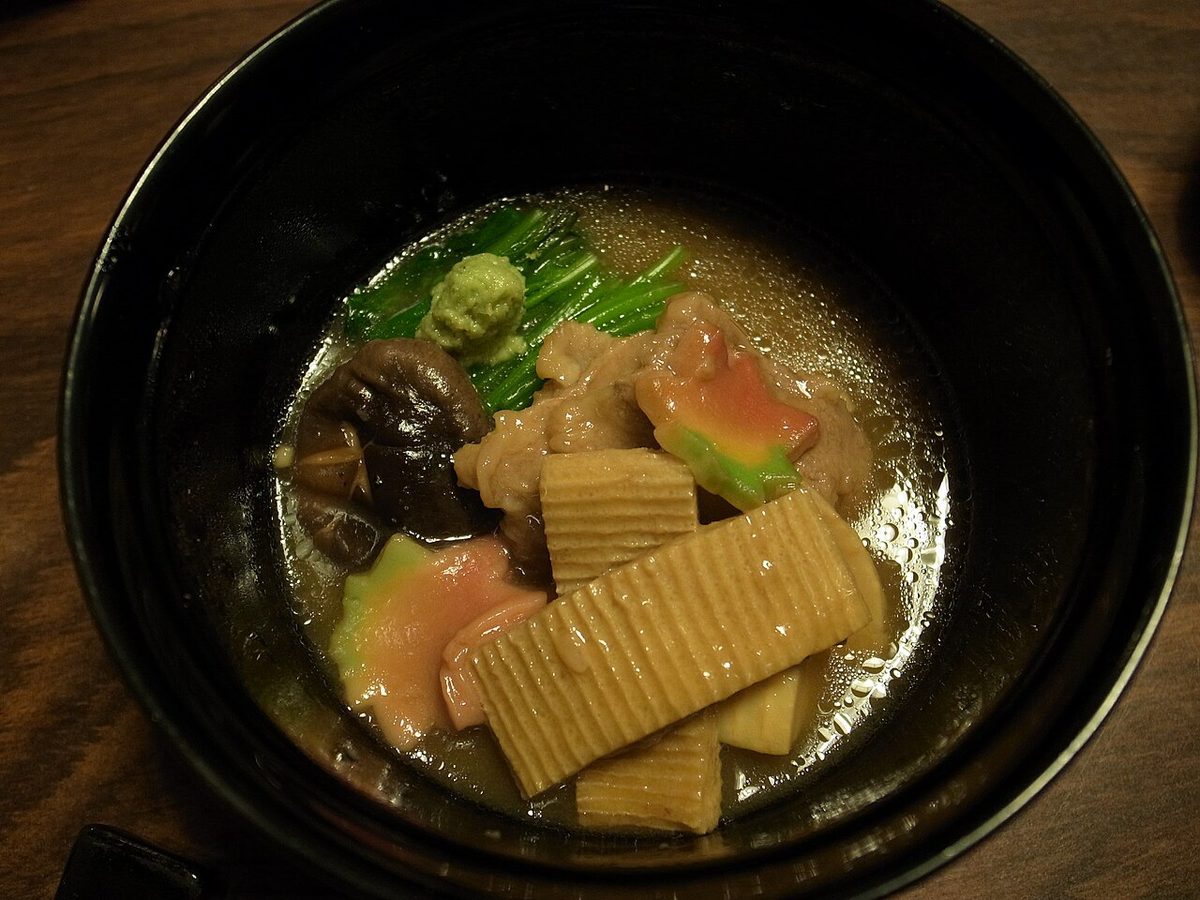
Photo: pelican from Tokyo, Japan / CC BY-SA 2.0 (Wikimedia Commons) Jibuni (duck and wheat-gluten stew)
治部煮
Duck or chicken slices coated in wheat flour and simmered with sudare-fu wheat gluten, shiitake mushrooms, and seasonal greens in a sweet soy-and-mirin dashi broth. A signature dish of Kaga cuisine served in Kanazawa since the Edo period, it is thickened by the flour coating and traditionally presented in wide, shallow lacquer bowls.
Served hot in a lidded bowl with a dab of fresh wasabi on top to cut through the rich broth.
Where to eat it
- Taishu Kappo Ozeki ↓
- Ryotei OtomoroWebsiteMap
- Seasonal Cuisine & Oden KuroyuriWebsiteMap
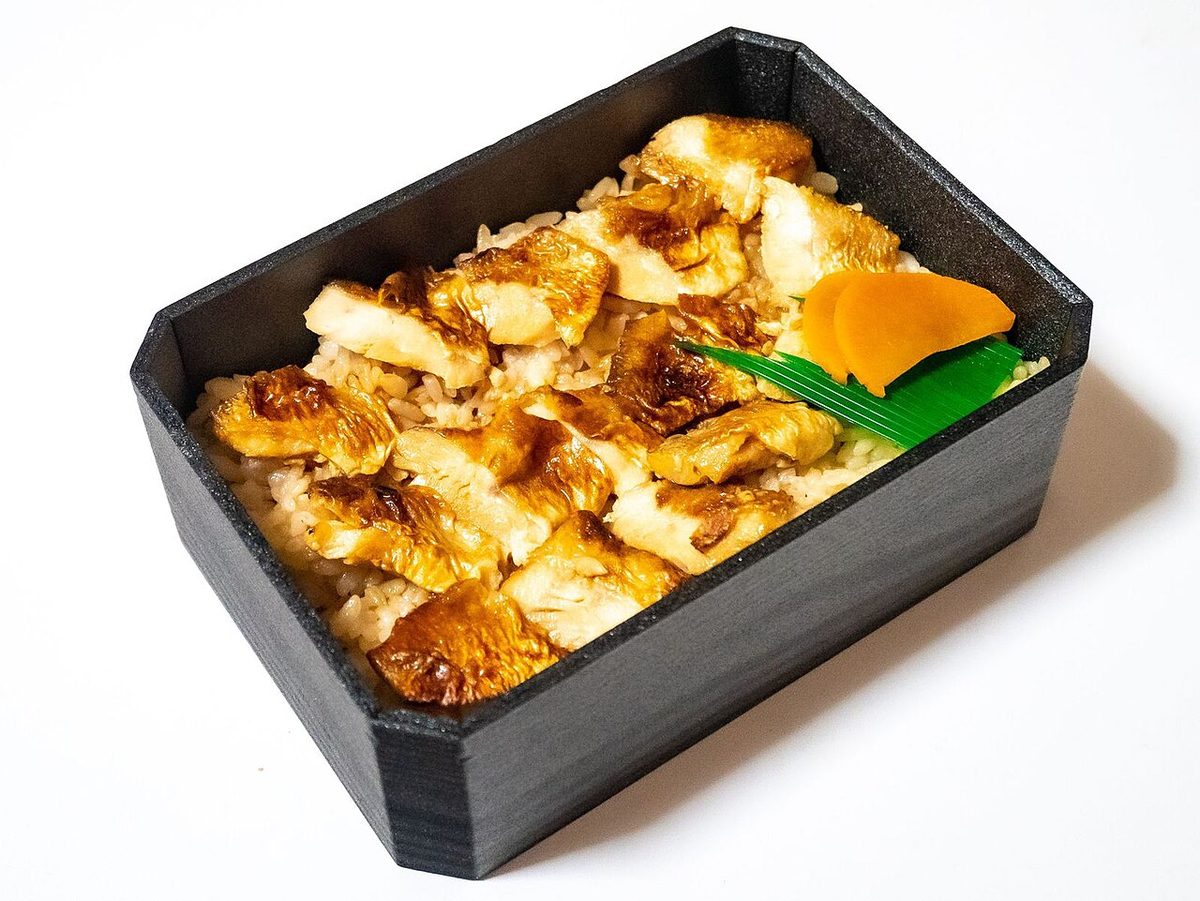
Photo: くろふね / CC BY 4.0 (Wikimedia Commons) Nodoguro (blackthroat seaperch)
のどぐろ
Known in standard Japanese as akamutsu, nodoguro is a deep-water fish prized for rich white flesh so fatty it is often called the toro of white fish. Caught off the Ishikawa coast and landed at Kanazawa Port, it is a signature local seafood served salt-grilled, as seared nigiri, or layered over rice as nodoguro-meshi.
Available year-round and richest from autumn through winter; eaten grilled with salt, as seared sushi, or over rice with condiments and dashi broth.
Where to eat it
- Taishu Kappo Ozeki ↓
- Nodoguro-meshi Honpo ItaruWebsiteMap
- Nodoguro-don Specialty Shop AenokotoWebsiteMap
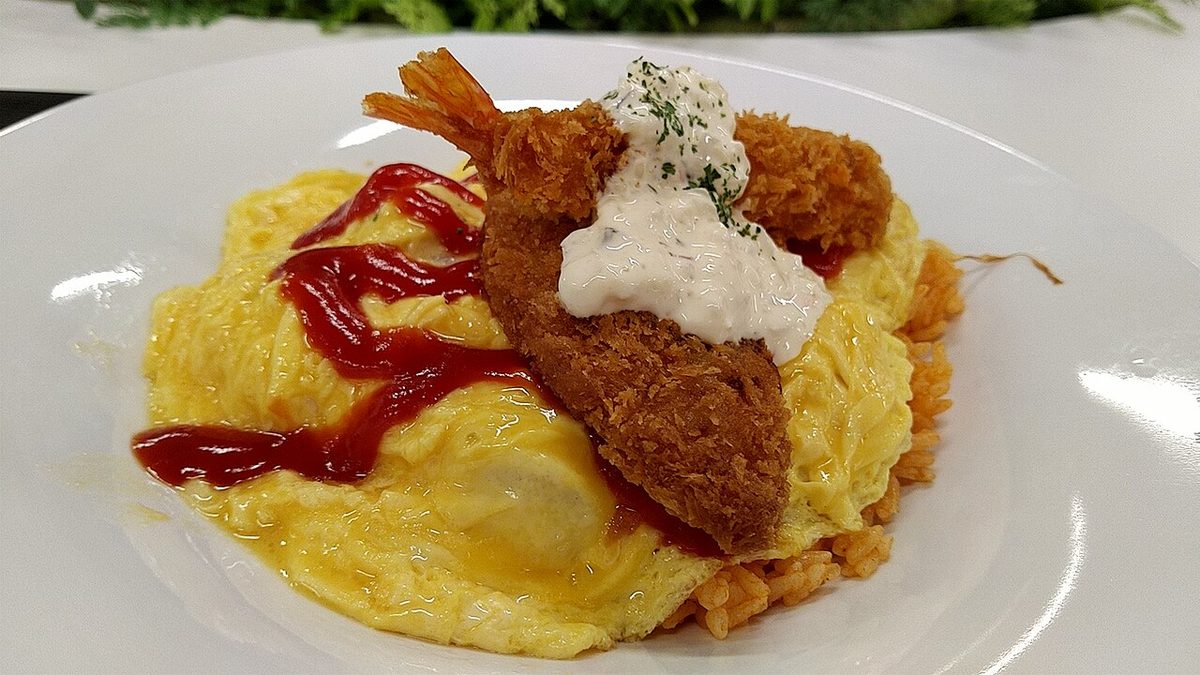
Photo: 阪神なんば線 / CC0 (Wikimedia Commons) Hanton rice (omelette rice with fried fish)
ハントンライス
Ketchup-seasoned fried rice topped with a soft omelette, deep-fried white fish or shrimp, and both ketchup and tartar sauce. Invented in Kanazawa in the late 1960s from a restaurant staff meal—its name combines Hungary with thon, the French word for tuna—it remains a staple at the city's old-school Western-style diners.
Ordered as a hearty solo lunch or dinner plate at neighbourhood yoshoku diners, often with a small size option.
The LATITUDE editors’ 36 picks in Kanazawa
Our editors verified that these places were open (checked 2026-11-13). Check the official site for hours and closing days before visiting. Sponsored listings are marked.
Save places to your trip list and revisit them in this browser. No account needed.
Editors’ picks on the map — or build your own route
Tap a mark to see the place; squares are museums and sights (landmarks). Use “Build your own route” to make a walk of your own.
Loading the map
Map data © OpenStreetMap contributors
Follow Rin's route — watch the day in Kanazawa, then walk it
See the day first, then follow the same order on the map, and open it as walking directions in Google Maps. The film is at the top ↑
1 · The day, on the map
Loading the map
2 · Walk it
Open this walk in Google Maps ↗About 6.4 km on foot, about 1 hr 25 min without stopsThe dotted line is a likely walking route (OpenStreetMap). Google Maps may choose different side streets. The inn is not on the map. Map data © OpenStreetMap contributors (route: FOSSGIS OSRM)
Rin's day, in order
1 / 7
108:43
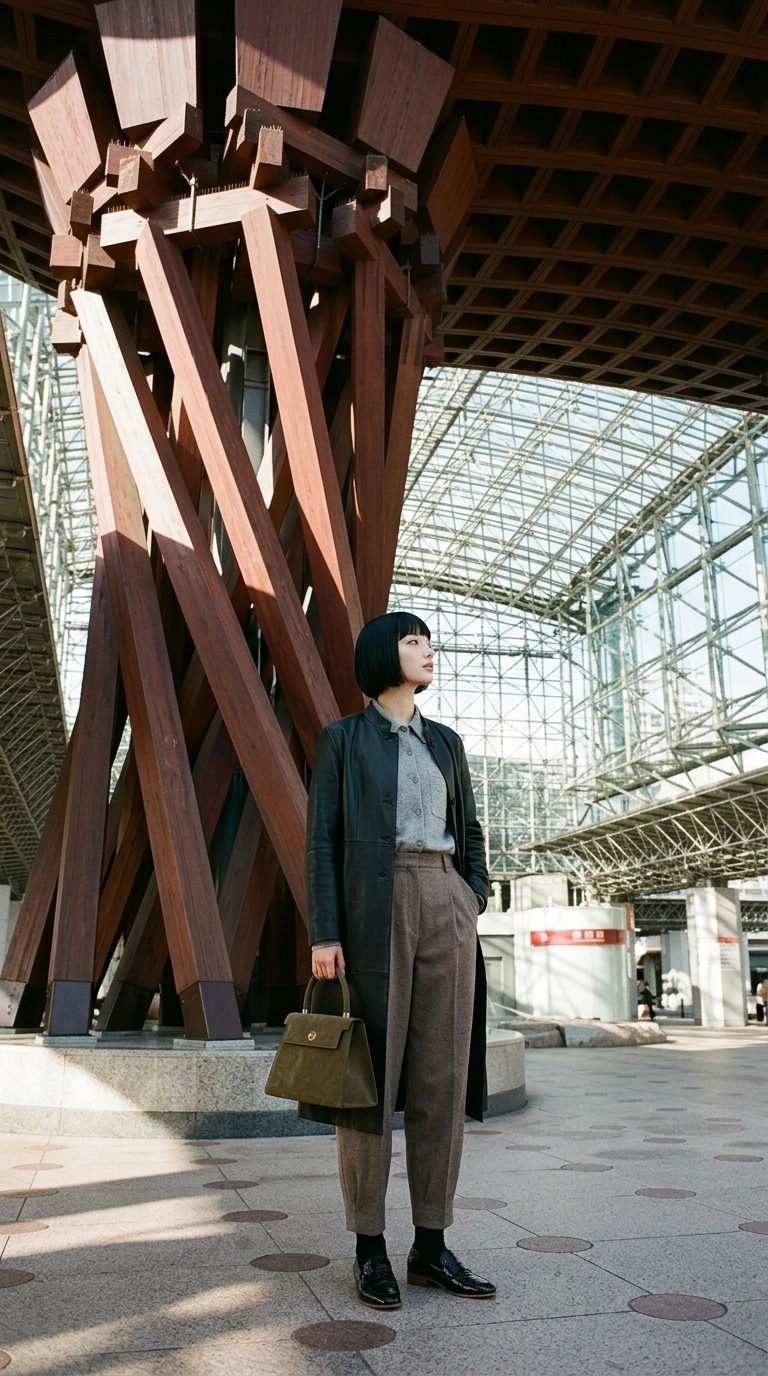
Kanazawa Station, Tsuzumi Gate
Off the morning train, under the wooden gate.
209:40
Omicho Market
Stopping at the crabs on ice.
Nearby editors’ picks: Ichiba Meshi Amatsubo
311:20
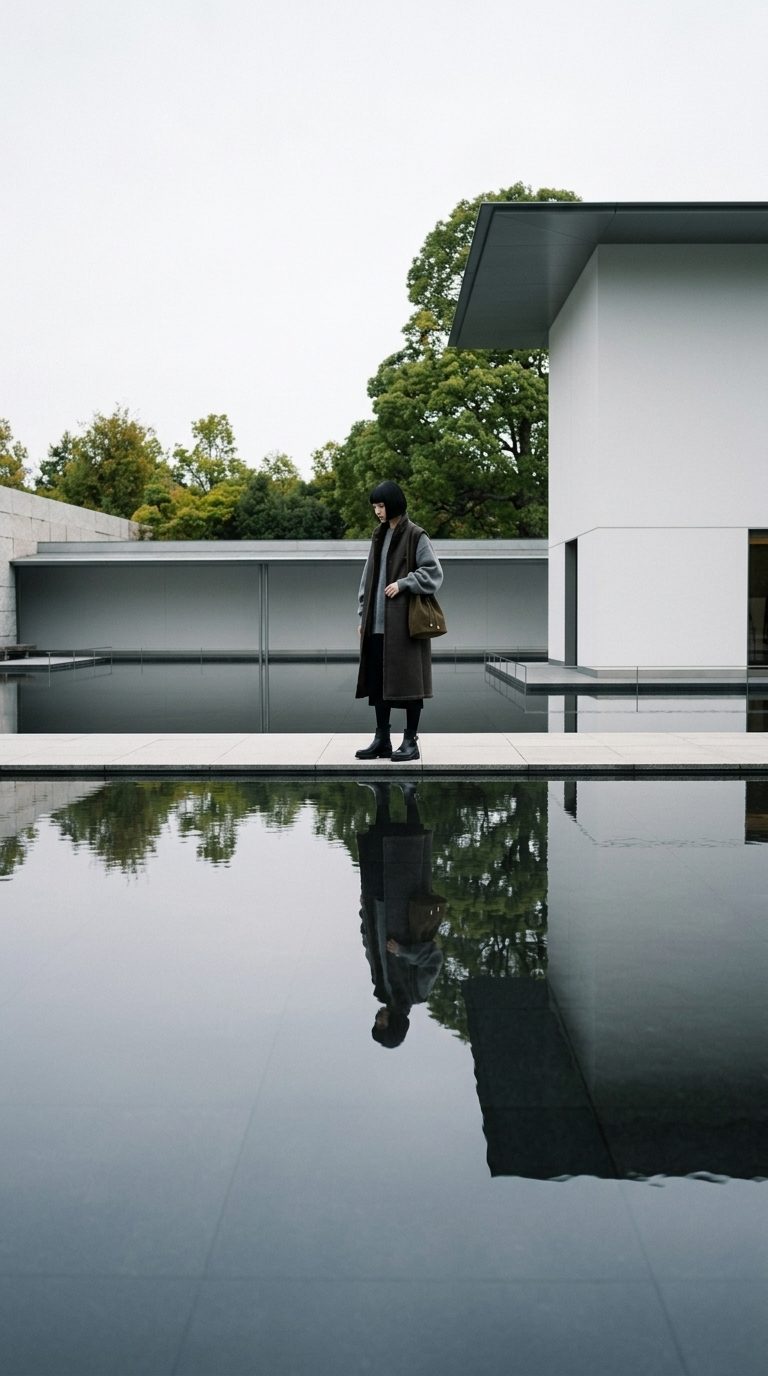
D.T. Suzuki Museum
Sitting by the water mirror garden.
Nearby editors’ picks: Nosaku (Kanazawa lacquer), Kanazawa-ya Coffee
414:10
Kenrokuen
Looking up at the straw ropes of the yukitsuri.
Nearby editors’ picks: Kenjotei Café, Kenrokuen
516:25
Higashi Chaya
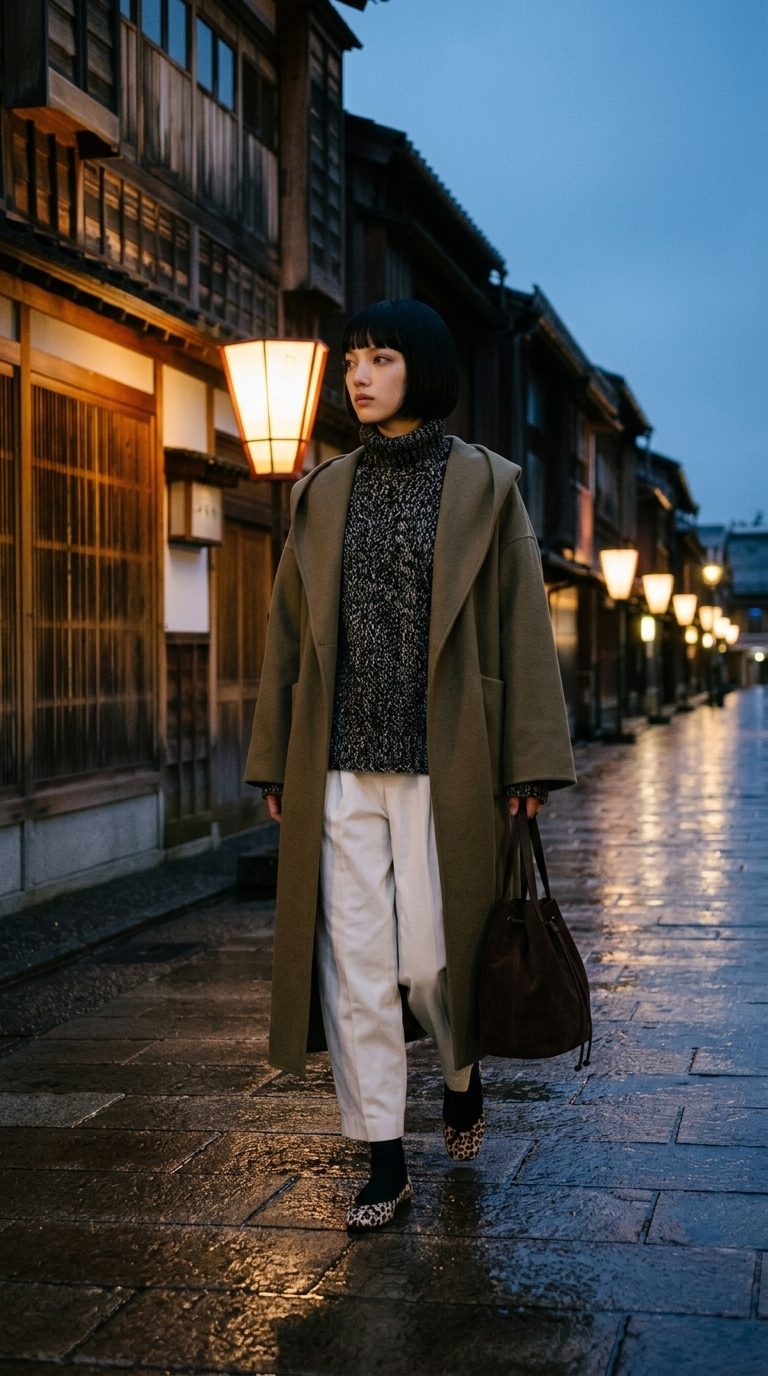
The lanterns come on along the stone lane.
Nearby editors’ picks: Morihachi Matcha Cafe, Higashi, Issho, Kureha, Enishira
617:10
Asano River, Kazuemachi
Sitting on the stone steps by the river, heels out of her shoes.
Nearby editors’ picks: Ichirin, Nabe Kappo Taro, Mayuzuki Kuragarizaka
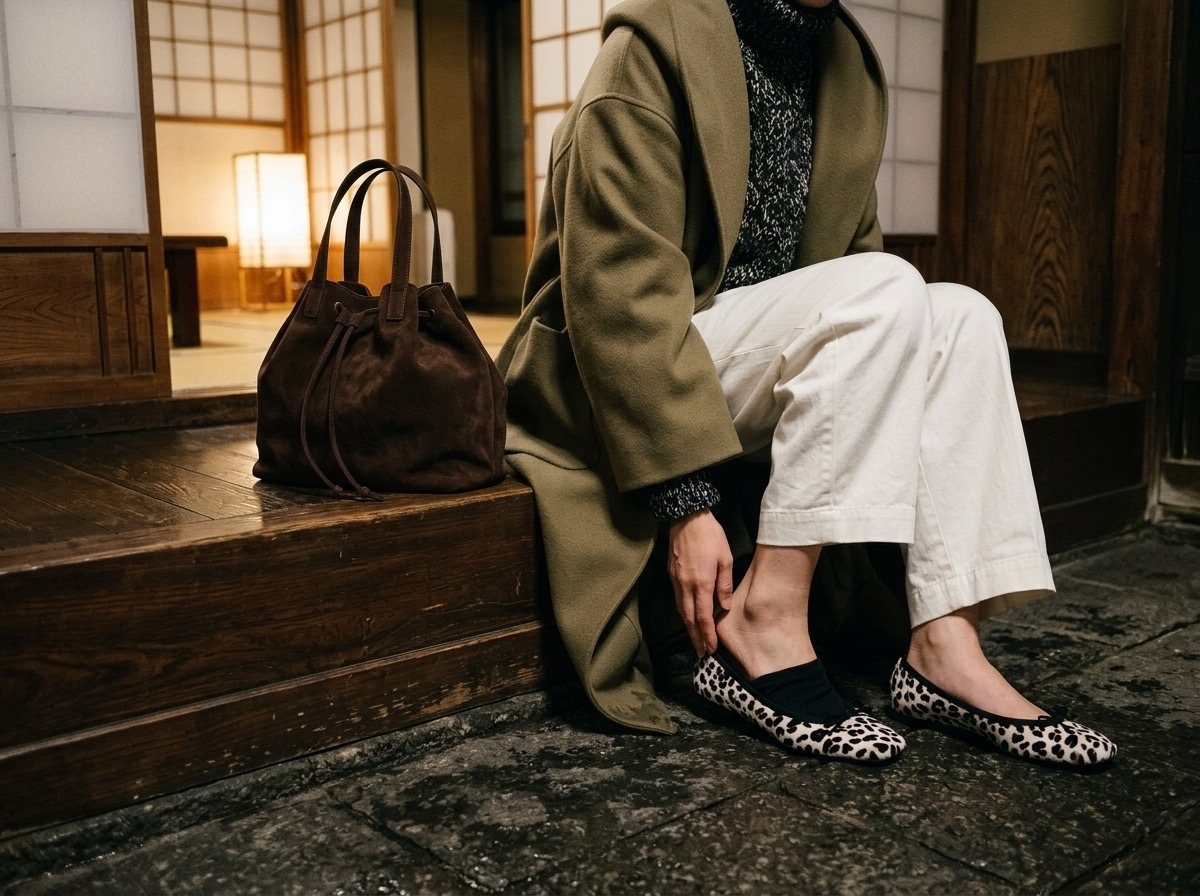
19:30
The inn
Shoes off at the step up into the inn.
Browse by category
1 / 39
Katamachi
Oden Takasago
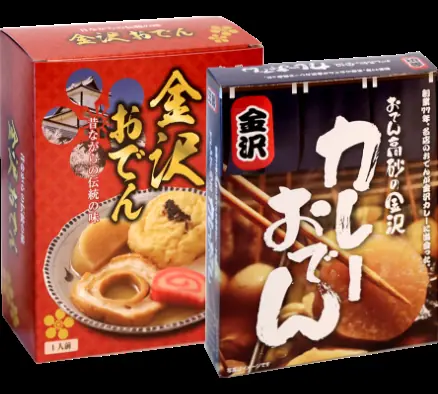
Photo: the shop’s official page おでん高砂
A Kanazawa oden house since 1936, with a dark broth kept going for decades.
16:00–21:00 (until sold out) · Closed: Sundays, public holidays, Golden Week, Year-end/New Year
Why the editors chose itOpen since 1936, a Kanazawa oden house known for its dark, continuously replenished broth.
Kiguramachi
Taishu Kappo Ozeki
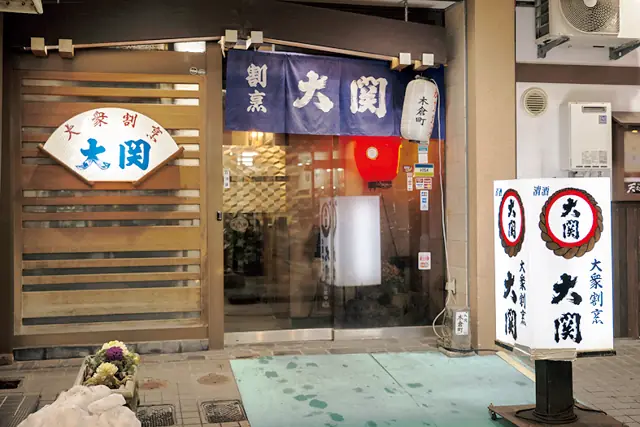
Photo: the shop’s official page 大衆割烹 大関
A neighbourhood kappo since 1957: oden, rolled omelette, eel.
Why the editors chose itA neighbourhood kappo since 1957 serving oden, rolled omelette and eel under one roof.
Omicho Market
Ichiba Meshi Amatsubo
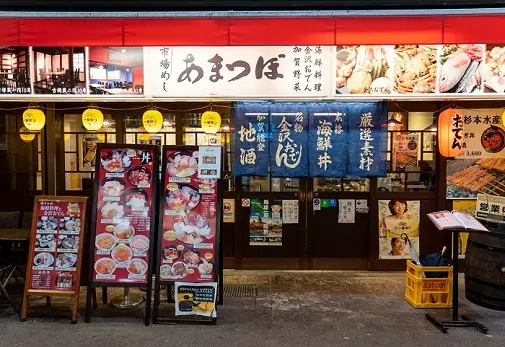
Photo: the shop’s official page 市場めし あまつぼ
A seafood canteen in Omicho Market. Seafood bowls and Kanazawa oden, from 8 a.m.
8:00–21:00 · Closed: Wednesdays, Year-end/New Year (occasional closures)checked Nov 2026
Why the editors chose itOpen from 8 a.m. in Omicho Market, an early stop for seafood bowls and Kanazawa oden.
Nagamachi
Kaburaki Shokudo, Nagamachi
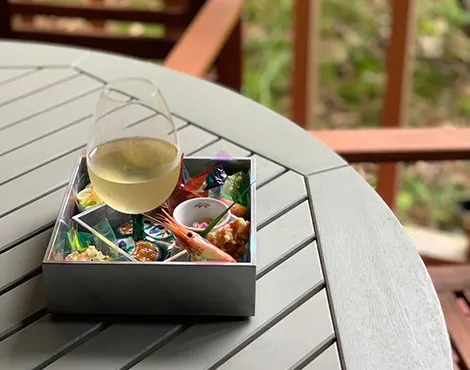
Photo: the shop’s official page 鏑木食堂 武家屋敷店
A dining room inside Kaburaki, a Kutani porcelain house. Market food served on Kutani ware.
10:00–18:00 (evening hours by consultation)
Why the editors chose itInside a Kutani porcelain house's grounds, market-sourced obanzai is served on Kutani ware.
Kazuemachi
Nabe Kappo Taro
なべ・割烹 太郎
A hot-pot house started by a former geiko. Seafood simmered in a house broth, served in private rooms by the staff. Reservations needed.
Why the editors chose itBook ahead for private rooms where staff serve seafood hot pot in the house broth.
Kazuemachi
Ichirin
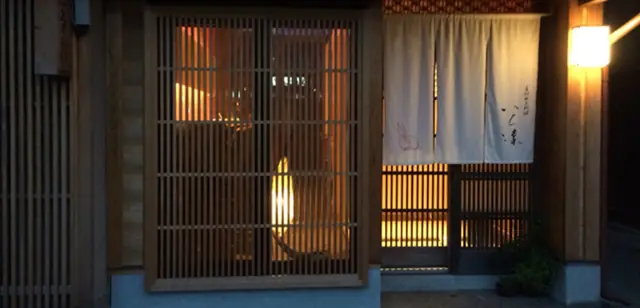
Photo: the shop’s official page いち凛
A Japanese restaurant in the riverside townhouse where the American printmaker Clifton Karhu spent his last years. Seasonal courses.
Tue 17:00–23:00, Wed–Sun & holidays 11:30–14:30 & 17:00–23:00 (last order 22:30) · Closed: Mondays & Tuesday lunch
Why the editors chose itSeasonal courses inside the riverside townhouse where printmaker Clifton Karhu spent his last years.
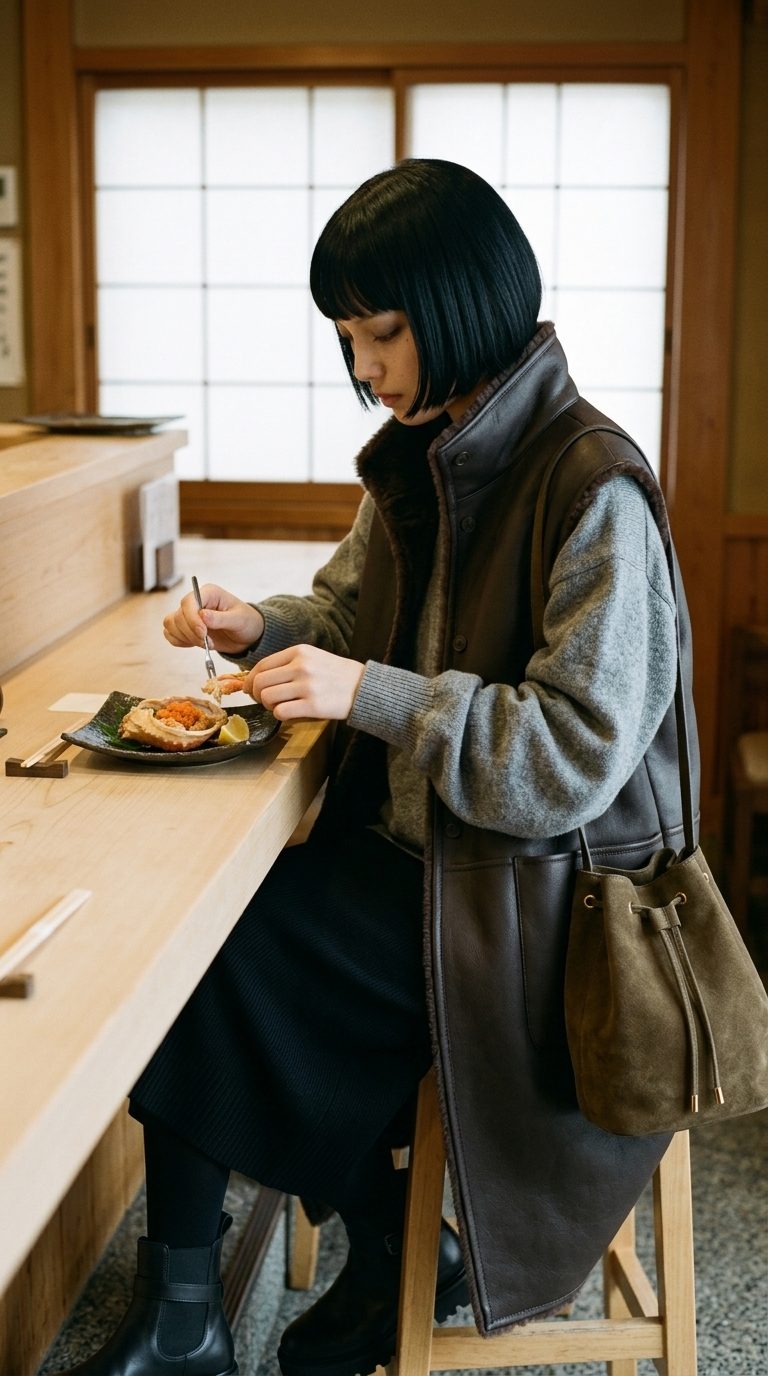
From Rin's day
Higashi Chaya
Morihachi Matcha Cafe, Higashi
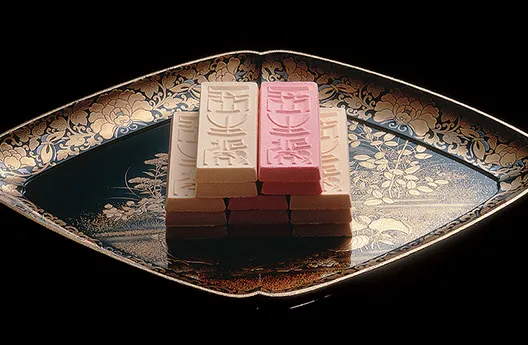
Photo: the shop’s official page 森八 Matcha Cafe ひがし三番丁店
A tea room run by Morihachi, a confectioner since 1625, in an Edo-period townhouse. Matcha with fresh wagashi.
9:00–18:00 (last order 17:30) · Closed: Jan 1 only (open all other days)
Why the editors chose itFresh wagashi and matcha from a 1625 confectioner, served inside an Edo-period Kanazawa townhouse.
Nishi Chaya
Moroeya Nishi-chaya Karyo "Miwai"
Photo: the shop’s official page 諸江屋 西茶屋菓寮「味和以」
The café of Moroeya, makers of rakugan since 1849. Dry or fresh sweets with matcha, and zenzai with mochi toasted on a charcoal grill.
Mar–Oct 10:00–18:00, Nov–Feb weekdays 10:00–17:30 (tea room 10:00–17:00) · Closed: Tuesdays (next day if public holiday), Year-end/New Year
Why the editors chose itAn 1849 rakugan maker's café serving dry sweets with matcha and zenzai with charcoal-toasted mochi.
Kenrokuen
Kenjotei Café, Kenrokuen
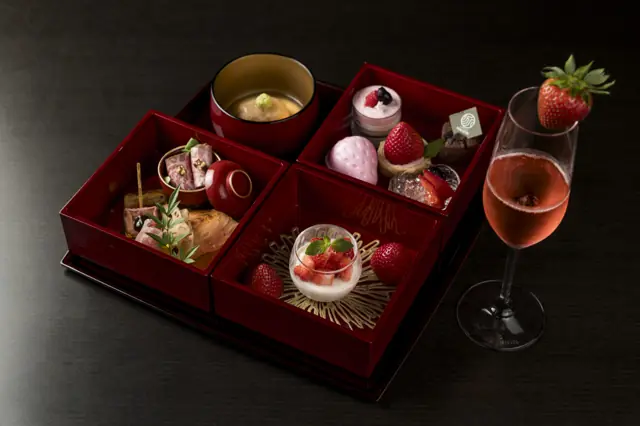
Photo: the shop’s official page 兼六園茶屋 見城亭 カフェ
The ground-floor café of a teahouse at the Katsurazaka gate of Kenrokuen. Matcha from an old tea merchant and fresh rakugan from Moroeya.
10:00–16:30 (last order: weekdays 16:00, weekends 16:30) · Closed: Wednesdays
Why the editors chose itRight at Kenrokuen's Katsurazaka gate, a stop for an old merchant's matcha and Moroeya's fresh rakugan.
Kanazawa Castle Park
Kanazawa-ya Coffee
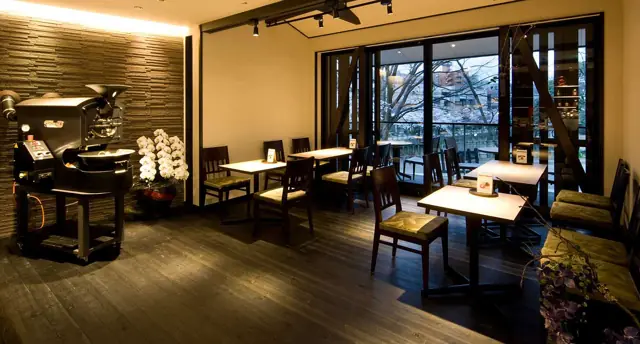
Photo: the shop’s official page 金澤屋珈琲店 本店
A townhouse by the Kuromon gate of the castle park. House-roasted, flannel-drip coffee.
9:00–17:00 · Closed: Tuesdays & Wednesdays (open on public holidays, occasional Thursdays)
Why the editors chose itA townhouse right by the castle park's Kuromon gate for house-roasted, flannel-drip coffee.
Ishibiki
Tachibana Coffee
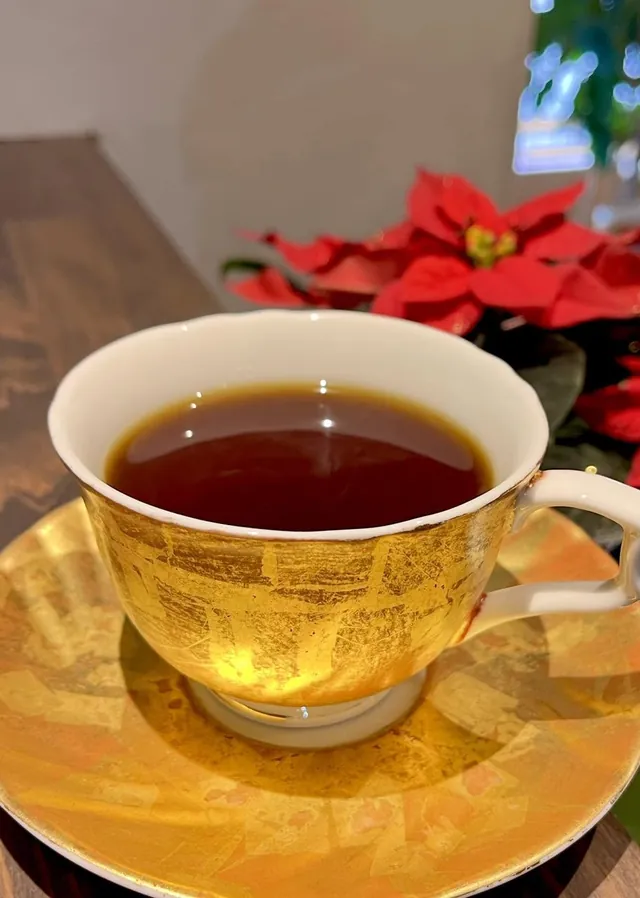
Photo: the shop’s official page 橘珈琲店
A specialty coffee shop in Ishibiki. It roasts at its own very low temperature, stopping before the first crack, and stocks rare beans.
Why the editors chose itA roaster for rare beans and its own "raw coffee" roasted ultra-low before the first crack.
Kazuemachi
Mayuzuki Kuragarizaka
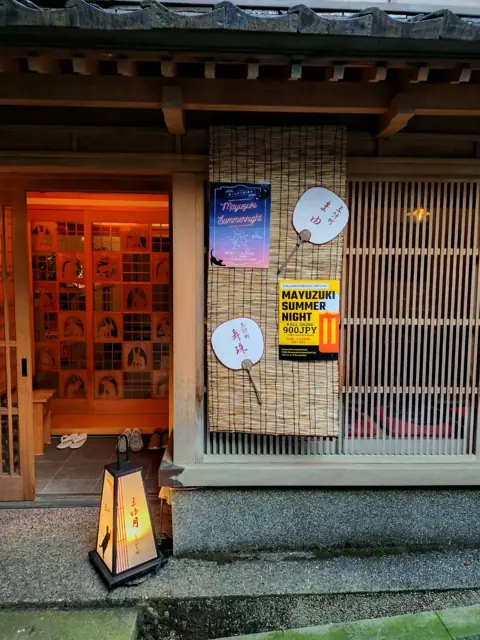
Photo: the shop’s official page まゆ月 くらがり坂
A teahouse at the foot of the Kuragari slope. Café by day, drinks at night. By reservation only.
Why the editors chose itA reservation-only teahouse beneath Kuragari slope, open as a café by day and for drinks at night.
Higashi Chaya
Kureha
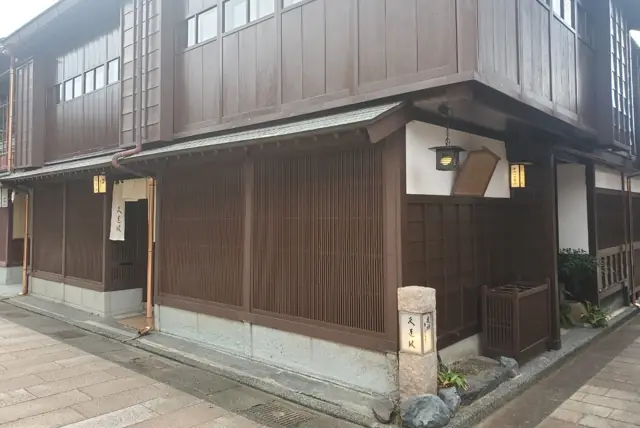
Photo: the shop’s official page 久連波
Run by an old kimono house. Kaga-yuzen and crafts on the ground floor; upstairs, a tatami café over the street with matcha and fresh sweets.
Why the editors chose itBrowse Kaga-yuzen downstairs, then head to the upstairs tatami café overlooking the street for matcha.
Nishi Chaya
salon de thé kawamura
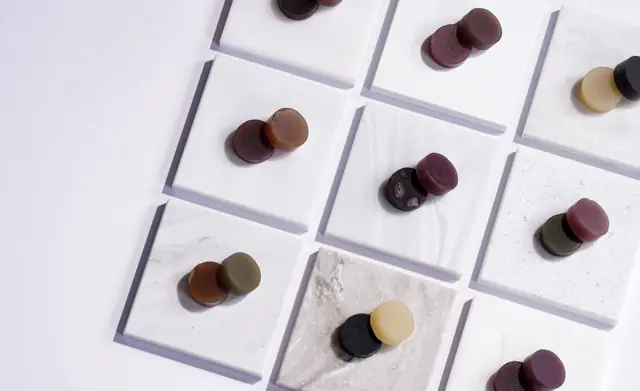
Photo: the shop’s official page サロン・ド・テ・カワムラ
The salon upstairs at Amanatto Kawamura, a sweet-bean specialist. Parfaits and teas made with beans.
Weekdays 10:00–17:30 (last order 17:00), Sun & holidays 10:00–16:30 (last order 16:00) · Closed: 1st Tuesdays (open in Jan, May, Dec), Dec 22–Jan 4
Why the editors chose itUpstairs at a sweet-bean specialist, go for parfaits and tea made with beans.
Higashi Chaya
Issho
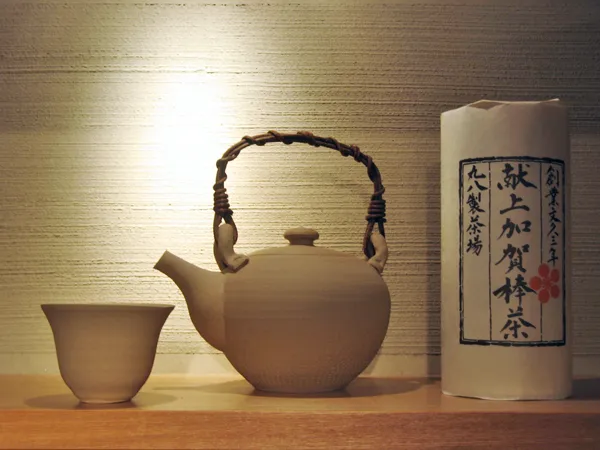
Photo: the shop’s official page 一笑
A café and gallery run by a Kaga tea maker, serving only roasted hojicha, in a former teahouse with a courtyard.
12:00–17:00 (last order 16:30) · Closed: Mondays & Tuesdayschecked Nov 2026
Why the editors chose itA former teahouse with a courtyard where a Kaga tea maker serves only roasted hojicha.
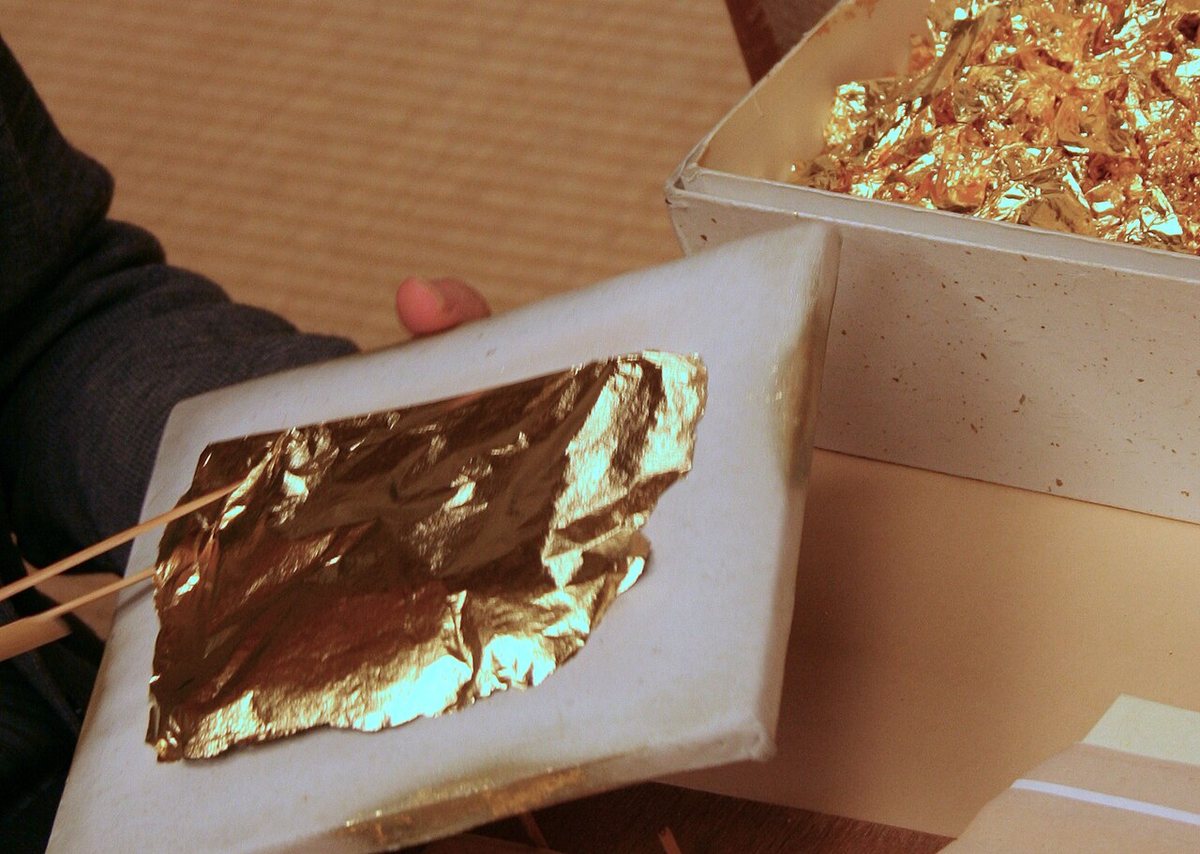
Made in Kanazawa
Kanazawa makes over 99% of Japan's gold leaf, according to Ishikawa Prefecture. Gold the size of a ten-yen coin is beaten out to about the area of four tatami mats.
Artisan's hand handling Kanazawa gold leaf with bamboo chopsticks in a workshop·Photo: Eckhard Pecher / CC BY 2.5 (Wikimedia Commons)
Saiwaimachi
Imai Kinpaku (main shop)
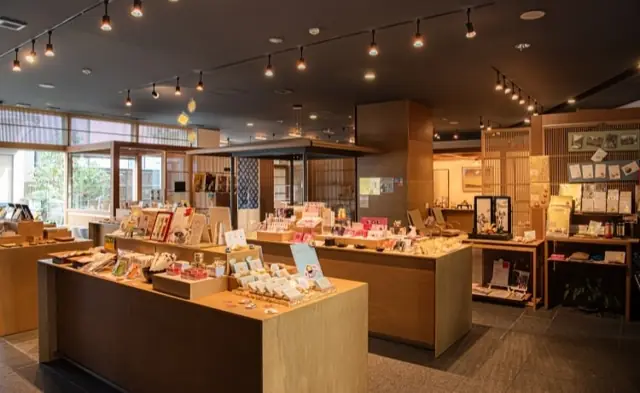
Photo: the shop’s official page 今井金箔 本店
The main shop of a gold-leaf maker founded in 1898. It offers leaf-application workshops and, on some days, shows part of the engitsuke leaf-making process, a technique on UNESCO's intangible heritage list. Closed Sundays, Mondays and holidays.
10:00–17:00 · Closed: Sundays, Mondays, public holidayschecked Nov 2026
Why the editors chose itTry a gold-leaf workshop and, on certain days, watch the UNESCO-listed engitsuke leaf-making process.
Owaricho
Kanazawa Katani
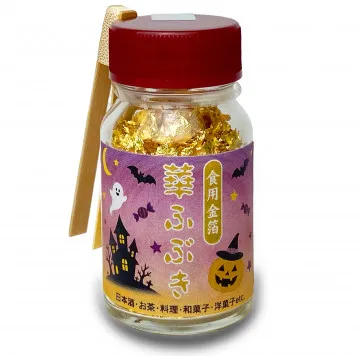
Photo: the shop’s official page かなざわカタニ
The Kanazawa shop of Katani, a gold-leaf maker founded in 1899. It sells craft gold and silver leaf and its Hanafubuki edible leaf, and runs leaf-application workshops.
Why the editors chose itAn 1899 gold-leaf maker's shop offering application workshops alongside craft and edible gold leaf.
Higashi Chaya
Kanazawa Yasue Gold Leaf Museum
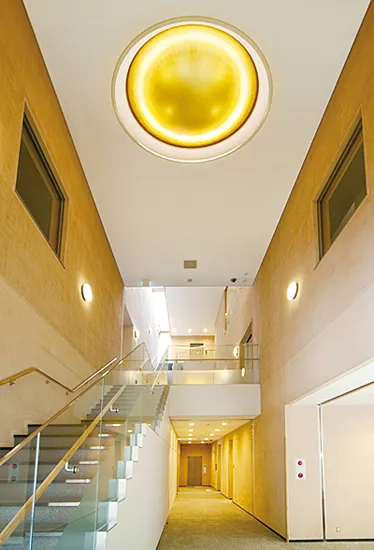
Photo: the shop’s official page 金沢市立安江金箔工芸館
A city museum built on the gold-leaf artworks and tools collected by former leaf craftsman Yasue Takaaki; Japan's only gold-leaf museum, moved to Higashiyama in autumn 2010. Closed Tuesdays.
9:30–17:00 (last entry 16:30) · Closed: Tuesdays (next weekday if public holiday), Dec 29–Jan 3checked Nov 2026
Why the editors chose itJapan's only gold-leaf museum, showcasing a former craftsman's collection of works and tools.
Higashi Chaya
Kinpakuya Sakuda (main shop)
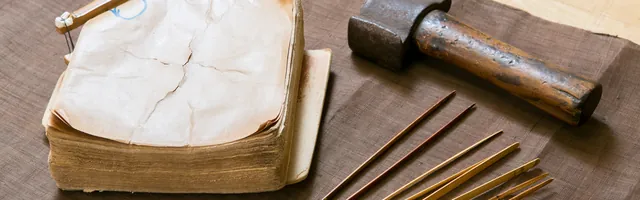
Photo: the shop’s official page 金箔屋さくだ 本店
A gold-leaf maker founded in 1919. You can watch the leaf being beaten, and buy what the workshop makes.
9:00–17:00 (varies by season) · Closed: Open every day
Why the editors chose itWatch artisans beat gold leaf at a 1919 maker before browsing its workshop-made pieces.
Higashi Chaya
Hakuza Hikarigura
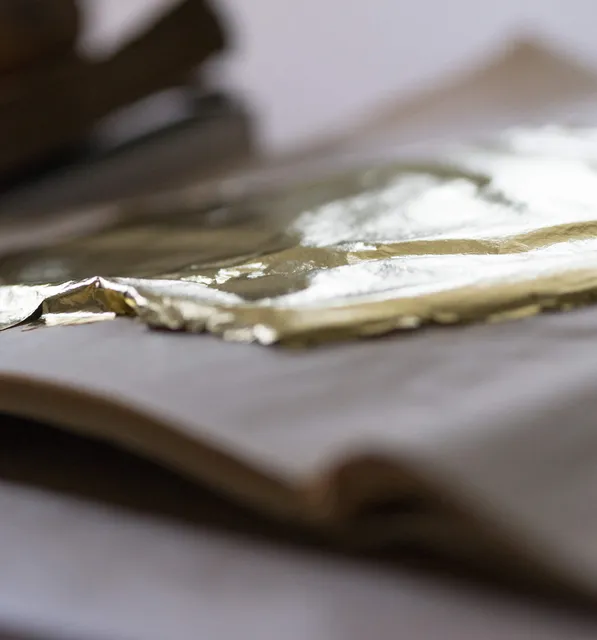
Photo: the shop’s official page 箔座 ひかり藏
A gold-leaf house in Higashi Chaya, with tableware and small things in its own gold-and-platinum leaf, and a storehouse in the courtyard covered in leaf.
Why the editors chose itSee the leaf-covered storehouse in the courtyard and shop tableware in gold-and-platinum leaf.
Made in Kanazawa
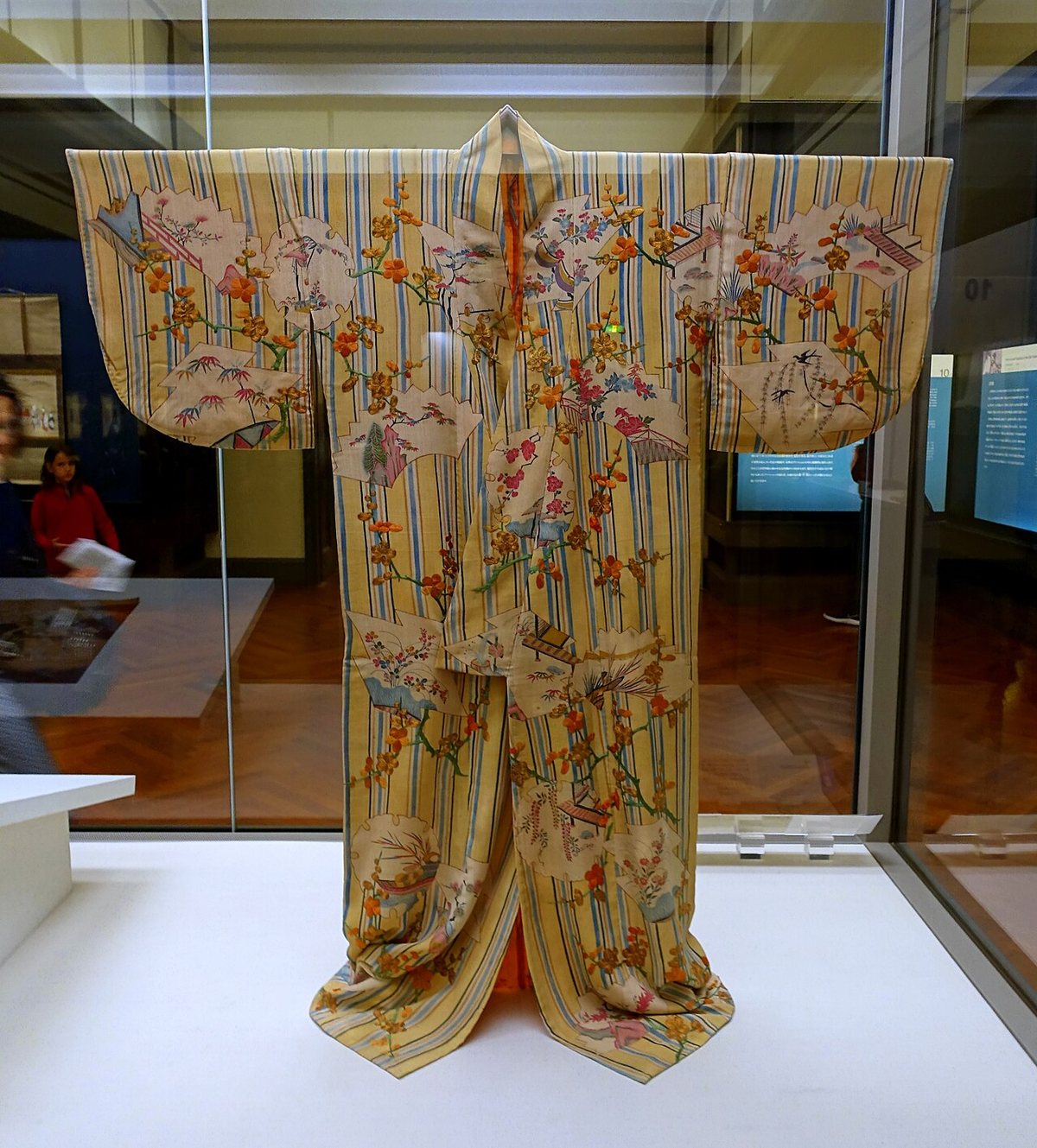
Kaga yuzen is Kanazawa's hand-painted silk dyeing, a nationally designated traditional craft of Ishikawa, known for patterns drawn from flowers, plants and landscapes in many colours. Working dye studios still operate in the city.
Yuzen-dyed silk kosode exhibited in Kanazawa·Photo: Daderot / Public domain (Wikimedia Commons)
Kenrokuen
Kaga Yuzen Kimono Center
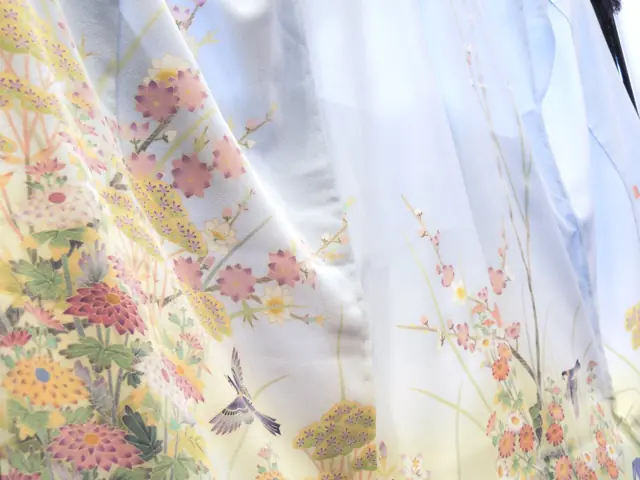
Photo: the shop’s official page 加賀友禅会館
The hall of the Kaga-zome Promotion Cooperative, with the Someria museum of new Kaga yuzen works, a hands-on dyeing corner and yuzen goods for sale. 9:00–17:00, closed Wednesdays except holidays.
9:00–17:00 · Closed: Wednesdays (except public holidays), Year-end/New Yearchecked Nov 2026
Why the editors chose itView new Kaga yuzen works in the museum and try hands-on dyeing under one roof.
Korinbo
Akaneya Archive Gallery
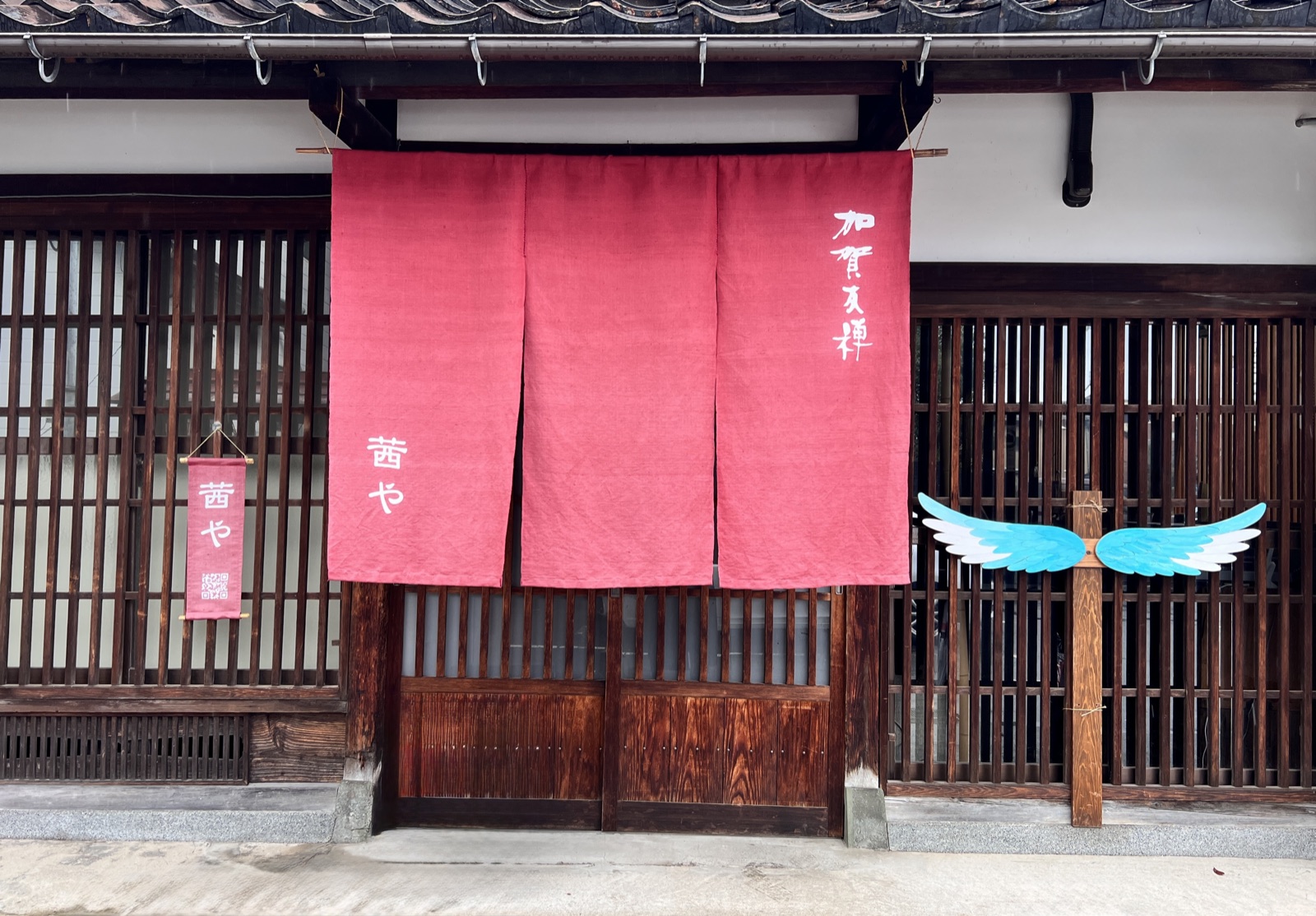
Photo: Akaneya Archive Gallery 茜やアーカイブギャラリー
The gallery of Akaneya (Okuda Senshoku), a Kaga yuzen dye studio that marked 120 years in 2025. A Meiji-era machiya still used as the studio shows the process and offers colouring workshops; open Sat–Sun 10:00–17:00, other days by appointment. Three minutes' walk from the 21st Century Museum.
Sat & Sun 10:00–17:00 (weekdays by appointment)
Why the editors chose itA Meiji-era machiya still working as a Kaga yuzen studio, offering process tours and colouring workshops.
From the shop
"Add a colour of your own to your trip to Kanazawa."
Hondamachi
Maida Senga Kogei (Kaga yuzen studio)
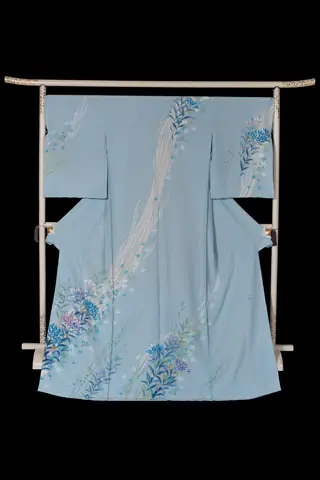
Photo: the shop’s official page 加賀友禅 毎田染画工芸
Irregular closing days
The studio of Kaga yuzen artists Maida Kenji and Maida Hitoshi. It takes studio-tour visitors, makes kimono to order and sells small hand-dyed pieces such as earrings and tenugui. 10:00–17:00, irregular closing days.
10:00–17:00 · Closed: Irregularchecked Nov 2026
Why the editors chose itTour the studio of Kaga yuzen artists and pick up hand-dyed tenugui or earrings.
Korinbo
Kanazawa Choemon
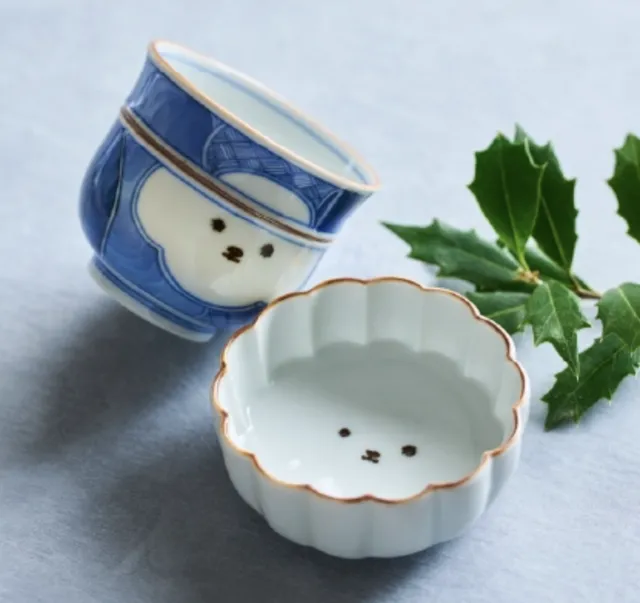
Photo: the shop’s official page 金沢長右衛門
The shop of Kamide Choemon, a Kutani kiln since 1879, making tableware for restaurants.
10:00–18:00 (closed for 1 hr around 12:00) · Closed: Tuesdays
Why the editors chose itThe direct shop of an 1879 Kutani kiln where you can choose tableware made for kappo kitchens.
Ohnuka
on la CRU.
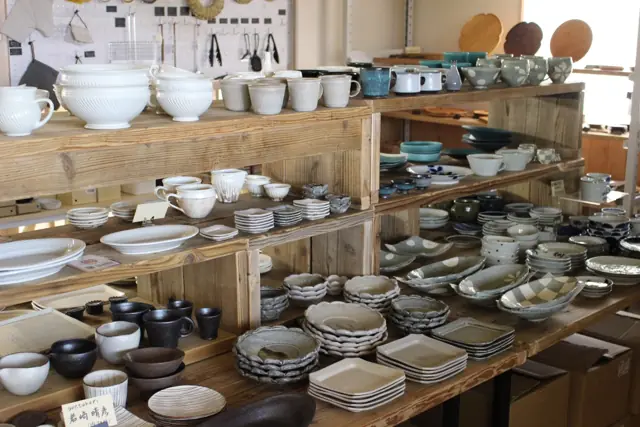
Photo: the shop’s official page Pottery by makers from all over Japan, and things for daily life.
10:00–17:30 · Closed: Golden Week & Year-end/New Year only (open all other days)
Why the editors chose itA shop where pottery by makers across Japan and everyday tools sit side by side.
Hirosaka
Nosaku (Kanazawa lacquer)
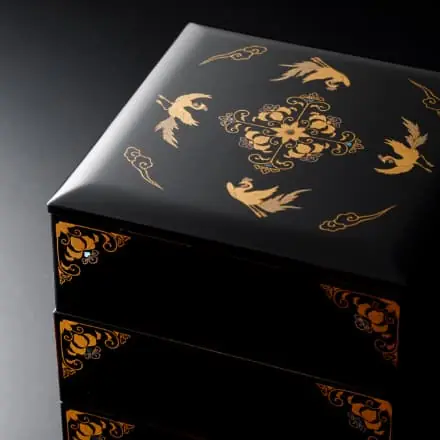
Photo: the shop’s official page 能作(金沢漆器)
A lacquerware shop since 1780: Kanazawa, Wajima and Yamanaka lacquer. They repair it too.
10:00–19:00 · Closed: Wednesdays (irregular in Aug)
Why the editors chose itA lacquerware house since 1780 offering Kanazawa, Wajima and Yamanaka ware, plus repairs.
Higashi Chaya
Enishira
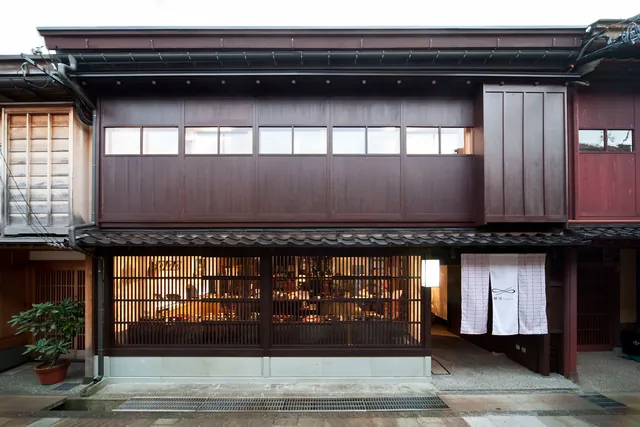
Photo: the shop’s official page 縁煌
A shop for crafts and vessels by makers from the Hokuriku region, with a different solo show upstairs every month.
10:00–17:00 (varies by season)
Why the editors chose itShop crafts and vessels by Hokuriku makers and catch a new solo exhibition upstairs each month.
Higashi Chaya
kimonodatta.

Photo: the shop’s official page A workshop and shop in an old townhouse that remakes inherited kimono cloth, such as Oshima tsumugi, into everyday shirts and dresses.
9:00–16:00 · Closed: Tuesdayschecked Nov 2026
Why the editors chose itAn old townhouse workshop remaking inherited kimono cloth like Oshima tsumugi into everyday shirts and dresses.
Tatemachi
Erihana (Kaga yuzen)
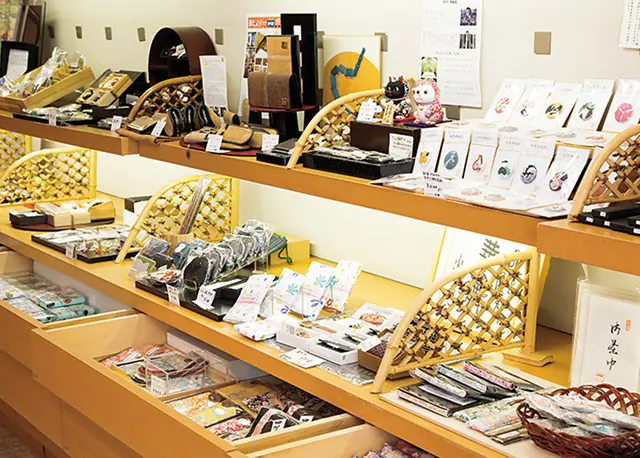
Photo: the shop’s official page 加賀友禅の店 ゑり華
A Kaga yuzen shop for kimono and obi, with yuzen-patterned handkerchiefs and furoshiki, and a small display of old dyed textiles.
10:00–18:30 · Closed: Wednesdayschecked Nov 2026
Why the editors chose itSee a small display of old dyed textiles while browsing yuzen handkerchiefs, furoshiki and kimono.
Yayoi
Rinya (kimono)
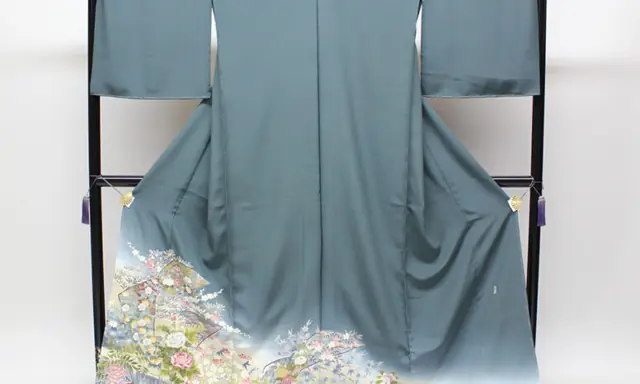
Photo: the shop’s official page きもの処 凛屋
A kimono shop since 1907, with Kaga yuzen and Ushikubi tsumugi, and zori sandals made up with the thongs you choose.
11:00–18:00 · Closed: Wednesdays, 1st Tuesdays
Why the editors chose itA kimono shop since Meiji 40 where you choose your own thongs for custom zori sandals.
Tatemachi
Transistor

Photo: the shop’s official page A select shop on Tatemachi focused on Japanese labels: everyday clothes with good fabric and tailoring that do not chase trends.
12:00–20:00 · Closed: Wednesdays (open on public holidays)
Why the editors chose itA Tatemachi select shop focusing on Japanese labels chosen for fabric and tailoring over trends.
Katamachi
FUDGE UP NOTHING
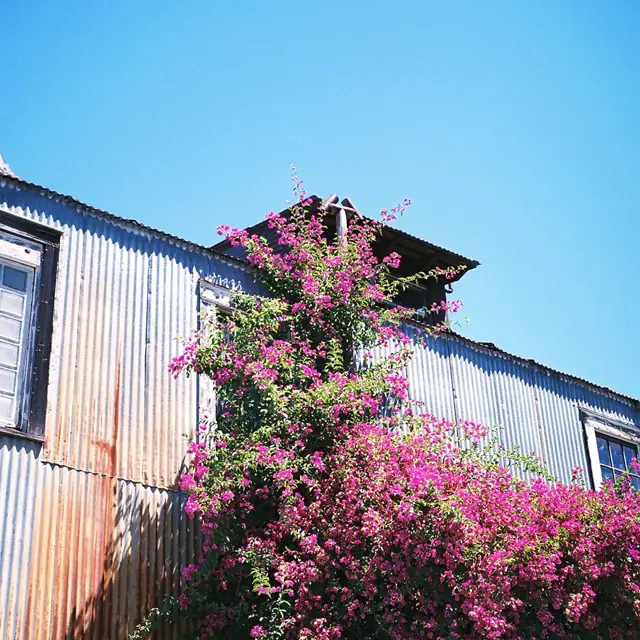
Photo: the shop’s official page A shop founded in Kanazawa in 2011, putting young Japanese labels side by side with chosen vintage, objects and music.
Why the editors chose itOpened in 2011, pairing young Japanese labels with curated vintage clothes, objects and music.
Minamimachi
Gold-Knot
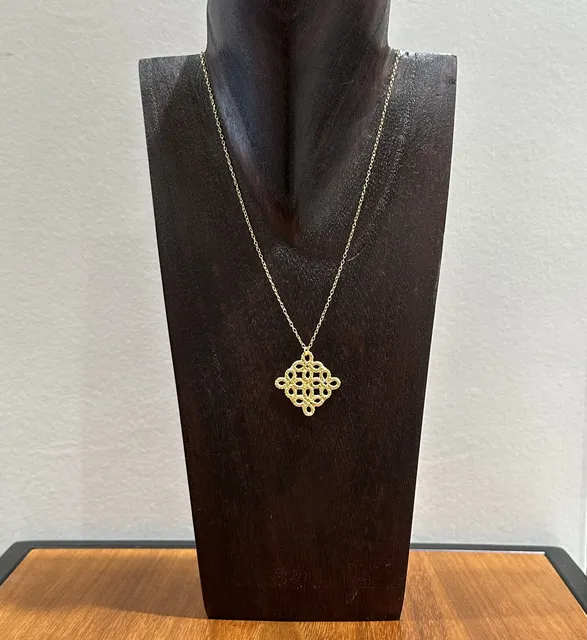
Photo: the shop’s official page A workshop and shop near Oyama Shrine making light necklaces and earrings from hand-knotted silk lace finished with Kanazawa gold or platinum leaf.
Why the editors chose itA workshop near Oyama Shrine making light jewellery from hand-knotted silk lace and gold leaf.
Kiyokawamachi
Jiyukajin (mizuhiki)
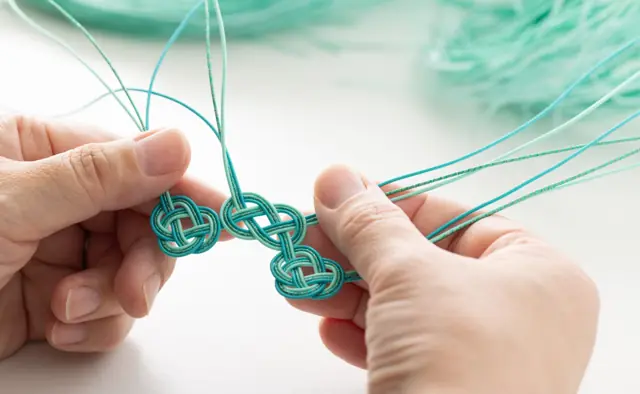
Photo: the shop’s official page 自遊花人
A workshop and shop that hand-ties earrings, ear cuffs and rings from mizuhiki cord in two hundred colours.
10:00–16:00 · Closed: Year-end/New Yearchecked Nov 2026
Why the editors chose itA workshop and shop hand-tying earrings, ear cuffs and rings from 200 colours of mizuhiki.
Shintatemachi
KiKU
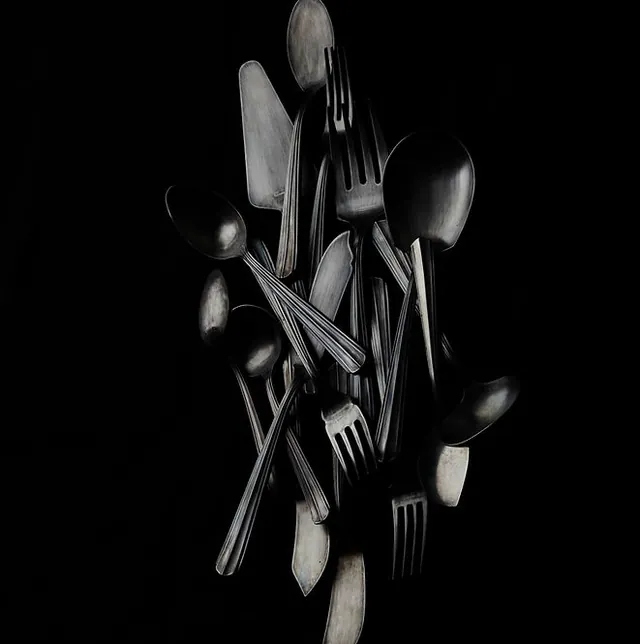
Photo: the shop’s official page The studio and shop of metalworker Yuichi Takemata in a renovated Taisho-era townhouse: engraved jewellery, and cutlery and tools with an aged finish.
Why the editors chose itMetalworker Yuichi Takemata's Taisho townhouse studio for engraved jewellery and aged-finish cutlery.
Bakuromachi
Kanamori Jukodo
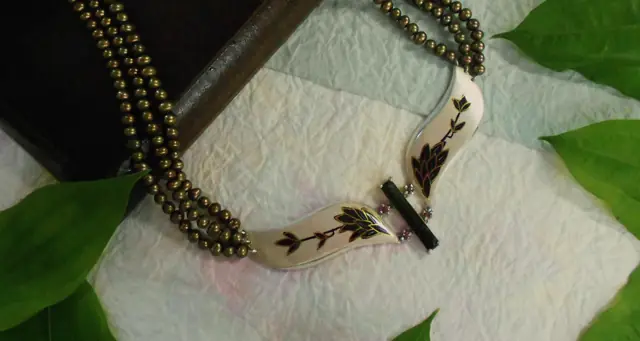
Photo: the shop’s official page 金森寿光堂
Irregular closing days
A metalwork studio and shop near Omicho Market making its own jewellery, including pieces in Kaga zogan inlay.
10:00–17:00 · Closed: Irregularchecked Nov 2026
Why the editors chose itA metalwork studio near Omicho Market for original jewellery alongside Kaga zogan inlay pieces.
Sights in Kanazawa
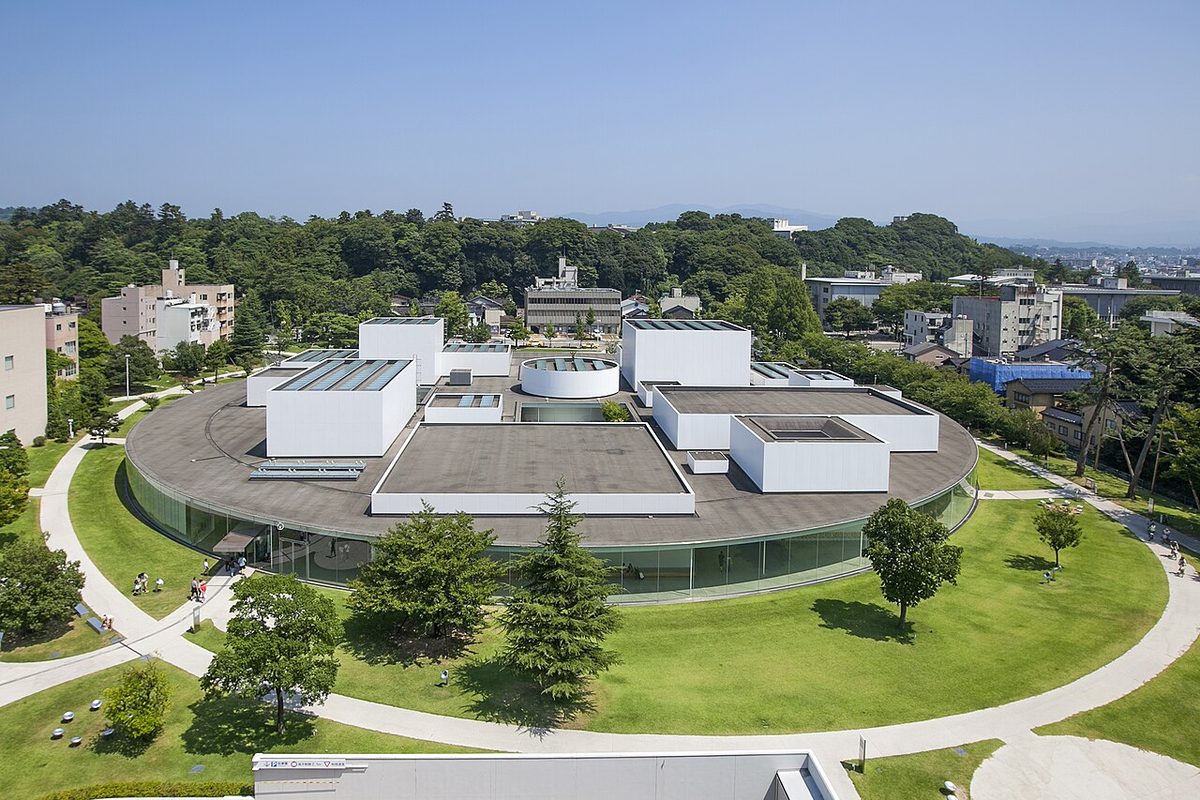
Photo: 金沢市 / CC BY 2.1 jp (Wikimedia Commons) 21st Century Museum of Contemporary Art, Kanazawa
A city-run contemporary art museum in a round glass building, with exhibition galleries and a free public zone.
Closed for major renovation from 6 May 2027 to March 2028 (planned).
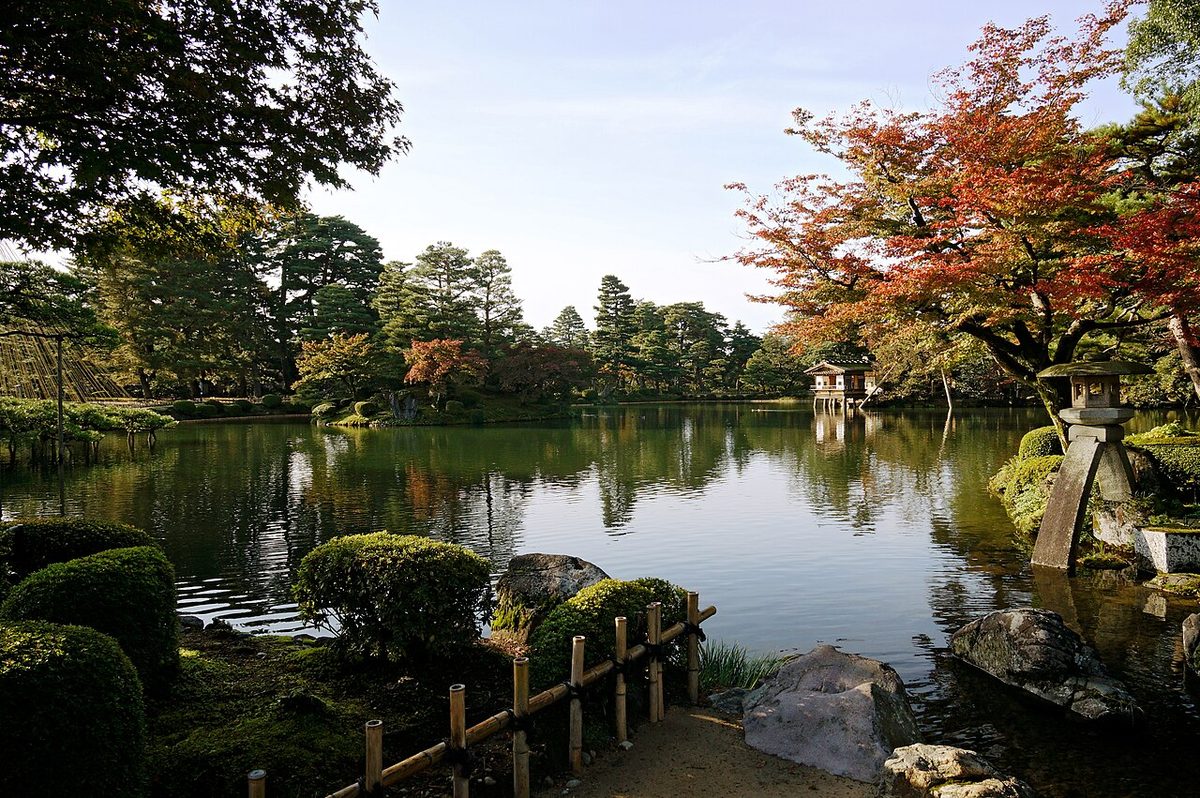
Photo: 663highland / CC BY 2.5 (Wikimedia Commons) A daimyo garden shaped over generations by the Maeda lords of Kaga, designated a Special Place of Scenic Beauty.
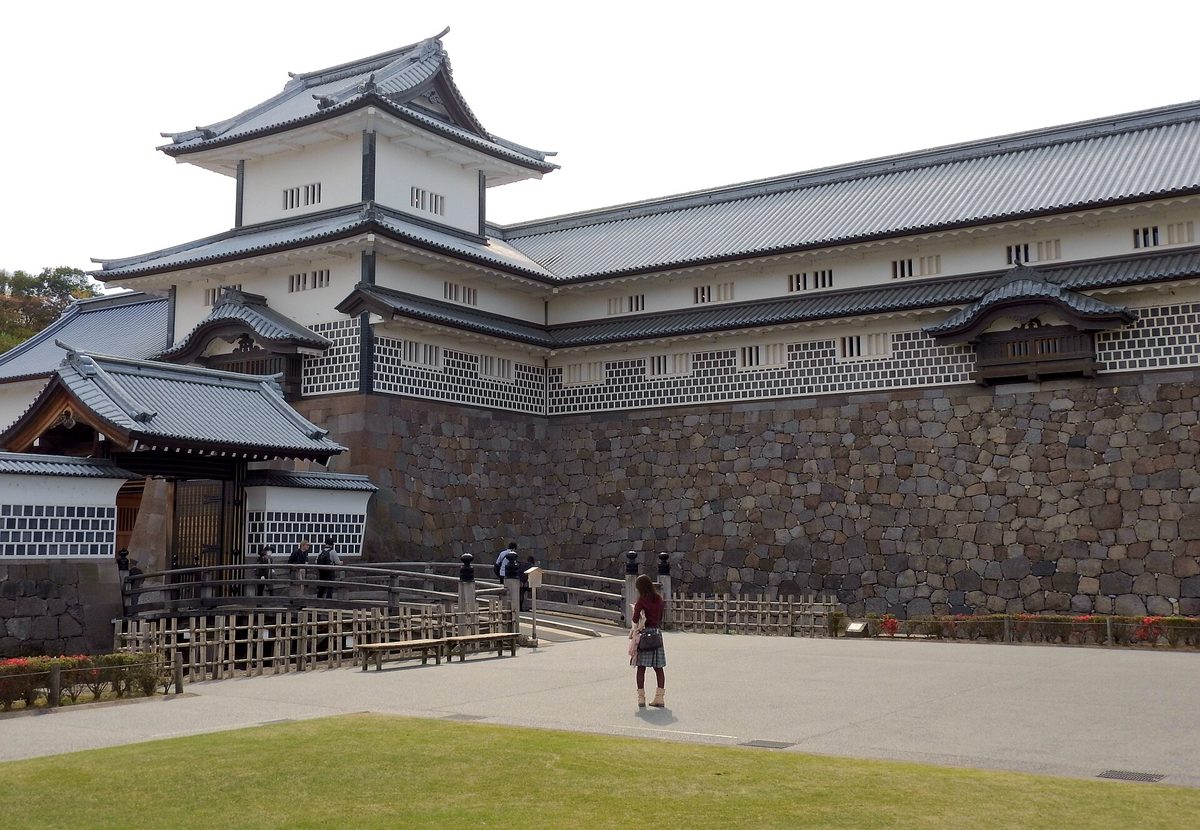
Photo: MathieuMD / CC BY-SA 4.0 (Wikimedia Commons) The former seat of the Maeda lords of Kaga, a park with Ishikawa Gate, rebuilt turrets and many styles of stone walls.
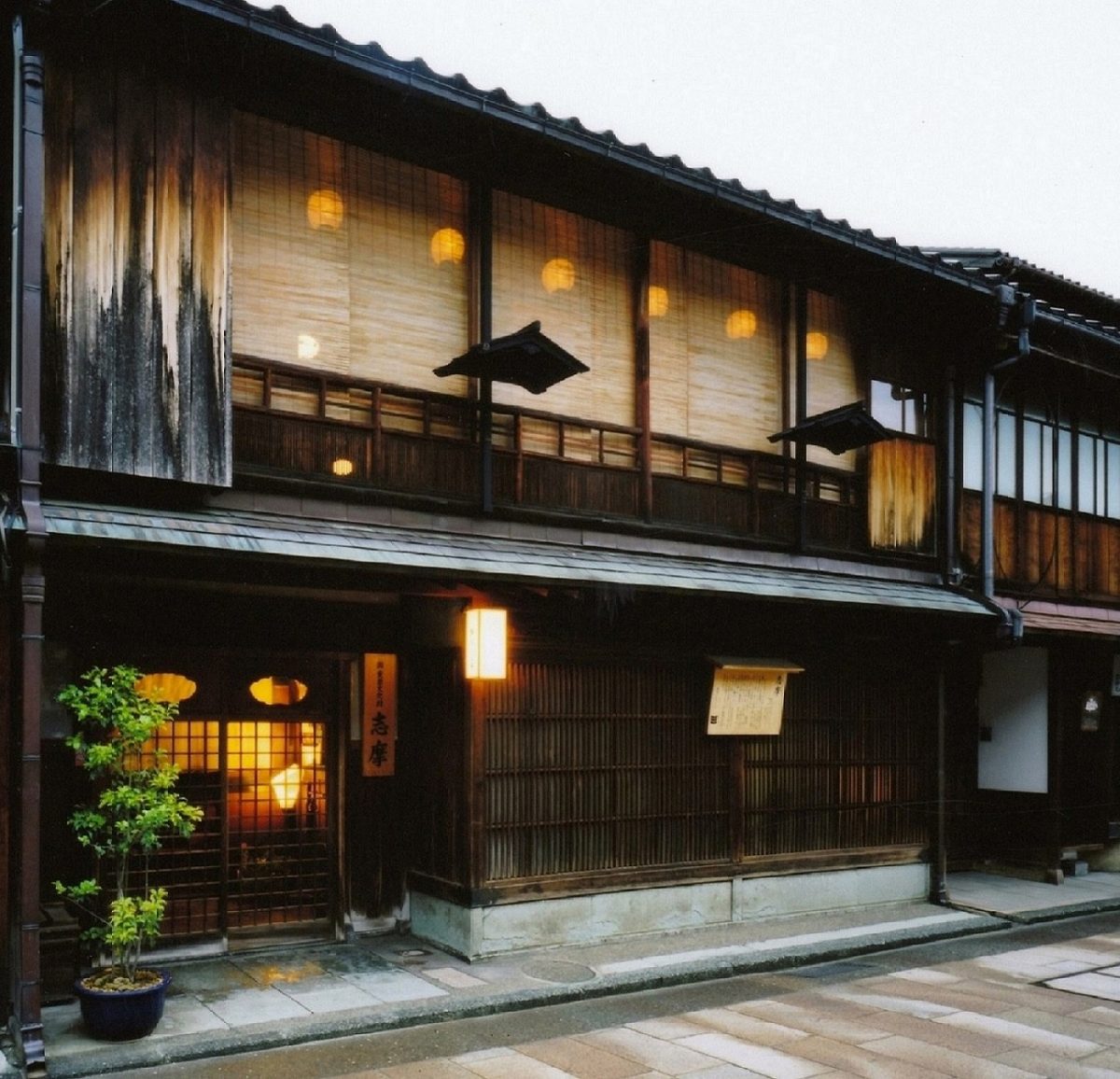
Photo: official site An Edo-period teahouse in the Higashi Chaya district, preserved as built and open to visitors.
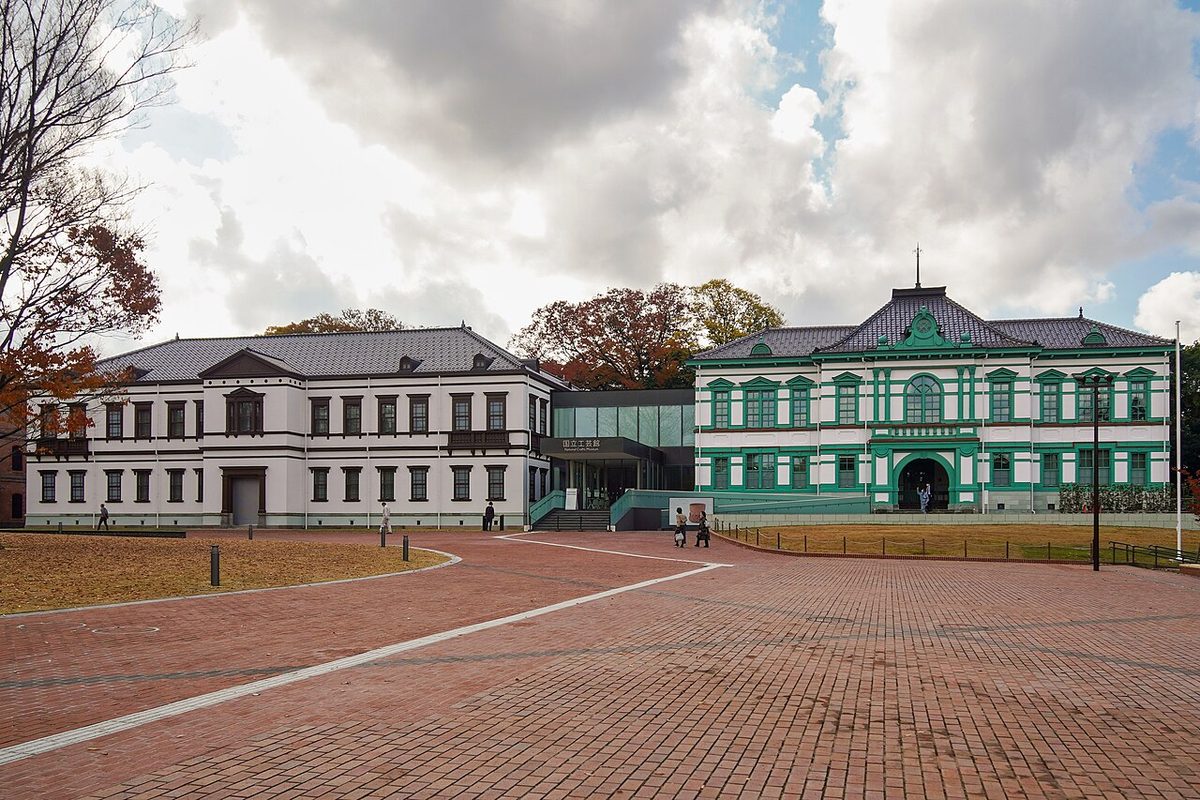
Photo: J o / CC BY-SA 4.0 (Wikimedia Commons) A national museum of crafts and design housed in two relocated and restored Meiji-era army buildings.
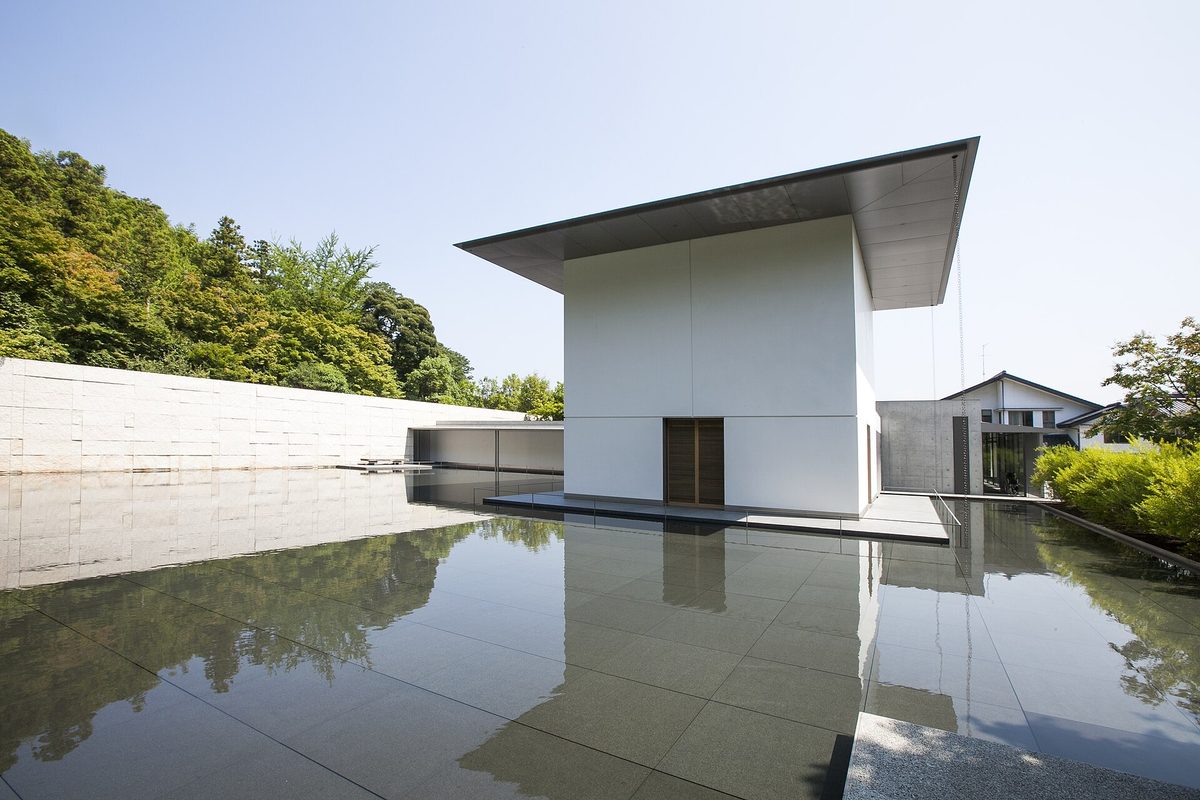
Photo: 金沢市 / CC BY 2.1 jp (Wikimedia Commons) A museum on Kanazawa-born Buddhist thinker D.T.
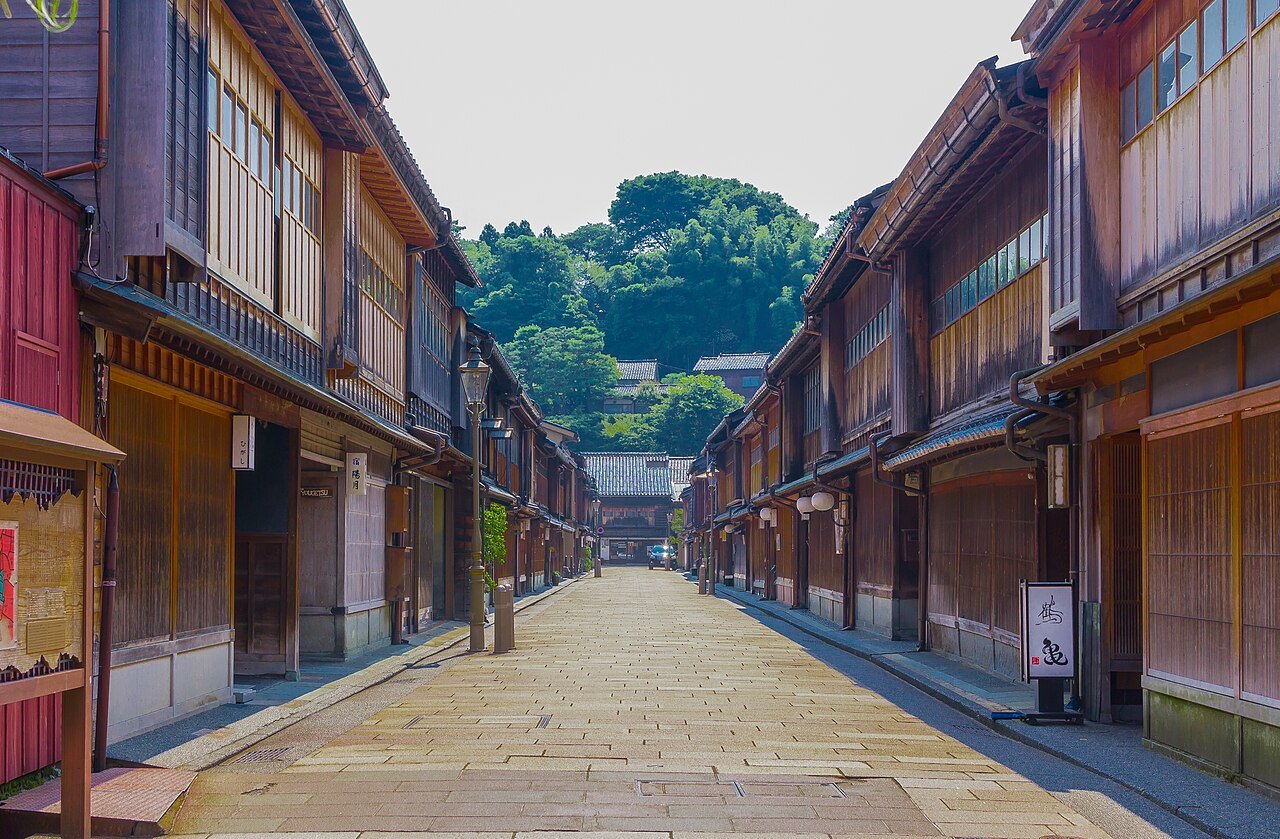
Photo: Kakidai / CC BY-SA 4.0 (Wikimedia Commons) A historic district with preserved tea house architecture from the Edo period, offering a glimpse into traditional culture.
These are local landmarks. Each was checked to be open on its official site (checked 2026-11-17). Please confirm hours before you go.
What to wear in Kanazawa, late november
- Around 15°C by day and 8°C at night; colder after dark.
- The sun sets at about 16:40.
- Stone paving in the teahouse streets, often wet.
- Shoes come off at inns and in many tatami rooms.
Beyond Kanazawa
1 / 4
 Kanazawa · 14 km
Shirayama Hime Shrine →
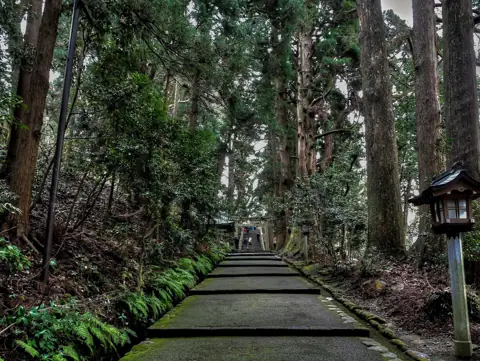
The head shrine of over 3,000 Hakusan shrines across Japan, approached along a mossy stone path through ancient cedars.
 Tonami · 31 km
Shogawa Gorge Pleasure Boat →
A deep river gorge in Tonami navigated by sightseeing boats all the way to Omaki Onsen, an inn accessible only by water.
 Shirakawa-mura · 40 km
Shirakawa-go →
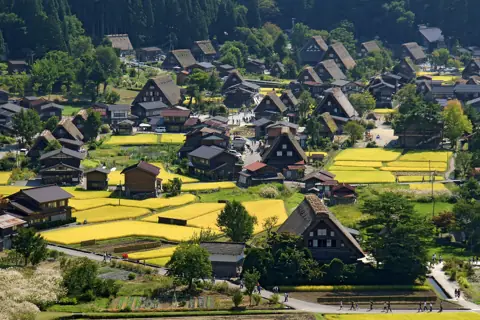
Registered as a UNESCO World Heritage site, the 'Gassho-zukuri village' is a rare area where people's daily lives continue to this day.
 Takaoka · 44 km
Amaharashi Coast →
A scenic coastline where the 3,000-meter snow-capped Tateyama Mountain Range rises directly across Toyama Bay behind sea rocks.
Distances are straight-line from the town centre. Each page has how to get there and a suggested day.
Questions people ask
- Where can I eat Kanazawa's local dishes?
Kanazawa oden (broth-simmered hotpot): Oden Takasago (Katamachi), Taishu Kappo Ozeki (Kiguramachi), Ichiba Meshi Amatsubo (Omicho Market)
Jibuni (duck and wheat-gluten stew): Taishu Kappo Ozeki (Kiguramachi)
Nodoguro (blackthroat seaperch): Taishu Kappo Ozeki (Kiguramachi)
- Where can I see or buy Gold leaf, Kaga yuzen dyeing, Craft in Kanazawa?
Gold leaf: Imai Kinpaku (main shop) (Saiwaimachi), Kanazawa Katani (Owaricho), Kanazawa Yasue Gold Leaf Museum (Higashi Chaya), Kinpakuya Sakuda (main shop) (Higashi Chaya), Hakuza Hikarigura (Higashi Chaya)
Kaga yuzen dyeing: Kaga Yuzen Kimono Center (Kenrokuen), Akaneya Archive Gallery (Korinbo), Maida Senga Kogei (Kaga yuzen studio) (Hondamachi)
Craft: Kanazawa Choemon (Korinbo), on la CRU. (Ohnuka), Nosaku (Kanazawa lacquer) (Hirosaka), Enishira (Higashi Chaya)
- Which places in Kanazawa open by 9 in the morning?
Ichiba Meshi Amatsubo (Omicho Market, 8:00–21:00)
Morihachi Matcha Cafe, Higashi (Higashi Chaya, 9:00–18:00 (last order 17:30))
Kanazawa-ya Coffee (Kanazawa Castle Park, 9:00–17:00)
- What can I visit on foot around Higashi Chaya?
Cafés: Morihachi Matcha Cafe, Higashi, Kureha
Sweets: Issho
Craft: Enishira
Gold leaf: Kanazawa Yasue Gold Leaf Museum, Kinpakuya Sakuda (main shop), Hakuza Hikarigura
Wear & cloth: kimonodatta.
Every place was checked to be open in November 2026. Hours can change, so please check the official site before you go.
If you like Kanazawa
- Kyoto
Kyoto, Japan
For example, Kaga Yuzen Kimono Center here, and Marumasu-Nishimuraya in Kyoto.
- Yamanaka Onsen
Ishikawa, Japan
For example, on la CRU. here, and CRAFTOUR in Yamanaka Onsen.
- Matsue
Shimane, Japan
Chosen by how close the towns and their places are in what they make and serve.
Rin's inn in Kanazawa
The room by the Asano river where she stayed. It follows the time in Japan.


