35.7° N
Tokyo
東京, Japan
Situated along the Sumida River, this area encompasses traditional artisanal districts and emerging creative hubs.
Tokyo's eastern neighborhoods like Kuramae and Nihonbashi offer a blend of historic craft and modern creativity. From traditional Edo-era techniques to contemporary coffee roasters, these streets reward those who wander slowly.
The LATITUDE editors’ 20 picks in Tokyo
Our editors verified that these places were open (checked 2026-11-19). Check the official site for hours and closing days before visiting. Sponsored listings are marked.
Save places to your trip list and revisit them in this browser. No account needed.
Editors’ picks on the map — or build your own route
Tap a mark to see the place; squares are museums and sights (landmarks). Use “Build your own route” to make a walk of your own.
Loading the map
Map data © OpenStreetMap contributors
Browse by category
1 / 21
Kuramae
YUWAERU Kuramae
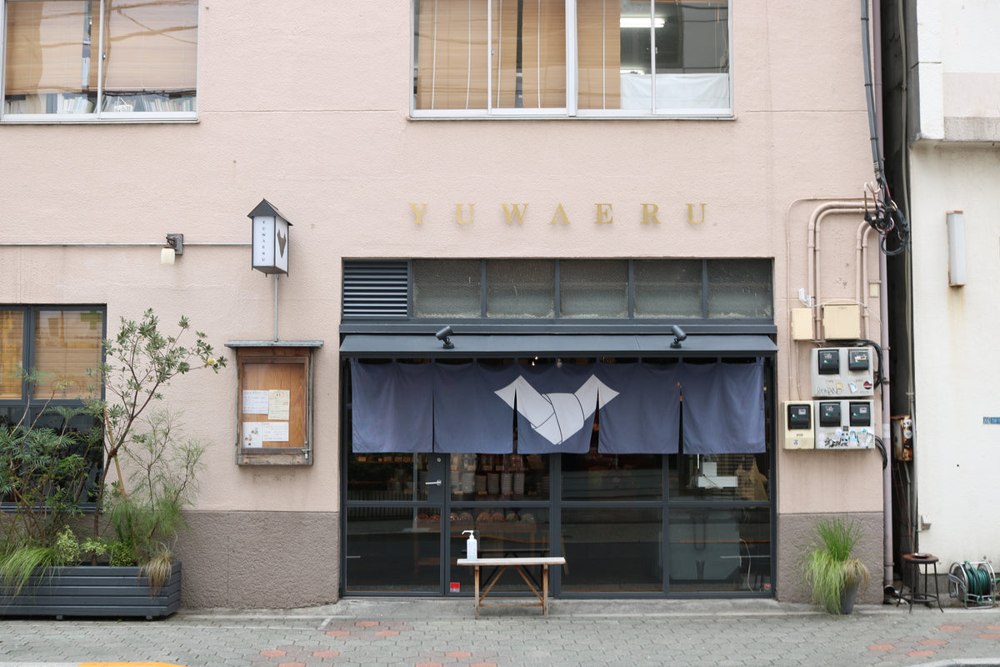
Photo: the shop’s official page YUWAERU 蔵前本店
Specialty shop for aged brown rice set meals (nekasen genmai).
Why the editors chose itA set-meal specialist serving aged brown rice for travellers seeking gentle everyday Japanese food.
Ningyocho
Taniya Honten
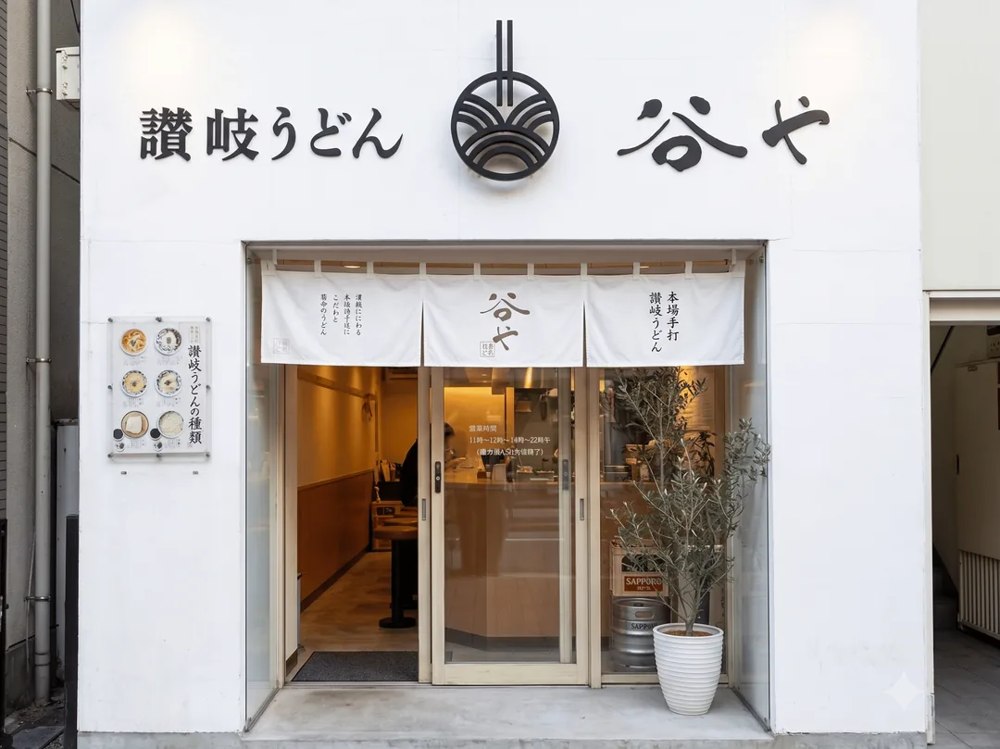
Photo: the shop’s official page 谷や 本店
A Ningyocho shop serving handmade Sanuki udon with a firm bite and a broth of dried sardines, kombu and bonito.
Why the editors chose itA Ningyocho shop serving foot-kneaded Sanuki udon in a broth of sardines, kombu and bonito.
Yanaka
TAYORI
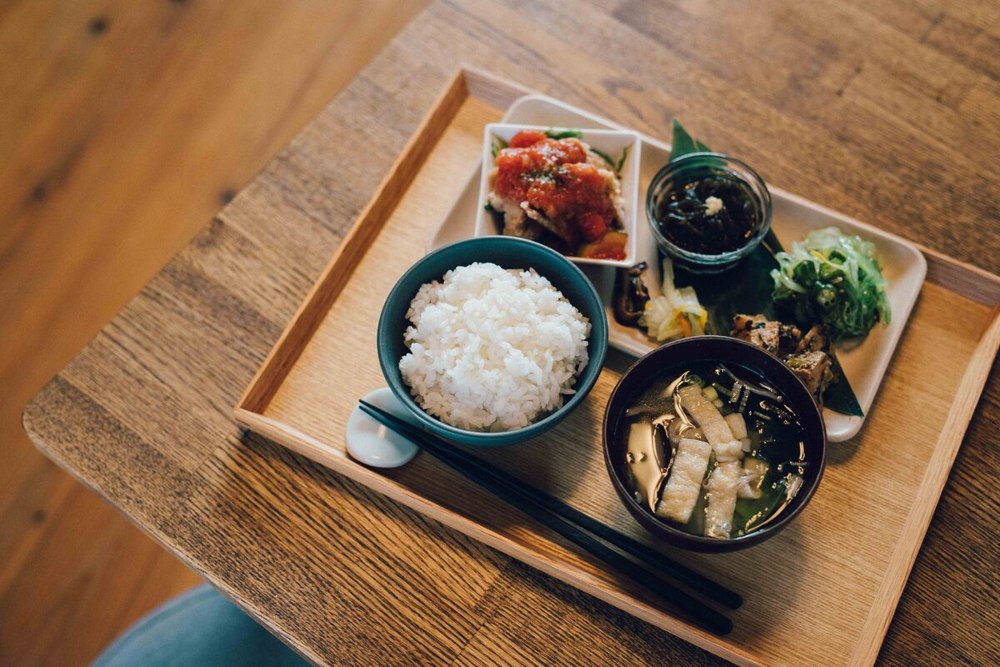
Photo: the shop’s official page A set-meal and deli shop off Yanaka Ginza, making daily sides and bento with seasonal produce from its growers.
Why the editors chose itAn alley deli off Yanaka Ginza making daily sides and bento from growers' seasonal produce.
Meguro
Mark's Tokyo
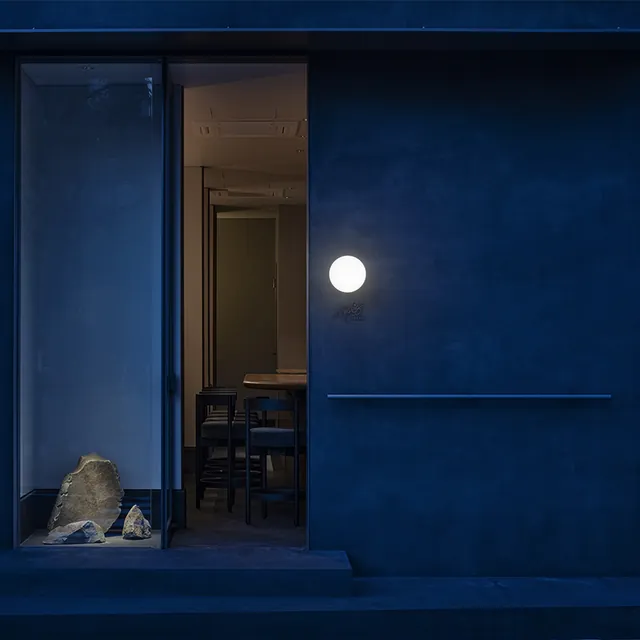
Photo: the shop’s official page An intimate counter restaurant in Meguro run by chef Mark Sekita. It offers creative, Japanese-inspired fusion cuisine in a chef's table setting.
Why the editors chose itA Meguro counter restaurant where chef Mark Sekita serves creative courses shaped by Japanese sensibility.
Kiyosumi-Shirakawa
Dandelion Chocolate Kiyosumi-Shirakawa Factory
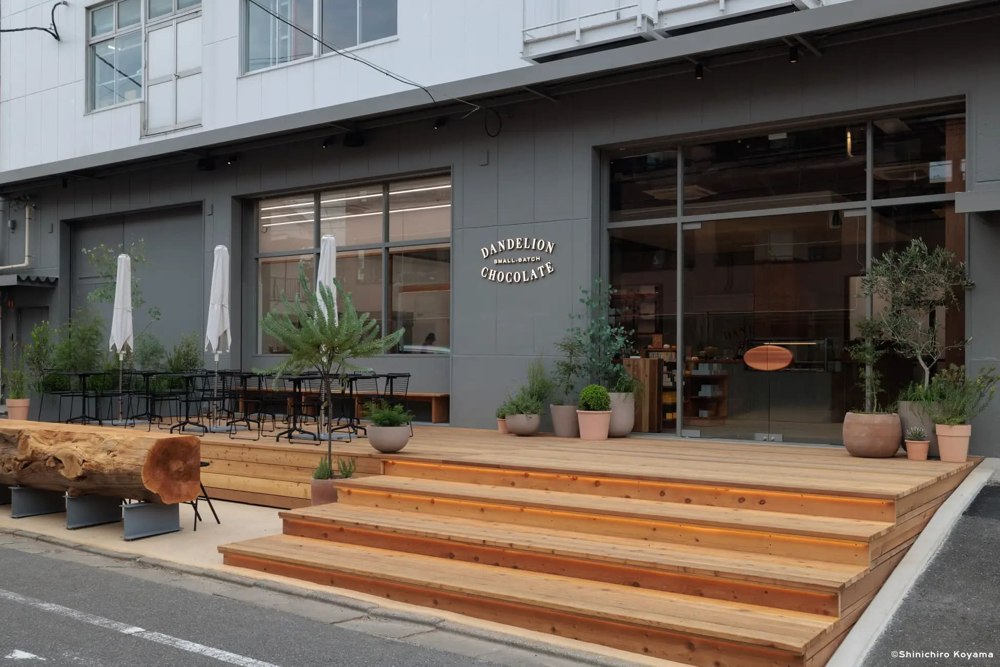
Photo: the shop’s official page ダンデライオン・チョコレート 清澄白河ファクトリー
A chocolate factory with a shop and café serving an Earl Grey hot chocolate exclusive to this location.
Why the editors chose itA chocolate factory café serving an Earl Grey hot chocolate exclusive to Kiyosumi-Shirakawa.
Kiyosumi-Shirakawa
ATARAO
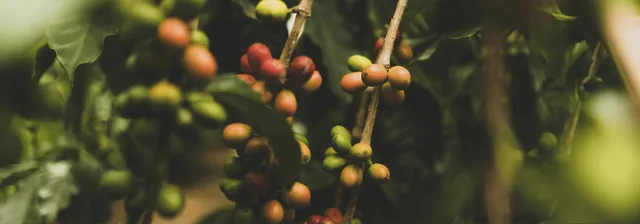
Photo: the shop’s official page Circulative coffee roaster. Recycles used coffee grounds into fuel.
Why the editors chose itA circular coffee roaster that turns its own used coffee grounds back into fuel.
Kuramae
MOKABLE COFFEE CRAFT
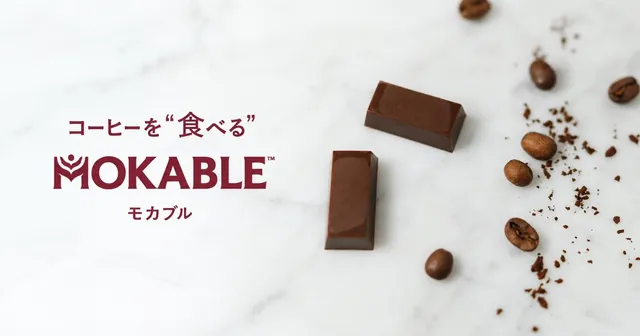
Photo: the shop’s official page MOKABLE COFFEE CRAFT 東京蔵前店
Café offering a new way to enjoy coffee, with a variety of coffee-based sweets and drinks.
Why the editors chose itA café offering coffee-based sweets and drinks for travellers seeking new takes on coffee.
Nakameguro
ONIBUS COFFEE
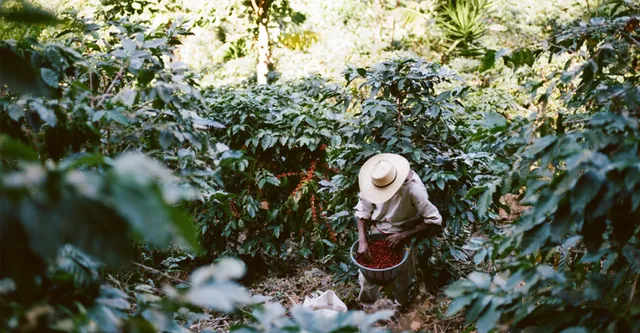
Photo: the shop’s official page A B Corp certified specialty coffee roastery in Nakameguro. It is known for its open, inviting cafe space that prioritizes community connection.
Why the editors chose itA B Corp-certified specialty coffee roastery in Nakameguro with an open, community-focused café space.
Ningyocho
Itakuraya
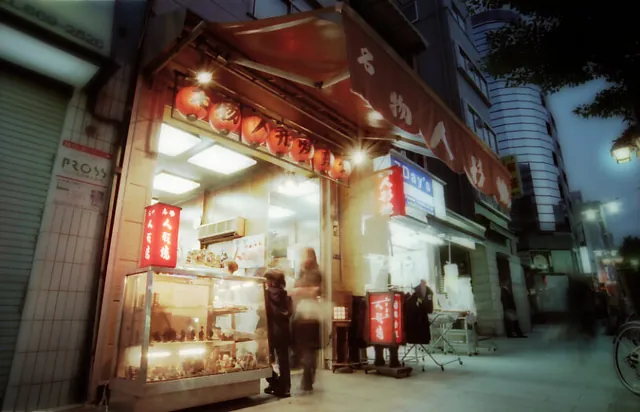
Photo: the shop’s official page 人形焼本舗板倉屋
Traditional ningyo-yaki shop, established over 110 years ago.
Why the editors chose itA specialist baking traditional ningyo-yaki by an unchanged method for over 110 years.
Yanaka/Sendagi
Wagashi Kunpu
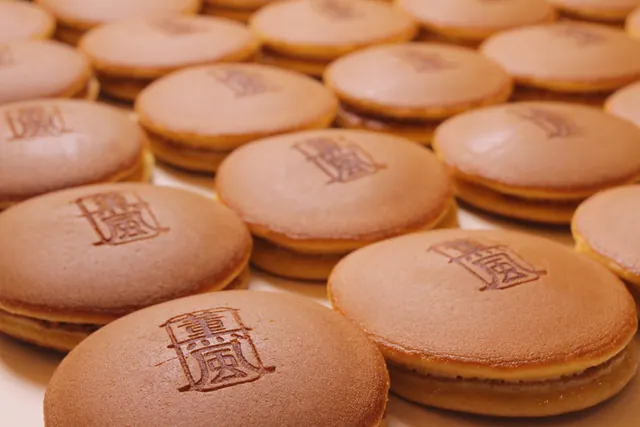
Photo: the shop’s official page 和菓子 薫風
Specialty shop offering pairings of Japanese sweets and sake. Popular for its seasonal sweets.
Why the editors chose itA specialty shop where travellers pair seasonal Japanese sweets with curated sake.
Nihonbashi/Ningyocho
Seijuken
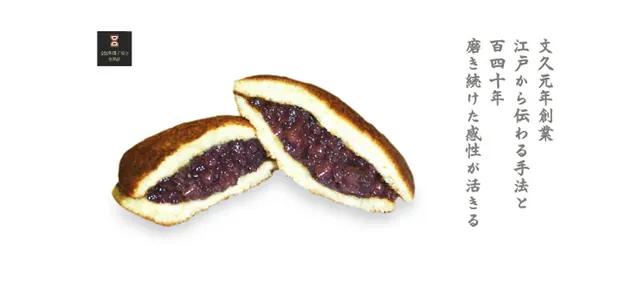
Photo: the shop’s official page 清寿軒
Long-standing shop famous for its dorayaki, with a perfect balance between the carefully baked wrapper and the bean paste.
Why the editors chose itA long-standing shop known for dorayaki with carefully baked wrappers and sweet bean paste.
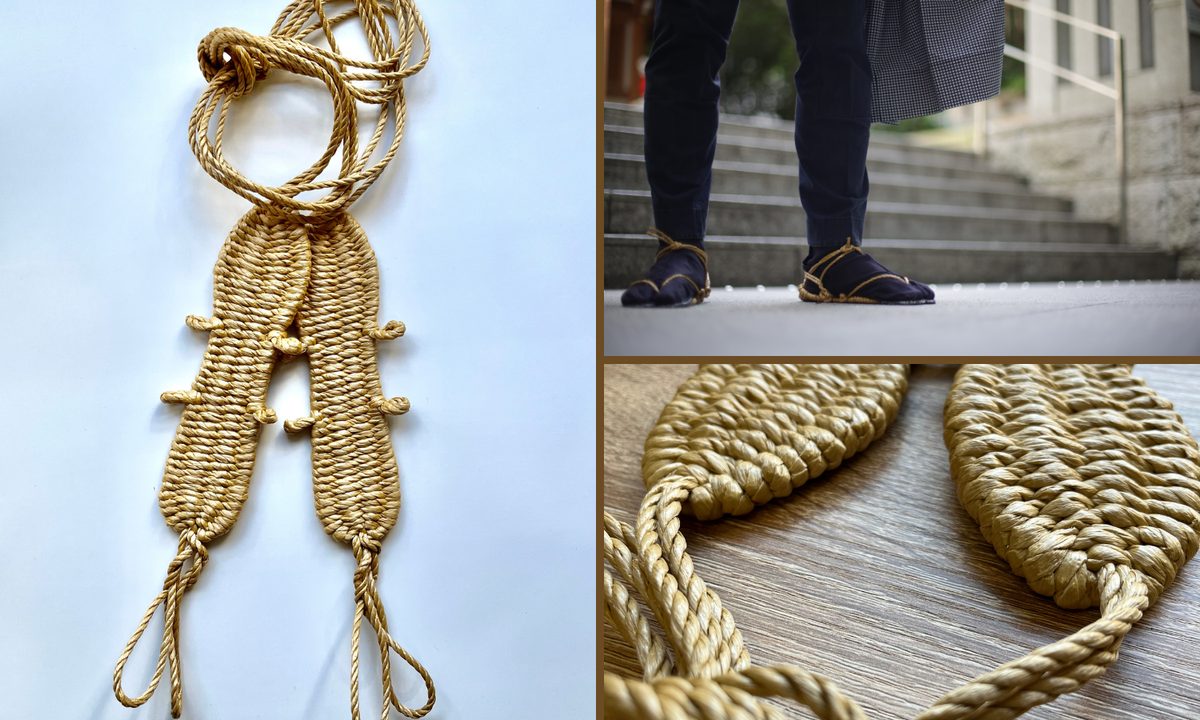
Made in Tokyo
Traditional festival clothing and tools.
Braided straw sandals shown with split-toe socks and in close-up.·Photo: Nihonbashi Marunao (official site)
Nihonbashi
Nihonbashi Marunao
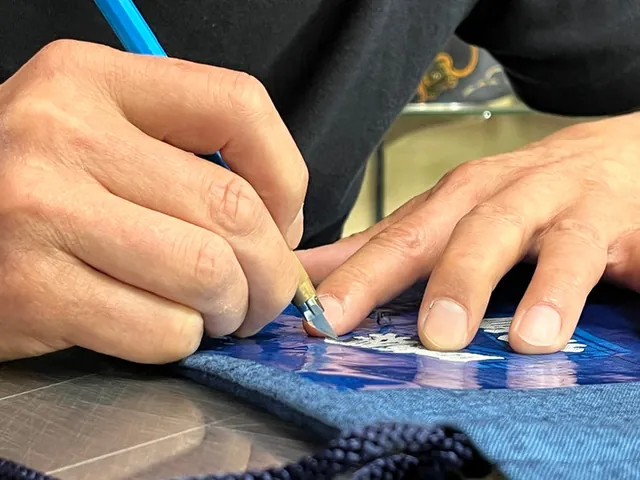
Photo: the shop’s official page 日本橋 丸直商店
Specialty shop for traditional Japanese festival clothing and accessories, preserving Edo festival culture.
Why the editors chose itA specialist shop preserving Edo festival culture through traditional festival clothing and accessories.
Kuramae
Kakimori
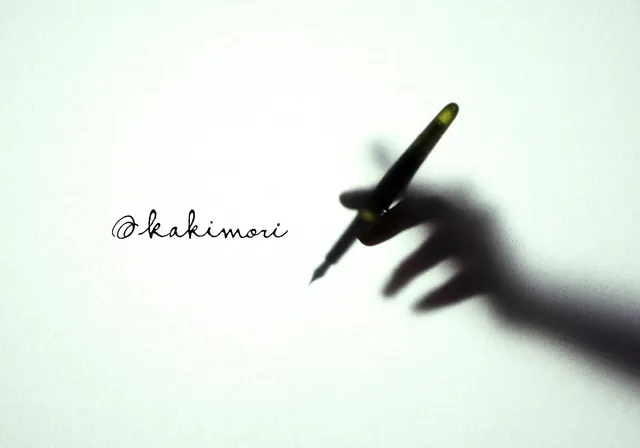
Photo: the shop’s official page カキモリ (Kakimori)
Independent stationery boutique offering custom notebook-making experiences.
Why the editors chose itA stationery shop where travellers choose materials to build custom notebooks and inks.
Nihonbashi
Ubukeya
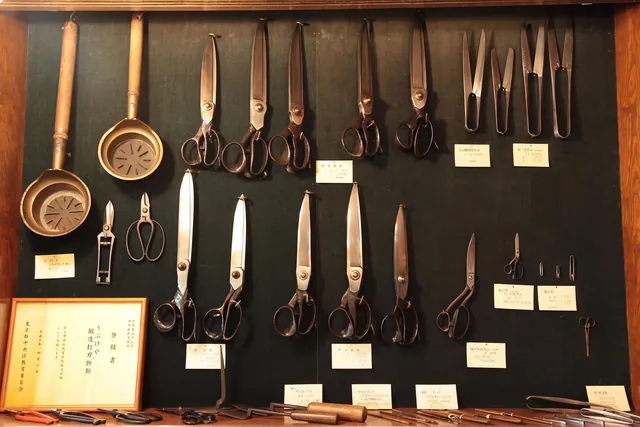
Photo: the shop’s official page うぶけや (Ubukeya)
A historic specialty shop for traditional Japanese cutlery, knives, and grooming tools, established in 1783.
Why the editors chose itEstablished in 1783, this shop specializes in artisan-crafted Japanese cutlery and grooming tools.
Kanda
Tokyo Noble
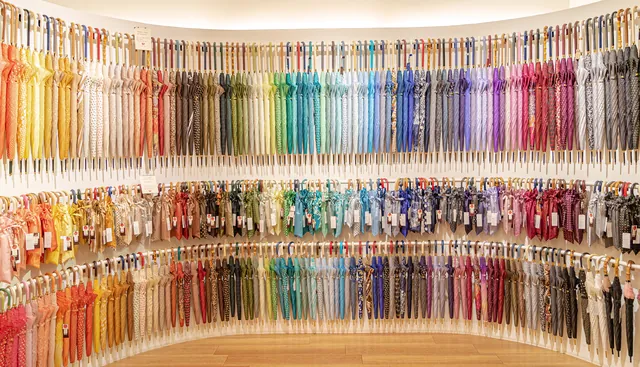
Photo: the shop’s official page 東京ノーブル (Tokyo Noble)
Specialty umbrella shop offering custom, hand-assembled umbrellas.
Why the editors chose itA specialist umbrella shop where travellers choose colors and parts for custom hand-assembled umbrellas.
Asakusabashi
And Leather
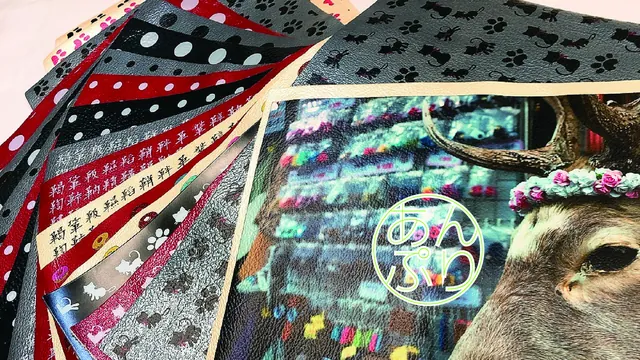
Photo: the shop’s official page アンドレザー (And Leather)
Leather specialist shop offering hides, tools, and materials for leathercraft.
Why the editors chose itA leathercraft specialist stocking hides, materials and tools for travellers who make things by hand.
Yanaka
Isetatsu
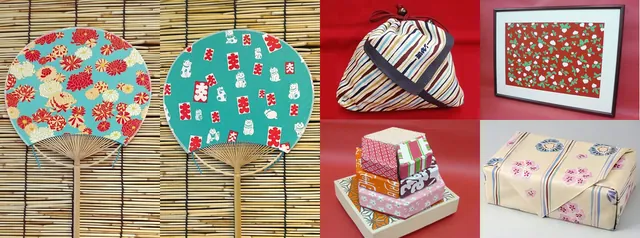
Photo: the shop’s official page いせ辰 (谷中本店)
Historic store established in 1864 specializing in Edo chiyogami paper and traditional tenugui towels.
Why the editors chose itFounded in 1864, this historic shop offers Edo chiyogami paper, toy prints and tenugui towels.
Kuramae
m+
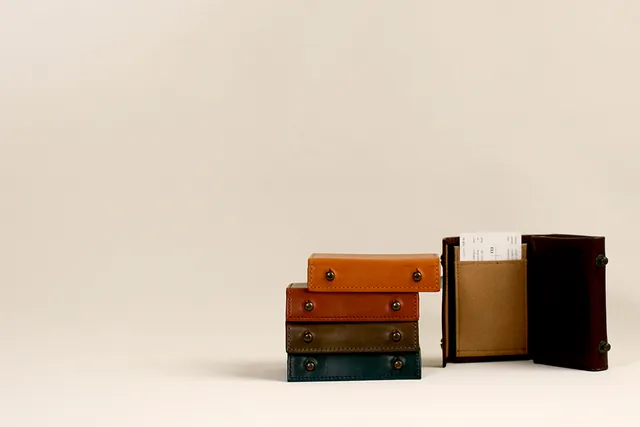
Photo: the shop’s official page m+ (エムピウ)
Minimalist leather goods boutique and workshop.
Why the editors chose itBrowse minimalist leather goods inside the workshop and boutique where they are made.
Nihonbashi
Nihonbashi Edoya
日本橋江戸屋
300-year-old specialty shop for traditional Japanese brushes and brooms.
Why the editors chose itChoose brushes and brooms made from natural materials at a specialist founded in 1718.
Koto-ku
Hanashyo Kameido
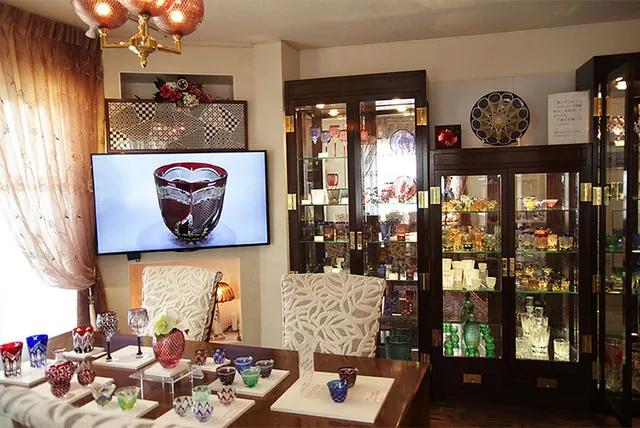
Photo: the shop’s official page 江戸切子の店 華硝 亀戸本店
An Edo Kiriko shop known for its original designs, including the Kome-Tsunagi pattern. It prioritizes hand-polishing for all its products to achieve a deep, exquisite shine.
Why the editors chose itAn Edo Kiriko specialist hand-polishing every piece, known for original patterns like Kome-Tsunagi.
Sights in Tokyo
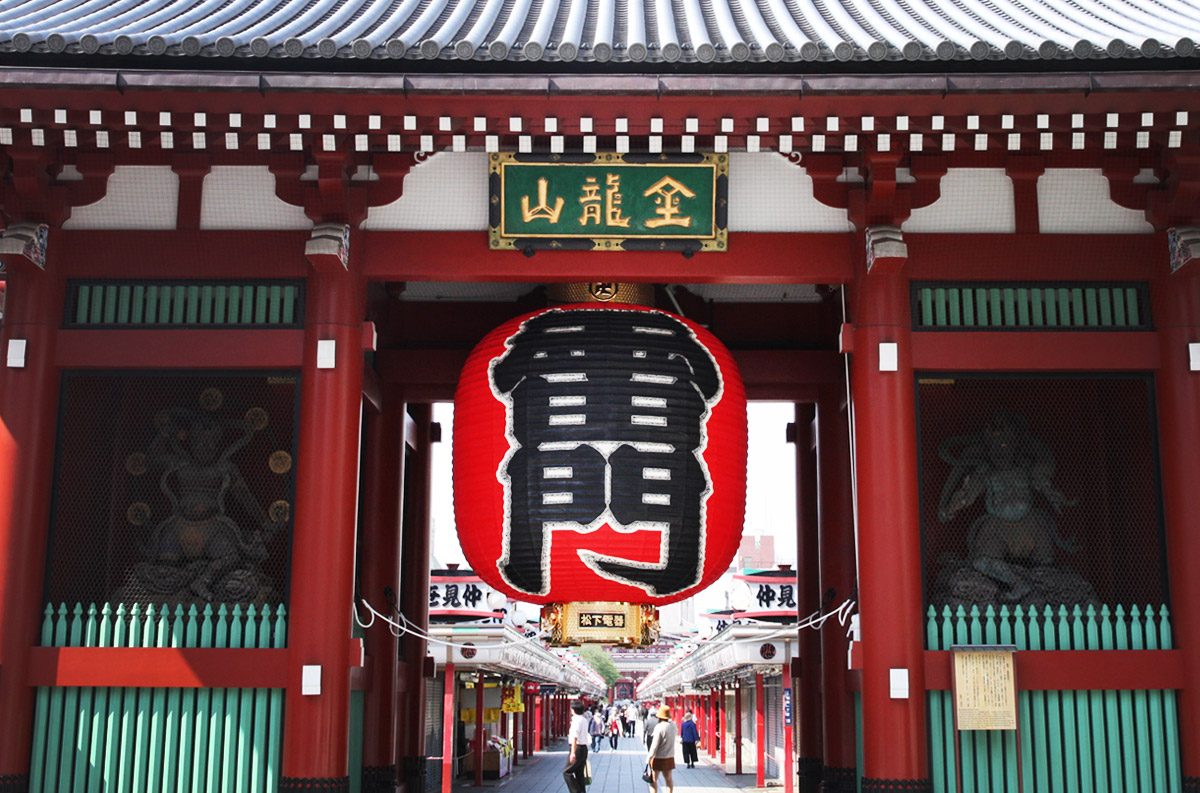
Photo: official site The oldest temple in Tokyo, known for its Kaminarimon Gate and five-story pagoda, bustling with visitors throughout the year.
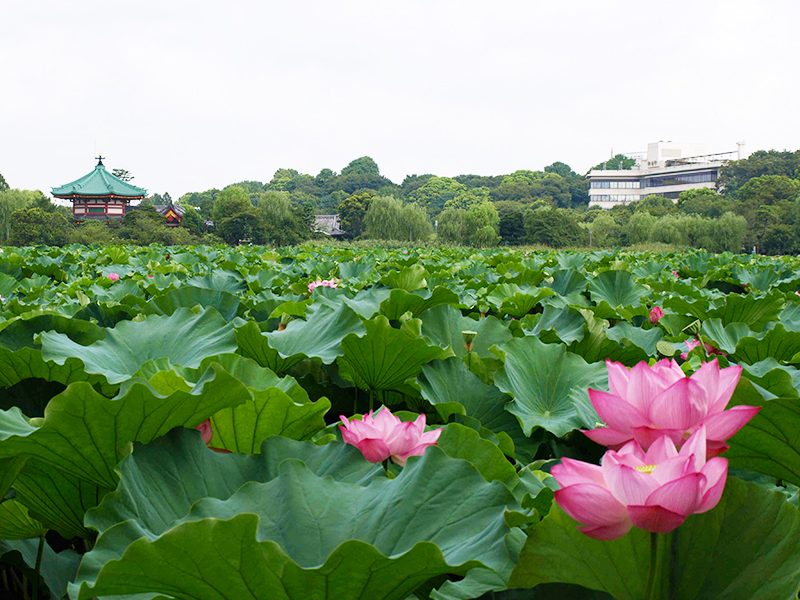
Photo: official site A vast park home to various museums and art galleries.
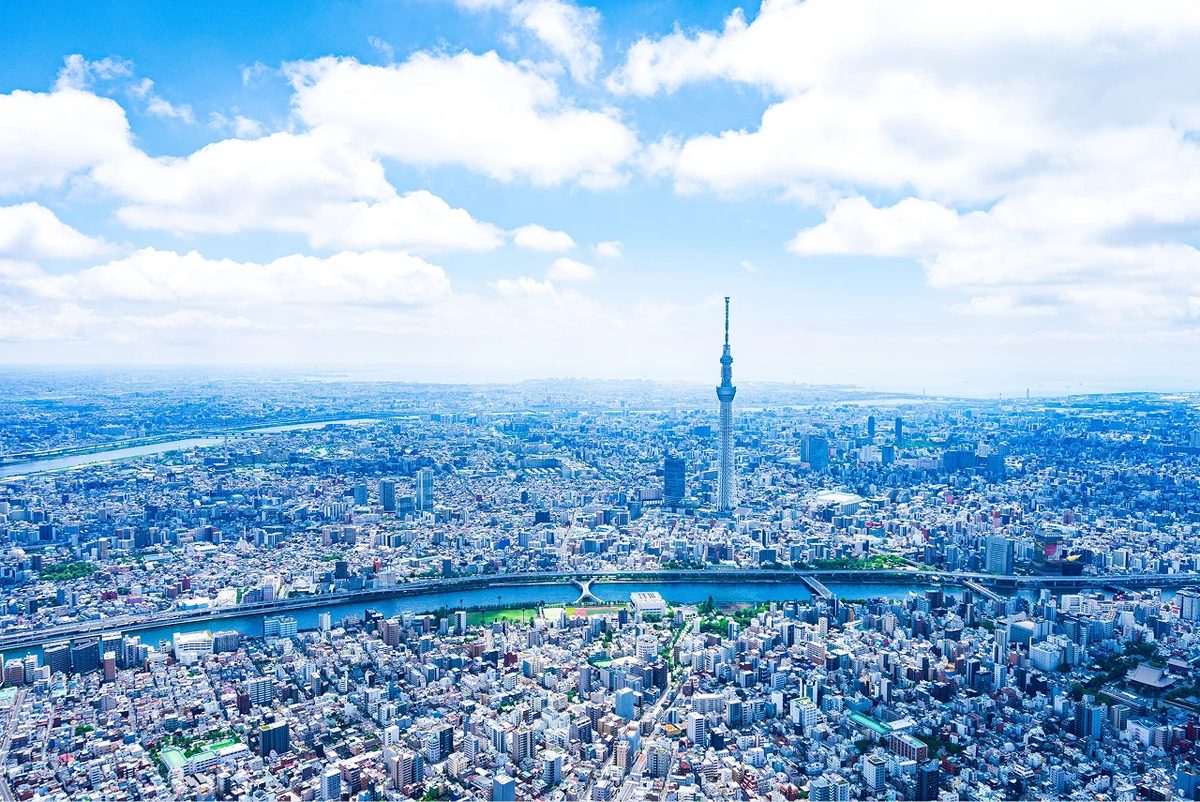
Photo: official site Known as the world's tallest tower, it offers panoramic views of Tokyo from its observation decks.
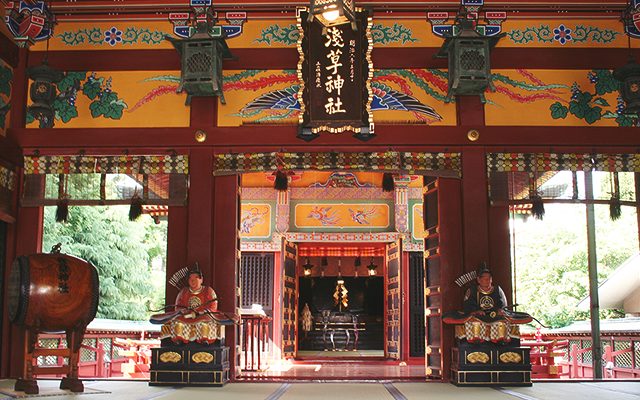
Photo: official site A shrine adjacent to Sensoji Temple, famous for the Sanja Matsuri festival.
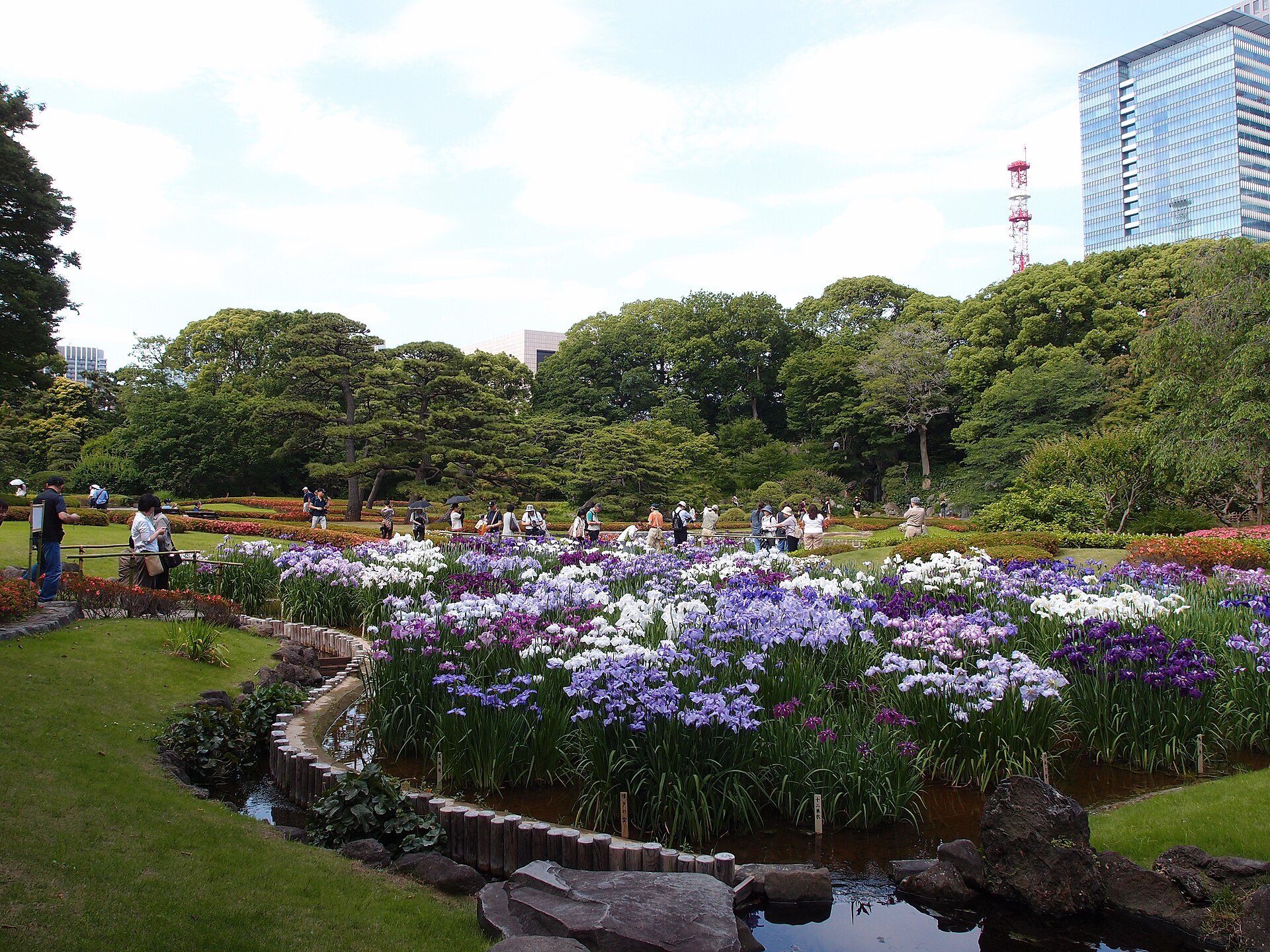
Photo: Guilhem Vellut from Annecy, France / CC BY 2.0 (Wikimedia Commons) A garden built on the ruins of the former Edo Castle's Honmaru, Ninomaru, and Sannomaru, where you can feel the history of the Imperial Family.
These are local landmarks. Each was checked to be open on its official site (checked 2026-11-18). Please confirm hours before you go.
Beyond Tokyo
1 / 5
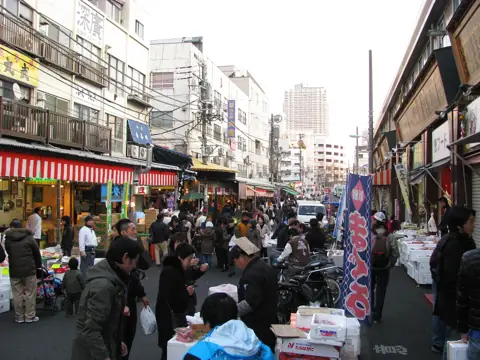 Tsukiji, Tokyo · 4 km
Tsukiji Outer Market →
Tsukiji Outer Market is a lively area where food professionals gather, known for its fresh seafood, ingredients, and souvenirs, making it a popular tourist destination.
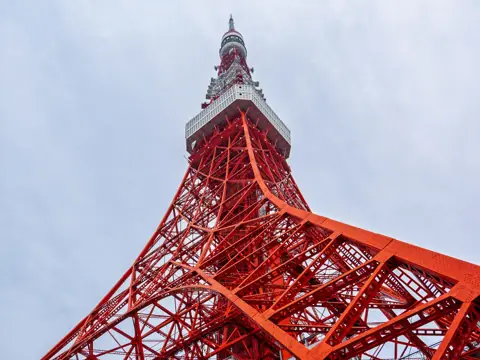 Minato · 6 km
Tokyo Tower →
Built in 1958, this 333-meter iron tower is famous for its observatory, which offers panoramic views of Tokyo, and its beautiful nighttime illumination.
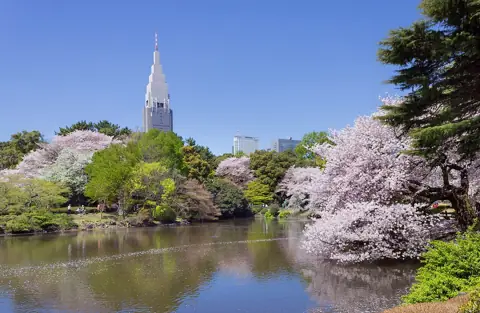 Shinjuku · 8 km
Shinjuku Gyoen National Garden →
A vast garden built on the site of the Naito family's residence from the Edo period.
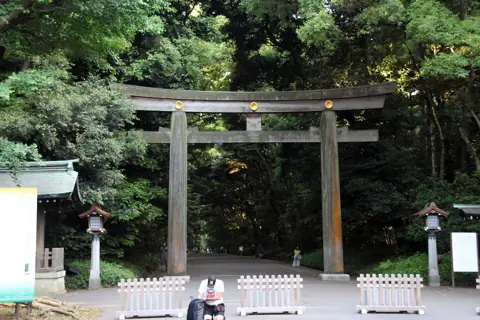 Tokyo · 9 km
Meiji Jingu →
Meiji Jingu is a shrine dedicated to Emperor Meiji and Empress Shoken, and is known for attracting the largest number of New Year's shrine visitors in Japan.
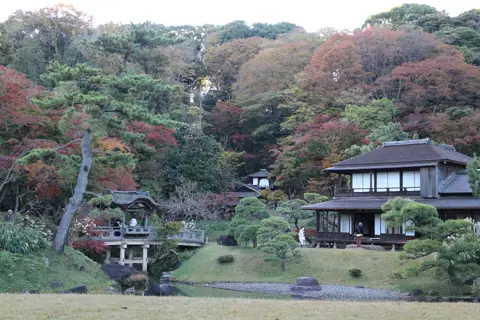 Yokohama · 34 km
Sankeien Garden →
A vast Japanese garden in Yokohama, featuring relocated historic buildings and offering scenic views throughout the seasons.


Distances are straight-line from the town centre. Each page has how to get there and a suggested day.
Questions people ask
- Where can I see or buy Festival goods, Craft in Tokyo?
Festival goods: Nihonbashi Marunao (Nihonbashi)
Craft: Kakimori (Kuramae), Ubukeya (Nihonbashi), Tokyo Noble (Kanda), And Leather (Asakusabashi), Isetatsu (Yanaka), m+ (Kuramae), Nihonbashi Edoya (Nihonbashi), Hanashyo Kameido (Koto-ku)
Every place was checked to be open in November 2026. Hours can change, so please check the official site before you go.
If you like Tokyo
- Osaka
Osaka, Japan
For example, Kakimori here, and moyi store in Osaka.
- Ozu
Ehime, Japan
For example, And Leather here, and Omatsu Leather Craft in Ozu.
- Kobe
Hyogo, Japan
For example, Hanashyo Kameido here, and Fukugido in Kobe.
Chosen by how close the towns and their places are in what they make and serve.