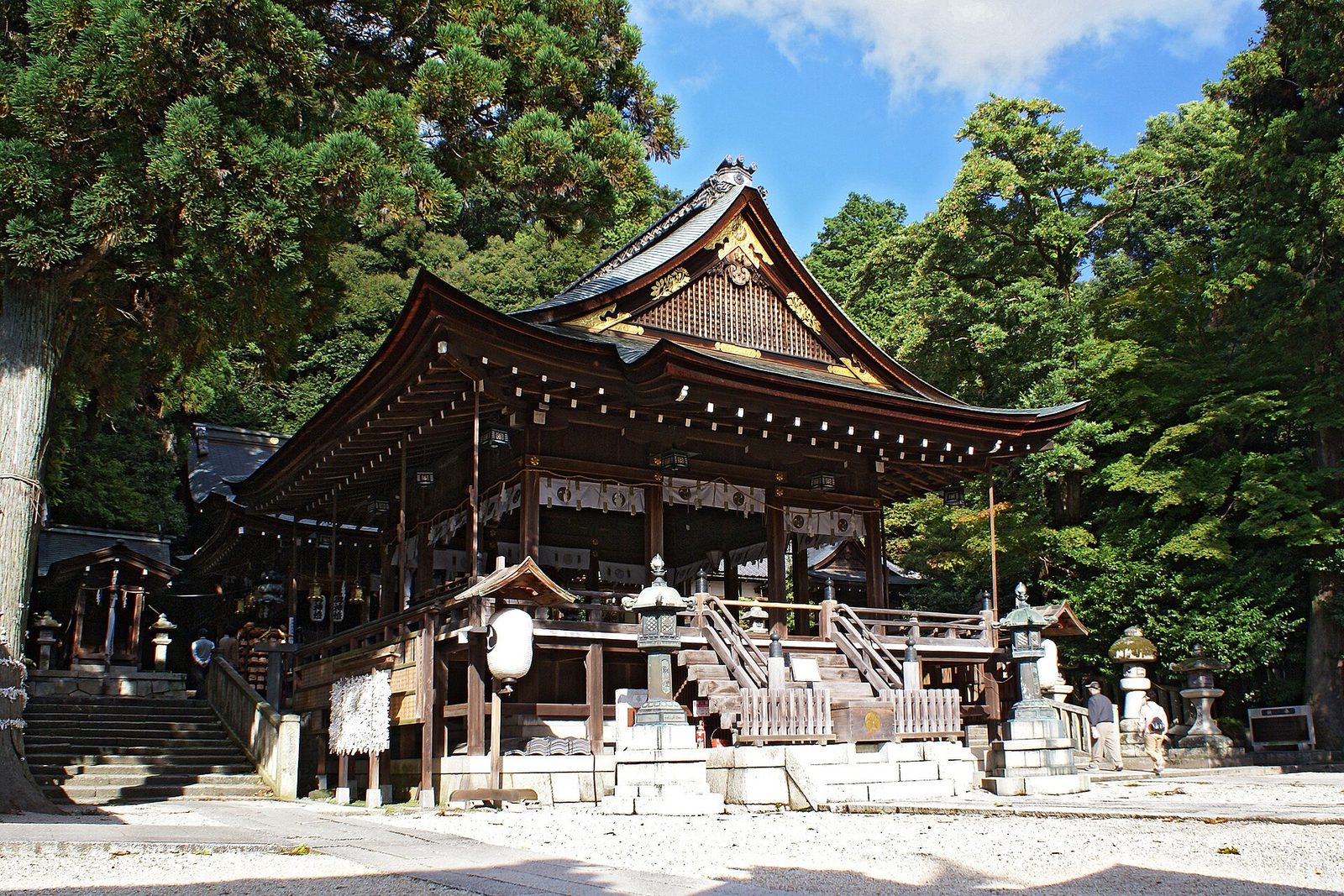
35.1° N
Omihachiman
Shiga, Japan
A former castle town beside Lake Biwa and the Nishinoko reed marshes. Hachiman-gawara roof tiles, hand-sewn leather shoes and turned wooden beads, with wagashi, bread and coffee along the canal and old merchant streets: the editors’ picks.
Omihachiman, on film
4 sights and 16 places, each checked open in 2026, in 34 seconds.
Found somewhere you like? The map and the list below have the address, hours and official site.
Tap for sound
What to eat in Omihachiman
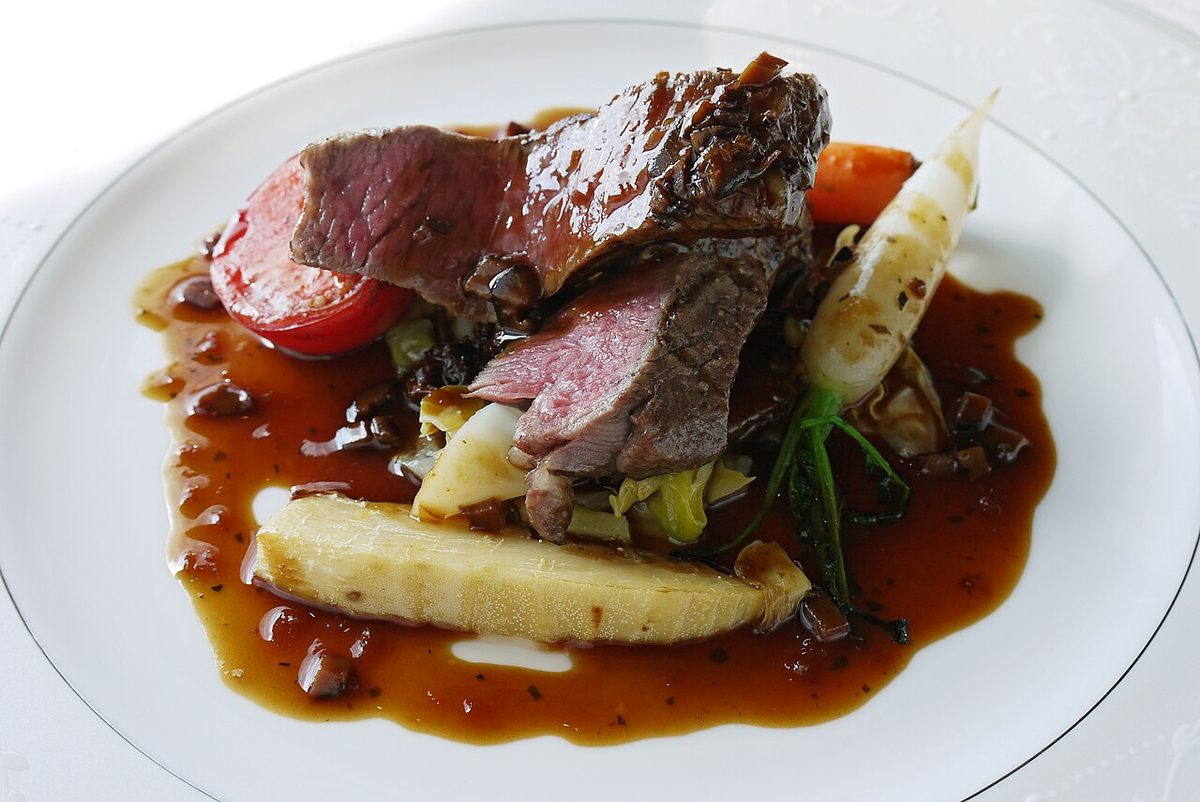
Photo: 663highland / CC BY 2.5 (Wikimedia Commons) Omi-gyu (Omi beef)
近江牛
Omi-gyu is wagyu beef from Japanese Black cattle raised in Shiga Prefecture. Cattle fattening and beef processing developed around Omihachiman, from where Omi merchants and local dealers shipped beef to Kyoto and Tokyo from the late Edo and Meiji periods.
Eaten year-round as steak, sukiyaki, shabu-shabu, or in set meals and rice bowls.
Where to eat it
- MAISON HIBINO ↓
- Omi Beef Restaurant TiffanyWebsiteMap
- Omi Beef Morishima Omihachiman HontenWebsiteMap
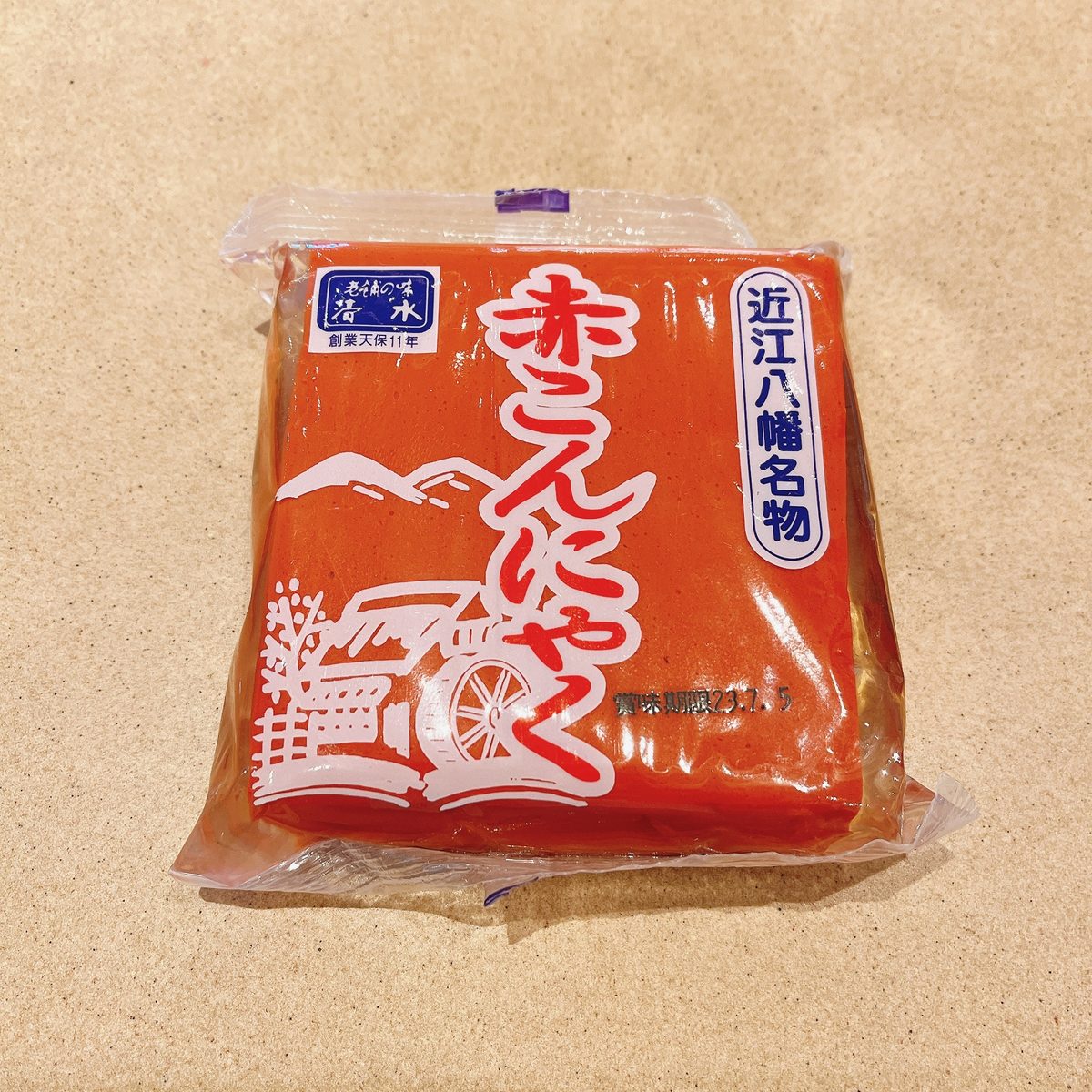
Photo: ここ滋賀 オンラインショップ (Shiga Prefecture Official Antenna Shop) (official site) Aka konnyaku (red konjac)
赤こんにゃく
Aka konnyaku is konjac dyed red with food-grade iron sesquioxide, giving it a fine-grained, firm texture that holds its color when simmered. Produced around Omihachiman, it has long been eaten both at festive gatherings and in everyday home cooking.
Most often simmered with soy sauce, mirin, bonito flakes, and chili pepper, or served as a side dish with set meals.
Where to eat it
- Brasserie Épattache ↓
- Restaurant WadenWebsiteMap
- Omi Beef Creative Cuisine KubotayaWebsiteMap
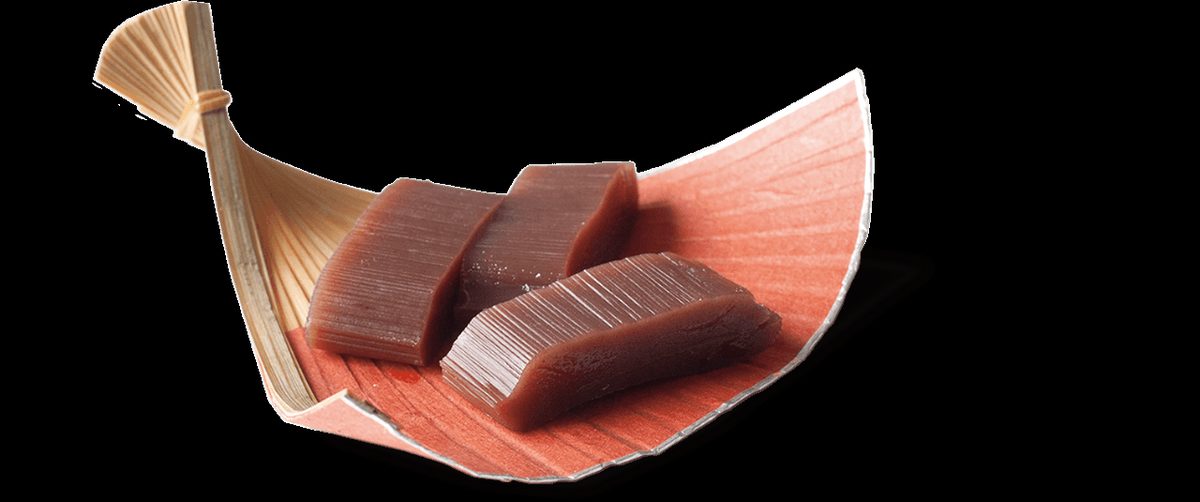
Photo: 和菓子司 近江三方庵 (official site) Detchi yokan (bamboo-wrapped steamed red-bean cake)
丁稚羊羹
Detchi yokan is a steamed sweet made from smooth red-bean paste, sugar, and wheat flour wrapped in natural bamboo sheaths. In landlocked Omihachiman, local confectioners used wheat flour in place of scarce agar, and Watayo has made it there since 1863.
Peel back the bamboo wrapping and slice it to eat fresh with tea year-round.
Where to eat it
- Omi Sanpouan ↓
- WatayoWebsiteMap
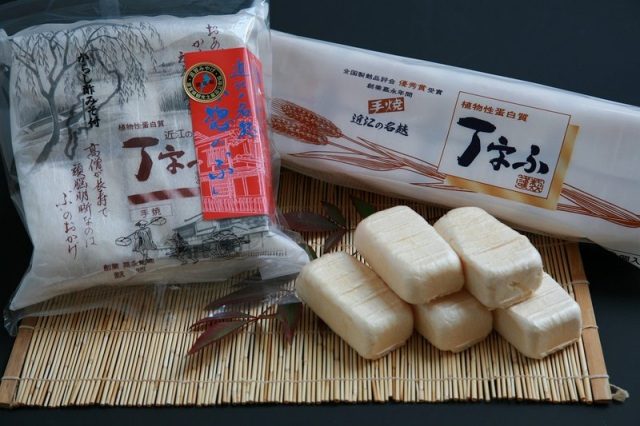
Photo: 近江八幡観光物産協会 (Omihachiman Tourism & Products Association) (official site) Chojifu (square baked wheat gluten)
丁字麩
Chojifu is a square wheat gluten baked on all six sides, with a thick, chewy texture that holds its shape when cooked. Made in Omihachiman since at least the late Edo period, its compact rectangular shape suited Omi merchants carrying preserved food on long trading journeys.
Rehydrated and tossed with cucumber in mustard vinegar miso, or simmered in sukiyaki and soups.
The LATITUDE editors’ 16 picks in Omihachiman
Our editors verified that these places were open (checked 2026-11-19). Check the official site for hours and closing days before visiting. Sponsored listings are marked.
Save places to your trip list and revisit them in this browser. No account needed.
Editors’ picks on the map — or build your own route
Tap a mark to see the place; squares are museums and sights (landmarks). Use “Build your own route” to make a walk of your own.
Loading the map
Map data © OpenStreetMap contributors
Browse by category
1 / 19
Hachiman-bori
Brasserie Épattache
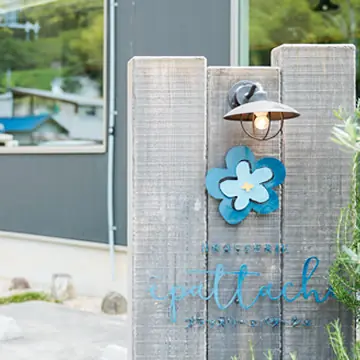
Photo: the shop’s official page ブラッスリー エパターシュ
A French brasserie in Miyauchi-cho serving courses with seasonal local vegetables, signature quiche and house-baked rye bread on chosen tableware. Check the monthly calendar for opening days and reservations.
11:30–21:00 (dinner by reservation only at least 2 days in advance) · Closed: Mondays, Tuesdays, and 2nd and 4th Sundays
Why the editors chose itServes French courses of local seasonal vegetables, quiche and house-baked rye bread on chosen tableware.
Omihachiman Station
Kyoto Soba Shinano
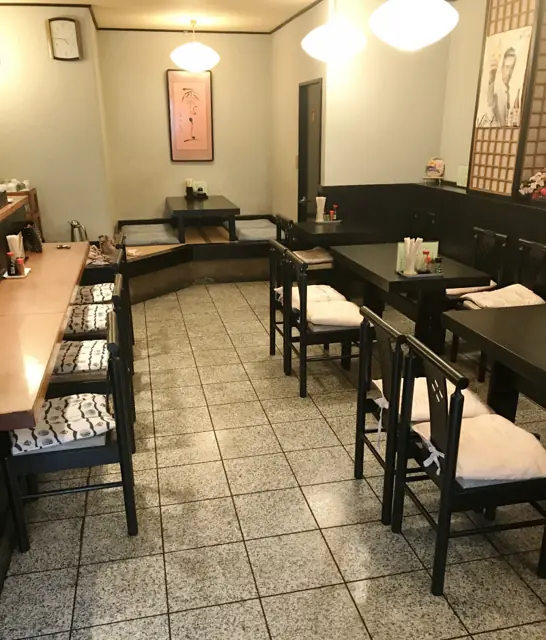
Photo: the shop’s official page 京都そば処 志な乃
Irregular closing days
A thirty-year-old soba and donburi shop in Demachi, an eight-minute walk from Omihachiman Station's north exit. Oyakodon is its best-known dish alongside softly boiled soba. Reopening 13 November 2026 for lunch only (11:00–15:00) for the time being.
11:00–15:00, 17:00–19:00 · Closed: Irregularchecked Nov 2026
Why the editors chose itA 30-year-old soba and oyakodon shop in Demachi, currently opening only for lunch from 11:00 to 15:00.
Nishinoko & Suiro
MAISON HIBINO
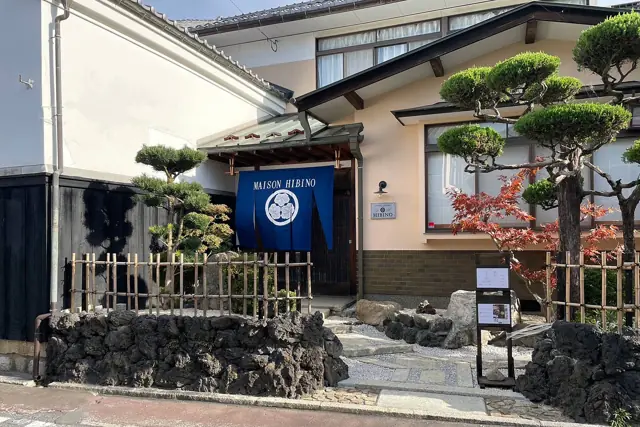
Photo: the shop’s official page A French restaurant in a 130-year-old timber house in Azuchi-cho Jorakuji, serving courses built around Shiga ingredients overlooking a garden. Check the website calendar for open days and bookings.
12:00–15:00 (last order 14:30), 18:00–21:30 (last order 21:00) · Closed: Wednesdays and Sundayschecked Nov 2026
Why the editors chose itDine on Shiga-ingredient French courses overlooking a garden from inside a 130-year-old timber house.
Nishinoko & Suiro
coffee åtta
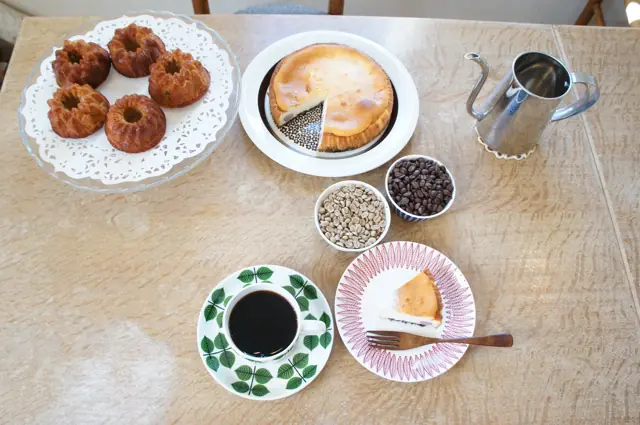
Photo: the shop’s official page A shop of home-roasted coffee and Nordic vintage wares in Kobunaki-cho, also hosting small exhibitions and workshops.
11:00–16:00 (open irregularly 2–3 days a week) · Closed: Irregular
Why the editors chose itPairs home-roasted coffee with Nordic vintage wares, also hosting small exhibitions and workshops.
Hachiman-bori
Cafe NICO
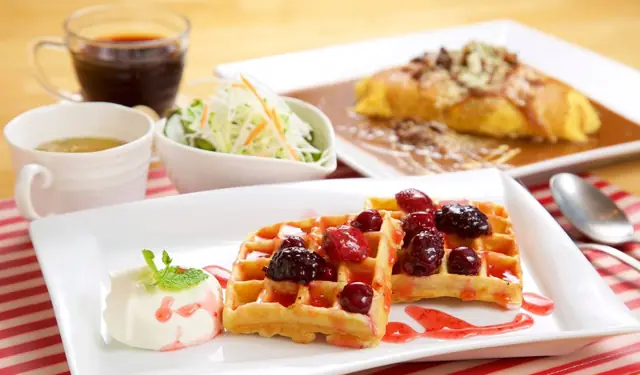
Photo: the shop’s official page A café in Taga-cho serving coffee from specialty roasters, Mlesna teas and local-vegetable dishes, along with made-to-order waffles and fruit tarts.
11:00–20:00 (last order 19:00), Mon 11:00–17:00 (last order 16:30) (lunch 11:30–14:30) · Closed: Wednesdays
Why the editors chose itServes Mlesna tea, specialty coffee, local-vegetable dishes and waffles baked to order.
Nakaya-cho & Nagahara-cho
Koukoan
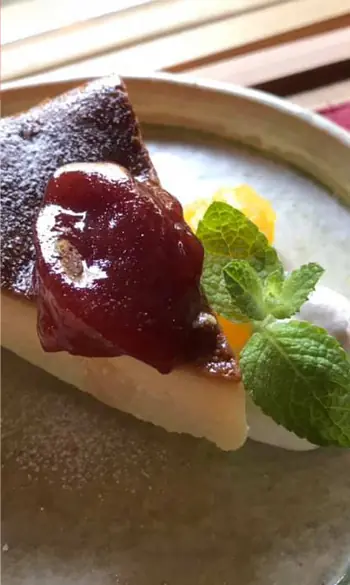
Photo: the shop’s official page 江湖庵
A café and seal-engraving workshop in a 200-year-old townhouse in Ishin-cho Moto. Serves specialty coffee, organic sencha, and rice-flour chiffon and cheesecake. Open 11:30 to 18:00 (17:00 in winter), closed Tuesdays and Wednesdays.
11:30–18:00 (until 17:00 in Dec–Feb) · Closed: Tuesdays and Wednesdays
Why the editors chose itA 200-year-old townhouse doubling as a seal-engraving workshop and café with coffee and organic sencha.
Shinmachi-dori
Damontei
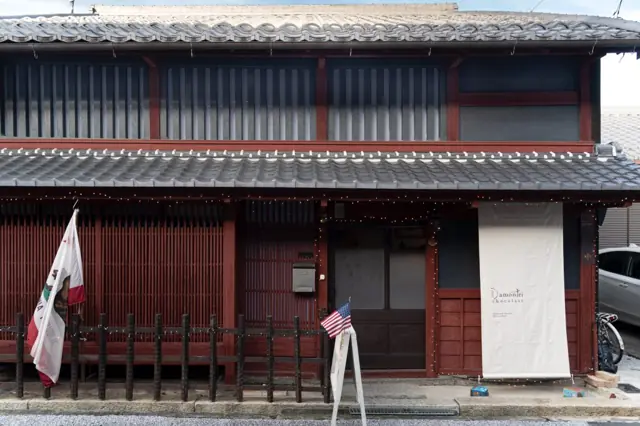
Photo: the shop’s official page だもん亭
A house on Shinmachi-dori run by potter and chef Darren Damonte. Its attached shop and café serve bean-to-bar craft chocolate and sweets, while the California-cuisine restaurant takes one group a day by reservation only.
Thu–Sun 12:00–19:00 · Closed: Mondays to Wednesdays
Why the editors chose itPotter and chef Darren Damonte's house pairs a one-group-daily restaurant with a walk-in bean-to-bar chocolate café.
Omihachiman Station
Omi Sanpouan
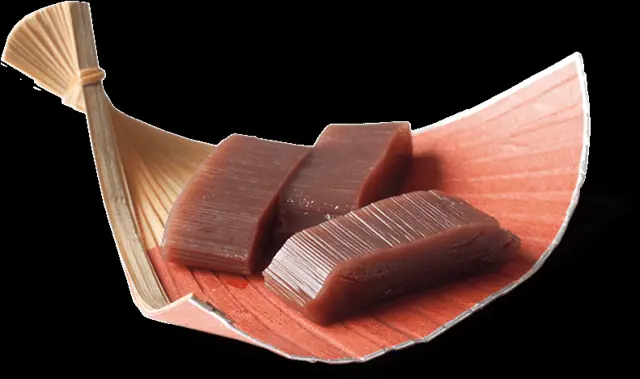
Photo: the shop’s official page 和菓子司 近江三方庵
A wagashi shop in Demachi making fresh daily morning sweets with Shiga habutae glutinous rice and Tokachi red-bean paste. Open 9:30 to 17:30, closed Fridays.
9:30–17:30 · Closed: Fridayschecked Nov 2026
Why the editors chose itBuy short-lived morning wagashi made daily from Shiga habutae glutinous rice and Tokachi red-bean paste.
Kitanosho
La Collina Omihachiman (Taneya)
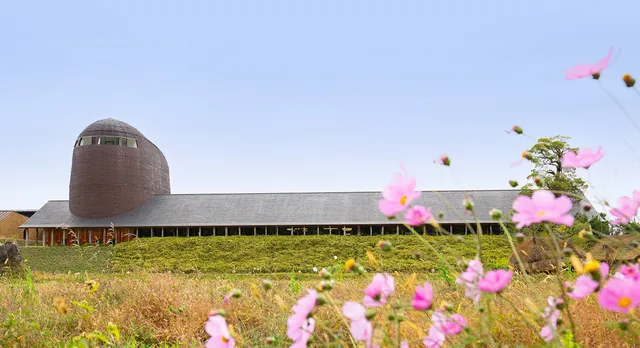
Photo: the shop’s official page ラ コリーナ近江八幡(たねや)
The home of Omihachiman's confectioner Taneya: grass-roofed buildings by the architect Terunobu Fujimori around a rice field, with wagashi and Western sweets shops and a café.
Why the editors chose itArchitect Terunobu Fujimori's grass-roofed buildings surround a rice field with Taneya's sweets shops and café.
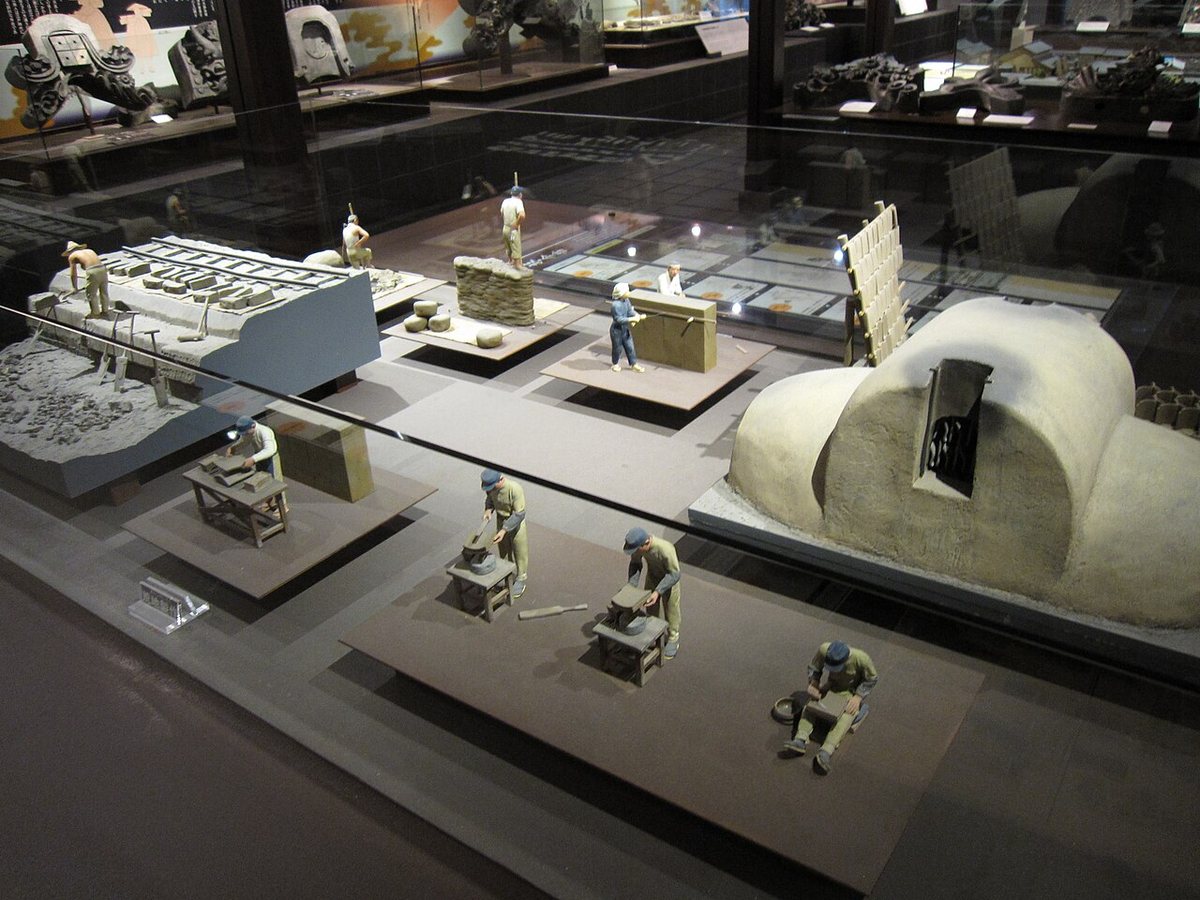
Made in Omihachiman
Ibushi-gawara smoked clay tiles fired along the canal have covered Omihachiman's merchant roofs for centuries. At Kawara Museum, visitors can see how the tiles were made and try firing clay themselves.
Tile-making and kiln diorama at Kawara Museum·Photo: Ciphers / CC BY-SA 3.0 (Wikimedia Commons)
Hachiman-bori
Kawara Museum
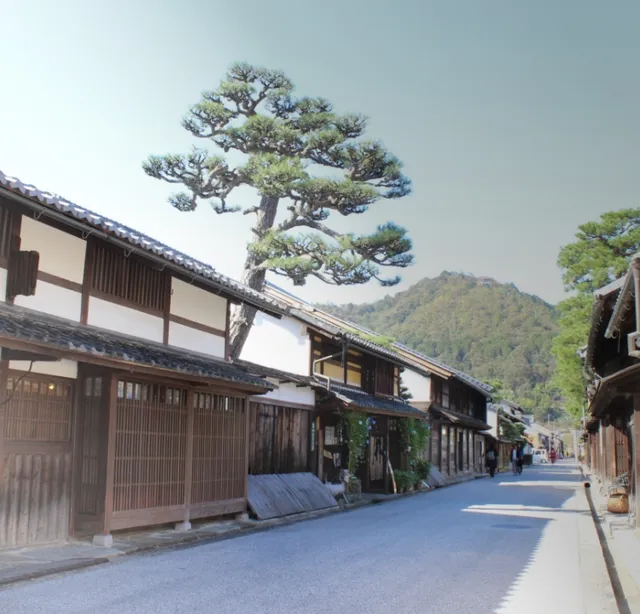
Photo: the shop’s official page かわらミュージアム
A museum and workshop along Hachiman-bori devoted to roof tiles. Across ten tile-clad buildings using 24,000 tiles, visitors can see onigawara displays and try firing smoked-silver clay pieces. Open 9:00 to 17:00, closed Mondays.
Tue–Sun 9:00–17:00 (last entry 16:30) · Closed: Mondays (open on public holidays), day after public holidays, Dec 28–Jan 3
Why the editors chose itExplore ten buildings using 24,000 roof tiles along Hachiman-bori, or try firing your own smoked-silver clay piece.

Made in Omihachiman
Hand-sewn leather shoemaking took root in Omihachiman and grew into a local craft. Makers such as Riverfield near the station still craft made-to-order Hachiman-gutsu leather shoes.
Hand-sewn leather derby shoes by Riverfield·Photo: Riverfield (official site)
Omihachiman Station
Riverfield

Photo: the shop’s official page リバーフィールド
A custom leather shoemaker near the south exit of JR Omihachiman Station making traditional hand-sewn Hachiman-gutsu shoes. Choose from 22 designs and 28 materials. Open 10:00 to 17:00, closed Mondays.
10:00–17:00 · Closed: Mondayschecked Nov 2026
Why the editors chose itOrder traditional hand-sewn Hachiman-gutsu shoes near the station, choosing from 22 designs and 28 materials.
Made in Omihachiman
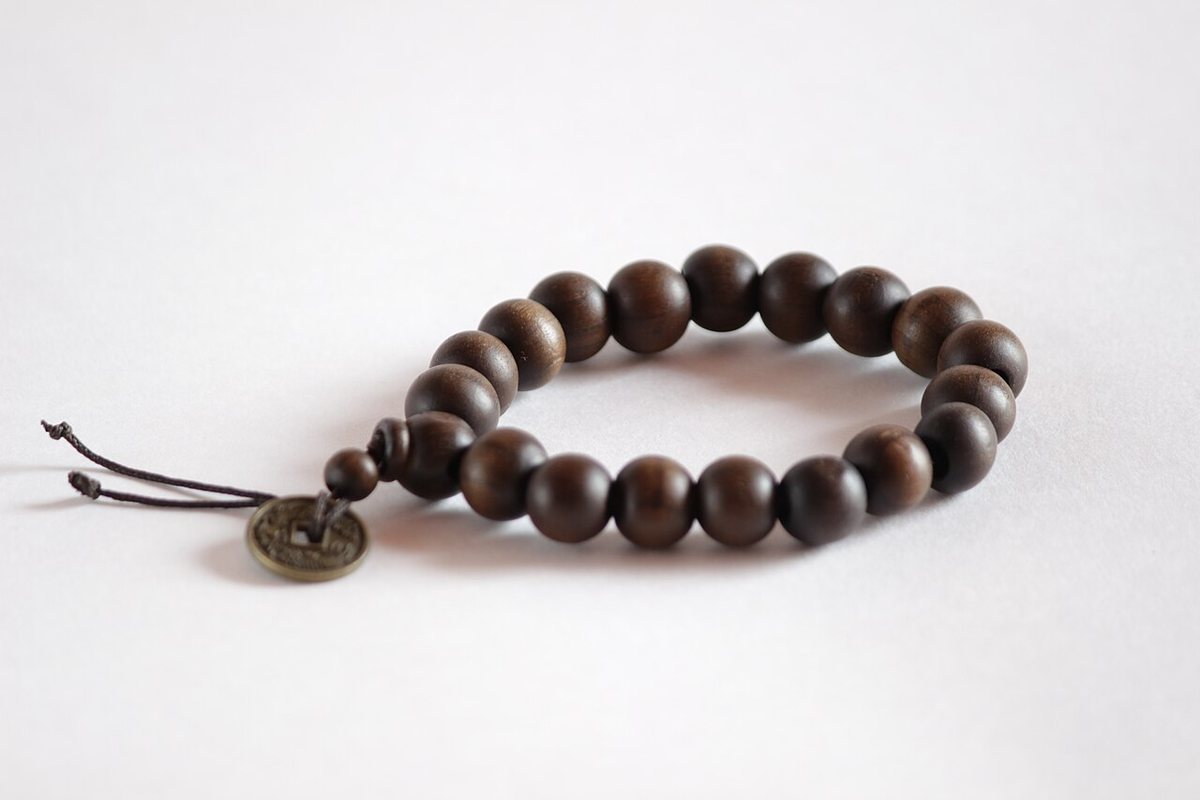
Omihachiman is known as a centre for turned wooden beads used in Buddhist rosaries. Workshops such as Kawasaki, founded in 1928, cut, turn and finish rare woods in-house.
Turned wooden Buddhist prayer beads on a plain background·Photo: Аркадий Зарубин / CC BY-SA 3.0 (Wikimedia Commons)
Hachiman-bori
Rare Wood Beads Bijoux, Hachiman-bori
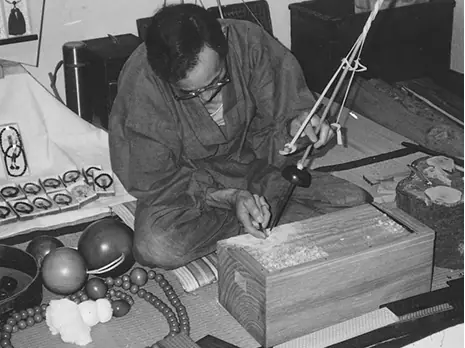
Photo: the shop’s official page レアウッドビーズ美樹 八幡堀 石畳の小路店
The direct shop of wooden-bead maker Kawasaki, founded in 1928, in a restored merchant storehouse by Hachiman-bori. It sells Hanbei wooden rosaries and rare-wood accessories with Biwa pearls, with a second-floor beadwork studio.
10:00–17:00 · Closed: Tuesdayschecked Nov 2026
Why the editors chose itA 1928 wooden-bead maker's restored storehouse shop by Hachiman-bori, with a second-floor studio for making accessories.
Ueda-cho
Miichan no okashi kobo
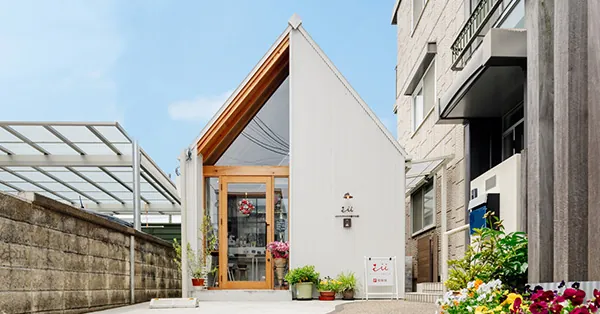
Photo: the shop’s official page みいちゃんのお菓子工房
The shop offers strawberry cakes all year round, with the pastry chef carefully handcrafting each one. The chef's dedicated approach is highly regarded in the community.
Why the editors chose itA pastry studio offering handmade strawberry cakes all year round, whatever the season.
Hachiman-bori
Omi Ikkanbari KURA
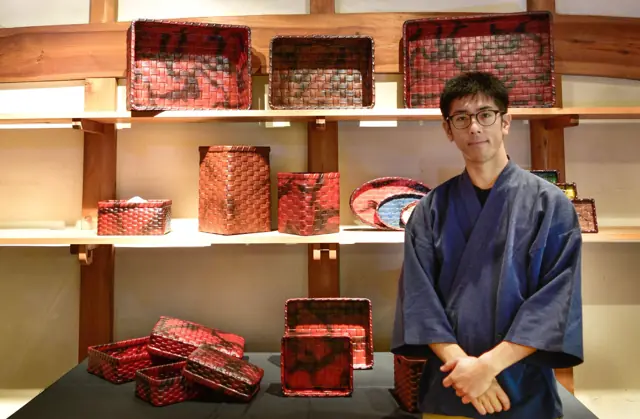
Photo: the shop’s official page 近江一閑張 蔵 -KURA-
A renovated storehouse shop along Hachiman-bori's stone-paved lane for Ebitani Kogei's Omi Ikkanbari baskets, boxes and trays. Open 10:00 to 17:30 (17:00 from December to February), closed Tuesdays.
10:00–17:30 (Dec–Feb 10:00–17:00) · Closed: Tuesdays and irregular holidays
Why the editors chose itInside a converted Hachiman-bori storehouse, browse Ebitani Kogei's Omi Ikkanbari baskets, boxes and trays.
Nakaya-cho & Nagahara-cho
Koyomi Local Life & Crafts
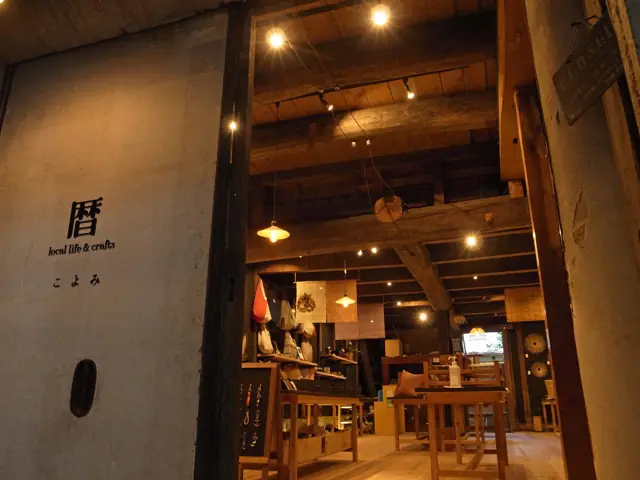
Photo: the shop’s official page 暦 ~こよみ~ Local Life & Crafts
A shop in a converted Edo-period brewery workers' storehouse at Machiya Club, carrying local reed work, bamboo craft, ramie textiles, and Omi leather and Takashima canvas bags. Open 13:00–17:00 weekdays (10:30 weekends/holidays), closed Tuesdays.
Weekdays 13:00–17:00, weekends and public holidays 10:30–17:00 · Closed: Tuesdayschecked Nov 2026
Why the editors chose itAn Edo-period brewery storehouse gathering regional reed craft, ramie textiles, Omi leather and Takashima canvas bags.
Shinmachi
Atelier Key-men
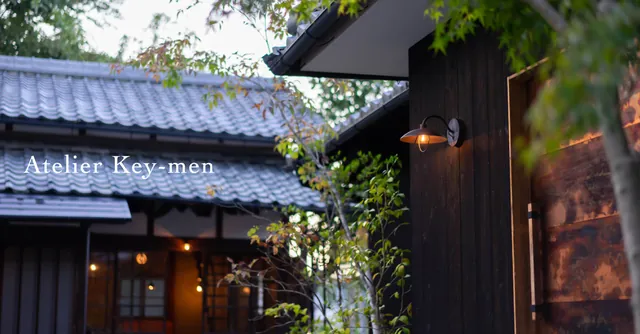
Photo: the shop’s official page In a showroom renovated from an old warehouse, they design and sell lighting fixtures and nameplates made of copper and iron. It is a place filled with the craftsmanship of artisans who handle everything from design to production.
Why the editors chose itA converted warehouse showroom selling copper and iron lighting and nameplates designed and made on-site.
Sights in Omihachiman
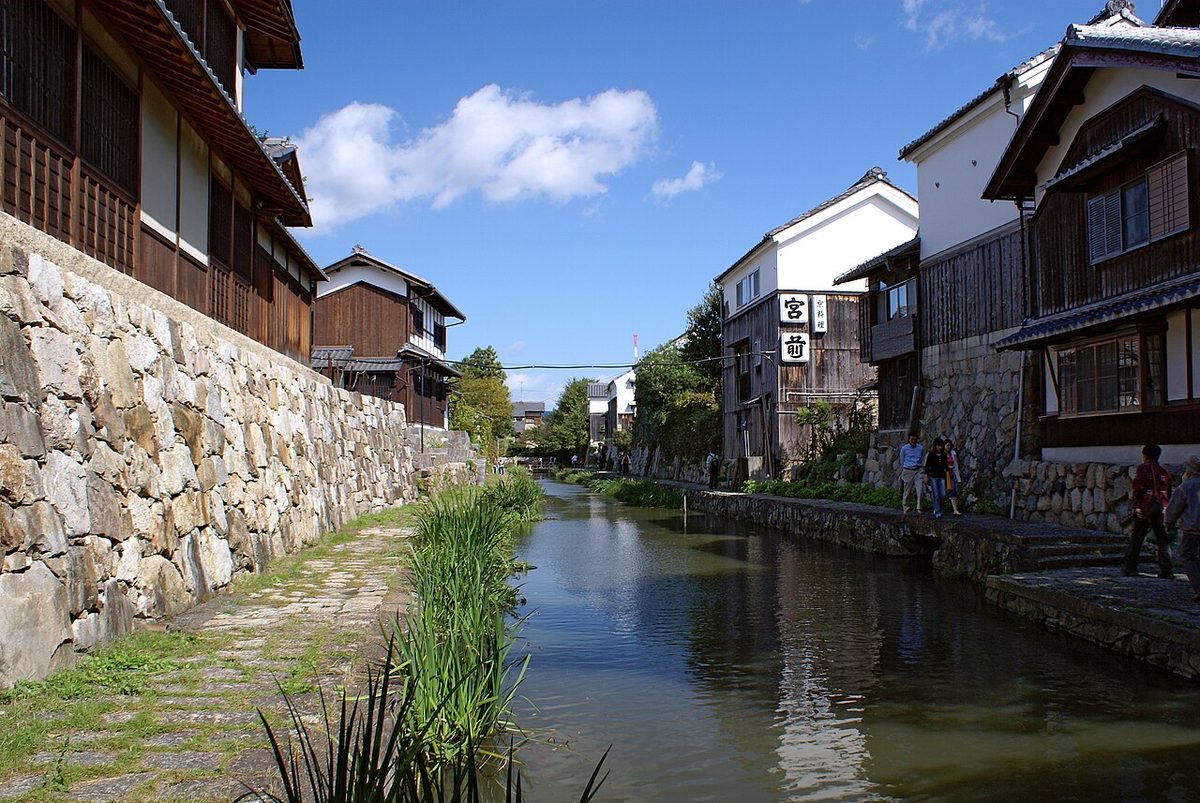
Photo: 663highland / CC BY 2.5 (Wikimedia Commons) A 4.75 km artificial canal dug in 1585 when Toyotomi Hidetsugu built Hachiman Castle.
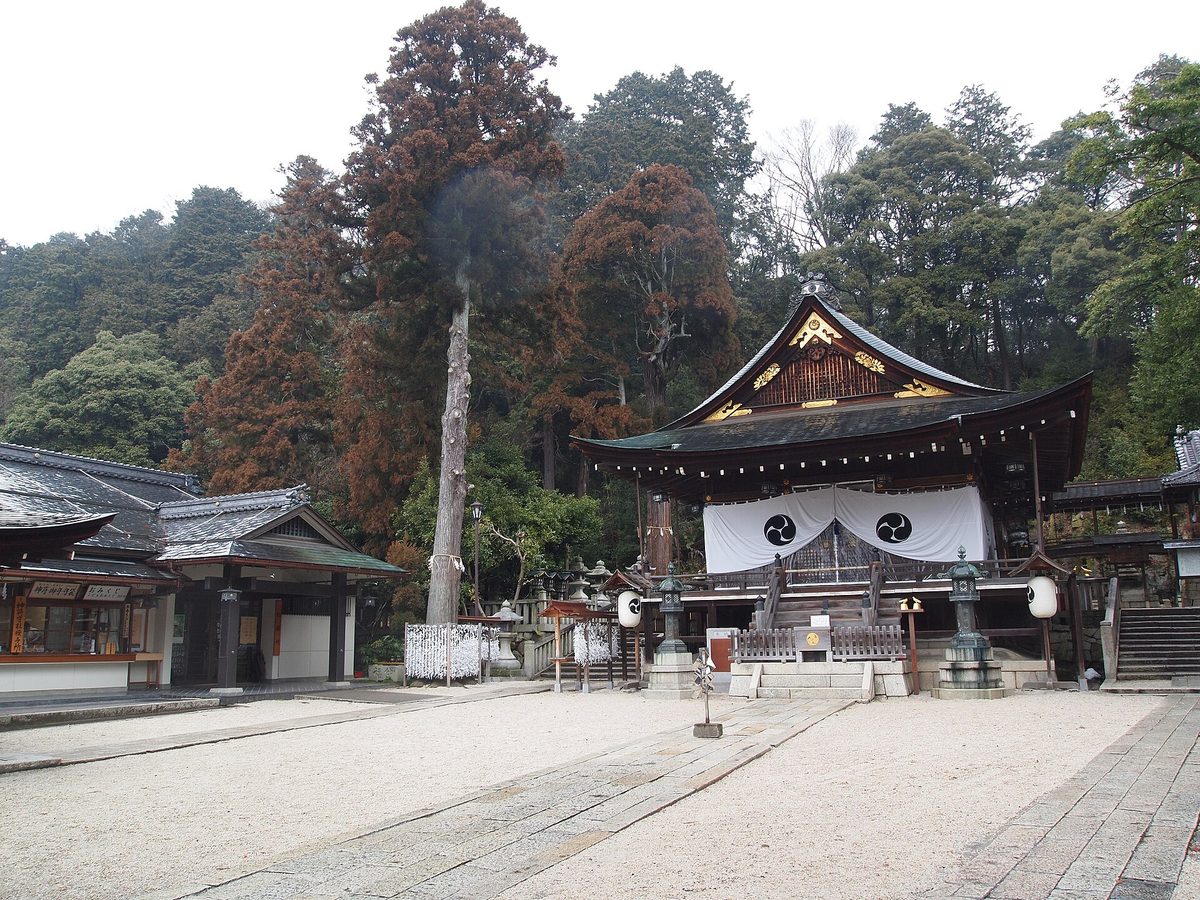
Photo: Kentaro Ohno from Tokyo, Japan / CC BY 2.0 (Wikimedia Commons) The historic tutelary shrine that gave Omihachiman its name.
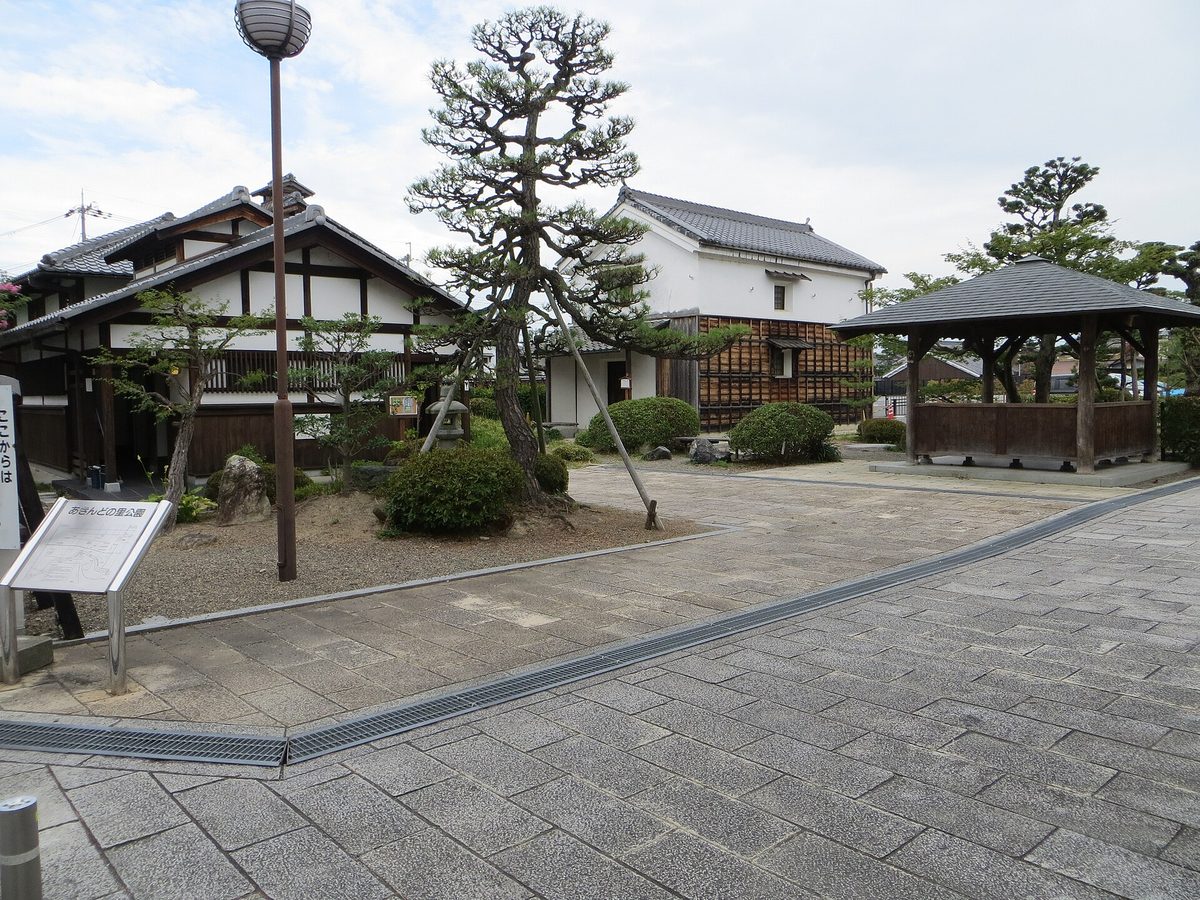
Photo: Joel Bradshaw / CC0 (Wikimedia Commons) Local history and folklore museums on Shinmachi-dori in the preservation district, displaying historical records and merchant counting-house rooms and daily wares.
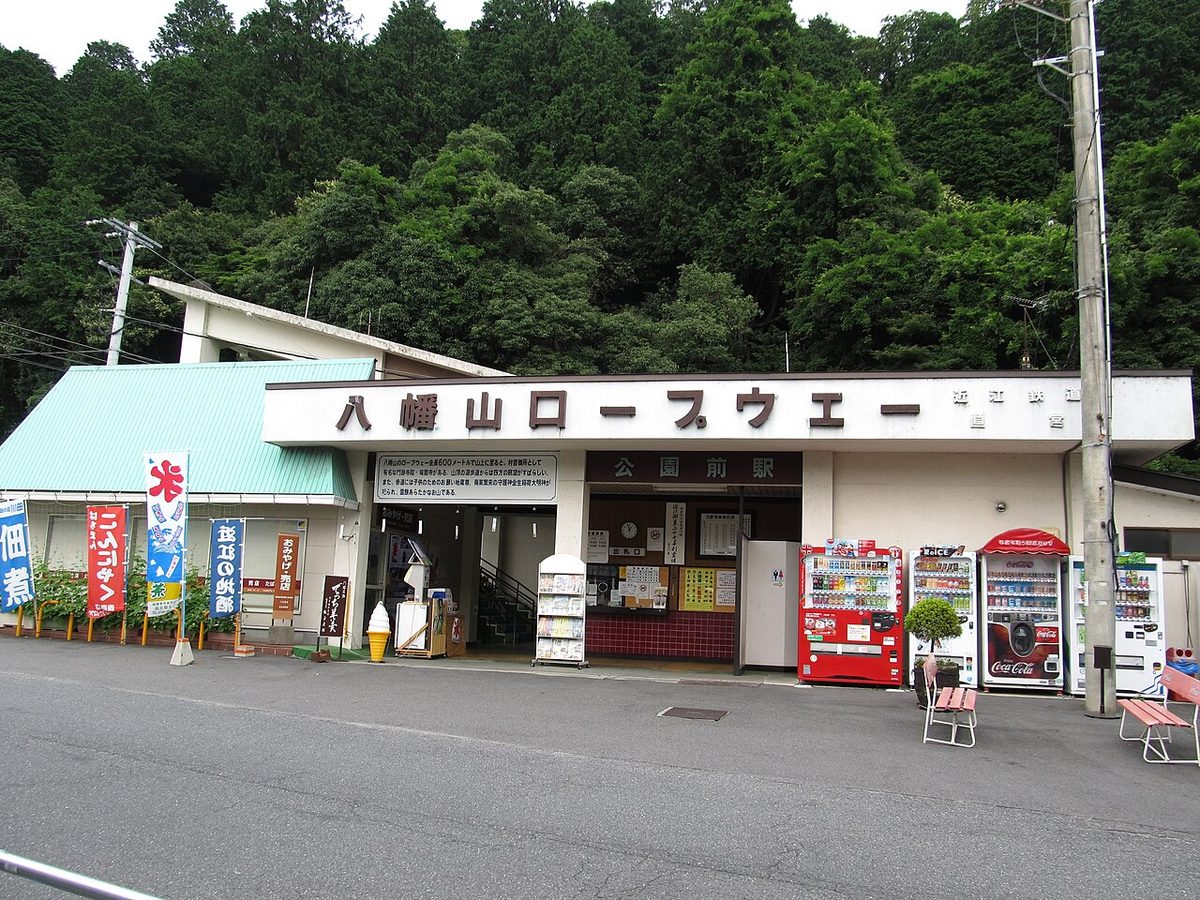
Photo: Twilight2640 / CC BY-SA 3.0 (Wikimedia Commons) A ropeway climbing from beside Himure Hachimangu Shrine to the summit of Mt.
These are local landmarks. Each was checked to be open on its official site (checked 2026-11-12). Please confirm hours before you go.
Beyond Omihachiman
1 / 11
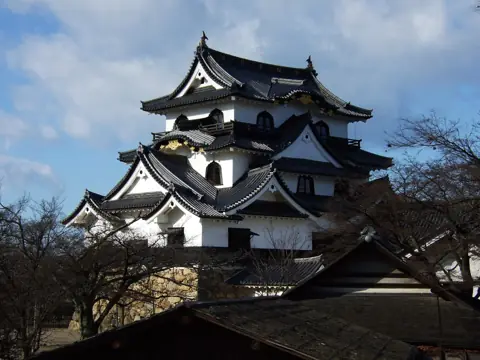 Hikone · 21 km
Hikone Castle →
Hikone Castle was built by Ii Naotsugu and Naotaka over a period of approximately 20 years.
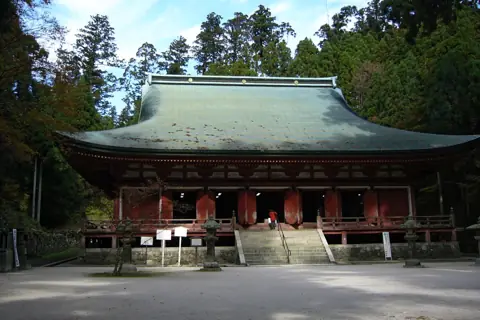 Otsu · 24 km
Enryaku-ji Temple →
Enryaku-ji Temple on Mt. Hiei is the head temple of the Tendai sect, with over 1200 years of history.
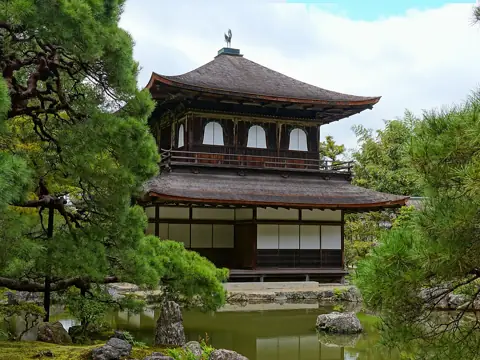 Kyoto · 29 km
Ginkaku-ji (Silver Pavilion) →
A villa built by Ashikaga Yoshimasa that represents Higashiyama culture, featuring a garden that embodies the wabi-sabi spirit.
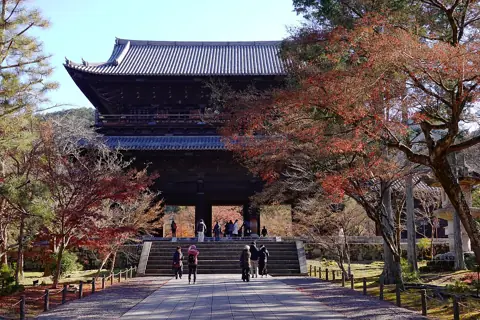 Kyoto · 31 km
Nanzen-ji Temple →
A prominent Zen temple known for its massive Sanmon gate and tranquil rock gardens.
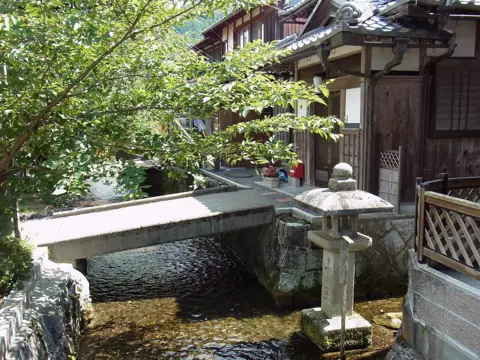 Maibara · 32 km
Samegai-juku Jizo River Baikamo →
Crystal-clear spring water flowing through the former Nakasendo post town of Samegai-juku, where white submerged baikamo water crowfoot blooms in summer.
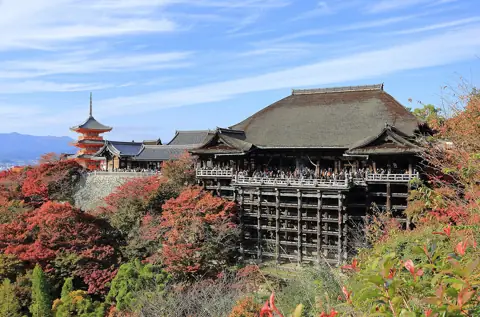 Kyoto · 32 km
Kiyomizu-dera →
Walk up Kiyomizu-zaka to the Nio-mon gate for the main approach to Kiyomizu-dera. A second entrance is at the top of Chawan-zaka. Our day trip from Kyoto Station pairs the temple’s wooden stage with the gardens at Kodai-ji and lunch in Gion.
 Kyoto · 33 km
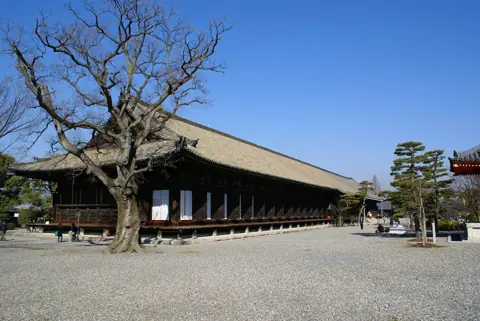
Sanjusangendo Temple →
A historic temple famous for its long hall containing 1,001 statues of Kannon, the goddess of mercy.
 Kyoto · 34 km
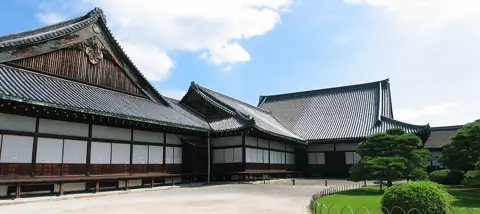
Nijo-jo Castle →
A UNESCO World Heritage castle built by Tokugawa Ieyasu that witnessed the beginning and end of the Edo period.
 Kyoto · 34 km
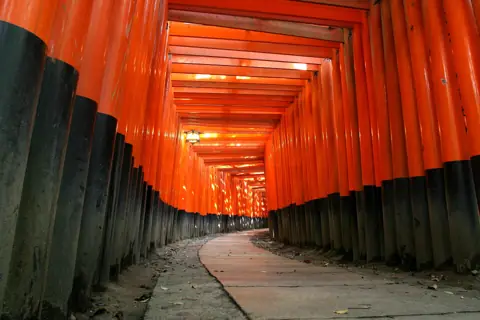
Fushimi Inari-taisha →
Fushimi Inari-taisha is the head shrine of the Inari shrines, with about 30,000 shrines nationwide.
 Uji · 36 km
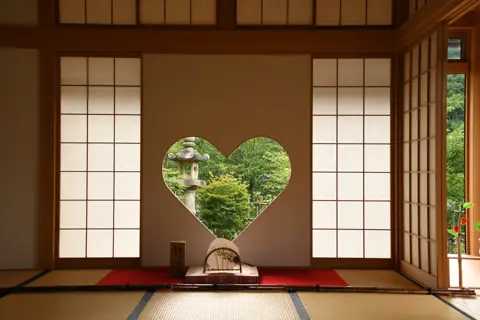
Shoju-in →
A quiet temple in the tea hills of Ujitawara famous for its heart-shaped inome window and 160 painted ceiling panels in the guest hall.
 Suzuka · 42 km
Suzuka Forest Garden →
A research and cultivation garden operated by Akatsuka Botanical Garden Group where around 200 prized weeping plum trees, including Japan's oldest Kureha-shidare, open to the public during bloom.


Distances are straight-line from the town centre. Each page has how to get there and a suggested day.
Questions people ask
- Where can I eat Omihachiman's local dishes?
Omi-gyu (Omi beef): MAISON HIBINO (Nishinoko & Suiro)
Aka konnyaku (red konjac): Brasserie Épattache (Hachiman-bori)
Detchi yokan (bamboo-wrapped steamed red-bean cake): Omi Sanpouan (Omihachiman Station)
- Where can I see or buy Hachiman Smoked Clay Roof Tiles, Hachiman Hand-Sewn Leather Shoes, Omi Turned Wooden Rosary & Craft Beads in Omihachiman?
Hachiman Smoked Clay Roof Tiles: Kawara Museum (Hachiman-bori)
Hachiman Hand-Sewn Leather Shoes: Riverfield (Omihachiman Station)
Omi Turned Wooden Rosary & Craft Beads: Rare Wood Beads Bijoux, Hachiman-bori (Hachiman-bori)
Craft: Omi Ikkanbari KURA (Hachiman-bori), Koyomi Local Life & Crafts (Nakaya-cho & Nagahara-cho), Atelier Key-men (Shinmachi)
- What can I visit on foot around Hachiman-bori?
Hachiman Smoked Clay Roof Tiles: Kawara Museum
Omi Turned Wooden Rosary & Craft Beads: Rare Wood Beads Bijoux, Hachiman-bori
Cafés: Cafe NICO
Craft: Omi Ikkanbari KURA
Food: Brasserie Épattache
Every place was checked to be open in November 2026. Hours can change, so please check the official site before you go.
If you like Omihachiman
- Hakodate
Hokkaido, Japan
For example, Koyomi Local Life & Crafts here, and OZIO Honten in Hakodate.
- Ozu
Ehime, Japan
For example, Koyomi Local Life & Crafts here, and Omatsu Leather Craft in Ozu.
- Onomichi
Hiroshima, Japan
For example, Koyomi Local Life & Crafts here, and Kobo Onomichi Hanpu in Onomichi.
Chosen by how close the towns and their places are in what they make and serve.