34.7° N
Nara
Nara, Japan
Nara, the capital of Nara Prefecture, lies in the Yamato Basin, surrounded by mountains on three sides.
Nara is a city where history breathes, home to ancient temples and deer that roam freely in its vast park. In autumn, the temples are surrounded by fiery maples, making it the perfect time for a quiet walk through the lanes of Naramachi.
What to eat in Nara
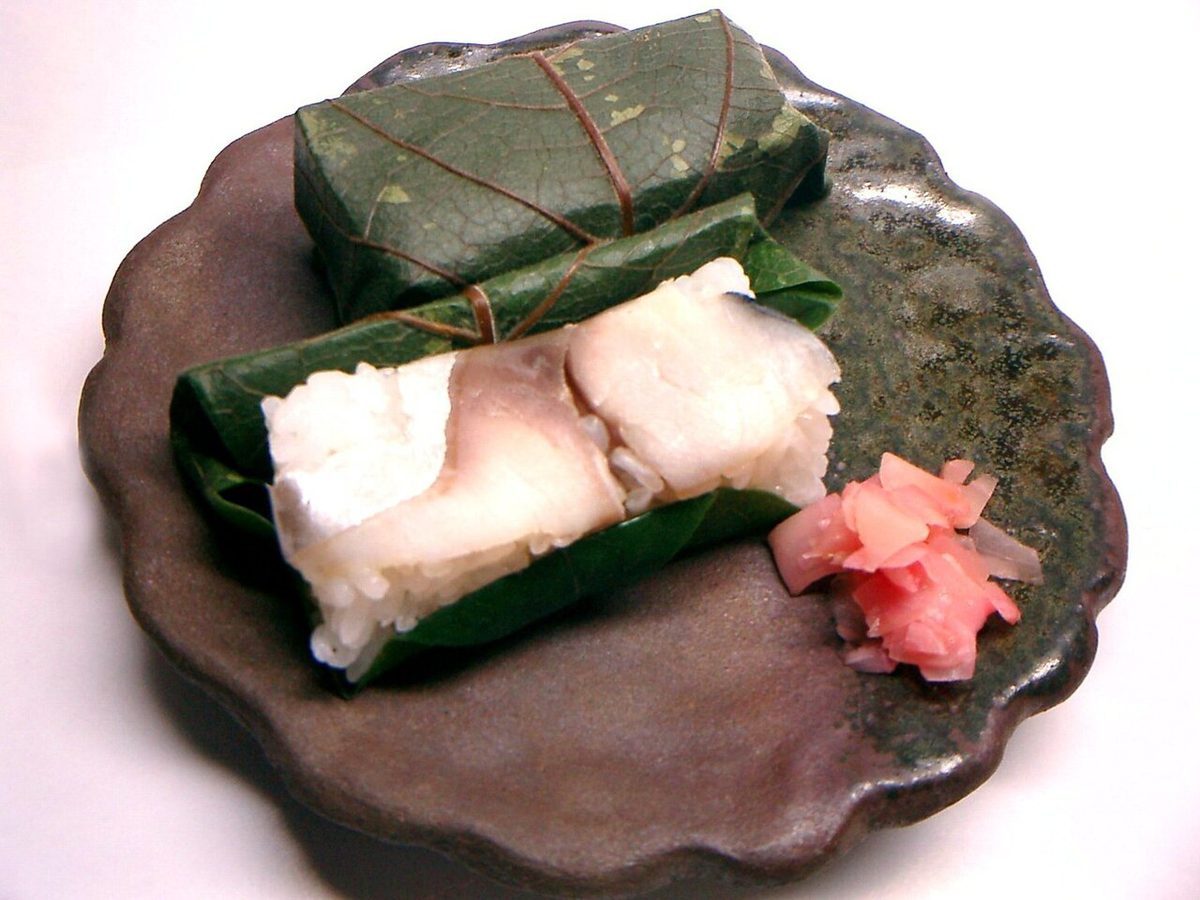
Photo: Tomomarusan / CC BY-SA 3.0 (Wikimedia Commons) Kakinoha-zushi (persimmon leaf-wrapped pressed sushi)
柿の葉寿司
It is a traditional pressed sushi made with vinegared mackerel or salmon wrapped in persimmon leaves. The leaves are used for their antibacterial properties, which was essential for preservation in Nara’s inland climate.
It is often eaten as a portable meal or souvenir, particularly during festivals or family gatherings.
Where to eat it
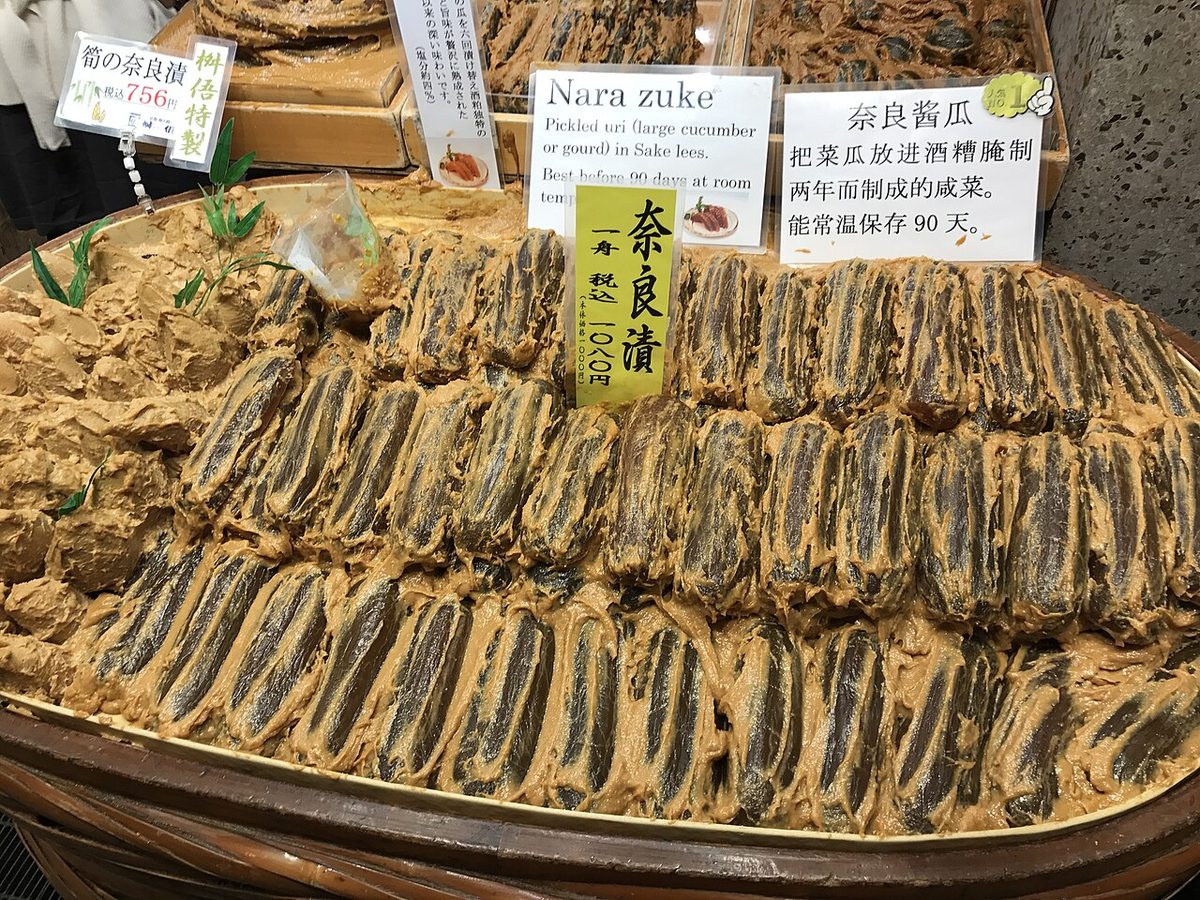
Photo: bangdoll from Taipei,Taiwan / CC BY-SA 2.0 (Wikimedia Commons) Nara-zuke (sake lees pickles)
奈良漬
These are pickles made by marinating vegetables like melon, cucumber, or ginger repeatedly in sake lees. They originated in Nara and are known for their distinct, rich, and slightly alcoholic flavor, developed over many months of fermentation.
Usually served in thin slices as an accompaniment to rice or with tea.
Where to eat it
- Mori Narazuke Ten ↓
- 山崎屋 (Main store)Map
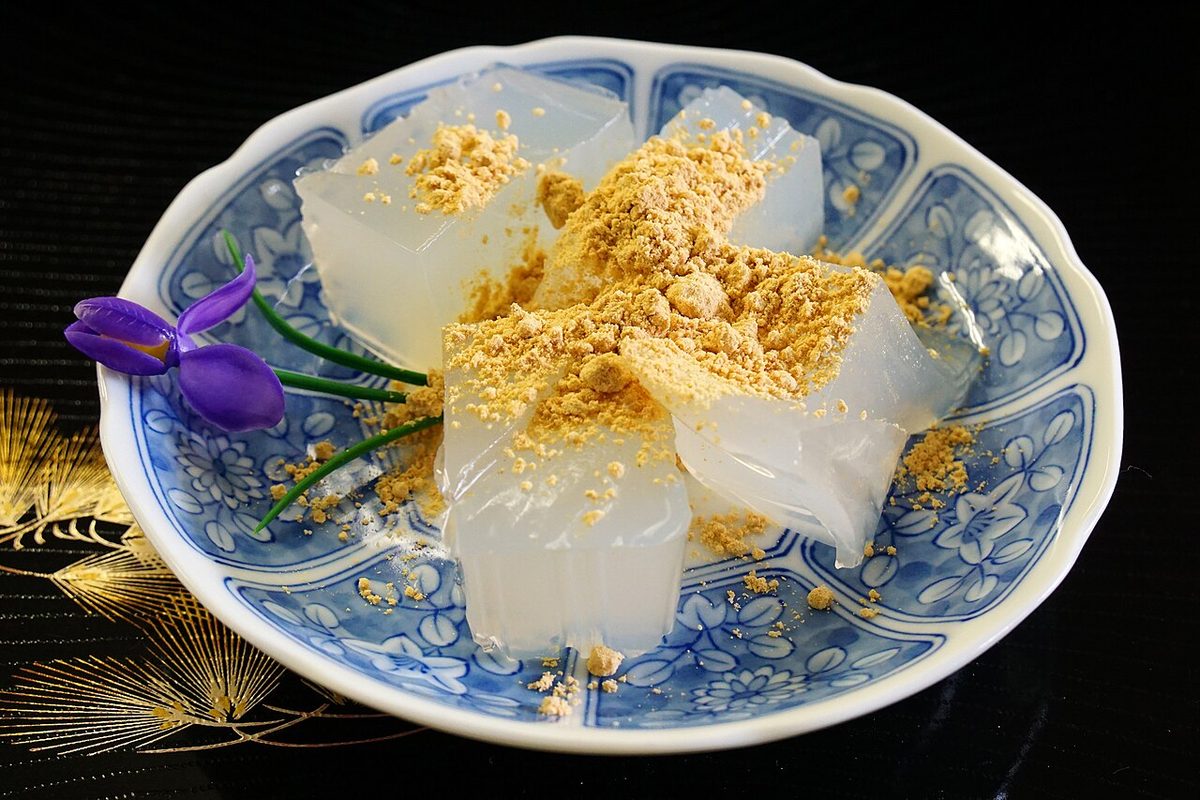
Photo: 663highland / CC BY 2.5 (Wikimedia Commons) Kuzu-ryori (arrowroot dishes)
葛料理
Arrowroot (Kuzu) is a specialty of the Yoshino region near Nara. It is used to make translucent, smooth sweets like kuzumochi and kuzukiri, or savory dishes thickened with kuzu starch.
Enjoyed as cold, refreshing sweets in summer, or as warm desserts in other seasons.
Where to eat it
The LATITUDE editors’ 24 picks in Nara
Our editors verified that these places were open (checked 2026-11-19). Check the official site for hours and closing days before visiting. Sponsored listings are marked.
Save places to your trip list and revisit them in this browser. No account needed.
Editors’ picks on the map — or build your own route
Tap a mark to see the place; squares are museums and sights (landmarks). Use “Build your own route” to make a walk of your own.
Loading the map
Map data © OpenStreetMap contributors
Browse by category
1 / 26
Kitamachi
Kayaku
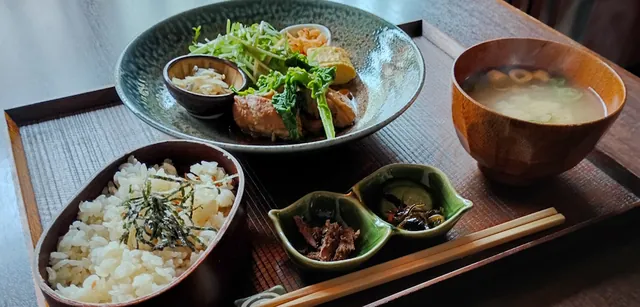
Photo: the shop’s official page かやく飯とお酒 かやく
A hidden restaurant in a 100-year-old renovated house serving rice cooked in a traditional clay pot.
Why the editors chose itDine on traditional pot-cooked kayaku rice inside a 100-year-old renovated house.
Naramachi area
Tanaka Kakinoha Sushi
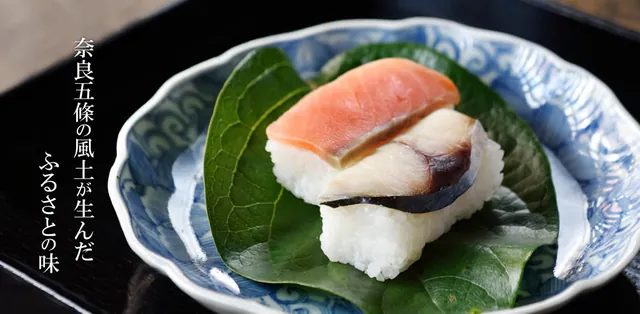
Photo: the shop’s official page 柿の葉すし本舗 たなか
A long-established shop specializing in kakinoha-zushi (persimmon leaf-wrapped pressed sushi). The main store also has a tea house for enjoying freshly made sushi.
Why the editors chose itThe main store includes Kakinoha Chaya, where you can eat freshly made persimmon-leaf sushi.
Nara Park / Todaiji
Mori Narazuke Ten
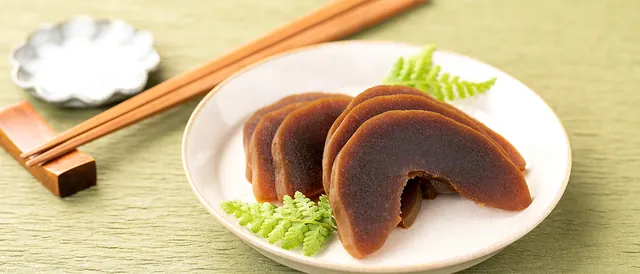
Photo: the shop’s official page 森奈良漬店
A traditional Nara-zuke pickle shop near the Nandaimon Gate of Todaiji Temple, in business since 1869.
Why the editors chose itLocated right before Todaiji’s Nandaimon Gate, crafting traditional Nara-zuke pickles since 1869.
Ichijo
Kuruminoki
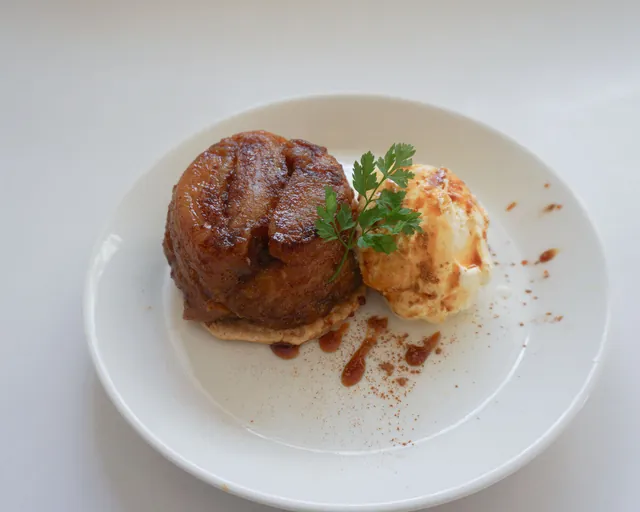
Photo: the shop’s official page くるみの木
A long-standing cafe known for its wholesome lunch and commitment to local ingredients.
Why the editors chose itA long-standing café known for wholesome lunches built around local ingredients.
Inoue-cho
Shikanofune Saezuri
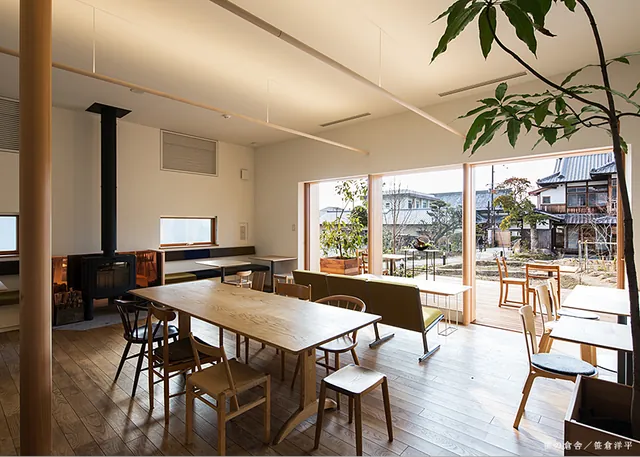
Photo: the shop’s official page 鹿の舟 囀
A cafe located in the Shikanofune complex, offering tea, sweets, and light meals.
Why the editors chose itLocated inside the Shikanofune complex for tea, sweets, and light meals between walks.
Inoue-cho
Shikanofune Kamado
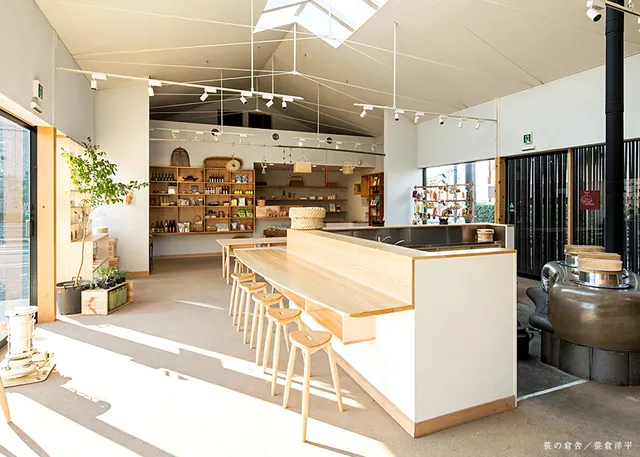
Photo: the shop’s official page 鹿の舟 竃
A dining spot in the Shikanofune complex specializing in rice cooked in a traditional Kamado stove.
Why the editors chose itA dining room in the Shikanofune complex specializing in rice cooked in a traditional kamado stove.
Takabatake
Nara Kasugayama Shuzo
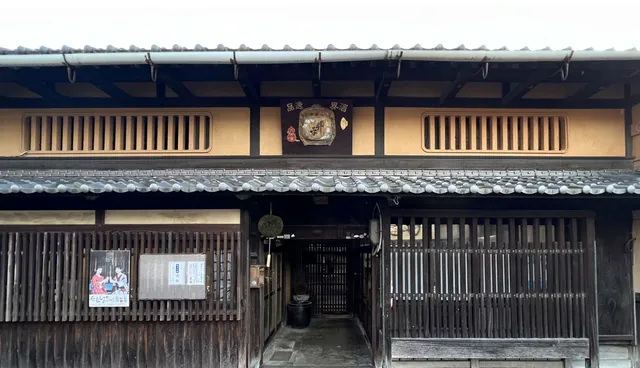
Photo: the shop’s official page 奈良春日山酒造
Sake brewery producing Nara sake since 1640.
Why the editors chose itA sake brewery crafting traditional Nara sake with history dating back to 1640.
Naramachi
Harishin
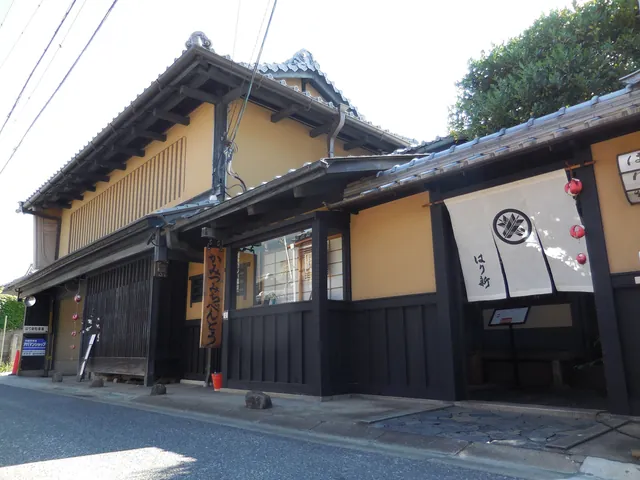
Photo: the shop’s official page はり新
Traditional Nara cuisine in a historic townhouse.
Why the editors chose itDine on traditional Nara cuisine and Asuka-nabe inside a 250-year-old historic townhouse.
Near Todaiji
Beniya
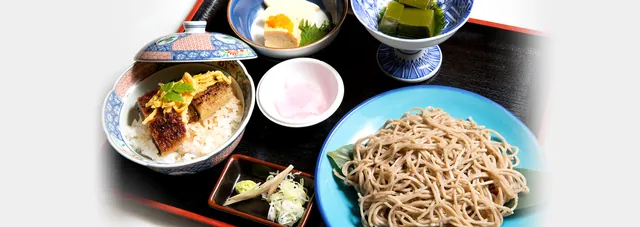
Photo: the shop’s official page 紅屋
Soba and unagi in a historic atmosphere.
Why the editors chose itServing handmade soba noodles and Lake Hamana eel in a historic setting.
Naramachi
Awa Naramachi
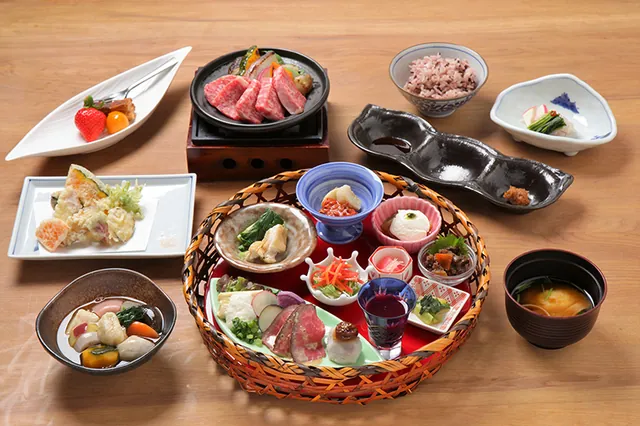
Photo: the shop’s official page 粟 ならまち店
Traditional Yamato vegetable cuisine in a historic townhouse.
Why the editors chose itA 140-year-old historic house serving regional dishes made with traditional Yamato vegetables.
Hanashiba-cho (Kitamachi)
la forme d'éternité
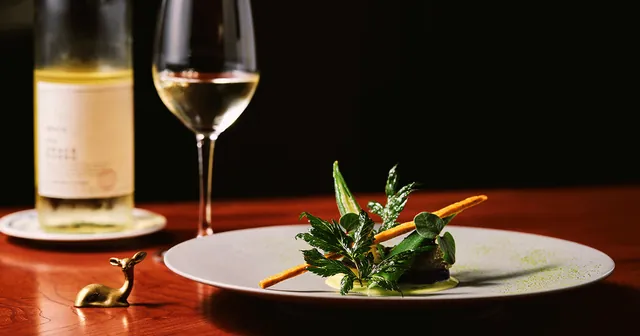
Photo: the shop’s official page ラ・フォルム ド エテルニテ
Opened in 2017 in Kitamachi's Hanashiba-cho, this 16-seat French restaurant is run by Nara-born chef Ryota Nagano—trained in Paris and at Osaka's Éternité—and his wife, who serves as madam and selects the French wines. Custom hand-planed wooden tables are laid without tablecloths for dishes pairing classic French sauces with Yamato vegetables from Ikoma's Hirahira Farm, Yamato nikudori chicken, and Yamato duck.
Why the editors chose itA 16-seat French dining room pairing Yamato vegetables, chicken, and duck with French wines.
Kintetsu-Nara Station
ANY B&B + COFFEE
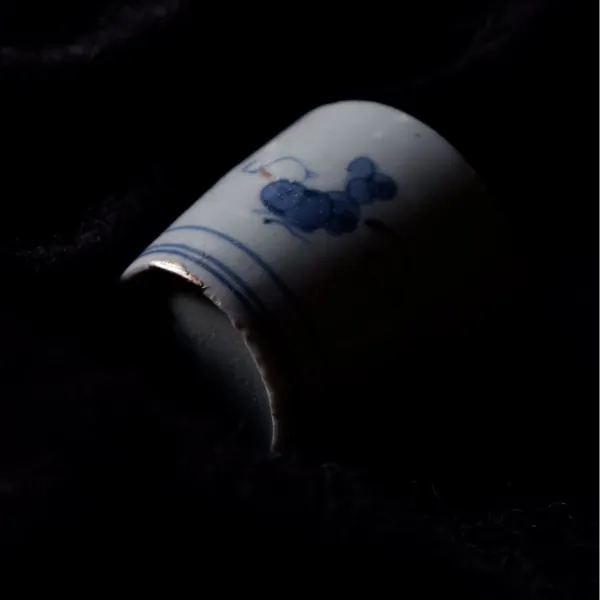
Photo: the shop’s official page An independent micro-roastery, coffee brew bar, and intimate lodging.
Why the editors chose itAn independent micro-roastery and brew bar combined with small guest lodging.
Tomio
HJ TABLE
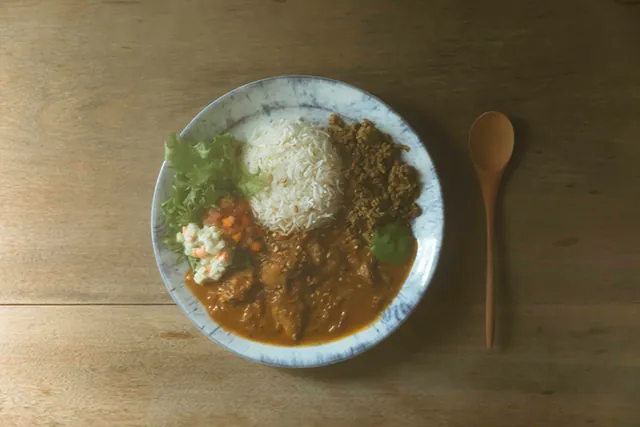
Photo: the shop’s official page Refined cafe and lifestyle space focusing on handwork.
Why the editors chose itA café and lifestyle space centered on handwork alongside coffee.
Koi-no-kubo
Ouza Coffee
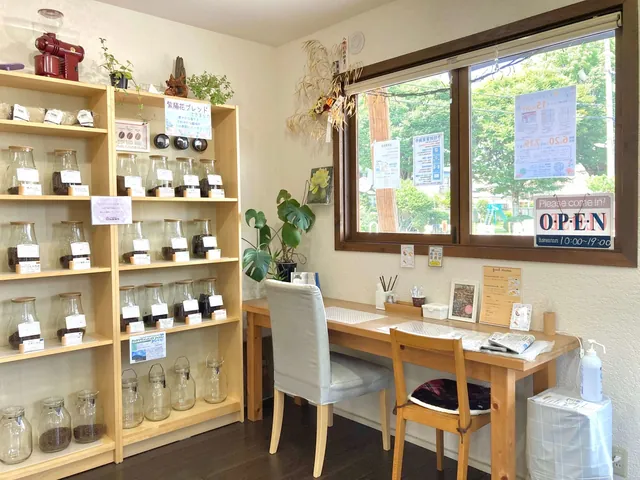
Photo: the shop’s official page 桜座珈琲
Specialty coffee shop that roasts beans in-store.
Why the editors chose itA specialty coffee shop roasting green beans right inside the store.
Funahashi-cho
Cafe Koyomi
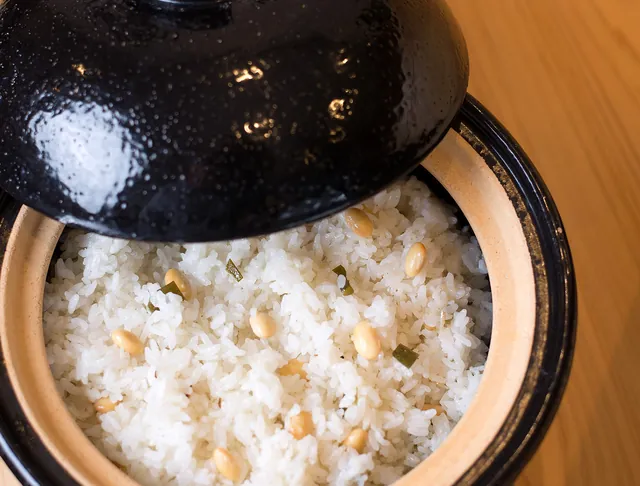
Photo: the shop’s official page カフェこよみ
Cafe featuring seasonal ingredients and carefully nurtured rice/miso.
Why the editors chose itA café built around the culinary calendar, cooking with seasonal vegetables, rice, and miso.
Naramachi
Yoshino Kuzu Sakura
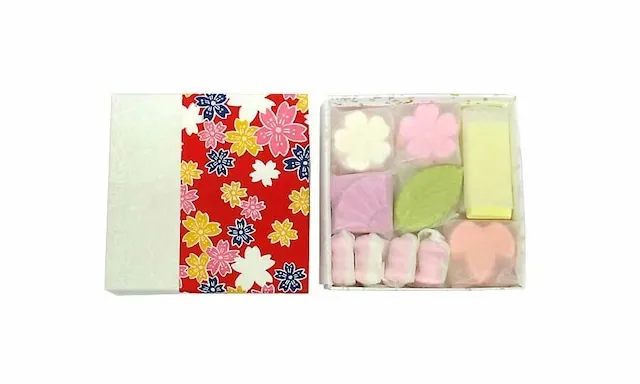
Photo: the shop’s official page 吉野葛 佐久良
A specialty shop for 100% wild-harvested Yoshino arrowroot, operating a traditional cafe in a machiya town house.
Why the editors chose itInside a renovated machiya townhouse, serving kuzukiri and sweets made from 100% Yoshino arrowroot.
Takabatake (east of Sarusawa Pond)
Sohonten Kakisuga
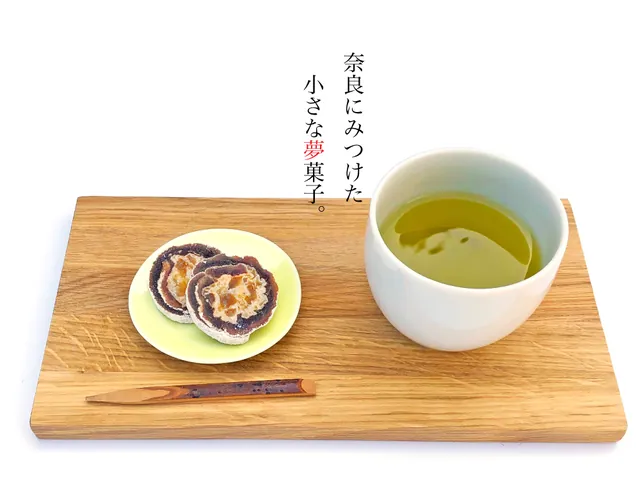
Photo: the shop’s official page 総本店柿寿賀
Tucked down a quiet alley east of Sarusawa Pond in Takabatake and run by Kyohei Kayaki, this shop devotes itself solely to its signature confection, Kakisuga. Candied yuzu peel is tightly rolled inside dried persimmon into a firm log meant to be sliced 3 to 5 mm thin at home for tea, kaiseki, or pairing with wine and whiskey.
Why the editors chose itDevoted solely to Kakisuga—candied yuzu rolled in dried persimmon, sliced thin for tea or wine.
Made in Nara
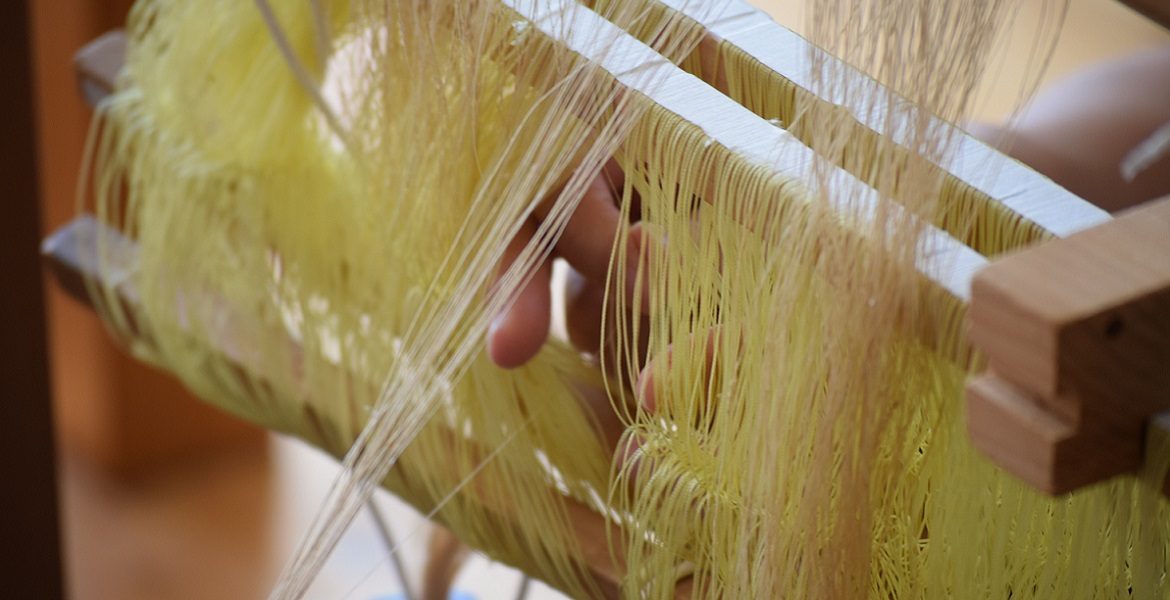
Nara Sarashi is a traditional hemp fabric, once used for samurai's kamishimo, now revived in modern daily goods.
Hands guide fine hemp warp threads through a wooden loom.·Photo: Mafu Okai Nara (株式会社岡井麻布商店) (official site)
Naramachi
Mafu Okai Nara
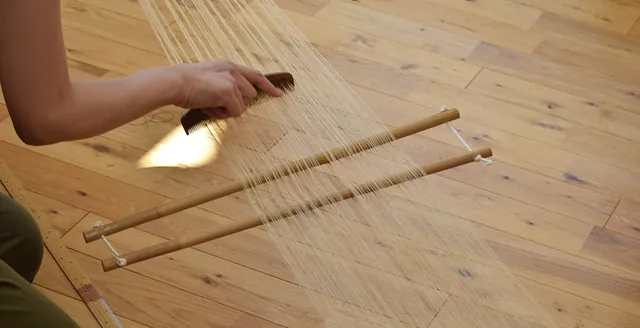
Photo: the shop’s official page 麻布おかい 奈良店
A long-established producer of traditional Nara Sarashi linen products, offering high-quality tea cloths, bags, and sundries.
Why the editors chose itPick up traditional Nara Sarashi linen tea cloths and bags straight from a historic weaver.
Made in Nara
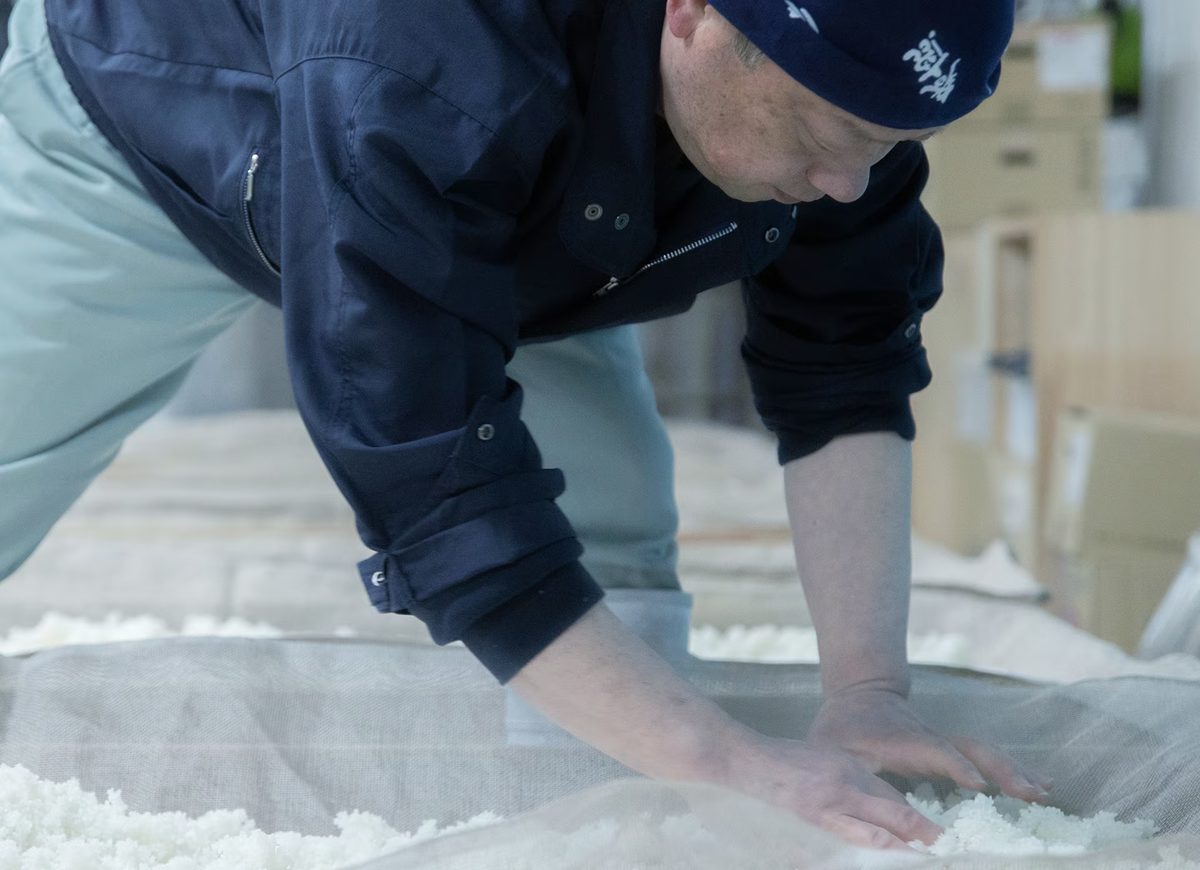
Nara is considered one of the birthplaces of modern Japanese sake brewing.
A brewer works a batch of steamed sake rice by hand.·Photo: Harushika (今西清兵衛商店) (official site)
Naramachi
Harushika
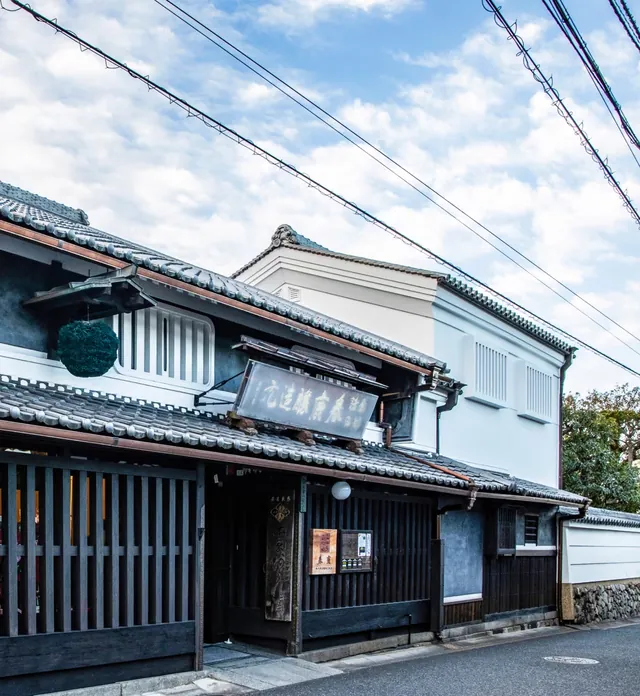
Photo: the shop’s official page 株式会社今西清兵衛商店(春鹿)
A historic sake brewery producing the famous 'Harushika' brand, known for its dry sake and traditional methods.
Why the editors chose itVisit the historic brewery behind Harushika, famed for its ultra-dry junmai sake.
Kyobate
Inoue Honten (Igeta Shoyu)
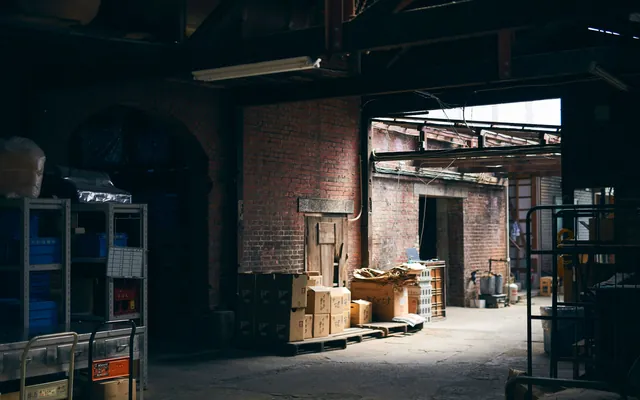
Photo: the shop’s official page 株式会社 井上本店
Founded in 1864 near Sarusawa Pond, this brewer now makes soy sauce, miso, and koji in Nara's Kyobate district out of a Taisho-era brick icehouse. Handling every step from domestic soybeans and wheat to bottling in-house, it relies on natural fermentation with house-resident wild yeasts to brew products such as its wooden-vat soy sauce "Kimajime."
Why the editors chose itPick up wooden-vat soy sauce and miso brewed by an 1864 house inside a Taisho brick icehouse.
Kintetsu-Nara
Lonicera
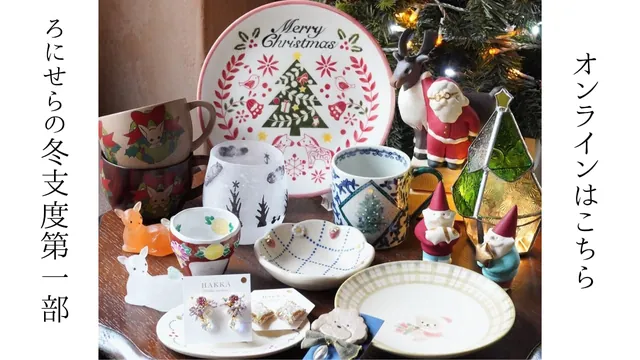
Photo: the shop’s official page ギャラリーと雑貨のお店 ろにせら
A cozy gallery and shop near Kintetsu-Nara Station featuring one-of-a-kind craft works, ceramics, glass, and accessories.
Why the editors chose itSteps from Kintetsu-Nara Station for craft artists’ ceramics, glassware, and one-of-a-kind accessories.
Naramachi
Narano Mi
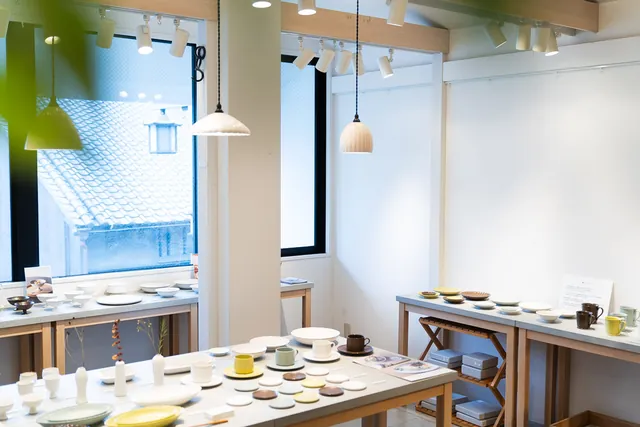
Photo: the shop’s official page ならの実
A shop and gallery focusing on traditional Japanese handwork, kitchen tools, and stationery.
Why the editors chose itStocking Japanese handwork, kitchenware, and stationery alongside regular solo exhibitions in its gallery.
Heijo-kyo Area (North)
Tsuchiya Orimonosho
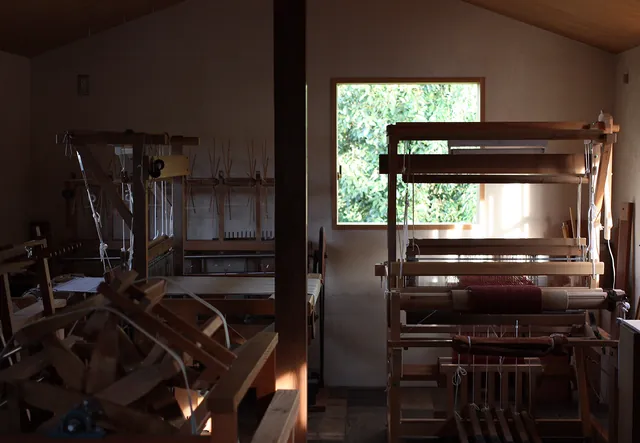
Photo: the shop’s official page つちや織物所
A small studio and shop specializing in hand-woven cloth made with traditionally spun threads.
Why the editors chose itA small studio and shop selling cloth hand-woven from traditionally spun threads.
Sanjocho
Kinkoen
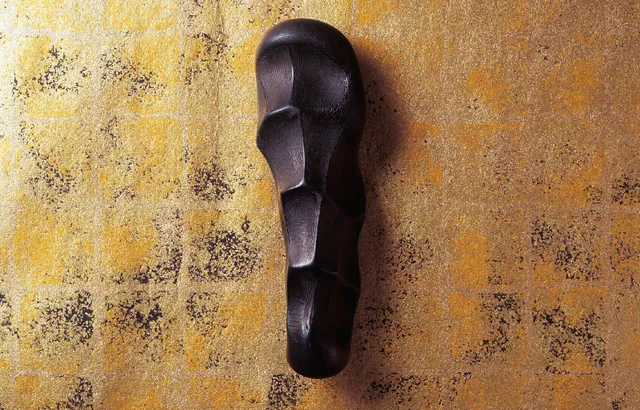
Photo: the shop’s official page 錦光園
Founded in the Meiji era by Kamekichi Nagano, this small Nara sumi workshop in Sanjocho is now run by sixth-generation master Nagano Bokuen and seventh-generation master Nagano Atsushi. Alongside traditional pine-soot and oil-soot solid inksticks, it hand-makes scented "Kaori-zumi Asuka" and sweet-mold-pressed inks, and holds hands-on "nigiri-zumi" ink-squeezing workshops.
Why the editors chose itA Meiji-era Nara inkstick studio where you can hand-squeeze raw ink in a nigiri-zumi workshop.
Sights in Nara
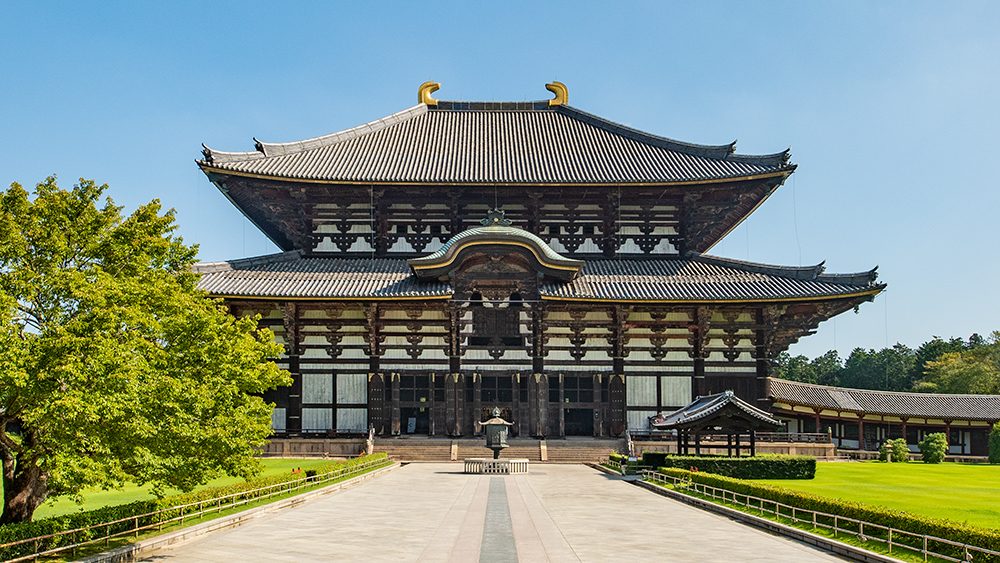
Photo: official site A representative temple of Nara, home to the Daibutsuden (Great Buddha Hall), one of the world's largest wooden buildings.
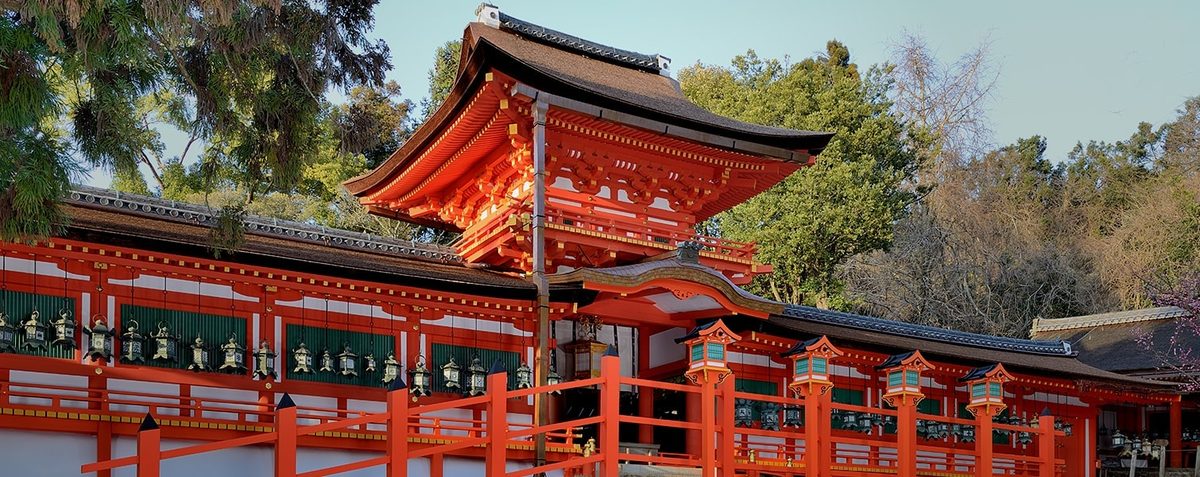
Photo: official site An ancient shrine dedicated to the tutelary deity of the Fujiwara clan, famous for its beautiful corridors lined with numerous stone lanterns.
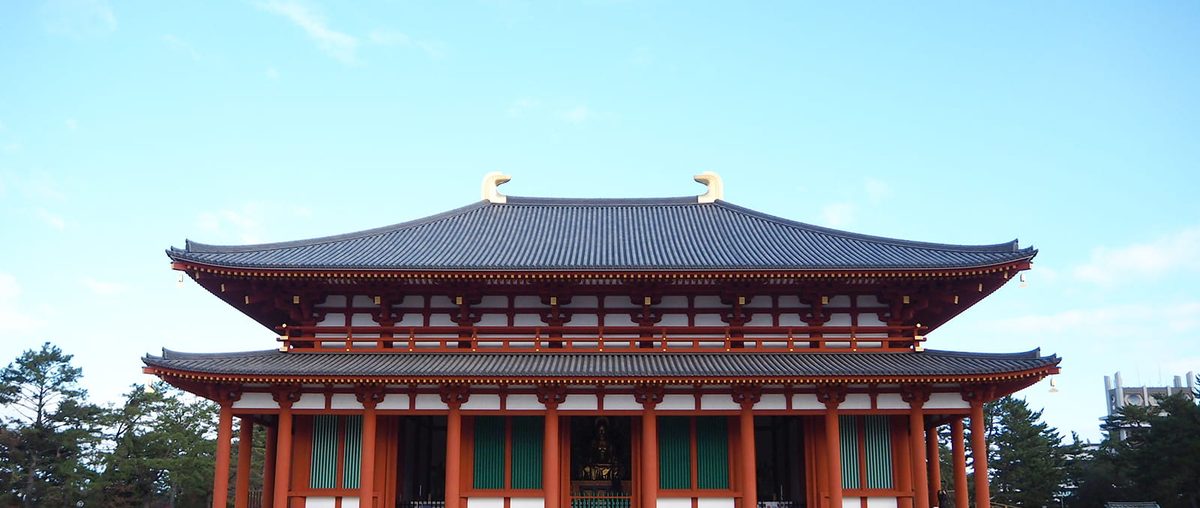
Photo: official site A head temple of the Hosso sect, famous for its five-story pagoda, which is widely recognized as a symbol of Nara.
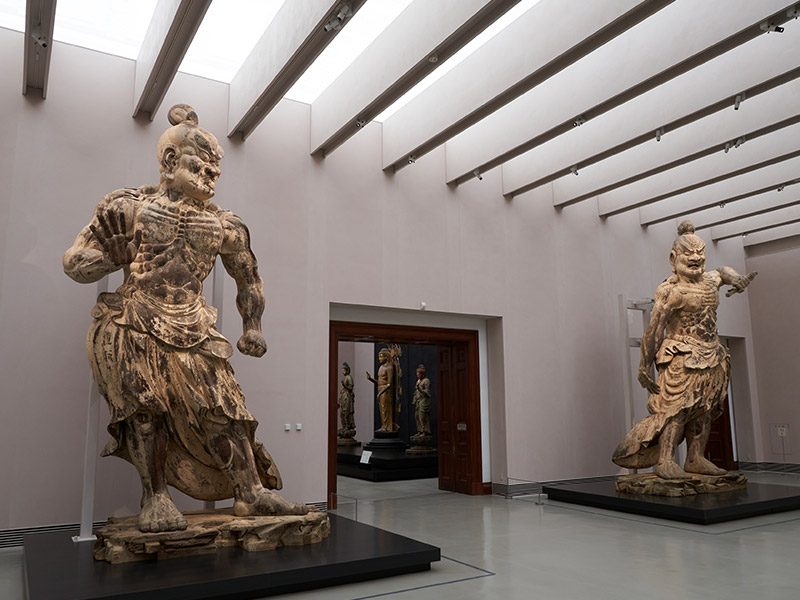
Photo: official site A museum dedicated to Buddhist art, housing and displaying many National Treasures and Important Cultural Properties.
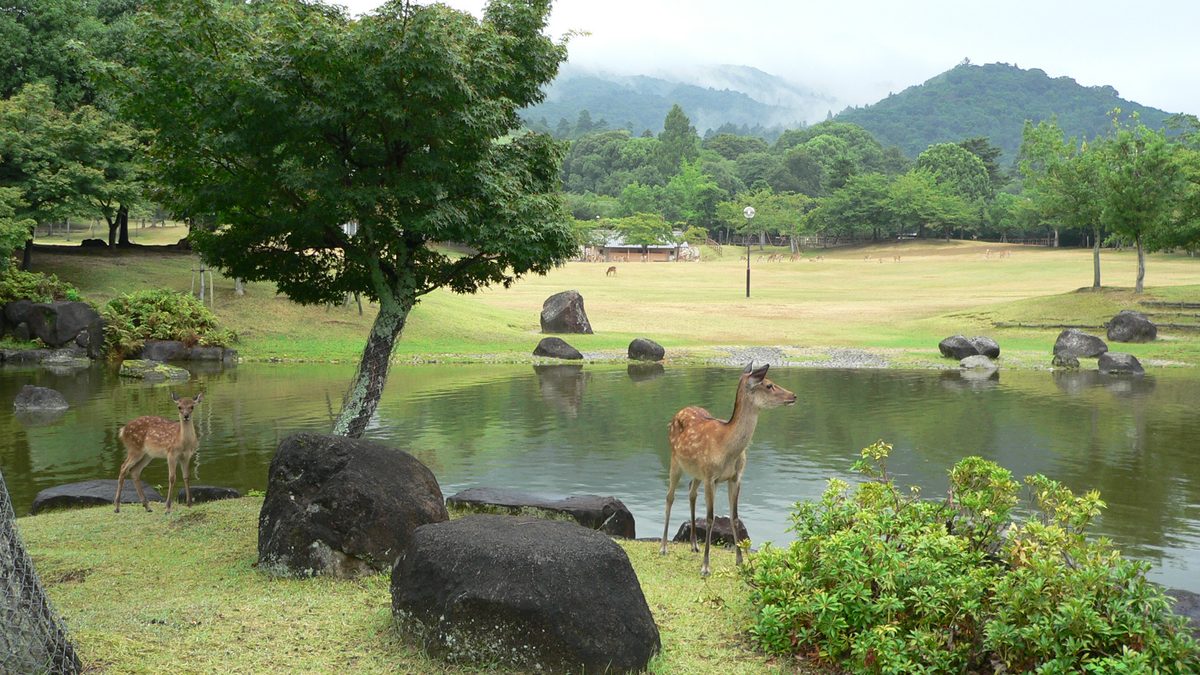
Photo: official site A vast park where deer roam freely, dotted with temples and shrines like Todaiji.
These are local landmarks. Each was checked to be open on its official site (checked 2026-11-17). Please confirm hours before you go.
Beyond Nara
1 / 13
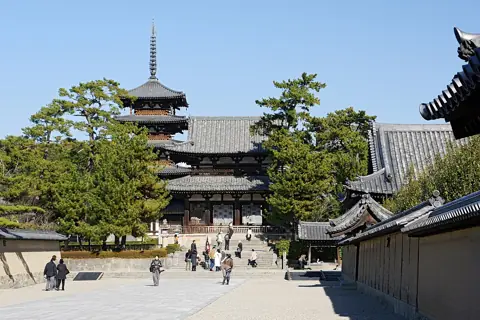 斑鳩町 · 12 km
Horyu-ji Temple →
A temple associated with Prince Shotoku, known as having the world's oldest wooden building complex.
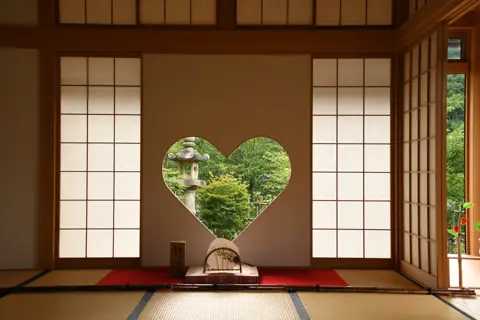 Uji · 20 km
Shoju-in →
A quiet temple in the tea hills of Ujitawara famous for its heart-shaped inome window and 160 painted ceiling panels in the guest hall.
- Uda · 25 km
Murou Art Forest →
An open-air hilltop art park in Uda designed by Israeli sculptor Dani Karavan, blending geometric concrete, spiral water basins, and mountain scenery.
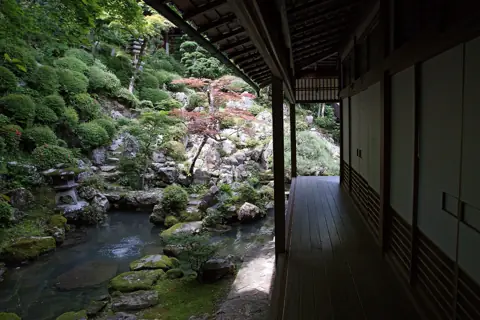 Nagaokakyo · 30 km
Yanagidani Kannon Yokoku-ji →
An ancient mountain temple in Nagaokakyo famed for eye-healing prayers and celebrated as the birthplace of seasonal flower-filled chozuya basins (hana-chozu).
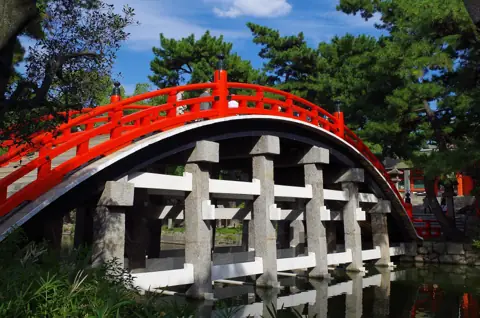 Osaka · 32 km
Sumiyoshi Taisha →
It is the head shrine of approximately 2,300 Sumiyoshi shrines nationwide.
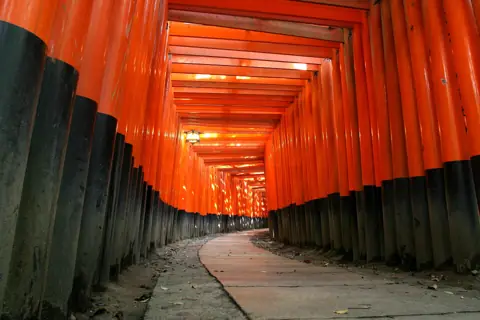 Kyoto · 32 km
Fushimi Inari-taisha →
Fushimi Inari-taisha is the head shrine of the Inari shrines, with about 30,000 shrines nationwide.
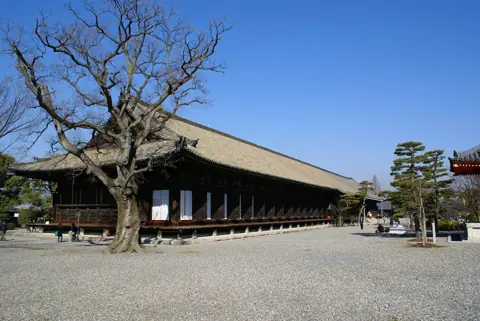 Kyoto · 34 km
Sanjusangendo Temple →
A historic temple famous for its long hall containing 1,001 statues of Kannon, the goddess of mercy.
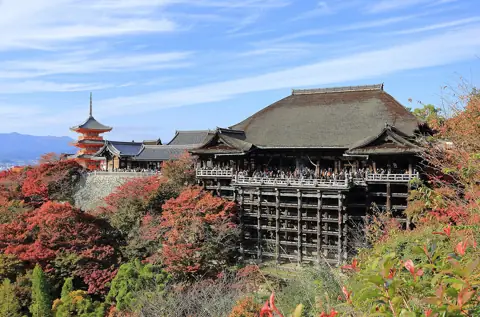 Kyoto · 35 km
Kiyomizu-dera →
Walk up Kiyomizu-zaka to the Nio-mon gate for the main approach to Kiyomizu-dera. A second entrance is at the top of Chawan-zaka. Our day trip from Kyoto Station pairs the temple’s wooden stage with the gardens at Kodai-ji and lunch in Gion.
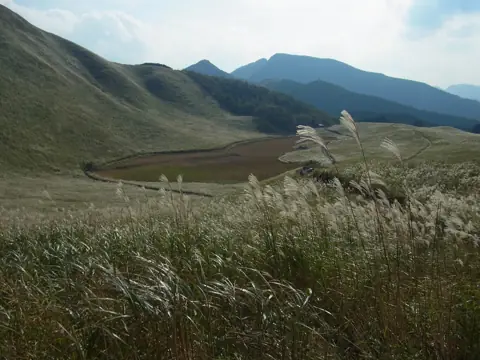 Uda · 35 km
Soni Highland →
A sweeping highland plateau at the foot of Mt. Kuroso covered in silver pampas grass that glows gold under autumn sunsets.
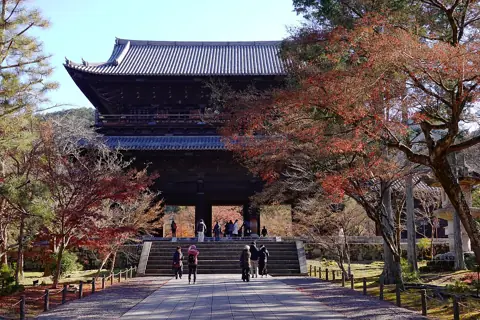 Kyoto · 37 km
Nanzen-ji Temple →
A prominent Zen temple known for its massive Sanmon gate and tranquil rock gardens.
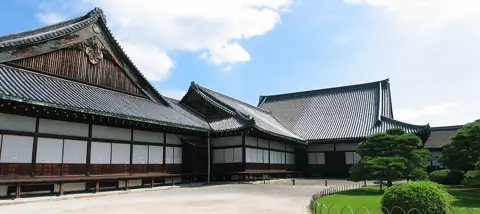 Kyoto · 38 km
Nijo-jo Castle →
A UNESCO World Heritage castle built by Tokugawa Ieyasu that witnessed the beginning and end of the Edo period.
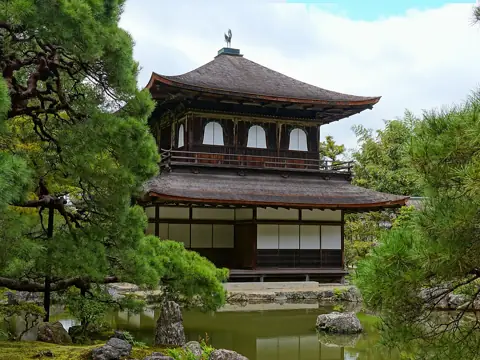 Kyoto · 38 km
Ginkaku-ji (Silver Pavilion) →
A villa built by Ashikaga Yoshimasa that represents Higashiyama culture, featuring a garden that embodies the wabi-sabi spirit.
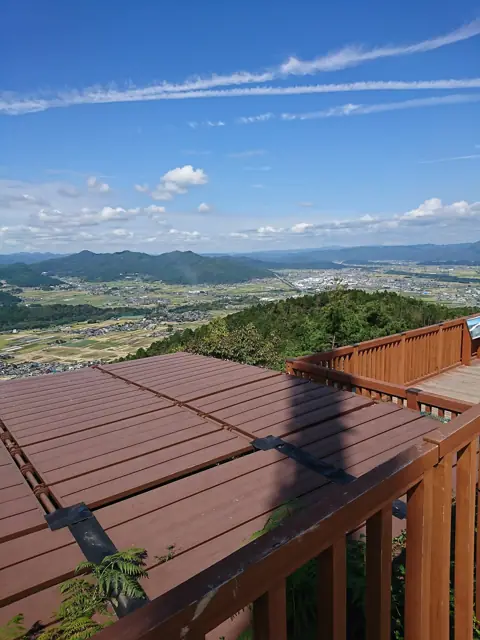 Kameoka · 42 km
Kameoka Mist Terrace →
A free hilltop observation deck on Mt. Ryugao in Kameoka overlooking the thick Tanba-giri sea of morning mist that fills the Kameoka Basin.


Distances are straight-line from the town centre. Each page has how to get there and a suggested day.
Questions people ask
- Where can I eat Nara's local dishes?
Kakinoha-zushi (persimmon leaf-wrapped pressed sushi): Tanaka Kakinoha Sushi (Naramachi area)
Nara-zuke (sake lees pickles): Mori Narazuke Ten (Nara Park / Todaiji)
Kuzu-ryori (arrowroot dishes): Yoshino Kuzu Sakura (Naramachi)
- Where can I see or buy Nara Sarashi / Kaya, Nara Sake, Craft in Nara?
Nara Sarashi / Kaya: Mafu Okai Nara (Naramachi)
Nara Sake: Harushika (Naramachi)
Craft: Lonicera (Kintetsu-Nara), Narano Mi (Naramachi), Tsuchiya Orimonosho (Heijo-kyo Area (North)), Kinkoen (Sanjocho)
- What can I visit on foot around Naramachi?
Nara Sake: Harushika
Nara Sarashi / Kaya: Mafu Okai Nara
Food: Tanaka Kakinoha Sushi, Harishin, Awa Naramachi
Sweets: Yoshino Kuzu Sakura
Craft: Narano Mi
Every place was checked to be open in November 2026. Hours can change, so please check the official site before you go.
If you like Nara
- Kashihara
Nara, Japan
For example, Harushika here, and Kita Sake Brewery in Kashihara.
- Sawara
Chiba, Japan
For example, Inoue Honten (Igeta Shoyu) here, and Ikadayaki Honpo Shojyo in Sawara.
- Kobe
Hyogo, Japan
Chosen by how close the towns and their places are in what they make and serve.