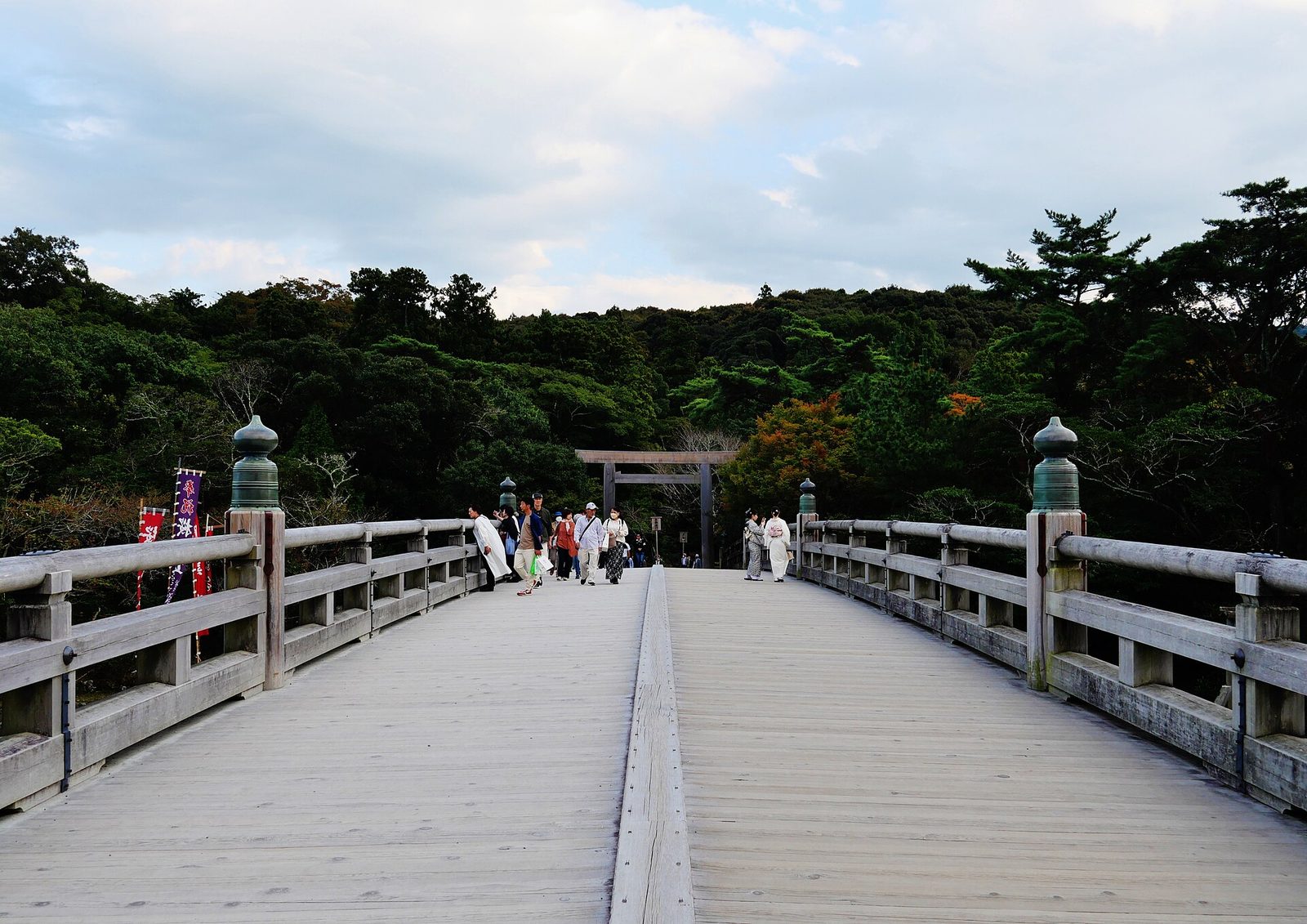
34.5° N
Ise
Mie, Japan
A shrine town built around the Outer and Inner Shrines of Ise Jingu. Ise washi, hinoki shrine woodwork, tamari soy sauce and Futami pearls, alongside Ise udon, sweets and coffee from Geku to Naiku, Kawasaki and Futami, as the editors’ picks.
Ise, on film
5 sights and 18 places, each checked open in 2026, in 38 seconds.
Found somewhere you like? The map and the list below have the address, hours and official site.
Tap for sound
What to eat in Ise
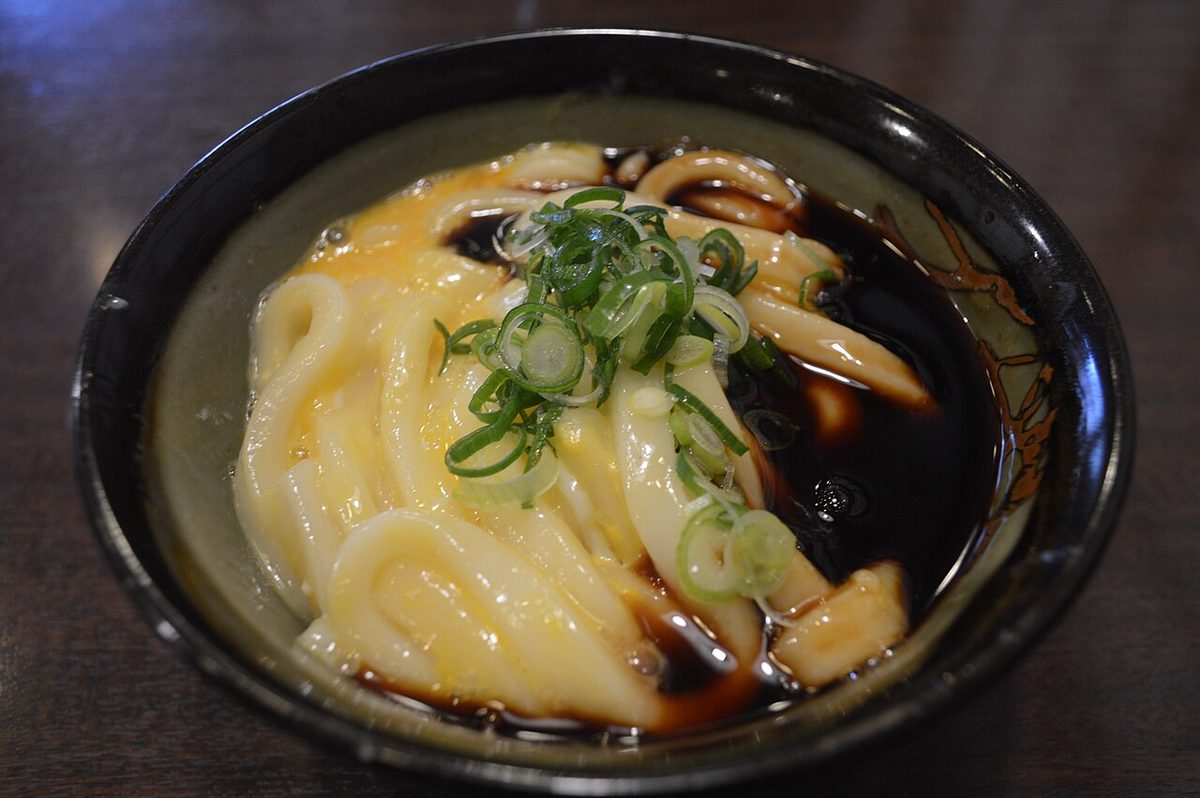
Photo: Asturio Cantabrio / CC BY-SA 4.0 (Wikimedia Commons) Ise udon (thick soft noodles in dark tamari sauce)
伊勢うどん
Ise udon pairs extra-thick, long-boiled wheat noodles with a small pour of dark, slightly sweet sauce made from tamari soy sauce and dashi instead of soup broth. It developed in Edo-period Ise to serve tired Ise Jingu pilgrims quickly with a meal gentle on the stomach, drawing on Mie wheat and local miso-byproduct tamari.
Topped simply with chopped green onions or a raw egg, and mixed thoroughly from the bottom to coat the noodles in the dark sauce.
Where to eat it
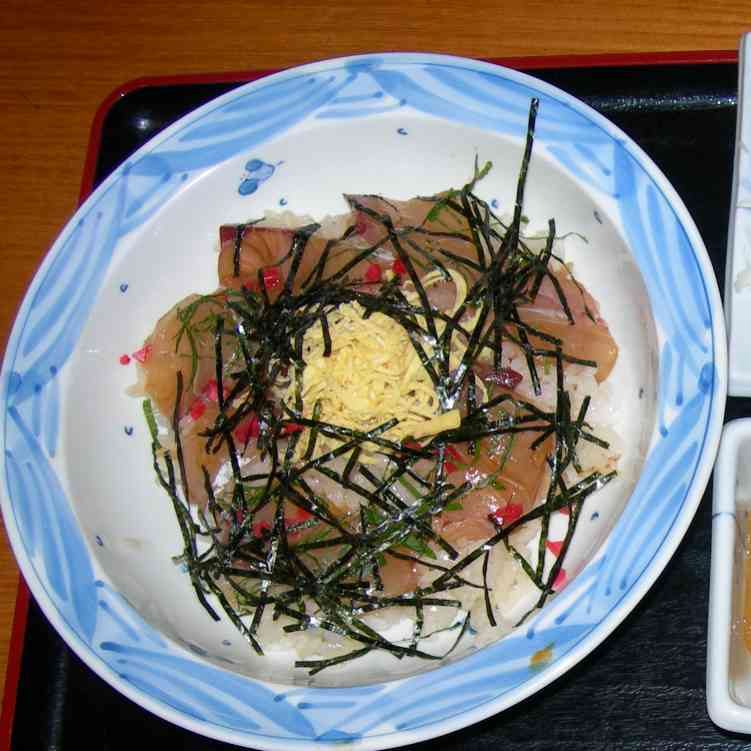
Photo: No machine-readable author provided. N yotarou assumed (base / CC BY 2.5 (Wikimedia Commons) Tekonezushi (marinated bonito over vinegared rice)
手こね寿司
Tekonezushi consists of slices of bonito or tuna marinated in a sweet-savory soy sauce mixture and laid over vinegared rice with shiso, ginger, and nori. It originated as a boat meal among Ise-Shima bonito fishermen, who sliced their fresh catch, soaked it in soy sauce, and mixed it into rice by hand.
Eaten garnished with shiso, pickled ginger, and shredded nori, often paired in a set meal with Ise udon or miso soup.
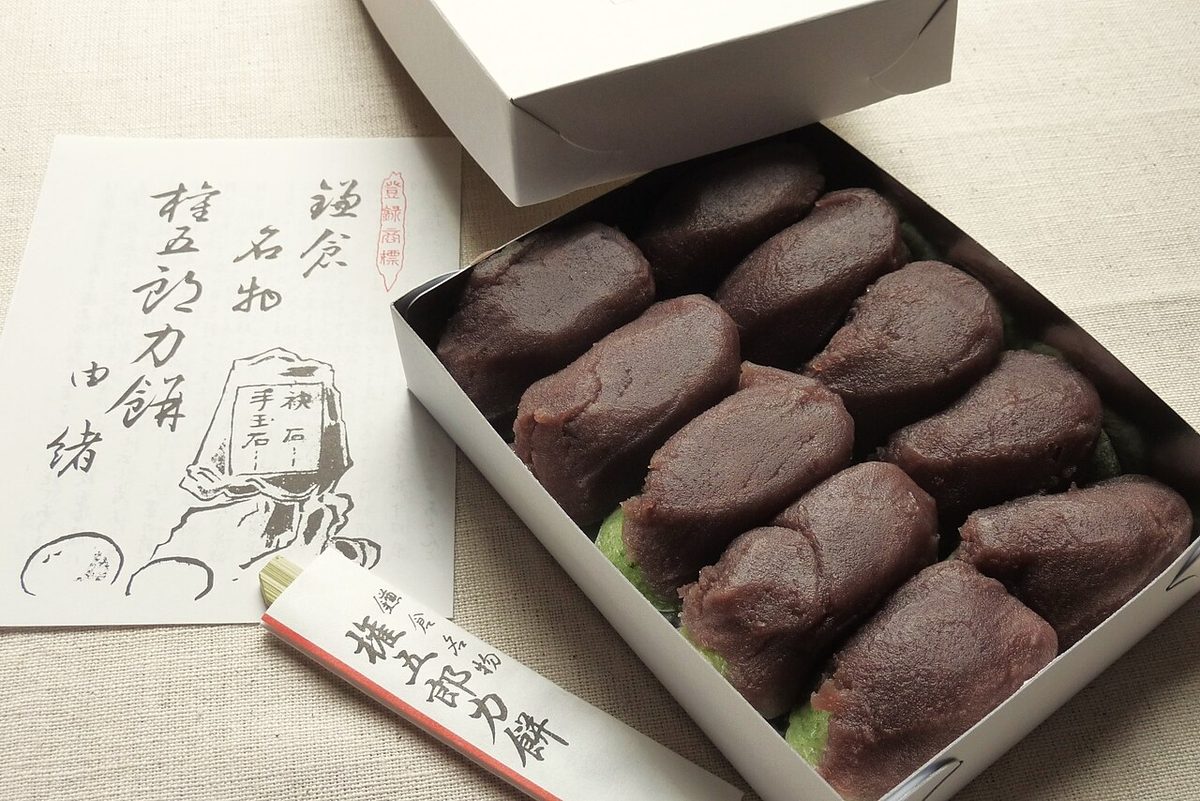
Photo: Quercus acuta / CC BY-SA 4.0 (Wikimedia Commons) Ankoromochi (red-bean-coated mochi)
あんころ餅
Ise's ankoromochi consists of soft white mochi covered by hand in smooth sweet red bean paste shaped with three wave-like ridges. Teahouses along the pilgrimage roads served it to visitors during the Edo period, a tradition continued by Akafuku (1707) near Naiku and Ofukumochi Honke (1738) in Futamiura.
Served fresh in-house with chopsticks alongside a cup of hot roasted Ise tea or matcha.
Where to eat it
- Ofukumochi Honke ↓
- Akafuku HontenWebsiteMap
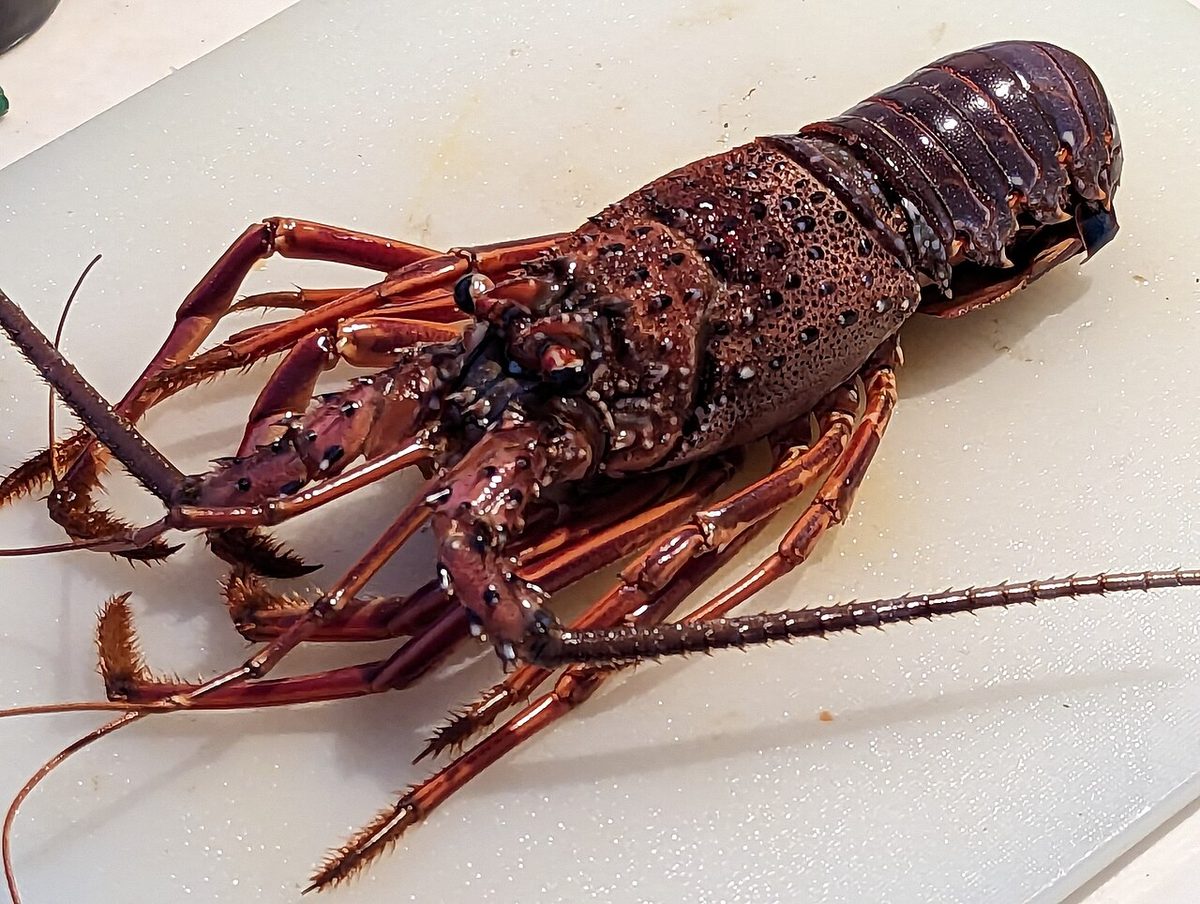
Photo: Syced / CC0 (Wikimedia Commons) Ise-ebi (Japanese spiny lobster)
伊勢海老
Ise-ebi is the Japanese spiny lobster caught along the rocky Ise-Shima coast, valued for its firm texture and sweet meat. Mie Prefecture closes the fishery from May through September for spawning and opens it in October, supplying Ise's Japanese dining rooms and French restaurants through winter.
Served as live sashimi, split and grilled in the shell, simmered in miso soup, or prepared in French courses from autumn to spring.(Oct–Apr)
Where to eat it
The LATITUDE editors’ 18 picks in Ise
Our editors verified that these places were open (checked 2026-11-19). Check the official site for hours and closing days before visiting. Sponsored listings are marked.
Save places to your trip list and revisit them in this browser. No account needed.
Editors’ picks on the map — or build your own route
Tap a mark to see the place; squares are museums and sights (landmarks). Use “Build your own route” to make a walk of your own.
Loading the map
Map data © OpenStreetMap contributors
Browse by category
1 / 22
Geku
Ise Udon Mameya
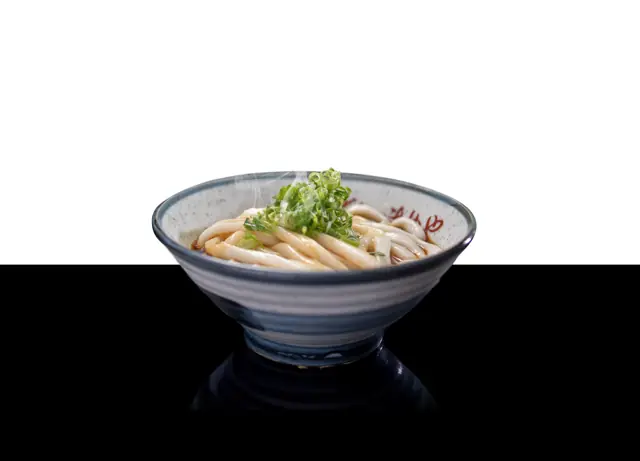
Photo: the shop’s official page 伊勢うどんのまめや
An Ise udon house since 1923. House-made noodles from Mie wheat are served with a dark sauce of bonito, mackerel scad and local tamari.
Weekdays 10:00–15:00 (last order 14:45) & 17:00–19:30 (last order 19:15), weekends & public holidays 10:00–19:30 (last order 19:15) · Closed: Tuesdays (following day if public holiday), 1 irregular Wednesday/month
Why the editors chose itAn Ise udon shop since 1923 serving house-made Mie-wheat noodles in bonito and tamari sauce.
Naiku
Tsukiyomi Shokudo
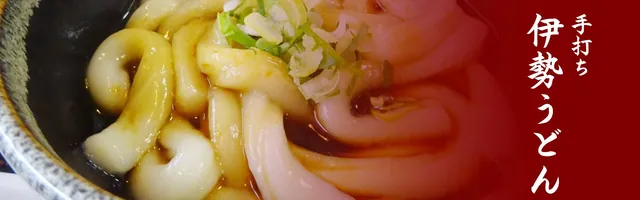
Photo: the shop’s official page つきよみ食堂
A diner run by a husband and wife, known for hand-cut Ise udon and katsudon. They knead dough from 5 am and open for lunch from 11 am to 2 pm.
11:00–14:00 (last order 13:30) · Closed: Sundays, Mondays, Tuesdayschecked Nov 2026
Why the editors chose itA husband-and-wife diner kneading Ise udon from 5 am, open only from 11 am to 2 pm.
Geku
French Restaurant Bon Vivant
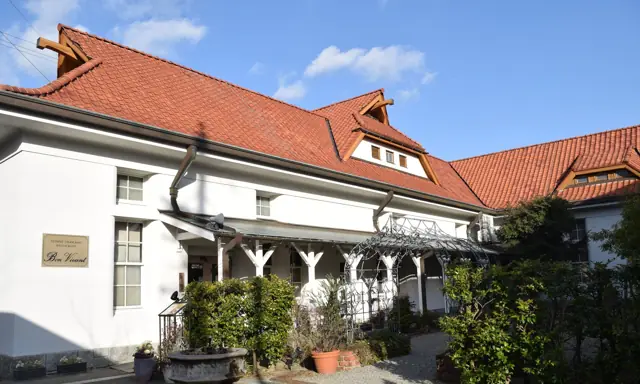
Photo: the shop’s official page フランス料理 ボンヴィヴァン
A French restaurant near Geku serving Ise-Shima seafood, Matsusaka beef and local vegetables on Iga and Banko ceramics.
12:00–15:00 (last order 13:00), 17:30–21:00 (last order 19:00) · Closed: Mondays, Tue & Sun dinner (following day if public holiday)
Why the editors chose itNear Geku, French dishes of Ise-Shima seafood and Matsusaka beef plated on Iga and Banko pottery.
Naiku
Campagne
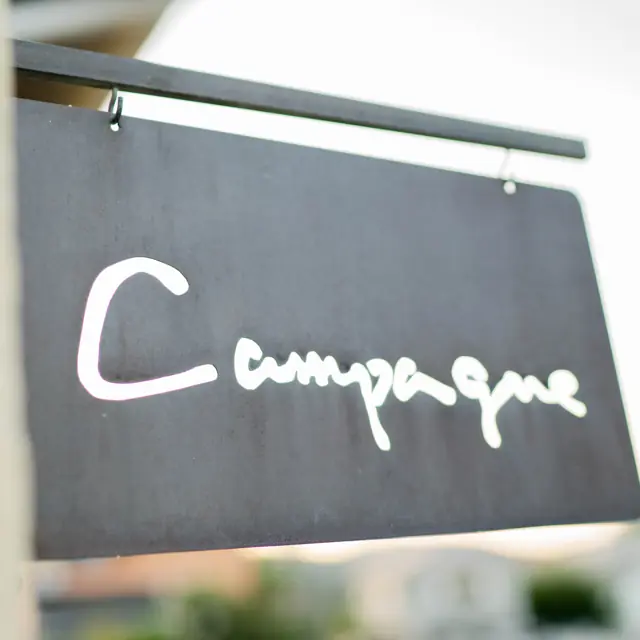
Photo: the shop’s official page カンパーニュ
A French restaurant in Setacho open for thirty years, serving reservation-only courses of Ise-Shima and Higashi-Kishu produce, plus takeaway cakes from 11 am. Closed Mondays and Tuesdays.
Wed–Sun 11:00– (takeout 11:00–, lunch 12:00–, dinner 18:00–) · Closed: Mondays, Tuesdays (generally open on public holidays)
Why the editors chose itA 30-year Setacho French kitchen offering reservation-only local courses and takeaway pastries.
Kawasaki
Nakamura Coffee
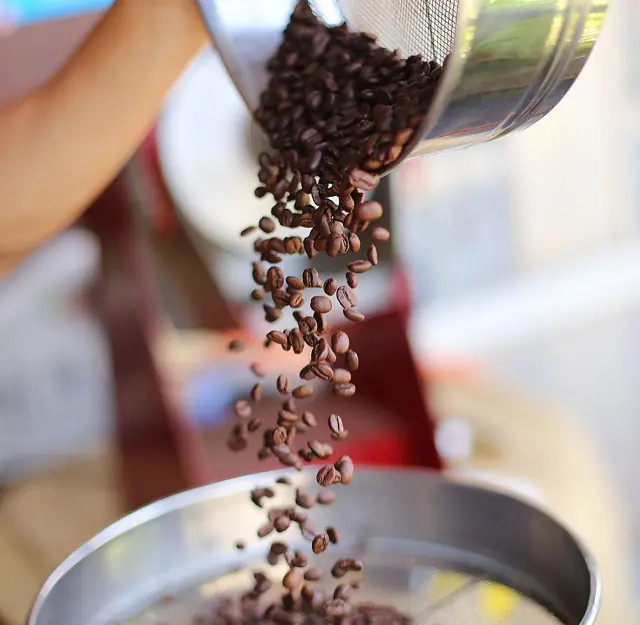
Photo: the shop’s official page なかむら珈琲
A specialty coffee roaster in Funae, next to Kawasaki. Alongside house-roasted beans, they make chocolate from only Tanzanian cacao and cane sugar.
10:00–17:00 · Closed: Sundays, Tuesdays (coffee bean sales only on Tuesdays)
Why the editors chose itA specialty roaster also crafting chocolate made solely from Tanzanian cacao and cane sugar.
Geku
Camino Coffee
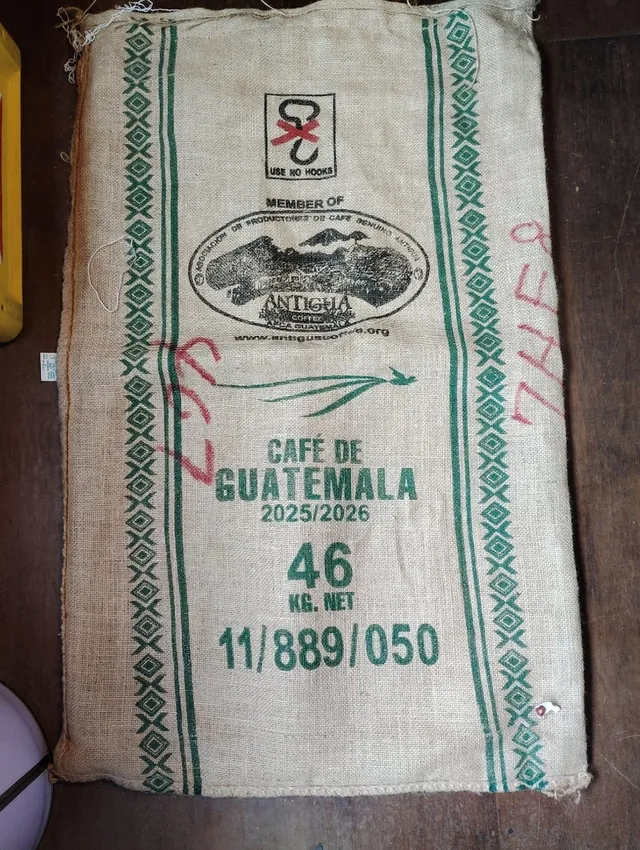
Photo: the shop’s official page カミノコーヒー
A home-roasting coffee shop in Fukiage 1-chome, roasting and selling seasonal beans in-house.
Fri–Wed 9:00–17:00 · Closed: Thursdays
Why the editors chose itA Fukiage roaster roasting seasonal beans in-house, ideal when choosing beans of the moment.
Miyagawa
Matsumago Kissaten
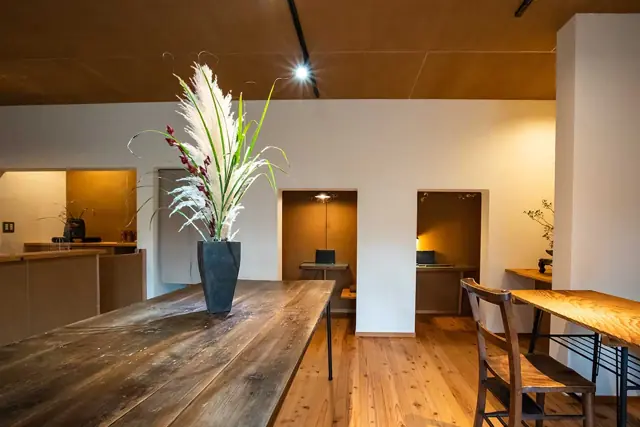
Photo: the shop’s official page 松孫喫茶店
A quiet kissaten in an old timber house in Miyagawa with seasonal ikebana, open Thursday to Saturday from 10 am to 5 pm.
Thu–Sat 10:00–17:00 (last order 16:00) · Closed: Sun–Wed
Why the editors chose itOpen only Thursday to Saturday in an old Miyagawa house, a quiet stop with seasonal ikebana.
Geku
Antiques & Cafe Gallery Miko-Nonno
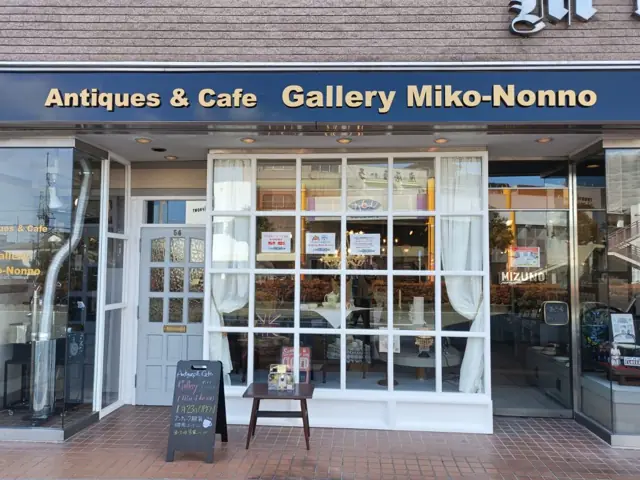
Photo: the shop’s official page An antique gallery and café in a former tailor's near Ise-shi Station, serving house-roasted coffee amid Susie Cooper and other vintage wares.
Fri–Sun & public holidays 11:00–18:00
Why the editors chose itDrink house-roasted coffee amid Susie Cooper vintage ceramics in a former tailor's near Ise-shi Station.
Futami
Ofukumochi Honke
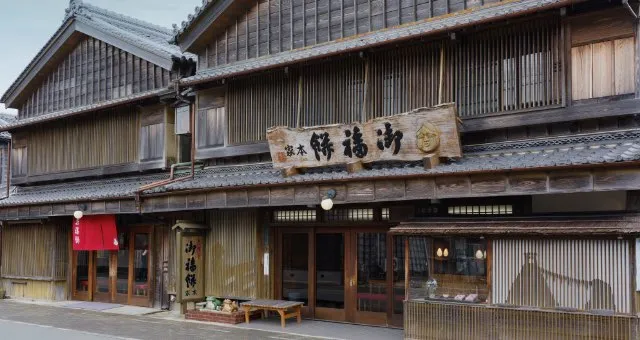
Photo: the shop’s official page 御福餅本家
An ankoromochi house in Futamiura with over 280 years of history. It shapes sweet bean paste onto mochi by hand, sells Ofuku Ice Mac bars, and has a tearoom.
Daily 9:00–17:00
Why the editors chose itOver 280 years in Futamiura shaping ankoromochi by hand, with a tearoom and Ofuku Ice Mac.
Naiku
Fujiya Sogetsudo
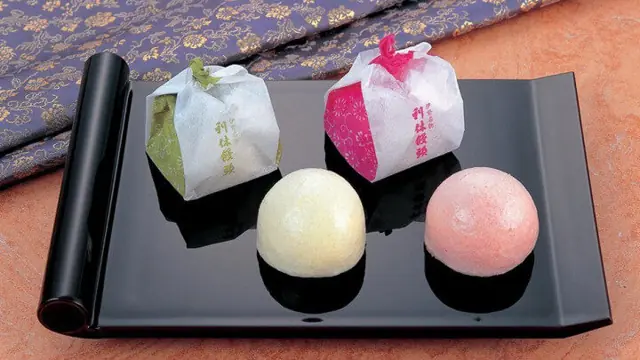
Photo: the shop’s official page 藤屋窓月堂
A wagashi house founded in 1868 with its main shop on Oharai-machi, making Tokowaka sweets, Rikyu manju and salted-bean daifuku.
Daily 8:30–17:00 · Closed: Open every day
Why the editors chose itAn 1868 wagashi maker on Oharai-machi for signature Tokowaka sweets, Rikyu manju and salted-bean daifuku.
Misono-cho
Douce de France
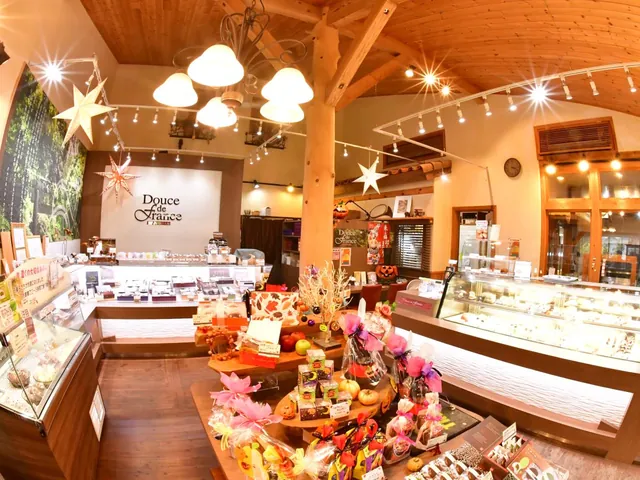
Photo: the shop’s official page ドゥース・ド・フランス
Based on French confectionery, they express the local atmosphere and the delicate techniques of artisans. The 'Ise-Shima Terrine,' which was also served at the G7 Ise-Shima Summit, is popular.
Why the editors chose itA French patisserie known for its Ise-Shima Terrine served at the G7 Ise-Shima Summit.
Made in Ise
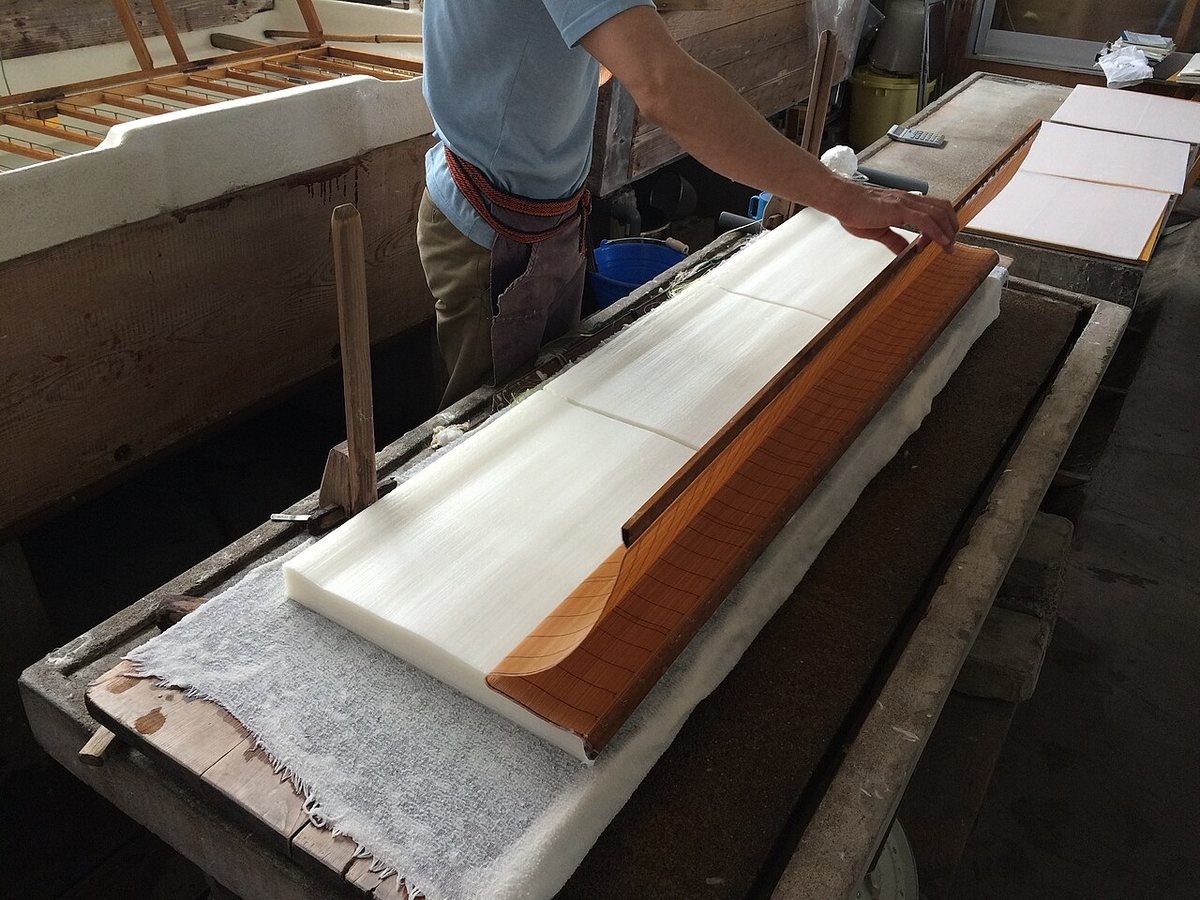
Ise washi began as ritual paper made for Ise Jingu talismans and ceremonies. Taiho Washi Kougyo, founded in 1899, still makes Jingu paper alongside handmade sheets and inkjet photo paper.
Stacking freshly made sheets of Ise washi paper on a worktable·Photo: Nakagita Yoshiaki / CC BY-SA 4.0 (Wikimedia Commons)
Geku
Ise Washikan
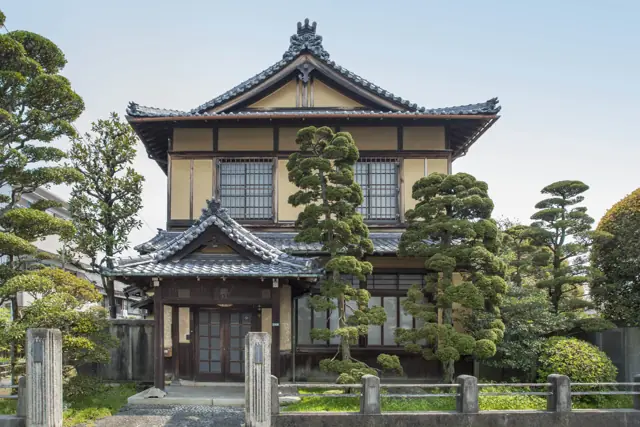
Photo: the shop’s official page 伊勢和紙館
The hall attached to Taiho Washi Kougyo, a papermaker since 1899. It sells ritual washi made for Ise Jingu alongside handmade sheets and inkjet photo paper, with a display of papermaking tools and a gallery.
7:55–16:30 · Closed: Saturdays, Sundays, some public holidays
Why the editors chose itAn 1899 papermaker's hall displaying papermaking tools and selling Ise Jingu ritual and photo washi.
Made in Ise
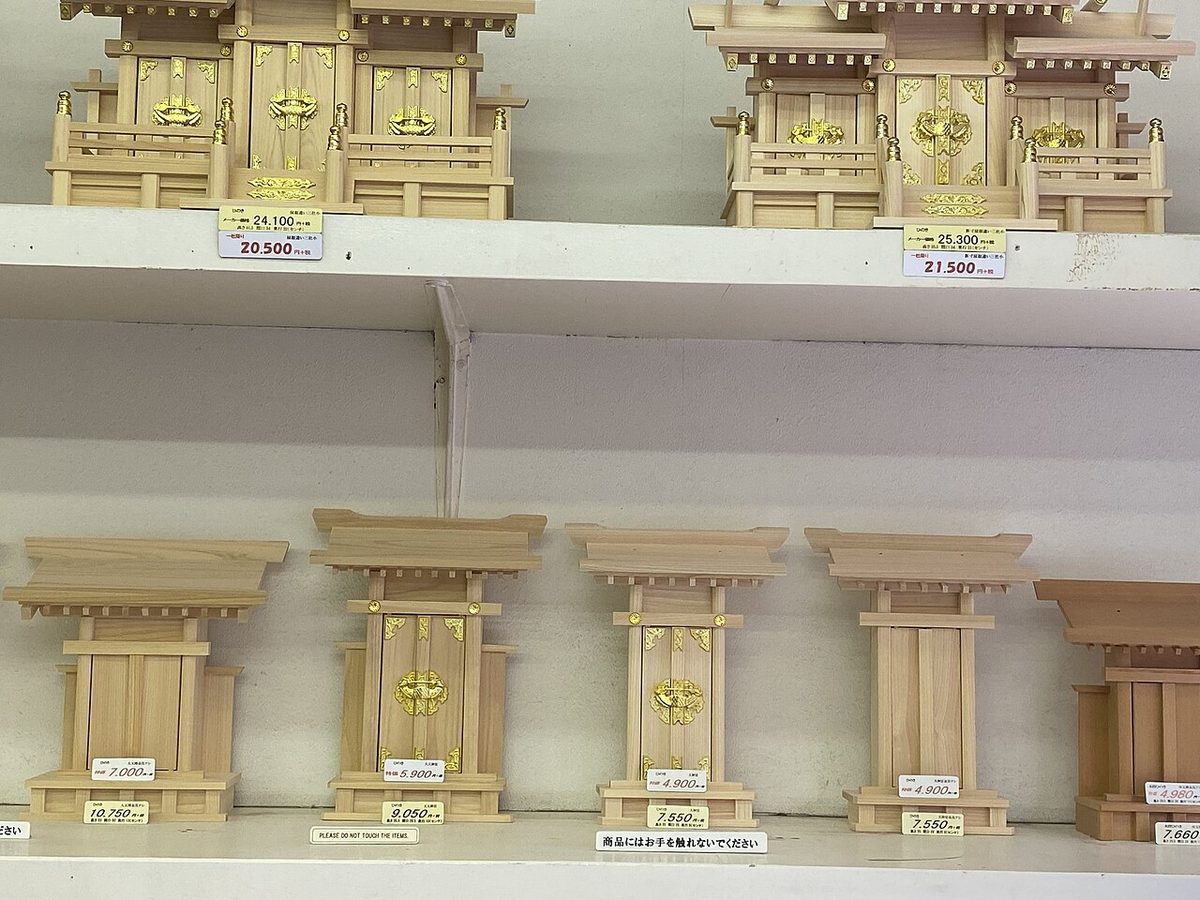
Sustained by the carpentry and timber culture around Ise Jingu, local workshops make unpainted cypress kamidana altars and ritual woodwork. Ise Miyachu, founded in 1938, builds thatched Kiso-hinoki shrines by hand.
Hinoki Shrine Carpentry & Woodcarving·Photo: Immanuelle / CC BY 4.0 (Wikimedia Commons)
Geku
Ise Miyachu
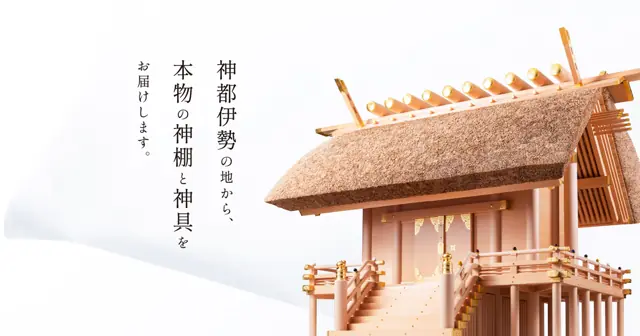
Photo: the shop’s official page 伊勢 宮忠
A maker and shop of household shrines and ritual ware founded in 1938, with its main store opposite Geku's Sengukan. Craftsmen hand-finish thatched Kiso-hinoki kamidana, unglazed earthenware and shimenawa.
Daily 9:00–17:00 · Closed: Open year-round
Why the editors chose itOpposite Geku since 1938, offering Kiso-hinoki household shrines and ritual ware hand-finished by craftsmen.
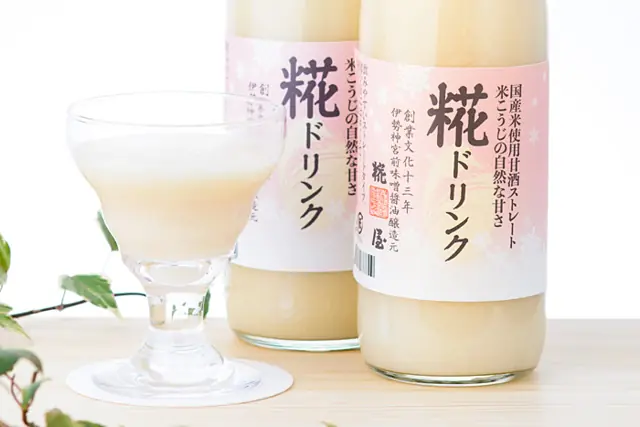
Made in Ise
Local breweries mature dark tamari soy sauce, miso and rice koji, which also give Ise udon its thick dark sauce. Koujiya, founded in 1816 near Geku, still brews and sells tamari, miso and koji sweets.
Tamari Soy Sauce & Miso Brewing at Koujiya·Photo: Koujiya (official site)
Geku
Koujiya
Photo: the shop’s official page 糀屋
A soy sauce and miso brewery founded in 1816, with its shop in Miyajiri. Alongside tamari for Ise udon and miso, it sells rice koji and koji pudding.
9:00–17:00 · Closed: Sundays, public holidays, Year-end/New Yearchecked Nov 2026
Why the editors chose itAn 1816 brewery shop selling tamari soy sauce for Ise udon, rice koji and koji pudding.
Made in Ise
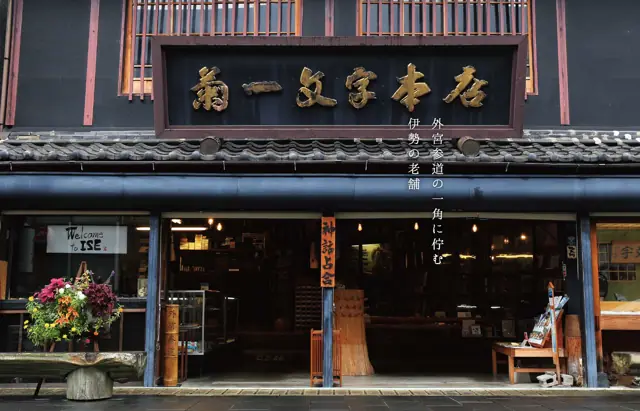
Forged kitchen blades and everyday tools have served cooks and shrine visitors along the Geku approach since the Meiji era. Ise Kikuichi, descended from a Meiji blade store, carries forged knives alongside local craft.
Traditional wooden shopfront of Ise Kikuichi cutlery shop·Photo: Ise Kikuichi (official site)
Geku
Ise Kikuichi
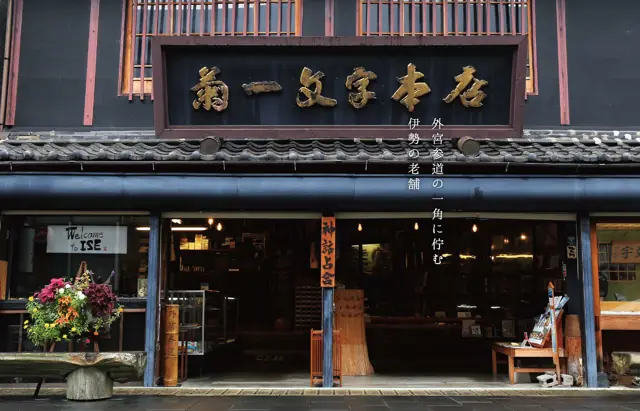
Photo: the shop’s official page 伊勢 菊一
A shop on Geku Sando descended from the Meiji-era Kikuichimonji Kanechika blade store. Alongside cutlery, it stocks work by local makers and shrine-town souvenirs. Closed Thursdays.
9:00–17:00 · Closed: Thursdayschecked Nov 2026
Why the editors chose itA Geku Sando stop to compare Meiji-lineage blades alongside local crafts and shrine-town souvenirs.
Geku
Shirochidori
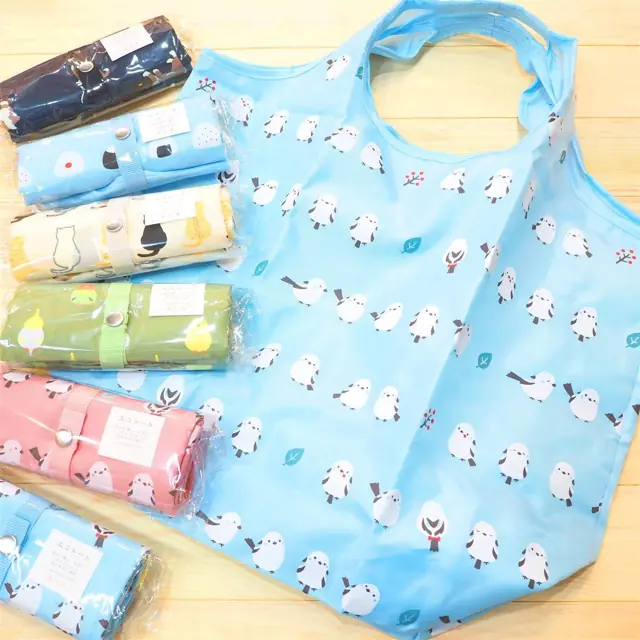
Photo: the shop’s official page しろちどり
A gallery and general goods shop opened near Geku in 2014. Alongside work by local and national makers, it carries Ise washi stationery and Ise-motif tenugui. Closed Thursdays.
10:30–17:00 (Tue & Sat until 18:00) · Closed: Thursdays
Why the editors chose itNear Geku for Ise washi stationery, Ise-motif tenugui and work by local and national makers.
Naiku
Tanuki Danrantei
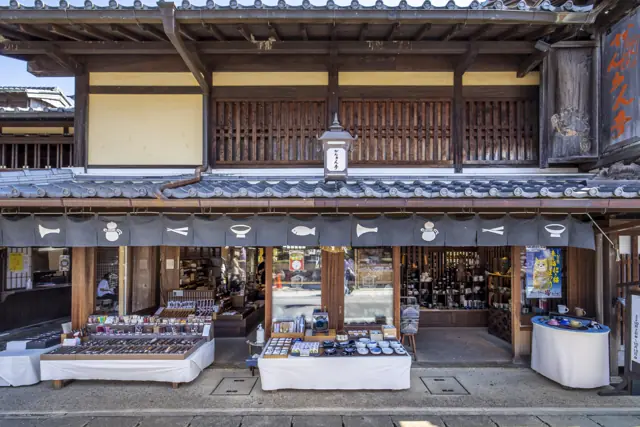
Photo: the shop’s official page 他抜きだんらん亭
A tableware shop in Okage Yokocho stocking ceramics, lacquerware and glass from Mie and kilns across Japan, with fifteen solo and themed shows a year.
9:30–17:00 (varies by season)
Why the editors chose itAn Okage Yokocho tableware shop holding fifteen exhibitions a year alongside regional ceramics and glass.
Geku
YAMADA

Photo: the shop’s official page A tableware and gift shop in Iwabuchi founded in 1912 as a maker and seller of Ise Shunkei lacquerware. Today it stocks Japanese and Nordic tableware alongside home goods.
10:00–19:00 · Closed: Tuesdays (except Taian lucky days)
Why the editors chose itFounded in 1912 for Ise Shunkei lacquerware, now a place to compare Japanese and Nordic tableware.
Sights in Ise
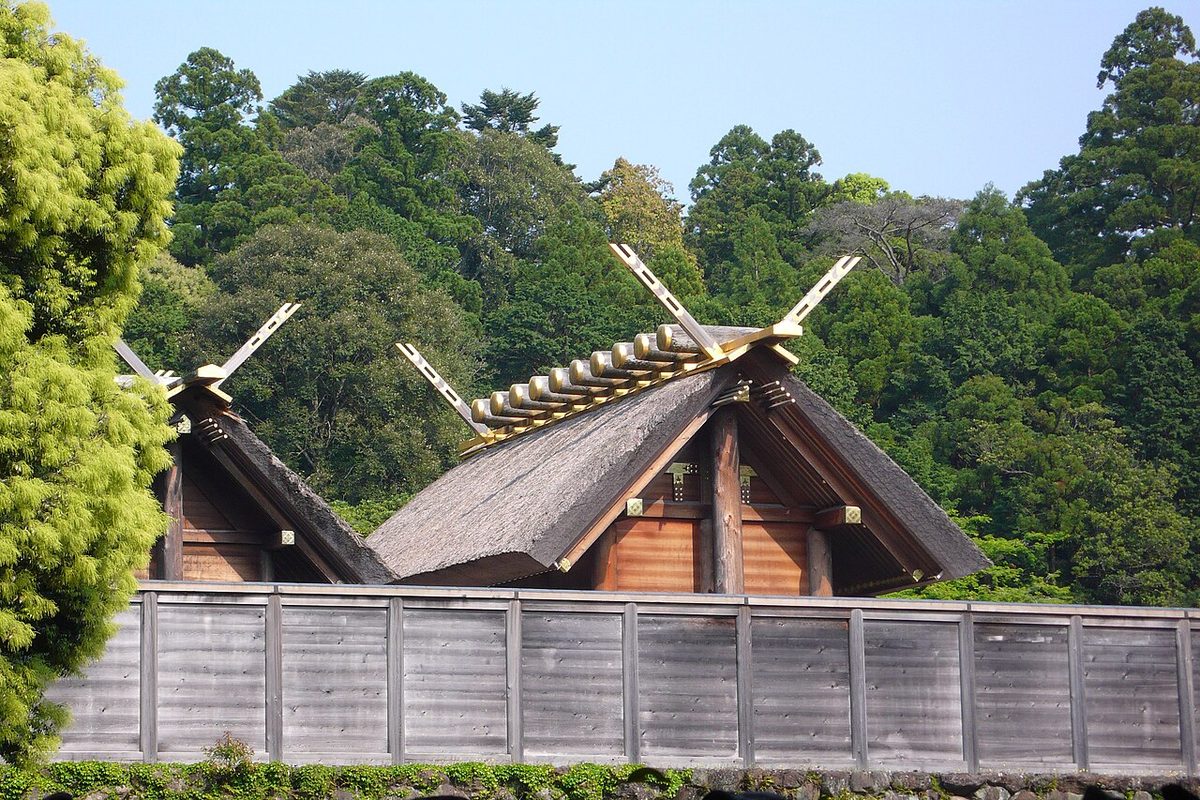
Photo: N yotarou / CC BY-SA 4.0 (Wikimedia Commons) Kotai Jingu (Naiku), by the Isuzu River, entered across the Uji Bridge along gravel paths.
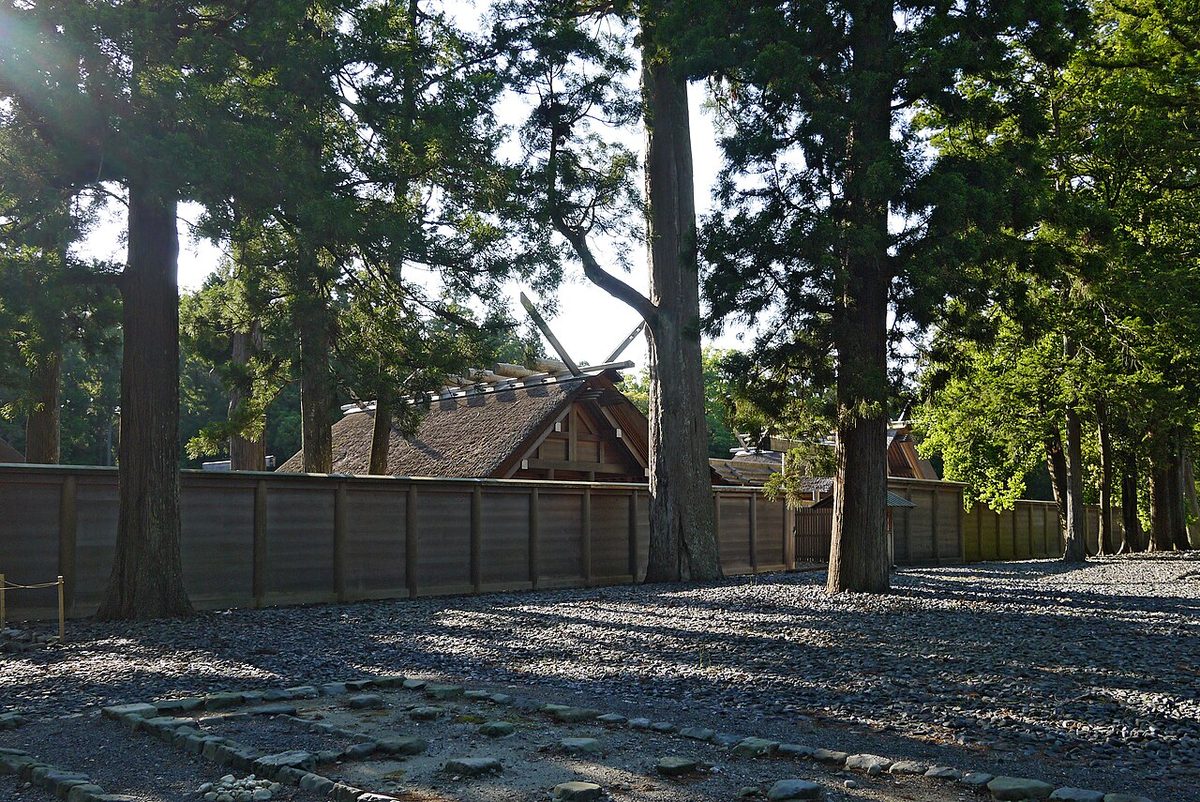
Photo: Oilstreet / CC BY 2.5 (Wikimedia Commons) Toyouke Daijingu (Geku), backed by Mount Takakura in central Ise, a short walk from Ise-shi Station along Geku Sando.
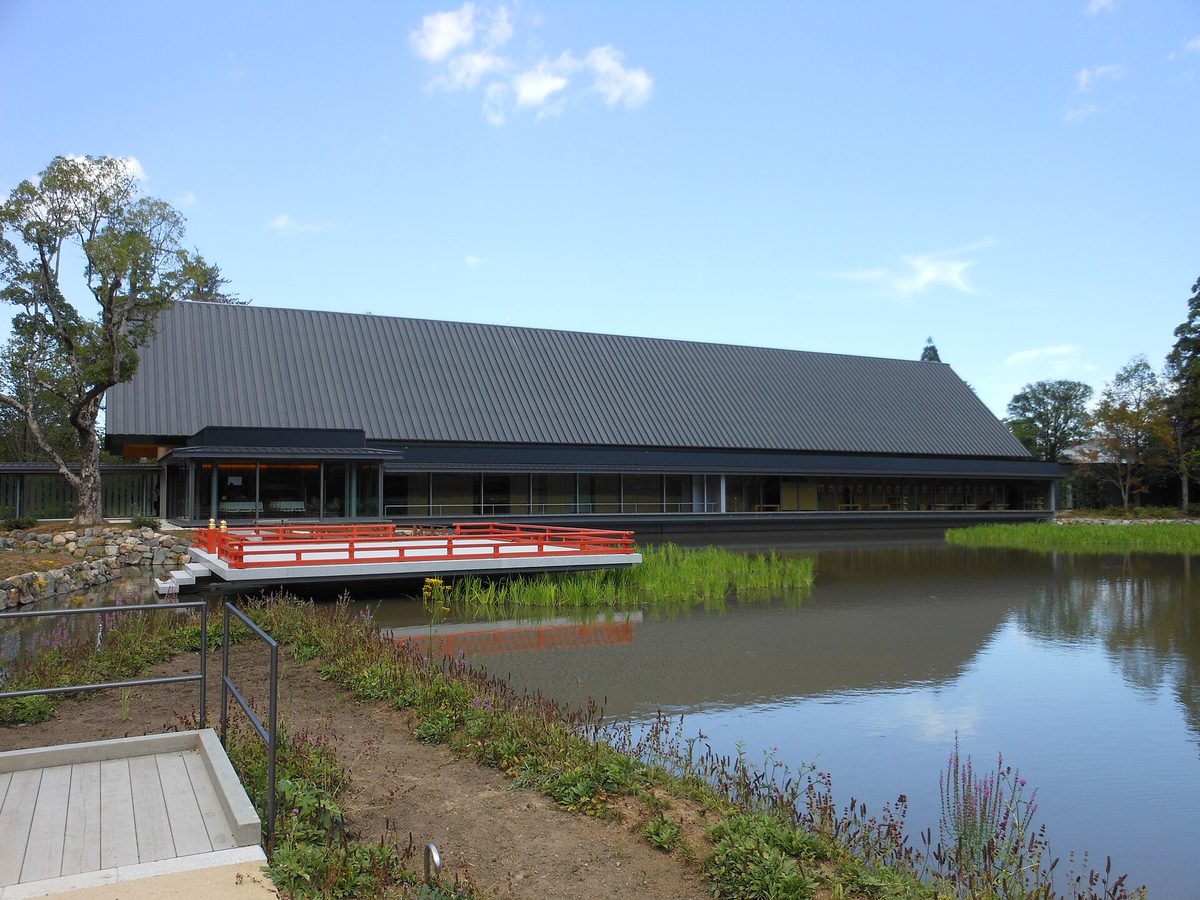
Photo: Miyuki Meinaka / CC BY-SA 3.0 (Wikimedia Commons) A museum of the Shikinen Sengu renewal by Magatama Pond at Geku, featuring a full-scale model of the Geku main sanctuary.
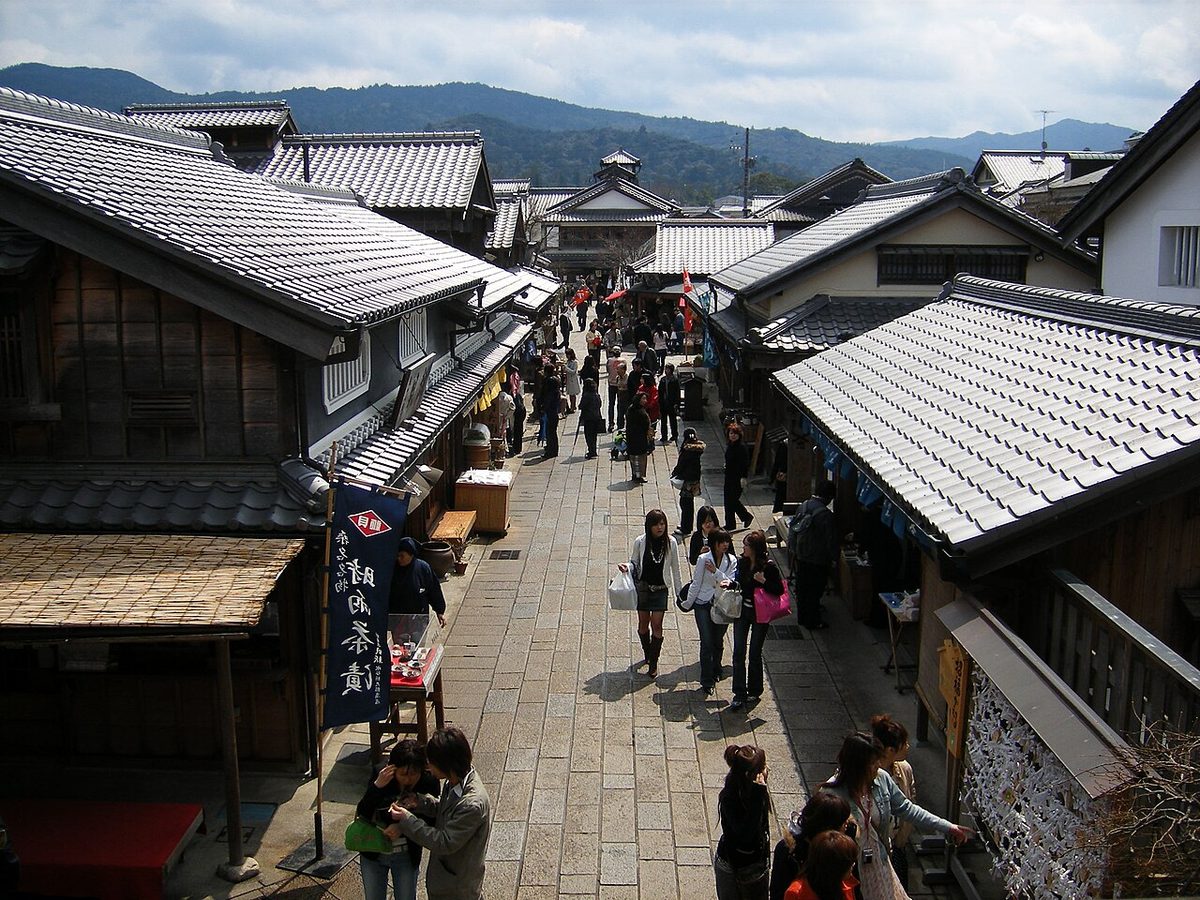
Photo: No machine-readable author provided. Marubatsu assumed (based on copyright claims). This photo was taken with Fujifilm / Public domain (Wikimedia Commons) A quarter of food and craft shops midway along Oharai-machi, five minutes on foot from Naiku's Uji Bridge, with seasonal events.
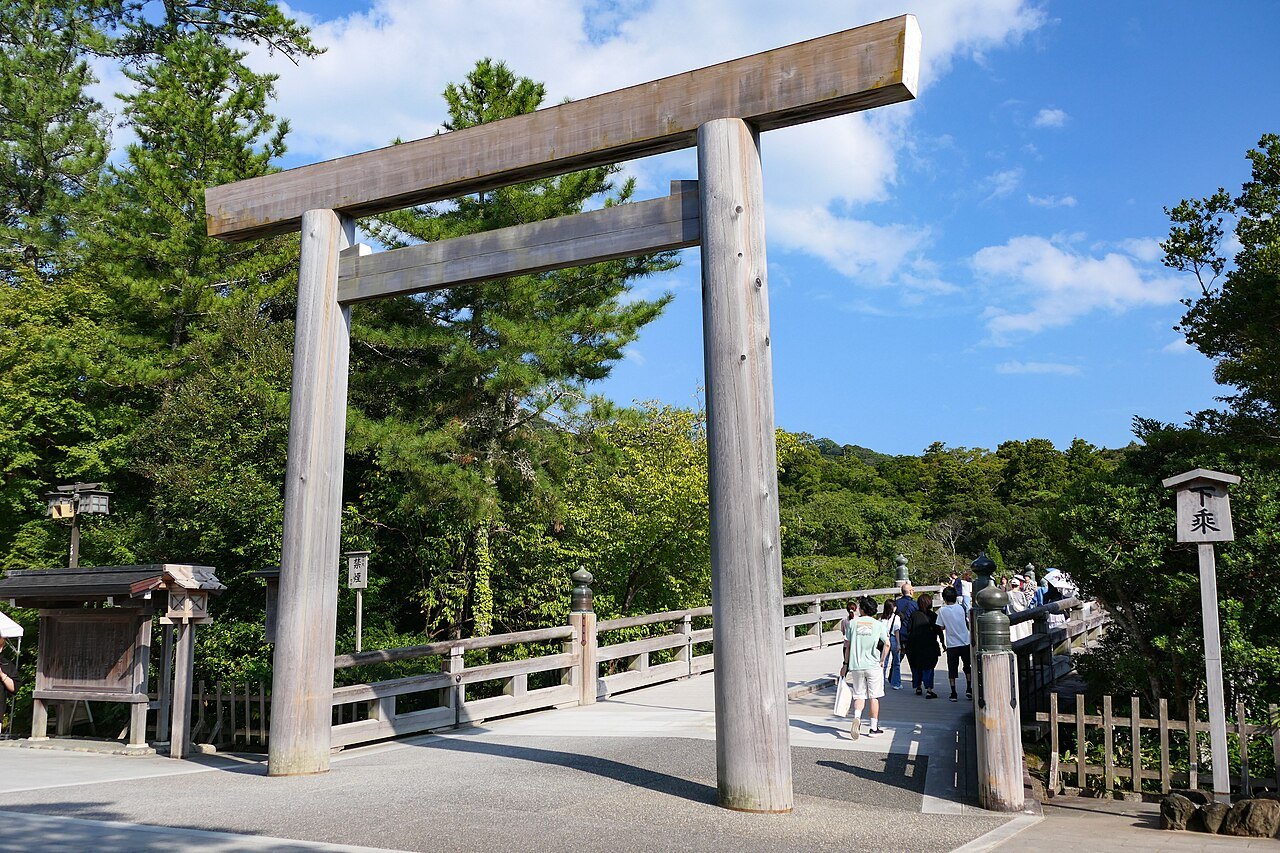
Photo: MaedaAkihiko / CC0 (Wikimedia Commons) The most venerable shrine in Japan, dedicated to Amaterasu Omikami, the ancestral deity of the Imperial Family.
These are local landmarks. Each was checked to be open on its official site (checked 2026-11-17). Please confirm hours before you go.
Beyond Ise
1 / 2
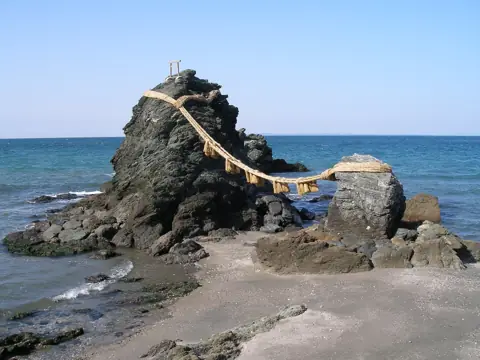 Ise · 8 km
Meoto Iwa (Wedded Rocks) →
Two rocks standing in the sea, known as a symbol of marital harmony and matchmaking.
- Tsu · 33 km
Kazahaya no Sato →
A welfare-integrated flower garden inside Ise Onsen Golf Club in Tsu hosting seasonal festivals for plum, wisteria, hydrangea, and cosmos.

Distances are straight-line from the town centre. Each page has how to get there and a suggested day.
Questions people ask
- Where can I eat Ise's local dishes?
Ise udon (thick soft noodles in dark tamari sauce): Ise Udon Mameya (Geku), Tsukiyomi Shokudo (Naiku)
Ankoromochi (red-bean-coated mochi): Ofukumochi Honke (Futami)
Ise-ebi (Japanese spiny lobster): French Restaurant Bon Vivant (Geku), Campagne (Naiku)
- Where can I see or buy Ise Washi Papermaking, Hinoki Shrine Carpentry & Woodcarving, Tamari Soy Sauce & Miso Brewing in Ise?
Ise Washi Papermaking: Ise Washikan (Geku)
Hinoki Shrine Carpentry & Woodcarving: Ise Miyachu (Geku)
Tamari Soy Sauce & Miso Brewing: Koujiya (Geku)
Forged Cutlery & Artisan Guildwork: Ise Kikuichi (Geku)
Craft: Shirochidori (Geku), Tanuki Danrantei (Naiku), YAMADA (Geku)
- Which places in Ise open by 9 in the morning?
Fujiya Sogetsudo (Naiku, Daily 8:30–17:00)
Ofukumochi Honke (Futami, Daily 9:00–17:00)
Camino Coffee (Geku, Fri–Wed 9:00–17:00)
- What can I visit on foot around Geku?
Ise Washi Papermaking: Ise Washikan
Hinoki Shrine Carpentry & Woodcarving: Ise Miyachu
Craft: Shirochidori, YAMADA
Tamari Soy Sauce & Miso Brewing: Koujiya
Forged Cutlery & Artisan Guildwork: Ise Kikuichi
Cafés: Camino Coffee, Antiques & Cafe Gallery Miko-Nonno
Food: Ise Udon Mameya, French Restaurant Bon Vivant
Every place was checked to be open in November 2026. Hours can change, so please check the official site before you go.
If you like Ise
- Izumo
Shimane, Japan
For example, Ise Miyachu here, and Izumo Mingeikan (Izumo Folk Crafts Museum) in Izumo.
- Ishigaki
Okinawa, Japan
For example, YAMADA here, and Kayak Yaeyama Kobo in Ishigaki.
- Kobe
Hyogo, Japan
For example, Shirochidori here, and Fukugido in Kobe.
Chosen by how close the towns and their places are in what they make and serve.