33.3° N
Beppu
Oita, Japan
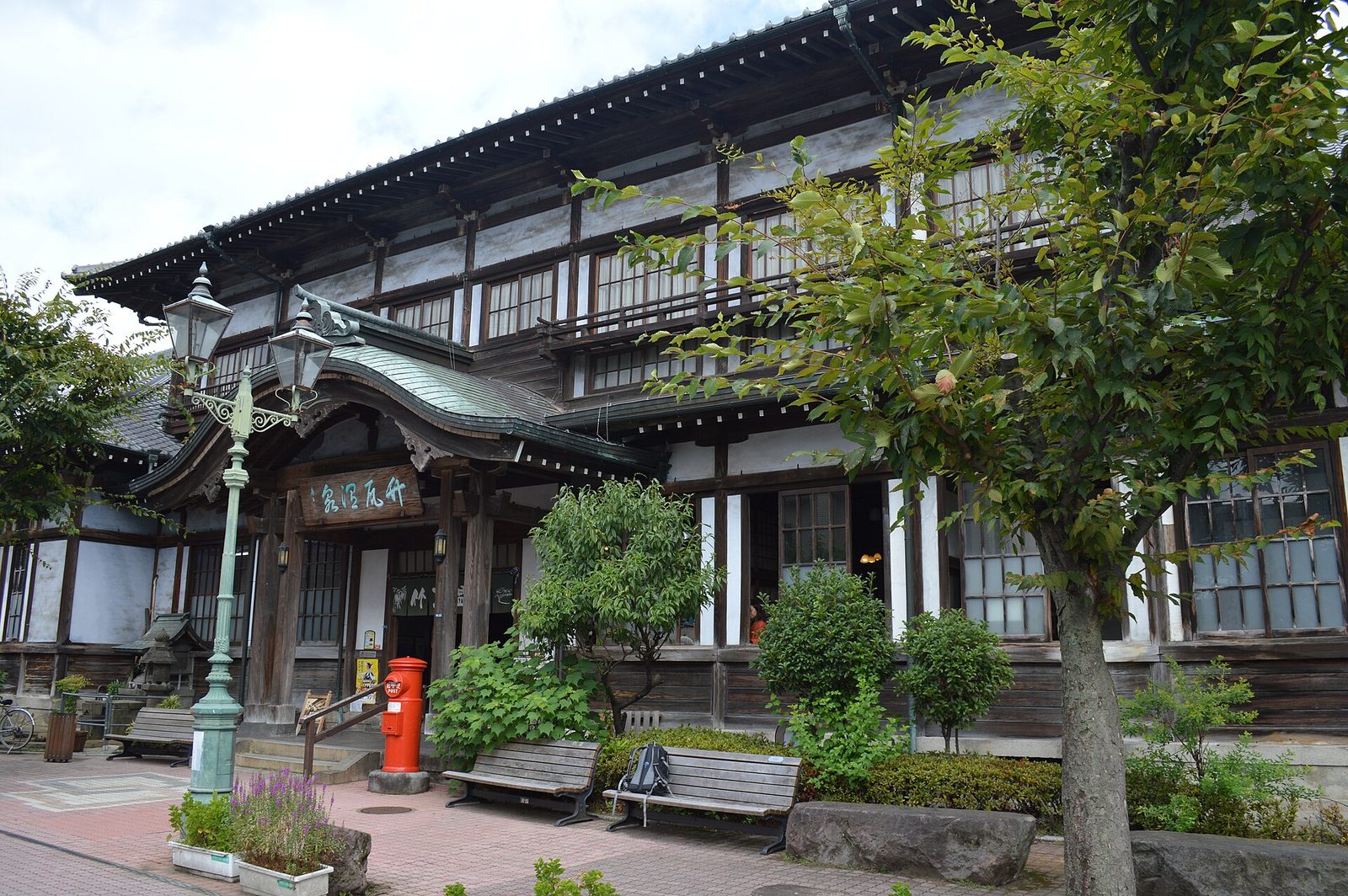
A hot-spring town on Beppu Bay. In Kannawa and Myoban steam comes up out of the ground, and there are a kitchen that steams food in it and huts where yunohana bath salt is made. Bamboo craft, wagashi, and the restaurant that calls itself the home of toriten — the editors’ picks.
Beppu, on film
4 sights and 9 places, each checked open in 2026, in 36 seconds.
Found somewhere you like? The map and the list below have the address, hours and official site.
Tap for sound
What to eat in Beppu
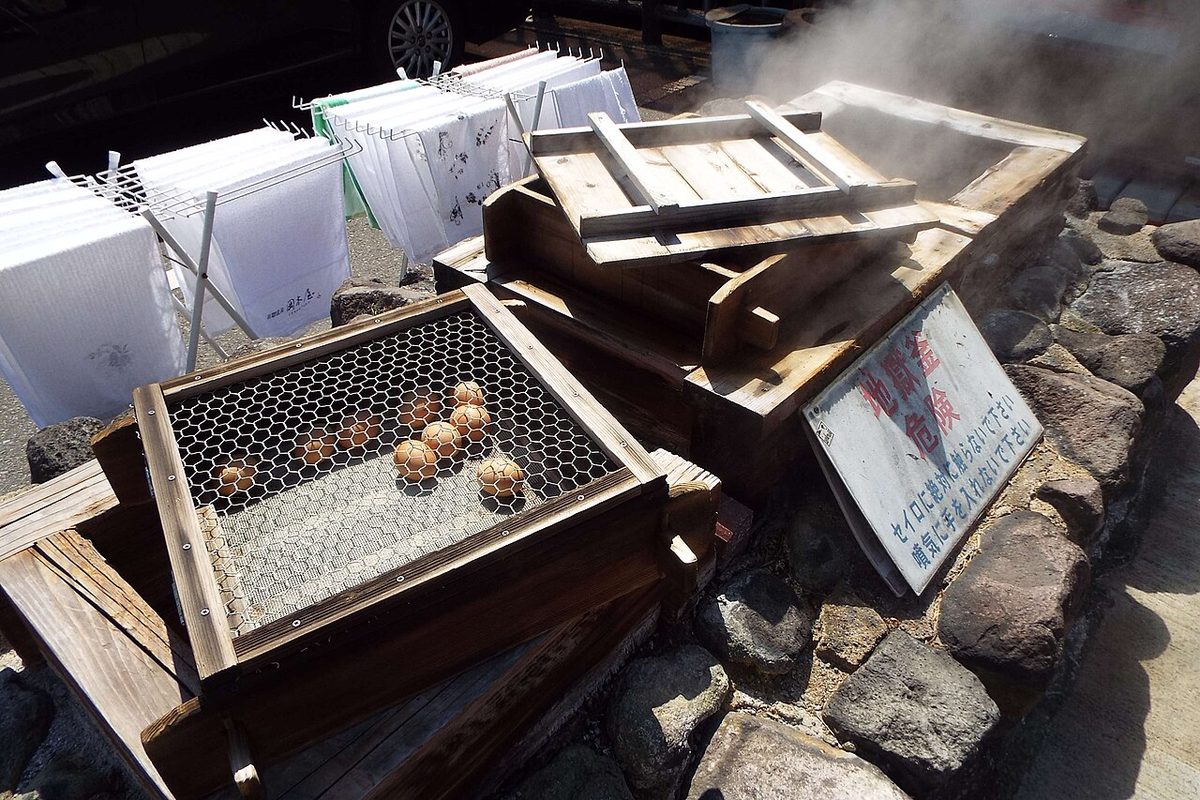
Photo: 松岡明芳 / CC BY-SA 4.0 (Wikimedia Commons) Jigoku-mushi (hot-spring steam cooking)
地獄蒸し
Vegetables, seafood, meat, and eggs are placed in bamboo colanders and cooked in a stone kettle using natural hot-spring steam of about 98 to 100°C. The method has been used in Beppu's Kannawa Onsen since the Edo period, and the mineral-rich steam seasons ingredients gently without oil.
Available year-round; diners place ingredients in a kettle themselves and eat the steamed food plain or with ponzu, soy sauce, or kabosu.
Where to eat it
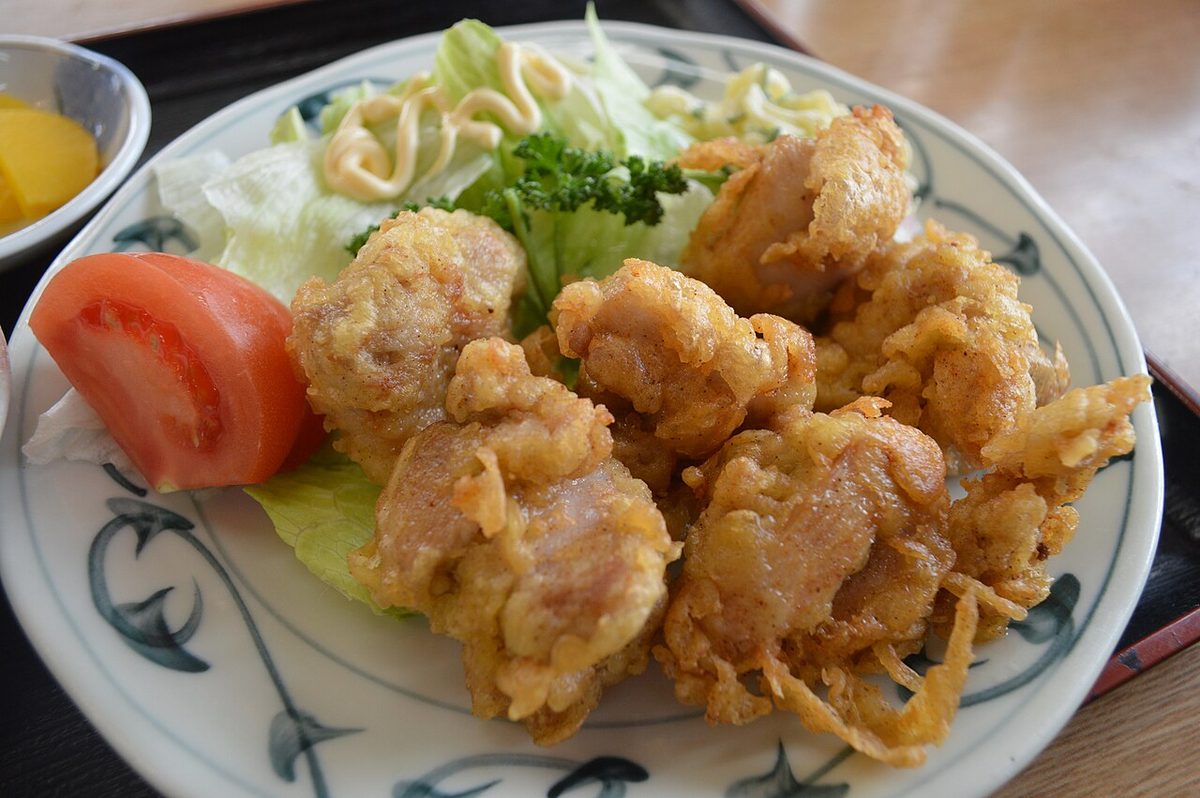
Photo: Asturio Cantabrio / CC BY-SA 4.0 (Wikimedia Commons) Toriten (Oita-style chicken tempura)
とり天
Bite-sized pieces of seasoned chicken are dipped in a light batter of flour and egg and fried crisp. It originated at Restaurant Toyoken in Beppu, founded in 1926, as an adaptation of Chinese cooking into an Oita staple.
Eaten year-round as a single dish or set meal, dipped in vinegar soy sauce with karashi mustard or kabosu.
Where to eat it
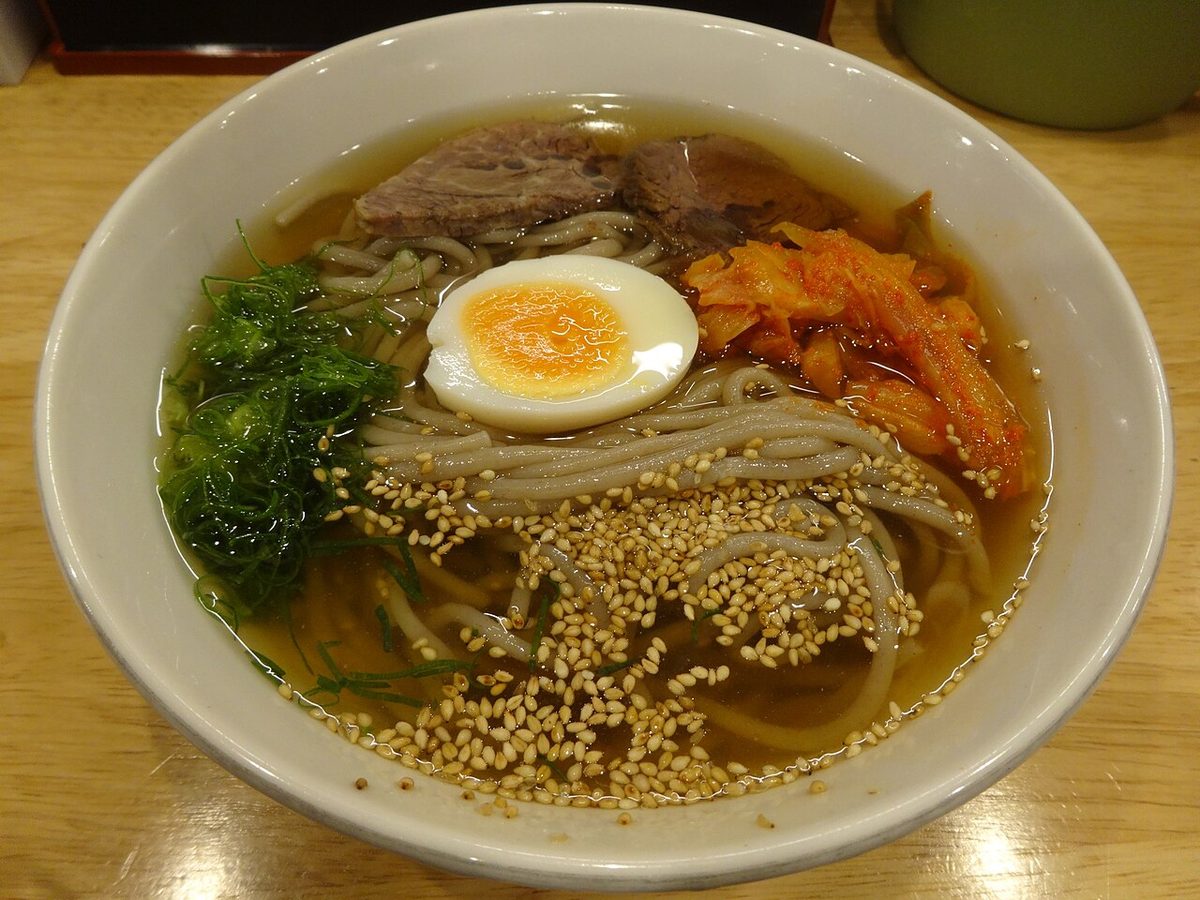
Photo: 聖石大戦ぶぅぶぅ / CC BY-SA 4.0 (Wikimedia Commons) Beppu Reimen (Beppu cold noodles)
別府冷麺
Chewy noodles made from wheat flour, buckwheat flour, and starch are served in a clear chilled broth of beef bone, kelp, and bonito, topped with beef chashu and cabbage kimchi. The dish developed in Beppu around 1950 when people returning from Manchuria adapted Korean cold noodles to Japanese dashi broth.
Eaten year-round—especially after a hot-spring bath—by tasting the broth and noodles first before mixing in cabbage kimchi, or ordered warm as onmen in colder months.
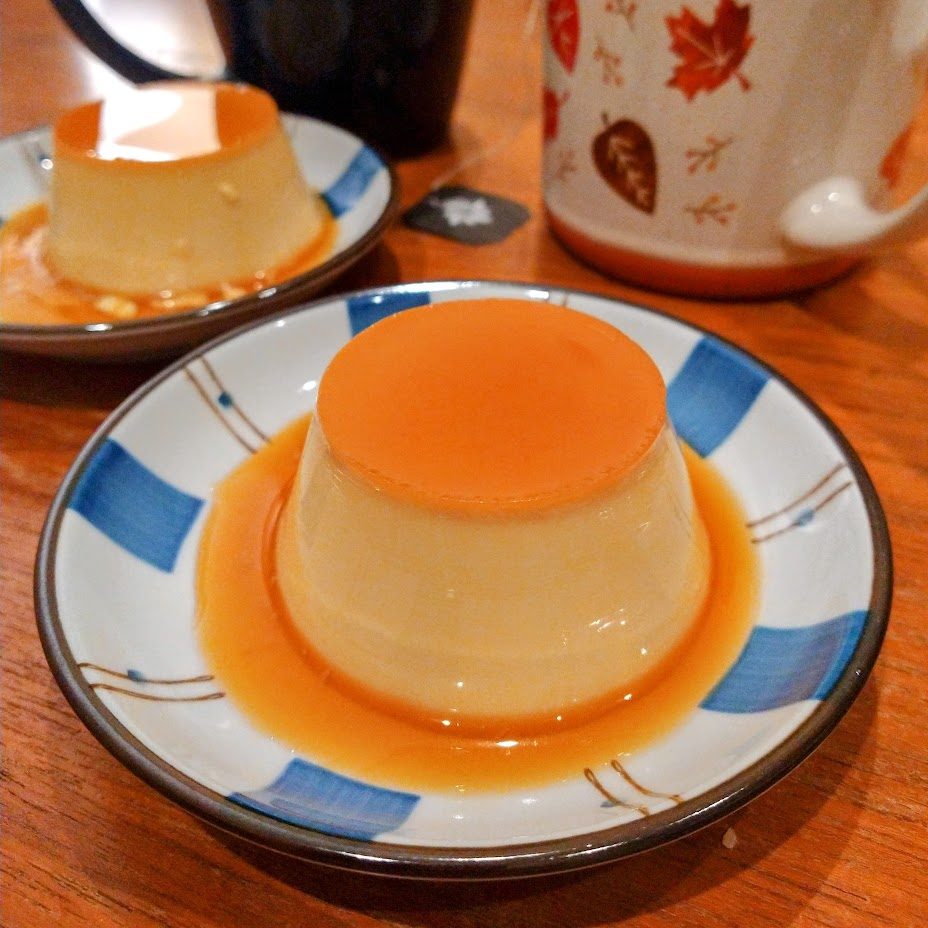
Photo: Clairenguyen23 / CC BY-SA 4.0 (Wikimedia Commons) Jigoku-mushi Purin (hot-spring steamed custard pudding)
地獄蒸しプリン
A firm custard pudding made from eggs, milk, and sugar is steamed slowly over natural hot-spring vents and finished with bitter caramel sauce. It was created in 1988 at Okamotoya Baiten in Beppu's Myoban Onsen district using local volcanic steam.
Eaten year-round at the teahouse overlooking rising steam or chilled as takeaway, scooping deep to mix the pudding with the bitter caramel.
The LATITUDE editors’ 9 picks in Beppu
Our editors verified that these places were open (checked 2026-11-11). Check the official site for hours and closing days before visiting. Sponsored listings are marked.
Save places to your trip list and revisit them in this browser. No account needed.
Editors’ picks on the map — or build your own route
Tap a mark to see the place; squares are museums and sights (landmarks). Use “Build your own route” to make a walk of your own.
Loading the map
Map data © OpenStreetMap contributors
Browse by category
1 / 12
Kannawa
Mushicharou
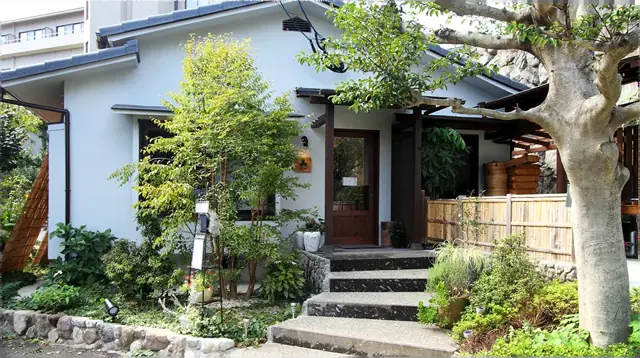
Photo: the shop’s official page 蒸士茶楼
A restaurant in Kannawa serving courses that combine jigoku-mushi and medicinal cooking. The soup is made with hot-spring steam alone, without water. Booking by phone by the day before only; up to 20 seats; cash only.
11:30–14:00, 18:00–21:00 · Closed: Irregular holidays (see monthly calendar)
Why the editors chose itBook ahead for medicinal jigoku-mushi courses featuring soup steamed purely with hot-spring vapour and no water.
Ishigaki & Shonin
Amamichaya
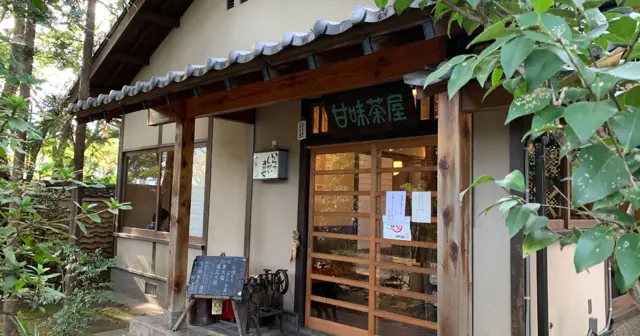
Photo: the shop’s official page 甘味茶屋
A shop in Jissoji-cho for Oita home cooking and sweets. Handmade, hand-pulled dango-jiru, toriten, yaseuma dusted with soybean flour, and mochi dishes. Open 10:00 to 21:00 (last order 20:30), with no regular closing day.
10:00–21:00 (last order 20:30) · Closed: Open every day
Why the editors chose itOita home cooking and sweets in one place, from hand-pulled dango-jiru and toriten to yaseuma.
Ishigaki & Shonin
Restaurant Toyoken
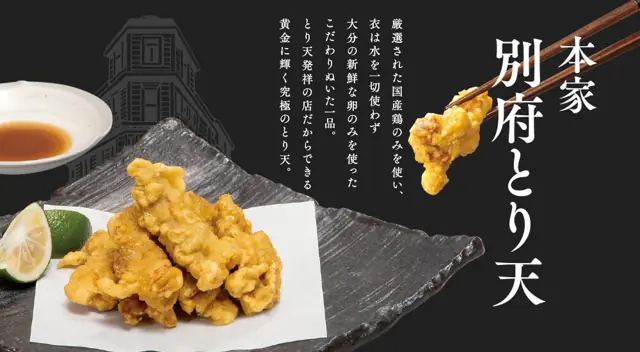
Photo: the shop’s official page レストラン東洋軒
Founded in 1926. The restaurant that calls itself the home of toriten, an Oita home dish based on Chinese cooking. The main shop is in Ishigaki-higashi and is closed on the second Tuesday of each month.
11:00–15:30 (last order 15:00), 17:00–22:00 (last order 21:00); limited menu 15:00–17:00 on weekends & holidays · Closed: 2nd Tuesday of each month
Why the editors chose itFounded in 1926 as the original home of Oita’s signature toriten dish.
Ishigaki & Shonin
Charou Honpo
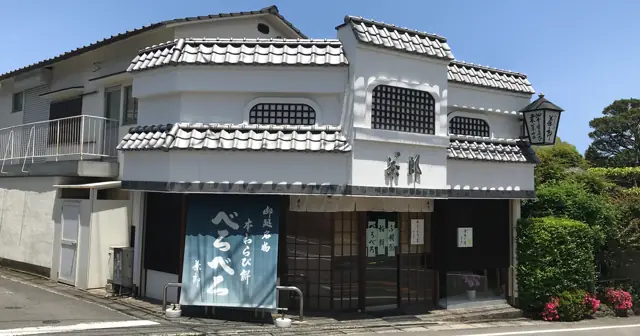
Photo: the shop’s official page 和菓子処 茶郎本舗
A wagashi shop in Ishigaki. At the counter it sells fresh sweets made by hand every morning, seasonal jo-namagashi, red-bean rice and mochi. Open 9:00 to 18:00; closed on Wednesdays, and on some Tuesdays in the month.
9:00–18:00 · Closed: Wednesdays (also irregular Tuesdays)
Why the editors chose itPick up fresh wagashi handmade every morning, along with seasonal sweets and mochi.
Ishigaki & Shonin
Okashitsukasa Beniya
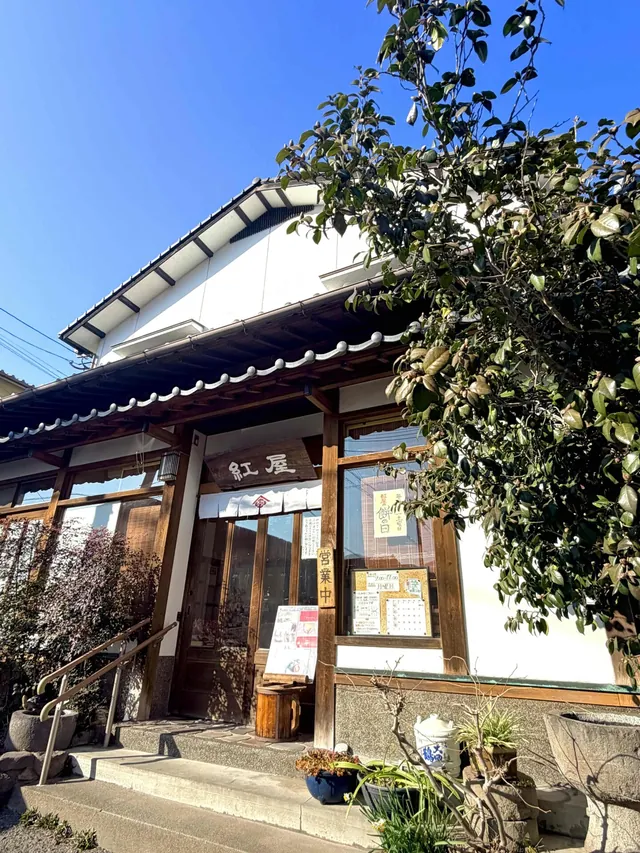
Photo: the shop’s official page 御菓子司 紅屋
A wagashi shop that began with a Western-and-Japanese confectioner the first owner opened in Shanghai in 1909. After the third generation moved it to Higashisoen, its monaka Tsurumi no Mine became known. Open 9:00 to 17:00; closed on Mondays.
9:00–17:00 · Closed: Mondayschecked Nov 2026
Why the editors chose itFrom a shop begun in Shanghai in 1909, known today for its Tsurumi no Mine monaka.
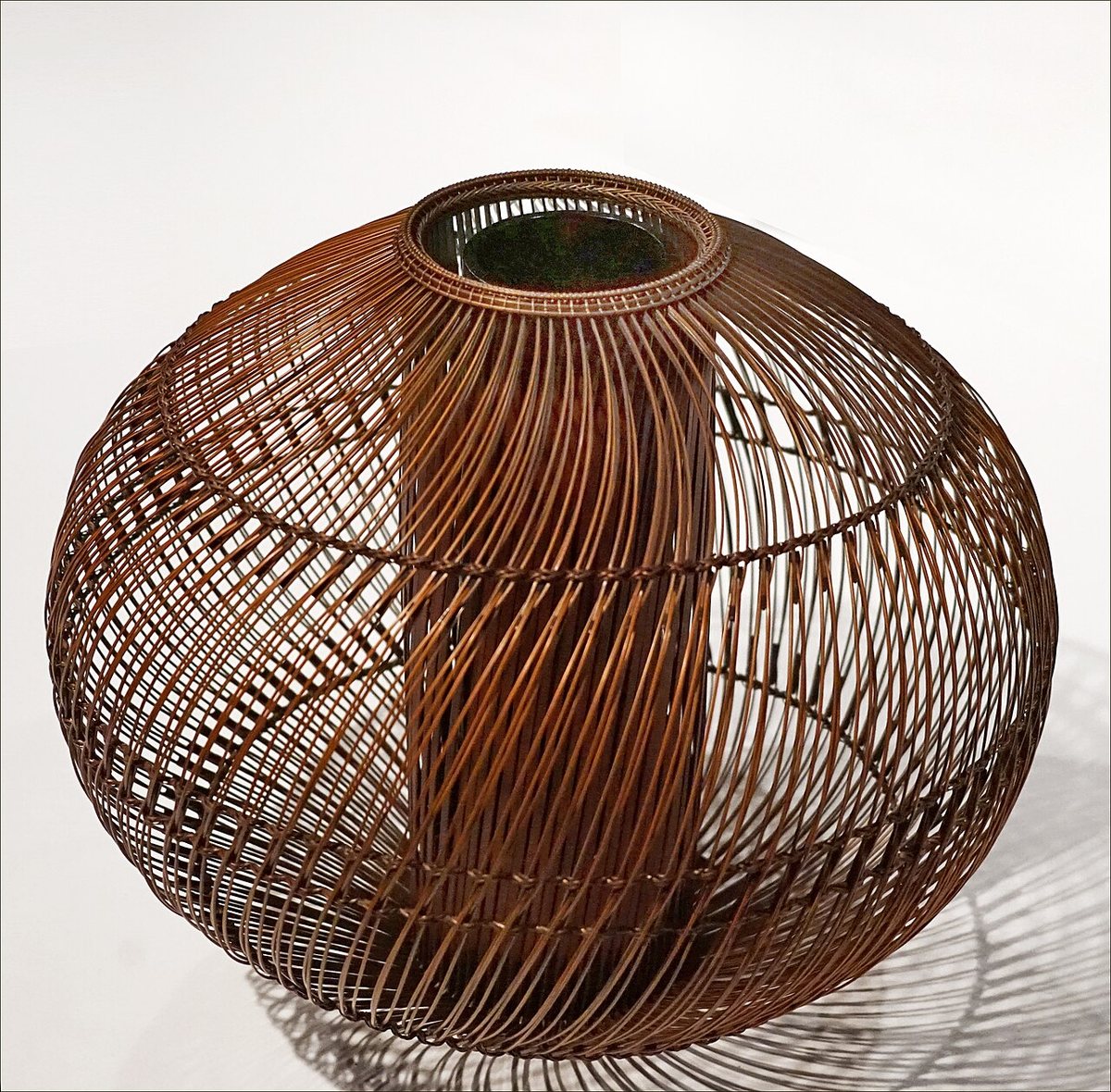
Made in Beppu
Beppu bamboo craft is the only craft in Oita designated a traditional craft by the Minister of Economy, Trade and Industry. A bamboo mill founded in Beppu in 1908 still makes bamboo goods, and the city’s Traditional Bamboo Crafts Center shows the craft.
Woven Beppu bamboo basket for ikebana·Photo: Jean-Pierre Dalbéra / CC BY 2.0 (Wikimedia Commons)
Kitahama & Beppu Station
Nagai Seichiku
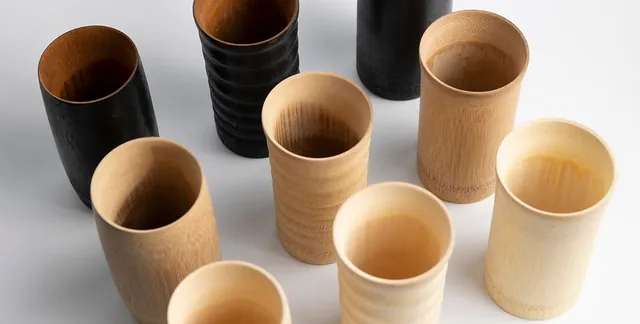
Photo: the shop’s official page 永井製竹株式会社
A maker of bamboo material and bamboo goods, founded in Beppu in 1908. Craftsmen make the pieces by hand from Oita bamboo. Enquiries are taken on weekdays from 9 am to 5 pm; closed on weekends and holidays.
Mon–Fri 09:00–17:00 · Closed: Saturdays, Sundays, and public holidays
Why the editors chose itA 1908 Beppu maker crafting bamboo materials and goods by hand from Oita bamboo.
Made in Beppu
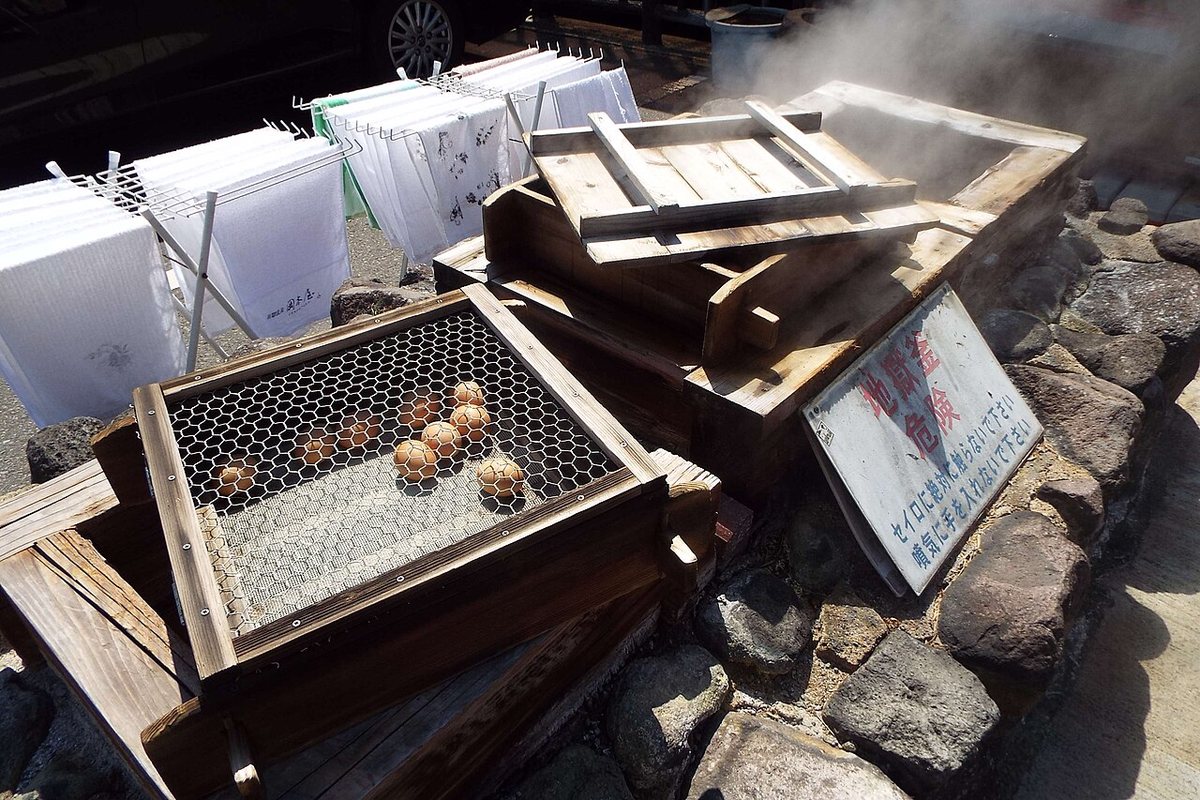
In Kannawa you set the food on a colander, put it in a steam kettle where steam of about 100 degrees rises, and close the lid. That is jigoku-mushi. At Jigokumushi Kobo Kannawa you steam it yourself, and at Mushicharou the course is cooked in hot-spring steam.
Onsen steam cooking boxes with eggs at Myoban Onsen in Beppu·Photo: 松岡明芳 / CC BY-SA 4.0 (Wikimedia Commons)
Kannawa
Jigokumushi Kobo Kannawa
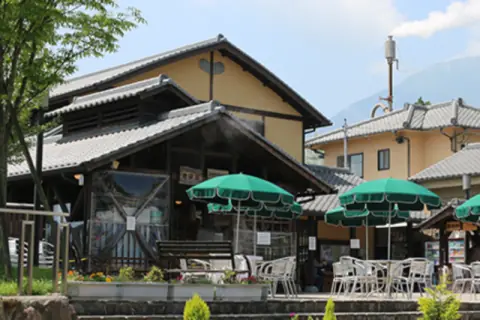
Photo: the shop’s official page 地獄蒸し工房 鉄輪
A jigoku-mushi kitchen on the Ideyu slope in Kannawa. Put the food on a colander, set it in a kettle where steam of about 100 degrees comes up, and close the lid. No bookings; people are called in the order of their number tickets. Closed on the third Wednesday of each month (the next day if it is a holiday).
10:00–19:00 (last order 18:00) · Closed: 3rd Wednesday of each month (following day if a public holiday)
Why the editors chose itA walk-in jigoku-mushi kitchen where visitors steam ingredients over 100-degree geothermal steam kettles.
Made in Beppu
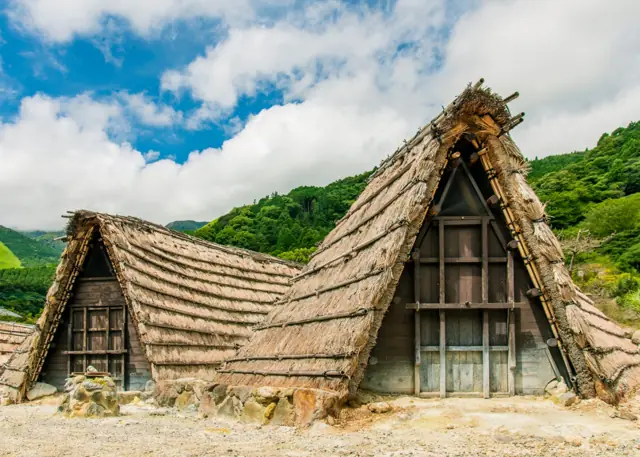
Yunohana is a natural bath salt from the Myoban hot spring. Its way of making goes back to the Edo period, and in March 2006 it was designated a national Important Intangible Folk Cultural Property. At Myoban Yunosato you can watch the making in the yunohana huts for free.
Thatched yunohana huts at Myoban Yunosato·Photo: Myoban Yunosato (official site)
Myoban
Myoban Yunosato
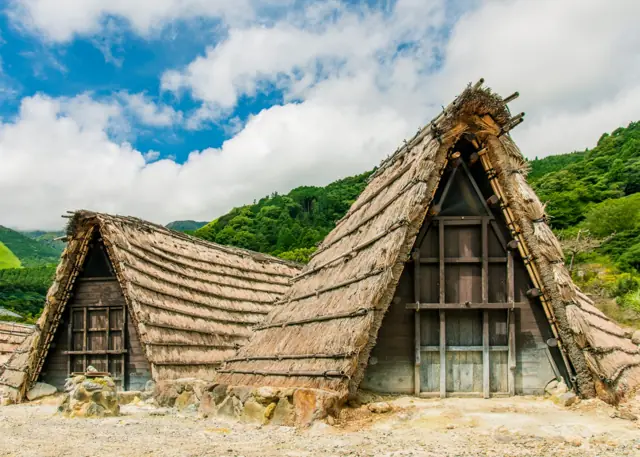
Photo: the shop’s official page みょうばん湯の里
A maker and direct seller of medicinal yunohana in Myoban. The way of making it is a national Important Intangible Folk Cultural Property, and the yunohana huts can be seen for free (9:00 to 17:30). There are also an open-air bath and a shop.
Daily 09:00–18:00 · Closed: Open every day
Why the editors chose itSee folk-cultural-property yunohana huts for free alongside a direct shop and an open-air bath.
Kitahama & Beppu Station
SPICA
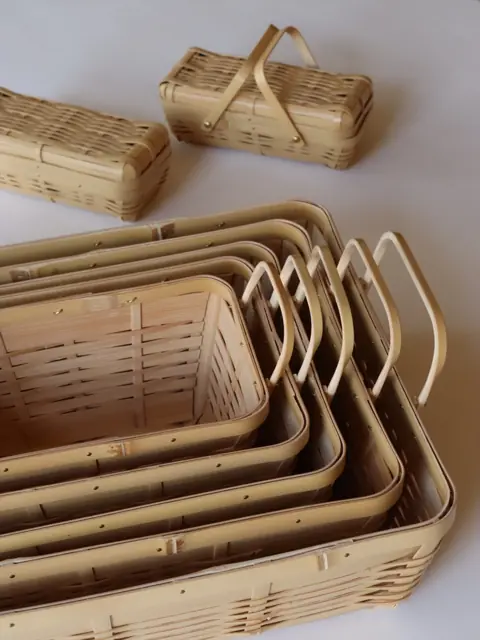
Photo: the shop’s official page A shop in Tatemachi with makers’ tableware and glass, clothing and cloth, paper, books and old tools. It also has a bamboo curry spoon and holds solo exhibitions. Open 11:00 to 17:00 on weekdays and 10:00 to 17:00 on weekends and holidays; closed on Wednesdays.
Why the editors chose itFind makers’ tableware, old tools and bamboo curry spoons, alongside rotating solo exhibitions.
Sights in Beppu
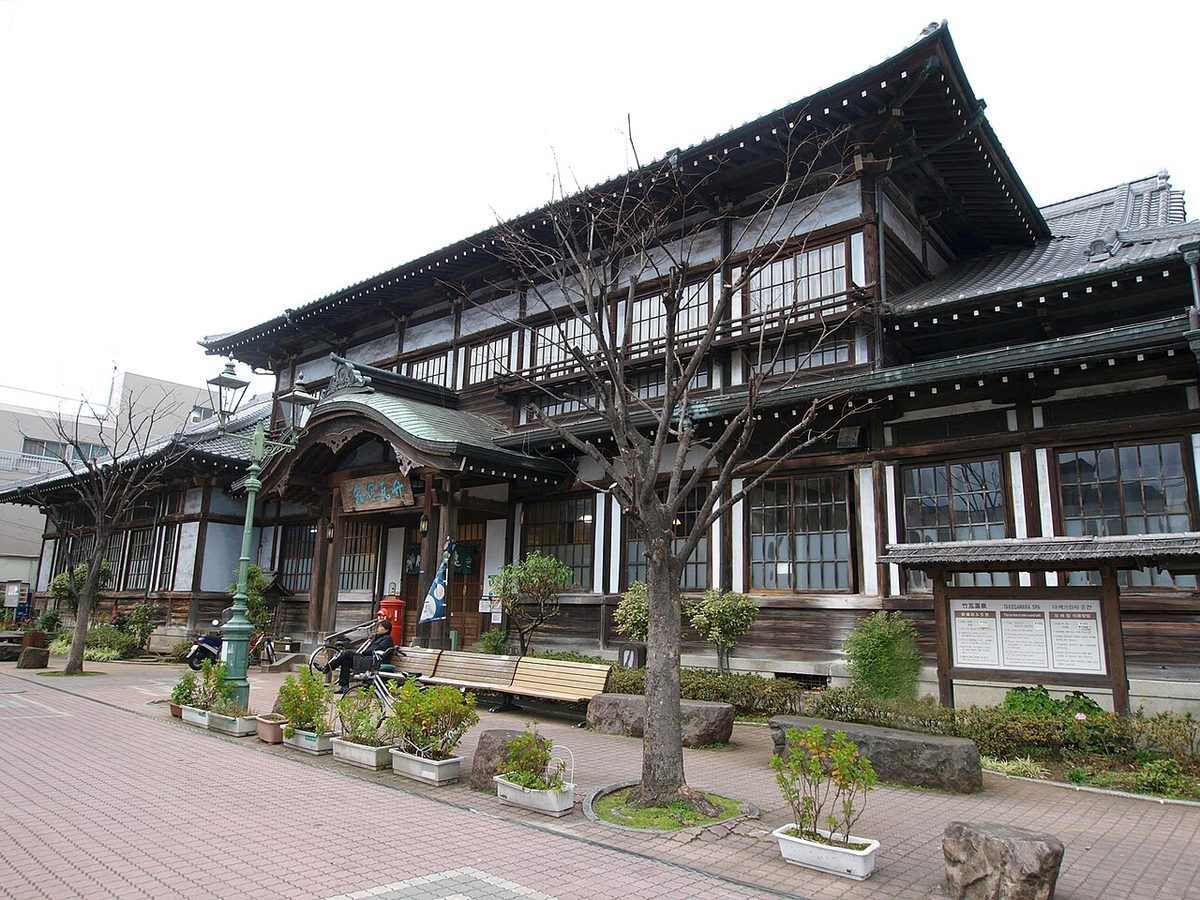
Photo: 大分帰省中 / CC BY 3.0 (Wikimedia Commons) A municipal hot spring founded in 1879.
Closed on the third Wednesday of each month (18 November). Ordinary bath 6:30 to 22:30; sand bath 8:00 to 22:30 (last entry 21:30). The sand bath cannot be booked.
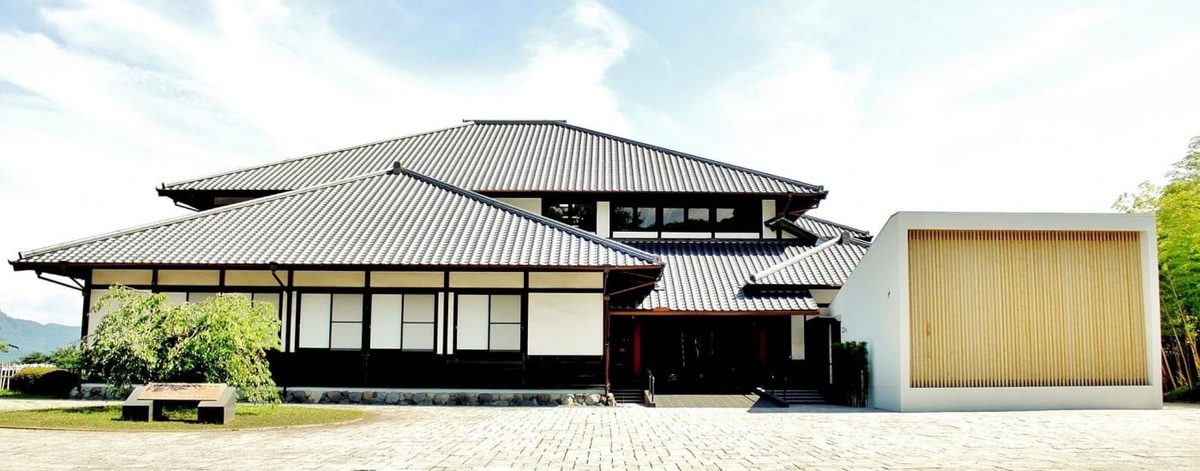
Photo: official site Beppu City Traditional Bamboo Crafts Center
A city facility showing the history and work of Beppu bamboo craft, the only craft in Oita designated a traditional craft by the Minister of Economy, Trade and Industry.
Closed on Mondays (the next day if it is a holiday) and from 29 December to 3 January. Open 8:30 to 17:00 (museum shop until 16:30).
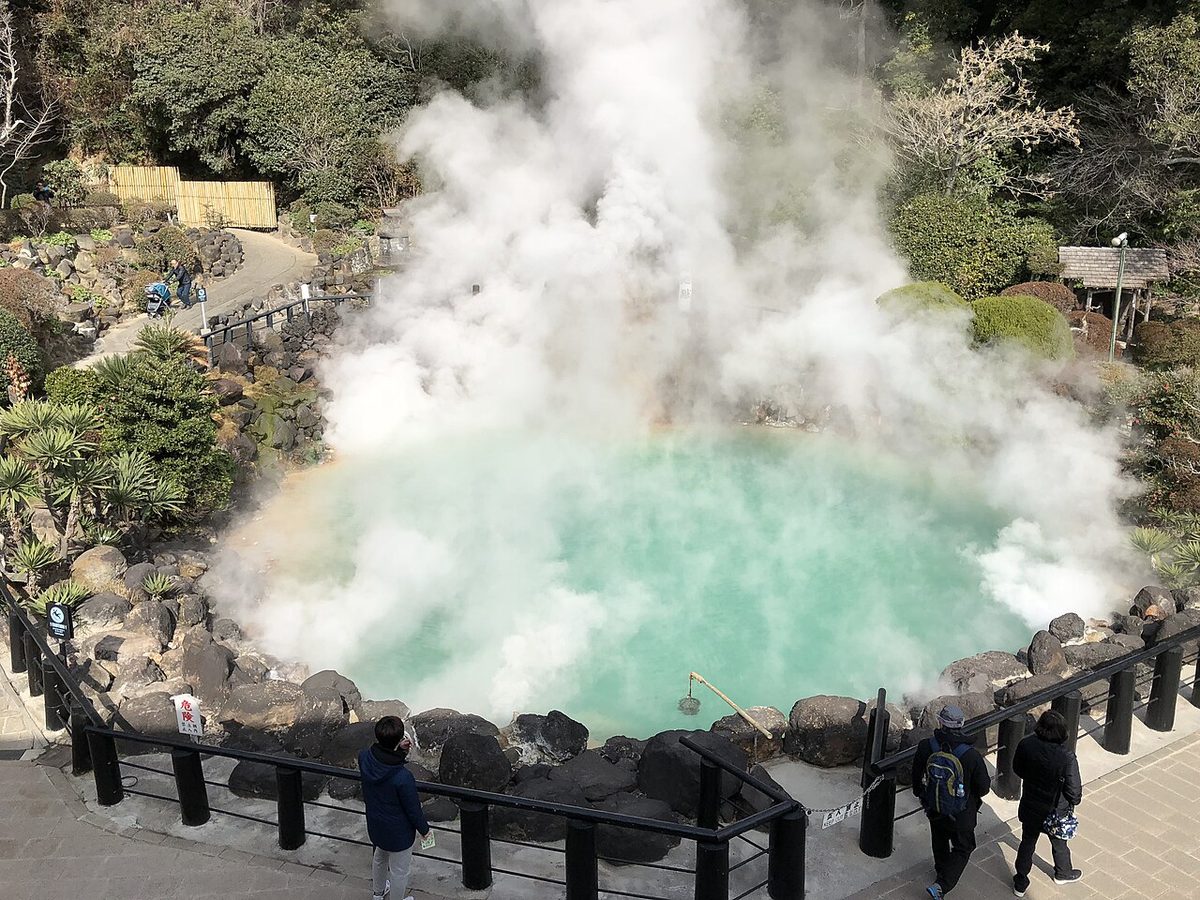
Photo: Totti / CC BY-SA 4.0 (Wikimedia Commons) The largest of the Beppu Jigoku.
Open 8:00 to 17:00 every day of the year. The shared ticket for all seven jigoku is valid on the day of purchase and the next day.
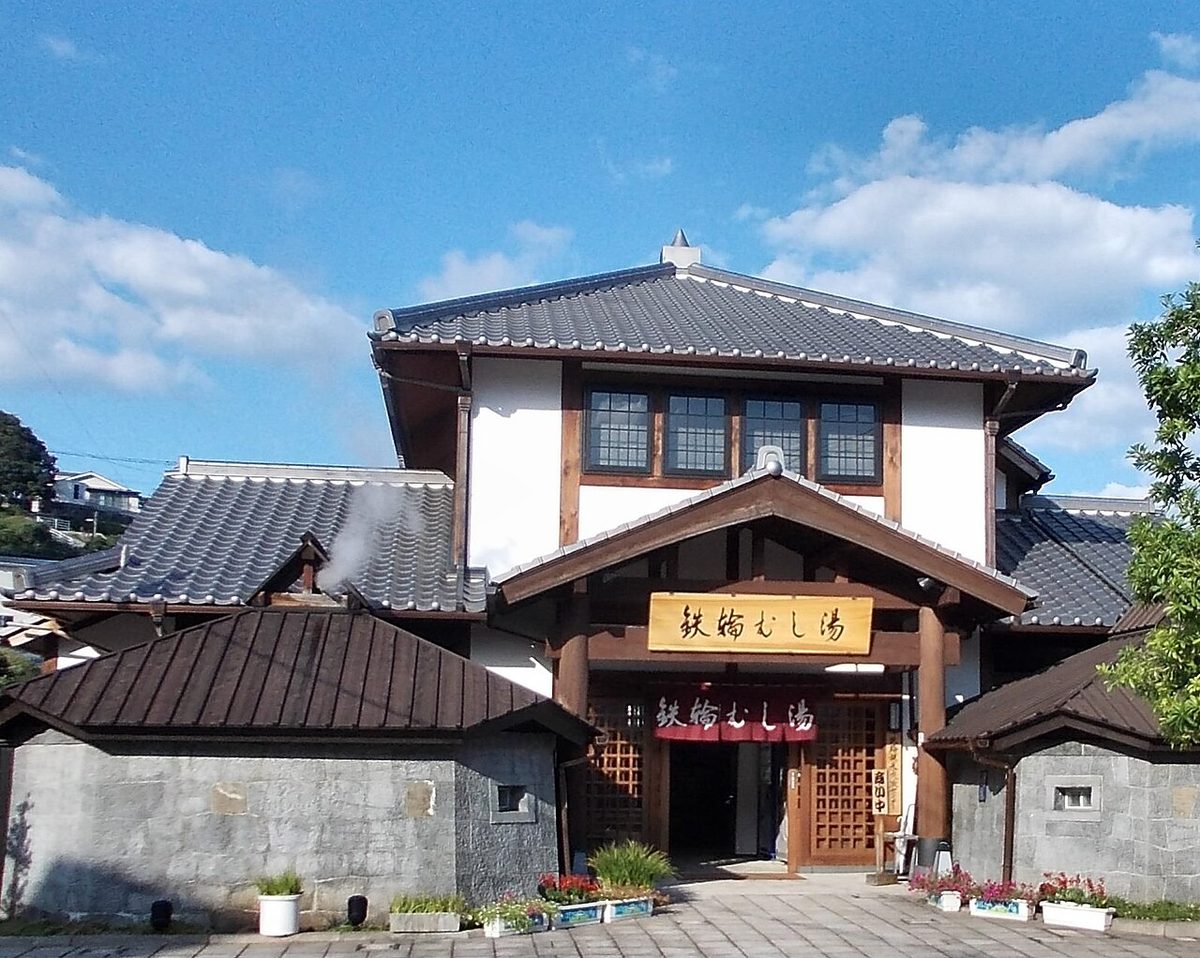
Photo: STA3816 / CC BY-SA 3.0 (Wikimedia Commons) A municipal steam bath said to have been founded by the priest Ippen in 1276, in the Kamakura period.
Closed on the fourth Thursday of each month (26 November). From 1 October to 31 January open 7:30 to 19:30 (last entry 19:00). The steam bath is for junior high school age and older.
These are local landmarks. Each was checked to be open on its official site (checked 2026-11-17). Please confirm hours before you go.
Beyond Beppu
1 / 6
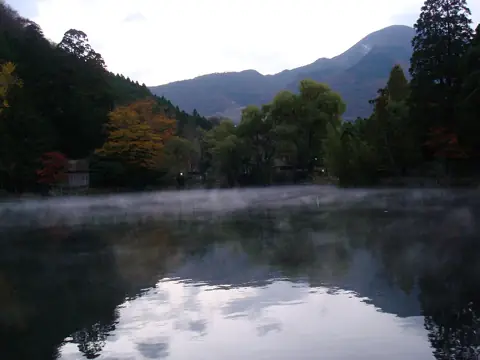 Yufuin · 12 km
Kinrin Lake →
Famous for the mystical sight of morning mist rising from the lake surface in autumn and winter, caused by hot spring water and fresh water gushing from the lake bed.
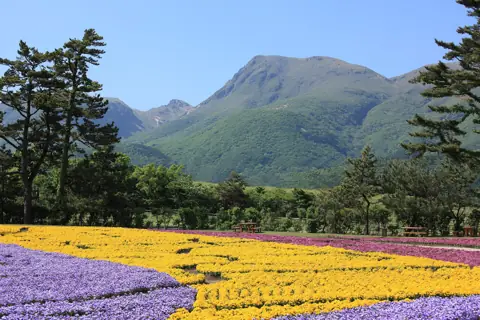 竹田市 · 35 km
Kuju Flower Park →
A flower park located in Aso-Kuju National Park, where you can enjoy seasonal flowers.
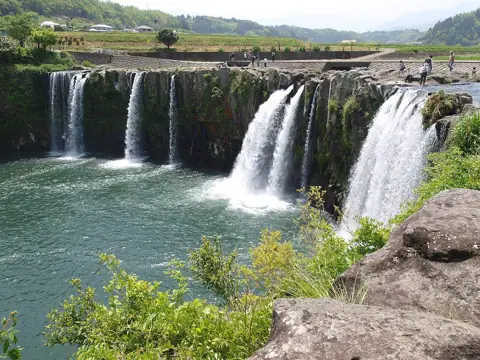 Bungo-ono · 35 km
Harajiri Falls →
A 120-meter-wide, 20-meter-high horseshoe waterfall dropping abruptly out of flat rice paddies, nicknamed the Niagara of the East.
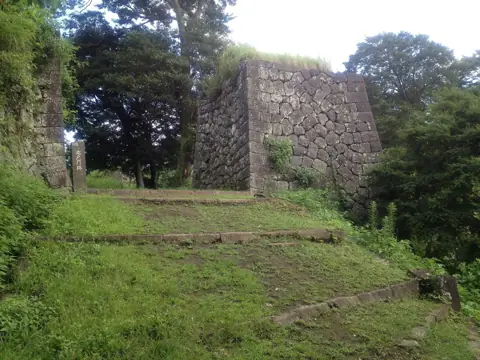 Taketa · 36 km
Oka Castle Ruins →
Towering stone ramparts perched atop sheer volcanic cliffs overlooking the Kuju Mountains, the castle ruins that inspired the famous song Kojo no Tsuki.
 Bungotakada · 38 km
Matama Coast →
The only coast in Oita where the sun sets into the sea horizon, revealing glowing ribbed tidal flats at sunset when low tide coincides with dusk.
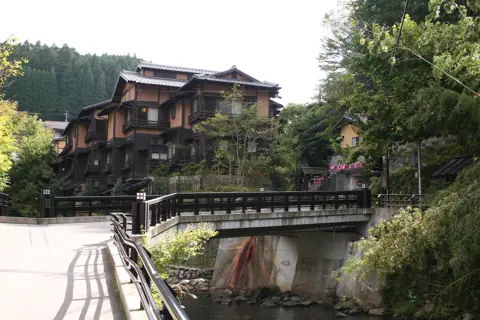 Minamioguni · 41 km
Kurokawa Onsen →
An onsen area surrounded by lush green mountains with 30 ryokans gathered together.


Distances are straight-line from the town centre. Each page has how to get there and a suggested day.
Questions people ask
- Where can I eat Beppu's local dishes?
Jigoku-mushi (hot-spring steam cooking): Jigokumushi Kobo Kannawa (Kannawa), Mushicharou (Kannawa)
Toriten (Oita-style chicken tempura): Restaurant Toyoken (Ishigaki & Shonin), Amamichaya (Ishigaki & Shonin)
- Where can I see or buy Beppu Bamboo Craft, Myoban Yunohana Mineral Crystals, Craft in Beppu?
Beppu Bamboo Craft: Nagai Seichiku (Kitahama & Beppu Station)
Myoban Yunohana Mineral Crystals: Myoban Yunosato (Myoban)
Craft: SPICA (Kitahama & Beppu Station)
- Which places in Beppu open by 9 in the morning?
Charou Honpo (Ishigaki & Shonin, 9:00–18:00)
Okashitsukasa Beniya (Ishigaki & Shonin, 9:00–17:00)
- What can I visit on foot around Ishigaki & Shonin?
Sweets: Charou Honpo, Okashitsukasa Beniya
Food: Amamichaya, Restaurant Toyoken
Every place was checked to be open in November 2026. Hours can change, so please check the official site before you go.
If you like Beppu
- Nagano
Nagano, Japan
For example, Nagai Seichiku here, and Maruhachi Takiya in Nagano.
- Sakai
Osaka, Japan
For example, SPICA here, and plants & keramik kakine in Sakai.
- Shizuoka
Shizuoka, Japan
Chosen by how close the towns and their places are in what they make and serve.