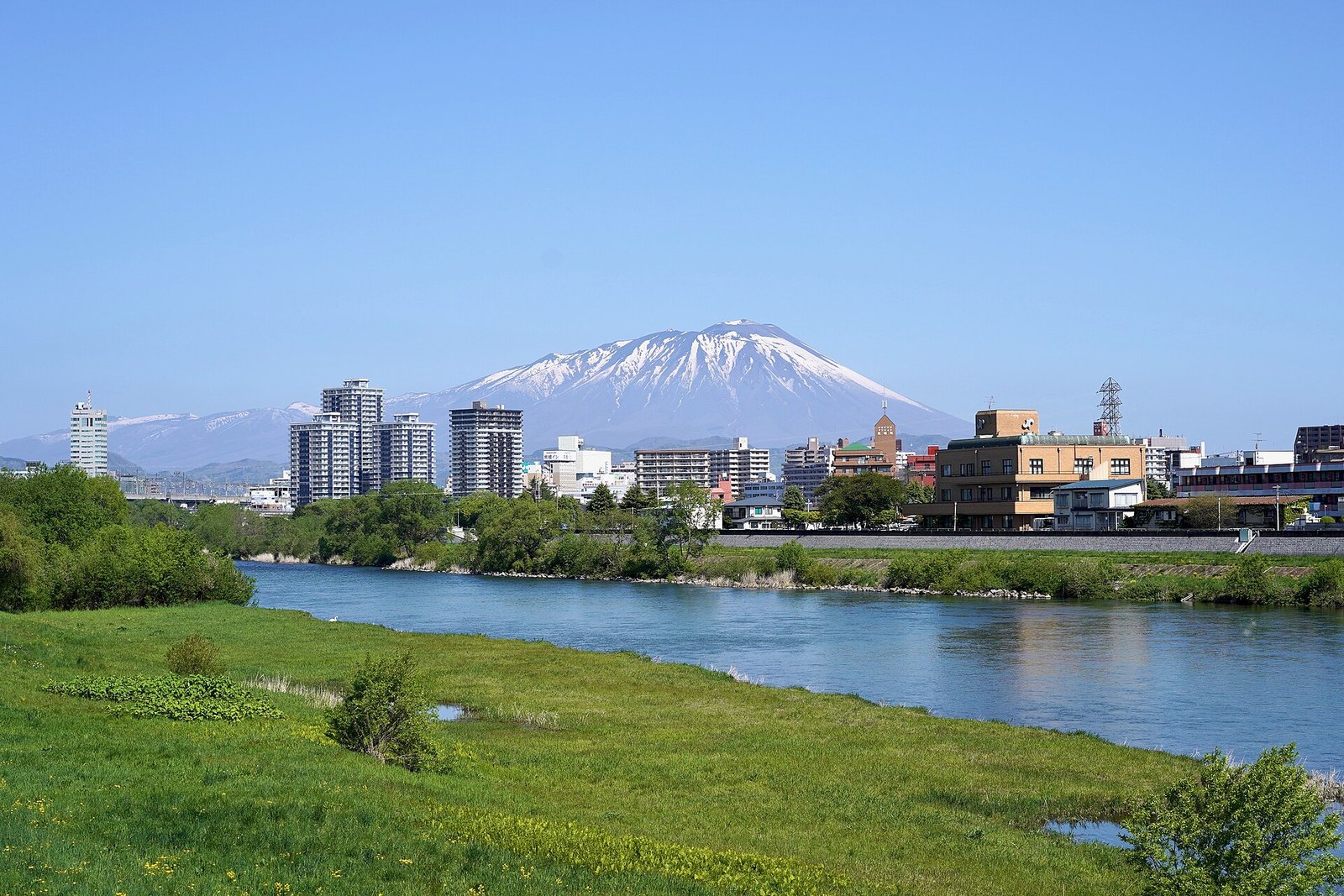
39.7° N
Morioka
Iwate, Japan
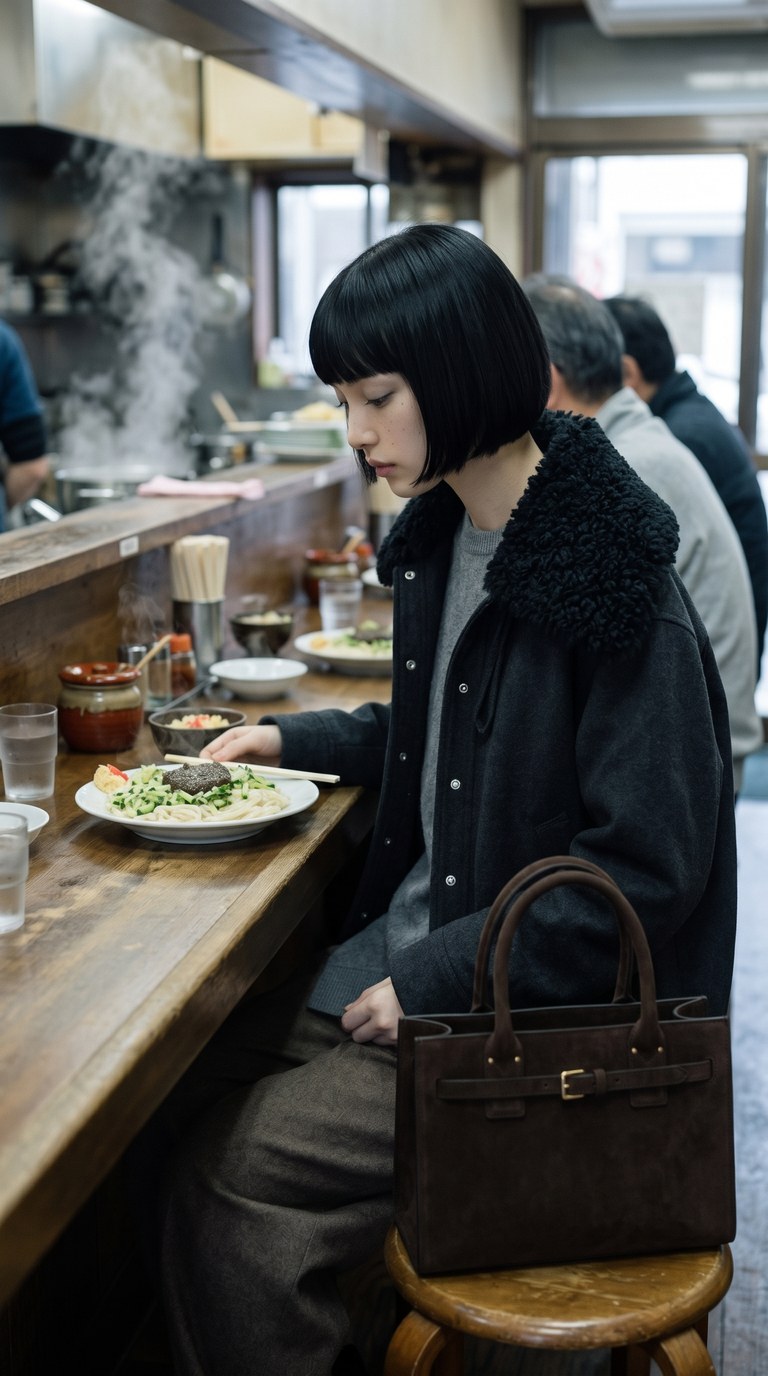
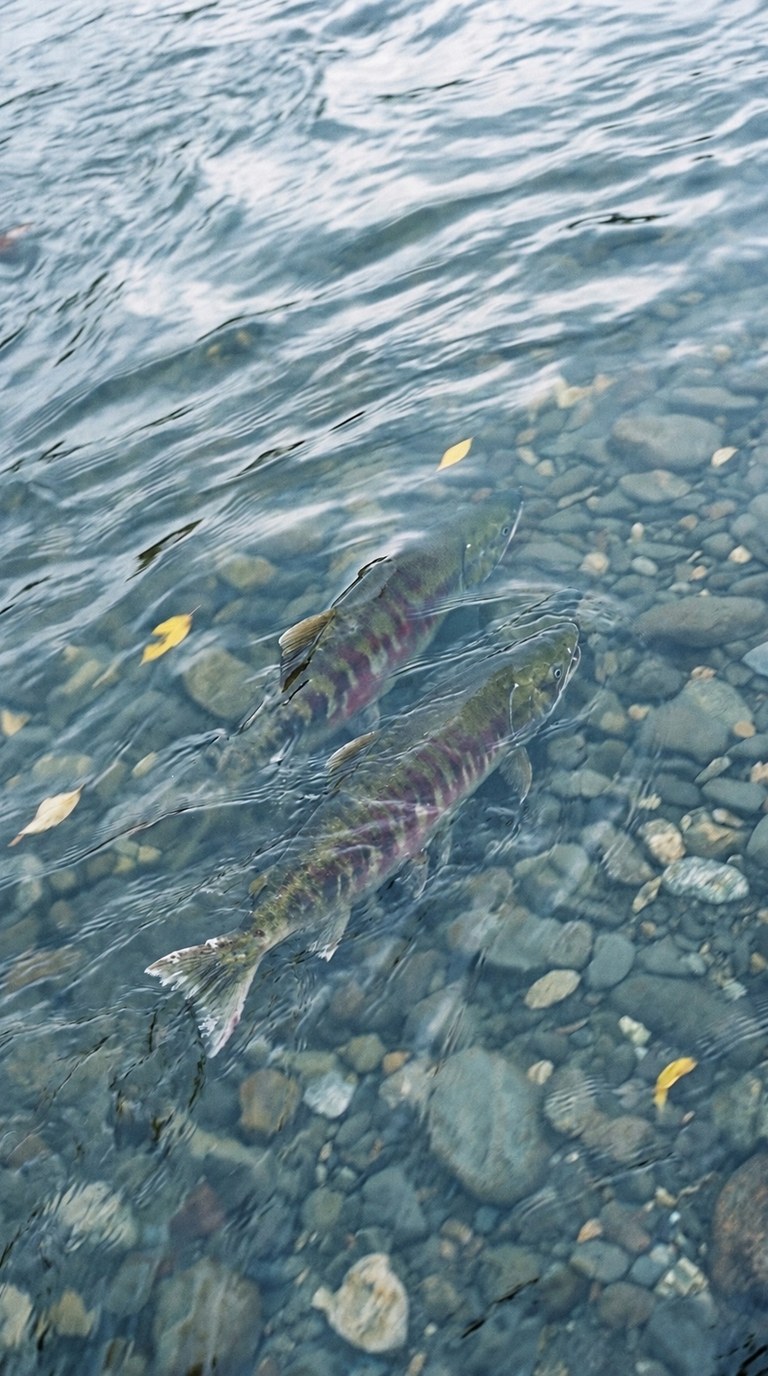
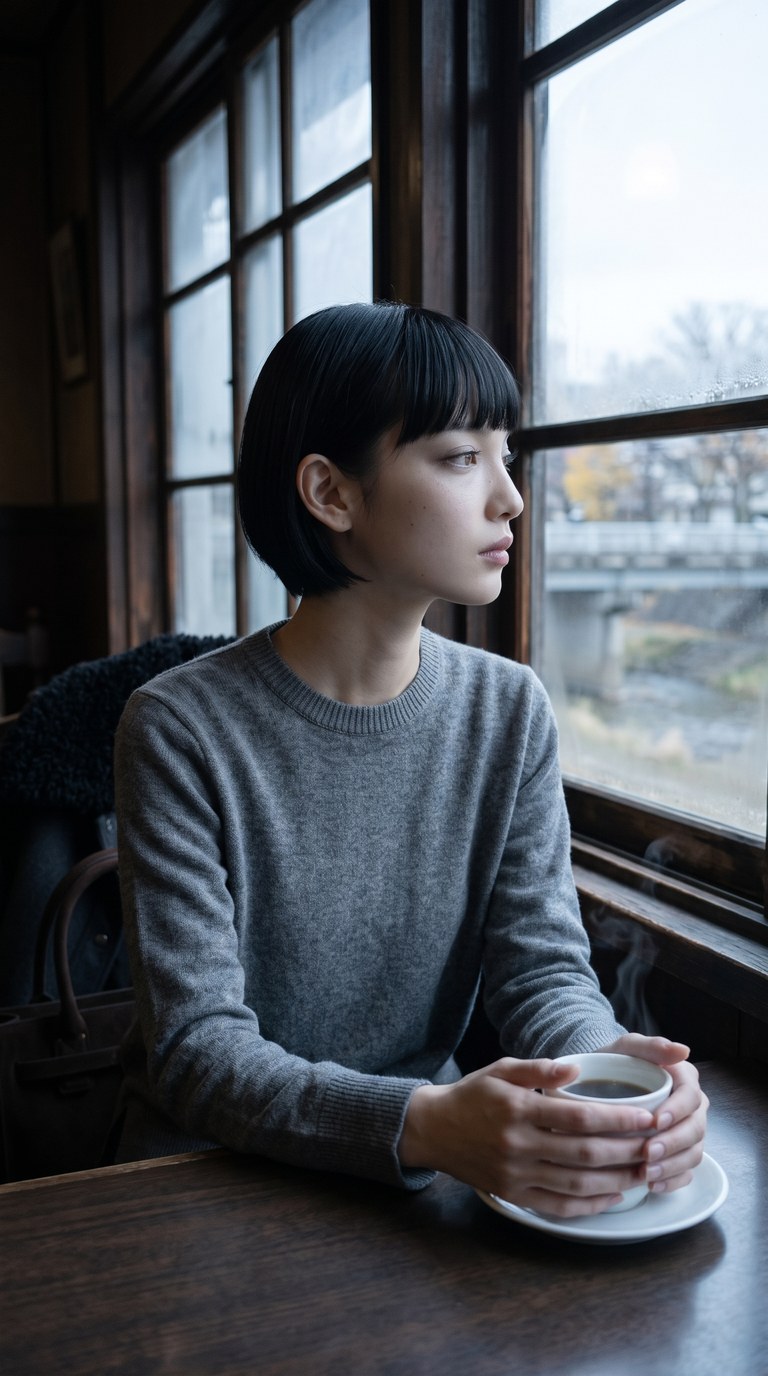
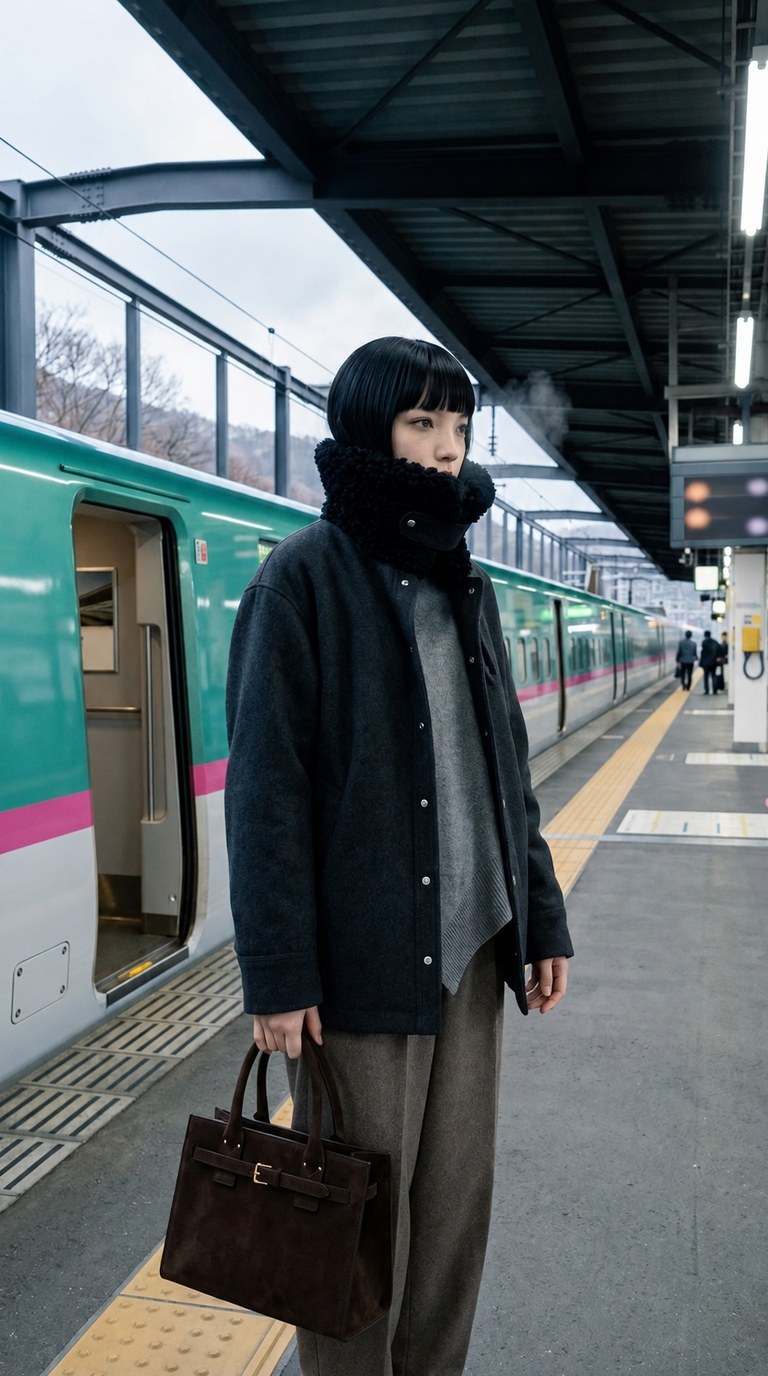
Rin spent one cold, grey November day here: off the morning train, Mount Iwate from the Kaiun bridge, salmon in the river below the bronze finials of Kaminohashi, iron kettles in Konyacho, jajamen at noon, a café window over the Nakatsu river, and the same bridge again at night.
What to eat in Morioka
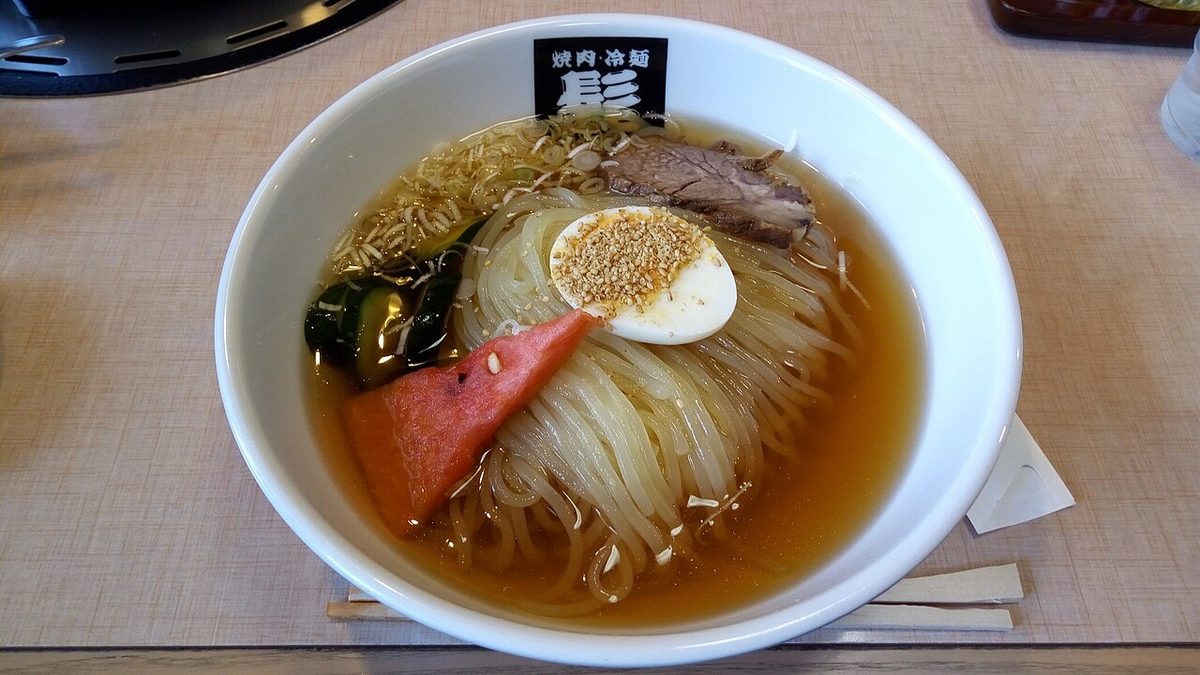
Photo: Satoshi KINOKUNI / CC BY 2.0 (Wikimedia Commons) Morioka reimen (cold noodles)
盛岡冷麺
Chewy, translucent noodles made from wheat flour and potato starch, served in a chilled beef-bone broth with radish kimchi, beef, boiled egg, and a slice of seasonal fruit. Aoki Teruto (Yang Yong-cheol), originally from Hamhung in northern Korea, created the dish in 1954 at Morioka's Shokudoen by adapting hometown cold noodles to local tastes.
Eaten year-round at yakiniku restaurants as a meal or after grilled meat, with kimchi spice ordered in levels or served separately (bekkara).
Where to eat it
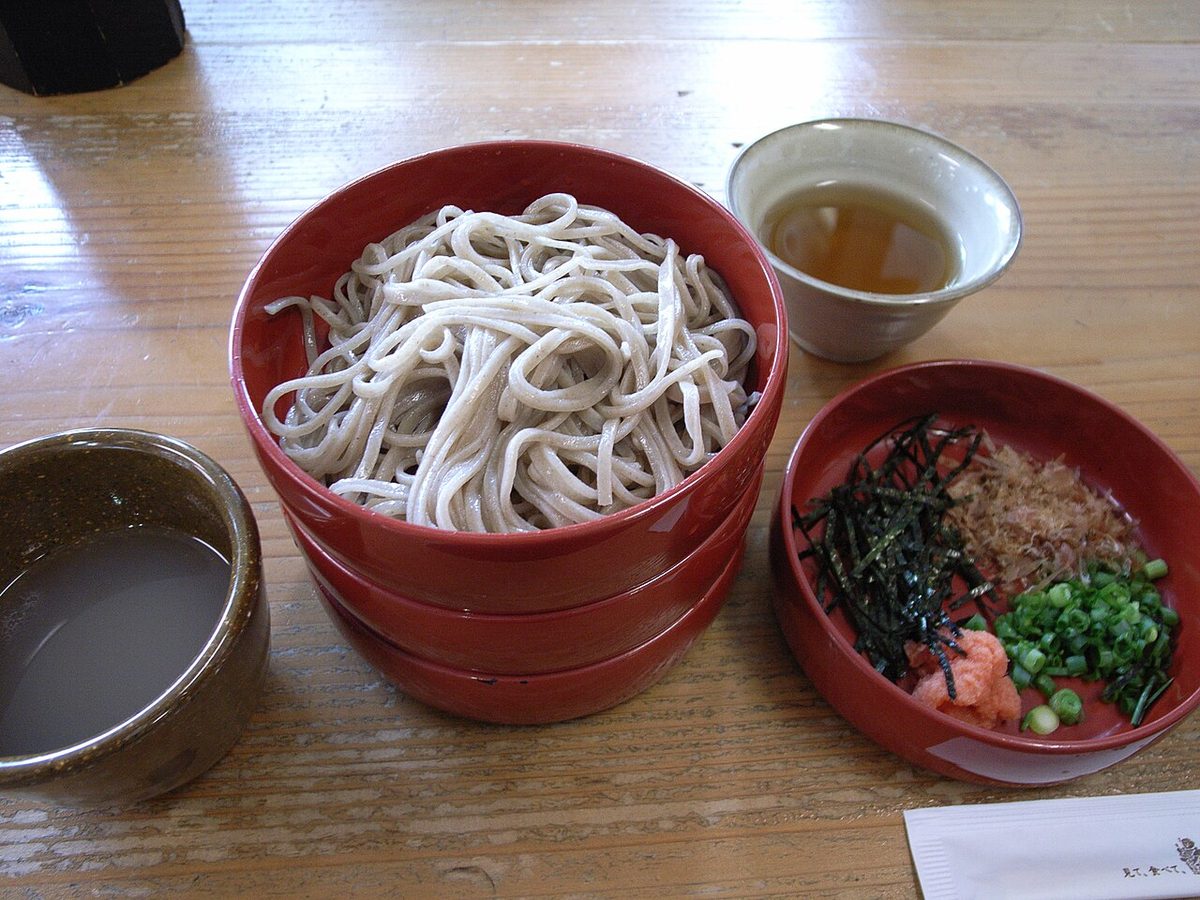
Photo: shiraga from Osaka, JAPAN / CC BY 2.0 (Wikimedia Commons) Wanko soba (all-you-can-eat bite-sized soba)
わんこそば
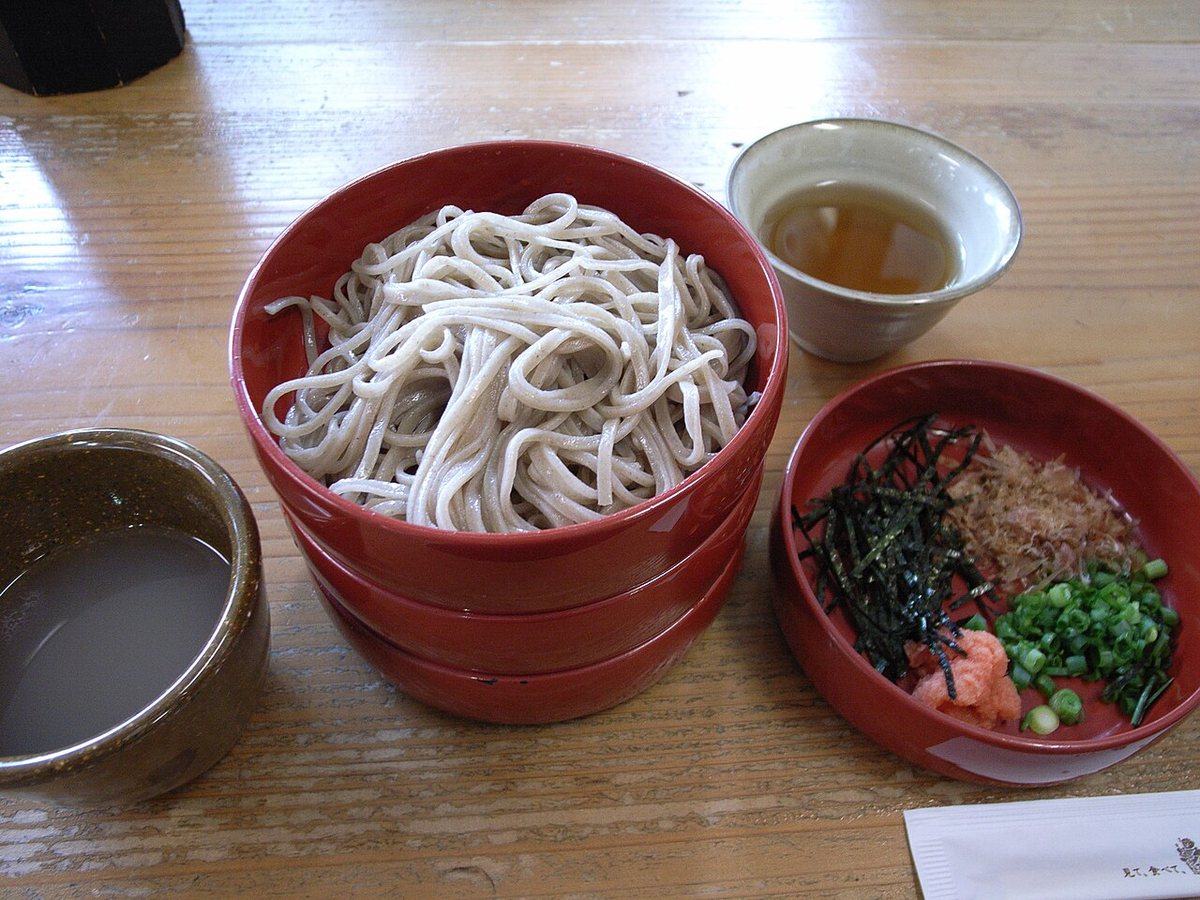
Bite-sized portions of warm buckwheat noodles are ladled into a small lacquer bowl one after another by a server until the diner closes the lid. Rooted in the Iwate custom of serving freshly boiled soba in small bowls to large gatherings of guests, it is one of Morioka's three signature noodle dishes.
Ordered as a fixed-price all-you-can-eat meal with side condiments such as grated radish, nori, and sashimi, placing the lid on the bowl when finished.
Where to eat it
The LATITUDE editors’ 21 picks in Morioka
Our editors verified that these places were open (checked 2026-11-13). Check the official site for hours and closing days before visiting. Sponsored listings are marked.
Save places to your trip list and revisit them in this browser. No account needed.
Editors’ picks on the map — or build your own route
Tap a mark to see the place; squares are museums and sights (landmarks). Use “Build your own route” to make a walk of your own.
Loading the map
Map data © OpenStreetMap contributors
Follow Rin's route — watch the day in Morioka, then walk it
See the day first, then follow the same order on the map, and open it as walking directions in Google Maps. The film is at the top ↑
1 · The day, on the map
Loading the map
2 · Walk it
Open this walk in Google Maps ↗About 4.1 km on foot, about 55 min without stopsThe dotted line is a likely walking route (OpenStreetMap). Google Maps may choose different side streets. An ironware shop, Jajamen, The riverbed, Nakatsu River, Out of the café, Konyacho, after dark is not on the map. Map data © OpenStreetMap contributors (route: FOSSGIS OSRM)
Rin's day, in order
1 / 12
108:16
Morioka Station
Off the morning train from Tokyo.
Nearby editors’ picks: Seirokaku, Azumaya, Morioka Station, KANEIRI STANDARD STORE Morioka
208:30
Kaiun Bridge
Mount Iwate at the end of the river.
Nearby editors’ picks: pono books & time, Some Blue Coffee
308:50
I Kaminohashi
Looking down at the river beside the bronze finials.
409:40
The castle walls
Under the stone walls of the castle, where no keep stands.
Nearby editors’ picks: Shokudoen
510:30
II Konyacho
Past the shopfronts of the old street, fingertips brushing an iron kettle.
Nearby editors’ picks: Kamasada, Shirasawa Senbei, shop+space Himekuri, cafe & grocery NOOK, Kuranbon
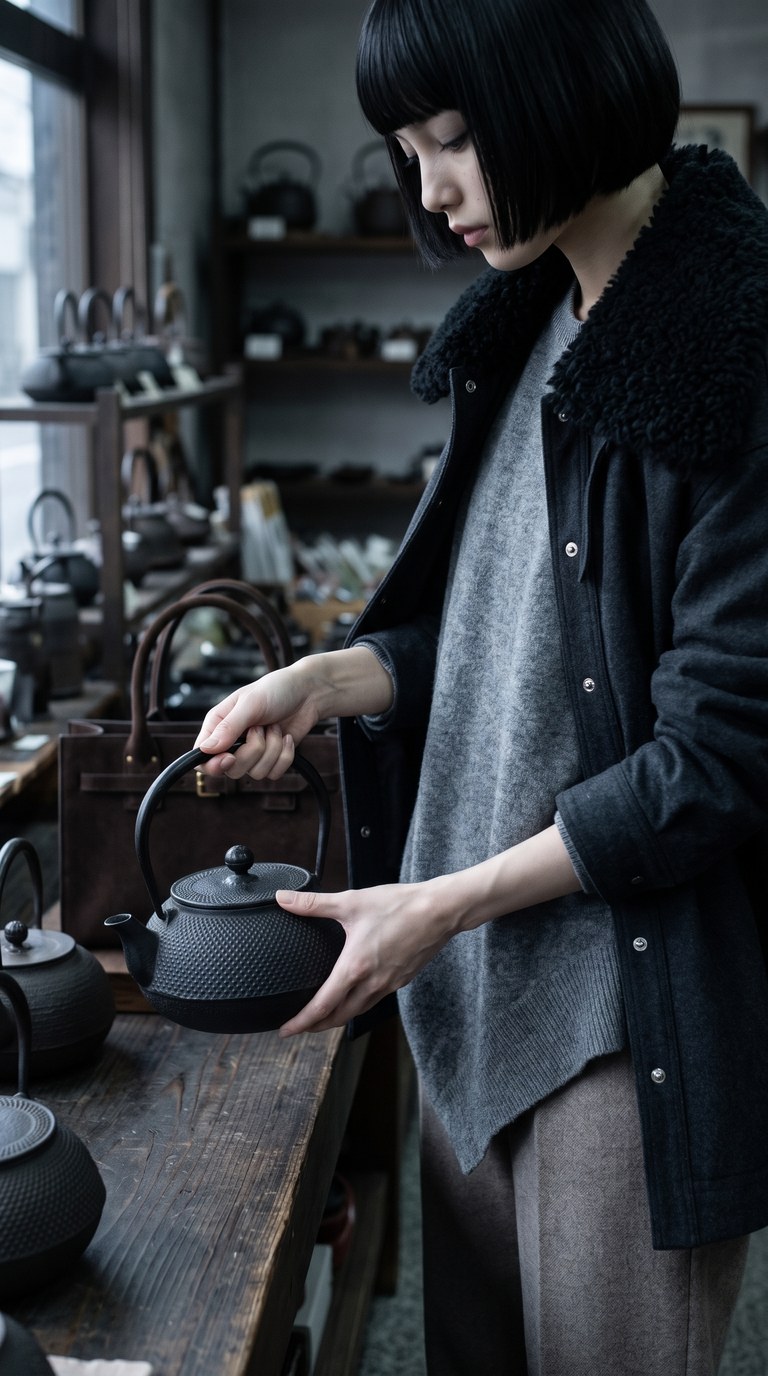
10:45
An ironware shop
Lifting a cold iron kettle with both hands.
12:50
Jajamen
Jajamen, then an egg stirred into what is left: chitantan.
13:50
The riverbed
On the stones below Kaminohashi, salmon in the shallows.
15:00
III Nakatsu River
A window seat in a café over the river, the jacket off.
16:25
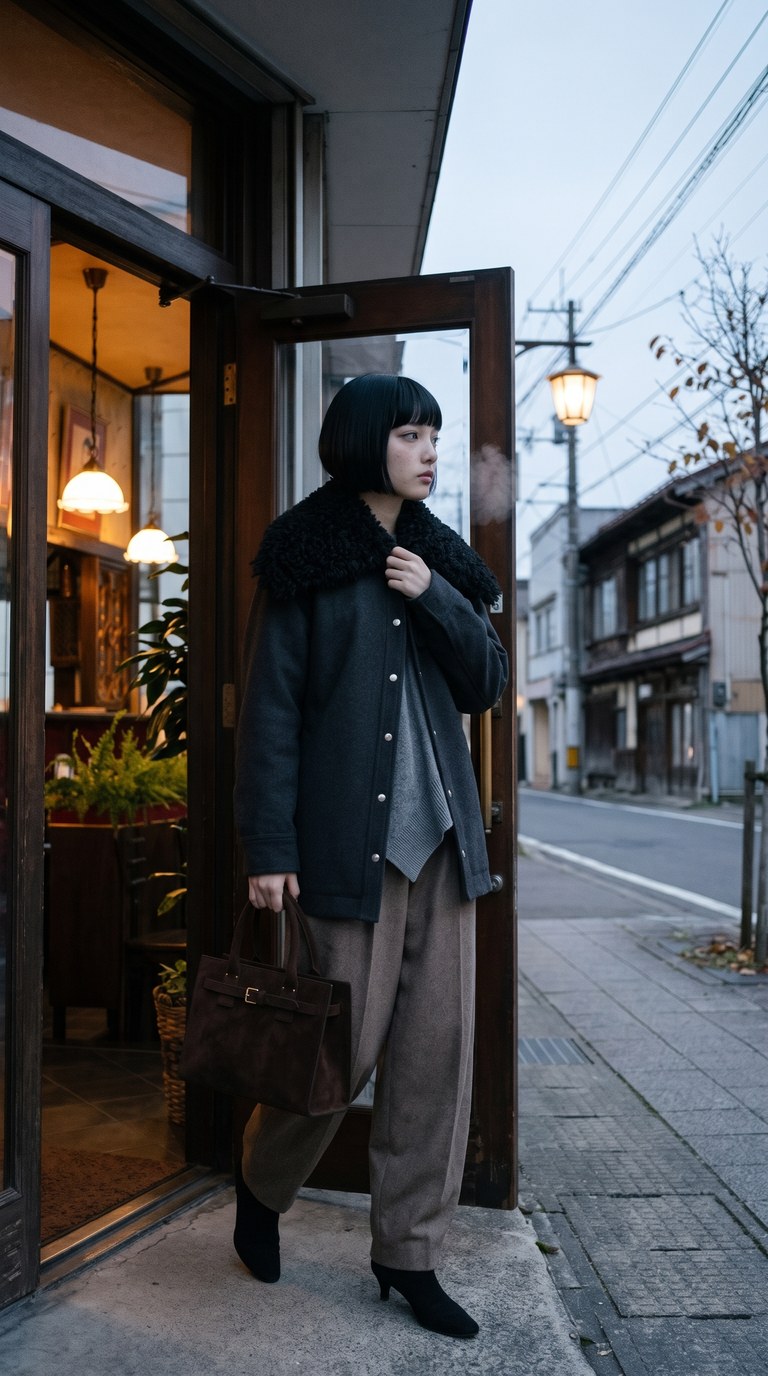
Out of the café
Out as the lamps come on, the collar held to her throat.
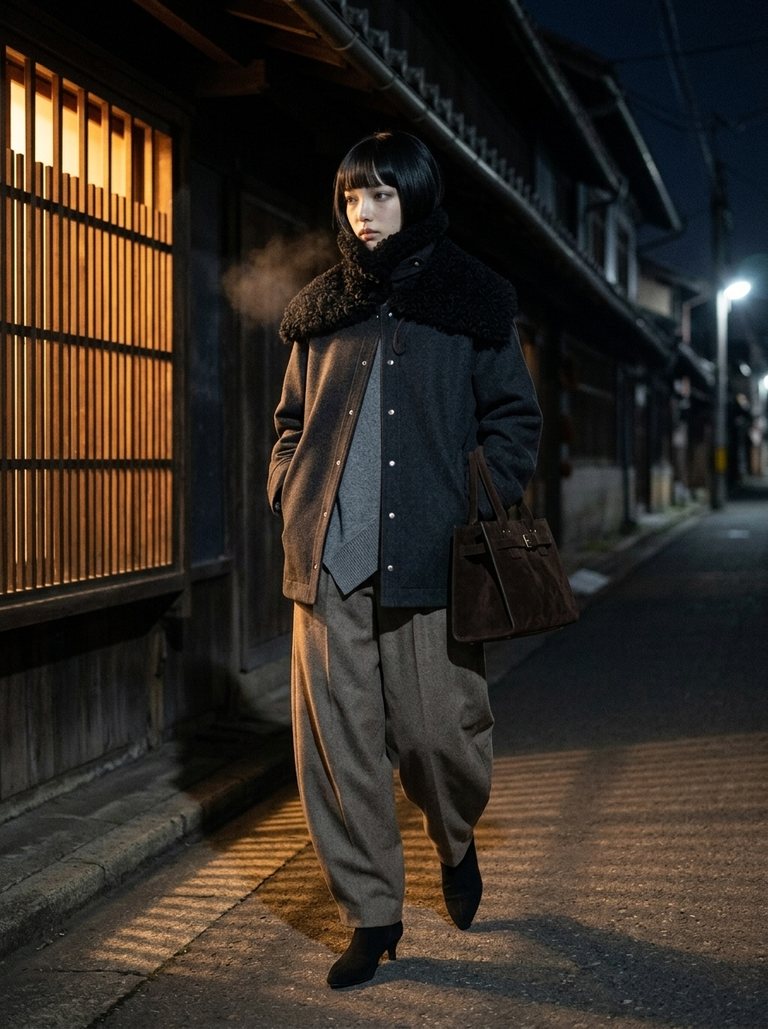
17:50
Konyacho, after dark
Back along the old street after dark.
618:20
IV Kaminohashi
The same bridge at night, a hand on the wooden rail.
Browse by category
1 / 25
Konyacho
Kuranbon
クラムボン
A coffee house on Konyacho that roasts its own beans.
Why the editors chose itA coffee house in Konyacho roasting its own beans in-house.
Zaimokucho
Kogensha Kahikan
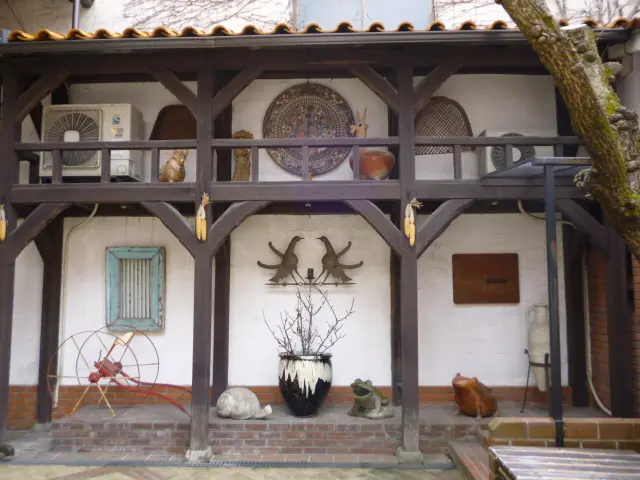
Photo: the shop’s official page 光原社 可否館
The coffee room at the back of the Kogensha grounds. 10:00–17:00 (last orders 16:30); closed on the 15th of each month.
Why the editors chose itThe coffee room tucked at the back of the Kogensha grounds for a mid-day break.
Odori
pono books & time
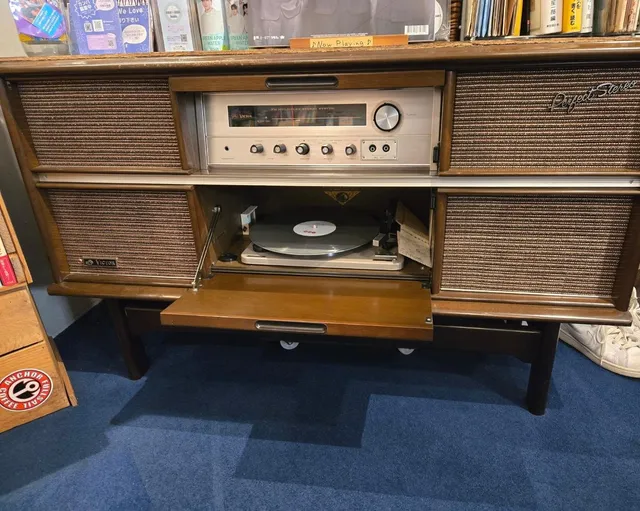
Photo: the shop’s official page A bookshop with a café on the second floor of a building in Odori 3-chome. Tue–Fri 12:00–18:00, Sat 13:00–17:00; closed Sundays and Mondays.
Why the editors chose itAn upstairs bookshop and café in Odori 3-chome where browsing books and coffee go together.
Odori
Some Blue Coffee
A coffee shop that opened upstairs in Odori 3-chome in June 2026. From 07:30 on Mon, Tue and Fri; closed Wednesdays and Thursdays.
Why the editors chose itAn upstairs coffee shop in Odori 3-chome opening at 7:30 a.m. on Mondays, Tuesdays and Fridays.
From Rin's day
Konyacho
Shirasawa Senbei
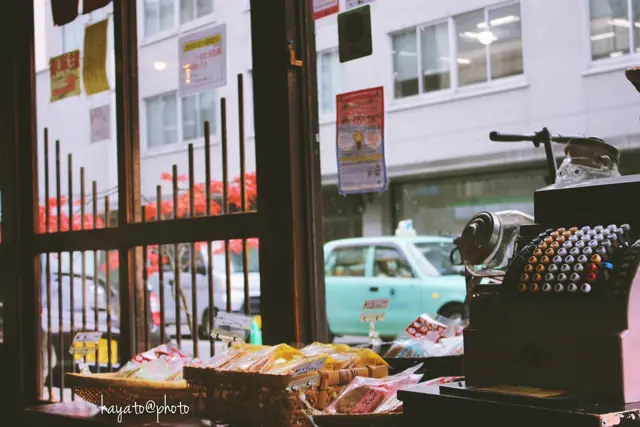
Photo: the shop’s official page 老舗 白沢せんべい店
A nanbu senbei shop on a corner of Konyacho since 1936, baked by hand. The hand-baking experience is paused until about the end of November 2026.
9:00–17:00 · Closed: Jan 1–3checked Nov 2026
Why the editors chose itA Nambu senbei shop on a Konyacho corner since 1936, still baking its crackers by hand.
Konyacho
cafe & grocery NOOK
A small café and grocery on Konyacho: sweets made with rice they grow themselves, and coffee.
Why the editors chose itA small Konyacho café and grocery serving coffee alongside sweets made from rice they grow themselves.
Zaimokucho
Yamazen, main shop
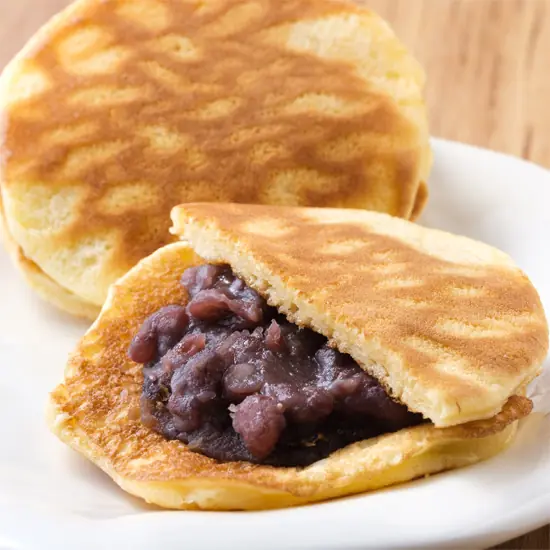
Photo: the shop’s official page 御菓子司 山善 本店
A wagashi shop in Zaimokucho: seasonal fresh sweets, dry sweets, and its best seller, mochimochi-yaki. Closed only on New Year's Day.
Mar–Oct 9:00–18:00; Nov–Feb Mon–Sat 9:00–18:00, Sun & holidays 9:00–17:00 · Closed: New Year's Day only
Why the editors chose itOpen every day except New Year's Day for seasonal wagashi and its signature mochimochi-yaki.
Made in Morioka
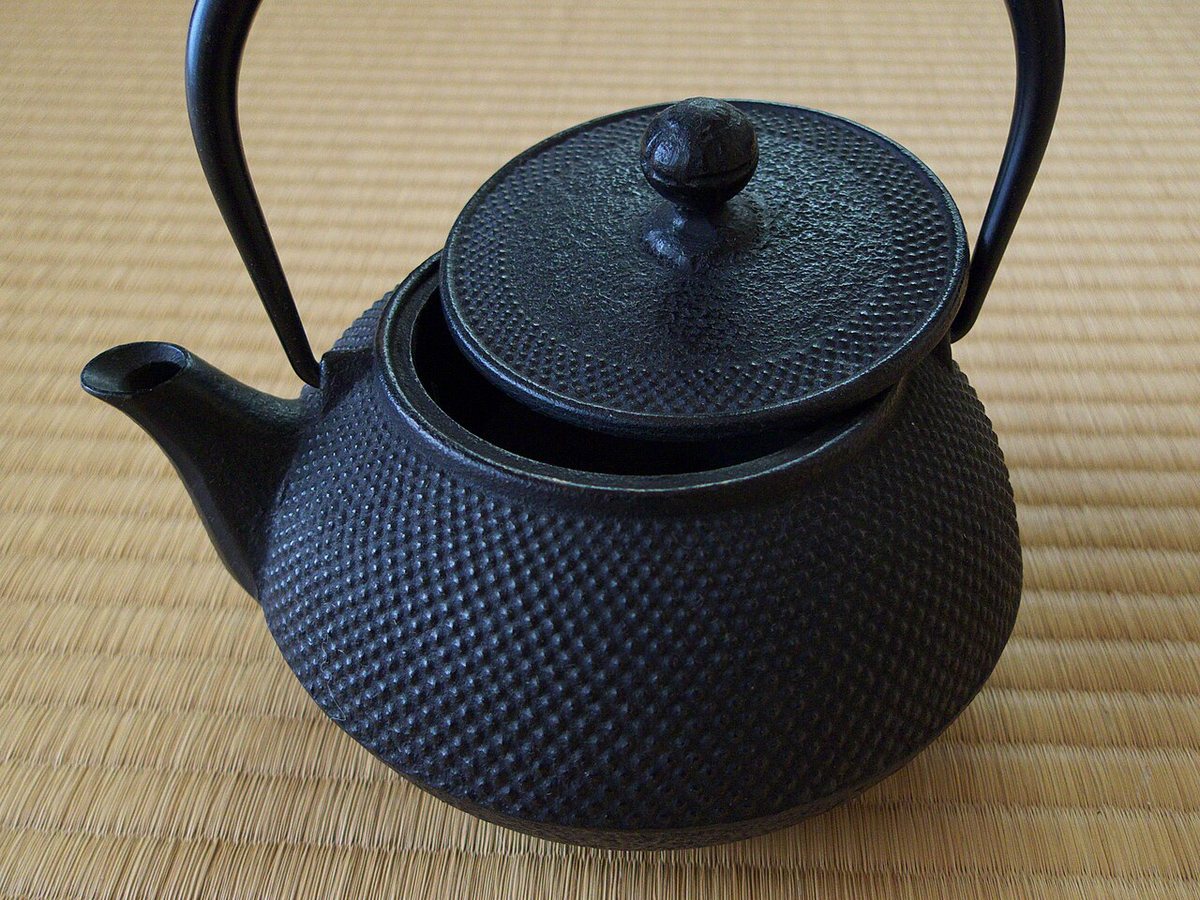
Nambu ironware is cast iron from Morioka and Oshu in Iwate, a nationally designated traditional craft. In Morioka it goes back to the seventeenth century, when the Nambu domain brought kettle makers to its castle town; workshops in Konyacho still cast kettles by hand.
A traditional Nambu ironware kettle on tatami·Photo: Misakubo / CC BY-SA 3.0 (Wikimedia Commons)
Konyacho
Kamasada
釜定
A Nambu cast-iron workshop and shop on Konyacho. Closed on Sundays.
Why the editors chose itA workshop and shop in Konyacho dedicated to Nambu cast-iron ware.
Made in Morioka
Morioka is known for three noodles: wanko soba, mouthfuls of soba poured into your bowl one after another; reimen, a firm cold noodle in beef broth, first served here in 1954; and jajamen, flat noodles with meat miso, finished with chitantan, an egg soup made in the dish you ate from.
Wanko soba served in red bowls with condiments·Photo: shiraga from Osaka, JAPAN / CC BY 2.0 (Wikimedia Commons)
Morioka Station
Seirokaku
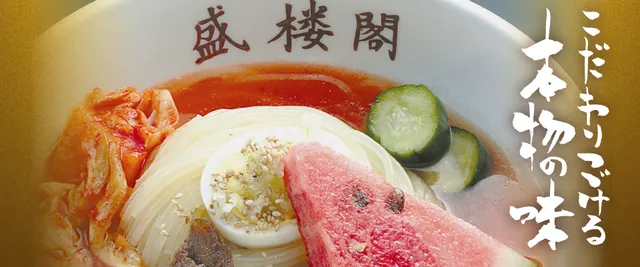
Photo: the shop’s official page 盛楼閣
Morioka reimen and yakiniku on the second floor of a building opposite Morioka Station.
11:00–24:00 · Closed: Open every day
Why the editors chose itRight across from Morioka Station on the second floor, serving Morioka reimen and yakiniku.
Morioka Station
Azumaya, Morioka Station
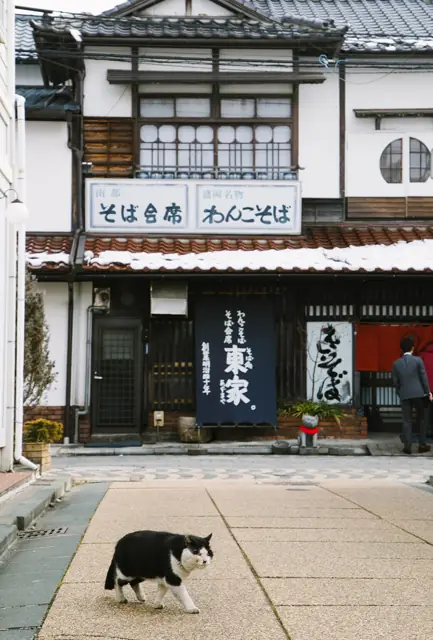
Photo: the shop’s official page 東家 盛岡駅前店
The station branch of Azumaya, a soba house since 1907: wanko soba and local dishes.
11:00–15:00, 17:00–19:00 (last order; wanko soba last order 18:30) · Closed: Tuesdays (except Golden Week in May and August)
Why the editors chose itThe station branch of a soba house since 1907, serving wanko soba and local dishes.
Odori
Shokudoen
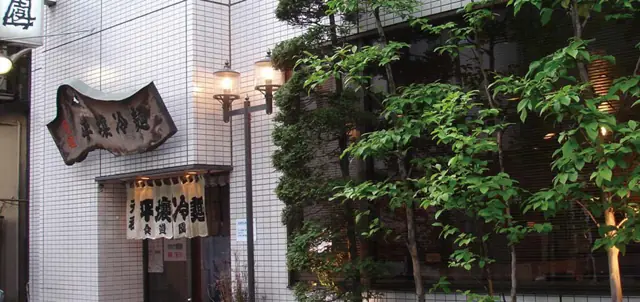
Photo: the shop’s official page 食道園
Opened in 1954, the restaurant where Morioka reimen began; yakiniku too. There are no branches.
Closed: 1st and 3rd Tuesdays (open on consecutive holidays)
Why the editors chose itOpened in 1954 as the birthplace of Morioka reimen, with no other branches.
Made in Morioka
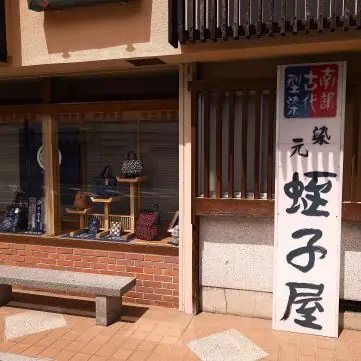
In Zaimokucho a dye house still makes Nambu kodai katazome: cloth dyed through cut paper stencils, with patterns that go back to the samurai of the Nambu domain.
Shopfront of Ebisuya Nambu kodai katazome dye house·Photo: Ebisuya Onosensaisyo (Nambu kodai katazome) (official site)
Zaimokucho
Ebisuya Onosensaisyo (Nambu kodai katazome)
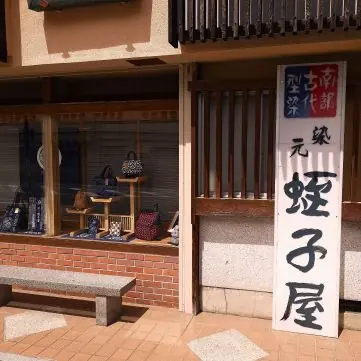
Photo: the shop’s official page 南部古代型染元 蛭子屋 小野染彩所
A dye house in Zaimokucho making Nambu kodai katazome: small things in cloth dyed through paper stencils. Usually closed on Sundays.
10:00–17:00 · Closed: Sundays (irregular holidays)checked Nov 2026
Why the editors chose itA Zaimokucho dye house crafting and selling small cloth goods stencilled in Nambu kodai katazome.
Konyacho
shop+space Himekuri
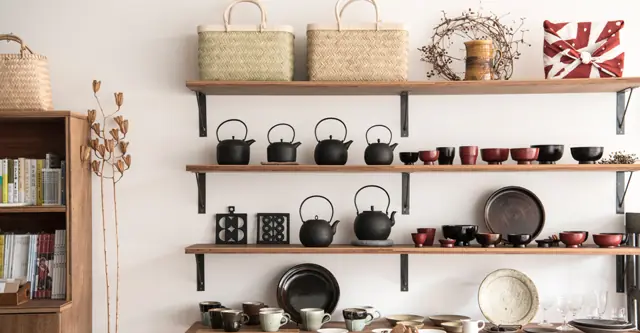
Photo: the shop’s official page shop+space ひめくり
A shop for tableware and everyday tools on Konyacho, with a run of makers' exhibitions. Closed on Wednesdays and Thursdays.
10:30–18:30 · Closed: Wednesdays and Thursdayschecked Nov 2026
Why the editors chose itA Konyacho shop for tableware and everyday tools, hosting a continuous series of makers' exhibitions.
Zaimokucho
Kogensha
Photo: the shop’s official page 光原社 本店
Kogensha published Kenji Miyazawa's first book of stories in 1924. Today its buildings around a courtyard hold folk-craft pottery, lacquer and cloth. Closed on the 15th of each month.
Why the editors chose itPublisher of Kenji Miyazawa in 1924, now housing folk-craft pottery, lacquer and cloth around a courtyard.
Morioka Station
KANEIRI STANDARD STORE Morioka
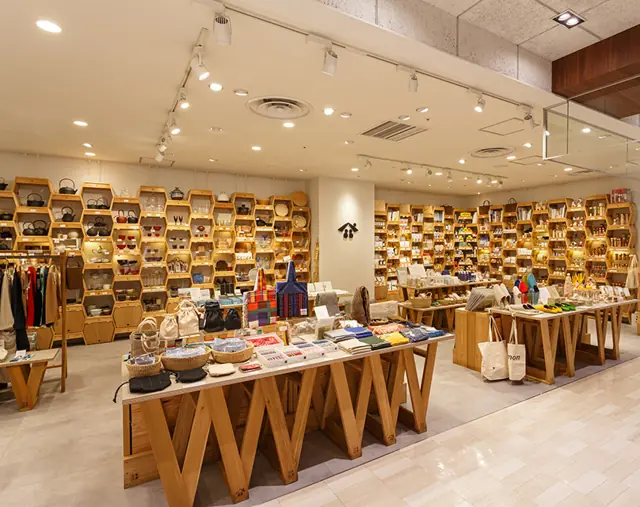
Photo: the shop’s official page KANEIRI STANDARD STORE 盛岡店
On the ground floor of the Fesan building at Morioka Station: crafts and everyday things from the six prefectures of Tohoku.
10:00–20:00 · Closed: According to Morioka Fesan
Why the editors chose itInside Morioka Station, bringing together selected crafts and everyday goods from all six Tohoku prefectures.
Konyacho
Soshido
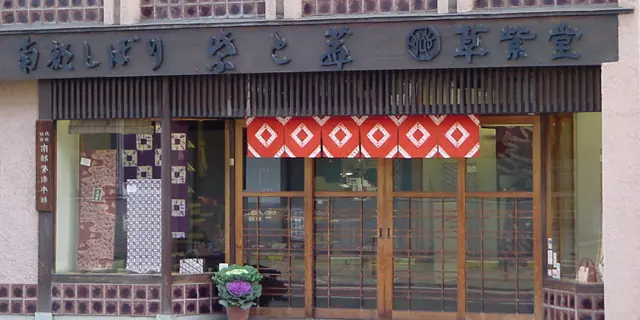
Photo: the shop’s official page 草紫堂
A Konyacho workshop and shop for Nambu shikon-zome and akane-zome, shibori cloth dyed with gromwell root and madder, from kimono rolls to furoshiki and noren.
9:00–17:30 · Closed: Sundays and Wednesdayschecked Nov 2026
Why the editors chose itA Konyacho workshop making shibori cloth dyed with gromwell root and madder, from furoshiki to noren.
Daijiji-cho
Michinoku Akanekai
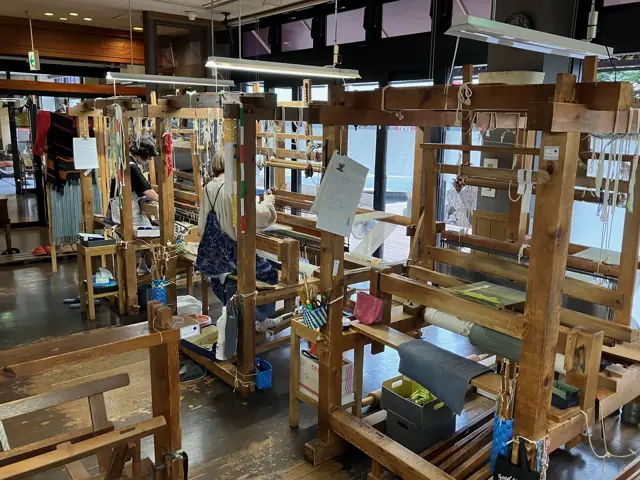
Photo: the shop’s official page みちのくあかね会
A homespun workshop and shop started by women, hand-spinning and hand-weaving wool into scarves, stoles and cloth.
Why the editors chose itA workshop started by women, hand-spinning and hand-weaving wool into scarves, stoles and cloth.
Zaimokucho
Homespun House, Morioka
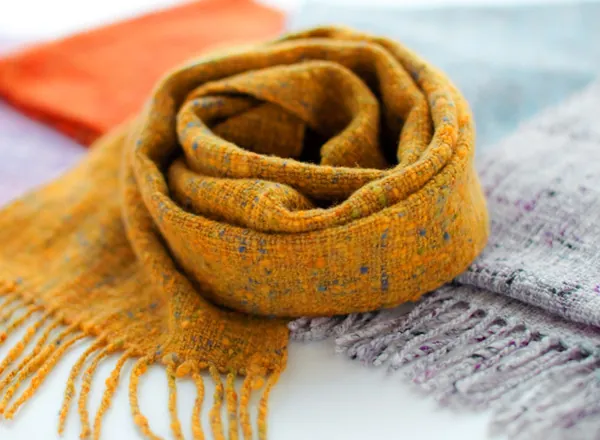
Photo: the shop’s official page ホームスパンハウス 盛岡店
A shop on Zaimokucho selling coats, jackets, scarves and bags made from Iwate homespun, hand-spun and hand-woven wool.
Why the editors chose itCarries coats, jackets, scarves and bags tailored from Iwate's hand-spun, hand-woven homespun wool.
Tsunagi (Morioka Tezukuri-mura)
Someya Takiura
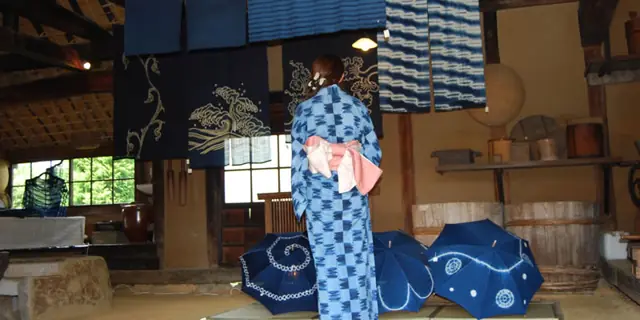
Photo: the shop’s official page 染屋たきうら
Irregular closing days
An indigo workshop and shop in Morioka Tezukuri-mura, dyeing samue, hanten jackets, shirts and noren with naturally fermented indigo.
9:00–17:00 · Closed: Year-end/New Year and irregular holidayschecked Nov 2026
Why the editors chose itAn indigo workshop in Morioka Tezukuri-mura dyeing shirts, hanten jackets and noren with fermented indigo.
Zaimokucho
kasi-friendly
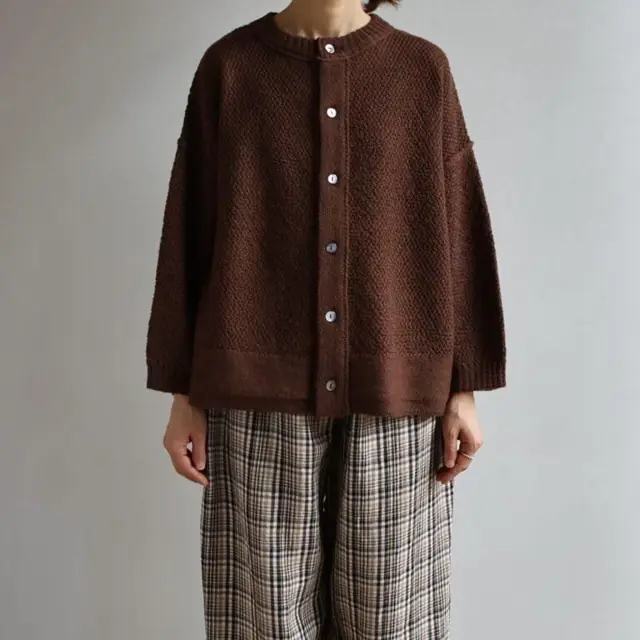
Photo: the shop’s official page A shop on Zaimokucho since 2010, mostly natural-fibre clothes from small Japanese labels, with tools for everyday life.
10:00–18:00 (until 19:00 on Saturdays Apr–Nov) · Closed: Open every day
Why the editors chose itA Zaimokucho shop since 2010 gathering natural-fibre clothes from small Japanese labels and everyday tools.
Higashi-Matsuzono
Sawai Raden Workshop
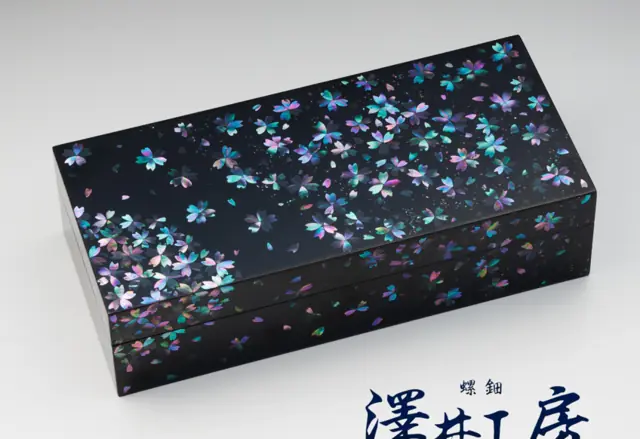
Photo: the shop’s official page 螺鈿 澤井工房
A workshop and shop making pendants, earrings and hairpins in ebony with abalone and turban-shell inlay and Joboji lacquer from Iwate.
10:00–16:00 (winter) · Closed: Irregular
Why the editors chose itCrafts pendants, earrings and hairpins in ebony with shell inlay and Iwate's Joboji lacquer.
Sights in Morioka
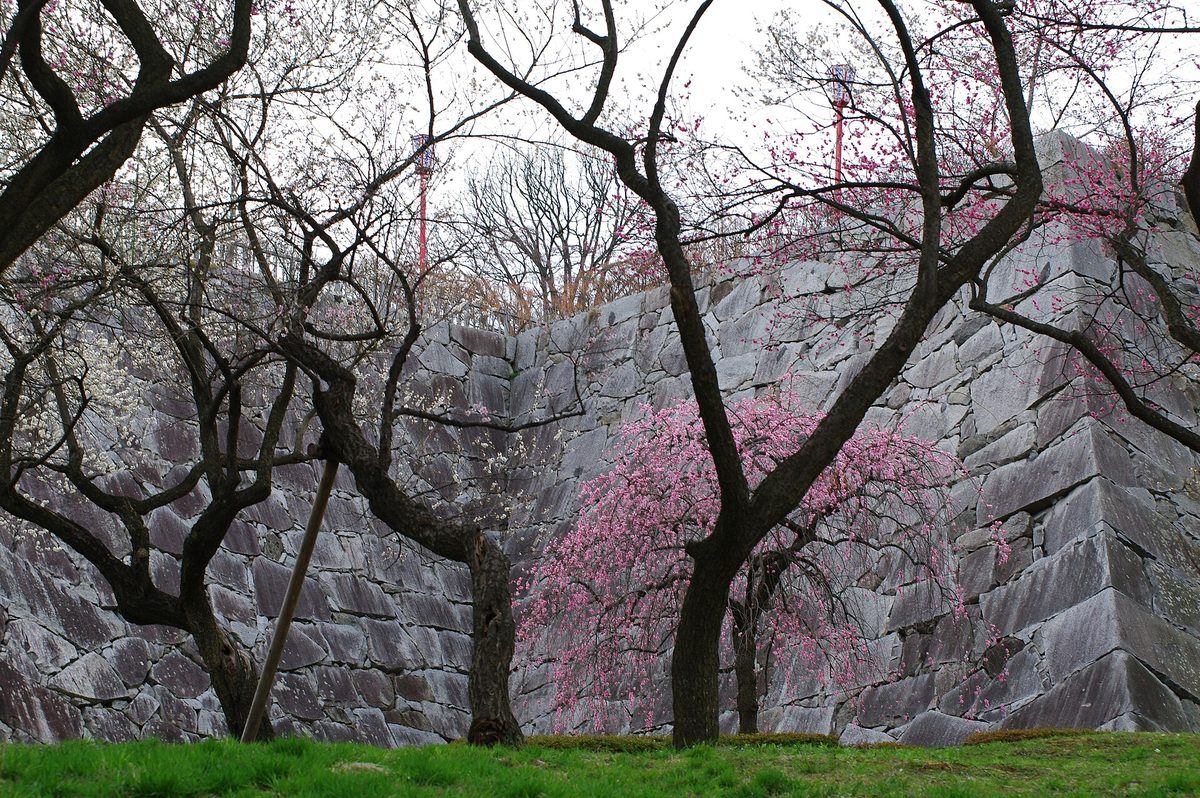
Photo: Tomofumi Sato / CC BY-SA 3.0 (Wikimedia Commons) The site of Morioka Castle, seat of the Nanbu clan, a national historic site park with tall granite stone walls.
Access is restricted near the north stone wall of the main enclosure.
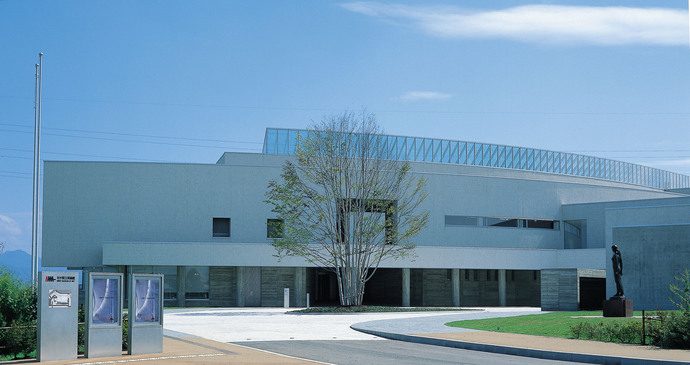
Photo: official site Iwate's prefectural art museum, centred on artists linked to the region such as Yorozu Tetsugoro, Matsumoto Shunsuke and Funakoshi Yasutake.
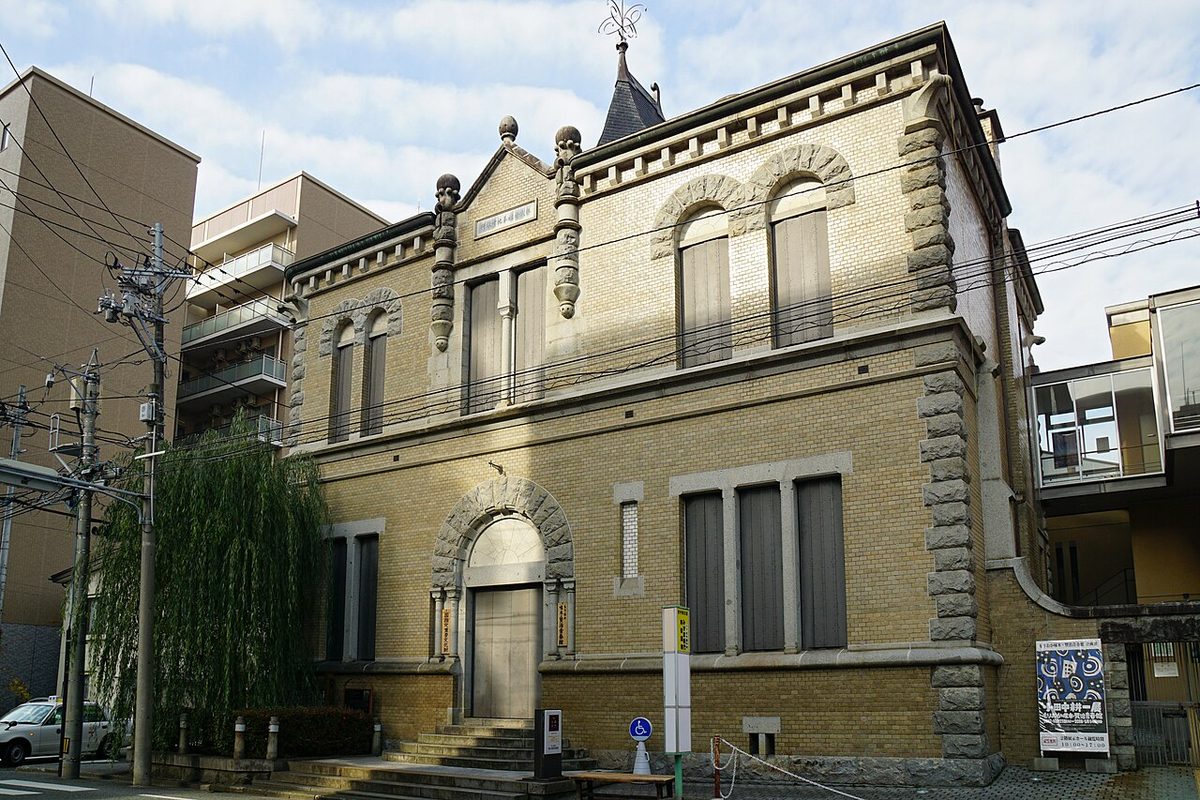
Photo: 663highland / CC BY-SA 4.0 (Wikimedia Commons) Morioka Takuboku-Kenji Seishunkan
A museum on the Morioka youth of Ishikawa Takuboku and Miyazawa Kenji, in the 1910 former Ninetieth Bank head office, an Important Cultural Property.
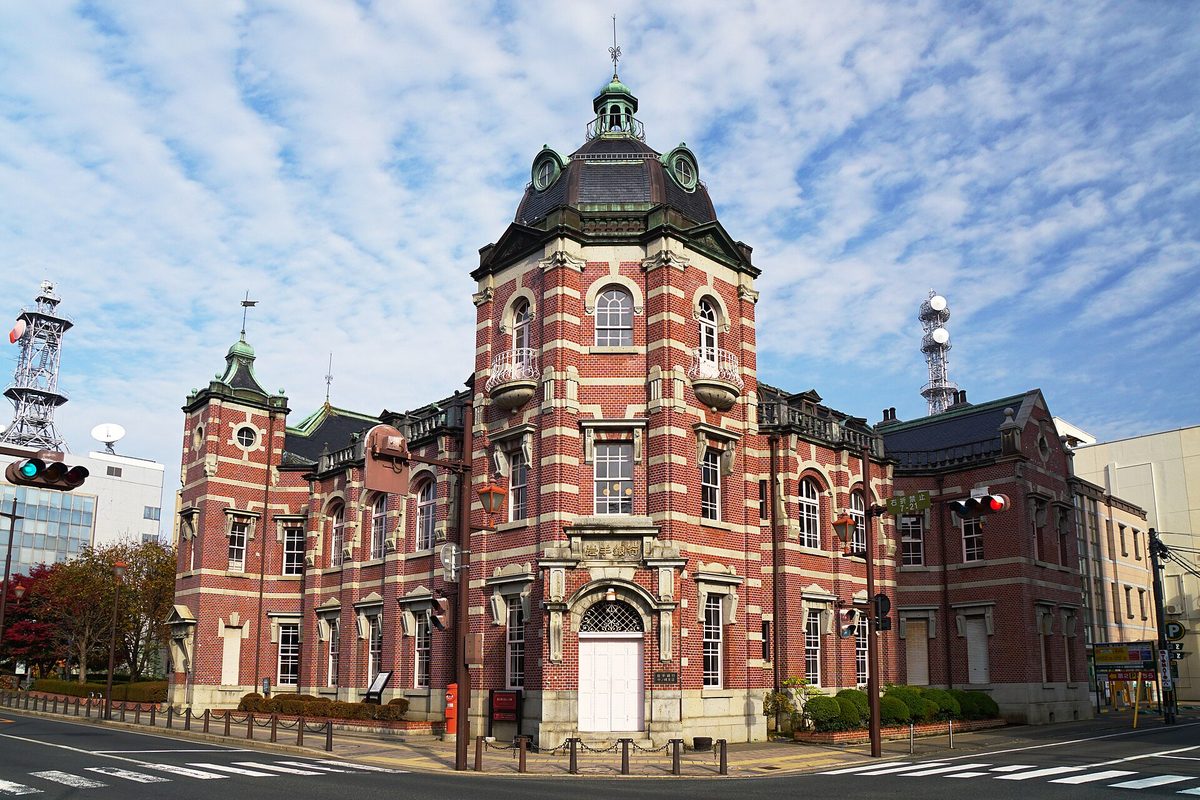
Photo: 663highland / CC BY-SA 4.0 (Wikimedia Commons) The Bank of Iwate Red Brick Building
The former Morioka Bank head office, completed in 1911 to a design by Tatsuno Kingo's firm, a national Important Cultural Property.
These are local landmarks. Each was checked to be open on its official site (checked 2026-11-11). Please confirm hours before you go.
What to wear in Morioka, late november
- Around 11°C by day and 2°C at night, with about 86 mm of rain (Morioka, 1991–2020 averages).
- A little snow can fall late in the month. The sun sets at about 16:15.
- In October a knit and a light jacket are enough; it is about 18°C by day. In December it is about 4.5°C by day and snow begins to lie; add gloves, a scarf and shoes with grip.
Beyond Morioka
1 / 3
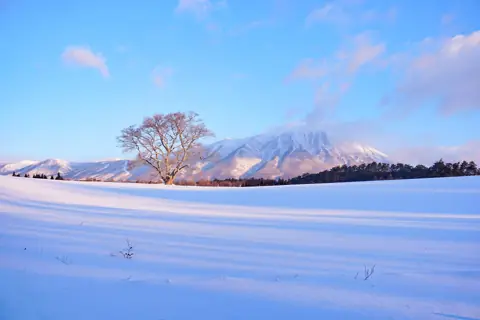 Morioka · 13 km
Koiwai Farm Winter Lights & Lone Cherry Tree →
A vast snow-covered dairy farm featuring the iconic lone cherry tree before snow-capped Mt. Iwate by day and the 'Night of the Milky Way Farm' winter light-up by night.
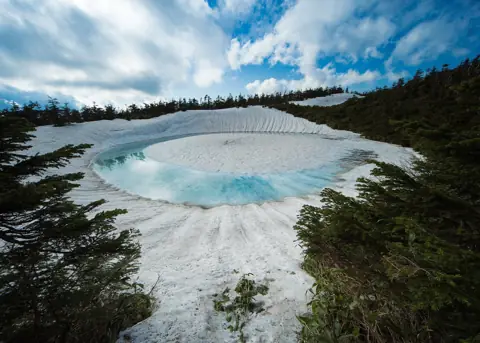 Morioka · 38 km
Hachimantai Dragon Eye (Kagami-numa) →
A crater pond at 1,600m near Mount Hachimantai's summit where snowmelt briefly forms a giant cobalt-and-emerald 'dragon eye' iris for a few weeks each spring.
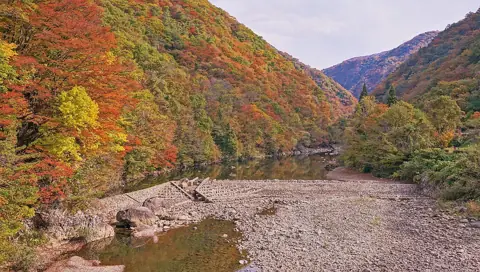 Kakunodate · 43 km
Dakigaeri Gorge →
A 10-kilometer gorge near Kakunodate where a vivid red suspension bridge crosses cobalt-blue Tama River rapids flanked by steep autumn-leaf cliffs.
Distances are straight-line from the town centre. Each page has how to get there and a suggested day.
Questions people ask
- Where can I eat Morioka's local dishes?
Morioka reimen (cold noodles): Shokudoen (Odori), Seirokaku (Morioka Station)
Wanko soba (all-you-can-eat bite-sized soba): Azumaya, Morioka Station (Morioka Station)
- Where can I see or buy Nambu ironware, Stencil dyeing, Craft in Morioka?
Nambu ironware: Kamasada (Konyacho)
Stencil dyeing: Ebisuya Onosensaisyo (Nambu kodai katazome) (Zaimokucho)
Craft: shop+space Himekuri (Konyacho), Kogensha (Zaimokucho), KANEIRI STANDARD STORE Morioka (Morioka Station)
- Which places in Morioka open by 9 in the morning?
Shirasawa Senbei (Konyacho, 9:00–17:00)
Yamazen, main shop (Zaimokucho, Mar–Oct 9:00–18:00; Nov–Feb Mon–Sat 9:00–18:00, Sun & holidays 9:00–17:00)
- What can I visit on foot around Konyacho?
Nambu ironware: Kamasada
Craft: shop+space Himekuri
Sweets: Shirasawa Senbei, cafe & grocery NOOK
Cafés: Kuranbon
Wear & cloth: Soshido
Every place was checked to be open in November 2026. Hours can change, so please check the official site before you go.
If you like Morioka
- Fukuoka
Fukuoka, Japan
- Yokohama
Kanagawa, Japan
For example, shop+space Himekuri here, and eimeku in Yokohama.
- Matsumoto
Nagano, Japan
For example, Azumaya, Morioka Station here, and Metoba Soba in Matsumoto.
Chosen by how close the towns and their places are in what they make and serve.


