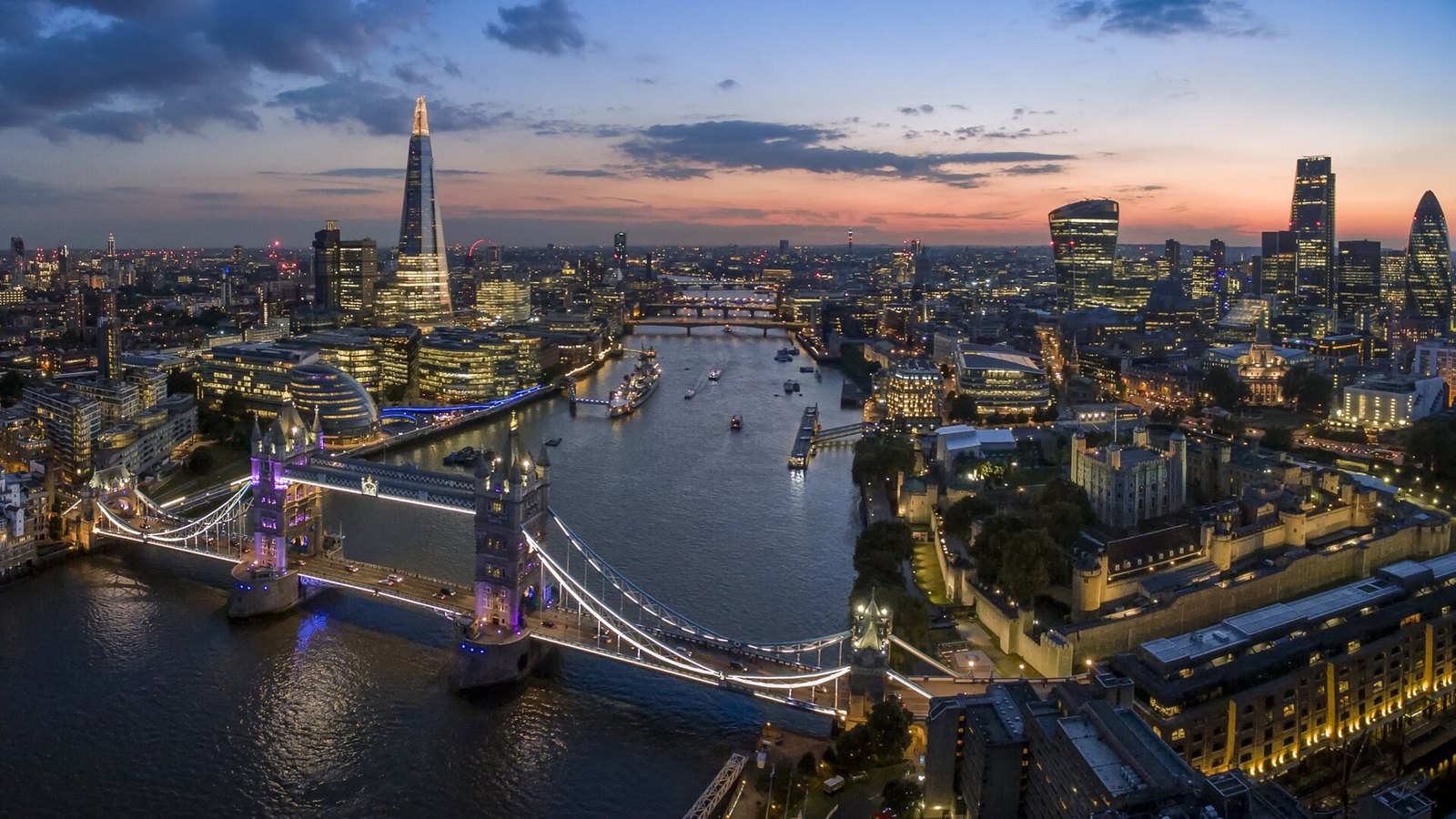
51.5° N
London
England, United Kingdom
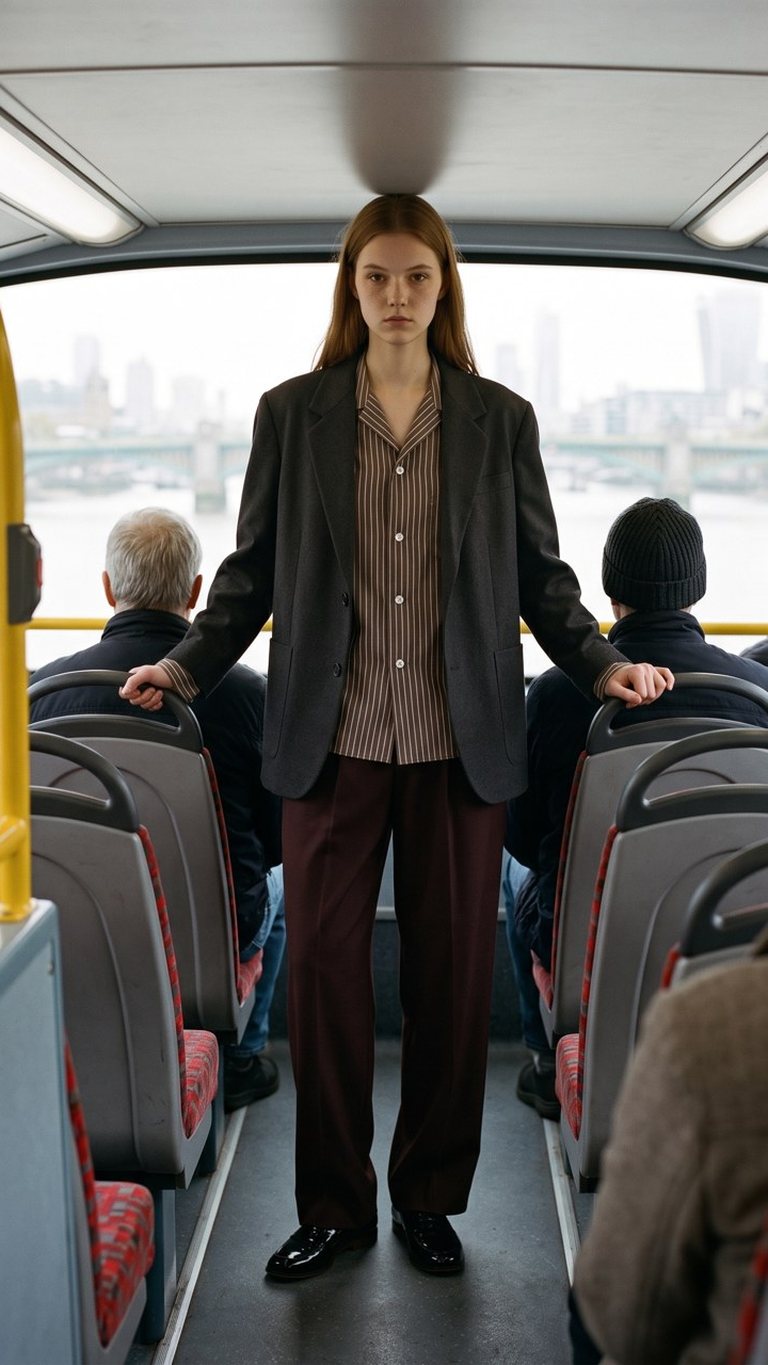
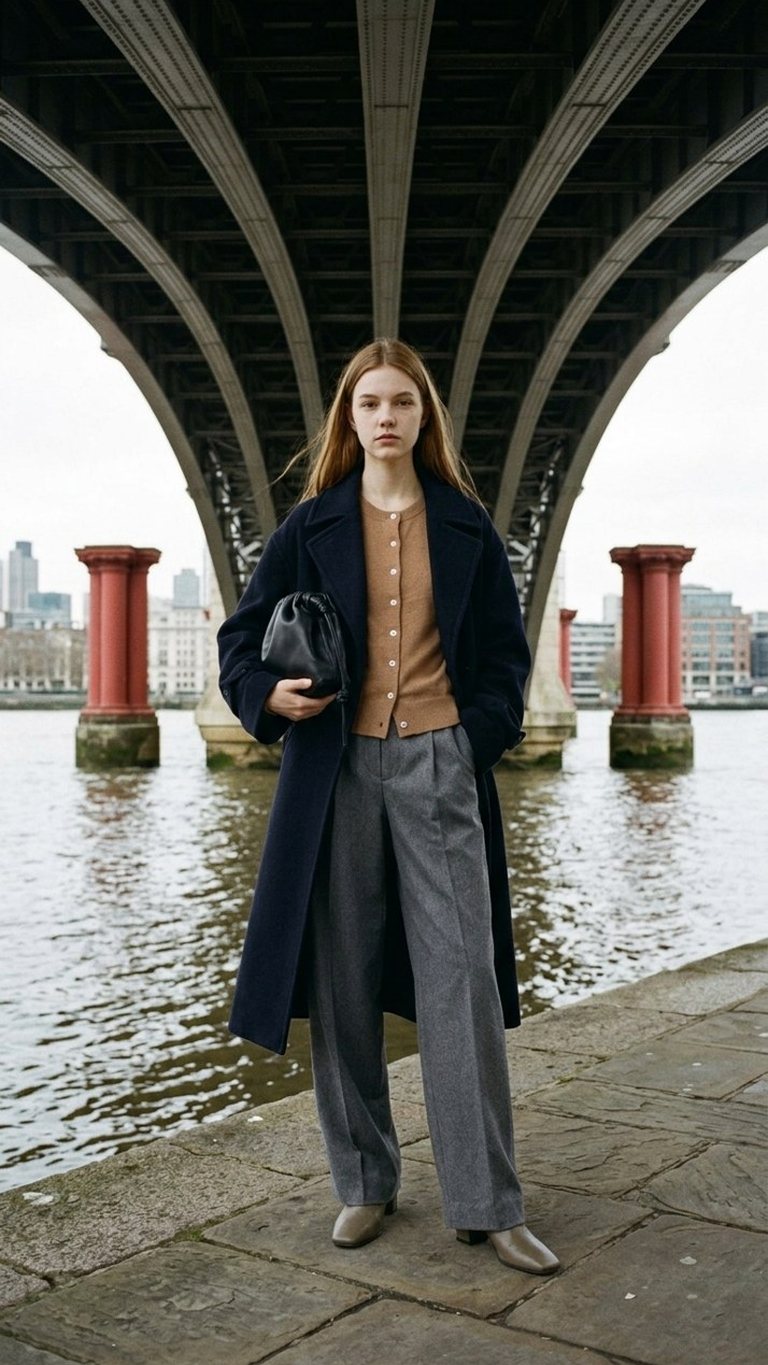
Maeve spent one November day here: tea at a South Bank café, the concrete of the National Theatre, the brick of the Barbican, a bus over London Bridge, the iron of Blackfriars at dusk, and the Millennium Bridge at night.
What to eat in London
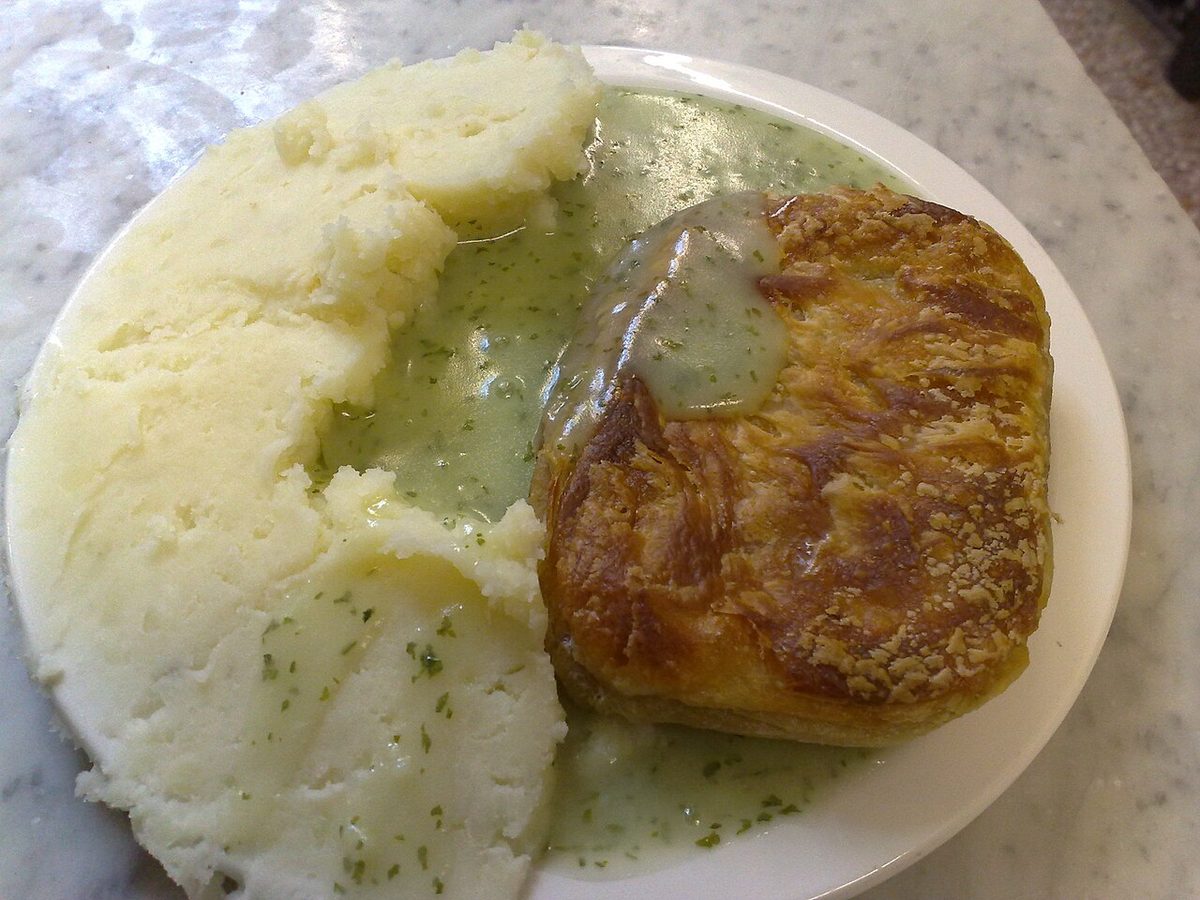
Photo: Secretlondon / CC BY-SA 3.0 (Wikimedia Commons) Pie and mash (minced beef pie, mash and liquor)
パイ・アンド・マッシュ
A hot minced-beef pie in pastry served alongside mashed potato and a green parsley sauce known as liquor. The dish grew out of 19th-century East End and Southwark dockside eel-and-pie houses that fed working-class Londoners, with Henry Blanchard opening the first recorded shop in Southwark in 1844.
Eaten hot in tiled pie shops with a fork and spoon—rarely a knife—and finished with malt vinegar or chilli vinegar.
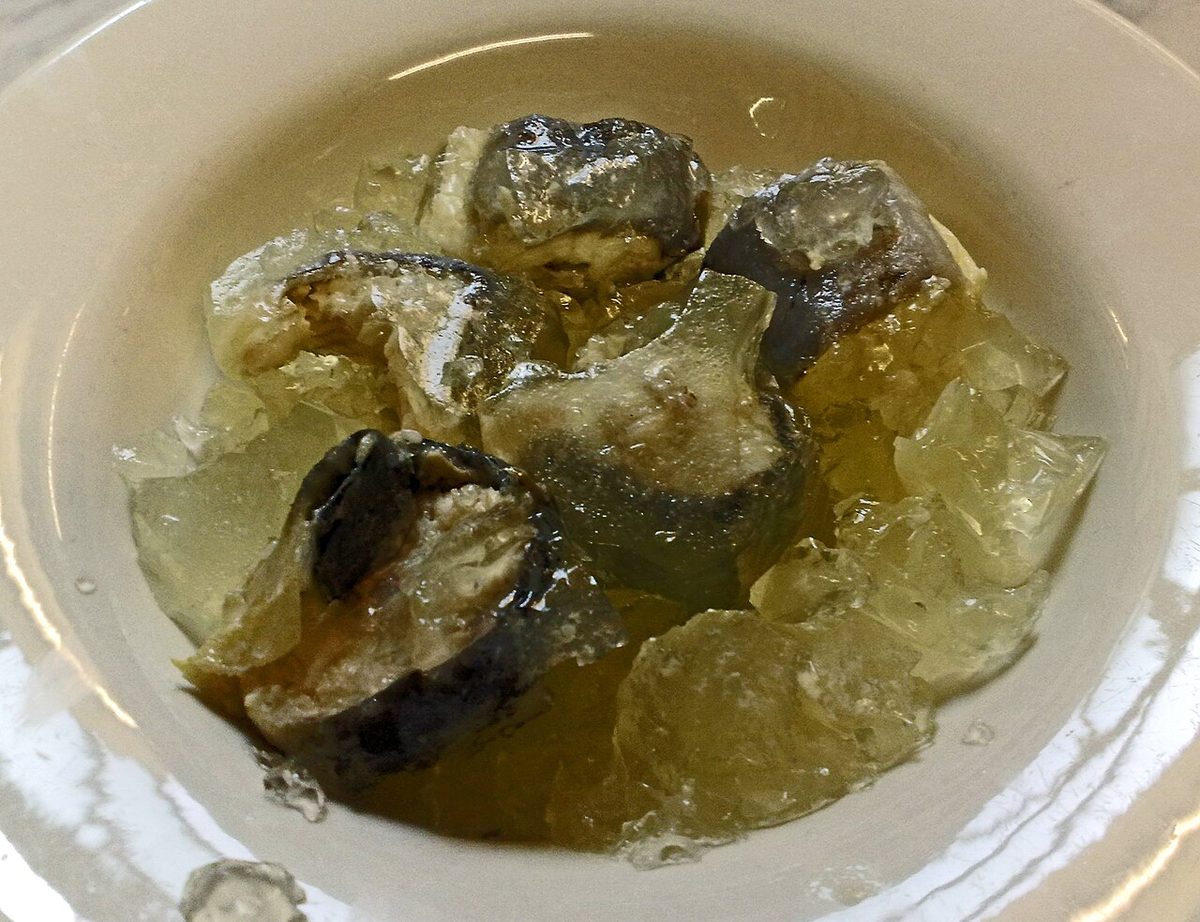
Photo: Secretlondon / CC BY-SA 3.0 (Wikimedia Commons) Jellied eels
ジェリード・イール
Chopped European eels simmered in a spiced stock of water, vinegar, nutmeg, and lemon juice that cools into a savoury jelly. The dish originated in 18th-century East London when eels were plentiful in the River Thames and sold cheaply to working people.
Served cold in a bowl at pie-and-mash shops, seasoned with malt or chilli vinegar and white pepper.
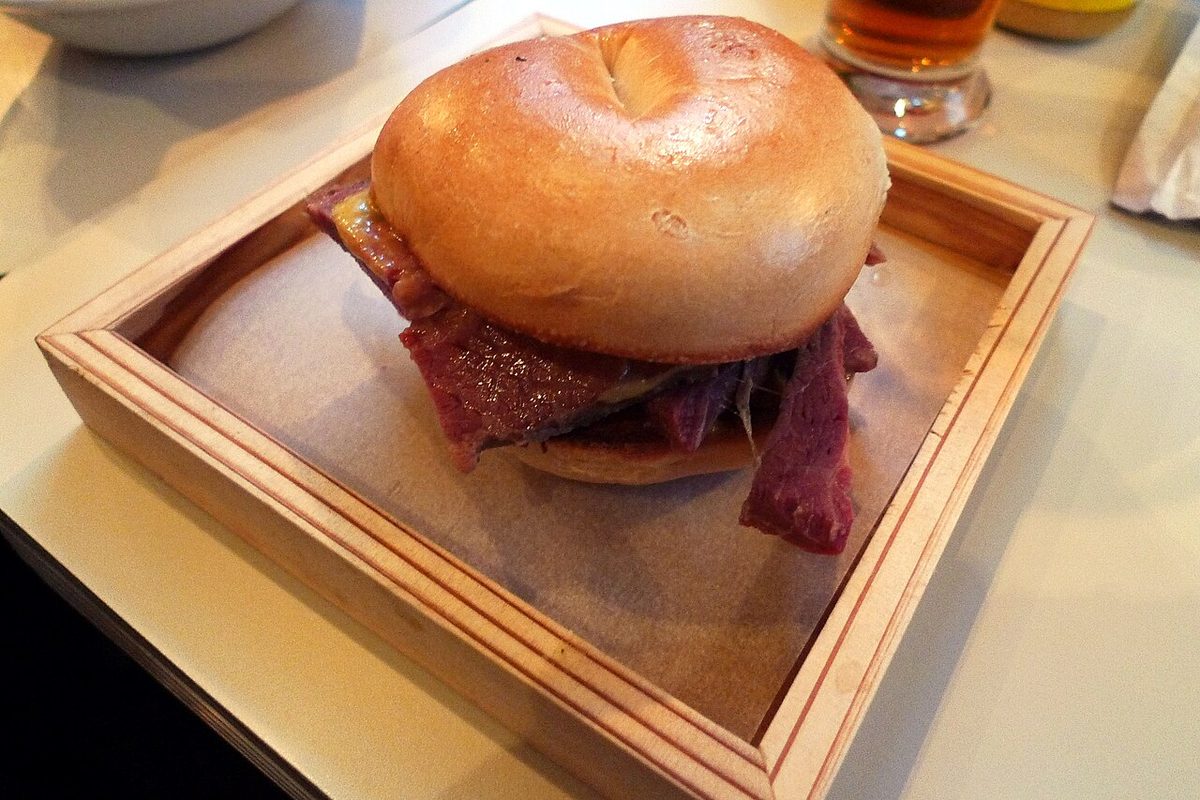
Photo: Ewan Munro from London, UK / CC BY-SA 2.0 (Wikimedia Commons) Salt beef beigel
ソルトビーフ・ベーグル
A dense, chewy Jewish-style beigel that is boiled before baking and filled with thick slices of warm brined beef brisket, English mustard, and sour gherkins. It grew out of the East End's Jewish bakery tradition along Brick Lane, where 24-hour shops such as Beigel Bake (opened 1974) made it a local staple.
Ordered at the counter day or night as a warm hand-held sandwich with mustard and gherkin.
The LATITUDE editors’ 21 picks in London
Our editors verified that these places were open (checked 2026-11-21). Check the official site for hours and closing days before visiting. Sponsored listings are marked.
Save places to your trip list and revisit them in this browser. No account needed.
Editors’ picks on the map
Loading the map
Map data © OpenStreetMap contributors
Watch Maeve's day in London, then walk it
See the day first, then follow the same order on the map, and open it as walking directions in Google Maps. The film is at the top ↑
1 · The day, on the map
Loading the map
2 · Walk it
Open this walk in Google Maps ↗The dotted line shows the order, not the actual streets. A café on the South Bank, A covered market in Southwark, The pub is not on the map. Map data © OpenStreetMap contributors
Maeve's day, in order
1 / 8
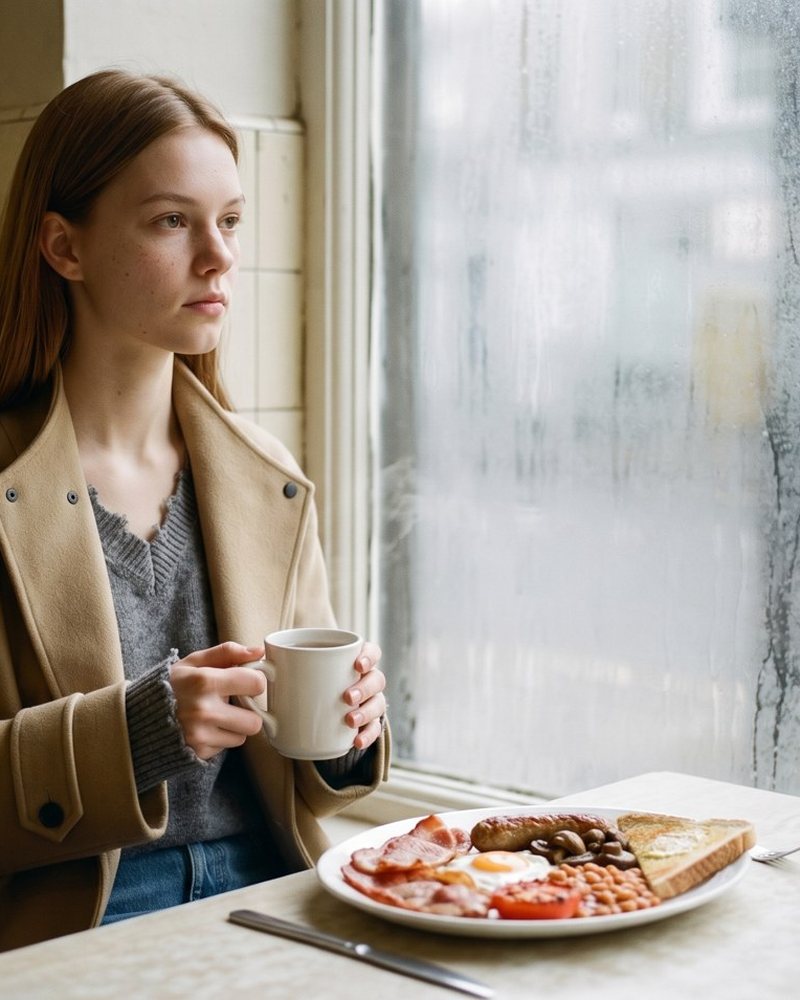
08:15
A café on the South Bank
Tea first, then breakfast.
109:10
National Theatre
Leaning on the board-marked concrete.
212:30
Barbican
Crouching on the dark brick of the highwalks.
Nearby editors’ picks: Sessions Arts Club, Prufrock Coffee, The Quality Chop House
313:15
A bus over London Bridge
Standing on the top deck.
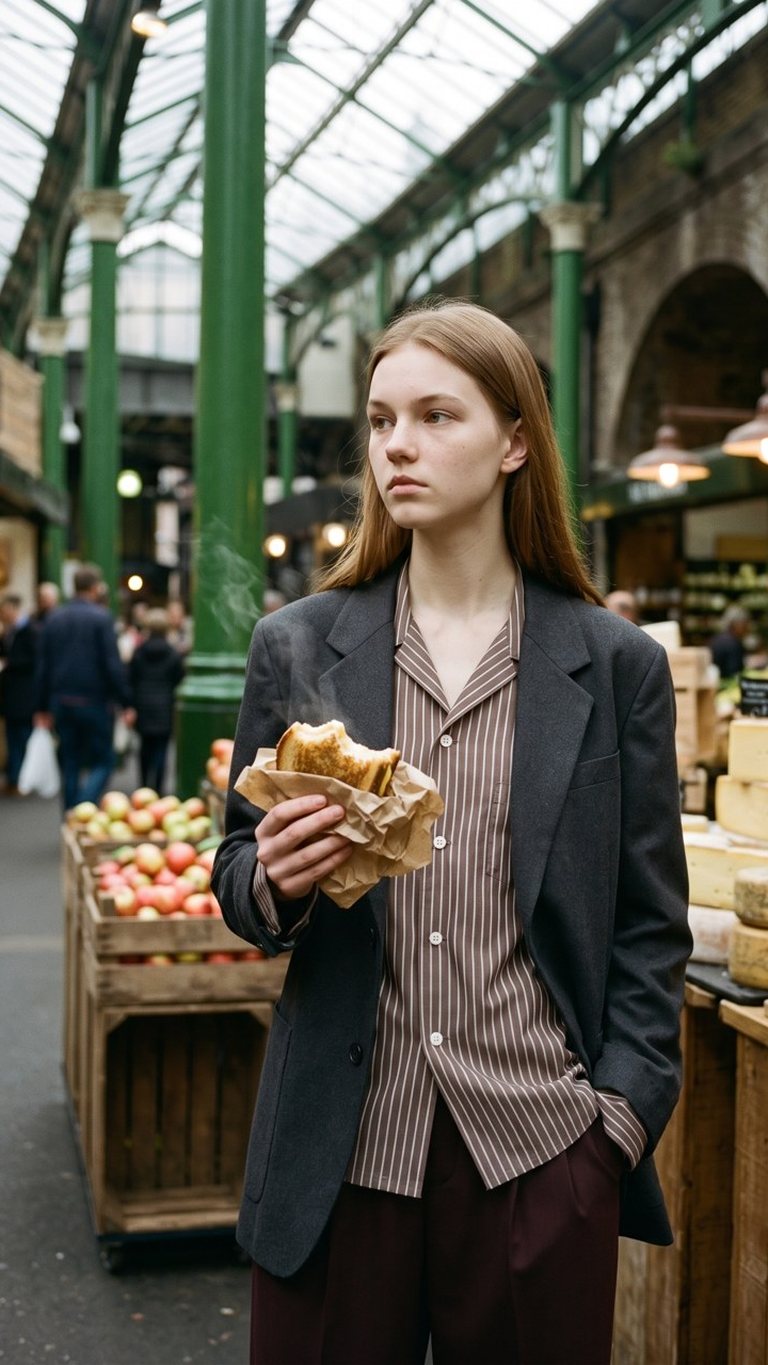
13:40
A covered market in Southwark
Lunch in brown paper, under an iron roof.
Nearby editors’ picks: José, London Glassblowing
416:40
Blackfriars Bridge
Under the bridge, by the red columns of the old railway bridge.
Nearby editors’ picks: Wagumi
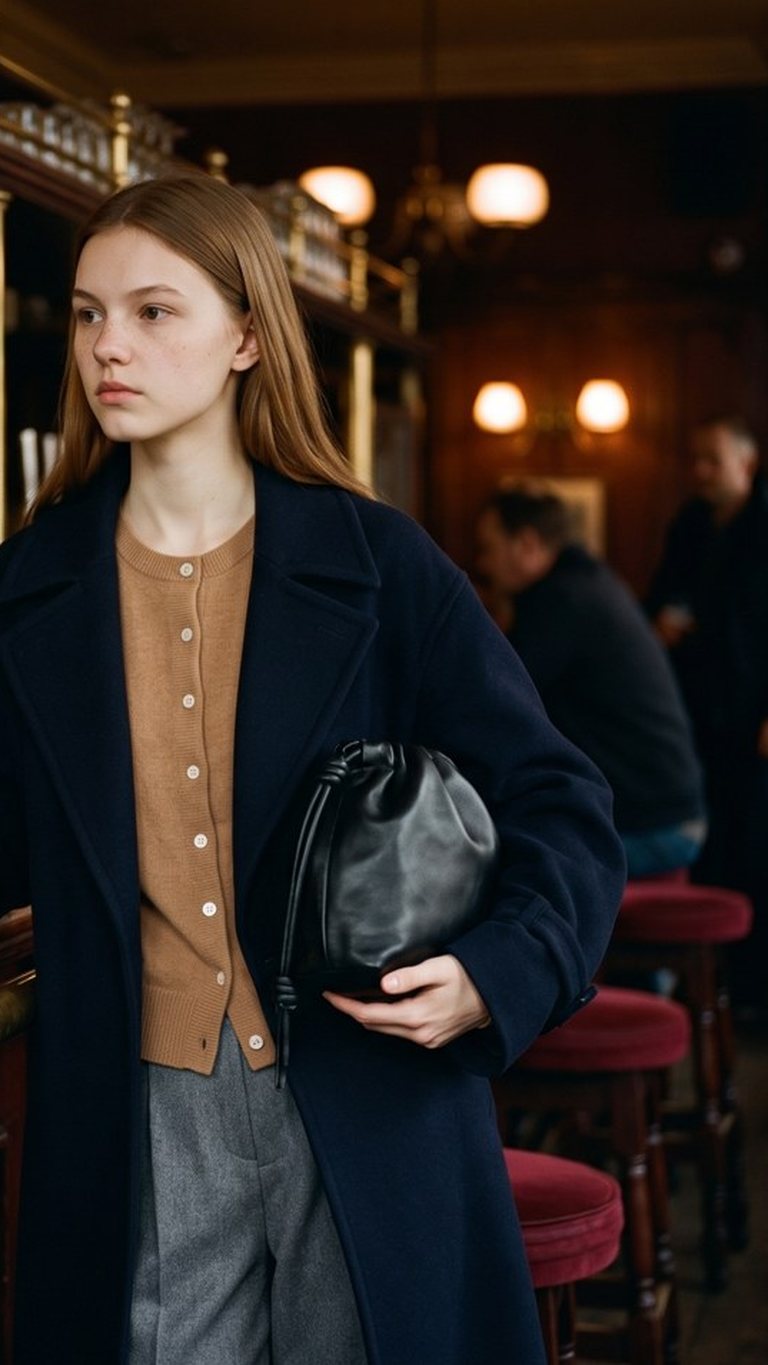
18:30
The pub
A pint of bitter at the bar.
521:30
Millennium Bridge
Walking toward St Paul's.
Browse by category
1 / 24
Clerkenwell
The Quality Chop House
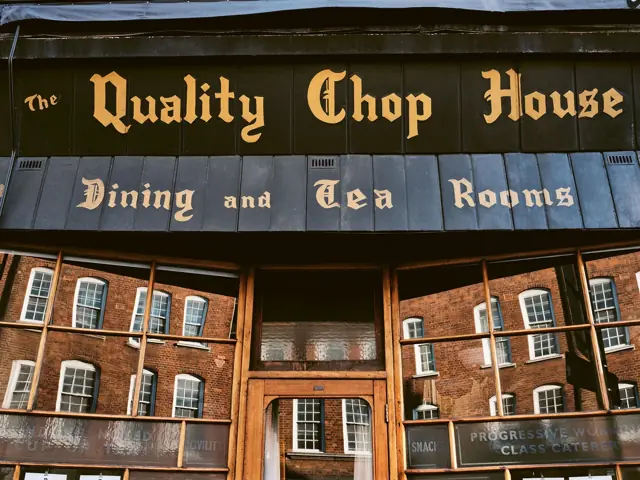
Photo: the shop’s official page A Farringdon Road dining room dating back to 1869, cooking British produce with a focus on steaks and chops.
Lunch Tue–Fri 12:00–14:30, Sat 12:00–14:45, Sun 12:00–15:30; Dinner Mon–Sat 18:00–21:45
Why the editors chose itA dining room dating back to 1869, serving British steaks and chops in a historic workers' canteen.
Clerkenwell
Moro
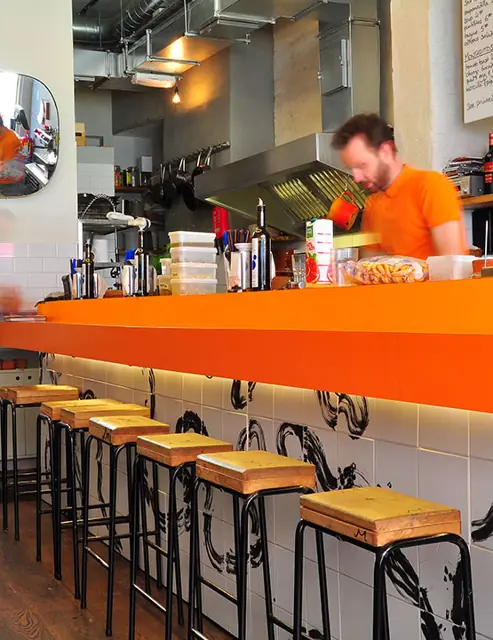
Photo: the shop’s official page A Moorish restaurant on Exmouth Market, opened in 1997 by Sam and Sam Clark after a camper-van journey through Spain, Morocco and the Sahara.
Why the editors chose itOpened in 1997 after a Spain-to-Sahara camper-van trip, dedicated to Moorish cooking on Exmouth Market.
Clerkenwell
Sessions Arts Club
A restaurant in the old judges' dining room of Sessions House, a listed courthouse on Clerkenwell Green, which also runs art and performance programmes; over-18s only.
Lunch Tue–Sat 12:00–14:30 & Sun 12:00–16:30, Dinner Mon–Sat 17:30–22:00
Why the editors chose itSet in a listed courthouse's former judges' dining room, combining dining with art and performances.
Bermondsey
José
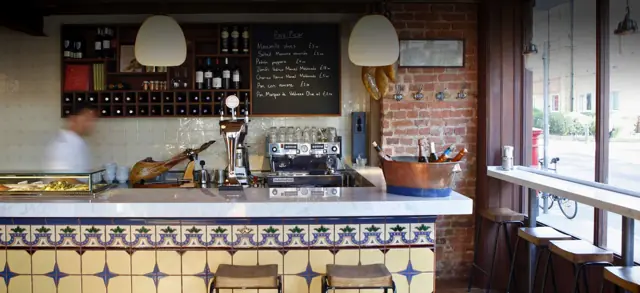
Photo: the shop’s official page José Pizarro's original London tapas bar, opened in 2011: a blackboard menu built from the market and around fifty Spanish wines and sherries by the glass. No reservations.
Mon–Sat 12:00–22:15, Sun 12:00–21:00
Why the editors chose itWalk in without a reservation for blackboard market tapas and around fifty Spanish wines by the glass.
Shoreditch
Rochelle Canteen
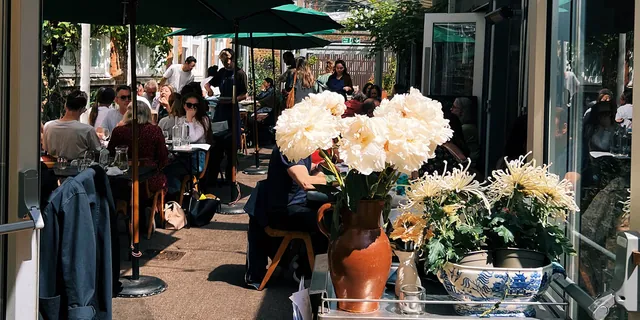
Photo: the shop’s official page Margot Henderson's canteen in a walled garden, opened in 2004 with one big shared table, cooking a small menu that changes daily.
Why the editors chose itMargot Henderson's canteen inside a walled garden, cooking a small menu that changes every day.
Shoreditch
Brat
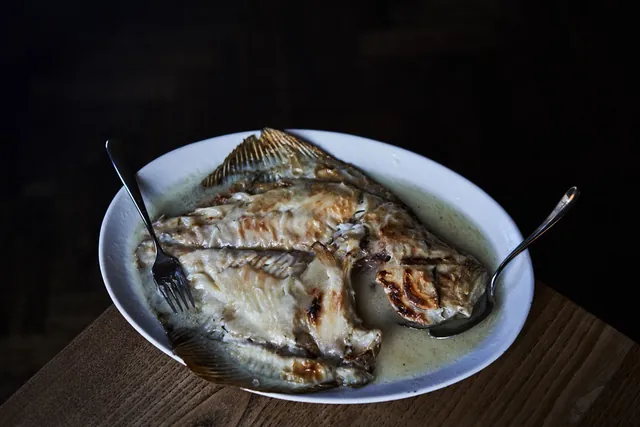
Photo: the shop’s official page A first-floor restaurant in a former pub on Redchurch Street, inspired by Basque cooking and built around the fire.
Why the editors chose itSet upstairs in a former pub, dedicated to Basque-inspired cooking over an open fire.
From Maeve's day
Bermondsey
Monmouth Coffee Company
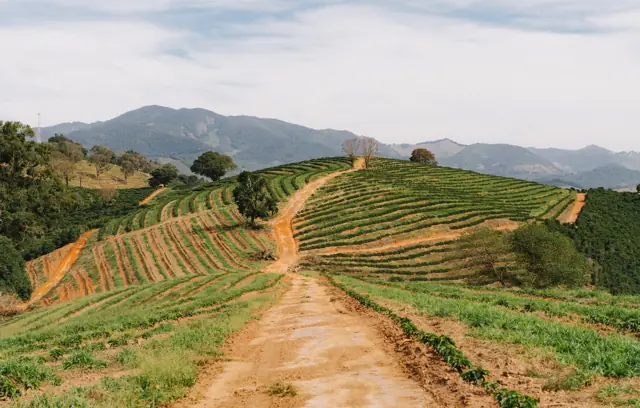
Photo: the shop’s official page The Bermondsey shop of Monmouth Coffee, which began on Monmouth Street in 1978 and roasts coffee bought from single farms; no paper cups.
Mon–Sat 08:00–19:00 (Covent Garden) · Closed: Sundays
Why the editors chose itRoasting single-farm beans with a strict no-paper-cups policy in Bermondsey.
Holborn
Prufrock Coffee
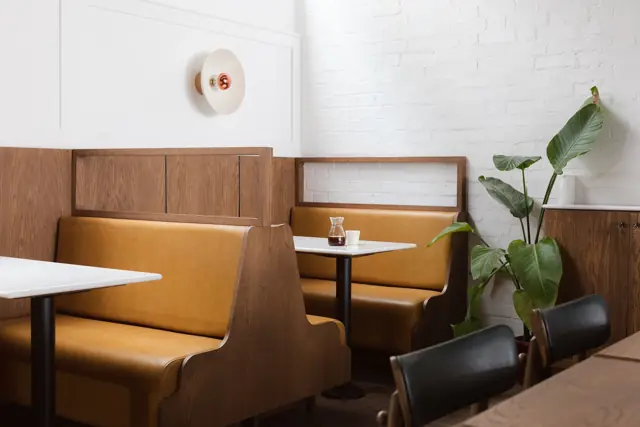
Photo: the shop’s official page A coffee bar on Leather Lane since 2011, serving Square Mile alongside guest roasters from Europe, with an ever-changing coffee list and its own barista training centre.
Mon–Fri 07:30–16:30, Sat 08:00–17:00, Sun 09:00–17:00
Why the editors chose itA barista training centre pouring Square Mile alongside an ever-changing list of European guest roasters.
Mayfair
Postcard Teas
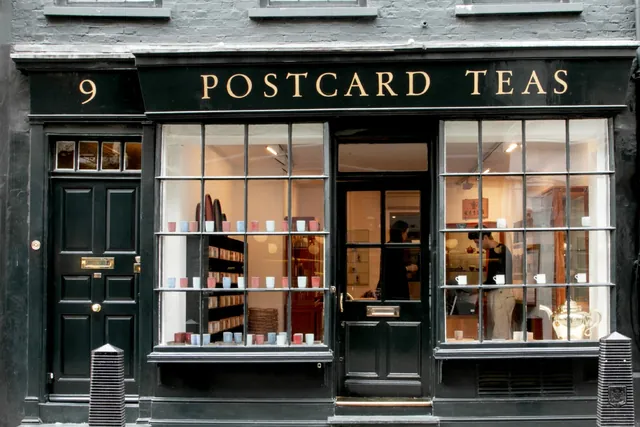
Photo: the shop’s official page Founded in Mayfair by Timothy d'Offay in 2000, this tea shop names the maker and farm location on every packet and has sourced exclusively from micro-farms under 15 acres since 2012. Set just off New Bond Street, the small room also stocks Japanese teaware such as Kaikado caddies and Asahiyaki ceramics, and hosts tastings, ambient tea service and Tea School workshops.
Why the editors chose itSourcing exclusively from micro-farms under 15 acres, with every packet naming its maker and tastings held in-store.
Soho
Algerian Coffee Stores
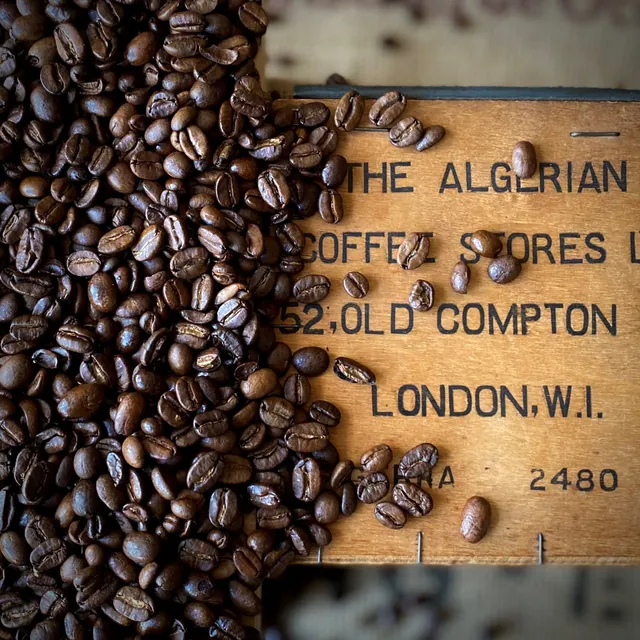
Photo: the shop’s official page Opened on Soho's Old Compton Street in 1887 and run by the same family since 1946, now under third-generation sisters Marisa and Daniela Crocetta, this shop still keeps its original fascia, 19th-century wooden counter, bespoke shelving and old pricelists. Coffee is roasted twice a week and bagged to order alongside loose-leaf teas and confectionery, with takeaway espresso served at the counter.
Why the editors chose itOperating since 1887 with its 19th-century counter, roasting beans twice a week and bagging them to order.
West Hampstead
Lanka

Photo: the shop’s official page Opened in 2010 by Japanese chef Masayuki Hara, who came to London in the late 1980s to work at Le Gavroche, this takeaway-only patisserie has stood on Goldhurst Terrace near Finchley Road since 2012. With no seating inside, the small shop offers handmade French-style cakes alongside original Ceylon teas produced with Euphorium Tea Salon in Sri Lanka and photo books by house photographer Kumi Saito.
Why the editors chose itA takeaway-only patisserie by a Japanese Le Gavroche alumnus pairing handmade French cakes with bespoke Ceylon teas.
Peckham
Melange Chocolate
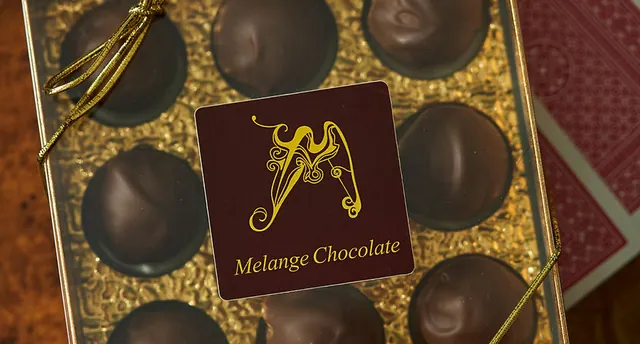
Photo: the shop’s official page Founded in Peckham by chocolatier Isabelle Alaya on Bellenden Road in 2008, this chocolate shop and cafe moved to 2 Maxted Road in 2016. Alaya makes 18 handmade flavoured chocolate bars and truffles combining spices, herbs and fruits, alongside her own recipe for Melange hot chocolate and Saturday truffle-making workshops.
Why the editors chose itEighteen handmade spice, herb and fruit chocolate bars alongside house hot chocolate and Saturday truffle workshops.
Made in London
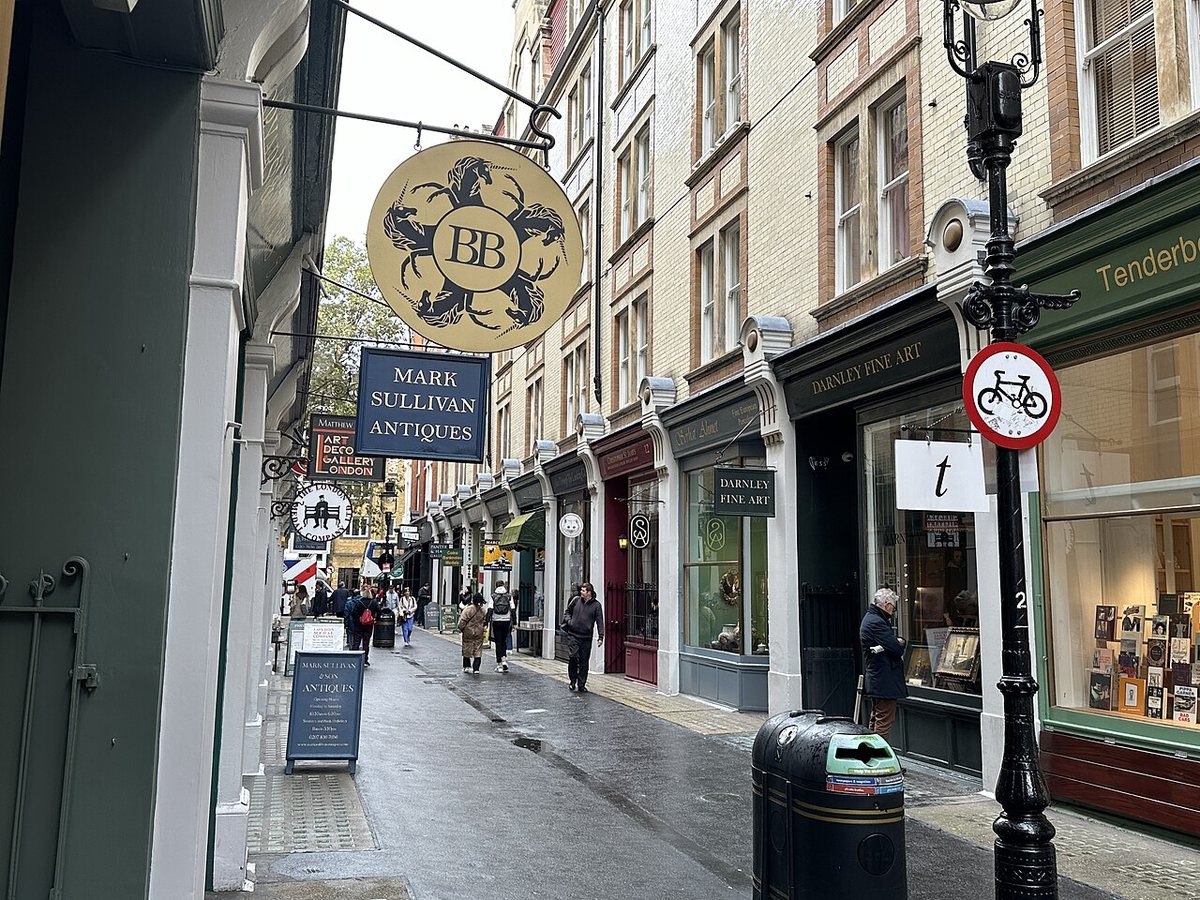
London has long been the centre of British publishing and the rare-book trade. Cecil Court, Bloomsbury and Mayfair still hold dealers with long histories, such as Sotheran's (1761) and Maggs (1850s).
Bookshop facades and window displays along Cecil Court in London·Photo: Matt Brown / CC BY 2.0 (Wikimedia Commons)
Bloomsbury
Jarndyce Antiquarian Booksellers
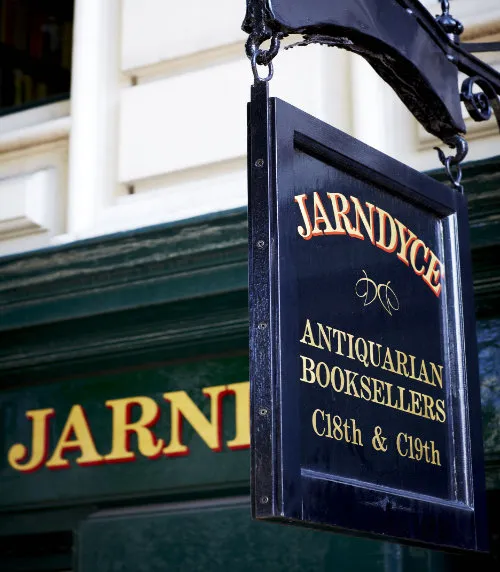
Photo: the shop’s official page An antiquarian bookseller opposite the British Museum, dealing mainly in 18th- and 19th-century English books, pamphlets and broadsides, including Dickens catalogues. Open weekdays 11am–5.30pm.
Mon–Fri 11:00–17:30
Why the editors chose itOpposite the British Museum, specializing in 18th- and 19th-century English books, broadsides and Dickens.
Mayfair
Heywood Hill
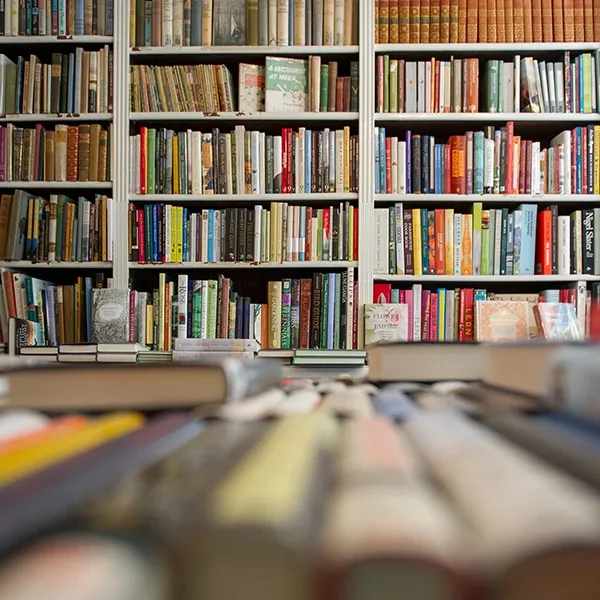
Photo: the shop’s official page A bookshop selling old and new books on Curzon Street since August 1936, also known for subscriptions of books chosen for each reader. Open weekdays 9.30am–6pm.
Mon–Fri 09:30–18:00
Why the editors chose itSelling old and new books since 1936, known for subscriptions tailored to each individual reader.
Covent Garden
Stanfords
A map and travel bookshop founded by Edward Stanford in 1853, selling maps, travel books, atlases and globes; it moved from its long-time Long Acre home to Mercer Walk in 2019.
Why the editors chose itA specialist map and travel bookshop founded in 1853, stocked with atlases, globes and guides.
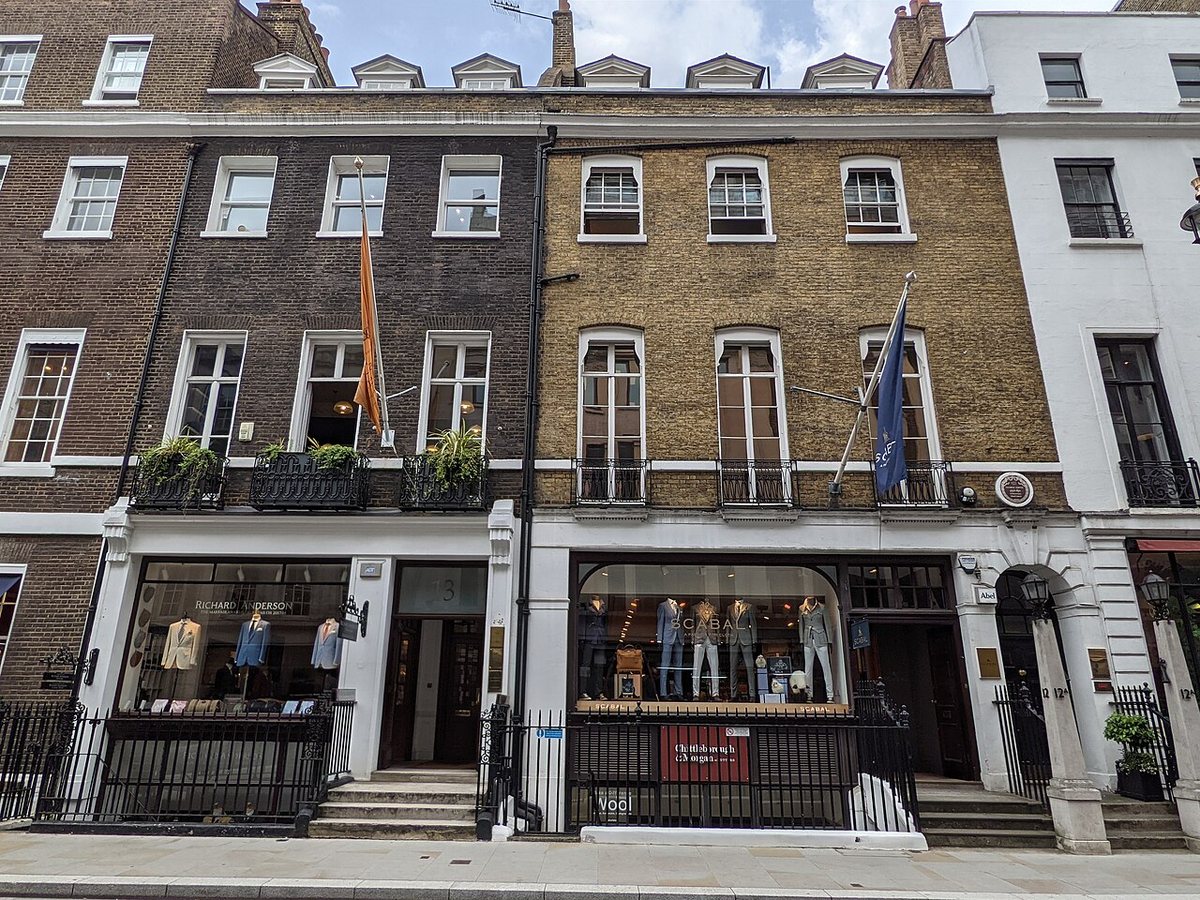
Made in London
Savile Row in Mayfair has been the street of bespoke tailors since the 19th century, and nearby old makers of hats and umbrellas still make and repair by hand on their own premises.
Georgian townhouses and tailored suit windows at 12-13 Savile Row, London·Photo: Magnus Manske / CC BY-SA 3.0 (Wikimedia Commons)
Mayfair
Henry Poole & Co
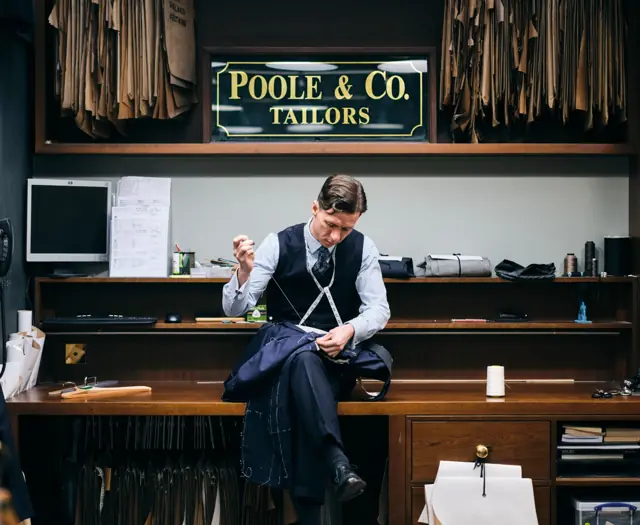
Photo: the shop’s official page A bespoke tailor founded in 1806, one of the oldest houses on Savile Row, still cutting each suit to an individual pattern; it marked its 220th year in 2026.
Mon–Fri 09:00–17:15
Why the editors chose itOne of Savile Row's oldest houses since 1806, still cutting each bespoke suit to an individual pattern.
St James's
Lock & Co. Hatters
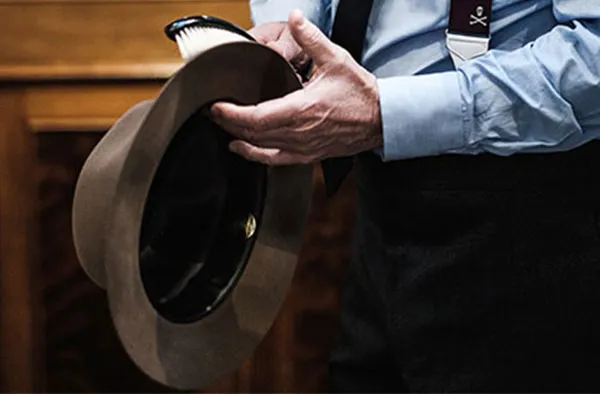
Photo: the shop’s official page A hat shop whose business began in 1676 and has been at 6 St James's Street since 1765; women's couture hats are made by hand in the workroom under the roof, where repairs and re-blocking are also done. It turned 350 in 2026.
Why the editors chose itA hat shop dating to 1676 whose roof workroom still hand-makes, repairs and re-blocks hats.
Bloomsbury
James Smith & Sons
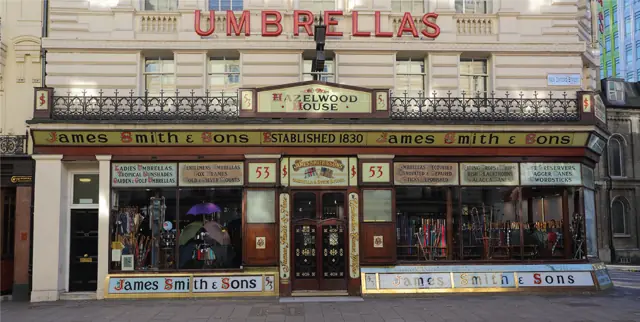
Photo: the shop’s official page An umbrella and walking-stick shop founded in 1830, with its Victorian shopfront intact; some umbrellas are made, and repairs done, in the basement workshop.
Why the editors chose itA Victorian-fronted umbrella and walking-stick shop from 1830 with an active basement workshop for making and repairs.
South Bank
Wagumi
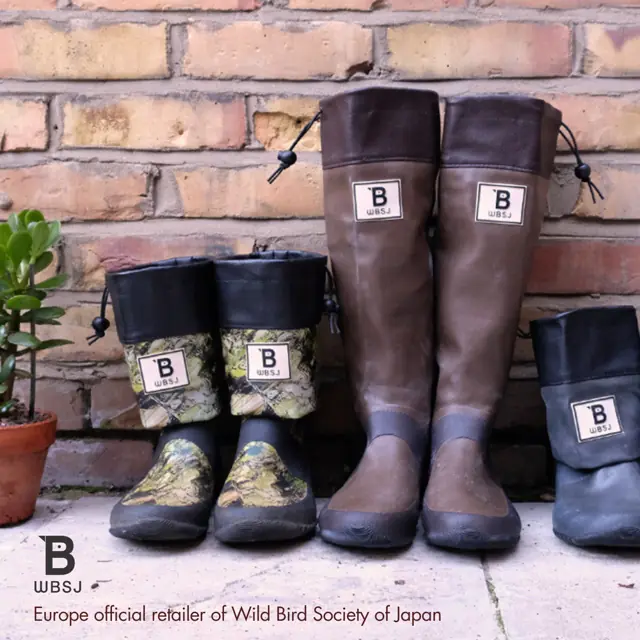
Photo: the shop’s official page A shop for Japanese craft in Oxo Tower Wharf, open since 2011, with ceramics from Kasama potters, teaware and lacquerware, plus regular exhibitions.
Tue–Sun 11:00–18:00 · Closed: Mondayschecked Nov 2026
Why the editors chose itIn Oxo Tower Wharf since 2011, specializing in Kasama pottery, Japanese teaware and lacquerware.
Bermondsey
London Glassblowing
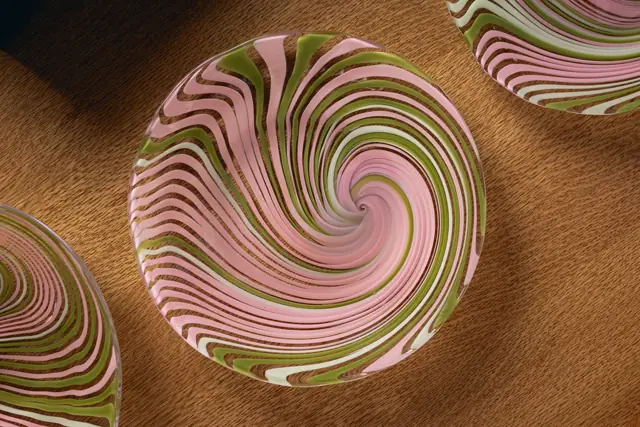
Photo: the shop’s official page A hot-glass studio and gallery founded by Peter Layton in 1976, showing and selling blown-glass vases, bowls and sculptural pieces.
Tue–Sat 10:00–17:00, Sun 11:00–17:00
Why the editors chose itA hot-glass studio and gallery founded in 1976 where blown-glass vases and bowls are shown and sold.
Hackney
Klei
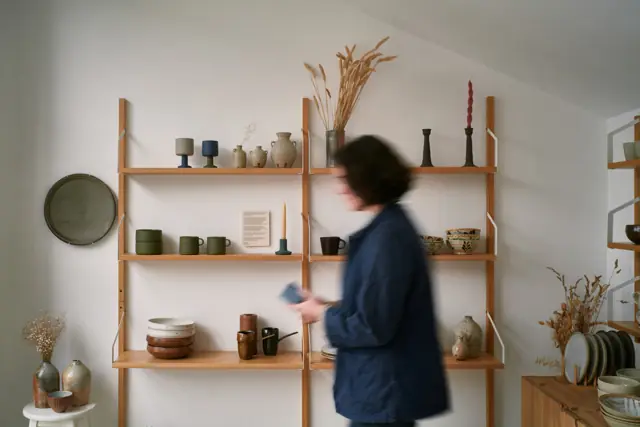
Photo: the shop’s official page An independent ceramics shop on Hackney Road, founded in 2018 and run by potter Skye Corewijn, showing work by London and UK makers.
Wed–Sun 11:00–18:00
Why the editors chose itRun by potter Skye Corewijn on Hackney Road, gathering ceramics by London and UK makers.
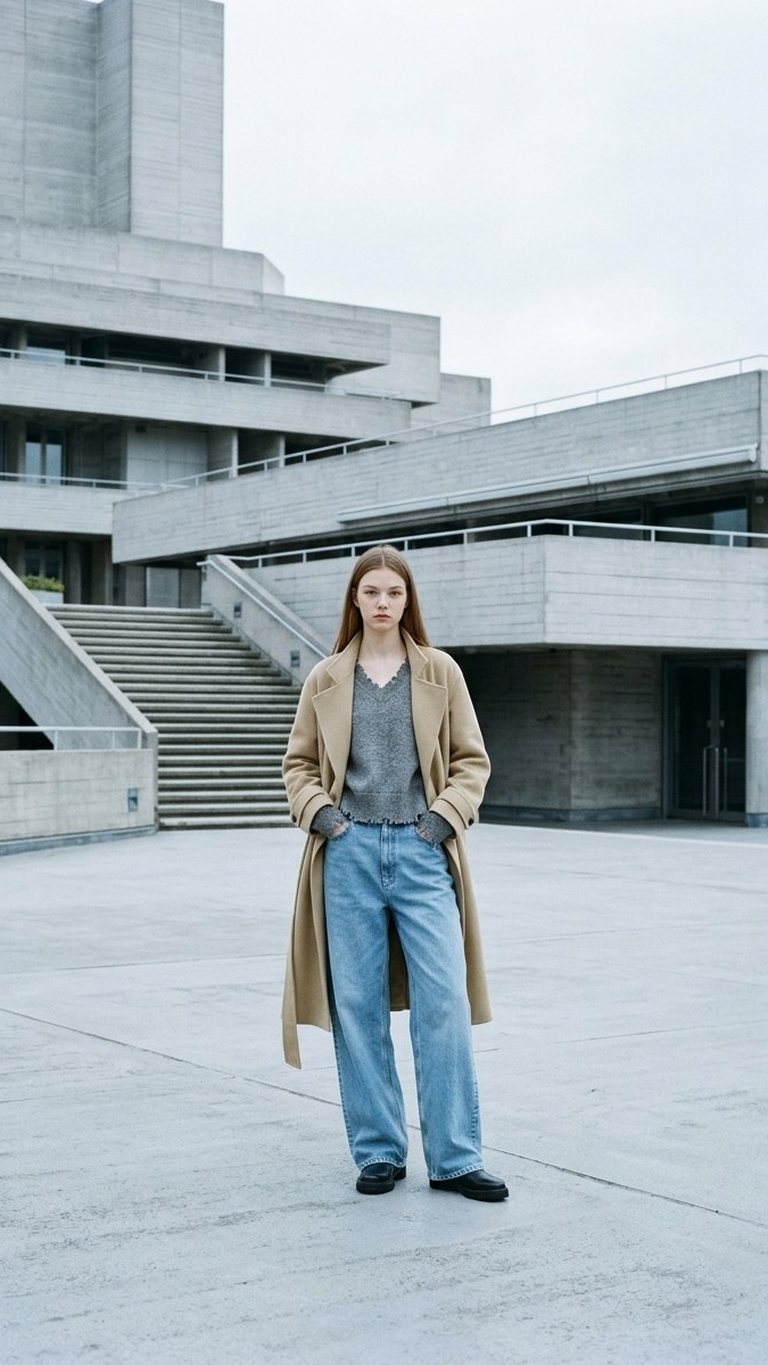
What to wear in London, november
- Around 12°C by day and 4°C at night (Kew Gardens, 1991–2020 averages).
- Rain is likely, and the light goes before five.
- In October a jacket over a knit is enough. In December, the long coat and a scarf.
Questions people ask
- Where can I see or buy Antiquarian books and bookshops, Bespoke tailoring and London makers, Craft in London?
Antiquarian books and bookshops: Jarndyce Antiquarian Booksellers (Bloomsbury), Heywood Hill (Mayfair), Stanfords (Covent Garden)
Bespoke tailoring and London makers: Henry Poole & Co (Mayfair), Lock & Co. Hatters (St James's), James Smith & Sons (Bloomsbury)
Craft: Wagumi (South Bank), London Glassblowing (Bermondsey), Klei (Hackney)
- Which places in London open by 9 in the morning?
Prufrock Coffee (Holborn, Mon–Fri 07:30–16:30, Sat 08:00–17:00, Sun 09:00–17:00)
Monmouth Coffee Company (Bermondsey, Mon–Sat 08:00–19:00 (Covent Garden))
Every place was checked to be open in November 2026. Hours can change, so please check the official site before you go.
If you like London
- Edinburgh
Scotland, United Kingdom
For example, Klei here, and Cyan Clayworks in Edinburgh.
- Vienna
Austria
For example, London Glassblowing here, and J. & L. Lobmeyr in Vienna.
- Reykjavík
Iceland
For example, Klei here, and Kaolin Ceramic Gallery in Reykjavík.
Chosen by how close the towns and their places are in what they make and serve.


